EVIL’S PERSONIFICATION

One asks oneself, what leaders in the world today have remorse for the incarcerations, torture, and killings for which they are responsible? What remorse is there in Putin’s, Ayatollah Ali Khamenei’s, Prime Minister Netanyahu’s, and even our American President’s thoughts?

Books of Interest
 Website: chetyarbrough.blog

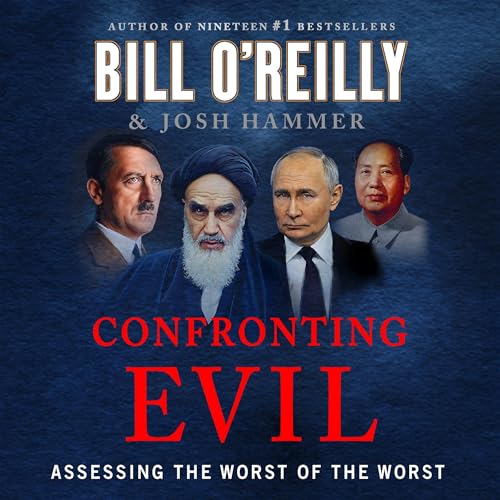
CONFRONTING EVIL (Assessing the Worst of the Worst)

Author: Bill O’Reilly, Josh Hammer

Narrated By: Robert Petkoff
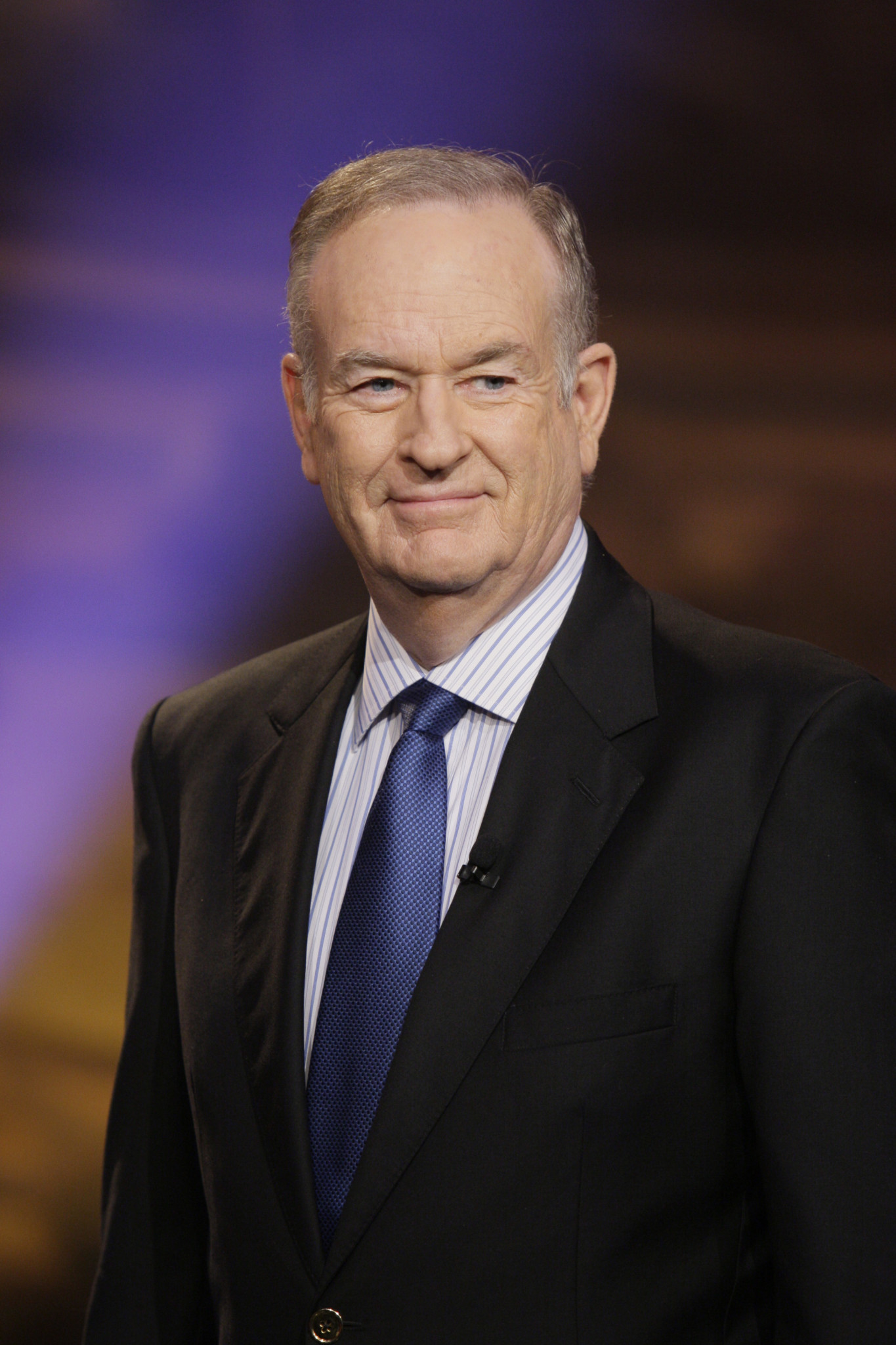
Bill O’Reilly, American conservative commentator, journalist, author, and television host. Josh Hammer, American conservative commentator, attorney, co-author, and columnist.

History taken out of the context of its time often distorts the reality of the past.

“Confronting Evil” is an interesting if not nuanced history of the most notorious leaders in the world. They were responsible for the torture, incarceration, and death of millions. As is true of most if not all histories of famous and infamous leaders, historians and pundits choose facts that reinforce their view of world’ history. Even the best historian is influenced by the time in which they write and their choice of facts.

Nathan Bedford Forest (1821-1877, General in the Confederate States of America during the Civil War.)

One is appalled by the truth of Nathan Bedford Forest’s view of slavery during America’s Civil War. Forest directed the slaughter of people based on the color of their skin. Forest condoned the murder of all who believed in equality of human beings. Forest is considered a hero to some but with the passage of time and a growing belief in human equality, Forest is recognized as a despicable human being by those who know the history of his life and profession. The evidence of science and human accomplishment show that the color of one’s skin is no measure of intelligence or capability. Forest’s mistreatment of slaves and the wealth he created from trading in slaves is reported in this history. By many measures, Forest is shown as an evil person by O’Reilly and Hammer.

The rule of Genghis Kahn is said to have caused the death of 40 million people, an estimated 11% of the global population at his time in history.

Presumed image of Genghis Kahn (1162-1227, Founder and first Khan of the Mongol Empire.)

By some measures, Mao doubled that 40 million number with his “Great Leap Forward”, the “Cultural Revolution”, his labor camp creations, and political purges. Hitler is estimated to have caused the death of 17 million with his genocidal policies while casualties from WWII are estimated at 85 million. Hitler’s antisemitism is born of the same stupidity exhibited by Nathan Bedford Forest in America’s Civil War. The contribution of Jewish society to the world is incalculable.

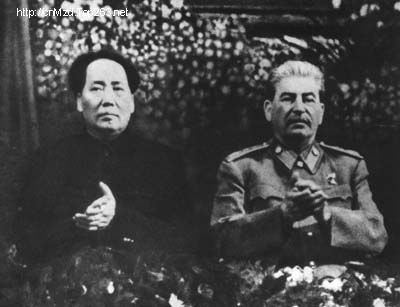
Mao Zedong (1893-1976) Father of the Peoples Republic of China)

Mao’s great leap forward is estimated to have caused the death of 35 to 45 million citizens. The rule of Stalin is estimated to have caused the death of 20 to 60 million U.S.S.R.’ citizens. Stalin’s takeover of Poland, and the Baltics after WWII and his cruelty is remembered by survivors of his rule.

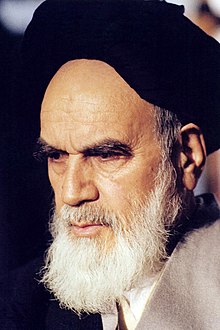
There are many other evil characters in “Confronting Evil”. In the mind of westerners, the current leaders of Iran and Russia are evil. The leader of Iran, Ruhollah Khomeini is estimated to have ordered deaths of Iranians that exceed 250,000 since his takeover in 1979. Though he has passed, the succession of Ayatollah Ali Khamenei has carried on with tens of thousands who have died in Iran’s involvement with Hamas in Palestine, Syria, Iraq, Yemen, and Lebanon. The predecessor of the religious leaders of Iran was Mohammad Reza Shah Pahlavi who reigned from 1941-1970. Pahlavi is estimated to have murdered 3,000 to 20,000 during his reign. These leaders ruled over an impoverished state but incomes per capita fell from $34,660 during the Shah’s reign to $3,150 under Khomeini’s rule. An irony is that income inequality hugely increased in Iran during Khomeini’s rule. Nuanced reality is that poverty and victimization of Iranians is more widely spread under Khomeini than under the former Shah. On an economic scale it appears Khomeini’s evil as a leader exceeds the Shah’s rule. Added to the economic difference is the religious zealotry of Khomeini which widened the gap of sexual inequality in Iran.

Ruhollah Khomeini (1st Supreme Leader of Iran, 1979-1989)
Ayatollah Ali Khamenei (Current leader of Iran.)

The authors address the illicit drug industry and the evil of Pablo Escobar in Columbia and “El Chapo” Guzmán in Mexico. Escobar was killed in 1993 when pursued by drug enforcement officers while Guzmán is serving a life sentence in the U.S. The drug industry continues to thrive despite the harm it is doing to America and the world. The leaders of the criminal drug industry care nothing for the consequence of their actions because of the wealth and power the illicit trade offers.

Pablo Escobar (now deceased) noted on the left with “El Chapo”(arrested and imprisoned in America) on the right.

The last two chapters of “Confronting Evil” offer a pithy definition of evil. Evil is defined as doing harm without remorse. One doubts any of the leaders noted by the authors have or had any remorse for the atrocities they have committed. Whether they rationalize their behavior for the good of their people, their religion, or their country—they are evil by O’Reilly and Hammer’s definition. One doubts any of the leaders noted in “Confronting Evil” are remorseful.

One asks oneself, what leaders in the world today have remorse for the incarcerations, torture, and killings for which they are responsible? What remorse is there in Putin’s, Ayatollah Ali Khamenei’s, Prime Minister Netanyahu’s, and even our American President’s thoughts?

MEDIA PLATFORMS

Cory Doctorow shows how the American public is being taken advantage of by today’s major private media owners and manipulators.

Books of Interest
 Website: chetyarbrough.blog

Enshittification

AuthorCory Doctorow

Narrated By: Martin Sheen

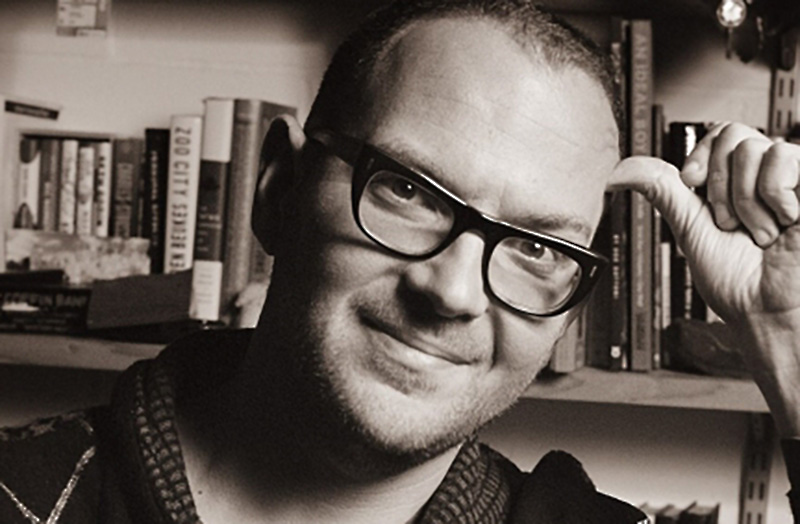
Cory Doctorow (Author, Canadian-British blogger, journalist)

Despite the poor choice of titles for Cory Doctorow’s book, his theme of internet corruption is inevitable because of the nature of human beings. The corruption of which Doctorow writes is evident in most mega-corporations and governments. The only difference is in their motivation, i.e. whether it is money, power, or both in world organizations.

Elon Musk (Businessman, billionaire, entrepreneur, leader of Tesla, SpaceX, Twitter, and xAI.)

The first part of Doctorow’s book is an evisceration of the famous Elon Musk. Not surprisingly, Doctorow is not a fan of Elon Musk. Musk is an example of the theme of Doctorow’s book. Musk’s acquisition and decimation of a widely used communication platform known as Twitter exemplifies “Enshittification”. Doctorow infers Musk’s desire to have a free speech forum is actually a betrayal of the principle of free speech. The reality is that Musk has only created a Megaphone for his personal biased beliefs. Musk’s first action in the Twitter acquisition is to fire essential employees to reduce costs of operation. One presumes from Doctorow’s theme that Musk’s first step results in “Enshittification” of Twitter. Twitter’s new name is “X”. “X”s value has plummeted just as the American government’s service to the poor has fallen. With Musk’s singular focus on reducing cost, without consideration of effectiveness, enshittification is virtually guaranteed by Musk’s actions.

(Though not mentioned by Doctorow, it seems to this critic, that Musk’s firing of government employees under Trump, is similar to the dismantling of Twitter. The firing of government employees results in citizen-service’ losses equivalent to Twitter’s loss of advertisers.)

Traditional media is a one-way broadcast of information whereas the Internet is two-way interactive communication. Anyone can publish on the internet while singular corporations or institutions that own traditional media have only a one-way form of communication. The internet is global, instant, and decentralized while traditional media is scheduled for delivery and centralized. Access with on-demand, 24/7 internet are not time-bound like traditional media. The cost of using the internet is low and often free while traditional media entails infrastructure costs.

Trouble arises with the internet because of its ubiquitous availability while traditional media is singularly targeted.

The internet is immediate while publications are period based. It is possible to precisely and instantaneously measure internet responses based on clicks, views, and engagement while traditional media relies on third party analysis by publishers or by hired companies like Nielsen. Doctorow shows how differences between internet and traditional media exacerbate loss of privacy and increase potential for massive societal disruption. The internet can immediately influence and potentially control social beliefs. In less capitalist and more authoritarian governments the danger of the internet is direct influence and control of its citizens.

In American capitalism, the danger lies more in the drive for profitability than the control of social and political belief.

Doctorow argues America’s social norms are being corrupted by disparate industries that are creating tech platforms to monopolize product consumption only for economic gain, not service to its users. The consequence erodes trust of the public, distorts accountability, and thwarts free choice. The ruling classes of American society can evade traditional checks and balances. The utility of the internet can be used to distort the truth. Corporate objective is to make more money, not to benefit public discourse, improve product, reduce product cost, or improve service, but to monopolize consumption.

On the one hand, Doctorow acknowledges social media platforms optimize engagement. However, these platforms become forums for outrage, and misinformation that tribalizes society.

Rather than improving connections between people, algorithms are created by users of a media platform to exacerbate outrage, foster conspiracy theories, stir up and ultimately exhaust the public. The objective is increase clicks to make buyers of advertising to purchase time on their platform. As a free society, Doctorow suggests Democracy can mitigate the “Enshittification” by regulating the internet. He argues that one’s use of a platform should not monopolize personal information by restricting one’s right to take their information with them if they become unhappy. Platforms should not be prisons that restrict users legal right to their personal information if they choose to change platform providers. He argues for a breakup of major providers like Amazon, Facebook, Google, X, and Adobe.

Doctorow argues for more transparency in the algorithms being used by media platforms.

The public should be informed about how a platform’s algorithms are being used to steer the public. Individuals should be given the opportunity to opt out of algorithmic categories if they wish. Regulatory agencies should be created with the right to enforce consumer protections. He notes the EU’s move to require platform accountability. In general, Doctorow argues that the internet should return to its roots as a space for mutual aid, free expression, and innovation.

Internet Moguls: CEO Google Pichai, CEO Meta Zuckerberg, CEO Apple Cook, Executive Chairman of Amazon Bezos

Doctorow is not the first to propose reform of the internet.

Some time back, Tim Wu, a Columbia law professor, notes that Amazon, Apple, Facebook, and Google had shifted from serving users to extracting value from them. He argued for antitrust enforcement, regulation, and restrictions on content and infrastructure. American Democracy is a safer environment for public media than what is being experienced in countries like China and Russia where all media is tightly controlled by the government. However, Doctorow shows how the American public is being taken advantage of by today’s major private media owners and manipulators.

Doctorow argues for the breakup of internet companies that have become too big. He believes returning the internet to the service of society requires a more level playing field to equitably serve the public.

TYRANNY

Arresting people based on their appearance without judicial review puts America on the slippery slope of authoritarian tyranny.

Opinion Page
 Website: chetyarbrough.blog

Chet Yarbrough

Today, the idea of Aryan endorses the absurd belief in white, Anglo-Saxon supremacy. Research shows a French aristocrat (de Gobineau), and a British-German philosopher named Chamberlain, defined Aryans as a superior white race.

However, there are many ideas and speculations revealed by the Durants’ history of civilization.

In the Durrants’ research, the word Aryan was originally used as a descriptive word for the Brahmin class in ancient India. The Durants noted the word Aryan in their history of civilization meant “noble” or “distinguished”. The criteria of India’s Brahmin class are reprehensible to one who believes in “equality of opportunity” professed by America but not practiced by Americans.

Class identity in ancient India does deny the truth of equal opportunity but not based on the color of one’s skin, but on ritual status, occupation, and social custom.

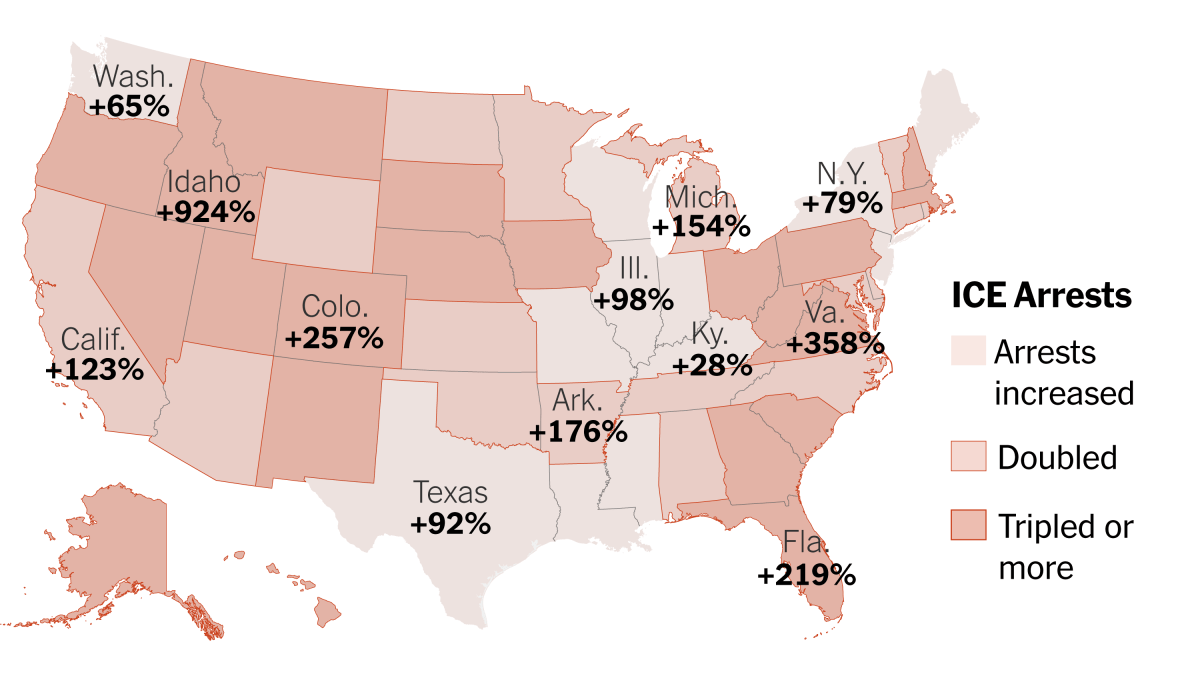
ICE’s accosting citizens because of the difference in the color of their skin is reprehensible. Of course, that has been the criteria for American Blacks before and after the Civil War.

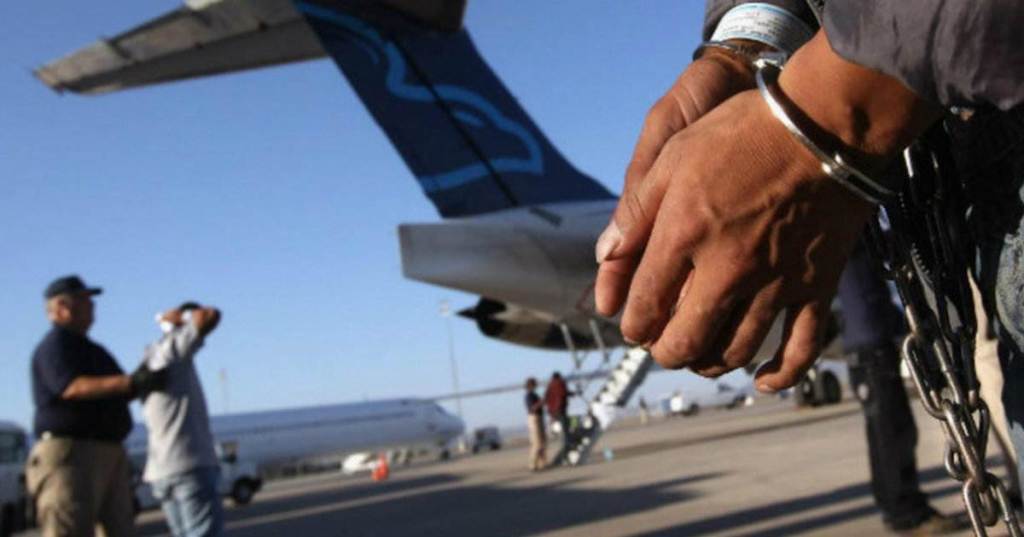
Emigrant injustice is compounded by the failure to adjudicate immigration status before deportation.

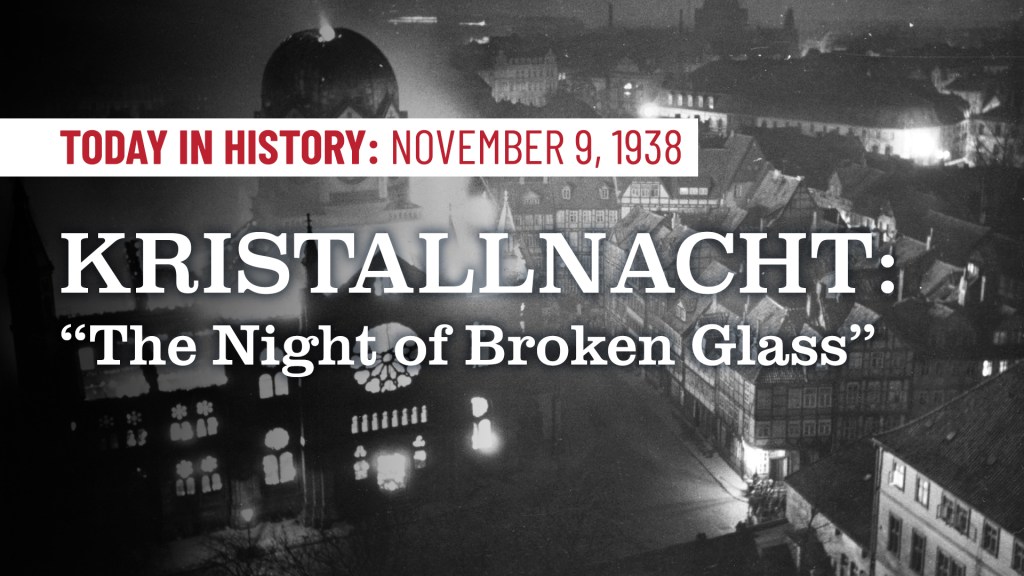
The Administration’s use of force is a reminder of Nazi Germany when Jewish German citizens were being rounded up for believed difference and/or opposition to the government.

This is a picture of the beginning of Jewish discrimination in Nazi Germany with broken windows of businesses owned by Jews.

ICE arrests in America based on his non-white appearance.

Being able to easily identify difference based on physical appearance amplifies the probability of discrimination.

THREE ASIAN AMERICANS BRUTALLIZED IN 2025 BY AMERICAN RACISTS.

What has happened to the principle of “separation of powers” meant to provide a system of checks and balances on the Legislative and Executive branches of the American government? Have we abandoned Separation of Powers, Checks and Balances, power sharing between federal and state governments, the Bill of Rights, Judicial Review, and Electoral Safeguards? The idea of our Constitution is to stop a single branch of the government from dominating our system of government. Have we become a third world country? Today’s “NO KINGS” turn-out offers hope that others agree with the sentiment of this disappointed supporter of American Democracy.

Where is the Supreme Court in this injustice?

Arresting people based on their appearance without judicial review puts America on the slippery slope of authoritarian tyranny.

POLITICAL EVOLUTION

Karoline Kan’s story is very personal, but it offers insight to China that is more informative than many history and political polemics that fail to show what it is to be a Chinese citizen in the 21st century.

Books of Interest
 Website: chetyarbrough.blog

Under Red Skies (Three Generations of Life, Loss, and Hope in China)

AuthorKaroline Kan

Narrated By: Allison Hiroto

Karoline Kan (Author, reporter at Bloomberg, has published in the New York Times, and worked in radio broadcasting, studied at Beijing International Studies University focusing on journalism and writing.)

“Under Red Skies” is a story about Karoline Kan and her life from childhood to adulthood in China. She is based in Beijing, China. Kan writes about life in China before her birth and the change in China after Mao’s death. She provides a rewarding view of China from Mao’s to Deng’s to Xi’s leadership. In ways her story makes one somewhat fearful for her life and freedom, as well as China’s economic miracle and growth as the second most powerful nation in the world. The story of her life presents the puzzle of China’s changing relationship with America and the world. She is subtlety critical of Mao’s rule of China while a beneficiary of the changes wrought by Deng and now Xi in the growing power, economic improvement, and influence of her homeland. She appears to view America positively while being proud of her heritage and particularly appreciative of her mother’s role in her family during great changes in China. She reflects on societal change in respect to the life she lives and what her perceptions are of changes in political leadership wrought by Mao, Deng, and Xi.

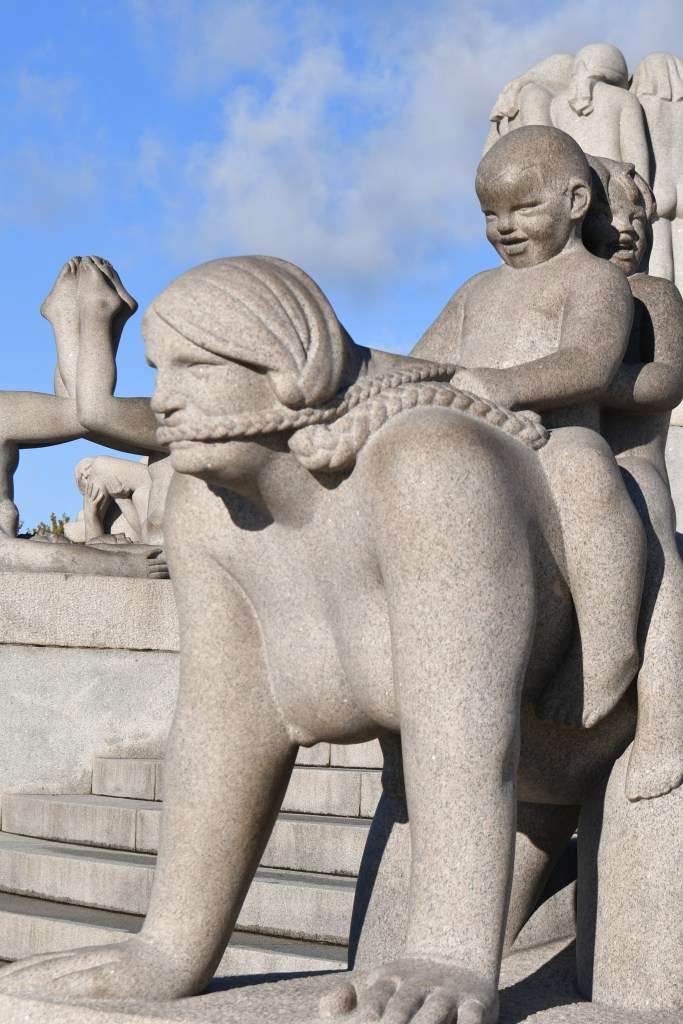
The power and importance of mothers is exhibited by a presentation of this “Circle of Life” exhibit in Norway. To this observer, the statue illustrates the great importance of women in nurturing and educating the world’s future generations. The author’s story reinforces that belief.

Ms. Kan’s mother appears to be a formidable objector to some of Mao’s cutural beliefs by being unwilling to kowtow to government policies that conflict with her personal beliefs. Kan’s mother is the driving force behind the move from rural China to a larger community to improve her family’s lives. Karoline is born when the one child policy is enforced in the early 1980s to the 2000s. Karoline is the second child born to her mother. Her mother faced the financial penalties for having a second child and resisted forced sterilization that became the law of the land during her child-baring years. Karoline Kan’s mother appears a force to be reckoned with by traditional male standards in China and a patriarchal bias that exists in most of the world. By that measure “Under Red Skies” seems like an encomium to Karoline’s mother and a tribute to Kan’s bravery in writing a history of her early life and experience as a Chinese citizen.

Our Chinese guide for a 2o18′ tour of China is noted in the essay titled “70% Leadership“. This young guide reminds me of the author, Karoline Kan.

Kan reflects on ambivalent feelings some Chinese citizens have toward America. She expresses surprise that there seems more dislike by China of America than China should have for Japan. History shows conflicts were much greater with Japan than America. Chinese hate of Japan would presumably be more visceral because of deaths from wars and invasions of China by Japan, i.e., the first in the 1894-1895 Sino-Japanese war; then the invasion by Japan in Manchuria in 1931, a second Sino-Japanese war in 1937-1945, and the Nanjing Massacre that killed an estimated 200,000 to 300,000 imprisoned Chinese citizens. The estimate of Chinese casualties from Japan in these conflicts is 15-22 million. Of course, America fought the Chinese in the Korean war in the 1950s but the casualties were 400,000, with the possibility of as many as a million who died from injury, disease, and exposure. More likely, the hate of America is from the context of China’s ambition to be “second to none” in power and influence in the world. In the end, “ambivalence” is not the same as hate. Having traveled to China just after Xi’s rise to power, my wife and I felt very welcome by most Chinese citizens and businesses.

Communism is a political system that does not believe in God. Of course, neither do Buddhist or Taoist traditions which are the human practices and belief in personal truthfulness, compassion, and forbearance, i.e., spiritual beliefs about living life on earth because that’s all there is to life. There is no after life or heaven to a Buddhist or Taoist. These two spiritual beliefs are practiced widely in Japan and some places in China, like Tibet. Falun Gong, a Buddhist-like religion, arose in 1990s’ China. In the beginning, China accepted its practice, but the Communist Party eventually fought against its growth and labeled it a “heretical organization”. The Party obviously felt Falun Gong interfered with communist ideals. Additionally, there is the ongoing conflict between the Dali Llama and Tibetan belief (a branch of Buddhism) that is also reviled by China’s political leadership. The point is that communism demands fealty to belief in a classless, stateless society, not controlled or influenced by any social or economic belief other than those of the communist’ party. (One cannot help but reflect on Lord Acton’s phrase about “power” that is at the heart of all forms of government in history.)

Kan’s best friend, who finishes high school at the same time as Kan takes a different path, i.e., either because of her work in school, the poverty of her family, or the “bump” that changes her life.

The last chapters of Kan’s story are the personal journey of women in China. Kan is accepted at a University in Bejing. Marriage has evolved in China but still has many of the same matrimonial customs. Marriages of the past were highly arranged and had little to do with love or attraction. In modern China, marriages have become less determined by family arrangement but more by circumstances of a child’s experience. Like children around the world, parents influence but have limited control over a child’s libidinal impulses. The author’s closest friend becomes pregnant from the son of a poor family that is unable to compensate the daughter’s family in a way that some arranged marriages would provide. The lower dowry implies Kan’s friend is destined to live a life of poverty. Kan shows her to become a factory worker to supplement the family’s income. Her work is hard and highly repetitive but the income from both parents working helps them live better lives. With a husband, wife, and one child, her friend decides to have an abortion because another child would be too expensive for them to live a decent life.

Beijing International Studies University is the school Kan attends and receives a degree.

In contrast to Kan’s friend’s life, Kan goes to college where she is housed with women she does not know but are of her age. Kan’s family is presumably able to help her with expenses, and she goes on to become a journalist and writer. Interestingly, all women (and presumably men) are obligated to serve 2 to 4 weeks of military service before beginning a career-related’ education. The implication of this type of regimentation for all college students implies China has wider international ambitions.

The change in China’s culture with the leadership of Deng and Xi is revealed in Kan’s story. It shows the strengths and weaknesses of capitalism and communism. China’s dramatic economic growth is a result of the endorsement of capitalism with a communist autocratic influence. Interestingly, Kan shows China seems on a road to become more American while America seems to become more Chinese.

Kan’s story is very personal, but it offers insight to China that is more informative than many history and political polemics that fail to show what it is to be a Chinese citizen in the 21st century. Kan shows how both China and America have less than perfect systems of government.