MOST INTERESTING ESSAYS 12/4/25: THEORY & TRUTH, MEMORY & INTELLIGENCE, PSYCHIATRY, WRITING, EGYPT IN 2019, LIVE OR DIE, GARDEN OF EDEN, SOCIAL DYSFUNCTION, DEATH ROW, RIGHT & WRONG, FRANTZ FANON, TRUTHINESS, CONSPIRACY, LIBERALITY, LIFE IS LIQUID, BECOMING god-LIKE, TIPPING POINT, VANISHING WORLD
Good luck and safe travels, if you have the time and inclination to visit, go see Dorothy and her companions in Dolan’s immersive theatre.
Travel
Written by Chet Yarbrough
The Sphere in Las Vegas is a must see when visiting Las Vegas.
James Dolan, the executive chairman of Madison Square Garden Company, is credited with the idea of the Las Vegas Sphere.
James Lawrence Dolan (American businessman, supervisor of the New York Knicks, and New York Rangers, former CEO of cable vision, owns 70% of the voting power of the Sphere Entertainment Co., a publicly traded company.)
At the time of the Sphere’s construction in Las Vegas, there was concern about it ever being profitable. The cost of the Sphere exceeded expectations but Dolan’s vision and anyone who has visited the Sphere will be overwhelmed by its sensory impact and entertainment potential. In its first quarter of operation, a 98.4 million operating loss was reported. However, the reported revenue of the Sphere was $314.2 million in 2024 and its showed net inc9ome of $151.8 million in Q2 of 2025 after a previous year’s loss of an estimated $46.6 million.
The Wizard of Oz at the Sphere had mixed reviews when it first came out. We had visited the Sphere when it first opened with a World of life’ presentation. The Wizard was equally astonishing and entertaining.
As the Sphere production introduces unforgettable characters like The Scarecrow, The Tin Man, and the Cowardly Lion, some fans will tear up with the joy of seeing them in the immersive qualities of the Sphere. Viewers will feel the wind of the storm as it sweeps across the Sphere’s dome.
The special effects are amazing. You feel the wind of the hurricane, catch a fake apple from a forest of talking trees that complain about travelers picking their apples, and feel the heat from a fire in the witch’s castle. This is a tour de force of the Sphere’s potential.
Good luck and safe travels, if you have the time and inclination to visit, go see Dorothy and her companions in Dolan’s immersive theatre.
Fredrick Backman’s story shows how the best and worst adults come from the admixture of life. “My Friends” is a funny and barely believable story, written by a highly entertaining and accomplished writer.
Books of Interest Website: chetyarbrough.blog
My Friends (A Novel)
Author: Fredrik Backman
NarratedBy: Marin Ireland
Fredrik Backman (Author, Swedish blogger and columnist, also wrote “A Man Called Ove”.
Fredrik Backman’s “My Friends” is an immensely entertaining story that fulfills the meaning of the word “wry”. A definition of wry is “ironically or grimly humorous”. What “My Friends” shows is that the life of a child is as much luck as innate ability and choice.
The main character of “My Friends” is Louisa, a 17-year-old foster child living on the street. She has a preternatural ability to draw and appreciate a work of art.
Backman’s story infers human beings are born with a genetic inheritance reinforced or discouraged by life experiences. Louisa never knows her father and is raised by a mother who drinks herself to death. Louisa is shunted to a neighbor’s care who abandons her to child services. She escapes into the streets of a city where reader/listeners find her meeting a disheveled and apparently ill person outside an art auction house. Louisa is drawing small red fish on a building wall when she is joined by this stranger who begins drawing skulls on the same wall. This chance meeting changes the course of Louisa’s life.
As luck and circumstance would have it, the artist (Kimkim aka C. Jat) is a painter whose work Louisa has admired over her short years of life. She has carried a post card (which she cherishes) that shows the artist’s famous work that is being auctioned. She does not realize the person she is talking to is the artist.
Monet’s “Water Lillies” as an example of a famous work that has been auctioned several times with the last auction amounting to $65.5 million.
Some days later the artist dies in a hospital with his lifelong friend, Ted, at his side. Ted has purchased the world-renowned painting done by the artist. Ted had bid the highest amount for the work because Kimkim wished to give the work to the young girl he had met painting red fish on the wall on which he was painting skulls. Because of his fame, the painting takes all Kimkim had saved over the years of his life.
A skull painter named Jean-Michel Basquiat is referred to as an artist emulated by Kimkim.
The author has set the table for his story. Kimkim dies and asks his life partner, Ted, to give the painting to the homeless girl. There is a fairy tale quality to the story, but it opens one’s mind to the serendipitous nature of life. Children live lives in a world of other’s making. Formative years of every child range from horrendous to beatific. Louisa is just one example of the happenstance of life for a young girl. It makes one think of the horrendous circumstances of children who are raised in war torn countries or on the streets of the homeless in America or other countries that fail to care for the indigent. Louisa’s story is “every child’s” story that is far from ideal but as real as life in the anywhere world.
There is a fairy tale quality to the story, but it opens one’s mind to the serendipitous nature of life.
The twists and turns of Backman’s story have Ted reluctantly taking Louisa under his wing while she maneuvers to escape and leave the valuable painting to Ted. She returns to the street as an 18-year-old young woman on her own. Louisa leaves Ted asleep on a train car with the boxed painting by his side because she does not believe the valuable painting should be hers. A reader/listener is only half-way through this imaginative story. It is not a book one will put down before learning how it ends.
Backman’s story shows how the best and worst adults come from the admixture of life. “My Friends” is a funny and barely believable story, written by a highly entertaining and accomplished writer.
The Autobiography of Benvenuto Cellini is not a great piece of writing, but it is an interesting perspective on the progeny of Florence, the violence of the 16th century, and the great art that came out of the Medici era.
Books of Interest Website: chetyarbrough.blog
The Autobiography of Benvenuto Cellini
By: Benvenuto Cellini
Benvenuto Cellini (Author, Italian goldsmith, sculptor, and contemporary of Michelangelo, died at age 71.)
This autobiography is alleged to have been dictated to a teenager by Cellini in the 16th century. The book is a mess but oddly interesting because of the volatile life of its author. The dictation is believed to have occurred when Cellini was in his fifties. He was born in 1500 and lived until 1571 with his death at the age of 70. Considering his volatile life and the average age of death as 30 or 40, Cellini lived a long life. Of course, the average age at death is skewed by high infant mortality, but Cellini’s autobiography shows him to be a resilient survivor.
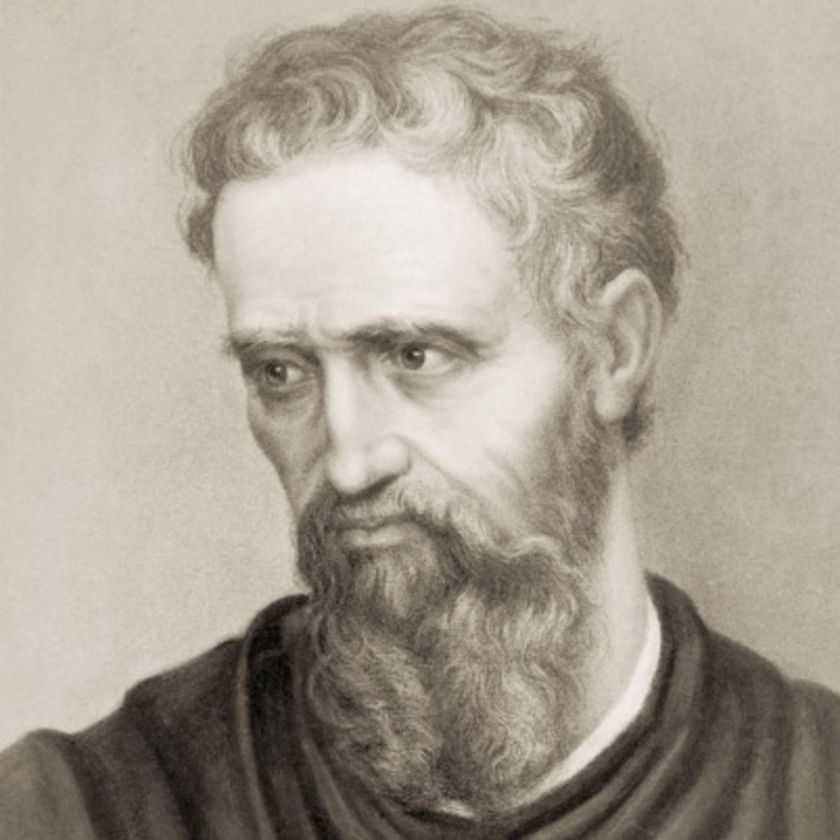
Michelangelo, a Florence native. (1475-1564, died at the age of 88.)
Cellini tells of surviving the plague, escaping assassination, being imprisoned, escaping, and, participating in several battles as a soldier where he was wounded but recovered. However, Cellini was also an amazing artist from the same city as Michelangelo. In contrast to Michelangelo, Cellini seems to have been quite boisterous; however, like Michelangelo he was strong willed and resistant to authority. The two men new each other. They shared experience as patrons of the powerful Medici family. Cellini appears to admire and like Michelangelo in his biographic recollection. They both did work for Pope Clement VII and Cosimo I de’ Medici.

DetailDetailDetail
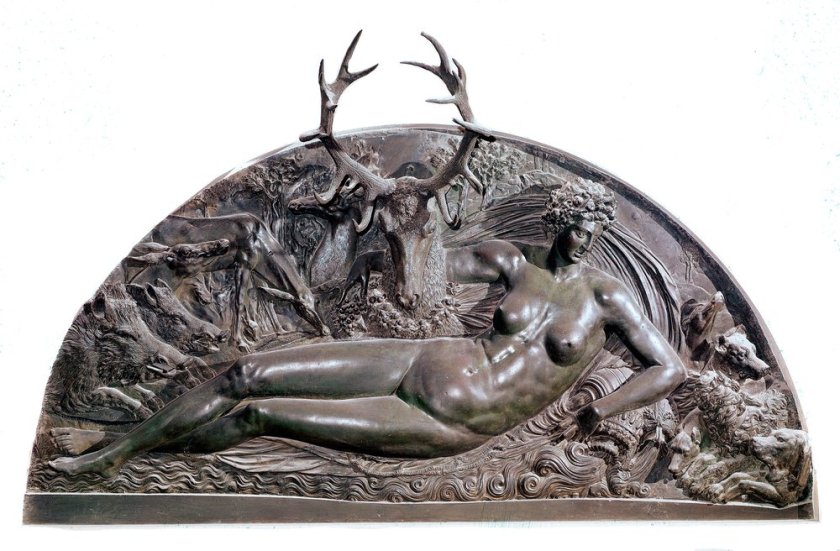
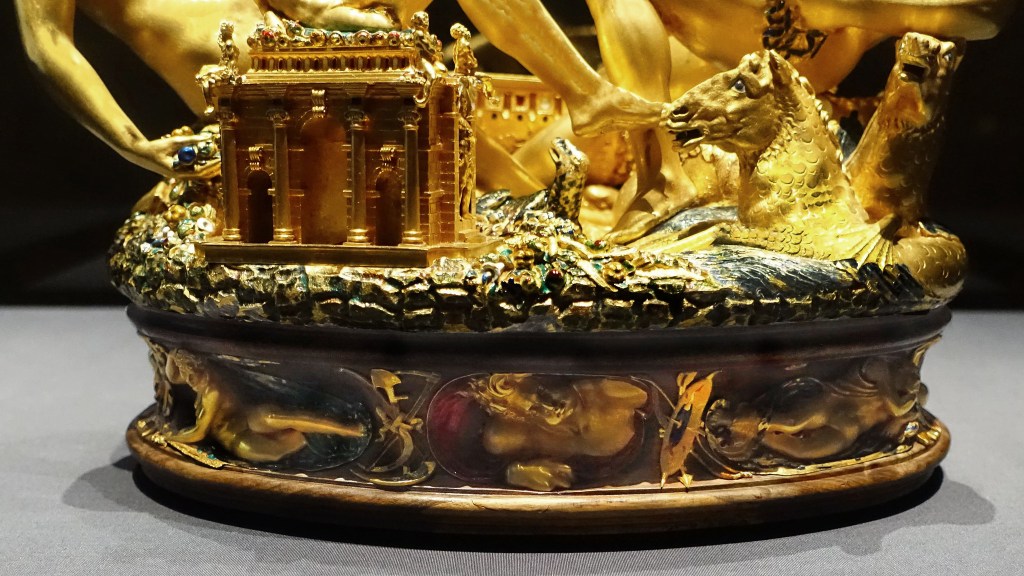
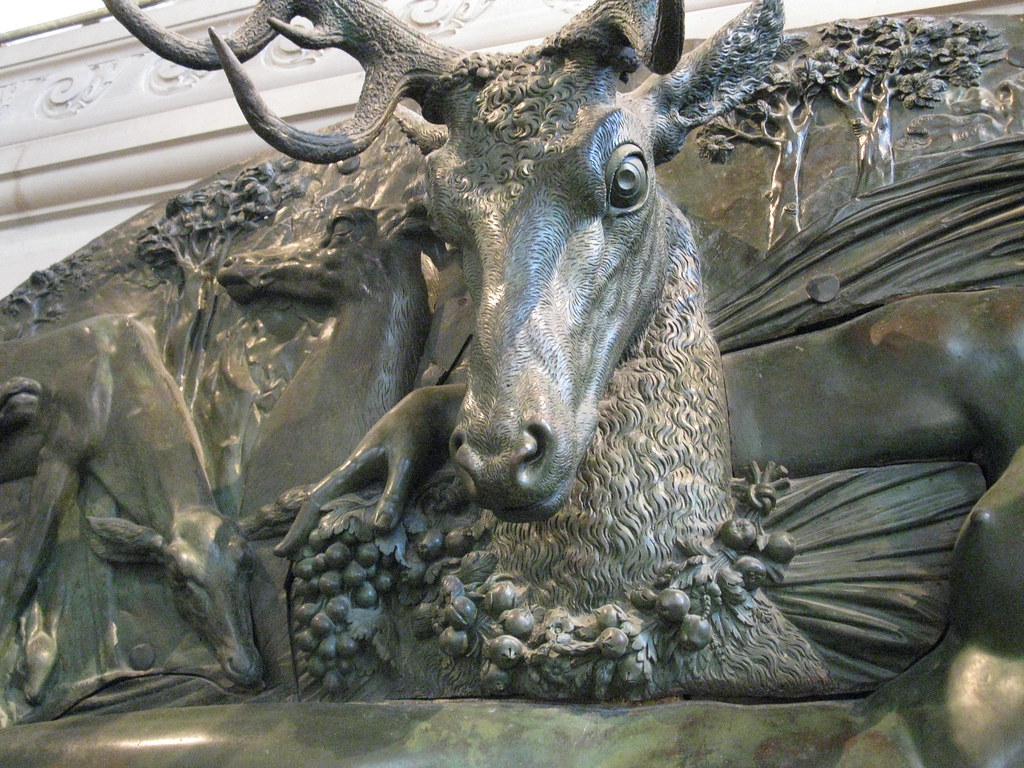
Cellini appears to have traveled as much as Michelangelo because of his life as a soldier as well as artist. Two of his greatest artistic accomplishments are the “Salt Cellar” and “Nymph of Fontainebleau” done for King Francis I of France. However, he also completed “Perseus with the Head of Medusa” for Cosimo I de’ Medici in Italy.
As a soldier, Cellini tells of the attack of Rome by troops of Charles V, the Holy Roman Emperor. The leader of the attack forces, the Constable of Bourbon, was shot by Cellini according to Cellini’s autobiography. Though Cellini seems never to have been wounded in battle, he tells of several violent encounters that could have ended his life.
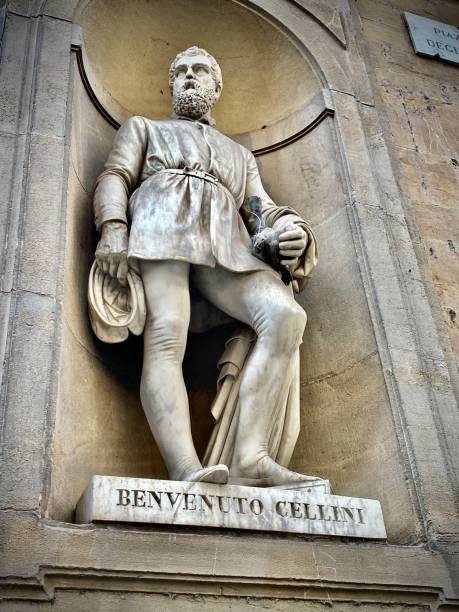
Statue of Cellini in Florence.
The Autobiography of Benvenuto Cellini is not a great piece of writing, but it is an interesting perspective on the progeny of Florence, the violence of the 16th century, and the great art that came out of the Medici era.
Listening to the examples of Professor Greenberg’s views on music make this audiobook an immense pleasure. It is a long audiobook but one who takes long walks will be highly entertained by the Professor’s insight to music of the world.
Books of Interest Website: chetyarbrough.
Great Courses-How to Listen to and Understand Great Music, 3rd Edition (A Cultural History)
By: Robert Greenberg
Narrated By: Professor Greenberg
Robert Greenberg (Great Courses Professor, historian, composer, pianist, speaker, and author.)
This is a history of Great Music by a remarkable professor who fully utilizes the value of audiobooks in his teaching. Though this is a long audiobook, every lecture is a pleasure for a listener who knows little about the history or styles of music. Professor Greenberg’s enthusiasm and pointed opinions about music and its evolution are informative, clearly explained, and fabulously entertaining, particularly for non-musicians.
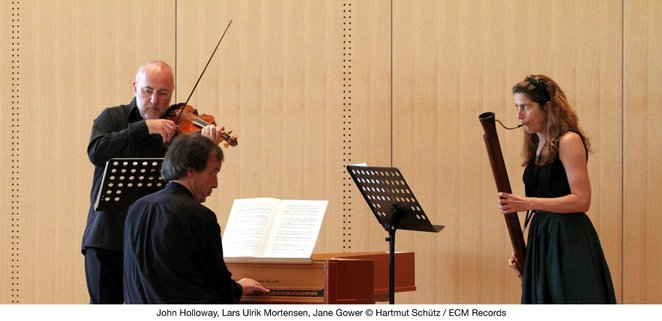
The professor’s storytelling is highly entertaining. He reviews the history of music anecdotally, interspersed with musical examples (some of which are his own piano playing) and precise definitions of words used in music that offer clarity and entertainment to his audience.
The span of history which Greenberg covers is from ancient music traditions to the progressive development of Western music. He helps one understand what to listen for when attending musical presentations. He spans Renaissance, Baroque, Classical, Romantic, and 20th-century music. From Bach’s Baroque musical production to Shostakovich’s politically tinged symphonies, one learns how music is exemplified and amplified by history.
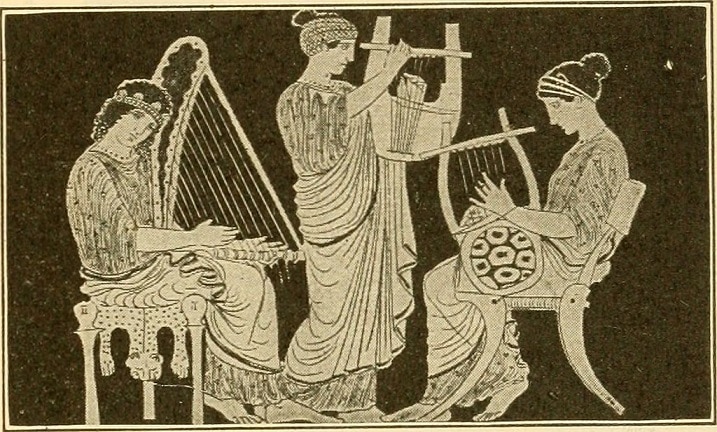
Greenberg begins with ancient Greek and Roman music.
He explains the role of music in Greek tragedies and offers examples of Gregorian chant and medieval polyphony (two or more independent melodies that are interconnected). He notes Bach’s fugues as polyphonic hallmarks of Western classical music that rose in the Renaissance and Baroque periods.
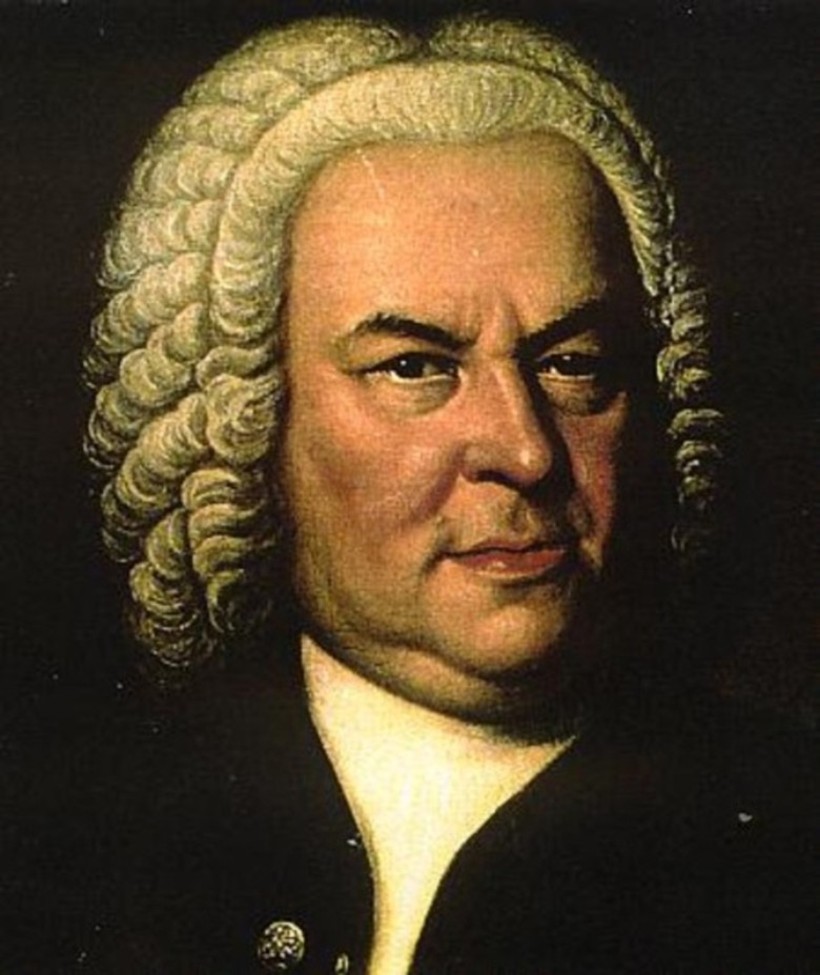
Johann Sebastian Bach (1685-1750, German composer and musician of the late Baroque period.)
Greenberg provides examples of a fugue and concerto. A fugue is a musical composition with a theme that is interwoven with overlapping voices. He offers the example of Bach’s music.
Antonio Vivaldi (1678-1741. Italian composer, virtuoso violinist of Baroque music.)
In contrast, concerto is a solo instrument (or a group of soloists) offering an orchestral presentation infused with dialogue. The Four Seasons by Vivaldi would be an example but the fascinating point is that the dialogue is in music, i.e. no words, but a clear representation of the seasons in an abstract way. You hear the sounds of spring, summer, fall, and winter.
Greenberg offers definitions of musical terms.
Greenberg also defines a number of musical concepts and terms:
Melody: A sequence of musical notes that are perceived as a single entity, often referred to as the “tune.”
Harmony: The combination of different musical notes played or sung simultaneously to produce a pleasing sound.
Polyphony: Multiple independent melodies played or sung simultaneously, creating a complex and interwoven texture.
Sonata Form: A musical structure commonly used in the first movements of symphonies and sonatas, typically consisting of an exposition, development, and recapitulation.
The Professor notes the fundamental difference between German and Italian classical music.
The Italians created opera to illustrate the emotions of life through operatic story telling. Germans highlight intellectual depth and structural complexity. Greenberg notes Italians celebrate the melodic beauty and operatic flair of music. This difference is exemplified by the Catholic church’s sale of indulgences.

Martin Luther (1483-1546)
Greenberg recounts the history of the Reformation. He notes the impact of Martin Luther (1483-1546), the key German figure in the Protestant Reformation who posted the 95 Thesis that criticizes the Catholic Church’s practice of selling indulgences for sinners to get into heaven. The 95 Thesis was a direct challenge to the authority of the Pope to use indulgences to raise money for the Catholic Chruch. Luther believed only faith, an emotionally grounded intellectual belief, could pave one’s way to heaven.
German OperaItalian Opera
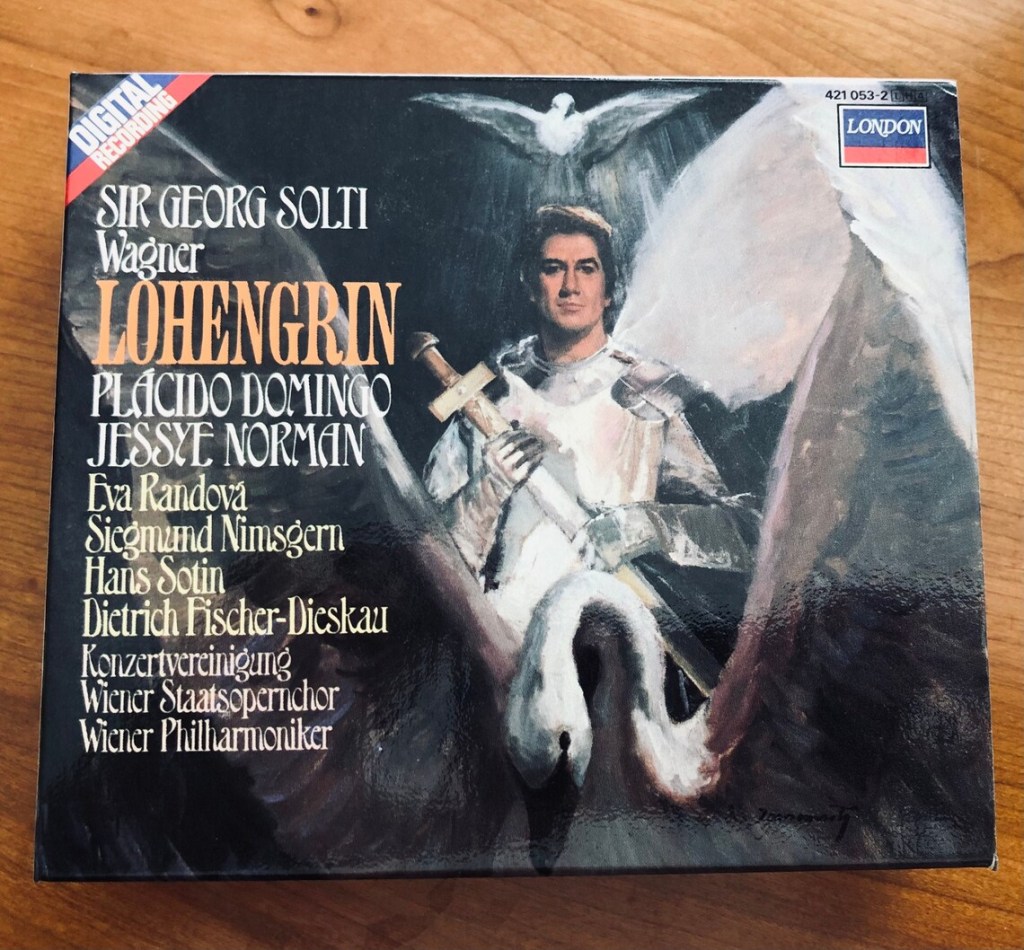
Rather than an Italian Rossini or Puccini opera, German operas have complex narratives with composers like Wagner and Straus who are exploring ideas like destiny, heroism, and the human condition. Both German and Italian operas engage emotions, but German operas tend to explore philosophical, mythological, or psychological themes while Italians focus on heart-wrenching human emotions.
Listening to the examples of Professor Greenberg’s views on music make this audiobook an immense pleasure. It is a long audiobook but one who takes long walks will be highly entertained by the Professor’s insight to music of the world.
The story of Michelangelo ends with the return of the Medicis to power. It is for Michelangelo–a journey of “…Agony and Ecstasy”–of love for his work, the daughter of a Medici, and the tumult of his time.
Books of Interest Website: chetyarbrough.
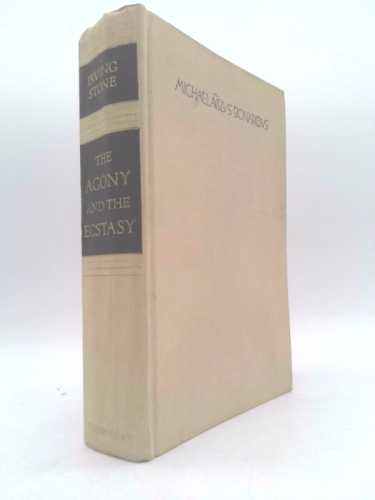
The Agony and the Ecstasy (The Biographical Novel of Michelangelo)
By: Irving Stone
Irving Stone (1903-1989, died at the age of 86, American writer of biographical novels about artists, politicians and intellectuals.)
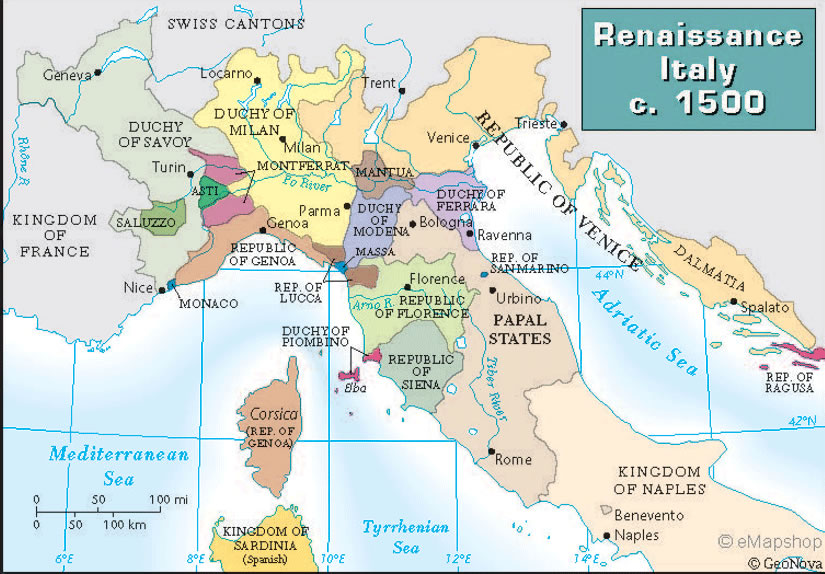
Irving Stone’s novel is an entertaining book and an historically supported story of the famous artist, Michelangelo. Michelangelo was a Florentine born in Florence, an influential city at the heart of the Italian Renaissance. The Medici family was in control of Florence’s political and cultural life in Michelangelo’s youth.
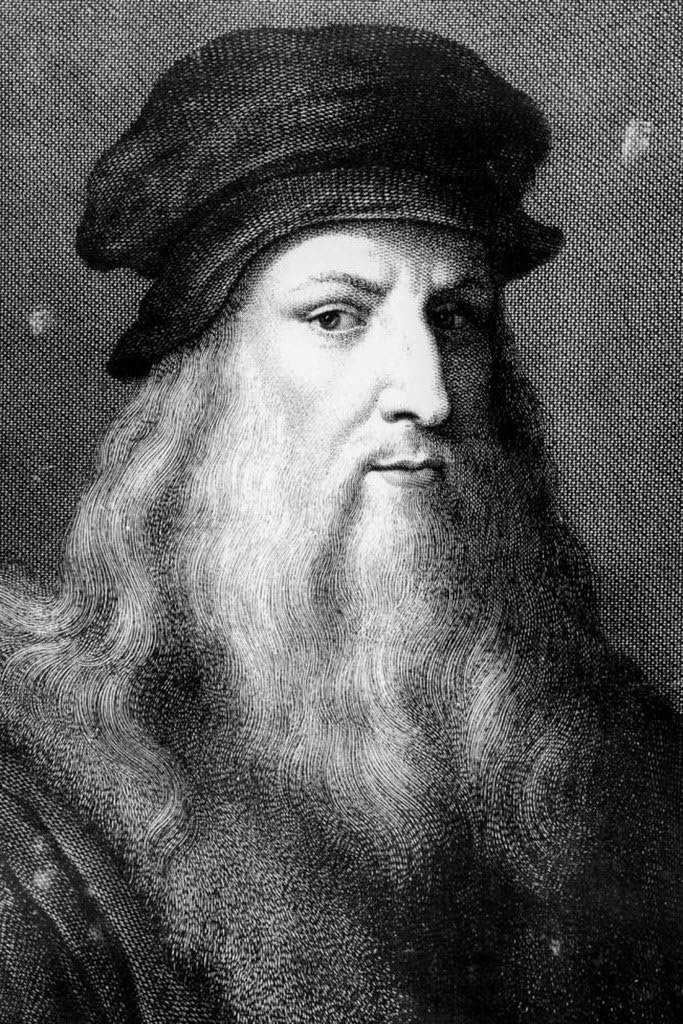
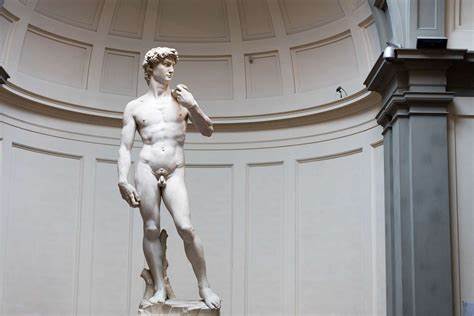
Two of the most famous artists of all time, Leonardo Da Vinci and Michelangelo Buonarroti created two of the most famous art works of the world in Florence, i.e. da Vinci’s “Adoration of the Magi” and Michelangelo’s “David”. However, their personal relationship began roughly in their brief contact in Florence. In 1504. Leonardo da Vinci was 52 years old. Michelangelo was 29.
“Adoration of the Magi”“David”
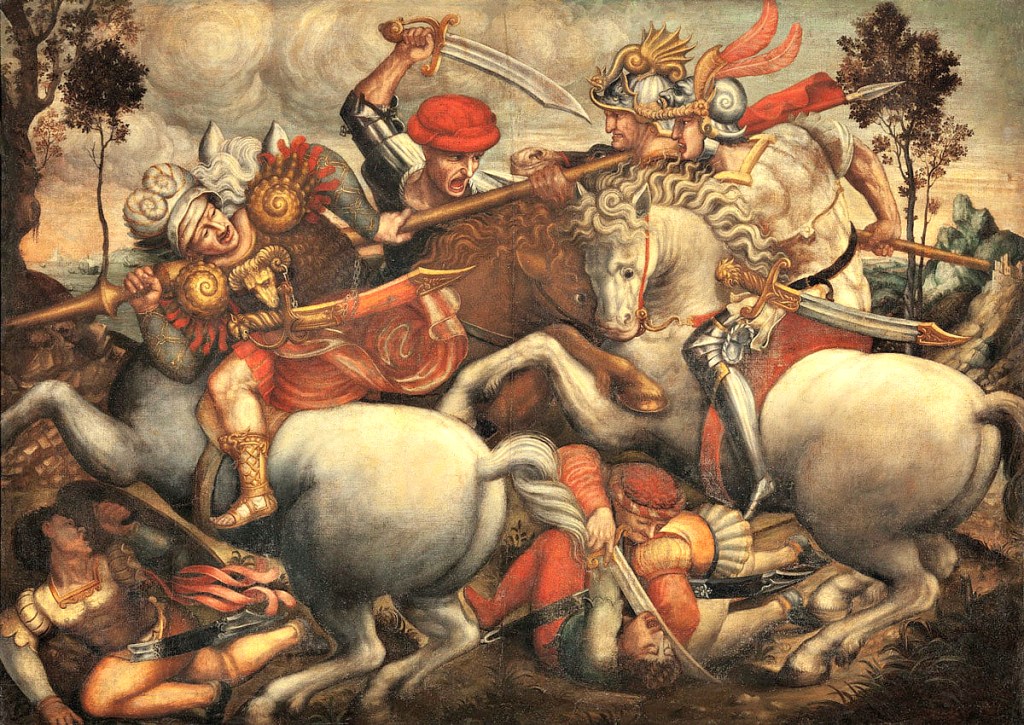
They had both been contacted to paint murals in the Hall of Five Hundred in the Palazzo Vecchio. Leonardo had already made his reputation as a master painter, polymath, and diverse genius. Michelangelo was considered a sculptor more than a painter. However, in a casual conversation da Vinci alludes to sculpture as a less prestigious form of art. The younger Michelangelo is offended and is alleged to have said harsh words to da Vinci with a challenge to paint a competing fresco in the Palazzo Vecchio. Neither completed their planned paintings but their preparatory works were preserved and considered important developments of the High Renaissance. Irving Stone suggests they meet later in life and Leonardo apologizes for what he felt was a misinterpretation of his words about the art of sculpture.
Leonardo’s Unfinished WorkMichelangel’s Unfinished Work
Stone suggests Michelangelo is more of an ascetic than da Vinci. Leonardo as noted by other authors, had many interests beyond art. Michelangelo prefers sculpture to any other form of art and when he is contracted for his artistic genius, he grudgingly takes commissions for his skill as a painter. “The Agony and the Ecstasy” is a title that captures Michelangelo’s artistic conflict.
Stone shows Michelangelo pursues human dissection, just as Leonardo is said to have, to more fully understand the construction of the human body for an artist to make painting or sculpture appear more real. Human dissection is not legal in Michelangelo’s time in Florence, so he secretly works at night when no one is around to see what he is doing.
Stone addresses the political turmoil of the time and how Michelangelo is hired by the Medici family when he is a young man. This is before the Borgias replace the Medici family in Italy. Michelangelo remains close to the Medicis even in their exile but is attracted to Rome in 1496 by Cardinal Raffaele Riario, a relative of Pope Sixtus IV. In Rome, Michelangelo creates “Bacchus”, the god of Wine.
Michelangelo’s Bacchus, the Roman god of agriculture, wine, and fertility.
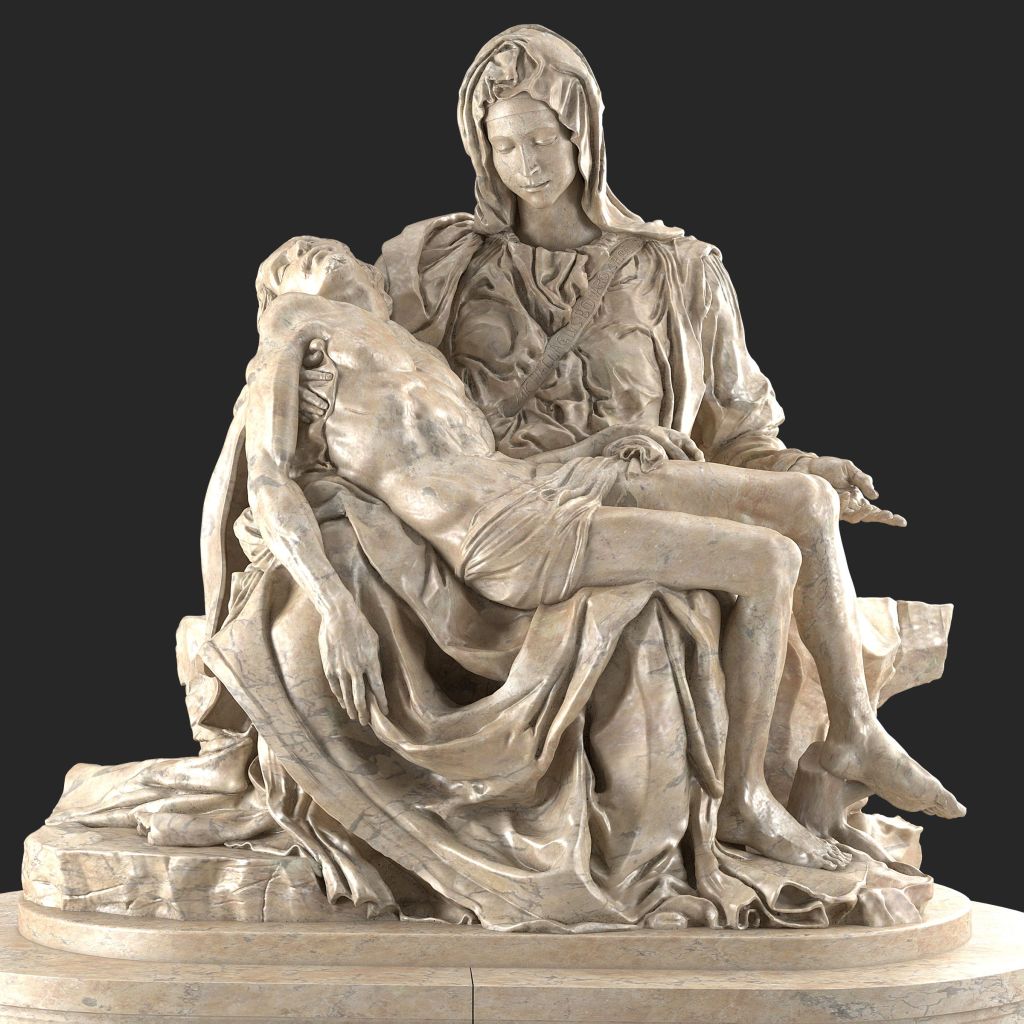
After creating “Bacchus, a French cardinal commissions the “Pieta” for St. Peters Basilica. Michelangelo gains the reputation of being a master sculptor.
Michelangelo’s Pieta depicting Mary holding the body of Christ.
Stone suggests the Pope asks why Mary appears so young and Michelangelo explains it is because she is the mother of a divine.
After the Pieta, Michelangelo is commissioned by overseers of the Office of Works of the Cathedral of Florence. This is not clear in “The Agony and the Ecstasy” but it reinforces Irving Stone’s recognition of Michelangelo’s deep connection to Florence. He returns to Rome, but his heart is in Florence. Much of Michelangelo’s time in Rome is uncomfortable and does not calm down for him until the Medicis return to power.
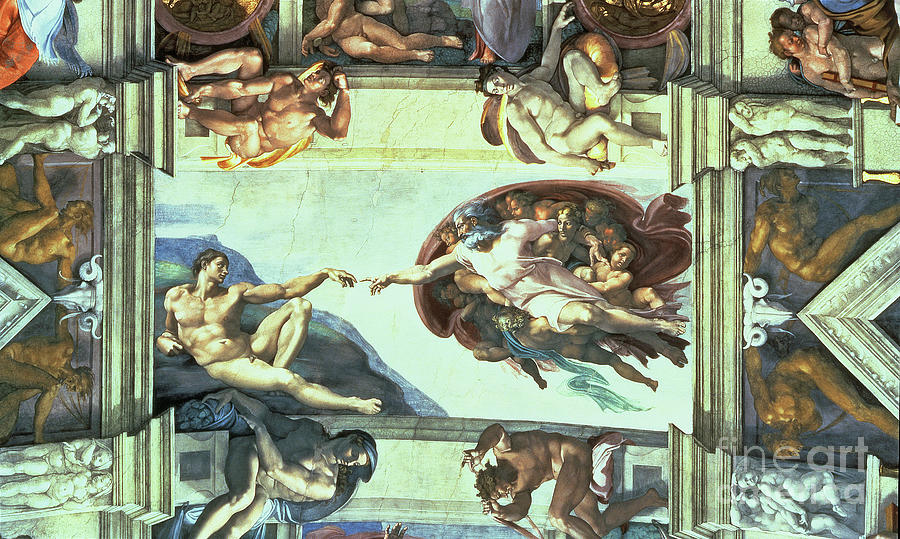
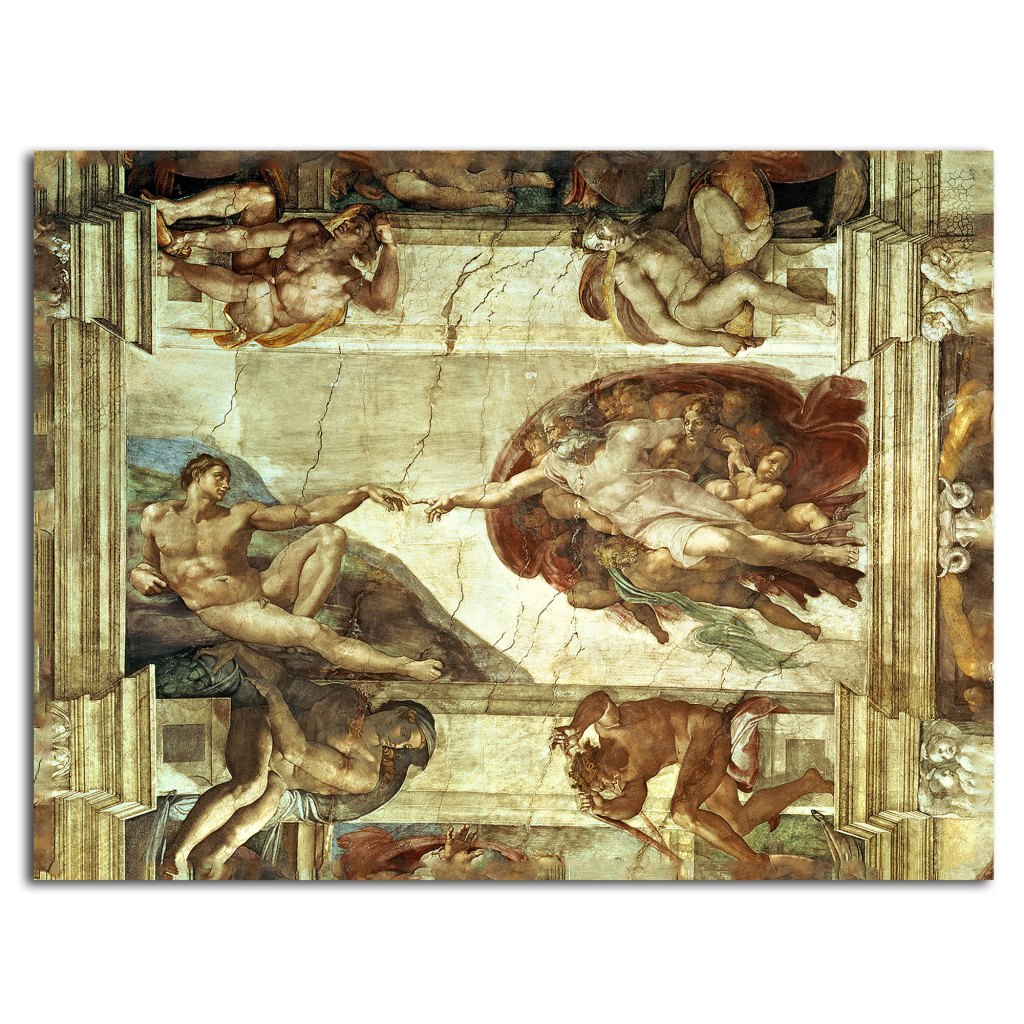
The warrior Pope, Pope Julius II heads the church from 1503-1513. Irving Stone explains; this Pope demands Michelangelo paint the ceiling of the Sistine Chapel at the Vatican in Rome. Of course, Michelangelo resists because he wishes to be remembered for sculpture, not painting, because it is an art that gives him joy. The forceful Pope insists, and Michelangelo makes a false start that changes into a history of the birth of the world on the ceiling of the Chapel. He works on the ceiling of the Chapel from 1508 to 1512.
Birth of the world.God touches AdamDetail of the touch.
Sistine Chapel painting by Michelangelo between 1508 and 1512.
The story of Michelangelo ends with the return of the Medicis to power. It is for Michelangelo–a journey of “…Agony and Ecstasy”–of love for his work, the daughter of a Medici, and the tumult of his time. Michelangelo never marries and dies at the age of 88 in 1564.
Every human being grows to be who they are alone. Life is a solo journey, influenced by birth, living, and death.
Books of Interest Website: chetyarbrough.blog
Solo (When the heart gets lost, let the music find you.)
By: Kwame Alexander with Mary Rand Hess
Narrated By: Kwame Alexander
KWAME ALEXANDER (AMERICAN WRITER OF POETRY AND CHILDREN’S FICTION.)MARY RAND HESS (POET, WRITER, MULTI-MEDIA ARTIST.)
“Solo” demonstrates an added value to listening rather than just reading a novel. Kwame Alexander and Mary Rand Hess tell a story of the struggle for personal identity. This is a journey of a young man whose father is a famous musician. It offers some insight to what it is like to be a boy growing to be a man in a family of a successful professional musician.
The boy’s father is a recovering addict who has had success as a guitar playing singer.
His mother died when he was seven. As a young man of 21, he is surprised to find he is an adopted son. He chooses to find his birth mother who lives in Africa to better understand where he came from and why his birth mother gave him up. He is estranged from his family for various reasons ranging from his father’s addictive behavior to the failure of his parents to have told him of his adoption.
In the boy’s journey to a remote area of Africa, he meets various natives who live in the poverty of a small village.
The boy’s birth mother is away from her village to help natives of another village in the hill country of the area. The young man decides to wait for her in his mother’s home village. He meets a young African girl who speaks English and is helpful in explaining what life is like for her in the village. They become friends with a sense of something more in their future. The boy’s waiting is interrupted by his father’s arrival with a film crew to vivify the story of their familial relationship.
His father’s arrival disrupts the boy’s plan of waiting for his birth mother’s return. A decision is made for the entire group to journey to the village where his birth mother is working.
The journey takes several hours and exhausts his father as well as the rest of the Americans in the group. The boy’s birth mother recognizes her son as soon as he arrives. She is young. She gave birth to her son at age 15. The hardship of raising a child appears to have been too much for her at her young age.
His father’s interruption in the boy’s journey to find his birth mother leads to a reconciliation with his father and a better understanding of his journey to become a man.
Musical interludes in the story entertain the listener and offer some understanding of what it is like to be raised by a famous musician who loves his family but is handicapped by drug addiction.
On their return to the birth mother’s village, a refrigerator is delivered at the expense of the boy’s father. This is a great benefit to the village. The boy’s father becomes ill and dies.
Every human being grows to be who they are alone. Life is a solo journey, influenced by birth, living, and death.
Akbar is showing everyone’s life is a struggle. Self-understanding, acceptance of who you are, and not feeling sorry for yourself can make you whole. Death may set you free, but the struggles of life are a better alternative.
Books of Interest Website: chetyarbrough.blog
Martyr!
By: Kaveh Akbar
Narrated By: Arian Moayed
Kaveh Akbar (Author, Iranian American poet, novelist, and editor.)
“Martyr!” is a book that is difficult for a prudish American to read but Akbar writes a story that resonates with one who has suffered from addiction, loss of parental guidance, and the exigencies of American life. Akbar’s main character is Cyrus Shams, a poet and writer, who believes he lost his mother in a 1988 plane crash caused by the American Navy when the USS Vincennes fired two surface-to-air missiles at a passenger plane that was mistakenly identified as an F-14 fighter jet.
(The Vincennes’ mistake occurred during the Iran-Iraq War that began in 1980. The USS Vincennes was deployed to the Persian Gulf to protect oil tankers. Prior to the Vincennes commander’s decision to fire the missiles, there were several skirmishes with Iranian vessels. )
The commander’s catastrophic mistake occurs in an atmosphere of military conflict. The commander is removed from his command but remains in the military until he retires in 1991.
The Vincennes incident resulted in a $61.8 million settlement to the families of the victims in 1996.
Because Akbar’s main character is the son of one of the passengers of the plane, he receives a financial settlement for the death of his mother. As he grows to become a man, he becomes addicted to drugs, cigarettes, and alcohol, has affairs with both men and women, but decides to kick his addictions. In the process of gaining sobriety, he becomes acquainted with a successful woman painter. After her death, he finds the woman was his mother. She had switched identities with the Iranian woman that was on the plane. Her reasons for abandoning her son are unclear but in a chance meeting at one of her art exhibitions, her son strikes an acquaintance with her. She knows he is her son but chooses not to disclose her story. The son is enamored by her art and seeks her out during the following years of her life. She dies and the son is told by the art exhibitor that the artist he admired was his mother.
Everyone searches for meaning in life.
All who have lived through childhood and maturity know living life is a struggle. Whether rich or poor, personal struggle either breaks you or makes you. The end result is mixed. Cyrus Shams is an addict that chooses to become sober, to become a poet and writer, to honor his mother’s life while making his way as a first generation Iranian American. Akbar is showing everyone’s life is a struggle. Self-understanding, acceptance of who you are, and not feeling sorry for yourself can make you whole. Death may set you free, but the struggles of life are a better alternative.
The encompassing meaning of Homer’s “Odyssey” is the maturing of a son and marriage commitment of a husband and wife.
Books of Interest Website: chetyarbrough.blog
The Odyssey of Homer
By: The Great Courses
Lectures By:Elizabeth Vandiver
Elizabeth Vandiver (American classical scholar, Professor of Latin and Classics at Whitman College.)
Professor Vandiver offers an insightful review of Homer’s “Odyssey” in her “…Great Courses” lectures. Each chapter of the “Odyssey” reminds listeners of Homer’s literary skill and his masterful story of Ulyssess’s return to Pennelope and their son, Telemachus, after the Trojan war. Homer’s epic is divided into 24 books, each of which tell of the trials of Ulysses (aka Odysseus) when returning to his Greek Island kingdom of Ithaca after the Trojan War.
The Trojan War is believed to have taken place between the 12th and 13th centuries BCE.
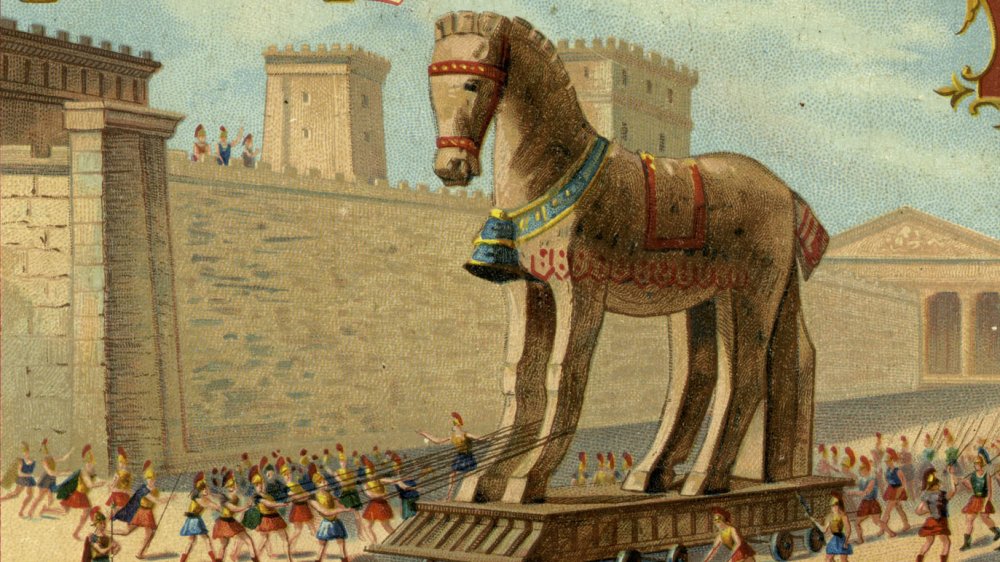
It is said to have been caused by the Trojans when Paris (the son of the King and Queen of Troy) abducts and marries Helen of Troy, the wife of Menelaus (the Greek king of Sparta). When Paris is killed by Achilles, Helen is returned to Menelaus. Ulysses’ return to his Kingdom in Ithaca is the story of the “Odyssey”. The return takes ten years because of his companions eating of lotus flowers that make them forget their home and stay on an island where the flowers grow, his capture by Polyphemus (a one-eyed monster), an errant wind that blows him off course, giants who attack is fleet of ships and destroy all of them except one, a sorceress (Circe) who turns his crew into pigs, a trip to the Underworld to get guidance from Tiresias on how he may return to his kingdom, an island of Sirens who lure sailors to their death, an attack by Scylla and Charybdis (a six-headed monster), his men’s defiance of the sun god who told them not to eat his cattle, and finally, Calypso (a nymph who keeps Odysseus captive on her island for seven years of conjugal ambition).
Each of Ulysses’ delays are entertainments to reader/listeners of the “Odyssey”. The encompassing meaning of the story is the maturing of a son and the marriage commitment of a husband and wife. Telemachus is twenty years old but has not grown into a man who takes responsibility for his life. Penelope is a wife who has remained true to a husband who has been lost to her during the period of the Trojan war and Ulysess’s unknown fate after his success in ending the war. Because Ulysses has not returned for ten long years after the end of the war, there are 108 suitors for Penelope’s hand in marriage. The suitors are from noble families of Ithaca and surrounding islands who have taken over Odysseus’ palace, consuming its wealth and resources while courting Penelope.
As the son of a great warrior, Telemachus fails to grow into a man that would take responsibility for ejecting disrespectful suitors in his family’s palace.
As the story progresses, and Ulysses returns to Ithaca, Telemachus becomes an ally to his returning father in a plan to kill the 108 suitors. Telemachus takes responsibility for hiding the palace weapons so the suitors would only have weapons they might have brought with them. Though Telemachus fails in his effort to hide the weapons, he takes responsibility for his error in not having successfully kept them from the suitors. Homer’s message is that Telemachus has become a man by showing valor as an ally to his father and a man who takes responsibility for his decisions.
Penelope’s commitment to marriage is illustrated by her many years of waiting for a husband who may be lost. She denies all her suitors because of the possibility of her husband’s return. In a similar vein, reunion with her husband is evidence of a man who loves his wife in the face of a temptation by a beautiful and alluring nymph who offers him immortality if he would stay with her.
Ulysses shows a commitment to marriage by returning to his wife despite their many years of separation, the offer of immortality, and his defense of a marriage between a fellow Greek King (Menelaus) and his wife, Helen of Troy. The Trojan war was an attack on marriage, for which Ulysses risked his and his army’s lives.
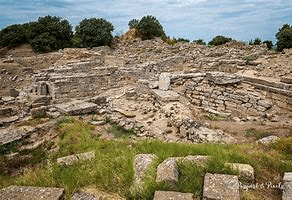
Vandiver ends her lecture by noting the German archaeologist and businessman, Heinrich Schliemann, discovered the ancient city of Troy in Turkey.
Vandiver notes Schliemann had a controversial reputation because of his destructive method of excavation and suspicious handling of artifacts. However, Schliemann significantly contributed to the study of archaeology and the understanding of ancient civilizations.
Every human being has their own story. Are we free if we choose to be free or are we all just programmed?
Books of Interest Website: chetyarbrough.blog
Washinton Black (A Novel)
By: Esi Edugyan
Narrated By: Dion Graham
Esi Edugyan (Canadian novelist, two-time winner of the Giller Prize for “Half-Blood Blues” and “Washington Black”, the Giller Prize is a Canadian literary award of $100,000 for the winner.)
“Washington Black” is about a young slave growing to adulthood in the 19th century. It begins on a Barbados sugar plantation and ends in England and Morrocco after a journey that stretches one’s imagination to its limits.
“Washington Black” is an imaginative journey but it steps a bit too far when the author writes of a steerable airship carrying its two passengers into an Atlantic Ocean storm that luckily lands on a slave trader’s vessel instead of plunging into the ocean.
Despite Edugyan’s implausible rescue of Washington Black and his white English protector, there is enough interest in the main characters to keep listeners listening and readers reading. At five years of age, Washington Black who is called Wash, is rescued by a tall black slave named “Big Kit”. None of the slaves on the Barbados sugar plantation mess with Big Kit. Only the “big boss”, the manager of the plantation is powerful enough to bloody her nose without being intimidated. Big Kit becomes Wash’s protector. Wash has no idea who His real mother is, but Big Kit becomes his early guide through life.
When Wash reaches the age of 10 or 11, the plantation is visited by Christopher “Titch” Wilde who is the brother of Erasmus Wilde, both of which are the sons of John Wilde, a famous explorer-scientist who travels the world. “Titch is somewhat of a scientist himself. He meets with Wash and decides it would be good to have Wash as his aide while he pursues his scientific research.
Erasmus Wilde has responsibility for running the plantation which he dislikes but is ordered to because it supports the Wilde wealth for their father’s research. Erasmus and Titch have an older brother named Phillip that comes to the plantation to see his brothers. Phillip kills himself in front of Wash, presumably so Wash can show the brothers where his body can be found. Wash is devastated by the suicide and brings “Titch” to the site where it occurred. “Titch” realizes Wash will be accused of murdering the brother. “Titch” has found Wash to be a natural artist and can produce documentation for some of his science research. He does not want Erasmus to take Wash away and makes plans to escape. The escape is in the dirigible mentioned earlier.
The adventures of Wash accelerate from here.
As “Titch” had expected, Erasmus accuses Wash of murdering their older brother.
Both Wash and “Titch” become fugitives. The suicide of Phillip is a “red flag” that suggests the Wilde family is, at the very least, psychologically troubled. Those troubles revisit the Wilde family with events of the father, mother, Erasmus and “Titch”.
Titch’s father is declared dead because of a mistaken belief that a storm in Alaska killed him. He was not dead but chose to stay in Alaska despite the public reports of his death.
The father makes no effort to correct the mistake of his reported death. “Titch” finds that out and travels with Wash to find his father. His father is glad to see his son but is not inclined to return to civilization because of a comfort he feels in his new environment. “Titch” is pushed over the edge by his father’s lack of concern about others, including “Titch”, his mother, and remaining brother. “Titch” abandons Wash just like his father abandoned everyone in the family. “Titch” disappears in a storm and presumably dies. The father actually dies while Wash is there. Wash chooses to return to civilization and becomes a free man or at least a man who is free of slavery.
More surprises come toward the end of Edugyan’s story as Wash grows to manhood, but the author stretches one’s imagination a little too far for those who will be entertained by her creativity but disappointed by its implausibility.
Edugyan makes one wonder if anyone is truly free. Are we only programed by genetics and our experiences in life?
Every human being has their own story. Are we free if we choose to be free or are we simply programmed?
In the end, “…History of the Book…”is brought together by Smyth’s review of book circulation. From early written manuscripts, small accumulations by the few grew into massive libraries for the general public.
Books of Interest Website: chetyarbrough.blog
The Book-Makers (A History of the Book in Eighteen Lives)
By: Adam Smith
Narrated By: Adam Smith
Adam Smyth (Author, Professor of English Literature and the History of the Book at Oxford University.)
The Gutenberg press is invented in the mid-15th century in Germany. Not surprisingly, the most widely printed book is the Christian Bible that began with the Guttenberg Bible, a 42-line Bible also called the Mazarin Bible, printed in 1455. Adam Smyth notes the first non-religious, widely popular book is printed in 1494, titled “Das Narrenschiff” or “Ship of Fools”.
“The Ship of Fools” is written by Sebastian Brant in 1494. It is a collection of satirical poems and illustrations depicting the foolish behavior of humans and the corruption of the church.
Printed originally in German in Basel, Switzerland, “The Ship of Fools” was lavishly illustrated and became a best seller in Europe. Its popularity came from its satirical content, wide translation, and visual appeal. Smyth explains the book critiques human folly and vice with 112 chapters, each of which is accompanied by a woodcut illustration.
Smyth explains how bookbinding and printing grew as an art.
Contributions to the art were made by both men and women. Elizabeth Collett and Sarah Benlowes were instrumental in improving the quality and continuity of noted books in the 17th century. They pioneered a “cut and paste” technique that made famous books more consistent, unique, and artistic without changing their author’s meaning.
John Baskerville (1706-1775) created and, with the management of his wife, distributed the Baskerville typeface. Not surprisingly, no picture is available on the internet of his wife Sarah Eaves.
John Baskerville and his future wife, Sarah Eaves, made significant contributions to the quality of the printed page. Baskerville created Baskerville typeface in 1757. The new typeface set a new standard for typography with sharp serifs, high contrast thick and thin strokes, and overall clarity. His future wife managed their print business and helped implement Baskerville’s innovations. Together, they improved ink color and sharpness to provide higher quality printing for books.
No story of the “History of the Book…” could be complete without addressing Benjamin Franklin (1706-1790).
Smyth reveals the contributions Franklin makes while using Caslon typeface created by Baskerville for the publication of newspapers, advertising, and the most successful non-religious book of the 18th century, “Poor Richard’s Almanac”. Franklin is the quintessential American by exemplifying the strengths and weakness of capitalism.
Money is important to Franklin in different ways.
Franklin used his newspaper to support and print paper money for the U.S. government. Franklin’s industriousness is well documented by historians, but Smyth notes a glaring flaw in Franklin’s character. Of course, this flaw is taken out of historical context and Franklin eventually changes his view, but he supported and brokered the slave trade between the 1750s and 60s. He is seduced by amorality, presumably because of the human desire for money, power, and/or prestige. Of course, this is being human; like all citizens of any economy or government.
Franklin’s views on slavery changed in the 1780s when he became a vocal abolitionist, but he certainly enriched himself in slavery’s earlier years.
Smyth flashes back to the invention of paper. The early beginning of paper is traced back to China in the 2nd century CE. Ts’al Lun (Cai Lun), a court official, is credited for developing papermaking techniques. Paper production spreads to the Islamic world in the 7th century with the printing of the Koran. It extends to Europe in the 12th century. The truly big jump in paper production came in the early 19th century with Louis-Nicolas Robert in France. The Fourdrinier machine could produce huge rolls of paper, but Louis-Nicolas Robert is unable to capitalize on the process because patenting was not available in France. Paper production process improves with John Gamble and Bryan Donkin in England. Paper production became faster, more efficient, and cost-effective.
The truly big jump in paper production came in the early 19th century with Louis-Nicolas Robert in France.
In the end, “…History of the Book…”is brought together by Smyth’s review of book circulation. From early written manuscripts, small accumulations by the few grew into massive libraries for the general public. Access to great and inane writings of genius and pulp producers reached wider and wider audiences. The final chapters address some of the great writers of modern times, particularly poets of which this reviewer is minimally interested and sadly ignorant.
One of the largest libraries in the world is in France, The Bibliothèque Nationale de France.