NIH DISMANTLING

In listening to “Replaceable You, one’s thoughts go to Robert Kennedy’s belief that vaccines are a threat rather than aid to societal health.

Books of Interest
 Website: chetyarbrough.blog

REPLACEABLE YOU (Adventures in Human Anatomy)

Author: Mary Roach

Narration by: Mary Roach

Mary Roach (Author, writer who specializes in humor about popular science, has several NYT’s bestsellers.)

Mary Roach writes an irreverent history about human body parts that have been found to be replaceable with varying degrees of success. The range of her observations run from the humorous to macabre to the sadly tragic.

Humor is subject to the mind of the beholder, but Roach offers a history of nose replacements, dentures, penial replacements, ostomy bag mishaps, hair transplants, and experiments with different materials used to replace body parts. She experiences what it is like to live in a tube designed to aid breathing for one living with paralytic polio. She recounts the famous astronomer, Tycho Brahe who lost his nose in a duel, and had it replaced with a glued metal protuberance that periodically fell off. He became known as the man with the golden nose, though it may have been made of brass.

Dentures became known as “wigs of the mouth” as they came into the 19th century.

Roach alludes to George Washington’s dentures and how uncomfortable and prone they were to be falling out at times of passion (like kissing), chewing sticky or hard foods, or vociferously arguing with subordinates. Made of ivory, animal or human teeth, they were secured with gold wire, bone bases, and/or rubber fittings. Based on excavation in Egyptian times, human and animal teeth and bone were found to be teeth held together with gold wire. Either suction or straps held the dentures in place. Contrary to the myth of wooden teeth for George Washington, historians believe ivory was used in his dentures. They were fastened together by metal springs and bolts and secured to his remaining natural teeth which dwindled to one tooth as he aged.

Roach explains the history of penial transplants that is funny to some while interesting and important to others.

Fingers are sometimes amputated as the structure for penile replacement. She comically suggests an articulated finger allows the transplant to be knuckled under to mitigate appearance of a perpetual erection. Roach goes to great lengths (ahem) to explain how important an implant is to men. A man’s thoughts may wander in a different direction than the author’s view of a successful operation. In any case, Roach’s history shows how accessible and thought-provoking penial implants have become.
An ostomy is a surgically created opening to allow waste to be expelled from the body.

An ostomy can be more precisely identified as a colostomy, an ileostomy, or a urostomy. The first is an opening to the large intestine while the second is an opening to the small intestine. The third, a urostomy is a urinary opening that allows healing of the other two when surgically completed. The urostomy may also be required because of bladder cancer or infection and other maladies related to the urinary track. To keep Roaches story a little less gruesome she tells stories of inadvertent noises and sloshing that occurs with ostomy bags. Like dentures falling out of one’s mouth, ostomy bag use can make unexpected noise or inopportune leaks. They are like “portable embarrassment machines” that can either lead to mutual laughter or embarrassing incidents. Roach contrasts the seriousness of medical necessity with the absurdity of life.

Early ventilator’s first use.

The most heartbreaking issue of Roach’s stories is of polio survivors who are unable to breath without help. Severe loss of muscle function in polio victims required placement in long negative atmosphere tubes in which a patient is confined to stimulate muscle movements for one to breath. Today, a portable positive-pressure ventilator largely replaces the human iron lung. Roach briefly uses one of the iron lungs shown above, but the discomfort made her ask to be removed from the confining contraption within minutes of enclosure.

In listening to “Replaceable You, one’s thoughts go to Robert Kennedy’s belief that vaccines are a threat rather than aid to societal health.

Mary Roach implies Kennedy and America’s current President are fools. To me and presumably to Roach, downsizing the National Institute of Health that researches and tests medical treatments for presently incurable diseases and physical disabilities is a national disgrace.

MUSICAL CLASSICS

Pleasure in a classical performance can appeal to one who is familiar with the technical aspects of a production and to another for its emotional impact. Both Greenberg and Plotkin offer valuable insights to the relevance and reason for attending classical music performances in this ever-changing world.

Books of Interest
 Website: chetyarbrough.blog

Classical Music 101 (A Complete Guide to Learning and Loving Classical Music.)

Author: Fred Plotkin

Narrated By: Fred Plotkin

Fred Plotkin (Author, speaker, consultant on food, opera, and Italian culture.)

This is an informative overview of classical music but would have been better if some of the music referred to had been included in an audio version of Plotkin’s book. It is an interesting contrast to Professor Greenberg’s “Great Courses” lectures about classical music. Both writers offer insight to a non-musician’s interest in classical music. Both address Western classical music. They offer sketches of major figures like Bach, Mozart, Beethoven, and others. Greenberg introduces more information about musical grammar to offer a vocabulary of understanding while Plotkin focuses on how to listen and how modern renditions of the classics can be different from their original performances. The added dimension offered by Plotkin is the emotive qualities of particular musical instruments in a musical production.
Plotkin’s book is a more intuitive introduction to classical music productions than Greenberg’s lectures.

Plotkin’s music review is about the sensual message that classical music offers listeners. Greenberg, though equally insightful, offers a technical explanation of a classical’ composers or performers production. It would have been helpful to hear the difference between an original classical production and a modern interpretation, but Plotkin chooses not to use that audio tool. Plotkin’s high praise for Beethoven’s ninth symphony would have been a welcome audio addition to his insightful book.
Greenberg’s lectures are historical and chronological while Plotkin’s story is more about musical interpretation by different instruments in classical music productions.

Music, Opera, and History

Plotkin delves into the change in performances based on newly invented music instruments and different interpretations by performers of classic pieces. A piano began as a harpsichord in the 1700s which plucked strings like those on a tightly drawn bow. This evolves into an escapement that has hammers striking taught strings evolving into today’s pianos. The range of sounds grows with the addition of foot pedals and framed strings evolve from wooden infrastructure to cast iron frames that allow tighter strings and richer sound. (See the review of “Chopin’s Piano“) The number of keys is standardized at 88 by the late 19th century. From these earlier changes, digital pianos are created in the late 1900s and soon hybrid pianos are made with both acoustic and digital features. Musical instrument evolution explains why Plotkin suggests listeners compare an original classical piece of music in a modern format. It may become emotively different from older recordings because of instrument focus in the music or change in the instrument of presentation. Plotkin notes there are experiential and interpretive differences in modern performances of the classics. Here is where an audio example would have been helpful.

Plotkin notes that difference in musical performances go beyond changes in musical instruments. He notes interpretations of the classics change. He explains artists like Emanuel Ax and Marilyn Horne use tempo, and phrasings dynamics that offer different experiences to a listener. (Another example of why it would have been easier to understand if there was an audio example.) Plotkin endorses listening to recordings of musical productions because they offer clarity and access to a wider audience. However, Plotkin notes that a live performance offers more spontaneity and emotional immediacy than a recording.

It is feelings of a modern audience that excites Plotkin’s imagination

Plotkin makes the point that an historical original may or may not be the best that a composers’ creation offers to a modern audience. However, it is feelings of a modern audience that excites Plotkin’s imagination. In Plotkin’s opinion, a classics’ meaning is not to be cast in stone because times change, and yesterday’s history may not resonate with today’s events. What Plotkin is driving for is the cultivation of expert listeners who can appreciate yesterday’s classics because they resonate with today’s events, though composed in a different era, they offer new perspective to modern events.

One who has listened to both Greenberg’s lectures and Plotkin’s book recognize both want to reach an audience of non-specialists to nurture their interest in classical music.

Both believe classical music is an interpretive exercise based on an orchestra’s performance. They are peas in a pod when it comes to wanting to see emotional transformation in a person listening to a classic’s performance. Both Greenberg and Plotkin believe the classics are meant to be a sensual experience. Greenberg educates his audience on the structure and historical complexity of classical music. Plotkin focuses on classical musical instruments and performances that remain classics because of their emotive relevance to the present as well as the past.

Different points of view about classical music.

One presumes Greenberg’s and Plotkin’s two views of classical music may come into conflict in the changes from the original intent of great composers who have created what Greenberg may argue is a timeless masterpiece. Greenberg’s technical understanding of composition may seem more important than a transitory emotional response from a less knowledgeable audience. Here is where a detailed presentation of Beethoven’s ninth could have clarified the values of the classics noted in Plotkin’s excellent book. One wonders how a modern performance of Beethoven’s ninth might be different from an earlier version.

Value of musical classics.

Both Greenberg and Plotkin offer equal enlightenment on the value of musical classics. Audiences will always have different understandings of classical performances. The goal of a great classical performance is to please its audience. Pleasure in a classical performance can appeal to one who is familiar with the technical aspects of a production and to another for its emotional impact. Both Greenberg and Plotkin offer valuable insights to the relevance and reason for attending classical music performances in this ever-changing world.

CARTOON

Nadel reports Robert Crumb’s life and antics without criticism which seems appropriate because he is simply recounting a human beings’ life. Nadel does not act as a judge but as a reporter of a lived life.

Books of Interest
 Website: chetyarbrough.blog

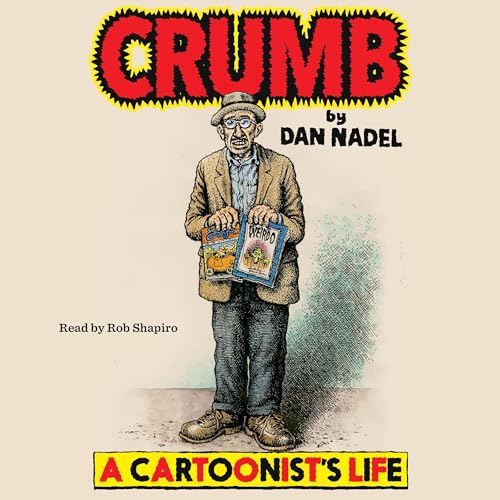
Crumb 

Author: Dan Nadel

Narrated By: Ron Shapiro

Dan Nadel (Author, curator-at-large for the Lucas Museum of Narrative Art in Los Angeles.)

“Crumb” is a well written biography of Robert Crumb, the cartoonist. The subject matter is of interest to me because of the remarkable talent of a disheveled young man with coke bottle glasses that has a gift of drawing. That gift provides him wealth and success despite coming from a troubled household that gives him an eye for the weirdness of life. He and his brother, Charles who was 1 year older, began a monthly hand-drawn comic book when he is 15 years old. They sold it door to door in the late 1950s. Charles wrote the stories and Robert illustrated them. Nadel shows how that early life experience sharpened Robert’s artistic skills and planted the seeds for his future success.

R. Crumb drawing of himself.

Nadel notes how Crumb’s drawings are deeply personal and sometimes disturbing because they capture the inner conflicts within Crumb’s life while tapping into the undercurrents of postwar America. Crumb’s work delves into the male id and its impulses exposing sexual obsession, neurosis, and human alienation. Crumb’s life story borders on a confessional and makes one confront their own obsessions. His comics delve into consumerism and conformity about race and gender with a biting satire that makes one realize the absurdity of American, if not all, human life. Nadel suggests Crumb’s work is an unfiltered chronical of the life he lived and lives.

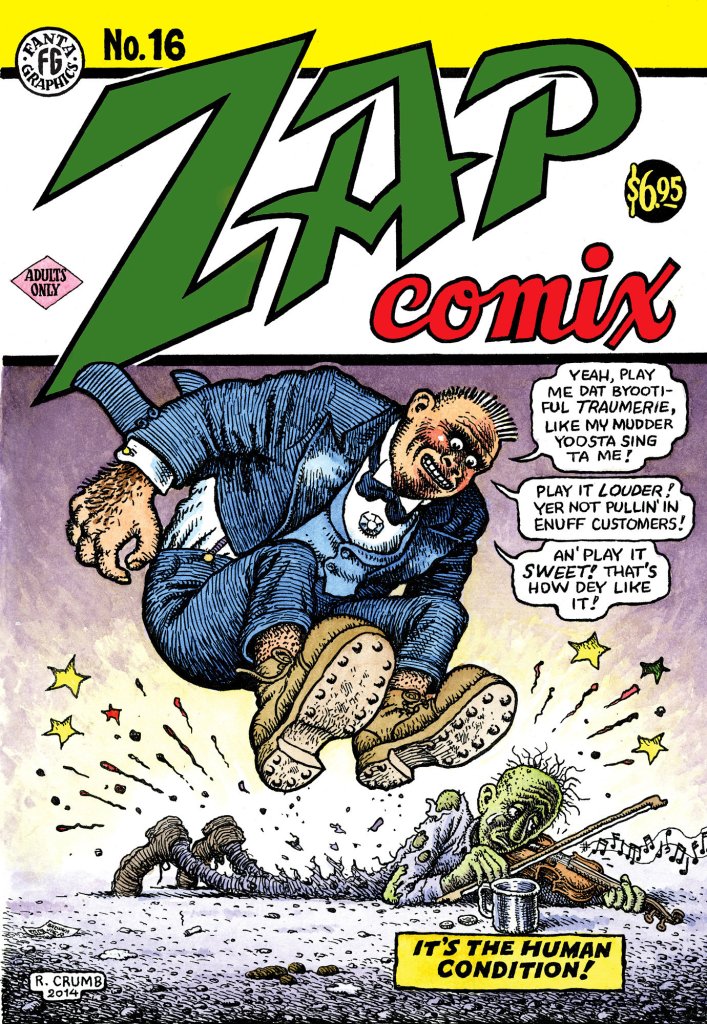
Robert Crumb gained fame in the 1960s counterculture when Zap Comix was released in 1967.

“Mr. Natural” and “Fritz the Cat” became cult icons illustrating the absurdity of life. Nadel suggests Crumb’s subjects are expressions of his working through his personal demons. Some of his images are racist and misogynistic which paints a picture of a troubled society. His subject matter ranges from popular music, counterculture, the history of comics, to graphic satire.

Nadel explains Crumb is married twice. His first marriage to Dana Morgan falls apart in part because of Crumb’s emotional volatility, but also because of the cultural upheaval of the 1960s. Nadel explains Morgan was the first woman Crumb had sex with which is complicated by Crumb’s confusion about sex. Crumb’s fame increases. He experiments with LSD. These dramatic changes in his life increase his discontent. There seems no single reason for the divorce. Crumb moves to San Franciso in 1967 to immerse himself in a counterculture and the comix scene.

Crumb meets Alaine Kominsky in 1972, and they marry in 1978. Their creative partnership blossoms with the creation of autobiographical comics that reveal the quirks, conflicts, and affections of their relationship. Their joint work is “Dirty Laundry Comics”. Ms. Kominsky dies in 2022.

Nadel notes that Crumb insisted on honesty when he agreed to have his biography written. Aline Kominsky is acknowledged as a stabilizing force in Crumb’s life. Crumb lived through America’s wars, the psychedelic age of the 60s and has now has reached the age of 81. Nadel explains much about Crumb’s turbulent life and how that turbulence shaped him and his art. Nadel offers a layered and empathetic portrait of R. Crumb, the ups and downs of his life, without excusing or condemning the beliefs, actions, or art of his long life.

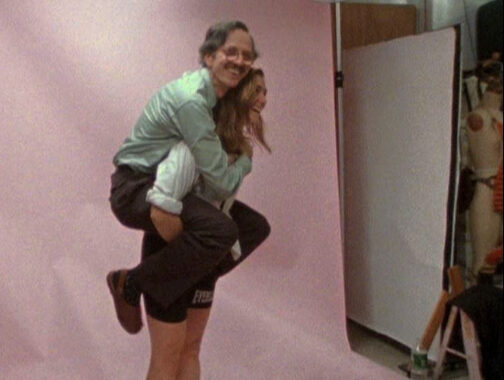
Crumb’s behavior like jumping on the backs of women for piggyback rides and his racially charged imagery is uncritically reported.

Some of what Crumb illustrated in his art and what he did with his piggyback rides undoubtedly insults the public. In many ways, Crumb marginalizes society with his racist and misogynistic comics. Nadel reports Robert Crumb’s life and antics without criticism which seems appropriate because he is simply recounting a human beings’ life. Nadel does not act as a judge but as a reporter of a lived life.

Crumb’s parents were poor. He lived in poverty but overcame its limitations with the art of drawing that opened the world of commerce to him. From comics to greeting card drawings and back to comics, Crumb became a maven of the art of irreverent behavior.

THE MEDICI ERA

The Autobiography of Benvenuto Cellini is not a great piece of writing, but it is an interesting perspective on the progeny of Florence, the violence of the 16th century, and the great art that came out of the Medici era.

Books of Interest
 Website: chetyarbrough.blog

The Autobiography of Benvenuto Cellini

By: Benvenuto Cellini

Benvenuto Cellini (Author, Italian goldsmith, sculptor, and contemporary of Michelangelo, died at age 71.)

This autobiography is alleged to have been dictated to a teenager by Cellini in the 16th century. The book is a mess but oddly interesting because of the volatile life of its author. The dictation is believed to have occurred when Cellini was in his fifties. He was born in 1500 and lived until 1571 with his death at the age of 70. Considering his volatile life and the average age of death as 30 or 40, Cellini lived a long life. Of course, the average age at death is skewed by high infant mortality, but Cellini’s autobiography shows him to be a resilient survivor.

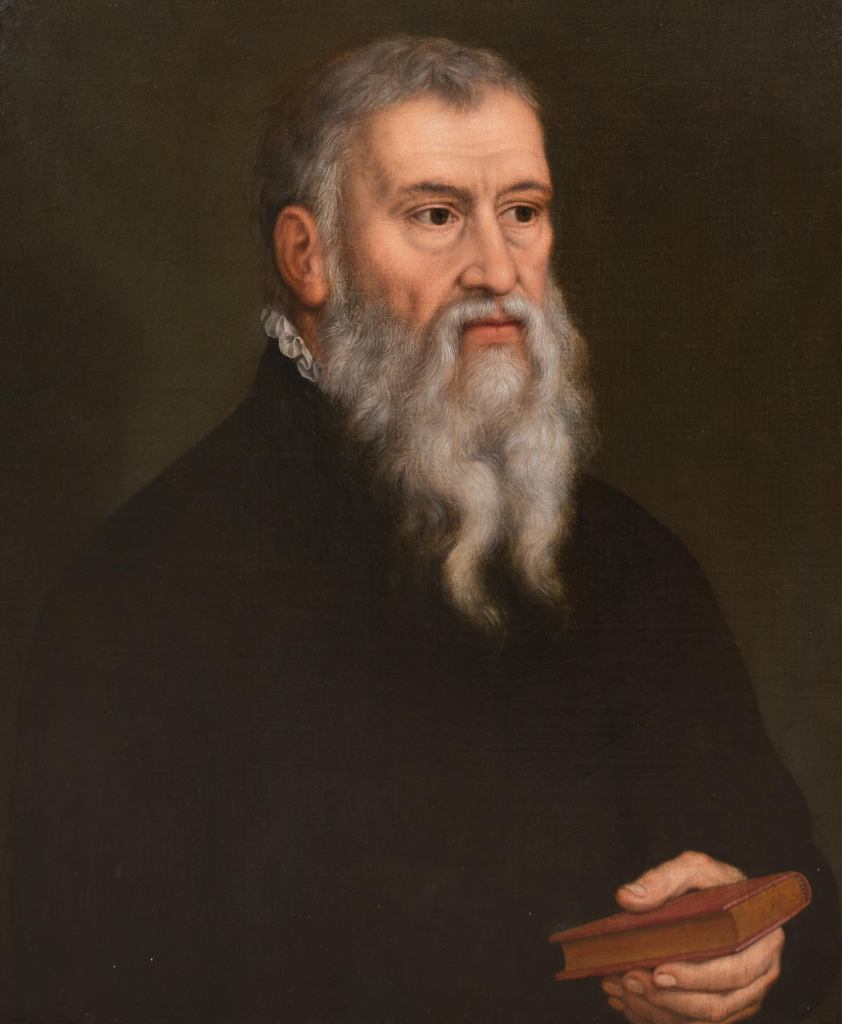
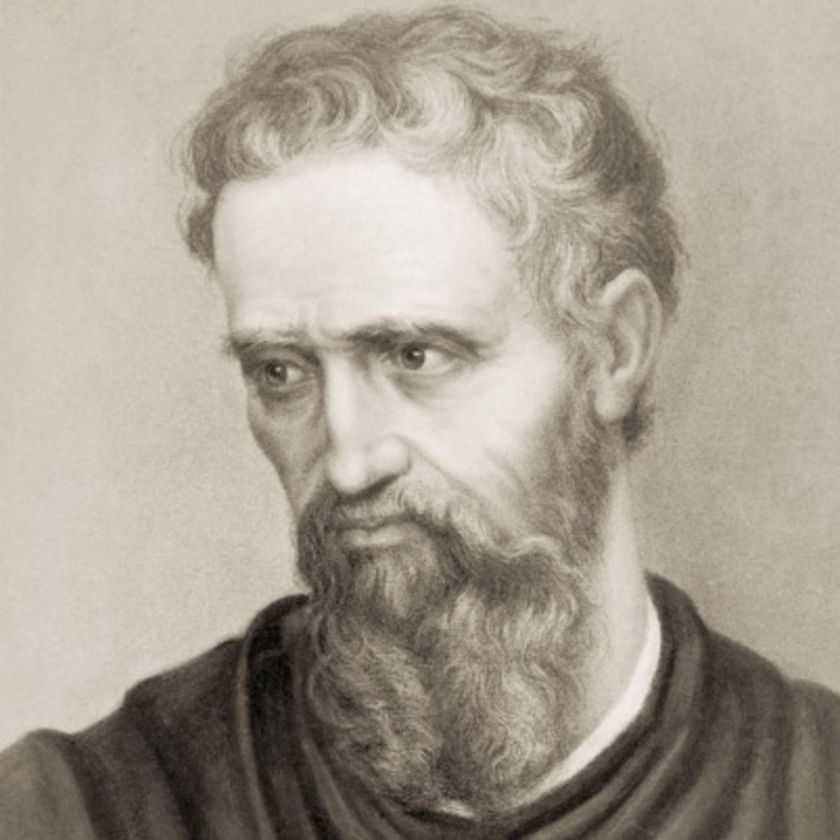
Michelangelo, a Florence native. (1475-1564, died at the age of 88.)

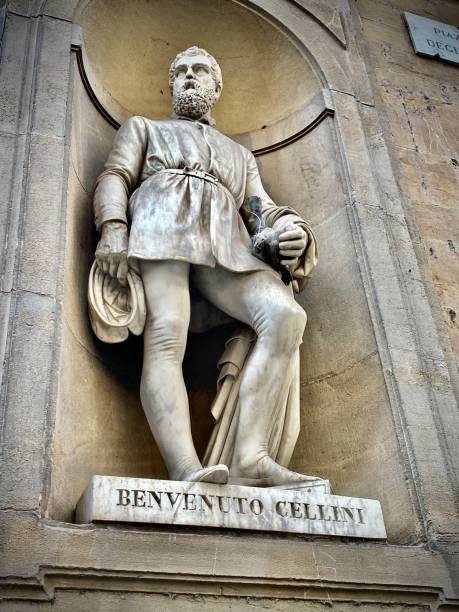
Cellini tells of surviving the plague, escaping assassination, being imprisoned, escaping, and, participating in several battles as a soldier where he was wounded but recovered. However, Cellini was also an amazing artist from the same city as Michelangelo. In contrast to Michelangelo, Cellini seems to have been quite boisterous; however, like Michelangelo he was strong willed and resistant to authority. The two men new each other. They shared experience as patrons of the powerful Medici family. Cellini appears to admire and like Michelangelo in his biographic recollection. They both did work for Pope Clement VII and Cosimo I de’ Medici.

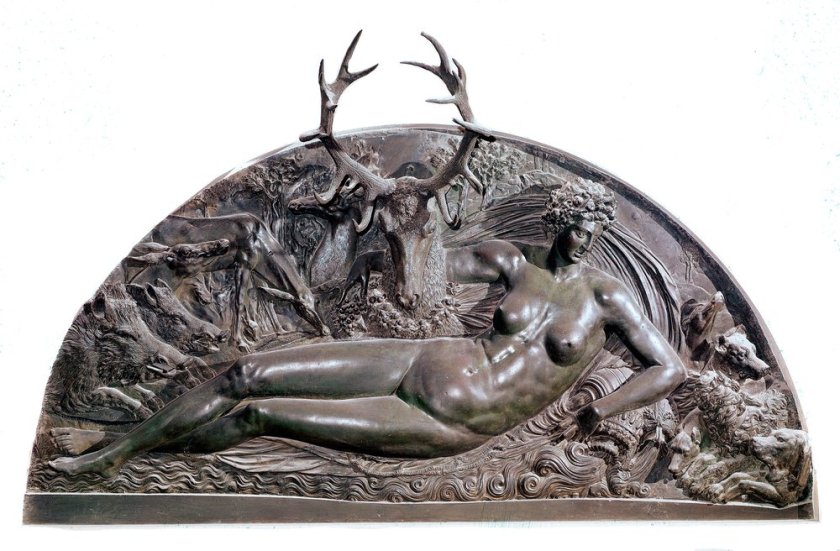
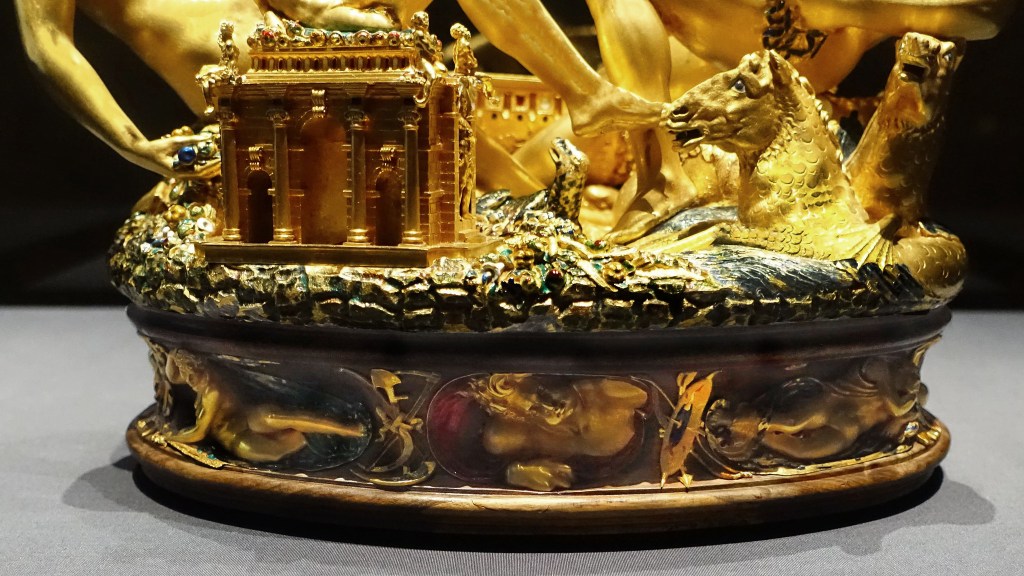
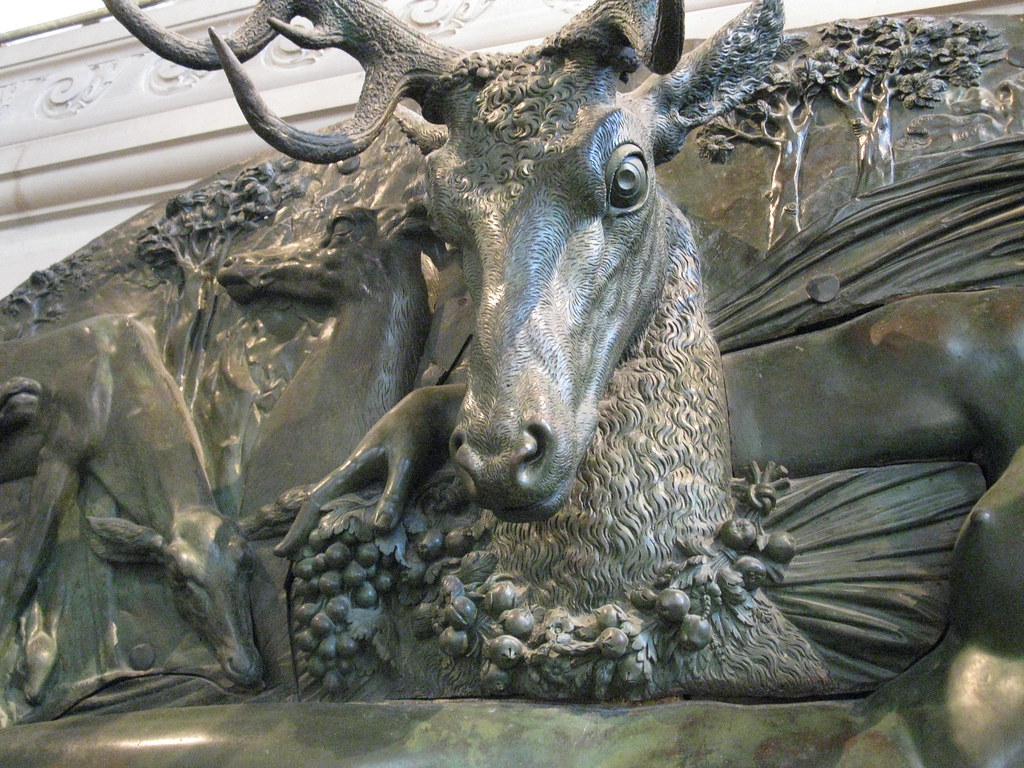
Cellini appears to have traveled as much as Michelangelo because of his life as a soldier as well as artist. Two of his greatest artistic accomplishments are the “Salt Cellar” and “Nymph of Fontainebleau” done for King Francis I of France. However, he also completed “Perseus with the Head of Medusa” for Cosimo I de’ Medici in Italy.

As a soldier, Cellini tells of the attack of Rome by troops of Charles V, the Holy Roman Emperor. The leader of the attack forces, the Constable of Bourbon, was shot by Cellini according to Cellini’s autobiography. Though Cellini seems never to have been wounded in battle, he tells of several violent encounters that could have ended his life.

Statue of Cellini in Florence.

The Autobiography of Benvenuto Cellini is not a great piece of writing, but it is an interesting perspective on the progeny of Florence, the violence of the 16th century, and the great art that came out of the Medici era.

MICHELANGELO

The story of Michelangelo ends with the return of the Medicis to power. It is for Michelangelo–a journey of “…Agony and Ecstasy”–of love for his work, the daughter of a Medici, and the tumult of his time.

Books of Interest
 Website: chetyarbrough.

The Agony and the Ecstasy  (The Biographical Novel of Michelangelo)

By: Irving Stone

Irving Stone (1903-1989, died at the age of 86, American writer of biographical novels about artists, politicians and intellectuals.)

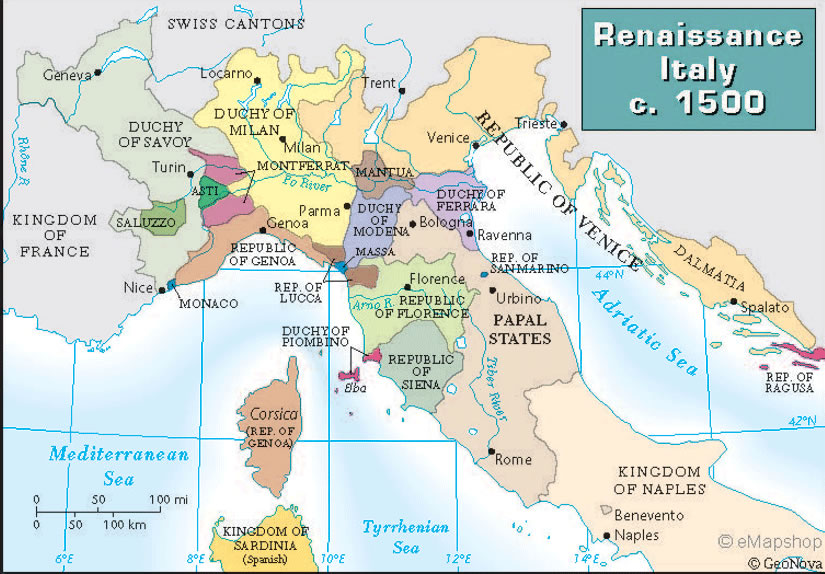
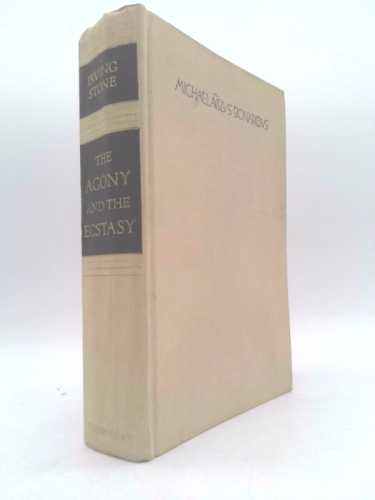
Irving Stone’s novel is an entertaining book and an historically supported story of the famous artist, Michelangelo. Michelangelo was a Florentine born in Florence, an influential city at the heart of the Italian Renaissance. The Medici family was in control of Florence’s political and cultural life in Michelangelo’s youth.

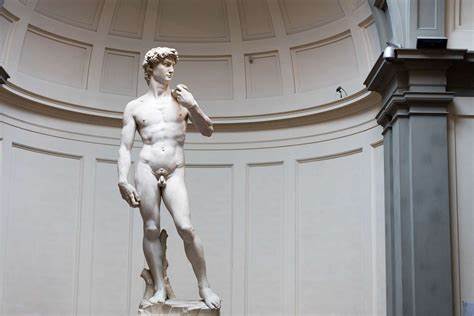
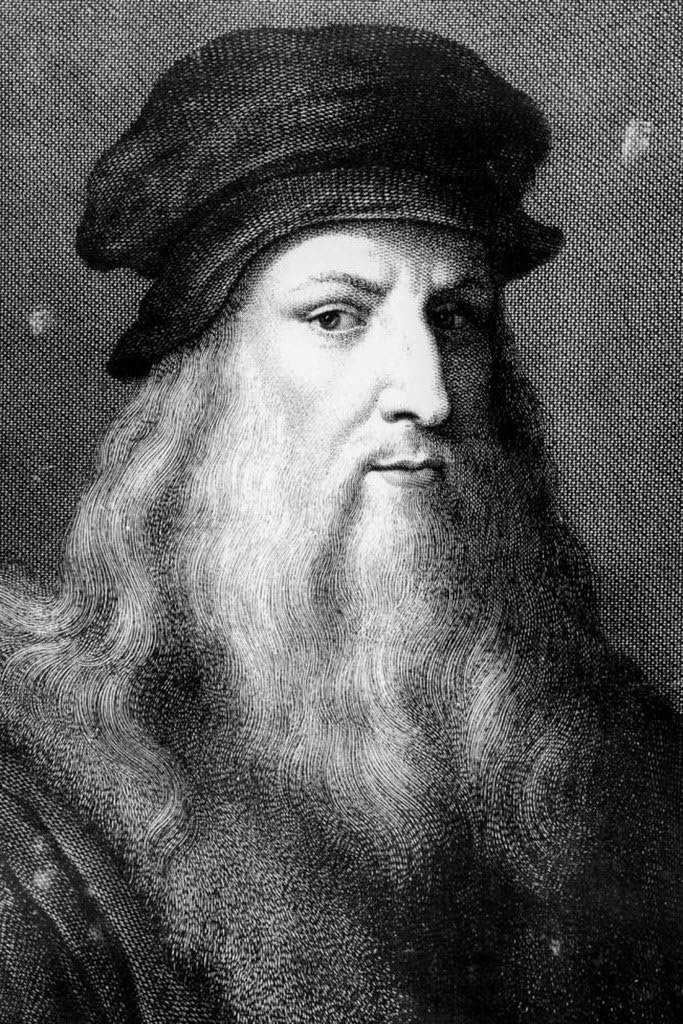
Two of the most famous artists of all time, Leonardo Da Vinci and Michelangelo Buonarroti created two of the most famous art works of the world in Florence, i.e. da Vinci’s “Adoration of the Magi” and Michelangelo’s “David”. However, their personal relationship began roughly in their brief contact in Florence. In 1504. Leonardo da Vinci was 52 years old. Michelangelo was 29.

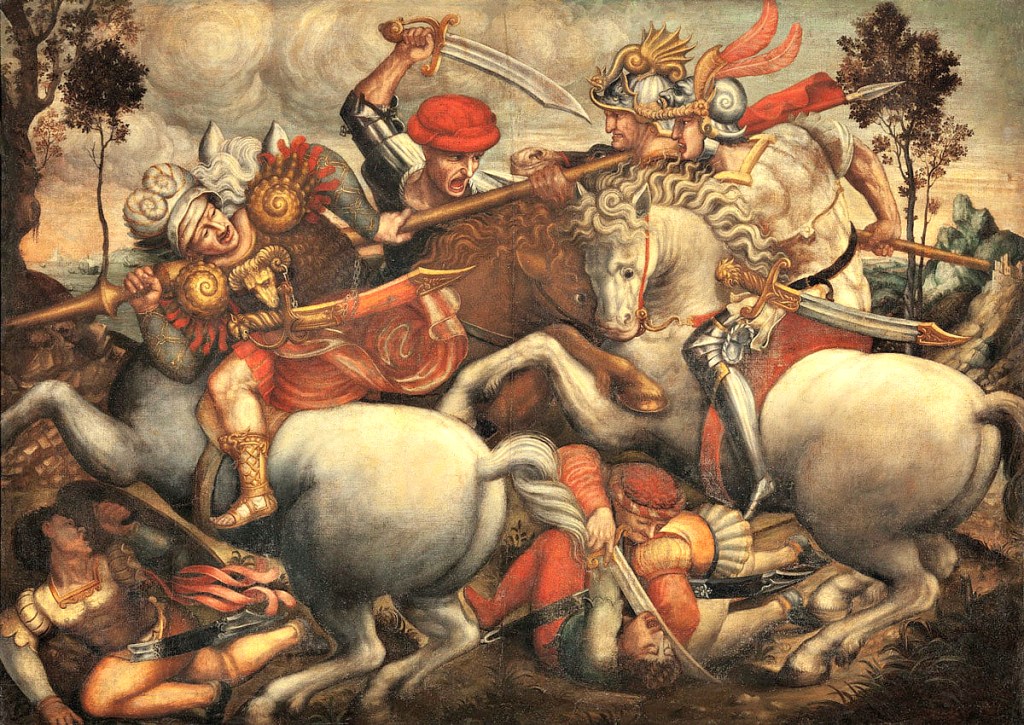
They had both been contacted to paint murals in the Hall of Five Hundred in the Palazzo Vecchio. Leonardo had already made his reputation as a master painter, polymath, and diverse genius. Michelangelo was considered a sculptor more than a painter. However, in a casual conversation da Vinci alludes to sculpture as a less prestigious form of art. The younger Michelangelo is offended and is alleged to have said harsh words to da Vinci with a challenge to paint a competing fresco in the Palazzo Vecchio. Neither completed their planned paintings but their preparatory works were preserved and considered important developments of the High Renaissance. Irving Stone suggests they meet later in life and Leonardo apologizes for what he felt was a misinterpretation of his words about the art of sculpture.

Stone suggests Michelangelo is more of an ascetic than da Vinci. Leonardo as noted by other authors, had many interests beyond art. Michelangelo prefers sculpture to any other form of art and when he is contracted for his artistic genius, he grudgingly takes commissions for his skill as a painter. “The Agony and the Ecstasy” is a title that captures Michelangelo’s artistic conflict.

Stone shows Michelangelo pursues human dissection, just as Leonardo is said to have, to more fully understand the construction of the human body for an artist to make painting or sculpture appear more real. Human dissection is not legal in Michelangelo’s time in Florence, so he secretly works at night when no one is around to see what he is doing.

Stone addresses the political turmoil of the time and how Michelangelo is hired by the Medici family when he is a young man. This is before the Borgias replace the Medici family in Italy. Michelangelo remains close to the Medicis even in their exile but is attracted to Rome in 1496 by Cardinal Raffaele Riario, a relative of Pope Sixtus IV. In Rome, Michelangelo creates “Bacchus”, the god of Wine.

Michelangelo’s Bacchus, the Roman god of agriculture, wine, and fertility.

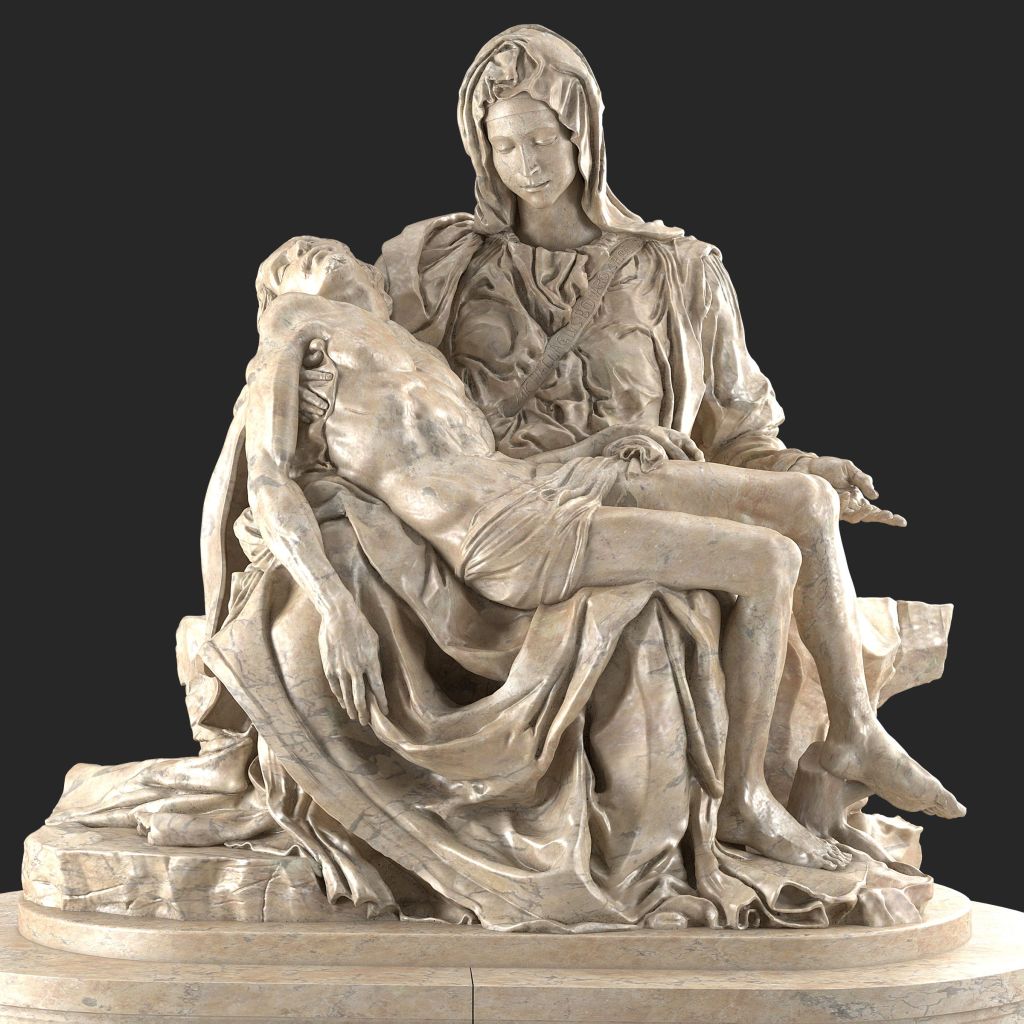
After creating “Bacchus, a French cardinal commissions the “Pieta” for St. Peters Basilica. Michelangelo gains the reputation of being a master sculptor.

Michelangelo’s Pieta depicting Mary holding the body of Christ.

Stone suggests the Pope asks why Mary appears so young and Michelangelo explains it is because she is the mother of a divine.

After the Pieta, Michelangelo is commissioned by overseers of the Office of Works of the Cathedral of Florence. This is not clear in “The Agony and the Ecstasy” but it reinforces Irving Stone’s recognition of Michelangelo’s deep connection to Florence. He returns to Rome, but his heart is in Florence. Much of Michelangelo’s time in Rome is uncomfortable and does not calm down for him until the Medicis return to power.

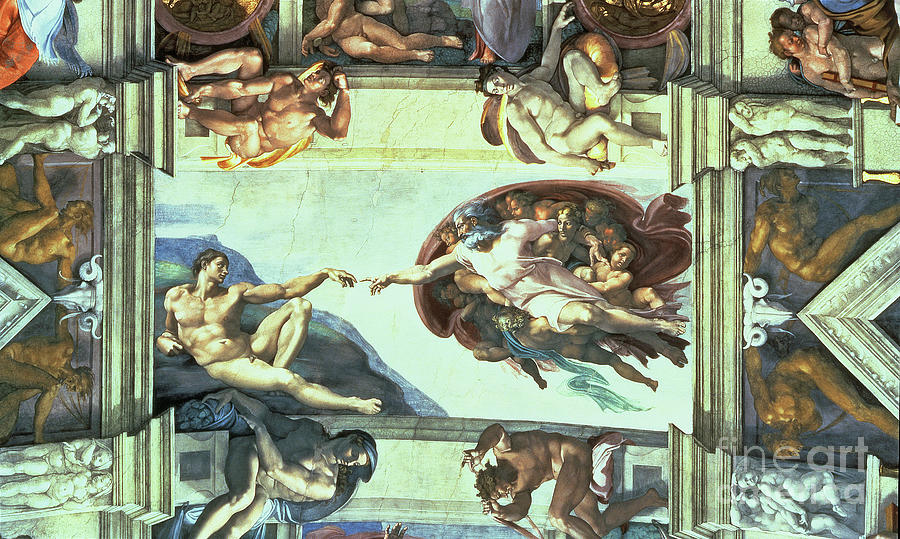
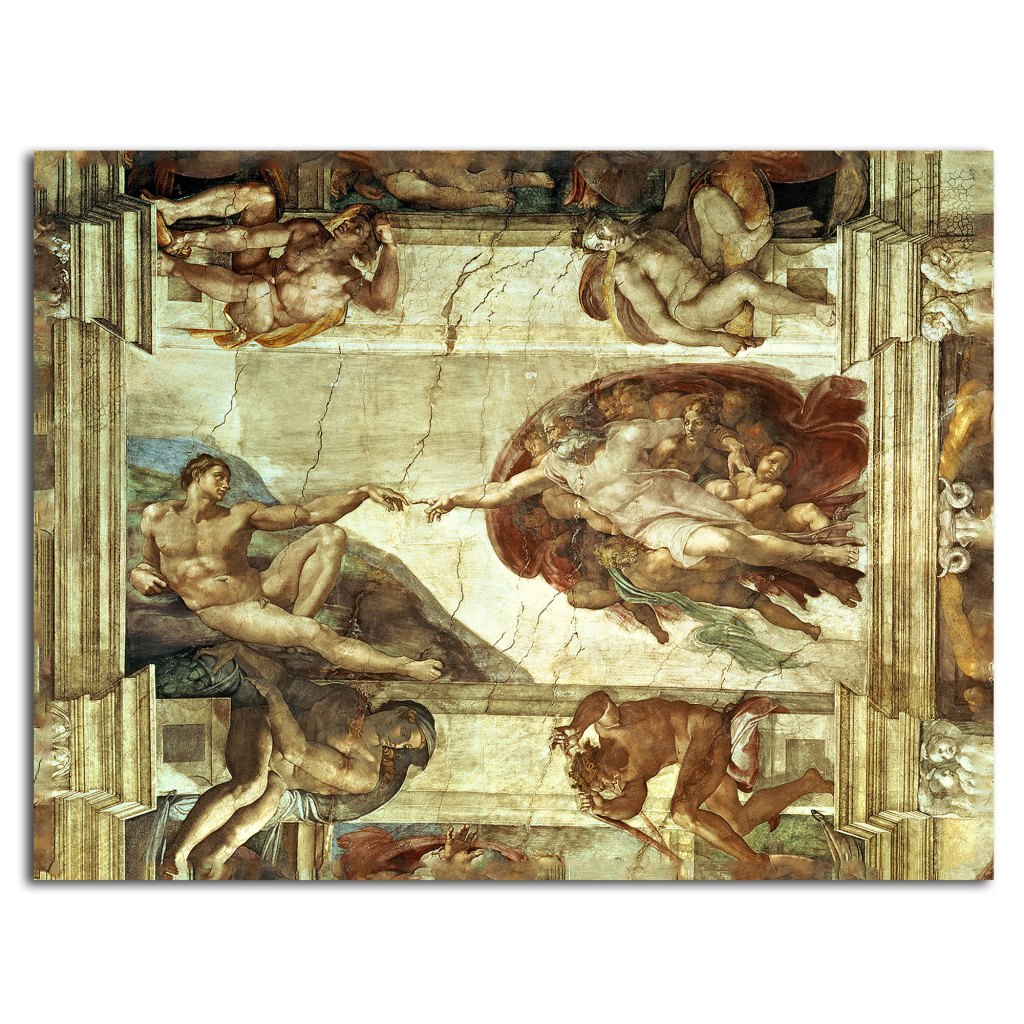
The warrior Pope, Pope Julius II heads the church from 1503-1513. Irving Stone explains; this Pope demands Michelangelo paint the ceiling of the Sistine Chapel at the Vatican in Rome. Of course, Michelangelo resists because he wishes to be remembered for sculpture, not painting, because it is an art that gives him joy. The forceful Pope insists, and Michelangelo makes a false start that changes into a history of the birth of the world on the ceiling of the Chapel. He works on the ceiling of the Chapel from 1508 to 1512.

Sistine Chapel painting by Michelangelo between 1508 and 1512.

The story of Michelangelo ends with the return of the Medicis to power. It is for Michelangelo–a journey of “…Agony and Ecstasy”–of love for his work, the daughter of a Medici, and the tumult of his time. Michelangelo never marries and dies at the age of 88 in 1564.

WORRY OR NOT

Artificial intelligence is an amazing tool for understanding the past but its utility for the future is totally dependent on its use by human beings. A.I. may be a tool for planting the seeds of agriculture or operating the tools of industry but it does not think like a human being.

Books of Interest
 Website: chetyarbrough.blog

Genesis (Artificial Intelligence, Hope, and the Human Spirit) 

By: Henry A. Kissinger, Eric Schmidt, Craig Mundie

Narrated By: Niall Ferguson, Byron Wagner

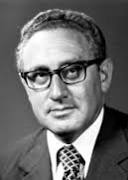
NOTED BELOW: Henry Kissinger (former Secretary of State who died in 2023), Eric Schmidt (former CEO of Google), and Craig Mundie (a Senior Advisor to the CEO of Microsoft).

“Genesis” is these three authors view of the threat and benefits of artificial intelligence. Though Kissinger is near the end of his life when his contribution is made to the book, his co-authors acknowledge his prescient understanding of the A.I. revolution and what it means to world peace and prosperity.

On the one hand, A.I. threatens civilization; on the other it offers a lifeline that may rescue civilization from global warming, nuclear annihilation, and an uncertain future. To this book reviewer, A.I. is a tool in the hands of human beings that can turn human decisions for the good of humanity or to its opposite.

A.I. gathers all the information in the known world, answers questions, and offers predictions based on human information recorded in the world’s past. It is not thinking but simply recalling the past with clarity beyond human capability. A.I. compiles everything originally noted by human beings and collates that information to offer a basis for future decision. Information comprehensiveness is not an infallible guide to the future. The future is and always will be determined by humans, limited only by human judgement, decision, and action.

The danger of A.I. remains in the thinking and decisions of humans that have often been right, but sometimes horribly wrong. One does not have to look far to see our mistakes with war, discrimination, and inequality. In theory, A.I. will improve human decision making but good and bad decisions will always be made by humans, not by machines driven by Artificial Intelligence. A.I.’s threat lies in its use by humans, not by A.I.’s infallible recall and probabilistic analysis of the past. Our worry about A.I. is justified but only because it is a tool of fallible human beings.

Artificial intelligence is an amazing tool for understanding the past but its utility for the future is totally dependent on its use by human beings. A.I. may be a tool for planting the seeds of agriculture or operating the tools of industry but it does not think like a human being. The limits of A.I. are the limits of human thought and action.

The authors conclude the Genie cannot be put back in the bottle. A.I. is a danger but it is a humanly manageable danger that is a part of human life.

The risk is in who the decision maker is when A.I. correlates historical information with proposed action. The authors infer the risk is in human fallibility, not artificial intelligence.

BOOK LOVERS

In the end, “…History of the Book…”is brought together by Smyth’s review of book circulation. From early written manuscripts, small accumulations by the few grew into massive libraries for the general public.

Books of Interest
 Website: chetyarbrough.blog

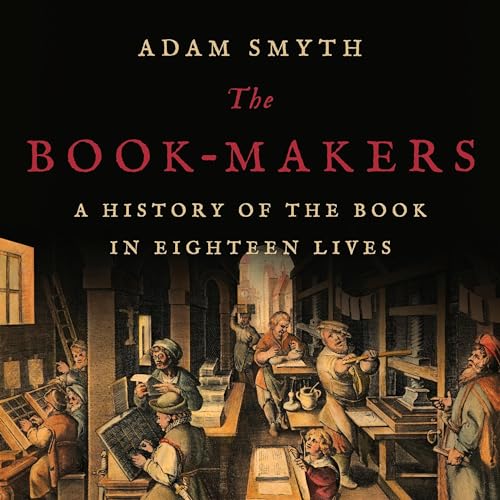
The Book-Makers (A History of the Book in Eighteen Lives) 

By: Adam Smith

Narrated By: Adam Smith

Adam Smyth (Author, Professor of English Literature and the History of the Book at Oxford University.)

The Gutenberg press is invented in the mid-15th century in Germany. Not surprisingly, the most widely printed book is the Christian Bible that began with the Guttenberg Bible, a 42-line Bible also called the Mazarin Bible, printed in 1455. Adam Smyth notes the first non-religious, widely popular book is printed in 1494, titled “Das Narrenschiff” or “Ship of Fools”.

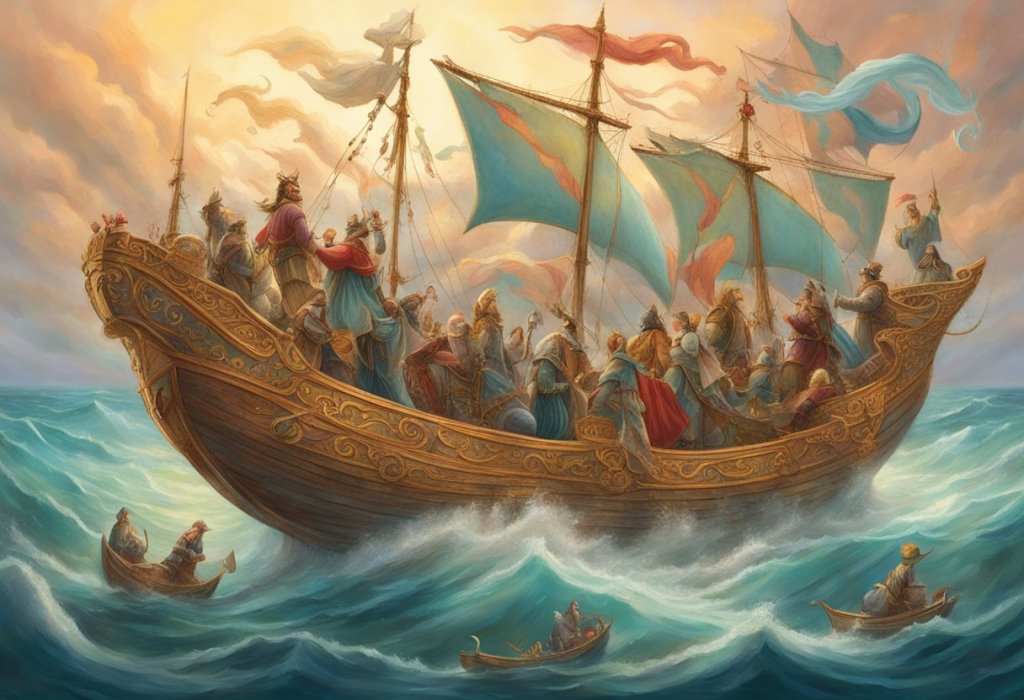
“The Ship of Fools” is written by Sebastian Brant in 1494. It is a collection of satirical poems and illustrations depicting the foolish behavior of humans and the corruption of the church.

Printed originally in German in Basel, Switzerland, “The Ship of Fools” was lavishly illustrated and became a best seller in Europe. Its popularity came from its satirical content, wide translation, and visual appeal. Smyth explains the book critiques human folly and vice with 112 chapters, each of which is accompanied by a woodcut illustration.

Smyth explains how bookbinding and printing grew as an art.

Contributions to the art were made by both men and women. Elizabeth Collett and Sarah Benlowes were instrumental in improving the quality and continuity of noted books in the 17th century. They pioneered a “cut and paste” technique that made famous books more consistent, unique, and artistic without changing their author’s meaning.

John Baskerville (1706-1775) created and, with the management of his wife, distributed the Baskerville typeface. Not surprisingly, no picture is available on the internet of his wife Sarah Eaves.

John Baskerville and his future wife, Sarah Eaves, made significant contributions to the quality of the printed page. Baskerville created Baskerville typeface in 1757. The new typeface set a new standard for typography with sharp serifs, high contrast thick and thin strokes, and overall clarity. His future wife managed their print business and helped implement Baskerville’s innovations. Together, they improved ink color and sharpness to provide higher quality printing for books.

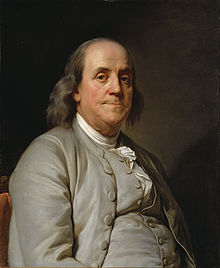
No story of the “History of the Book…” could be complete without addressing Benjamin Franklin (1706-1790).

Smyth reveals the contributions Franklin makes while using Caslon typeface created by Baskerville for the publication of newspapers, advertising, and the most successful non-religious book of the 18th century, “Poor Richard’s Almanac”. Franklin is the quintessential American by exemplifying the strengths and weakness of capitalism.

Money is important to Franklin in different ways.

Franklin used his newspaper to support and print paper money for the U.S. government. Franklin’s industriousness is well documented by historians, but Smyth notes a glaring flaw in Franklin’s character. Of course, this flaw is taken out of historical context and Franklin eventually changes his view, but he supported and brokered the slave trade between the 1750s and 60s. He is seduced by amorality, presumably because of the human desire for money, power, and/or prestige. Of course, this is being human; like all citizens of any economy or government.

Franklin’s views on slavery changed in the 1780s when he became a vocal abolitionist, but he certainly enriched himself in slavery’s earlier years.

Smyth flashes back to the invention of paper. The early beginning of paper is traced back to China in the 2nd century CE. Ts’al Lun (Cai Lun), a court official, is credited for developing papermaking techniques. Paper production spreads to the Islamic world in the 7th century with the printing of the Koran. It extends to Europe in the 12th century. The truly big jump in paper production came in the early 19th century with Louis-Nicolas Robert in France. The Fourdrinier machine could produce huge rolls of paper, but Louis-Nicolas Robert is unable to capitalize on the process because patenting was not available in France. Paper production process improves with John Gamble and Bryan Donkin in England. Paper production became faster, more efficient, and cost-effective.

The truly big jump in paper production came in the early 19th century with Louis-Nicolas Robert in France.

In the end, “…History of the Book…”is brought together by Smyth’s review of book circulation. From early written manuscripts, small accumulations by the few grew into massive libraries for the general public. Access to great and inane writings of genius and pulp producers reached wider and wider audiences. The final chapters address some of the great writers of modern times, particularly poets of which this reviewer is minimally interested and sadly ignorant.

One of the largest libraries in the world is in France, The Bibliothèque Nationale de France.