Graduate Oregon State University and Northern Illinois University,
Former City Manager, Corporate Vice President, General Contractor, Non-Profit Project Manager, occasional free lance writer and photographer for the Las Vegas Review Journal.
The tragedy of cultural conflict fills the pages of Frazer’s history of the Mayflower adventure. Listeners are numbed by the many mistakes made by both Americanized English and indigenous natives in an interminable cultural war, a war that is still being played and paid for today.
Books of Interest Website: chetyarbrough.blog
Hollywood Park: The Mayflower
By: Rebecca Fraser
Narrated By: Kate Reading
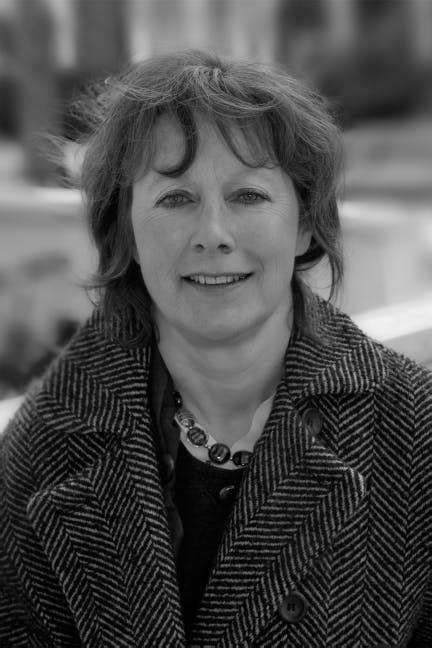
Rebecca Fraser (Author, British writer and broadcaster, former president of the Bronte Society.)
In the early years of the 17th century, Puritans fled to America to escape persecution by King James I of England and his mother, Mary Queen of Scots. Though King James was not as much of a doctrinarian as his mother, it was dangerous for non-Catholics to live in England or Scotland. Fraser explains many English Puritans sought refuge in Holland. “The Mayflower” is a history of the first years of the Kingdom of England’s and Scottland’s Puritan settlements in America. Three of the most famous Mayflower’ passengers were William Bradford, Myles Standish, and William Brewster. Both Bradford and Brewster sailed from the Netherlands to England to board the Mayflower. Bradford became the first governor of the Plymouth Colony in America. Myles Standish became the military leader of the settlers. William Brewster was the spiritual leader of Puritan followers.
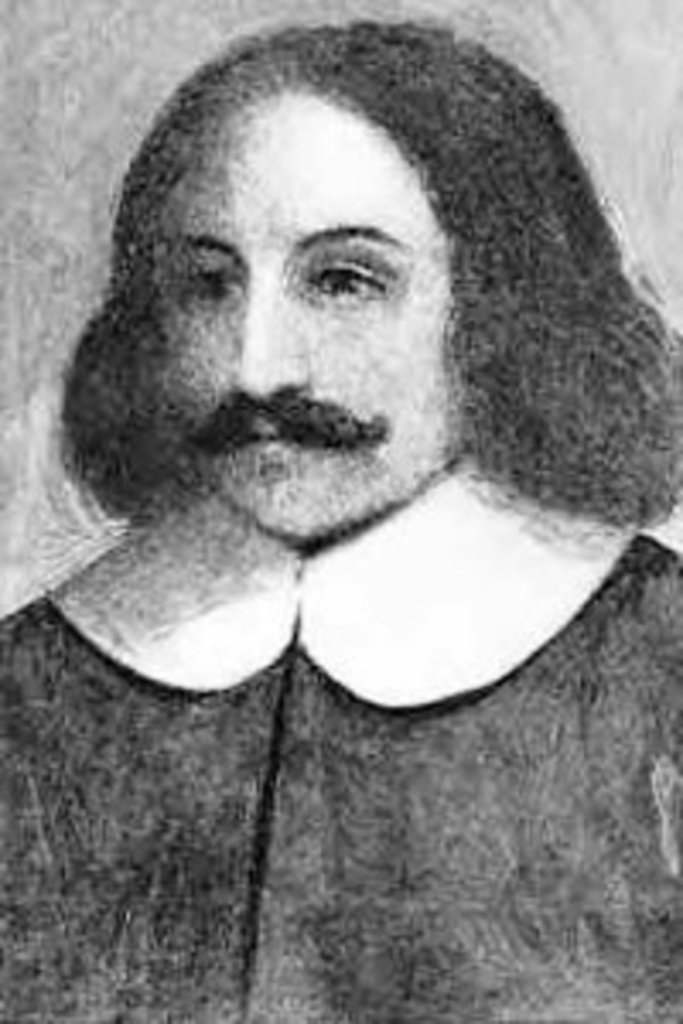
William Bradford (1590-1657)Myles Standish (1584-1656)William Brewster (1566-1644)
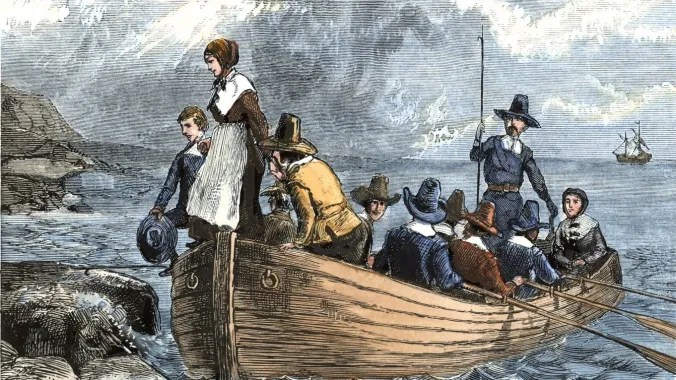
Fraser explains how Standish became important in the Mayflower’s cramped quarters, rough seas, and limited food. Standish maintained a level of discipline while Brewster provided spiritual support to the Pilgrims and non-religious separatists. The author reveals how shoddy the accommodations were on the Mayflower and how poorly prepared the ship was for such a perilous voyage. Provisioning was inadequate and the ship became overloaded when their sister ship had to return to England because of its unseaworthiness. More passengers were added to the Mayflower when the sister ship headed back to England. There were no doctors on board. A baby was born with the help of a mid-wife. Fraser gives one a picture of a two-month voyage that was hellish. Five of 102 passengers died at sea.
Upon arrival, survivors were faced with November winter conditions.
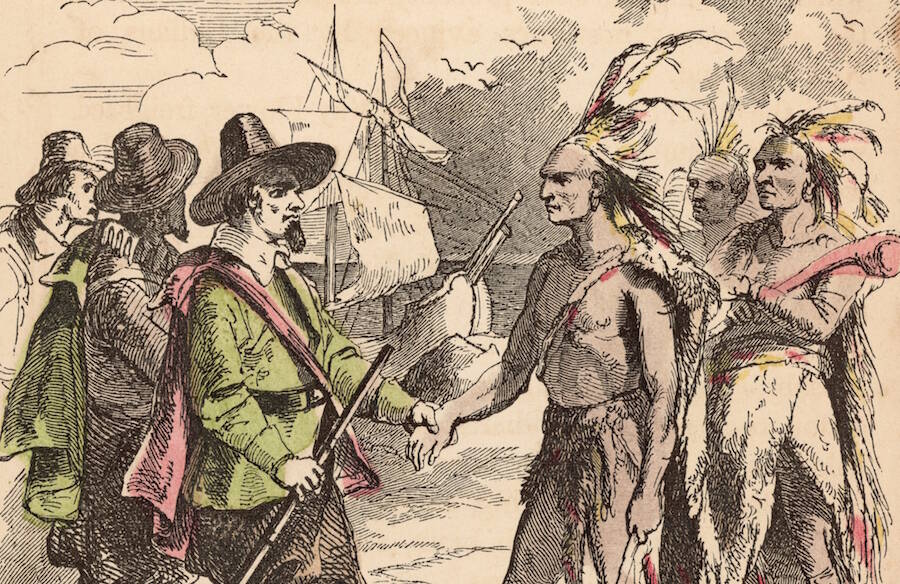
Forty-five of the 102 passengers died from a lack of shelter, poor rationing, and cold temperatures. The Mayflower was used as a shelter for much of the winter. No Native Americans greeted the travelers when they landed. It was March before an English-speaking Native named Samoset from the Wampanoag tribe met and talked to the settlers. Samoset introduced another English-speaking Native named Tisquantum, aka Squanto. Squanto taught the newcomers how to grow corn, catch fish, and find edible plants. Without that help, one doubts even these 57 settlers would have survived.
Fraser reveals the complicated relationship between settlers and indigenous natives.
As Fraser continues her history of America’s newcomers, differences in cultural beliefs, whether religious or secular, show why all nations in the world are challenged by difference.
Two indigenous natives, Samoset and Squanto, opened the door of communication between cultures. Squanto learned English because of his capture by John Smith’s men in 1614-15 with the intent of enslavement. Squanto escapes and returns to his native land. Because he could speak English, despite his kidnapping, he used what he learned to help settlers know how to plant corn, fish, and hunt beaver for survival.
Indigenous native cultures evolve with the influence of the Puritan settlers. They adopt a conception of Kings that rule over others.
Two Indian brothers rose to the level of kings in the Wampanoag tribe of New England. They were the sons of chief Massasoit who saved the pilgrims from starvation by helping them understand how to cultivate the land and fish for survival. As the pilgrims multiplied, human nature led to conflicts between indigenous natives and themselves. Though the initial source of value exchange began as wampum (shell bead), it evolved to printed currency which changed the nature of life, labor, and trade.
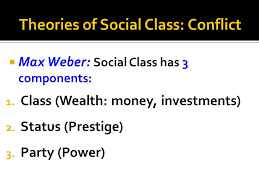
Human nature is freighted with the desire for money, power, and prestige.
Those desires lead to conflicts between native cultures and the Pilgrims. The desire for land began to infringe on the culture of native tribes. Soon, these conflicts escalated to war between English settlers and leaders of native tribes. Fraser details the rise of King Alexander and King Phillip of the Wampanoag tribe that began to organize against the settler’s encroachment on native lands. Alexander is killed but his brother becomes a great leader among many indigenous natives and begins what seems an interminable and savage war against the settlers. The savagery on both sides escalates with scalping, dismemberment, and pilloried heads on spikes.
The tragedy of cultural conflict fills the pages of Frazer’s history of the Mayflower adventure. Listeners are numbed by the many mistakes made by both Americanized English and indigenous natives in an interminable cultural war, a war that is still being played and paid for today.
Jollett concludes his memoir by arguing his mother is a narcissist. Who is the narcissist in “Hollywood Park: A Memoir”? Mikel Jollett fails to understand how difficult it is for a single mother to raise children on her own.
Books of Interest Website: chetyarbrough.blog
Hollywood Park: A Memoir
By: Mikel Jollett
Narrated By: Mikel Jollett
Mikel Jollett (Author, American musician, frontman for Airborne Toxic Event.)
Narcissism is an excessive sense of self-importance and a lack of empathy for others. Though Mikel Jollett shows skill as a writer, his assessment of life as a child grown-up exhibits a personal blindness about the hardship of single parents.
Every child has a story. This is a memoir of Mikel Jollet’s life. Jollett’s story is about his family that joined what became a cult in the 1960s. It was called Synanon, a rehab program in Santa Monica, California for addicts that began in the late 1950s. The rehab program evolved into a religious movement. As it became a religious movement, its harsh policies drove some residents to flee. Jollett’s story is about leaving with his mother and brother when he is five years old.
Jollett’s mother leaves the Synanon commune and the father of her children to return to her parent’s house to re-start her and her children’s lives.
To Mikel, leaving was a dramatic break from the Synanon way of life and a father he misses. Jollett’s father was an addict and former convict who lived what seems a vagabond life until he joins Synanon. Mikel’s mother decides to secretly escape with her two boys as the Synanon life became more and more harsh. Despite its growing religiosity and authoritarian milieu, Synanon survives until 1991 when it faces numerous legal issues related to forced sterilizations and violence toward members.
As a single parent, Mikel’s mother struggles to regain an identity and her own life.
Some of the religious teaching at Synanon appears to have remained with her. After living with her mother and father in California, she chooses to move to Salem, Oregon. The move is motivated by the high cost of living in California and a job she finds in Salem. After some time in Salem, she meets a reformed alcoholic who comes to live with her and the boys. Mikel grows to like the reformed alcoholic, but his mother’s new companion falls off the wagon and leaves the boys and their mother. He returns sometime later, only to leave again.
Bonnie who was close to Mikel when they lived in the Synanon community became a companion with Mikel’s father in California.
The boy’s paternal father remains in California and eventually looks up his wife’s children in Oregon. Upon visiting the boys in Salem, he tells them they will be invited to visit him in California, where he lives near the beach. In their first visit they become reacquainted with Bonnie who had been in the Synanon program. Mikel had been emotionally attached to the woman when at Synanon, so he was pleased to see her.
Mikel reminds reader/listeners that many children in America are not raised in “Leave to Beaver” families.
Life is a struggle for most children, even in unbroken families. Being raised in a single parent home, particularly when the single parent is a woman is harder because of societal inequality. Mikel and his brother are boys, so they have better chances for breaking poverty’s cycle, but their mother is faced with greater obstacles. Mikel’s story shows a better chance for success than some children raised by a single parent because of a precocity recognized by the principal at his school in Salem. Precocity is no guarantee of success but being a male and smart are significant advantages.
Mikel and his brother, Tony, had older brother/younger brother conflicts.
Tony, as the older brother, was sometimes cruel or uncaring about his younger sibling. As Mikel grew older, he found ways to punish his older brother for his cruelty. As they matured, they reconciled but both left their mother to live with their father in California. The baggage their mother had from her experience at Synanon, her husband’s abandonment, and the circumstances of poverty became too much for Mikel to understand the trials of being a single mother with two children. Mikel’s judgement is that his mother was too narcissistic.
Sexual inequality are two strikes against women in life. Some women overcome great odds to become economically independent; most do not.
Women struggle with life’s inequality in ways that escape understanding of masculine society, i.e., particularly male children who live with a single mother’s nurturing through the formative years of their lives. Divorced or abandoned mothers often do what they must do to raise children that fathers mostly neglect during the formative years of life. Male parents escape responsibility by leaving their children with mothers. Ex-husbands have the privilege of regaining an independent life in a world that offers better opportunities for men than women. They often re-marry which is what Mikel’s father does.
Jollett concludes his memoir by arguing his mother is a narcissist. Who is the narcissist in “Hollywood Park: A Memoir“? Mikel Jollett fails to understand how difficult it is for a single mother to raise children on her own.
It takes more than ambition to build a successful organization or company. Unless one is a genius who can continually innovate, it takes management structure that encourages others to innovate and work for a common organizational purpose.
Books of Interest Website: chetyarbrough.blog
Bad Blood (Secrets and Lies in a Silicon Valley Startup)
By: John Carreyrou
Narrated By: Will Damron
John Carreyrou (Author, French-American investigative reporter for the NY Times)
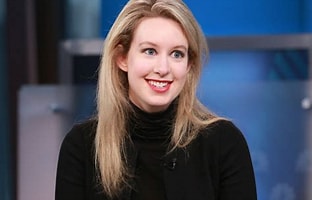
Ambition is the strong desire or drive to achieve something. The public story of Theranos is examined by investigative reporter, John Carreyrou. His subject is Elizabeth Holmes, a bright young woman who drops out of Yale to pursue an idea. Her idea is to create a blood testing system intended to diagnose medical conditions with potential for measuring effectiveness of drug treatment for existing disease. Her ability to sell an idea exceeded her ability to organize a company to create a product that accomplished that end.
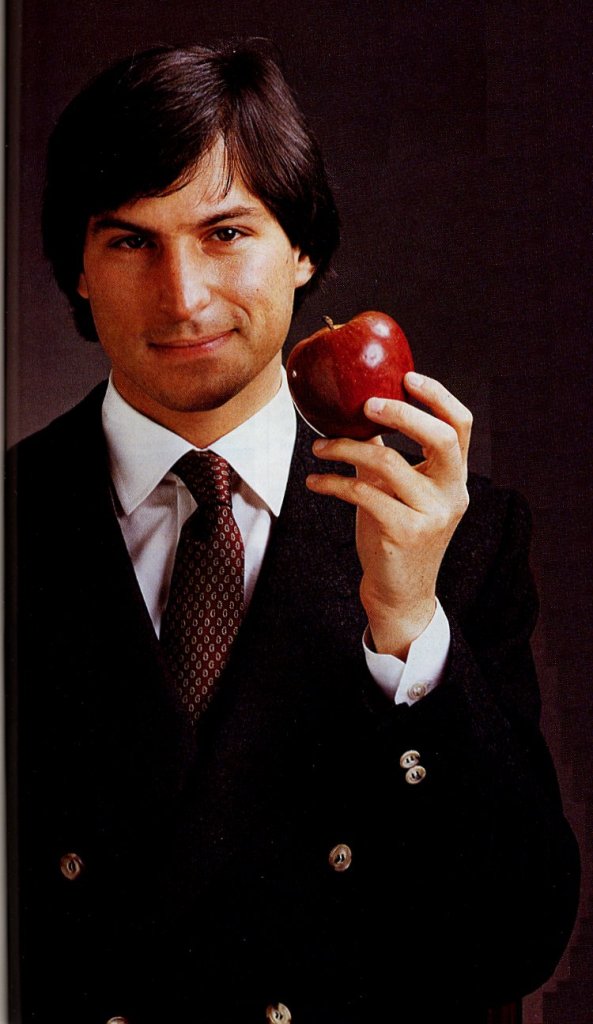
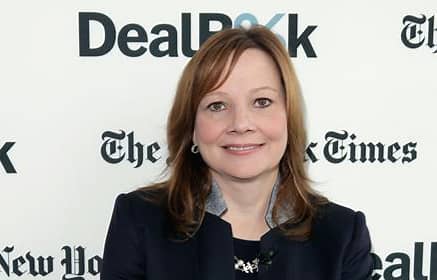
STEVE JOBS (1955-2011)MARY BARRA (CEO GM)GINNI ROMETTY (IBM CHAIRMAN)ENTREPRENEUR, START-UP MAVEN FOR ELECTRIC CARS AND SPACE CRAFTS
Most companies or organizations will either fail or stagnate when led by only one innovator. There are exceptions but it requires an extraordinary leader, like a Steve Jobs, Ginni Rometty, Mary Barra, or Elon Musk. Their leadership skills may rub people the wrong way, but they have a superior perception of reality that is not singularly based on loyalty. They have the innate ability to offer enough innovation to grow their companies. (At the risk of offending supporters, loyalty is the threat of Trump’s management style. Trump principally bases his organizational decisions on loyalty.)
Elizabeth Holmes may have had a great idea, but her poor management skills are appallingly revealed in Carreyrou’s interviews with former employees of Theranos.
The only consistent management criteria practiced by Holmes is loyalty. If an employee appears disloyal to her vision of the company, they are fired. Any organization that principally relies on loyalty discourages innovation and becomes entirely dependent on orders of its leadership. Particularly in the tech industry, innovation is critical.
Elizabeth Holmes misled investors, patients, and doctors. She is convicted for fraud and conspiracy in 2022. She is serving an 11-year sentence in a Federal Prison Camp in Bryan, Texas.
Holmes’ ambition, in addition to her prison sentence, led to a $500,000 SEC’ fine and the return of 18.9 million shares of a company that no longer exists. Furthermore, the SEC ordered a ten-year ban on serving as an officer or director of a public company which, of course, becomes moot with her imprisonment. The irony of Carreyrou’s story is that Holme’s idea is presently being pursued by Babson Diagnostics, Stanford Researchers, and Becton Dickinson. Whether she will ever reap any reward from another company’s success seems remote, but it will presumably be based on patents filed, and licensing agreements based on former Theranos patents.
“Sunny” Balwani was also tried and convicted for Theranos’ misdeeds.
The 16th century phrase “birds of a feather flock together” comes to mind when Ramesh “Sunny” Balwani joins Theranos in 2009. He had loaned the company $13 million but he also knew Holmes from her days when she was learning Chinese in a Stanford summer program. At some point they became lovers despite a 19-year age difference. Carreyrou notes Balwani became a multi-millionaire with the sale of his tech company, Commerce One” in 2000. He was convicted of tax evasion for the sale but claimed the evasion was caused by his tax accountant which he sued for recovery for back taxes he had to pay. (There is a settlement amount between the tax accountant and Balwani, but it is not revealed.) Carreyrou explains Balwani was a martinet who brooked little disagreement when he became COO of Theranos in 2009. (Part of Holme’s defense was that Balwani was the principal behind Theranos misdeeds, but the court obviously disagreed.)
In 2022, Balwani was sentenced to 13 years in a federal prison for his involvement in what is characterized as Theranos fraudulent activities.
There are business management lessons in Carreyrou’s book about the misdeeds of Theranos. It takes more than ambition to build a successful organization or company. Unless one is a genius who can continually innovate, it takes management structure that encourages others to innovate and work for a common organizational purpose.
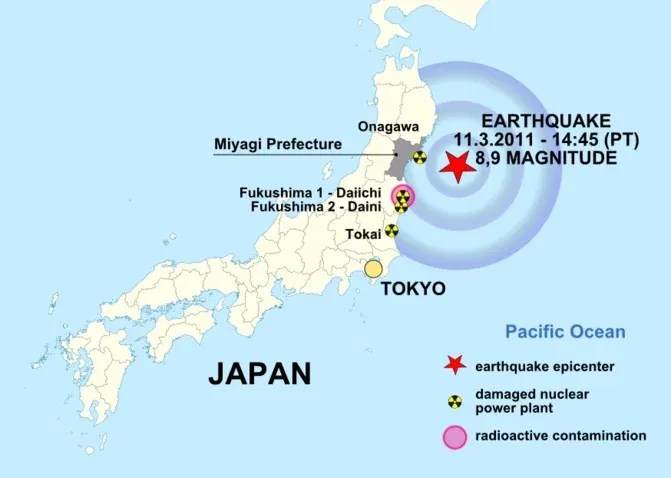
The elephant in this room is damage to the Fukushima Daiichi nuclear plant that is considered among the worst nuclear disasters in history, i.e. right alongside Chernobyl.
Books of Interest Website: chetyarbrough.blog
Ghosts of the Tsunami: Death and Life in Japan’s Disaster Zone
By: Richard Lloyd Parry
Narrated By: Simon Vance
Richard Lloyd Parry (Author, British foreign correspondent, Asia Editor of “The Times of London”.)
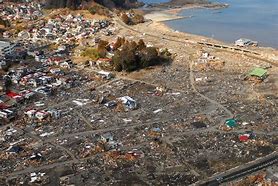
In 2011 the 9.0 Tōhoku earthquake and its subsequent tsunami killed over 18,000 people with injuries to an estimated 6,000 more. Over 123,000 homes were destroyed. The estimated cost of the disaster is the equivalent of $220 billion American dollars. Richard Parry explains Japan’s Prime Minister lost his job because of the disaster and influenced the loss of a second Prime Minister’s position. The highest disaster cost in America was Hurricane Katrina at an estimated $125 billion in 2005. No natural disaster in America has caused as many deaths as Japan’s earthquake and tsunami.
Richard Parry offers a primer on what a person should expect when a natural disaster disrupts their lives. Every continent is subject to either natural or manmade cataclysmic events. In terms of the cost of human life and reconstruction, only war exceeds the loss of life that occurred in Japan’s 2011 earthquake and tsunami. Like recent wars in Ukraine and Gaza, the most heartbreaking consequence is the death and crippling of children. Parry explains what happened in a Miyagi Prefecture grade school that exemplifies the social and personal consequence of a natural event that rivals the bombing of Hiroshima and Nagasaki.
Though there are no wandering ant or alligator people from a nuclear bomb blast, there are thousands of Japanese who undoubtedly still suffer from the loss of their children, family, and friends from the 2011 tsunami. It is most clearly evident in Parry’s detailed story of the Okawa elementary school. Many survivors are shown to blame school administrators, and the government for their failure to protect their children. The truth is that every disaster is responded to by imperfect human beings. Blaming someone for the death of innocents is a natural human response to things beyond one’s control. It is simple to look back on a disastrous event and find the mistakes made by those who are the adults in charge. There is a human catharsis in being able to blame someone for the death of a loved one.
Humans will always make mistakes in dealing with disasters because they are human.
The decision by school administrators to not abandon the school for higher ground seems taken out of context. There is snow on the ground, it is cold outside, and the school’s location is approximately 2.5 miles from the sea. To the administrators, it appears protection of the building seemed more important than moving to higher ground, in the cold and snow, a mistake that caused the death of 74 children.
Perry interviews many who survive the disaster. Their stories are heartbreaking. Some parents have never found their children.
An estimated 132 bodies remain unidentified with at least 2 children’s remains are unfound.
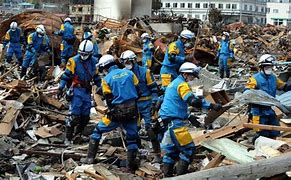
The vision of survivors sifting through mud and debris to find layers of children’s bodies stays in one’s mind as they listen to Perry’s book.
The families of 23 children who died at the school were awarded compensation of $12.8 million equivalent U.S. dollars with a judgement saying the school failed to evacuate students to higher ground when the tsunami became knowingly imminent. The decision was based on a loud-speaker government warning for the school to be evacuated. Perry notes there were evacuation plans at the school, but they were inappropriate for a tsunami that requires high ground. The adult teachers were given enough time after the loud speaker noticeto evacuate the children to a nearby hill. They could have survived.
The court’s decision is based on the truck-delivered speaker’ warning that is ignored by the school’s adult supervisors.
Some argue the significance of that ruling in Japan is the mandated creation of disaster-preparedness’ plans for school evacuations in a crisis. This school had a written plan, but it did not properly prepare for the consequence of a tsunami. The final warning is the basis for the three-judge panel’s decision, but the truth is any plan still depends on the judgement of adult school’ supervisors.
The elephant in this room is damage to the Fukushima Daiichi nuclear plant that is considered among the worst nuclear disasters in history, i.e. right alongside Chernobyl.
Purnell’s biography implies the drive to succeed for women is based on intimacy rather than inherent human equality. Though that is not the intent of Purnell, intimacy has historically been the avenue women have had to take in society to open opportunity’s door.
Books of Interest Website: chetyarbrough.blog
Kingmaker (Pamela Harriman’s Astonishing Life of Power, Seduction, and Intrigue)
By: Sonia Purnell
Narrated By: Louise Brealey
Sonia Purnell (Author, British journalist, worked at the news magazine “The Economist”)
Every writer is influenced by the country in which they were born. Sonia Purnell writes an interesting biography of Pamela (Digby-Churchill) Harriman in “Kingmaker” but from the perspective of a British journalist. This is not to argue Purnell’s interesting perspective is wrong but that there is a spin that is nationalist, more than objective, about Pamela Harriman’s life.
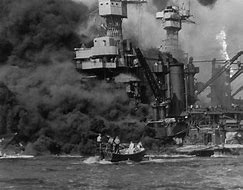
During the beginning years of WWII, America avoided the war until Pearl Harbor when it became clear that a policy of isolationism would not work.
The reluctance of many American businessmen and industrialists like Joseph Kennedy and Henry Ford would not see Hitler for what he was, a fascist racist planning to dominate as much of Europe as Germany’s war machine would allow. Some in the American government, like Franklin Roosevelt, understood Hitler was a threat to all of Europe if not America. Roosevelt maneuvered the government to support England with a Lend/Lease program to defend themselves against German aggression, despite a political majority’s desire for isolationism.
Getting back to Purnell’s history of Pamela Harriman, Purnell explains the important role Pamela played, before Pearl Harbor, that mobilized America’s entry into the war. Pamela Harriman is unquestionably an English patriot. Her close relationship with Winston made her an ideal conduit and influencer in smoothing the relationship between America and the British government. The intimate relationship she developed with Harriman is a tribute to her contribution to the formation of an allied force to defeat Germany.
The massive Lend-Lease program is created in the late 1930s because of the Neutrality Acts that kept America out of direct engagement in the early days of WWII.
The program began in 1939 as a cash and carry program that evolved into a Lend-Lease program in 1941. American could lend or lease military equipment and supplies to any country that allies themselves with the U.S. if it were to enter into the war. The United Kingdom, Russia, and China were considered crucial to any alliance that might be created to defeat Germany. The complexity and logistics of Lend-Lease required astute management by American managers. Harry Hopkins was its first administrator, but Averill Harriman was needed to become a diplomatic political expediter for the process.
Purnell argues the political process in the American/United Kingdom relationship was smoothed and improved by Pamela Digby Harriman who was married to the son of Winston Churchill, Randolph Churchill.
Randolph has at best, a mixed reputation. He was a heavy drinker, reckless, and rude. He was married and divorced twice and had gambling problems that were a constant debt problem that disrupted Pamela’s life. She became closer to Winston Churchill than to her husband and became much more politically involved and astute than her husband in government affairs. That experience made her a perfect match for building a closer relationship with Avrill Harriman that became an affair between two married adults. Harriman was twenty-eight years older than Pamela but had a reputation as a suave ladies’ man.
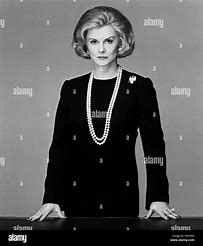
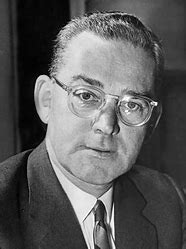
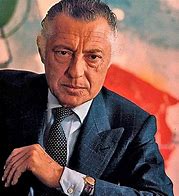
Purnell reflects on the many affairs of Pamela Churchill Harriman beginning with Averell Harriman, then Edward R. Murrow, and proceeding to John Hay Whitney, Prince Aly Khan, Gianni Agnelli, Alfonso de Portago, Baron Elie de Rothschild, Frederick L. Anderson, Sir Charles Portal, and William S. Paley. The story becomes stale.
There is a cloying sense of unfairness in “Kingmaker ” because Pamela’s skill seems trivialized by her sexuality.
Pamela simply wanted an equal opportunity to succeed in the pursuit of money, power, and prestige, i.e. all the secular objectives men take for granted. Purnell’s biography implies the drive to succeed for women is based on intimacy rather than inherent human equality. Though that is not the intent of Purnell, intimacy has historically been the avenue women have had to take in society to open opportunity’s door.
Two points that offer the greatest value in Schwartz’s history of brain surgery is that those who survive become different human beings, sometimes disabled or cognitively impaired. The second–those who need a neurological operation should look for an empathetic doctor who limits his/her excision of brain matter to what science knows of its consequence.
Books of Interest Website: chetyarbrough.blog
Gray Matters (A Biography of Brain Surgery)
By: Theodore H. Schwartz
Narrated By: Sean Pratt
The largest part of Dr. Schwartz’s book is about the history of brain surgery. The first chapters address his education for brain surgery and the history of well-known Americans who died or might have survived from its practice. It addresses the consequences of brain trauma of modern times but leaves tumor and disease treatment for the remaining chapters. “Gray Matters” is about the 19th and 20th century history of brain surgery, how it evolved, and the pioneers who most influenced the author. Schwartz personalizes brain surgery by explaining how he treated what he estimates to be over 10,000 patients.
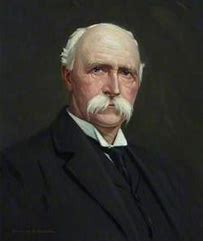
William Macewen (1848-1924) Scottish surgeon who pioneered neurosurgery,
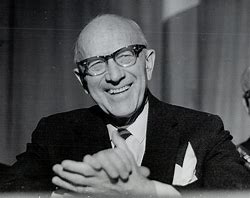
Harvey Cushing (1869-1939) American neurosurgeon–father of modern neurosurgery,
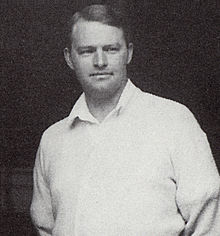
Wilder Penfield, (1891-1976) American-Canadian neurosurgeon–noted for mapping the brain,
Carl-Olof Nylén (1892-1978) Swedish otologist who pioneered microsurgery with a surgical microscope he designed,
Wolfgang Draf (1940-2011) German otolaryngologist who pioneered Skull Base Surgery using sinuses as the avenue of entry to the brain.
Schwartz identifies Wiliam Macewen (upper left photo) as the pioneer of neurosurgery. He notes Harvey Cushing (upper right photo) is referred to as the “Father of Modern Neurosurgery”. Cushing was the first to employ X-rays to diagnose brain tumors and introduced the use of the elector-cautery device to minimize blood loss during surgery. Dr Wilder Penfield (middle left photo), a Canadian neurosurgeon pioneered brain mapping by stimulating the brain with mild electrical shocks. Brain mapping gave neurosurgeons a guide that let them know what areas of the brain would be affected when making decisions on diseased tissue removal. Microsurgery on the brain is pioneered by Carl Nylen (middle right photo) in the early 1900s. In modern times, Dr. Wolfgang Draf (bottom photo) began using a skull cap microsurgery device to remove brain tumors through nasal passage access. This less intrusive form of brain surgery is used and detailed by the author.
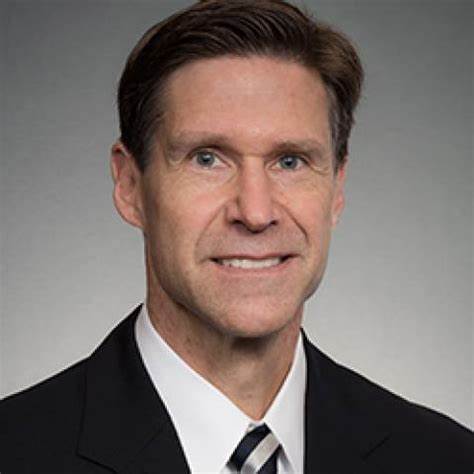
Dr. Kris S. Moe (Board certified surgeon at UW Medical Center, University of Washington Facial Plastics and Reconstructive Surgery.)
Schwartz explains one of his most important training experiences was in Seattle Washington with Dr. Kris S. Moe. Moe pioneered what is called transorbital neuroendoscopic surgery (TONES) that influenced the field of minimally invasive neurosurgery. Schwartz explains how Moe would test patients during an operation to identify areas of the brain being affected during treatment for tumor removal. Schwartz gave the example of a series of pictures shown on a monitor seen by the patient during surgery. The patient is asked to name the object in the picture as the surgeon is operating to determine whether the tumor being excised affects his/her ability to identify the image. In Schwartz first attendance at one of these surgeries, he accidentally spilled the pictures across the operating floor. Moe directed him to reassemble the pictures and went on with the surgery when they were reassembled. The embarrassed Schwartz admired Moe because he never brought the incident up after it happened and completed the operation without criticizing Schwartz.
Two points that offer the greatest value in Schwartz’s history of brain surgery is that those who survive become different human beings, sometimes disabled or cognitively impaired. The second–those who need a neurological operation should look for an empathetic doctor who limits his/her excision of brain matter to what science knows of its consequence.
Schwartz’s book implies the NFL’s prevention and protocols for brain trauma are a cost of doing business. Sadly, this seems similar to the American public’s misinterpretation of the “right to bear arms” and its resistance to gun control.
Books of Interest Website: chetyarbrough.blog
Gray Matters (A Biography of Brain Surgery)
By: Theodore H. Schwartz
Narrated By: Sean Pratt
Theodore H. Schwartz (Author, American medical scientist, academic physician and neurosurgeon.)
“Gray Matters” feeds a curiosity for those interested in the human brain. Written by a brain surgeon, it offers a clearer understanding of brain function while offering insight to the causes and consequences of brain trauma. The author has treated many patients with brain infections and trauma and offers analysis of athletic, gun-related, and accident injuries of people who have died from or survived brain trauma.
Schwartz explains the arduous education for one to become a brain surgeon and how physicians surgically treat brain disease and trauma.
He explains how long hours as an intern are required after spending years to become an academically qualified physician, let alone surgeon. Not only are the hours long but acceptance into an internship is highly competitive and difficult to achieve. That seems counterintuitive in view of the public’s need for qualified medical help. One suspects the fundamental cause is the cost to the hiring hospital and the staffing required to teach new physicians.
The brain is protected by a skull, three layers of membrane, cerebral spinal fluid, a blood barrier, skin, and a scalp.
These structures, cells, and tissues protect the brain from physical damage and infections so the brain can provide organic function, thought, and action. Physical or infectious damage to the brain can affect any one of these natural human’ functions.
ABRAHAM LINCOLNJOHN F. KENNEDYROBERT F. KENNEDYJAMES BRADYGABIELLE GIFFORDS
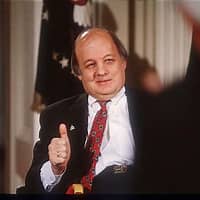
Schwartz reviews incidents of gun-shot brain trauma of famous figures like Abraham Lincoln, John F. Kennedy, Robert Kennedy, James Brady, and Gabrielle Giffords. He notes the differences in the bullets used as well as the power of the weapons to explain the damage done. He argues John Kennedy had no chance of survival while suggesting Lincoln, because of a lower power weapon, might have survived with today’s advances in treatment. However, he suggests Lincoln would have lost much of his skill as an orator and political theorist because of damage to a particular part of his brain from Booth’s attack. Schwartz believes Robert Kennedy might have lived with more rapid and qualified treatment but would have been physically and mentally disabled. James Brady, Ronald Reagan’s press secretary, lost speech clarity and physical mobility because of his brain trauma. Similar consequences occurred with Gabriell Giffords’ injuries, but she relearned how to walk, talk, and perform basic tasks. Schwartz notes the only positive political accomplishment to come out of these violent acts was the Brady Handgun Violence Reform Act.
Schwartz goes on to explain non-traumatic brain injury from infection and stroke to traumatic brain injury from Shaken Baby Syndrome (SBS) to Chronic Traumatic Encephalopathy (CTE) with Second-Impact Syndrome often seen in athletes. Diagnosis of SBS from a shaken baby’s head has changed to include the shaking accompanied by impact with a hard surface.
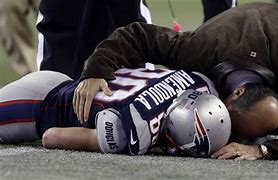
Diagnosis of CTE and Second-Impact Syndrome in sports are still being defined. The return of football players to the field of play is a judgement call by a sideline physician which raises questions about qualifications, let alone judgement.
The NFL initially objected to the brain trauma threat of their sport based on improved protective equipment.
However, Schwartz writes they have increased their protocol for injured players and have paid over a billion dollars to former athletes suffering from symptoms of brain trauma. Some big names in football like Junior Seau, Frank Gifford, Ken Stabler, and Tommy Nobis were autopsied after their death to show they suffered from CTE.
The lure of fame and money are unlikely to change elite athletes desire to compete despite the threat of brain injury. Schwartz’s book implies the NFL’s prevention and protocols for brain trauma are a cost of doing business. Sadly, this seems similar to the American public’s misinterpretation of the “right to bear arms” and its resistance to gun control.
Andrew Leigh’s brief history of economics reminds listeners of a threat America faces in the next four years.
Books of Interest Website: chetyarbrough.blog
How Economics Explains the World (A Short History of Humanity)
By: Andrew Leigh
Narrated By: Stephen Graybill
Andrew Leigh (Author, Australian politician, lawyer, former professor of economics at the Australian National University, currently serving as Assistant Minister for Competition, Charities and Treasury and Assistant Minister for Employment in Australia.)
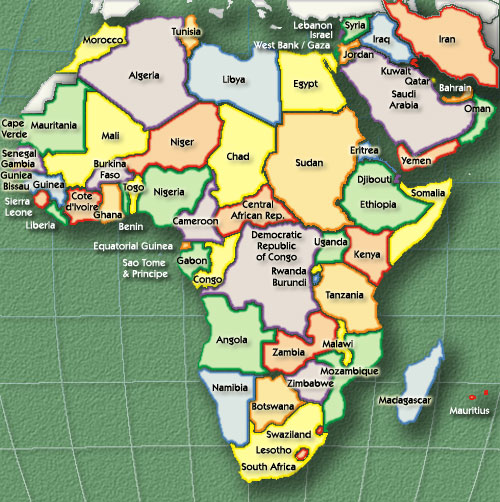
Andrew Leigh offers a bird’s eye view of the history of economics. He provocatively explains why the European continent, rather than Africa (the birthplace of the human race) came to dominate the world. He suggests it is because of economics and the dynamics of the agricultural revolution.
Because Africa offered a more conducive environment for natural food production, Leigh infers natives could live off the fruits and nuts of nature. He infers farming and agricultural innovations (like the plow) were of little interest to Africans.
One may be skeptical of that reasoning and suggest the primary cause is sparse arable land for early African inhabitants. Without arable land, there was little advantage from the agricultural revolution.
Nevertheless, Leigh’s history is a wonderful reminder of great economic theories that improved the lives of an estimated 8.2 billion people on this planet. He touches on the lives of Adam Smith, David Ricardo, John Maynard Keynes, and Milton Friedman. Each made great contributions to the history of western economics.
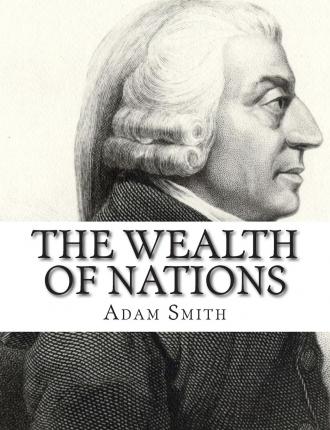
Adam Smith is considered the father of modern economics. (1723-1790)
Leigh notes Smith was a deep thinker who sometimes neglected the world he lived in by forgetting to properly dress himself or falling into a hole while thinking about economic theories. Some of his key theories were “Division of Labor”, the “Invisible Hand”, “Labour Theory of Value”, “Free Markets and Competition”, and “Capital Accumulation”; all of which remain relevant today. One that seems so important today is “Free Markets and Competition” and the disastrous idea of tariffs that are being promoted by the pending Trump administration.
Smith notes natural resources are not equally distributed in the world. Some countries have more raw material than others, more available labor at a lower cost, and can produce product at lower prices. With free trade, all citizens of the world are benefited by lower costs of goods. With tariffs, product costs are artificially increased when they could reflect actual costs of production. Of course, the producer can increase costs, but the market will find an alternative if the costs become too high.
David Ricardo (1772-1823)
Ricardo’s theory of competitive advantage suggests some countries can produce product at less cost than others. This reinforces the critical importance of free trade. Free trade flies in the face of both the Biden’s passing administration and Trump’s future administration; both of which believe tariffs protect jobs in America. They don’t; because tariffs artificially increase product costs while protecting labor inefficiency that increases consumer prices. Tariffs are a lose-lose proposition. It may affect jobs in the short term but there are many jobs that can be created by government and private companies in human and public service industries. Those investments would offset inefficient product production and ensure future jobs.
John Maynard Keynes (1883-1946)
Leigh notes that Keynes was bisexual and a pivotal figure in modern economics. He believed in the theory of Aggregate Demand meaning that “…spending in an economy is the primary driver of economic growth.” He advocated government intervention when demand was low, and that government should increase spending and cut taxes to increase demand when a recession or depression threatens the health and welfare of the public. Interestingly, Trump believes in reducing taxes but objects to government spending that improves employment. The effect of reducing taxes only increases income inequality and does little for employment because the rich are wary of investing in a weakening economy.
Milton Friedman (1912-2006)
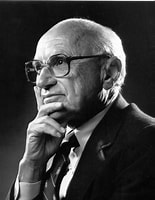
Both Keynes and Friedman believe in government intervention, but Friedman exclusively believes in using only monetarism as a tool. Keynes agrees but had the added dimension of government spending that creates jobs. In contrast, Friedman argues there is a natural rate of unemployment and when government intervenes it creates inflation. He strongly agreed with free markets which suggests he would be against tariffs but at the expense of higher unemployment. The cloying part of that argument is it increases income inequality by making the rich richer, the unemployed and middle-class worker poorer.
Leigh’s book is a brief review of western economics. It glosses over much of the science, but it is highly entertaining and worth listening to more than once. Additionally, Andrew Leigh’s brief history of economics reminds listeners of a threat America faces in the next four years.
One may conclude from Hawkin’s research that human beings remain the smartest if not the wisest creatures on earth. The concern is whether our intelligence will be used for social and environmental improvement or self-destruction.
Books of Interest Website: chetyarbrough.blog
On Intelligence
By: Jeff Hawkins, Sandra Blakeslee
Narrated By: Jeff Hawkins, Stefan Rudnicki
Jeff Hawkins (Author, American neuroscientist and engineer)Sandra Blakeslee (American science correspondent, writer specializing in neuroscience.)
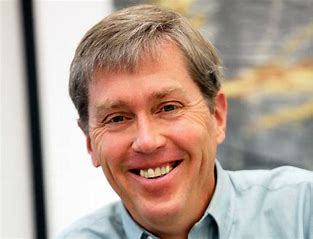
Jeff Hawkins co-founder of Palm Computing and co-creator of PalmPilot, Treo, and Handspring.
Hawkins and Blakeslee have produced a fascinating book that flatly disagrees with the belief that computers can or will ever think.
Hawkins develops a compelling argument that A.I.’ computers will never be thinking organisms. Artificial Intelligence may mislead humanity but only as a tool of thinking human beings. This is not to say A.I. is not a threat to society but it is “human use” of A.I. that is the threat.
Hawkins explains A. I. in computers is a laborious process of one and zero switches that must be flipped for information to be revealed or action to happen.
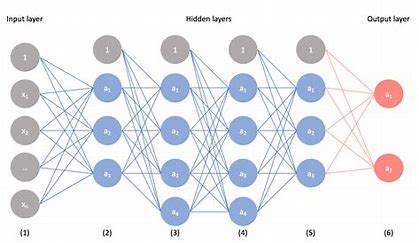
In contrast to the mechanics of computers and A.I., human minds use pattern memory for action. Hawkins explains human memory comes from six layers of neuronal activity. Pattern memory provides responses that come from living and experiencing life while A.I. has a multitude of switches to flip for recall of information or a single physical action. In contrast, the human brain instantaneously records images of experience in six layers of neuronal brain tissue. A.I. has to meticulously and precisely flip individual switches to record information for which it must be programmed. A.I. does not think. It only processes information that it is programmed to recall and act upon. If it is not programmed for a specific action, it does not think, let alone act. A.I. acts only in the way it is programmed by the minds of human beings.
So, what keeps A.I. from being programmed to think in patterns like human beings? Hawkins explains human patterning is a natural process that cannot be duplicated in A.I. because of the multi-layered nature of a brain’s neuronal process. When a human action is taken based on patterning, it requires no programming, only the experience of living. For A.I., patterning responses are not possible because programming is too rigid based on ones and zeros, not imprecise pictures of reality.
What makes Jeff Hawkins so interesting is his broad experience as a computer scientist and neuroscientist. That experience gives credibility to the belief that A.I. is only a tool of humanity. Like any tool, whether it is an atom bomb or a programmed killing machine, human patterning is the determinate of world peace or destruction.
A brilliant example given by Hawkins of the difference between computers and the human brain is like having six business cards in one’s hand. Each card represents a complex amount of information about the person who is part of a business. With six cards, like six layers of neuronal receptors, a singular card represents a multitude of information about six entirely different things. No “one and zero” switches are needed in a brain because each neuronal layer automatically forms a model that represents what each card represents. Adding to that complexity, are an average of 100billion neurons in the human body conducting basic motor functions, complex thoughts, and emotions.
There are an estimated 100 trillion synaptic connections in the human body.
The largest computer in the world may have a quintillion yes and no answers programmed into its memory but that pales in relation to a brains ability to model existence and then think and act in response to the unknown.
This reminds one of the brilliant explanation of Sherlock Holmes’ mind palace by Sir Arther Conan Doyle. Holmes prodigious memory is based on recall of images recorded in rooms of his mind palace.
Hawkins explains computers do not “think” because human thought is based on modeling their experience of life in the world. A six layered system of image modeling is beyond foreseeable capabilities of computers. This is not to suggest A.I. is not a danger to the world but that it remains in the hands and minds of human beings.
What remains troubling about Hawkin’s view of how the brain works is the human brains tendency to add what is not there in their models of the world.
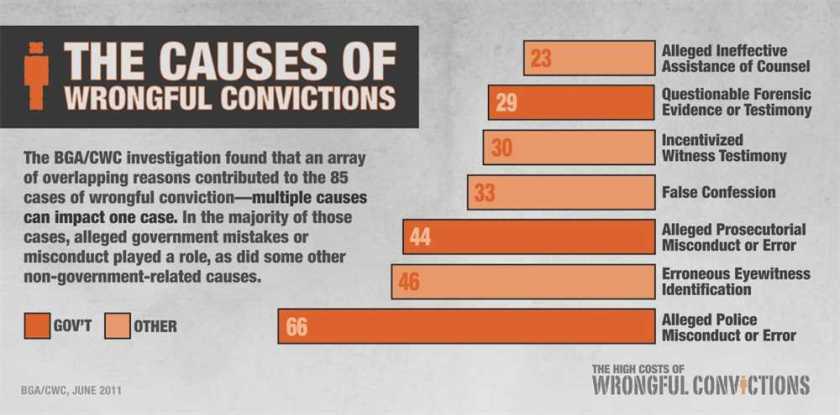
The many examples of eye-witness accounts of crime that have convicted innocent people is a weakness because people use models of experience to remember events. Human minds’ patterning of reality can manufacture inaccurate models of truth because we want our personal understanding to make sense which is not necessarily truth.
The complexity of the six layers of neuronal receptors is explained by Hawkins to send signals to different parts of the human body when experience’ models are formed.
That is why in some cases we have a fight or flight response to what we see, hear, or feel. It also explains why there are differences in recall for some whose neuronal layers operate better than others. It is like the difference between a Sherlock Holmes and a Dr. Watson in Doyle’s fiction. It is also the difference between the limited knowledge of this reviewer and Hawkins’ scientific insight. What one hopes science comes up with is a way to equalize the function of our neuronal layers to make us smarter, and hopefully, wiser.
One may conclude from Hawkin’s research that human beings remain the smartest if not the wisest creatures on earth. The concern is whether our intelligence will be used for social and environmental improvement or self-destruction.
Eubanks is wrong to think digitization ensures a future that will create a permanent underclass. The next four years may not show much progress in welfare, but American history has shown resilience in the face of adversity.
Books of Interest Website: chetyarbrough.blog
Automating Inequality (How Hich-tech Tools Profile, Police, and Punish the Poor
By: Virginia Eubanks
Narrated By: Teri Schnaubelt
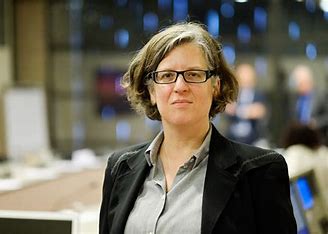
Virginia Eubanks (Author, American political scientist, professor at the University at Albany, New York.)
At the risk of sounding like a “bleeding heart” liberal, Virginia Eubanks assesses the inefficient and harmful effects of technology on welfare, childcare services, and homelessness in America. Eubanks illustrates how technology largely reduced the cost of Indiana’s welfare. However, cost reduction came from removing rather than aiding Americans in need of help. She shows southern California is better organized in the 2000s than Indiana in their welfare reform movement in the 1990s. However, the fundamental needs of the poor and homeless are shown to be poorly served in both jurisdictions.
In the last chapters of the book, Eubanks looks at Pennsylvania’s childcare services (CCW). She argues her research shows digitization of personal information, societal prejudice, and inadequate financial investment as fundamental causes of America’s failure to help abused children. Eubanks implies the cause of that failure is the high-tech tools of the information age.
Eubanks offers a distressing evaluation of Indiana’s, California’s, and Pennsylvania’s effort to improve state welfare programs.
The diagnosis and cure for welfare are hard pills to swallow but Eubank’s research shows welfare’s faults without clarifying a cure. She clearly identifies symptoms of inequality and how it persists in America. Eubank infers America’s politicians cannot continue to ignore homelessness and inequality. America needs to reinforce its reputation as the land of opportunity and freedom. Eubank implies technology is the enemy of a more equal society by using collected information to influence Americans to be more than self-interested seekers of money, power, and prestige.
Eubank explains how Indiana welfare recipients were systematically enrolled in an information technology program meant to identify who receives welfare, why they are unemployed, and how they spend their money.
She argues this detailed information is not just used to categorize welfare recipients’ qualifications for being on welfare. The purported reason for gathering the information is to help those on welfare to get off welfare and become contributors to the American economy. What Eubank finds is the gathered information is used to justify taking citizens off of welfare, not improve its delivery. Poorly documented information became grounds for denying welfare payments. If someone failed to complete a form correctly, their welfare payments were stopped. The view from government policy makers was that welfare costs went down because of the State’s information gathering improvements. In reality welfare costs went down because recipients were rejected based on poorly understood rules of registration. Indiana did not have enough trained management personnel to educate or help applicants. Welfare applicants needed help to understand how forms were to be completed and what criteria qualified them for aid.
From Indiana State’s perspective, information technology reduced their cost of welfare. From the perspective of Americans who genuinely needed welfare, technology only made help harder to receive.
Eubank notes there are three points that had to be understood to correct Indiana’s welfare mistakes:
information algorithms qualifying one for welfare must be truthful, fair, and accurate,
the information must reflect reality, and
training is required for welfare managers and receivers on the change in welfare policies.
Another point made by Eubank is the danger of computer algorithms that are consciously or subconsciously biased. A biased programmer can create an algorithm that unfairly discriminates against welfare applicants that clearly need help. This seems a legitimate concern, but Eubank misses the point of more clearly understanding the need of welfare for some because of the nature of American capitalism and the consequence of human self-interest. Contrary to Eubank’s argument, digitalization of information about the poor offers a road to its cure not a wreck to be avoided.
WELFARE CATEGORY ELIGIBILITY PERCENTAGES IN INDIANA
Eubank tells the story of a number of Indiana residents that had obvious medical problems making them unemployable but clearly eligible for welfare payments. They are taken off welfare because of mistakes made by government employees’ or welfare recipient’ misunderstandings of forms that had to be completed. From the government’s standpoint Indiana’ welfare costs went down, but many who needed and deserved help were denied welfare benefits. The rare but widely publicized welfare cheats became a cause celeb during the Reagan years that aggravated the truth of the need for welfare in America. The truth, contrary to Eubanks opinion, becomes evident with the digitization of information as a basis for legislative correction.
Eubank notes Skid Row in Los Angeles lost many of its welfare clients with gentrification of the neighborhood. The poor were moved out by rich Californians who rebuilt parts of Skid Row into expensive residences.
Eubank explains a different set of problems in the Los Angeles, California welfare system. The technological organization of the LA welfare system is better but still fails to fairly meet the needs of many citizens. The reasons are similar to Indiana’s in that algorithms that categorize information were often misleading. However, the data-gathering, management, and use of information is better. The more fundamental problem is in resources (money and housing) available to provide for the needs of those who qualify for welfare. It is not the digitization of the public that is causing the problem. Contrary to the author’s opinion, digitization of reality crystalizes welfare problems and offers an opportunity for correction.
Homelessness is complex because of its many causes. However, having affordable housing is a resource that is inadequately funded and often blocked by middle class neighborhoods in America. Even if the technological information is well organized and understood, the resources needed are not available. Here is where the social psychology of human beings comes into play. Those in the middle class make a living in some way. They ask why can’t everyone make a living like they have? Why is it different for any other healthy human being in America? Here is where the rubber meets the road and why homelessness remains an unsolved problem in America.
People are naturally self-interested. One person’s self-interest may be to get high on drugs, another to steal what they want, others to not care about how they smell, where they sleep, look, live, or die. Others have chosen to clean themselves up and get on with their life. Why should their taxes be used to help someone who chooses not to help themselves? Understanding the poor through digitization is the foundation from which a solution may be found.
Traveling around the world, one sees many things. In India, the extraordinary number of people contributes to homelessness. In France, it is reported that 300 of every 100,000 people are homeless. Even in Finland, though there are fewer homeless, they still exist.
It is a complex problem, but it seems solvable with the example of what Los Angles is trying to do. It begins with technology that works by offering a clear understanding of the circumstances of homelessness. A detailed profile is made of every person that is living on the street. They are graded on a scale of 1 to 17 based on the things they have done in their lives. That grade determines what help they may receive. Some may be disqualified because of a low number but the potential of others, higher on the scale, have an opportunity to break the cycle of poverty with help from welfare. It is the resources that are unavailable and social prejudice, not gathered personal digital information, that constrain solutions.
With informational understanding of a welfare applicant, it principally requires political will and economic commitment by welfare providers. There is no perfect solution but there are satisficing solutions that can significantly reduce the population of those who need a helping hand. American is among the richest countries in the world. Some of that wealth needs to be directed toward administrative management, housing, mental health, and gainful employment.
Like all countries of the world, as technological digitization improves, human services will grow to become a major employment industry in the world.
America, as an advanced technology leader, has the tools to create a service economy that is capable of melding industrial might with improved social services.
Eubanks travels to Pennsylvania to look at their child services program.
What Eubanks finds in Pennsylvania is similar to what she found in LA and, to a degree, Indiana. Children who are at risk of being abandoned, abused, or neglected are categorized in a data bank that informs “Child Services” of children who need help. The problem is bigger than what public services can handle but the structure of reporting offers hope to many children that are at risk. Like LA, it is a resource problem. But also, it is a problem that only cataloging information begins to address.
Parents abuse their children in ways that are often too complicated for a standardized report to reveal. Details are important and digitization of personal information helps define what is wrong and offers a basis for pragmatic response.
Computerized reports, even with A.I., are only a tip of the reality in which a child lives. This is not to argue child-services should be abandoned or that reports should not be made but society has an obligation to do the best it can to ensure equality of opportunity for all. Every society’s responsibility begins with childhood, extends through adulthood and old age–only ending with death. Understanding the problems of the poor is made clearer by digitization. Without digital visibility, nothing will be done.
Eubanks gives America a better understanding of where welfare is in America. She is wrong to think digitization ensures a future that will create a permanent underclass. The next four years may not show much progress in welfare, but American history has shown resilience in the face of adversity.





















































 REVIEWS AND VIEWS OF LIFE