WELL BEING

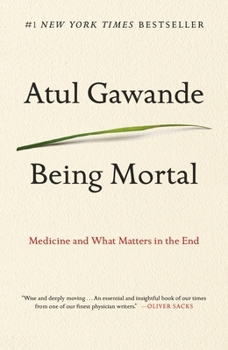
Dr. Gawande’s fundamental point in “Being Mortal” is to provide the elderly or medically challenged the help to live based on a person’s dignity, purpose for living, and as much autonomy as their conditions allow.

Books of Interest
 Website: chetyarbrough.blog

Being Mortal: Medicine and What Matters in the End

By: Atul Gawande 

Narrated By: Robert Petkoff

Atul Gawande (Author, physician-administrator-of-the-u.s.-agency-for-international-development-for-global-health.)

One who has been fortunate enough to have lived long will appreciate Doctor Atul Gawande’s explanation and experience with people of a certain age and the terminally ill of any age. He explains “…What Matters in the End” when one is nearing death is quality of life, not survival that matters.

Quality of life is defined by Gawande as dignity, purpose, and autonomy in one’s last days.

When one is nearing the end of their life, Dr. Gawande has found in his many surgical procedures and interviews that those who have time left to them can be helped by others who assist them as best they can to achieve dignity, purpose, and autonomy. As a physician, Gawande asks what a dying person’s fears are to know what might be done to help them work through those fears. Gawande explains the trade-offs from what care an older person or terminal patient may be given to achieve what is most important to them in their remaining life.

Whether healthy or unhealthy, rational people realize death is part of life.

What “Being Mortal” explains is that the aged or medically challenged wish for as much independence as can be provided by their care. Desired independence is the gold standard for the remaining days or years of one’s life. Whether old or young, healthy or ill, the thought of incontinence, mental confusion, medical or physical limitation makes one fear loss of independence. Each of these maladies can be remedied by family members or properly organized assisted living facilities. Of course, the rub is in the cost of that assistance.

When a family member can no longer be cared for by family members, the medically or age challenged are left with two choices. One is to be institutionalized. The other is to die.

What Gawande explains is that the first alternative can be better and the second is dependent upon family research, financial commitment, religious beliefs, and States’ laws. Gawande notes his choice in the case of his physician-father is a family commitment to offer care as needed with the goal of giving as much autonomy as his aged father can handle. That is a laudable commitment but not what many struggling American families have time or willingness to do.

America has institutionalized elder and medically challenged people’s care to reduce the burden on families.

Gawande recounts the history of institutionalized care in the United States. From family aid to hospitalization to assisted living to hospice to State sanctioned euthanasia, care has evolved for the elderly and medically challenged. What Dr. Gawande explains is that any of these ways of caring must offer dignity, purpose, and as much autonomy as possible to the dying and terminally ill.

Every family has its care limitations, either temporal or financial (sometimes both).

Gawande shows research and preparation is needed to help families adjust to the physical and mental care of a significant other who is too old or too sick to take care of themselves. If a family cannot provide the dignity, purpose, and an appropriate level of autonomy to an aged or ill loved one than the job becomes the work of finding an institutional facility that can. This is where the tire hits the road because there is a cost for that service. Gawande notes there are institutions that can offer the services that are needed but family research and investigation is required.

Once an acceptable care facility is found, the next task is finding how it can be financed.

Gawande does not address cost but infers there are care facilities that are affordable. Dr. Gawande’s fundamental point in “Being Mortal” is to provide the elderly or medically challenged the help to live based on a person’s dignity, purpose for living, and as much autonomy as their conditions allow.

DYING

One may ask oneself is hospice the only humane thing to do for a dying parent. If a parent is able to make a rational decision about continuation of life, would he/she choose to be treated in a hospice or choose to end life on their own terms?

Books of Interest
 Website: chetyarbrough.blog

Dying

By: Cory Taylor (A Memoir)

Narrated By: Larissa Gallagher

Cory Taylor (Australian author, died at age 61 on July 15, 2016, born in 1955.)

Dying: A Memoir author Cory Taylor passes away, aged 61 | The Australian

Cory Taylor confronts the complicated question of what to do when a person knows they are nearing the end of their life. Taylor is diagnosed with terminal brain cancer in 2005. Living with that diagnosis, Taylor recounts her life, religious beliefs, and a commemoration of her family relationships. She thinks of what her life means to herself and others. She waivers between living with her physical and mental deterioration or volitionally ending her life.

Taylor, though raised in a Christian household, identifies herself as agnostic.

In the 20th century, it is estimated that 200 to 240 million people identify themselves as atheists or agnostics. In 2013, that number increased to 450 to 500 million, about seven percent of the world population. Taylor chooses medically assisted death.

Having personally experienced a parent’s death and a parent’s physical and mental deterioration, a listener/reader will either condemn or condone a choice of assisted death.

Those with strong religious beliefs are likely to blame a person for killing themselves, while those who are agnostic or atheist are likely to have a different opinion. To some, life is hardship that is a human being’s obligation to either suffer or grow from, with conscious awareness of death’s inevitability. The fundamental question is–does one have the right to choose whether to live or die?

Seeing a parent’s life deteriorate despite the care of an attentive family member is heartbreaking.

Image result for hospice

An example is a son whose mother is dutifully cared for by her husband but recognizes the husband is too aged to handle the mother’s incapacities. What should a son or extended family do? There are hospice alternatives for the mother, but should she have a voice in deciding how she is to be treated? The husband realizes, a care facility is the only practical alternative for her needed care. The son or daughter is married and is consumed by their employment and making a living for their own career and family. The mother may or may not be able to express her opinion. The table is set for institutionalization.

The mother’s response may be to curl up in her new bed, refuse to eat and waste away in the eyes of a loving husband and a career consumed son or daughter.

One may ask oneself is hospice the only humane thing to do for a dying parent. If a parent is able to make a rational decision about continuation of life, would he/she choose to be treated in a hospice or choose to end life on their own terms?

LEARNING

There are many brain discoveries and therapies to be discovered that will extend the ability of human beings beyond today’s capabilities. Those discoveries are like the discovery of fission. The science of brain plasticity has potential for either programing destruction or liberating the mind.

Books of Interest
 Website: chetyarbrough.blog

The Brain That Changes Itself: Personal Triumphs from the Frontiers of Brain Science

By: Norman Doidge, M.D.

Narrated By: Jim Bond

Norman Doidge (Author, Canadian psychiatrist, psychoanalyst, studied literary classics and philosophy at the University of Toronto.)

To an older person, there is a sense of disappointment and optimism from what Norman Doidge writes in “The Brain That Changes Itself”. The disappointment is the feeling of lost opportunity for some because of their ignorance of how the brain works. The optimism is that the past is passed while Doidge explains brain improvement is not completely lost with either age or injury. For older people, improving brain function is more difficult but not impossible. For the injured or medically challenged brain improvement is a dire necessity. For the young, improving brain function is at its best unless there are medical complications.

Doidge explains as one grows older or suffers from brain injury; the brain can be rewired to improve learning or restore bodily function.

.

Age slows the synaptic process of learning, but the brain is still receptive to synaptic improvement. Older brains simply have to work harder to compel new neuronal synaptic connections. With brain injury or disease, new connections must be made by different parts of the brain to restore the relationship between thought and action. A youthful brain is likely to improve faster than an older brain, but experimental studies show improvement is possible for both. Doidge explores brain plasticity in “The Brain That Changes Itself”.

Doidge explains medical or physical deterioration of brain function can be improved with repetitive effort.

What brain disfunction has in common is the ability to adapt to the circumstances of people’s lives. With the appropriate help of teacher, clinician, and self exercise, people can rewire their brain.

The difficulty is in societies willingness to invest in the professional needs of those who are affected by brain dysfunction. Treatment of the aged requires commitment to repetitive learning and relearning which can be done with personal commitment. It is not the same for those who lose motor control of their body from injury or medical conditions. The requirement Doidge and others have found for medical or physical brain injury is the training and availability of clinicians and physicians to provide the therapeutic treatment that will aid recovery. How many medical clinicians have been trained to aid brain-dysfunction’ patients to re-wire their brains to think, see, hear, or walk? How many patients can afford the treatment?
The potential of rewiring the brain extends to returning old brains to their childlike state of openness with drugs. It is a new frontier that illustrates how human brains are superior to A.I.

“The Brain That Changes Itself” reveals a lot about the science of re-wiring the brain. Re-wiring the brain for older people is possible with minimal assistance but it requires repetitive work. For the brain damaged, the need for neurologists, clinicians and other professionals are essential for treatment success. The difficulty is in balancing need with cost and the public’s ability to pay.
Brain plasticity can either aid or destroy society.

Doidge notes how North Korean children are taught from grade school through high school to see their leader as a god, not a fallible human being. The less formed minds of the young are more easily programed than adults. He shows brain plasticity is a new frontier in medicine that can be abused.

There are many brain discoveries and therapies to be discovered that will extend the ability of human beings beyond today’s capabilities. Those discoveries are like the discovery of fission. The science of brain plasticity has potential for either programing destruction or liberating the mind.

GENERIC DRUGS

Katherine Eban infers the lure of money, power, and prestige, continues to incentivize fudging, if not outright lies, about the effectiveness and safety of generic drugs.

Books of Interest
 Website: chetyarbrough.blog

Bottle of Lies (The Story of the Generic Drug Boom

By: Katherine Eban

Narrated By: Katherine Eban

Katherine Eban (Author, American investigative journalist focused on public health issues.)

Katherine Eban’s book is tedious, but it tells a story that challenges the generic drug industry and exposes the strength and weakness of capitalism. Eban makes one suspicious of the efficacy of generic drug treatments. Society depends on drug discoveries that can return one to health when struck by known and unknown malefactors. At the same time, Eban indirectly attacks capitalism as a primary force for discovery of life saving drug treatments. Capitalism is motivation for drug manufacturers to discover new drugs, but profit motive and human nature incentivize deception that can harm the public.

America’s police department for the drug industry is the Food and Drug Administration.

The difficulty of a policing function is in human nature and an investigators’ effort to find incriminating evidence that proves guilt. The consequences of poor policing in the generic drug industry are loss of health, and sometimes, life. The FDA is responsible for protecting public health by ensuring the safety, efficacy, and security of human and veterinary drugs manufactured or imported to the U.S.

Just as every police force is not perfect, the FDA has made mistakes and failed to uncover evidence for crime. There have been instances of drug manufacturers around the world, including America, that have adulterated approved generic drugs. (A U.S. generic drug manufacturer, KVK Research Inc in Pennsylvania, pled guilty in 2024.) Generic manufacturers and distributors around the world have misled the public on the efficacy and/or addictive qualities of drugs. A primary source of generic drug manufacturing crimes is the lure of increased profitability.

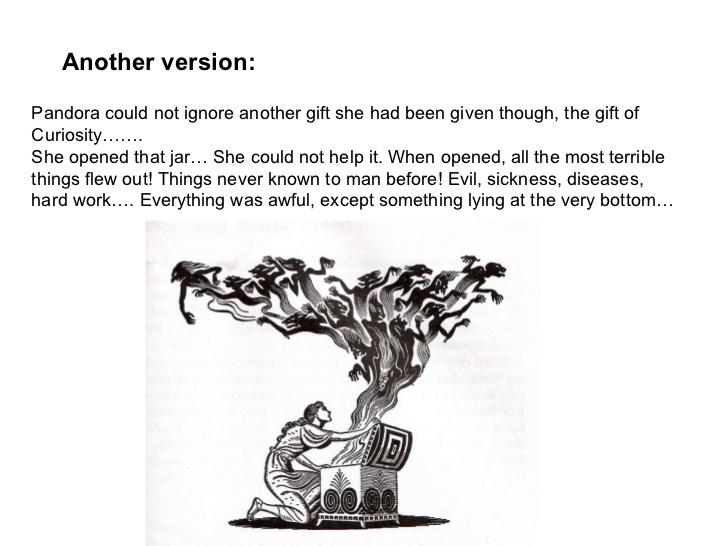
Eban focuses on a pandora’s box opened when the world’s generic drug industry began producing substitutes for previously patented drugs.

Patents for new drugs have a determinate shelf life but expire after a stipulated period of time. One can complain and challenge the price of patented drugs, but patented drugs require a level of scientific experiment and reporting to prove efficacy. When patents expire, there is a rush by generic manufacturers to produce the same drug at a lower cost. The trouble arises when a generic drug’s lower cost is achieved with substituted or reduced ingredients; also, it may be adulterated by poor manufacturing practices.

Eban offers the history of the AIDS’ epidemic to illustrate how generic drugs became supercharged in the 1980s.

Three companies in India and one in South Africa began working with the Clinton Foundation to offer an AIDS’ generic drug that fell to a cost of $.40 per day when patented AIDS’ drugs cost as much as $8,000 per year. Millions of people were at risk, none more than those who live in Africa. However, the effectiveness of the generic drug came under suspicion. It was found that data was being falsely created by India and Africa. It was manufactured data that falsely reported generic drugs effectiveness in treating AIDS. The generic African and India manufacturers were cutting corners in production to increase profits. No one checked the effectiveness of the produced drugs and posted false patient reports. Because the data was not based on patient experience but on falsely created data, it became unclear whether the drug was working. Without any reports showing the generic drug’s effectiveness, incentive grew to continue reducing costs. Manufacturers pushed production, compromised AIDS ingredients, and falsely reported treatment results of patients.

Dinesh S. Thakur (Received the Joe A. Callaway award for Civic Courage in 2014.)

Eban explains how Dinesh Thakur. a former executive at Ranbaxy Laboratories, became a whistle blower who “spilled the beans” on falsely created data sent to the FDA.

Thakur was the Director and Global Head of Research information & Portfolio Management at the Ranbaxy company. He began asking questions of the people reporting the generic AIDS Drug efficacy data. Thakur found that 50% to 100% of information on generic AIDS drug’ efficacy was manufactured and not related to actual use by AIDS sufferers. Ranbaxy Laboratories pleaded guilty of falsifying information in 2003. Ranbaxy agreed to pay $500 million to settle their guilty plea.

Despite the Ranbaxy settlement, the author shows generic drug misinformation is still being produced. Further reviews by FDA inspectors found continuing violations of protocol and testing of generic drug manufacturing and reporting.

Ranbaxy is no longer an independent company. It was purchased by Sun Pharmaceutical Industries Ltd in 2014. Eban explains how FDA inspectors fell victim to India manufacturers malfeasance by accepting luxury hotel accommodations and gifts that clouded their judgement about the companies they were investigating. A bad report from an FDA inspector could and did cost millions of dollars to companies that produced tainted generic drugs.

Eban explains the FDA has changed their policy of giving advance notice of inspections while inferring inspectors are advised to avoid conflicts of interest in their inspections. One takes this inference with reservation because human nature is an immutable force.

The incentive for increased profitability by reducing the cost of manufacturing generic drugs continues to threaten the public. Eban infers the lure of money, power, and prestige, continues to incentivize fudging, if not outright lies, about the effectiveness and safety of generic drugs.

BRAIN SURGERY

Two points that offer the greatest value in Schwartz’s history of brain surgery is that those who survive become different human beings, sometimes disabled or cognitively impaired. The second–those who need a neurological operation should look for an empathetic doctor who limits his/her excision of brain matter to what science knows of its consequence.

Books of Interest
 Website: chetyarbrough.blog

Gray Matters (A Biography of Brain Surgery)

By: Theodore H. Schwartz

Narrated By: Sean Pratt

The largest part of Dr. Schwartz’s book is about the history of brain surgery. The first chapters address his education for brain surgery and the history of well-known Americans who died or might have survived from its practice. It addresses the consequences of brain trauma of modern times but leaves tumor and disease treatment for the remaining chapters. “Gray Matters” is about the 19th and 20th century history of brain surgery, how it evolved, and the pioneers who most influenced the author. Schwartz personalizes brain surgery by explaining how he treated what he estimates to be over 10,000 patients.

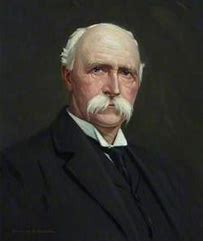
  • William Macewen (1848-1924) Scottish surgeon who pioneered neurosurgery,
  • Harvey Cushing (1869-1939) American neurosurgeon–father of modern neurosurgery,
  • Wilder Penfield, (1891-1976) American-Canadian neurosurgeon–noted for mapping the brain,
  • Carl-Olof Nylén (1892-1978) Swedish otologist who pioneered microsurgery with a surgical microscope he designed,
  • Wolfgang Draf (1940-2011) German otolaryngologist who pioneered Skull Base Surgery using sinuses as the avenue of entry to the brain.

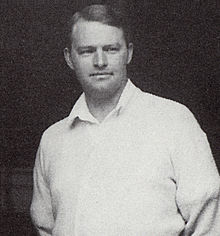
Schwartz identifies Wiliam Macewen (upper left photo) as the pioneer of neurosurgery. He notes Harvey Cushing (upper right photo) is referred to as the “Father of Modern Neurosurgery”. Cushing was the first to employ X-rays to diagnose brain tumors and introduced the use of the elector-cautery device to minimize blood loss during surgery. Dr Wilder Penfield (middle left photo), a Canadian neurosurgeon pioneered brain mapping by stimulating the brain with mild electrical shocks. Brain mapping gave neurosurgeons a guide that let them know what areas of the brain would be affected when making decisions on diseased tissue removal. Microsurgery on the brain is pioneered by Carl Nylen (middle right photo) in the early 1900s. In modern times, Dr. Wolfgang Draf (bottom photo) began using a skull cap microsurgery device to remove brain tumors through nasal passage access. This less intrusive form of brain surgery is used and detailed by the author.

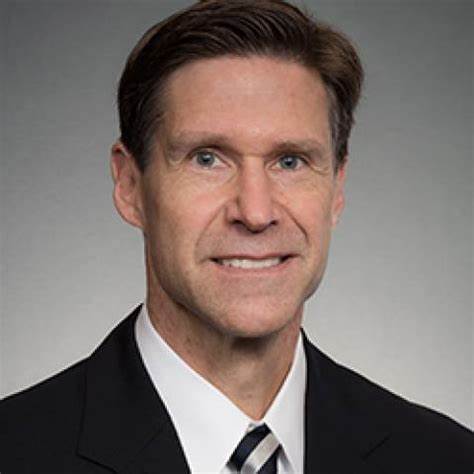
Dr. Kris S. Moe (Board certified surgeon at UW Medical Center, University of Washington Facial Plastics and Reconstructive Surgery.)

Schwartz explains one of his most important training experiences was in Seattle Washington with Dr. Kris S. Moe. Moe pioneered what is called transorbital neuroendoscopic surgery (TONES) that influenced the field of minimally invasive neurosurgery. Schwartz explains how Moe would test patients during an operation to identify areas of the brain being affected during treatment for tumor removal. Schwartz gave the example of a series of pictures shown on a monitor seen by the patient during surgery. The patient is asked to name the object in the picture as the surgeon is operating to determine whether the tumor being excised affects his/her ability to identify the image. In Schwartz first attendance at one of these surgeries, he accidentally spilled the pictures across the operating floor. Moe directed him to reassemble the pictures and went on with the surgery when they were reassembled. The embarrassed Schwartz admired Moe because he never brought the incident up after it happened and completed the operation without criticizing Schwartz.

Two points that offer the greatest value in Schwartz’s history of brain surgery is that those who survive become different human beings, sometimes disabled or cognitively impaired. The second–those who need a neurological operation should look for an empathetic doctor who limits his/her excision of brain matter to what science knows of its consequence.

BRAIN TRAUMA

Schwartz’s book implies the NFL’s prevention and protocols for brain trauma are a cost of doing business. Sadly, this seems similar to the American public’s misinterpretation of the “right to bear arms” and its resistance to gun control.

Books of Interest
 Website: chetyarbrough.blog

Gray Matters (A Biography of Brain Surgery)

By: Theodore H. Schwartz

Narrated By: Sean Pratt

Theodore H. Schwartz (Author, American medical scientist, academic physician and neurosurgeon.)

“Gray Matters” feeds a curiosity for those interested in the human brain. Written by a brain surgeon, it offers a clearer understanding of brain function while offering insight to the causes and consequences of brain trauma. The author has treated many patients with brain infections and trauma and offers analysis of athletic, gun-related, and accident injuries of people who have died from or survived brain trauma.

Schwartz explains the arduous education for one to become a brain surgeon and how physicians surgically treat brain disease and trauma.

He explains how long hours as an intern are required after spending years to become an academically qualified physician, let alone surgeon. Not only are the hours long but acceptance into an internship is highly competitive and difficult to achieve. That seems counterintuitive in view of the public’s need for qualified medical help. One suspects the fundamental cause is the cost to the hiring hospital and the staffing required to teach new physicians.

The brain is protected by a skull, three layers of membrane, cerebral spinal fluid, a blood barrier, skin, and a scalp.

These structures, cells, and tissues protect the brain from physical damage and infections so the brain can provide organic function, thought, and action. Physical or infectious damage to the brain can affect any one of these natural human’ functions.

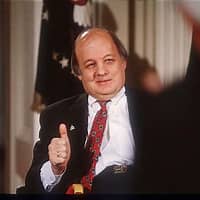
Schwartz reviews incidents of gun-shot brain trauma of famous figures like Abraham Lincoln, John F. Kennedy, Robert Kennedy, James Brady, and Gabrielle Giffords. He notes the differences in the bullets used as well as the power of the weapons to explain the damage done. He argues John Kennedy had no chance of survival while suggesting Lincoln, because of a lower power weapon, might have survived with today’s advances in treatment. However, he suggests Lincoln would have lost much of his skill as an orator and political theorist because of damage to a particular part of his brain from Booth’s attack. Schwartz believes Robert Kennedy might have lived with more rapid and qualified treatment but would have been physically and mentally disabled. James Brady, Ronald Reagan’s press secretary, lost speech clarity and physical mobility because of his brain trauma. Similar consequences occurred with Gabriell Giffords’ injuries, but she relearned how to walk, talk, and perform basic tasks. Schwartz notes the only positive political accomplishment to come out of these violent acts was the Brady Handgun Violence Reform Act.

Schwartz goes on to explain non-traumatic brain injury from infection and stroke to traumatic brain injury from Shaken Baby Syndrome (SBS) to Chronic Traumatic Encephalopathy (CTE) with Second-Impact Syndrome often seen in athletes. Diagnosis of SBS from a shaken baby’s head has changed to include the shaking accompanied by impact with a hard surface.

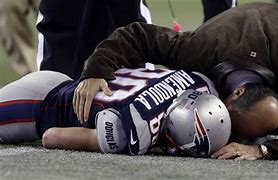
Diagnosis of CTE and Second-Impact Syndrome in sports are still being defined. The return of football players to the field of play is a judgement call by a sideline physician which raises questions about qualifications, let alone judgement.

The NFL initially objected to the brain trauma threat of their sport based on improved protective equipment.

However, Schwartz writes they have increased their protocol for injured players and have paid over a billion dollars to former athletes suffering from symptoms of brain trauma. Some big names in football like Junior Seau, Frank Gifford, Ken Stabler, and Tommy Nobis were autopsied after their death to show they suffered from CTE.

The lure of fame and money are unlikely to change elite athletes desire to compete despite the threat of brain injury. Schwartz’s book implies the NFL’s prevention and protocols for brain trauma are a cost of doing business. Sadly, this seems similar to the American public’s misinterpretation of the “right to bear arms” and its resistance to gun control.

LIFE’S LOTTERY

Eugenics and the fickle political nature of human beings outweighs the benefits of Harden’s idea of choosing what is best for society.

Books of Interest
 Website: chetyarbrough.blog

“The Genetic Lottery” Why DNA Matters for Social Equality

By: Kathryn Paige Harden

Narrated By: Katherine Fenton

Kathryn Paige Harden (Author, American psychologist and behavioral geneticist, Professor of Psychology at the University of Texas at Austin.)

“The Genetic Lottery” is an important book that may be easily misinterpreted. Hopefully, this review fairly summarizes its meaning. Fundamentally, Kathryn Paige Harden concludes all human beings are subject to a genetic lottery and the culture in which they mature. It is not suggesting all human beings are equal but that all can develop to their potential as long as he/she has an equal opportunity to become what their genetic inheritance, education, and life’s luck allow.

Harden explains racial identity is a false flag signifying little about human capability.

Every human being is born within a culture and from a mother and father who have contributed genetic DNA they inherited from previous generations. DNA carries genetic instructions for development, growth, and reproduction of living organisms. Those instructions are a blueprint for an organism’s growth. However, the genetic information passed on to future generations varies with each birth and is subject to a lottery of DNA instructions.

The lottery of genetics extends a multitude of characteristics ranging from intelligence to height to the color of one’s skin.

One may become an Einstein, or a slow-witted dolt. One may be born healthy or destined to die from an incurable disease. The growing understanding of genetics suggests the potential for human intervention to prevent disease, but also the possibility of creating a master race of human beings. That second possibility is a Hitlerian idea that lurks in the background of science and political power. It revolves around the theory of eugenics.

Harden suggests an ameliorating power of eugenics is its potential for offering equal opportunity for all to be the best version of themselves within whatever culture they live.

Putting aside the potential of human genetic theory’s risk, Harden explains every human is born within a culture that reflects the genetic inheritance of the continent on which they are born. The combination of the human genetic lottery and the culture in which humans live create ethnic identity and difference. Differences are the strengths and weaknesses of society. Strengths are in the diversity of culture that adds interest and dimension to life. The weakness of society is its tendency to look at someone who is different as a threat or obstacle to a native’s ambition or cultural identity.

Harden suggests every human being’s genetic code should be identified to aid human development by creating an environmental support system that capitalizes on genetic strengths and minimizes weaknesses.

This idealistic view of genetics is fraught with a risk to human freedom of thought and action. Science is generations away from understanding genetics and its relationship to the weaknesses and strengths of human thought and action. Understanding what gave Einstein a genetic inheritance that could see and understand E=MC squared is not known and may never be known. The luck of genetic inheritance and the lottery of life experiences are unlikely to ever be predictable. One interesting note in the forensic examination of Einsteins brain (recorded in another book) is that he had a higher-than-normal gilia cell ratio, non-normal folding patterns in his parietal lobe, and a missing furrow in the parietal lobe that may have allowed better connectivity between brain regions.

The threat of eugenic determinism and the fickle political nature of human beings outweighs the benefits of Harden’s idea of choosing what is best for society.

DEATH WITH DIGNITY

Tisdale’s book is hard to listen to but worth one’s time and effort for understanding.

Books of Interest
 Website: chetyarbrough.blog

Advice for Future Corpses” And Those Who Love Them, A Practical Perspective on Death and Dying

By: Sallie Tisdale

Narrated By: Gabra Zackman

Sallie Tisdale (Author, essayist, who earned a nursing degree in 1983, born in 1957.)

The title of Sallie Tisdale’s book is off-putting but an apt description of her advice about “…Death and Dying”. Tisdale is a registered nurse who has written several books. Her experience makes her advice about death relevant and important. Those of a certain age or physical condition are shown how to prepare themselves for the inevitability of death.

The Japanese writer Haruki Murakami wrote “Death is not the opposite of life, but a part of it.”

Tisdale explains how a person can manage the inevitability of their death. To some, this seems a macabre thought, but nothing can be depended upon in life except its end. Why not manage that end with at least as much skill as one chooses to live? The reason people choose not to think about planning for death is because they are dealing with the everyday issues of living.

The irony is that Tisdale argues “planning for death” is an everyday issue.

Even if one knows they will eventually die, why care about it? Most lives are unplanned and seem out of our control anyway. How many plans for living are turned upside down by unforeseen events? Unforeseen events like Covid19, the rise of Hitler, WWII, the atomic bomb, and so on and so on. Yes, the occurrences of history change human plans. However, the difference is that death of the individual is a known inevitability. When one knows, their death is going to happen, why not have a plan?

Tisdale gives listeners the details of a plan for death.

Prepare Healthcare Directives

  • Decide to provide or not provide organ donation.
  • Explain burial or cremation wishes.
  • Maintain a financial inventory of accounts and assets.

Create a Will covering heirs and their inheritance. Review the plan based on life changes.

Having a will takes asset distribution out of the hands of a state court system. Health directives show your medical wishes and notes who has the right to make decisions for you in the event of incapacitation. A Health Care Directive stipulates whether extraordinary measures or comfort until death is to be administered. Written directives can explain how the body, after death, is to be cared for, i.e., is the body to be used for medical research, organ transplant, cremation, or burial. Time is of the essence when a person dies because living tissues and organs die soon after death of the person.

Beyond paperwork, Tisdale explains what is important to the dying when diagnosed as terminal.

To a family or caregiver, the hardest part is helping the dying cope with growing incapacity. When one is terminal, providing as much comfort as possible until death is of primary importance. The hardest part to the dying person is loss of control over one’s body. Listening to Tisdale’s real-life experience illustrate how American hospice and hospital care fails the terminally ill.

On the one hand, it is the fault of the dying for not having a clear plan for what is to be done in the event of a terminal diagnosis or illness, but Tisdale’s point is that neither hospice nor hospital’s services offer consistency in their care for the dying. Tisdale believes that once a person is diagnosed as terminal, the obligation of hospice’ and hospital’ care is to give comfort until death. However, institutions and doctors do not have the time nor inclination and American families do not have the money. Tisdale mentions Japanese elder care by noting the majority of those who are dying, die at home. The inference is that institutions are unlikely to provide the same care as the family of one who is dying.

Tisdale believes “Death with Dignity” laws passed in Oregon, Washinton, California, Colorado, Hawaii, Maine, New Jersey, Vermont, and Washinton, D.C. are on the right side of history.

They emphasize the importance of comfort for the terminally ill. A “Death with Dignity” law allows doctors to prescribe lethal drugs to end a terminally ill person’s life as long as the injected drug is not administered by the doctor or institution for which he/she works.

Tisdale’s book is hard to listen to but worth one’s time and effort for understanding.