SOCIETY

The broad theme of Flournoy’s story implies being an identifiable minority means navigating social discrimination, gender difference, and physical violence in America.

Books of Interest
 Website: chetyarbrough.blog

THE WILDERNESS (A Novel)

Author: Angela Flournoy

Narration by: Angela Flournoy & 2 more

Angela Flournoy (Author, American writer won the First Novelist Award for “The Turner House” in 2015 and was shortlisted for the National Book Award for fiction.)

As a white person, “The Wilderness” offers a glimpse of what it is like to be a Black American woman in the prime of her life in today’s America. Flournoy creates a story of five adult Black women in their twenties in the years from 2000 though 2022. She reflects on their irreverent and tumultuous lives that show how friendships grow and fall apart between young Black Americans who are underestimated and face societal inequality. The friendships of these five women are a kind of bulwark against the experience of living in America as a racial minority.

American life.

Everyone faces challenges living in America, but friendship seems less important to white Americans because they are a majority of the population with assumed privilege that depends less on friendship than on economic opportunity. White American economic opportunity is taken for granted. A white listener/reader’s interest may make Flournoy’s story less interesting because it is singularly based on a minority. One might make the mistake of returning Flournoy’s story, rather than sticking with it, because it is different from its reader/listener’s life. Flournoy offers a view of life seen through the eyes of a person who lives as a minority in a white majority.

Friendship of women.

Desiree’s, Danielle’s, Monique’s, Nakia’s, and January’s stories are of 5 twenty something, well educated, Black American women and their lives through 20 years of friendship. Their friendship is a bulwark against the harshness of American life. Friendship is characterized as it is, i.e. not as smooth and unchanging but on again, off again, and renewable based on common experiences of being Black in America. Flournoy shows how these five friends balance their ambitions and relationships in a society that often gets in the way of their drive for economic success and/or happiness. When faced with discrimination, their friendships becomes an island of consolation. This island is not necessarily peaceful because of their different lives and personal circumstances, but it is a refuge from American discrimination.

Added to American police discrimination toward minorities is gender violence which is a problem for both white and Black American women.

Violence is endemic in America, but racism and inequality underlie greater vulnerability for Black Americans. Too many assumptions are made by police who racially profile Black Americans without justification. That profiling leads to unjustified police brutality based on the color of one’s skin. Sexual relationships may seem “ok” to an outside observer, but Flournoy shows it sometimes hides the reality of physical or psychological abuse between mated partners. January’s story is an example of coercion, instability, and harm that can occur in an intimate relationship.
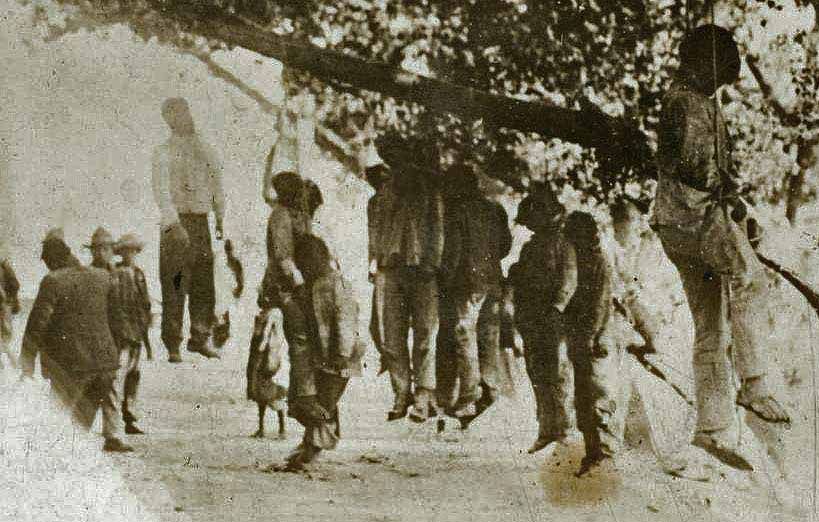
The depth and horror of discrimination in American history.

The broad theme of Flournoy’s story implies being an identifiable minority means navigating social discrimination, gender difference, and physical violence in America. Flournoy’s opinion is that friendship is the bulwark upon which Black women protect themselves. The reality of Flournoy’s story is that social discrimination, gender difference, and violence exist in every country of the world. The way people deal with discrimination, gender difference, and violence ranges from adaptation, reluctant acceptance, or revolt. Her point is important, but her story is too long.

GENDER INEQUALITY

“Betraying Big Brother” is not wrong about gender inequality but the author’s anger and personal choices cloud the author’s message. Gender inequality is real everywhere in the world. Education is a beginning, but practice is the end.

Books of Interest
 Website: chetyarbrough.blog

Betraying Big Brother (The Feminist Awakening in China)

AuthorLeta Hong Fincher

Narrated By: Emily Woo Zeller

Leta Hong Fincher (Author, American journalist, feminist and writer, first American to receive a Ph.D from Tsinghua University’s Department of Sociology in Bejing., graduated from Harvard with a BA and a master’s degree in East Asian Studies from Stanford.)

The education and experience of Leta Hong Fincher is somewhat betrayed by her anger in “Betraying Big Brother”. Misogyny is an international reality that defies the truth of human equality. This reviewer’s prejudice, like the author’s biases are suspect because of their respective life experiences. This book reviewer was raised by a single parent mother who worked to keep two sons with a roof over their head and food on the table. How women survive inequality is made of the same stuff as that which plagues minorities around the world. The difference is that women are not a minority.

She writes of being a 15-year-old girl who is physically and emotionally abused by two boys who are friends of an older male friend that takes her to a get together of young acquaintances. That event burns a memory into Fincher’s mind that sets her on a journey thru life. One reading/listening to “Betraying Big Brother” recognizes the truth of what the author writes is reinforced by her life experiences. Of course, that is true of all human beings, but anger diminishes the impact of what Fincher says and writes.

Leadership?

Whether living in a democracy or autocracy, sexual inequality is present. Gender discrimination is universal. America and China talk the talk but fail to walk the walk. Fincher writes of Mao’s saying that “women hold up half the sky” implying he believed in gender equality. Mao spoke of marriage reform and labor participation but patriarchal norms were adhered to with women workers not being paid the same as men nor offered similar positions of power.

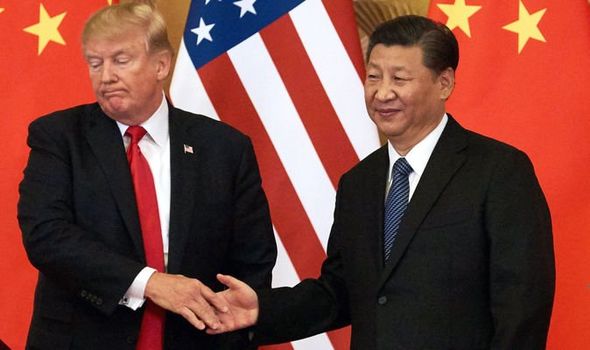
Xi speaks of gender equality, but no women are on the 24-member Politburo.

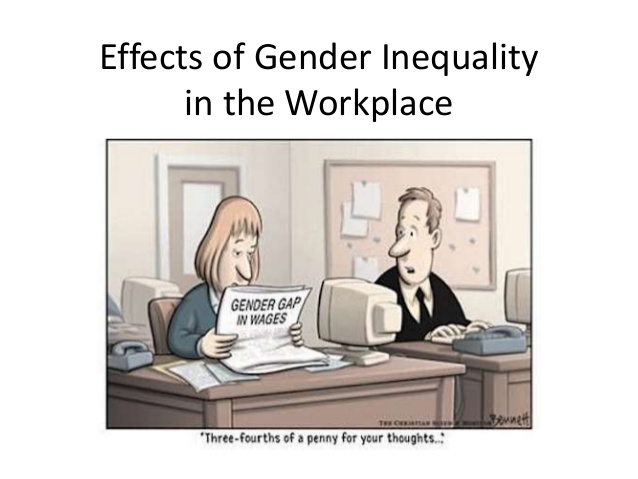
Xi also speaks of gender equality, but no women are on the 24-member Politburo while pay and promotions lag behind men. Fincher writes of Big Brother censorship, surveillance, and detention of women in China. (One presumes that is also true of everyone in China.) Like Trump, Xi promotes women’s roles in domestic stability, and their childbearing responsibilities. America has yet to elect a woman as President. Equal pay for equal work is improving in America, but a gap still exists with lower starting salaries, performance evaluation biases, and fewer high-profile assignments or promotions.

“Betraying Big Brother” is not wrong about gender inequality but the author’s anger and personal choices cloud the author’s message. Gender inequality is real everywhere in the world. Education is a beginning, but practice is the end.

GENDER MATTERS

All gender differences beyond women’s birth of children seem more culturally than naturally determined. Gender does matter but not because of inherent qualities but because of cultural influences.

Books of Interest
 Website: chetyarbrough.blog

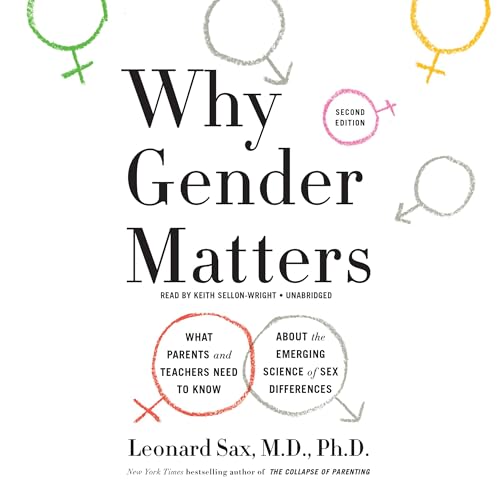
Why Gender Matters (What Parents and Teachers Need to Know About the Emerging Science of Sex Differences) 

Author: Leonard Sax MD PhD

Narrated By: Keith Sellon-Wright

Leonard Sax (Author, psychologist and family physician, graduate of MIT and the University of Pennsylvania.)

After listening to Sayaka Murata’s satire about gender differences and a future that minimizes the differences between males and females, one may wish to read/hear what a physician writes about gender and why difference matters. In listening/reading Doctor Sax’s book, this review is somewhat skeptical of his judgement about gender differences. Having been raised by a single parent, some of what he claims seems formulaic and based on weak evidence.

Gender differences.

Though Dr. Sax cites studies that support stereotypes of girls who are less inclined to pursue math and science, it seems impossible to separate acculturation from gender bias. One wonders if his opinion is not influenced by his own gender. As is true of all human judgements, we have a tendency to conflate correlation with causation.

Whether there is a direct relationship between two variables like gender and one’s potential in science or math may be culturally reinforced rather than intellectually adduced.

There may be some truth in gender difference based on women giving birth that naturally induces a more nurturing requirement for women than men. The fact that women bare children and traditionally take on the role of caregiving suggests a cultural as well as gender driven characteristic. Inequality of the sexes is well documented by numerous studies that show women are paid less for the same work done by men. Unequal pay has nothing to do with biology.

Gender difference.

It is economic and social circumstance that limits women’s potential. The question becomes whether a woman would run a business any differently than a man based on gender. One might believe women who have given birth may manage differently because of their experience as nurturers of early life. Why else, if education and intelligence are similar, would there be any difference between a woman or man who manages others?

Though most humans wish to be part of something greater than themselves, the shaming in this cell-phone age seems significantly more impactful on women than on men.

On the other hand, there are some observations about gender differences that seem true when one thinks about their own life experience. Though social acceptance is important to both sexes, it seems boys are less likely to be as stressed about not being part of the “in group” than girls. Though even that is challengeable in that males also have a desire to be a part of something greater than themselves.

On balance, this listener/readers’ opinion is that Doctor Sax’s explanation of innate gender difference is suspect with the caveat that women are different from men in that they give birth.

All gender differences beyond women’s birth of children seem more culturally than naturally determined. Gender does matter but not because of inherent qualities but because of cultural influences.

SEXUAL INEQUALITY

Emily Witt illustrates how undesirable sexual inequality is for the future of American society. Witt explains events in her life that have led her to become a successful author. Witt’s life experiences are like the events in every human’s life but without the unfair burden of sexual inequality.

Books of Interest
 Website: chetyarbrough.blog

Health and Safety (A Breakdown)

By: Emily Witt

Narrated By: Emily Witt

Emily Witt (Author, investigative journalist based in Brooklyn, worked as a staff writer for The New Yorker.)

Emily Witt is born two generations after this reviewer’s youth. It is a refreshing look at the great changes and similarities between my generation and Ms. Witt’s. The big difference is Ms. Witt is an attractive woman, not a man. Her life, in many ways, is unlike women of past generations but similar to men of my generation. She writes of her life, of experimenting with drugs, being in and out of serious and not-so-serious sexual relationships and striving for success in today’s America.

Witt is representative of societal change in America.

On the one hand she shows the independence and growing equality of the sexes. Liberated from the stereotypes of women as bearers of children and keepers of home and hearth, Witt’s story is like what American men’s lives were two generations ago. Her life today reminds one of a man’s life in the 1960s. She shows an understanding of the difference between love and sex but seems neither consumed nor controlled by either sex or love’s existence. She chooses her own path in life. There is strength and weakness in her character just as there is in all human beings.

The other side of her story is the consequence of sexual equality and its impact on culture.

In women’s liberation something is gained and lost. The gain is in women’s opportunity. It is time for men to step up and take equal responsibility for family comity, stability, and growth. One who did not come from an Ozzie and Harriet family but from a single parent family sees the strength of liberation of women but wonders what is lost by children raised by single parents in America. Do children become more or less dependent on others as a result of being raised by a single parent? In some ways they become more independent but in others they become socially isolated and culturally inept. That social isolation and ineptness has future consequences for children of single parent homes. Women are rightfully liberated from being the sole responsible parent for children’s care, but fathers are failing to pick up the slack.

Though juvenile delinquency is shown to have decreased in America, the education and success of children begins at home. More responsibility must be taken by fathers for teaching societal values and behavior to children. By taking equal responsibility, fathers will reinvigorate American society. Without a reorientation of men’s lives in American families, i.e., acceptance of family responsibility and women’s equality, American democracy’s economic and social success will be diminished.

The current political environment in America is trying to return the economy and society to the twentieth century, a fool’s errand.

Witt illustrates how undesirable sexual inequality is for the future of American society. Witt explains events in her life that have led her to become a successful author. Witt’s life experiences are like the events in every human’s life but without the unfair burden of sexual inequality.

Addendum: The most troubling part of Witt’s story is the feeling that her generation is failing American society by withdrawing into themselves with drugs to avoid dealing with the problems of the 21st century. Experimenting with drugs is one thing but using them to escape America’s problems is a disappointment to this aged survivor of the baby boom generation.