HEALTH

“This is Your Brain on Parasites” is a bad book title but McAuliffe has written an interesting book about physical and mental health, and the treatments being researched in the 21st century.

Books of Interest
 Website: chetyarbrough.blog

This is Your Brain on Parasites (How Tiny Creatures Manipulate Our Behavior) and Shape Society

By: Kathleen McAuliffe

Narrated By: Nicol Zanzarella

Kathleen McAuliffe (Author, science journalist who has published in The New York Times, The Atlantic, and Smithsonian. Received an M.A. in natural science from Trinty College Dublin.)

Kathleen McAuliffe apprises the public of the importance of personal health along with a somewhat bizarrely titled book “This is Your Brain on Parasites”. McAuliffe’s book is about the science of health and its maintenance. The idea of a parasite in one’s brain seems unworthy of a book because of the creepy implication of possession. However, McAuliffe refers to a physician and several research scientists that have found evidence of brain parasites that effect animal and human behavior.

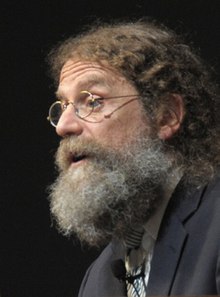
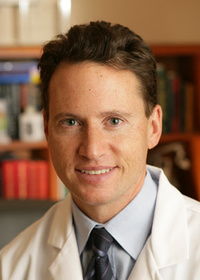
Dr. Robert Sapolsky, a neuroscientist and professor at Stanford studied what is called a Toxoplasma gondii parasite. It forms cysts in brain tissue that are shown to affect human behavior. People who have developed the cysts have shown symptoms of risk-taking behavior, and mental dysfunction like schizophrenia.

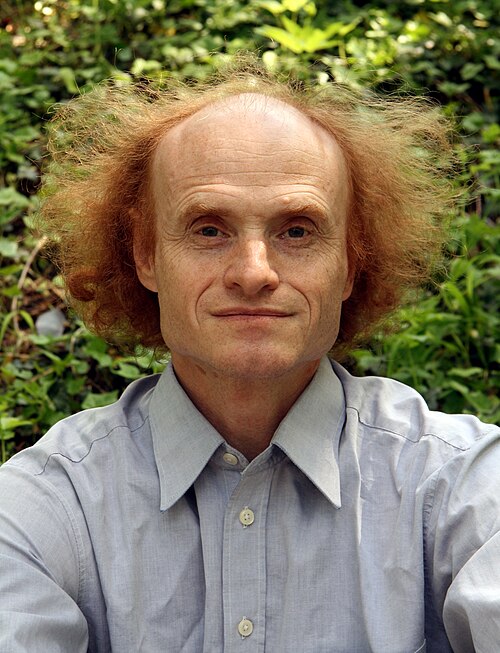
Dr. Jaroslav Flegr is a parasitologist, evolutionary biologist and professor of biology at the Faculty of Science, and professor at Charles University in Prague.

McAuliffe meets with a Czech scientist, Dr. Jaroslav Flegr, who conducted research showing the Toxoplasma gondii parasite in cat feces can infect the brain of a human being. The author meets other American research scientists that show how parasites infect animal brains whose behavior is affected in ways that are not natural to their species. A parasite being the source of a diseased brain has implications for treating mentally dysfunctional patients that may have a parasitic infection.

What McAuliffe’s book implies is the importance of washing one’s hands when handling pets, or their fecal material.

“This is Your Brain…” reminds one of the importance of hygiene when replenishing a bird feeder or filling an animal feeding trough to avoid possible parasites.

As most know, Kennedy is not a believer in vaccination despite a growing measles epidemic and the proof that vaccination works. McAuliffe does believe there are circumstances where a child crawling across the floor of a clean house gathers some immunity naturally but that un-common pathogens require uncommon vaccination.

Two other subjects mentioned by McAuliffe is natural and science made vaccinations and the benefits they provide humanity. This is a particularly timely suggestion considering Trump’s appointment of Robert F. Kennedy Jr. (a confessed anti-vaxxer) as the Secretary of Health and Human Services.

McAuliffe notes how research is showing how certain microbes can remove calories from food and how certain drugs can reduce hunger among overweight patients. She reflects on the intersection of microbiology and human health.

Another interesting examination by McAuliffe is the science research being done on gut microbiomes, a community of microorganisms in human digestive systems.

The research on microbiomes has resulted in effective weight loss drugs that have become popular medications for people struggling with weight gain.

“This is Your Brain on Parasites” is a bad book title but McAuliffe has written an interesting book about physical and mental health, and the treatments being researched in the 21st century.

HUMAN

What is the value of high IQ? If everyone was smarter, would they be happier? It seems the only real value of genetics is in the prevention of known diseases, not in improvement of IQs or creation of a perfect human being (whatever that is).

Books of Interest
 Website: chetyarbrough.blog

The Social Genome: The New Science of Nature and Nurture

By: Dalton Conley

Narrated By: Christopher Douyard

Dalton Clark Conley (Author, Princeton University professor, American sociologist.)

Dalton Conley offers a complex explanation of why one child intellectually and financially excels while others are left behind. The “Social Genome” is an attempt to explain the complexity and inadequacy of genetic research. Not too surprisingly, there seems a correlation between wealth and intellectual development, but its relationship includes familial and environmental nurturing in ways that are too complex for today’s science to measure.

FAMOUS WOMEN IN HISTORY (Many women are as intellectually strong and mentally tough as men, e.g.  Cleopatra, Sojourner Truth, Indira Gandhi, Golda Meir, Benazir Bhutto, Malala Yousafzai, and others.)

Dalton argues both genetics and environment shape human intellect and economic success. However, science’s current knowledge of genetic and environmental impact is not clearly understood in a way to aid human development. The current limitations of science make it impossible to determine the precise genetic and environmental factors that shape human development. Dalton offers many examples of how genetics and environment are relevant to human development, but neither are precisely measurable nor manageable.

The idea of clearly understanding the genetic and environmental causes of who humans become is a bit frightening.

Even if it were possible to achieve precise measurement of genetic and environmental influences, should that knowledge be used to create designer human beings?

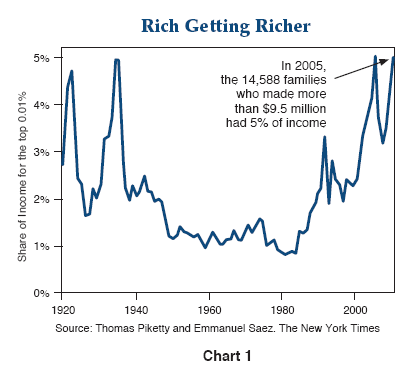
Piketty argues that the income gap widens after World War II.  He estimates 60% of 2010’s wealth is held by less than 1% of the population. 

Dalton does believe there is a correlation between economic well-being and IQ, but the correlation is affected by genetic inheritance. Dalton concludes economic well-being is a positive factor in IQ improvement. That raises questions about how one can improve the economic well-being of a society to improve IQ. Dalton infers there is no one size fits all solution for IQ improvement. Nurture and nature are too intimately intertwined to know how IQ of a society can be improved. A conclusion one may draw is that environmental and societal factors like human nutrition, general education and improved equal opportunity can mitigate IQ diminishment. Whether one should modify human genomes is a step too far.

In many ways, this is a frustrating book to listen to or read.

If all people looked more alike than different would there be less conflict in the world? No, but being of one race or another makes a difference in one’s opportunities in the world. What is the value of high IQ? If everyone was smarter, would they be happier? It seems the only real value of genetics is in the prevention of known diseases, not in improvement of IQs or creation of a perfect human being (whatever that is).

LEARNING

There are many brain discoveries and therapies to be discovered that will extend the ability of human beings beyond today’s capabilities. Those discoveries are like the discovery of fission. The science of brain plasticity has potential for either programing destruction or liberating the mind.

Books of Interest
 Website: chetyarbrough.blog

The Brain That Changes Itself: Personal Triumphs from the Frontiers of Brain Science

By: Norman Doidge, M.D.

Narrated By: Jim Bond

Norman Doidge (Author, Canadian psychiatrist, psychoanalyst, studied literary classics and philosophy at the University of Toronto.)

To an older person, there is a sense of disappointment and optimism from what Norman Doidge writes in “The Brain That Changes Itself”. The disappointment is the feeling of lost opportunity for some because of their ignorance of how the brain works. The optimism is that the past is passed while Doidge explains brain improvement is not completely lost with either age or injury. For older people, improving brain function is more difficult but not impossible. For the injured or medically challenged brain improvement is a dire necessity. For the young, improving brain function is at its best unless there are medical complications.

Doidge explains as one grows older or suffers from brain injury; the brain can be rewired to improve learning or restore bodily function.

.

Age slows the synaptic process of learning, but the brain is still receptive to synaptic improvement. Older brains simply have to work harder to compel new neuronal synaptic connections. With brain injury or disease, new connections must be made by different parts of the brain to restore the relationship between thought and action. A youthful brain is likely to improve faster than an older brain, but experimental studies show improvement is possible for both. Doidge explores brain plasticity in “The Brain That Changes Itself”.

Doidge explains medical or physical deterioration of brain function can be improved with repetitive effort.

What brain disfunction has in common is the ability to adapt to the circumstances of people’s lives. With the appropriate help of teacher, clinician, and self exercise, people can rewire their brain.

The difficulty is in societies willingness to invest in the professional needs of those who are affected by brain dysfunction. Treatment of the aged requires commitment to repetitive learning and relearning which can be done with personal commitment. It is not the same for those who lose motor control of their body from injury or medical conditions. The requirement Doidge and others have found for medical or physical brain injury is the training and availability of clinicians and physicians to provide the therapeutic treatment that will aid recovery. How many medical clinicians have been trained to aid brain-dysfunction’ patients to re-wire their brains to think, see, hear, or walk? How many patients can afford the treatment?

The potential of rewiring the brain extends to returning old brains to their childlike state of openness with drugs. It is a new frontier that illustrates how human brains are superior to A.I.

“The Brain That Changes Itself” reveals a lot about the science of re-wiring the brain. Re-wiring the brain for older people is possible with minimal assistance but it requires repetitive work. For the brain damaged, the need for neurologists, clinicians and other professionals are essential for treatment success. The difficulty is in balancing need with cost and the public’s ability to pay.

Brain plasticity can either aid or destroy society.

Doidge notes how North Korean children are taught from grade school through high school to see their leader as a god, not a fallible human being. The less formed minds of the young are more easily programed than adults. He shows brain plasticity is a new frontier in medicine that can be abused.

There are many brain discoveries and therapies to be discovered that will extend the ability of human beings beyond today’s capabilities. Those discoveries are like the discovery of fission. The science of brain plasticity has potential for either programing destruction or liberating the mind.

NARCISSISM

Jollett concludes his memoir by arguing his mother is a narcissist. Who is the narcissist in “Hollywood Park: A Memoir”? Mikel Jollett fails to understand how difficult it is for a single mother to raise children on her own.

Books of Interest
 Website: chetyarbrough.blog

Hollywood Park: A Memoir 

By: Mikel Jollett

Narrated By: Mikel Jollett

Mikel Jollett (Author, American musician, frontman for Airborne Toxic Event.)

Narcissism is an excessive sense of self-importance and a lack of empathy for others. Though Mikel Jollett shows skill as a writer, his assessment of life as a child grown-up exhibits a personal blindness about the hardship of single parents.

Every child has a story. This is a memoir of Mikel Jollet’s life. Jollett’s story is about his family that joined what became a cult in the 1960s. It was called Synanon, a rehab program in Santa Monica, California for addicts that began in the late 1950s. The rehab program evolved into a religious movement. As it became a religious movement, its harsh policies drove some residents to flee. Jollett’s story is about leaving with his mother and brother when he is five years old.

Jollett’s mother leaves the Synanon commune and the father of her children to return to her parent’s house to re-start her and her children’s lives.

To Mikel, leaving was a dramatic break from the Synanon way of life and a father he misses. Jollett’s father was an addict and former convict who lived what seems a vagabond life until he joins Synanon. Mikel’s mother decides to secretly escape with her two boys as the Synanon life became more and more harsh. Despite its growing religiosity and authoritarian milieu, Synanon survives until 1991 when it faces numerous legal issues related to forced sterilizations and violence toward members.

As a single parent, Mikel’s mother struggles to regain an identity and her own life.

Some of the religious teaching at Synanon appears to have remained with her. After living with her mother and father in California, she chooses to move to Salem, Oregon. The move is motivated by the high cost of living in California and a job she finds in Salem. After some time in Salem, she meets a reformed alcoholic who comes to live with her and the boys. Mikel grows to like the reformed alcoholic, but his mother’s new companion falls off the wagon and leaves the boys and their mother. He returns sometime later, only to leave again.

Bonnie who was close to Mikel when they lived in the Synanon community became a companion with Mikel’s father in California.

The boy’s paternal father remains in California and eventually looks up his wife’s children in Oregon. Upon visiting the boys in Salem, he tells them they will be invited to visit him in California, where he lives near the beach. In their first visit they become reacquainted with Bonnie who had been in the Synanon program. Mikel had been emotionally attached to the woman when at Synanon, so he was pleased to see her.

Mikel reminds reader/listeners that many children in America are not raised in “Leave to Beaver” families.

Life is a struggle for most children, even in unbroken families. Being raised in a single parent home, particularly when the single parent is a woman is harder because of societal inequality. Mikel and his brother are boys, so they have better chances for breaking poverty’s cycle, but their mother is faced with greater obstacles. Mikel’s story shows a better chance for success than some children raised by a single parent because of a precocity recognized by the principal at his school in Salem. Precocity is no guarantee of success but being a male and smart are significant advantages.

Mikel and his brother, Tony, had older brother/younger brother conflicts.

Tony, as the older brother, was sometimes cruel or uncaring about his younger sibling. As Mikel grew older, he found ways to punish his older brother for his cruelty. As they matured, they reconciled but both left their mother to live with their father in California. The baggage their mother had from her experience at Synanon, her husband’s abandonment, and the circumstances of poverty became too much for Mikel to understand the trials of being a single mother with two children. Mikel’s judgement is that his mother was too narcissistic.

Sexual inequality are two strikes against women in life. Some women overcome great odds to become economically independent; most do not.

Women struggle with life’s inequality in ways that escape understanding of masculine society, i.e., particularly male children who live with a single mother’s nurturing through the formative years of their lives. Divorced or abandoned mothers often do what they must do to raise children that fathers mostly neglect during the formative years of life. Male parents escape responsibility by leaving their children with mothers. Ex-husbands have the privilege of regaining an independent life in a world that offers better opportunities for men than women. They often re-marry which is what Mikel’s father does.

Jollett concludes his memoir by arguing his mother is a narcissist. Who is the narcissist in “Hollywood Park: A Memoir“? Mikel Jollett fails to understand how difficult it is for a single mother to raise children on her own.

BRAIN TRAUMA

Schwartz’s book implies the NFL’s prevention and protocols for brain trauma are a cost of doing business. Sadly, this seems similar to the American public’s misinterpretation of the “right to bear arms” and its resistance to gun control.

Books of Interest
 Website: chetyarbrough.blog

Gray Matters (A Biography of Brain Surgery)

By: Theodore H. Schwartz

Narrated By: Sean Pratt

Theodore H. Schwartz (Author, American medical scientist, academic physician and neurosurgeon.)

“Gray Matters” feeds a curiosity for those interested in the human brain. Written by a brain surgeon, it offers a clearer understanding of brain function while offering insight to the causes and consequences of brain trauma. The author has treated many patients with brain infections and trauma and offers analysis of athletic, gun-related, and accident injuries of people who have died from or survived brain trauma.

Schwartz explains the arduous education for one to become a brain surgeon and how physicians surgically treat brain disease and trauma.

He explains how long hours as an intern are required after spending years to become an academically qualified physician, let alone surgeon. Not only are the hours long but acceptance into an internship is highly competitive and difficult to achieve. That seems counterintuitive in view of the public’s need for qualified medical help. One suspects the fundamental cause is the cost to the hiring hospital and the staffing required to teach new physicians.

The brain is protected by a skull, three layers of membrane, cerebral spinal fluid, a blood barrier, skin, and a scalp.

These structures, cells, and tissues protect the brain from physical damage and infections so the brain can provide organic function, thought, and action. Physical or infectious damage to the brain can affect any one of these natural human’ functions.

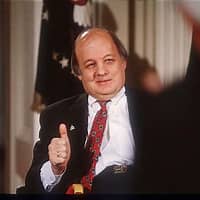
Schwartz reviews incidents of gun-shot brain trauma of famous figures like Abraham Lincoln, John F. Kennedy, Robert Kennedy, James Brady, and Gabrielle Giffords. He notes the differences in the bullets used as well as the power of the weapons to explain the damage done. He argues John Kennedy had no chance of survival while suggesting Lincoln, because of a lower power weapon, might have survived with today’s advances in treatment. However, he suggests Lincoln would have lost much of his skill as an orator and political theorist because of damage to a particular part of his brain from Booth’s attack. Schwartz believes Robert Kennedy might have lived with more rapid and qualified treatment but would have been physically and mentally disabled. James Brady, Ronald Reagan’s press secretary, lost speech clarity and physical mobility because of his brain trauma. Similar consequences occurred with Gabriell Giffords’ injuries, but she relearned how to walk, talk, and perform basic tasks. Schwartz notes the only positive political accomplishment to come out of these violent acts was the Brady Handgun Violence Reform Act.

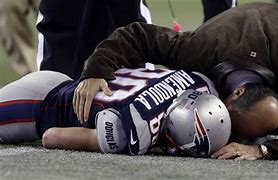
Schwartz goes on to explain non-traumatic brain injury from infection and stroke to traumatic brain injury from Shaken Baby Syndrome (SBS) to Chronic Traumatic Encephalopathy (CTE) with Second-Impact Syndrome often seen in athletes. Diagnosis of SBS from a shaken baby’s head has changed to include the shaking accompanied by impact with a hard surface.

Diagnosis of CTE and Second-Impact Syndrome in sports are still being defined. The return of football players to the field of play is a judgement call by a sideline physician which raises questions about qualifications, let alone judgement.

The NFL initially objected to the brain trauma threat of their sport based on improved protective equipment.

However, Schwartz writes they have increased their protocol for injured players and have paid over a billion dollars to former athletes suffering from symptoms of brain trauma. Some big names in football like Junior Seau, Frank Gifford, Ken Stabler, and Tommy Nobis were autopsied after their death to show they suffered from CTE.

The lure of fame and money are unlikely to change elite athletes desire to compete despite the threat of brain injury. Schwartz’s book implies the NFL’s prevention and protocols for brain trauma are a cost of doing business. Sadly, this seems similar to the American public’s misinterpretation of the “right to bear arms” and its resistance to gun control.

A REWIRED GENERATION

“The Anxious Generation” is a much-needed warning to America and the world.

Books of Interest
 Website: chetyarbrough.blog

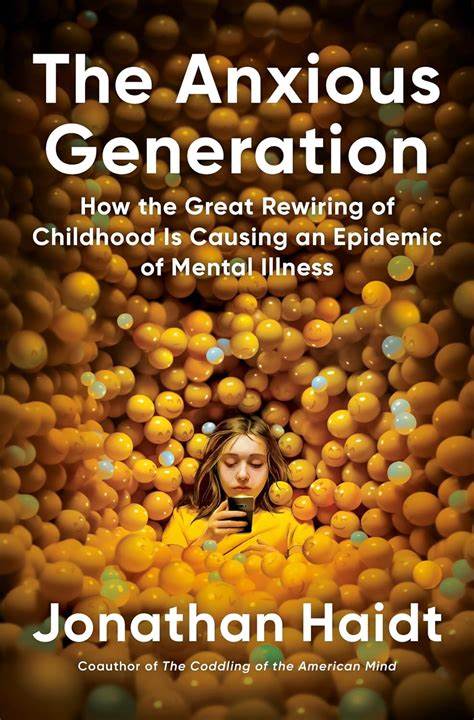
“The Anxious Generation” (How the Great Rewiring of Childhood is Causing an Epidemic of Mental Illness)

By: Jonathan Haidt

Narrated by: Sean Pratt & Jonathan Haidt

Jonathan Haidt (Author, American social psychologist, Professor of Ethical Leadership NY University Stern School of Business.)

“The Anxious Generation” is a well-documented and disturbing analysis of the impact of the internet on American children. It undoubtedly reflects a similar but undocumented impact on children with internet access around the world.

Anxiety is defined as apprehensive uneasiness or nervousness that exhibits itself either physically and/or mentally.

The internet is an information vehicle that can create anxiety in every human being, but Haidt shows its generational significance in the young, i.e., those of 18 years of age or younger. Haidt argues the internet is particularly harmful to girls but suggests it has significant social consequence for boys. Whether male or female, the formative years of children are significantly changed by the ubiquitous presence of cell phone’ internet access.

Haidt implies the role of girls in American society is particularly affected by the internet because of social inequities between the sexes. Physical appearance for women is weighted with more significance than other qualities of being human in America. The point is that rather than innate human capability, perceived beauty becomes a dominant desire of most young American girls.

Haidt notes the internet offers a constant reminder of how one looks to others.

Young American girls are bombarded with internet information about how they look and what others think of their looks. Heidt argues the barrage of information from mobile phone’ access to the internet creates extraordinary anxiety among girls. They become anxious about how others measure their appearance. Some become depressed. Some exhibit anorexic behavior. Some choose to cut themselves. Some withdraw from society. At an extreme, some commit suicide.

Additionally, Haidt notes the allure of internet sexual predation of young girls by men who use the internet to lure young girls and women into compromising pictorial positions by appealing to their desire to be recognized as desirable and beautiful. Added to this sexual predation is the power of the internet to demean, ridicule, and abuse young girls concerned about their place in the world.

Haidt argues boys are also deeply affected by the ubiquitous internet, but their anxiety is caused by growing isolation. Rather than making boyhood friends, participating in sports, attending parties, they become addicted users of the internet who are driven to improve their scores on Fortnite, Halo, or Call of Duty. At the same time, the availability of porn exacerbates misogyny and reinforces a distorted view of society. Their growing isolation in imagined worlds interrupts their psychological growth in the real world of success and failure. Computer gaming reduces social connection. Haidt speculates the availability of free porn decreases boy’s interest in risking the complications and potential of dating. Young boys have the risk of being turned down when asking a girl for a date. There is no risk of being turned down by a free porn site.

(One wonders if young boys associate success in gaming with success in life without understanding the importance of education and gainful employment for socially recognized identities. Without an education and employment, a spiral of homelessness and despair consumes young men’s lives. This is not a Haidt conclusion, but it seems plausible.)

Haidt suggests increases in suicides for young men is caused by the early life’ allure of the internet age.

Haidt explores the possibility of a loss of faith or spirituality as a consequence of internet addiction. Haidt speculates distraction of the internet replaces the camaraderie created by religious services. This seems reasonable in one way but too speculative in another. History shows religion has been as much a cause of social destruction as social benefit.

In the last chapters of Haidt’s book, he addresses constructive ways of dealing with cell phone ubiquity and the negative consequence of internet addiction.

The most reasonable suggestions are for cell phone programing to include internet restrictions based on the age of the user. He goes on to argue cell phones should be placed in lock bags or secured by school administrations during classes. The burden of age verification should be put on internet providers and phone manufacturers with penalties for failure to comply with mandated requirements.

A fundamental point of Haidt’s book is that free play time is an essential part of childhood development.

That play time should be for socialization, not internet exploration. A fundamental flaw in Haidt’s prescription is in the need for better parent supervision when many families are broken, or too burdened by gainful employment to reasonably care for their children. This is not to argue Haidt is incorrect in identifying what should and could be done to address the negative impact of cell phone addiction. “The Anxious Generation” is a much-needed warning to America and the world.

SCHIZOPHRENIA

Being one of “The Best Minds” is of little help in coping with schizophrenia’s symptoms.

Blog: awalkingdelight

Books of Interest
 Website: chetyarbrough.blog

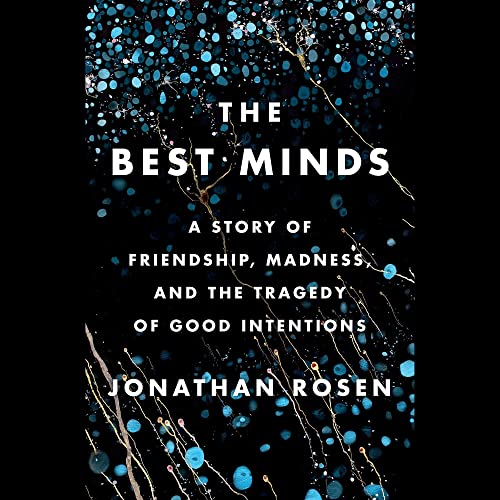
“The Best Minds” A Story of Friendship, Madness, and the Tragedy of Good Intentions

By: Jonathan Rosen

Narrated by: Jonathan Rosen

Jonathan Rosen (Author, Yale graduate–Accepted but dropped out of a PhD English program at Berkeley.)

Jonathan Rosen tells the story of his boyhood and adult friendship with Michael, a boy of his age who excels academically and professionally as a young graduate of Yale. Michael has a mental breakdown in his early twenties. He is diagnosed as schizophrenic. Rosen compares his years of adolescence with Michael’s.

Rosen’s stricken friend excels in every academic and business pursuit he undertakes before his slip into schizophrenia. In reflecting on the boy’s relationship, Rosen explains his perception of himself is as a grade school and high school plodder who prefers literature to math and the sciences. In contrast, Rosen suggests Michael’s academic qualities give him the ability to read, understand, and recite literary and science subjects with the ease of a savant. Michael reads everything with speed and understanding while Rosen labors over his studies.

The irony of Rosen’s perception of himself is that despite their differences, both he and Michael are accepted at Yale.

Rosen becomes an editor of the University’ newspaper, and later, a published author. Michael aspires to the editorship of the Yale paper, tries to become a published author, but is unsuccessful. Before graduation, Michael is recruited by a prestigious publicly held investment firm and seems on his way to great wealth and success. Instead, Rosen explains Michael leaves the investment company and begins to lose his way in life. Michael slips into a schizophrenic state that diminishes his eidetic memory and gives him a combination of debilitating psychological symptoms. At the height of Michael’s illness, he threatens his mother with a knife. With the persuasion of his father, Michael agrees to admit himself to a psychological ward which finally diagnosis his schizophrenia.

Michael, Rosen’s brilliant childhood friend, is admitted to a psychiatric ward for treatment designed to isolate and medicate its patients into a fog of confusion that is designed to lessen paranoid depression.

Rosen’s long introduction of himself and Michael seems prelude to an explanation of the ineptitude of the American psychiatric industry. Michael’s journey is an indictment of the American system of treatment for mental dysfunction. Michael is eventually discharged but is placed in a group home with other patients suffering from mental dysfunction. They share bedrooms with medications designed to isolate and offer palliative care that deadens their psychological symptoms.

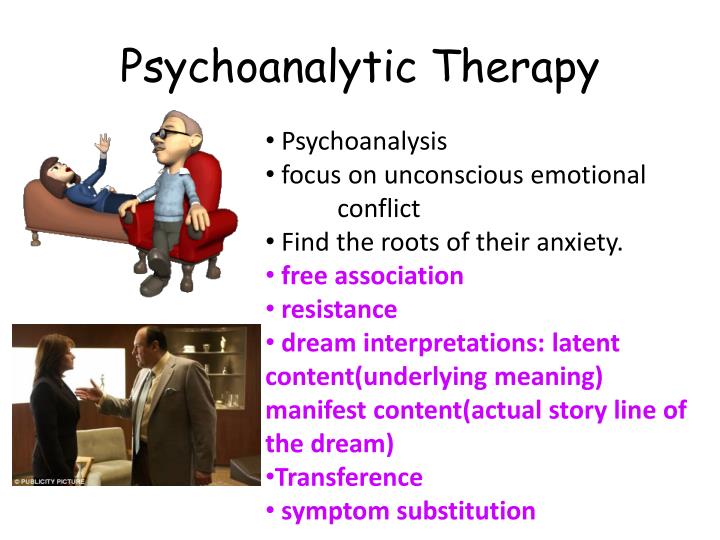
Michael continues his treatment with the aid of minimal income from a government disability program that helps pay for his accommodation and psychoanalytic therapy.

He is directed to reengage life by his therapist with work as a clerk at a Macy’s Department Store. Michael’s father is incensed by the therapist’s diminishment of his son’s accomplishments and begins a campaign to have Yale reengage his son in pursuit of a law degree. With the help of Yale’s faculty, Michael is readmitted to the University.

Ironically, the Yale faculty and students become a caring haven that helps Michael cope with his medical condition.

However, Yale’s help is only palliative, not curative. Michael remains schizophrenic, only ameliorated by drugs and the calming influence of Yale students and faculty. His paranoia continues and becomes more severe when his father dies.

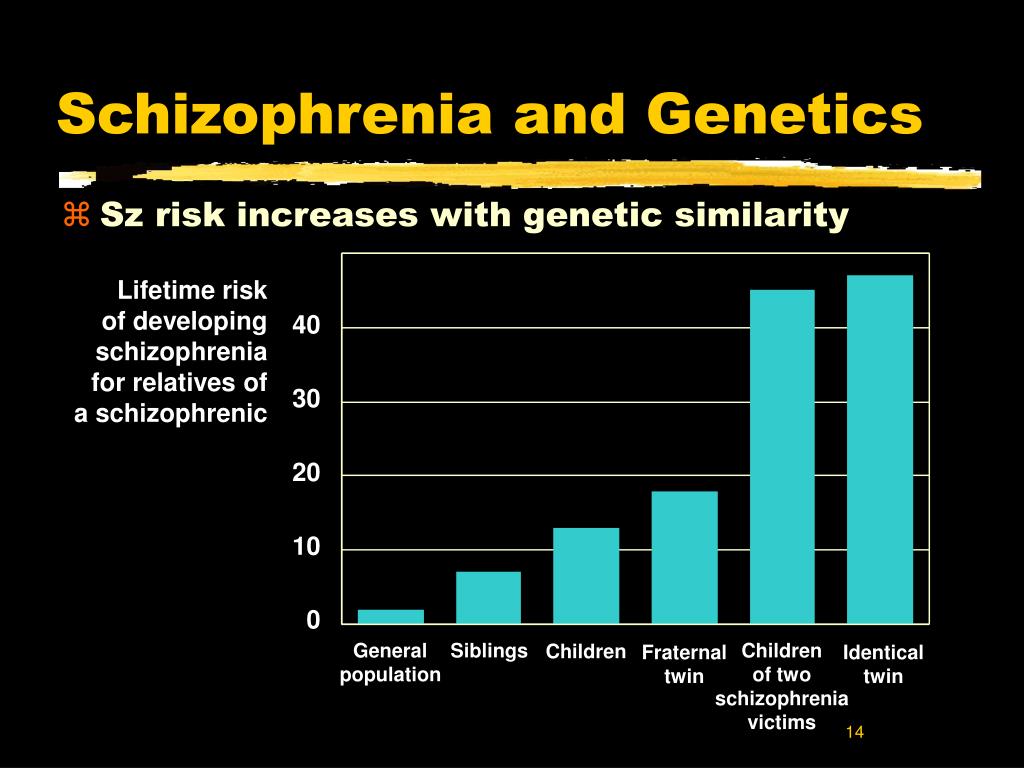
Schizophrenia affects only 1% of the population but has a higher risk of contraction from first degree relatives. (Michael’s grandmother was diagnosed with the disease.)

Michael seems on a road toward managed recovery with a detailed intellectual explanation of what schizophrenia is to him and how it creates delusional images that threaten his existence. His intellectual ability to explain his illness to the public attracts book publishers and the film industry to offer him over a million dollars for a book and film about his life. As this financial windfall becomes real, Michael and his fiancé plan to marry.

On June 17, 1998 Michael B. Laudor stabs his pregnant fiancé, Caroline Costello.

In a schizophrenic episode, Michael grabs his fiancé from behind, stabs her several times, and cuts her throat. Michael leaves her to die on their kitchen floor. Rosen notes that Michael quit taking his medication. He lost control in an episode of paranoia that viewed his fiancé as a maleficent alien presence. It seems a recurrence of what happened with his mother when he was thankfully convinced by his father to voluntarily commit himself to a hospital ward.

What becomes increasingly clear in Rosen’s biographical story is that there is no cure for schizophrenia.

Schizophrenic treatment is a life-long process that requires medication and a support system from caring caregivers, both professional and familial. Being one of “The Best Minds” is of little help in coping with schizophrenia’s symptoms. It requires lifelong assistance because it affects a person’s thinking, emotions, and interactions with the world.

Michael is charged with second-degree murder but is found not guilty by reason of mental defect. He is eventually committed to the Mid-Hudson Forensic Psychotherapy Center in New Hampton, New York in which he remains as of 2023.

(This is a terrible and tragic story. Rosen’s detailed research shows Caroline Costello was a good person, willing to help others, intending to adopt her husband’s faith, and trying to care for Michael in his struggle with an incurable brain dysfunction.)