Like America’s Civil War and the issues of slavery and independence, peace will only come to Israel with a political and territorial agreement based on human equality.
Books of Interest Website: chetyarbrough.blog
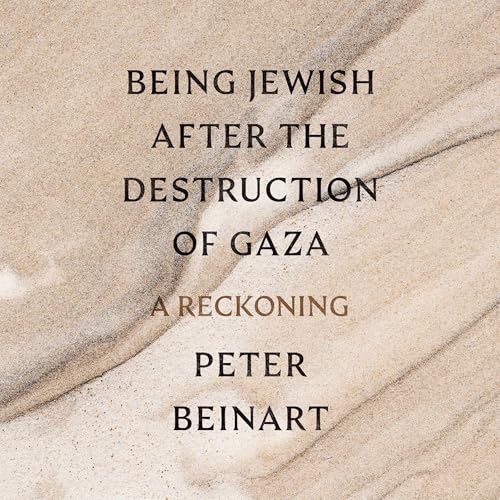
BEING JEWISH AFTER THE DESTRUCTION OF GAZA (A Reckoning)
Author: Peter Beinart
Narration by: Malcolm Gladwell
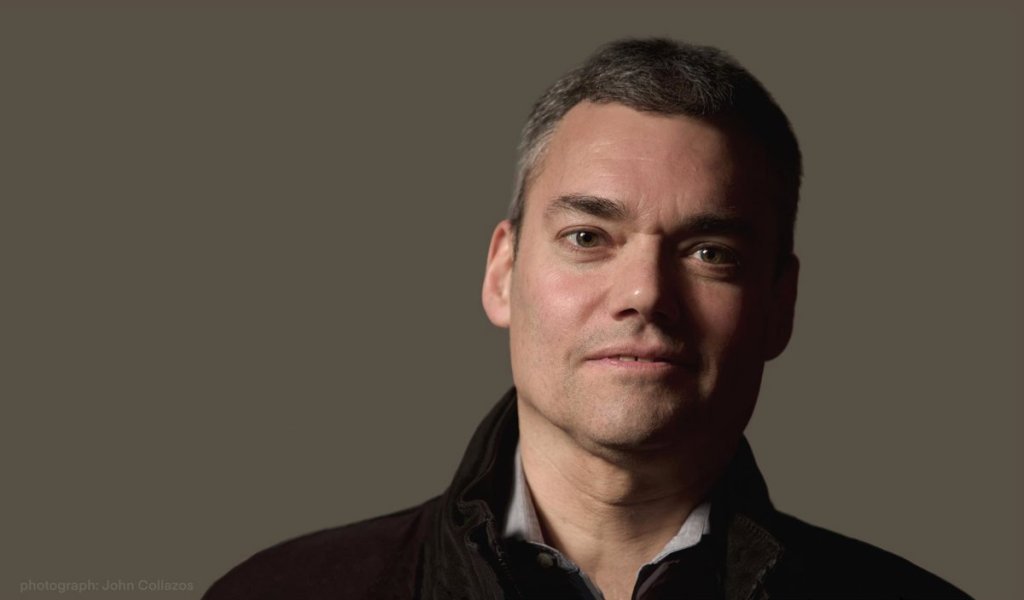
Peter Beinart (Author, journalist, political commentator, professor, former editor of the New Republic, born in Cambridge, Mass. to Jewish immigrants from S. Africa.)
This is a surprising Jewish author’s analysis of Israel’s response to the horror of Hamas’ murders/rapes of 1200 people and the taking of 251 Jewish hostages on October 7, 2023. Peter Beinart appears to be a devout Jew and journalist who criticizes Israel’s response to Hamas’s brutal attack and hostage taking. He believes, as current news reports confirm, Hamas will return to control and influence Gaza and West Bank Palestinians after Israel’s brutal response to the Hamas’ atrocity.
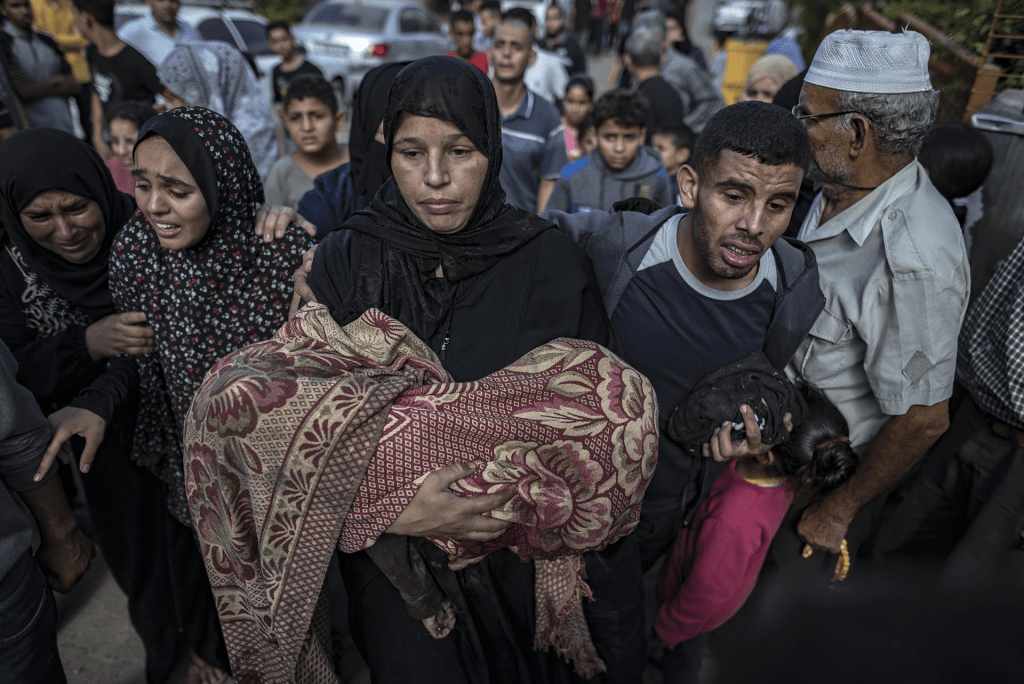
NYT’s Picture of Grief over the Hamas attack on October 7th, 2023.
Without reservation, Beinart condemns Hamas for their war crime on October 7th. However, his book equally condemns Netanyahu’s response. Beinart points to the Israeli government’s destruction, murder, and starvation of thousands of Palestinian men, women, and children who had nothing to do with the planning or execution of the Hamas horror of October 7th. The author argues Israel must focus on a political, non-military solution to Palestinian human rights. He believes Netanyahu’s actions only perpetuate a cycle of violence in Israel which will not achieve security for either the Israeli or Palestinian people.
One wonders how unpopular Beinart’s opinion may be among Israel’s Jewish population. As a blogger who received written comments from a devout Jewish person who supports Trump and Netanyahu’s actions in Israel, it is surprising to hear Beinart’s analysis of the Gaza war and his criticism of Israel’s actions. As the reviewer of this book who admittedly has little respect for religion and its history of atrocities, it is encouraging to hear from one who believes in their religion and condemns those who have no empathy for other religions. God is a universal concept with religions that worship His existence in different ways. Beinart makes one wonder why there is so little room for a “let it be” attitude toward different religious beliefs.
Empathy.
Beinart argues for Jewish empathy toward Palestinians while condemning Hamas’ actions in Israel. He believes long-term peace requires political compromise and a recognition of Palestinian rights. Military actions only guarantee rather than deter future violence and injustice. Beinart’s plan is to end Israeli’ occupation of Gaza and expand the rights of Palestinians to control Gaza and the West Bank. He argues it can be either a one-state or two-state solution. Beinart argues ground invasion by Israel in Gaza must stop. He recommends forthrightly engaging the humanitarian crises in Gaza by providing aid and rebuilding what has been destroyed.
Pursuit of peace is not easy.
None of this is easy because of the enmity that remains. The complications of political opposition, and security are ongoing concerns for Israelites and Palestinians, but Beinart believes the risks of a negotiated political, religious, and territorial settlement is worth it. Human equality is a work in progress for all nations in the world. Beinart persuasively argues a political and territorial agreement between Palestinians and Israelites is the only possible path to peace. Like America’s Civil War and the issues of slavery and independence, peace will only come to Israel with a political and territorial agreement based on human equality. Of course, the drive for equality remains a work in progress for America. That will be true in Israel for generations to come, but peace can be restored with pursuit of equality for Palestinians and Jews.
One asks oneself, what leaders in the world today have remorse for the incarcerations, torture, and killings for which they are responsible? What remorse is there in Putin’s, Ayatollah Ali Khamenei’s, Prime Minister Netanyahu’s, and even our American President’s thoughts?
Books of Interest Website: chetyarbrough.blog
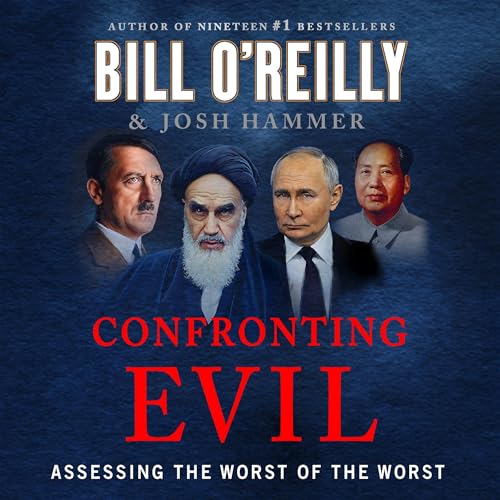
CONFRONTING EVIL (Assessing the Worst of the Worst)
Author: Bill O’Reilly, Josh Hammer
NarratedBy: Robert Petkoff
Bill O’Reilly, American conservative commentator, journalist, author, and television host. Josh Hammer, American conservative commentator, attorney, co-author, and columnist.
History taken out of the context of its time often distorts the reality of the past.
“Confronting Evil” is an interesting if not nuanced history of the most notorious leaders in the world. They were responsible for the torture, incarceration, and death of millions. As is true of most if not all histories of famous and infamous leaders, historians and pundits choose facts that reinforce their view of world’ history. Even the best historian is influenced by the time in which they write and their choice of facts.
Nathan Bedford Forest (1821-1877, General in the Confederate States of America during the Civil War.)
One is appalled by the truth of Nathan Bedford Forest’s view of slavery during America’s Civil War. Forest directed the slaughter of people based on the color of their skin. Forest condoned the murder of all who believed in equality of human beings. Forest is considered a hero to some but with the passage of time and a growing belief in human equality, Forest is recognized as a despicable human being by those who know the history of his life and profession. The evidence of science and human accomplishment show that the color of one’s skin is no measure of intelligence or capability. Forest’s mistreatment of slaves and the wealth he created from trading in slaves is reported in this history. By many measures, Forest is shown as an evil person by O’Reilly and Hammer.
The rule of Genghis Kahn is said to have caused the death of 40 million people, an estimated 11% of the global population at his time in history.
Presumed image of Genghis Kahn (1162-1227, Founder and first Khan of the Mongol Empire.)
By some measures, Mao doubled that 40 million number with his “Great Leap Forward”, the “Cultural Revolution”, his labor camp creations, and political purges. Hitler is estimated to have caused the death of 17 million with his genocidal policies while casualties from WWII are estimated at 85 million. Hitler’s antisemitism is born of the same stupidity exhibited by Nathan Bedford Forest in America’s Civil War. The contribution of Jewish society to the world is incalculable.
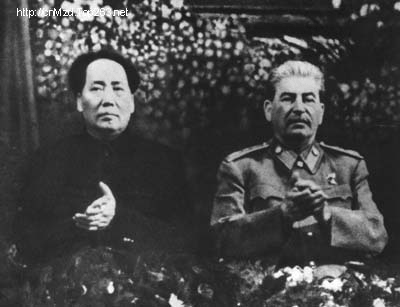
Mao Zedong (1893-1976) Father of the Peoples Republic of China)
There are many other evil characters in “Confronting Evil”. In the mind of westerners, the current leaders of Iran and Russia are evil. The leader of Iran, Ruhollah Khomeini is estimated to have ordered deaths of Iranians that exceed 250,000 since his takeover in 1979. Though he has passed, the succession of Ayatollah Ali Khamenei has carried on with tens of thousands who have died in Iran’s involvement with Hamas in Palestine, Syria, Iraq, Yemen, and Lebanon. The predecessor of the religious leaders of Iran was Mohammad Reza Shah Pahlavi who reigned from 1941-1970. Pahlavi is estimated to have murdered 3,000 to 20,000 during his reign. These leaders ruled over an impoverished state but incomes per capita fell from $34,660 during the Shah’s reign to $3,150 under Khomeini’s rule. An irony is that income inequality hugely increased in Iran during Khomeini’s rule. Nuanced reality is that poverty and victimization of Iranians is more widely spread under Khomeini than under the former Shah. On an economic scale it appears Khomeini’s evil as a leader exceeds the Shah’s rule. Added to the economic difference is the religious zealotry of Khomeini which widened the gap of sexual inequality in Iran.
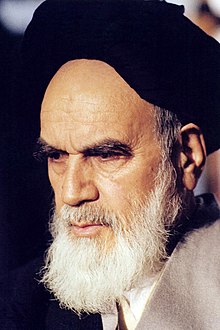
Ruhollah Khomeini (1st Supreme Leader of Iran, 1979-1989)
Ayatollah Ali Khamenei (Current leader of Iran.)
The authors address the illicit drug industry and the evil of Pablo Escobar in Columbia and “El Chapo” Guzmán in Mexico. Escobar was killed in 1993 when pursued by drug enforcement officers while Guzmán is serving a life sentence in the U.S. The drug industry continues to thrive despite the harm it is doing to America and the world. The leaders of the criminal drug industry care nothing for the consequence of their actions because of the wealth and power the illicit trade offers.
Pablo Escobar (now deceased) noted on the left with “El Chapo”(arrested and imprisoned in America) on the right.
The last two chapters of “Confronting Evil” offer a pithy definition of evil. Evil is defined as doing harm without remorse. One doubts any of the leaders noted by the authors have or had any remorse for the atrocities they have committed. Whether they rationalize their behavior for the good of their people, their religion, or their country—they are evil by O’Reilly and Hammer’s definition. One doubts any of the leaders noted in “Confronting Evil” are remorseful.
One asks oneself, what leaders in the world today have remorse for the incarcerations, torture, and killings for which they are responsible? What remorse is there in Putin’s, Ayatollah Ali Khamenei’s, Prime Minister Netanyahu’s, and even our American President’s thoughts?
Unless or until our prejudices are eradicated, man’s inhumanity to man will continue. The truth is that “The World After Gaza” will be the same as “the world before Gaza” but with a different order of prejudice.
Books of Interest Website: chetyarbrough.blog
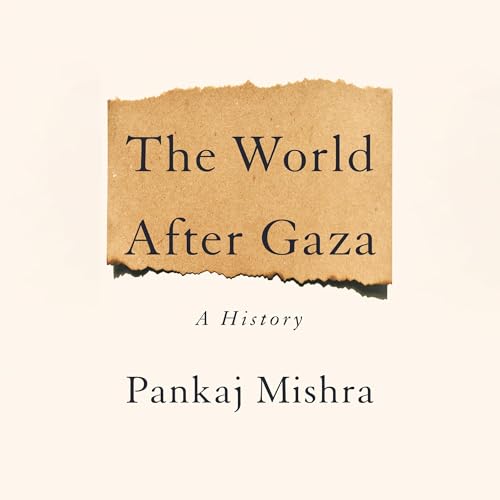
The World After Gaza (A History)
Author: Pakaj Mishra
NarratedBy: Mikhail Sen
Pakaj Mishra (Author, Indian essayist. He wrote “Age of Anger” reviewed in this blog.)
As pointed out in a previous review of Mishra’s book “Age of Anger”, “…unless or until human beings see themselves as part of the same society, the world will end in the Armageddon of biblical imagination.”
Leadership prejudice.
Mishra is born in a prosperous Brahmin family that becomes poor after India’s land distribution in 1947 which was meant to reform feudal landholding practices in India. Undoubtedly, the harshness of that reform has some influence on Mishra’s expressed views in “The World After Gaza”. Mishra’s father has a Brahmin Hindu background which suggests his son is raised in an upper caste in Hindu society that falls into hard times.
“The World After Gaza” is categorized by Mishra as a history.
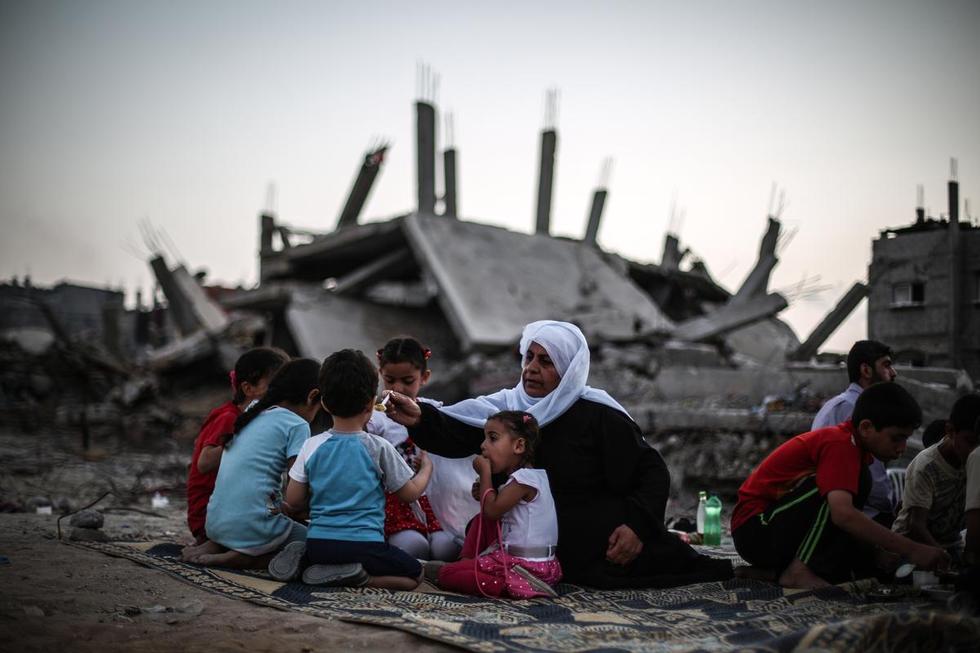
Mishra recalls the horrendous past of Germany’s holocaust where 6,000,000 Jews were murdered by Hitler’s followers. He infers that horrendous event is reminiscent of what Israel is doing to Palestinians in Gaza. His point is not to vilify Israel but to suggest societies are inherently prejudiced and inclined to discriminate against those who are not a part of their belief system. In essence, Mishra offers a view of history that corroborates Mark Twain’s belief that “History never repeats itself, but it does rhyme”.
Whether one agrees with Mishra’s view of Israel’s actions in Gaza or not, prejudice is an undeniable truth of human societies.
There are many Jews who are undoubtedly appalled by what is happening in Gaza but there are Israeli’ leaders who believe what they are doing is in the best interest of their country. One may associate Israel’s, America’s, or any country’s leadership as either right or wrong from a personal perspective, but the nature of humanity is what it is. Prejudice is an equal opportunity exploiter of human’ equality. Unless or until our prejudices are eradicated, man’s inhumanity to man will continue. The truth is that “The World After Gaza” will be the same as “the world before Gaza” but with a different order of prejudice.
Many soldiers and victims of war are teenagers, coping with life and death on a daily basis. They wonder, what is the point? We who sit on the sidelines because of age, agnosticism, or an unfettered life read or write about war as though it is just a story.
Books of Interest Website: chetyarbrough.blog
Beaufort (A Novel)
Author: Ron Leshem
NarratedBy: Dick Hill
Ron Leshem (Author, born in 1976, recieved Sapir Prize, a top literary award in Israel, his book, Beaufort, is turned into a movie and is nominated for an Academy Award.)
Ron Leshem’s book “Beaufort” helps one understand why the idea of Gaza becoming a Palestinian state is anathema to a majority of Israeli citizens. Beaufort is located in southern Lebanon, on the border of Israel. In the 1970s Beaufort was used by the PLO as a base for operations against Israel. In 1982 Israeli forces capture Beaufort and it became an operating base for defense of Israel until their withdrawal in 2000. Lesham served in the intelligence corps during the time of the fight for control of Beaufort. He was not directly involved in the fighting but had an intimate understanding of the conflict. What “Beaufort” makes clear to Americans who are ignorant of what it is like to live in a country surrounded by militant minorities who wish to obliterate Israel.
Israel has a right to its existence on Israeli lands based on its ancient occupation of the land in 1200 BCE.
The proof of early occupation of Israel by Jews is in an inscription on a 1209 BCE Egyptian’ Merneptah Stele, a black granite slab. Though they were a tribal community, they had a form of governance that pre-dates nation-state development. Though one may argue Palestinians had lived in the lands of Israel since the 7th century, they were late comers to the land. The Palestinians were a nomadic Arab population that came nearly 600 years after settlement by the Israelites. The point made by the story of “Beaufort” shows why no rational human being would want another hostile haven for antisemitic opposition to Israel as a legally recognized nation-state.
“Beaufort” shows the human and psychological toll of an unjustified “forever war” conducted by two militant factions in Arab nations surrounding Israel.
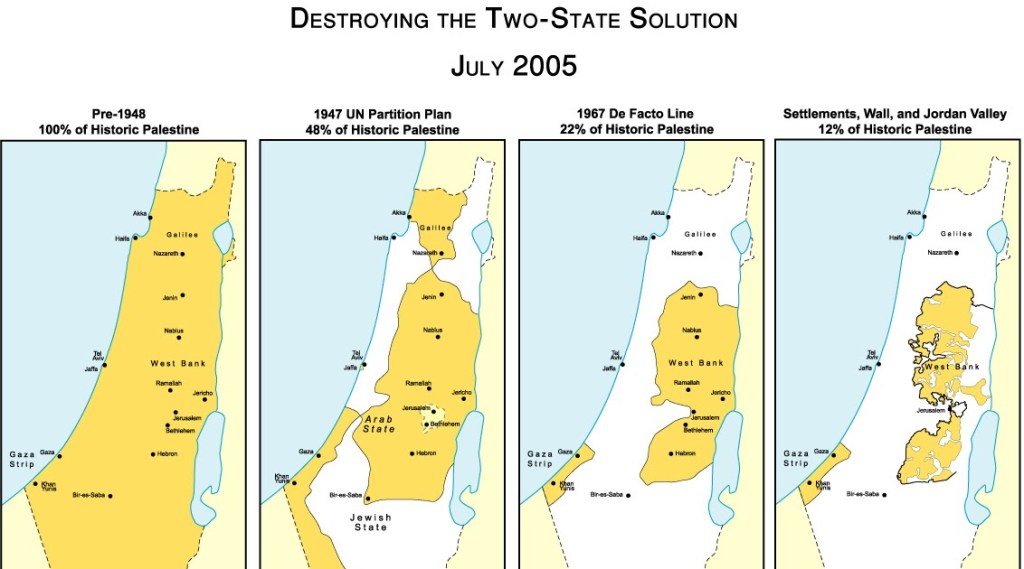
Hamas and Hezbollah are two militant Islamist organizations deeply committed to destroying Israel and creating an Islamic state in the territory known as Isreal and Gaza. In 1947, a UN partition plan between Palestine and Israel was proposed but Arab leaders rejected it, while Israel accepted it. One can consider the history of the lands’ longer occupation by Jews of the holy land and Palestinians and wonder why partition was rejected by the Arabs.
The conflict revealed by “Beaufort” is a message to the world about life in Israel. Warfare is a fact of life for those who choose to live in Israel. Soldiers become disillusioned about why they are at the frontlines of an irreconcilable conflict. Kill or be killed becomes the mantra of their lives at the front. Unquestionably, it does have something to do with ideology or religion. How many soldiers and victims of war are teenagers, coping with life and death on a daily basis? Some must wonder, what is the point? We who sit on the sidelines because of age, agnosticism, or an unfettered life read or write about war as though it is just a story. It is not a story to Israelites or Palestinians. It is living life when surrounded by others who want to kill you.
Millman’s Socratic story is about human patience and knowledge. He addresses knowledge as something of the greatest value that can keep one from resorting to violence. This is a message that resonates with those who are appalled by today’s international and domestic conflicts.
Books of Interest Website: chetyarbrough.blog
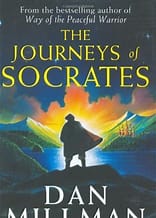
The Journeys of Socrates
Author: Dan Millman
NarratedBy: Sam Tsoutsouvas
Dan Millman (Author, world champion athlete, martial arts instructor, and college professor.)
Dan Millman’s reasons for the title of his book “The Journeys of Socrates” is difficult to understand. The known facts of Socrates life do not seem remotely related to the life of a Jewish immigrant who lived in 19th century Russia. The story is almost too horrific to believe because of the tragic life of its hero Sergei Ivanov, a Jew in Tsarist Russia being raised in a camp of Cossack warriors. The only parallels one may make is that Socrates is characterized in ancient writings as a man who sought virtue and wisdom in his journey through life.
Socrates was known as a warrior in the Peloponnesian War between Athens and Sparta (431-404 BCE). He is better known as a teacher and student of the philosophy of life.
Socrates had gained a reputation for bravery, endurance, and moral fortitude in war, while a mentor of young men like Alcibiades who wanders through life with little self-understanding. (It is the ancient writings of Plato, Xenophon, and Aristophanes that reveal some of what is told of Socrates life.) This seems a slender thread of association with the title of Millman’s book. The story of Sergei Ivanov is of a man who introspectively examines the meaning of life after experiencing horrific violence. This is a Socratic interrogation of a Jew’s life in pre-1917, revolutionary Russia and Ukraine.
Hiding one’s identity as a Jew has been told many times by many authors. Ethnicity and religious belief, like the color of one’s skin, marks one as different.
Ethnicity is a marker of human beings as the “other”, i.e., someone different than themselves. Unlike the color of one’s skin, ethnicity is easier to hide. Sergei Ivanov becomes known as a Jew in a Cossack training camp. He decides to escape that life but is followed by a fellow trainee who catches him. They fight and Sergi’s antagonist is knocked unconscious and appears dead. Sergi escapes and plans to find what he believes is a treasure buried by his grandfather that will give him enough money to get passage to America from his grandfather’s Ukranian homeland.
Buried treasure.
Sergi finds the treasure that had been buried by his grandfather, but it was only a clock and five gold pieces, not enough for passage to America. However, there is an address on the clock that leads him to his grandfather’s house. What he finds is an aunt that he thought was dead. She has a daughter for whom he falls in love and asks for her hand in marriage. They are married and Sergi’s plan is to take his now pregnant wife to America when he has earned enough money for passage. However, fate intervenes.
The man Sergi thought he had killed when he escaped the training camp was alive and had become a leader of a Cossack gang that terrorized the country with a special hatred for Jews.
The gang comes across Sergi and his pregnant wife when they are out for a walk before their planned trip to America. His former enemy and his followers murder Sergi’s wife, rip the baby out of her womb and leave her husband unconscious on the ground after trying to defend his pregnant wife. The gang leader chooses to leave Sergi alive to remember the grief he would have for his wife and baby’s loss of life because he could not save them. Sergi recovers and prepares himself for revenge on his former training camp antagonist.
Deaths inevitability.
At this point, one presumes this is to remind listeners of Socrates reported bravery, endurance, and moral belief despite hardship in life and one’s inevitable death. However, this is only a small part of the author’s intent. What one draws from the story is how ethnic or racial discrimination exists in every nation in the world. Human nature is often brutish and violent despite a rational person’s search for truth and peaceful coexistence. One asks oneself why humans wage war, why we murder innocents, and why does revenge only begat more death.
Sergi recovers from his injuries and is counseled and educated by a believer of a different faith.
As one finishes Millman’s story, listener/readers realize Sergi’s teacher is educating him about human patience, ethnic understanding, and knowledge that can break the repeating cycle of discrimination and violence caused by racial, gender, and ethnic difference. It requires patience, preparation, and knowledge. Sergi spends many years with his teacher and gains great strength to prepare him for what is to happen next in his life. Knowledge of what happened when he was struck down after his wife was murdered is not clear to him. As the story develops, one finds his wife had two children in her womb and only one died in the confrontation. What happens when Sergi meets his wife’s murderer is the denouement and fundamental meaning of Millman’s story.
Millman’s Socratic story is about human patience and knowledge. He addresses knowledge as something of the greatest value that can keep one from resorting to violence. This is a message that resonates with those who are appalled by today’s international and domestic conflicts.
America made many mistakes after the 9/11 terrorist attack. One hope’s Israel does not make the same mistakes after the 10/7/23 atrocity. Most Americans’ hearts go out to Israel despite fear and trembling for the world’s future.
Books of Interest Website: chetyarbrough.blog
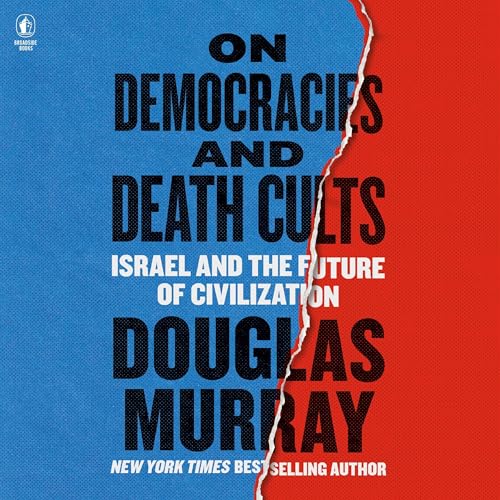
On Democracies and Death Cults (Israel and the Future of Civilization)
Author: Douglas Murray
NarratedBy: Douglas Murray
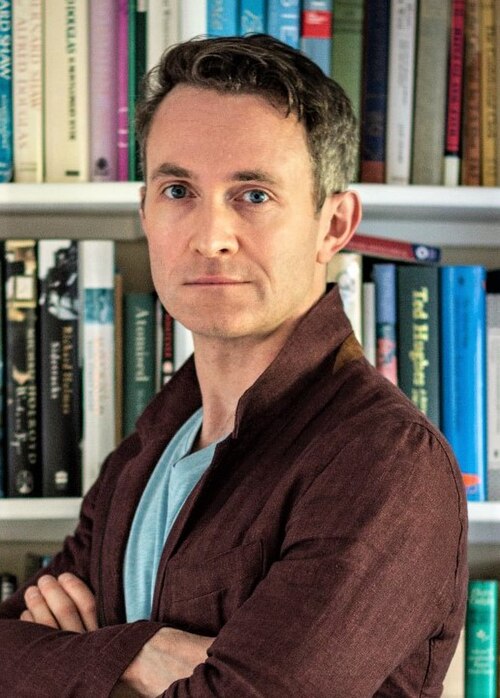
Douglas Murray (Author, Bristish political commentator, cultural critic, and journalist.)
“On Democracies…” is an important book because it offers perspective on what happened in Gaza on October 7, 2023, and the aftermath that leads to the bombing of Iran by Israel. In that October day, over 1,200 Israelis were killed including civilians, children, and elderly people. At least 251 hostages were taken. Photos of the aftermath show multiple signs of sexual assault. A woman survivor reports seeing Hamas fighters gang rape a woman before the last of her attackers shoots her in the head. The terror and destruction of the attack is as horrible as one can imagine. It reminds one of men and women jumping out of windows at the New York World Trade Center on 9/11.
As one listens to Murray’s book, one begins to understand why Israel is responding to the October 7th atrocity by attacking Gaza and bombing Iran.
Murray explains the idea of a proportional “tit for tat” response is absurd. Does a rational person expect Israel would respond to the Gaza atrocity by killing and/or raping 1,200 men, women, and children. What is not understood by many is that Israel recognizes October 7th as an attack on its existence as a nation. It is the same concern Ukrainians have in their war with Russia. The fundamental issue is sovereignty, not revenge.
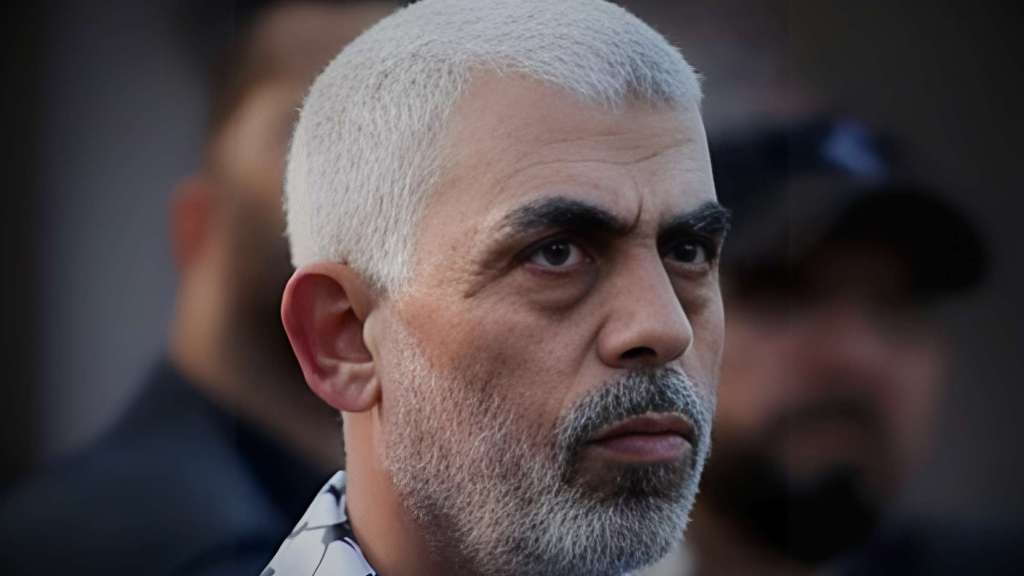
Like Osama bin Laden on his 9/11/01 attack on America, Yahya Ibrahim Hassan Sinwar, organized the massacre of 10/7/23. Both men were stateless terrorists who believed the U. S. and Isreal had no right to exist. Neither terrorist had an interest in the hard work of creating their own nation but only in destroying another. In the early days of the establishment of Israel, there was a drive to create an independent Palestinian state. Both Palestinian leaders and Arab states rejected proposals for a Palestinian state. In contrast, Israel chose to accept an opportunity to become an independent state in 1948. With the leadership of David Ben-Gurion, Israel declared independence and began the hard work of creating a nation. With a beginning population of 806,000, Israel grew to a prosperous nation of 9.7 million with over 73% being Jewish and the remainder being Arab or other nationalities. One must ask oneself, why have the Palestinians not taken the same path as Israel?
Murray makes one understand Israel is fighting for their lives to remain an independent nation.
It is the same fight Ukraine is waging. The bombing of Iran is based on Israel’s belief that Iran has supported Hamas throughout their terrorist war against Israel. Without honest recognition of Israel’s right to be an independent nation, there can be no peace. The continuing massacre in Gaza is a terrible consequence of the destructive intent of Hamas leadership that wishes to destroy Israel.
The sad realization coming from Murray’s book is that Palestinians and their supporters are not willing to do the hard work of creating an independent nation. The time may be past for that to ever occur because Israel is unlikely to agree to another neighboring nation being hostile to Israel’s existence.
America made many mistakes after the 9/11 terrorist attack. One hope’s Israel does not make the same mistakes after the 10/7/23 atrocity. Most Americans’ hearts go out to Israel despite fear and trembling for the world’s future.
In light of Donald Trump’s disruption of government employment, one wonders what foreign and domestic conspiracies are being missed?
Books of Interest Website: chetyarbrough.blog
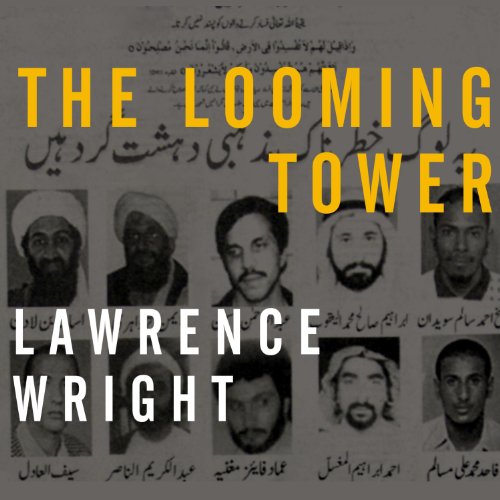
The Looming Tower (Al-Qaeda and the Road to 9/11)
By: Lawrence Wright
Edited By: Alan Sklar
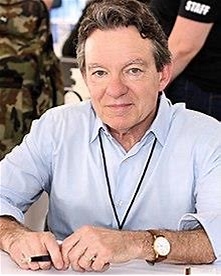
Lawrence Wright (Author, writer and journalist.)
Lawrence Wright won the Pulitzer Prize for his meticulous research and writing on the origin of Al-Qaeda and its lead up to the 9/11 attack on America. “The Looming Tower” is not a popular audiobook for some Americans. It tells listener/readers of America’s intelligence failure in the early 21st century. A militant Muslim religious organization is created in the Middle East with intent and successful execution of an attack on the United States in 2o01.
Sayyid Qutb (1906-1966, Egyptian Author, Educator, Islamic Theorist, Poet, former leading member of the Muslim Brotherhood.)
A name not well known by most Americans is Sayyid Qutb (pronounced koo-tube), a Muslim religious believer and scholar. Wright suggests Qutb laid the groundwork for Islamist extremism in a religious organization called the Brotherhood. Though Qutb was raised in Egypt and gained his education at a Cairo teacher’s school called Dar al-‘Ulum, he spent two years at the University of Northern Colorado between 1948 and 1950. Wright argues Qutb’s experience in America shaped his views of Western society and, in particular, America. He believed and wrote that the moral and cultural nature of non-Islamic society was decadent. Wright suggests Qutb warranted violence against the West because his experience in Colorado showed Western culture corrupted Islamic values.
The World Trade Center collapse killed 2,753 civilians, firefighters, and law enforcement officers.
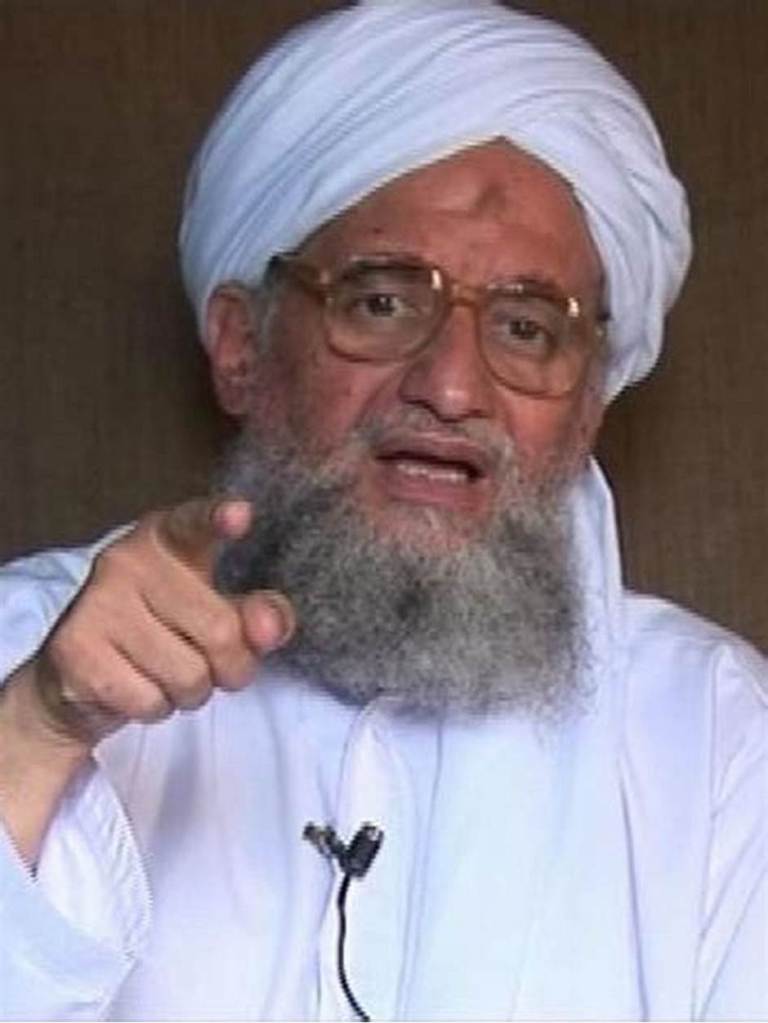
In The Looming Tower, Lawrence Wright suggests the primary motivation for 9/11 stemmed from ideological and cultural grievances rooted in extremist interpretations of Islam. Osama bin-Laden is shown to have adopted beliefs that were the same as those of Qutb, i.e. the belief that all who were not adherent to the Muslim religion were infidels and subject to damnation in this life and in their life after death. Wright emphasizes the influence of figures like Sayyid Qutb, who’s disdain for Western values and culture laid the philosophical groundwork for jihadist movements. Qutb, and subsequent al-Qaeda leaders like Osama bin Laden and Ayman al-Zawahiri, believed that Western influences were corrupting Islamic society and threatening Muslim values and beliefs.
Osama bin-Laden is estimated to have inherited $25 million to $30 million dollars from his father Mohammed bin Laden when he died. Osama chose to use his wealth to destroy American cultural and religious symbols he believed were contrary to Muslim beliefs.
The book outlines how bin Laden and his network were driven by anti-Western ideology to oppose U.S. foreign policies in the Middle East. Al Qaeda wished to assert power by attacking symbolic targets. The 9/11 attacks were meant to provoke a dramatic response from the U.S. and further polarize the world along ideological lines, feeding into their long-term vision of a global jihad. Wright meticulously explores how these motivations were cultivated over decades. “The Looming Tower” is a compelling and deeply researched account of the events leading up to 9/11 in 2001.
Abdullah Yusuf Azzam (1941-1989, father of global jihad, a Palestinian-Jordanian’ Islamist jihadist and theologian, is killed in a car bomb, along with his 2 sons, in Peshawar, Pakistan.)
Osama bin-Laden’s father was a billionaire construction magnet in Saudi Arabia. Osama bin Laden, and the many heirs of his father, enabled his many children to live lives in luxury if they chose. Osama chose to use his wealth to destroy American cultural and religious symbols he believed were contrary to Muslim beliefs. Abdullah Azzam was often referred to as the “father of global jihad,” Azzam was a mentor to bin Laden and played a significant role in shaping his ideology. He encouraged bin Laden to channel his resources into the Afghan jihad against the Soviet Union. The irony of bin Laden’s choice is that he was an incompetent military leader but an effective promoter and steward of jihad, the effort to live a righteous life, avoid sin and uphold the principles of Islam. A further irony is that bin Laden’s murder of innocents seems a sin of the highest degree.
Osama bin Laden was killed on May 2, 2011, during a U.S. military operation called Operation Neptune Spear.
The mission was carried out by SEAL Team Six, a special operations unit of the U.S. Navy, at bin Laden’s compound in Abbottabad, Pakistan. This was eleven years after the world trade center, Pentagon, and flight 93 crash. The Trade Center collapse killed 2,753 civilians, firefighters, and law enforcement officers. The Pentagon attack killed 184 military and civilian personnel. Flight 93 resulted in 40 passenger and crew deaths. In a complex web of influence and support, “The Looming Tower” emphasizes the attacks were the result of al-Qaeda’s planning and execution by followers of Osama bin Laden.
Wright notes Ayman al-Zawahiri became Bin Laden’s second-in-command and a key strategist for al-Qaeda. Zawahiri takes control of al-Qaeda after bin Laden’s death.
Ayman al-Zawahiri’s background in Egyptian Islamic Jihad and his partnership with bin Laden were pivotal in the group’s evolution. Ayman al-Zawahiri became the leader of al-Qaeda after Osama bin Laden was killed. An American operation that killed al-Zawahiri in 2022 was carried out by the CIA that targeted him on the balcony of a safe house in Kabul, Afghanistan.
Wright notes that bin Laden received financial support from members of the Saudi elite during the early stages of his jihadist activities, though this relationship soured over time.
Jamal al-Fadl was an al-Qaeda operative who helped establish the organization’s financial infrastructure. He later defected and provided critical intelligence to the U.S. about al-Qaeda’s operations. Many individuals and entities played pivotal roles in enabling bin Laden’s vision and the expansion of al-Qaeda. Wright’s book delves deeply into their motivations and actions. It’s a fascinating, albeit chilling, exploration of history.
John P. O’Neillwas an FBI counter-terrorism expert who tirelessly pursued bin Laden.
John P. O’Neillwas an FBI counter-terrorism expert who tirelessly pursued bin Laden. Tragically, O’Neill died in the 9/11 attack while serving as head of security at the World Trade Center. The FBI had gathered significant domestic intelligence on al-Qaeda operatives within the United States, including their movements and activities. However, the CIA, focused on foreign intelligence. They withheld crucial information about al-Qaeda’s overseas operations and connections because foreign intelligence was their exclusive responsibility. This lack of coordination with the FBI (limited to domestic terrorism), and rivalry between the agencies, meant that neither had a complete picture of the threat. The CIA had knowledge of al-Qaeda members Khalid al-Mihdhar and Nawaf al-Hazmi who were two team members for the attacks on 9/11. Because of a lack of cooperation between agencies, the FBI did not know they should be tracking these individuals. They became key players in hijacking American Airlines Flight 77 which plowed into the Pentagon.
In The Looming Tower, Lawrence Wright emphasizes the significance of John O’Neill, an FBI counterterrorism expert, as one of the most important figures who recognized the threat posed by Osama bin Laden. O’Neill was deeply committed to tracking al-Qaeda and warned about its intentions, but his efforts were often hindered by interagency conflicts and bureaucratic obstacles. Wright portrays O’Neill as a passionate and prescient individual who understood the gravity of al Qaeda’s threat long before many others did.
In The Looming Tower, Lawrence Wright highlights the CIA’s Alec Station, who tracked Osama bin Laden and al-Qaeda. This unit was led by Michael Scheuer, a CIA analyst who played a pivotal role in gathering intelligence on bin Laden during the 1990s. Alec Station was instrumental in understanding al-Qaeda’s operations, though the book criticizes the interagency conflicts that hindered surveillance effectiveness. Wright paints a vivid picture of the challenges faced by intelligence agencies in the lead-up to 9/11.
Michael Scheuer, a CIA analyst who played a pivotal role in gathering intelligence on bin Laden during the 1990s.
On the CIA side, Michael Scheuer, who led Alec Station (the CIA’s unit that was monitoring bin Laden), played a role in identifying the danger. However, Wright notes the lack of collaboration between the FBI and CIA, ultimately undermined their ability to prevent the attacks. The book paints a vivid picture of the challenges faced in navigating institutional rivalries while trying to protect the nation. Wright’s narrative is both compelling and sobering.
“The Looming Tower” highlights how some individuals connected to al-Qaeda faced legal consequences. For example, figures like Ali Mohamed, a former U.S. Army sergeant turned al-Qaeda operative, was prosecuted for his role in supporting terrorism. Mohamed provided critical intelligence and training to al-Qaeda and was eventually arrested and convicted in the U.S.
In light of Donald Trump’s disruption of government employment, one wonders what foreign and domestic conspiracies are being missed?
Muslim Palestinians, like the Indians of America and the Jews of Israel, believe they have the same rights to the lands of their ancestors. In history, that seems to have never been true for any indigenous or displaced culture.
Books of Interest Website: chetyarbrough.blog
One Day, Everyone Will Have Always Been Against This
By: Omar El Akkad
Narrated By: Omar El Akkad
Omar El Akkad (Author, lives in Oregon, winner of the 2021 Giller Prize. Became a Egyptian Canadian citizen and now lives in Oregon.)
Omar El Akkad expresses the frustration of being an American citizen of an ethnicity and race that has little power as a minority in today’s world. He writes of life being out of one’s control. Akkad’s story is partly about his family’s life as they leave Egypt for Canada, and then America. However, his primary purpose is to write of the atrocity of the Palestinian/Israeli war. On the one hand it is a terrifying example of the domestic trials of his father and family in moving from Egypt to America. On the other, it is a heartbreaking review of slaughtered innocents in Gaza.
Ironically, the phrase “from God’s mouth to our ears” comes from a Jewish and Arabic religious expression.
Contrary to Omar El Akkad’s book title, the history of white society suggests the belief that “One Day Everyone Will Have Always Been Against This” will likely never come. The title of Akkad’s book is about how leadership in America and Israel has failed. As Lord Acton said in the 19th century “Power tends to corrupt, and absolute power corrupts absolutely”. President Trump, former President Biden, and Benjamin Netanyahu are proving Acton’s observation.
Social and cultural differences have always roiled world history.
Jews believe they have the right to live in peace in Israel because of their culture and the history of their settlement in the land of their forefathers. Muslim Palestinians, like the Indians of America and the Jews of Israel, believe they have the same rights to the lands of their ancestors. In history, that seems to have never been true for any indigenous or displaced culture.
THOMAS JEFFERSON AND SLAVERY
The slaughter of Indians, enslavement of minorities by white America, and the slaughter of innocent Muslims by Netanyahu and his followers are all reprehensible examples of the misuse of government power. This is not to say Hamas is not guilty of crimes against humanity, but their evil acts do not warrant evil reactions. The power of Israel is being used for evil, not the return of peace.
Netanyahu’s refusal to settle with Hamas over unjustly murdered, imprisoned, and abused hostages does not justify the killing of Palestinian innocents in Gaza. The power of Netanyahu’s military actions and Trump’s support for taking Gaza land from the Palestinians is evil and unjust. That evil and injustice must be replaced with a negotiated settlement that releases Hamas’ hostages and returns Gaza to the Palestinian people. Humanity cannot wait until “…Everyone Will Have Always Been Against This”. Power lies in the hands of Israel’s leaders to negotiate a settlement.
The common denominator of the war in Gaza is the power being held by white people who refuse to believe all human beings are equal. It is partly a religious issue, but it is a human issue aggravated by religious difference and the self-interests of people of different races and cultures. The white world hegemon needs to come to its senses because at some point in the future, “being white” will not be where the power rests. Power will shift to other races and cultures just as Mesopotamians, Egyptians, Mongols, Chinese Dynasties, and Islamic Caliphates once changed the course of history.
Omar El Akkad pleads for peace and human equality in One Day, Everyone Will Have Always Been Against This. From El Akkad’s words, the white hegemon should hear and obey.
The war in Ukraine will be settled through negotiation. The same can be true in Gaza with the creation of a Palestinian state. It certainly will not eliminate conflict, but it offers a path for peace.
Books of Interest Website: chetyarbrough.blog
All Quiet on the Western Front
By: Erich Maria Remarque
Narrated By: Frank Muller
Erich Maria Remarque (1898-1970, Author, German born novelist and survivor of WWI.)
Revisiting Erich Remarque’s “All Quiet on the Western Front” is a reminder of today’s wars in Ukraine and Gaza. As a former soldier in the German army of WWI, Remarque explains how brutal war is for soldiers and their families. He shows there are no winners in war. The victims of war are the same whether they are aggressors or defenders. Putin’s ambition to restore the empire of Russia appears as foolish as Hamas’s determination to destroy Israel. The result is injury and death for all. Neither Germany nor defending Allied Powers escaped the loss of soldiers and civilians in the two 20th century wars against Germany.
The estimated injury of 109,000 and killing of 46,000 Palestinian citizens is not justified by the atrocity of October 7, 2023, when 1,200 people were killed and 253 were taken hostage by Hamas in Isreal.
Israeli leadership disagrees because of factions in Palestine, Syria, and Lebanon that intend to eliminate Israel from the middle eastern world. Rather than killing and injuring indigenous peoples of the Gaza strip, a diplomatic solution should be pursued to establish a Palestinian State. Every nation-state in the world has militant factions within their borders. Palestine, as a nation-state, would have the responsibility for controlling their militant factions just like every nation-state in the world.
Twentieth century Isreal is formed out of Egypt, Jordan, and Syria after the 1948 Arab Israeli War.
Egypt lost the Gaza Strip, Jordan the West Bank, and Syria the Golan Heights with the formation of Israel. Palestinians, like Israelis, lived in those areas for centuries. With creation of a Palestinian State, International Law and UN Resolutions can aid and diplomatically pressure governments to address nation-state claims.
History of the 20th and now 21st century show war has defeated aggressor governments but at an unconscionable cost to humanity. War’s cost is illustrated by Remarque as injury and death of aggressors, defenders, parents, and children. No one wins and everyone loses. Neither peace nor war have ended human inhumanity. Remarque clearly illustrates the folly of war, but human nature infects peace with a war mentality and ferocity. Diplomacy and negotiation for the creation of a Palestinian state is the only pragmatic solution for peace in the Middle East.
Aggressor nations, as shown by 20th century history, are eventually defeated.
Israel’s military reaction is as dishonorable as the Hamas attack on October 7th. Both are unjustifiable. Creation of a Palestinian state offers a pragmatic solution to the control of Hamas. The need for nation-state control is equally true in Syria’s and Lebanon’s Hezbollah factions. International pressure can only be exerted with nation-state recognition. Only with the creation of ethnically viable nation-states is their hope for peace among peoples of different cultures.
The war in Ukraine will be settled through negotiation. The same can be true in Gaza with the creation of a Palestinian state. It certainly will not eliminate conflict, but it offers a path for peace.
One hopes for more Leifer’s in this world of human tragedy.
Books of Interest Website: chetyarbrough.blog
Tablets Shattered (The End of an American Jewish Century and the Future of Jewish Life)
By: Joshua Leifer
Narrated By: Eli Schiff
Joshua Leifer (Author, journalist and scholar who explores the past and present of American Jewry, Leifer pursues a PhD at Yale on the history of modern moral and social thought.)
Joshua Leifer reflects on the Americanization of Jewish ethnicity in modern times. Leifer offers his personal view of modern events in Israel, including the terror of October 7th, 2023, and its aftermath.
In the last month, my wife and I journeyed to Poland, the Baltics, and Finland.
On the trip, we visited Auschwitz, the terror of Soviet occupation of the Baltics, and the tenuous relationship of Finland and Russia. More will be shared in a future review.
The holocaust is made present to anyone who chooses to visit Auschwitz.
This is a monument to the Holocaust, located in Germany.
Leifer’s book is not about Auschwitz’s atrocity but about a diminishment of Jewish identity. One who reads or listens to Leifer’s view of Jewish ethnicity will look at Judaism in a different way. Regardless of one’s personal beliefs, Leifer argues Judaism is losing its way from what he believes is a fundamental tenet of the Jewish religion. That tenet is that Judaism will always be a minority within cultures of the world and, as a minority, Leiger argues it is critically important for followers to return to its Judaic roots. Leifer implies Americanization of Judaism is a social influence that threatens the Tablets of the Covenant, i.e., the Ten Commandments.
Leifer explains that Israel will continue to grow as an independent nation with an exodus of Jewish believers from America and the world. Leifer suggests that exodus is evident in the diminishing number of American Jews who have chosen to leave America to become Israeli citizens. His hope is that in Jews return to a nation of their own with a renewed belief and adherence to the Ten Commandments.
I am the Lord your God: You shall have no other gods before Me.
You shall not make for yourself a graven image: No idols or images.
You shall not take the name of the Lord your God in vain.
Remember the Sabbath day, to keep it holy.
Honor your father and your mother.
You shall not murder.
You shall not commit adultery.
You shall not steal.
You shall not bear false witness against your neighbor.
You shall not covet: Do not desire your neighbor’s house, wife, or possessions.
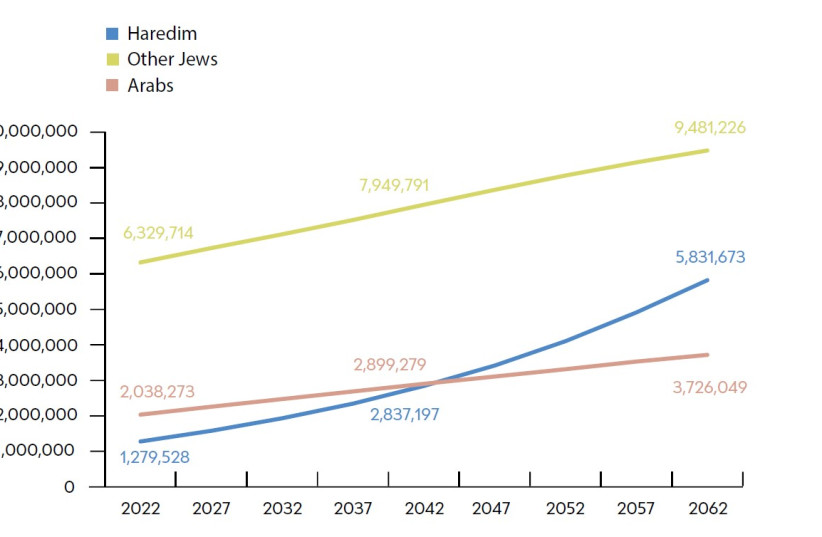
Of particular note is the Haredim who adhere to traditional Jewish law and customs.
There is an underlying accusation in Leifer’s book that America reinforced want for money, power, and prestige that changed the nature of Judaism.
However, human nature is a failing in all cultures. The truth is that all forms of government and culture seduce human beings to violate the Ten Commandments: not only Jewish followers. Human nature is an equal opportunity exploiter of society and people.
Leifer does have a point in that any ethnicity that truly follows the ten commandments is better than one that ignores them.
The fault in Leifer’s belief is that the ten commandments will or can be universally accepted by any culture or ethnicity. Human nature can be improved upon, but one doubts it can be erased by either religious or secular teaching of the Commandments.
Leifer hopes for a two-state solution in Israel. That seems a laudable and achievable goal, but human nature remains the same. With statehood, both Israeli and Palestinian societies may become better but there will always be the threat of Commandment violation because of human nature. One hopes for more Leifer’s in this world of human tragedy.