EMIGREE

“The Sun is Also a Star” is a nicely written book that will keep reader/listeners interested in knowing what happens to two young lovers. One is left in suspense until its last chapters.

Books of Interest
 Website: chetyarbrough.blog

The Sun is Also a Star 

Author: Nicola Yoon

Narrated By: Bahni Turpin & 2 more

Nicola Yoon (Author, Jamaican American, NYT’s bestselling author, National Book Award finalist, electrical engineering undergraduate at Cornell, graduated from Emerson College with a Master of Creative Writing.)

Nicolo Yoon, the author, worked as a programmer in investment management for 20 years before publishing her first book, “Everything Everything”. It became a best seller. “The Sun is Also a Star” is her second published book which also became a best seller. Interestingly, the Jamaican born writer’s husband is a Korean American graphic designer. One presumes her book partly reveals her life experience in America. The credibility of her love story lies in the truth of the saying that “birds of a feather flock together”, an apocryphal Biblical saying that reaches back to the “Book of Ecclesiasticus” in the first century. Her hero and heroine are highly intelligent teenagers of immigrant parents who are influenced by their parent’s native cultures. Being children of immigrants, highly intelligent, high performers in academics, and living in America are why one thinks of the “birds of a feather…” analogy.

JAMAICA, SOUTH OF CUBA, OFF OF THE FLORIDA COAST.

“The Sun is Also a Star” is about a Jamaican girl, a South Korean boy, and the girl’s parents who are being deported because of their illegal immigration status. The heroine’s father comes to America illegally to pursue a career. His wife and daughter follow later in presumably the same illegal way. The girl’s father struggles as an unsuccessful aspiring actor. He and the girl’s mother work at menial jobs for the families’ survival. They are within a day of being deported by the American government. Their daughter loves her mother and is ambivalent about her father. She is a bright high school student nearing graduation. The daughter is seeking help from an immigration attorney to delay and hopefully stop their deportation. On her way to an immigration lawyer’s office, she meets a handsome South Korean boy near her age who is interviewing with an Ivy League school in the same building in which the lawyer practices his profession. They serendipitously meet and their lives become intertwined.

Over 200,000 immigrant arrests in America have been made as of August of 2025.

This is a fairy tale story that offers a truth about the iniquity of arbitrary enforcement and forced ejection of purported illegal immigrants in America. The second term of the Trump’ presidency shows how wrong it is to deport alleged illegal immigrants without judicial review. Obviously, if a legal review shows an immigrant is a criminal there is justification for immediate deportation. If the legal review shows an immigrant has always been a productive and law-abiding citizen of America, some may reasonably argue they should be directed to a program that allows them to eventually become legal residents of the United States.

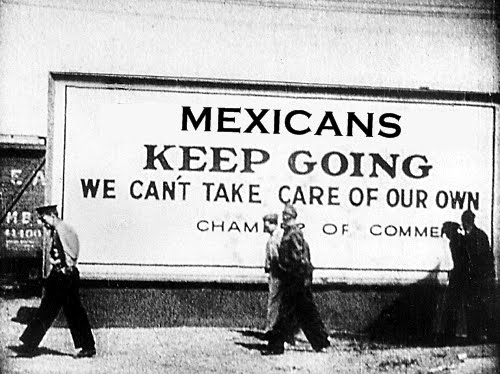
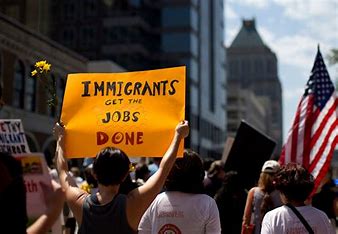
Without legal review, a valuable source of American productivity is unnecessarily lost. To argue that loss is justified by jobs that will be filled by citizens of the United States is weak because many of the jobs taken are not taken by American citizens because the wages are too low, the physical demands too high, and the hospitality needs of much of America are unmet. It is true that many in America are unemployed because they have chosen to not get a good education and choose to remain unemployed by being unwilling to work for low wages. Their unemployment is not because of illegal immigrants but because of the choices they have made in their lives. Construction, agriculture, hospitality, retail, healthcare, and small businesses have been negatively impacted by the deportation of immigrant labor. In some industries, up to 40% of the workforce has been impacted by deportation.

Yoon’s story is a fairy tale of young love between an illegal and legal immigrant living in America.

Nicolo Yoon explains how love between two people occurs when they have similar life experiences and relate to those experiences with shared intelligence. The young girl and boy have similar life experiences in America. Both choose to educate themselves. The two young teenagers have parents that love them who have their own prejudices and life experiences in ways that influence their children to be ambivalent about the love they have for each parent.

Most parent’s, regardless of their culture, want a better life for their children.

Yoon illustrates the motivations and consequences of people who decide to emigrate. Whether emigrating legally or illegally, emigrees are faced with the difficulty of adjusting to a different culture that conflicts in good and bad ways with the culture they have left. Emigree’ parents wish well for their children but many fail to grasp the freedom offered by American culture to choose their own path in life. Even though life choices are influenced by one’s intellect, emotions, and (in America) a white majorities’ discrimination, most young people are able to choose their own path in life.

“The Sun is Also a Star” is a nicely written book that will keep reader/listeners interested in knowing what happens to two young lovers. One is left in suspense until its last chapters.

NO EASY SOLUTION

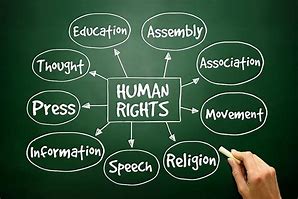
“Everyone Who Is Gone Is Here” is an indictment of American foreign policy. There are no easy solutions for immigration, deportation, or human rights in the world.

Books of Interest
 Website: chetyarbrough.blog

Everyone Who Is Gone Is Here (The United States, Central America, and the Making of a Crises)

By: Johnathan Blitzer

Narrated By: Jonathan Blitzer, Andre Santana

Johnathan Blitzer (Author, American journalist, staff writer for The New Yorker.)

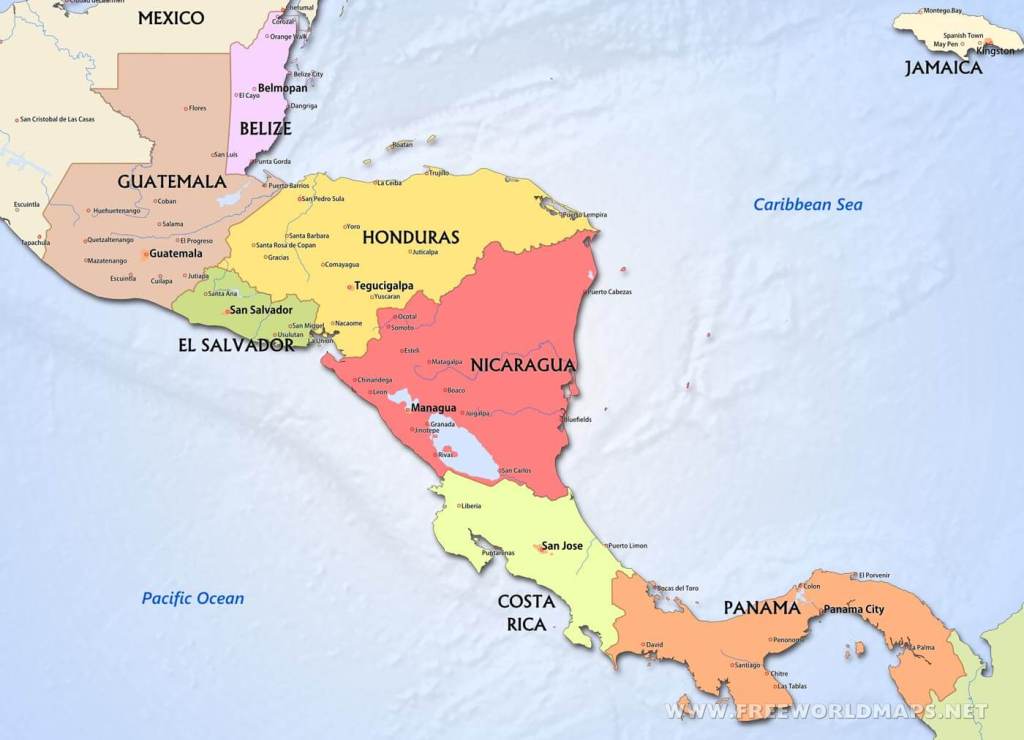
“Everyone Who Is Gone Is Here” is an indictment of American foreign policy. There seems a loss of a moral center in America with its support of other governments based solely on government type, national security, or economic interest. That is not to suggest national security and economic interest are not critically important but Blitzer’s history of America’s support of Central American governments is appalling. El Salvado, Guatemala, Honduras, and Nicaragua are democracies in title but not in reality.

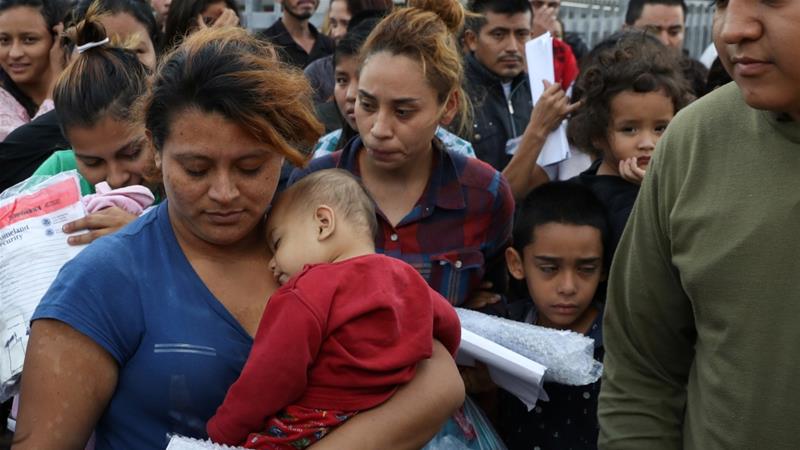
Blitzer tells the story of migrants from El Salvadore and Guatemala who are imprisoned, tortured, and sometimes raped or murdered by their government’s functionaries.

El Salvadoran and Guatemalan governments purport to be representative democratic republics. They are not. They have been dictatorial and punitive victimizers of their citizens. The picture drawn by Blitzer is that both are highly autocratic and riven with exploitation and arbitrary treatment of their Latino populations.

Some immigrants came to roil American communities with the only tools they were familiar with in their native countries.

Many immigrants came to America to escape arbitrary treatment by their governments. America has benefited from its immigrant labor, but some turned to street drugs and violence because of their poverty and the experience their families lived with in their native countries. Driven by self-interest, a survival instinct, and ignorance, America has deported many Latino immigrants who chose the gang life in the California suburbs. Gang life offered identity and income. Gangs like MS-13, the 18th Street Gang and other street name gangs terrorized L.A. and Southern California. The police reacted with violence by rounding up Latinos based on gathered photographs and lists of their families and friends. Some who had proven records of crime were imprisoned or deported to their families’ countries even though they may have been born in America.

America has financially and militarily supported Central America without regard to human rights.

There is a taint of McCarthyism in America’s communist categorization of Central American countries because false categorizations hides the truth. The truth is that democratic countries like El Salvadore and Guatemala have treated citizens as harshly as yesterday’s Stalin, today’s Ayatollah in Iran, and the two Assads in Syria. Reagan’s willingness to sell arms to Iran in the 1980s for money to send to Nicaragua because communism was allegedly opposed by those in power is an example of America’s political blindness. Nicaraguan, Salvadorian, and Guatemalan leadership was as corrupt as many communist countries that practiced violence, imprisonment, torture, and murder of their citizens. Whether one’s government is communist or democratic, the important issue is how its citizens are treated, not its form of government. Bad forms of government will eventually fall from the weight of their citizens’ unequal treatment, just as Syria fell in 2024. The sufferers are always the oppressed citizens and, as interestingly noted by the author, the government perpetrators who live with the guilt they feel when they retire from their military or government jobs.

What Blitzer infers in his history of Central America is that human rights of citizens should be the primary criteria for American financial and/or military support for foreign governments whether democratic, communist, socialist, or other.

National stability comes from citizens’ support of their government. Stability is compromised when human rights are denied. Blitzer implies–America should only financially or militarily support another country only if the nativist nation and culture is working toward equal human rights for its citizens. The immigrant crises in America and the world is caused by nations that do not work toward equal human rights for their citizens.

One is somewhat conflicted by Blitzers’ argument. The conflict is in an outsiders’ understanding of a foreign countries’ culture.

Human rights may be universal, but culture is made of beliefs, values, norms, customs, language, art, literature, food, fashion, social institutions, and unique symbols and artifacts of particular nation-states. This great host of characteristics is not easily quantifiable. No nation can justify rape, torture, or murder but they do exist in all cultures. Ignorance of culture is at the heart of why any country that invades, or militarily and financially supports another country, risks failure.

There are no easy solutions for immigration, deportation, or human rights in the world.

BEST & WORST OF US

Trump’s mass deportation idea is draconian and inhumane. A system of deportation should be organized to repatriate some undocumented immigrants but not to expel them without fair consideration of their circumstances and the needs of the American economy.

Books of Interest
 Website: chetyarbrough.blog

Real Americans

By: Rachel Khong

Narrated By: Louisa Zhu, Eric Yang, Eunice Wong

Rachel Khong (Author, American editor in San Francisco. Born in Malaysia to a Malaysian Chinese family.)

In a 1931 book, “Epic of America”, James Adams described America as a land where life should be better and richer for everyone, with opportunities for each according to their ability or achievement. This was written in the depths of the depression that began with the stock market crash of 1929. Of course, illegal immigration was nearly impossible in the 1930s, but still–there were 500,000 American immigrant arrivals in the U.S. during that decade. That amounted to 11.6 percent of the U.S. population at that time. Rachel Khong’s vision in “Real Americans” tests the next four years of Trump’s administration.

Khong writes a fictional story of a romantic relationship between an undocumented young Puerto Rican woman who is about to be deported and an equally young South Korean American who is falling in love with her.

Both are well educated by the American education system. The boy is interviewing for entrance to Yale while the girl is meeting an immigration lawyer to see what can be done to avoid deportation. The girl lives with a feckless “Wanna-Be actor” father and driven mother who is struggling to make a living in America. The daughter is shown to be quite intelligent with the ambition to become a data analyst.

Mass deportation without fair consideration of immigrant circumstance and their societal contribution is inhumane and foolish.

The developing affection between these two characters is beautifully created by the author. They are an example of why resident status needs to be treated fairly when immigrants are found to violate the immigration laws of the United States.

The idea that immigrants take jobs away from native American workers is a false flag.

The agricultural industry will be seriously impacted by mass deportation of undocumented labor.

The need for workers in America will continue to grow in the foreseeable future of the largest economy in the world. The demographics of an aging American population (that is not replacing itself) requires immigrants to grow and maintain the economy. The two characters of Khong’s story may not be every immigrant but they show how some are the future of American prosperity. Mass deportation of illegal immigrants will harm the American economy.

Immigrants have played a critical role in what America has become.

Khong is just telling a fictional story about American immigration, but it clearly illustrates how political rhetoric devolved into political lies and misinformation about the value of all human beings. America does have a history of Indian and Black murder and enslavement, but it also has a history that ameliorates discrimination and past misdeeds. One hopes the blunt force of immigrant deportation is not a policy that repeats America’s societal mistakes. American needs a carefully adjudicated immigration policy for the betterment of society.

Today, the total percentage, including 11,000,000 undocumented immigrants, is estimated at 14.3%. In the 1930s, 11.6% of the American population was immigrant. The question is whether the undocumented should be deported, regardless of the contribution they make to American productivity.

An aging population in America is not being replaced by native born Americans. Worker loss of undocumented immigrants may be harmful to American productivity.

Trump and his deportation Czar, Tom Homan.

Trump’s mass deportation idea is draconian and inhumane. A system of deportation should be organized to repatriate some undocumented immigrants but not to expel them without fair consideration of their circumstances and the needs of the American economy.

Khong’s story is entertaining fiction, but Trump’s deportation plan is a threatening work in progress.

AN IMMIGRANT LIFE

Immigrants treated equitably are more likely to bring positive additions to countries in which they choose to live.

Books of Interest
 Website: chetyarbrough.blog

The House of Broken Angels

By: Luis Alberto Urrea

Narrated By: Luis Alberto Urrea

Luis Alberto Urrea (Author, Mexican American poet, novelist, and essayist.)

“The House of Broken Angels” tells many Americans what they may not know about Latino Mexican culture. Luise Alberto Urrea explains what it is like to be Mexican American and/or raised in Mexico before emigrating. The Mexican American’ picture is harsh, but Urrea’s picture of being raised in Mexico is heart rending.

Not surprisingly, emigrating to America raises more social barriers for non-white immigrants than white immigrants.

The first barrier is skin color, but there is also language, education, and most importantly gainful employment. When a Mexican enters the country, all four barriers make their lives hard. If they were raised in Mexico, Urrea suggests they are poor and misogynistic but spiritually tough.

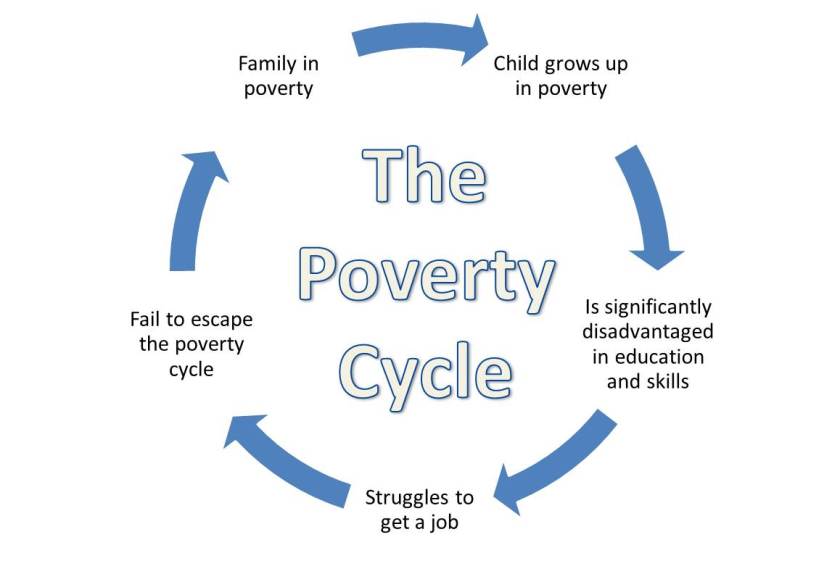
Poverty in Mexico and America comes from low wages and few jobs.

Misogyny lives in most countries of the world, but it is exacerbated by the strong patriarchal nature of families in Mexico. On the other hand, spiritual toughness comes from patriarchal parents (when they are present) because of influences like the Catholic Church in Mexican culture. Urrea explains how some Mexican fathers beat their male children to make them understand life is hard with belief that physical beatings will make them tough. He goes on to suggest Mexican’ girls are raised as bearers of children and companions or servers of men. Mexican fathers set the stage for their sons to be either tough or hopeless. Urrea infers Mexican mothers and fathers insist their children be raised to believe in God because the way people live make heaven or hell life’s only destination.

Urrea paints a picture of being poor and raised in Mexico.

He infers a table is set for many Mexican Americans who use their spiritual toughness and survival experience to get ahead. Women seem relegated to being wives, sex-objects, or mothers, rather than independent, potentially successful human beings. Spiritual toughness may lead to excelling in a job, or at school for men, and a minority of women, to become productive citizens of their new country. Urrea infers the spiritual and physical toughness can take different courses in an immigrant’s life, one is criminal, and the other is not.

Urrea’s story notes some Mexican immigrants choose to join gangs and use their toughness to fight for higher position, more money, and power within a gang.

Education and jobs are one of the ladders, but gang membership and crime become a less difficult path to follow in a foreign culture. Both ladders suffer from macho and misogynistic views of life, but Urrea argues Mexican immigrant life is tempered by the strength of paternalistic family hierarchies and religion.

The main character in “The House of Broken Angels” is Big Angel, the patriarch of a family with many sons, daughters, and grandchildren.

Big Angel is born in Mexico and is raised by a mother whose husband leaves his mother with nothing but a motorcycle which she is compelled to sell to feed her family. Big Angel chooses to leave home. He tries to make a living in Mexico but leaves under suspicious circumstances to join his father in America. Big Angel becomes a self-educated technology programmer through hard work and self-discipline. His offspring in Urrea’s story is about immigrant offspring and their lives in America.

America is shown to be less hospitable than one would hope considering how valuable immigrants have been to its economic growth.

Some like Big Angel choose to stay within the culture of their new homeland with the intent of becoming a positive contribution to society. They take the best lessons of their lives to adjust to a new culture despite unequal treatment. The generations that are related to Big Angel, like all humans, make their own choices in life. Their innate intelligence and life experiences are not the same as Big Angel’s, but they are influenced by his paternal care.

Some listener/readers will use Urrea’s story to argue immigration is bad for America because some choices made by descendants of immigrants have violently robbed, injured, or murdered others.

The fallacy of their argument is that bad actors come from all walks of life. Mexican culture, like all cultures that have survived history, have good and bad qualities. Immigrants treated equitably are more likely to bring positive additions to countries in which they choose to live. That is not Urrea’s story, but he explains how one Mexican immigrant overcame unfair treatment to become a contributor to his adopted country. Big Angel brought something valuable from Mexico to America. Big Angel’s story brought hard work, family, and caring for others as examples of what truly makes America Great.

WHAT’S TO BE DONE

America cannot pass essential legislation that fairly addresses the burden and potential benefit of immigration.

Books of Interest
 Website: chetyarbrough.blog

“A Map of Future Ruins” (On Borders and Belonging)

By: Lauren Markham

Narrated by: Gilli Messer

Lauren Markham (Author, reporter on issues about migration and human rights.)

Immigration is a hot subject around the world.

Lauren Markham writes a somewhat disjointed book about immigration to a Greek island between Turkey and Greece.

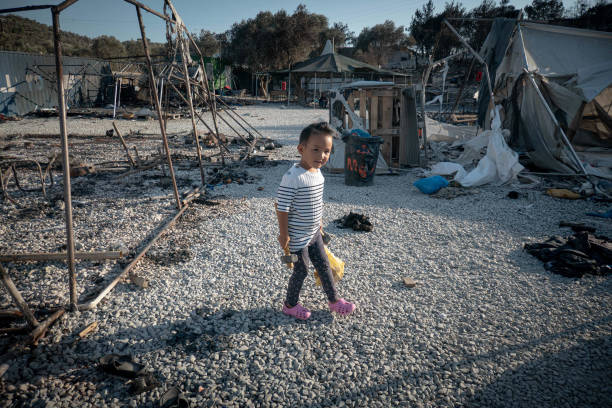
Lauren Markham offers a report of a fire in a Lesbos refugee camp in the small town of Moria on September 9, 2010. There were no deaths from the fire but the conditions of the encampment and the government’s response to the crises tell of unfair and inadequate treatment of refugees–reminiscent of other countries dealings with unwanted immigrants.

The camp was designed to hold 3,000 people but grew to nearly 13,000. Seventy percent of the migrants were from Afghanistan. A fire of unknown origin destroyed the immigrant’s shelter that gave notice to the world of the inadequate care offered refugees fleeing crime, poverty, and displacement in their home countries.

Turkey and Greece have a storied history of conflict that is reminiscent of the Afghanis flight from Afghanistan. Turkey’s most revered leader, Mustafa Kemal Ataturk, ordered Greeks to leave Turkey in a mass exodus during his reign. Ethnic and religious differences between the Ottoman Empire and Greece came to a boil in 1923. Those differences are reminiscent of the escape of Afghanis from the restrictive life of the Taliban in Afghanistan. Afghanis chose a route from Afghanistan through Iran to Turkey to the Greek Island of Lesbos to escape the Taliban.

Markham shows the initial response of the Greeks was to aid the Afghanis in their flight but as the number of refugees grew, the burden became too great. The conditions of the encampment deteriorated, and the anger of the Greek government escalated. A fire of unknown origin began in the camp. Six Afghanis, two of which were minors under 18 years of age, were arrested and found guilty of setting the fire. Markham shows the evidence for conviction had nothing to do with truth but was manufactured by the Greek Court to find a verdict of guilt.

“Dallas, Texas, United States – May 1, 2010 a large group of demonstrators carry banners and wave flags during a pro-immigration march on May Day.”

The inference from Markam’s report is that America’s border state conflicts will, and undoubtedly have, resulted in unjust treatment of emigrants. The irony is that America needs emigrants to meet the needs of its economic future. America seems to be doing as poor a job of addressing immigration as the story of the Afghanis in Moria. America cannot pass essential legislation that fairly addresses the burden and potential benefit of immigration.