Audio-book Review
By Chet Yarbrough
(Blog:awalkingdelight)
Website: chetyarbrough.blog
Babbitt

Written by: Sinclair Lewis
Narration by: Grover Gardner

Sinclair Lewis’s “Babbitt” is categorized as a satire, a parody of life in the early roaring twenties, but its story seems no exaggeration of a life in the 20th or 21st century. Published in 1922, it is considered a classic. It is said to have influenced Lewis’s award of the Nobel Prize for literature in 1930. (Lewis is the first American to receive the Nobel Prize in Literature.) Lewis is highly praised for describing American culture. “Babbitt” is the eighth of thirteen novels Lewis published by 1930. Lewis creates a body of work that intimately exposes strengths and weaknesses of American democracy and capitalism.
Reader/listeners are introduced to George F. Babbitt, a man in his forties. Babbitt is a realtor. He is successful financially; bored, and relatively happy in his married-with-children’ life. His best friend, Paul, is equally bored, less financially successful, but deeply unhappy in his marriage. Paul is harried by a wife that men categorize as shrewish. Babbitt’s best friend chooses to cheat on his wife. When Babbitt finds Paul in a clandestine meeting at a Chicago restaurant, he waits for him at a hotel to try to understand what is happening.

In a male-bonding moment Babbitt forgives Paul and agrees that his friend’s wife is a shrew. Babbitt offers to mislead the betrayed wife by lying about her husband’s out-of-town business trip. Later, the spurned wife argues with Paul. Paul responds by shooting her in the shoulder. Babbitt sticks by his friend; even when he is convicted and sentenced to prison for three years.
After a year of his friend’s incarceration, Babbitt tries to get the spurned wife to forgive her husband and petition the parole board to release Paul early. She neither forgives nor forgets. She chastises Babbitt for his deluded belief that her husband deserves any leniency. This seems a satirical vignette where women are rarely viewed as equal to men, and expected to forgive men for violent treatment.

In his mid-forties Babbitt is becoming more restless. He rationalizes infidelity and discounts the value of his wife and family. He chooses to cheat on his wife because he feels his wife does not understand him. Babbitt deludes himself with the idea that another sexual relationship in his life is his right, and that it will not hurt anyone. One may presume this is another satirical vignette. On the other hand, how many men and women rationalize their way to extra marital affairs today?
Lewis, through his characters, infers there is a struggle for fair, if not equal treatment, in women. In “Babbitt”, Lewis never gives women a role as superiors or equals that have intellectual interests in government, society, or culture. Rather, Babbitt suggests women often feign interest in a man’s thoughts for the desire of companionship, attention, and affection.
 Babbitt implies women rarely seek intellectual stimulation or sexual gratification. Men are shown to classify women as shrewish because they are pushing husbands to be more expressive and attentive. There are many ways of interpreting Lewis’s intent but this is not an exaggerated satire, it is a truth of many men’s view of women.

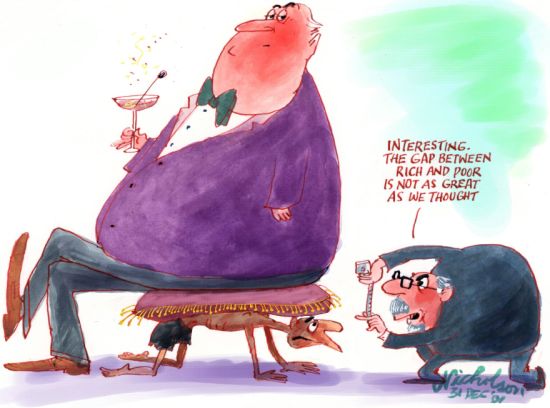
An underlying theme in “Babbitt” is the inequality of American capitalism. Women and most minorities are less equal because they are either not in the work force, or in the work force at a lower wage. The union movement is struggling for recognition in the 1920s because of low wages being paid by business owners. Lewis suggests Babbitt begins to modify his opinion about the labor movement as he becomes entangled in the lives of less successful Americans like Paul and his spurned lover.
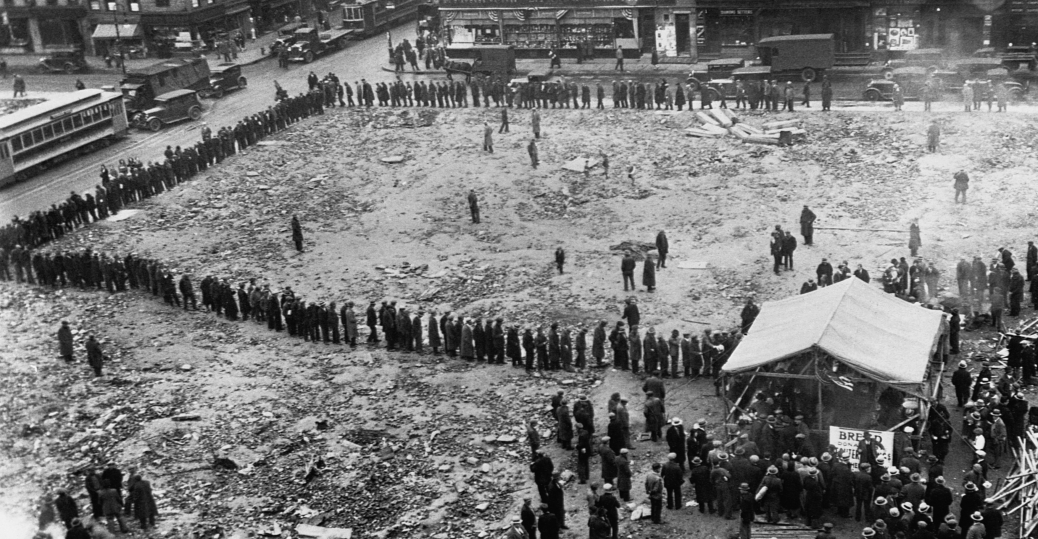
Wealthy capitalist see the answer to the union movement is electing a business President that cracks down on unions. Capitalists who have money and power classify the union movement as anarchic, communist, or socialist. (This sounds familiar today.) Babbitt suspects there is something wrong when he sees some union supporters are from the educated class. What makes Lewis’s observations fascinating is that they are written when America is in the midst of the roaring twenties; before the 1929 Wall Street’ crash. In the early 1920s, capitalism seems to be a tide raising all boats when in fact it is a torpedo being readied for launch.

Babbitt experiences peer pressure that causes him to recant any perceived support of union sympathizers and eventually returns to the fold of do-nothing conservatism. He recants his libertine ways and returns to hearth and home. But Lewis offers a twist by having Babbitt’s son shock the family by rebelling against standards of upper middle class life. He decides to marry without the blessings of his family or his church. George F. Babbitt is the only family member who whole heartedly supports his son’s unconventional act.
Babbitt writes in the midst of a burgeoning American industrial revolution. It seems what happened in the 1920s is similar to what is happening today. The industrial revolution is now the technology revolution; women are still undervalued, many Americans want a business President elected, and unions are being busted. Today’s young men and women are still breaking social conventions. The stage seems set. One hopes 2018 is not America’s roaring twenties; pending another economic crash.


























































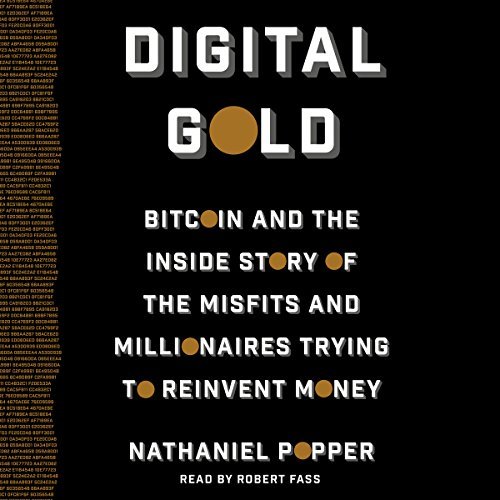 Digital Gold, Bitcoin and the Inside Story of the Misfits and Millionaires Trying to Reinvent Money