Graduate Oregon State University and Northern Illinois University,
Former City Manager, Corporate Vice President, General Contractor, Non-Profit Project Manager, occasional free lance writer and photographer for the Las Vegas Review Journal.
Free (A Child and a Country at the End of History)
By: Lea Ypi
Narrated by: Rachel Babbage, Lea Ypi
Lea Ypi (Author, Professor of Political Theory at the London School of Economics.)
Eleven months after the Berlin Wall came down, the historian Francis Fukuyama called it a symbol of the “end of history”.
As a citizen of Albania, the fall of the Berlin Wall shows Lea Ypi what the “end of history” meant to her.
Albania became an independent country in 1912, after the defeat of the Ottomans in the Balkan Wars. Lea Ypi is a descendant of royalty in what was known in the 19th century as the Ypi dynasty.
Ypi Dynasty (Ruled Egypt for 150 Years.)
“Free” is partly a story Lea Ypi’s realization of her family’s history. More fundamentally, her story is of the inner conflict of Albanian experience with monarchy, socialism, communism, and democracy. Ypi artfully reflects that conflict in the history of her immediate family. She grows up in a well-educated, multilingual family that extolls the virtue of the French revolution, socialism, and democracy while expressing ambivalence about each. None are fans of communism but waiver between authoritarianism and democracy. Both parents, a grandmother, and their daughter (the author) critique capitalism as a form of exploitation, particularly of the poor.
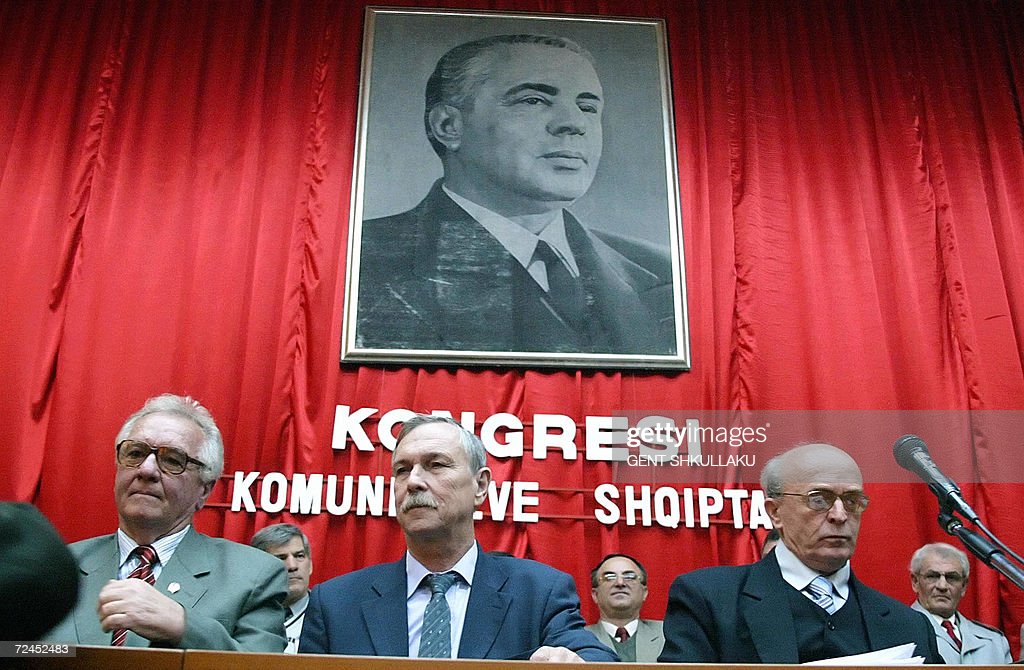
King ZogAlbanian SocialismTirana, ALBANIA: Albanian Communist party members attend a meeting commemorating the 65th anniversary of the founding of the Albanian Communist Party in Tirana, 08 November 2006. The Albanian Communist Party, was established during World War I and has led Albania with an iron fist until 1990, when popular protest toppled the old regime to reinstate democracy. AFP PHOTO / GENT SHKULLAKU (Photo credit should read GENT SHKULLAKU/AFP via Getty Images)Albanian Democracy
Ypi explores the history of Albania that transitions from monarchy to socialism to communism to democracy. Each transition shows a country in search of itself. As a monarchy, its self-identified King fails to sustain independence. Albania falls under the control of Mussolini’s fascism. As a socialist, and later communist, country–long waits-in-line for consumer goods belies much of Albanian citizen’s belief in “common good”. As socialism evolves into communism, discontent leads to revolution in 1989/1990.
Citizens popularly elected as representatives of the people is no guarantee of peace or prosperity. The lure of money, power, and prestige can corrupt democracy just as it does any form of government, whether autocratic or democratic.
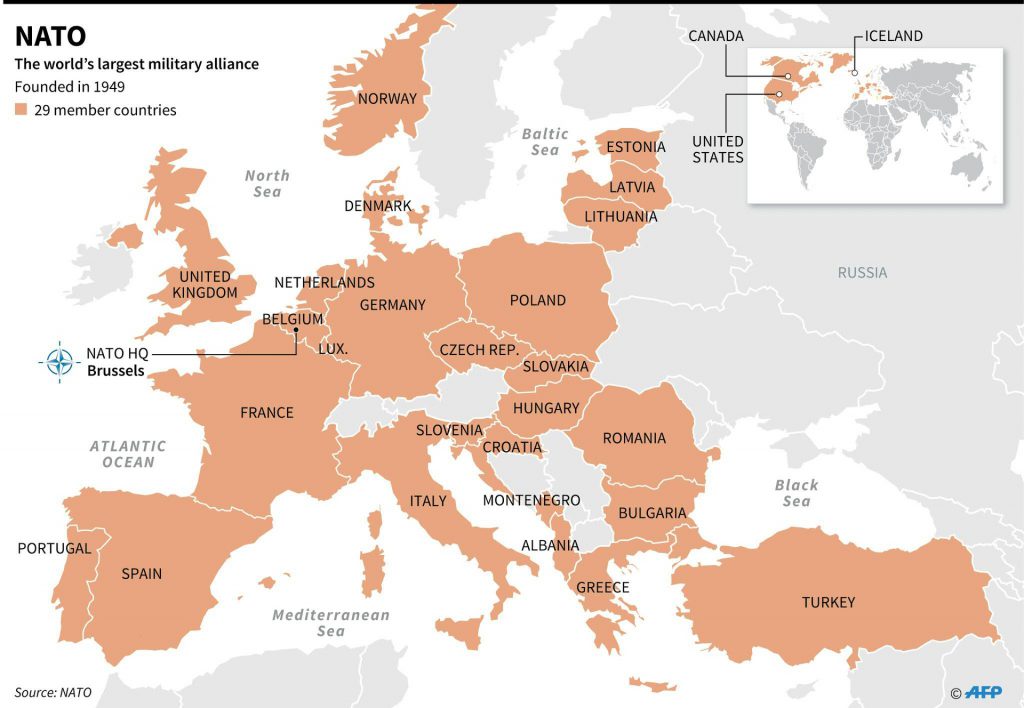
In 2009 Albania joined NATO. In June of 2014 it became a candidate for the European Union. In a brief visit to Albania in 2017, we met local Albanians, had lunch on a private farm, and traveled through the country on a private tour. What came as a surprise is the industriousness and growing modernization of the country. To an outsider, Albania is prospering as a democracy. Ypi offers a guarded appreciation of democracy but implies concern over excesses of capitalism in democracy.
NATO AND THE EUROPEAN UNION
One presumes that skepticism comes from her memories of a socialist desire for common good. Democratic capitalism is no guarantee of common good as evidenced by the growing gap between rich and poor. Her story of her father’s rise as an industrial manager exemplifies her concern. Ownership orders her father to cut overhead by eliminating workers. Her father resists because he knows those workers have families to feed and lives to live. In contrast, her mother suggests people who are lazy or who do not work hard at their jobs, deserve their lot in life.
Ypi’s book should be read/listened to before traveling to Albania. Ypi offers insight to how children of her generation feel about government. The author is an entertaining writer worth one’s time whether planning a visit to Albania or not.
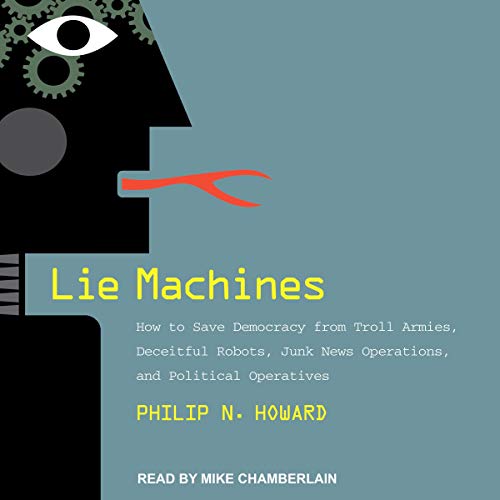
Lie Machines (How to Save Democracy from Troll Armies, Deceitful Robots, Junk News Operations, and Political Operatives.)
By: Philip N. Howard
Narrated by: Mike Chamberlain
Phillip N. Howard (Author, professor at University of Oxford.)
The subtitle of Phillip Howard’s book is hyperbolic. Howard offers a glimmer of hope to the public on “How to Save Democracy from Troll Armies…” He does define the problem, but the solution is elusive.
Howard identifies interest-group’ tools used by lie machines to mislead the public. Howard shows how “Junk News”, some of which are outright lies, have consequences.
Freedom is an essential tenant of Democracy. One does not doubt Howard’s exposé on Democracy’s threat from “…Troll Armies, Deceitful Robots, Junk News Operations, and Political Operatives.”
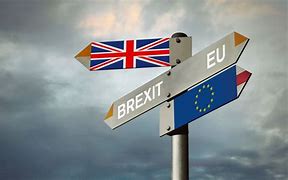
There is the Brexit campaign that lied about thousands of pounds saved per month which Great Britain could use for healthcare. That lie is debunked by most English economists. There is the Pizza company child pornography hoax during Hillary Clinton’s campaign for President. It is clearly identified as a hoax that had no basis in fact. Howard’s point is that lies have consequences. However, the exact consequence is often not precisely quantifiable. Did voters change the course of history by believing these lies? Was the Brexit decision and Hillary Clinton’s loss of the presidency caused by lie machines? Those are fair questions, but they have no definitive answer.
Is it criminal to advertise Prevagen as a memory improvement product when there is little science to prove the claim? Is that different than an interest groups’ lie about how many pounds Great Britain will save with Brexit? Consumers decide for themselves whether a lie is a lie or just an interest groups’ bias.
Balancing democratic freedom of speech against what Howard fairly identifies as “junk news” is impractical in the internet age.
As Howard notes, more private information is available to interest groups in the 21st century than ever before. Government, commercial, and private interest groups are willing to pay privately held companies to gather and collate that personal information. Their ability to distort truth is enhanced by algorithms that accumulate that private information to tell others more about what we believe than what most know or understand about ourselves.
Media moguls, like product advertisers, are selling belief with detailed information about who we are, what we buy, who we buy from, and intimate details of our lives freely given on public platforms like Facebook, Twitter, and Google.
On 4/25/22 we are advised that twitter is being purchased by Elon Musk. Musk idealistically presumes all should have a right to express their opinion. There is truth and lie in that idealism. Truth is the selective statement of facts by major news feeds like the NYT and WSJ. Lie is the statements of muckrakers like Alex Jones.
As Supreme Court Justice Stewart’s once said about pornography, “I know it When I see it”. Freedom of speech can only be regulated by the same yard stick. A lie is a lie and those who believe in democracy can only rely on themselves for knowing a lie when they see it.
Alex Jones and conspiracy on the Sandy Hook School killings.
Howard’s examination of “Lie Machines” reveals a great deal about how lies become the basis for conspiracy theories that mislead the public.
The best one can say about Howard’s great reveal is that every citizen in any society needs to be skeptical. Ironically, Howard implies skepticism compounds the problem of “Lie Machines” by making one believe nothing. One must ask oneself—are there special interests promoting this “fact”, is this fact a lie, should I act based on a lie.
Howard’s solution is to require transparency from the “internet of things”.
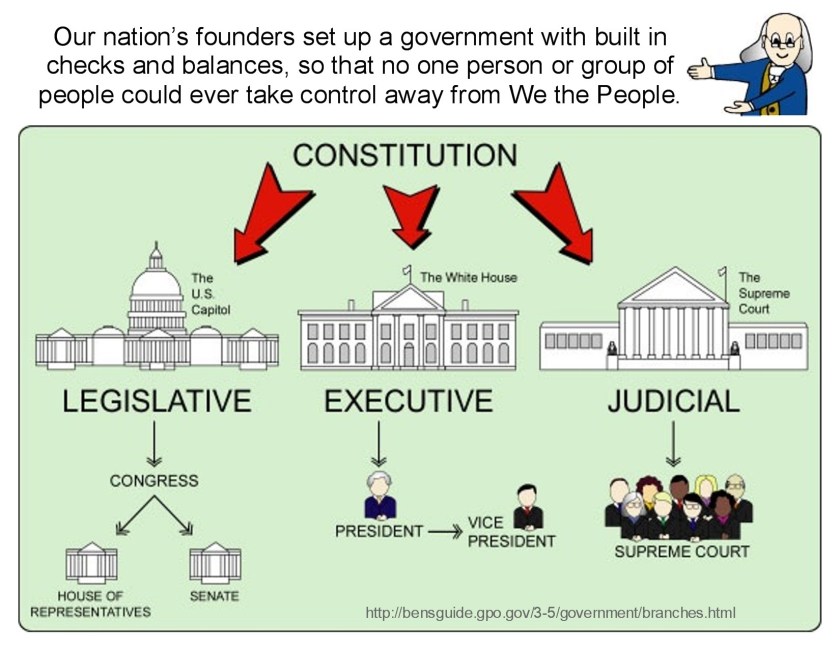
He argues any public internet platform should be legally required to reveal the source of their information and that no information should be collected unless authorized by the provider. There is some merit in Howard’s solution. The concern is that there must be supervision of that requirement. Who is the supervisor? If it is government, what are the rules of enforcement? Democracy requires checks and balances.
Whether one is part of the government, a business, or a private citizen, all are subject to the faults of human nature. Can a bureaucracy be created with the required checks and balances that mitigate human nature’s desire for money, power, and prestige?
America is a government of laws and has prospered in part because of checks and balances that ameliorate the worst consequences of human nature. Is regulation of the internet by government better than self-regulation? Who regulates government?
Some argue, the voter regulates government by elections. This is the same voter that elected Abraham Lincoln and Donald Trump, one of which deserves high praise; the other something much less.
Revealing “Lie Machines” is the best of what Howard has to offer. The solution revolves around transparency but the mechanism for enforcement beyond individual skepticism and “buyer beware” attitude seem invasively dangerous.
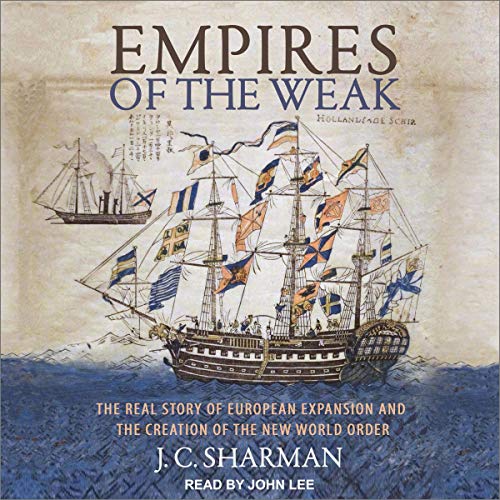
Empires of the Weak (The Real Story of European Expansion and the Creation of the World)
By: J. C. Sharman
Narrated by: John Lee
Jason Sharman (Author, Professor of Politics and International Studies at Cambridge, PhD from University of Illinois.)
Professor J. C. Sharman offers an interesting interpretation of history. He argues one country’s domination of another in “Empires of the Weak” is widely misrepresented by historians.
Sharman argues domination of other nation-states is incorrectly believed to be the result of technical and military superiority. Sharman suggests force of arms and technology were only a part of their success. Their failures often came from not understanding the cultures of the countries they tried to colonize.
Sharman notes many historians argue early European nations had better weapons and superior military training than countries which they invaded and colonized.
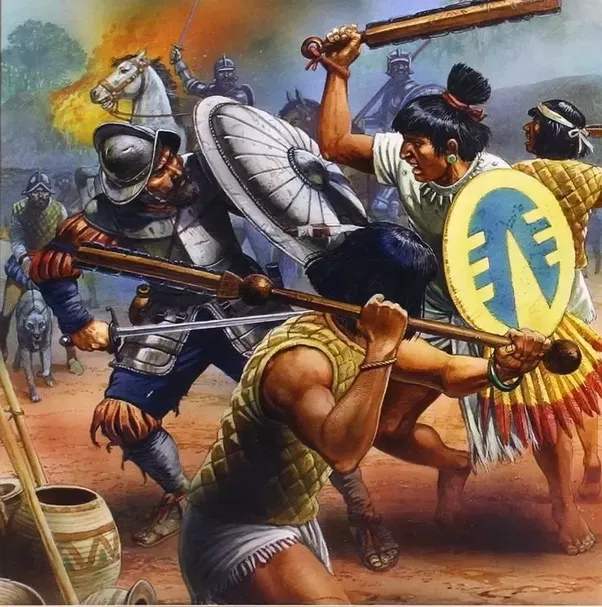
Sharman argues socio-cultural and economic interests were more determinate factors than either technical or military superiority. He notes Aztec domination by Spain as an example. He explains a minor military force manages to erase Aztec governance by co-opting indigenous discontented natives and rewarding those who would fight to destroy current leadership and support their colonizers and ultimate benefactors.
The resonating truth of Sharman’s observation in modern times is shown by America’s experience in Korea, Vietnam, Iraq, and Afghanistan.
Battles can be won but wars lost. Most battles were won with American technology and force of arms but, with the qualified exception of a negotiated compromise at the 38th parallel in Korea, America’s singular wars were lost. France’s Indochina and Russia’s Afghanistan prove the same.
Vladmir Putin is on the verge of affirming Sharman’s argument. Putin invades Ukraine with an experienced and well-equipped army, with superior weapons of mass destruction. However, Russia is losing the war.
Socio-cultural difference make domination by one country of another difficult, if not impossible. Putin presumes Ukraine has a Russian culture when in fact it shows itself to be its own cultural nation. Putin will fail because he ignores cultural difference and fails to co-opt discontented indigenous leaders.
One might wonder how Stalin managed to create the U.S.S.R. from disparate cultures and countries. One suspects it is not entirely because of Stalinist repression. Stalin eliminated leaders within Russia’s satellite countries while co-opting existing discontented natives.
New indigenous leaders of these countries understood their citizens but were beholding to Stalin for having supported their ascension. Putin may have been able to do the same with more patience and understanding of Ukrainian culture. His misstep will have future consequence, both for himself, Russia, and the world.
The idea of their always being a clear cause for every effect is false.
Precise “cause and effect” is proven untrue in quantum physics and seems equally untrue in world leadership. Leadership success is always a matter of probability, but it must be probability based on cultural understanding.
Sharman’s limited analysis holds great promise for historians and leaders of the world. Historians can offer more focus on socio-economic conditions of respective countries when determining causes of regime change. Leaders of acquisitive countries might think twice about military intervention or invasion. Leaders may become more selective in choosing ambassadors for other countries.
The threat of the future is that cultural understanding might be achieved in Orwell’s “1984” which implies China is an odds-on favorite as a world hegemon.
This is a warning to Hong Kong and a threat to Taiwan. Cultural understanding is a key to world peace.
A point made in this week’s “Economist” is that rising economic Hedgemons like China suggest Russia’s invasion of Ukraine is nothing new because there are no universal rights. President Xi recounts the atrocities of the world that shows man’s inhumanity to man is based on perceived national self-interests, not universal rights.
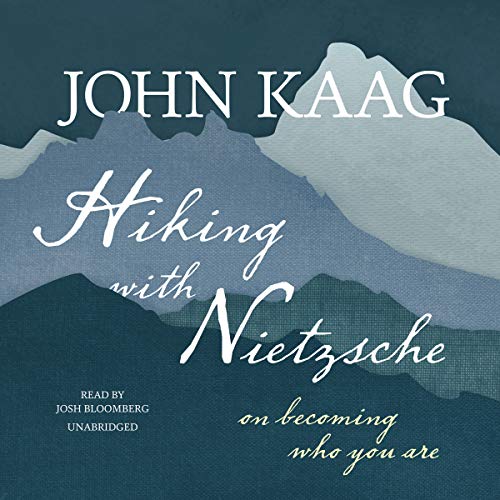
John Kaag, (Author, Professor of Philosophy at UMass Lowell)
John Kaag’s view of romantic love seems slightly askew when taken in the context of his two books, published two years apart. “American Philosophy” is published in 2016 while “Hiking with Nietzsche” is published in 2018. Having listened to both, one finds “Hiking with Nietzsche” belies the conclusion of romantic love characterized in “American Philosophy”.
In “American Philosophy, Kaag professes understanding the harm done to romantic love by male self-absorption and then ignores that realization in “Hiking with Nietzsche”.
Kaag’s male self-absorption is flaunted in “Hiking with Nietzsche”. Kaag seems quite dismissive of his second wife in his “Hiking…” adventure.
Kaag seems mostly in love with himself and his pursuit of philosophy.
Kaag becomes an organizer of a library of first editions for the Hocking family. The descendants wish to donate the volumes to a library of their choosing but the contents must be organized for appraisal purposes.
Kaag ensconces himself in Hocking’s library of 10,000 books with many philosophical “first edition” writings.
The story of “American Philosophy” is about the life and times of William Ernest Hocking and his 400-acre estate in New Hampshire.
William Ernest Hocking (1873-1966, American idealist philosopher.).
400 Acre Hocking Estate in New Hampshire
Kaag accepts the task. The library becomes a refuge from his first marriage which ends in divorce. As Kaag reviews the philosophies of greater and lesser philosophers like Emerson, Royce, Kant, and Hocking, he reflects on his failed marriage. He concludes his failure is self-inflicted.
As Kaag begins cataloging the 10,000 volumes, he is joined by a fellow philosopher (who becomes his 2nd wife) from a university for which they teach.
Hocking library on the 400 Acre Estate.
What Kaag realizes is philosophy looks to the supernatural and, in its pursuit, romantic love suffers. Kaag exhibits eating, sleeping, and drinking disorders that reflect a self-absorption that damages romantic love. This is an ironic realization because it seems Kaag celebrates romantic love but cannot partake of it.
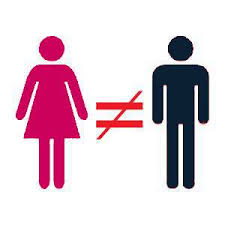
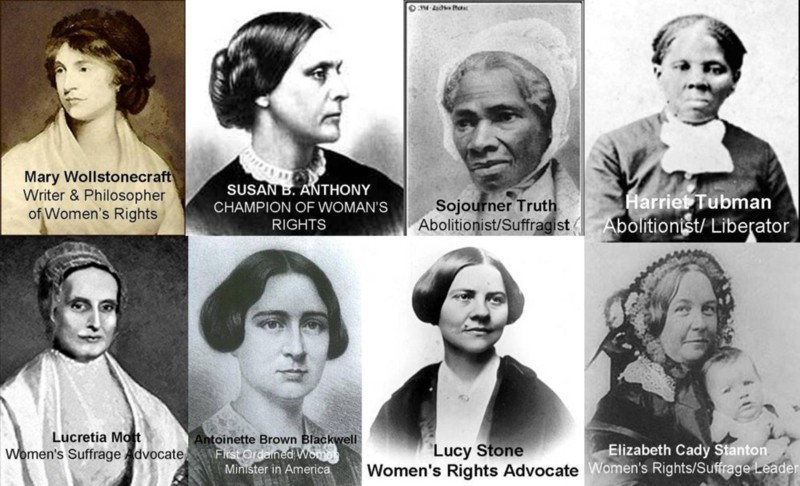
Society treats women as less equal than men. Oddly, Kaag shows understanding without behavioral modification. This seems societies’ tragic flaw.
Women are the equal of men, but society does not treat them equally. The consequence is the loss of romantic love and women’s rightful place in society. The resurrection of the Taliban in Afghanistan, Putin’s militancy, Middle Eastern, Eastern, and Western society show the likelihood of change seems remote, if not unlikely.
Some argue Kaag’s book is a celebration of romantic love, but it is not. Kaag’s story is about male societies’ inability to overcome the history of misogyny. The implication is when women are treated as equal, society will change. Reviewing Kaag’s two books suggests the world is not ready.
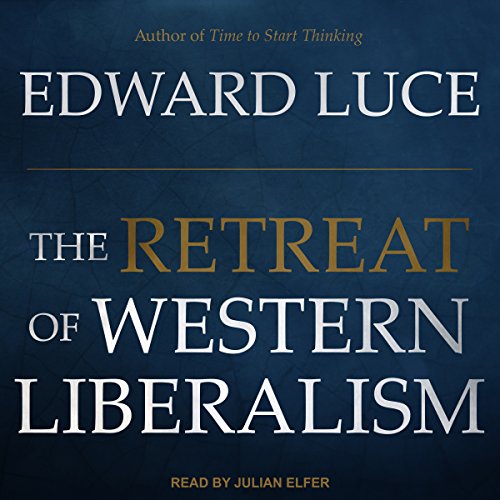
Edward Luce (Author, English journalist, Financial Times columnist and US commentator.)
Edward Luce offers a troubling picture of 21s century America. His argument depends on one’s definition of “…Western Liberalism”. If the definition is belief in human individuality and a relaxation of public custom, law, and authority, there is evidence to support Luce’s argument.
Luce notes the election of Donald Trump is not an American aberration but a symptom of “The Retreat of Western Liberalism”.
The advent of the internet has reinforced a group think driven by belief in alternative facts that create conspiracy theories. It is a discontent coming from many Americans ignored by rising wealth of a nation controlled by special interests. Trump taps into that discontent.
The irony of Trump’s rise is his personal wealth when the American gap between rich and poor is skyrocketing. Putting that irony aside, Trump suggests America can be “Great Again” by returning to a past.
Trump creates a false hope of re-industrializing America with new jobs. The falseness of Trump’s pitch is that new jobs in America are not being created by industrialization but by technology and human services. Trump’s appeal is loaded with false representations, amplified by media trolls. Public custom, law, and authority are undermined by conspiracy theories that convince Americans they have been cheated out of their fair share of America’s wealth. In truth, they have, and that is why Trump’s false pitch about “Making America Great Again” got him elected.
Trump’s anti-immigrant falsehoods feed conspiracy theories about jobs being taken from poor Americans. Equal opportunity is a function of rising wealth in the hands of the few. Public education and health care are unequally distributed in America. The wealthy can afford higher education and the best health care, the poor cannot.
Americans are poor because they are being denied equal opportunity, not because of immigration.
Education and health care are critical for American labor’s adjustment to a changing world. Private industry and the government have equal responsibility for assisting all Americans, not just those who have benefited from the technological revolution.
Job transition requires re-education and on-job training by employers that offer decent wages and health care.
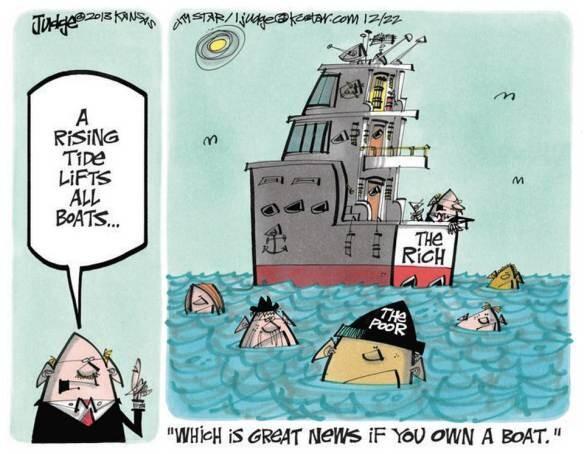
Luce’s point is a “rising tide has not lifted all boats”. The technological revolution offers the same potential for western liberalism as the industrial revolution. The election of Donald Trump was America’s “wake up” call.
A large part of America’s population has been left out of the American Dream of western liberalism that came from opportunities provided by the industrial revolution.
Western liberalism needs to be reinvented by investment in a technological revolution for all Americans, not just those who have benefited from the industrial revolution. The question is whether private industry and the government are up to the task. Will western liberalism be reinvented and promoted by ossified industrial leaders and elected representatives? Most industry leaders and elected representatives are satisfied with the status quo while too many Americans struggle to make mortgage or rent payments. Luce defines the problem but offers no solution.
Editing Humanity (The CRISPR Revolution and the New Era of Genome Editing)
By: Kevin Davies
Narrated by: Kevin Davies
Kevin Davies (Author, Ph.D in molecular genetics, Editor of Nature Genetics.)
The famous philosopher Søren Kierkegaard advised “Life can only be understood backwards; but it must be lived forwards.”
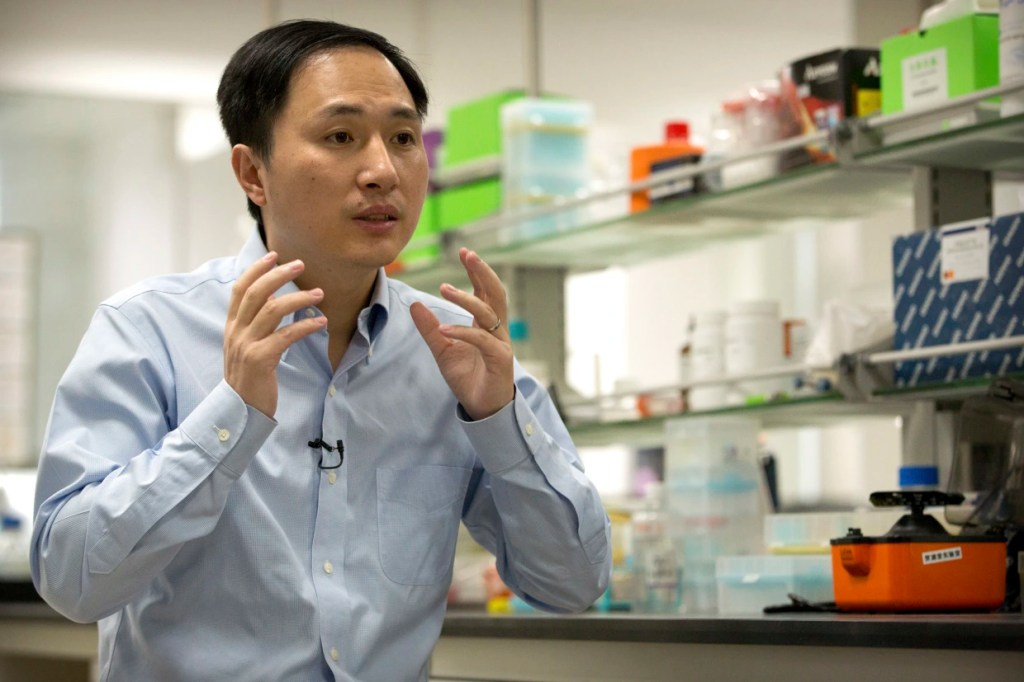
He Jiankui (Chinese scientist who used CRSPR to modify genes of unborn twin girls.)
Kevin Davies reports the genie is out of the bottle with He Jiankui’s sloppy edit of genes in unborn twins. Davies suggests science will move forward on gene modification to provide understanding Jiankui’s inept genetic experiment. With that forward movement, Davies implies human extinction will be delayed, extended, or ended by genome experimentation. Proof of Davies conclusion is in Britain’s plan to create a government owned company to investigate genetic diseases and cancer in adults. The pilot project is to sequence the genomes of 200,000 babies according to a May 14th article in “The Economist”.
What remains a danger is that evidence of genomic abnormality is a first step to experiments in changing genetic inheritance at birth. There is a great deal unknown about what some call “dark genetic matter”.
What becomes clear is the potential for great good and great harm in the CRISPR revolution.
CRISPR-This is an acronym for clustered regularly interspaced short palindromic repeats. It is a tech tool that reads DNA sequences that are fragmentary and not normal. In identifying what appears abnormal, the fragments can be manipulated to repeat what is believed to be the correct DNA sequence.
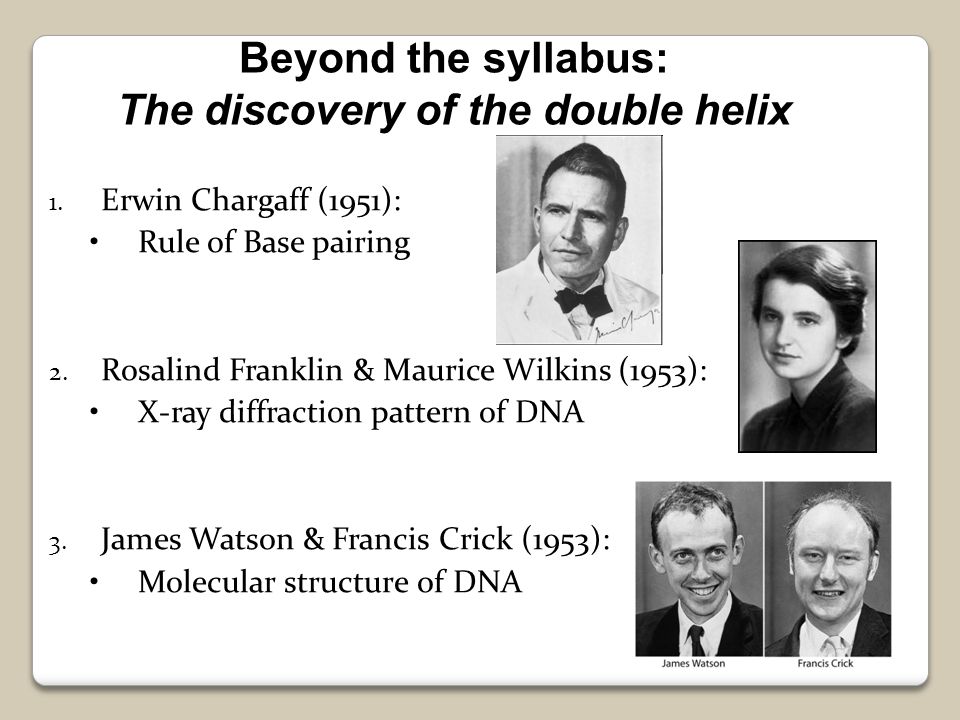
With the discovery of base pairing and the DNA double helix by Watson, Crick, and the (often-unrecognized) assistance of Rosaland Franklin, the basis for genome editing became possible.
Beyond the syllabus: The discovery of the double helix. Erwin Chargaff (1951): Rule of Base pairing. Rosalind Franklin & Maurice Wilkins (1953): X-ray diffraction pattern of DNA. James Watson & Francis Crick (1953): Molecular structure of DNA.
Davies notes the key to editing genes are the replication errors between DNA strands. Those spaces are indicative of disease risk that can be modified with CRISPR, a genome editing technique.
Davies offers a picture of Jiankui’s life. He was educated at the University of Science and Technology of China and received a Ph.D. from the Department of Physics and Astronomy at Rice University in Texas. From a humble life in China, Jiankui climbs a genetic mountain to arrive at a cliff of science. One might characterize it as a cliff because a misstep in gene editing may injure or kill a patient and ruin a practitioner’s professional reputation. Jiankui became a living example of a practitioner’s misstep. Jiankui is serving 3 years in prison and has been fined the equivalent of over $430,000 American dollars. Davies notes the fate of the prenatal female twins is unknown.
Some would argue there are too many unknowns when genes are modified. As noted by Robert Plomin in “Blueprint”, the interconnection of DNA strands is complex.
Plomin notes the results of DNA modification are a matter of probability, not certainty. Clearly identifying defective genes and modifying their code to eradicate disease or mental dysfunction is presently beyond current science understanding.
Adding to the uncertainty of results is the potential for creating a radical human cohort that defies societal norms, e.g., the creation of a destructive or superior race of humans. An infrastructure would have to be formed to make decisions about the course of human civilization. That infrastructure creates potential for radical authoritarian control of humanity by a select group of minders.
On the other hand, DNA modification holds the potential for eradicating disease. The idea of eliminating HIV, and other viral diseases holds great promise for the future of humanity. The cost and benefit will only be realized through experiment. In one sense, it is like the experiments that doctors have taken since the beginning of medical treatment. Heart disease and cancer treatments have become better over years of trial and error.
DNA modification is extensively used in agriculture to increase field productivity by reducing disease in plants and hardening resistance to blight.
DNA modification opens doors to regeneration when threatened by species extinction.
The light at the end of this tunnel may be a train or a new day.
Davies’s underlying point is that CRSPR is here and will not go away. Experiment will continue whether condoned by government or not. All species on earth have a finite life.
DNA modification is a fact, not just an idea. It is here and will be used. Science is grappling with rules to mitigate its potential downside while trying to insure its upside. In the end, human survival will be decided by nature and the politics of control.
Robert Plomin (Author, American Psychologist and behavioral geneticist.)
As a psychologist and clinical geneticist, Robert Plomin seems well suited to explain how understanding of DNA has the potential of mitigating (possibly curing) many human psychological maladies.
The scientific community notes that 70% of human variability is based on genetic differences among people.
With a perfect picture of a person’s DNA, there is potential for reducing human mental disorders. However, Plomin’s argument seems weakened by his research and experience.
Plomin has spent a great deal of his life researching DNA and genetic inheritance.
What “Blueprint” reveals is how much progress has been made but, at the same time, how far science must advance to clearly understand what the other 30% of human experience has to do with who we are, how we think, and why we act as we do.
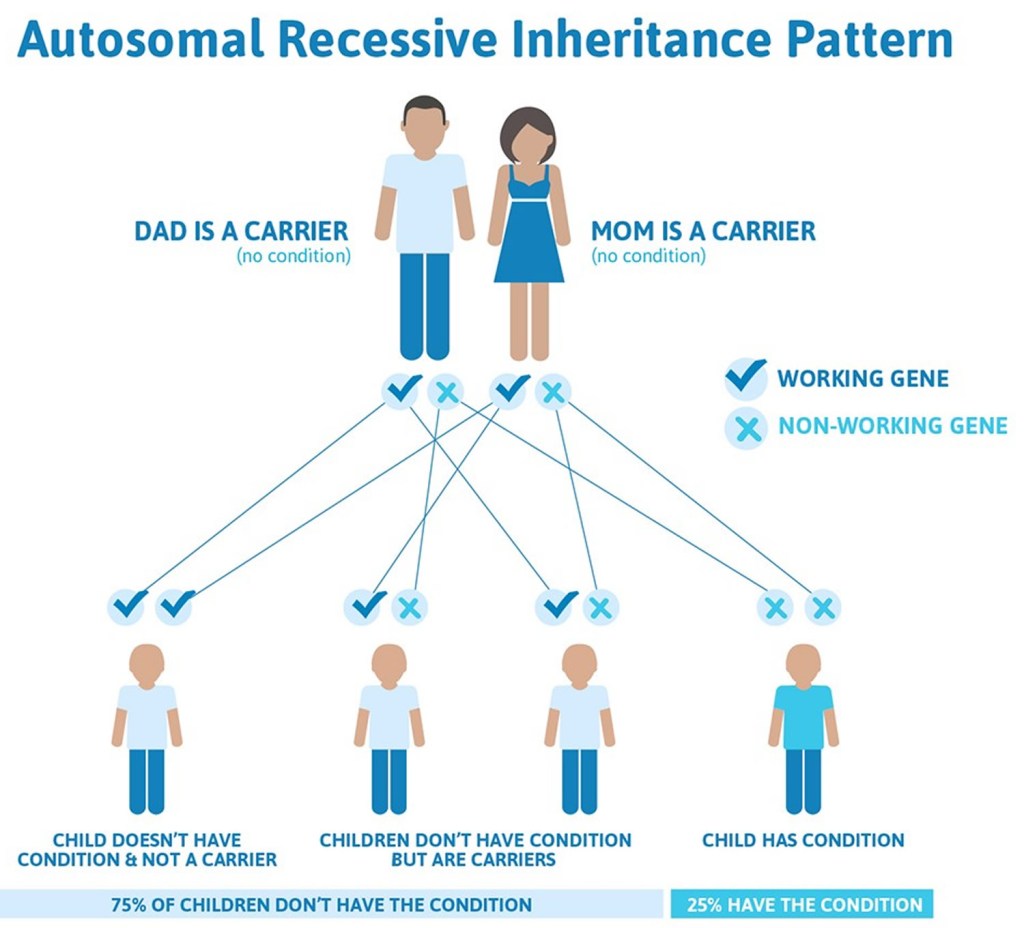
Plomin acknowledges there are different patterns of genetic inheritance. These patterns show susceptible psychological maladies and other genetic anomalies that cause Huntington disease, Marfan syndrome, cystic fibrosis, sickle cell disease, hemophilia, and others. The inheritance patterns suggest those diseases are probabilities, not certainties.
Plomin acknowledges DNA analysis remains too complex for precise understanding of the correlation between cause and effect. Without precise understanding of genetic manipulation there will be unintended consequence, ranging from disability to death. Further, there is the ethics of gene splicing that implies creation of a utopian society.
Who would have the right to determine another’s role in society? Whether as a philosopher king envisioned in Plato’s “…Republic”, or an Aryan race envisioned by Hitler, genetic manipulation opens a door to predetermined roles for human beings. Who will make these decisions? Is a planned society a good thing? Does a human being want to be classified as a worker, a leader, a thinker, a doer because someone suggests society needs those classifications?
Plato’s Republic
Listening to “Blueprint” leaves little doubt that understanding DNA is important. What is in doubt is how that understanding is used. Humanity has survived an estimated five or six million years. To date, human survival has been based on random modifications of DNA and life experience.
Maybe genetics offer the next stage in human survival, but abandoning natural selection carries risks based on human thought and action rather than natural selection. Should science open Pandora’s box?
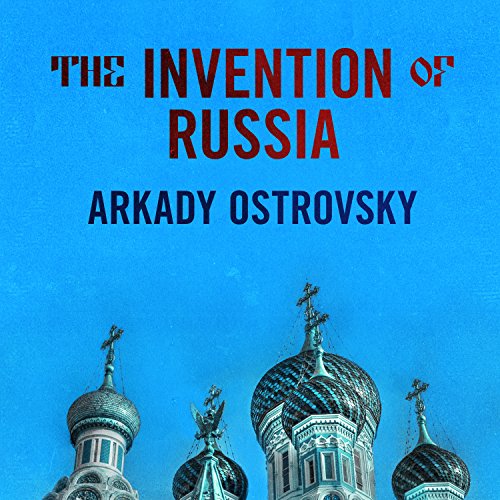
Arkady Ostrovsky (Author, Russian-born, British journalist spent 15 years reporting for the Financial Times from Moscow.
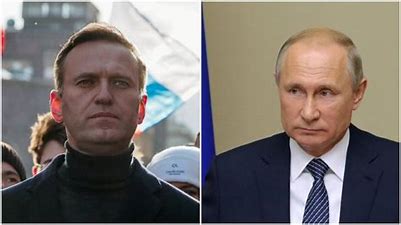
Arkady Ostrovsky’s book offers a personal perspective on post-1917 Russian political history. Of particular interest today is in how Vladimir Putin came to power and how he may become an author of his own destruction.
Some listeners may conclude Putin’s invasion of Ukraine will doom his future as Russia’s leader. Others will conclude Putin will survive this political mistake because of Russia’s political history.
Putin’s ascension after Gorbachev/Yeltsin seems foretold by Russian history. As noted in Mark Steinberg’s lectures on Russian governance–since the 16th century, popular leaders (whether Czars or revolutionaries) prudently balanced authority and freedom.
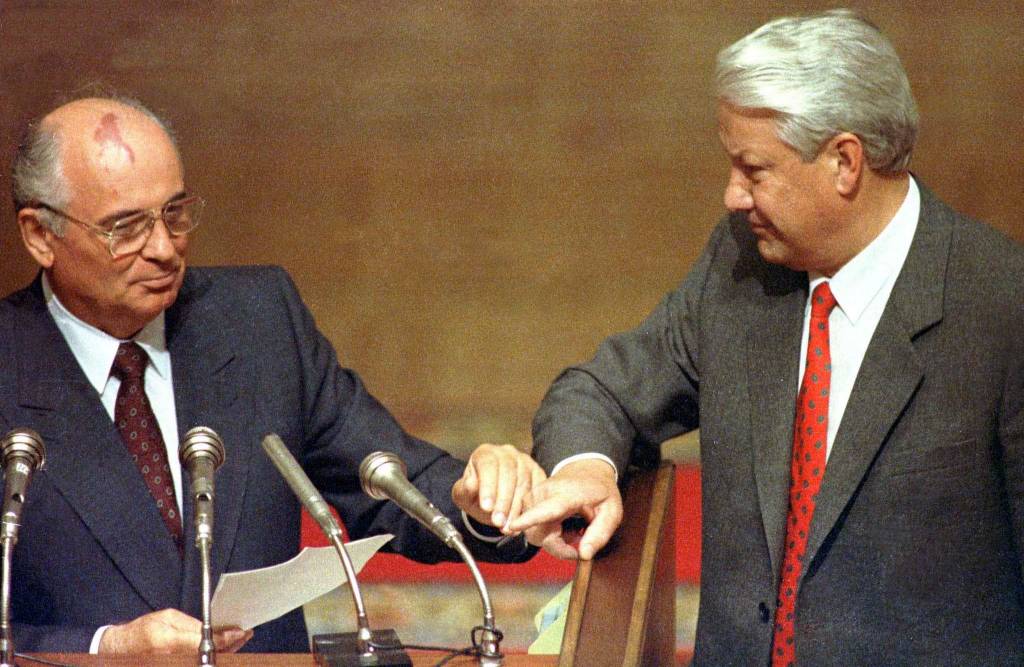
Though Gorbachev and Yeltsin were quite different as Russian leaders, they led Russia with an emphasis on freedom. Both offered freedom without adequate economic support for Russian Citizens. In contrast, Ostrovsky argues Putin emphasizes authority with a measure of economic support that improves Russian lives.
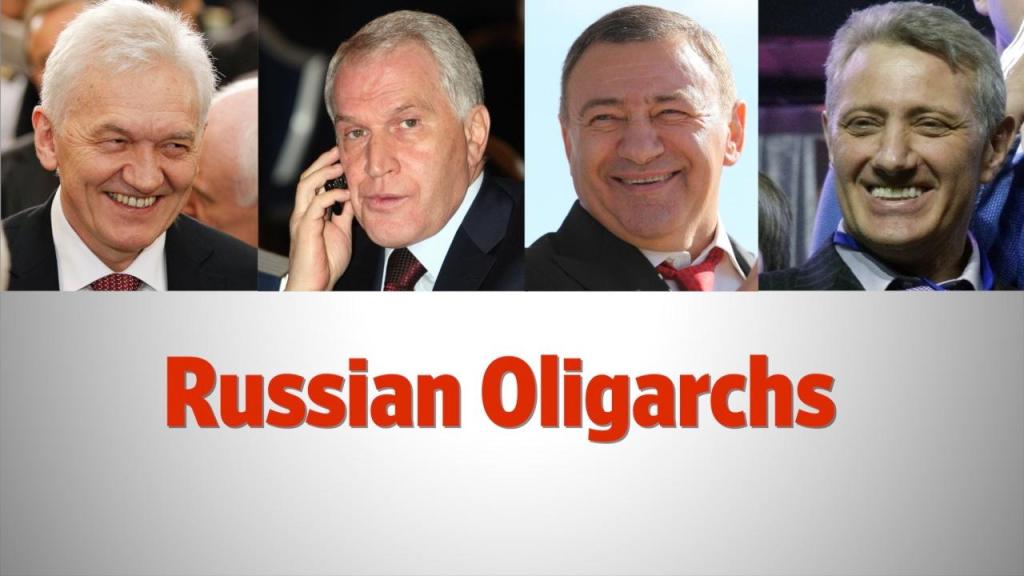
Yeltsin fails because his reforms were largely political with little improvement in economic security for most citizens. Yeltsin’s support base came from oligarch’s economic gain rather than from policies designed to improve Russian citizens’ lives. The early years of Putin’s reign emphasize authority with the help of media to influence public perception.
Putin uses secret service personnel and media to detain and restrain public opposition to the government.
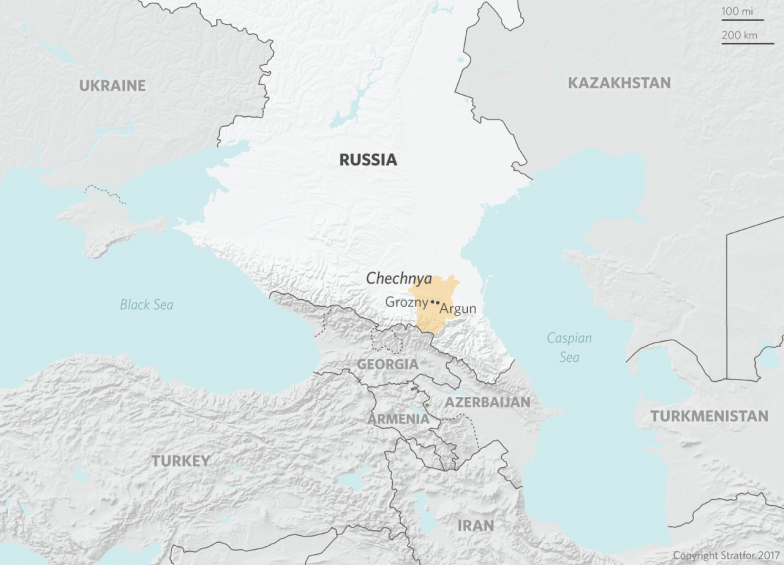
Ostrovsky notes the Chechen uprising is brutally suppressed by Putin. Chechens opt for a level of peaceful coexistence as a part of greater Russia.
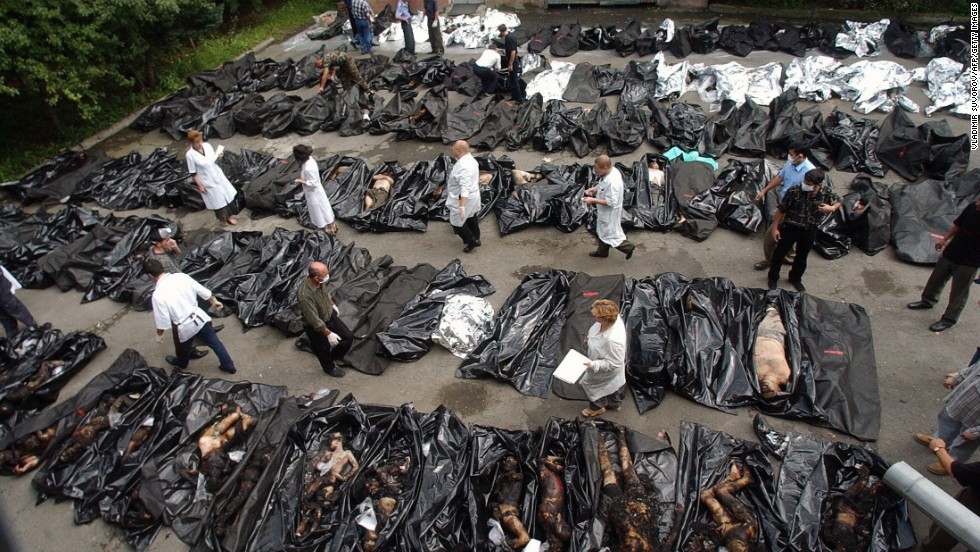
Russian government control of media coverage emphasizes Chechen brutality while lauding Russian soldiers’ success in abating Chechen independence. Ostrovsky suggests the reality of Chechen brutality is real but Russian soldier’s success in abating brutality is exaggerated by government-controlled media. Ostrovsky reports many Russian’ innocents are murdered in the process of rescuing children and teachers from a school attacked by Chechen rebels.
In 2004–Besian school massacre in Russia.
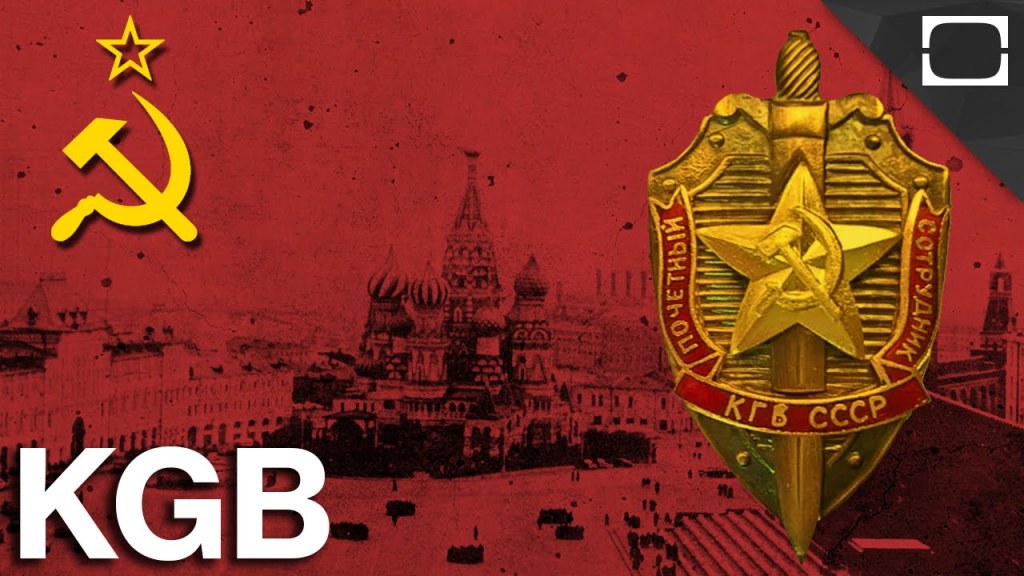
Ostrovsky explains the first President of Russia, Boris Yeltsin, personally endorses Putin as his successor. Yeltsin is nearing the end of his life after a fifth heart attack. He views Putin as the best hope of Russia to return to national prominence because of Putin’s relative youth and experience as a former KGB officer. Putin has political experience as an aid to the former Mayor of Moscow.
However, Ostrovsky notes Yeltsin discounts the paranoia of Putin and how his experience as a KGB officer makes him suspicious of any activity over which he has no control. Ostrovsky suggests KGB training gives Putin the ability to hide behind a persona adopted to sooth the concerns of whomever he meets. That ability disguises Putin’s personal thoughts when dealing with controversial issues.
(The KGB is dismantled in 1991 but its apparatchiks remain in Putin’s government.)
The media during the Gorbachev/Yeltsin years grows as an independent oligarchic organization. The two edges of power in media are telling convincing truths as easily as lies. Yeltsin owes his electoral success to media according to Ostrovsky. Yeltsin, before his last election as President, has a single digit approval rating from the Russian public. With the help of a media oligarch and Yeltsin’s populist skill, he wins the election. On election day, Ostrovsky notes Yeltsin is nearly dead from a fifth heart attack.
Ostrovsky explains the growth of oligarchs begins with Gorbachev and gains momentum with Yeltsin. The communist party leaders are losing their hold on governance, but they are well positioned to understand how things get done and can be controlled with acquired individual wealth. Some of these former communist party leaders use their position to start personal companies with the financing of government money over which they have control. They become behind-the-scenes movers and shakers for the Russian economy. Their personal wealth grows, and the general economy begins to improve.
In the short term, these new barons of wealth improve the lives of many Russian citizens. However, this unrestrained capitalist revolution begins to rot at its core. Political power follows money. Money supports political leaders that kowtow to oligarchic demand. An oligarch’s demand may or may not benefit the general public.
When political leaders act in ways that support oligarchic demand, they improve their prospect for re-election. In some cases, dynamic political leaders gain some independence based on their popular appeal. Putin seems to have achieved some level of that power. With the help of popular appeal, public support can become a source of power to challenge oligarchic demand. It seems Putin may have achieved both power bases, but invasion of Ukraine may change that support.
Robert Kagan finely reveals the fundamental mistake made by Putin in a May-June 2022 “Foreign Affairs” article. History reveals the mistakes of great nations like France, Great Britain, Germany and Japan in thinking they could become world hegemons by force.
Robert Kagan (A neoconservative Republican scholar and member of the Council on Foreign Relations of the Brookings Institute.)
Kagan notes America became a world force by virtue of economic growth which led to a choice by other nations to recognize American hegemony. Rather than capitalizing on the natural resources of Russia, Putin chooses to waste his country’s wealth on a war Russia will lose. It is a lesson one hopes China realizes in its pursuit of its sphere of influence. Sphere of influence is determined by economic growth, not military power.
Ostrovsky argues media is reality in Russia. World media is not the same as the Russian media that is tightly controlled by government leadership. Further Ukraine invasion is not a Chechnian rebellion. Chechnya is a small area within Russia–with an estimated 1.2 million people. Ukraine is an independent country of 44.3 million.
Russian media might be controlled within Russia, but the world’s news will seep into Russian citizen’s knowledge, either by the internet or other means.
Russia may be an invention as Ostrovsky suggests but all nation-states in the course of history are inventions. History changes with information. Dissemination of information is increasingly uncontrollable.
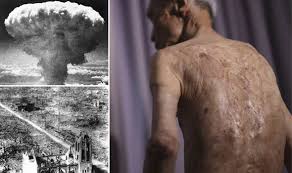
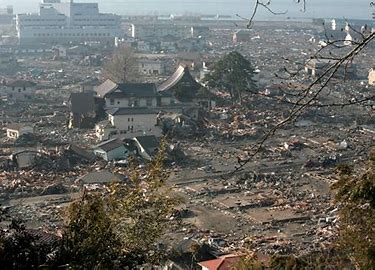
In time of war, Nagasaki and Hiroshima show what uncontrolled fission can do in the event of a nuclear bomb. Fukushima shows what uncontrolled fission can do in time of peace.
Nagasaki and Hiroshima Nuclear BombFukushima Nuclear Accident
Invading Ukraine may lead to loss of Putin’s power and influence in Russia. The tragic consequence of Putin’s decision is the unnecessary death of many Ukrainians and Russians. The decision to invade Ukraine may lead to Putin’s dismissal, imprisonment, or execution. It has certainly changed his reputation in the world.
A History of Russia: From Peter the Great to Gorbachev
By: The Great Courses
Lecturer: Mark Steinberg
Mark Steinberg (History professor at University of Illinois, Urbana-Champaign)
It is timely to review Steinberg’s lecture series on the history of Russia because it offers perspective on Russian leadership. Professor Steinberg reveals a dichotomy in Russian leadership that reaches back to the Czars.
When Czarist Russia is replaced by Leninist communism, Russian citizens continue to demand centralized authority but with greater personal freedom, both of which are inherently in conflict. There is no government in history that has achieved a perfect balance between authority and freedom.
Either centralized authority or freedom are compromised by human nature.
America’s answer is “checks and balances”. Russia’s answer, with few exceptions, is to strengthen centralized authority at the expense of individual freedom.
The natural human desire for money, power, and prestige demand balancing centralized authority with freedom.
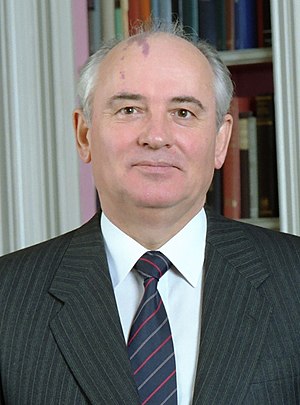
The most recent exception for more freedom within centralized authority is Gorbachev. Gorbachev tries to keep the U.S.S.R. together by authoritatively demanding meritocratic government that focuses on improvement in Russian citizen’s freedom. In contrast, Putin looks to define freedom only for those who get things done in accordance with government dictate. The “things done” are meant to improve the economy and power of the nation. Steinberg suggests Putin reduced corruption in his redefinition of freedom, but the rise of oligarchs diminishes his success. Neither leader finds the right balance between authority and freedom.
12/8/1987 President Mikhail Gorbachev in the White House LibraryVladimir Putin, President of Russia
Steinberg recounts the leadership of Peter the Great and Catherine the Great that appear more like precursors to Gorbachev’s style of government. All three demand a powerful centralized authority but they temper that demand with their desire to make Russian citizens’ lives better. Though Putin is not addressed by Steinberg, as a leader, Putin seems more like Ivan the Terrible and Nicholas the First who looked at what was best for government leadership rather than what benefits the general population.
Steinberg exudes love for Russia in his profile of its past. He reinforces one’s belief that an intimate understanding of another countries culture is necessary for there to be any hope for success in diplomacy.
Putin is at a crossroad in Ukraine. Professor Steinberg implies that a crossroad is not for one direction or another but a middle way that serves the best interests of all Russian citizens, not just those in leadership positions.
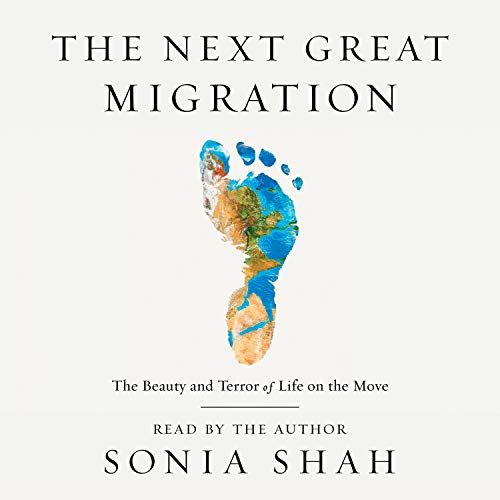
The Next Great Migration (The Beauty and Terror of Life on the Move)
By: Sonia Shah
Narrated by Sonia Shah
Sonia Shah (Journalist-born in NYC to Indian Immigrants.
Sonia Shah takes a broad look at migration. She personalizes her view and, at the same time, writes about the broad tableau of nature’s migratory imperative. Myths and misunderstandings are exposed by Shah.
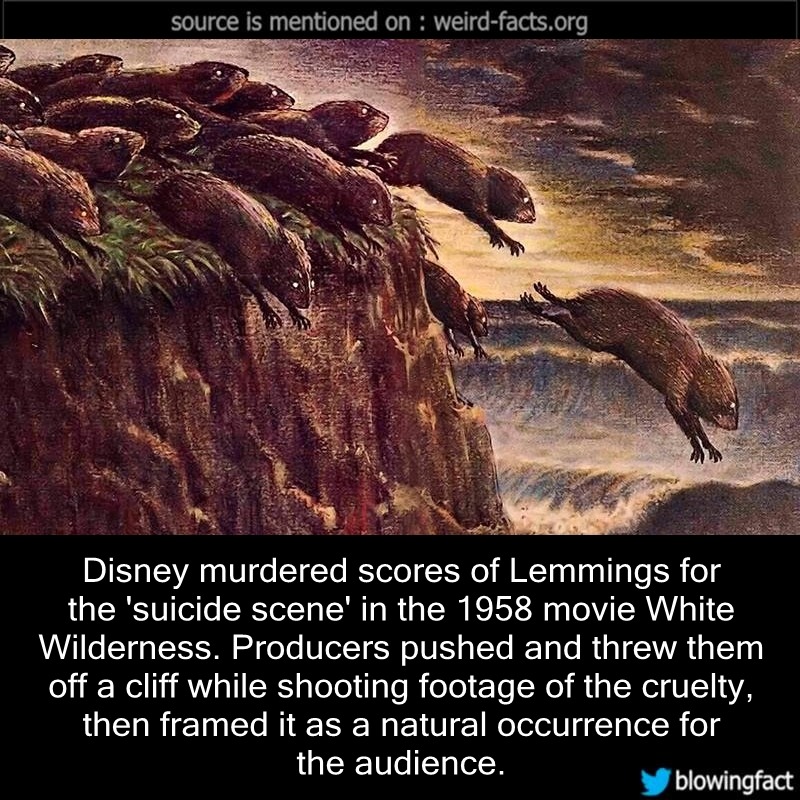
The lie of Disney’s lemming suicide documentary is largely forgotten in the 21st century. Disney implied overpopulation leads to a deep-rooted impulse to compel millions of lemmings to jump off a cliff to their death. She notes the documentary is a staged lie. The only truth is that scarcity and fear compel animals to migrate. There is no mass instinct for death. There is only an instinct for species survival.
Shah notes the fundamental motivation for migration is survival. Whether writing about butterflies or human beings, the animal kingdom chooses to migrate because of changes in their environment that degrade their way of life. It is not an easy choice to move.
Shah explains humans fear change. One imagines what it is like for a young adult to move to a foreign country that speaks a different language, is exposed to a different culture, knows only a few fellow countrymen, and is thrown into a job market that makes or breaks their future.
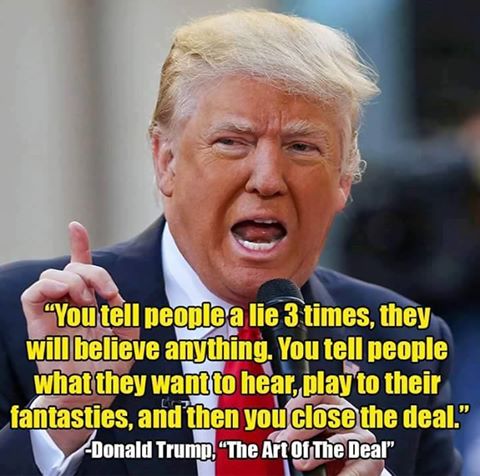
Shah correctly identifies the idiocy of Trump’s classification of migrants that are “…bringing drugs, they’re bringing crime, they’re rapists, and some, I assume, are good people”.
That is true of all people in the world, whether American or foreign born. Human nature “…is what it is” as Trump’s callous comment about Covid19 deaths reiterates.
A young person may have left his home country because of economic, environmental, or political changes that threatens life, but it is a life he/she understands. Shah notes, that is the “…Terror of Life on the Move”.
Though it is cliché—America is founded by migrants. Even Trump’s parents were migrants. Shah’s parents are doctors from India that migrated and made a life in America in ways that serve the needs of their new home. They gave birth to an American-born daughter who has contributed to America’s understanding of migration’s beauty and terror. Migrants are not America’s burden. They are America’s hope.
Buckminster Fuller (1895-1983, American architect, systems theorist, author, futurist.)
Shah’s purpose in “The Next Great Migration” is not to solve the world’s problems but to explain all life migrates to survive. As Buckminster Fuller noted, we live on “Spaceship Earth”. Human life on “Spaceship Earth” depends on how humans are treated if we are destined to survive.





















































 REVIEWS AND VIEWS OF LIFE