
Books of Interest
Website: chetyarbrough.blog
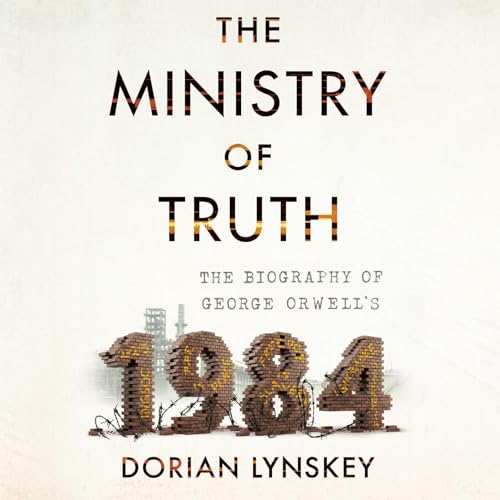
The Ministry of Truth (The Biography of George Orwell’s 1984)
Author: Dorian Lynskey
Narration by: Andrew Wincott
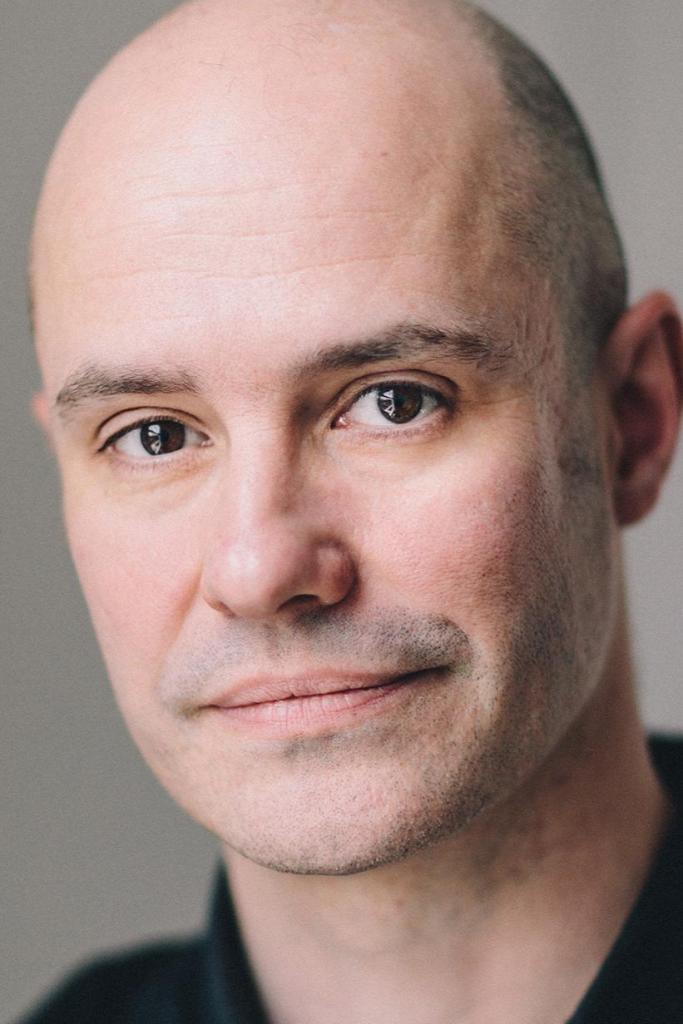
Dorian Lynskey (Author, journalist, based in London)
Dorian Lynskey has written an informative biography of George Orwell’s most well-known book, “1984″. Orwell, a 6’ 3” political activist and theorist, shakes the foundations of communism and democracy. He argues both systems of government fail their citizens. Orwell argues the power of the few in communism and rising authoritarianism in capitalist democracy create an environment of inequality that victimizes the powerless and poor of society.
Orwell believes government run by the few is seduced by personal interests. Lynskey argues that Edward Bellamy influenced Orwell by showing how the utopian visions of all governments, however well‑intentioned, become authoritarian when they demand total social conformity. From that insight, Orwell writes “1984”
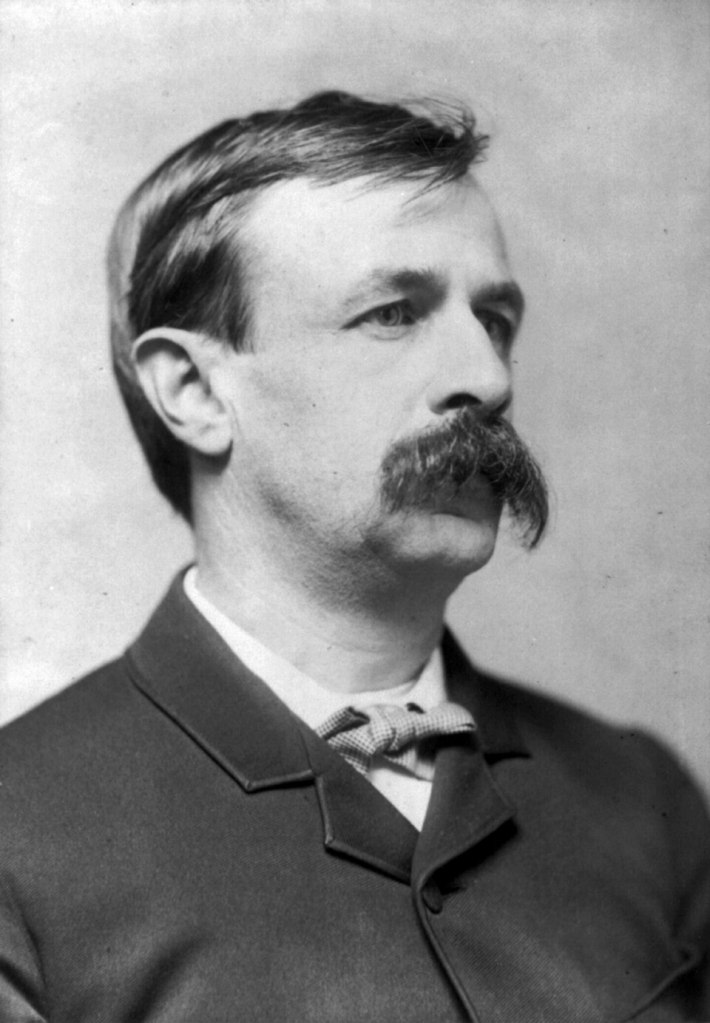
Edward Bellamy (American author, journalist and political activist, died at the age of 48 in 1898.)
Orwell’s “1984” becomes more relevant and threatening today because of artificial intelligence. The potential of A.I. for thought manipulation by purveyors of misinformation, and its surveillance capabilities threaten societal norms.
Lynskey argues that 1984 is relevant today because the forces of communism and democracy manipulate truth, are authoritarian, and define language in ways that harm society. Lynskey’s view isn’t that we live in Orwell’s world, but that we live in a world where Orwell’s insights may help us understand what is happening around us.
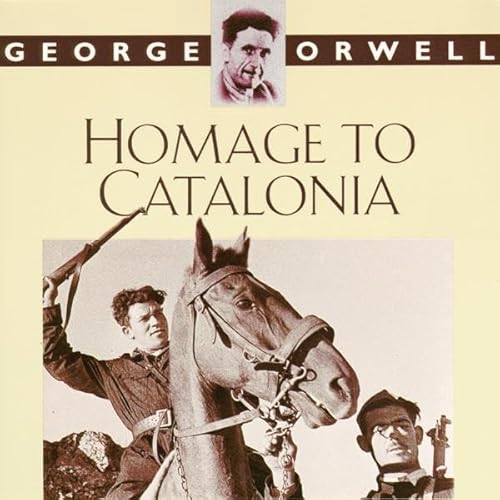
George Orwell (1903-1950, died at age 46.)
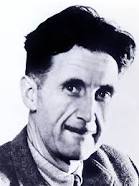
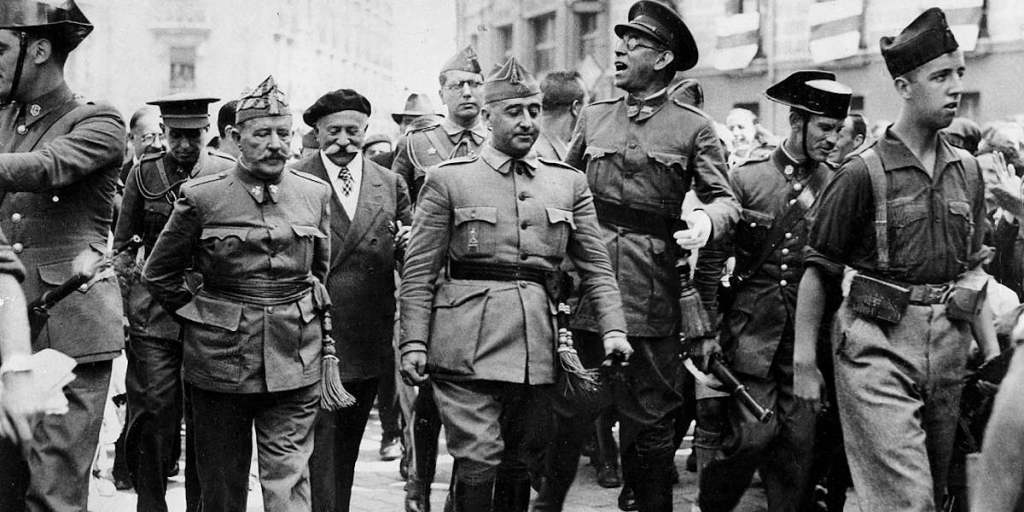
Orwell pillories the Soviet Union and communism in his satirical book “Animal Farm” which he wrote between 1943 and 1944. He had experienced Stalinist-like repression in the Spanish Civil War. Those who have travelled to the Baltics and listened to families that lived under Stalin’s reign over their countries will understand Orwell’s view of communism. Pigs in Animal Farm are Stalin’s apparatchiks that become the ruling class in Animal Farm, just as they did in the Baltics. They claim leadership, privileges and exempt themselves from labor. As “…Farm” leaders they squeal propaganda, censor activists that resist their piggish control and manipulate language to exploit the working class of the farm. The pigs lie among themselves by believing sacrifice of everyone is necessary for the “greater good” while the pigs feed on farming production and others grow hungry.
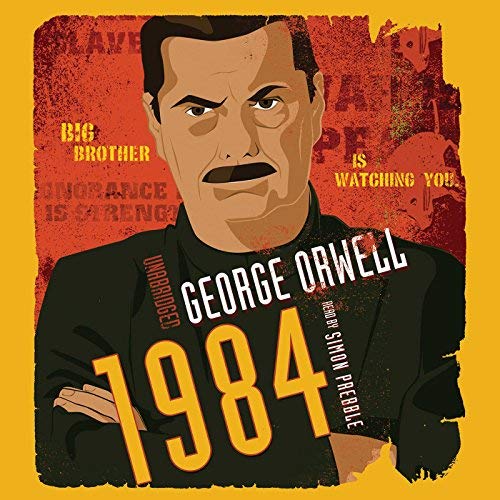
“1984” does not directly attack democracy but it reveals its weaknesses, illusions, and vulnerabilities.
“1984” is written near the end of Orwell’s life and becomes his most successful publication. He shows how democracies can sleepwalk into authoritarianism. Some would argue that is happening today in the guise of immigration policies that deny basic rights guaranteed by the Constitution. Agencies designed to serve America are being dismantled by today’s government. The idea of “it can’t happen here” is happening here. Propaganda and misinformation distort what is actually happening across America. Many Americans are becoming complicit with the rhetoric of a punitive federal government.
The rhetoric of misdeeds.

Lynskey explains “1984” is relevant today because the struggle over truth, language, surveillance, and authoritarian thinking has intensified, making Orwell’s warnings seem like a toolkit for understanding the present.
Orwell went to Morocco primarily for his health—specifically to recover from severe lung problems that are later recognized as tuberculosis. Morocco was a cheap place to live with a warmer climate that eased his respiratory illness. He left Morocco in 1939 and returned to Britain during WWII. After the war, he spent his last years (1946-1949) writing “1984” in Jura, Scottland. He died in London on January 21, 1950.

Lynskey explains Orwell, like Martin Luther King, believed in socialist democracy.
What is missing in “The Ministry of Truth” is an Orwellian solution to capitalist greed in western culture. Human nature interferes with the ideal of socialist democracy. “The Ministry of Truth” shows how prescient Orwell is about the ills of government but discounts the dark side of today’s democracies, i.e., namely capitalism. The underlying weakness of capitalism is the consequence of a permanent underclass because of economic inequality. Lynskey notes Orwell rejects capitalism because of its flaws, but socialist democracy is no answer because of human nature. Orwell seems to acknowledge that material life with capitalism is better, more freedom is inherent, but less perfect. However, socialist democracy offers no solution to that part of human nature that is human greed. He criticizes democracy without offering any alternative.
The ubiquitous internet and iPhone are not foreseen by Orwell.

The internet is a medium for “alternative facts” that can as easily offer lies as truth. When power speaks with “alternative facts” truth is lost and the public is misled. Society is diminished. Democratic socialism is a great ideal but offers no solution for the flaws of human nature.
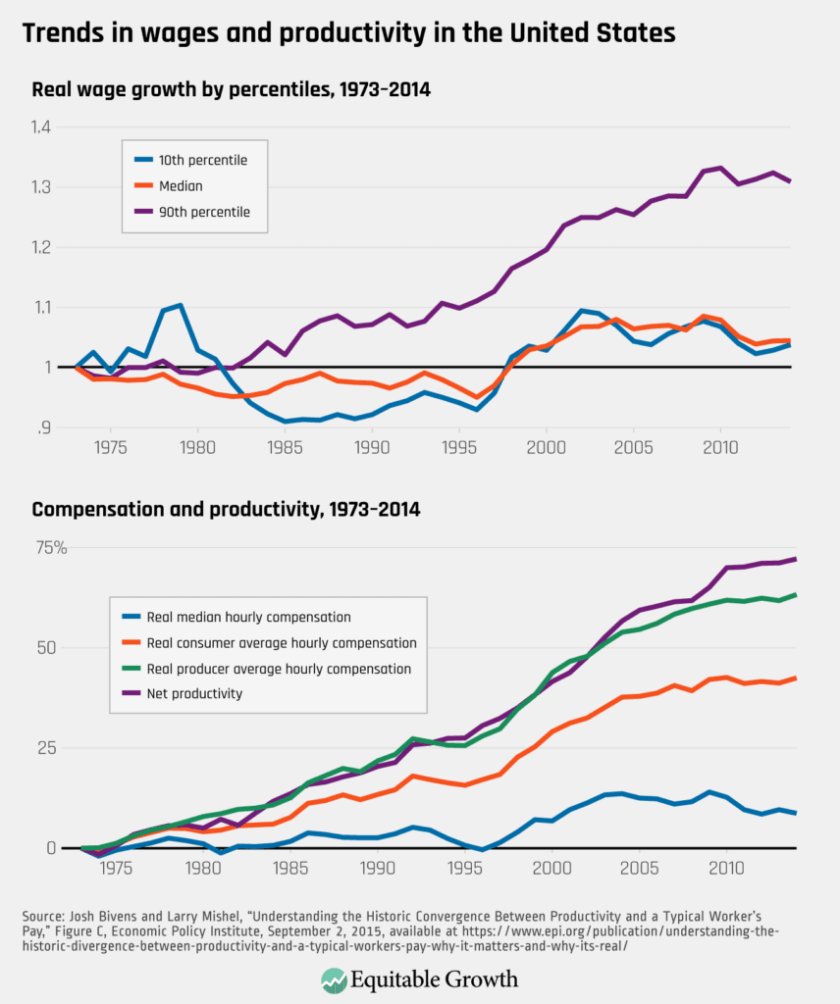
Inequality in America.
The slim hope for Orwell’s democratic socialism is “The Ministry of Truth” which ironically is its greatest danger. A “…Ministry if Truth”, with the potential of A.I., can aid or destroy democratic socialism by focusing on concrete recommendations to mitigate inequality. On the other hand, A.I. in the hands of an unchecked tyrant can increase inequality.




 REVIEWS AND VIEWS OF LIFE