

Books of Interest
Website: chetyarbrough.blog
My Friends (A Novel)
Author: Fredrik Backman
Narrated By: Marin Ireland

Fredrik Backman (Author, Swedish blogger and columnist, also wrote “A Man Called Ove”.
Fredrik Backman’s “My Friends” is an immensely entertaining story that fulfills the meaning of the word “wry”. A definition of wry is “ironically or grimly humorous”. What “My Friends” shows is that the life of a child is as much luck as innate ability and choice.

The main character of “My Friends” is Louisa, a 17-year-old foster child living on the street. She has a preternatural ability to draw and appreciate a work of art.
Backman’s story infers human beings are born with a genetic inheritance reinforced or discouraged by life experiences. Louisa never knows her father and is raised by a mother who drinks herself to death. Louisa is shunted to a neighbor’s care who abandons her to child services. She escapes into the streets of a city where reader/listeners find her meeting a disheveled and apparently ill person outside an art auction house. Louisa is drawing small red fish on a building wall when she is joined by this stranger who begins drawing skulls on the same wall. This chance meeting changes the course of Louisa’s life.
As luck and circumstance would have it, the artist (Kimkim aka C. Jat) is a painter whose work Louisa has admired over her short years of life. She has carried a post card (which she cherishes) that shows the artist’s famous work that is being auctioned. She does not realize the person she is talking to is the artist.
Monet’s “Water Lillies” as an example of a famous work that has been auctioned several times with the last auction amounting to $65.5 million.

Some days later the artist dies in a hospital with his lifelong friend, Ted, at his side. Ted has purchased the world-renowned painting done by the artist. Ted had bid the highest amount for the work because Kimkim wished to give the work to the young girl he had met painting red fish on the wall on which he was painting skulls. Because of his fame, the painting takes all Kimkim had saved over the years of his life.

A skull painter named Jean-Michel Basquiat is referred to as an artist emulated by Kimkim.
The author has set the table for his story. Kimkim dies and asks his life partner, Ted, to give the painting to the homeless girl. There is a fairy tale quality to the story, but it opens one’s mind to the serendipitous nature of life. Children live lives in a world of other’s making. Formative years of every child range from horrendous to beatific. Louisa is just one example of the happenstance of life for a young girl. It makes one think of the horrendous circumstances of children who are raised in war torn countries or on the streets of the homeless in America or other countries that fail to care for the indigent. Louisa’s story is “every child’s” story that is far from ideal but as real as life in the anywhere world.
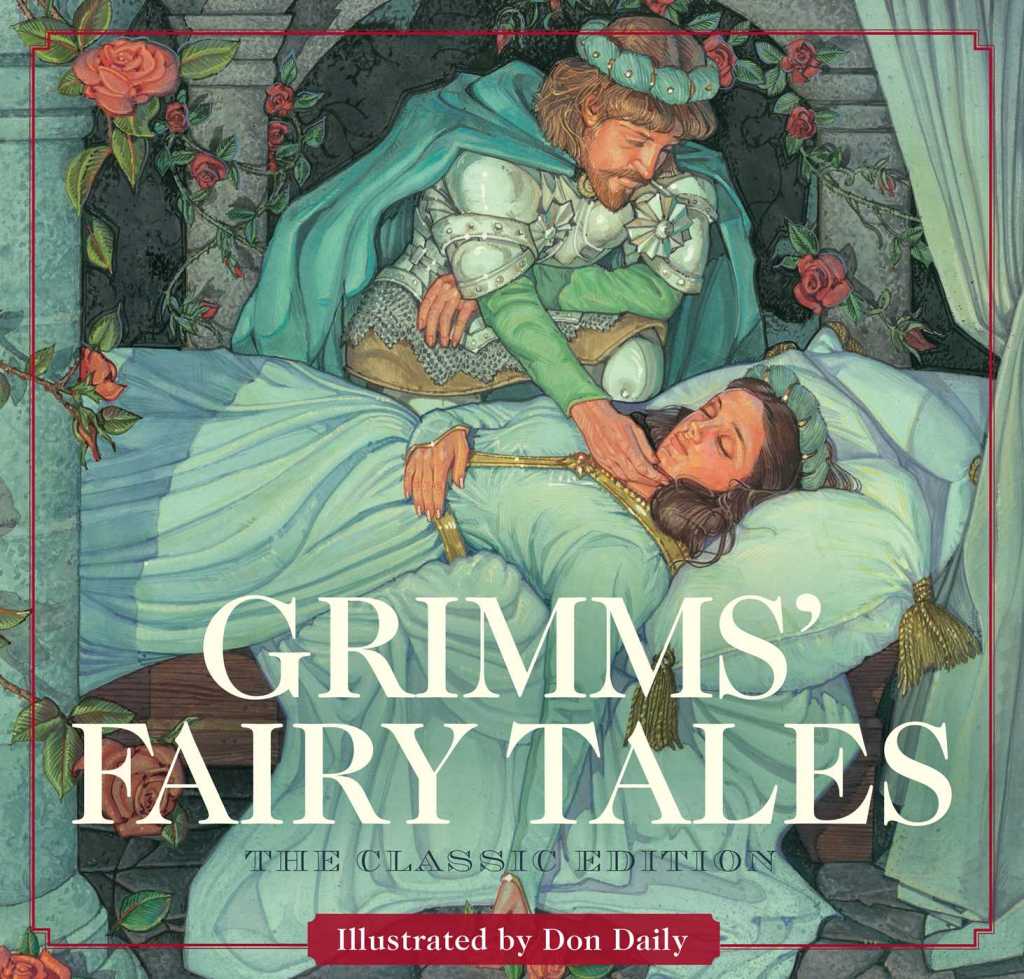
There is a fairy tale quality to the story, but it opens one’s mind to the serendipitous nature of life.
The twists and turns of Backman’s story have Ted reluctantly taking Louisa under his wing while she maneuvers to escape and leave the valuable painting to Ted. She returns to the street as an 18-year-old young woman on her own. Louisa leaves Ted asleep on a train car with the boxed painting by his side because she does not believe the valuable painting should be hers. A reader/listener is only half-way through this imaginative story. It is not a book one will put down before learning how it ends.
Backman’s story shows how the best and worst adults come from the admixture of life. “My Friends” is a funny and barely believable story, written by a highly entertaining and accomplished writer.
















































 REVIEWS AND VIEWS OF LIFE