REDEPLOYMENT

Commanders say we do not shoot children, but children are killed.  Long range artillery and drones mask the consequence of killing. 

Audio-book Review
By Chet Yarbrough

(Blog:awalkingdelight)
Website: chetyarbrough.blog

RedeploymentRedeployment

Written by: Phil Klay

Narration by:  Craig Klein

PHIL KLAY (AMERICAN WRITER, MARINE VETERAN WHO SERVED IN ANBAR IRAQ 1.2007-2.2008)

“Redeployment” is a work of fiction.  It is written by Phil Klay, a Marine officer who served in Iraq in 2007/2008.  (Klay is the winner of the 2014 National Book Award for fiction for stories written in this book.)  “Redeployment” is about military’ enlistment, deployment, redeployment, and combat.

recruiter
There is an unpaid price for a military recruit who goes into combat.  The price is unseen and unknown until after it is experienced.  Those who first join have no idea what is in store for them when placed in a circumstance of killing or being killed.

Joining the military, particularly when one is in their teens or early twenties, is often an escape.

Enlistment is often a way to escape (or transition) from parental control, poverty, or life’s rudderlessness.  For a few, military enlistment is an adventure, a career, an opportunity to get in shape, a chance to see the world.  For others, joining may be a family tradition, a romantic notion of defending one’s country, a desire to impress parents, guardians, or friends.

One of Klay’s characters joins because of financial help offered by the service to pay for an education; another character joins because of family tradition, another because it impresses his father.  Klay’s stories offer insight by explaining most reasons are too simple, or clearly misunderstood by new recruits.   

VIETNAM WAR
Klay’s stories show that training for combat is not being in combat.  Military training creates a sense of team entitlement, i.e., of being tougher, more unified, more capable and important than civilians.  Training is meant to break-down individualism.  Military training masks the humanity of anyone that is not part of the team. 

Orders are orders.  Hierarchy of command is inviolable.  If a commander orders flattening of a town, soldiers are expected to act without thinking and remember without conscience.  Soldiers are able to act by dehumanizing those outside of their team.  In Vietnam humans become gooks.  In Iraq humans become towel heads.  These are tricks of propaganda that allow short-term actions but often fail to leave soldiers’ consciences. 

Klay tells the story of a soldier who wants to know how many of an enemy are killed in a bombardment.  The soldier asks if there was an investigation.  The commander says no and sees no reason.  The soldier visits a behind-the-lines’ command post which cares for the dead.  He asks if a team will be sent to the site that has been bombarded.  The NCO asks if Americans were killed.  The soldier says no.  The NCO answers the question–“No, there is no investigation because we only concern ourselves with our own”.

BASEBALL IN THE VIETNAM WAR
Klay tells the story of the American financier that donates baseball equipment for Marines to teach Iraqi children how to play baseball.  The request goes up and down military channels despite the ludicrous misapprehension of what is really happening in Iraq.  A Marine officer is ordered to comply with the request to mollify the uniformed or ignorant financier’s request.

Another story is written about a civilian contractor hired to build a waterpower station in an Iraqi community.  The Marine assigned to oversee the utility installation is told by a local Iraqi that the pumping station being built will create too much pressure and blow-up the plumbing in town.  The Marine explains the problem to the civilian contractor, but it does not stop the project.  It is an assignment that is being paid by the American government whether it works or not.  All the contractor is concerned about is completing the job and being paid.  Klay offers more stories, i.e., equally appalling–examples of wasted dollars and efforts to rebuild Iraq.

Klay writes of the misunderstandings that compound America’s mistakes in Iraq.  There is the story of the Egyptian American recruit that speaks Egyptian Arabic but does not know Iraqi Arabic and must learn the difference on his own because the military believes there is no difference.

The character Klay creates who oversees the water plant construction and an Iraqi baseball assignment is also responsible for producing Iraqi jobs.  This Marine’s civilian subcontractors are often ill-equipped to do what needs to be done.  One of the opportunities is farming but the civilian subcontractor assigned to help knows nothing about farming.

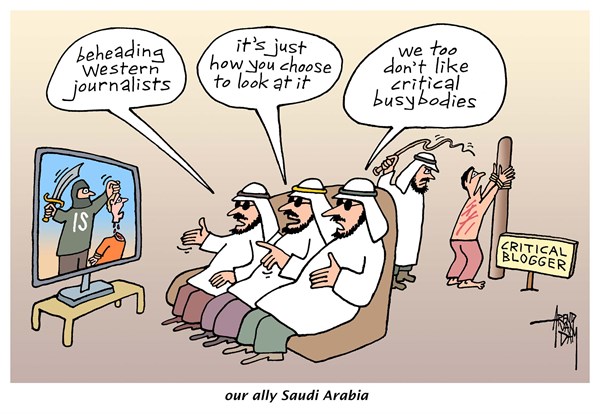
Another story is of an Iraqi who starts a women’s clinic to help women in Iraq who need medical assistance.  However, because her clinic is not creating enough jobs, there is little financial assistance to expand the service.  Klay implies Iraq is a “Bizarro World” where no one seems to communicate understandably, and most act without accomplishment.
BIZZARO WORLD OF WAR

Klay implies the experience of becoming a Marine saturates the being of some soldiers.  Their experience in combat and the comradeship of belonging compels re-enlistment and/or redeployment.  Being a civilian becomes too unstructured.  In some cases, Klay suggests civilian life is threatening to a soldier with experience of combat.  Some redeployed soldiers become command officers that live in a world of only “us and them” with all of “them” as expendable sub-human beings.

America’s pending departure from Iraq is a betrayal of “you broke it, you fix it”.  America tried and failed.  In that failure, the realization is–“the fix” can only be made by Iraqi leaders.  Iraq’s dilemma is America’s forgotten lesson of Vietnam.

(Baghdad Bombing kills 32 and wounds over 100 on January 21, 2021.)Baghdad Bombin kills 32 and wounds over 100 1.12.21

In a final story, Klay writes of a Marine veteran horribly disfigured by an IED.  A Marine that joined and served in the same place and at the same time as the disfigured veteran is a close friend.  The uninjured friend stays in touch with his fellow ex-Marine.  They recall old times.  They are close friends, but the IED has so profoundly changed their relationship that the friendship has devolved into a friendship of un-equals.  Intimate civilian relationships, taken for granted by both before disfigurement, are now probabilistically experienced by only one of the friends.  Klay’s stories show that combat is a psychological, often physical life changing experience.
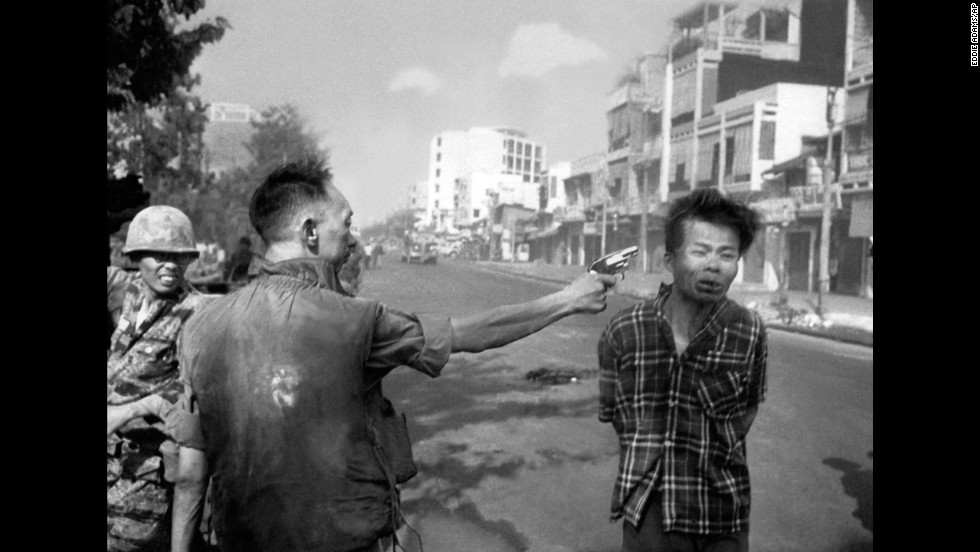
ICONIC IMAGE OF THE WAR IN VIETNAM

Klay is a veteran.  He seems to be saying it is important to understand what it means to become a soldier before signing up.  “Redeployment” is neither right or wrong, but it can be right and wrong.  The best civilians and soldiers can do is “try to do right”.

A MISOGYNIST SEA

Audio-book Review
By Chet Yarbrough

(Blog:awalkingdelight)
Website: chetyarbrough.blog

A Room of One’s Own

Written by: Virginia Woolf

Narration by:  Juliet Stevenson

VIRGINIA WOOLF (1882-1941, BRITISH AUTHOR, A WOMAN AHEAD OF HER TIME)

Virginia Woolf is a woman outside of time.   As Woolf implies in the early twentieth century, women are drowning in a misogynist sea.  Woolf is born when female inequality breaches the existential threat with a first wave; i.e. Women’s Suffrage in 1920.  The preeminent feminist, Betty Friedan, is just born (actually, 1921).  (Friedan later writes “The Feminine Mystique”–published in 1963.)

“A Room of One’s Own” is a contemplation on why women are underrepresented as great poets or fiction writers.  With the exception of Harriet Beecher Stowe, Woolf suggests there are no 19th century women renowned for fiction.  Apocryphally, the unlikely story of Lincoln saying “So you’re the little woman who wrote the book that made this Great War” is an apt coda for the insignificance of the public’s view of women writers.

EMILY DICKINSON (1830-1886, AMERICAN POET, PRODUCED 1,800 POEMS IN 40 HANDBOUND VOLUMES)

(As one listens to her complaint, one thinks about Emily Dickinson.  However, Dickenson did have a room of her own.)

Woolf wittily skewers male paragons of the pen and their misogynist comments about women.  She sets the table for an explanation of why there is no female Shakespeare’, erudite Johnson’, or Longfellow word smiths. 

Woolf’s point is that women had no money because they were dependent on men or family inheritance.  Often, young ladies are discouraged from college by their families who feel marriage and bearing of children are their primary duties.  Without educational support and few opportunities for gainful employment, women only had money if they inherited it or married a wealthy husband.  Without money, there is little opportunity for independence; without money, there is little chance of having “A Room of One’s Own”.

MeToo

There are many examples to support Woolf’s observation about money and the luxury of contemplation, having a room of your own.  Michel de Montaigne’s essays are spectacular observations of life and living but the key to his success is in wealth that allows him time for observation and contemplation of life.  He had a room of his own.  In Woolf’s lifetime there were few women who had such luxury.  Have things changed?  Maybe, but #MeToo suggests women’s independence and wealth still involves misogyny.

In the last section of her lecture Woolf notes women write fiction with a mixture of public disdain and admiration.  Disdain from implied colorlessness in writing but admiration for a twist in a story that suggests a first-time female author has potential.

MISOGYNY

Misogyny still roils the sea but more women writers have a room of their own.  The second wave is forty years in the future but Friedan steadies the helm-bearing toward equality.  At $.79 cents to the dollar in the 21st century, there is still a long way to go.

The frightening prospect of a Taliban government in Afghanistan is more threatening than wage differences in the U.S. The only concession they have recently made is to ban forced marriage of women. This is not to diminish America’s misogynist history but to show how backward and unfair the world can be to women.

However, for realization of potential, Woolf suggests the author needs to have a room of her own to have time to think and reflect.  To prove Woolf’s bona fides, she ends “A Room of Her Own” with short stories.  They are beautifully written and worthy of the theme of which she writes. 

As Aristotle once said, contemplation is the highest form of activity for the soul.  Woolf implies great literature; great fiction, and poetry come from authors who have time and a room of their own.

SELF-PRESERVATION

Audio-book Review
By Chet Yarbrough

(Blog:awalkingdelight)
Website: chetyarbrough.blog

God’s Bankers: A History of Money and Power at the Vatican

Written by: Gerald Posner

Narration by:  Tom Parks

GERALD POSNER (AMERICAN INVESTIGATIVE JOURNALIST)

GERALD POSNER (AUTHOR, AMERICAN INVESTIGATIVE JOURNALIST)

“God’s Bankers” delves into the history of Vatican City to show there is little difference between religious institutions and any organization that puts self-preservation above ethics and morality.

Leaders of religious institutions are as capable of being corrupt and venal as any who manage organizations.  Just as some CEOs of private industry and elected officials of public institutions morally and ethically fail; some Popes lapse as moral and ethical leaders of the Roman Catholic Church.

The Roman Catholic Church has had both good and bad leaders.  From a willingness to look the other way, 6,000,000 Jews are murdered, mob money is laundered, and children are exploited.  No single organization, neither church, financial institution, or elected official is responsible for these immoral and unethical acts but many are complicit.

The Catholic diocese and its brethren have committed every sin known to man (gender identity intended).  The source of their perfidy is not unique to their religion or any system of belief or non-belief; i.e. the source is human nature’s drive for money, power, and prestige.  Popes, CEOs, and public servants are equally seduced by human nature’s drives that influence action.  Human nature is bound, like breath to life, to act immorally and unethically.

ROBERTO CALVI (1920-1982, ITALIAN BANKER CALLED -GOD'S BANKER- BY THE PRESS BECAUSE OF HIS ASSOCIATION WITH THE HOLY SEE)

ROBERTO CALVI (1920-1982, ITALIAN BANKER CALLED -GOD’S BANKER- BY THE PRESS BECAUSE OF HIS ASSOCIATION WITH THE HOLY SEE)

Gerald Posner begins his history of Vatican City with death, by suicide or murder, of Roberto Calvi in 1982.  Calvi’s death is related to the financial practices of the Vatican Bank (aka Institute for the Works of Religion or, sometimes abbreviated, IOR).  From Calvi’s Death, Posner takes church history back to the 1900s when the Vatican Bank is created. 

IOR HOME (THE BASTION OF NICHOLAS V.)


(Calvi’s death is related to the financial practices of the Vatican Bank (aka Institute for the Works of Religion or, sometimes abbreviated, IOR).

The IOR is meant to consolidate the land and money of Vatican City to preserve and expand the wealth of the Church.  

The Bank is a collection and distribution center for money donated, invested, and exchanged (legally or illegally) for preservation and expansion of the Holy Sea.

The primary purpose of the Vatican Bank is to preserve and expand the power and influence of Catholicism.  The fuel for that purpose is money.  Posner’s facts do not deny good works of the Catholic Church.  However, his story exposes the sinful nature of some wearing the robes of Papal authority, and many (employees and consultants) hiding behind cloaks of Papal secrecy.  Posner’s facts imply “being human” is the root of all evil with money as its fuel.

The purpose of the IOR is “to provide for the safekeeping and administration of movable and immovable property transferred or entrusted to it by physical or juridical persons…”  The IOR’s creation is meant to provide money for maintenance and growth of the Roman Catholic Church.  Income is intended to come from charitable activities of the church; paid for by parishioner and lay public contributions, and from legitimate business transactions.  However, Posner shows that charitable contributions and legal business transactions are not enough to sustain Vatican City and its global evangelist goals.

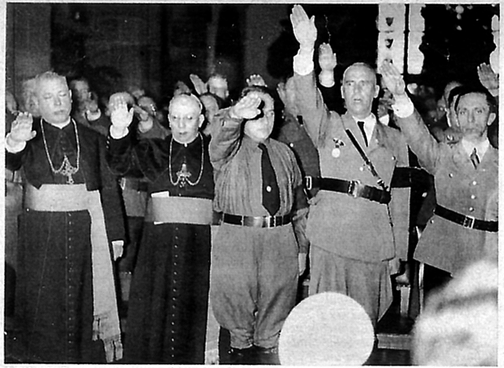
The drive for money is distorted by an implied license to commit any sin necessary to increase income and pay-off any who threaten exposure of illegal activity.  No crime seems out-of-bounds for the Church e.g. its complicity in Nazi occupation of the Balkans; a failure to confront German and Croatian isolation, transport, and murder of Jews; the use of the Vatican Bank to launder money for crime syndicates, the clandestine support of Nazi criminals in return for gold bullion (surmised to have been stolen during the war), espionage participation with American Presidents to subvert communist growth in Eastern Europe, Africa, and South America.  Many of these actions and non-actions increase the wealth of the Church at the expense of Catholicism’s morality and ethics.

POPE PIUS XI (1857-1939)

POPE PIUS XI (1857-1939. Pope Pius XI sells tacit support for the Nazis when the German people are taxed by Hitler to benefit Vatican City at the rate of an estimated 100 million dollars per year.)

Pope Pius XI is consumed by the desire to return Vatican City to a state and is willing to condone and support Mussolini to attain that goal.  Pope Pius XI sells tacit support for the Nazis when the German people are taxed by Hitler to benefit Vatican City at the rate of an estimated 100 million dollars per year.  Though late in Pius XI’s papacy, Hitler and Mussolini’s mistreatment of the Jews is denounced in a Decree that never sees the light of day because of Pius XI’s death.  His successor Pope, Pope Pius XII, fails to register Pius XI’s decree and refuses to condemn Hitler for the final solution during WWII.

POPE PIUS XII (1876-1958, FORMERLY CARDINAL PACELLI)

POPE PIUS XII (1876-1958, FORMERLY CARDINAL PACELLI, Pope Pius XII, fails to register Pius XI’s decree and refuses to condemn Hitler for the final solution during WWII.)

Posner brings us back to 1982 and the death of Roberto Calvi.  Calvi, as a consultant for IOR, launders money for the mafia during his tenure.  Calvi creates bogus charities to hide the transactions.  He recommends Vatican Bank investment in risky ventures that frequently fail.  On balance, until some of Calvi’s activities became public, the Vatican condoned his illegal activity; presumably because ill-gotten gains were greater than losses.  Or, the threat of money laundering exposure is a threat that would tarnish the image of the Church.

NAZISM AND CHRISTIANITY (FAITHS COOPTATION BY HITLER)

Though late in Pius XI’s papacy, Hitler and Mussolini’s mistreatment of the Jews is denounced in a Decree that never sees the light of day because of Pius XI’s death.  His successor Pope, Pope Pius XII, fails to register Pius XI’s decree and refuses to condemn Hitler for the final solution during WWII.

POPE JOHN PAUL II (1920-2005, FORMER POLISH ARCHBISHOP BECAME POPE IN 1978)

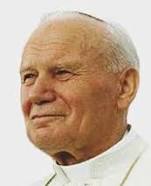
Pope Paul II does not come away from Posner’s characterization without some stains.  Though Pope Paul II is highly revered for his charismatic character and willingness to confront communism in Poland, he fails to unwind IOR and its nefarious operations or aggressively attack pedophilia of errant bishops.

ARCHBISHOP PAUL MARCINKUS (1922-2006, BORN CICERO, IL., DIED IN SUN CITY, AZ, PRESIDENT OF THE VATICAN BANK 1971-1989)

ARCHBISHOP PAUL MARCINKUS (1922-2006, BORN CICERO, IL., DIED IN SUN CITY, AZ, PRESIDENT OF THE VATICAN BANK 1971-1989)

Further, Posner notes Paul II’s support of the American Bishop, Paul Marcinkus, when his judgment is questioned in regard to the Vatican Bank.

POPE BENEDICT XVI (ELECTED 4.19.2005, RESIGNS 2.28.2013, THE PRESSURES OF OFFICE SEEM TO OVERWHELM THE PONTIFF)

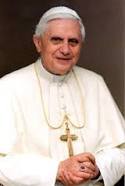
Pope Benedict, Pope Paul’s successor, is equally tarnished for failing to confront IOR corruption and lack of regulation.  An additional note by Posner is that Benedict fails to expose a homosexual faction of the Roman Catholic Church that coerces the Papacy into promoting Bishops based on fear of exposure; i.e. rather than promotion for ability as members of the hierarchy.

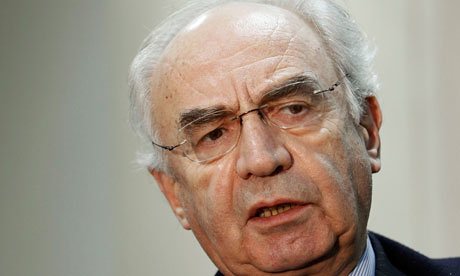
ETTORE GOTTI TEDESCHI (2009-2012 PRESIDENT OF IOR, DISCHARGED AFTER POLITICAL INFIGHTING AT THE VATICAN OVER HIS THEATENED EXPOSURE OF MONEY LAUNDERING)

ETTORE GOTTI TEDESCHI (2009-2012 PRESIDENT OF IOR, DISCHARGED AFTER POLITICAL INFIGHTING AT THE VATICAN OVER HIS THREATENED EXPOSURE OF MONEY LAUNDERING)

In the end, Posner suggests IOR is becoming a more conventional bank with the support of the current Pope, Pope Francis.  The beginning of the end appears with Ettore Gotti Tedschi who became President of IOR in 2009.  Tedschi, an Italian economist and banker, begins the clean-up of IOR.  He is discharged in 2012 but not before a whistle is blown.

POPE FRANCIS (AN ARGENTINIAN, 266TH POPE OF THE ROMAN CATHOLIC CHURCH, NAMED IN HONOR OF FRANCIS OF ASSISSI)

Today’s Pope Francis may be better than yesterdays but tomorrow is another day.  One doubts human nature will change.  Humans are unlikely to escape moral and ethical weaknesses.  An ethical bank, like an ethical church, is an oxymoron.  They both require money to operate and they are managed by human beings.

Steps have been taken to regulate the Vatican Bank and stop its use as a money-laundering center for criminal enterprise.  Francis has ordered the firing and replacement of IOR board members and improved the transparency of Vatican Bank transactions.

After Cardinal Pell is exonerated for alleged pedophilia, Pope Francis returns to Cardinal Pell’s recommendations for restructuring Vatican finances. One wonders how much of the accusations against Pell were initiated by the Catholic church’s resistance to oversite of Vatican finances.

As the ancient saying goes, “Fish Rots from the Head”. With Pope Francis, light is being shed on the perfidy of the Roman Catholic Church. The question is-will it be enough and will it change 100 years of IOR malfeasance; not to mention, the generations of sexual abuse by Bishops and Priests of the order.

POLITICAL DIVISION

Audio-book Review
By Chet Yarbrough

(Blog:awalkingdelight)
Website: chetyarbrough.blog

Jefferson and Hamilton: The Rivalry That Forged a NationJEFFERSON AND HAMILTON

Written by: John Ferling

Narration by:  Stephen McLaughlin

JOHN FERLING (HISTORIAN AND WRITER, PROFESSOR EMERITUS OF HISTORY @ UNIVERSITY OF WEST GEORGIA)

John Ferling’s “Jefferson and Hamilton” illustrates the value of political division in the history of American government.  In 2016 a man and woman were vying for the highest office in the land.  Though Jefferson and Hamilton have no gender difference, they represent the boon and bane of political division today.

Today’s political conflict is over Covid relief.  Lines are drawn between leaders of two political parties–who wins?  John Ferling’s history implies it is the American people–as a result of compromise.

In the formative years of government, Ferling shows “Jefferson and Hamilton” as representatives of opposing parties who have a great deal to do with forging the future of America.

Both Jefferson and Hamilton are shown to be highly intelligent leaders with philosophies shaped by entirely different life experiences. Both are patriots but each sees the role of a national government differently.  Ferling notes that Jefferson is raised in an intellectual and upper middle-class environment while Hamilton is raised in the school of hard knocks.  Jefferson’s brilliance and farsighted thought is evident in his authorship of the “Declaration of Independence”.  Hamilton’s brilliance and farsighted thought is evident in his role as the first Secretary of the Treasury.

ALEXANDER HAMILTON (1755 OR 1757-1804)
ALEXANDER HAMILTON (1755 OR 1757-1804, 1st SECRETARY OF THE TREASURY)
THOMAS JEFFERSON (1743-1825, 3RD PRESIDENT OF U.S., PAINTING OF IN 1786)
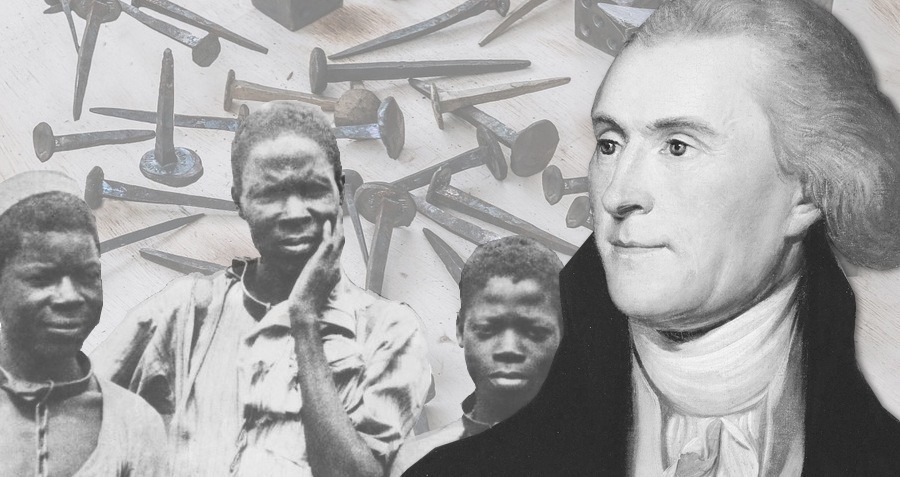
THOMAS JEFFERSON AND SLAVERY
Though Jefferson is against slavery, he believes blacks are inherently inferior.  Jefferson slaves are property and, with the exception of the Hemming’s offspring, Jefferson refuses to release any slaves during his lifetime.

The fascinating value of Ferling’s book is how these two men, and their beliefs are built on life experiences that formed their characters.   Jefferson, through marriage and inheritance, becomes a wealthy landowner but lives life as a profligate who squanders his family fortune.  Jefferson graduates from William and Mary and becomes a lawyer.   Ferling explains that Jefferson believes his years as an American diplomat in Paris are the best years of his life.  Though Jefferson leaves Paris in 1789, he supports France’s revolution; even as it murders the royal family who supported America’s war for independence.  Jefferson believes periodic revolution is a good thing; despite the near-term consequence of “The Terror” in France (its human butchery and property destruction).

18th CENTURY MERCHANTS
Hamilton works for a merchant in the West Indies and becomes acquainted with mercantilism and the importance of business.  Because of Hamilton’s hard work ethic, he is supported by his West Indies employer as an émigré to America.

In contrast to Jefferson’s birth into a conventional American family, Hamilton is born out-of-wedlock in the West Indies.  Because of Hamilton’s hard work ethic, he is supported by his West Indies employer as an émigré to America.  Hamilton exhibits an extraordinary ability to get things done. With his West Indies employer’s financial assistance, Hamilton enrolls in King’s college.  He becomes a lawyer with ambition to participate in the formation of the American nation.

Both Jefferson and Hamilton are shown by Ferling to be in direct conflict on the purpose of the federal government.  Jefferson emphasizes State’s rights while Hamilton argues for strong Federal oversight.  Jefferson looks to the States for national defense while Hamilton argues for a standing army.  Jefferson opposes creation of a national bank while Hamilton insists on federalized control of the value of money.  Jefferson believes the economic future of America is dependent upon farming while Hamilton believes mercantilism. industrialization, and trade should be at the center of economic growth.

STATES' RIGHTS VERSUS FEDERALISM
STATES’ RIGHTS VERSUS FEDERALISM

Ferling’s characterization of these two scions of America implies Jefferson is a thinker while Hamilton is a doer.  Jefferson uses his formidable intellect to rationalize his racist beliefs while insisting slavery is a sin against man.  Jefferson seeks a life of tranquility and believes it lies in an agrarian way of life; i.e. away from war and urbanization. His ambition for high public office is hidden but surreptitiously pursued through association with like-minded Americans.  In contrast, Hamilton is a risk taker and pines for military command in the revolutionary army.

WASHINGTON, A LIFE
Ferling suggests both Jefferson and Hamilton underestimate Washington’s inherent ability to measure the value of subordinates and get things done through other people.

Washington chooses Hamilton as his military aide because of his organizational ability.  Hamilton resents Washington’s aloof treatment of him but sees Washington as a ticket to fame; i.e. a seat at the table in the formation of a new nation.  Hamilton appreciates Washington’s bravery under fire but considers him a poor strategist in war.  Hamilton’s relationship with Washington is utilitarian in the sense that Washington’s renown is a tool for Hamilton to accomplish his life ambition.  

Ferling contrasts Jefferson’s and Hamilton’s personalities.  Both are sensitive to slights.  Both act surreptitiously to accomplish their objectives.  Both have what some call libertine leanings with illicit female relationships.  However, Jefferson is reserved and patrician in conduct while Hamilton is outgoing and vociferous in public.  Jefferson is inclined to theorize while Hamilton acts.  The consequence of acting versus theorizing is exemplified by the duel with Burr that ends Hamilton’s life and allows Jefferson to become the third President of the United States.

SECREACYBoth Jefferson and Hamilton suffer from their secretive way of getting things done.  Jefferson loses his relationship with Washington by writing correspondence to a friend that is critical of Washington’s presidency.  Hamilton is openly hated and vilified by President Adams for his secretive manipulation of his only term as President.  Adams’ hate is magnified by Hamilton’s interference in Adams’ attempted re-election.

DONALD TRUMP (REPUBLICAN NOMINEE FOR PRESIDENT OF THE U.S. 2016)Ferling makes a strong case for the importance of both Jefferson and Hamilton in forging the American nation.  One is reminded of the humanness of all leaders.  Trump is no Jefferson or Hamilton.  He is neither charismatic nor intellectual.  Like Jefferson, Trump is raised as an elitist, but without the intellect of either Jefferson or Hamilton.


 

After reading John Ferling’s book about “Jefferson and Hamilton”, one is convinced that America will prevail, even in the worst of times, which, to some, may be today.

STORIES OF AN ERA

Audio-book Review
By Chet Yarbrough

(Blog:awalkingdelight)
Website: chetyarbrough.blog

The Decameronthe decameron

Written by: Giovanni Boccaccio

Narration by:  Frederick Davidson

GIOVANNI BOCCACCIO (1313-1375, ITALIAN WRITER, POET, AND HUMANIST)

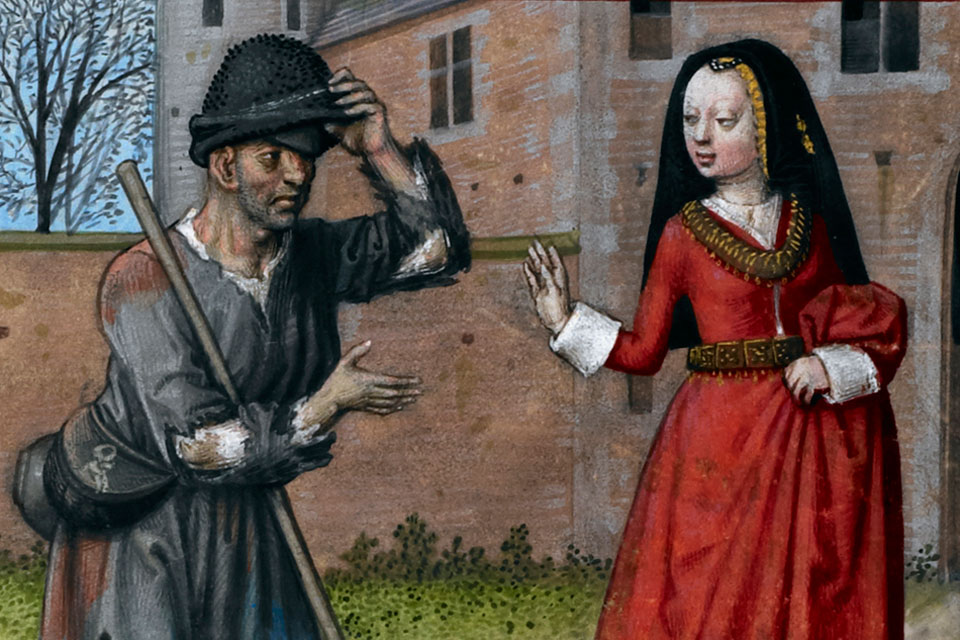
“The Decameron” is a series of stories about the western world’s comic/tragic society.  Compiled or written by Giovanni Boccaccio in the 14th century, it recalls 100 stories told by seven women and three men over a period of ten days. “The Decameron” pictures humanity as directed by luck, avarice, and lust.  Each story implies human relationship is determined by circumstance, and informed by nature.  The circumstance is societal position.  Nature is the exigency of the emotive moment.

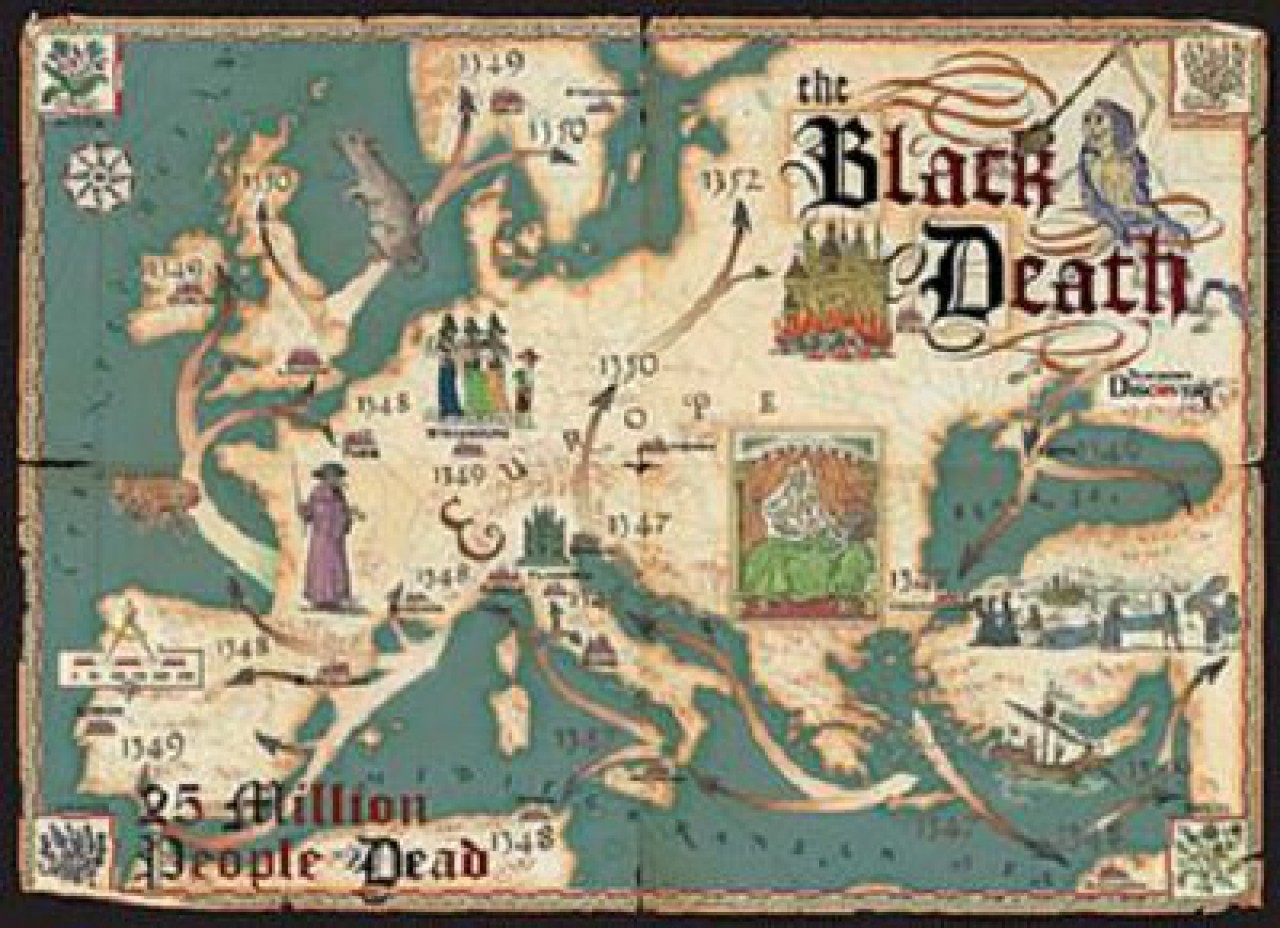
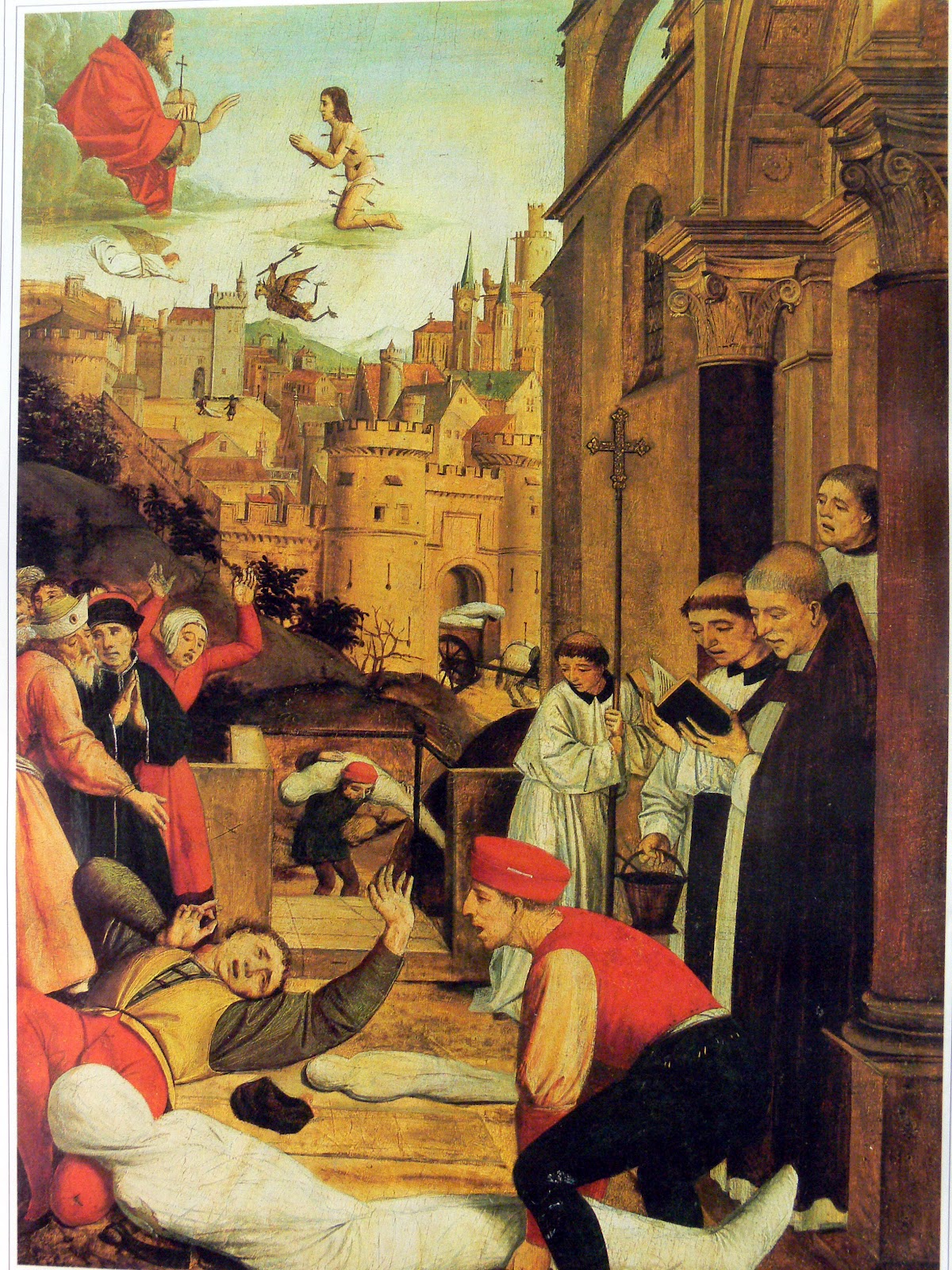
THE BLACK DEATHWritten during or after the spread of the Black Death (1346-53), “The Decameron” skewers belief that God determines one’s fate.  The stories range from raucous to sedate, and sinful to salacious.  Each story implies humans are like wood chips on an ocean.  Humans float into and away from society’s harbor; toward and away from each other, driven by happenstance and nature.  Men are often depicted as lustful beasts; women as lustful manipulators of chance and circumstance.  Corruption of morals is as evident in the priesthood as in the lay public.  In Boccaccio’s world, God may have created the universe but everything after the seventh day is driven by chance and nature.
INEQUALITY IN BOCACCIO
Women are generally shown to be weaker than men but clever and clandestine operatives.

All stories are of tradesmen, merchants, upper class men and women who have the luxury of exercising desires in life beyond the necessity of food to eat and shelter to protect.  Women are generally shown to be weaker than men but clever and clandestine operatives.  Women and men living above the level of abject poverty seem equally consumed by interest in love and lust.  Considering the history of human misogyny, love and lust may have been women’s principle source of security.  For men, love is riven with lust.  Love, most often, seems a fleeting distraction to men.

PRIESTHOOD IN BOCCACIO
The priesthood and upper-class laymen in Boccaccio’s time use the tools of wealth, power, and prestige to seduce women.  In contrast women use guile and sexual favor to clandestinely acquire wealth, power, and prestige

Neither the church or the lay public are shown to be morally superior.  The priesthood and upper-class laymen use the tools of wealth, power, and prestige to seduce women.  In contrast women use guile and sexual favor to clandestinely acquire wealth, power, and prestige.  The exception is the wealthy widow that has some control over the unforeseen consequence of chance.

The comic/tragic events of the stories offer a view of what it is like to live during the dark ages.  Power, not surprisingly, lies in the hands of men but the fairer sex is shown capable of co-opting power with charm and cunning.  Revenge seems equally distributed between the sexes but consequentially more severe for women than men.

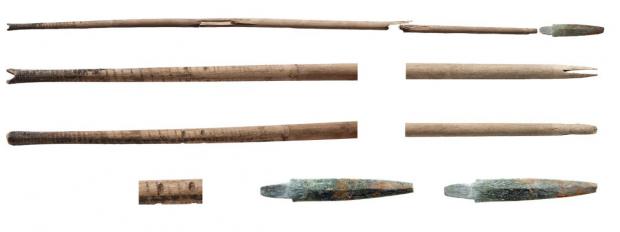
There are some insights to history and society offered by “The Decameron”.  A clever decision by a military strategist is to refashion bows and arrows with smaller slits than common.  The result is that bow carriers on one side of a battle are unable to use arrows invented with smaller slit arrows.  But, wide slit arrows could still be used by soldiers with small slit bows.  This small bow and arrow innovation gave one side of the battle twice the ammunition of the opposition.

ARROW RELICS FROM THE PAST
There are some insights to history and society offered by “The Decameron”.  A clever decision by a military strategist is to refashion bows and arrows with smaller slits than common.

SEXUAL PREDATION (WOMEN AS OBJECTS TO FULFILL MALE FANTASIES)
Then and now, cuckolds and adulteresses share equal billing for shame and condemnation.  However, the double standard for men that wander, and women that survive adultery is shown as appalling unequal then as it is now.

More interesting insights are the rise of a middle class in the dark ages, and the early recognition of organized religion’s corruption.  God is still considered as all-powerful but organized religion is rife with the same sins of all human beings.  Women may have been treated as second class citizens but they still found ways to compete in the drive for money, power, and prestige.  Then and now, cuckolds and adulteresses share equal billing for shame and condemnation.  However, the double standard for men that wander and women that survive, adultery is shown as appalling unequal then as it is now.  Men are forgiven while women are brutalized (sometimes murdered) and left to deal with the consequences of childbirth and poverty.

Finally, there is the underlying theme of nature and happenstance that determine the course of life.  There is belief in God but only as Creator.  Humankind is on its own in stories of “The Decameron”.  Buffering by nature pushes and pulls humankind with chance circumstances of the day.  One household is decimated by the plague while next door neighbors are untouched. God seems to have washed His hands of what happens on earth.  Plans of man are perceived as changed by nature’s unpredictability; not by God.

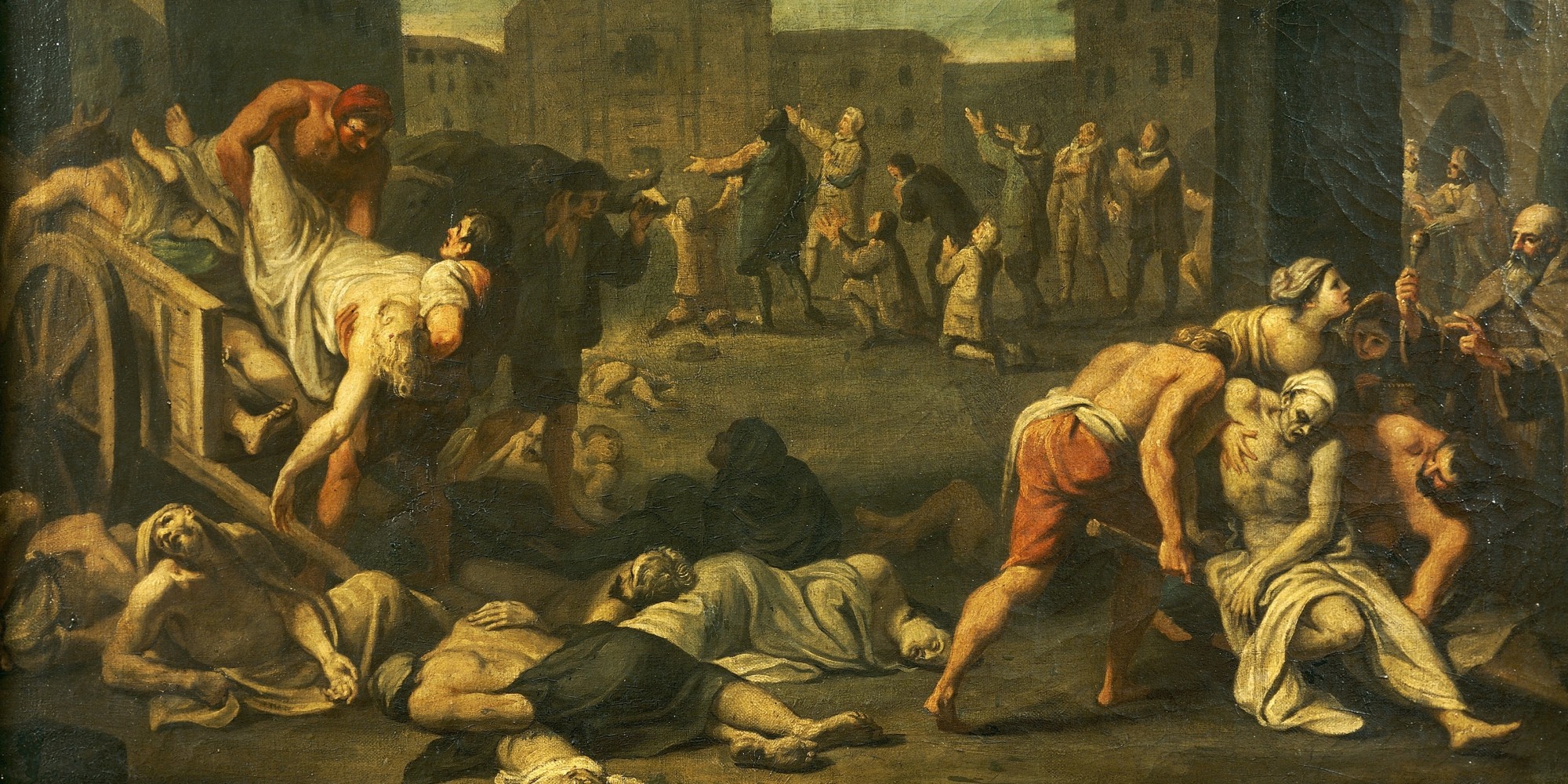
THE PLAGUE
Buffering by nature pushes and pulls humankind with chance circumstances of the day.  One household is decimated by the plague while next door neighbors are untouched. God seems to have washed His hands of what happens on earth.  Plans of man are perceived as changed by nature’s unpredictability; not by God.

Though some may be entertained by this presentation of “The Decameron”, it is not to this critic’s taste.  It is too long.  It is delivered monotonously.  It elicits little laughter.  It ponderously consumes thirty hours of a listener’s time.  However, as noted above, it offers a remarkable picture of life in an era of western world’ upheaval (the current of the black plague) and change (from God’s plan to the unpredictability of nature).

FEAR ITSELF IS CLICHE

Audio-book Review
By Chet Yarbrough

(Blog:awalkingdelight)
Website: chetyarbrough.blog

Fear Itself: The New Deal and the Origins of Our Time

Written by: Ira Katznelson

Narration by:  Scott Brick

IRA KATZNELSON (AUTHOR, AMERICAN POLITICAL SCIENTIST AND HISTORIAN)

IRA KATZNELSON (AUTHOR, AMERICAN POLITICAL SCIENTIST AND HISTORIAN)

“Fear Itself” has become cliché and authors of FDR’s administration are as plentiful as pixels on an HD screen.  However, Ira Katznelson offers a sharpened image of a past and present that threatens American democracy.  Don’t succumb to panic. Life is life. It demands compromise.

The Biden/Trump differences in governance are legion. Today’s political climate is reminiscent of America’s civil war and great depression. Though Biden may or may not be up to the task, the nation needs a healer and leader more like Lincoln or FDR, than Andrew Johnson or Jackson.

SLAVE TREATMENT

Katznelson argues that FDR’s New Deal to pull America out of depression would have never passed Congress without support of the segregated south. He implies that FDR views murder and discrimination of blacks a lesser threat to American Democracy than failure of the American economy.

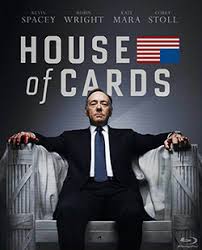
The threat posed by the fictional “House of Cards” President, Frank Underwood,
plays out in fiction and reality. One might argue that FDR sacrifices black America to gain political clout. America’s benighted pretender to a throne, Donald Trump, seems to endorse a similar morality.

Katznelson suggests economic stimulus from the New Deal accelerates recognition of black equality.

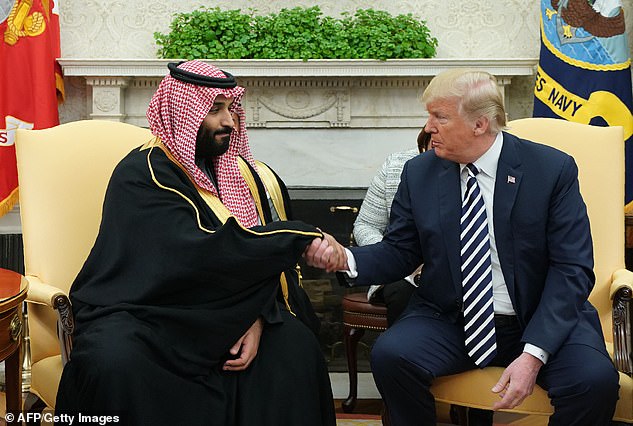
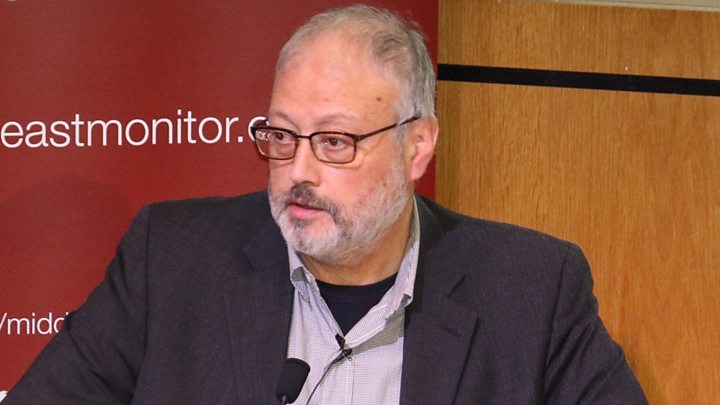
Maybe, but that is similar to President Trump’s rationalization for Saudi Arabia’s assassination of Khashoggi.

To assure the south’s support FDR ignores lynching and degradation of black Americans during his first years as President.  Similarly, President Trump willfully disregards the murder of Jamal Khashoggi.

Because the south believes the New Deal poses no threat to their belief in white supremacy, they voted as a near unanimous block to support FDR’s administration.  Black discrimination and murder did not disappear then (or now) but the New Deal changes the course of history.

MARTIN LUTHER KING (1929-1968, PROMOTING EDUCATION IN THE 1950 S)

Some argue the New Deal bends the arc of the moral universe toward justice (a pronouncement in 1860 by Theodore Parker and made famous by Martin Luther King). Other’s may argue it prolongs discrimination.

Katznelson argues that the great depression and FDR’s response raises the power of labor through job creation and unionization.  A consequence is to create a march for labor’s special interests that influence public policy in a way that endorses democratic ideals of free trade and competition. 

Unions eventually get a seat at the table of major corporations and public policy boards.  With that seat, arguably, the arc bends toward justice.  Of course, there are many seats at the table that frequently out vote minority interests. However, as Katznelson notes–the door for Union influence is opened as a result of FDR’s administration.

Katznelson’s point is that principles of Adam Smith, promulgated for the private sector, are translated into the public sector as a result of the New Deal and America’s mobilization for WWII.  The myth of the invisible hand is extended to government.

Of course, the addition of competition to the public sector is dual edged.  Though it helps level the playing field between public and private interests, it opens a Pandora’s box of problems.  As the myth of Pandora’s box is known, only hope remains when emptied of its content.

The invisible hand is largely a myth, but competition is real. As labor and minorities gain power, their seat at the table allows them to be heard.  On the one hand being heard is a first step in bending the curve toward justice. On the other, the mythical invisible hand favors industry over labor.

MONEY

Money is power.  Most special interests that sit at a public policy table are focused on singular (usually corporate); not general public interests. 

Government agencies can have their funding cut at the behest of elected officials.  Katznelson notes how the southern bloc in the FDR years fails to support many social reforms because of their interest in separation of the races.

Only the fear of a common enemy seems to mitigate (not eliminate) discrimination in the United States. The “common enemy” trope is two edged. It is as likely to mislead as lead to moral and/or ethical decisions.

As an example of misleading the public, President Trump uses the “common enemy” trope to exaggerate immigrant criminality.

Southern Democrats begin siding with Republicans to combat unionization and equal opportunity for all.  Many of FDR’s attempts to create jobs are sidelined because they compete with private sector manufacture or offer equal opportunity for employment to minorities. 

Katznelson explains how the Department of Labor is stymied by Republican opposition and Southern representatives.  By insisting on State’s rights, the South can continue discriminating against minorities and private sector entrepreneurs can subvert federal interference in employment law.

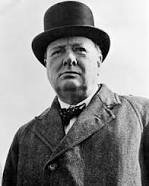
WINSTON CHURCHILL (1874-1965_

Churchill’s “Iron Curtain” speech in Truman’s home town sets the table (a common enemy trope) for an American black list that ruins a number of American lives. 

JOSEPH McCARTHY (1908-1957)

Now that government policy is influenced by special interests, communist hunters like Senator McCarthy look for ways to exploit American fear of a communist takeover. 

The seeds for the Red Scare and the rise of McCarthyism are planted with the beginning of the cold war.

Katznelson’s theme is “Fear Itself” and how it is used to interfere with the moral universe’s curve toward justice. Katznelson explains how important a role the south plays in determining public policy. 

“Fear Itself” is Donald Trump’s hole card, his uncovered ace in a game of chance.  Trump gambles with the fate of America by creating fear of terrorism, Muslims, Mexicans, and immigration.

DONALD TRUMP (REPUBLICAN NOMINEE FOR PRESIDENT OF THE U.S. 2016)

Terrorism is real but Trump’s use of fear is disingenuous.  His ambition is the power and prestige of office; not protection of America from terrorism.  Trump is the Senator McCarthy of our time. 

Katznelson is another historian proving the irrelevance of history because we keep repeating ourselves.  We forget the past and blunder down the same path, tripping and falling, leaving more blood and pain borne by the children of our future.

America needs to invest in its future. A 3.5 trillion dollar investment today will raise the standard of living for all those who have lost their jobs in manufacturing. They are not just tech jobs. They are jobs for infrastructure repairs, helping working families cope with the rising costs of child care, jobs for care of ageing parents’ health, work force’ retraining jobs, and jobs in education for future generations.

The world is adjusting from an industrial to a technological revolution. That transition requires investment in those who have lost their jobs in industry. Child care, elder care, and training for new jobs in a changing employment environment is worth much more than a 3.5 trillion dollar investment.

TODAY IS YESTERDAY

Audio-book Review
By Chet Yarbrough

(Blog:awalkingdelight)
Website: chetyarbrough.blog

Age of Anger

Written by: Pankaj Mishra

Narrated by: Derek Perkins

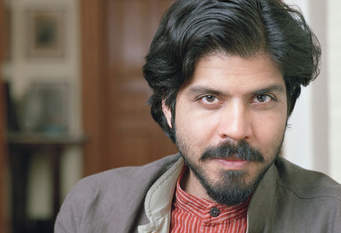
PANKAJ MISHRA (INDIAN WRITER AND NOVELIST)

PANKAJ MISHRA (INDIAN WRITER AND NOVELIST)

Pankaj Mishra shows that today is yesterday in “Age of Anger”.  Leaders in America, China, India, and Russia return their countries to the ritual of nationalism, i.e., societies’ position of “all against all”.  Mishra’s observations imply either enlightenment is nigh, or an end is coming. The most recent example of course is Russia’s retaliatory bombing and missile strikes in Ukraine.

Ukraine deaths and displacement.

To some, covid-19 heightens belief that an end is coming. A view of history suggests that is nonsense.

GLOBAL WARMING

Today’s tribalist anger (aka extreme nationalism) carries the imprimatur of an overheated world from the threat of covid-19, a nuclear holocaust, and climate change.

This is not a new “Age of Anger”.  It is the same anger from the same origin.  Its origin is human ignorance; i.e. an ignorance existing from the beginning of time.

ANGER AMONG LEADERS

It is revivified by Mishra’s recount of violence between and among competing cultures.

Mishra focuses on the origin of anger in the world.  He offers examples written in the blood of all nations at different times in history.  India, China, Japan, Russia, Great Britain, South Africa, America, and other nations with different governments, different religions, and different cultural norms create ages of anger.  It is an anger inherent in humankind.  Mishra argues that anger is revealed by science and exposed in philosophy.

This anger is not only between nations but within nations. Most recently in America, domestic evidence of the “Age of Anger” are senseless mass shootings that have taken the lives of 19 children, their teacher at a grade school, and a grandmother in Texas, a doctor and 3 hospital workers in Oklahoma, and three adults at a Tennessee nightclub.

It is as though America wants to turn back to the wild west to settle disagreements and act-out at every frustration or depressive circumstance of their lives. The public acts with anger and violence that is made deadlier by weapons of war designed only to murder.

KELLYANNE CONWAY

Mishra suggests the “Age of Anger” is reinforced when philosophical interpretation distorts facts (aka Kellyanne Conway’s alternative facts). The distortion of facts by Trump’s early comments on the Covid-19 pandemic exemplify origins of the “Age of Anger”.

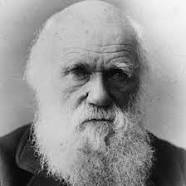
Mishra offers an example of how lies of those in power and influence magnify the “Age of Anger”. Science can be distorted by philosophical interpretation, e.g., Herbert Spencer captures Darwin’s theory and falsely interprets it as a social construct.

Spenser argues that society evolves and advances because of “survival of the fittest”.  He implies it is the same mechanism described in Darwin’s “…Origin of Species”.  Darwin’s research and theory of evolution are distorted by Spencer.

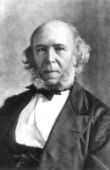
HERBERT SPENCER (ENGLISH PHILOSOPHER, BIOLOGIST, SOCIOLOGIST)

Spenser creates alternative facts.  Spenser argues that progressive development of society is dependent on ethics, religions, economics, political theories, philosophies, and sciences that are the fittest to survive.  Spenser infers survival is the only criteria of what is good for humankind.  To Spenser, life is a competition for “all against all”.

Darwin’s theory of evolution has little to do with survival of the fittest.  Extinction or perpetuation of an evolutionary line is a matter of happenstance; not fitness for survival.  (Hairlessness does not make humankind more fit for survival; i.e. it makes the human body more environmentally vulnerable.)

Mishra explains how concepts of materialism and well-being are interpreted within and among nation-states.  As materialism becomes a measure of well-being–money, power, and prestige set a precedent for valuing human existence in a Spenserian creed of “all against all”. 

Mishra reviews the beliefs of Voltaire, Nietzsche, and Kant to show how materialism, supermen, and human perception control the course of history.  Voltaire ranks wealth; Nietzsche ranks power, and Kant ranks perception as measures of human worth.

Mishra suggests anger has risen through generations, within and among nations, that explain world wars, genocidal acts, and atrocities beyond imagining.  That anger exhibited itself in the murder of an innocent woman in Valle Verde Park, California in April of 2019.

Our former President exacerbates American anger that is exhibited by extremists who attack Asian Americans because of an ignorant belief that China purposely introduced Covid19 to the world. If all Americans are not ashamed, they should be.

https://www.cbsnews.com/video/assaults-on-asian-americans-spike-nationwide-during-pandemic/

Extremists embarrass themselves and America by believing Q Anon conspiracy theories.

Pittsburgh Synagogue Murders (11 Dead, 6 wounded in October 2018.)

Poway, Valle Verde Park, CA Synagogue–murder of one and injury to three in April 2019.

Racially motivated killing of 10 Americans in May of 2022 by an 18-year-old white supremacist male who believes the “replacement” conspiracy theory spread by bigoted Americans.

It is fair to say that there have been respites from this cycle of violence.  But, unless or until human beings see themselves as part of the same society, the world will end in the Armageddon of biblical imagination.

THE LAST ROYAL FAMILY

Audio-book Review
By Chet Yarbrough

(Blog:awalkingdelight)
Website: chetyarbrough.blog

The Family Romanov: Murder, Rebellion, and the Fall of Imperial RussiaThe Family Romanov

Written by: Candace Fleming

Narrated by: Kimberly Farr and Others

CANDACE FLEMING (AMERICAN AUTHOR)

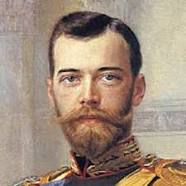
CZAR NICHOLAS II OF RUSSIA (1868-1918)

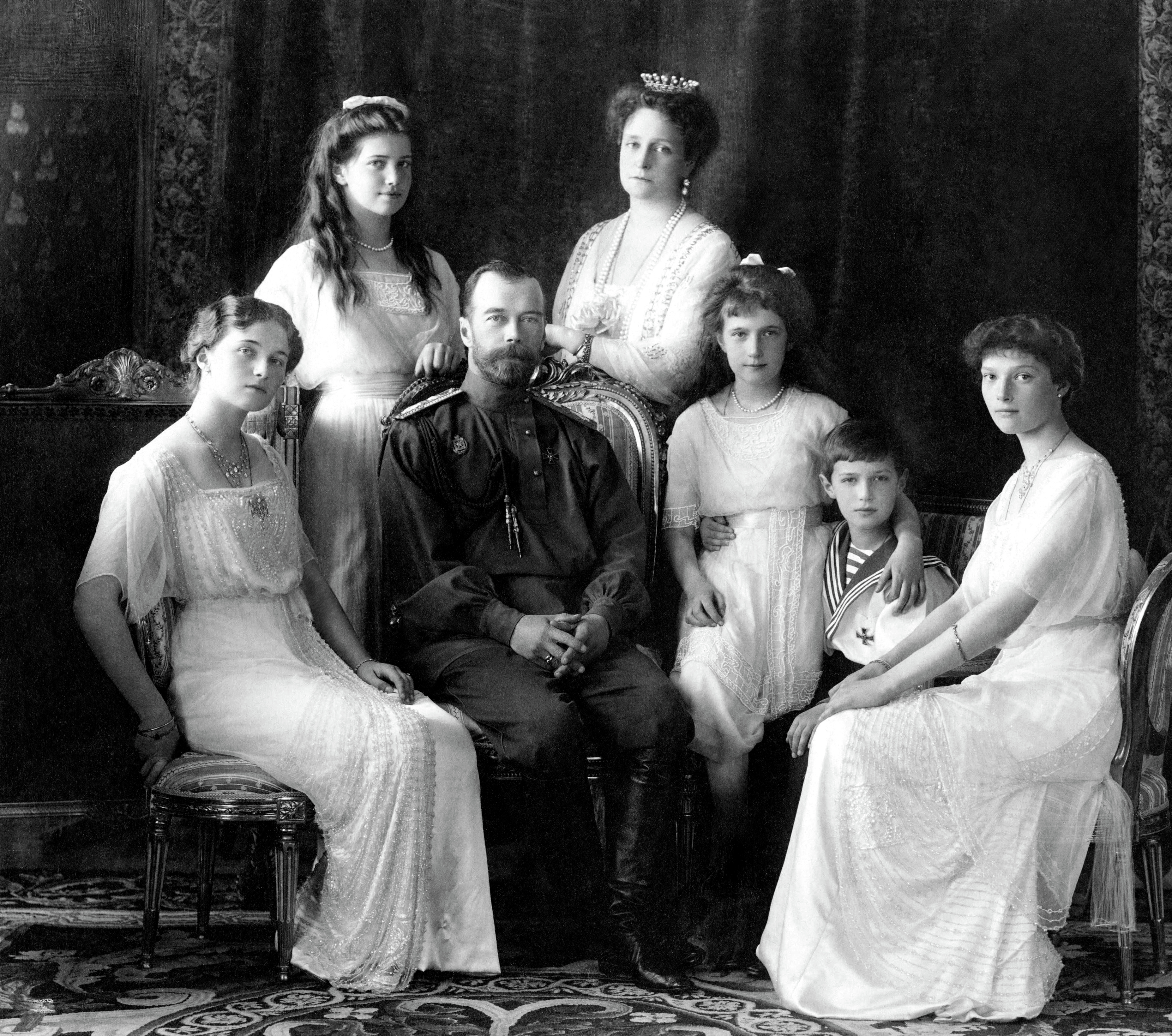
Candace Fleming offers an intimate look at the life and death of the last royal family of the Czarist empire.  The intimacy of the profile is reinforced by personal letters, contemporary literature, and historical accounts of the 1917 Russian revolution.  Fleming reaches back to the beginning of Czar Nicholas’s reign 23 years earlier and ends with the families slaughter in the basement of a house in Yekaterinburg, Russia. East of Moscow and southeast of St. Petersburg.

The ignominious death of the last Czarist family is confirmed by DNA analysis of the remains of the family in 1992.  Two of the children are missing in the first discovered grave site; e.g. the son Alexei and a daughter thought initially to be Marie, but later found to be Anastasia.  The mystery of the two missing children is solved when a nearby grave is found in 2007.  Through further DNA analysis, Alexei’s and Anastasia’s remains are confirmed.

ROMANOV FAMILY (1913 PIC., MURDERED 1918, LEFT TO RIGHT-OLGA, MARIA, NICHOLAS II, ALEXANDRA, ANASTASIS, ALEXEI, AND TATIANA)

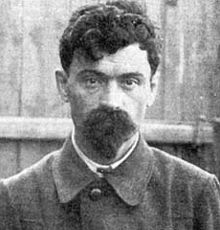
YAKOV MIKHAILOVICH YUROSKY (1878-1938, CHIEF EXECUTIONER OF NICHOLAS II AND HIS FAMILY)

The entire Romanov family is guarded by the Red Guard, a rag tag military force, made of workers, peasants, Cossacks, and former soldiers.  This unconventional troop is under the influence of Bolshevik revolutionaries; recruited at Vladimir Lenin’s direction.  This rag tag troop is replaced later by war hardened soldiers commanded by Yakov Mikhailovich Yurosky.

Fleming notes that Yurosky’s family had been victims of Nicholas II’s feckless reign.  Undocumented orders are given to Yurosky to murder the royal family and their servants.  Fleming suggests the impetus for Yurosky’s orders is the White Guard (an anti-communist force opposing Lenin’s Bolsheviks) nearing Yekaterinburg.  No written record is discovered showing Lenin or any particular Bolshevik leader directed the murders.  However, Lenin approves of the murders after the fact.

IMAGE OF IPATIEV HOUSE WHERE THE ROMANOVS WERE MURDERED

Fleming describes the preparation of a basement room in the Ipatiev House for the murders.  All furniture is removed.  The family and their servants are awakened in the middle of the night, taken to the basement, and shot like horses in a slaughter-house.

The first shot, fired by Yurosky, kills the Czar.  Soldiers empty their rifles on the remaining family and servants.  The children are wearing clothes that are secretly lined with jewelry which initially act like bullet proof vests.  Shots ricochet around the room and the children must be shot again to end their lives.  A truck is waiting outside the house.  The bodies are thrown into the truck and taken to a dense forest where they are buried.

Days later the White Guard arrives.  They find the house in anticipation of a rescue but find the house empty.  They search each room and find evidence of the royal family and finally reach the basement.  It has been cleaned but blood stains can still be seen on the baseboards and floor.

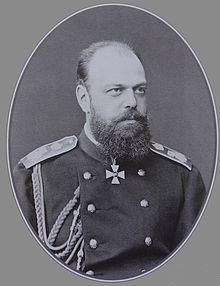
ALEXANDER III (1845-1894, FATHER OF NICHOLES II, EMPEROR AND AUTOCRAT OF CZARIST RUSSIA)

Fleming describes the 300 year (1613-1917) Romanov family as privileged, rich, and powerful.  Privilege, wealth, and power diminishes in equal measure as Czar Nicholas II inherits the throne.  Nicholas II’s father is characterized as a bull of a man who brooks no disagreement from either his family or the Russian people.  At 6’ 3”, Alexander III dwarfs his son who is 5’ 7”.

In complete contrast to Alexander, Nicholas is characterized by Fleming as effete and non-confrontational.  He both reveres and fears his father.  When the Russian poor challenge Alexander, after Nicholas’s grandfather’s more accommodating rule, Alexander III reacts to revolts with bullets and blood; i.e. any resistance to autocracy is crushed by Alexander III.

When Alexander dies, Nicholas attempts to emulate his father’s autocratic rule but carries none of his father’s physical or mental toughness.  Nicholas rarely acts as a leader and only commends surrogate actions taken by subordinates.  When his ministers shoot unarmed civilians on their own volition, Nicholas commends them for their prompt action in defending the throne.

Fleming gives the example of the 1905 Russian revolution when the poor attempt to meet with the Czar but are repelled by the Czar’s guard.  Many peasants are murdered.  The peasant’s intent is only to meet to discuss what can be done to raise wages and improve their lives.  The Czar chooses to commend his guard for their violent response without considering the legitimacy of the peasants demands.  Nicholas only cheers other’s actions that protect his rule.  Nicholas never directs actions of subordinates; he never leads.

GRIGORI RASPUTIN (1869-1916, RUSSIAN PEASANT, MYSTICAL FAITH HEALER, FRIEND AND COUNCILOR TO CZAR NICHOLAS AND HIS WIFE)

Nicholas’s lack of leadership is compounded by a marriage to Maria Feodorovna.  Maria becomes Nicholas’s enabler.  She supports his style of non-decision decision-making.  Maria is a devout mystic that believes all things that happen are by the grace of God.  When something goes wrong, it is the will of God.  Not only does Nicholas rely on his wife’s counsel but Maria’s belief in mysticism opens the door to one who says he is God’s messenger.  Such a one comes to the aid of Maria.  His name is Grigori Rasputin.

Fleming notes that the Czar and Maria are anxious to have a boy child to ensure succession to the throne.  They have four girls before Alexi is born.  The birth of Alexi is attributed to a mystic, before Rasputin, that convinces Maria she will have a boy child.  When Alexi is born, Maria’s belief in messenger’s from God becomes unshakable.  Sadly, Alexi is found to have hemophilia.

APP2000120688592
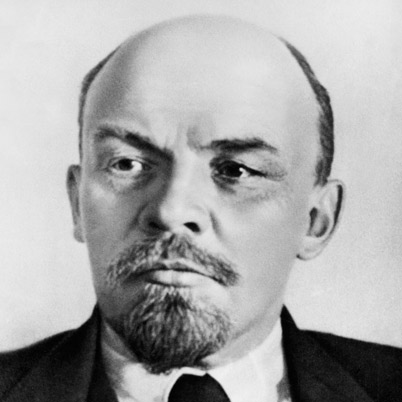
VLADIMIR LENIN (When Russia most needed a strong decisive leader, they had an inept and weak Czar.  The support of the people diminished with the progress of the war.  The leadership vacuum is filled by Vladimir Lenin and a mythic communist philosophy of power to the people.)

The die is cast.  Rasputin and the support he receives from the royal family tarnish the god-like image of the Romanovs.

As WWI begins, the fall of the Romanovs is assured.  When Russia most needed a strong decisive leader, they had an inept and weak Czar.  The support of the people diminished with the progress of the war.  The leadership vacuum is filled by Vladimir Lenin and a mythic communist philosophy of power to the people.  With promises to peasants and workmen that live under the thumb of an aristocratic totalitarian system, Lenin justifies another kind of totalitarian system.  Fleming implies that Lenin may have softened terrorist communism if he had lived but Stalin took the reins after Lenin’s death.  The rest is a history of the worst mass murderer of the twentieth century.

Fleming offers an interesting and intimate view of the last Czar’s family.  It is not laudatory but one comes away from the story feeling that the death of Nicholas and his family, like Louis XVI and Marie-Antoinette, were the result of changing times; not their ineffective, injudicious rule.  They deserved to be dethroned but not murdered.  Money, power, and prestige corrupts all human beings–rich, poor, religious, and secular.  Democratic regulation, not violence; social justice, not vigilantism; peace, not war are the needs of humankind.

BIRDS FLY SO WHY CAN’T I

Audio-book Review
By Chet Yarbrough

(Blog:awalkingdelight)
Website: chetyarbrough.blog

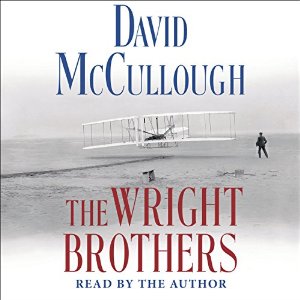
 The Wright BrothersThe Wright Brothers

Written by: David McCullough

Narrated by: David McCullough

DAVID McCULLOUGH (TWO TIME PULIZER PRIZE WINNER)

“The Wright Brothers” must have wondered—Birds fly, so why can’t I?  David McCullough writes and narrates a memoir of the Wright Brothers that perfectly turns wonder into reality.  Orville and Wilbur Wright are the first to design, build, and fly an airplane that demonstrates human control of flight.  They were not the first humans to fly, but they were the first to fly like birds; i.e. with nature and intent.  Before the Wright brothers, flying is left to man’s faith in God and luck; after the Wright brothers, flying is firmly within the grasp of humanity.

Two farm boys are raised in a family of seven (a mother, father, sister, and two brothers).  Neither Orville, or Wilbur are college educated.  Both are born to a mother who graduates from Hartford College, as the top mathematician in her class; a woman who became a housewife to an ordained minister, and an example to her children. Through nature and nurture, Orville and Wilbur become the talk of Dayton, Ohio, Kitty Hawk, North Carolina, Paris, Washington DC, and, eventually, the wide world.

ORVILLE WRIGHT (1871-1948)

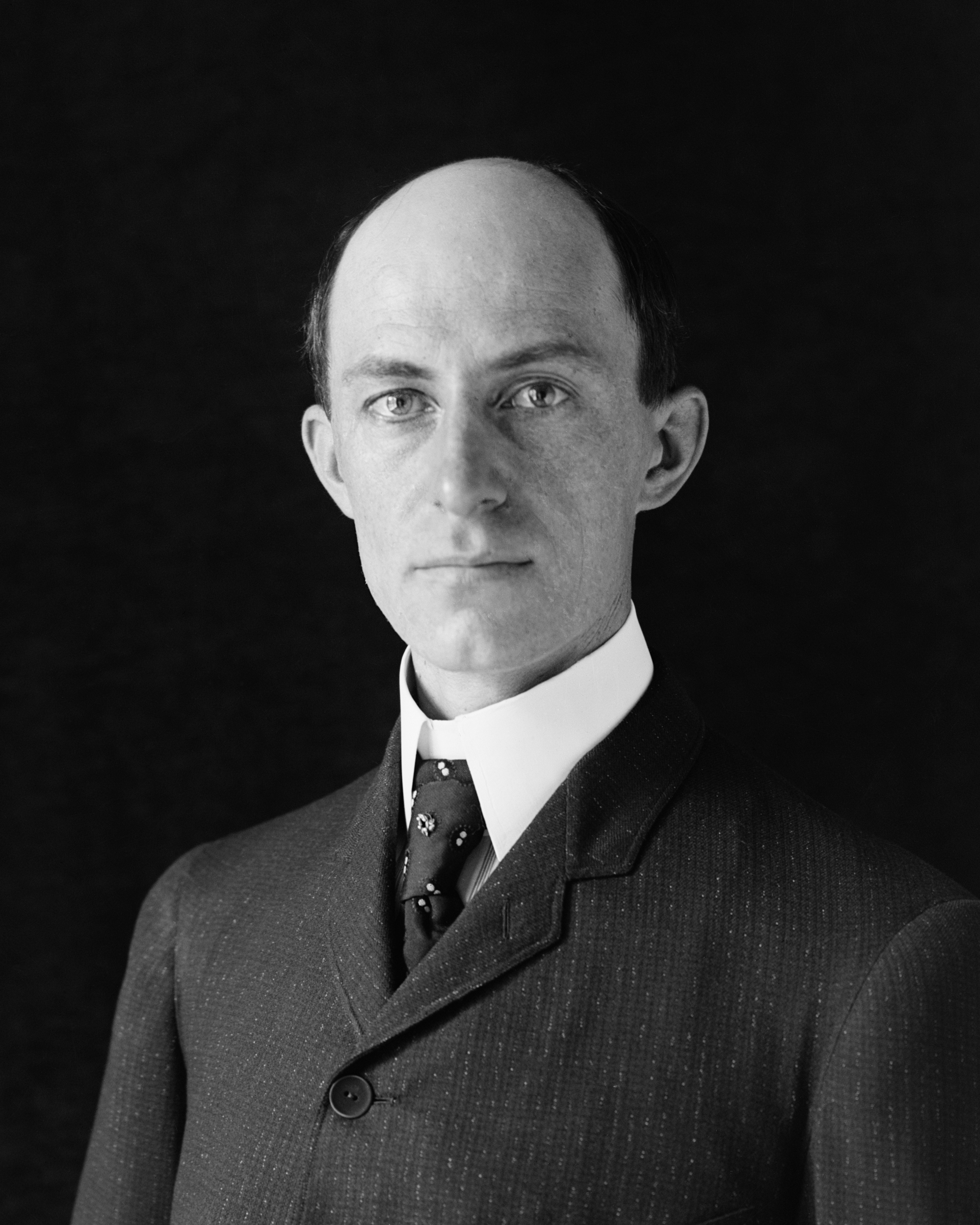
WILBUR WRIGHT (1867-1912)

Wilbur is a student athlete and scholar in high school.  He goes to Hartford College, like his mother, but (unlike his mother) never graduates.  Orville is the younger of the two by 4 years.  Orville never finishes high school.  McCullough describes the boys as tinkerers with ambition and a burning desire to understand how birds fly.  With extraordinary observational skill, hard work, and persistence, Orville and Wilbur observe birds in flight, build and tinker with flying machines, and meticulously repeat experiments in human flight.

WRIGHT BROTHERS' BICYCLE SHOP
WRIGHT BROTHERS’ BICYCLE SHOP

With income from a bicycle business they start in Dayton, Ohio, they begin designing their first glider.  After completing their design, they make parts and assemble their air vehicles at the bicycle shop.  They search for an area of the country that has the wind and landing characteristics they need to test their glider.  They are invited to an area of North Carolina because of the wind and sand characteristics of the area.  Their first flight is on October 5, 1900 near Kitty Hawk but it is flown more as a kite; without a pilot.  After the first experiment, Wilbur takes flight as a pilot, while helpers tether the glider from the ground.  These first flights lead the brothers back to the drawing board for control-feature re-design.WRIGHT UNPOWERED AIRCRAFT

The brothers return in 1901, with a new glider.  The new design, allows the ribs of the wings to flex to allow adjustments in flight.  They find the flexing refines control of the glider in their Dayton shop where the re-design and reassembly occur.  They create a wind tunnel to help with a re-design of glider controls.  They add a rear rudder to improve the steering capability of the flyer.  At this point, McCullough explains that the brothers begin flying in earnest to improve their skill in maneuvering the glider.  Orville and Wilbur realize earlier failures, by themselves and others, will be repeated by pilots without extensive experience with aircraft controls.  McCullough reinforces the historic truth of the Wright brothers’ invention of the first airplane. Without the brother’s creative control features, airplanes would be too dangerous to fly.

WRIGHT'S 1903 FLYER ENGINE
WRIGHT’S 1903 FLYER ENGINE

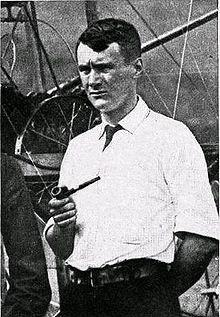
CHARLES TAYLOR (1868-1956, DESIGNED THE FIRST ENGINE FOR THE WRIGHT BROTHER'S AIRPLANE)
CHARLES TAYLOR (1868-1956, DESIGNED THE FIRST ENGINE FOR THE WRIGHT BROTHER’S AIRPLANE)

Once the aerodynamics of flight are understood, the Wright brothers turn to the idea of a motor to complete their vision of human flight.  Searching the nation for a light weight engine to power their glider, they find no engine fits the bill.  By good fortune, the Wright brothers become friends with Charles Taylor.  Taylor takes over management of their bicycle shop while they are refining their gliders.  Taylor happens to be a master mechanic.  He hand-builds an engine to power the first airplane motor by boring a block of aluminum for pistons to provide 12 horsepower to the Wright’s first airplane.  On December 17, 1903, the first flight of a motorized airplane (an airplane with directional controls) takes place at Kitty Hawk, North Carolina.

WRIGHT'S 1903 FLYER
WRIGHT’S 1903 FLYER

McCullough notes that neither Orville or Wilbur ever marry.  They are a close family, raised by a loving father who is often absent because of his Bishopric duties and a mother who surprises local residents with her ability to manage the household, repair broken tools, and raise such self-reliant children.  The brother’s sister, Katharine Wright is the only child to graduate from college.  She becomes the boy’s surrogate mother when their birth-mother is invalided in 1886 and dies in 1889.  Katherine becomes the first woman to fly as a passenger with Wilbur in Paris.

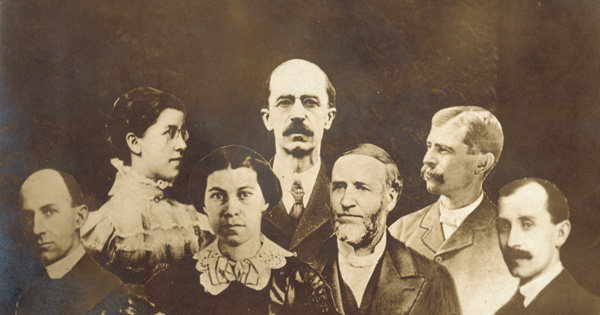
WRIGHT BROTHERS FAMILY (COMPOSITE PHOTO, LEFT TO RIGHT-WILBUR, KATHARINE, SUSAN, LORIN, BISHOP MILTON, REUCHIN, AND ORVILLE)

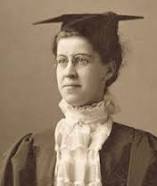
KATHARINE WRIGHT (1874-1929, SISTER OF WILBUR AND ORVILLE WRIGHT)

THOMAS SELFRIDGE (1882-1908, PASSENGER ON 1908 PLANE CRASHED IN ORVILLE WRIGHT'S DEMONSTRATION OF FLIGHT TO THE AMERICAN ARMY)
THMAS SELFRIDGE (1882-198, PASSENGER ON 1908 PLANE CRASHED IN ORVILLE WRIGHT’S DEMONSTRATION OF FLIGHT TO THE AMERICAN ARMY)

In the many flights that Orville and Wilbur take, there are several crashes. The worst crash is when Orville is demonstrating their latest airplane to the Army.  According to McCullough, the crash is caused by a mechanical failure that kills an Army Lieutenant as a passenger on Orville’s flight.  Orville is nearly killed but is nursed back to health by Katharine.

In most of Orville’s and Wilbur’s flights, they fly separately to assure the continuation of their company should one or the other be killed.  As fate would have it, Wilbur dies from typhoid in 1912.  Orville lives until 1948.  They created a company in 1909 that sold planes to the U. S. Army and a French syndicate.  Orville sells the company in 1915 but stays involved in aeronautics for the remainder of his life.  He became a member of the Board of Directors for NASA.

Several lawsuits were brought to challenge patents created by the Wright brothers on their airplane designs; none of the challenges succeeded.  McCullough implies “The Wright Brothers” story is proof of the truth of the American Dream.  With hard work, persistence, and intelligence, success is every American’s opportunity.  In recent years, ghosts of past and present, challenge that belief.  But, for white Americans in the early twentieth century, the dream is made real by McCullough’s entertaining and informative story about the Wright family.


A MODERN MACHIAVELLI

Audio-book Review
By Chet Yarbrough

(Blog:awalkingdelight)
Website: chetyarbrough.com

Human Action (A Treatise on Economics)

Written by: Ludwig von Mises

Narrated by: Jeff Riggenbach

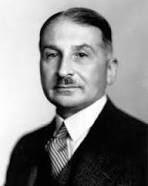
LUDWIG von MISES (1881-1973, THEORETICAL ECONOMIST OF THE AUSTRIAN SCHOOLD, INFLUENCED HAYEK AND FRIEDMAN)

America is on the threshold of the largest tax change since Ronald Reagan’s presidency.  If past is prologue, trickle down economics will not work, the deficit will rise, and the poorest will  be victimized.  The genesis of the delusion of trickle down economics comes from interpretations of a modern Machiavelli.

Ludwig von Mises is a twentieth century Machiavelli.  This near 48-hour audio book details a theory of economics that will offend modern liberals, expose weakness of libertarians, and vilify the new American President’s nationalist policies.  The venality of treating government as a business is a mistake of monumental proportion.

Approaching von Mises as a devil incarnate is unfair.  His beliefs are pilloried by today’s liberals as loudly as aristocrats and rulers vilified Machiavelli in the 16th century.  Like Machiavelli, von Mises looks at the world as it is; not as it ought to be.  His observations cut at modern liberal, as well as anarchic, views of highly regarded liberals like Ralph Nader, Martin Luther King, Norm Chomsky, and alleged conservatives-like President Trump.

In von Mises book, Roosevelt’s New Deal is vilified.  Additionally, von Mises vociferously disagrees with the liberal John Maynard Keynes’s

JOHN MAYNARD KEYNES (1883-1946)

economic interventionist creed. Ironically, Donald Trump may be the most interventionist President since FDR with a scatter brained economic plan that von Mises would equally vilify.

Von Mises observations have historical credibility.  What they do not have is social conscience.  In fact, he suggests social conscience is a fiction perpetrated by populists to distort the value of capitalist economies.  Like Machiavelli, von Mises observes the nature of human beings, and recognizes their inherent irrationality and moral weakness.  Von Mises illustrates numerous examples of human irrationality; beginning with market consumption, and ending with entrepreneurial ambition.  Donald Trump exemplifies von Mises argument that humans are irrational, greedy, power-hungry, and vain.  For President Trump to believe taxing imports by 20% makes Mexico pay for a useless five-billion-dollar wall is absurd.  The American consumer will pay for that wall in increased cost of Mexican produce and manufactured goods.TRUMP AND FREE TRADE

Von Mises criticizes famous economists like David Ricardo for introducing politics into economics.  Von Mises argues that the drive for money, power, and prestige are inherent in an entrepreneurial capitalist system.  Von Mises argues that government officials who profess social conscience distort free enterprise by picking winners and losers.  When politicians pass legislation that aids one entrepreneur over another, it distorts the driving force of capitalist economies.  He equally vilifies government leaders who impose tariffs on international trade.  Von Mises explains that the fallacy of government leaders who pass favoring legislation is that the real mover of the economy is the consumer; not the producer.

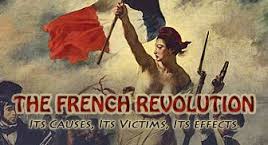
FRENCH REVOLUTION
Von Mises believes labor has a choice.  They can work for low wages or remain idle.  The fallacy of that argument is the inherent unfairness of not having enough income to live creates revolutionary discontent.

The logical extension of von Mises’ theory is that any government planning or action that affects an entrepreneur’s willingness to take a risk to produce product, or service a customer’s perceived needs, is bad for society.  To von Mises, efforts to organize labor is an interference with capitalist entrepreneurs because labor is not taking a risk. Von Mises argues that labor costs will find its own level by being an automated tool of the entrepreneur; subject to hunger and deprivation if they choose not to participate.  Von Mises point is that the entrepreneur will pay what he/she must to have labor available, but no more than what the end-product consumer is willing to pay.  Von Mises believes labor has a choice.  They can work for low wages or remain idle.  The fallacy of that argument is the inherent unfairness of not having enough income to live creates revolutionary discontent.

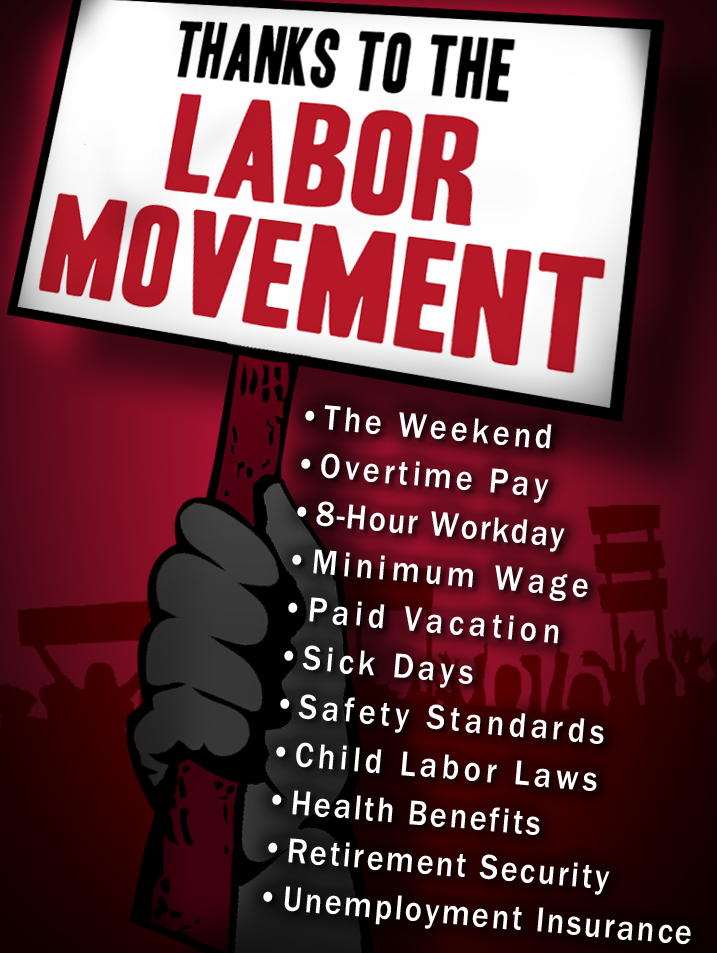
UNION MOVEMENTUnions offer a vehicle for leveling the power between businesses and labor.  To not allow unionization is tantamount to favoring businesses that are no longer competitive but are today recognized as an economic equivalent of individuals.  Not to give unions a place “at the table” is morally, ethically, and economically unfair; particularly in industries that are no longer entrepreneurial.
Another von Mises’ observational theory is that government policy should have no role in subsidizing new inventions, new drugs, the ecology of the world, or the elimination of slavery because such policies interfere with pure capitalism. This reinforces absurdist arguments of libertarians.

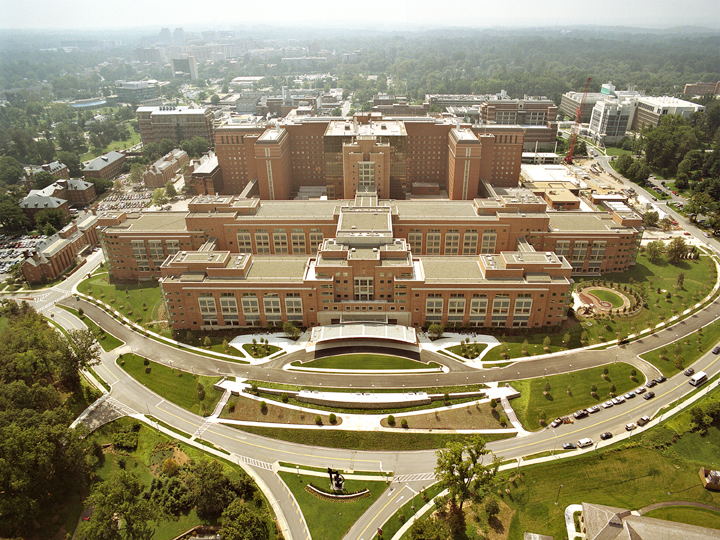
NATIONAL INSTITUTE OF HEALTH
NATIONAL INSTITUTE OF HEALTH (RESEARCH INSTITUTE FINANCED BY THE GOVERNMENT.)

American creativity has historically been benefited by government subsidization of technological advances.  (President Putin noted in a 60 Minutes’ interview that creativity is his most admired quality in the American economy.) The speed of improvements in health, education, and welfare historically increased with government subsidization of drug research, public education, and the energy industry.

THE CIVIL WARThe fallacy of von Mises’ theory lies in the framework of theorists.  It ignores human existence by hiding behind the unquantifiable nature of society.  One may argue that America’s Civil War had nothing to do with the elimination of slavery.  (Von Mises suggests that slavery was abolished because it became too expensive; not because it was morally and ethically reprehensible.)  One may argue that Roosevelt’s New Deal was a failure.  One may argue that the Marshall Plan after WWII rewarded failed nations.  One may argue that George Bush’s and Barrack Obama’s decisions to bail out the American economy interfered with pure capitalism. History suggests von Mises is wrong.  Government intervention can be good as well as bad.  (Bush unilaterally agreed to lend $17.4 billion of taxpayers’ money to General Motors and Chrysler, of which $13.4 billion was to be extended immediately.)
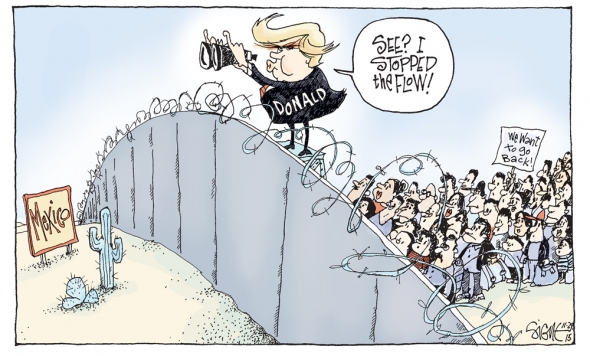
Von Mises lived into the 1970 s.  How could he ignore the moral and ethical iniquity of slavery, the value of the Marshall Plan, government subsidization of the American banking system, financial incentives for the energy industry, and the billions spent to advance technological inventions?  Those are good examples of government intervention.  On the other hand, building a wall between Mexico and the U.S. and levying a 20% import tax is a bad government intervention.TRUMP'S WALL 2

American capitalism works because of the checks and balances written in the Constitution.  Von Mises theory is based on valid observations but social conscience, whether statistically measurable or not, must be a part of decisions that affect the lives of millions.  Mistakes will be made, and have been made, but economic statistics cannot be substituted for pragmatism.