OLIVER SACKS

Audio-book Review
By Chet Yarbrough

(Blog:awalkingdelight)
Website: chetyarbrough.blog

The Man Who Mistook His Wife for a Hat: and Other Clinical TalesThe Man Who Mistook His Wife for a Hat
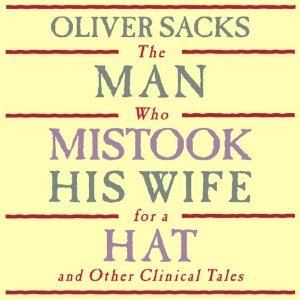
Written by: Oliver Sacks

Narration by:  Jonathan Davis, Oliver Sacks

OLIVER SACKS (1933-2015, AUTHOR, BRITISH NEUROLOGIST)

Neurological dysfunction is Oliver Sacks field of study and training.  The irony is that a tumor attacks his brain to end his life.  Of course, he was 82.  But somehow, a tumor attacking Sacks’ brain seems an unfair marker for his passing.  Sacks opens the eyes of many to the wholeness of being human when a neurological dysfunction changes their lives.  Sacks is the famous neurologist who wrote one book that becomes a movie and several that become best sellers.

AWAKENINGS - STARING ROBERT DeNIRO AND ROBIN WILLIAMS
AWAKENINGS – STARING ROBERT DeNIRO AND ROBIN WILLIAMS

Sacks is famous to some based on the movie “Awakenings” that recounts an experiment with L-dopa to treat catatonia; a symptom believed to be triggered by Parkinson’s.  Patients may spend years in a state of catatonia; i.e. a form of withdrawal from the world exhibited by a range of behaviors from mutism to verbal repetition.  Sacks wrote the book, “Awakenings” to tell of his experience in the summer of 1969 in a Bronx, New York hospital.  The success and failure of the L-dopa experiment became a life-long commitment by Sacks to appreciate the fullness of life for those afflicted by neurological disorders.

With the use of L-dopa, Sacks reawakens the minds and rational skills of patients that had been catatonic for years.  In their reawakening, Sacks found that catatonic patients have lives frozen in time. Their mind/body interactions became suspended in the eyes of society.  They were always human but they lost their humanness in neurological disorder.

PSYCHOLOGICAL IMPAIRMENT
Sacks first story is about an accomplished musician and teacher who appears increasingly forgetful.  He appears to forget people’s names.  He cannot identify objects that are given to him to examine.  He figuratively mistakes his wife for a hat. 

“The Man Who Mistook His Wife for a Hat” is filled with stories of people with brain malfunctions that change theirs’s and other’s lives.  The underlying truth of each story is that symptoms of neurological disorder mask the wholeness of being human.  Sacks reveals that many people confuse what is seen with the completeness of what is an afflicted but whole human being.  Sacks first story is about an accomplished musician and teacher who appears increasingly forgetful.  He appears to forget people’s names.  He cannot identify objects that are given to him to examine.  He figuratively mistakes his wife for a hat.  Aside from these bizarre symptoms, Sacks notes the patient is highly intelligent and is known as a great teacher of music.

GLOVE
He can identify all the parts of a face but is unable to associate the face with a name.  When given a glove he examines it in parts.  It has five pouches.  It is made of a soft material.  The pouches can hold things.  But, it is only discovered as a glove when given clues about its use. 

In examining “The Man Who Mistook His Wife for a Hat”, Sacks finds that the teacher’s mind works like a computer in that he sees the details of things without seeing the whole thing.  He forgets names until he hears their voice because he cannot recognize faces.  He can identify all the parts of a face but is unable to associate the face with a name.  When given a glove he examines it in parts.  It has five pouches.  It is made of a soft material.  The pouches can hold things.  But, it is only discovered as a glove when given clues about its use.  Sacks’ first story becomes a metaphor for the wholeness of human beings that have neurological disorders.

MUSIC
The music teacher relies on sound and other cognitive senses to fully interpret and appropriately act in the world.  Sacks explains to the teacher’s wife that her husband’s neurological disorder is a part of who he is. 

The music teacher relies on sound and other cognitive senses to fully interpret and appropriately act in the world.  Sacks explains to the teacher’s wife that her husband’s neurological disorder is a part of who he is.

Sacks suggests the disorder may be ameliorated with drugs but an unintended consequence may be to destroy her husband’s extraordinary music and teaching ability.  In the years of her husband’s life, he has unconsciously hidden a neurological dysfunction by using music as a method for routinizing his life.  His wife notes that he always sings when he dresses himself with clothes carefully laid-out by his wife.  He uses the rhythm of the song to properly dress himself.

Sacks writes of several more patients that circle the same theme.  He notes that memory is a critical part of being human.  When memory is lost humanness remains, but personal understanding of oneself is changed.  Memory informs and affects action.  When memory disappears, time is disjointed and experience is lost.  On the one hand, lost memory makes one young again; on the other, friends are older than they should be and many things we know from experience are gone.

MEMORY
When memory is lost humanness remains, but personal understanding of oneself is changed.  Memory informs and affects action.

Sacks is saying never give up on patients with neurological disorders.  They are whole human beings.  The neurologist’s job, as with all who practice medicine, is “first, do no harm”.  “The Man Who Took His Wife for a Hat” illustrates how seriously Sacks took his calling.

POLITICAL DIVISION

Audio-book Review
By Chet Yarbrough

(Blog:awalkingdelight)
Website: chetyarbrough.blog

Jefferson and Hamilton: The Rivalry That Forged a NationJEFFERSON AND HAMILTON

Written by: John Ferling

Narration by:  Stephen McLaughlin

JOHN FERLING (HISTORIAN AND WRITER, PROFESSOR EMERITUS OF HISTORY @ UNIVERSITY OF WEST GEORGIA)

John Ferling’s “Jefferson and Hamilton” illustrates the value of political division in the history of American government.  In 2016 a man and woman were vying for the highest office in the land.  Though Jefferson and Hamilton have no gender difference, they represent the boon and bane of political division today.

Today’s political conflict is over Covid relief.  Lines are drawn between leaders of two political parties–who wins?  John Ferling’s history implies it is the American people–as a result of compromise.

In the formative years of government, Ferling shows “Jefferson and Hamilton” as representatives of opposing parties who have a great deal to do with forging the future of America.

Both Jefferson and Hamilton are shown to be highly intelligent leaders with philosophies shaped by entirely different life experiences. Both are patriots but each sees the role of a national government differently.  Ferling notes that Jefferson is raised in an intellectual and upper middle-class environment while Hamilton is raised in the school of hard knocks.  Jefferson’s brilliance and farsighted thought is evident in his authorship of the “Declaration of Independence”.  Hamilton’s brilliance and farsighted thought is evident in his role as the first Secretary of the Treasury.

ALEXANDER HAMILTON (1755 OR 1757-1804)
ALEXANDER HAMILTON (1755 OR 1757-1804, 1st SECRETARY OF THE TREASURY)
THOMAS JEFFERSON (1743-1825, 3RD PRESIDENT OF U.S., PAINTING OF IN 1786)
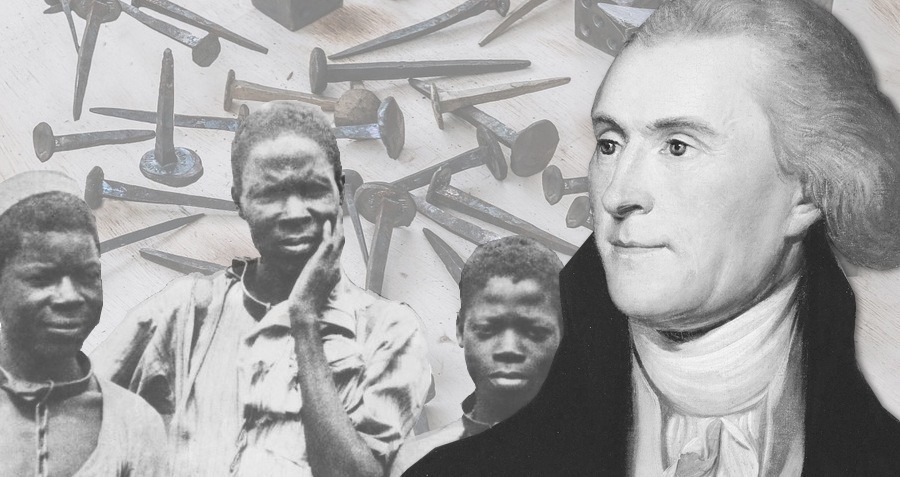
THOMAS JEFFERSON AND SLAVERY
Though Jefferson is against slavery, he believes blacks are inherently inferior.  Jefferson slaves are property and, with the exception of the Hemming’s offspring, Jefferson refuses to release any slaves during his lifetime.

The fascinating value of Ferling’s book is how these two men, and their beliefs are built on life experiences that formed their characters.   Jefferson, through marriage and inheritance, becomes a wealthy landowner but lives life as a profligate who squanders his family fortune.  Jefferson graduates from William and Mary and becomes a lawyer.   Ferling explains that Jefferson believes his years as an American diplomat in Paris are the best years of his life.  Though Jefferson leaves Paris in 1789, he supports France’s revolution; even as it murders the royal family who supported America’s war for independence.  Jefferson believes periodic revolution is a good thing; despite the near-term consequence of “The Terror” in France (its human butchery and property destruction).

18th CENTURY MERCHANTS
Hamilton works for a merchant in the West Indies and becomes acquainted with mercantilism and the importance of business.  Because of Hamilton’s hard work ethic, he is supported by his West Indies employer as an émigré to America.

In contrast to Jefferson’s birth into a conventional American family, Hamilton is born out-of-wedlock in the West Indies.  Because of Hamilton’s hard work ethic, he is supported by his West Indies employer as an émigré to America.  Hamilton exhibits an extraordinary ability to get things done. With his West Indies employer’s financial assistance, Hamilton enrolls in King’s college.  He becomes a lawyer with ambition to participate in the formation of the American nation.

Both Jefferson and Hamilton are shown by Ferling to be in direct conflict on the purpose of the federal government.  Jefferson emphasizes State’s rights while Hamilton argues for strong Federal oversight.  Jefferson looks to the States for national defense while Hamilton argues for a standing army.  Jefferson opposes creation of a national bank while Hamilton insists on federalized control of the value of money.  Jefferson believes the economic future of America is dependent upon farming while Hamilton believes mercantilism. industrialization, and trade should be at the center of economic growth.

STATES' RIGHTS VERSUS FEDERALISM
STATES’ RIGHTS VERSUS FEDERALISM

Ferling’s characterization of these two scions of America implies Jefferson is a thinker while Hamilton is a doer.  Jefferson uses his formidable intellect to rationalize his racist beliefs while insisting slavery is a sin against man.  Jefferson seeks a life of tranquility and believes it lies in an agrarian way of life; i.e. away from war and urbanization. His ambition for high public office is hidden but surreptitiously pursued through association with like-minded Americans.  In contrast, Hamilton is a risk taker and pines for military command in the revolutionary army.

WASHINGTON, A LIFE
Ferling suggests both Jefferson and Hamilton underestimate Washington’s inherent ability to measure the value of subordinates and get things done through other people.

Washington chooses Hamilton as his military aide because of his organizational ability.  Hamilton resents Washington’s aloof treatment of him but sees Washington as a ticket to fame; i.e. a seat at the table in the formation of a new nation.  Hamilton appreciates Washington’s bravery under fire but considers him a poor strategist in war.  Hamilton’s relationship with Washington is utilitarian in the sense that Washington’s renown is a tool for Hamilton to accomplish his life ambition.  

Ferling contrasts Jefferson’s and Hamilton’s personalities.  Both are sensitive to slights.  Both act surreptitiously to accomplish their objectives.  Both have what some call libertine leanings with illicit female relationships.  However, Jefferson is reserved and patrician in conduct while Hamilton is outgoing and vociferous in public.  Jefferson is inclined to theorize while Hamilton acts.  The consequence of acting versus theorizing is exemplified by the duel with Burr that ends Hamilton’s life and allows Jefferson to become the third President of the United States.

SECREACYBoth Jefferson and Hamilton suffer from their secretive way of getting things done.  Jefferson loses his relationship with Washington by writing correspondence to a friend that is critical of Washington’s presidency.  Hamilton is openly hated and vilified by President Adams for his secretive manipulation of his only term as President.  Adams’ hate is magnified by Hamilton’s interference in Adams’ attempted re-election.

DONALD TRUMP (REPUBLICAN NOMINEE FOR PRESIDENT OF THE U.S. 2016)Ferling makes a strong case for the importance of both Jefferson and Hamilton in forging the American nation.  One is reminded of the humanness of all leaders.  Trump is no Jefferson or Hamilton.  He is neither charismatic nor intellectual.  Like Jefferson, Trump is raised as an elitist, but without the intellect of either Jefferson or Hamilton.

 

After reading John Ferling’s book about “Jefferson and Hamilton”, one is convinced that America will prevail, even in the worst of times, which, to some, may be today.

STORIES OF AN ERA

Audio-book Review
By Chet Yarbrough

(Blog:awalkingdelight)
Website: chetyarbrough.blog

The Decameronthe decameron

Written by: Giovanni Boccaccio

Narration by:  Frederick Davidson

GIOVANNI BOCCACCIO (1313-1375, ITALIAN WRITER, POET, AND HUMANIST)

“The Decameron” is a series of stories about the western world’s comic/tragic society.  Compiled or written by Giovanni Boccaccio in the 14th century, it recalls 100 stories told by seven women and three men over a period of ten days. “The Decameron” pictures humanity as directed by luck, avarice, and lust.  Each story implies human relationship is determined by circumstance, and informed by nature.  The circumstance is societal position.  Nature is the exigency of the emotive moment.

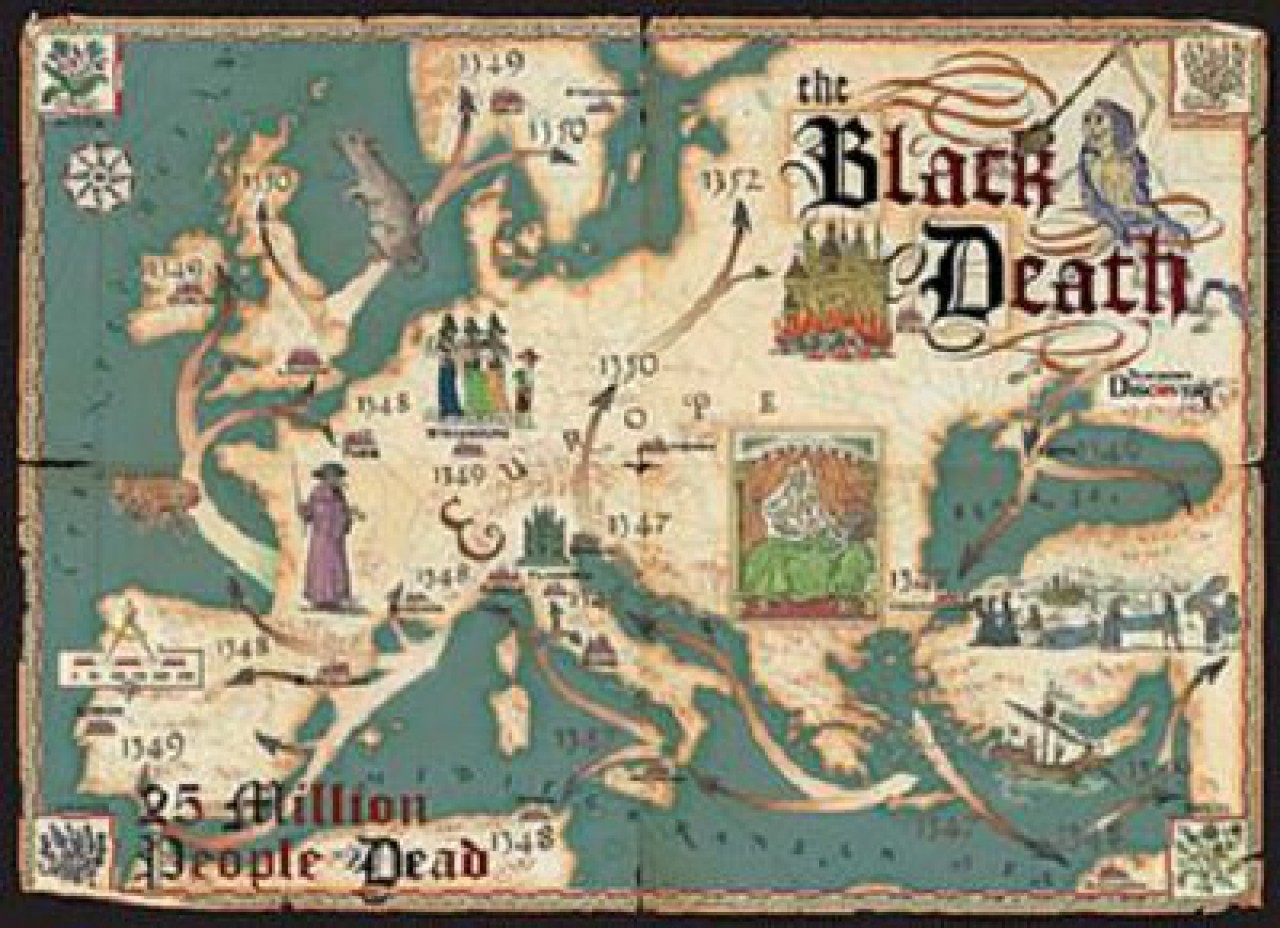
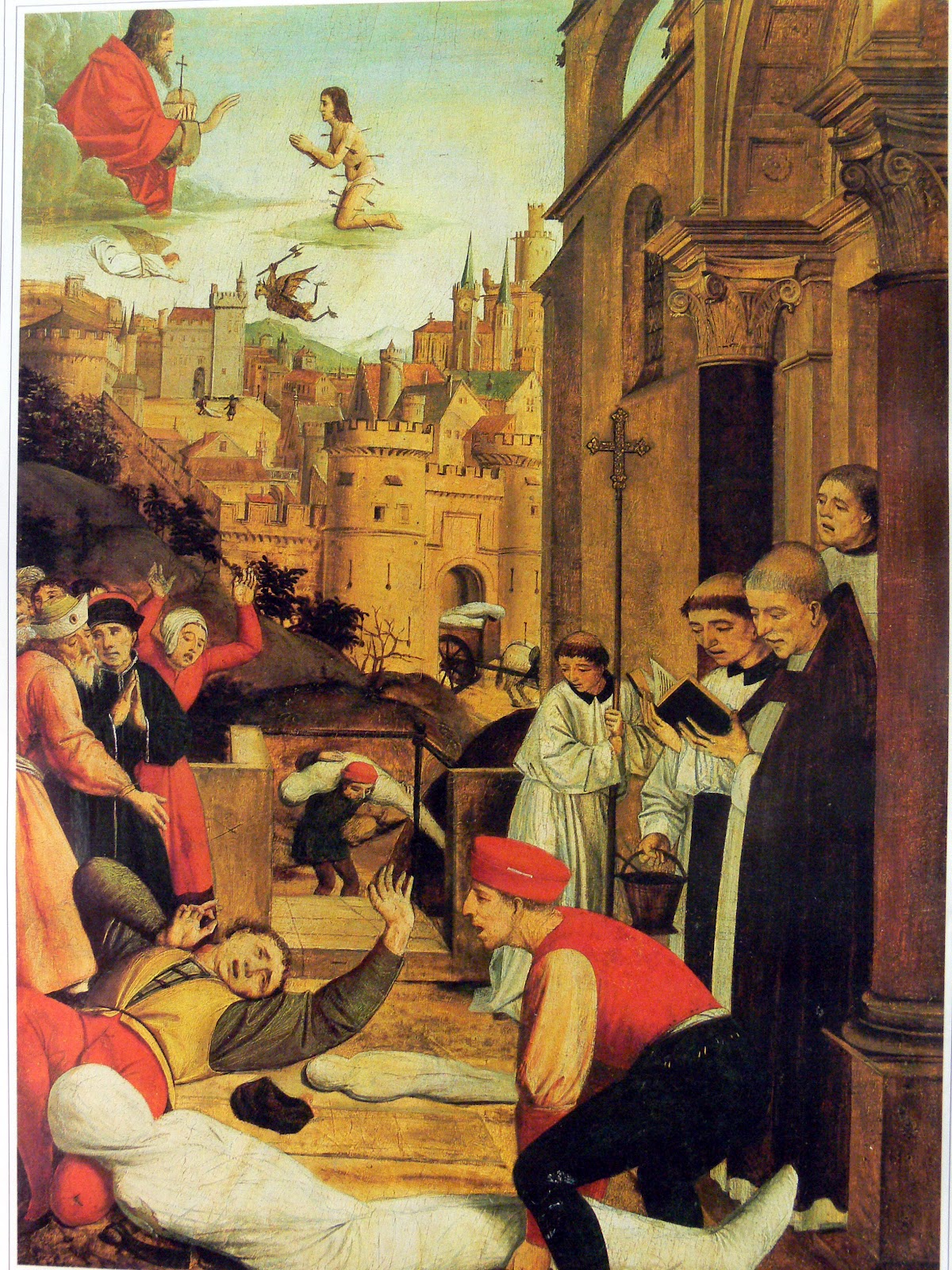
THE BLACK DEATHWritten during or after the spread of the Black Death (1346-53), “The Decameron” skewers belief that God determines one’s fate.  The stories range from raucous to sedate, and sinful to salacious.  Each story implies humans are like wood chips on an ocean.  Humans float into and away from society’s harbor; toward and away from each other, driven by happenstance and nature.  Men are often depicted as lustful beasts; women as lustful manipulators of chance and circumstance.  Corruption of morals is as evident in the priesthood as in the lay public.  In Boccaccio’s world, God may have created the universe but everything after the seventh day is driven by chance and nature.
INEQUALITY IN BOCACCIO
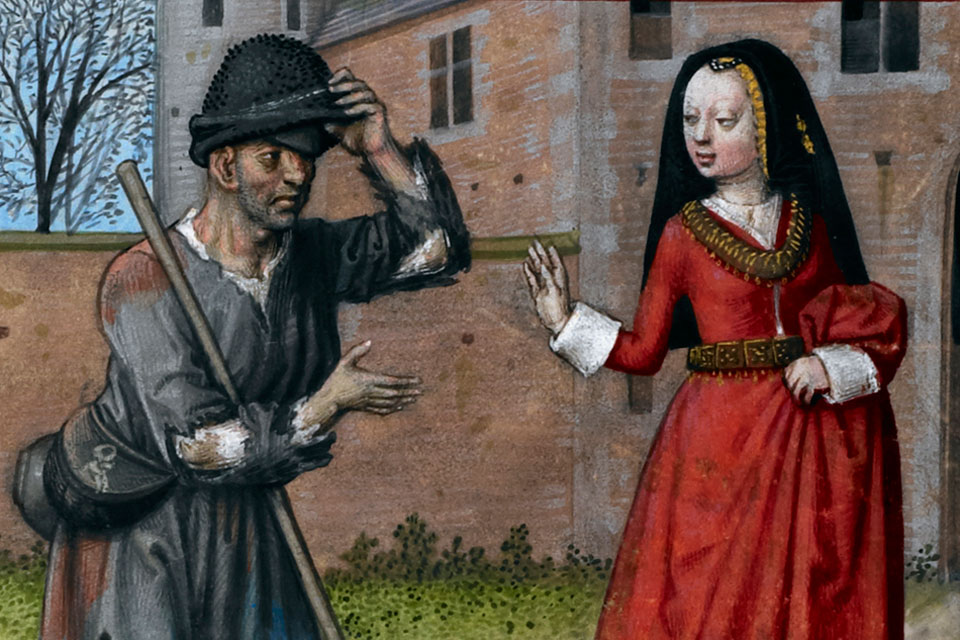
Women are generally shown to be weaker than men but clever and clandestine operatives.

All stories are of tradesmen, merchants, upper class men and women who have the luxury of exercising desires in life beyond the necessity of food to eat and shelter to protect.  Women are generally shown to be weaker than men but clever and clandestine operatives.  Women and men living above the level of abject poverty seem equally consumed by interest in love and lust.  Considering the history of human misogyny, love and lust may have been women’s principle source of security.  For men, love is riven with lust.  Love, most often, seems a fleeting distraction to men.

PRIESTHOOD IN BOCCACIO
The priesthood and upper-class laymen in Boccaccio’s time use the tools of wealth, power, and prestige to seduce women.  In contrast women use guile and sexual favor to clandestinely acquire wealth, power, and prestige

Neither the church or the lay public are shown to be morally superior.  The priesthood and upper-class laymen use the tools of wealth, power, and prestige to seduce women.  In contrast women use guile and sexual favor to clandestinely acquire wealth, power, and prestige.  The exception is the wealthy widow that has some control over the unforeseen consequence of chance.

The comic/tragic events of the stories offer a view of what it is like to live during the dark ages.  Power, not surprisingly, lies in the hands of men but the fairer sex is shown capable of co-opting power with charm and cunning.  Revenge seems equally distributed between the sexes but consequentially more severe for women than men.

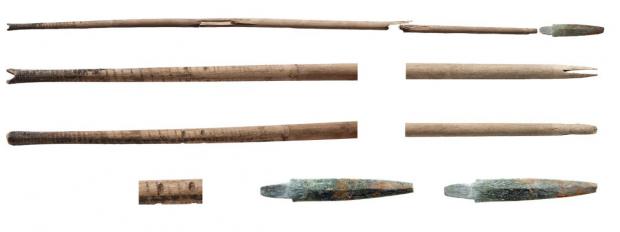
There are some insights to history and society offered by “The Decameron”.  A clever decision by a military strategist is to refashion bows and arrows with smaller slits than common.  The result is that bow carriers on one side of a battle are unable to use arrows invented with smaller slit arrows.  But, wide slit arrows could still be used by soldiers with small slit bows.  This small bow and arrow innovation gave one side of the battle twice the ammunition of the opposition.

ARROW RELICS FROM THE PAST
There are some insights to history and society offered by “The Decameron”.  A clever decision by a military strategist is to refashion bows and arrows with smaller slits than common.

SEXUAL PREDATION (WOMEN AS OBJECTS TO FULFILL MALE FANTASIES)
Then and now, cuckolds and adulteresses share equal billing for shame and condemnation.  However, the double standard for men that wander, and women that survive adultery is shown as appalling unequal then as it is now.

More interesting insights are the rise of a middle class in the dark ages, and the early recognition of organized religion’s corruption.  God is still considered as all-powerful but organized religion is rife with the same sins of all human beings.  Women may have been treated as second class citizens but they still found ways to compete in the drive for money, power, and prestige.  Then and now, cuckolds and adulteresses share equal billing for shame and condemnation.  However, the double standard for men that wander and women that survive, adultery is shown as appalling unequal then as it is now.  Men are forgiven while women are brutalized (sometimes murdered) and left to deal with the consequences of childbirth and poverty.

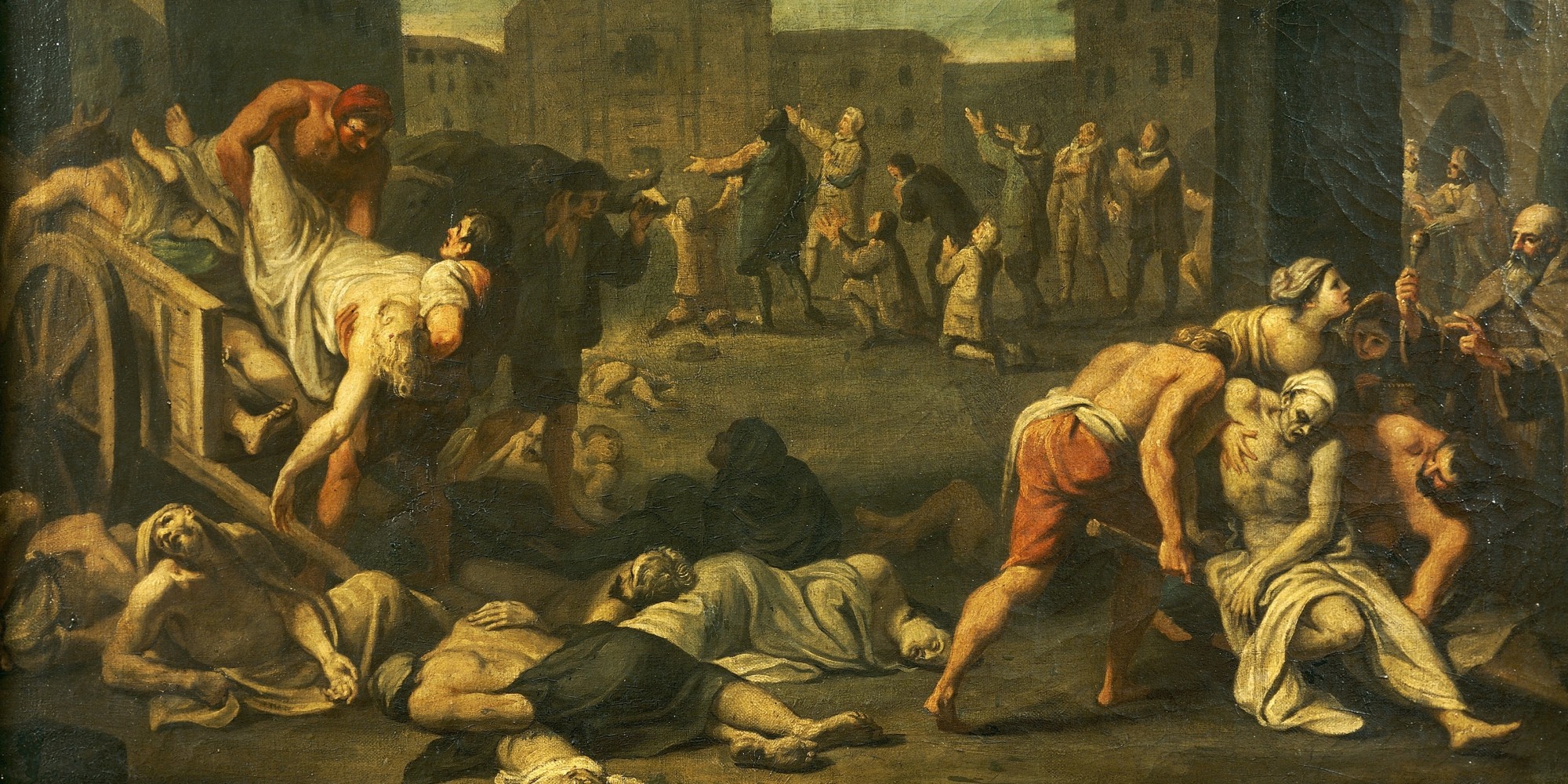
Finally, there is the underlying theme of nature and happenstance that determine the course of life.  There is belief in God but only as Creator.  Humankind is on its own in stories of “The Decameron”.  Buffering by nature pushes and pulls humankind with chance circumstances of the day.  One household is decimated by the plague while next door neighbors are untouched. God seems to have washed His hands of what happens on earth.  Plans of man are perceived as changed by nature’s unpredictability; not by God.

THE PLAGUE
Buffering by nature pushes and pulls humankind with chance circumstances of the day.  One household is decimated by the plague while next door neighbors are untouched. God seems to have washed His hands of what happens on earth.  Plans of man are perceived as changed by nature’s unpredictability; not by God.

Though some may be entertained by this presentation of “The Decameron”, it is not to this critic’s taste.  It is too long.  It is delivered monotonously.  It elicits little laughter.  It ponderously consumes thirty hours of a listener’s time.  However, as noted above, it offers a remarkable picture of life in an era of western world’ upheaval (the current of the black plague) and change (from God’s plan to the unpredictability of nature).

FEAR ITSELF IS CLICHE

Audio-book Review
By Chet Yarbrough

(Blog:awalkingdelight)
Website: chetyarbrough.blog

Fear Itself: The New Deal and the Origins of Our Time

Written by: Ira Katznelson

Narration by:  Scott Brick

IRA KATZNELSON (AUTHOR, AMERICAN POLITICAL SCIENTIST AND HISTORIAN)

IRA KATZNELSON (AUTHOR, AMERICAN POLITICAL SCIENTIST AND HISTORIAN)

“Fear Itself” has become cliché and authors of FDR’s administration are as plentiful as pixels on an HD screen.  However, Ira Katznelson offers a sharpened image of a past and present that threatens American democracy.  Don’t succumb to panic. Life is life. It demands compromise.

The Biden/Trump differences in governance are legion. Today’s political climate is reminiscent of America’s civil war and great depression. Though Biden may or may not be up to the task, the nation needs a healer and leader more like Lincoln or FDR, than Andrew Johnson or Jackson.

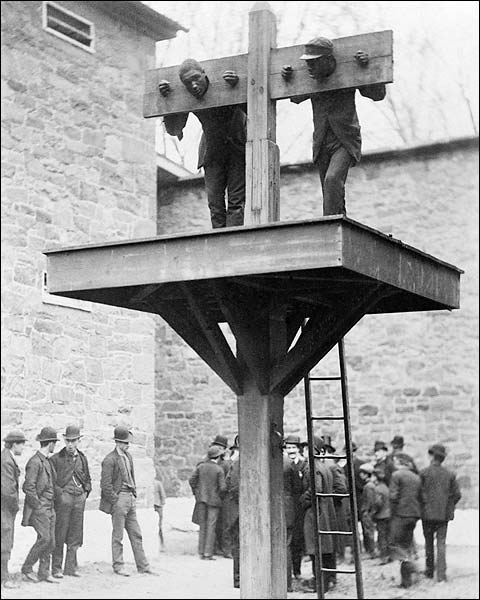
SLAVE TREATMENT

Katznelson argues that FDR’s New Deal to pull America out of depression would have never passed Congress without support of the segregated south. He implies that FDR views murder and discrimination of blacks a lesser threat to American Democracy than failure of the American economy.

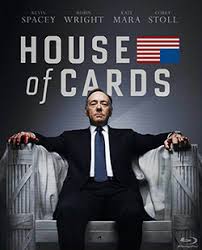
The threat posed by the fictional “House of Cards” President, Frank Underwood,
plays out in fiction and reality. One might argue that FDR sacrifices black America to gain political clout. America’s benighted pretender to a throne, Donald Trump, seems to endorse a similar morality.

Katznelson suggests economic stimulus from the New Deal accelerates recognition of black equality.

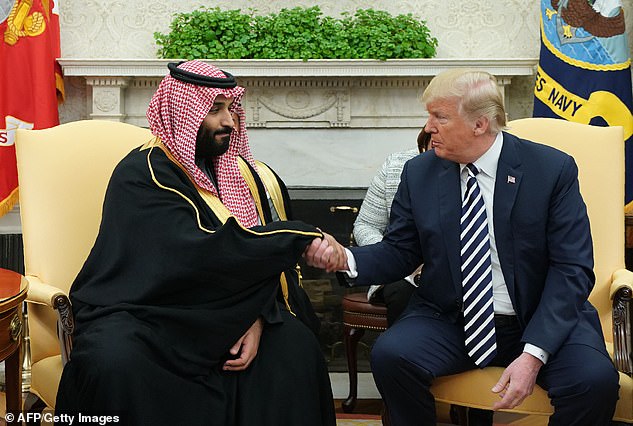
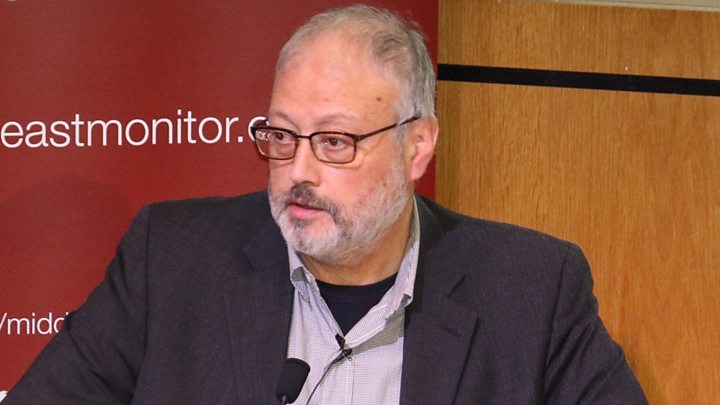
Maybe, but that is similar to President Trump’s rationalization for Saudi Arabia’s assassination of Khashoggi.

To assure the south’s support FDR ignores lynching and degradation of black Americans during his first years as President.  Similarly, President Trump willfully disregards the murder of Jamal Khashoggi.

Because the south believes the New Deal poses no threat to their belief in white supremacy, they voted as a near unanimous block to support FDR’s administration.  Black discrimination and murder did not disappear then (or now) but the New Deal changes the course of history.

MARTIN LUTHER KING (1929-1968, PROMOTING EDUCATION IN THE 1950 S)

Some argue the New Deal bends the arc of the moral universe toward justice (a pronouncement in 1860 by Theodore Parker and made famous by Martin Luther King). Other’s may argue it prolongs discrimination.

Katznelson argues that the great depression and FDR’s response raises the power of labor through job creation and unionization.  A consequence is to create a march for labor’s special interests that influence public policy in a way that endorses democratic ideals of free trade and competition. 

Unions eventually get a seat at the table of major corporations and public policy boards.  With that seat, arguably, the arc bends toward justice.  Of course, there are many seats at the table that frequently out vote minority interests. However, as Katznelson notes–the door for Union influence is opened as a result of FDR’s administration.

Katznelson’s point is that principles of Adam Smith, promulgated for the private sector, are translated into the public sector as a result of the New Deal and America’s mobilization for WWII.  The myth of the invisible hand is extended to government.

Of course, the addition of competition to the public sector is dual edged.  Though it helps level the playing field between public and private interests, it opens a Pandora’s box of problems.  As the myth of Pandora’s box is known, only hope remains when emptied of its content.

The invisible hand is largely a myth, but competition is real. As labor and minorities gain power, their seat at the table allows them to be heard.  On the one hand being heard is a first step in bending the curve toward justice. On the other, the mythical invisible hand favors industry over labor.

MONEY

Money is power.  Most special interests that sit at a public policy table are focused on singular (usually corporate); not general public interests. 

Government agencies can have their funding cut at the behest of elected officials.  Katznelson notes how the southern bloc in the FDR years fails to support many social reforms because of their interest in separation of the races.

Only the fear of a common enemy seems to mitigate (not eliminate) discrimination in the United States. The “common enemy” trope is two edged. It is as likely to mislead as lead to moral and/or ethical decisions.

As an example of misleading the public, President Trump uses the “common enemy” trope to exaggerate immigrant criminality.

Southern Democrats begin siding with Republicans to combat unionization and equal opportunity for all.  Many of FDR’s attempts to create jobs are sidelined because they compete with private sector manufacture or offer equal opportunity for employment to minorities. 

Katznelson explains how the Department of Labor is stymied by Republican opposition and Southern representatives.  By insisting on State’s rights, the South can continue discriminating against minorities and private sector entrepreneurs can subvert federal interference in employment law.

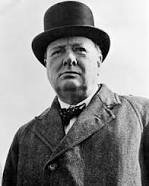
WINSTON CHURCHILL (1874-1965_

Churchill’s “Iron Curtain” speech in Truman’s home town sets the table (a common enemy trope) for an American black list that ruins a number of American lives. 

JOSEPH McCARTHY (1908-1957)

Now that government policy is influenced by special interests, communist hunters like Senator McCarthy look for ways to exploit American fear of a communist takeover. 

The seeds for the Red Scare and the rise of McCarthyism are planted with the beginning of the cold war.

Katznelson’s theme is “Fear Itself” and how it is used to interfere with the moral universe’s curve toward justice. Katznelson explains how important a role the south plays in determining public policy. 

“Fear Itself” is Donald Trump’s hole card, his uncovered ace in a game of chance.  Trump gambles with the fate of America by creating fear of terrorism, Muslims, Mexicans, and immigration.

DONALD TRUMP (REPUBLICAN NOMINEE FOR PRESIDENT OF THE U.S. 2016)

Terrorism is real but Trump’s use of fear is disingenuous.  His ambition is the power and prestige of office; not protection of America from terrorism.  Trump is the Senator McCarthy of our time. 

Katznelson is another historian proving the irrelevance of history because we keep repeating ourselves.  We forget the past and blunder down the same path, tripping and falling, leaving more blood and pain borne by the children of our future.

America needs to invest in its future. A 3.5 trillion dollar investment today will raise the standard of living for all those who have lost their jobs in manufacturing. They are not just tech jobs. They are jobs for infrastructure repairs, helping working families cope with the rising costs of child care, jobs for care of ageing parents’ health, work force’ retraining jobs, and jobs in education for future generations.

The world is adjusting from an industrial to a technological revolution. That transition requires investment in those who have lost their jobs in industry. Child care, elder care, and training for new jobs in a changing employment environment is worth much more than a 3.5 trillion dollar investment.

TODAY IS YESTERDAY

Audio-book Review
By Chet Yarbrough

(Blog:awalkingdelight)
Website: chetyarbrough.blog

Age of Anger

Written by: Pankaj Mishra

Narrated by: Derek Perkins

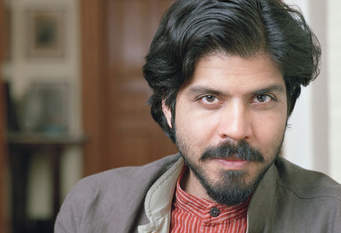
PANKAJ MISHRA (INDIAN WRITER AND NOVELIST)

PANKAJ MISHRA (INDIAN WRITER AND NOVELIST)

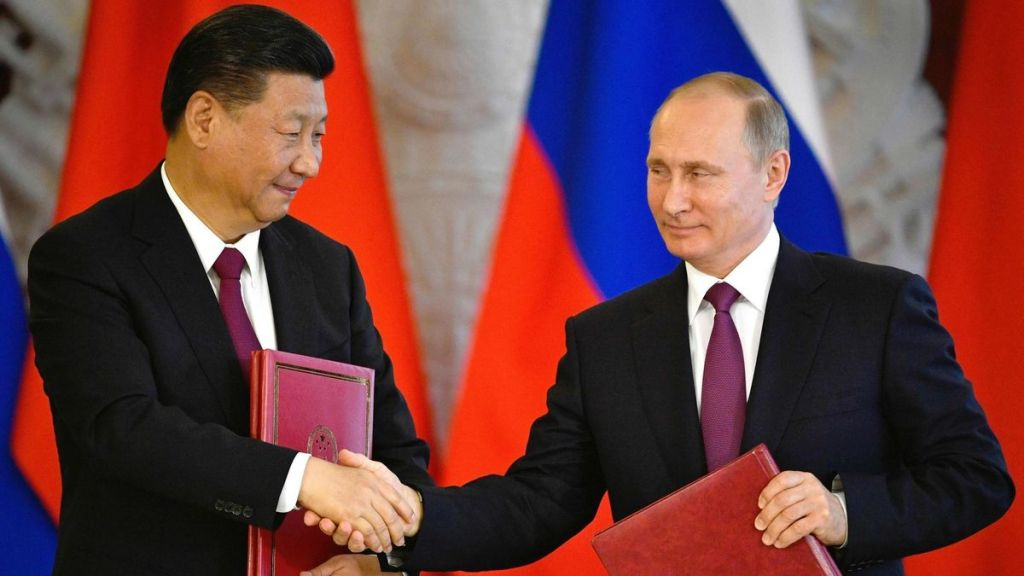
Pankaj Mishra shows that today is yesterday in “Age of Anger”.  Leaders in America, China, India, and Russia return their countries to the ritual of nationalism, i.e., societies’ position of “all against all”.  Mishra’s observations imply either enlightenment is nigh, or an end is coming. The most recent example of course is Russia’s retaliatory bombing and missile strikes in Ukraine.

Ukraine deaths and displacement.

To some, covid-19 heightens belief that an end is coming. A view of history suggests that is nonsense.

GLOBAL WARMING

Today’s tribalist anger (aka extreme nationalism) carries the imprimatur of an overheated world from the threat of covid-19, a nuclear holocaust, and climate change.

This is not a new “Age of Anger”.  It is the same anger from the same origin.  Its origin is human ignorance; i.e. an ignorance existing from the beginning of time.

ANGER AMONG LEADERS

It is revivified by Mishra’s recount of violence between and among competing cultures.

Mishra focuses on the origin of anger in the world.  He offers examples written in the blood of all nations at different times in history.  India, China, Japan, Russia, Great Britain, South Africa, America, and other nations with different governments, different religions, and different cultural norms create ages of anger.  It is an anger inherent in humankind.  Mishra argues that anger is revealed by science and exposed in philosophy.

This anger is not only between nations but within nations. Most recently in America, domestic evidence of the “Age of Anger” are senseless mass shootings that have taken the lives of 19 children, their teacher at a grade school, and a grandmother in Texas, a doctor and 3 hospital workers in Oklahoma, and three adults at a Tennessee nightclub.

It is as though America wants to turn back to the wild west to settle disagreements and act-out at every frustration or depressive circumstance of their lives. The public acts with anger and violence that is made deadlier by weapons of war designed only to murder.

KELLYANNE CONWAY

Mishra suggests the “Age of Anger” is reinforced when philosophical interpretation distorts facts (aka Kellyanne Conway’s alternative facts). The distortion of facts by Trump’s early comments on the Covid-19 pandemic exemplify origins of the “Age of Anger”.

Mishra offers an example of how lies of those in power and influence magnify the “Age of Anger”. Science can be distorted by philosophical interpretation, e.g., Herbert Spencer captures Darwin’s theory and falsely interprets it as a social construct.

Spenser argues that society evolves and advances because of “survival of the fittest”.  He implies it is the same mechanism described in Darwin’s “…Origin of Species”.  Darwin’s research and theory of evolution are distorted by Spencer.

HERBERT SPENCER (ENGLISH PHILOSOPHER, BIOLOGIST, SOCIOLOGIST)

Spenser creates alternative facts.  Spenser argues that progressive development of society is dependent on ethics, religions, economics, political theories, philosophies, and sciences that are the fittest to survive.  Spenser infers survival is the only criteria of what is good for humankind.  To Spenser, life is a competition for “all against all”.

Darwin’s theory of evolution has little to do with survival of the fittest.  Extinction or perpetuation of an evolutionary line is a matter of happenstance; not fitness for survival.  (Hairlessness does not make humankind more fit for survival; i.e. it makes the human body more environmentally vulnerable.)

Mishra explains how concepts of materialism and well-being are interpreted within and among nation-states.  As materialism becomes a measure of well-being–money, power, and prestige set a precedent for valuing human existence in a Spenserian creed of “all against all”. 

Mishra reviews the beliefs of Voltaire, Nietzsche, and Kant to show how materialism, supermen, and human perception control the course of history.  Voltaire ranks wealth; Nietzsche ranks power, and Kant ranks perception as measures of human worth.

Mishra suggests anger has risen through generations, within and among nations, that explain world wars, genocidal acts, and atrocities beyond imagining.  That anger exhibited itself in the murder of an innocent woman in Valle Verde Park, California in April of 2019.

Our former President exacerbates American anger that is exhibited by extremists who attack Asian Americans because of an ignorant belief that China purposely introduced Covid19 to the world. If all Americans are not ashamed, they should be.

https://www.cbsnews.com/video/assaults-on-asian-americans-spike-nationwide-during-pandemic/

Extremists embarrass themselves and America by believing Q Anon conspiracy theories.

Pittsburgh Synagogue Murders (11 Dead, 6 wounded in October 2018.)

Poway, Valle Verde Park, CA Synagogue–murder of one and injury to three in April 2019.

Racially motivated killing of 10 Americans in May of 2022 by an 18-year-old white supremacist male who believes the “replacement” conspiracy theory spread by bigoted Americans.

It is fair to say that there have been respites from this cycle of violence.  But, unless or until human beings see themselves as part of the same society, the world will end in the Armageddon of biblical imagination.

MORE OR LESS FREE

Audio-book Review
By Chet Yarbrough

(Blog:awalkingdelight)
Website: chetyarbrough.com

Privacy, Property, and Free Speech: Law and the Constitution in the 21st Century

The Great Courses Series

Lectures by: Professor Jeffrey Rosen

JEFFREY ROSEN (AUTHOR, AMERICAN ACADEMIC, LEGAL HISTORIAN, PROFESSOR AT GEORGE WASHINGTON UNIVERSITY LAW SCHOOL)

JEFFREY ROSEN (AUTHOR, AMERICAN ACADEMIC, LEGAL HISTORIAN, PROFESSOR AT GEORGE WASHINGTON UNIVERSITY LAW SCHOOL)

The public sector continually revises laws regarding the internet.  Laws passed by government attempt to regulate internet use, ownership, and censorship by redefining freedom of speech and expression, the freedom of religion, and the freedom from want and fear. Technology encroaches on privacy with internet access by the public and private sectors. 

Are Americans more or less free in the 21st Century? 

Professor Jeffrey Rosen in “Privacy, Property and Free Speech” leaves the question unanswered.  However, he clearly frames the question for listeners to draw their own conclusion.  It is difficult to give a definitive answer for three reasons.  One, new technology redefines freedom.  Two, September 11, 2001 redefines security.  Three, globalization redefines nationalism.

Government classifies organizations and decides which can legally access the internet.  Government is in the process of defining who can own the internet and how access can be regulated.  Government has the power to censor information that it views detrimental to the freedoms historically held by Americans.  Control of internet use, ownership, and censorship by the government encroaches on freedom.

WOMEN'S RIGHTS MOVEMENT

Women, in some men’s lives, are expected to bear children, be silent, cook and clean house, be dependent on their husbands, and respect males in all circumstances of life.

Professor Rosen addresses the issue of property by lecturing on women’s rights and the right of government to claim eminent domain on property owned privately that can be taken for the public good.  In addressing women’s rights, Rosen reviews the history of Roe v. Wade and implies that the judicial system may have acted too quickly by not allowing the States and the general public to fully address the issue.

Rosen is equally conflicted by the government’s right to claim eminent domain.  He notes how confiscation of private property at fair market value has a spotted history of success when claimed by the government for the public good.  In some cases, the taking has resulted in failed projects; in others, like Baltimore’s revitalized harbor, the taking revitalized a neglected and deteriorated landmark.

EMINENT DOMAIN

Rosen notes how confiscation of private property has a spotted history of success when claimed by the government for the public good.

The American judicial system encroaches on the freedom of women to choose and the fifth amendment clause says private property shall not be taken for public use, without just compensation.

The private sector uses the internet to define consumers.  What an internet user purchases becomes a profile factoid used to pander to consumer desires.  The detailed profile can affect the price advertised and the personalized pitch made by a retailer.  Private sector search engines use consumer profiles to pitch private sector businesses for advertising.  Consumer manipulation by the private sector encroaches on freedom.  Web-based profiling steers the public by profiling individuals and algorithmically congregating personal information.

ONLINE PRIVACY

What an internet user purchases becomes a profile factoid used to pander to consumer desires.


Terrorism is like lighting in a storm; i.e. it is a force of nature that can strike anyone at any time.  Governments have changed the world of travel by invading the privacy of minds and bodies to reduce the chance of a terrorist act.

9.11.01TRADE CENTER ATTACK

The Trade Center tragedy redefines security for America and the world.  September 11th convinces the world that there are no unbreachable terrorist constraints. 

GUANTANAMO

Rosen suggests governments cross the line when citizens are detained or incarcerated for what they think rather than what they do.  The fear one has is that thought becomes grounds for prosecution. 

To the extent that terrorism is like lightning in a storm, one can only wait for the storm to pass.  Invading one’s privacy and arresting citizens for what they think is a slippery slope to totalitarianism.

PREHISTORIC HUMAN KIND

When the first man and woman joined together as a couple; when the first tribe became a hunting and gathering troop, and when the first hunter-gatherers became part of a farming community, freedom diminished

There is less and less room for nation-state nationalism.  Encroachment on privacy, property, and free speech are inevitable in the 21st century (and beyond).  Freedom’s encroachment is an inherent part of civilization. 

Despite Brexit and nationalist sentiment of Trump supporters, all human beings are citizens of one world.

The last lecture in Rosen’s series is about the right to be forgotten.  Now, we are citizens of nation-states; tomorrow we will be citizens of the world.  With each regrouping, there is diminished freedom. 

The last bastion of freedom will be “the right to be forgotten”. 

It will be a programming code designed to volition-ally erase one’s identity.  This volitional reboot will be with less rather than more freedom because of the nature of becoming part of a larger human congregation.

Professor Rosen offers an excellent and informative outline of America’s history of privacy, property, and free speech.  A listener will draw their own conclusions about present and future freedoms from Rosen’s lectures.  My view is that freedom has always been thankfully limited.

SEXUAL ORIENTATION

Audio-book Review
By Chet Yarbrough

(Blog:awalkingdelight)
Website: chetyarbrough.blog

Mislaid: A NovelMislaid

Written by: Nell Zink 

Narrated by: Cassandra Campbell

NELL ZINK (AMERICAN NOVELIST)

Sexual orientation, and what became known as LGBT rights, is hotly debated in America.  Four rulings between 1996 and 2015 changed the rights of the LGBT (lesbian, gay, bisexual, and transgender) community.  The Supreme Court invalidated a state law banning protected class recognition based on homosexuality; invalidated sodomy laws nationwide, denied the validity of the “Defense of Marriage Act”, and made same-sex marriage legal in America.

Nell Zink validates the direction of society’s recognition of LGBT rights in her book “Mislaid”.  Zink creates four characters who illustrate how American equal rights for the LGBT community are changing.  Lee, a husband, is gay.  Peggy, his wife, is lesbian.  Being gay or lesbian is a label implying gays only have sex with men and lesbians only have sex with women.  “Mislaid” suggests that is a myth.  Lee and Peggy clearly express their preference for same-sex liaisons; however, being gay or lesbian is a preference; not an inviolable mandate or predilection.

sexual orientationHumans may be seduced by the pleasure of sex regardless of sexual orientation.  Though both Lee and Peggy are noted to have same-sex preference, they become man and wife and bare two children during their marriage.  Just as the words gay and lesbian are labels, the same can be said of bisexual.  Sexual acts are fundamentally gender neutral.

The disingenuous politicization of the “Don’t Say Gay” bill by the governor of Florida is disgusting.  The Disney corporation creates amusement parks for all people, regardless of sexual orientation.

CHILDREN
Zink implies that sexual preference is a happenstance of genetics, not parental influence.  Current science and sociological studies reinforce that belief.

A second myth that is exploded is that the children of gay and/or lesbian parents produce sexually confused offspring.  Both the son and daughter of Lee and Peggy are heterosexual.  Zink implies that sexual preference is a happenstance of genetics, not parental influence.  Current science and sociological studies reinforce that belief.

Love between Lee and Peggy is not part of their sexual relationship.  At best, it is a partnership of circumstance and convenience.  Lack of love leads to divorce when their son is nine and their daughter is three.

PSYCHOLOGICAL ABUSE 2Lee is the dominant presence in the relationship.  Lee psychologically abuses his wife with extramarital affairs and ridicule that is focused on Peggy’s unrealistic literary ambition. Peggy’s reaction is to act out by driving her husband’s favorite car into a lake and eventually leaving her husband.  Peggy expects to take both of her children with her but their nine-year-old son refuses to leave; in part because of Lee’s labeling of Peggy as psychologically unbalanced (another frequently misused label).

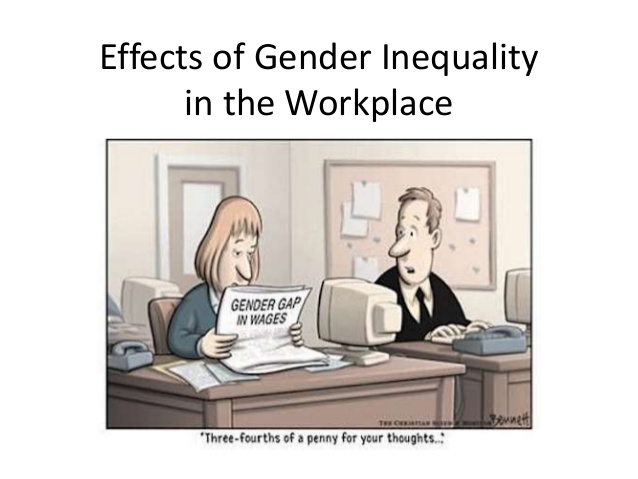
GENDER INEQUALITYEach child grows up in starkly different environments.  The boy becomes an academic athlete at William and Mary while the girl becomes a struggling scholarship-aid student at the same school.  Their independent upbringing represents two ends of the spectrum of growing up in America.  One, is a life of upper middle class wealth; the other a life of poverty.  One shows the privilege of being a man and the difficulty of being a woman in a world largely controlled by men.

“Mislaid” could have been a much better novel.  It deals with life’s complexity very well, but fails to engross its listener in its characters.  A reader/listener’s empathy is rarely tapped by a story full of potential.  However, Nell Zink deftly and intelligently covers a host of subjects that warrant the time it takes for the public to read or listen to “Mislaid”.  It provides a better understanding of the LGBT community.  It illustrates how much more difficult it is for an American woman than an American man to raise a child on her own.

THE LAST ROYAL FAMILY

Audio-book Review
By Chet Yarbrough

(Blog:awalkingdelight)
Website: chetyarbrough.blog

The Family Romanov: Murder, Rebellion, and the Fall of Imperial RussiaThe Family Romanov

Written by: Candace Fleming

Narrated by: Kimberly Farr and Others

CANDACE FLEMING (AMERICAN AUTHOR)

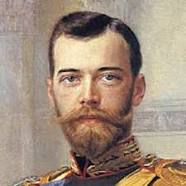
CZAR NICHOLAS II OF RUSSIA (1868-1918)

Candace Fleming offers an intimate look at the life and death of the last royal family of the Czarist empire.  The intimacy of the profile is reinforced by personal letters, contemporary literature, and historical accounts of the 1917 Russian revolution.  Fleming reaches back to the beginning of Czar Nicholas’s reign 23 years earlier and ends with the families slaughter in the basement of a house in Yekaterinburg, Russia. East of Moscow and southeast of St. Petersburg.

The ignominious death of the last Czarist family is confirmed by DNA analysis of the remains of the family in 1992.  Two of the children are missing in the first discovered grave site; e.g. the son Alexei and a daughter thought initially to be Marie, but later found to be Anastasia.  The mystery of the two missing children is solved when a nearby grave is found in 2007.  Through further DNA analysis, Alexei’s and Anastasia’s remains are confirmed.

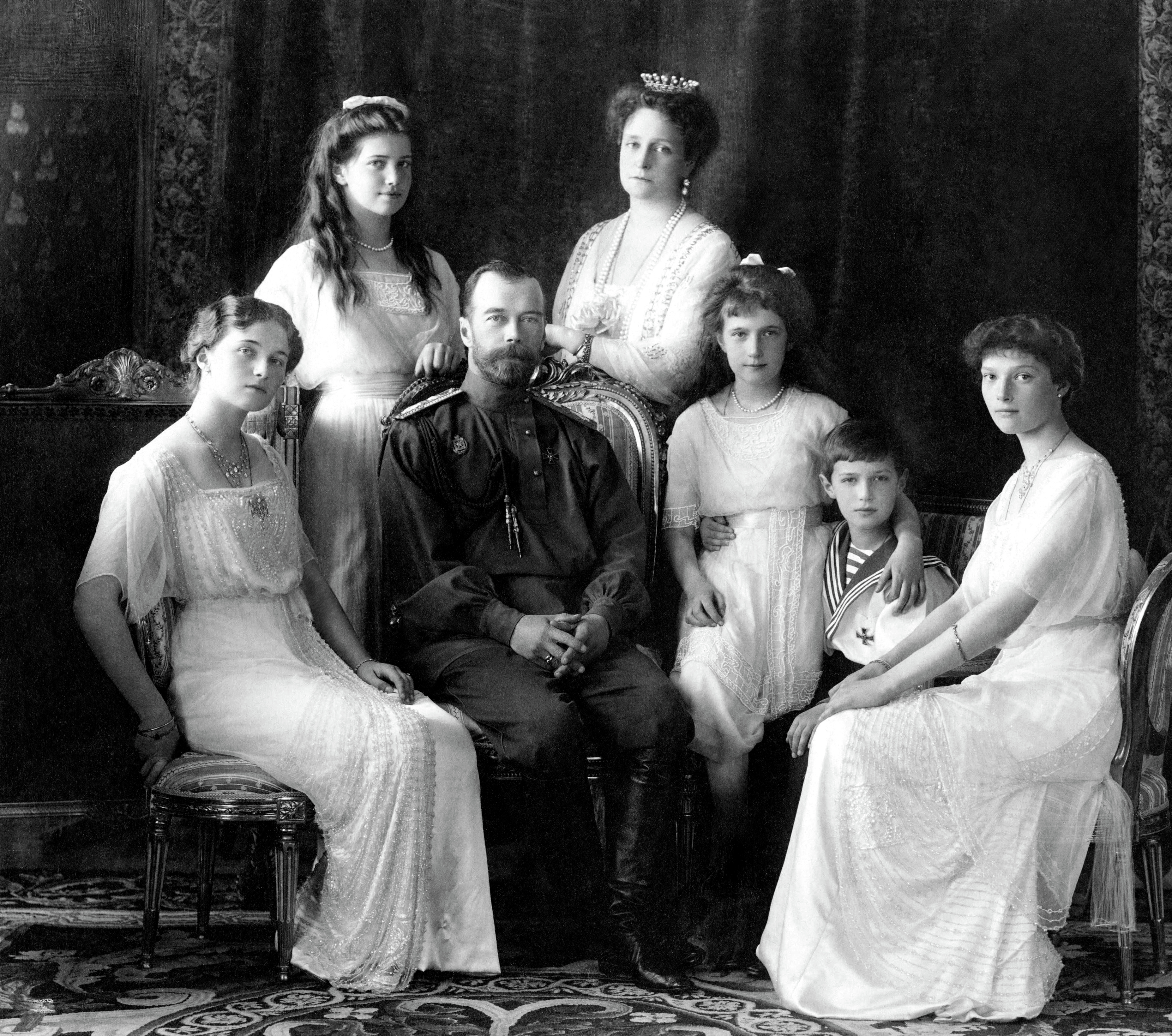
ROMANOV FAMILY (1913 PIC., MURDERED 1918, LEFT TO RIGHT-OLGA, MARIA, NICHOLAS II, ALEXANDRA, ANASTASIS, ALEXEI, AND TATIANA)

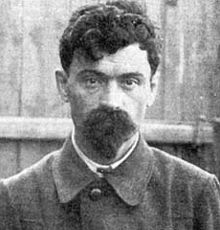
YAKOV MIKHAILOVICH YUROSKY (1878-1938, CHIEF EXECUTIONER OF NICHOLAS II AND HIS FAMILY)

The entire Romanov family is guarded by the Red Guard, a rag tag military force, made of workers, peasants, Cossacks, and former soldiers.  This unconventional troop is under the influence of Bolshevik revolutionaries; recruited at Vladimir Lenin’s direction.  This rag tag troop is replaced later by war hardened soldiers commanded by Yakov Mikhailovich Yurosky.

Fleming notes that Yurosky’s family had been victims of Nicholas II’s feckless reign.  Undocumented orders are given to Yurosky to murder the royal family and their servants.  Fleming suggests the impetus for Yurosky’s orders is the White Guard (an anti-communist force opposing Lenin’s Bolsheviks) nearing Yekaterinburg.  No written record is discovered showing Lenin or any particular Bolshevik leader directed the murders.  However, Lenin approves of the murders after the fact.

IMAGE OF IPATIEV HOUSE WHERE THE ROMANOVS WERE MURDERED

Fleming describes the preparation of a basement room in the Ipatiev House for the murders.  All furniture is removed.  The family and their servants are awakened in the middle of the night, taken to the basement, and shot like horses in a slaughter-house.

The first shot, fired by Yurosky, kills the Czar.  Soldiers empty their rifles on the remaining family and servants.  The children are wearing clothes that are secretly lined with jewelry which initially act like bullet proof vests.  Shots ricochet around the room and the children must be shot again to end their lives.  A truck is waiting outside the house.  The bodies are thrown into the truck and taken to a dense forest where they are buried.

Days later the White Guard arrives.  They find the house in anticipation of a rescue but find the house empty.  They search each room and find evidence of the royal family and finally reach the basement.  It has been cleaned but blood stains can still be seen on the baseboards and floor.

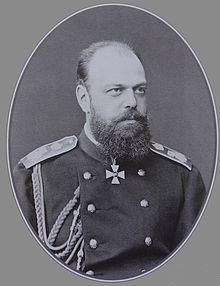
ALEXANDER III (1845-1894, FATHER OF NICHOLES II, EMPEROR AND AUTOCRAT OF CZARIST RUSSIA)

Fleming describes the 300 year (1613-1917) Romanov family as privileged, rich, and powerful.  Privilege, wealth, and power diminishes in equal measure as Czar Nicholas II inherits the throne.  Nicholas II’s father is characterized as a bull of a man who brooks no disagreement from either his family or the Russian people.  At 6’ 3”, Alexander III dwarfs his son who is 5’ 7”.

In complete contrast to Alexander, Nicholas is characterized by Fleming as effete and non-confrontational.  He both reveres and fears his father.  When the Russian poor challenge Alexander, after Nicholas’s grandfather’s more accommodating rule, Alexander III reacts to revolts with bullets and blood; i.e. any resistance to autocracy is crushed by Alexander III.

When Alexander dies, Nicholas attempts to emulate his father’s autocratic rule but carries none of his father’s physical or mental toughness.  Nicholas rarely acts as a leader and only commends surrogate actions taken by subordinates.  When his ministers shoot unarmed civilians on their own volition, Nicholas commends them for their prompt action in defending the throne.

Fleming gives the example of the 1905 Russian revolution when the poor attempt to meet with the Czar but are repelled by the Czar’s guard.  Many peasants are murdered.  The peasant’s intent is only to meet to discuss what can be done to raise wages and improve their lives.  The Czar chooses to commend his guard for their violent response without considering the legitimacy of the peasants demands.  Nicholas only cheers other’s actions that protect his rule.  Nicholas never directs actions of subordinates; he never leads.

GRIGORI RASPUTIN (1869-1916, RUSSIAN PEASANT, MYSTICAL FAITH HEALER, FRIEND AND COUNCILOR TO CZAR NICHOLAS AND HIS WIFE)

Nicholas’s lack of leadership is compounded by a marriage to Maria Feodorovna.  Maria becomes Nicholas’s enabler.  She supports his style of non-decision decision-making.  Maria is a devout mystic that believes all things that happen are by the grace of God.  When something goes wrong, it is the will of God.  Not only does Nicholas rely on his wife’s counsel but Maria’s belief in mysticism opens the door to one who says he is God’s messenger.  Such a one comes to the aid of Maria.  His name is Grigori Rasputin.

Fleming notes that the Czar and Maria are anxious to have a boy child to ensure succession to the throne.  They have four girls before Alexi is born.  The birth of Alexi is attributed to a mystic, before Rasputin, that convinces Maria she will have a boy child.  When Alexi is born, Maria’s belief in messenger’s from God becomes unshakable.  Sadly, Alexi is found to have hemophilia.

APP2000120688592
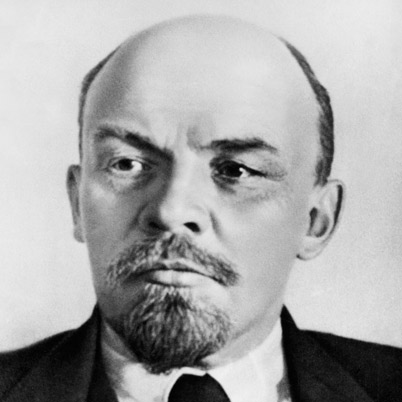
VLADIMIR LENIN (When Russia most needed a strong decisive leader, they had an inept and weak Czar.  The support of the people diminished with the progress of the war.  The leadership vacuum is filled by Vladimir Lenin and a mythic communist philosophy of power to the people.)

The die is cast.  Rasputin and the support he receives from the royal family tarnish the god-like image of the Romanovs.

As WWI begins, the fall of the Romanovs is assured.  When Russia most needed a strong decisive leader, they had an inept and weak Czar.  The support of the people diminished with the progress of the war.  The leadership vacuum is filled by Vladimir Lenin and a mythic communist philosophy of power to the people.  With promises to peasants and workmen that live under the thumb of an aristocratic totalitarian system, Lenin justifies another kind of totalitarian system.  Fleming implies that Lenin may have softened terrorist communism if he had lived but Stalin took the reins after Lenin’s death.  The rest is a history of the worst mass murderer of the twentieth century.

Fleming offers an interesting and intimate view of the last Czar’s family.  It is not laudatory but one comes away from the story feeling that the death of Nicholas and his family, like Louis XVI and Marie-Antoinette, were the result of changing times; not their ineffective, injudicious rule.  They deserved to be dethroned but not murdered.  Money, power, and prestige corrupts all human beings–rich, poor, religious, and secular.  Democratic regulation, not violence; social justice, not vigilantism; peace, not war are the needs of humankind.

BIRDS FLY SO WHY CAN’T I

Audio-book Review
By Chet Yarbrough

(Blog:awalkingdelight)
Website: chetyarbrough.blog

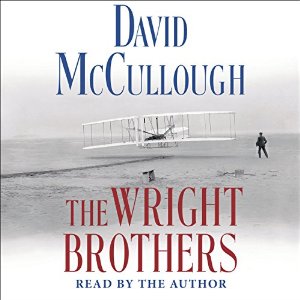
 The Wright BrothersThe Wright Brothers

Written by: David McCullough

Narrated by: David McCullough

DAVID McCULLOUGH (TWO TIME PULIZER PRIZE WINNER)

“The Wright Brothers” must have wondered—Birds fly, so why can’t I?  David McCullough writes and narrates a memoir of the Wright Brothers that perfectly turns wonder into reality.  Orville and Wilbur Wright are the first to design, build, and fly an airplane that demonstrates human control of flight.  They were not the first humans to fly, but they were the first to fly like birds; i.e. with nature and intent.  Before the Wright brothers, flying is left to man’s faith in God and luck; after the Wright brothers, flying is firmly within the grasp of humanity.

Two farm boys are raised in a family of seven (a mother, father, sister, and two brothers).  Neither Orville, or Wilbur are college educated.  Both are born to a mother who graduates from Hartford College, as the top mathematician in her class; a woman who became a housewife to an ordained minister, and an example to her children. Through nature and nurture, Orville and Wilbur become the talk of Dayton, Ohio, Kitty Hawk, North Carolina, Paris, Washington DC, and, eventually, the wide world.

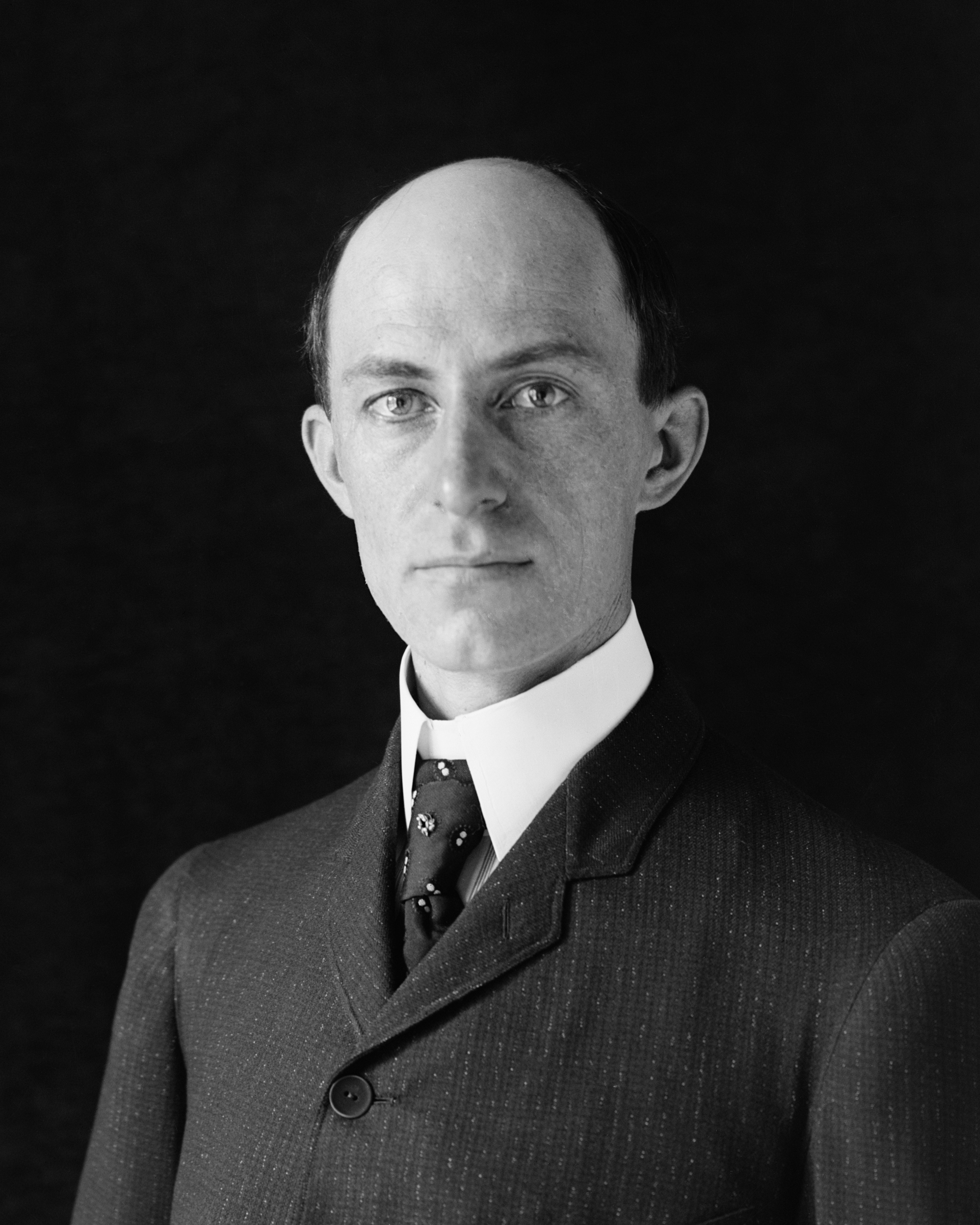
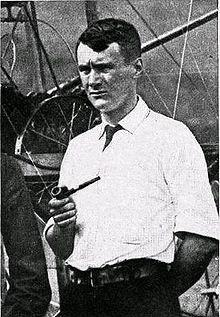
ORVILLE WRIGHT (1871-1948)

WILBUR WRIGHT (1867-1912)

Wilbur is a student athlete and scholar in high school.  He goes to Hartford College, like his mother, but (unlike his mother) never graduates.  Orville is the younger of the two by 4 years.  Orville never finishes high school.  McCullough describes the boys as tinkerers with ambition and a burning desire to understand how birds fly.  With extraordinary observational skill, hard work, and persistence, Orville and Wilbur observe birds in flight, build and tinker with flying machines, and meticulously repeat experiments in human flight.

WRIGHT BROTHERS' BICYCLE SHOP
WRIGHT BROTHERS’ BICYCLE SHOP

With income from a bicycle business they start in Dayton, Ohio, they begin designing their first glider.  After completing their design, they make parts and assemble their air vehicles at the bicycle shop.  They search for an area of the country that has the wind and landing characteristics they need to test their glider.  They are invited to an area of North Carolina because of the wind and sand characteristics of the area.  Their first flight is on October 5, 1900 near Kitty Hawk but it is flown more as a kite; without a pilot.  After the first experiment, Wilbur takes flight as a pilot, while helpers tether the glider from the ground.  These first flights lead the brothers back to the drawing board for control-feature re-design.WRIGHT UNPOWERED AIRCRAFT

The brothers return in 1901, with a new glider.  The new design, allows the ribs of the wings to flex to allow adjustments in flight.  They find the flexing refines control of the glider in their Dayton shop where the re-design and reassembly occur.  They create a wind tunnel to help with a re-design of glider controls.  They add a rear rudder to improve the steering capability of the flyer.  At this point, McCullough explains that the brothers begin flying in earnest to improve their skill in maneuvering the glider.  Orville and Wilbur realize earlier failures, by themselves and others, will be repeated by pilots without extensive experience with aircraft controls.  McCullough reinforces the historic truth of the Wright brothers’ invention of the first airplane. Without the brother’s creative control features, airplanes would be too dangerous to fly.

WRIGHT'S 1903 FLYER ENGINE
WRIGHT’S 1903 FLYER ENGINE

CHARLES TAYLOR (1868-1956, DESIGNED THE FIRST ENGINE FOR THE WRIGHT BROTHER'S AIRPLANE)
CHARLES TAYLOR (1868-1956, DESIGNED THE FIRST ENGINE FOR THE WRIGHT BROTHER’S AIRPLANE)

Once the aerodynamics of flight are understood, the Wright brothers turn to the idea of a motor to complete their vision of human flight.  Searching the nation for a light weight engine to power their glider, they find no engine fits the bill.  By good fortune, the Wright brothers become friends with Charles Taylor.  Taylor takes over management of their bicycle shop while they are refining their gliders.  Taylor happens to be a master mechanic.  He hand-builds an engine to power the first airplane motor by boring a block of aluminum for pistons to provide 12 horsepower to the Wright’s first airplane.  On December 17, 1903, the first flight of a motorized airplane (an airplane with directional controls) takes place at Kitty Hawk, North Carolina.

WRIGHT'S 1903 FLYER
WRIGHT’S 1903 FLYER

McCullough notes that neither Orville or Wilbur ever marry.  They are a close family, raised by a loving father who is often absent because of his Bishopric duties and a mother who surprises local residents with her ability to manage the household, repair broken tools, and raise such self-reliant children.  The brother’s sister, Katharine Wright is the only child to graduate from college.  She becomes the boy’s surrogate mother when their birth-mother is invalided in 1886 and dies in 1889.  Katherine becomes the first woman to fly as a passenger with Wilbur in Paris.

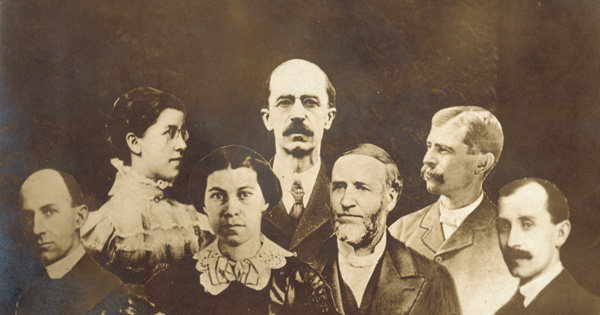
WRIGHT BROTHERS FAMILY (COMPOSITE PHOTO, LEFT TO RIGHT-WILBUR, KATHARINE, SUSAN, LORIN, BISHOP MILTON, REUCHIN, AND ORVILLE)

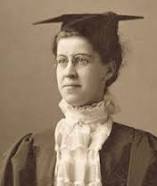
KATHARINE WRIGHT (1874-1929, SISTER OF WILBUR AND ORVILLE WRIGHT)

THOMAS SELFRIDGE (1882-1908, PASSENGER ON 1908 PLANE CRASHED IN ORVILLE WRIGHT'S DEMONSTRATION OF FLIGHT TO THE AMERICAN ARMY)
THMAS SELFRIDGE (1882-198, PASSENGER ON 1908 PLANE CRASHED IN ORVILLE WRIGHT’S DEMONSTRATION OF FLIGHT TO THE AMERICAN ARMY)

In the many flights that Orville and Wilbur take, there are several crashes. The worst crash is when Orville is demonstrating their latest airplane to the Army.  According to McCullough, the crash is caused by a mechanical failure that kills an Army Lieutenant as a passenger on Orville’s flight.  Orville is nearly killed but is nursed back to health by Katharine.

In most of Orville’s and Wilbur’s flights, they fly separately to assure the continuation of their company should one or the other be killed.  As fate would have it, Wilbur dies from typhoid in 1912.  Orville lives until 1948.  They created a company in 1909 that sold planes to the U. S. Army and a French syndicate.  Orville sells the company in 1915 but stays involved in aeronautics for the remainder of his life.  He became a member of the Board of Directors for NASA.

Several lawsuits were brought to challenge patents created by the Wright brothers on their airplane designs; none of the challenges succeeded.  McCullough implies “The Wright Brothers” story is proof of the truth of the American Dream.  With hard work, persistence, and intelligence, success is every American’s opportunity.  In recent years, ghosts of past and present, challenge that belief.  But, for white Americans in the early twentieth century, the dream is made real by McCullough’s entertaining and informative story about the Wright family.


SCIENTIFIC DISCOVERY

Audio-book Review
By Chet Yarbrough

(Blog:awalkingdelight)
Website: chetyarbrough.com
 

The Hunt for Vulcan:…And How Albert Einstein Destroyed a Planet, Discovered Relativity, and Deciphered the UniverseThe Hunt for Vulcan

Written by: Thomas Levenson

Narration by:  Kevin Pariseau

THOMAS LEVENSON (US SCIENCE WRITER AND DOUMENTARY FILM-MAKER--DIRECTOR OF THE GRADUATE PROGRAM IN SCIENCE WRITING AT MIT)
THOMAS LEVENSON (US SCIENCE WRITER AND DOUMENTARY FILM-MAKER–DIRECTOR OF THE GRADUATE PROGRAM IN SCIENCE WRITING AT MIT)

Thomas Levenson offers a vignette of history about the methodology and adventure of scientific discovery.  Scientific discoveries seem rarely hit upon in a linear fashion.  Discovery comes from study of natural phenomena that frequently reveal the unexpected.  Few can deny the brilliant and insightful discovery of the laws of motion and gravity by Isaac Newton.  Among great science discoverers, none seem to achieve the utilitarian application of science more than Newton.  At least for those who view earth as the primary laboratory of science.

ALBERT EINSTEIN (1879-1955)

Then came Albert Einstein.  Newton’s laws of gravity and motion work beautifully for practical application on earth.  However, Newton’s laws of motion and gravity are error prone when applied to the universe.  Einstein expands Newton’s laws of gravity and motion by discovering the relativity of time, mass, and energy.  With theories of specific and general relativity, the universe becomes the laboratory of science.

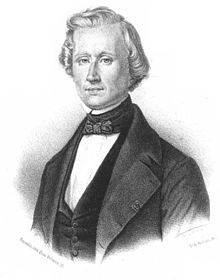
URBAIN LE VERRIER (1811-1877, FRENCH MATHEMATICIAN AND DISCOVERER OF NEPTUNE)

A French mathematician named Urbain Le Verrier, using Newton’s laws of motion and gravitation, calculates an odd variation in Mercury’s orbit of the sun in the 1840s.  Because of an infinitesimal statistical variation, Le Verrier concludes there is an unseen object effecting the orbit of Mercury as it travels around the sun.  Le Verrier is right when he notes there is a variation but wrong about its cause.  The variation Le Verrier finds is based on Newton’s laws as applied to the universe.

Through a similar analysis, Le Verrier had famously predicted the planet Neptune would be found based on a statistical anomaly in the orbit of Uranus.  Neptune is visually discovered in September 1846 by Heinrich d’Arrest, one month after Le Verrier’s published prediction.  Le Verrier instantly gained fame as the discover of planets by using Newton’s laws of gravity and motion.  When Le Verrier notes a slight variation in Mercury’s orbit, professional and amateur astronomers begin looking for another unknown planet.  The name of that mysterious unknown planet is Vulcan.

THE MYSTERIOUS PLANET LABELED VULCAN
THE IMAGINED PLANET CALLED VULCAN

The myth of this planet is applauded by the press and public after an alleged sighting by an amateur astronomer in rural France.  Though this is not the only astronomer that confirms the sighting, it is popularly accepted because of Le Verrier’s support of the amateur, and his renown for having predicted the discovery of Neptune.  Until Einstein’s discovery of specific relativity, Vulcan is presumed to exist.  When Einstein discovers the curve of the universe, the Vulcan planet is figuratively destroyed.

Searching for undiscovered planets and celestial objects is a perennial obsession of professional and amateur astronomers (note the presumed dwarf planet discovery recently announced by Canada-France-Hawaii’s celestial search of the Kuiper belt).  What Thomas Levenson reveals in his history of Vulcan is how science advances with analysis, missteps, revisions, and new discoveries.

SIR ISAAC NEWTON (1642-1727)

The methodology of science becomes refined by the mathematics of Newton’s laws of motion and gravitation and further refined by Einstein’s laws of relativity.  It is Newton’s laws that lead to Le Verrier’s mathematical recognition of Neptune.  It is also Newton’s laws that lead to Le Verrier’s mistake about the planet Vulcan.

The misstep of finding a false planet is confirmed by Einstein’s discovery of a fault in Newton’s laws.  Le Verrier’s statistical analysis leads to one observation-ally confirmed planet and one falsely sighted planet but Newton’s limited theories of motion and gravity lead to science’s revision and a new avenue of discovery for natural phenomena.

One presumes there is a new Newton or a new Einstein in the world’s future because it is the nature of science to continually renew itself with a more comprehensive understanding of the universes we live in.  SCIENTIFIC DISCOVERYThere is no foreseeable end to science except in the extinction of humanity.  One hopes human science and evolution keeps pace with earth’s environmental change.