DICTATORSHIP

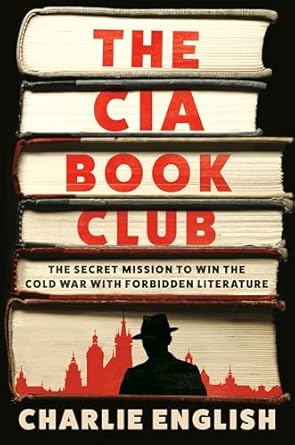
The importance of freedom in book publication and for those who read them is the message Charlie English gives the public in “The CIA Book Club”. It is too bad America’s current President chooses not to read because this book reminds one of how important books are in the world.

Books of Interest
 Website: chetyarbrough.blog

The CIA Book Club (The Secret Mission to Win the Cold War with Forbidden Literature)

Author: Charlie English

Narrated By: Michael David Axtell

Charlie English (Author, British non-fiction author, former head of international news at the Guardian.)

“The CIA Book Club” is a reminder of the former USSR and today’s Russian invasion of Ukraine and what is at stake for Ukraine’s citizens that may, once again, come under the repressive return of a dictatorial leader. Putin has adopted many of the same characteristics of Joseph Stalin, a leader who believed in dictatorial control over the media, and isolating or murdering anyone who challenges his leadership. The scale of Putin’s use of gulags, and mass executions is much smaller than Stalin’s but his cultivation of a cadre of followers, rewarded by the power of association and lure of wealth, create a similar dictatorship.

Poland-Europe’s crossroad.

What Charlie English reminds listener/readers of is how Poland suffered under Stalin and what it will mean to Ukrainians when much of their land is taken to settle the Ukrainian war.

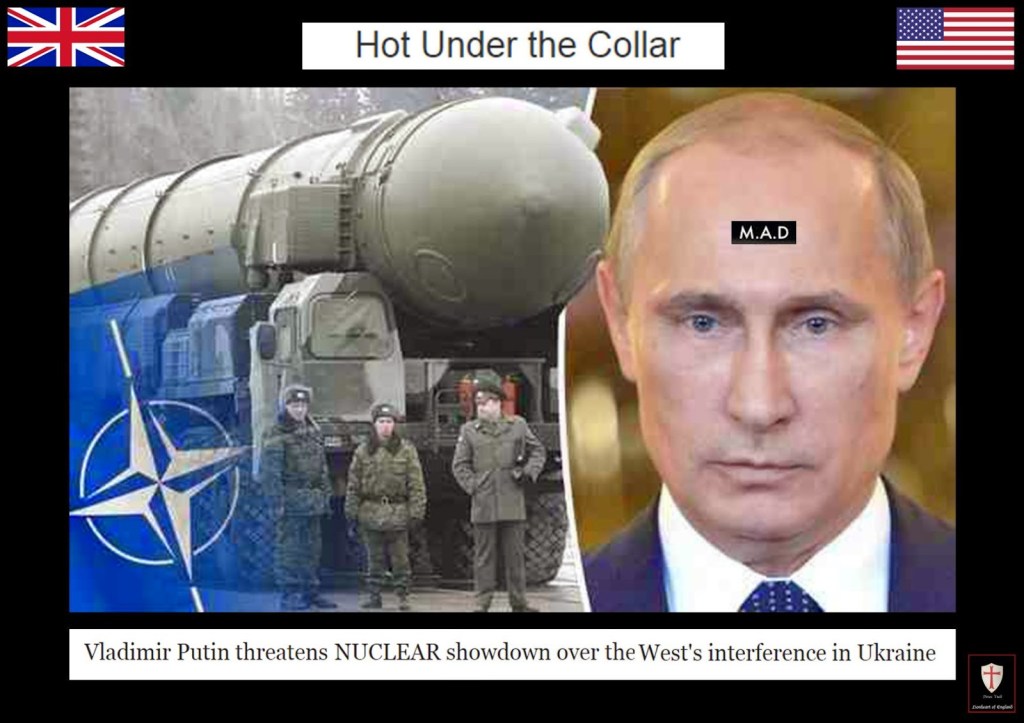
Without solid opposition of all Western powers, concession of Ukrainian land seems inevitable. Trump’s waffling opposition to Putin and the fear of nuclear confrontation reduce the likelihood of Russia’s peaceful withdrawal from Ukraine.
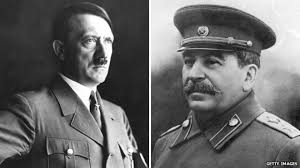
Like the repressive actions of the USSR in the Baltics, English explains how brutal Hitler, Stalin, and Stalin’s successors were to Poland even after Stalin’s death.

Strick control over publishing continued after Stalin’s death. Orwell, Koestler, and Solzhenitsyn were banned, and western books were blocked at the border. Polish citizens like Miroslaw Chojecki risked imprisonment for smuggling and/or re-printing forbidden works. The KGB monitored dissidents, writers, and students. English notes that phones were tapped and homes raided. However, a CIA program continued to provide copies of banned books to Polish dissidents. Polish citizens became partners in covert activities to smuggle and re-print books for their countrymen and women. A Solidarity movement against censorship and discrimination is formed by Polish patriots. This reminds one of the resistances one hears when visiting today’s Baltic countries and stories of citizens whose families were jailed, tortured, and sometimes killed during Stalin’s occupation.

Poland, a spectacularly beautiful country.

Poland is an important trade and agricultural producer at the crossroad of Europe. It has no natural land barriers between itself and the great powers on their borders. Its strategic value to European aggressors has made it a victim of a history of foreign occupation. In the 13th, 17th, 18th, and 20th centuries Poland was occupied by Mongols, Prussians, Germans, and Russians. Poland’s diverse population seems to have been unable to create a strong centralized authority that could successfully resist their powerful neighbors who confiscated their riches and occupied their land. Charlie English’s book reminds reader/listeners of what makes Poland a great nation. It is its diversity and its pursuit of intellectual development. Sadly, its geographic location has threatened its existence for millenniums. America is blessed by its geographic location and shows how it could survive as a free democratic nation. Through clandestine operations and support by the CIA, Polish patriots were able to reproduce banned books during the cold war that aided the intellectual growth of Poland despite Stalin’s repression.
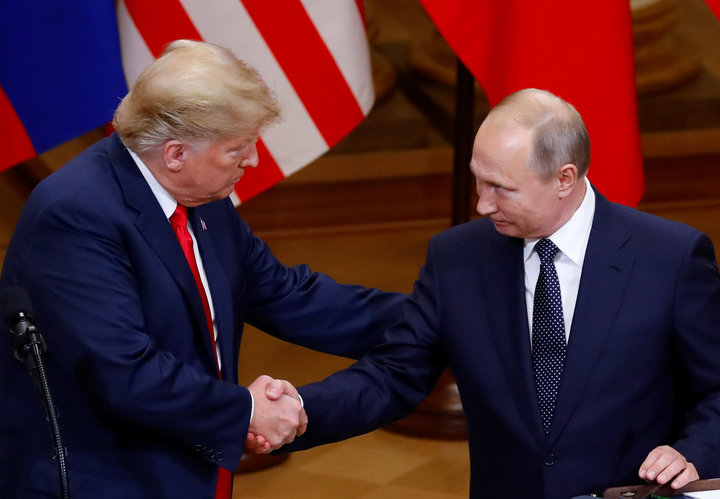
America’s current President impedes the influence of freedom in Europe by dismantling surveillance oversight, undermining the EU-U.S. Data privacy framework, and by shutting down the GEC (Global Engagement Center) which is designed to counter foreign disinformation.

Trump’s intent is to save money. The author notes the same thing nearly happened with the CIA book publishing support of Poland when some of America’s leaders tried to cut its funding. The CIA prevailed and the financial support continued.

The importance of freedom in book publication and for those who read them is the message Charlie English gives the public in “The CIA Book Club”. It is too bad America’s current President chooses not to read because this book reminds one of how important books are in the world.

NO WINNERS

Black America is not liberated by the Civil War. Neither will the Russians or Ukrainians be liberated by whichever side wins. There are no winners. There is only death and destruction as evidenced by the tragedy unfolding in Gaza.

Books of Interest
 Website: chetyarbrough.blog

How to Dodge a Cannon Ball (A Novel)

Author: Denard Dayle

Narrated By: William DeMeritt

Denard Dayle (Author, Jamaican-American writer, graduate of Princeton with an MFA from Columbia University.)

The central character in Denard Dayle’s novel is Anders. Anders is a light skinned Black soldier in the American Civil War. He begins as a Confederate and escapes to become a Union soldier as a Flag carrier. The author’s story is tedious and a mess, but it reflects the many conflicts among Americans fighting in the Civil War. The bizarre happenings in Dayle’s story are meant to be satirical with a bite but with so many twists in ideas about race, nationalism, gender, and the history of the war that one is inclined to put the book down. One may soldier on with a hope to understand Dayle’s point.

America’s Civil War.

After listening to “How to Dodge a Cannonball” for several hours, one gathers Dayle’s point is to show the complexity of America’s Civil War and what it means to be an American. The absurdity of all wars is revealed in America’s Civil War contradictions and hypocrisies. There are many, some of which are uniquely about civil wars, but also about every war.

In fighting a civil war for freedom in America, governments deny freedom to both sides of the conflict.

In fighting a war of conquest like that in Ukraine, both the aggressor and defender nations equally deny freedom to their citizens. Dayle shows race, gender, and nationality make little difference in who loses their freedom when war is declared. Black America is not liberated by the Civil War. Neither will the Russians or Ukrainians be liberated by whichever side wins. There are no winners. There is only death and destruction as evidenced by the tragedy unfolding in Gaza.

Dayle makes his point, but the story becomes too repetitive and tiresome for this listener/reader who quits the book before its ending.

UNJUST CAPITULATION

Both Trump and Putin are wrong in trying to return America and Russia to their past. What one presumes from Nye’s lectures is that a threat of millions of lives being lost from nuclear war will actually result in a gorilla war in territory unjustly ceded to Russia by Ukraine.

Books of Interest
 Website: chetyarbrough.blog

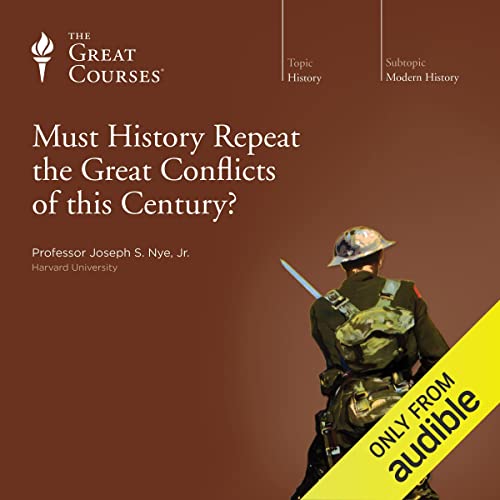
Must History Repeat the Great Conflicts of This Century? 

Lecturer: Joseph S. Nye Jr.

By:  The Great Courses

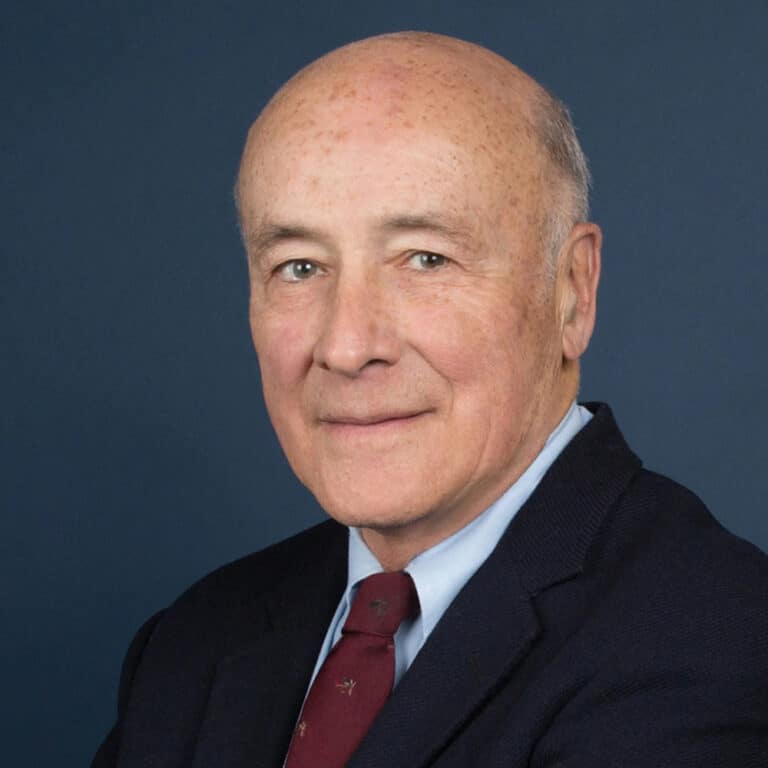
Joseph Nye Jr. (1937-2025, Distinguished Service Professor Political Scientist at Harvard Kennedy University.)

In listening to Joseph Nye Jr.’s history of “…Great Conflicts…”, one thinks about similarities between leadership of Russia and America today. Both Trump and Putin believe in strong executive leadership and appear to have a political base that allows Putin to exercise dictatorial power and Trump to bypass traditional bureaucratic limitations on government power. Both Putin and Trump believe in their countries moral and economic superiority and are trying to return their nations to the twentieth century. As leaders of their countries, they have influenced media support of their ambitions through influence and the creation of conspiracy-driven narratives.

Joseph Nye’s lectures suggest history is only a guide to the future, not a prediction.

Nye explains circumstances of the present are never exactly the same as the past. Every war of the past is based on complex causes that are never precisely the same. The world wars and the cold war developed as a result of specific government’ diplomatic, operational, and international circumstances. Nye explains why two world wars were about balance of power that changed with WWI and were refined by WWII. The German, Austro-Hungarian, and Ottoman empires collapsed after WWI. With the defeat of Hitler, Nye infers WWII is a failed effort to reestablish the German empire.

Listening to Nye’s view of history, makes one think of Putin’s and Trump’s maneuvering in the 21st century. Both leaders are trying to recreate a balance of power with America strengthening its position and Russia reestablishing its role among the top three powers. What gives weight to that view is Russia’s invasion of Ukraine, China’s wait and see attitude, and Trump’s foolish antagonism toward its traditional western allies in the belief that it strengthens America. Trump seems ignorant of history by failing to recognize America’s power is hugely benefited by its close relationship with Great Britain and North America. To antagonize England, Canada, and Mexico with tariffs and the NATO alliance with complaints about unequal financial support reduces America’s power and influence.

Today, nuclear war is a different circumstance upon which every government leader recognizes as a fundamental change in the principle of “might makes right”.

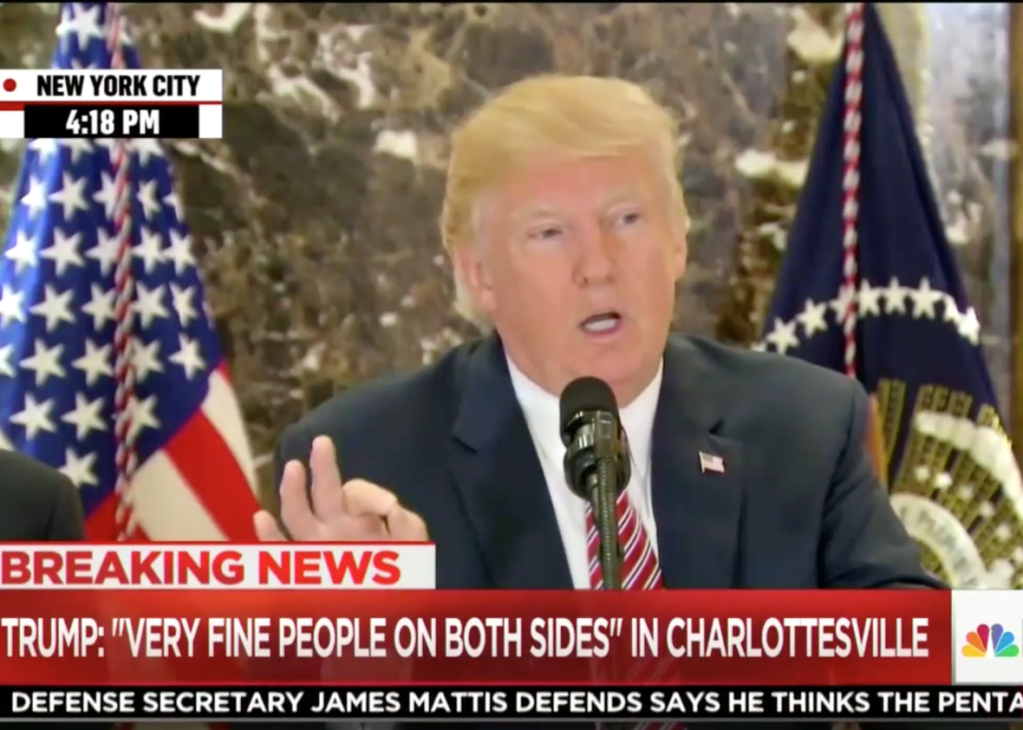
One sees that Trump’s hostile confrontation with Zelenskyy on television is an expression of America’s leadership fear of nuclear war. Putin threatens nuclear retaliation, but threats are not actions. Putin continues his conventional war against Ukraine and Trump pressures Putin to end the conflict with limited support of weapons for Ukraine and implied willingness to agree to Putin’s demands for annexation of some part of Ukranian territory.

Nye’s lectures do not say history repeats, but he warns it can have similar results without careful analysis and strategic foresight by government leaders.

However, Trump and his advisors appear ignorant of the lessons of history noted by Professor Nye. America and Russia think they have a choice in how the war in Ukraine can be brought to an end that will bring peace. The truth is that peace is only a Hobson’s choice where there is only one option. Trump sees the possibility of millions being killed from a nuclear war. Putin sees the possibility of gaining territory from Ukraine with potential loss of rule as President of Russia. Zelenskyy and Putin have the illusion of choice while the international community and America will likely make the decision.

Both Trump and Putin are wrong in trying to return America and Russia to their past. What one presumes from Nye’s lectures is that a threat of millions of lives being lost from nuclear war will actually result in a gorilla war in territory unjustly ceded to Russia by Ukraine. Russia will lose more than it gains just as it did in Afghanistan.

WAR

The only hope for Ukraine is a change in Russia’s leadership as a result of Putin’s foolish effort to return Russia to its past. It is the same effort and mistake Trump is making in trying to return America to the 20th century.

Books of Interest
 Website: chetyarbrough.blog

The Evil Hours: A Biography of Post-Traumatic Stress Disorder

By: David J. Morris

Narrated By: Mike Chamberlain

David J. Morris (Author, former Marine, reporter in Iraq, received Navy-Marine Corps Commendation Medal, M.A. from San Diego State University and the University of California, Irvine.)

In listening to “The Evil Hours”, the refrain “War, what is it good for, ABSOLUTLY NOTHING” from Edwin Starr’s song comes to mind. Ukraine’s and America’s current political position in ending the war are irreconcilable. Anyone who has read this blog knows I am not a fan of President Trump but his position on the war is sadly correct. It is sad because it is only Ukranian people who will suffer, not we who are isolated from the European continent.

Having recently visited the Baltics, and hearing of their experience under Stalin from a family we had dinner with makes one understand how horrible Trump’s decision will be for Ukraine’s citizens.

Trump’s decision is a Hobson’s choice because there seems no alternative. The potential for nuclear war is a threat from Putin who has an ego like Trump’s that cannot be assuaged. Putin appears not to be deterred by his followers or the Russian citizens.

What is left is the domination of a portion of Ukraine that will be forced to live under a dictatorship.

Hearing from Baltic citizens of how horrible their lives were under Stalin; one’s heart goes out to Ukrainian citizens who will have to live under Putin. Putin and Russia will pay a high price for their occupation because of citizen opposition that will take many forms. Though there is no comfort to the Ukranian people, Russia’s occupation will eventually end. The cost of Russia’s invasion of Ukraine has been high. It will be a reminder of the folly of unjust invasion and dictatorial control of an independent people.

America’s foolish Vietnam’ belief in a domino theory of Vietnam was wrong, just as the belief that Russia’s success in Ukraine will lead to further Russian expansion.

The relevance of “The Evil Hours” is the stress Ukrainians will face with Russian occupation. One hopes Russian occupation will not take as long as it did for the Baltic countries to regain independence.

PTSD is shown as the horrible consequence of internecine conflict that will continue after Russia’s occupation.

The only hope for Ukraine is a change in Russia’s leadership as a result of Putin’s foolish effort to return Russia to its past. It is the same effort and mistake Trump is making in trying to return America to the 20th century.

WAR & PEACE

Trump’s effort to make peace is important. Putin will gain a pyrrhic victory, and many Ukrainians will suffer the same consequence as the Baltic citizens who were victimized by Stalin. It is likely that the price of peace is going to be the lives of Ukrainians who come under Putin’s rule. The only solace is that Putin, like Stalin, is near the end of his rule.

Books of Interest
 Website: chetyarbrough.blog

The Rise and Fall of the Third Reich (A History of Nazi Germany)

By: William L. Shirer

Narrated By: Grover Gardener

In thinking about Putin’s invasion of Ukraine, it seems prudent to revisit William Shirer’s studied history of Nazi Germany and the beginnings of WWII.

Reviewing the literature and history of Russia and Germany, one wonders if there are parallels between Hitler’s invasion of Poland and Putin’s invasion of Ukraine. Literature suggests few cultural parallels. Having read Dostoevsky and Tolstoy, one can hardly compare their themes of societal suffering and redemption to Kant and Nietzsche’s themes of individualism or Mein Kamph’s iteration of survival of the fittest. In the history of the Czars of Russia, society and class were of the greatest importance while in Germany, Goethe’s Faust and Hesse’s Siddhartha–the focus was on individualism–not the general condition of society.

It seems Putin is not like Hitler in his aim to acquire other countries. Putin is interested in expanding Russia’s territory to return to a Stalinist style of communism. Both Hitler and Putin are deluded but in different ways. William Shirer characterizes Hitler as ambitious, and fanatic but focused on gaining personal power through German conquest of other countries. Putin’s invasion of Ukraine is to return Russia to a Stalinist U.S.S.R., a nationalist power. Both are set on invading other countries, but Shirer shows Hitler’s desire is for personal power while Putin is more interested in nation-state power.

One must ask oneself, if there is a motivational difference, so what? The consequences to countries being invaded is the same.

Yes, the consequence to an invaded country is the same regardless of the motivation of the invader. Hearing the atrocity of Russian oppression is as though it happened yesterday when one visits the Baltic countries and talks to people who survived Stalin’s control of their countries. There is a palpable fear one hears from Baltic citizens when the invasion of Ukraine by Russia is discussed. The fear is in the possibility of the Baltics being next.

President Trump is attempting to quell the war between Russia and Ukraine, but the cost of peace looks like it will require appeasement at the expense of Ukrainian citizens.

The question is–will appeasement stop further encroachment by Russia on other former U.S.S.R. countries? Putin is 72 years old. Hitler was 45 years old when he became the Führer of Germany. It seems unlikely that the next leader of Russia will follow Putin’s lead in view of Russia’s atrocities in Ukraine and the history of former citizens, like those of the Baltics in Stalin’s U.S.S.R.
The invasion of Ukraine is not like Hitler’s invasion of Poland except in the tragedy of death of innocents.

There is little reason to believe Ukraine is a domino, as was the mistaken American belief in Vietnam by the Kennedy Administration. As all who have read this blog, I am not a fan of Donald Trump. However, in this realpolitik world, Trump’s effort to make peace is important. Putin will gain a pyrrhic victory, and many Ukrainians will suffer the same consequence as the Baltic citizens who were victimized by Stalin. It is likely that the price of peace is going to be the lives of Ukrainians who come under Putin’s rule. The only solace is that Putin, like Stalin, is near the end of his rule.

A UKRAINE BOMB SHELL

Though Yovanovitch had nothing to do with Poroshenko’s defeat by Zelensky, it seems clear that her tenure as Ambassador to Ukraine set the table for a change in direction for Ukraine.

Books of Interest
 Website: chetyarbrough.blog

Lessons from the Edge (A Memoir)

By: Marie Yovanovitch

Narrated By: Marie Yovanovitch

Marie Yovanovitch (Canadian-American Author, retired senior member of the US Foreign Service.)

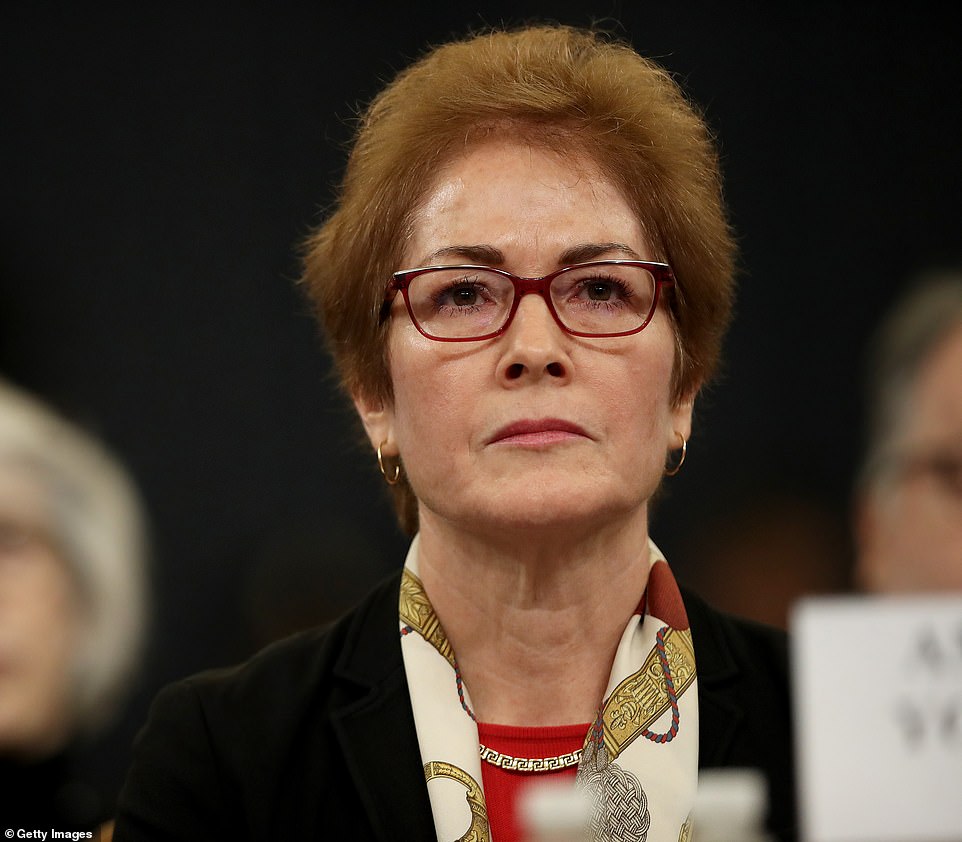
Marie Yovanovitch is retired from the US Foreign Service but as is widely known she was fired in the first Trump administration as US Ambassador to Ukraine in 2019. A reported reason for her firing is she is said to have resisted Trump’s effort to pressure Ukraine to investigate former Vice President Joe Biden. One suspects that is partially true, but Yovanovitch shows she was a believer in equal rights for women and a supporter of Hilliary Clinton which may be additional reasons for Trump’s action to fire her. “Lessons from the Edge” is a memoir of Yovanovitch’s career as an American diplomat.

“Lessons from the Edge” is interesting because it reveals the history of how one becomes an American diplomat and what his/her role is as a representative of America. One may wonder what qualifies one to be a diplomat when some are appointed because of political connection rather than educational accomplishment or training.

Yovanovitch became a diplomat because of her education and personal ambition. Because of her background as the daughter of a Russian born father, she chooses to take classes in Russian which leads to her eventual assignment in Ukraine. Her memoir explains how her journey began and how it ended. It is a highly personal memoir that is enlightening. However, this mild journey explodes at its end. Yovanovitch comes across as a decent person caught up in the events of history, not as a giant of diplomacy but an honest and hard-working diplomat.

Marie Yovanovitch earned a BA in History and Russian Studies at Princeton. During her career she studied at the Pushkin Institute of Moscow and acquired a Master of Science in National Security Strategy from the National War College. Her background certainly qualified her for diplomatic posts. Her early assignments were in Africa which eventually led to Russian speaking countries like Russia, Kyrgyzstan, Armenia, and Ukraine.

Russian speaking countries.

An example of the difficulty of her job is when America wishes to maintain the American Kyrgyzstan’ Air Force base because of America’s role in Afghanistan in 2009. Kyrgyzstan offers closer logistic support for the American military.

The Kyger’ President demands an increase from a $17.4 million-dollar annual rent payment (Yovanovich indicated the rent payment was $2,000,000/yr) to $200,000,000 per year for the continuation of Kyrgyzstan’s American military base. Yovanovich implies Kyrgyzstan’s President, Mr. Bakiyev, demand for higher rent would be to line his pockets with stolen revenue, not help the citizens of Kyrgyzstan.

A final settlement increased annual rent to $60 million per year with additional payments of $37 million and $30 million for new aircraft slots and additional land for location of a new American navigation system.

Kyrgyzstan’s American Air Force Base.

Many questions come to mind in listening/reading Yovanovitch’s book. How important are the presence of American military bases around the world? What is the difference between isolationism and internationalism? Should America remain isolated from other nations or engage and collaborate with other countries of the world? Where is the line to be drawn between American influence and the cost of that influence? This last question is answered in the last chapters of “Lessons from the Edge”.

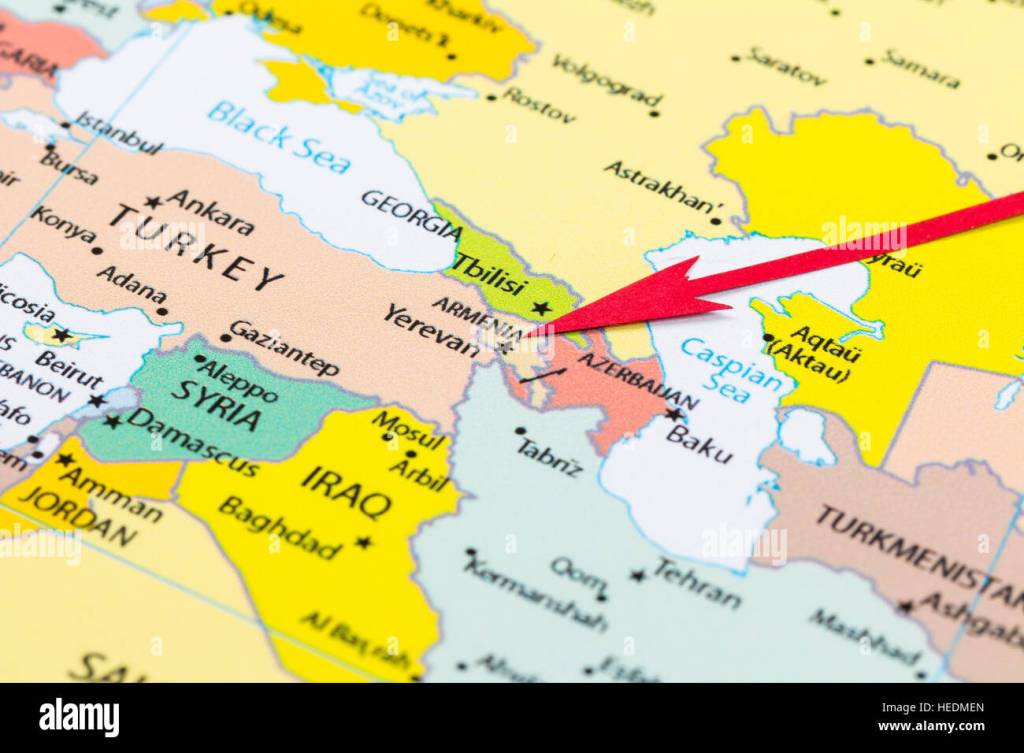
Yovanovich takes on the complicated role of American Ambassador to Armenia from 2008 to 2011.

Armenia and Azerbaijan are a source of political and territorial tension. There is a dispute over a region called Nagorno-Karabakh that is under the control of Armenia with a majority Armenian population. Turkey supports Azerbaijan while Armenia has a close relationship with Russia. Armenia and Turkey’s relationship is strained because of a WWI Armenian Genocide perpetrated by Turkey. An estimated 600,000 to 1.5 million Armenians were killed between 1915 and 1917. Turkey refuses to identify it as genocide which aggravates Turkey’s relationship with Armenia. Russia has a military base in Armenia and has tried to mediate the Nagorno-Karabakh conflict without much success. Because of energy projects and trade relations, Russia has managed a balanced relationship with Azerbaijan.

Yovanovitch decides to return to the U.S. because of her aging mother and an offer to take the role of Principal Deputy Assistant Secretary for the Bureau of European and Eurasian Affairs. However, as Ukraine becomes embroiled in a conflict with Russia and her previous assignment and knowledge of Ukraine, she returns as America’s Ambassador. Her mother’s decision to accompany her made the opportunity worth taking.

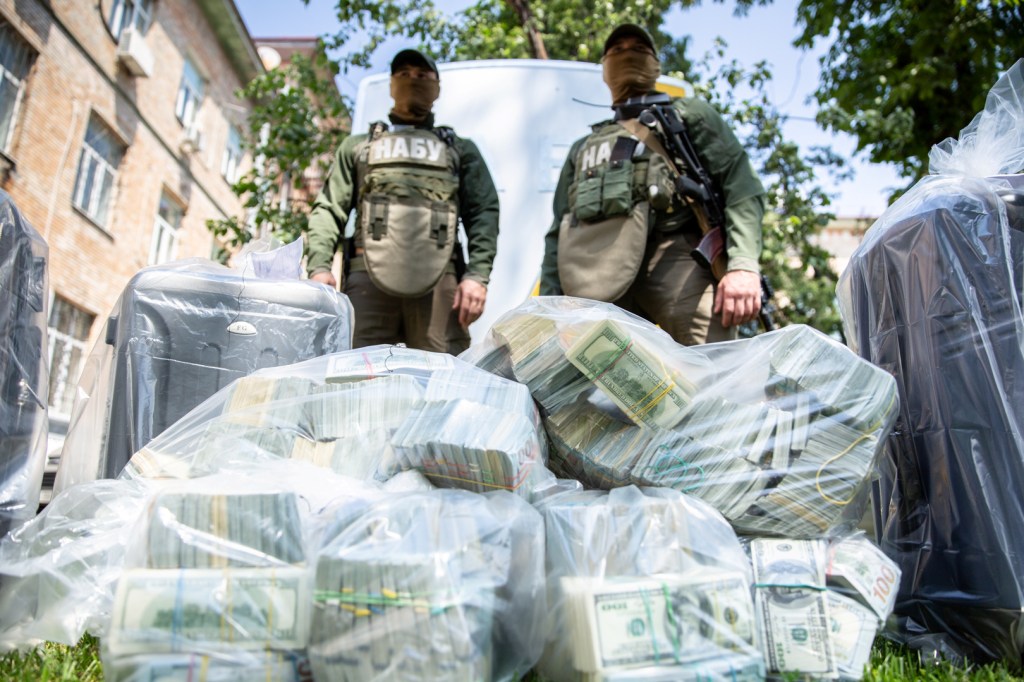
When Ukraine became independent of the U.S.S.R. in 1991, its transition to a market economy was marked by widespread corruption in the same way as alleged in Russia.

The assets of the country fell into the hands of Ukraine’s leaders who became wealthy oligarchs at the expense of the general population. Election to the leadership of Ukraine gave Presidents like Viktor Yanukovych, who served from 2010 to 2014, license to embezzle state funds. Compounding that corruption were Ukrainian bank owners who were equally corrupt. The fifth president of Ukraine, Petro Poroshenko faces allegations of corruption with his ownership of the International Investment Bank (IIB).

Rudy Giuliani (American politician, former NY mayor, former U.S. Associate Attorney General–now a disbarred lawyer.)

As if Rudy Giuliani needs no further damage to his reputation than his lies about election fraud, Yovanovitch reveals his role in discrediting her reputation with false accusations about badmouthing Trump as the new President of the United States. Judging from Yovanovitch’s book, Trump is unlikely to have been someone she admired. However, as an experienced diplomat, it is inconceivable that she would have undermined Trump or any U.S. President’s reputation. Trump ordered Yovanovitch’s removal. She is recalled in May 2019.

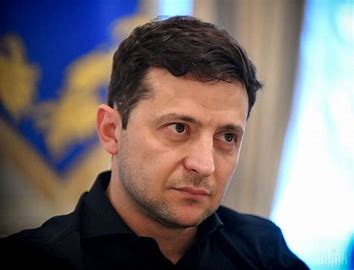
Volodymyr Zelensky became the President of Ukraine in May of 2019.

Zelensky soundly defeated the corrupt Vasily Poroshenko with 73% of the vote.

Though Yovanovitch had nothing to do with Poroshenko’s defeat by Zelensky, it seems clear that her tenure as Ambassador to Ukraine set the table for a change in direction for Ukraine. This is a very personal memoir of Yovanovitch’s career that is somewhat marred by a plaintive melancholy about life and an aging mother but “Lessons from the Edge” is highly informative about what it takes to be an American diplomat.

America makes a mistake if it chooses to isolate itself from allied countries that have similar economic and political aspirations. It may be time to reset America’s international relations, but isolation is not a rational alternative for an interdependent ecological and economic world.