
Books of Interest
Website: chetyarbrough.blog
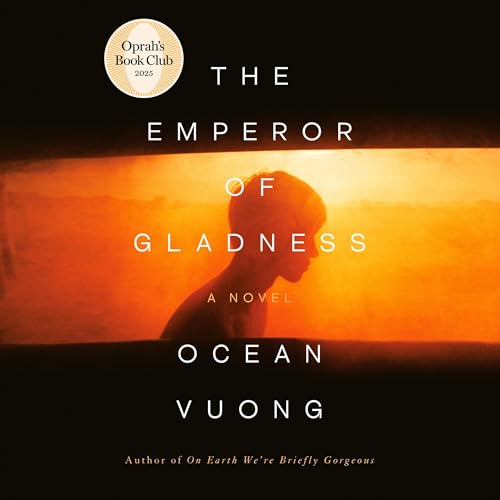
The Emperor of Gladness
Author: Ocean Vuong
Narration by: James Aaron Oh

Vương Quốc Vinh (Author, poet, professor at NYU and the University of Massachusetts, born and raised in rural Vietnam who is now an American citizen.)
“The Emperor of Gladness” is like “Alice in Wonderland”. The author’s story draws one down into a rabbit hole of personal experience and imagination. It tells what life is like for people who become lost to themselves because of advanced age or youthful experiment with drugs and addiction. It begins with a young addict who is teetering on suicide and is rescued by an old woman nearing senile dementia. It is largely the backstory of two immigrants and their lives in America.
American immigrants.
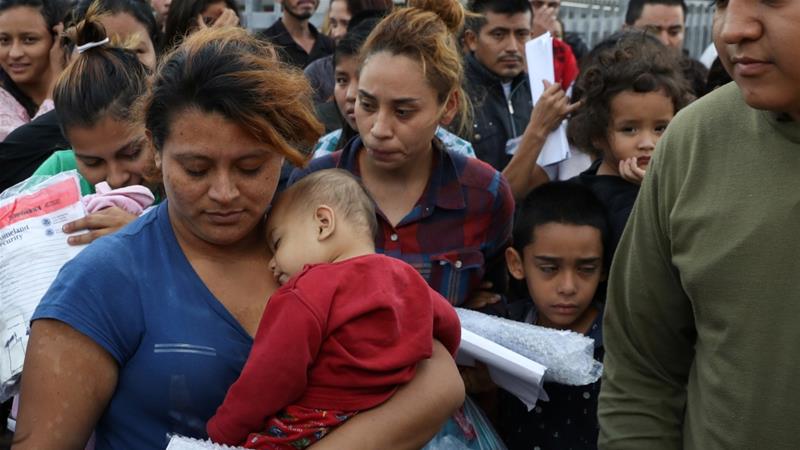
The old woman is from Lithuania. The young boy is a Vietnam immigrant brought to the United States by his family near the end of America’s misbegotten war. Both live in poverty in America. Their stories tell how they survive the grief and trauma of their lives. The elderly woman has lost her husband, lives alone, and had a social services person visit her for a time but is never replaced. Some of the trauma that occurs in the boys and aged mother of a daughter is brought on by themselves, particularly with the young boy. For the elderly woman, it seems brought on by living in poverty in a country that has great wealth but is unable to offer adequate care for the elderly poor.
One who has traveled to Lithuania has some understanding of the tragedy of Stalin’s dictatorial control and displacement of the Lithuanian people. That is partly what draws one to stay in the story. However, it is not enough to maintain this listener’s interest in the story. The young boy is raised in poverty and succumbs to addiction which is hard for some to understand because they have not fallen into that addictive trap. The author does a fine job of showing how these two characters meet each other and become a family that cares for each other. The growing dementia of the old woman is managed by the young boy in a way that is endearing and insightful for those who do not have the patience to deal with infirmity and elderly dementia.
There are lessons about being poor in America in Vuong’s story.

Vuong notes immigrants who have reached a certain age in their native countries are faced with learning a new language and culture when they arrive in a foreign country. All human beings gain understanding from the experience of living, but post-infancy immigrants are faced with translating language and experience understood in their home countries that are different in American culture. That by itself is a struggle.
Immigrants often grow up in silence because they are unsure of unaccustomed experiences that native-born children take for granted. Translation seems a matter of survival for an immigrant whereas a native feels experience is just part of living life that one runs from or towards.
The details of being a poor immigrant in America seem the same as a natives’ views of life but Vuong explains why they are not. To those who have been born and raised in a white privileged but economically challenged society, discrimination associated with being an immigrant minority or drug user is too unrelatable. The underlying message by the author is that in the age of “Make America Great Again”, being an immigrant makes one feel even more of an outsider.
 REVIEWS AND VIEWS OF LIFE