JAPAN TODAY

Travelling to Japan is an enlightening trip. It may change your life. On the other hand, it may not. It has taken many generations for Japan to become what it is today. By age, America is a baby just learning to walk.

Travel

Written by Chet Yarbrough

Mt. Fuji–on our way to Tokyo from Hiroshima, Japan.

Our brief 3-week visit to Japan this year was a pleasant escape from the hostility of a changing immigration policy in America. Our 15-member group of travelers is guided through Japanese culture by three interesting Japanese citizens, i.e. one–a young Japanese student of the piano; two, an American who has lived in Japan for many years, and three, a Japanese’ Hiroshima guide who is an experienced world traveler and guide to her country. All three showed different aspects of a truly fascinating and beautiful country.
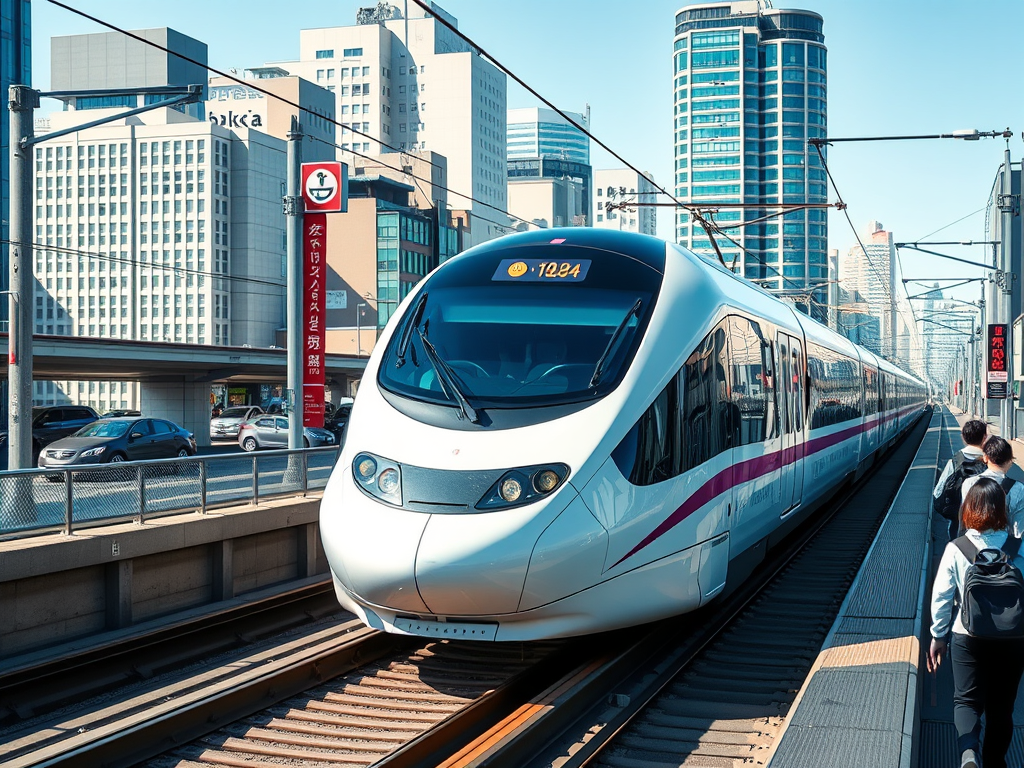
Two of the most striking experiences for me are 1. seeing the incredibly modern infrastructure of Japan and 2. the intelligent use of a densely populated environment. Both of these experiences offer examples to the world of what can be done to accommodate continued population growth. New York City has a population of 8.48 million people while Tokyo’s metropolitan area accommodates 37 million. As an observer of society, my perception is that Tokyo is friendlier, cleaner, and safer than New York City. This is not to disparage New York. New York is one of the greatest entertainment capitols of the world, along with London, but Japan demonstrates how culture makes a difference in how people live.

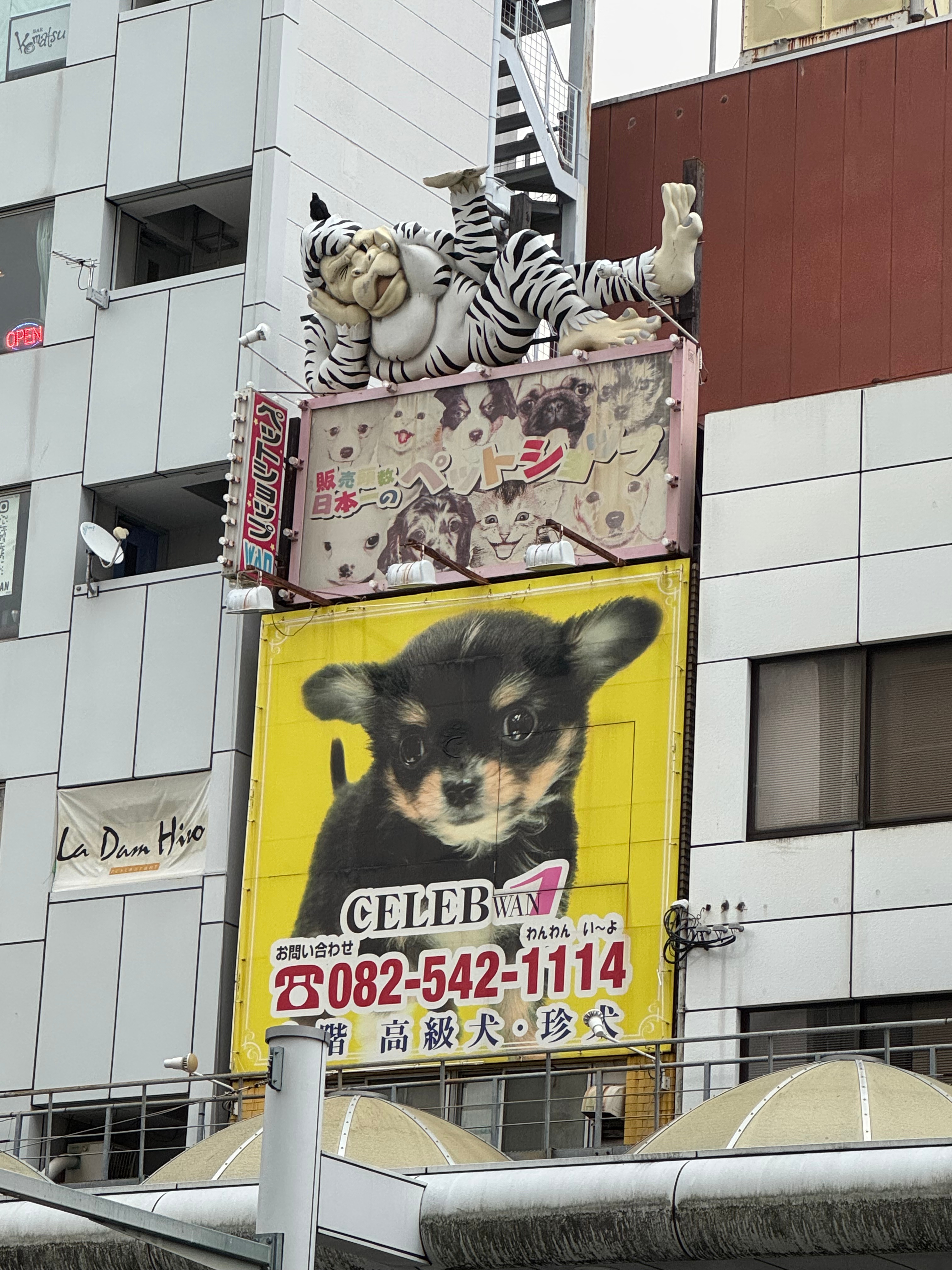
Tokyo is amazingly clean with shopping for every person’s interest. Shopping centers and markets are busy throughout the metropolitan area. Crowds of buyers are entertained by the appearance of comic figures and pleased to find everything one wishes to buy with a bow of a business employee’s head and a smile of welcome.
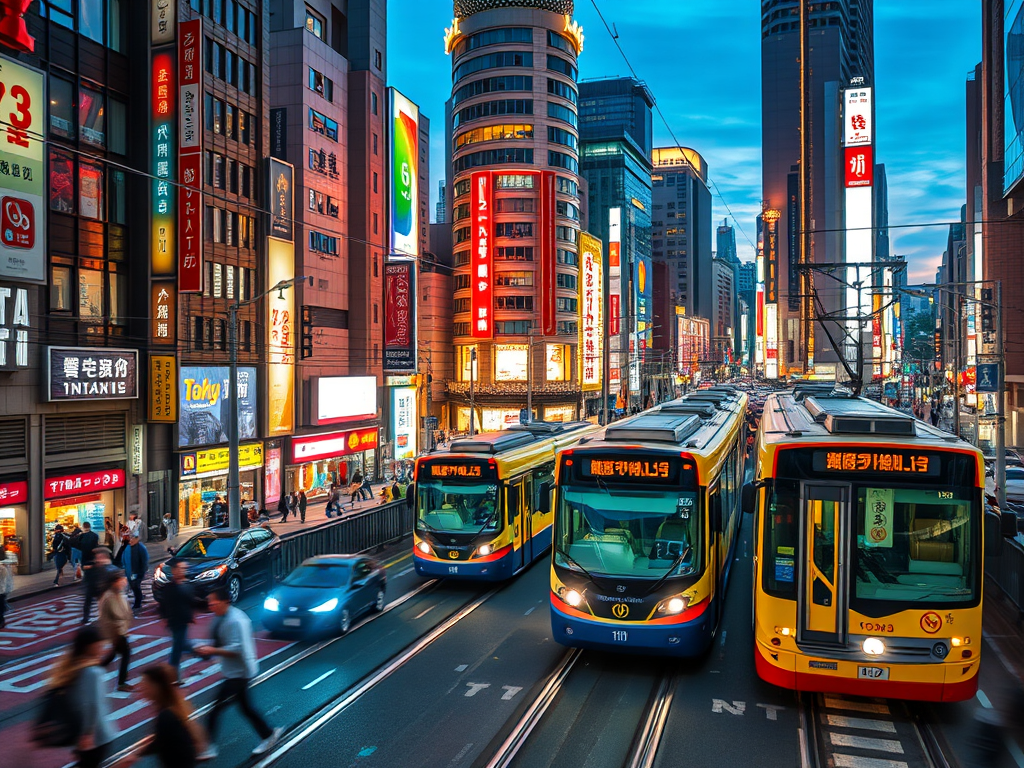
Japan’s public transportation system far exceeds the ease of travel and reliability of New York and other major metropolitan cities in the United States. The highway system and high-speed rail systems of Japan put California’s and America’s fumbling public transportation infrastructure projects to shame.

As an early riser, one can see young women walking by themselves to work in the early morning. They walk down narrow side streets, without concern in Tokyo. In contrast, a woman (let alone a man) is unlikely to feel safe and secure in any of America’s big cities when alone on a street in an early morning or late night.
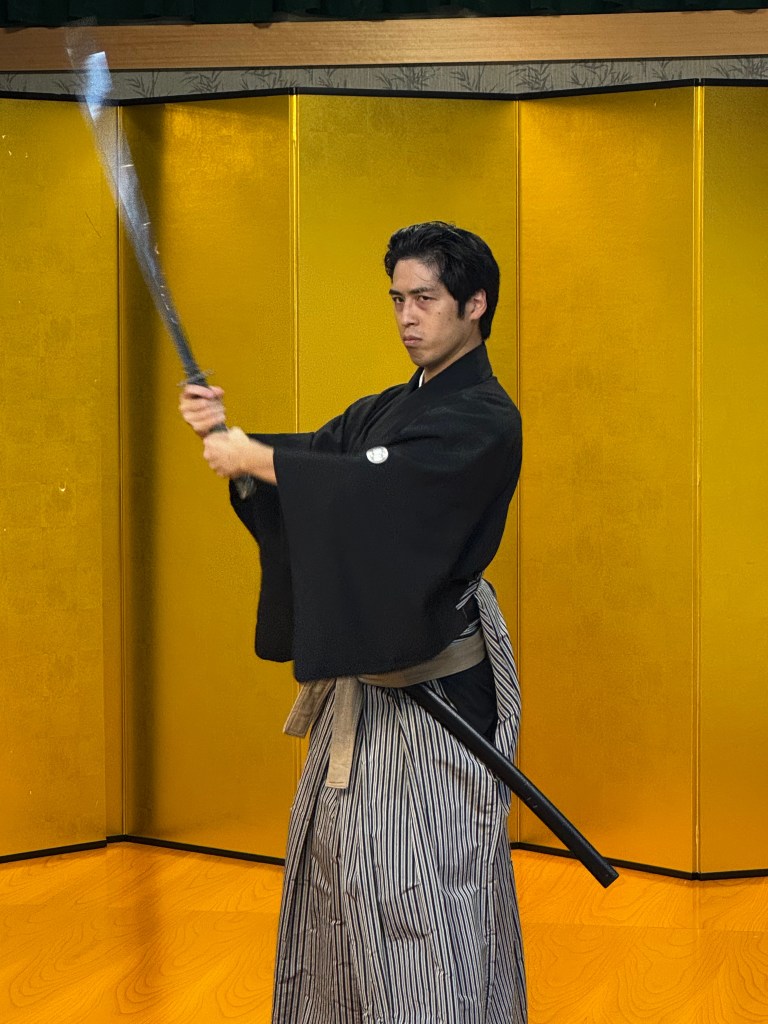
A professional demonstration of Samurai sword tradition is offered our group. After the professional demonstration, my wife demonstrates her skill but has trouble drawing a sword from her belted scabbard, a very funny demonstration for we who were too reserved to participate but entirely willing to laugh.

A home hosted cultural demonstration is given to four of us. Our hosts are a retired Japanese professor and his wife, who is a professional musician. They entertained us for an hour with music and a demonstration of Kabuki theater.
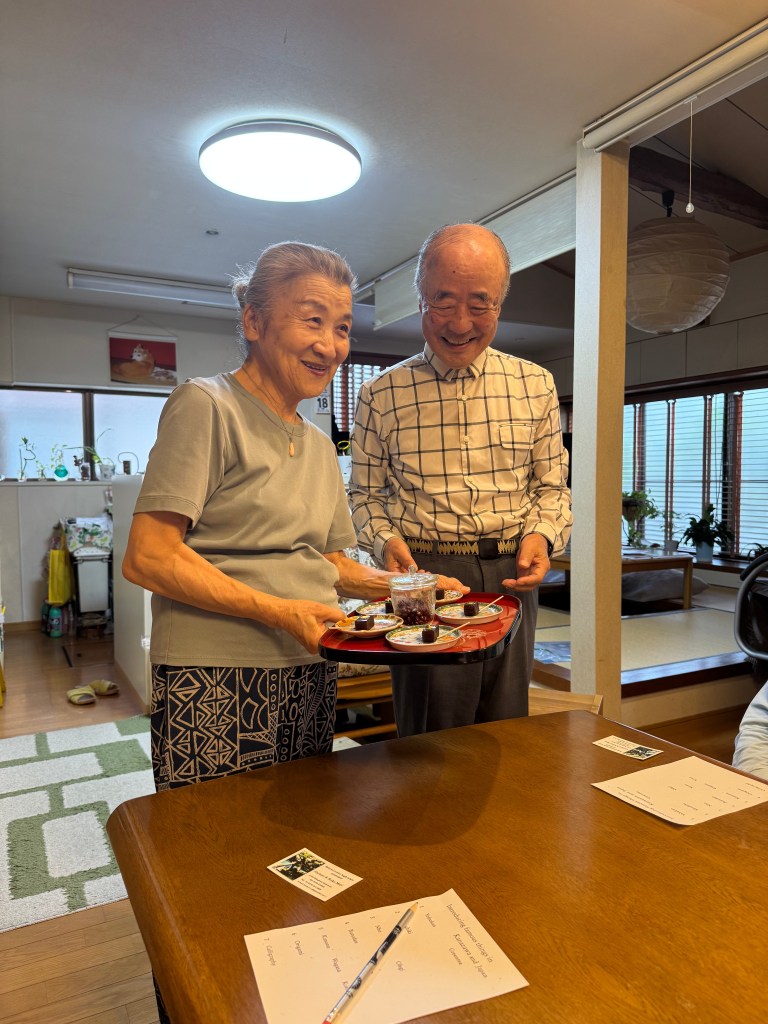
Undoubtedly, there are many Japanese citizens who do not choose to entertain foreign guests but the respect and deference to strangers provided by this couple is a lesson that every American host or hostess could learn when visited by a tourist from another country.

As one travels across Japan, the cities are densely populated but every open space is either bountifully landscaped or prepared for farming or construction.

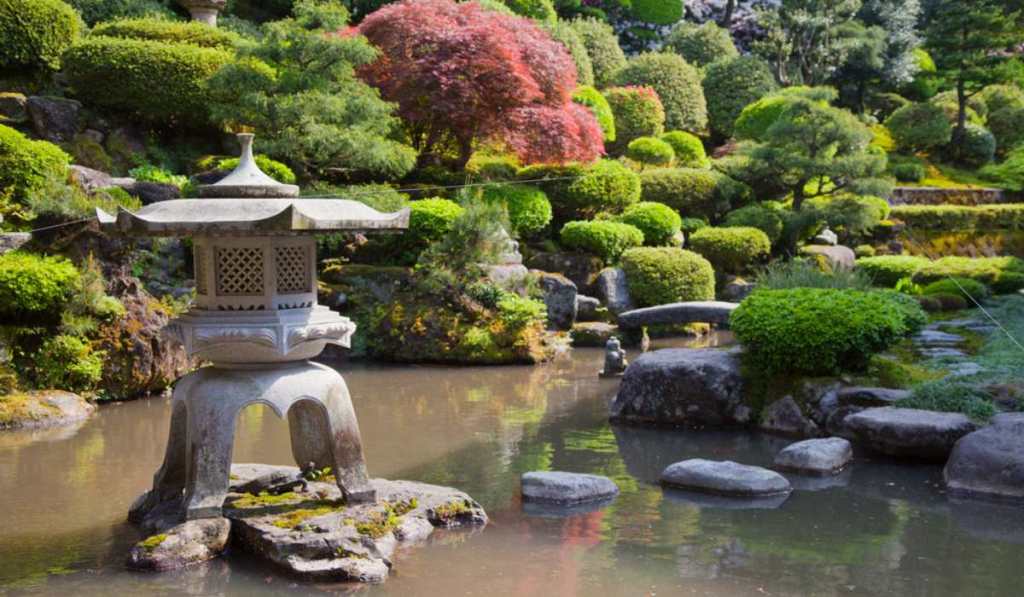
A Japanese garden.
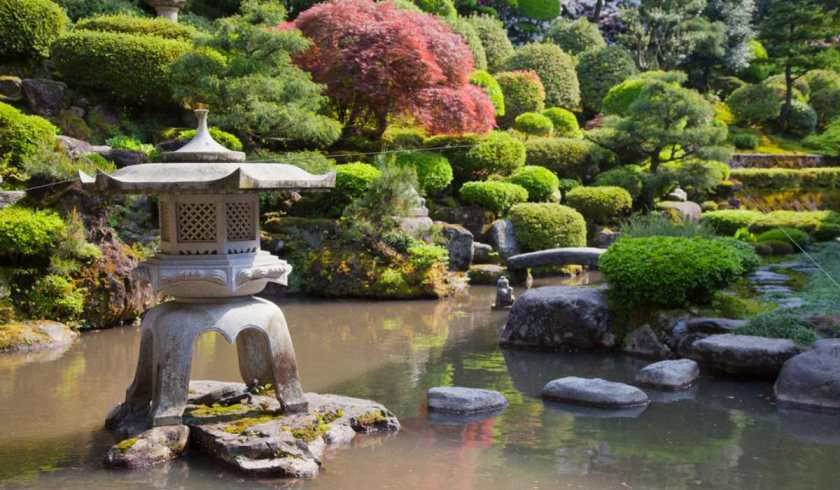
In Japan, there is an obvious effort to create garden areas as a refuge from urbanization. It is as though individual businesses are willing to provide space for mini-New York’ Central Parks to balance nature with urbanization. Travelling across Japan, one can view the care of Japanese forests, garden areas, and open spaces between cities. Highways are designed to minimize noise from automobiles on heavily travelled throughfares.

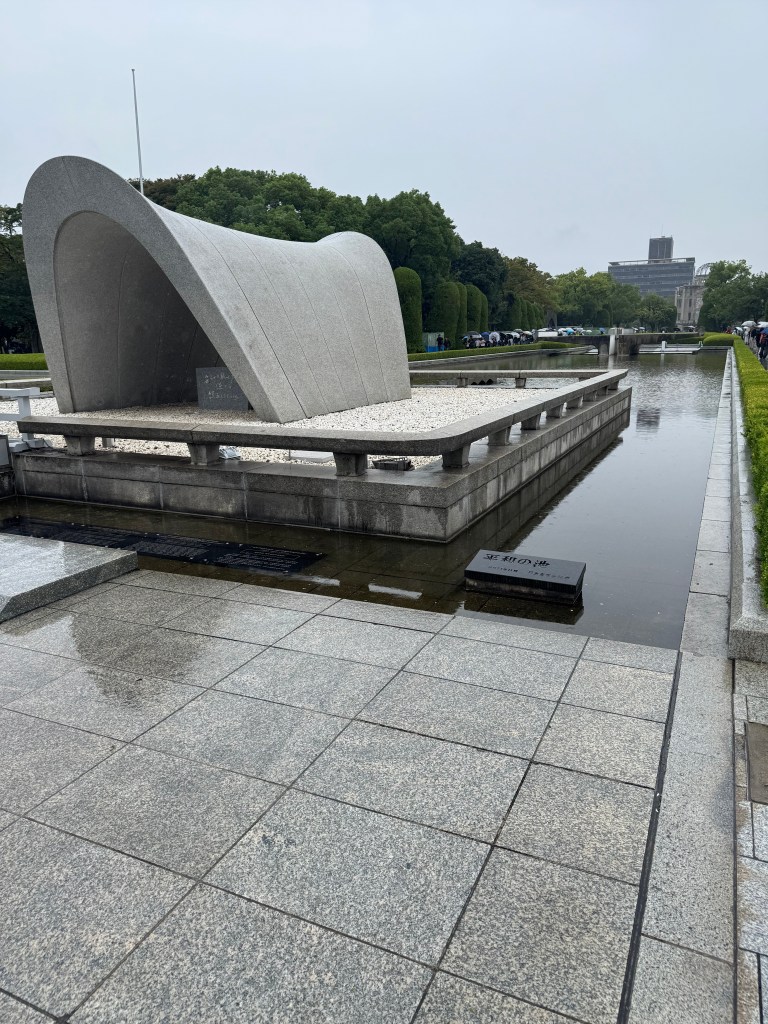
A park setting and monument to the deadly consequence of the atom bomb that was dropped on Hiroshima in 1945.
Japan has government policies that keep homelessness invisible by providing housing for the indigent. It is not a perfect system as is noted by one of our guides who explains there is little help to transition the homeless to working lives. Nevertheless, one feels there is a public acceptance of cost for housing of the poor. America could use some of that compassion.

This is a model rendering of the atom bomb dropped on Hiroshima. (The red ball illustrates the location of the bomb when it exploded over the city. An estimated 70,000 to 80,000 were instantly killed with tens of thousands who died from the long-term effects of radiation and related illnesses.)

One wonders what makes the difference between cultures. Is it religion? Most Japanese are either Shinto or Buddhist (92.3%). The confluence of these two beliefs is evidence of a common belief that life involves suffering but that everything in nature is a celebration of life rather than preparation for an afterlife. To Japanese, one must have harmony with nature, sincerity, and celebration of life rather than salvation or a beatific afterlife. The Japanese strive to achieve peace within themselves. The ideal is to achieve what is call nirvana, a peace beyond suffering.

Dharmachakra - Wikipedia
The Toril Gate above and the Wheel of Dharma below are the symbols of Shinto and Buddhist belief.

I am unsure of the licensing requirements for renting a car in Japan. However, one of our guides advised that he had tried to get a driver’s license twice. He advised the written test is a snap. However, he flunked the driver’s test both times and still has no Japanese driver’s license. After travelling around Japan in taxis and buses, it becomes easy to understand why a driver’s test is so difficult to pass. The roads of Japan are often quite narrow. It is necessary to wait for oncoming traffic before you can proceed. The judgement of a driver is called upon in many narrow road circumstances and only practice reveals the appropriate maneuvers. Added to that complication is the expense of the test when seeking a driver’s license. With a driver test, the cost is $2,000. Traffic is heavy in the major cities and in some rural areas. As a visitor, public transportation is excellent–so considering a car rental is problematic, if not unwise.

Travelling to Japan is an enlightening trip. It may change your life. On the other hand, it may not. It has taken many generations for Japan to become what it is today. By age, America is a baby just learning to walk.

Here’s wishing you a great trip if you choose to go.

JAPAN

Ravina’s history is helpful in preparing for a trip to Japan because it offers some basis for comparison and understanding.

Books of Interest
 Website: chetyarbrough.blog

Understanding Japan (A Cultural History)

Lecturer: Mark J. Ravine

By:  The Great Courses: Civilization & Culture

Mark J. Ravina (Professor of History at Emory University with an M.A. and Ph.D. from Stanford.)

In preparation for a trip to Japan this fall, it seems prudent to hear from someone who knows something about Japan’s culture and history. Professor Ravina specializes in Japanese history with focus on 18th and 19th century Japanese politics; however, these lectures go farther back and forward than his specialty. There is so much detail in these lectures, one is unable to fairly summarize what Ravina reveals.

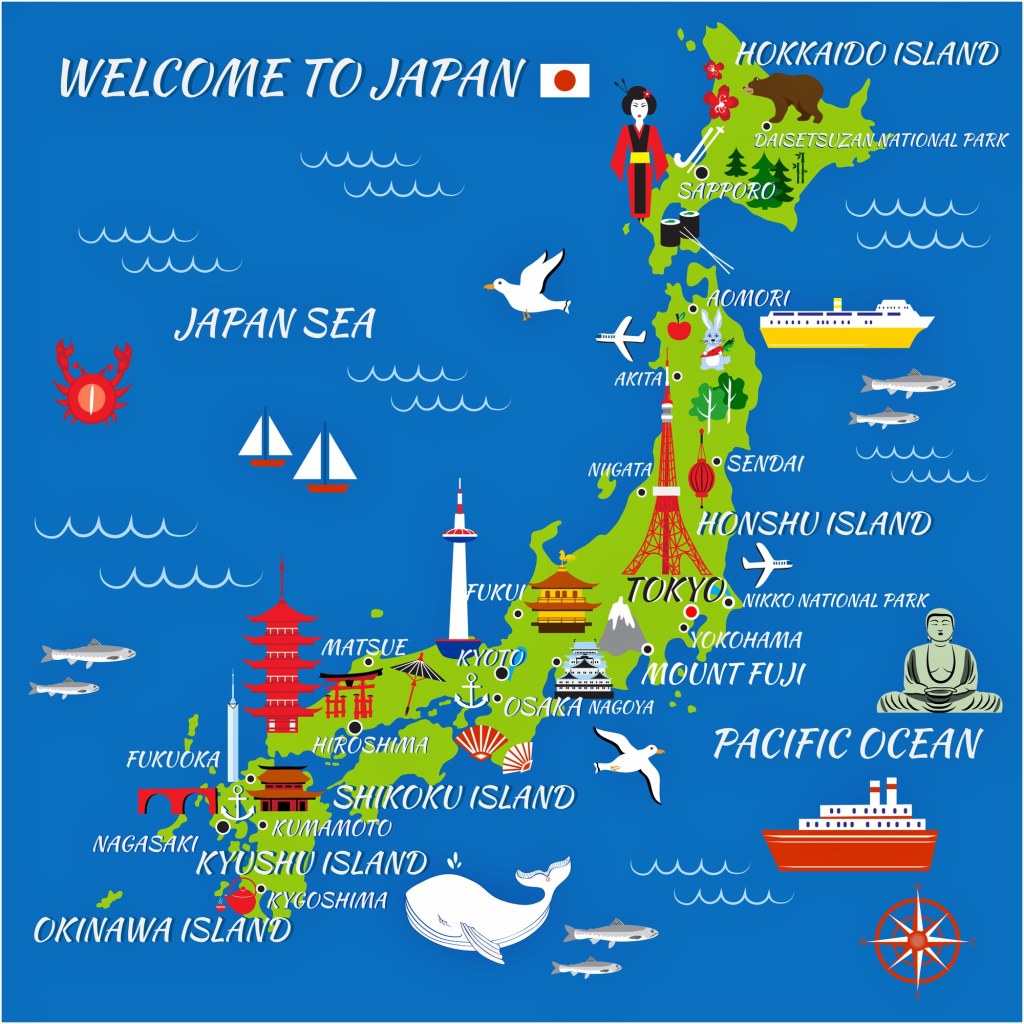
Japan is an archipelago made up of 14,125 islands with 260 of which are occupied. The four main islands are Honshu (the home of Tokyo, Kyoto, and Osaka), Hokkaido to the north, Kyushu to the south, and the smallest Shikoku (between Honshu and Kyushu).

Like the history of any nation that has existed since the 4th century CE, Japan’s culture has evolved based on influences that came from within and outside its borders. From indigenous beliefs to exposure to areas outside its territory, Japan has changed its traditions and culture. The rule of Japan has ranged from imperium to a battle-hardened warrior class to a popularly elected intellectual class influenced by internal and external societal and political events. At times, each social class has offered both stability and conflict. In the 20th century, of course, Japan’s attack on Pearl Harbor dramatically changed its economy and influenced its society.

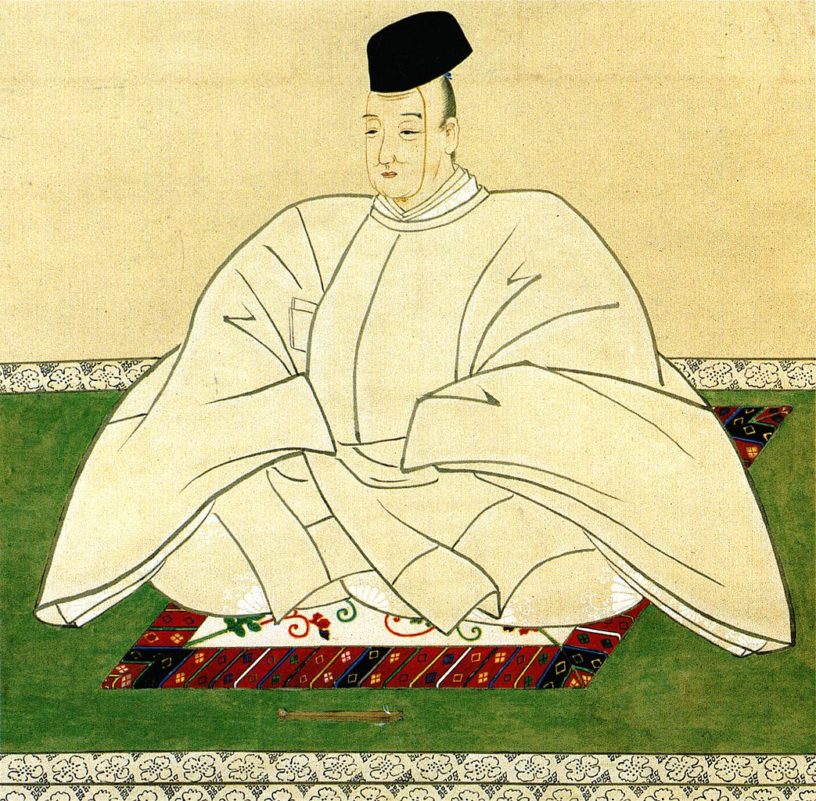
Japanese Emperor.

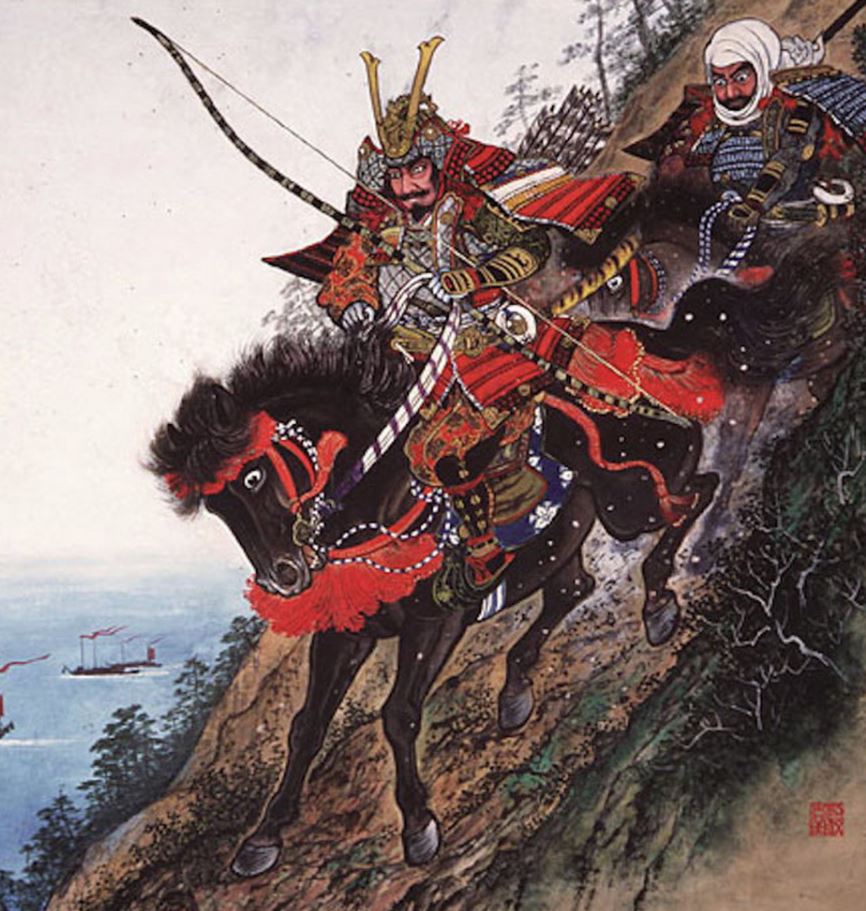
In Japan’s early centuries, an imperial and aristocratic class rose to rule Japan. The Asuka, Nara, Helan emperors during the Fujiwara era (538-1185) were respected and revered but the rise of the samurai class turned emperors into influencers more than exercisers of power. Power becomes centralized in a society that is highly stratified with nobility, Buddhist clergy, samurai, farmers, and artisans. Before 1185, territorial regents developed their own armies by relying on feudal lords who had their own warrior clans that became the fierce samurai of legend and reality.

As regents of Japan gained power and influence, emperors became symbols of culture more than centers of power. Rule and administration of territories became reliant on the power of a samurai class that at first supported the regents but soon became the true rulers of Japan.

Loyalty, honor, and focus on victory or death changed the management class and encouraged society to revere a Zen aesthetic, a belief in simplicity, naturalness, imperfection, and quiet depth. The samurai became a power behind the thrown in the 12th century and eventually the de facto rulers of Japan with emperors becoming more ceremonial. Leading samurai became Shoguns, hereditary military rulers of Japan. Emperors were revered, but their power diminished with growing influence of Shoguns that held power for nearly 700 years from 1185 to 1868.

Samurai leadership unified Japanese society.

Ravina explains the samurai period of Japan matured in the 12th century which evolved into rule by the strongest. Samurai influence shaped the political, social and philosophical identify of the people. In what is called the Edo period of the samurai from 1603 to 1868, there were long periods of peace and prosperity like that of the Tokugawa shogunate in the modern-day Tokyo area of Japan. The Edo period lasted for 250 years. Literacy grew during this period and was tied to governance, law, and moral instruction. Religious practices became more ritualized with meditation and subtlety different spiritual beliefs. A merchant class is formed during this period and the arts, like calligraphy and theatre performances, became more widely practiced. Kabuki theatre becomes an entertainment with a reputation ranging from the ethereal to debauched.

Ravina explains samurai values are not abandoned but are recast to focus on industrialization of Japan in the 19th century.

By the end of the ninetieth century, 95% of the citizens had been educated in schools, compared with just 3% in 1853. The samurai became leaders in modern institutions and businesses. They followed a samurai code called Bushido with core values of rectitude, courage, benevolence, respect, honesty, honor, loyalty, and self-control. Emphasis is put on living with purpose, discipline, and moral clarity.

A Japanese garden.

Ravina notes Japanese culture is exemplified by garden creations that represent the religious and philosophical ideals of its residents. The Japanese take great pride in their tea gardens, rock gardens, strolling gardens, some of which have become UNESCO heritage sites. The Japanese revere nature because it represents the Zen principles of simplicity, naturalness, imperfection, and the depth of a quiet life. Gardens are considered spiritual and moral spaces for quiet contemplation.

Ravina suggests Japan, like America and most nations of the world, has not abandoned its past but has adapted to the present based on what has happened in its past. Ravina’s history is helpful in preparing for a trip to Japan because it offers some basis for comparison and understanding.

JAPAN

In planning a trip to Japan this year, it seems prudent to learn more about the history of Japan.

Books of Interest
 Website: chetyarbrough.

Great Courses-Understanding Japan (A Cultural History)

By: Mark J. Ravina

Narrated By: Mark J. Ravina

Mark Ravina (Scholar of Japanese history at the University of Texas at Austin)

Professor Ravina’s lectures are a little too heavy on Japan’s ancient history but offers some interesting opinion about the rise of the Samurai, the evolution of women’s roles in Japan, Emperor Hirohito and his role in WWII, the democratization of Japan after WWII, and the cause of Japan’s current economic stagnation.

As is well known, the Samurai were a warrior class in Japan. Their role in Japanese history grows between 794 and 1185.

They began as private armies for noble families with estates in Japan. They became a force in Japanese politics and have had an enduring effect on Japanese society. They evolved after 1185 into a ruling military government called shogun that exhibited political influence through 1333, emphasizing Bushido or what is defined as a strict code of loyalty, honor, and discipline. That discipline extended to ritual suicide in defeat or disgrace to preserve one’s honor. Zen Buddhism entered into the Samuria culture, exhibiting a time of peace under the Tokugawa shogunate that lasted until 1868. After 1868, the Samurai era came to an end, but its cultural influence remains in a modernized military that adheres to qualities of discipline, honor, and resilience.

Traditional Japanese Woman.

The role of women in Japan has evolved from great influence and freedom for the well-to-do to a life of restricted domesticity.

During the Samurai era, the influence of women declined and became more restricted. The rise of Confucian ideals emphasized male dominance with women being relegated to domestic duty. Women turned to art, calligraphy, and religion as their societal influence decreased. In the Meiji Era (1868-1912) women’s education somewhat improved and they began to participate in political movements like voting and equal rights. Finally, after WWII, a new constitution granted women equal rights like the right to vote and enter the workforce. However, like America, traditional gender roles persisted. In today’s Japan, like most of the world, equal rights remain a battle for women.

Hirohito is the 124th Emperor of Japan.

He reigned from 1926 to 1989. Professor Ravina notes that a question is raised about whether the emperor was a follower or leader in Japan’s role in WWII. Ravina argues history showed Hirohito’s role was as a leader. In defeat, Hirohito renounced his divine status to become a constitutional monarch under U.S. occupation. Hirohito, as the crown prince of Japan, strengthened Japan’s diplomatic ties on the world stage. He was instrumental in scientific research in marine biology. He emphasized Japan’s drive to become an industrial nation and player in international trade. He militarized Japan in preparation for war and territorial expansion. He authorized invasion of Manchuria in 1931 to establish it as a puppet of Japan. Hirohito aids the American occupation, after WWII, to de-militarize and re-industrialize Japan.

With creation of a new constitution for Japan in 1947, Japan became a constitutional monarchy that made the emperor a symbolic figurehead, and guaranteed freedom of speech, religion, and assembly.

The constitution formally denounced war as a means of settling disputes. Land reform redistributed agricultural production to tenant farmers that reduced the power of wealthy landlords and promoted economic equality in rural Japan. Women’s rights were codified to allow voting and participation in politics. The constitution guaranteed equality but, like the rest of the world, culture trumped reality. Japan’s military was reorganized as a defensive force for national security. War crimes trials convicted Hideki Tojo, Iwane Matsui, Hei taro Kimura, Kenji Doihara, and Koki Hirota and sentenced them to death. In total 17 leaders were executed, and 16 others were imprisoned.

Free-market economy.

The democratization of Japan entailed economic reforms that broke up large industrial conglomerates to promote a free-market economy and reduce economic monopolies. However, the culture of Japan replaced the industrial conglomerates with networks of interlinked companies that operated cooperatively in ways that reduced competition in pursuit of financial stability. The education system was reformed to promote democratic values, and equal access to education for all citizens.

A free press was encouraged to foster transparency and accountability.

The results allowed Japan to rapidly improve their industrial productivity. That productivity was defined and improved by the teachings of W. Edwards Deming, a statistician and quality-control expert in the 1950s. His contributions led to the Deming Prize in 1951, an annual award recognizing excellence in quality management. (This is a reminder of Peter Drucker and his monumental contribution to business practices in the United States.)

In Ravina’s final lectures, he addresses the economic stagnation that has overtaken modern society in Japan.

It began in the 1990s. A sharp decline in asset prices wiped out wealth and triggered a banking crisis. Banks had made too many bad loans that became non-performing. Deflation ensued with falling prices that discouraged spending and slowed economic growth. Company profits declined. The demographics of Japan reduced the size of the work force because of an aging population and declining births. One suspects this demographic change is further burdened by ethnic identity that mitigates against immigration.

Japan’s consumption tax increases in 1997 impeded recovery.

The close ties between government, banks, and corporations resist reforms. And, as is true in America, global competition from other countries with lower cost labor eroded international trade.