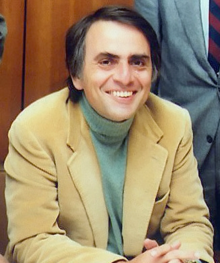
Carl Sagan (1934-1996, Author, University of Chicago entry at 16 years of age, received a Master of Science and Doctor of Philosophy in astronomy and astrophysics in 1960.)
Carl Sagan died from a bone-marrow disease at the relatively young age of 62 in 1996. One generally associates Sagan with his Cosmos series, but his education went far beyond the study of astronomy. His book reflects as much on the philosophy of life as the future of society, science, and technology.
“Women’s Right to Choose”“Right to Life”
Today’s controversial abortion question is forthrightly addressed by Sagan. He suggests “Right to Life” and a “Women’s Right to Choose” are politically and philosophically extreme ends of a rational argument on abortion. “Right to Life” followers insist all life is precious even though humans kill animals for sport and consumption. “Women’s Right to Choose” followers insist birth of a baby in utero is the sole decision of women because their body and life are only theirs to control.
Sagan suggests a baby in utero in the first trimester may be tested for brain activity and if none is found, no personhood is formed. With no brain activity of a baby in utero, the right of a woman to choose is an equal rights decision. However, to Sagan if brain activity is present, life is present, and abortion is murder. Sagan infers a science based national law could be created that avoids the extremist positions of the “Right to Life” and “Women’s Right to Choose” movements.
Sagan notes how computer gaming opens doors to the advance of computer capability and utility.
Nearly 50 years ago, Sagan’s book suggests much of what has happened in the science of brain function and technology. It seems a shorter step from Sagan’s ideas about computer function to what is presently called artificial intelligence. His view of brain and computer function might lead to a machine/brain confluence. It may be that Sagan’s belief in other forms of terrestrial life are secondary rather than primary interests of our human future.
In 1978, Sagan receives the Nobel Prize for nonfiction with “The Dragons of Eden”. In retrospect, it seems a wise decision by the Nobel panel of judges.
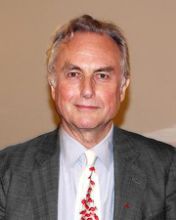
RICHARD DAWKINS (ENGLISH ETHOLOGIST AND EVOLUTIONARY BIOLOGIST WHO INFERS A GENE MAY BE THE SOURCE OF CONSCIOUSNESS.)
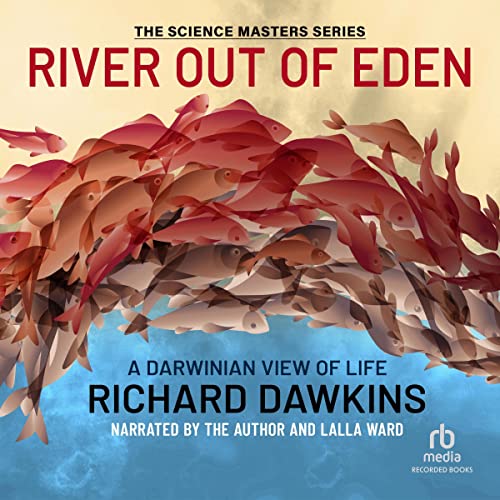
As Dawkins’ clever title infers, “River out of Eden” is a scientist’s explanation of how life began and proliferates whether God exists or not. One can argue it is neither a refutation nor affirmation of God, only that God has nothing to do with life’s persistence. Dawkins’ explanation is based on Darwinian evolution and what he characterizes as the immortal gene. A human gene’s immortality is being tested by earth’s environmental degradation. On the other hand, immortal genes may adapt to earth’s degradation.
One cannot help but think of the potential of artificial intelligence and the future of human beings as they may evolve.
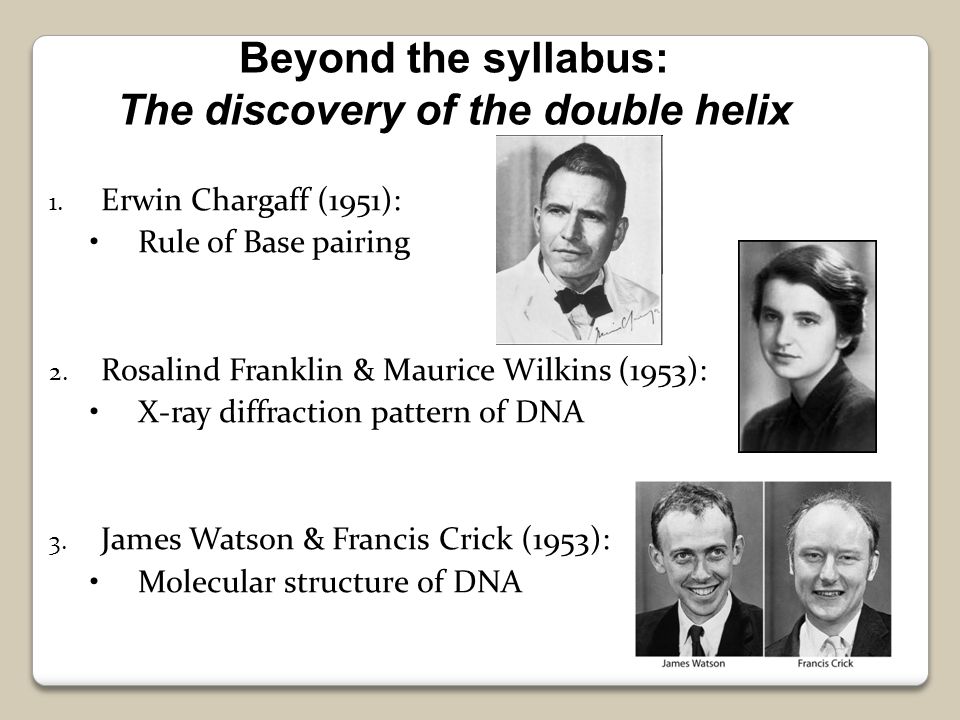
The discovery of DNA by Francis and Crick may change the course of human evolution. With the discovery of CRSPR, the medical community acquired tools that can modify genes. With those discoveries, it became possible to rid humanity of disease and hasten human evolution. Some argue these discoveries will improve human life; others suggest it will end it.
The discovery of the double helix. Erwin Chargaff (1951): Rule of Base pairing. Rosalind Franklin & Maurice Wilkins (1953): X-ray diffraction pattern of DNA. James Watson & Francis Crick (1953): Molecular structure of DNA.
Dawkins offers numerous examples of species that have evolved over millenniums of earth’s existence. He argues that survival is a result of an innate characteristic of genetic material that has the sole purpose of self-preservation. Genes are reproducing engines of life based on the environment in which they exist. Dawkins argues genetic materials’ ability to modify and replicate themselves are the essence of life’s continuation.
Evidence of Dawkins belief began with Darwin and is reinforced by numerous science experiments showing generations of birds, bees, and other forms of life that have inherited behaviors through generations of existence. His argument is that life is a matter of genetic predilection and preservation, more than learning.
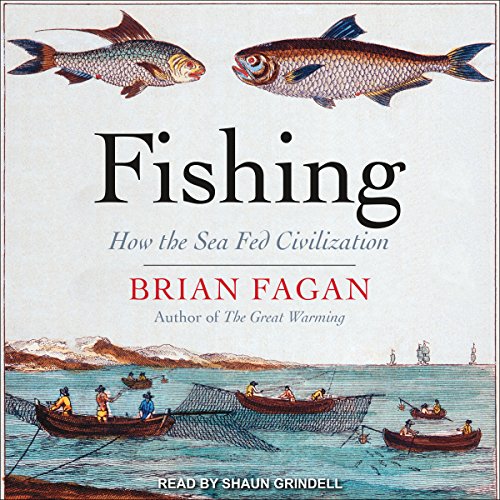
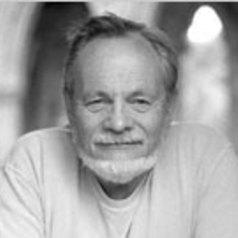
Brian Fagan (British Author, Profesor of Anthropology at U of C. Santa Barbara. PhD from Cambridge University.)
Brian Fagan reveals where humanity came from, the ways in which humans populated the world, and more particularly how early humans relied on fishing. Fagan exposes a trail of archaeological details that show humans have been fish eaters from their evolutionary bipedal hunter/gatherer beginnings.
Fagan suggests humanity evolves because hunter/gatherers were not only animal hunters and berry munchers but fishing people. Fagan’s research suggests humans have been fish eaters since the beginning of their self-awareness.
Fagan figuratively and literally travels the world to itemize artifacts of human remains that show fishing exists in the earliest known communities of the world. Fagan reinforces Graeber and Wengrow by noting communities of human beings were not created as a result of one thing like farming but on many activities based on survival and/or identity. (Few archeologists disagree on one fact. The human animal began in Africa. When “Lucy” or some being like her evolved, all became descendants of Africa.)
Ancient Fishing Spear Africa
Fagan notes fragments of rock in pre-history African’ sites were honed with barbs to stop fish from wiggling free after being speared.
The survival of any species is dependent on nourishment. In civilization’s beginning, archaeologists surmise human ancestors became hunter-gatherers to survive. Humanity formed into groups from a survival instinct that led to communal association. Fagan’s archeological research revealed artifacts that show hunter-gatherers found fishing as an integral part of humanity’s drive to survive. He notes fragments of rock in pre-history African’ sites were honed with barbs to stop fish from wiggling free after being speared. Fish skeletons were found near the homed spear heads. Fagan finds barbed artifacts near Kenyan and Tanzanian lakes in Africa. Fagan notes, the earliest spear heads had barbs on one side while later spear heads had barbs on both sides.
A second interesting finding by Fagan is that fish farming is found in early Chinese civilizations. In 1000 BCE, a written record by Fan Li (in the Zhou dynasty 1112-221 BCE) describes a carp farm designed to feed a popular demand for fish.
It is a surprise to find fish farming has such a long history.
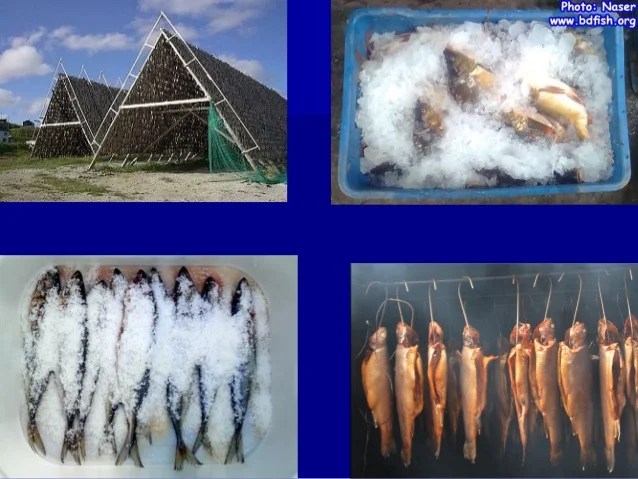
Fagan notes preservation techniques used by early ancestors. Salt is used to dry fish to preserve it for sailors’ consumption on long voyages and for general consumption when harvests are greater than a market can consume.
Fagan reminds listeners/readers of the immense size of fish. One fish could serve a village for weeks. Southern and Ocean sunfish weight well over 2 tons, some sturgeon and sharp-tail molas near 2 tons, Atlantic Bluefin Tuna over 1400 pounds, Pacific Bluefin Tuna over 900 pounds, a Goliath Grouper over 600 pounds, halibut, Warsaw Grouper, and Yellow Fin Tuna over 400 pounds, while lesser size cod are nearer 100 pounds.
Fagan notes how fishing changed over the centuries. Initially fish were either caught by hand or speared, then the idea of line and hook fishing, and finally net and seine fishing.
Today, catching fish by hand or spear is limited, while all other forms are used by more serious sport and commercial fishing operations. Sport and commercial fishing, along with rising human consumption, have depleted fish populations around the world. The size of fish has fallen, along with their populations because they no longer live as long or are harvested to extinction.
A part of Fagan’s fish-eating history is shellfish harvesting and consumption. The remains of shellfish are found in ancient sites. Some cultures use the shells as a form of exchange, others as a form of adornment and sometimes as musical or tonal instruments.
Shell Fossils
Several chapters at the end of Fagan’s book recount the consequences of global warming and the insatiable demand of fish eaters that are depleting the world’s fish habitats and populations.
Fagan offers interesting insights to listener/readers on the origin of fishing’s ancient, present, and future importance to humanity.
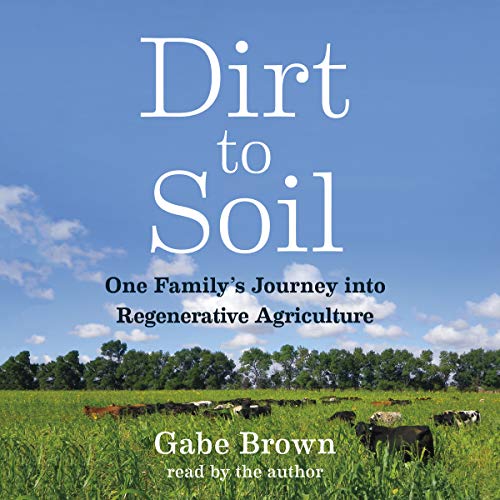
Dirt to Soil (One Family’s Journey into Regenerative Agricultural
By: Gabe Brown
Narrated by: Gabe Brown
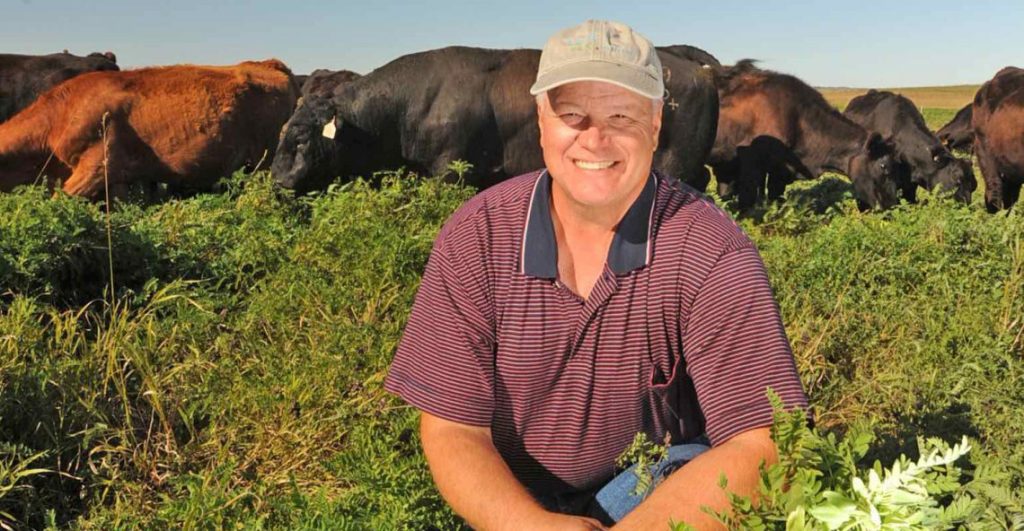
Gabe Brown (Author, farmer.)
“Dirt to Soil” offers a glimpse of a farmer’s life. Gabe Brown’s family manages a 5000-acre farm in North Dakota. Brown and his son’s farming experience offer insight to a branch of biology that addresses the relationship of a farm environment’s organisms. Brown is not a scientist or academic. He is a farmer.
Gabe Brown became an expert in soil conservation based on experience and insatiable curiosity. Though he went to college, it is four years of hardship that gave Brown an understanding of farming. From that experience, Brown reordered his practice of farming based on five principles.
No soil disturbance (no-till, no-synthetics).
Reinforce Soil’s Natural Defenses (the outer layer of soil protects all life)
Promote biodiversity (marry species nature’s way to keep soil healthy)
Keep living roots in the ground as long as possible and use cover crops with seasonal diversity.
Animal & Insect integration (both predator and protector) to promote natural diversity.
Brown’s journey to understand and practice these farming principles increased the profitability and durability of farmland. “Dirt to Soil” is a record of Gabe Brown’s personal farming and educational journey. Though Brown admits to being a city boy, his experience in 4H, some academic classes, and visits to his future wife’s farm sparked a lifelong interest in farming. When his wife’s parents retired from their 1700-acre farm, Gabe Brown and his wife took over management.
Gabe Brown’s farming education came from 4 years of weather-related catastrophes that nearly ended his career as a farmer. He notes his wife appeared ready to give up farming life, but he refused to give up. His experience in those years re-focused his attention on the intimate relationship between nature and farming.
Brown explains, in “non-wilding” words, how it is necessary to rewild his farm. By watching how nature preserves itself, he changes his farming practices. Without plowing, furrowing, and fertilizing with chemicals designed by farming industry, Brown rejects practices that artificially enhance dry soil that exposes it to natural diseases and the exigencies of weather. He turns to observing nature to find how it replenishes soil’s natural nutritional condition. His objective is to turn “Dirt to Soil”.
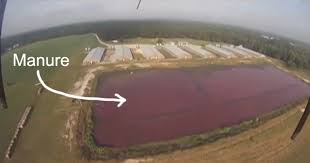
Brown reasons that raising cattle on the farm would fertilize its soil. (A caveat to Brown’s observation is that fertilization by cow manure requires frequent grazing rotation, not industrial manure concentration.)
(There is a concern about carbon dioxide increase and ground water contamination from livestock. In a 2019 overnight stay with a farm family in New Zealand, there was objection to the former Prime Minister’s attempt to burden farmers with the cost of better livestock control.)
With natural fertilizer and cultivation of different plant species, Brown finds soil nutrient value improves. That soil improvement is absorbed by newly planted crops that benefit both livestock and consumers. The planting is done without tilling the ground but planting seedlings in unplowed ground. After experimentation, Brown begins rotating crops based on soil enrichment objectives.
Brown experiments with different species of plants to find which types replenish the soil in his area of North Dakota. With these discoveries and changes in practice, Brown’s farm prospers.
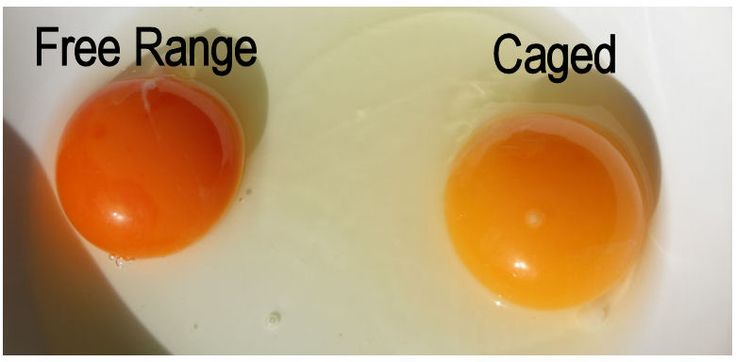
Brown notes change in farming practices is a slow process because of a false belief that high productivity is more important than nutritive value. When a film crew interviews Brown, one of the film’s producers is asked to buy a dozen eggs at the market and bring them to the farm to show the difference between eggs from “free range” chickens vs. caged chickens.
This is a comparison of a cracked egg from a free-range farm and an egg from a caged chicken farm. Brown notes his rewilded farm shows a brighter yellow yoke.
“Dirt to Soil” goes on to become a teaching facility for future farmers. Brown’s son works on the farm and will inherit it when his mother and father pass. In the meantime, an internship program is started to pass on the educational experience of Gabe Brown’s farming life. Rewilding farms means paying attention to the diversity and value of nature. Brown explains the nutritive value of food has fallen in America because artificial fertilizers have replaced the natural processes of nature.
Brown’s story about eggs reminds one of a trip to a Norwegian fish farm last year. One of our fellow travelers asked the employee of the farm if there is any difference between fish-farm’ salmon and a wild salmon. His answer is there are very few wild salmon left in the sea. However, he notes wild salmon have more Omega-3 per serving than farmed salmon which have less protein.
Gabe Brown explains his goal has always been to make a good living at farming and pass that skill on to his family and every American interested in that life. He concludes the success of farmers should not be based on crop yield but on profitability. His experience shows there are many ways to make a profit in farming.
Brown explains that high crop yield is not a measure of success. With the creation of alternative income practices, he believes a small farm is as capable of making a profit as a large farm. Observing nature and farm diversity (both human and ecological) is Brown’s guide for farming success and profitability.
The Metaverse (And How It Will Revolutionize Everything)
By:Matthew Ball
Narrated by: Luis Moreno
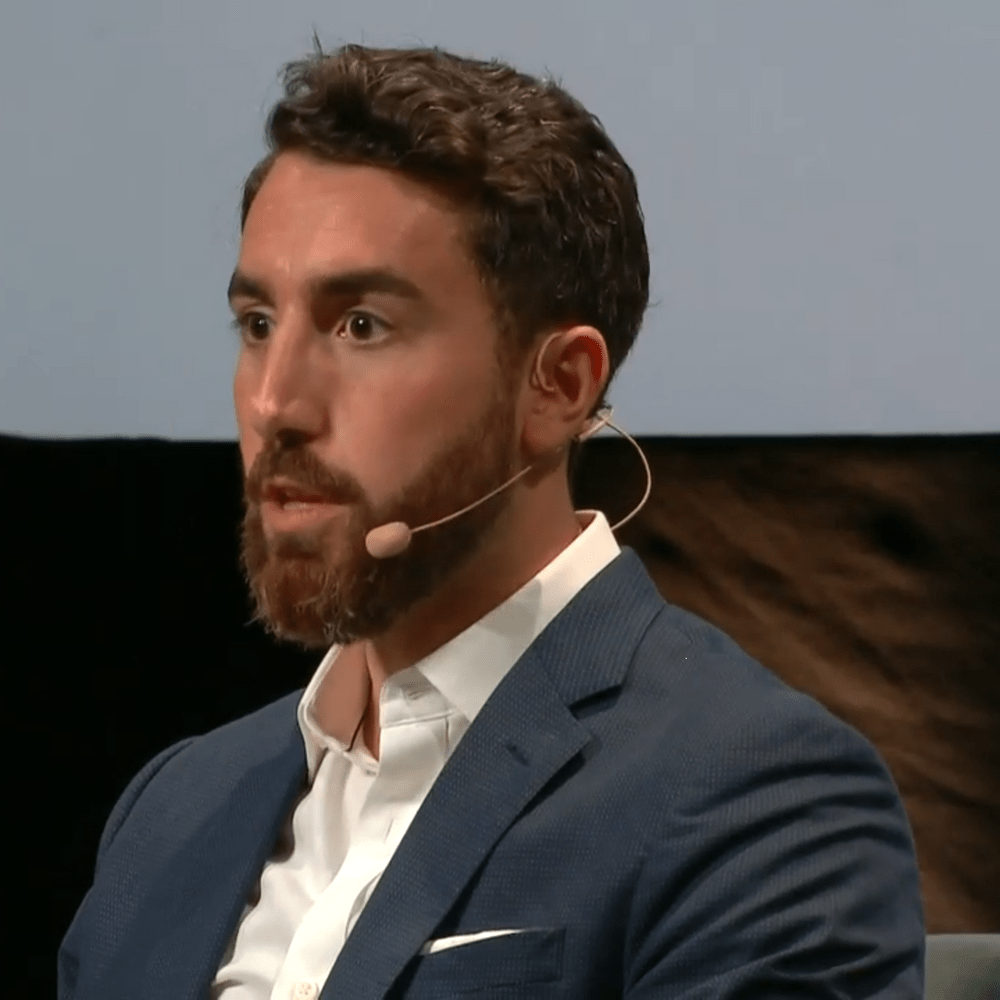
Matthew Ball (Author, Managing Partner Epyllion Industries.)
“The Metaverse” is widely talked about but little understood by the public. In Matthew Ball’s densely packed review of todays and tomorrow’s tech future. Listeners will be surprised to find how far the metaverse is from today’s world but how life-changing it will be in the future. The metaverse has not achieved its potential but when fully developed, Ball implies the metaverse will be the most revolutionary societal change since the industrial revolution.
Ball infers metaverse’ virtual and augmented reality are at a “model T” stage of development.
Model T Ford built in October 1908.
For we who are ignorant of the inner workings of coding and computer hardware, Ball implies metaverse’ virtual and augmented reality are at a “model T” stage of development. Having to use a cumbersome headset or computer aided eyeglasses are far from accurately creating or recalling reality. Ball explains, to achieve reality in the metaverse, hardware and software development is many years from success. The computer power and coding requirements, not to mention political regulation, of a metaverse are limited by current human capability and knowledge. However, Ball notes that capability and knowledge are works in progress.
Today’s metaverse is constrained by headset utility and code limitations.
The metaverse is an expansion of the internet. Once a metaverse reaches its full potential, it will create a three-dimensional network that will be different, if not new, reality. It will encompass the world as it was, as it is, and as it will be. Ball’s explanation of the metaverse is optimistic but burdened by an unlikely change in human nature.
The internet, Facebook, Apple, Amazon, Google, and Microsoft seem at the head of the class for today’s metaverse.
Facebook creates social connection. Apple creates hardware with IPhone portability, Amazon creates a marketplace, Google and Microsoft create software. They all capitalize on internet use. They coordinate lesser-known businesses and code creators to chip away at the complexity of creating a virtual 3D world. Because five mega-corporations are at the center of metaverse’ research, they are an indicator of a political danger. Having singular controllers of the metaverse threaten societal independence and choice. Later chapters suggest a key to containing that danger is block chain computing.
Block chain is a list of interconnected records that everyone can see but cannot change. It offers transparency that theoretically allows one to judge its validity. What it does not consider is the oversight of records and how information may be hacked to distort reality or steal value.
The collapse of FTX in 2022/2023 is a prime example of block chain risk.
As coding achieves the goal of three-dimensional creation, the idea of augmented reality becomes real. The simple idea of replicating a 3D piece of clothing requires reams of ones and zeros written by teams of coders. No singular company can hire enough coders to create three dimensional animate and inanimate objects. Ball explains the key to successful metaverse creation is capitalist freedom. Coders are media users, some of which become independent contractors who create ones and zeros that detail characteristics of the world for established internet companies. They are compensated for code that details objects like a shoe with shoelaces, eyelets, a corrugated sole, colors for its various parts and everything that makes a shoe a real thing.
The roadblock to achieving virtual reality is in the laborious task of coding to replicate details of life in three dimensions.
Ball explains gaming is at the front end of today’s metaverse because it is a first step that does not require the massive input needed to create a three-dimensional world.
The irony of this observation is that the best future coders are today’s youth who are captured by the gaming industry. As these young people mature, their coding experience reinforces the future of the metaverse. Ball notes the gaming industry opens the door to a two-dimensional world which infers potential for creating the third dimension, i.e., the world in which we live.
Ball argues a key to create the metaverse is capitalism and its practice in a free society.
The wealth of nations owes its prosperity to the industrial revolution. Ball’s argument for “capitalism in a free society” as the prime mover for the metaverse is weakened by recorded history.
Authoritarian leaders like Joseph Stalin used force to industrialize Russia into the U.S.S.R. Not just capitalism in a free society is a prime mover for the metaverse. Authoritarianism is an equivalent (much harsher) prime mover for the potential of the metaverse.
President Xi in the 21st century appears to be heading in a more Stalinist authoritarian direction.
The metaverse may be the equivalent of the industrial revolution but whether that will be a good or ill omen is as difficult to know as whether A.I. will be an enhancement or threat to society.
Will the metaverse change human nature–doubtful. Money, power, and prestige have ruled the world since the beginning of history.
The metaverse is unlikely to change human nature. What Ball makes clear is the metaverse is here in a two-dimensional, gaming and internet sense. It will only become more powerful as the third dimension is added.
His book “As Gods” is a skeptic’s view of cellular science and Recombinant DNA. Cobb infers science is as far away from understanding genetic function as it is about how the brain works.
RECOMBINATE DNA EXAMPLE
However, from Cobb’s perspective, a lack of understanding genetics poses greater danger to the world than understanding the brain. Science seeks understanding of brain function to improve technological productivity. On a much wider stage, the science of genes deals with the ecosystem of life. The danger of genetic science is pinpointed by historian and author Yuval Noah Harari who suggests human history “…will end when men become gods.”
To change the hereditary characteristics of life is a giant step toward becoming godlike because it takes evolutional heredity out of life’s equation.
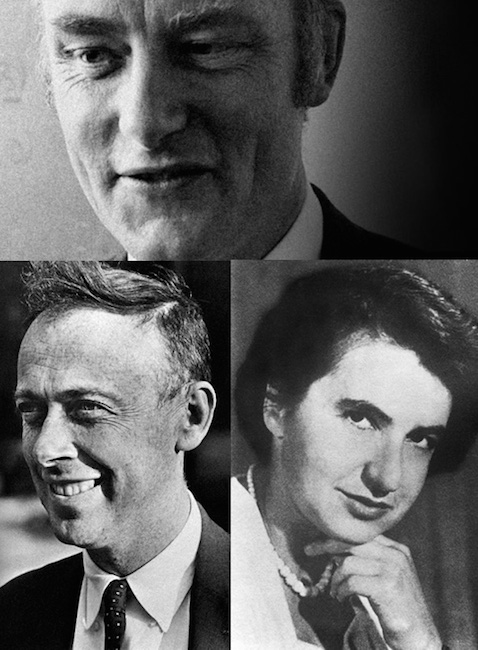
Cobb begins his book on genetics by reminding listeners of the discovery of the double helix by Watson, Crick, and Rosalind Franklin (though he doesn’t mention Franklin). The discovery of the double helix opens a new field of research. DNA is first discovered by Fredrich Miescher in 1869 but it is not until the 1950s, with discovery of the double helix, that science reveals the form in which DNA exists. The double helix model makes it possible for scientists to study the elemental structure of life.
Watson at the top, Crick lower left, Franklin lower right
The first test of a Recombinant DNA human experiment is in 1990. Two unrelated girls are diagnosed with adenosine deaminase (ADA), a symptom of which is low white blood cell count which usually becomes fatal in childhood. One of the two girls is alive today (according to a May 1, 2021, report). Cobb notes this result is positive but not definitive because the patients’ treatment is an early human experiment in Recombinant DNA therapy. It relies on an early form of gene therapy where a virus is used to allow molecular invasion of aberrant cells. And of course, one of the young girls in the experiment dies.
Cobb’s point is that the tools of this first Recombinant DNA’ uses a foreign virus to invade a human cell and experimenting with an untested treatment should be weighed against the effectiveness of known treatments.
With the helix model discovery of human DNA, science could study heredity and variation of inherited characteristics at a molecular level.
Yoshizumi Ishino (Japanese molecular biologist and discoverer of CRISPER.)
When CRISPR is discovered by Japanese scientist, Yoshizumi Ishino, in 1987, observation and sequencing of DNA could be changed by the medical and industrial communities. Without being too hyperbolic, the scientific community enters the realm of mythological gods with the availability of CRISPR. Scientists now can change the course of life on earth with direct modification of DNA, rather than use an accompanying virus to modify the patient’s DNA.
Cobb implies conventional treatments are sometimes ignored or discounted because of experimenters’ self-interest. That became eminently apparent with China’s He Jiankui’s and his widely vilified attempt to be the first to edit the genes of two babies. He is presently serving 3 years in a Chinese prison.
With the power to manipulate life, one hopes human history does not end but becomes more peaceful and less disease ridden. Cobb details successes and failures of Recombinant DNA. He confirms his skepticism by raising concern about intentional blindness of self-interested scientists. Some patients have been improved by Recombinant DNA, some have died for the wrong reason.
In 2020, OSHU in Oregon uses CRISPR to successfully provide a treatment for blindness in a patient with a genetic mutation. Sickle cell anemia, a genetic abnormality that deprives oxygen to red blood cells, is shown to have cured a young woman in a recent “60 Minutes” program.
Agricultural crop production has been improved by genetic modification, but Cobb notes ecological consequence of genetic modification is often not fully researched or explained to the public for wide approval. Cobb argues resistance to GMO products is largely due to a failure to communicate with the public. He also argues that a consequence of genetic modification of species has potential for eco-system collapse.
The example Cobb offers is modification of genes in mosquitoes that eliminate malaria. What is not fully explored is the consequence to predators that feed on mosquito progeny. If that source of food is lost, what is the consequence to mosquito predators. Do they change their diet, or do they die?
The point Cobb makes is that genetic manipulation that eliminates one species may start a spiral of species distinction. It is not to suggest malaria carriers are not worthy of genetic modification but that any change in a gene that eliminates one species may have wider ecological consequence. That consequence needs to be researched and understood.
One other aspect of Cobb’s story is the morality of patenting Recombinant DNA that enriches discoverers.
Unlike the discovery of a polio vaccine by Salk, many academic and industry scientists are focused on patenting their discoveries for personal gain, not public service. He raises the question of industries and some scientists who scramble to patent genetic therapy based on Recombinant DNA despite its questionable benefit. A tangential issue is industry, educational institutions, and scientists who benefit from getting patents for genetic research funded by public dollars. If public dollars are used, who should own the patents?
Cobb touches on biological warfare from weaponized viruses that accidently escape or are purposely deployed from labs designed to produce vectors of disease. There can be no mistake. Recombinant DNA has been and is still considered by many as a governments’ tool of war.
Recombinant DNA can become a weapon of mass destruction.
The ramification of Cobb’s history is a warning and benediction for the science of genetics. Genetic research is a sword of Damocles hanging over human society. It can kill if not properly secured and understood as a threat to life as we know it. Removing the sword is not possible because the genie of Recombinant DNA is out. It cannot be put back into Pandora’s box. Hope for honest, fully understood, and explained science is all that is left to humanity.
Cobb’s perspective on the path for science, in this case genetic science, is skeptical but seems hopeful.
“Reaching Down the Rabbit Hole” offers insight to those at a crossroad in life.
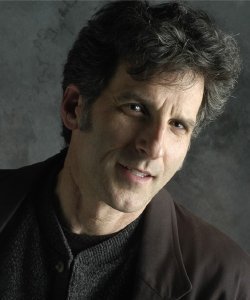
Brian David Burrell (Author, Lecturer at University of Massachusetts Department of Mathematics and Statistics.)Allan H. Ropper, MD (Executive Vice Chair of Neurology, Professor, Harvard Medical School Neurology.)
“Reaching Down the Rabbit Hole” is an apt book-title for diagnosis of brain dysfunction. Like “Alice’s Adventures in Wonderland”, truth of a neurological disorder is like following a rabbit down a “…Rabbit Hole”. Diagnosis of neurological disorder resonates with the obscure analogies of Lewis Carrol’s imagination.
One presumes “Reaching Down the Rabbit Hole” is written and edited by Brian Burrell. It may be that division of a doctor’s and writer’s expertise may not be a fair description of this book’s creation. But, unquestionably, Dr. Ropper’s stories drive the narrative. In any case, from a potential patient’s perspective, this is an insightful examination of what it means to live or die when a serious neurological disease strikes.
“Reaching Down the Rabbit Hole” is an insightful examination of the desire to live or die if your life is changed by a neurological disease.
Dr. Ropper’s experience at a leading hospital in Boston is a terrifying journey into the art of neurological medicine. The terror lies in what doctor’s do not know about brain function. When one’s neurological system fails, diagnosis and prognosis are keys to a patient’s decision to live or die. What Ropper’s experience suggests is doctors must carefully interview every patient who seeks help for what is abnormal behavior.
What Ropper explains is–careful physical examination and detailed interview notes improve diagnosis and treatment for neurological disorder.
It is somewhat understood that doctors, and the medical profession in general, are extremely busy, particularly in this age of Covid19 and a perennial flu season. What Ropper’s experience shows is accurate diagnosis in a case of brain dysfunction is inhibited by a three headed monster–time, education, and practice. For the medical profession, there will always be some medical crises that overburdens services.
The natural consequence of medical overburden comes from population increase, a 24-7 work week, and burn-out which affects a doctor’s time for diagnosis.
Of particular interest in Ropper’s stories are neurological diseases like Alzheimer’s, Parkinson’s, ALS, and medical emergencies like stroke. Ropper implies many doctors do not spend enough time interviewing patients to clearly understand what is going on with their neurological disorder. Doctors don’t ask enough questions about when symptoms began, how they exhibited, and the effect they have on the patient’s life.
A three headed monster (time, education, and practice) interferes with proper diagnosis by attending physicians.
Doctors only gain experience through education and, more importantly, practice. Mistakes are made in every profession, but none more directly impact the individual than in doctor/patient relations. Ropper notes the best way of reducing mistakes is to learn from them and not make them again.
When a mistake in diagnosis leads to death, Ropper explains it is important for doctors to fully investigate the details of the mistake. Ropper argues autopsy should be used as a tool for understanding mistakes and improving future treatment.
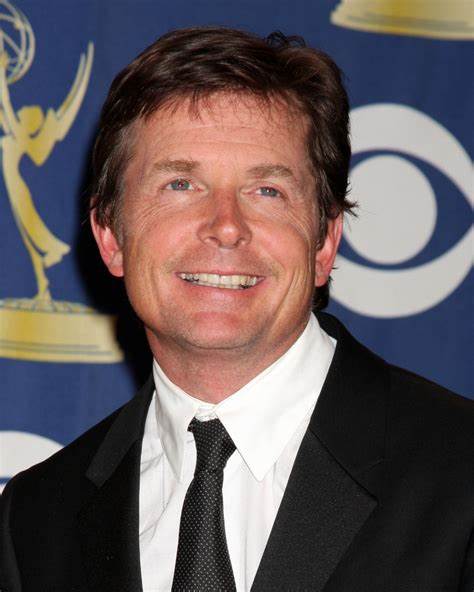
Michael J. Fox, as is generally known, is struck by Parkinson’s disease, a neurological disorder that creates a palsy or tremor in one’s body. Fox went to Ropper in his late thirties when the symptoms first appear. Fox wishes to continue his career but needs help with the tremors. Initially, Fox and his career handlers wish to keep the diagnosis secret. However, Fox grows to understand he can continue to act and do more for research and cure by going public. Fox, according to “Reaching Down the Rabbit Hole” raises millions of dollars for treatment of Parkinson’s disease. As is well known, Fox continues his career successfully as an actor with Parkinson’s disease.
Living with a neurological disorder is closely examined in “Reaching Down the Rabbit Hole”. Living with the disorder is a personal choice.
Some embrace the disorder like Michael J. Fox, the only “real name” patient in the book. Others suffer, many in silence, with what treatments are available to mitigate their symptoms.
Another impactful story takes two different directions. Two patients are diagnosed with ALS (Lou Gehrig’s disease) which is presently incurable and fatal. After careful diagnosis, Ropper explains the progression of ALS to two of his patients. One chooses to be kept comfortable to end her life rather than deal with its progressive debilitation. The second person chooses to deal with the debilitation and live longer with his family despite its consequence.
Stephen Hawking is not mentioned in “…Rabbit Hole” but is known as the Lucasian Professor of Mathematics at the University of Cambridge. He became a noted author of Astrophysics with contributions to the science of black holes, space, and the concept of time.
There is much more to be learned by listening to “Reaching Down the Rabbit Hole”. The fundamental message is that when a neurological disorder interrupts one’s life, the decision about what one should do is based on two things. One accurate medical diagnosis and two, a personal informed decision about what to do with one’s life.
The book’s conclusion is that a decision about living or dying from an incurable neurological disease can only be made by the stricken patient, no one else. This is not to say a doctor and one’s family is not a part of the decision but that the final answer lies with the patient.
The Mind of God: Neuroscience, Faith, and a Search for the Soul
By: Jay Lombard
Narrated by: David Acord
Dr. Jay Lombard (Author, Neurologist, specializing in child neurology, Ted conference presenter.)
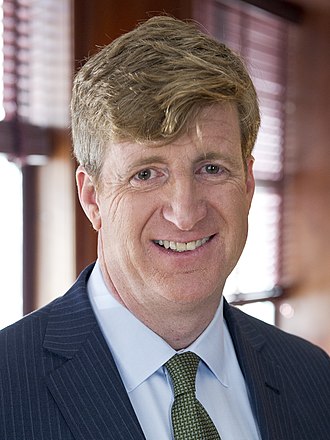
The introduction to Dr. Lombard’s book is by Patrick Kennedy. Kennedy’s self-effacing acknowledgement of his personal struggles draws one into Lombard’s story. As an introduction, a listener is interested in a scientist’s belief in God. However, by chapter 3, some listeners will be tempted to quit listening.
Patrick Kennedy (Former Democratic Representative from Rhode Island, Nephew of President Kennedy, son of Ted Kennedy.)
Lombard agues God is real because His existence is proven by evolution and human consciousness.
The basis for his argument is the “miracle” of evolution and human consciousness. The idea of “miracle” is a return to a neolithic age. Lombard’s “miracle” argument is off-putting for three reasons. One, miracles are frequently used by those who have not yet proven something by science. Two, evolution is proven by science. Three, consciousness remains undefined.
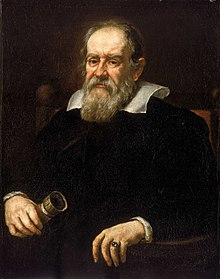
GalileoSIR ISAAC NEWTON (1642-1727)Niels BohrALBERT EINSTEIN (1879-1955)
Earth is flat and the center of the universe, i.e., until Galileo proves otherwise. We live in a world of Newtonian physics (cause and effect), i.e., until Max Planck, Niels Bohr, and others discover quantum theory and mechanics. Time is a precise measure of the past, present, and future, i.e., until Einstein proves time is relative. History shows miracles are often explanations for something humans do not understand. The human mind consciously interprets and intentionally believes the absurd–like lightning strikes because Zeus is angry. One is justifiably skeptical of those who argue God is the origin of creation and human benefaction.
What may draw a skeptic back to the book is Lombard’s experience as a neurologist in treating patients with proven brain dysfunction. Lombard shows an empathy for his patients because of his professed beliefs. Whatever one’s belief, empathy is essential ingredient of a good life.
Lombard’s empathy is an evolutionary pattern that offers hope to the world.
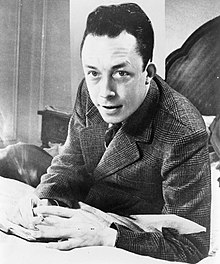
FRIEDRICH WILHELM NIETZSCHE (1844-1900 DIED AT AGE 55)ALBERT CAMUS (1913-1960, DIED AT AGE OF 46)
Philosophers of the past like Nietzsche and Camus, reject God because they believe He/She is a construct of human consciousness, not an omniscient being who created heaven and earth. Nietzsche argues humanity killed God by becoming Superman or Woman, without the need for something greater than themselves. In contrast, Camus suggests belief in God makes no difference.
The world to Camus is an unpredictable place and every human must consciously seek a mission in life to be free.
Lombard agrees with Camus’s argument. However, Lombard believes evolution of human consciousness is proof of God. Lombard suggests proof of God’s presence is shown with transformation from human self-interest to empathy. That is Lombard’s gigantic leap of faith, unwarranted by facts. It is the equivalent of an oft quoted comment by Einstein about God not playing dice.
The last patient in Lombard’s book is a Buddhist monk who is at early stages of Alzheimer’s.
Ironically, as Lombard notes, Buddhist belief is to “let go” of human emotion. Dementia results in “letting go”, but dementia is not a conscious act.
Dementia gives no comfort to one who is older and has a fear of Alzheimer’s and its consequence for others. Others, who are left to care for the stricken. What makes this chapter interesting is Lombard’s careful diagnosis, attentiveness, and empathetic care for his patient.
By the end of Lombard’s book, one is convinced of the need for science, with a hope for clearer understanding of brain, mind, and consciousness.
God may or may not have anything to do with brain, mind, and consciousness. Lombard’s argument for God’s existence is no more convincing than a bolt of lightning from Zeus.
Biology and Human Behavior: The Neurological Origins of Individuality, 2nd Edition
By: The Great Courses
Lecturer: Robert Sapolsky
Robert Sapolsky is an author, American neuroendocrinology researcher, and doctor of neuropsychology, educated at Harvard and acting professor at Stanford.
Sapolsky’s lectures begin with optimism. He infers one can understand the biological origin of human behavior. However, as the lectures progress one becomes skeptical. By the end of Sapolsky’s lectures, the source of human behavior seems too complex for human understanding. In a future age, it may be possible to reduce uncertainty, but determination of the sources of human behavior are likely to remain a probabilistic endeavor.
Sapolsky begins with neurological, physiological, endocrinological, genealogical, and environmental influences on behavior but ends with no definitive origin for human behavior.
This is not to say these lectures are not interesting, but science is far from understanding how any discipline can effectively or accurately identify the sources of dysfunctional human behavior. Cures for psychological maladies remain elusive because of the complexity of their origin.
There is no nerve that can be cut, no drug that can be administered, no gene that can be removed, no environment created that singularly cures abnormal human behavior. Sapolsky is saying the origin of human thought and action begins with genetic history, is influenced in the womb, is subjected to hormonal disruption, lives to be changed by environmental circumstances, and dies either early or late depending on the circumstances of life.
Sapolsky begins his lectures with a lesson in physiology and discussion about cells and the nervous system and how it works.
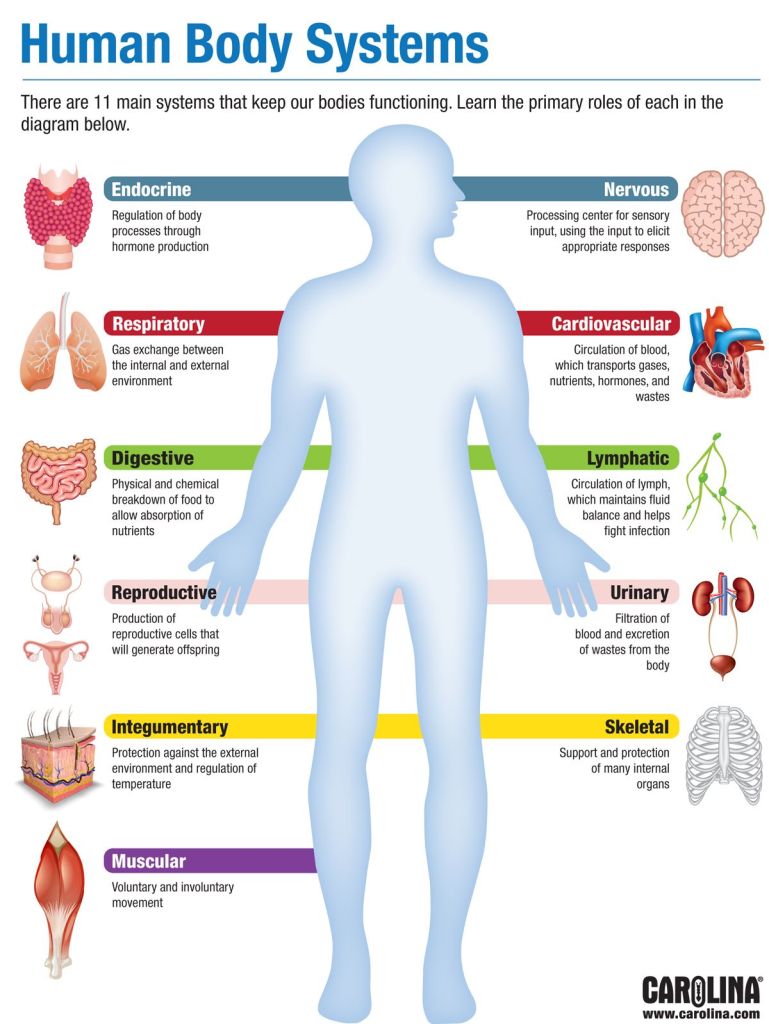
He explains limbic and autonomic nervous systems. A limbic system is where subcortical structures meet the cerebral cortex. It influences the endocrine system and the autonomic (breathing, heartbeat, and digestive system) functions of the body.
Sapolsky explains how regulation of body function is affected by hormones that come from many organs of the body. These hormones affect brain function (which is also a hormone producing organ) that have a great deal to do with how one acts. The physiology of the nervous system and blood circulatory system carry hormones throughout the body.
Sapolsky goes on to explain evolution of behavior that comes from genetically inheritable social history. What is revelatory is the myth of evolution based solely on a genetic singularity which preserves itself at all costs.
Sapolsky argues preservation of species, not specific gene preservation, is the key to understanding evolution. (This is a partial disagreement with the “selfish gene” postulated by Richard Dawkins.)
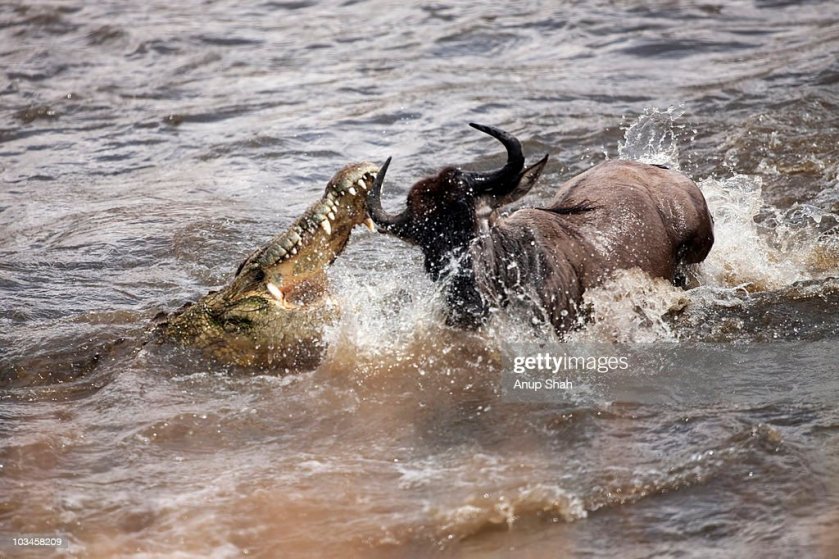
The example Sapolsky offers is the Wildebeest herd that plans to cross an alligator infested river.
An early interpretation of that crossing is that a leader of the herd voluntarily steps into the river to sacrifice itself to allow the herd to cross the river while it is being feasted upon by alligators. Sapolsky explains the Wildebeest is not sacrificing itself. Careful observation shows an older Wildebeest is forced into the river by the herd. It is not a voluntary action but a heritable social behavior of the herd to preserve itself.
Sapolsky identifies myths about what causes abnormal human behavior. The idea that testosterone levels are a cause for aggression is untrue. The National Institute of Health found that increased or decreased levels of testosterone have a weak correlation with aggression. Sapolsky notes that testosterone levels vary based on environmental circumstances and interaction with other hormone producing organs. It is not found to be a hormonal cause of aggression.
Sapolsky ends his lectures with “Evolution, Aggression, and Cooperation”. Here is where some may become disappointed with “Biology and Human Behavior”. The disappointment is in feeling there is no way out of the human condition of “everyone for himself”.
Every country of the world is populated with people like the wildebeest. Until the world is one herd, it seems humans are destined to lose their way as a species. The river to cross is the world’s environmental crises. With disparate herds in the world, the alligator in the river (our environment) will eat us all.
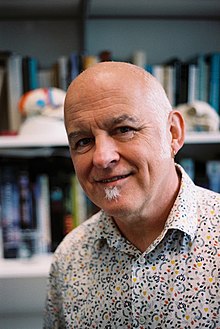
Stephen Nowicki (Professor of Biology at Duke University.)
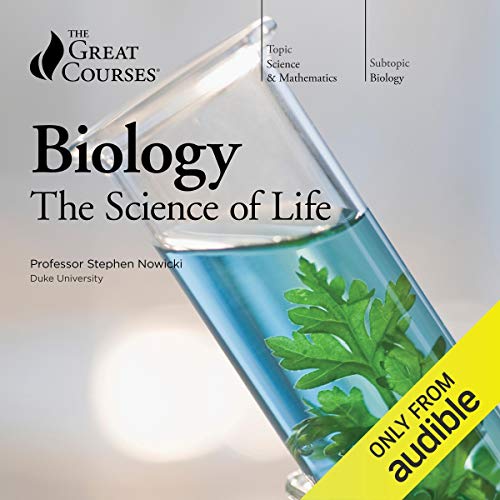
Professor Stephen Nowicki offers a 36.5-hour lecture on Biology. From the origin and growth of life to the chemical and neuronal function of living things, Nowicki systematically reveals experimentally tested knowledge of the “…Science of Life”. This brief review only addresses a few of the many fascinating details Nowicki explains.
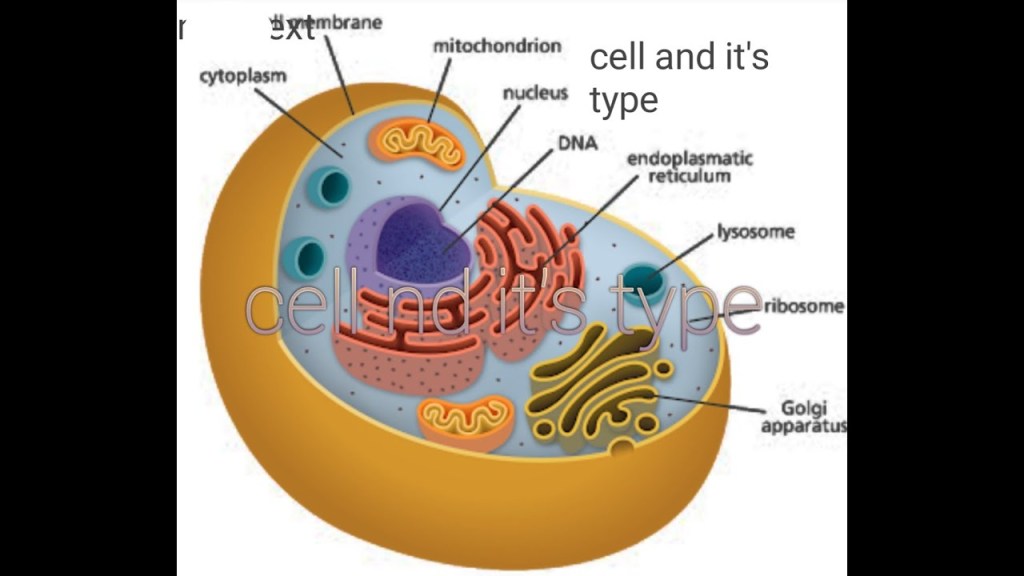
Science argues the beginning of life began with cells.
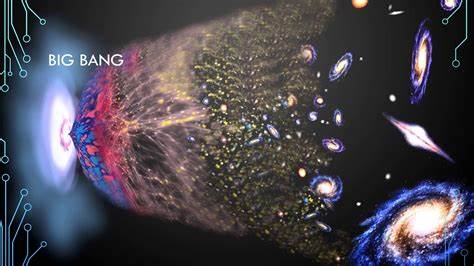
Nowicki suggests, cells evolve from the agglomeration of detritus from the “Big Bang”.
The early formation of these cells is missing two ingredients for life. Nowicki explains these early cells evolve from violent volcanic and electrical activity of the “Big Bang”, an environment in which those two missing ingredients are created.
Nowicki explains early non-living cells are bombarded by electrical storms that generate amino acids (organic compounds) and sugar from violent atmospheric conditions that include water.
In the early 1950s, these conditions were tested in laboratory conditions and found to create two essential building blocks of life. Nowicki explains, these building blocks (amino acids and sugars) became part of non-living cells.
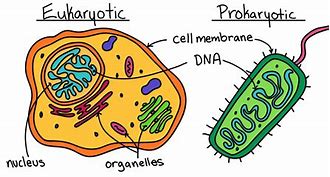
Experiments show these non-living cells transformed into prokaryotic and eukaryotic cells.
The eukaryotic cells had a nucleus containing genetic material while prokaryotic cells carried free-floating genetic material without a nucleus. Nowicki then explains the role nucleotides (protein) play in activating genetic material within these cells.
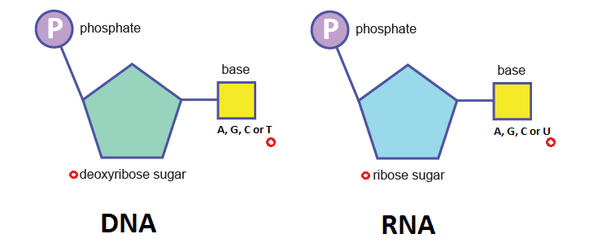
Nowicki notes DNA is present in both prokaryotic and eukaryotic cells, but they need to have a way of being activated. With replication, molecules (chemical compounds) could form. Nowicki explains living matter originated from the clumping and replication of these molecules.
Nowicki explains ribonucleotides (proteins) were created in the primordial soup of early earth. These ribonucleotides transformed into RNA which activated DNA genetic material and replicated both prokaryotic and eukaryotic cells.
Evolution of species, established by Darwin in the 19th century, appears quite consistent and reminiscent of the primordial process Nowicki outlines.
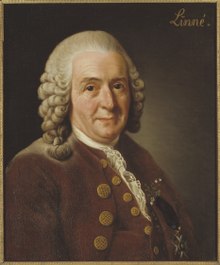
With that reflection, Nowicki reminds listeners that evolutionary process should not be thought of as a necessarily progressive improvement. Evolution is chancy. It can either preserve or destroy species. Nowicki wanders back in history to explain classification of species as theorized by Linnaeus in the early 18th century.
Carl Linnaeus (1707-1778, Swedish botanist, zoologist, taxonomist, physician.)
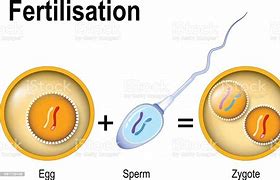
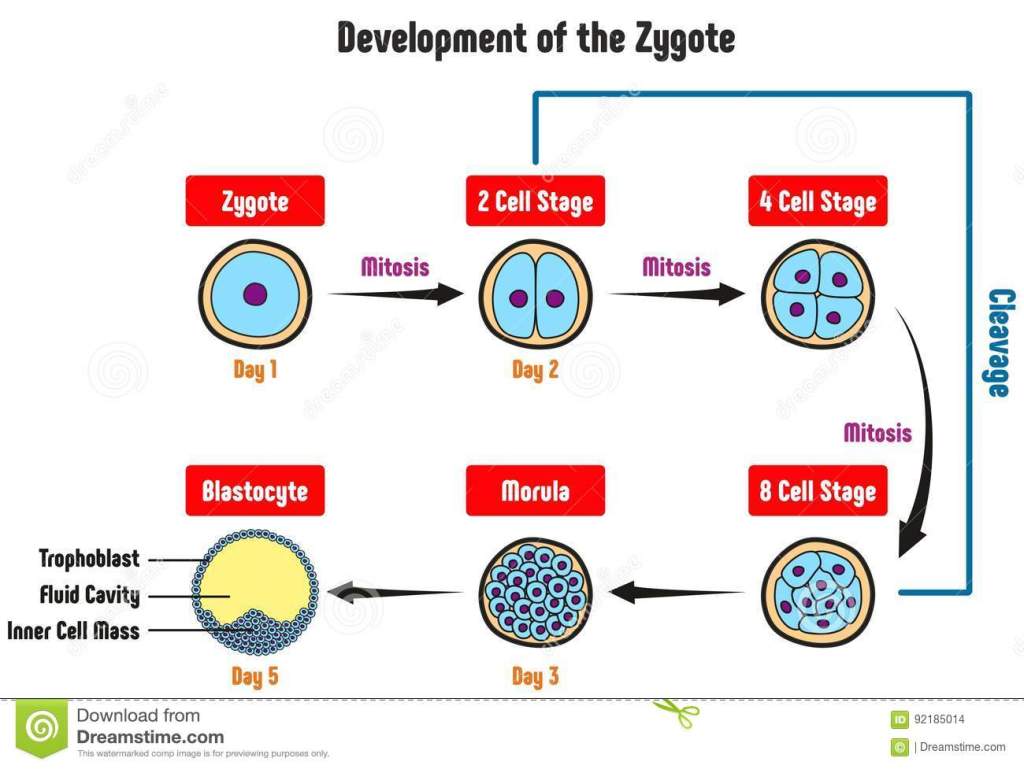
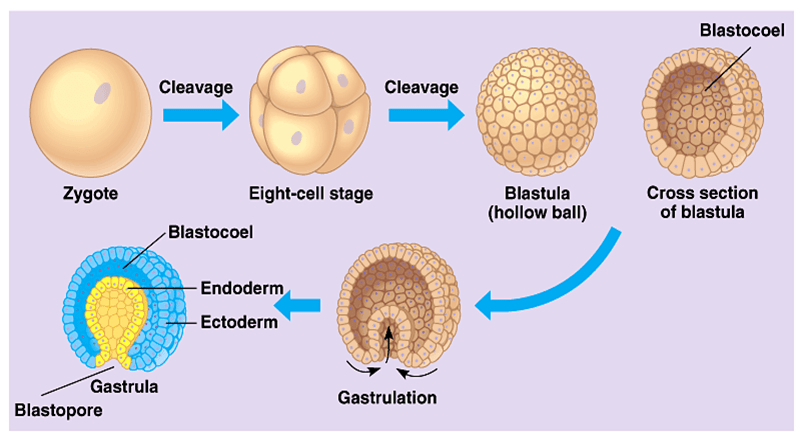
A particularly fascinating lecture is given about embryo development. A zygote is a fertilized egg. The zygote begins as a singular cell and splits into two cells.
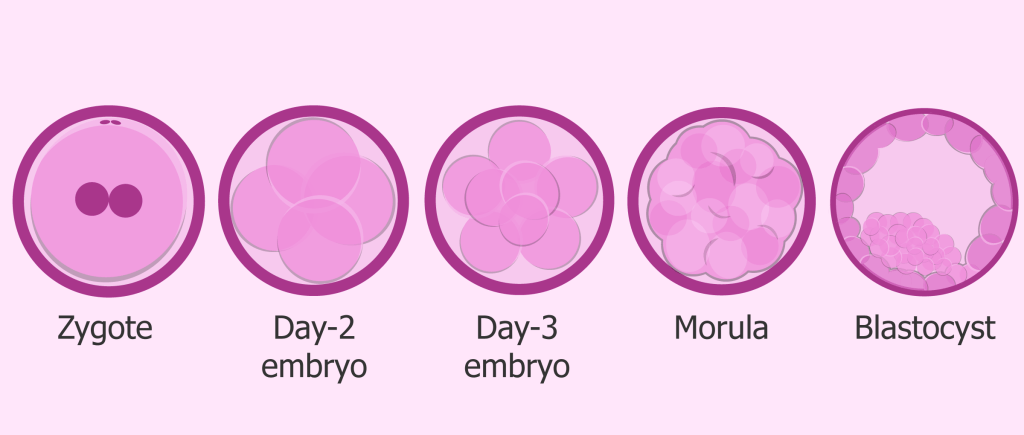
The second doubling of a zygote creates four cells separated in a vertical axis with all genetic material present in each cell. Subsequent doubling is separated on a horizontal axis. These new cells do not have all genetic material enclosed. The new cells have a more limited genetic role. There is significance in that axis change because of the location of genetic material in respective cells. With a change in axis, the viability of one cell carrying all the characteristics of its host goes from certainty to doubtful. The specialization of cells removes some of the genetic material that would contain all the characteristics of the life form.
Zygote Evolution
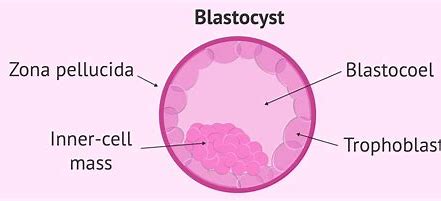
The zygote at four cells is mature. The next doubling becomes an embryo. All four cells have the genetic material of a male’s and female’s contribution. Each multiplication reduces the size of sister cells until they form a mass that surrounds a vacant space within its middle. This vacant space is the blastocyst stage. The blastocyst is made up of an exterior shell, a middle shell, and an inner shell. Each shell becomes the seat of design for what is to be born.
After a Zygote split into 4 cells, it becomes an embryo.
All amassed cells around the blastocyst carry site specific genetic material of life that forms a living thing.
The process of design in a human begins with an intrusion into the blastocyst without breaking its shells. That intrusion (a human gastrula), around the 7th or 8th day, uses the membranes as laboratories within which genetic codes create skin, bone, internal organs, and the digestive system.
Each of the three membranes are the laboratories of creation. The exterior or outer shell for example would become skin, the middle shell would become organs, the inner shell would become the digestive system.
The key to activation of this process is protein. Protein is the messenger of genetic material (DNA and RNA) from cells that create the tissue and organs of the body. Proteins are the elemental particles that activate genetic morphology. Without protein activation, there is no life.
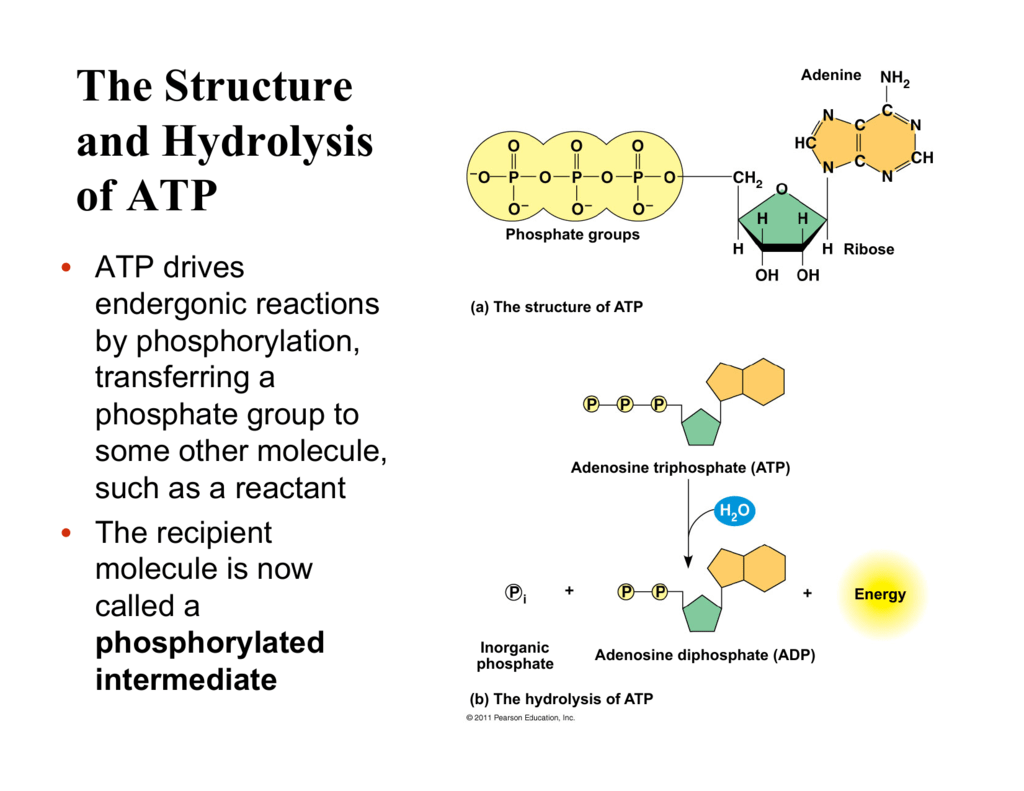
The next exploration of biology by Nowicki is more suited to students of biology. Nowicki makes a valiant effort to explain the chemistry of ADP and ATP phosphates that provide energy needed for growth and maintenance of life. This part of the lecture series becomes too technical.
In general, Nowicki explains growth and maintenance of life requires energy. That energy comes from the hydrolysis of ATP and ADP. Hydrolysis is the chemical breakdown of molecules as they interact with water.
As molecules of ATP and ADP break down, they fuel cells of life to act in specific ways to promote growth and maintenance. Like the importance of protein messengers for activation of genetic material, life cannot exist without the energy provided by ATP and ADP. Nowicki diligently tries to explain the mechanics of this phosphate process but loses this reviewer’s interest.
Next, Nowicki lectures on photosynthesis and how plants use sunlight to synthesize foods from carbon dioxide and water.
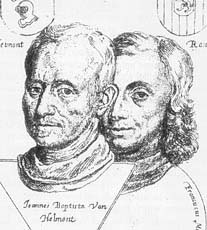
The first inkling of cause for plant growth is noted by Jan Baptist van Helmont in the 17th century. Nowicki explains Helmont planted a tree in a tub of soil. He carefully weighed the soil and tree at the time of planting. Over several years, he observed the growth of the tree. At the end of those years, Helmont weighed the soil and tree. He found a small decrease in the soil’s weight and a gigantic increase in the tree’s weight. Helmont speculates the difference is from water added over the years. Though his conclusion is only partly correct, he paved the way for discovery of photosynthesis.
Jan Baptist van Helmont , a Dutch chemist and physician (1580-1644, On the left with his son on the right.)
That synthesis is a more complete explanation of the weight gain noted in Helmont’s experiment. The fundamental point being made by Nowicki is that species growth and demise is based on resource availability. Jan Ingenhousz completes Helmont’s theory with the discovery of photosynthesis.
Jan Ingenhousz (1730-1799, Dutch physiologist.)
Around 1779, A Dutch physician named Jan Ingenhousz found that green plants use sunlight to synthesize food for plants from carbon dioxide and water.
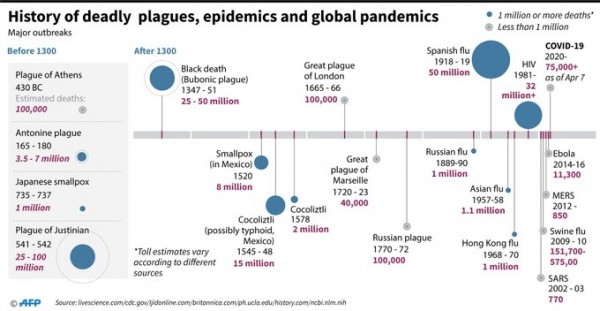
The remaining lectures are about Malthusian limits to life. There are natural and societal actions (meaning acts of war) that affect species survival. For natural calamities, one is reminded of the Black plague in the 14th and 17th centuries, the Spanish flu after WWI., the Irish famine in 19th century, the great Chinese famine during the “Great Leap Forward”, and now Covid19.
And today, the Covid19’ pandemic. (As of August 2022, world-wide deaths are estimated by WHO at over 6,000,000 with the U.S. at 1,032,820, Brazil at 679,536, and India at 526,689. This does not account for undiagnosed deaths from the virus.)
From man’s inhumanity to man, there is the Mongol invasion of Europe in the 13th century, two 20th century World Wars, the holocaust atrocity of WWII that murdered 11,000,000 (6,000,000 of which were Jews), and most recently, an estimated 600,000 dead in the Syrian Civil War.
How many more deaths will there be from Russia’s invasion of Ukraine?
Of course, Nowicki’s attention is on the biology of life. Nowicki explains, the key to balance of nature is biodiversity. Nowicki notes the unprecedented loss of species in the post 20th century world risks life’s future. Nowicki briefly explains how drug discoveries and loss of genetic material from species extinction affects the balance of nature by diminishing the sources and utility of future medical discoveries.
The fundamental point of Nowicki’s view is that no species escape the natural biological limits of life. Nature balances life based on resources available. A listener may imply Nowicki believes humanity is threatened as much by ignorance of biology as of “man’s inhumanity to man”.






















































 REVIEWS AND VIEWS OF LIFE