HUMANITY’S TRIAL

Audio-book Review
 By Chet Yarbrough

Blog: awalkingdelight)
 Website: chetyarbrough.blog

The Earth Transformed: An Untold History

By: Peter Frankopan

Narrated by: Peter Frankopan

Peter Frankopan, (Author, Professor of Global History at Oxford University, Director of the Oxford Centre for Byzantine Research.)

Peter Frankopan journeys from pre-history to the present to offer perspective on the earth’s global warming crisis. He reviews what is either speculated or known of disastrous world events. Frankopan recalls histories of major volcanic eruptions, earthquakes, tsunamis, droughts, famines, pandemics, and epidemics that have changed the course of history.

In the beginning, one thinks Frankopan is setting up a rationalization to argue global warming is just another world changing crisis that will be managed by humanity.

However, Frankopan is explaining the history of world crises and how humanity dealt with its eternal recurrence. In broad outline, he suggests world crises are dealt with in two ways, i.e., one, with religion or mysticism, and/or two, with adaptation. In every historical crisis, leadership is the presumed key to survival.

Frankopan explains the common denominator for crises that change the world is death.

Just as America and the world recovers from Covid-19, millions have died. We who remain carry on.

Whether a catastrophic event is geological, climatological, or pathogenic, life is a victim. Before history is written, Frankopan offers explanations of what happened to life based on fossilized remains. Causes for death are either geological (like earthquakes), climatological (like volcanic dust that blocks the sun), pathogenic (like the plague or a virus), or manmade (like the nuclear bomb). When written history begins, Frankopan’s evidence of world crises is more precisely explained. (From an objective perspective of any historian’s story, any history of the past is trapped in His/Her’s interpretation of other’s reported facts.)
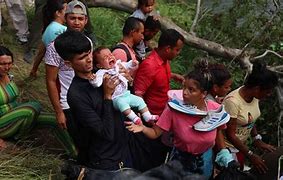
Frankopan argues life on earth has come and gone through centuries of crises.

The evolution of human beings shows they have managed to ameliorate past crises by meeting them head-on. Humans have overcome crises by adapting to change, whether manmade or environmental. If the past is prologue to life’s survival, global warming’s threat will be met and ameliorated by human response. Just as all crises in world history have ended lives, the same is true of global warming. That does not necessarily mean all human life ends. Frankopan’s history infers life will be changed by global warming but leaves unanswered whether human life will end.

Jumping ahead in Frankopan’s scholarly review of history, the age of Sputnik emphasized the growing importance of science in the ecology of the world.

The Russian Launch of Sputnik in 1957.
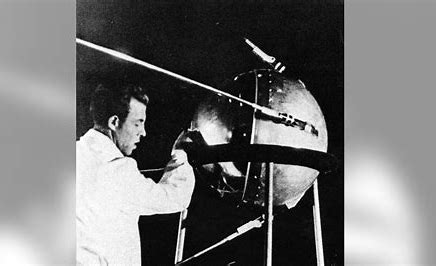
Ironically, Russia’s giant step ahead of America in the space race awakened the world to the importance of science. Frankopan notes the hubris of humanity taking center stage with Khrushchev’s comments about humankind’s need and ability to control nature. To Frankopan, control of nature is a turning point in the hubris of humankind. He notes the U.S.S.R. experiments with weather control as a way to improve agricultural productivity. Frankopan suggests the real objective is to realize the potential of weather control as a weapon of war and goes on to explain how America capitalizes on that idea in the Vietnam war.

The irony and hubris of humanity in believing it can control the weather is evident in the despoiling of earth by human ignorance and action.

The profligate use of carbon-based energy for industrial growth far outstrips any science driven effort by humanity to control the weather. World ecology has proven too complex for constructive control by human beings. It is as though the world is being turned back to religion and myth to explain the phenomenon of world existence.

The last two chapters address overwhelming evidence for causes and consequences of late 20th and early 21st century world’ environmental damage.

From deforestation in the Amazon, to automobile increase in China, to waterway dams and aquifer depletion, a listener/reader’s fear and depression are kindled.


Harvard educated politicians like Ted Cruz and poorly educated Presidents like Donald Trump insist global warming is a hoax. As political power representatives of the wealthiest country in the world, one cannot but be appalled by climate change deniers.

The world’s future is based on an unknown solution to global warming.

Some suggest A.I. is key to solving global warming. Frankopan’s history suggests it is human beings that gave humanity the ability to overcome past crises. A.I. is one of humanities tools. It seems fair to suggest today’s crises will be another difficult chapter in the history of humanity. Judging by Frankopan’s history of human adaptation, global warming may not be humanities last chapter. However, Frankopan warns listerner/readers against the hubristic belief that nature can be controlled by humankind.

Stephen Hawking suggested humanity will not survive another 1,000 years on Earth and that human survival depends on colonization elsewhere in the Solar System. Frankopan seems to infer, humanity does not have that much time.
Frankopan wryly observes global warming is a crisis, but that human life is more likely to end from some other cataclysmic natural event like that which killed the dinosaurs (a meteor strike), a massive underwater volcanic eruption, or nuclear war before global warming kills us all.

One hopes histories past lessons inform a future that includes a place for the youth of this, the next, and future generations. World change brought on by crises have been overcome in the past through human adaptation. It seems reasonable to presume, despite the ignorance of some national leaders, that humanity will survive today’s global warming crisis.

APPARITION & NUISANCE

Audio-book Review
 By Chet Yarbrough

Blog: awalkingdelight)
 Website: chetyarbrough.blog

Out of Mesopotamia

By: Salar Abdoh

Narrated by: Sean Rohani

Salar Abdoh (Author, Iranian American, family forced to leave Iran when he was 14, Graduated from U.C. Berkley and City College of New York.)

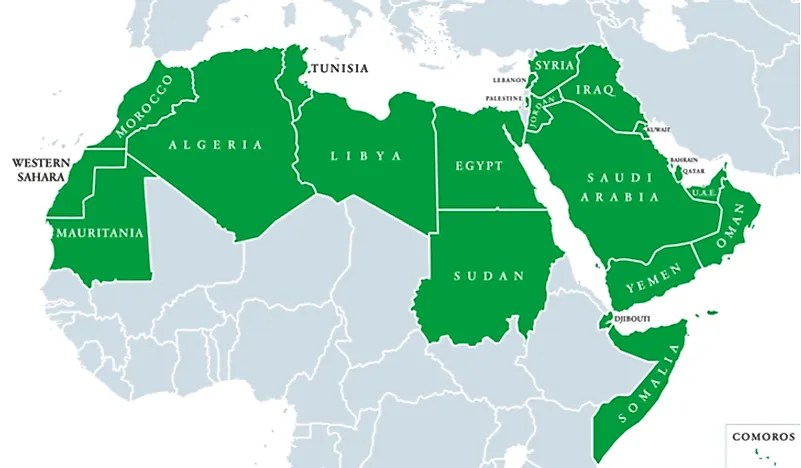
Salar Abdoh’s book title, “Out of Mesopotamia”, implies an opinion about the Middle East. Abdoh entertains a listener/reader with his wry sense of humor, colored by the tragedy of political turmoil, murder, and martyrdom in the Middle East. His personal life and academic education infer a better understanding of western and middle eastern cultures than most Americans.

Abdoh’s novel idealizes a belief in pan Arabism with return of a borderless Middle Eastern area like Mesopotamia. His novel expresses love for Arab culture.

Whether Mesopotamia may have been a land of erudition, agriculture, domesticated animals, and social classes its culture changed with the creation of nation-states rather than singular settled communities. But, that change is unlikely to have been as quiescent as Abdoh implies.

Mesopotamia means between rivers which are known today as the Tigris and Euphrates. It was originally made of city states peopled by Sumerians between the sixth and fifth millennium BC. These city states each had their own king which implies there were borders and undoubtedly periodic conflicts.

As noted by Abdoh, the level of conflict remains today. The difference is, rather than combat with words, fists, and clubs, today’s nation-states use guns, bombs, and weapons of mass destruction to resolve disputes.

Abdoh’s main character is a reporter, sometimes combatant, who decries Iranian religious rule and Syrian slaughter of innocents. One senses the author’s visceral love for Arab culture and a yearning for return to his native country.

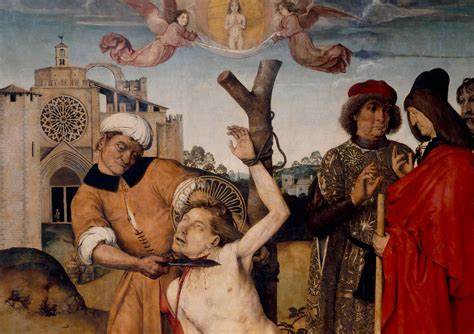
A large part of Abdoh’s story is to explain martyrdom to its listeners.

Most understand religious beliefs are the proximate and most obvious reason for martyrdom. Participants of a holy war are memorialized by dedicated monuments to their deaths. Their belief is that they arrive in paradise while being memorialized by those remaining in life. Abdoh explains paradise and earthly memorialization are only two of many reasons people seek martyrdom.

For some, martyrdom is penitence for a sinful life. For others, it is to escape from what they view as a meaningless existence. For a few, it is a choice to end one’s life for what they believe is a meaningful purpose.

From soldiers, to sinners, to artists, and the remaining living, Abdoh infers martyrdom is a wasted life.

Abdoh’s writing is engaging, in part because of its substance but also because of his sense of humor and point of view. He weaves a story of emotion, and disgust by using irony, humor, affection, love, disgust, and intellect of characters who keep one entertained and engaged. The engagement comes from agreement and disagreement with his character’s point of view.

The relationship between America and the Middle East is complicated.

America and the Middle East’s relationship is challenged by cultural differences that seem irreconcilable because of national and individual self-interests, made even more difficult by language. The failure of most Americans to understand more than their own language breeds ignorance and arrogance. As noted by other authors, the story of the Arab world is tightly woven into the fabric of their language.

Abdoh’s story reflects the ignorance of American policy and how it deals with the Middle East.

He does not suggest it is because of malevolence but infers it is from not caring enough and being consumed by American national self-interest. America is described by Abdoh as an apparition and nuisance to the Middle East. Without mutual cultural understanding, there is, nor will there be, peace in the Middle East or world.

BRAVERY AND DELUSION

Audio-book Review
 By Chet Yarbrough

Blog: awalkingdelight)
 Website: chetyarbrough.blog

Defying Jihad: The Dramatic True Story of a Woman Who Volunteered to Kill Infidels-and Then Faced Death for Becoming One

By: Esther Ahmad, Craig Borlase

Narrated by: Julia Farhat

Craig Borlase (British ghost writer, former English teacher and author.)

One presumes there is no picture of Esther Ahmad because of risk to her family’s life.

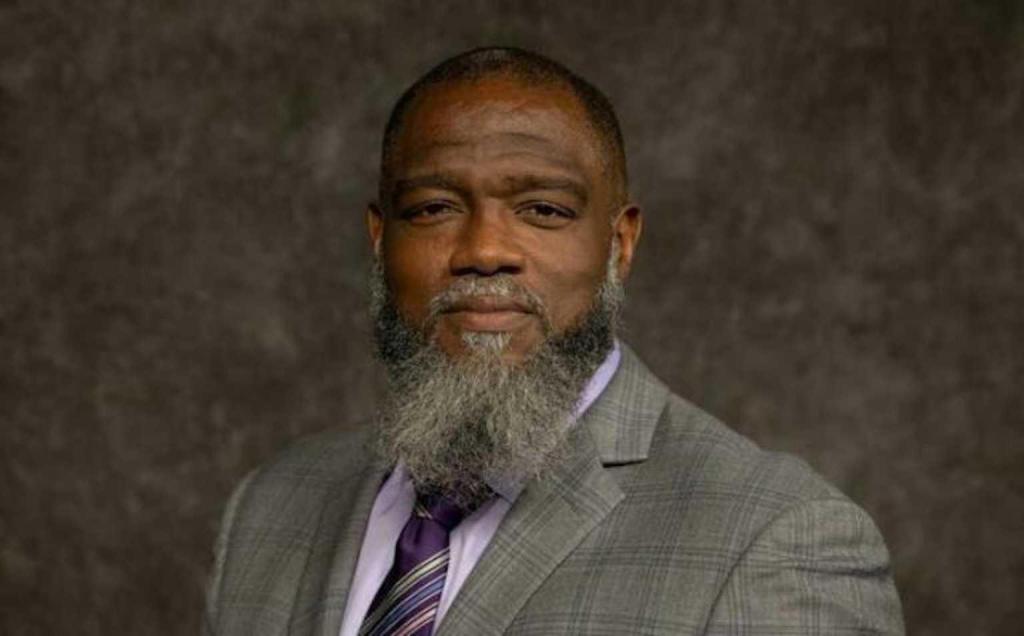
Esther Ahmad is an evangelist dream who in her story reveals the myopia of religious belief. Like Voddie Baucham, Ms. Ahmad conflates living a decent life with religions’ dogma. There is no incontrovertible truth in the teachings of religious doctrinal literature. The Holy Bible, the Quran, the Vedas, the Tripitaka, and the Torah are filled with words that have interpretation contradictions that lead and mislead humanity.

There is little doubt that Esther Ahmad saved herself and some number of innocents by abandoning Jihadist religious beliefs.

Her story is of a very brave woman who defies her family and Jihadism in Pakistan, but her refuge in Christianity carries every organized religion’s contradictory teaching. Her journey from organized Islamic religion to organized Christian religion is trading one mythology for another.

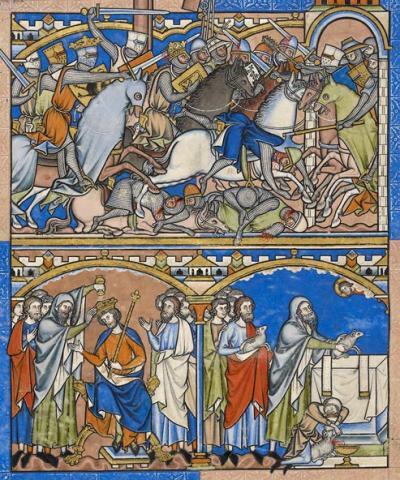
The history of Christian religion is as violent, and conflict ridden as Jihadist Islam.

Depiction of the Eleventh Century Christian Crusades

Absolute belief cannot come from the written word because the written word is man’s interpretation of what may or may not be the word of God, Allah, Yahweh, or whatever name the Divine is given. Esther Ahmad’s journey is heroic. She lives in a culture of violence and overcomes its alure through a will-to-believe. She abandons Islam, marries a Christian, and flees her father’s Jihadism to eventually arrive in America.

What is disappointing is Ms. Ahmad trades one organized religion for another, both of which are based on a man’s interpretation of Holy books. Human interpretations do not prove the existence of Divinity.

Ms. Ahmad’s journey to Christianity is reinforced by what appear to be two miracles. Her mother is cured of heart disease and her brother’s infected leg are healed through prayer. A skeptic might argue they were not miracles because her mother never had medically diagnosed heart disease and her brother’s infected leg may have naturally healed. Organized religion and human belief neither prove nor disprove a Divinities’ existence.

Ms. Ahmad faces an inquisition by Muslim scholars in defending her belief in Christianity.

Depiction of a Christian Inquisition.

She is questioned on four different occasions in front of other Muslim believers. Her knowledge of the Koran trips up the first three inquisitors and the third offers her a bribe to return to the Muslim faith. Ms. Ahmad’s defense is ironic because she shows inconsistencies in the Koran that make Muslim clerics look foolish. The irony is that the Christian Bible is equally riddled with inconsistency, but the Muslim clerics choose only to defend the Koran without pointing to the inconsistencies in the Christian Bible. That is the weakness of the cleric’s inquisition because, like the Koran, the Bible is written and re-written by humans.

The strength of Ms. Ahmad’s story is in her will to resist a patriarchal organization, and her own father who is prepared to murder her for blasphemy.

The weakness of Ms. Ahmad’s story is reliance on Christian dogma that comes from the word of man, not a Divinity.

One can believe in Divinity without believing in organized religion, particularly with the force-of-will demonstrated by Esther Ahmad. “Defying Jihad” is, without question, a story of bravery but also a story of organized religions’ delusions. Ms. Ahmad’s story is a false flag for belief in any organized religion, rather than belief or disbelief in Divinity.

This is a remarkable story of an extraordinary woman, but it fails to move one who has read many histories that show how organized religion has misled people by lying, abusing, robbing, and murdering innocents on their way through life.

STORY TELLING

Audio-book Review
 By Chet Yarbrough

Blog: awalkingdelight)
 Website: chetyarbrough.blog

Fault Lines (The Social Justice Movement and Evangelicalism’s Looming Catastrophe)

By: Voddie T. Bauchham

Narrated by: Mirron Willis

Voddie Baucham (Author, pastor, educator, BA from Houston Baptist Univ. and M. of Divinity from SWestern Baptist Theological Seminary.)

“Fault Lines” is a troubling book. It gives too much shade to racial and ethnic inequality in America. On the one hand, Voddie Baucham relies on story telling to counter the singular atrocity of George Floyd’s murder and on the other he tells stories of inaccurate accusations of police discrimination during traffic stops. White America has enough shade without being forgiven by a black preacher for hundreds of years of discrimination.

George Floyd’s murder.

Baucham implies unequal treatment is less odious because white people are killing white people at a higher rate than white people are killing black people. How does that look when a young teenage black boy knocks on a front door and is shot in the head by a 84-year-old white man because he is afraid?

Ralph Yarl shot in the head for knocking on a front door.

Baucham is right when he argues facts matter but untextualized facts fail to reveal the whole truth. As a preacher, Baucham chooses scriptural text from bibles that have been interpreted in many ways by different preachers and scholars. A skeptic credibly argues truth is fungible in the Bible.

Some would argue the Bible is a proximate cause for belief in inequality of the sexes and races in the world.

Baucham’s story telling may be factually correct while being fundamentally wrong. When the proof he reveals comes from the Bible, a skeptic cringes. That may be because of a skeptic’s own biases and beliefs but how many people in history have justified murder of innocents because of religious belief and biblical interpretation?

It comes as no surprise that Bauchham is a strong proponent and supporter of Thomas Sowell, an American author, political conservative, and social commentator.

Sowell espouses many of the same views of American society that Bauchham endorses. Both are anti-abortionists despite over-population and America’s history of child neglect. Both opposed the election of Barack Obama. Both decry the absence of black Fathers from their families and the consequence to their children. (There is little doubt that absence of fathers in black families is an important issue but the poverty cycle in which black families are trapped is of greater consequence.) They may come to their political views from different angles but undoubtedly voted for Donald Trump in 2017 (Bauchham because of the abortion issue and Sowell for his political party).

Human nature drives us all.

Humans, whether Believers or heathens, strive for money, power, or prestige to differentiate themselves from others. To a humanist, belief in God and the Bible or the devil and purgatory are only tools of human nature. Baucham is a human who believes in God and the Bible who uses those tools to unjustifiably shade the iniquity of humankind.

WRITING INTIMACY

Audio-book Review
By Chet Yarbrough

(Blog: awalkingdelight)
 Website: chetyarbrough.blog

Priestdaddy: A Memoir

By: Patricia Lockwood

Narrated by: Patricia Lockwood

Patricia Lockwood (Author, poet, novelist, and essayist. Winner of the Thurber Prize for American Humor, and the Dylan Thomas Prize.)

This is the second Lockwood’ book listened to with interest and limited praise. Praise is limited because Lockwood writes with a customized perception of the world that diminishes its broad appeal. Like this critic’s review of “No One is Talking About This”, “Priestdaddy” reinforces Lockwood’s singular perception of the world. However, “Priestdaddy” adds depth to her personalized view of life. “Priestdaddy” has broader meaning than “No One is Talking…” but its appeal remains singular more than universal.

The broad meaning of “Priestdaddy” is that children are genetically marked and shaped by their parents in good and bad ways.

Lockwood’s literary success is remarkable considering the life she reveals. Lockwood’s sense of humor seems inherited from her mother, but her view of the world seems locked in a struggle with perception of her “Priestdaddy” father. Her father became a Catholic Priest, which is possible after marriage with the support of the church. In Lockwood’s struggle with her “Priestdaddy” and unrelated 20th century revelations about Catholic Bishop’ pedophilia, she loses faith in organized religion.

Relationship with one’s parents and the church are only part of Lockwood’s world view. Personal life experiences revealed in “Priestdaddy” also affect Lockwood’s perception of the world.

Reference to the author’s rape and miscreant priests that abuse children is a reminder of the horrors of human perversion. The broader contribution Lockwood offers is the extreme intimacy required to achieve success as an acclaimed writer. Not everyone has the courage, willingness, or skill to tell stories of their personal lives to the public. A listener will agree or disagree with Lockwood’s personal view of the world based on their own parental inheritance and life experience.

Praise is something all writers seek but few achieve. Lockwood is an interesting writer, recognized with national awards for her writing, and praise by many of her readers.

To some extent, one’s interest in Lockwood’s writing is because of the intimacy of her stories. Others fail to have wider appreciation of Lockwood’s writing because her story is not their story. When reading or listening to a book, many are looking for a broader understanding of life, not necessarily revealed by perceptions of a writer’s intimate experience.

SOUTHEAST ASIA

Yarbrough (Blog:awalkingdelight)
Website: chetyarbrough.blog

Southeast Asia 2023, Thailand, Laos, Cambodia, Vietnam

Written by Chet Yarbrough

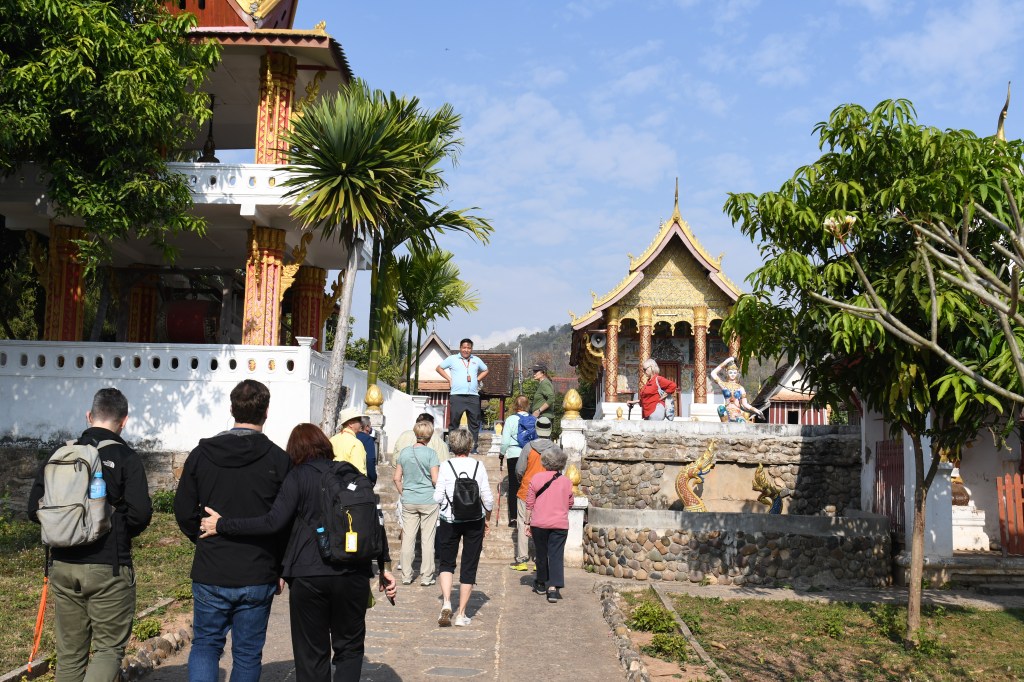
Over Christmas 2022 and New Year’s 2023, America’s storied history in Southeast Asia is vivified in a 20-day trip to Thailand, Laos, Cambodia, and Vietnam.

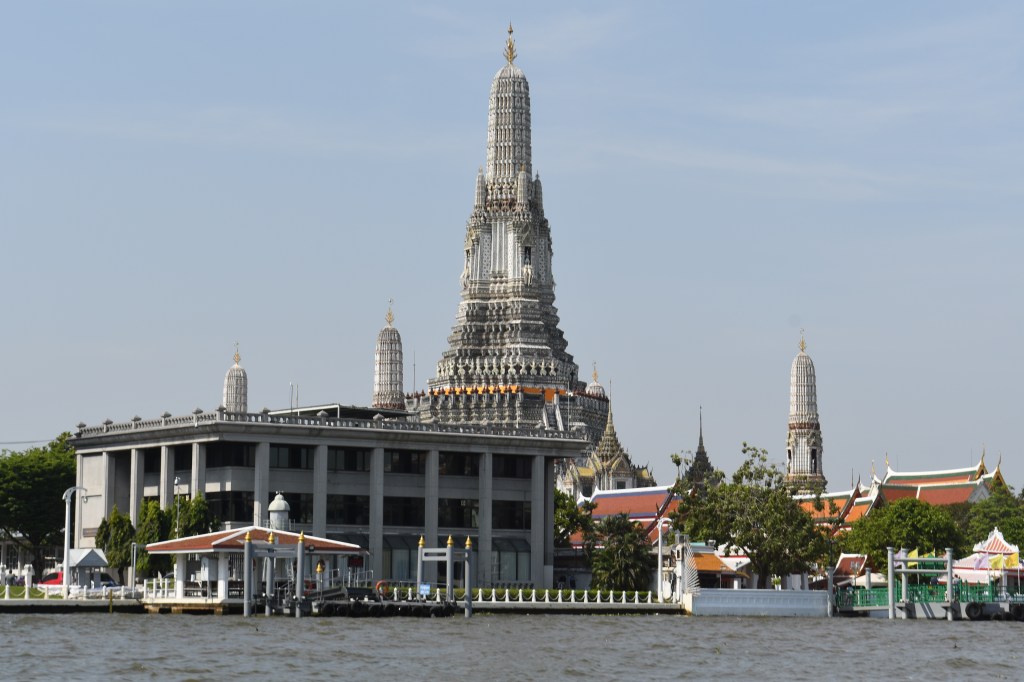
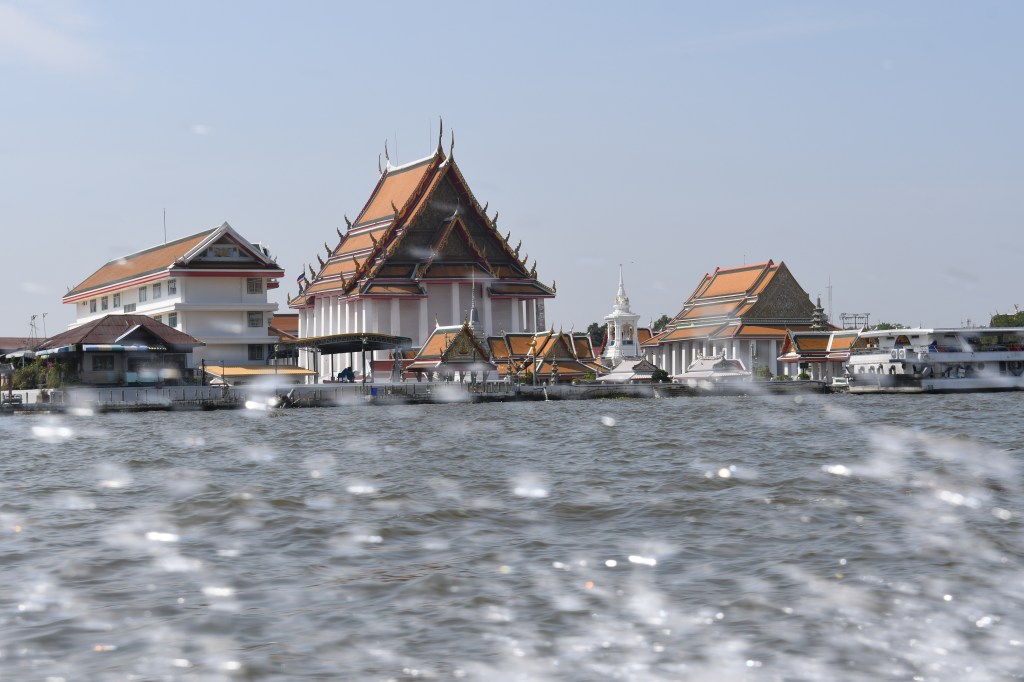
THAILAND BOAT TRIP

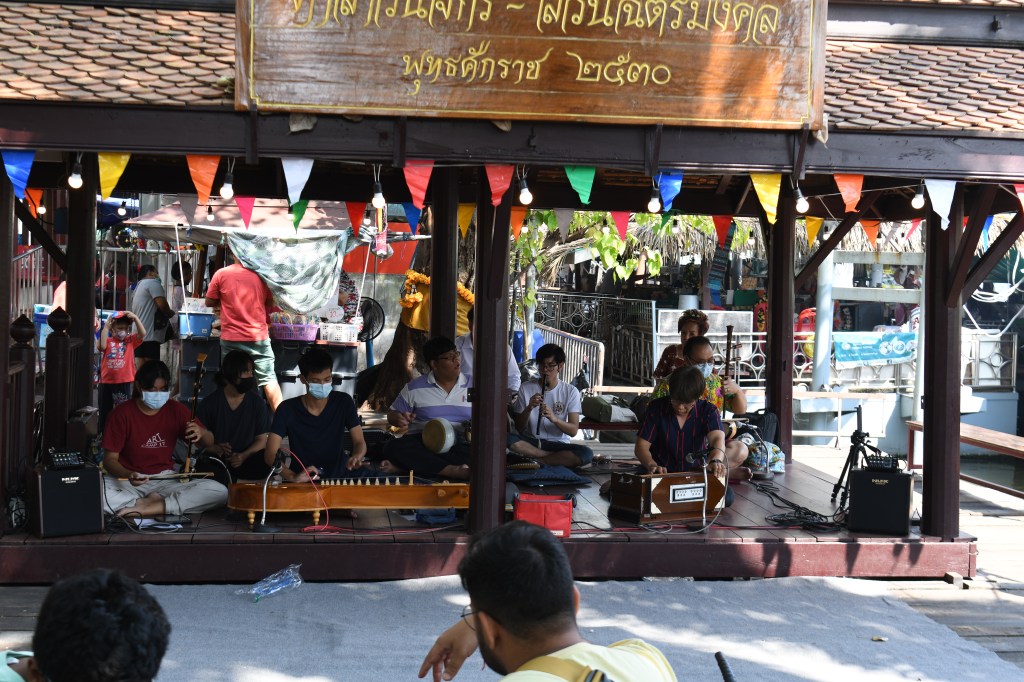
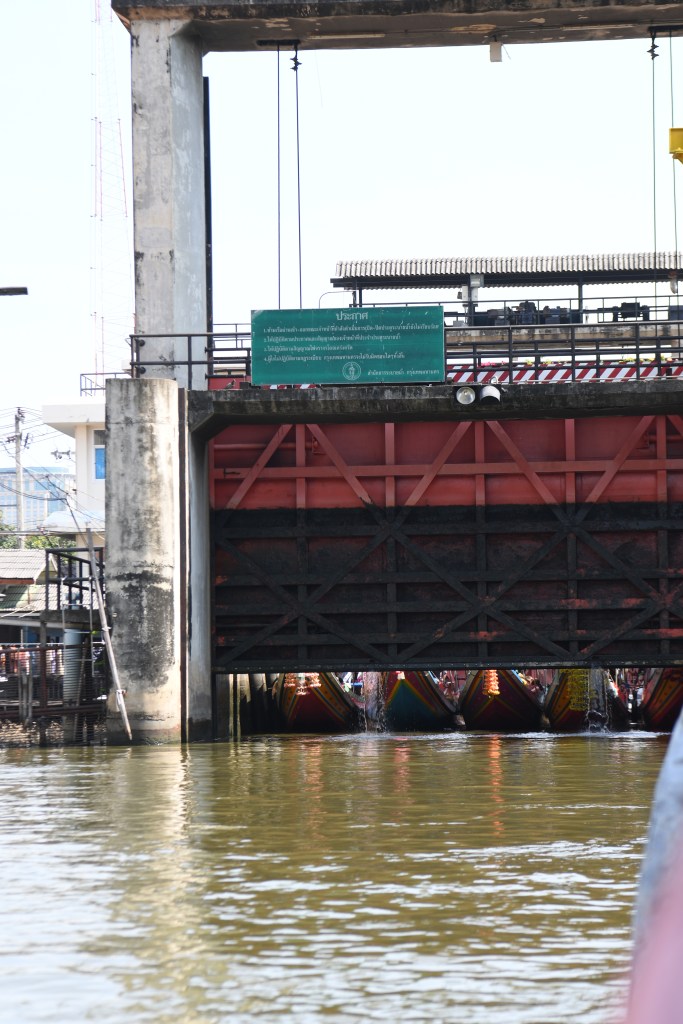
Chaopraya River in Bankok

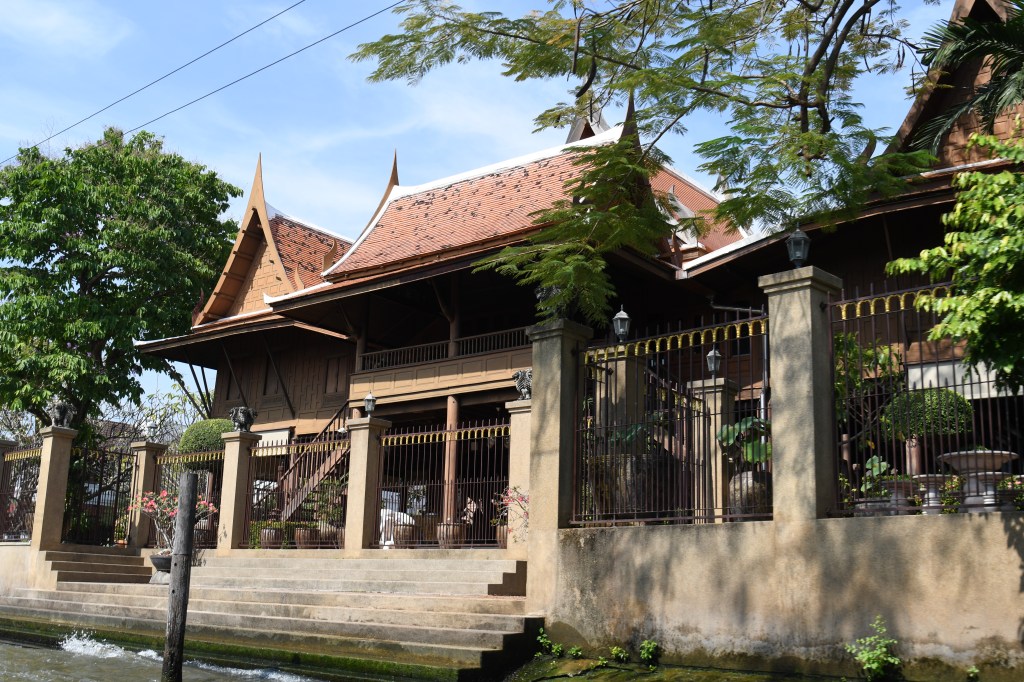
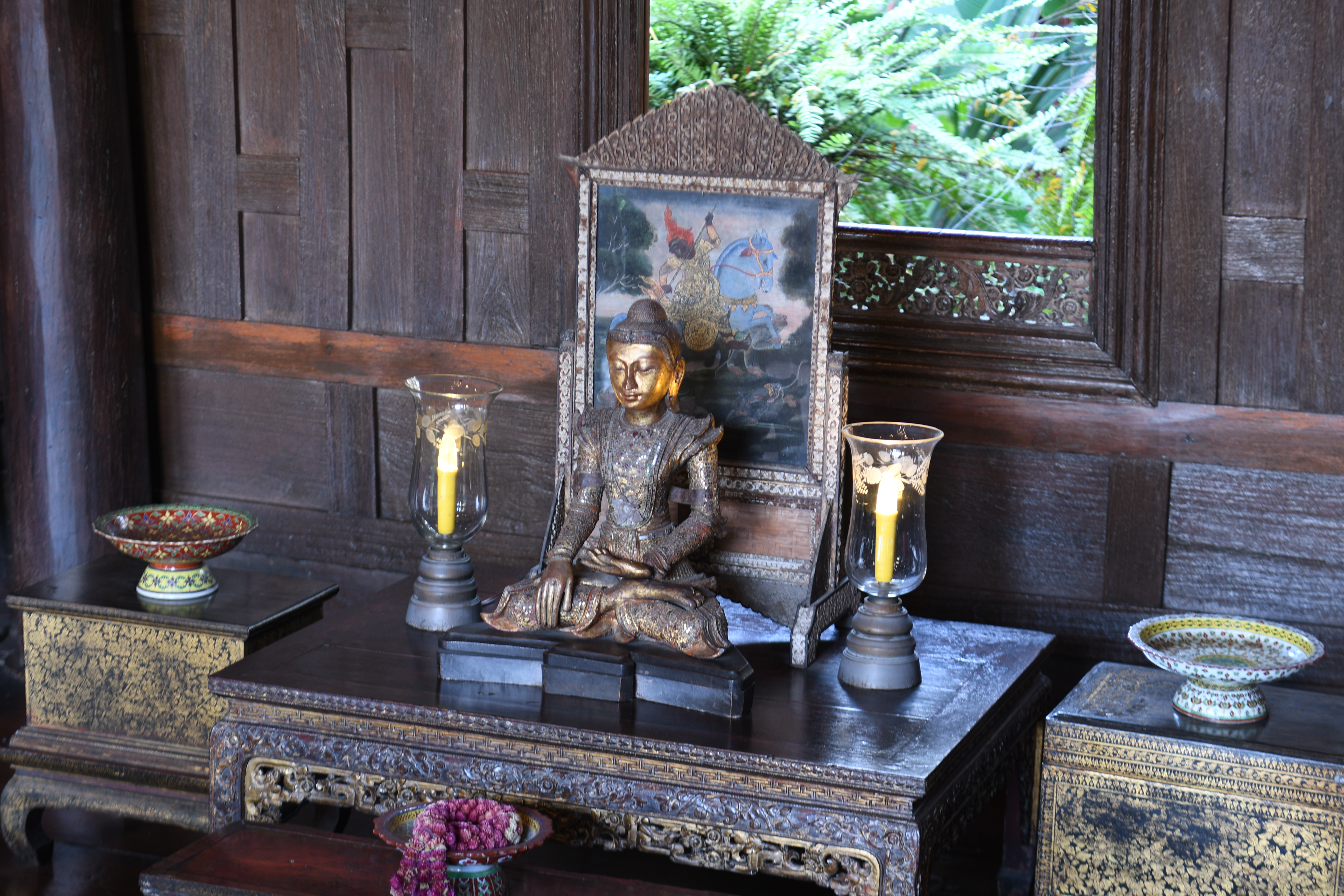
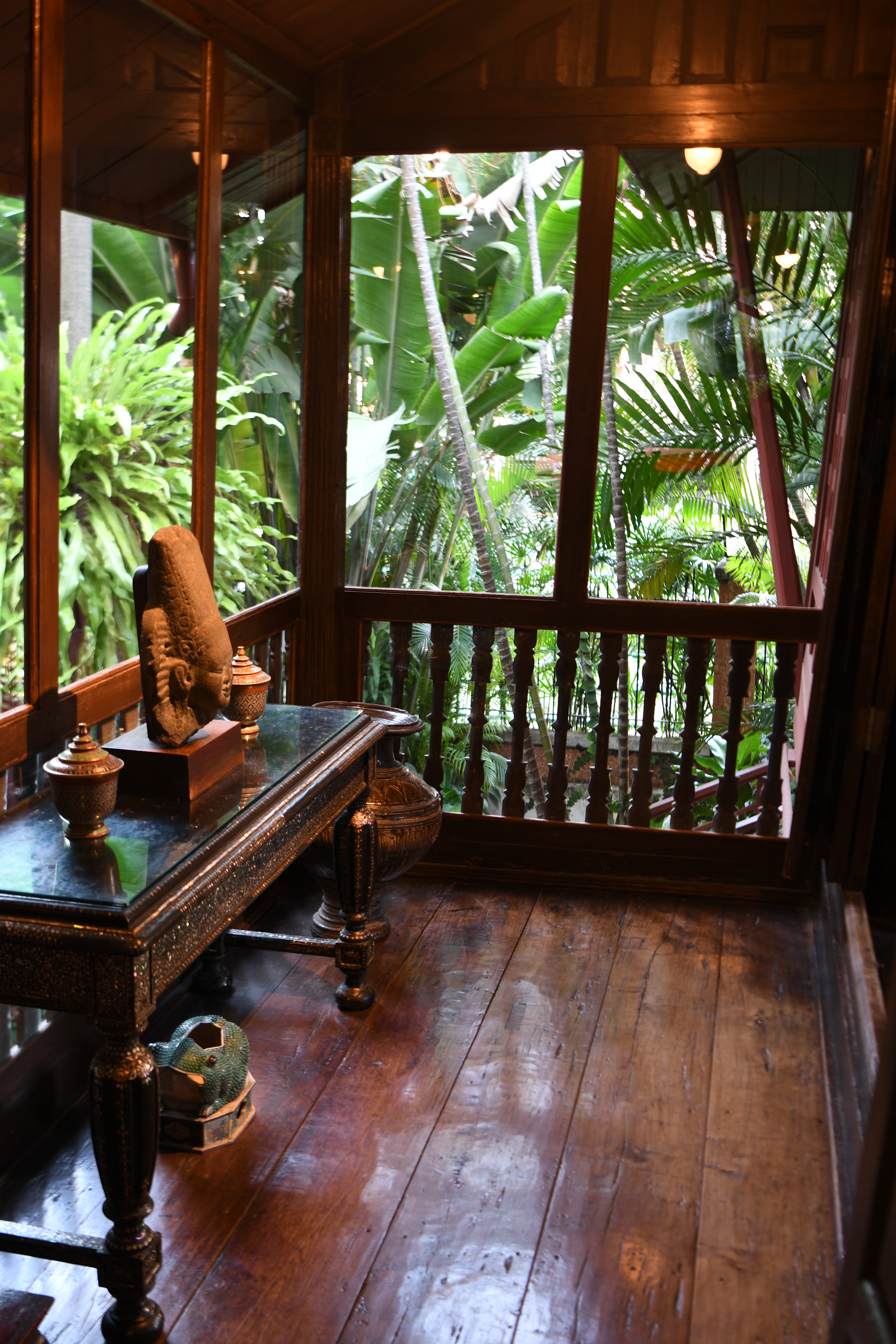
Visting the Thompson house in Thailand is quite a treat. The mystery of Thompson’s disappearance remains unsolved but the tour through his custom home, built from sections of different houses, is a remarkable display of architectural ingenuity. As an architect, Thompson designed a unique house with tapered doors to each room. Every room is protected from evil spirits by traditional high wood partitions at the bottom of each entry door.

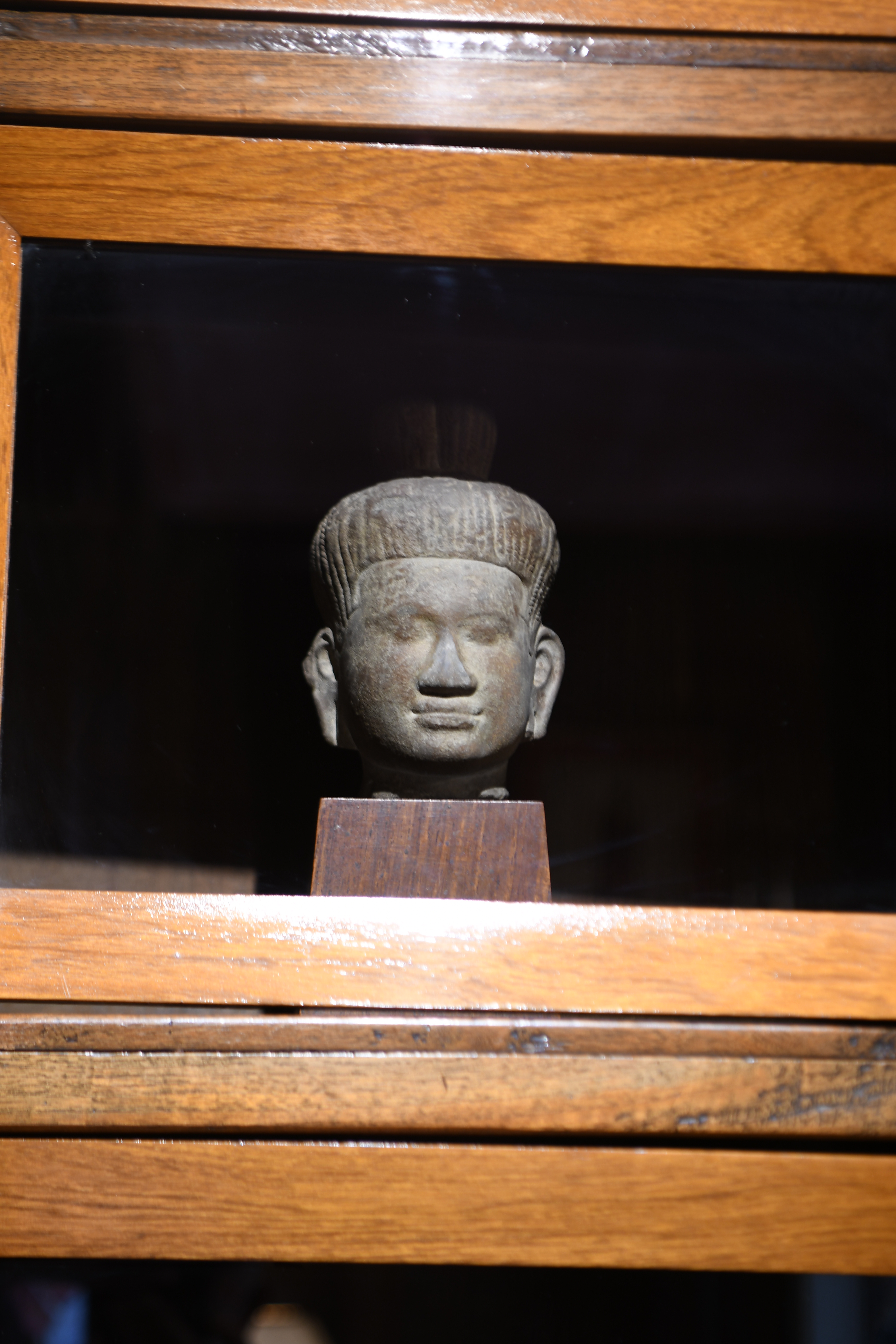
The mystery surrounding Thompson has to do with his background as a former CIA agent. Some suggest CIA association might have something to do with his disappearance. Others suggest he was kidnapped for ransom. Still others suggest he just got lost and was eaten by the jungle. His real story is about the beginning of the silk trade for which he became well known. In any case, his home is a monument to East Asian art and a fitting end to a well-lived life.

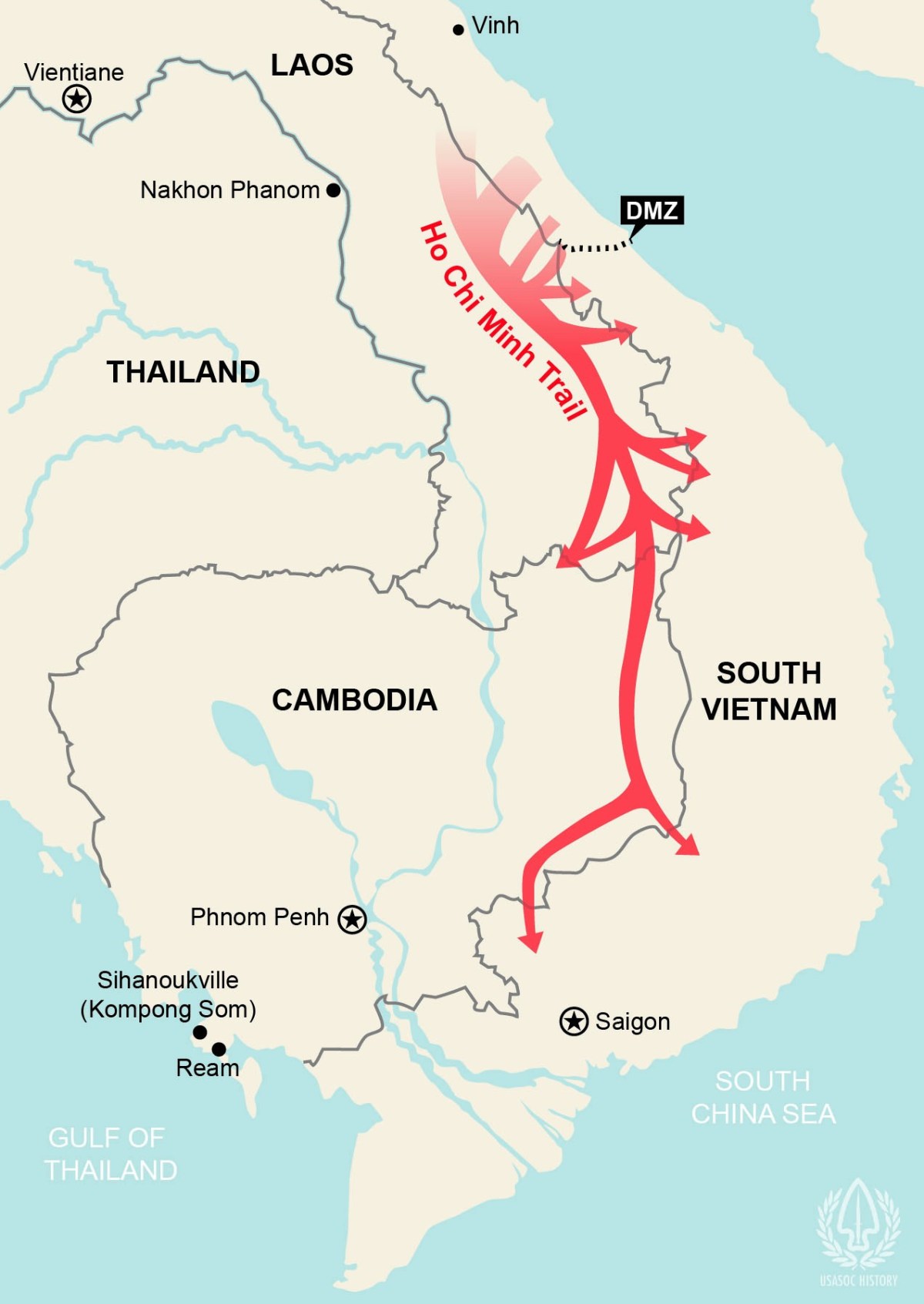
Recalling America’s war in Vietnam, one becomes reacquainted with America’s carpet bombing of the Ho Chi Minh trails. The trails extend through Laos, Cambodia, and Vietnam. Hearing of mid-20th century and Asia’s ancient history of Hinduism and Buddhism, some Southeastern Asia’ travelers will leave with a sense of guilt, shame, or sadness.

HO CHI MINH TRAIL

Feeling guilt comes from hubris in believing American Democracy is desired by all people of the world.

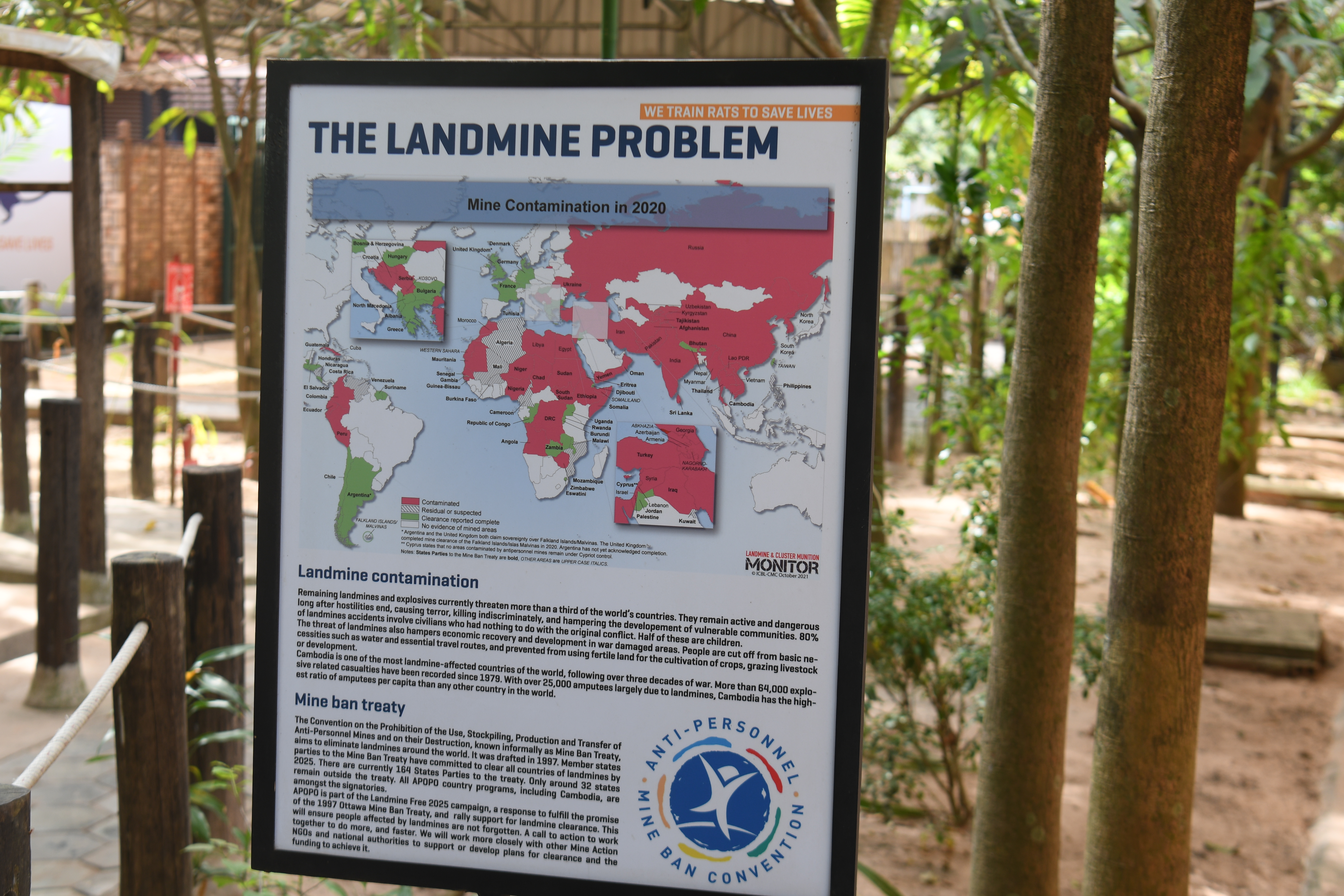
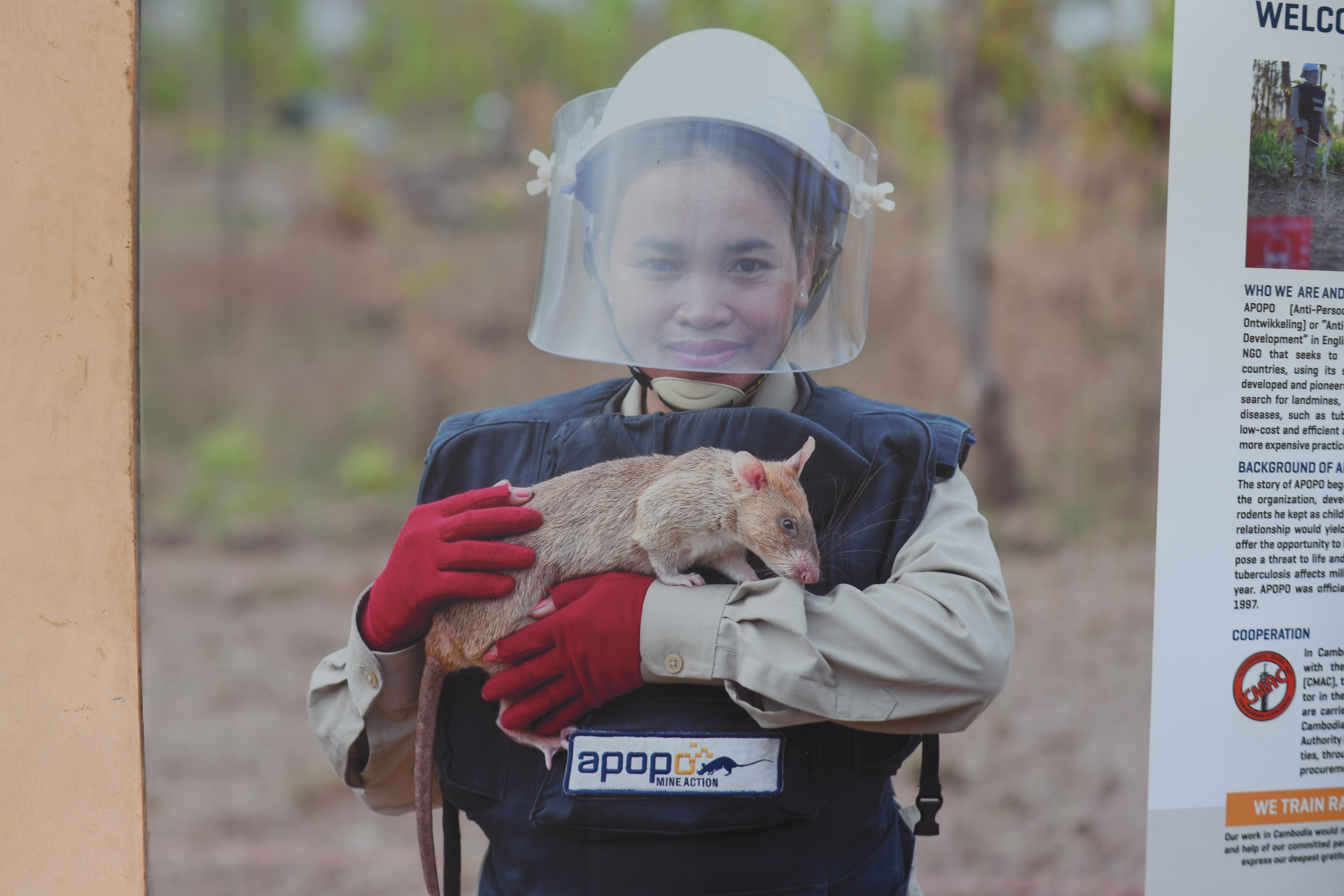
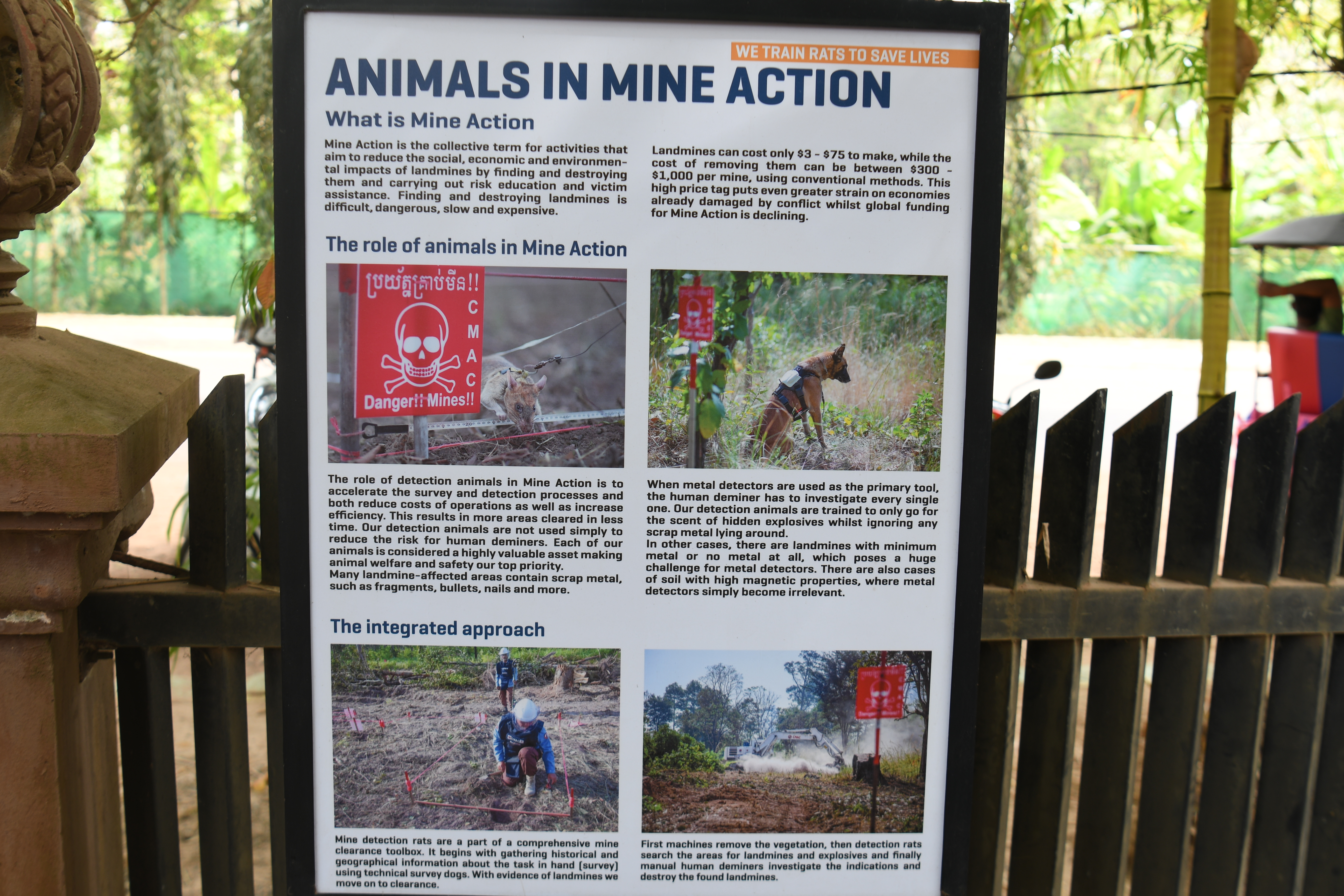
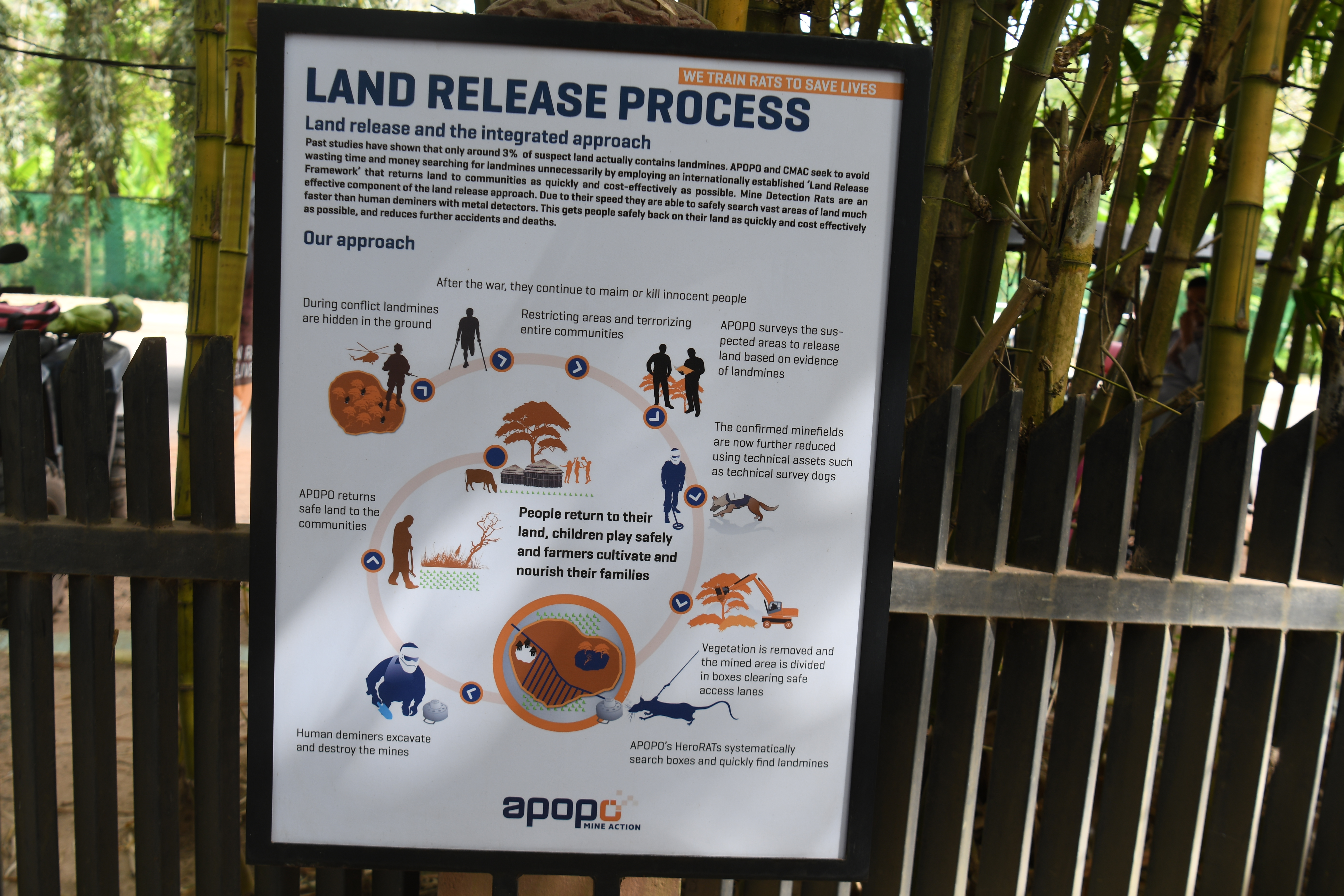
Shame is in the reality of continued loss of lives from America’s undetonated cluster bombs in Laos, Cambodia and Vietnamese farm fields.

Sadness comes from the many Asian believers in non-violent Hindu’ and Buddhist’ teaching that are diminished by war.

The atrocity of war in Cambodia spits in the face of humanity. The Khmer Rouge gather together to enforce Pol Pot’s demented idea of forcing farmers to join communal farms under one leader’s bureaucratic control. Such an idea was tried and shown to be a failure by Mao in China. America supports Pol Pot’s genocidal attack on citizens who resisted Pol Pot’s forced indenture and relocation. 1.5 to 2 million Cambodians were murdered.

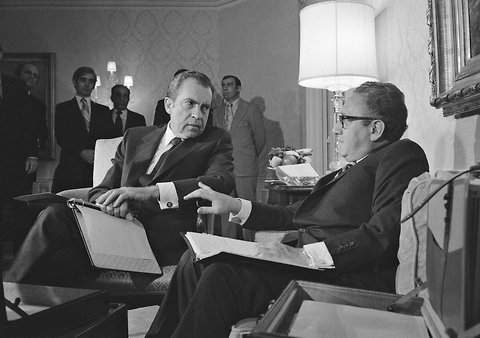
The Nixon/Kissinger administration supports Pol Pot in part because of their belief in the domino theory of communism (Vietnam, Cambodia, Laos, and Thailand would become communist if one became communist).

The irony of America’s support of Pol Pot is that Vietnam’s communist army, not America, liberates Cambodia from Pol Pot’s atrocity.

The Nixon/Kissinger policy of Pol Pot support is compounded by America’s decision to carpet bomb the southern route of the Ho Chi Minh trail. America’s hope is to interrupt the communist takeover of Vietnam. Of course, this is taken out of the context of a sincere belief in the domino theory of one country falling to communism leading to more countries falling to the same fate.

To some Americans, the support of Pol Pot is justified because communism did gain some level of control of Vietnam, Laos, Cambodia, and Thailand. What seems clear is the southern part of Vietnam, and all of Laos, Cambodia, and Thailand have endorsed a form of communism. However, all four countries show a level of economic competition and prosperity that suggests capitalist influence exists in every sector of the economy.

No communist party in these four countries appear in complete control. All four governments seem more like a work in progress than an inevitable probability of either communism or democracy. Corruption is alleged in all four countries we visited but that is a refrain one hears in every form of government, including America.

A level of discontent is exhibited by a young college graduate in Thailand. He explains his ambition to become less controlled by government, with freedom of speech, and a right to pursue an independent career. Student protest is rising in Thailand.

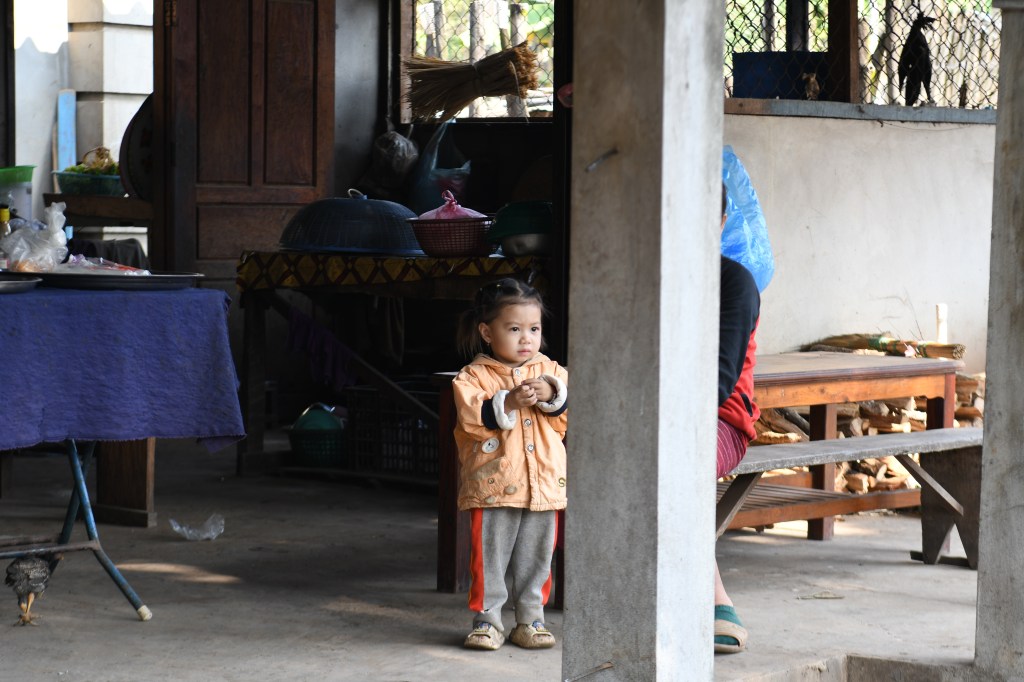
In Laos, our local guide (ironically named Lao) explains how he chose to walk 13 miles to school every day to become the first formally educated person in his family. Lao belongs to a Hmong minority in Laos.

The Hmong were recruited by the CIA during America’s Vietnam war. A few of the fighters were evacuated to American after the war, but many were left to fend for themselves. Laos is the least developed of the four countries visited on this trip. However, some small villages seem to have done well for their residents.

Our local guide suggests there is a threat to this rural life. An elevated train system has been built by China that crosses the river near this local community. China approached local residents with a proposal to relocate their village. China wishes to build a casino on their land for the entertainment of Chinese tourists.

Elevated rail from China to Cambodia

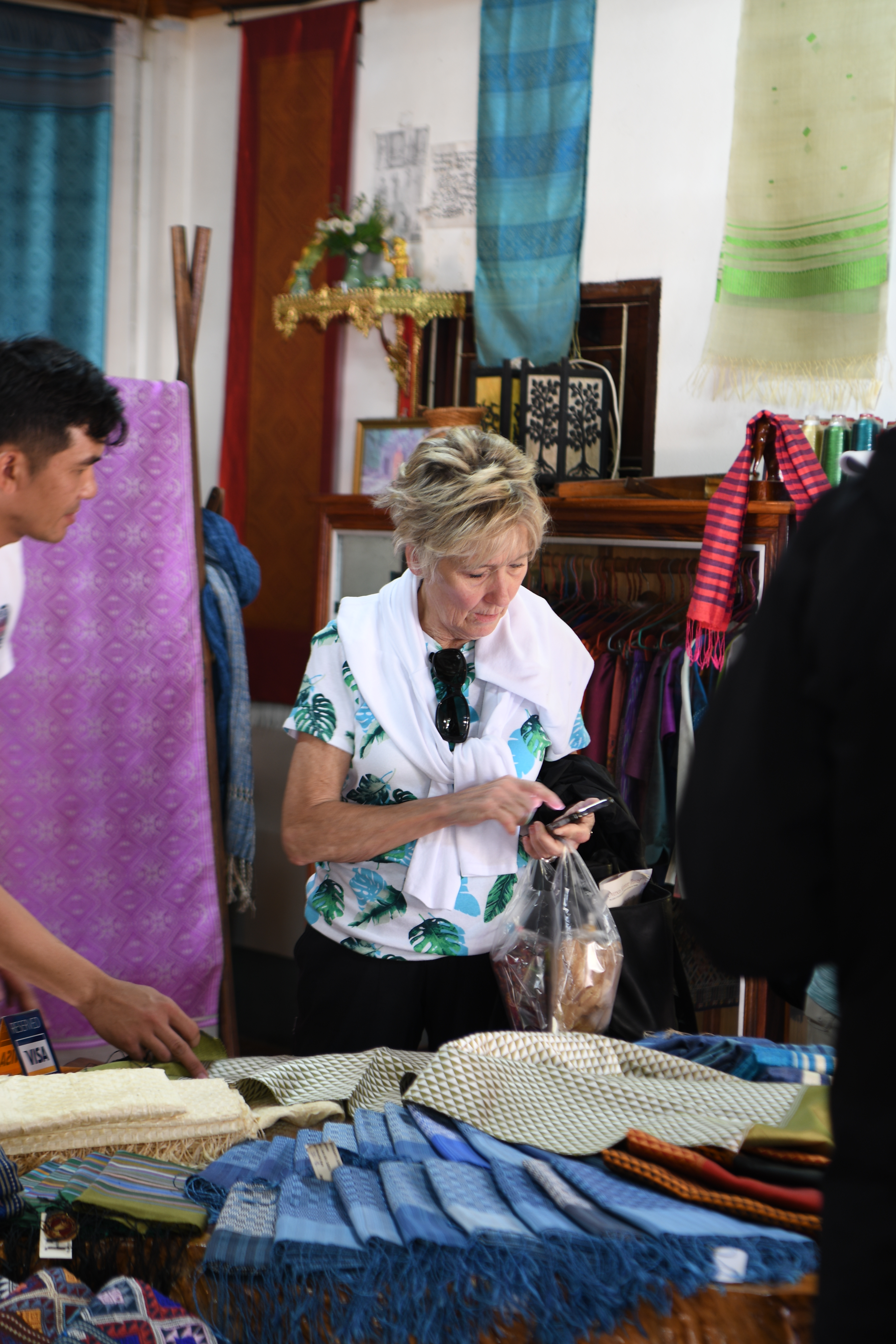
On one of several village visits in Laos, we visit local artisans plying their trade.

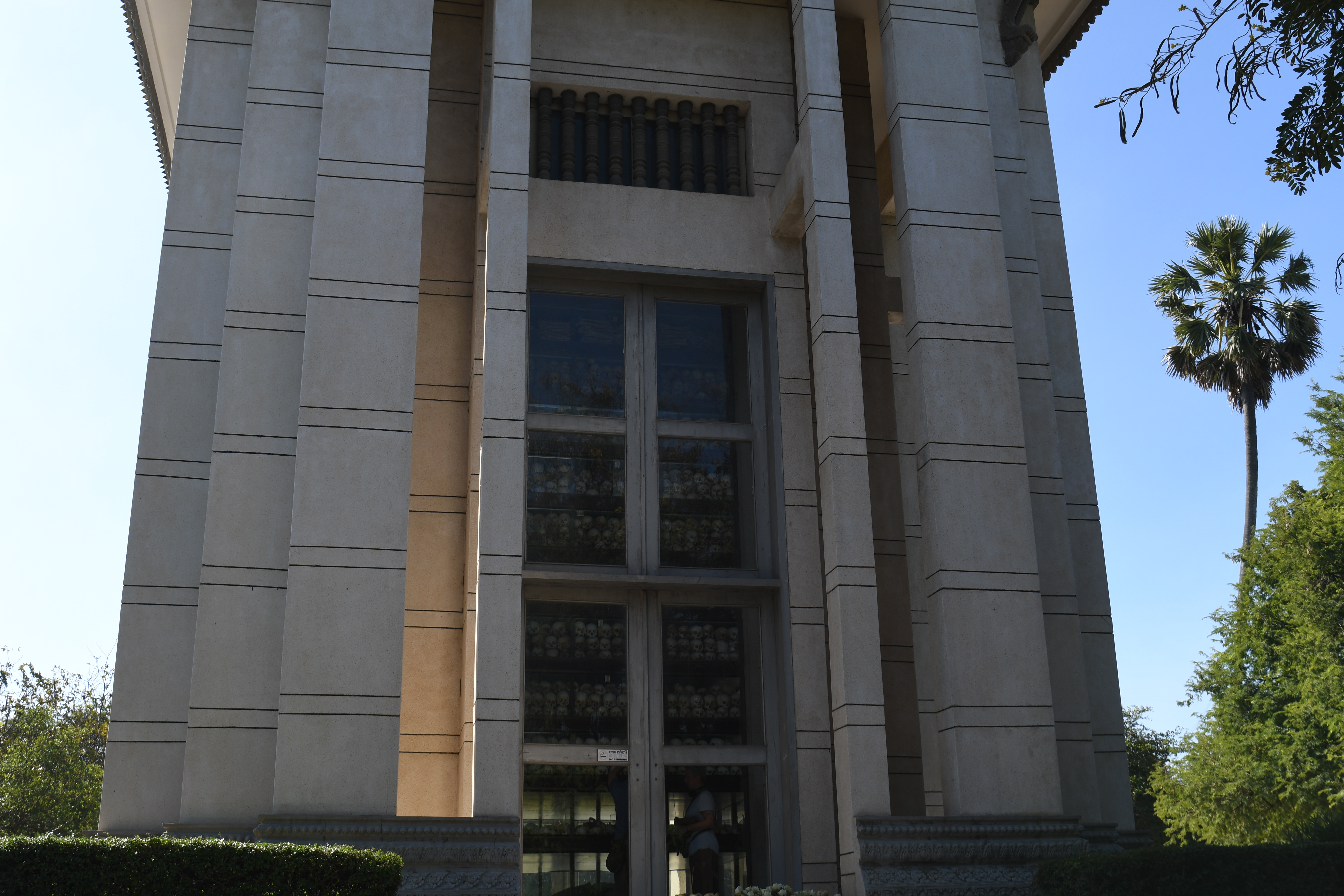
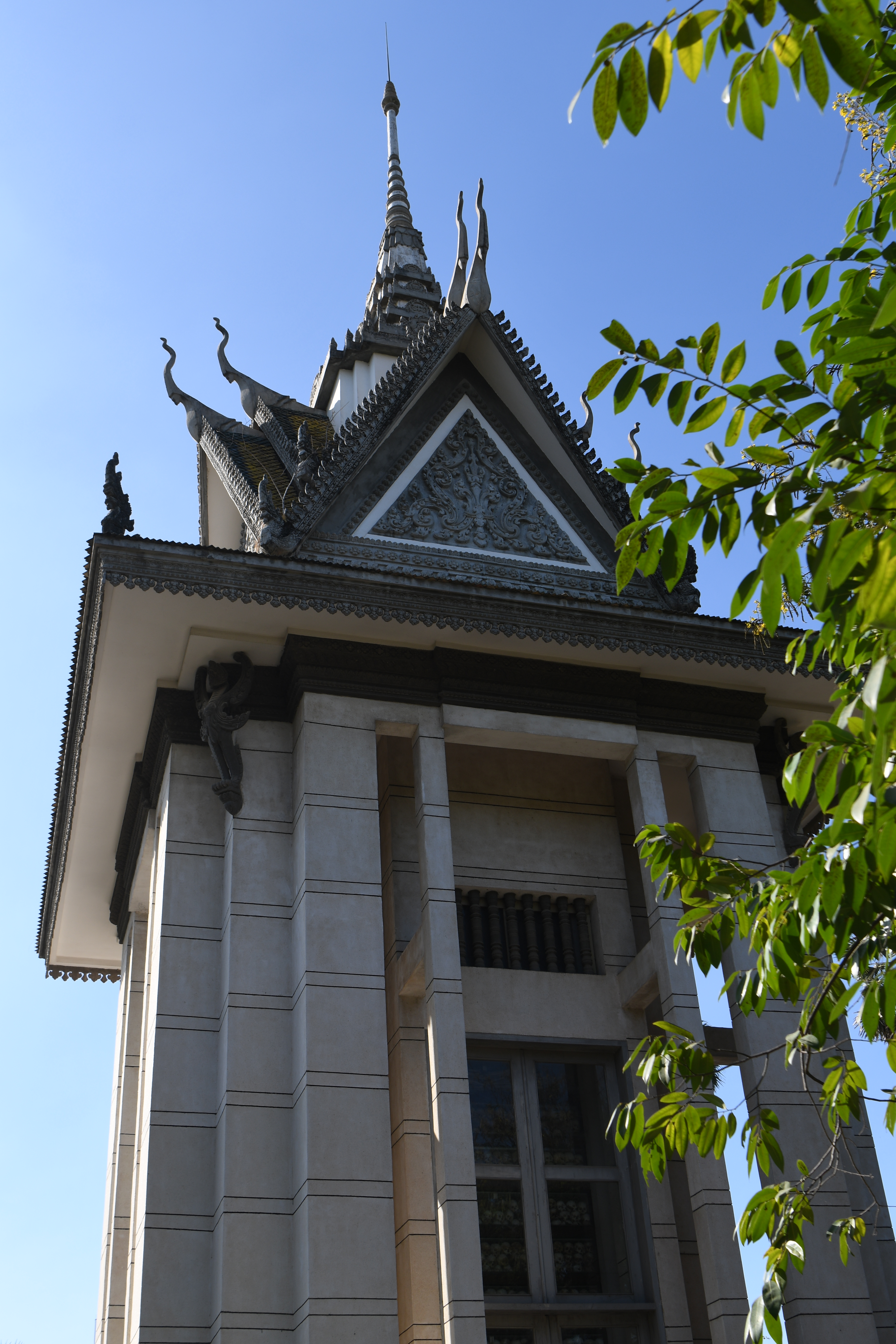
Later, visiting the Cambodian “killing fields” one recognizes the atrocity citizens lived through. No thoughtful Cambodian would want to return to a Pol Pot authoritarian government. Cambodia’s monument to Pol Pot’s atrocity is a reminder of his misanthropic idea of an agricultural utopia.

The first two pictures are of a vertical tower filled with the skulls of the “killing field”, victims from Pol Pot’s reign of terror.

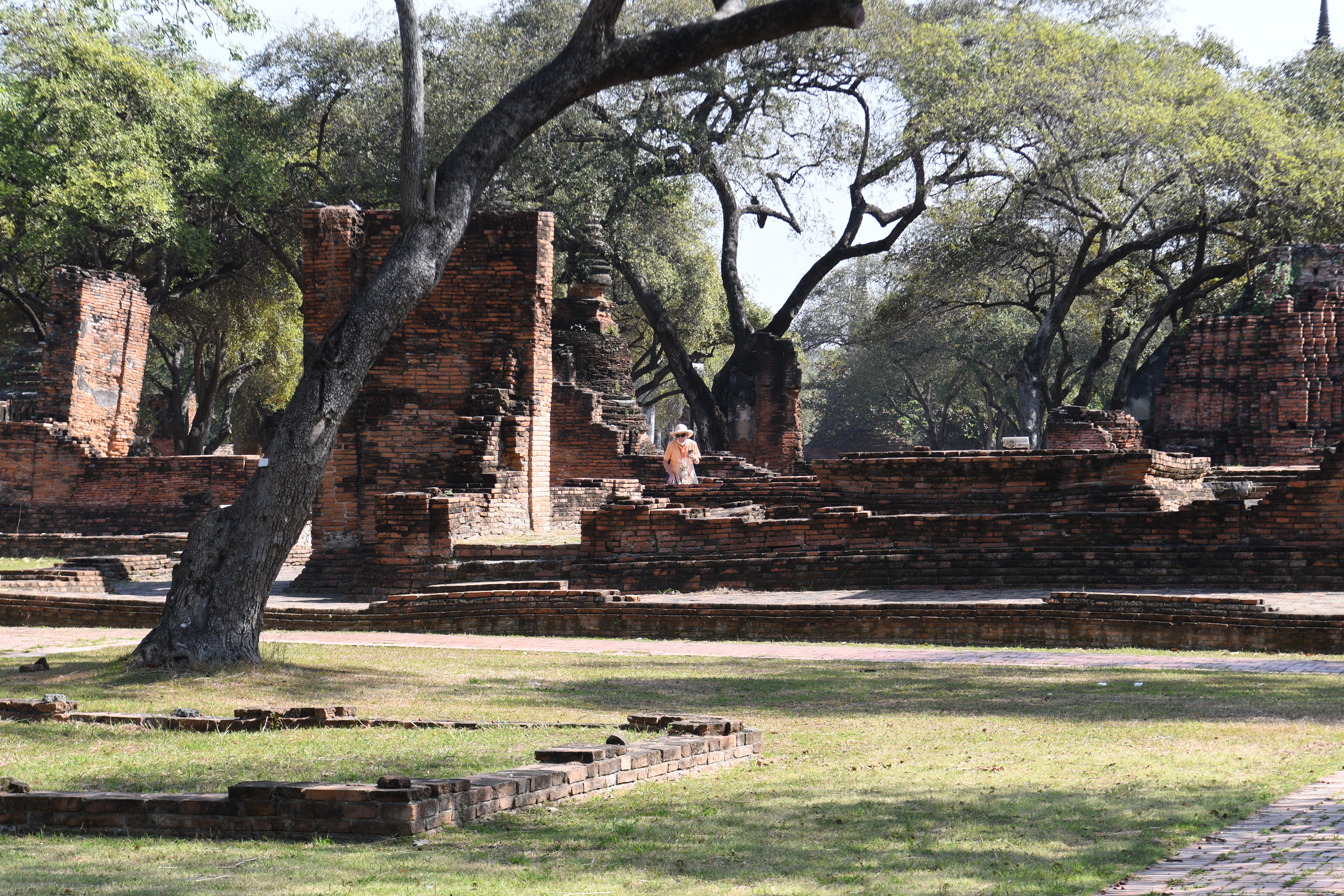
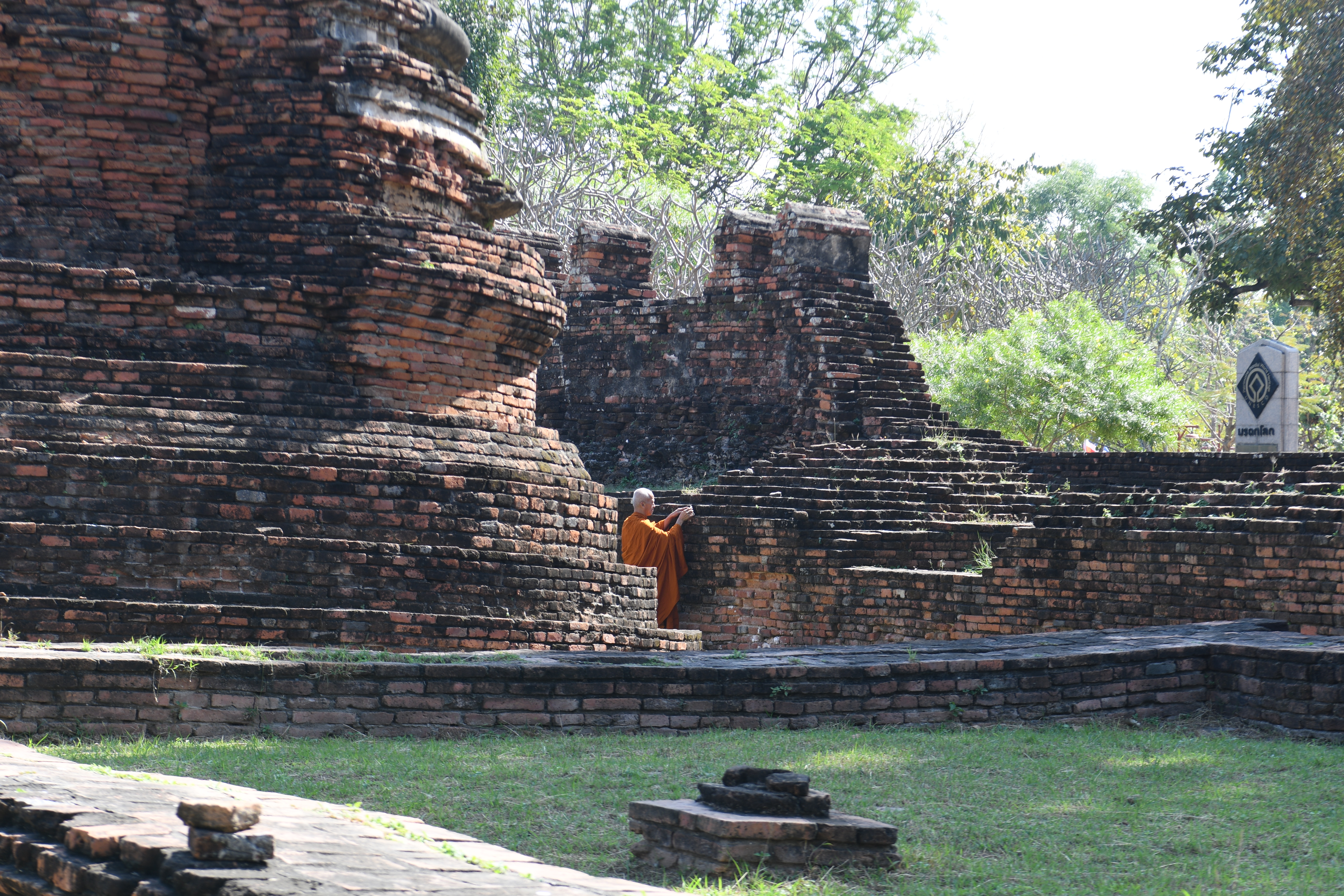
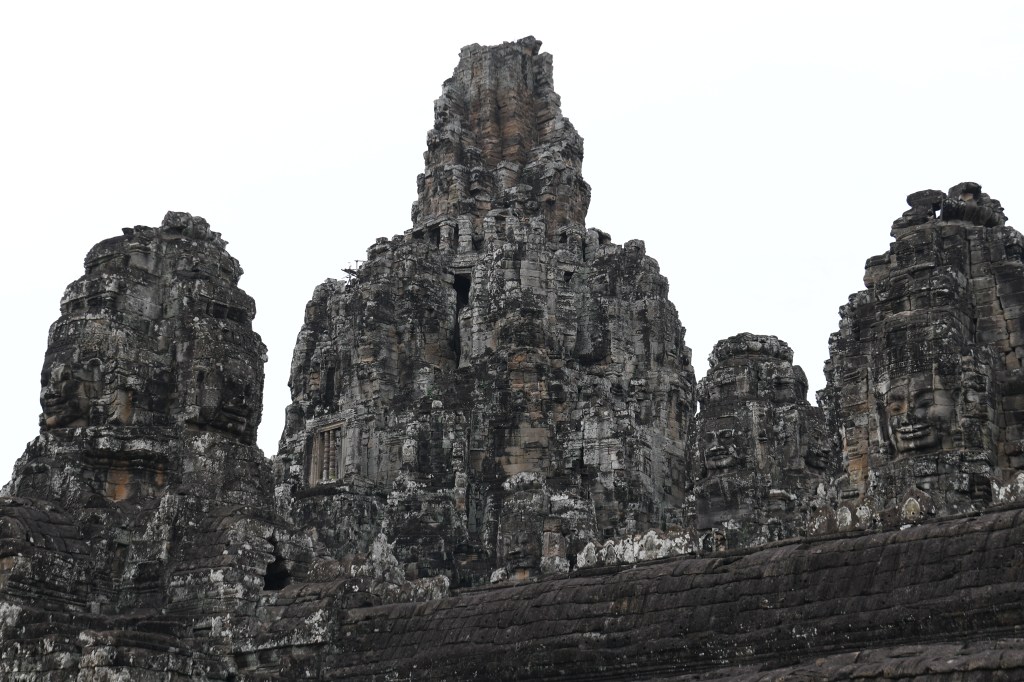
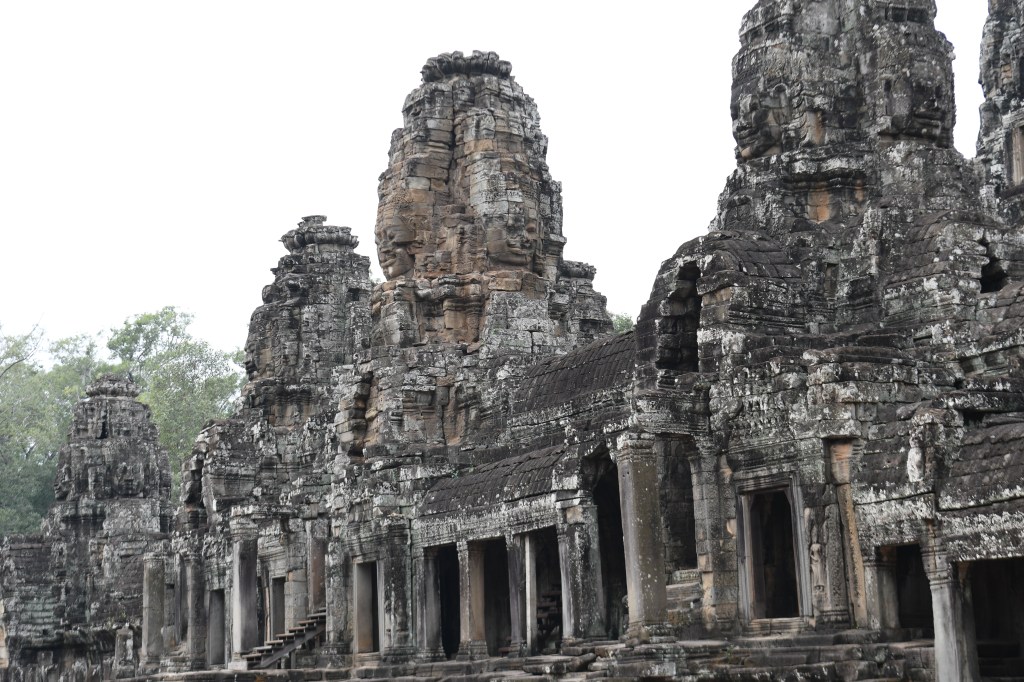
Southeast Asia is undoubtedly influenced by communism. However, resistance to authoritarianism is apparent in every nation we toured. What is striking in all four countries is the continued investment in ancient Hindu and new Buddhist temples. An equally surprising realization is that the younger generation places much less faith in these dominant religions than seems warranted by the investment.

In a dinner in Thailand with the son of our guide, the son explains he is 50/50 on belief in Buddhism. The inference one draws is that the value of investment in Hindu’ and Buddhist’ temples is for its tourism value more than belief in religious doctrine. On the other hand, one cannot discount a fundamental belief in these religions that have a “let be” attitude about life that offers a level of social stability beyond any government influence on life.

There is a sense of uneasiness in Thailand, Laos, and Cambodia in regard to Vietnam encroachment. Vietnam seems the “big dog” in the kennel. Though our local guide in Vietnam believes there is no chance of war, there seems fear of invasion or dominance by a stronger, more experienced military in Vietnam than in the other peninsula countries we visited. However, the greater concern in all four countries seems to be the potential for domination by China. Though relations appear quiescent at the moment, the authoritarian character of China’s current leadership seems worthy of some concern. In Vietnam, our local guide, who is 30 years of age, explains neither he nor the older Vietnamese generation wish any war in Southeast Asia but express guarded concern about China’s intention.

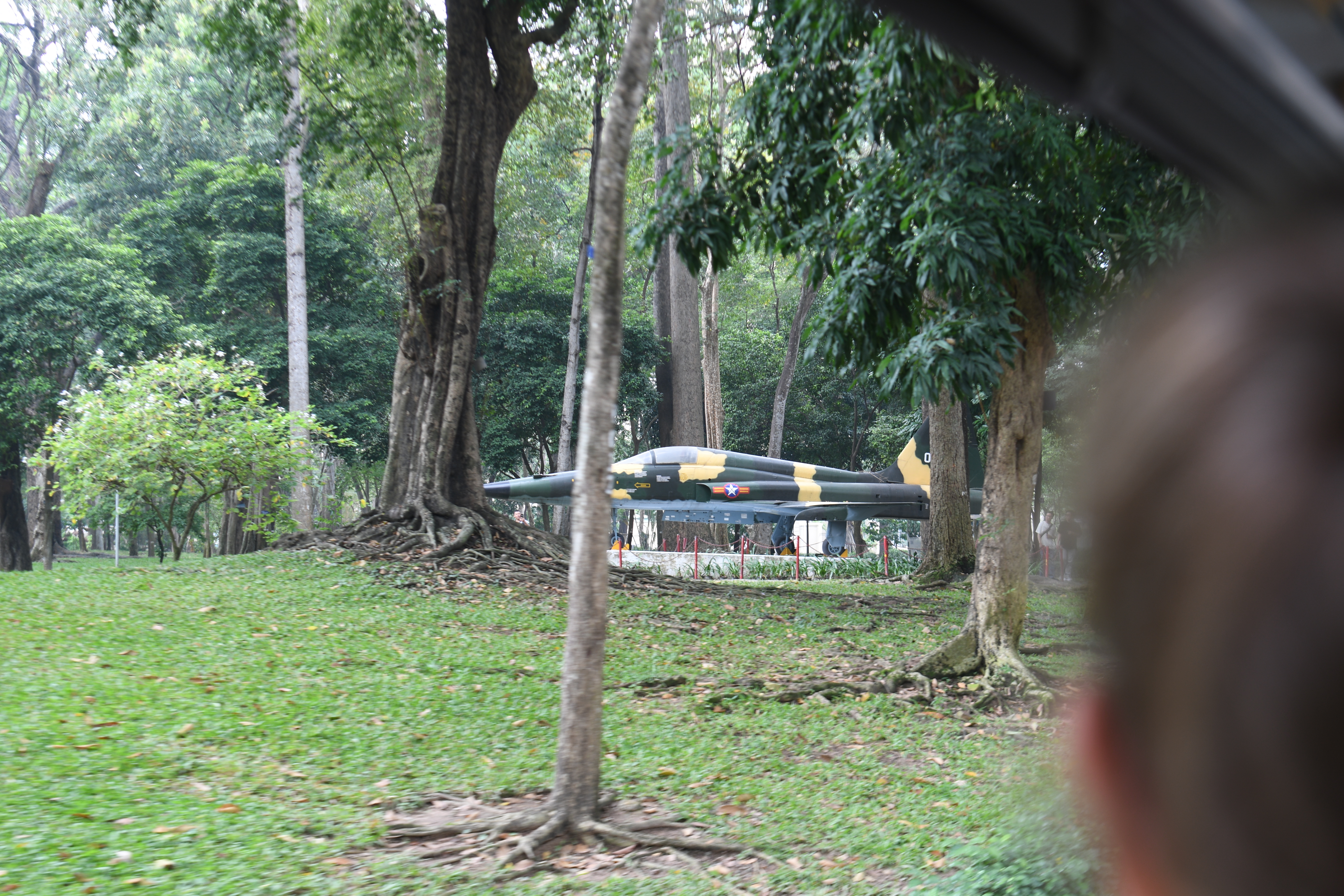
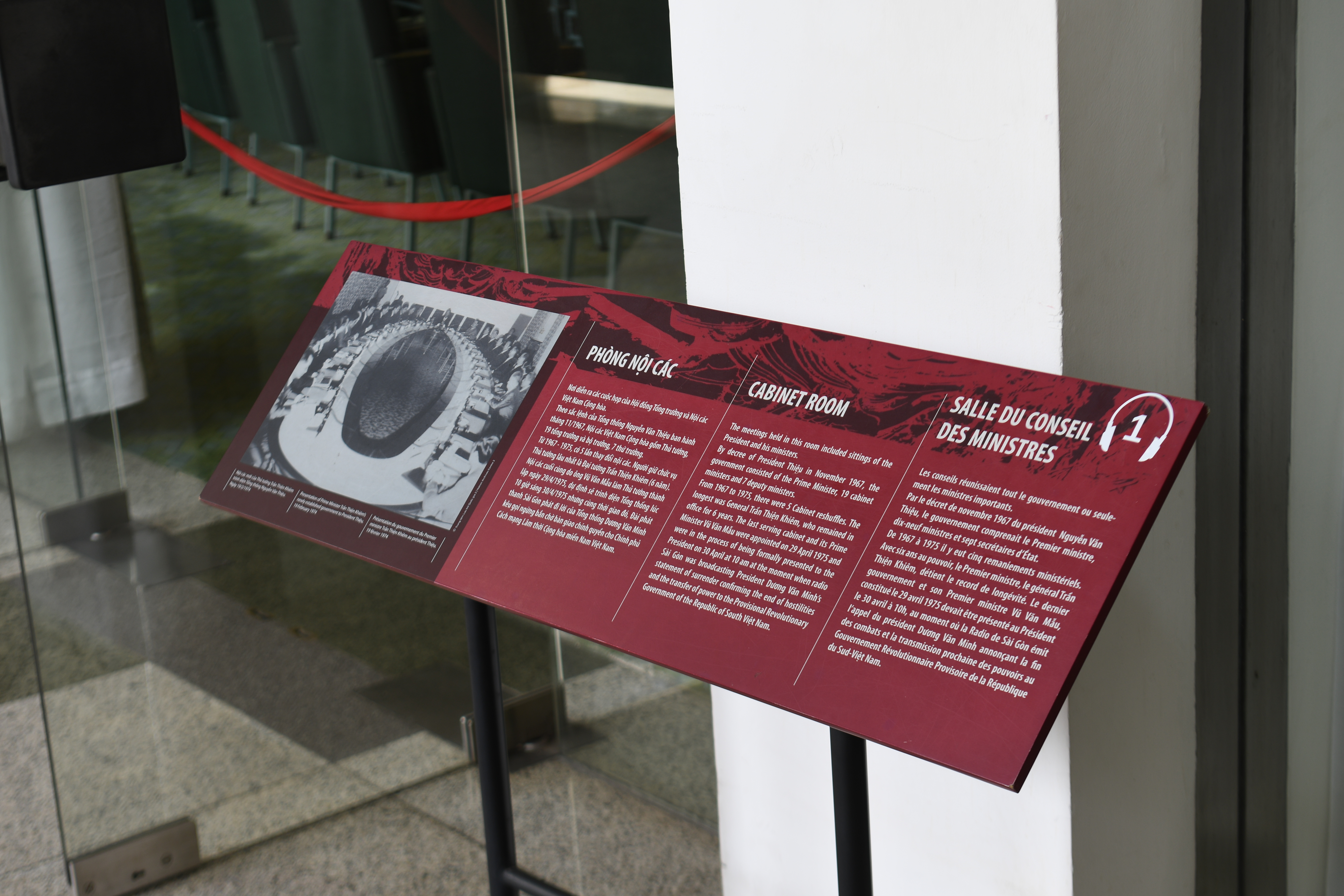
The following pictures are of the seat of power in Ho Chi Minh city (formerly Saigon) Vietnam during the American war. It is now a museum showing the government offices and a bunker in the event of an attack.

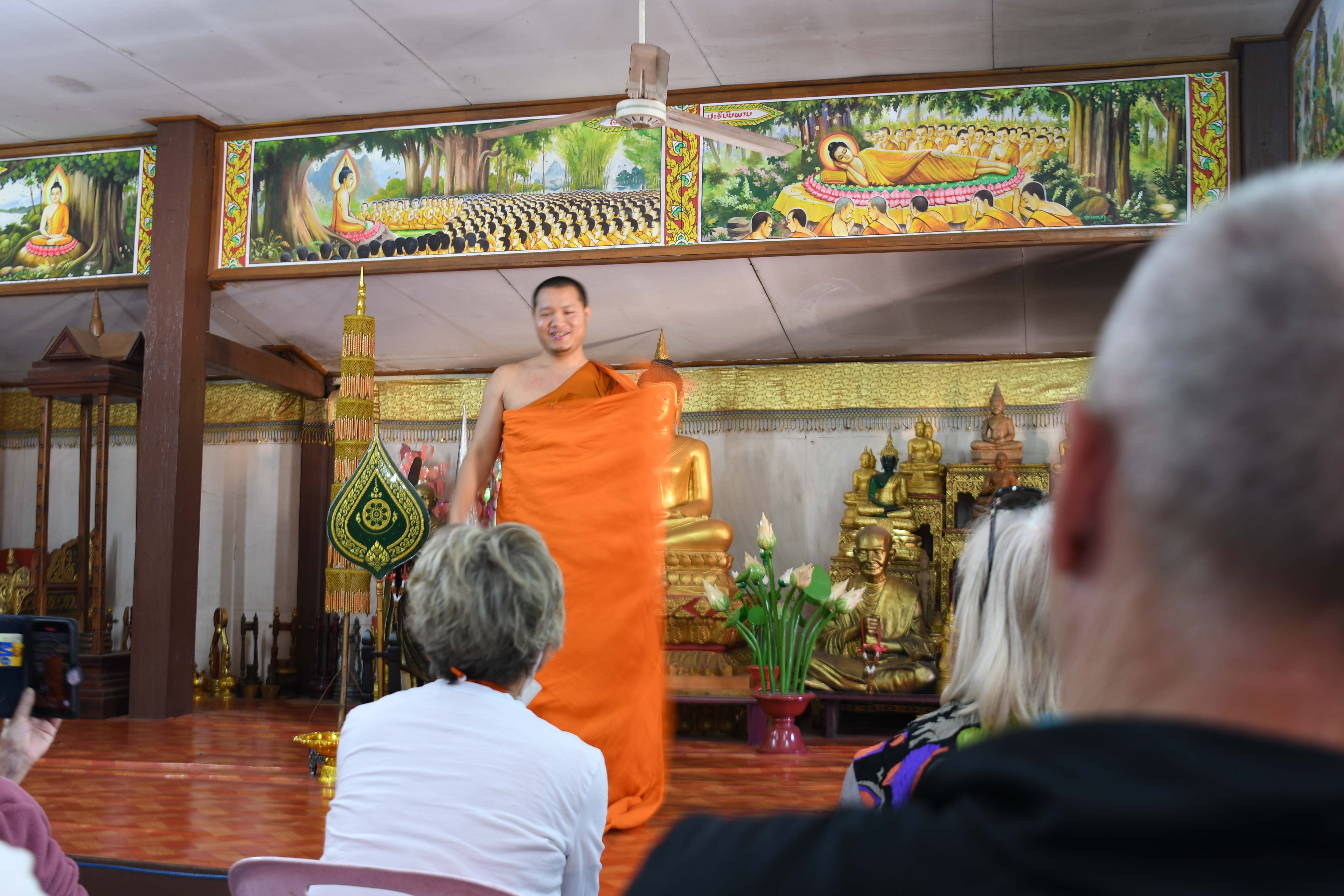
All our guides in Southeast Asia were excellent. Our primary guide, Lucky, practiced for a short time as a novice monk. As a part of the tour, we were able to ask questions of a monk that exemplifies the resilience and strength of Buddhism and its teaching. Questions were answered with grace and intelligence that reinforce one’s un-schooled understanding of Buddhism and its place in world religions.

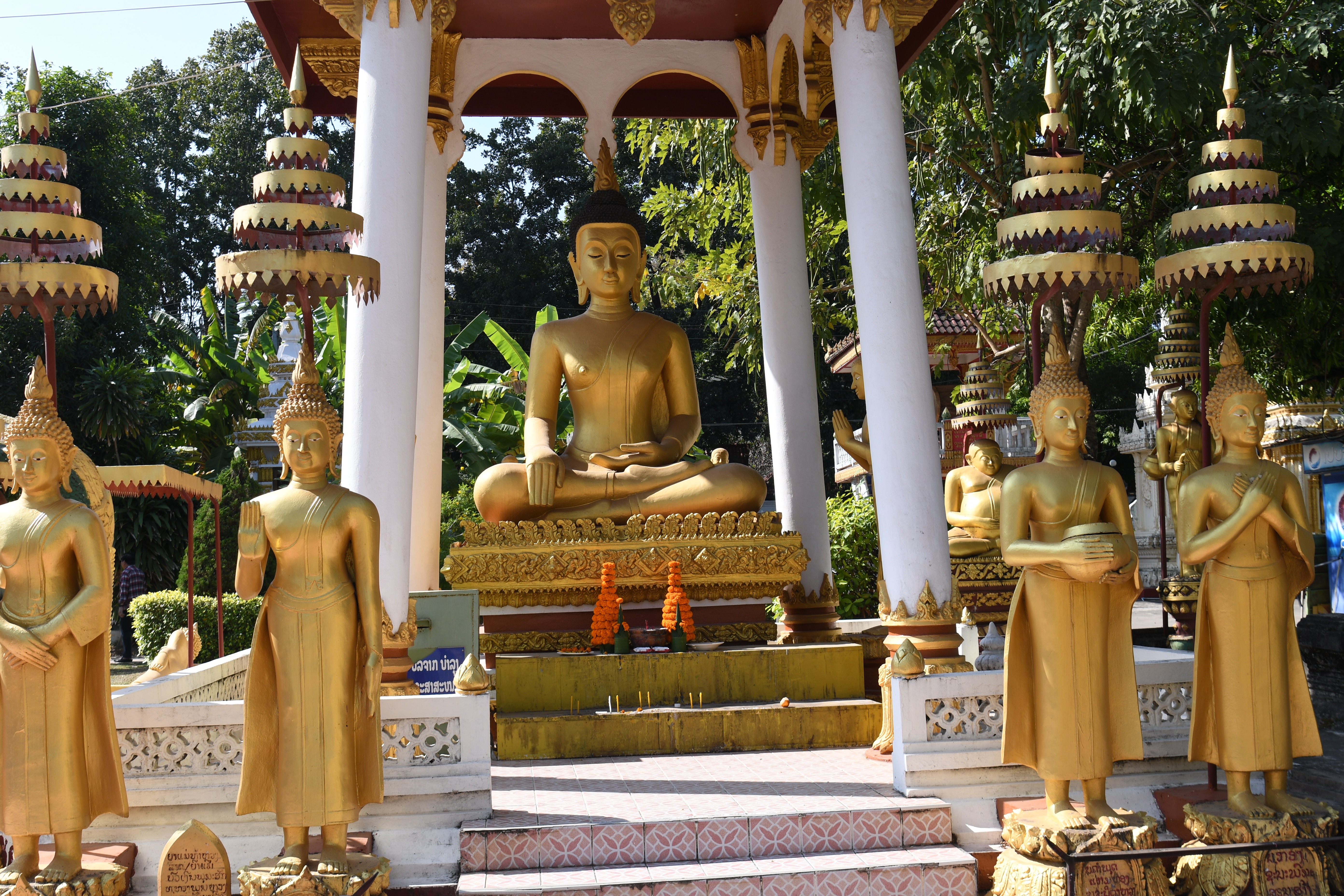
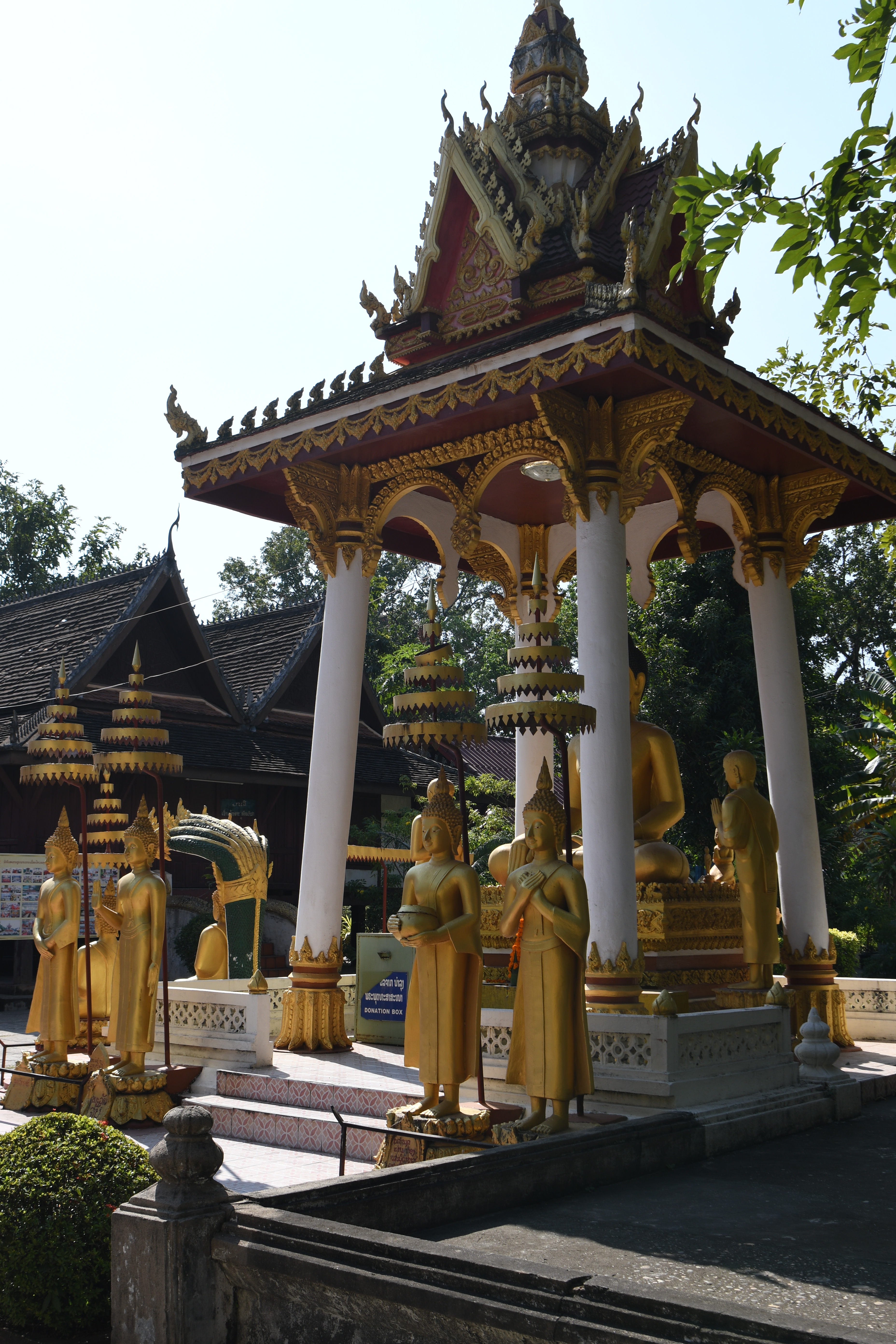
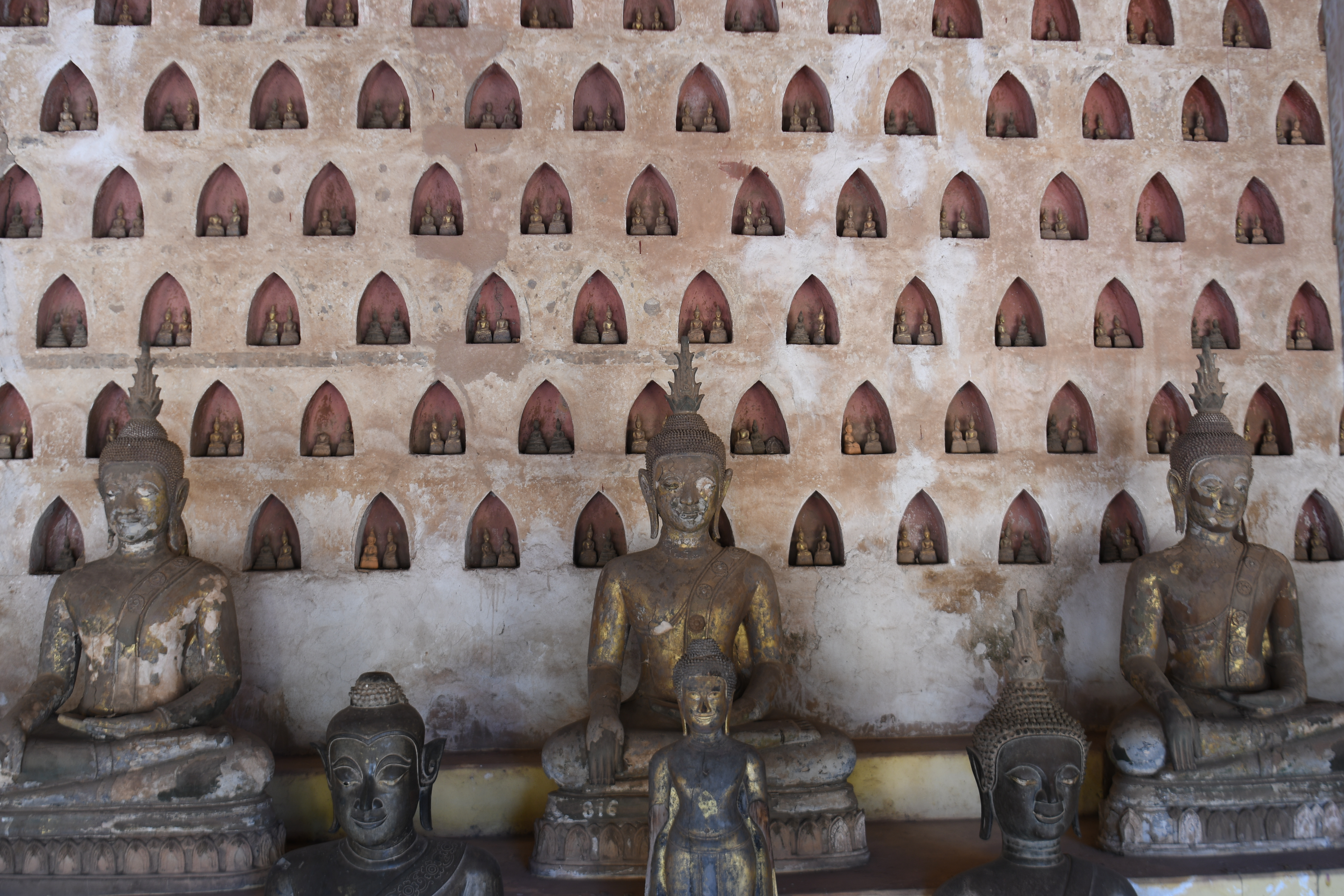
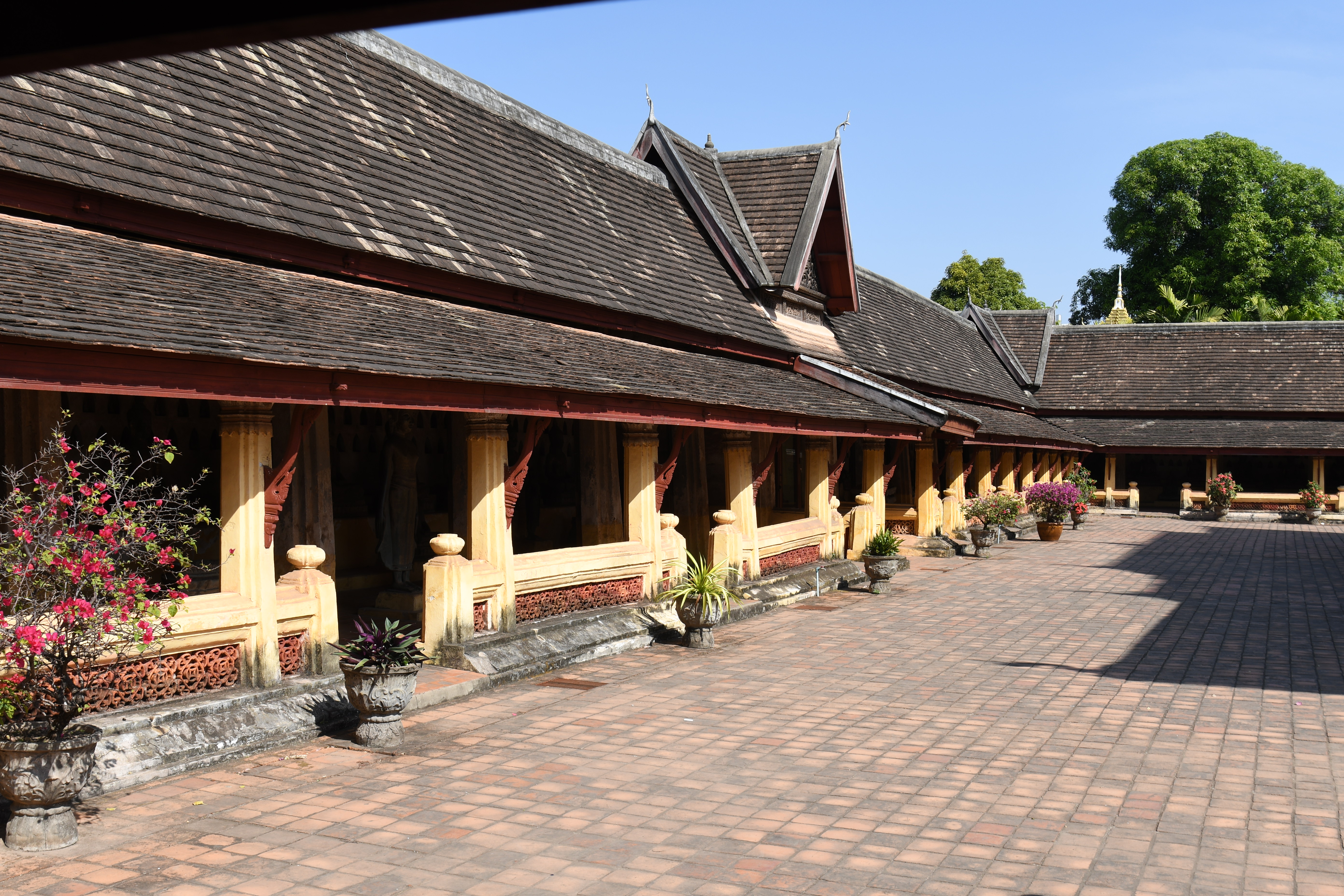
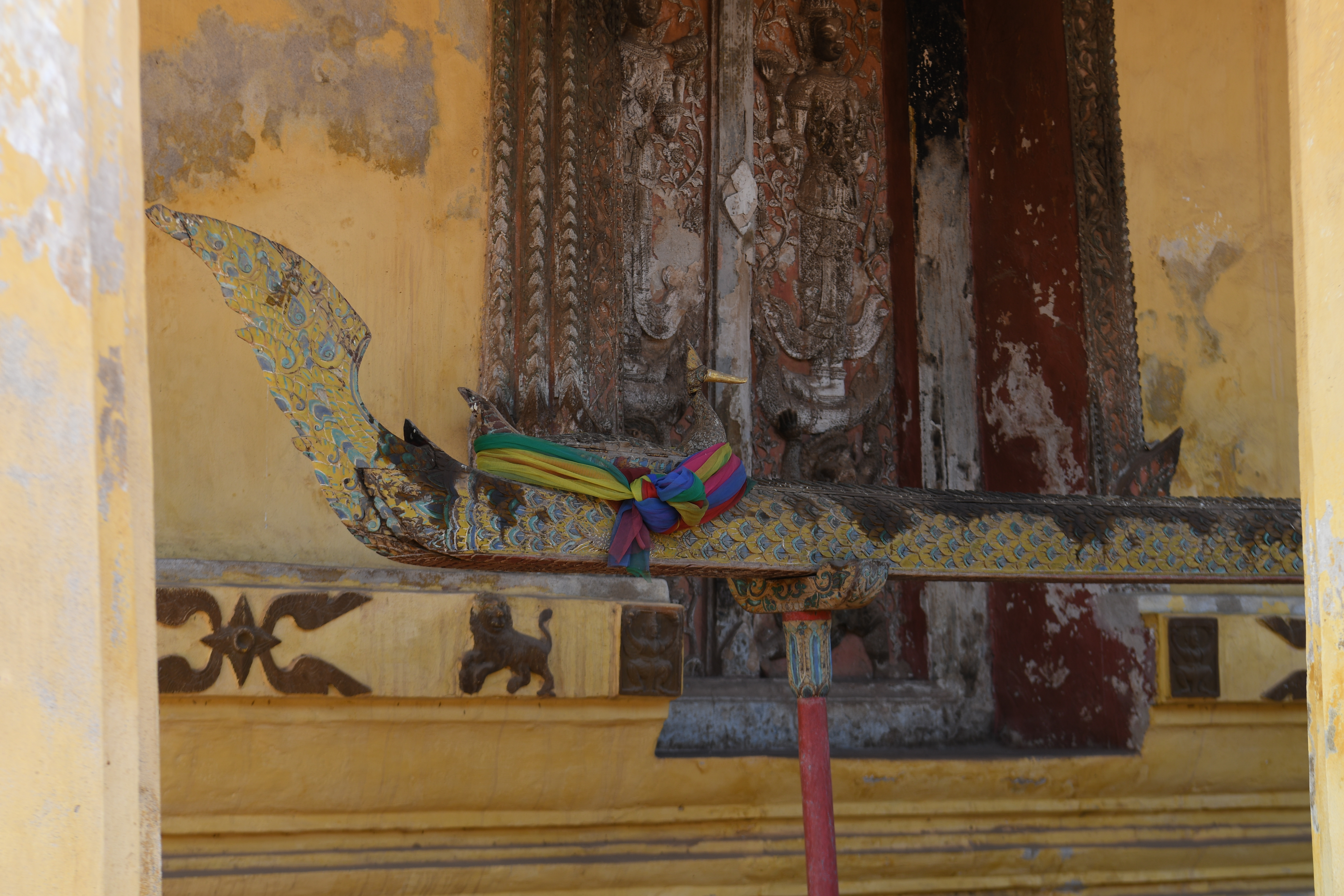
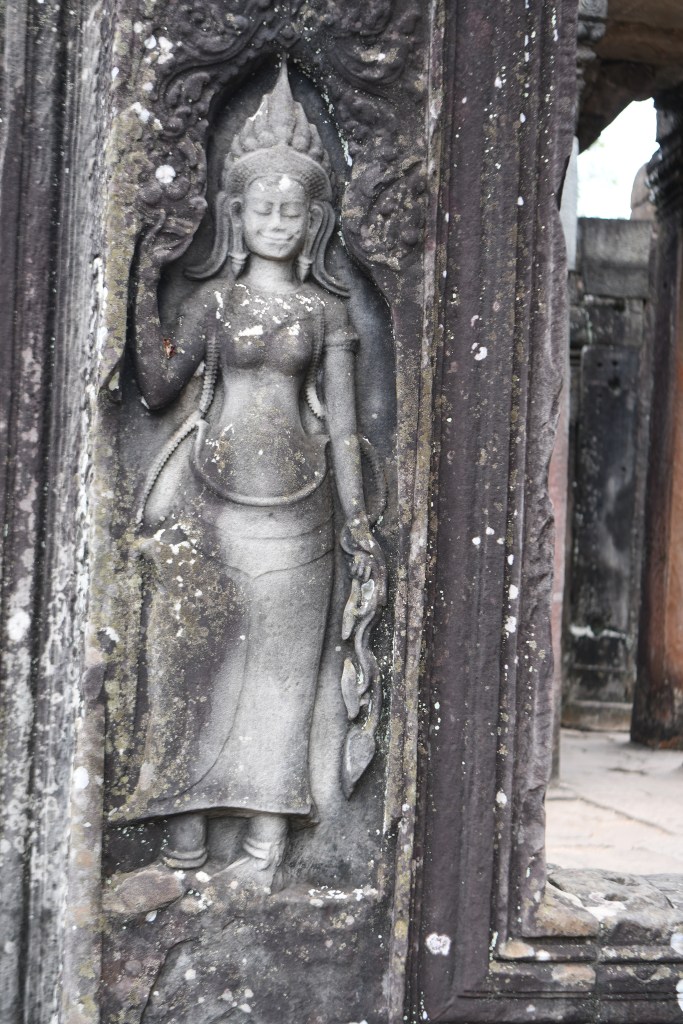
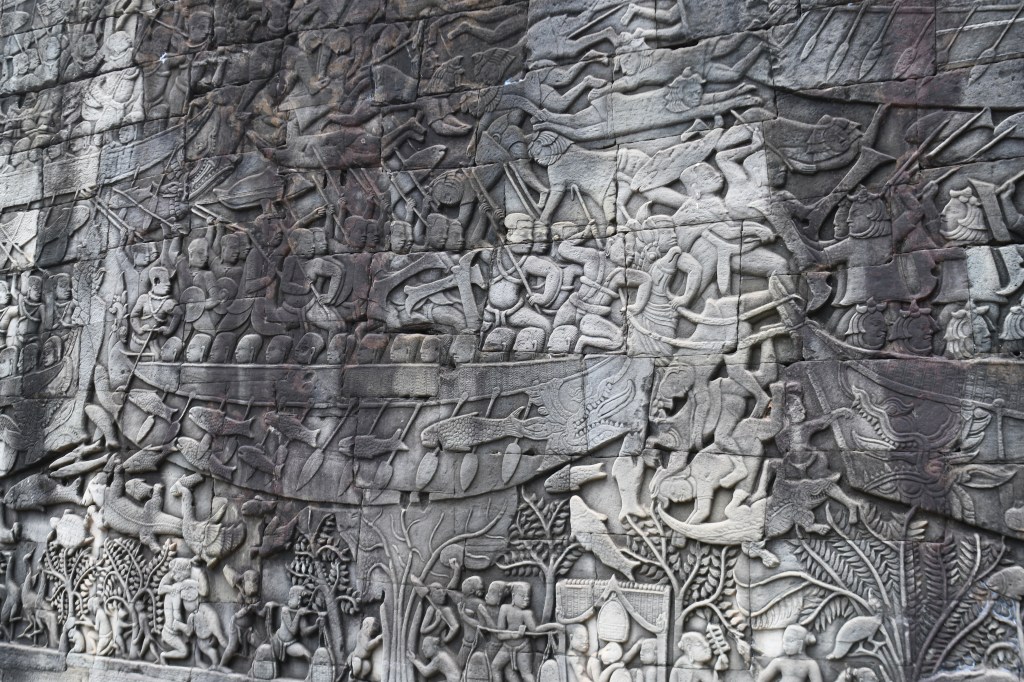
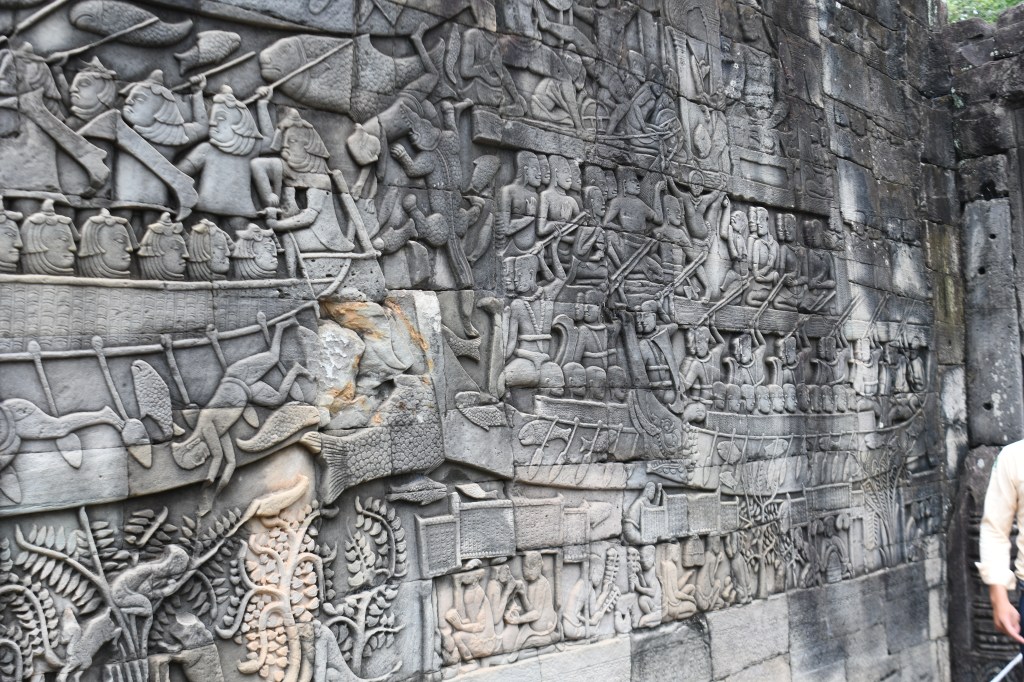
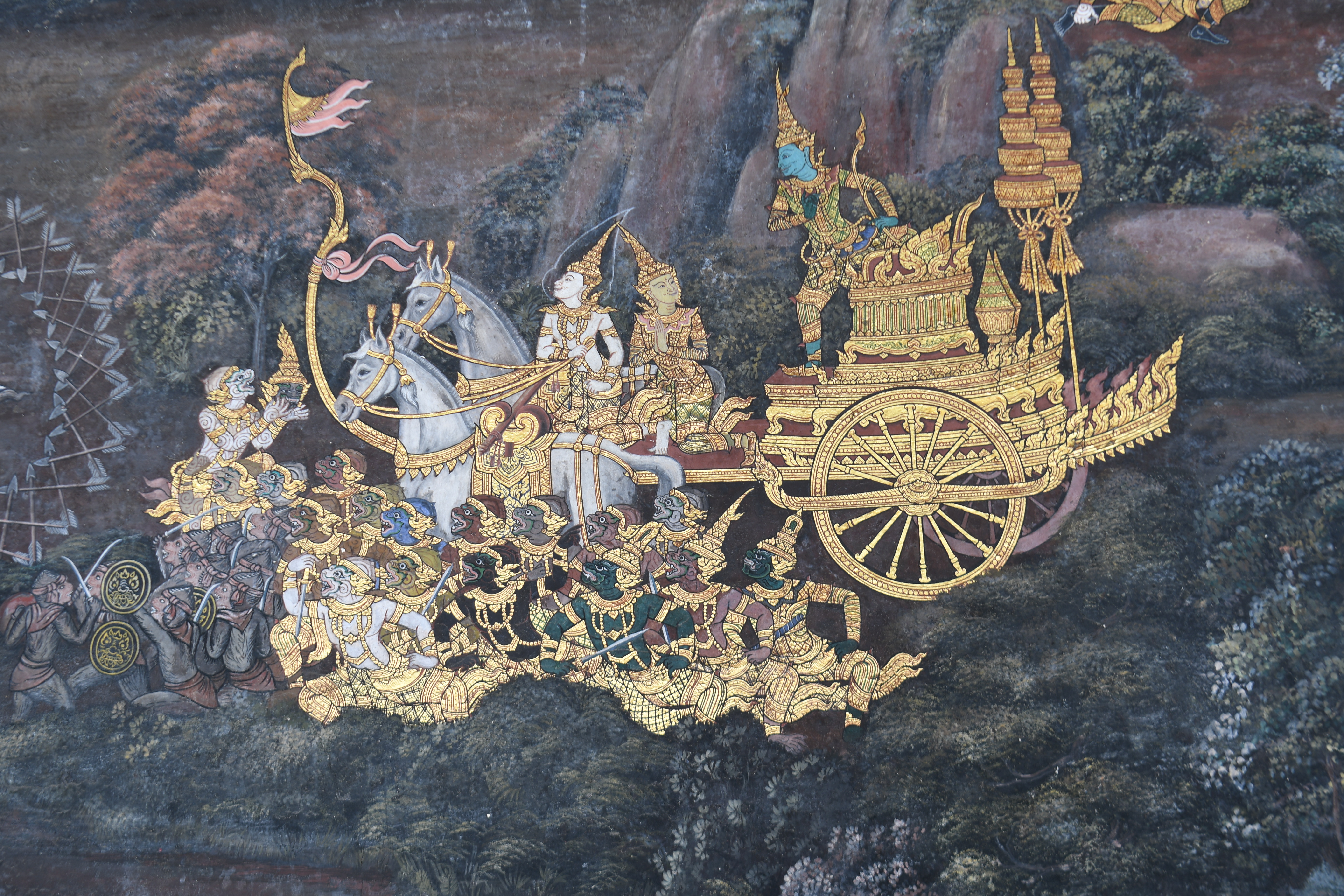
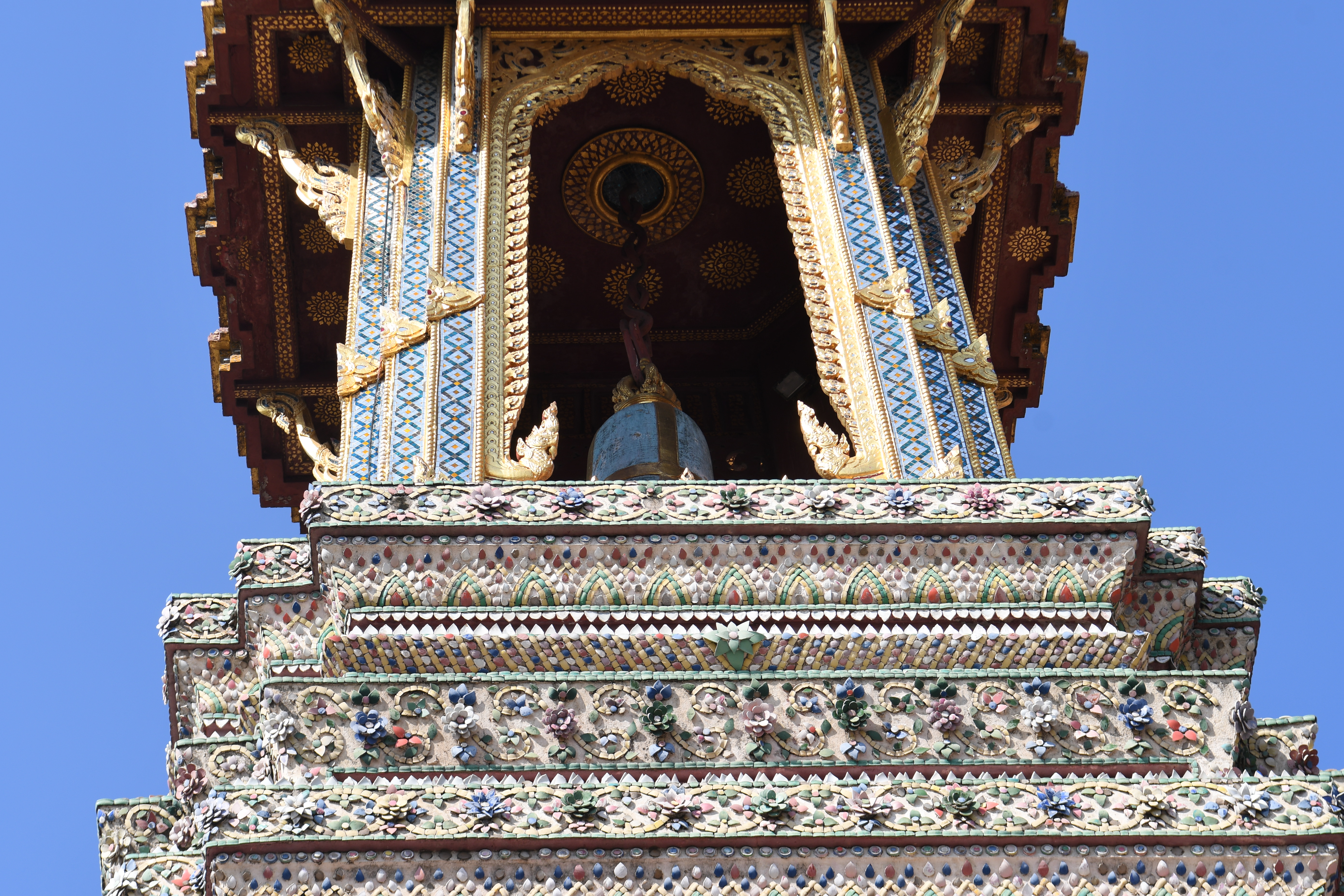
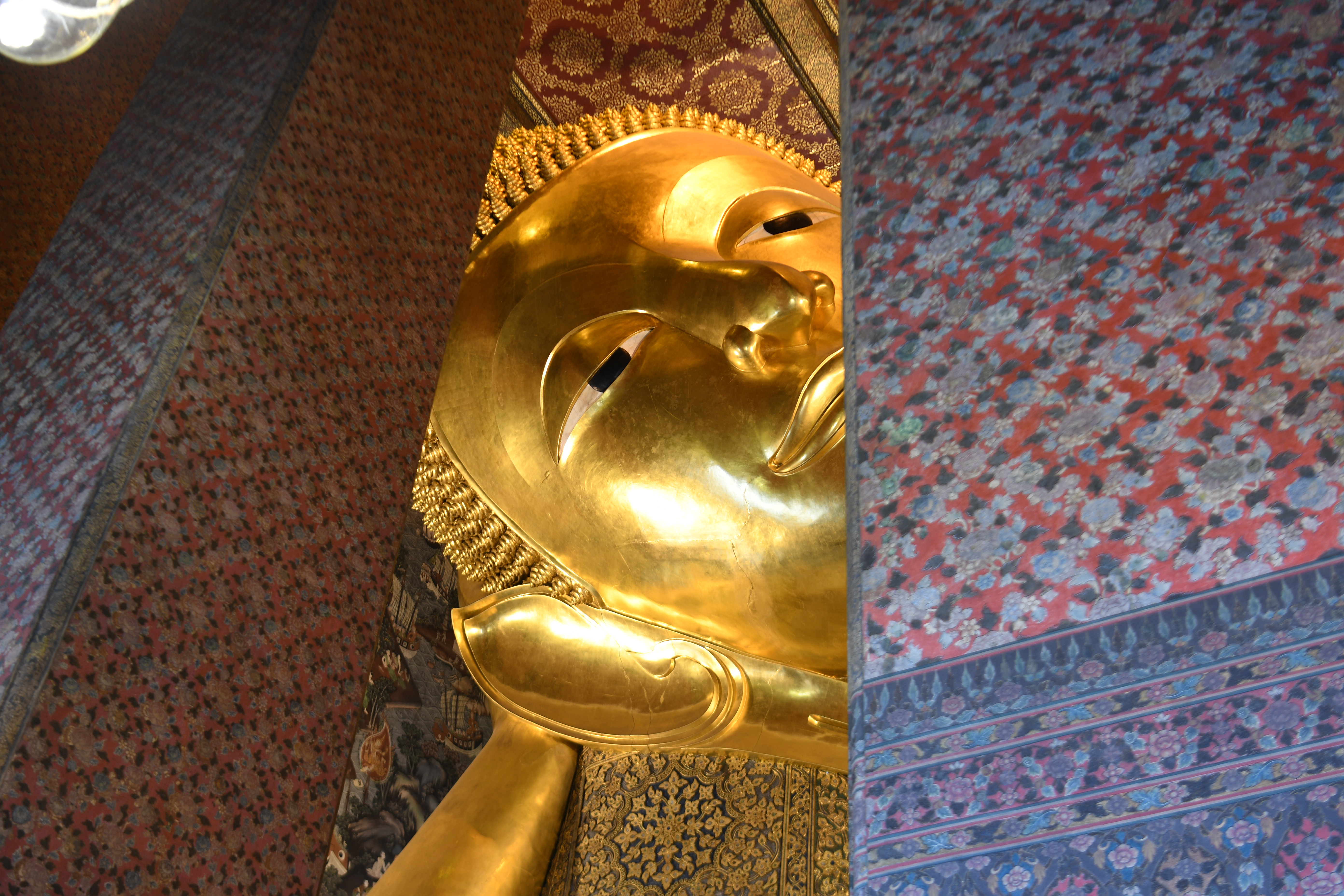
MONUMENTS TO THE HINDU AND BUDDHIST RELIGION THROUGHOUT SOUTHEAST ASIA.

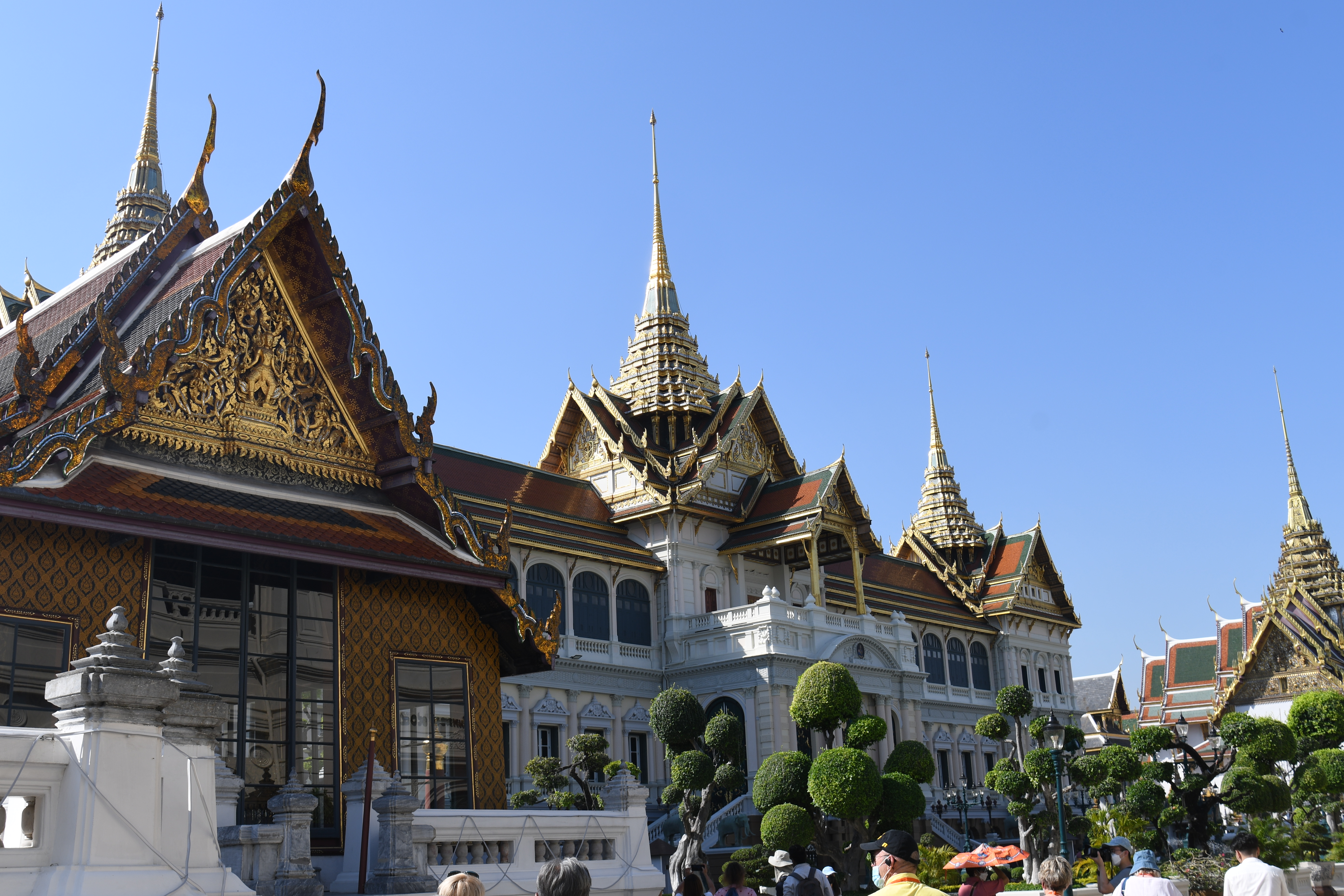
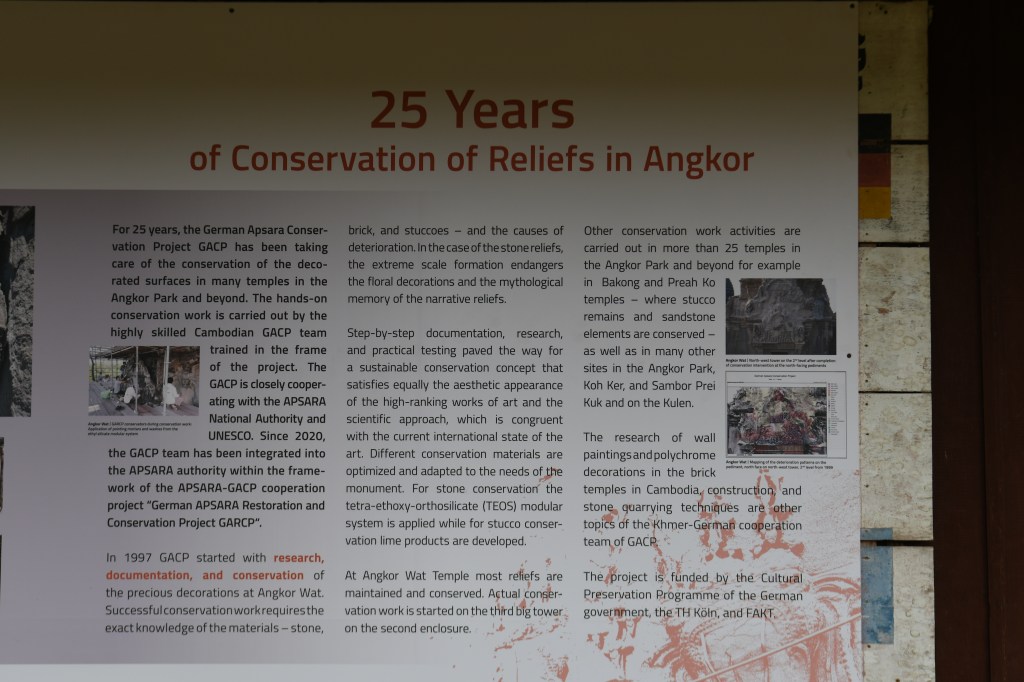
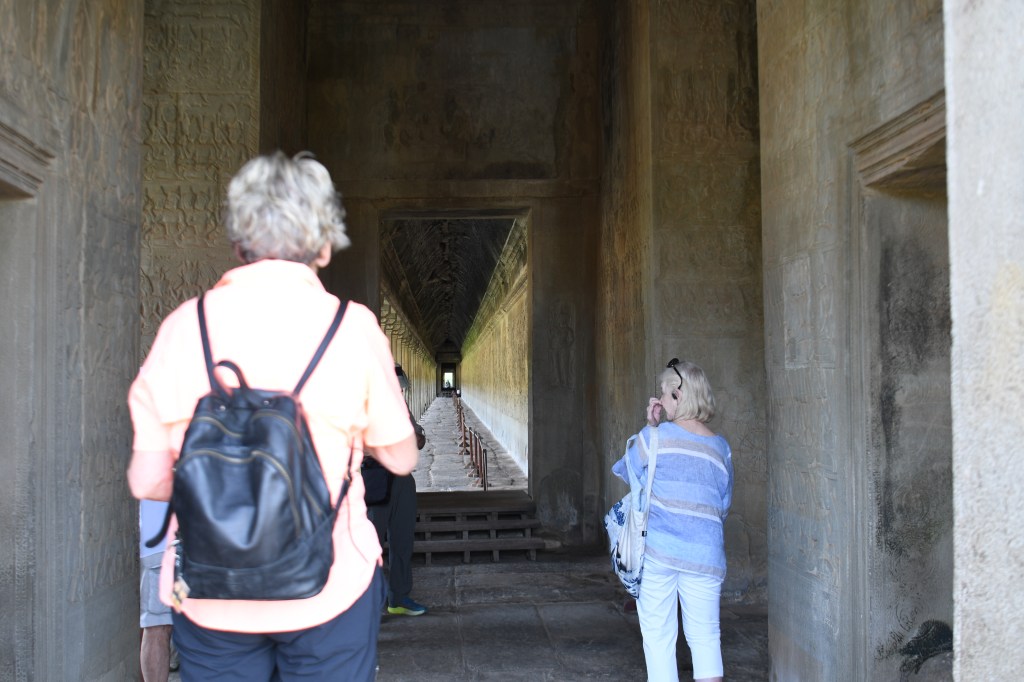
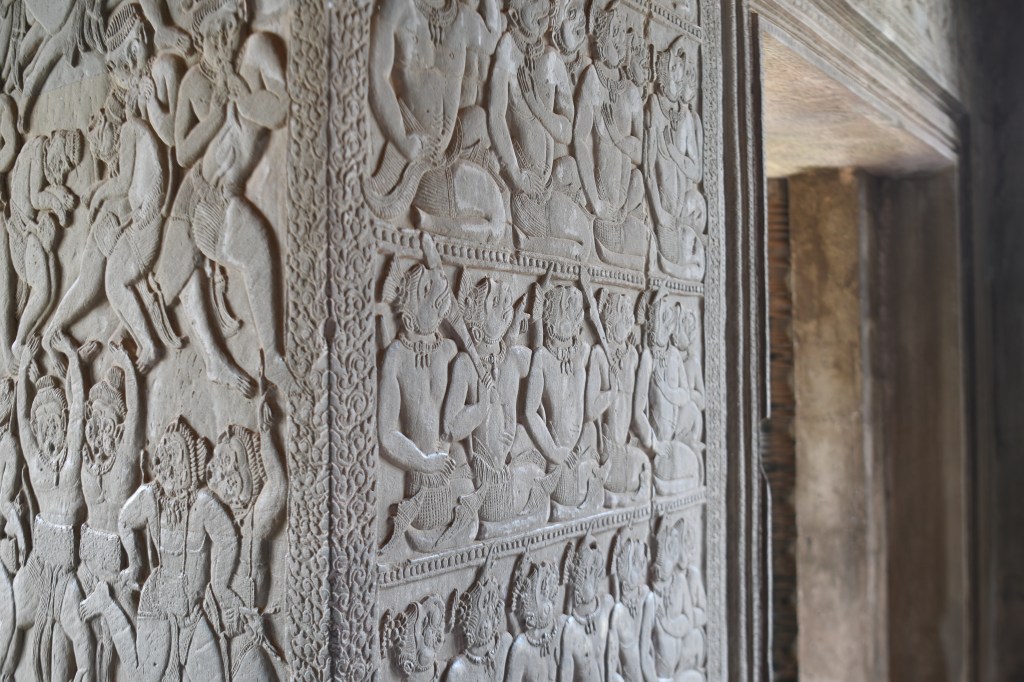
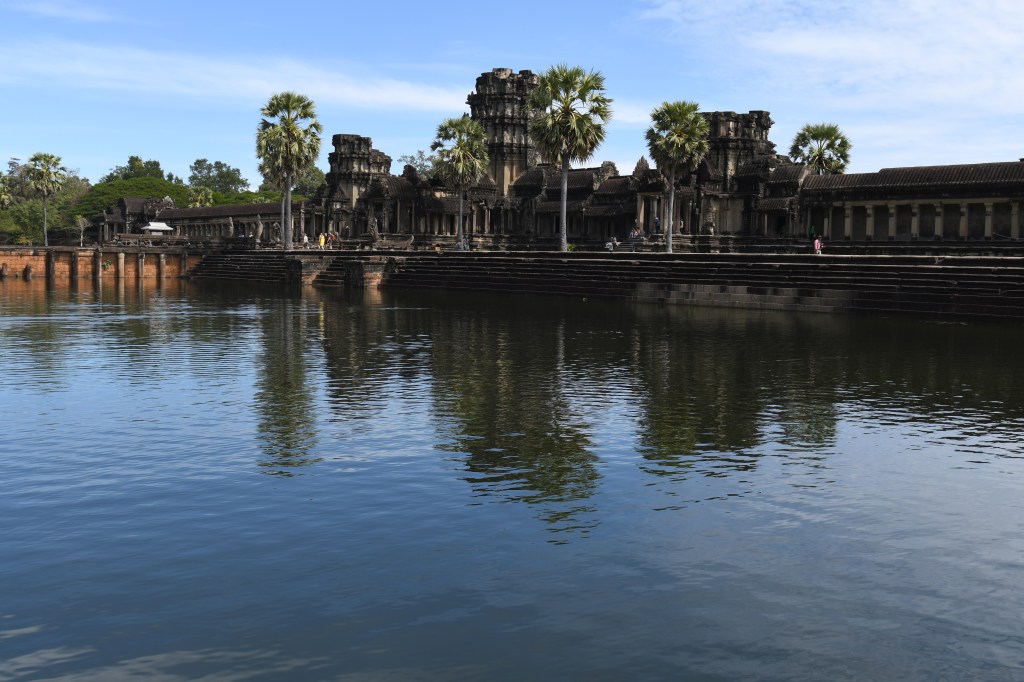
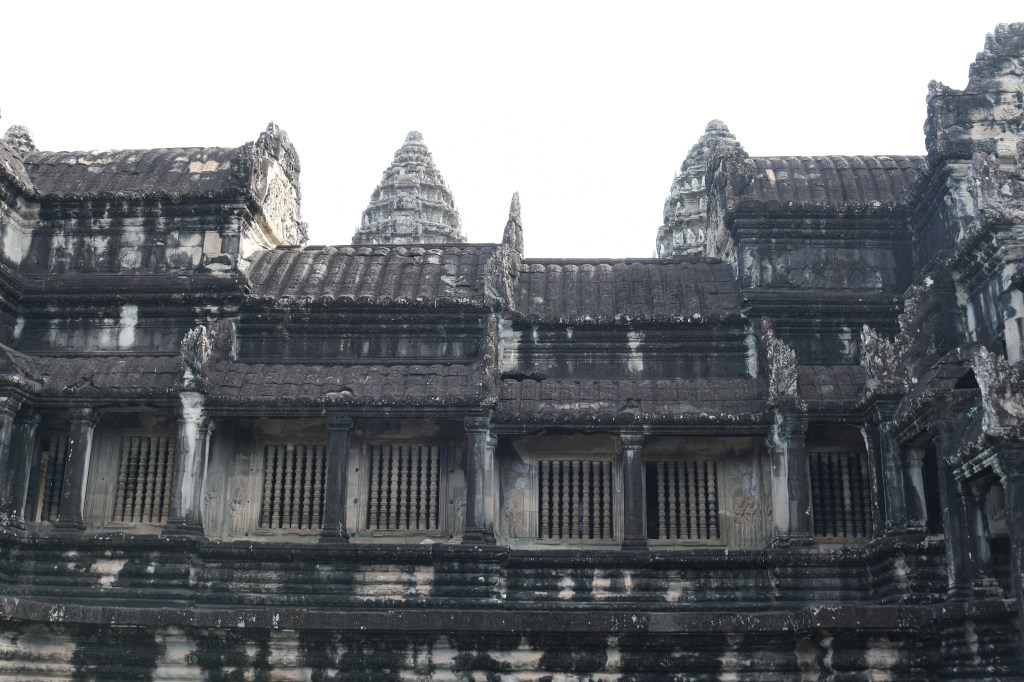
And, of course, no one can leave Cambodia without a visit to Angkor Wat the largest religious monument in the world, built in the 12th century.

Many personal conversations with Lucky, our primary guide, gave insight to the strength of Buddhism and a way of life that eschews conflict and promotes peace. Lucky believes in the traditions of his Thailand upbringing with acceptance of things as they are with the hope that the traditions of his country will continue.

In a sense, Lucky is a royalist who believes in the importance of the blood line of royalty as a moral compass for the country. The many experiences we had on this brief trip suggest Lucky’s hope for a limited monarchy is possible but with reservation. History never repeats itself in the same way.

DIVERSITY

Audio-book Review
           By Chet Yarbrough

(Blog: awalkingdelight)
 Website: chetyarbrough.blog

The Hidden History of Burma (Race, Capitalism, and the Crisis of Democracy in the 21st Century)

By: Thant Myint-U

Narrated by: Assaf Cohen

Author, Thant Myint-U, is the son of the former secretary-general of the UN, U Thant (1961-1971). His circle of acquaintances ranges from Presidents to diplomats to people on the street.

U Thant (Secretary-General of the United Nations 1961-1971, died in 1974 at the age of 65.)

Thant Myint-U’s report on Burma (aka today’s Myanmar) reveals a capitalist’s “canary in a coal mine”. “The Hidden History of Burma” reveals what can happen in capitalist countries that ignore the rising gap between rich and poor.

Like canaries, all people are not the same.

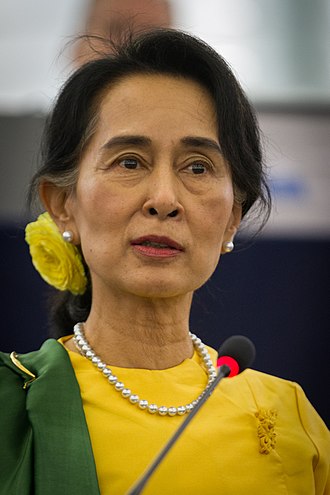
Thant Myint-U resurrects the reputation of Aung Suu Kyi, a leader of conscience. He exposes Myanmar’s 2021 military revolution and its unfair trial of Burma’s storied and unfairly maligned national patriot. Thant Myint-U’s history implies no leader of conscience could withstand the inept Burmese government’s management of human diversity that led to the accusation of Rohingya genocide in 2020.

Aung San Suu Kyi (Burmese politician, diplomat, author and 1991 Nobel Peace Prize Laureat. She is the daughter of Aung San, the Father of Independent Burma.)

Aung San (Burmese politician, Father of Burma independence from British rule, assassinated six months before independence granted.)

All capitalist economies are threatened by human greed when capitalism is unregulated. Capitalism falters when it fails to provide an adequate safety net to its citizens. When countries fail to offer an opportunity to acquire the basic needs of life, the poor disproportionately die. When the poor are not treated equitably by society, they have two choices. One is to bare unfair treatment and die. The other is to fight unfair treatment and die. (Note that is not to suggest hand-outs but to suggest hand-ups to jobs, income, and opportunity.)

Human nature compels a turn to God when one feels out of control.

One reason the Islamic religion is the fastest growing religion in the world is because many Muslims are poor. They live in countries where governments fail to treat diversity as a strength, not a burden.

Burma’s return to military autocracy is shown by Thant Myint-U to be a consequence of the gap between rich and poor, largely caused by an unregulated capitalist economy. Lack of capitalist regulation in autocracies or democracies make the rich richer and the poor poorer, the twain do meet but mostly in conflict.

Diversity in countries of the world is not new. Some level of diversity exists in every country.

Democracy is a form of government that can offer a voice to diversity. When democracy fails to respond to that voice, it risks revolution, and its consequence-autocracy. In “The Hidden History of Burma, Thant Myint-U shows Myanmar’s government is not listening to the voices of diversity.

Myanmar

There is a lesson for America in the story of Burma. The gap between rich and poor is rising. American Democratic capitalism is listening but struggling with its response. America does not have the history of Burma, but government leaders can learn something from Burma’s inept reaction to diversity.

LOSS OF ENCHANTMENT

Audio-book Review
By Chet Yarbrough

(Blog:awalkingdelight)
 Website: chetyarbrough.blog

A Secular Age

By: Charles Taylor

Narrated by: Dennis Holland

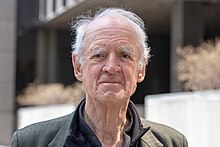
Charles Taylor (Author, philosopher)

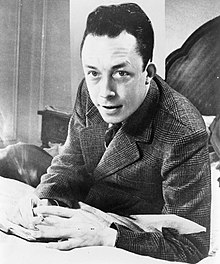
Charles Taylor is in his 90s. This 42-hour exploration of the Western hemisphere’s transition from religious to secularist belief is daunting and enlightening. One is reminded of the evolving framework of belief in the death of God initiated by Nietzsche and sustained by Camus. Nietzsche, and Camus suggest humanity is on its own. There is no heaven. There is no hell.  These two philosophers imply there is only a life one chooses to live. Taylor circles and circles this argument but never agrees. Taylor argues the western world has arrived at “A Secular Age”, not meaning God is dead but that western society’s view of God has evolved and is evolving.

Taylor writes the history of how the western world became the exemplar of “A Secular Age”. Taylor does not suggest western philosophy is ahead or behind eastern philosophies like Buddhism with its Four Noble Truths, Eightfold Path, and reincarnation. Secularism and Buddhism are similar in their emphasis on societal self-worth. What Taylor illustrates is the wide gulf between eastern fundamentalist religious belief and the secular evolution of western religions.

To some, God is not dead in the west, but He/She seems to some to be on life support. Taylor suggests that is a premature conclusion.

Taylor notes eastern nations did not follow the humanist history of the west and is not a significant part of his research for this book. However, he acknowledges a humanist’ perspective in eastern Buddhism. The Buddhist’ objective is to find the path of enlightenment with reincarnated lives, seeking Nirvana (a transcendent state where suffering, desire, and self are embodied within one’s peaceful existence). Buddhism’s focus on ethical behavior might be considered analogous to living a secular life. However, Taylor notes a significant difference, i.e., Buddhist’ belief includes supernatural figures that either help or hinder Buddhist followers from finding the path of enlightenment. In Taylor’s parlance, a Buddhist remains a believer in enchantment whereas a western secularist abandons enchantment.

Buddhism departs from secularism because of its belief in supernatural influences.

In “A Secular Age”, Taylor is only explaining how history of the western world leans toward secularism and away from belief in an enchanted world. Taylor’s argument is that history of the western world shows fewer citizens believe life is influenced or determined by good or bad homunculi.  Homunculi are replaced by medical’ diagnosis that can be medicinally or therapeutically treated.

The struggle of “A Secular Age” is in medical diagnosis and therapeutic treatment rather than singular dependence on God’s wrath or grace. In the western world, transcendence becomes more a human rather than Godly resolution of human crises.

In Taylor’s history of the “…Secular Age”, religion and belief in God remain a force in the 21st century. God is not dead in the west to those who believe.

However, Taylor’s response to a question about the existence of God is alleged to be: “There’s probably no God: now stop worrying and enjoy your life.”

Taylor acknowledges stories like Dostoevsky’s “Grand Inquisitor” in the “Brothers Karamazov”, a poem by Wordsworth like “Dover Beach”, and philosophical treatises by Nietzsche and Camus that literarily address the existence and diminishment of enchantment in the western world. The breadth of Taylor’s knowledge and research for “A Secular Age” is remarkable.

Fyodor Dostoevsky (Author, Russian novelist, 1821-1881 Died at age 59)

Taylor gives us a credible history of change from the age of enchantment to “A Secular Age”. However, there remains no definitive answer to what the world is about, what life means, or where “understanding of life” is heading.

Douglas Adams (Author, humorist, satirist.)

So, what is the world about, and what is the meaning of life? At the end of Taylor’s tome, one comes to the same conclusion as Douglas Adam’s comically suggested number, “42”.

In broad terms, Taylor suggests human evolution and history are origins of Western civilization’s secularization. His supporting arguments are many with the advance of science playing a smaller role than one might expect. His reasoning reaches back to the stone age, advancing through to the 21st century. The range of his reasoning, and the length of his book, raises the scholarly value of his book but diminishes its appeal to a lay audience.

SCIENCE AND HOPE

Audio-book Review
By Chet Yarbrough

(Blog:awalkingdelight)
 Website: chetyarbrough.blog

The Mind of God: Neuroscience, Faith, and a Search for the Soul

By: Jay Lombard

Narrated by: David Acord

Dr. Jay Lombard (Author, Neurologist, specializing in child neurology, Ted conference presenter.)

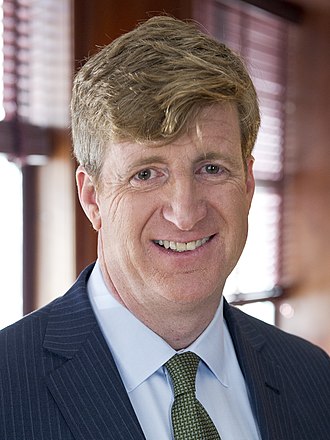
The introduction to Dr. Lombard’s book is by Patrick Kennedy. Kennedy’s self-effacing acknowledgement of his personal struggles draws one into Lombard’s story. As an introduction, a listener is interested in a scientist’s belief in God. However, by chapter 3, some listeners will be tempted to quit listening.

Patrick Kennedy (Former Democratic Representative from Rhode Island, Nephew of President Kennedy, son of Ted Kennedy.)

Lombard agues God is real because His existence is proven by evolution and human consciousness.

The basis for his argument is the “miracle” of evolution and human consciousness. The idea of “miracle” is a return to a neolithic age. Lombard’s “miracle” argument is off-putting for three reasons. One, miracles are frequently used by those who have not yet proven something by science. Two, evolution is proven by science. Three, consciousness remains undefined.

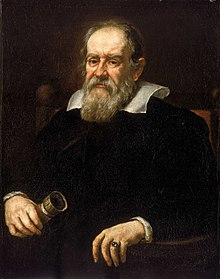
Earth is flat and the center of the universe, i.e., until Galileo proves otherwise. We live in a world of Newtonian physics (cause and effect), i.e., until Max Planck, Niels Bohr, and others discover quantum theory and mechanics. Time is a precise measure of the past, present, and future, i.e., until Einstein proves time is relative. History shows miracles are often explanations for something humans do not understand. The human mind consciously interprets and intentionally believes the absurd–like lightning strikes because Zeus is angry. One is justifiably skeptical of those who argue God is the origin of creation and human benefaction.

What may draw a skeptic back to the book is Lombard’s experience as a neurologist in treating patients with proven brain dysfunction. Lombard shows an empathy for his patients because of his professed beliefs. Whatever one’s belief, empathy is essential ingredient of a good life.

Lombard’s empathy is an evolutionary pattern that offers hope to the world.

Philosophers of the past like Nietzsche and Camus, reject God because they believe He/She is a construct of human consciousness, not an omniscient being who created heaven and earth. Nietzsche argues humanity killed God by becoming Superman or Woman, without the need for something greater than themselves. In contrast, Camus suggests belief in God makes no difference.

The world to Camus is an unpredictable place and every human must consciously seek a mission in life to be free.

Lombard agrees with Camus’s argument. However, Lombard believes evolution of human consciousness is proof of God. Lombard suggests proof of God’s presence is shown with transformation from human self-interest to empathy. That is Lombard’s gigantic leap of faith, unwarranted by facts. It is the equivalent of an oft quoted comment by Einstein about God not playing dice.

The last patient in Lombard’s book is a Buddhist monk who is at early stages of Alzheimer’s.

Ironically, as Lombard notes, Buddhist belief is to “let go” of human emotion. Dementia results in “letting go”, but dementia is not a conscious act.

Dementia gives no comfort to one who is older and has a fear of Alzheimer’s and its consequence for others. Others, who are left to care for the stricken. What makes this chapter interesting is Lombard’s careful diagnosis, attentiveness, and empathetic care for his patient.

By the end of Lombard’s book, one is convinced of the need for science, with a hope for clearer understanding of brain, mind, and consciousness.

God may or may not have anything to do with brain, mind, and consciousness. Lombard’s argument for God’s existence is no more convincing than a bolt of lightning from Zeus.

ISLAM

Audio-book Review
           By Chet Yarbrough

(Blog:awalkingdelight)
 Website: chetyarbrough.blog

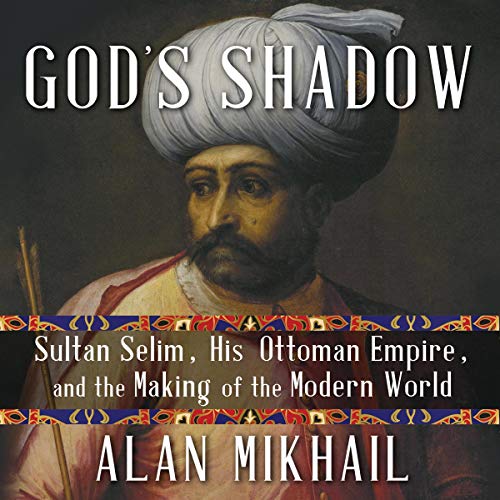
God’s Shadow (Sultan Selim, His Ottoman Empire, and the Making of the Modern World)

By: Alan Mikhail

Narrated by: James Cameron Stewart

Alan Mikhail (Author, Chace Family Professor of History, Chair Dept. of History at Yale.)

Alan Mikhails’s “God’s Shadow” speculates on the historic impact of the Ottoman Empire on the rise of the Islamic religion and its conflict with Christianity. His book is well received by the public but panned by some who believe Mikhail’s scholarship is more speculative than factual. That criticism seems well earned when the last chapter of Mikahail’s book summarizes his opinion about Islam’s past and future.

What is surprising to this reviewer is not Mikhails’s speculation about Islam’s future but his failure to explore Ottoman history’s success in diminishing Shite Muslim growth while hugely increasing Sunni Muslim Islamic influence.

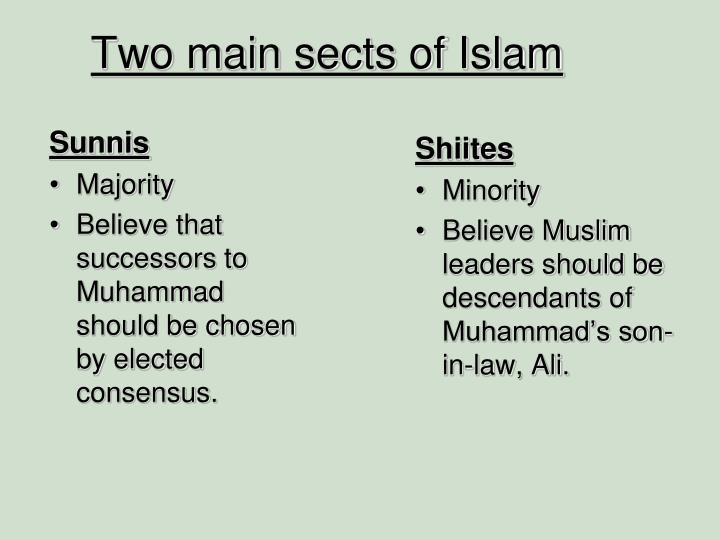
When Muhammed, the founder of Islam, dies, he leaves no heir to Allah’s teaching. In not leaving an heir, a split occurs between those who argue only a direct descendant of Muhammed, not a mere follower, can be a leader of the faith.

Shite Muslims believe an heir to Muhammed’s leadership can only be to a male descendant of the Muhammed’ family. Sunni’s argue Islamic leadership is based on any man who demonstrates success and ability to spread the faith.

It is estimated that 85% to 90% of religious believers in the Islamic faith are Sunni. Only Iran and Iraq have a Shite majority while other nation-states are principally Sunni.

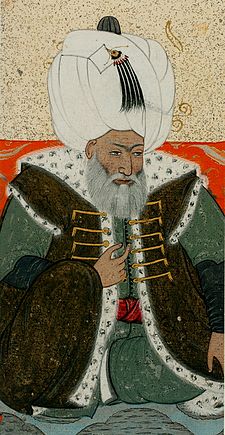
Sultan Bayezid II (1447-1512, reign 1481-1512.)

The spread of the Muslim religion is laid at the feet of Sultan Selim I. He is one of the sons of Sultan Bayezid II who gains control of what is known as the Ottoman Empire.

“God’s Shadow” recounts the rise of the Ottoman Empire which is the primary cause of Sunni growth in the Middle East. A major part of Mikhail’s book is about Selim I because he is the leader that conquers and combines most of the Muslim world into the Ottoman Empire.

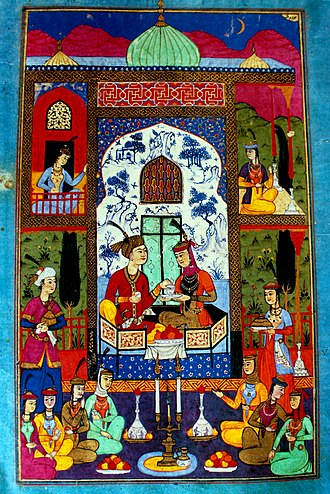
An interesting opinion of Mikhail is the role of harems in the Islamic world. He argues male heirs are a primary function of the harem. Once a male is born to a concubine of a Sultan, Mikhail suggests further conjugal relations cease. Every born male is a potential Sultan.

This naturally leads to a competition and often death of male heirs who are chosen by the acting Sultan to be his replacement. “God’s Shadow” tells the history of a younger son who disagrees with Sultan Bayezid II’s choice and successfully replaces that choice by force. Selim I ascends the throne of Sultan despite his father’s choice of heir. Selim’s road to hegemonic Sultan is through the conquering of nations beyond Istanbul and the Balkans, to Hungary on the north, Egypt on the south, Algeria on the west, and Iraq on the East.

Selim I (1470-1520, 9th Sultan of the Ottoman Empire-reigned from April 1512-September 1520.)

An apocryphal story told by Mikhail is that, in the earlier years of Selim I’s conquests, he is presented a colored map of the then-known world that shows nations beyond the Ottoman Empire. Selim I  tears the map in half because he is satisfied with what he has done. Mikhail notes that incident occurs in Selim’s earlier years because when a later map shows the Americas, Selim suggests more is to be done. A fundamental argument made by Mikhail is that the growth of the Ottoman Empire is the precursor of modern governance.

In the final chapter of Mikhail’s book, a step beyond reason or history is taken. Mikhail posits Selim’s reign and the rise of the Islamic religion presages future dominance of Islam in the world. He argues by 2070 Islam will be the dominant religion of the world. That seems hyperbolic when the role of religion in the world is arguably in decline. Mikhail compounds hyperbola by suggesting the world’s reaction to Islam has been a foil to create Christian and democratic nations. The growth of Christianity and democracy are patently more than a reaction to the religion of Islam.

This is an unfortunate digression for Mikhail because he makes a good historical case for the Islamic religion’s tolerance of other faiths in the face of historically murderous Catholic Crusades. On the other hand, many atrocities accompany Selim I’s expansion of the Ottoman Empire. Mikhail notes Selim’s soldiers are compensated by plunder and rape when ordered to invade new territories. And of course, there is the faction of the Muslim faith that carried out the death of over 2,000 people on 9/11/21 in America.

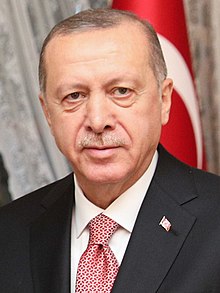
Interestingly, Mikhail offers an encomium to President Erdogan in Turkey by praising him for resurrecting the legend of Selim I in a bridge dedication.

Erdogan is revivifying the Islamic religion in Turkey even though its history was dramatically changed by Ataturk who turned Turkey into a secular rather than Islamic state.

2023 is an important year for Erdogan. He has been President of Turkey since 2014. Some suggest the recent earthquake in Turkey jeopardizes his re-election. To an outsider, it seems Erdogan has reversed some of the secular drive of Ataturk by increasing Islamic influence in governance.

President Erdogan has made his voice heard in the West by initially voting against Sweden’s bid to join NATO. Sweden has been a haven for the PKK, which Turkey characterizes as a terrorist organization that aided an attempt to overthrow the Turkish government in 2016. Sweden’s legislature is voting on March 9, 2023, on a measure that would prohibit recruitment and financing of the PKK in Sweden. One wonders, if that will change Turkey’s “no” vote for Sweden to join NATO.

Erdogan seems an odd choice for comparison to Selim I’s Islamic reign based on a personal perception of this critic’s visit to Turkey. Erdogan seems much less a revered leader by the public than Ataturk, let alone Selim I depicted in “God’s Shadow”.