Dostoevsky said, “There are things which a man is afraid to tell even to himself, and every decent man has a number of such things stored away in his mind.”
However, H. W. Bush seems unafraid in his interviews with Jon Meacham. Meacham’s biography refers often to H. W. Bush’s diary. H. W.’s diary appears written by a decent man who knows himself and chooses to divulge all he knows.
“Destiny and Power” is about H. W. Bush’s journey to the American Presidency and power in the executive branch of government. It begins with a brief history of the Bush/Walker families that reaches back to the beginnings of America. Both sides of H. W. Bush’s ancestors achieve the American dream through hard work, determination, and initiative. The success of the Bush/Walker families sets the stage for H. W. Bush’s public service; his Yale education, his relationship to the wealthy, his service to his country, and his tenure as President of the United States.
“Destiny and Power” reveals a candid picture of the 41st President of the United States. It is a story of family love, respect, and duty. It explores a family lineage blessed with wealth, good education, and expectation. H. W. Bush is a decent man who acknowledges his limitations in pursuit of good works.
GEORGE H. W. BUSH MILITARY SERVICE WWII Meacham notes that H. W. Bush seems a go-along to get-along kind of guy; i.e. a non-confrontational person who is well liked by his associates and subordinates. After Pearl Harbor, H. W. enters the service at the age of 18 to become a pilot. When completing a bombing run, H. W. and his crew are downed at sea. As a downed bomber pilot, H. W mourns his fellow crewmen and wonders if there was anything he could have done differently to save their lives.
This life experience marks H. W. It illustrates H. W.’s sense of responsibility and how he cares for others. It reminds him of the horrors of war and the hurt felt by those left behind. It is a mark that guides his decision to begin the first Gulf war and insert American troops in Kuwait.
Meacham reveals how H. W. solicits friendship with everyone he meets. This facility for friendship is a key to his success in becoming a Texas oil man. His early success in the oil business appears based on who he knows and how well he cultivates wealthy associates’ interest in risking investment in land-lease oil exploration in Texas. H. W.’s friendliness leads him to politics. Meacham notes that friendliness did not immediately vault H. W. to political success but it paves his way to public service.T
H. W. is driven to succeed. In a widening circle of contacts, H. W. is welcomed into the Republican Party and becomes Chairman of the Party for Harris County, Texas. He runs for the Senate and is defeated by Texas Democrat Ralph Yarborough.
Later, in 1966, H. W. is elected to the House of Representatives and becomes acquainted with Richard Nixon.
President Nixon appoints H. W. to the United Nations as Ambassador for the United States. His social skill suited the United Nations Ambassador position perfectly.
As the Watergate scandal overtakes the Nixon Administration, H. W. supports Nixon up to the point of undeniable truth of Nixon’s cover-up. As the Republican National Committee Chairman, H. W. asks Nixon to resign.
When Gerald Ford became President, H. W. is asked to be America’s envoy to China.
After serving for one year, Ford asks Bush to take the position of CIA Director.
One year later, Ford is defeated by President Carter and H. W. returns to the private sector with plans to run for President.
Bush’s cultivated Republican Party friendships compel Reagan to ask Bush to be his Vice President.
RONALD REAGAN (40TH PRESIDENT OF THE UNITED STATES) Meacham notes that running for President is something H. W. has prepared for through the course of his life but 1980 is the era of Ronald Reagan. Reagan’s public speaking skill clearly surpasses the oratorical skill of H. W. Bush. However, Bush’s appeal to a more liberal part of the Republican Party makes him an ideal running mate for the highly conservative Reagan. Reagan is reluctant to make the offer because of H. W.’s “Voodoo Economics” comment during their primary contest but Bush’s affable personality eventually endears Reagan to his running mate.
By the end of Meacham’s biography one sees Bush as a decent man who wishes to do the right thing. One might conclude that H. W. Bush is unduly influenced by the desire to be liked. This desire makes H. W. avoid confrontation, a characteristic of which Meacham offers many examples; e. g. Bush’s reluctance to confront the public with his decision to raise taxes; his ambivalence about using the bully pulpit to attack political opponents. H. W. Bush’s inner compass seems to wobble in the face of his desire for comity. However, when one puts H. W. in the context of history, Bush’s inner compass seems as true north as any of America’s Presidents.
On the one hand, comity may be what is missing in the extremes of the political climate of the 21st century; on the other hand, “read my lips” has little political efficacy.
On the one hand, comity may be what is missing in the extremes of the political climate of the 21st century; on the other hand, a wobbling inner compass leads to intellectually untested certainty. One may argue H. W. Bush’s avoidance of confrontation leads to decisions not tested by debate. All that is left is experience burnished by one person’s judgment. Avoidance of personal confrontation may lessen perspective but comity is an underrated commodity in today’s political climate.
A surprising note by Meacham is H. W.’s second guessing on Saddam Hussein. H. W. did not confront Saddam Hussein to demand unconditional surrender after his forced ejection from Kuwait. In retrospect, a demand for unconditional surrender seems superfluous. Arguably, H. W.’s courageous decision to inject the American military into Kuwait changed the course of history. One inclines to believe H. W. will go down in history as the antithesis of Nazi appeasers in WWII.
GEORGE W. BUSH (43RD PRESIDENT OF THE U.S. The most titillating part of Meacham’s biography of H. W. is a father’s judgment of his son’s Presidency. One tends to believe H. W. views George W. more as a beloved son than as President of the United States. George W., like all human beings, makes his own mistakes.
H. W. argues that his son is poorly served by his Vice President and Secretary of Defense. H. W. suggests Dick Cheney and Don Rumsfeld are the principal reason for the mistake of Iraq. (One must ask oneself, who hired Cheney and Rumsfeld? In a translation of Plato’s “Republic”, there is a phrase about leadership that suggests “Birds of a feather flock together”.)
George W. is his own man. He differs from his father in numerous ways. One may remember George W. standing on an aircraft carrier and saying “Mission Accomplished!” after the defeat of the Republican Guard in Iraq. Meacham’s biography suggests that kind of hubris-tic comment would never be made by H. W. Bush. History will show defeat of the Republican Guard accomplished very little. Defeat of the Republican Guard is only the beginning of many American mistakes in Iraq.
H. W. Bush may not go down in history as one of the greatest Presidents of the United States but he is among the most decent.
Kotkin’s first volume about Stalin’s rise to power offers lessons to modern American and Chinese governments. China seems on one path; America another.
STEPHEN KOTKIN (AMERICAN AUTHOR, HISTORIAN, ACADEMIC)
Stephen Kotkin offers a remarkable and comprehensive view of Russia’s 1917 Revolution in “Stalin, Volume I”. Kotkin succinctly describes how power in the hands of one may advance a nation’s wealth, but at a cost that exceeds its benefit.
Kotkin’s first volume about Stalin’s rise to power offers lessons to modern American and Chinese governments. China seems on one path; America another.
The formation of “checks and balances” sustains America’s economic growth, even in the face of leadership change. In contrast, a “rule of one” has moved China’s economic wealth to new heights, but “rule of one” threatens its future success; particularly if it follows Stalin’s, and now Putin’s mistaken path.
In historical context, Kotkin profiles the three most important characters of the Russian revolution; e.g. Vladimir Lenin, Joseph Stalin, and Leon Trotsky. Kotkin documents the personalities and circumstances of the pre-U.S.S.R.’ economy; i.e. an economy based on the disparity between wealth and poverty, federalization and centralization, political idealism and pragmatism.
MAO ZEDONG (1893-1976, FOUNDING FATHER OF PEOPLE’S REPUBLIC OF CHINA.)
Three leaders in the Chinese revolution were Mao Zedong , Zhou Enlai, and Deng Xiaoping. Zhou Enlai is the moderate of the three in trying to preserve traditional Chinese customs. Mao is by some measures an idealist who attempts to expand the theory of communism. His idealism creates a bureaucracy that nearly derails China’s economy. “The Gang of Four” radicalized Mao’s idealism into a more Stalinist view of communism. “The Gang of Four”s radicalization of Chinese communism is eventually reversed with the leadership of Deng Xiaoping, but not until after the Tiananmen Square massacre.
DENG XIAOPING (CHINA’S CHAIRMAN OF THE CENTRAL ADVISORY COMMISSION 1982-1987)
After Tiananmen Square, Deng recognizes the power of public dissent. Rather than increasing suppression, Deng opens the Chinese economy to a degree of self-determination. Deng does not abandon communist ideology. However, he recognizes the importance of economic growth and how less doctrinal communist policy would unleash the power of people as demonstrated at Tienanmen Square.
Deng dies in 1987 and the government of China is reshuffled. Deng’s eventual successor, President Xi, emphasizes the idealism of communism that threatens return to a Stalinist-like terror in China; i.e. a terror enhanced by technological invasion of privacy, and “big brother” control.
XI JINPING (GENERAL SECRETARY OF THE COMMUNIST PARTY OF CHINA AND PRESIDENT OF THE PEOPLE’S REPUBLIC OF CHINA)
President Xi returns to Mao’s authoritarian belief in enforced collectivism with the idea of expanding China’s new-found wealth through government subsidization of industry. Xi renews emphasis on rule by the Communist party, headed by himself.
The growing disparity between rich and poor in both China and America is widely seen in the internet, and with increased international travel. China’s rapid rise in economic wealth is unevenly spread, just as it is in the United States. The difference is in how that economic disparity is addressed.
In America, private dissent is an inherent part of its history which lauds individualism, self-determination, and freedom (within the boundary of “rule of law”). But, these characteristics denigrate American citizens who are unable or unwilling to reap the rewards of individualism, self-determination, and freedom. These are the Americans sleeping on America’s streets and living in their cars.
America’s system of governance allows a rift between the rich and poor because it is based on a system of “checks and balances”. America’s system demands debate, and more broadly considered human consequence, before government action is taken.
LIVING ON THE STREET IN AMERICA
In China, the homeless are compelled to work at jobs created by the government. China’s system of governance is driven from the top, with limited debate, and more singularly determined public consequence. Government action is autocratically determined.
BEIJING-In China, dissent is discouraged and freedom is highly restricted, but homelessness is addressed with housing for the poor at subsidized prices.
In ancient China, singular autocratic rule offered a mixed blessing. Some of the world’s wealthiest and most cultured governments were created in China. These ancient dynasties successfully expanded their economies to make China a world leader in science and industry. At the same time, with few checks and balances, the history of China’s “rule of one” resulted in periodic social and economic collapse.
In some ways, China’s ancient civilization’s rise and fall is reminiscent of the rise and fall of the U.S.S.R. after 1917. Kotkin describes the turmoil surrounding Russia in 1917. The beginning of WWI and Germany’s invasion exaggerate the paradox of power in Russia. Modern European, Asian, North American, Middle Eastern, and African countries are experiencing some of the same economic, and political disruption.
On the one hand, the peasant is a proud Russian; on the other hand, he is a slave of the landed gentry; indentured to preserve the wealth of others at the cost of his/her life.
In 1917, the Czar and wealthy aristocracy depend on a population of the poor to defend the government. Russian peasants are faced with defending a government system that recognizes them as serfs, agricultural laborers indentured to wealthy landowners. (A similar system existed in China prior to 1949.)
In 1949, Mao recognizes the same inequity and judiciously separates landlords from their vast estates and re-distributes it to tenant farmers who worked for them. Ownership restructuring improved agricultural production until Mao tried to make small collectives into large collectives with Communist party oversight. Formation of a Chinese Communist Party bureaucracy distorted actual production and de-motivated farmers that did the real work of farming. The result of production over-estimation caused a nation-wide famine.
KARL MARX (BORN TRIER, GERMANY 1818-DIED LONDON, ENGLAND 1883)
Kotkin notes Russian social and economic inequity is a breeding ground for a Leninist/Marxist revolution. Marx’s dialectic view of the wealth of nations suggests that governments will change based on the growing recognition of the value of labor; i.e. beginning with agrarian feudalism, growing through industrialized capitalism, and socialism; reaching to a state of equilibrium in communism (a needs-based and communal sharing of wealth). Marx suggests all nations will go through this dialectic process.
Lenin bastardizes Marx’s dialectic idealization. Lenin believes the process can be accelerated through revolution and centralized control of the means of production. This idea is adopted by Mao Zedong in China in 1949 with early success. However, Mao expands the collectivist policy with “The Great Leap Forward” in 1958. Mao’s broader collectivist policy collapses the Chinese economy in 1962. Thousands of Chinese die from starvation as communist overseers exaggerate food production quotas.
Collectivist expansion is an oversimplification of Kotkin’s explanation of Vladimir Lenin’s form of communism but it shows the risk of “rule of one” governance. Even Lenin is conflicted about how Russia will grow into a communist society.
Lenin recognizes the social and economic distance that Russian peasants must travel to gain an appreciation of a new form of government.
Much of the Russian population, like the Chinese in 1949, were illiterate and living at a subsistence level; bounded by a non-mechanized agrarian economy. Lenin vacillates between growth through education and growth through autocratic command. Kotkin suggests that Lenin gravitates toward centralized command because of the need to consolidate power within the revolution.
What Lenin needed in 1917 were followers that could get things done. Before being felled by brain disease and stroke, Lenin relies on the abilities of men like Joseph Stalin. Mao relies on his revolutionary Red Guard. Kotkin argues that Stalin became close to Lenin as a result of his organizational skill and his penchant for getting things done without regard to societal norms. For Mao, close associates like Deng Xiaoping, were his enforcers. Stalin becomes the most powerful enforcer in Lenin’s revolution. Deng eventually becomes the leader of Communist China.
Though Stalin wields great enforcement powers, Kotkin infers Trotsky is the intellectual successor to Lenin. Stalin and Trotsky are shown to be at odds on the fundamental direction of the Bolshevik party, the successor party of Russian communism. However, the exigency of getting things done, as opposed to understanding the goals of creating a Leninist/Marxist government, were paramount goals for consolidating power after the revolution. Kotkin explains how Stalin became a defender of Leninist doctrine while Trotsky became an antagonist and eventual apostate because of Stalin’s manipulation of events.
MAO AND STALIN IN 1949
China waits and observes Stalin’s method for rapid industrialization of Russia. Kotkin explains that Stalin gains an intimate understanding of Lenin’s doctrines while Trotsky chooses to compete with Lenin’s philosophical positions. The threat of factionalism accompanies Trotsky’s doctrinal departures.
The irony of the differences between Stalin and Trotsky are crystallized by Kotkin. Stalin’s intelligence is underestimated by both Lenin and Trotsky. Stalin carefully catalogs and memorizes Lenin’s communist beliefs. In contrast, Trotsky chooses his own communist doctrinal path based, in part, on Lenin’s writing. Here, another similarity is drawn with the near religious following of Mao’s Red Book with aphorisms about governing oneself and China.
Kotkin suggests Lenin views Trotsky as a more likely successor than Stalin as leader of the country. Lenin appreciates Stalin’s organizational ability but views Stalin’s temperament as too volatile for long-term government control. In 1922, Lenin is said to have dictated a “testament” saying that Stalin should be removed from his position as General Secretary. Lenin’s “testament” critiqued the ruling triumvirate of the party (Stalin, Zinoviev, and Kamenev) and others like Bukharin, Trotsky and Pyatakov but the pointed suggestion of removal for Stalin is subverted.
After Lenin dies, the triumvirate chooses to ignore Lenin’s “testament” for Stalin’s removal. After all, Stalin is a doer; i.e. he gets things done. Just as Stalin suppresses opposition to his interpretation of Lenin, China suppresses opposition to the Communist Party’s doctrines. Doctrinal differences are successfully suppressed in China until the the failure of “The Great Leap Forward” in the 1950’s. The consequence of “The Great Leap Forward”s failure is the cultural revolution in the 1960’s.
In America’s history the economy slugs along with setbacks and successes. Though 1929 sees the collapse of the American economy, it recovers with government intervention, the advent of WWII, and the push and pull of a decision-making process designed by the framers of the Constitution. That push and pull is from leadership that is influenced by the checks and balances of three branches of government. That same process saves the American economy in 2008. The power and economy of America has grown to become the strongest in the world.
Kotkin’s research suggests young Stalin is something different from what is portrayed in earlier histories. Stalin grows close to Lenin because he is the acting arm of Lenin’s centralized command. Lenin relies on Stalin to get things done. He is Lenin’s executor. At the same time, Lenin turns to Trotsky as an economic adviser to ensure a more comprehensive understanding of what needs to be done to stabilize the revolution. Trotsky believes in the importance of centralized control of the economy.
Both Lenin and Stalin believed in communism but the first acts on a vision of the future; the second acts on the “now”.
China’s Deng and Xi seem to reverse Lenin’s and Stalin’s reasoning. Rather than Deng being like Lenin, he acts on China in the “now”.
Xi seems more like Lenin and looks at China’s future based on the ideals of communism. However, from an American perspective, all autocrats common failing is belief in “rule of one”. The rising dictatorship of Putin is doomed to fail but there is no guarantee that his replacement will either be soon or less repressive.
Glasnost and perestroika fail to overcome that belief.
Kotkin puts an end to any speculation about Lenin being poisoned by Stalin. Kotkin argues that Lenin died of natural causes, strokes from a brain disease. What Kotkin reveals is the internecine war that is waged between Stalin and Trotsky while Lenin is dying. The strokes steadily debilitate Lenin and suspicious written pronouncements are made that may or may not have originated with Lenin. Lenin’s secretary is his wife. Some evidence suggests a missive from Lenin saying Stalin should not be his successor, noting Trotsky as a better choice. Kotkin suggests such a missive is unlikely. Lenin seems to have had his doubts about both men.
Succession in modern China seems less filled with intrigue than communist Russia but the opaqueness of China’s politics makes the rise of Xi a mystery to most political pundits. What seems clear is that China’s rise and fall has always been in the hands of the “…one”.
PRESIDENT XI’S ONE BELT, ONE ROAD PLAN FOR CHINA’S FUTURE
History will be the arbiter for President Xi’s success or failure with a road and belt plan for China’s economic future. The same may be said for President Trump’s focus on the virtue of selfishness for America’s economic future. The fundamental difference between America and China is Xi has no “checks and balances”; American Presidents have the Supreme Court, Congress, and a 4-year-election-cycle to assuage arbitrary government action.
AYN RAND (1905-1982, AUTHOR WHO FIRMLY BELIEVED IN THE VIRTUE OF SELF-INTEREST AND UNREGULATED CAPITALISM.)
In Russia, Trotsky is characterized as an intellectual while Stalin is a pragmatist. In China, Deng is characterized as a pragmatist while Xi seems a doctrinal theorist.
In history, Trotsky is highly opinionated and arrogant. Stalin is street smart and highly Machiavellian. Trotsky thinks right and wrong while Stalin thinks in terms of what works. In China, Deng is Stalin and Xi is Trotsky. In America, Trump is Stalin and his opposition is Trotsky-like do-nothings.
Trump lost the election in 2020 because–from an American perspective, all autocrats common failing is belief in “rule of one”.
Stalin is reputed to be temperamental while Trotsky is aloof. Though Trotsky insists on centralized control, Stalin argues for federalization. Stalin paradoxically argues for federalization because he knows Russian satellite countries want independence, but he will act in the short-term for centralization to get things done. And of course, Stalin clearly adopts centralized economic planning for the U.S.S.R.; i.e., another of Kotkin’s paradoxes of power.
Ironically, though Putin is now showing himself to be as ruthless as Stalin, he is unable to exercise the same level of dictatorial control. Unrest is not quelled in the face of the Russian people’s assessment of Putin’s justification for the Ukrainian war.
There is much more in Kotkin’s powerful first volume about Stalin and the Russian revolution. Germany’s role in the revolution is a case in point. The writing is crisp and informative. The narration is excellent. After listening to “…Volume I”, one looks forward to Kokin’s next which is published this year.
The past is present in Kotkin’s excellent biography of Joseph Stalin.
This is a disturbing book because it brings a wolf to the door. The wolf may blow your house down whether it is made of brick or straw.
Herman Cain (Previous Presidential candidate, Tea Party Activist who believes in returning to a gold standard for the American dollar. Most recently, President Trump tried, unsuccessfully, to have Cain appointed to the Federal Reserve Board.)
President Trump’s harangue about the independence of the Federal Reserve is old news. Packing the Federal Reserve has been done before. The selection of Herman Cain reflects on an Executive branch that lives in the past.
James Rickards infers the sky is falling because we are in a war that cannot be won without returning the American dollar to a gold standard. The argument is that returning to a gold standard will create a level playing field for currency that will stabilize the economy and break down barriers to free trade; i.e. not free trade exactly but regulated trade. Somehow, currency backed up by gold will be more stable than the full faith and credit of a government—really?
What is roiling the market today is a trade war; not currency manipulation.
Gold was over $1600 per ounce when Rickards was published. It ranged between $1529 and $1800 per ounce since this was published. Without a fixed standard, Rickards argues national economic security is at risk. Rickards argues that America has fought two currency wars in its history and is now in the middle of its third war, using weapons that cannot defend America in a currency war.
America is part of a world market; not a singular self-sufficient economic island.
Trade wars between nations is twentieth century thinking. World interconnection through travel, media, and education demand constructive cooperation between nation-state economies. It is economic improvement of all nations that makes each nation stronger. As national economies improve, free trade flourishes. It is a waste of human life to engage in restrictive trade policies or artificial standards of value like gold.
BEN BERNANKE (CHAIRMAN OF THE FEDERAL RESERVE 2006-2014)
Rickards believes Bernanke, in 2012-13, misreads a primary cause of the depression. Rickards believes Bernanke is steering the U.S.’ economy into a ditch. He argues that “quantitative easing” is a road to hyper-inflation and economic calamity because it artificially stimulates the economy with newly printed money that has no intrinsic value.
Rickards goes on to suggest the Euro crises are examples of currency instability and the unpredictability of many battles being fought in the currency wars. His assessment is that political interests of China and Germany are the only glue that keeps countries like Greece from economic collapse.
Rickards is an attorney and an economist. That makes him capable of structuring an argument about the economy with more credibility than a bumbling blogger. However, to this bumbler, Rickards’ arguments are specious.
First, other economists disagree with Rickard’s considered argument about the gold standard, Ben Bernanke for one. Second, what evidence is there that one country’s decision to return to a gold standard will reduce economic conflict among nations? Finally, history shows Rickards to be wrong in terms of America being steered into a ditch. One can reasonably argue that Bernanke’s, Geithner’s, and Paulson’s actions kept America out of a ditch.
In contrast, it appears President Trump may be steering the American economy into an economic ditch.
Countries are run by different government philosophies, different national interests, and rely on different economic resources—how will creating a gold standard for currency in one country or all countries reduce conflicting self-interests? The currency war will not be changed with a return to the gold standard, i.e., currency wars will continue and evolve based on whatever standard is used for currency to determine value.
The gold standard is not a magic bean that can be exchanged for a milk cow. There is no bean stock to golden egg land.
Geo-political thinking and self-interest do not change because of a gold pegged American dollar. Currency conflicts will not disappear, i.e., they will re-set to commodity wars, or maybe bitcoin wars. America is as capable as any post-industrial nation to compete on that basis.
Rickards observes the trillion-dollar American Treasury bill hoard held by China and sees the sword of Damocles raised to slice America’s neck. Why would Jack want to kill the goose that lays the golden eggs? America is “Mr. and Mrs. Consumer” on steroids.
AMERICA’S BULLY
Currency wars are real, but America has fought them before with results that have made it the bully of the world. Maybe America needs to learn how to be a little humbler rather than gamble on a currency play or trade war that has as much chance of causing as curing world economic collapse.
Consumption is threatening humanity. Human resource should be deployed to improve living standards of all people, but economies that strictly focus on consumption are killing the golden goose.
Work on the environment is truly an improvement that “lifts all boats”. Better waste management, clean water, clean air, and education are investments with infinite returns. Wars of any kind between nations is twentieth century thinking.
RICHARD POWERS (AUTHOR, AMERICAN PROFESSOR OF ENGLISH)
Humanity’s years of life are but a blink of an eye. Richard Powers, like Cervantes’ Don Quixote, tilts at a windmill that neither generates power, grinds corn, or pumps water.
You love Powers way with words but come away from “The Overstory” feeling like Quixote’s relatives–mourning his loss of sanity but rejoicing in his belief of love and life.
Humans think themselves the center of the universe. To we puny creatures, no life is more important than human life. Powers argues otherwise.
Humans are not the center of the universe. Humans are part of an ecosystem; a system millions of years older. A conclusion drawn by “The Overstory” is that the earth’s ecosystem will live millions of years after humans are gone.
Powers tells a story that offers slim hope for humanity. A congregation of misfits grow to understand the frailty of humanity and its essential need to support nature. “The Overstory” begins in seemingly random stories of disparate characters who become part of a group of revolutionaries. In some parts of the country, they are called “tree huggers”.
Powers forcefully develops the argument that trees are the foundation and future of life. Every tree tells natures’ story of birth, life, death, and rebirth. Every character in Powers’ story either supports forest preservation through protest or example.
Powers’ story is about the preservation of all life.
In Power’s story, a protest results in an accidental death. It is a story of a husband and wife who symbolize the importance of a singular tree that cannot speak in a language that people can understand.
ECO-TERRORIST INCIDENT IN CALIFORNIA 2006
The protest is by a disparate group of eco-terrorists who sabotage a lumber harvesting company’s property. One of the rebels dies from a firebomb meant to stop the harvest. The consequence is the death of one, and the guilt carried by surviving rebels. Those who survive, get on with their lives. Many years after the incident, two of the participants are caught. One chooses to implicate another to receive a lighter (7 year) sentence. The other is sentenced to two seventy-year life sentences.
Powers’ symbolic example of human ecological ignorance is a highly successful corporate lawyer who has a stroke and cannot communicate with his wife. He deeply loves his wife, but she insists on being free of any ownership by another, whether from love or physical possession.
The lawyer reminds one of trees that live but cannot communicate with humans. His wife chooses to stay with him in his tree-like existence and begins to realize how he sees and understands without being able to clearly communicate. She is free and begins to comprehend what freedom means when she looks out the window and interprets what her husband sees.
If there is revelation in Power’s story, it is not human centered. The only slender hope Powers offers is for the language of trees to be understood by humanity. The disparaging term “tree huggers” implies there is no hope.
In travels around the world, one sees our world in crises. Indigenous Chinese drink bottled water. An India’ guide notes his country is on the brink of ecological catastrophe. Why worry–our American President says global warming is a hoax. It seems unlikely the world will wake up before it is too late.
THE LANGUAGE OF TREES
Trees may have a language, but technology is unlikely to provide any translation that humanity will accept. One hopes Powers’ imaginative story is a Cervantes’ tale; not a prophecy.
FAREED ZAKARIA (AMERICAN AUTHOR, EDITOR, POLITICAL COMMENTATOR)
Fareed Zakaria published “The Future of Freedom” in 2003; a lot has happened since then. This Indian born American, a Yale and Harvard educated government policy wonk, has written a fascinating treatise on a glaring weakness of democracy that continues to resonate in 2021.
The recent storm in Texas caused massive failure in the energy and water services of the state. The disaster fills the headlines in today’s papers.
TEXAS POWER GRID FAILURE.
TEXAS WATER SHORTAGE.
The line between Nanny State and Freedom has been clearly drawn in two WSJ’ articles addressing the “…Texas Power Grid…” failure. On the one hand, the Republican governor says private industry failed by being free to make their own decision about hardening the power grid against extreme weather events. The governor argues government should intervene in the private sector energy business to insure against future catastrophic failure.
The inference of the Governor’s argument is that profit motive is not enough to incentivize Texas energy producers to invest in backup systems for catastrophic weather events. After all, those energy producers that hardened their production and distribution systems would make more profit because they would be able to continue service to the public. The governor’s implication is that government should either incentivize or demand private sector backup investment. He implies self-interest and profit are not enough to make an unfettered private sector invest in hardening. To some, this is a “nanny state” argument.
In contrast, in the WSJ’ editorial page (on the same day), Holman Jenkins writes “A cold snap that touches all of Texas with subfreezing temperatures is a once-a-century event.” The implicit meaning of his argument is that disasters will always occur; get over it, and stay out of private sector business. To like-minded Americans that argument is a part of being free.
The world is in the midst of the Covid19 pandemic; struggling with death, government dysfunction, climate disruption, and economic hardship. In American democracy the difficulty is in knowing where to draw the line between Nanny State, and Freedom.
Zakaria notes that an unexpected consequence of sunshine, sunset, and open meetings laws change the way elected officials represent their constituency. Zakaria implies the “swamp” in Washington D.C. is created by an incorrect interpretation of the Republic outlined in the American Constitution.
Zakaria argues lobbying and population poling have replaced individual conscience in the American electorate. His argument is that the consequence of lost individual judgment is confused, and conflicted legislation. Zakaria suggests frequent political grid lock is exacerbated by lobbyists who do not represent the public at large. He argues population poling (surveys of constituent interests), and industrial lobbyists distort public interest.
Americans have become indoctrinated to be more interested in “keeping up with the Jones-es” than being individuals.
Zakaria’s argument reinforces a belief outlined by David Riesman in “The Lonely Crowd” in 1950. Riesman, a Harvard educated sociologist, conducted a study that suggests Americans are becoming more “other directed” rather than “inner directed”. His point is that Americans are more concerned about what other people think than what individuals think for themselves.
Elected officials are “Mad Men & women” manufacturing public interests created by lobbyists. Elected officials sell lobbyist’ ideas as though they are their own opinions.
Zakaria implies surveys of the public are designed and conducted by lobbyists and special interests who hire pollsters with motives to advance private interests rather than public good. The lobbyist appeal is “other directed”. Zakaria infers it is not what the “I” (elected representative) thinks, it is what the “other” (lobbyist or special interest) sells. Public interest is unrepresented. It is distorted by private interest being sold by falsely characterized political representatives–the men and women who hold political office.
Zakaria suggests a “Mad Men” advertising process invades 20th and 21st century American politics.
Elected officials are not “inner directed” and representing what they think is right but what others think is right. Poling becomes a primary source for decisions. Elected officials are influenced by interest groups, not by any clear reflection of their constituency or the American public.
In Zakaria’s reality, it is not possible to capsulize opinion of the American public. Zakaria is saying original framers of the Constitution focused on a Republic that separated church and state and focused on freedom of choice based on the conscience of elected officials. Elected officials were meant to vote for what they, as representatives of a State and nation, believed. Fareed Zakaria argues too many elected officials do not vote what they believe but vote what special interests and media trolls promote.
THE FRAMERS OF THE CONSTITUTION FOCUSED ON A REPRESENTATIVE FORM OF GOVERNMENT
The truth, consequence, and viciousness of this cycle of public-interest-deceit is: 1) there is no way of accurately knowing what the public believes and 2) being re-elected becomes more important than voting for what one believes is right. Zakaria suggests the framers of the constitution expected elected representatives to vote their individual conscience based on being popularly elected. He argues that lobbyists and a minority of Americans falsely define public interest and unduly influence representative’ decisions.
EXCEPT FOR LOBBYIST’S AND SPECIAL INTERESTS
This slippery slope is made slipperier by lobbyists who are interested in perpetuating their high paying jobs. Lobbyists push for 1 year laws with sunset provisions so they can be “helpful lobbyists” next year to get similar legislation passed. Zakaria infers sunset laws have little to do with public interest.
The goal of lobbyists and their employers is to push elected officials to vote for legislation that benefits their private interests. Zakaria’s point is that elected officials do not base legislative decisions on their conscience as representatives of their public constituency. Representatives create legislation and vote based on what lobbyists convince them is in the public interest. Zakaria suggests in today’s American government “public” interest is narrowly defined by lobbyist, and a minority that pays for government access and something to gain.
The election of Trump is a reflection of a government that looks at freedom as a transactional paradigm for American Democracy. What is good for Texas private industry is good for its people.
A part of Zakaria’s argument is that American Democracy is increasingly dis-respected by many outside countries, but more importantly, it seems dis-respected by a growing number of voters in its own population. (One could argue that is why America elected a non-politician to head its government.)
Zakaria is not saying democracy is not the best form of government in the world, but today’s democracy fails to operate as a Republic. He believes it is in danger of dissolving into a chaos of unpredictability and dysfunction. And so it did, on January 6, 2021.
Zakaria implies freedom is diminished by political representatives that fail to vote their conscience. Public interest is a fiction manufactured by lobbyists working for special interests.
TED KAZYNSKI (UNA-BOMBER, MATHEMATICIAN EDUCATED AT HARVARD AND UNIVERSITY OF MICHIGAN, SERVING LIFE SENTENCE WITHOUT PAROLE)
The uni-bomber, Ted Kaczynski is said to have read The Secret Agent as a coda for his decision to murder and maim innocents. Kaczynski’s craziness and the atrocity of 9/11 are most often referred to in modern reviews of The Secret Agent.
The Secret Agent is about a middle-aged, over weight secret service agent named Adolph Verloc. Verloc lives in England and is a spy for an un-named country. Verloc is called into his employer country’s Embassy to tell him that he is going to be fired unless he provides some actionable service for his pay. Verloc is upset with the news because he is dependent on the income received from the foreign country.
Verloc lives with his wife, mother-in-law, and brother-in-law; none of which know that he is a spy. The brother-in-law is mentally challenged but idolizes Verloc. Despite Verloc’s ownership of a small business, his family depends on his income as a spy. Verloc is a cypher, a character that must mean more than he seems. He seems less than smart. He is selfish. He cares for others but only in proportion to what they can do for him. He has infiltrated an anarchist organization as a principal officer but seems frozen in place. As the story progresses, Conrad never dispels the feeling that this character is too dumb to be a spy.
TED KAZYNSKI (A QUINTESSENTIAL NIHILIST)
The anarchist organization members are made up of nihilistic agents; in particular, a con man named Ossipon and a bomb maker called The Professor. Verloc asks The Professor to make a bomb for him based on a plan suggested by the Embassy that Verloc visited earlier. The plan is to blow up the Greenwich Observatory near London. Verloc chooses to use his mentally challenged brother-in-law to carry the bomb. Once again a reader/listener is confronted with the feeling that Verloc is too dumb to be a spy.
What is to be made of re-publication of and public interest in The Secret Agent? After all, it was published over 100 years ago. Is it a satire that reveals the absurdity of secret service organizations? Is it a primer for terrorist wannabes? Is it a rejection of capitalism? Is it about the vacuity of me-ism (life is all about me)? Does it reveal the secrets of a terrorist’s philosophy? Is it about the aftermath of a terrorist event? It seems the book is partly about all of the above.
U.S. President Donald Trump and Russian President Vladimir Putin shake hands as they hold a joint news conference after their meeting in Helsinki, Finland, July 16, 2018. REUTERS/Leonhard Foeger
It’s relevance today reminds one of the poisoning in 2018 of a defecting Russian spy and his daughter in London. Sergei Skirpal and his daughter are poisoned by a Novichok nerve agent in their home. The bottle in which the Novichok is stored was discarded and picked up by two innocent bystanders who think it is a perfume bottle. Dawn Sturgis, a 45 year old woman, dies in the hospital.
Putin denies ordering the poisoning and suggests the evidence for his denial is that the bunglers who handled the poisoning could not have worked for the Russian spy agency because they are professionals.
The Secret Agent is only marginally interesting because of Horovitch’s narration. However, in light of Putin’s 2018 denial and the murder of Adnan Khashoggi, foreign agent’ bungling is more than an ironic joke.
PRESIDENT TRUMP AND THE CROWN PRINCE OF SAUDI ARABIA (MEETING TO DISCUSS THE MURDER OF ADNAN KHASHOGGI IN 2018)
Peter Baker’s “Days of Fire” offers a picture of George W. Bush’s administration that compares favorably and unfavorably with today’s American government.
Audio-book Review
By Chet Yarbrough
(Blog:awalkingdelight)
Website: chetyarbrough.blog
Days of Fire: Bush and Cheney in the White House
By: Peter Baker
Narrated by Mark Deakins
PETER BAKER (AUTHOR, EMPLOYED BY NYTIMES, FORMER REPORTER FOR THE WASHINGTON POST)
Peter Baker’s “Days of Fire” offers a picture of George W. Bush’s administration that compares favorably and unfavorably with today’s American government.
The pain of 9/11 and the wars in Afghanistan and Iraq remain raw for many Americans. Baker’s exploration of George Walker Bush’s administration offers historical information but perspective requires more time.
Baker’s book will not change minds about the success or failure of George W. Bush’s administration. It offers details to supporters and detractors of Bush’s tenure as 43rd President.
GEORGE W. BUSH (43RD PRESIDENT OF THE U.S., SON OF 41ST PRESIDENT OF THE U.S.)
DICK CHENEY (46TH V.P. OF U.S., FORMER U.S. SECY. OF DEFENSE)
Supporters will admire Bush’s tenacious spirit. Detractors will decry Bush’s obstinate belief in “experts”. Supporters will admire Cheney’s toughness in the face of unexpected problems. Detractors will vilify Cheney for not foreseeing consequences.
Baker shows Bush’s tenacity in following the lead of people hired to do a job. However, Baker infers Bush does not provide enough vetting or oversight of “experts” he hires. When vetting is done, Bush is shown to minimize serious concern about candidate’s faults. When “experts” are hired, Bush prizes loyalty over results in sticking with the chosen.
TRUMP & ROBERT REDFIELD, AN AMERICAN VIROLOGIST AND DIRECTOR OF CDC
There is also a loyalty demand with today’s American President, but it seems one-sided. Mr. Trump expects loyalty from subordinates but undermines associates who report to him. In contrast, George W. stood by Cheney through the worst years of the Iraq war.
Administration turnover is high in Trump’s administration. Too often, Trump chooses image over substance.
JAMES MATTIS (FORMER U.S. SECRETARY OF DEFENSE)
For Trump, believing in one’s own judgement and being in charge take precedence over collaborative decision-making. The most recent evidence of this willful characteristic of President Trump is the resignation of General Mattis.
TRUMP ADMINISTRATION DEPARTURES
Baker shows Cheney as a tough-minded, defense oriented protector of American freedom. At the same time Baker reflects on Cheney’s five heart attacks, lack of respect for differing opinions, and single-minded pursuit of simple solutions for complicated problems. Baker suggests multiple heart attacks may have affected Cheney’s view of life. He suggests Cheney’s actions may have been compromised by medical conditions affecting his health. There are some (mostly Democrats) who question the state of Trump’s personal health and his actions.
Parenthetically, one might argue Trump views himself as protector of capitalist freedom. An apropos example is Trump’s single-minded pursuit of simple solutions for America’s trade deficit.
Baker leaves little doubt about President “W’s” role as decider. The same may be said of Trump, but their leadership success or failure will be based on history; not on today’s view of their actions and results.
LEADERSHIP SUCCESS OR FAILURE IS BASED ON HISTORY; NOT CURRENT CONCEPTION.
Amy Coney Barrett is confirmed as our next Supreme Court Justice on October 26, 2020.
Barrett describes herself as a strict constructionist, not a legislator. History will determine the quality of Barrett’s appointment. As a Supreme Court justice, one must recognize it is up to Congress to clarify what they mean when they pass legislation.
Barrett’s appointment is today’s reality. Her decisions, just as Trump’s, Obama’s, and W’s actions, have tomorrows’ consequences. The appointment of Barrett needs the perspective of history; not the praise or condemnation of the present.
Barrett, like all high government leaders, brings her own life history of successes and failures. Cheney left a long public life to become CEO of Halliburton, a multi nation oil field services company. Returning to government opens Cheney to conflict of interest questions.
Baker notes that former associates of pre-VP Cheney feel he changed. Pre-VP Cheney was conservative but more open to others opinions and easier to get along with. (Some argue that Trump is not open to other’s opinions.) Pre-VP Cheney served in the Nixon, Ford, and George H. W. Bush administrations. He also served as a 5 time elected representative of the State of Wyoming.
Halliburton receives multi-million dollar contracts from the American government for support in Iraq. Cheney argues that no other American company had equal resource capability. Trump chooses to surround himself with people like Jared Kushner, Wilbur Ross, and Carl Icahn who have Cheney-like commercial conflicts of interest; not to mention hotel and real estate interests of President Trump himself.
JARED KUSHNER, WILBUR ROSS, CARL ICAHN, AND TRUMP’S SONS AND DAUGHTER–EXAMPLES OF CONFLICT OF INTEREST AND CONFLUENCE OF INTEREST
Baker raises the specter of heart attacks and Halliburton experience affecting Cheney’s personality, demeanor, and actions as Vice President of the United States. The author, like every human being, cannot know what he does not know. The same is true for Mr. Trump. Trump is healthy and highly intelligent because he says he is. As Socrates is believed to have said–“I know something that I know nothing.
Trump was a showman before he became President. Some suggest he remains a showman today. In today’s view, mage is substance to Mr. Trump.
Cheney was who he was before and after he became V.P. of the United States. Of course, age and experience changes everyone; only time and history will confirm or deny today’s opinions of the George W.’s and Trump’s administrations. Many details of Bush and Cheney’s lives are reported in Baker’s book. The data compilation offers color, if not insight, to Bush and Cheney’s characters. Today’s comments and actions of President Trump are equally colorful (in the worst sense of the term) but insight to his administration remains for history to determine.
Baker’s choice of details endears readers to Bush more than Cheney. Bush interactions with the public after 9/11; his bravado in flying to Iraq to meet with troops, and Baker’s description of Bush’s love for his dying 15-year-old Springer Spaniel, tug at a reader’s heart. Details of Cheney’s emotional life are limited to descriptive interactions with family. Baker describes Cheney’s experience with the twin tower terror, heart attacks, and affection for anyone other than family as fatalistically analyzed incidents.
Baker links Bush and Cheney’s early life experiences. He exposes different consequences of their linked experience. Both men are shown to be smart but Bush’s rebelliousness seems parentally sheltered while Cheney’s rebelliousness seems experience driven. Bush graduates from Yale and Harvard while Cheney flunks Yale, returns to work as a power lineman; returns to Yale, flunks again, and eventually graduates with BA and MA political science degrees from University of Wyoming.
BUSH AND TRUMP SHARE THE GOOD FORTUNE OF A LIFE OF PRIVILEGE
Bush’s silver spooned life is contrasted with Cheney’s stainless steel life. Bush’s parental-rebellion is contrasted with Cheney’s “who gives a damn”’ wilding. Because Bush and Cheney both attended Yale, they had some common experience but Bush graduated; Cheney did not. This detail reinforces the argument that Bush may have respected Cheney but felt more qualified to be the decider; not only by virtue of position but by virtue of accomplishment. Baker infers that possibility, particularly in the second term of Bush’s administration.
Cheney offers his resignation before the second election campaign. The decision to invade Iraq is perceived to be hugely influenced by Cheney and Rumsfeld, the Secretary of Defense. The mistaken intelligence about Iraq’s weapons of mass destruction is a potential re-election killer. Bush considers Cheney’s resignation but chooses not to accept.
Baker suggests that Bush moves away from Cheney toward the end of his first four years in office. Baker reports that some Cheney’ colleagues felt resignation was a Machiavellian-Cheney’ gesture to keep his position; others suggest it was a fall-on-his-sword move to protect the leader; a needed act to get Bush re-elected.
Internal conflicts in “W’s” administration show politics at its best and worst. When Bush pushes for a revision in the Medicare prescription plan for senior citizens, he is stonewalled by his own party on a vote for approval. Baker suggests passage was dead in the water until Bush tacitly agrees, with an Arizona Republican congressman (Trent Franks), to fight any attempt to appoint a Supreme Court Justice that supports women’s rights to abortion. The Medicare prescription plan barely passes, after the meeting.
Bush’s judgment is called into question when he tries to get Harriet Miers appointed to the Supreme Court. Bush believes Miers is qualified without fully vetting her background and education. Ms. Miers, though a lawyer, is shown to be ignorant of basic legal interpretations of practiced law. President Trump has had his share of judgement questions in his foolish twitter comments.
A QUESTION OF LEADERSHIP JUDGEMENT
Baker explores hard feelings between Defense Secretary Rumsfeld and Condoleeszza Rice. Rumsfeld mentored Cheney but was dismissed by President Bush in his second term; in part, because of Abu Ghraib but largely because of pentagon and secret service chafing under Rumsfeld management style. Rice succeeds Colin Powell as Secretary of State in the second administration.
Bush felt Powell was not a team player and that he used the media to get around disagreements with Rumsfeld’s military defense decisions. Rice steers the State Department back to diplomacy from being an adjunct of defense. President Trump’s Attorney General is called out as “not a team player” but not for the same reason as Powell.
BOTH BUSH AND TRUMP ENDORSED TORTURE IN INTERROGATION OF POLITICAL PRISONERS.
Baker reflects on the “torture” memorandum approval by John Yoo, Deputy Assistant U.S. Attorney General, during “W’s” first administration. “Enhanced interrogation techniques” were approved for the CIA by Bush with Yoo’s tortured legal reasoning. Dick Cheney insists torture saved lives after 9/11. Trump endorses water boarding as a justified torture of political prisoners.
Bush’s second term also replaces John Ashcroft with Alberto Gonzales as U. S. Attorney General. Baker infers the change is due to Ashcroft’s refusal to reverse a Justice Department ruling on a part of the Patriot Act regarding privacy. On the other hand, it could have been Ashcroft’s health. With Ashcroft’s refusal to sign Bush’s reaffirmation of the law, Bush chose to overrule Ashcroft and the Justice Department by Executive Order.
Baker shows how and why Americans have become so closely divided over Bush’s war on terror; his belief in democracy as a guarantee of freedom, and the inference that privacy is a privilege, not a right.
Though it is too soon to write an unbiased history of “W’s” time in office, Baker reports some interesting details about the George W. Bush’ years. Both Bush and Cheney survive the days of fire but Cheney appears more scarred than Bush at the end of Baker’s tale. America seems more divided today; not only in regard to the war on terror, but in more ways than realized during George W. Bush’s administration.
In Trump’s administration, the country seems as divided as it was in the Bush/Cheney years. But, of course, views of the Bush and Trump administration are without the perspective of history. History has hugely changed perceptions of Presidents Grant, Wilson, Eisenhower Truman, Kennedy, and Nixon since their deaths.
Some Presidents were considered better; some worse, when they were leaders. One wonders how the 22nd century will look at the George W. and Trump years.
The story of Colson’s Cora shows how social injustice spreads and how it can only be cured by truth and belief in human equality. Whitehead describes Cora as an abandoned ten-year-old black slave. She is abandoned by her mother who chooses to escape a Georgia slave plantation. Cora’s mother is never recaptured and her legacy haunts her slave master, as well as the daughter she left behind. It is presumed Cora’s mother escapes with the aid of “The Underground Railroad”. Whitehead’s story suggests otherwise.
It seems unreal to believe America treated human beings as property in the ninetieth century.
Colson Whitehead’s story of “The Underground Railroad” shows how ingrained and ugly discrimination is, and how modern belief in ethnic or moral superiority continues to infect America. Another “I can’t breath” murder in Minnesota shows how deep the infection remains.
The existence of “The Underground Railroad” is a euphemistic symbol of a network of abolitionists that secretly aided slaves in escaping their bondage. What Whitehead shows is that “The Underground Railroad” is a “real thing” (a coalition of Americans) created by Americans that abhorred the institution of slavery.
“The Underground Railroad” is a real thing built by Americans that abhorred the institution of slavery.
At the plantation, Cora is left a small patch of ground that was cultivated by her mother. Cora’s protection of that vegetable patch, and what she endures reflect how tough Whitehead makes this extraordinary character. A black overseer builds a dog house on Cora’s plot. She takes a hand axe and destroys it in the face of a man who could crush her with his fist. Whitehead tells a story of Cora being raped by two men as soon as she reaches puberty. The story is told as though it is a “rite of passage” in an environment too evil to comprehend.
Map of the Underground Railroad Routes
If you are a slave, there is no penalty for rape or abuse in the mid-nineteenth century
Whitehead describes some of the laws created on slave plantations. There is no penalty for rape or abuse of a slave whether it comes from owners or fellow slaves. Life’s meaning to a slave owner is what a slave can offer in labor, blind obedience, or monetary value. Slaves are property to be used, abused, or disposed of at the will of their owners.
Whitehead’s depiction of slave life in ninetieth century America is appalling. Cora escapes the Georgia plantation but at the cost of two other slave’s brutal murder. Cora experiences the terror and hope of liberation by being recaptured three times, being victimized by South Carolinian medical practitioners, North Carolinian racists, and Indiana supremacists.
BLACK SLAVES LYNCHED IN AMERICA IN 1882
Whitehead writes of an apocryphally designated “Freedom Trail” in North Carolina where blacks are hung on a byway as a reaction to slave insurrection. (There is a designated “Freedom Trail” in Boston but it represents the American Revolution.) There are credible reports of numerous black slaves hung from trees alongside roads in the south. Great fear among whites is created in the mid-1800’s because of the Turner Rebellion, and John Brown’s raid in Virginia.
BLACK SLAVE OVERSEER
Whitehead also exposes the perfidy of white masters, slave catchers, and black overseers who treat slaves as property and supervise the capture and murder of escaped slaves. Ridgeway is a slave catcher that captures Cora with the help of his obedient and worshiping black companion.
Where is America now? Have 242 years of history changed America’s penchant for overt and covert violence against those who appear different? South Carolina’s Charlottesville’ KKK rally and George Floyd’s murder suggests not.
Three thousand years of history are compressed into a twenty-one day tour of China. Aside from dramatic images of China’s economic growth, one of the most interesting political observations made by our tour guide is the 70% rule of leadership.
In a self-limited group of 15 American tourists, Overseas Adventure Travel produces a personalized tour of Zhonggou; a.k.a. the “Middle Kingdom”–so named because China grew from a number of small provinces into a singular nation; i.e. a nation the size of the continental United States. Like all maps drawn by a nationalist country, China became the center of the world (a self-identified “Middle Kingdom”).
Our professional guide introduced himself as “Jason” (on the left). “Jason” is born and raised in China. He is educated and trained as a natural-medicine pharmacist like his mother. However, he chooses to abandon that career to see the world. He applies for a position with O.A.T., and after extensive interviews, training, and testing he becomes an independent, licensed tour guide.
Being a guide is no easy task. When guiding 15 people, and seeing sites only read about in literature and the news, things get complicated.
In many ways, tourists are like ostriches. Ostriches are known to bury their heads in the sand when scared. As tourists, we often do the same, not out of fear, but in astonishment.
China’s great wall, giant cities, panda parks, public monuments, landscaped byways, and city parks overwhelm the senses. O.A.T. guides are charged with gathering, and managing 15 tourists while directing and telling a cultural history of the country in which they live.
This is a panda reserve in Chengdu, China. As with many indigenous species around the world, the panda is endangered and restricted to sanctuaries where they can reproduce without fear of poachers who covet their fur.
The immense surroundings of an awakening political, and economic giant arrives in a rush of cityscapes, bullet trains, and water ways.
China is a country of 1.3 billion in a land the size of America with 327 million. Population density difference is immense. (In China there are 134 people per square kilometer vs. 30 in the U.S.) Instead of big cities of 8,000,000 citizens in the U.S., China’s big cities have 20,000,000.
While explaining China’s complicated history, “Jason” juggles arrangements for traveling cross-country. He assigns rooms at hotels, arranges meals, schedules meetings, and offers lectures prepared by local historians and residents. At the same time, “Jason” prepares 15 people to board trains, boats, and planes for the next city.
PARTY BOAT
ROOM ACCOMMODATION FOR OVERNIGHT TRIP
BEIJING AIRPORT
BULLET TRAIN
A constant refrain from our guide is “don’t forget your passport”. Sometimes, a passport is forgotten at the hotel; other times personal luggage exceeds air-travel weight limits. “Jason” smiles, calms fears, and explains how problems can be overcome. He says he has a “cousin”. He doesn’t, but somehow problems are solved and the group moves on.
China is a closely watched country. The government requires surrender of your passport at hotels, and often insists on presentation of passports at particular sites like Tienanmen Square.
Two areas we visited (Tibet and Hong Kong) are called autonomous (actually they are, at best, semi-independent) provinces in China. These “autonomous” regions have a different set of rules but the influence of main-land China is obvious in conversations with local residents.
Since our trip to China, Tibet and Hong Kong’s semi-independent status is being challenged by Xi’s desire for conformity. To Xi, the future of China is dependent on control by the communist party. Any ethnic, economic, or political independence from the party is suppressed.
A famous Tibetan monastery (Depung Monastery), originally designed to house Dali Llamas in life and death–is converted to a government building during the cultural revolution. It falls into disrepair but is renovated by President Xi as a museum. The current Dali Llama (forbidden to return to China) is unlikely to be entombed, like former Dali Llamas, in this monastery.
Tibet requires a passport, a special visa, and security checks. All interior China flights have security stations to x-ray baggage and inspect passports when you board. Wi-fi is generally available at hotels but an unsettling feeling comes with use of wi-fi because of a feeling everything you do is monitored.
Some hotels have only Chinese stations and those that have CNN or BBC seem to limit coverage of any news that is critical of China
Additionally, it seems certain information is not available on the internet. These anomalies do not change one’s interest in China but “Big Brother” seems ever present.
Of course, the same is true in America but “Big Brother” is more likely a private company like Facebook, Apple, or Google.
Government surveillance is restricted by “rule of law” in America. America retains “checks and balances” that mitigate autocratic decisions by singular leaders.
“Jason” notes–in his experience, people all over the world are the same. People love; people hate; people believe and disbelieve, but cares and feelings of individuals are the same.
However, there seems a distinct philosophical difference in views of freedom. Freedom seems more feared in China than America. National coverage of Tibetan, Uighur, and Hong Kong independence suggests great concern over ideological differences between ethnic groups, provinces, and the government; particularly differences that encourage public demonstration against government policy.
As “Jason” unfolds Chinese history, one thinks about how important powerful, and singular leaders have been in governing China. Three cultural constants in Chinese history seem to be:
great care for familial relationship,
pursuit of higher education, and
autocratic rule.
MAO ZEDONG (1893-1976, FOUNDING FATHER OF PEOPLE’S REPUBLIC OF CHINA)
DENG XIAOPING (CHINA’S CHAIRMAN OF THE CENTRAL ADVISORY COMMISSION 1982-1987)
Through generations, China relies on strong leaders who are able to unite disparate interests of provinces, religions, and ethnic groups.
From the great dynasties of ancient history to the eras of Mao, Deng, and now Xi, our guide suggests many Chinese believe “…great leaders must achieve 70% of what is right for the Chinese people” to advance the country. Those leaders that do not achieve that level of public good, are failures.
In other words, Mao and Deng may have made mistakes, but they were at least 70% right. President Xi seems in the process of proving himself. Ancient China’s lead in the world of science and economic growth suggest some truth in a 70% rule–after all, no one is always right.
CHIANG KAI-SHEK (CHAIRMAN OF THE NATIONAL GOVERNMENT OF CHINA 1943-1948) Leader of China during WWII was labeled as corrupt by communist forces in China.
China, like all surviving nations in history, have fallen and risen. In the 1940’s and into the 50’s, Mao overcame, what is considered by some, a corrupt government with a revolution that advanced the economic and political strength of China. Mao eliminated feudal farming that enriched the few at the expense of the many.
In the 1950’s China rapidly improved farming production of the country. On assuming power, Mao’s goal is to eliminate landed gentry who fail to make their farms produce what they were capable of producing. Redistribution of land became a primary goal of the communist revolution.
Mao’s means were to split the land among the peasants and allow them to own their own land. Individual small land owners formed collectives to improve farming productivity. In the 50’s that plan worked magnificently. China advanced rapidly in the early years of Mao’s reign.
However, with the initial success of small farm-collectives, Mao made the mistake of increasing the size of the collective with communist overseers. Mao’s intent is to advance productivity more quickly. The overseers undermine productivity with an economic program titled the “Great Leap Forward”.
Communist bureaucrats begin saying production is steadily increasing when it is not. Individual farmers no longer control productivity.
Farmers lose their passion to improve productivity as they become smaller cogs in a bigger machine. The bigger machine is layered with bureaucrats that want to look good on paper, but as overseers they overstate the productivity of the collective.
The communist party overestimates its ability. The “Great Leap Forward” replaces farmer’s with Communist bureaucrats. In the late stages of Mao’s “Great Leap Forward”, millions of Chinese die because of bureaucratic lies about farm production. Presumably, this falls into the 30% failure of Mao’s leadership.
Nearing the end of Mao’s life, he may have recognized his error but a cabal, called the Gang of Four (which included his wife), seized control of the government and continued the failed policy of communist control of agriculture. Mao, or this Gang of Four, started the cultural revolution (1966-1976); causing the death of millions. With the question of Mao’s intent, and the usurpation of power by the Gang of Four, the mistakes of the cultural revolution seem less attributed to Mao than the “Gang of Four”.
After removal of the “Gang of Four”, Deng Xiaoping, a pragmatic leader during Mao’s reign, opened the door to a form of capitalism. The door is nearly shut with the Tienanmen Square slaughter. At Deng’s order, a massive protest in Tienanmen Square, is to be ended by “any means necessary”. An unknown number of Chinese men, women, and children are murdered by the military.
Some suggest that Tienanmen Square is a turning point in the history of China. Deng did not apologize for the Tienanmen decision, but he overcame his mistake by arguing that “It doesn’t matter whether a cat is black or white, as long as it catches mice. …. “ Deng seems to have listened to some of what the Tienanmen protesters were saying. Undoubtedly, many protesters were attempting to make communism better; not to destroy what works for the masses. but to focus on what enriches their lives.
The principle of the collective in China remains. Land is largely owned by the State. However, a version of a free market is created which allows private sale of vertical construction (particularly space within buildings) in China’s cities. (This is somewhat misleading because the sales price in a private transaction requires approval by the government, but the government does allow profit to the individual on the sale.)
Small farms are still owned by some Chinese, but the trend is for continued collectivization. Additionally, the growth of cities changes the desirability of farming. Older Chinese may stay on the farm but their children migrate to the city. When aged farmers die, the land is retained by the family but often as tenant farms; unless the government makes an offer they cannot refuse. The tenant farms still operate as a part of a collective. Produce is determined by individual farmers but brokers sell farm product to retail stores for purchase by the public.
A construction boom began with Deng’s pragmatic solution that seemingly combines communist oversight with capitalist ambition. Chinese entrepreneurs work hard, become wealthy, and live a better life. Small farms are steadily re-acquired in China through a process of payment to farmers in the following way:
families are offered (collectively owned) small-parcel farms equal in size to their parent’s land. They become absentee landlords that receive rent in the form of farming profits,
various incentives are offered by the government to families for their move; sometimes, a pension or medical insurance policy, and
the government offers a condominium or house in a different location.
In using this method of acquisition, the government is able to build new condominiums, shopping centers, and infrastructure projects–like the “Three Gorges Dam” that controls flooding. Infrastructure work is ubiquitous in China.
Roads, bridges, and rails are being built to influence and connect Chinese provinces. The most recent monumental evidence of this practice is a high-speed train connection over a bridge between the mainland and the “autonomous” province of Hong Kong.
The process of government acquisition of privately owned farmland is complicated. A team of Chinese bureaucrats measures the house in which a farmer lives, the size of the land the family owns, the product they produce, and the livestock they have. The government determines the price that will be paid. The land owner must accept the decision. In return the farmer may be offered an equally sized piece of land in a collective that is farmed by others; personal incentives like a pension or medical insurance, and a condominium or home in which to live.
BARGE NEAR THREE GORGES DAM
SHIP’S WAITING TO ENTER LOCK AT THREE GORGES DAM
LOCK AT THREE GORGES DAM
State acquisition of land allows massive infrastructure projects to be built. These projects offer jobs to Chinese farmers and their children who are migrating to the city. In some cases, the small farm is retained while the farmer’s children go to the city for a job. With payment from a city job, some call on their farmer parents to help them with a down payment on a condominium in the city. The price of condominiums rises. They rent the condo they have, and make a down payment on a second condo. With each transaction, they become wealthier; i.e. at least, wealthier on paper.
Construction activity is endemic in every city visited. A striking observation is that many of the condominiums seem unoccupied. The question becomes whether construction is too far ahead of real economic growth.
However, retail businesses appear to be booming in China’s cities. Shopping centers are full of residents, and travelers. Restaurants of every kind compete with each other in high-rise shopping malls. Our local guide in Hong Kong notes that the original street markets are disappearing because of conventional retail construction.
Another striking difference between big American and Chinese cities is that you see few homeless citizens in China. In China, government subsidizes housing for the poor. It is not luxurious. It is small and crowded. The dilemma of government is in drawing the line between central planning and public service. It appears to keep the poor from being homeless.
There seems an underlying fear of the effect of the tariff war (started by President Trump) on the local economy. An example of the consequence of the tariff war is a new 90% tax on purchase of a new Tesla in Hong Kong. There was no tax when Tesla first entered the market. Before the tax, Musk’s cars were widely purchased in Hong Kong. One doubts that continues with a 90% tariff.
Another great surprise is that air pollution in Beijing, when we were there, seems no worse than it is in America. However, we were there during the African conference which may explain why the air seemed relatively clear. China successfully cleared the air by limiting polluters during the Beijing Olympics.
Environmental degradation is a concern in China. Over 60% of their energy comes from coal. The largest Hydroelectric dam in the world, the Three Gorges Dam, only produces 2% of China’s energy needs. Three Gorges is considered a dam for flood control more than energy. Interestingly, the Yangtze river shows a lot more debris and garbage below the dam than above it. Generally, water ways seem polluted with debris like plastic and other human debris. In an effort to abate pollution around Hong Kong, sampan life is discouraged. Much fewer sampan are licensed in modern Hong Kong.
Tap water is considered undrinkable throughout China; which means nearly all water for daily consumption is bottled. Hong Kong is vitally dependent on the mainland for water. There are 21 treatment works in Hong Kong but treatment changes the taste of the water so much that Hong Kong residents drink bottled water.
As noted in a previous blog, President Xi, the current leader of China, is determined to reassert the dominance of the Communist Party in China. Strong centralized rule has been a hallmark of rapid economic and political advance in China’s history.
PRESIDENT XI’S CENTRALIZED RULE CONTINUES TO BE CHALLENGED BY HONG KONG DEMONSTRATORS–NEW YORK TIME’S ARTICLE 6.14.19.
Time will tell if President Xi is a 70% or 30% leader. Xi’s decision to initiate a China’s “Road and Belt” program for the world may be a harbinger of great success or abject failure. The worry may be whether Xi is like an early Mao, and pragmatic Deng, or a singular version of “The Gang of Four”.
Having just returned from China (more about the trip in a future blog), it seems apropos to revisit Jonathan Sperber’s biography of Karl Marx. In many respects, China’s resurgence as a major economic power suggests Marx may have outlined an economic system with some strengths, but communism and China’s form of communism have catastrophic weaknesses.
Johnathan Sperber has gathered an impressive amount of data in his history of Karl Marx’s life. Sadly, his presentation is not equal to his collection. Unlike biographies done by Robert Caro (who wrote “The Power Broker” about Robert Moses, the land planner of New York, and former President, Lyndon Johnson) or William Manchester (a Winston Churchill Biographer), Sperber fails to bring his subject to life.
KARL MARX (BORN TRIER, GERMANY 1818-DIED LONDON, ENGLAND 1883)
Marx is considered by some to be one of the three most influential economists that ever lived (Adam Smith and John Maynard Keynes being the other two.) That high praise is not forcefully presented in Sperber’s biography. Sperber offers facts but leaves coherence to the reader.
Marx means something to the 21st century. Some might argue America is reaching a point in the history of capitalism that is foretold by Marx’s theory of socialist economics. As Sperber notes, Marx believed capitalism was a step in the economic evolution of the world, leading to a governmental revolution. Marx believed capitalism would reach a nadir of conflict between haves and have-nots because of social inequity inherent in capitalist economies.
As Sperber notes, Marx lived through and wrote about social conflict created by feudalism and capitalism in the mid-nineteenth century. Marx is raised in Prussia, ruled by a Czar in a feudal economic system. He witnesses growing discontent of feudalistic working-class Russia.
Marx created a theory of economic evolution showing feudalism, capitalism, socialism, and communism as progressive improvements in the lives of all people.
Feudalism grew out of the rule of Kings and Czars with a small aristocracy receiving privileges of wealth and property with the bulk of human civilization indentured to the privileged class.
As the indentured, under-privileged population grew, discontent led to revolution.
In 1776, America broke with English aristocracy to form a “checks and balances” democracy; in 1789, the French population broke with absolute monarchy to form a populist democracy; in 1848, German states rebelled against the aristocratic Prussian confederation of thirty-nine states ruled by an aristocracy and chose various forms of government to establish their own nationalist identities.
DENG XIAOPING (CHINA’S CHAIRMAN OF THE CENTRAL ADVISORY COMMISSION 1982-1987,) In 1980 Deng Xioping, though maybe not in a revolutionary sense, changed the direction of communism in China.
Each Chinese change in governance led to more liberal, slightly more democratic, and capitalist economies.
Hong Kong is presently in the throes of resistance to China’s encroachment on their semi-autonomous existence. Hong Kongers’ discontent could be seen in traveling to Hong Kong months before today’s demonstrations.
As nations prospered during the industrial revolution, more mercantile economies formed. Aristocracy became broadly defined by wealth rather than inheritance. Parliaments and congresses were created to represent wider population interests.
However, Sperber explains Marx believed that the greatest part of nation-state citizens remained in poor economic condition; even when based on mercantilism. Marx, looked at the economic condition of the world, and noted that transition from feudalism to mercantilism only marginally improved living conditions for the majority of state citizens and, in fact, actually worsened the condition of the young and impoverished who worked long hours for little pay. To Marx, capitalism just exacerbates the mercantile economic condition of the poor.
CHINA IS MOVING 250 MILLION PEOPLE INTO CITIES ACCORDING TO THE NEW YORK TIMES (Housing is un-affordable for a large percentage of new city dwellers. The government of China subsidizes housing for many Chinese that come from rural areas.)
In 2018, it seems China may be reaching a capitalist tipping point where low wages do not cover the cost of living. Though many Chinese have moved from rural areas, wages remain low in comparison to the cost of living. Housing and health coverage is un-affordable for a large percentage of new city dwellers. The government of China subsidizes housing for many Chinese that come from rural areas to mitigate the plight of the poor.
ADAM SMITH (1723-1790, AUTHOR OF -THE WEALTH OF NATIONS) Marx developed the labor theory of value to suggest that classical economic theory suggested by Adam Smith leaves too many people in the gutter.
Marx felt Smith did not properly quantify the value of labor. Marx argued that capital was created to benefit owners at an unfair expense to labor.
Marx believed capitalist aristocracy continued to victimize the working class, trading one form of indenture for another. Marx suggested democracy was an evolution for economies that widened the benefited population but still left most workers underpaid, undernourished, and disadvantaged.
Sperber clearly points out that Marx did not believe that communal ownership of property redressed the inequities of state’ economies; i.e. Marx argued that inequity is caused by capital creation that only benefited ownership and undervalued labor that created capital.
China’s current experience seems to show Marx may have been right to believe communal ownership has little to do with state’ economics because communal ownership remains a dominant factor in China’s extraordinary economic resurgence. Property is not owned by individuals in China. Land is either owned by a collective or by the State.
Though land cannot be owned by Chinese citizens, distribution of capital has been widely increased through rising prices of high-rise condominiums. Many high-rise condominiums are owned by individual Chinese. Some citizens inherited or bought condominiums at such low prices–appreciation made them rich.
The fly in the ointment of their newfound wealth is the price of sale must be agreed upon by the government which creates an artificial bubble that may burst into hyper-inflation, with the potential for a nation-wide economic collapse.
China moves to address a potential economic collapse in an inventive and creative way. What China is doing--is trying to widen their market for goods with an economic growth plan called "Belt and Road". China invests billions of dollars in other countries infrastructure. China is betting that these improvements will create consumers for Chinese manufactured products. A side benefit is that these infrastructure improvements offer employment to Chinese citizens and businesses. (As can be read in news magazines like the Economist and papers like the Wall Street Journal and New York Times, some nations resent China's investments in their countries for various nationalist and economic reasons.)
China is also investing in the world's natural resources to expand their manufacturing capability. The question is whether these long-term investments will pay off in time to stabilize China's construction market. The construction market is where individual Chinese citizens carry their wealth. Condominium prices will reach a limit. In 2018, a 300 square foot condominium sells for over $500,000 in China's larger mainland cities. That is nearing $2,000 per square foot (and Chinese buyers do not own the land). In the United States, most housing is less than $200 per square foot; including the land. Continued wealth distribution in China depends on the success of the "Belt and Road" program.
Marx supported worker unionization’s effort to equalize benefit through a more equitable distribution of capital. He was deeply involved in the “International Workingmen’s Association” (aka First International). Herein lays the evolution of capitalism to socialism and Marx’s belief (and maybe Xi’s belief) in the fairness of economic communism. Modern China seems to be addressing the idea of a more equitable distribution of capital on paper, but the paper is based on what appears to be an unsustainable real estate market.
Piketty argues that the income gap widens once again, after World War II. He estimates 60% of 2010’s wealth is held by less than 1% of the population; with a lean toward the historical 90% threshold. Moneyed interests have become the new aristocracy, as repressive and privileged as the Kings and Czars of the mid-19th century.
One can disagree with Marxian theory but the widening gap between haves and have-nots (the 1% and 99%,) is a real-world concern in the 21st century.
Marx’s solution for economic inequity is flawed but the condition he describes in the evolution of economies seems prescient. To most Americans, Marx’s communism is not the answer.
When CEOs of companies are making over 200 times average laborers’ income, there is a glaring problem in the current condition of capitalist economies. Instead of income differences, it is housing value in China. China is on a razor’s edge that may as easily cut their throat as shave their face.
This is a disappointing book because it garners too little interest in the power and influence of Marx’s economic theories. However, it offers insight to what Marx may have had right (the importance of distribution of wealth) and what he had wrong (communal productivity). China is using a different vehicle than America for distribution of wealth but the principle of wealth-distribution addresses what ails all forms of government.

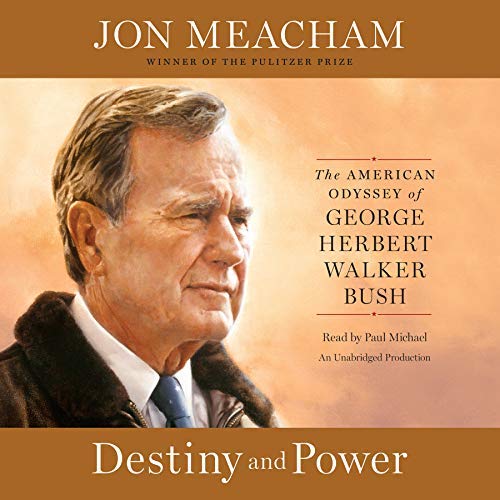


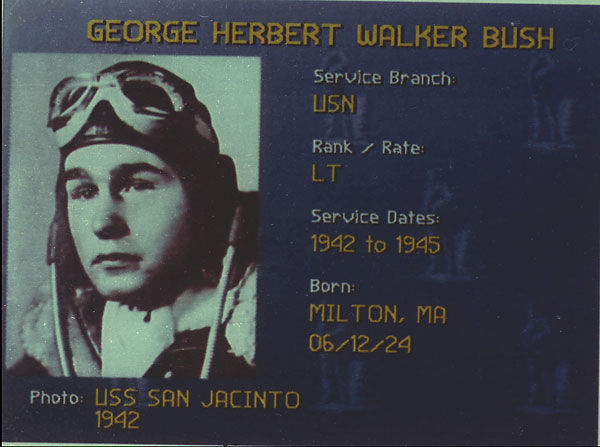


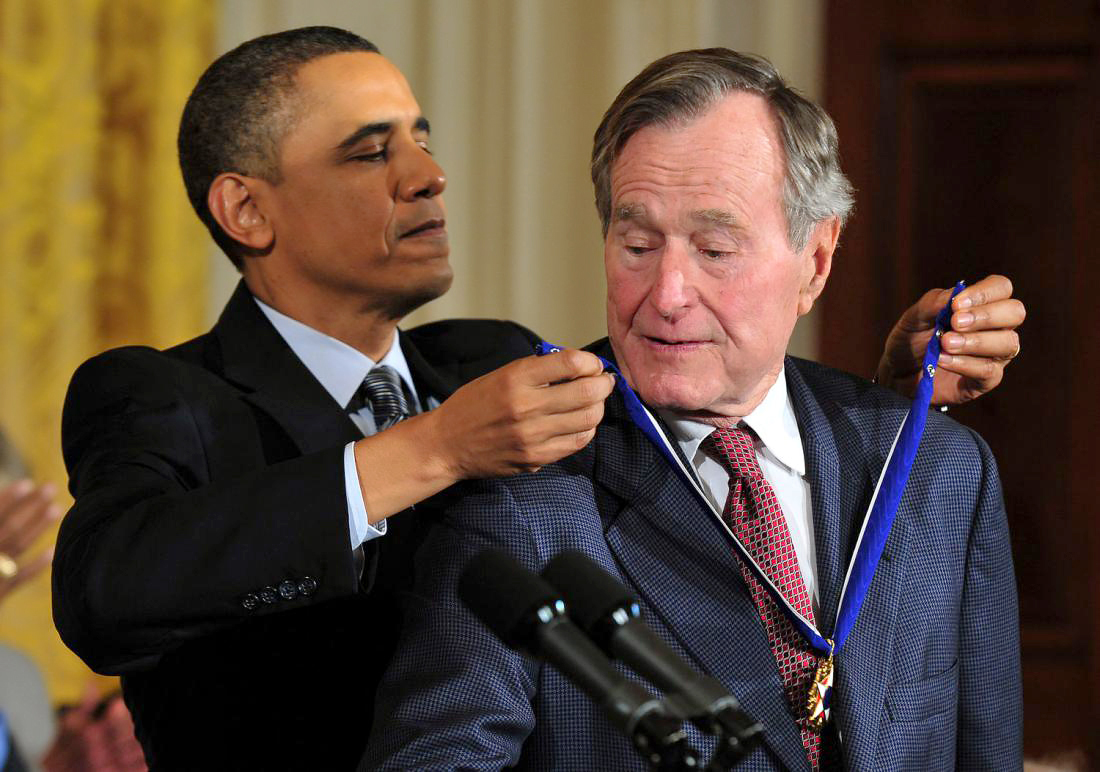

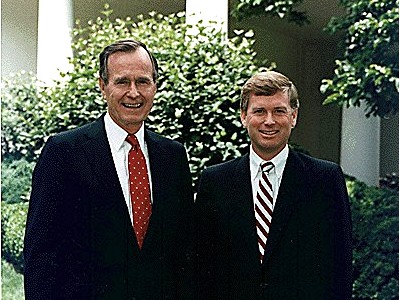
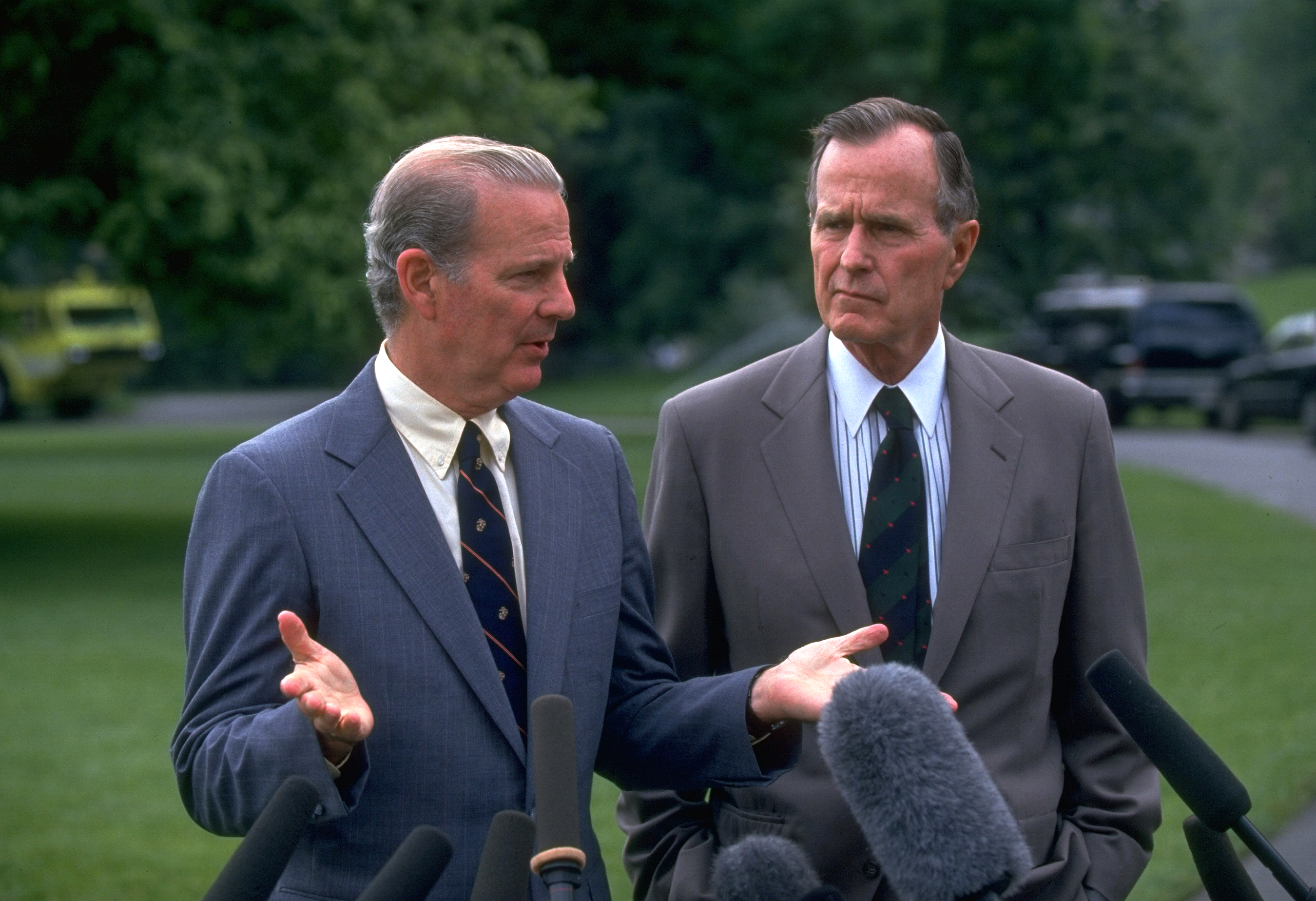



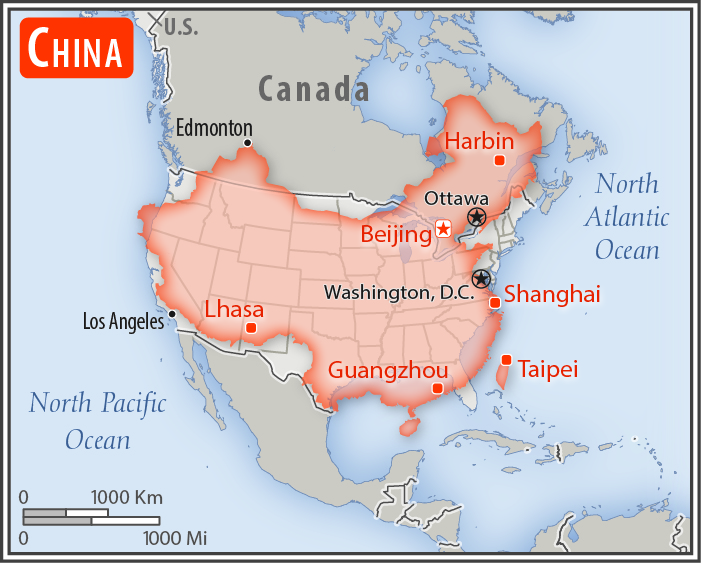


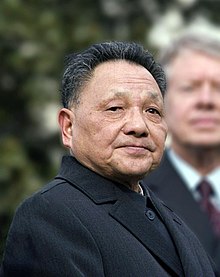

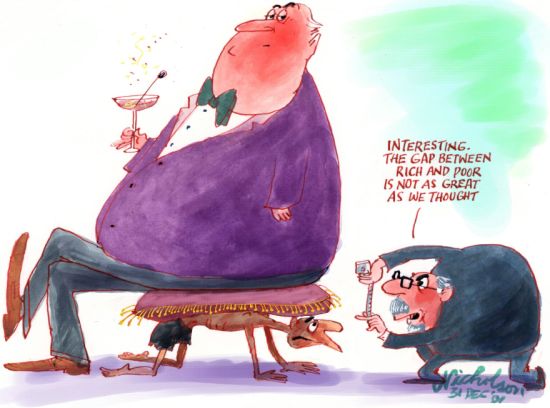


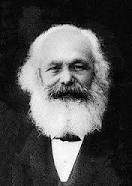
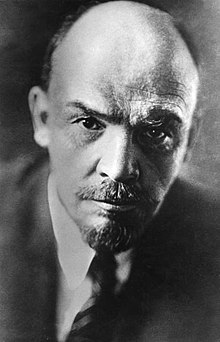
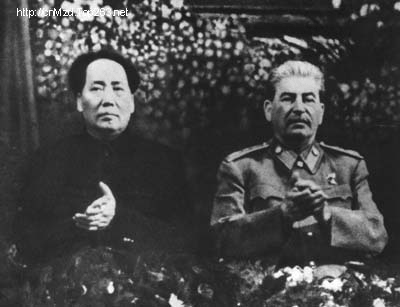
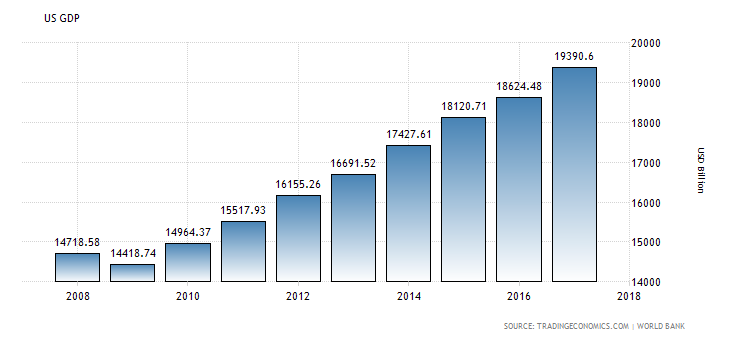

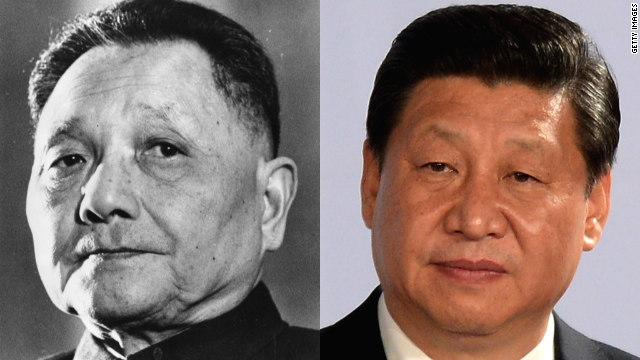

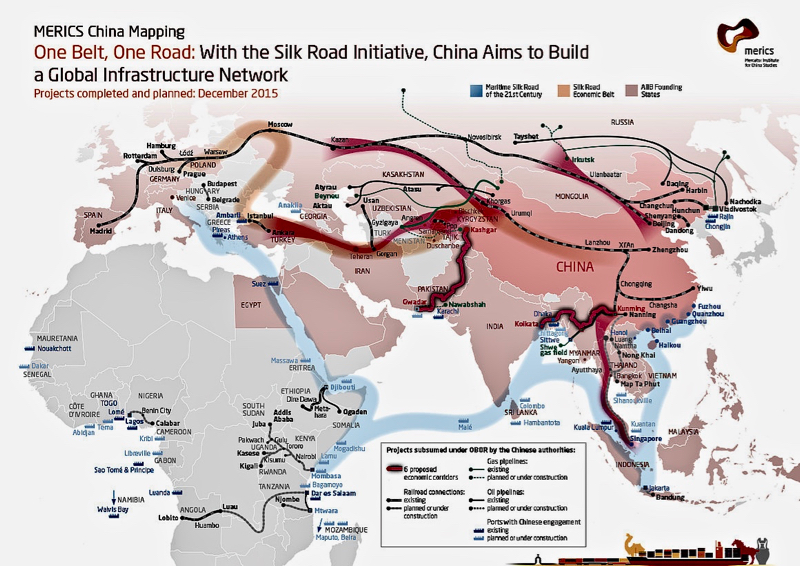


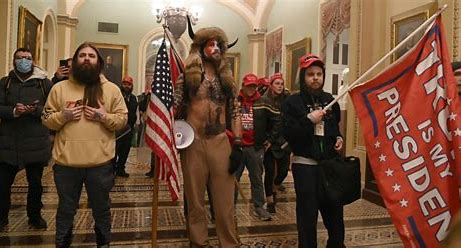

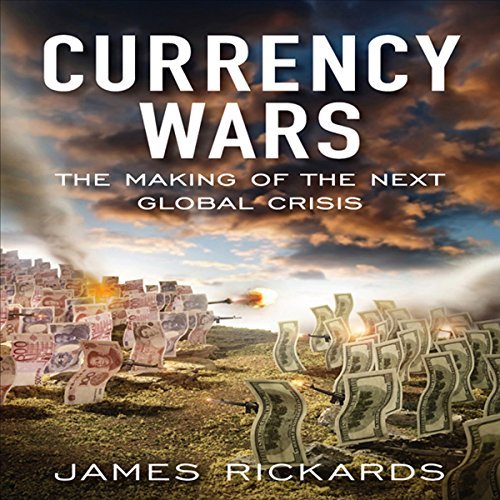


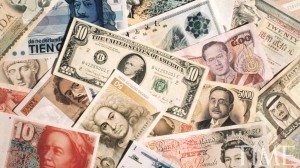
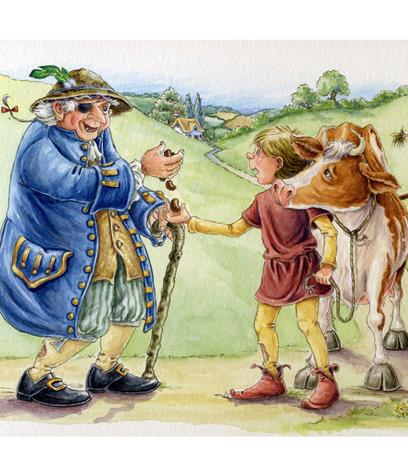


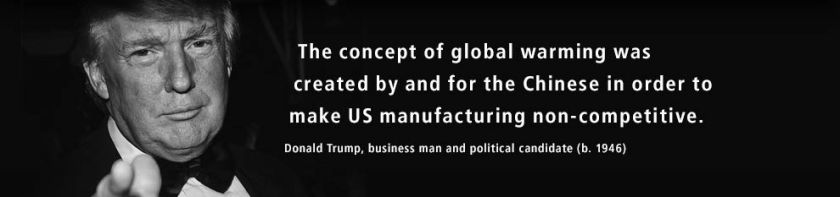
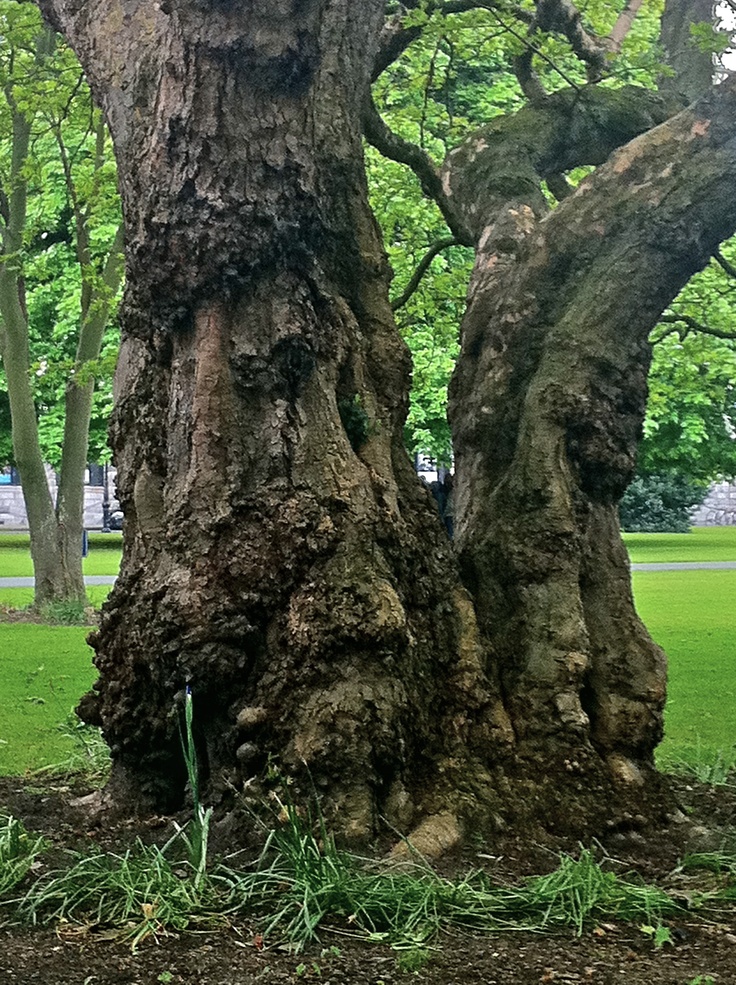
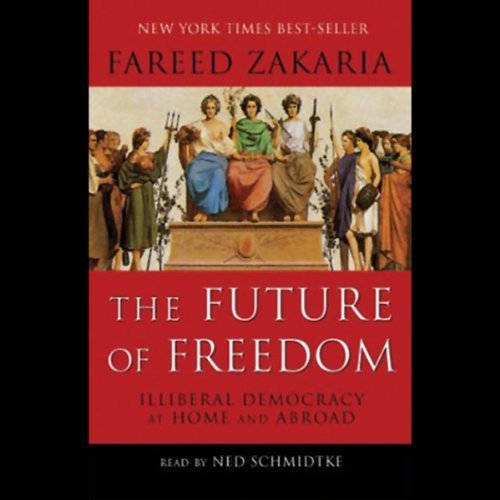



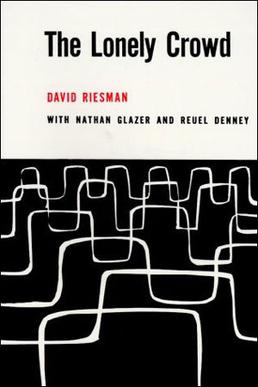
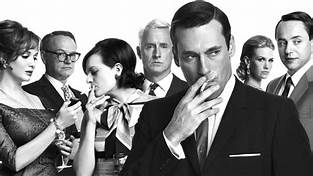
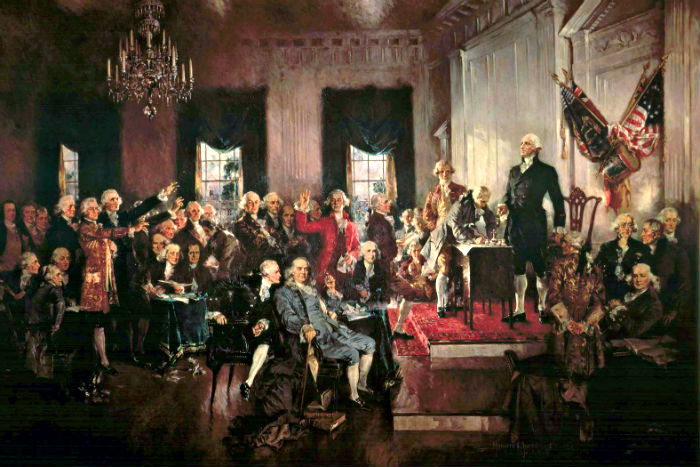

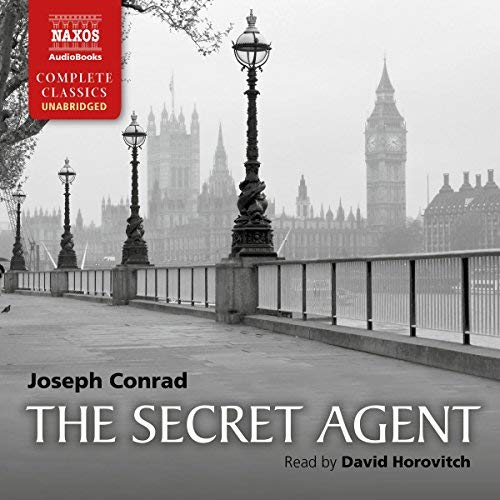
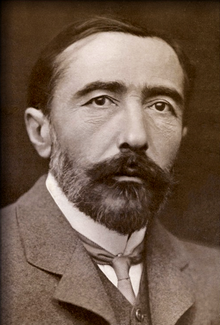
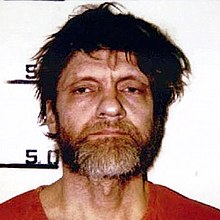
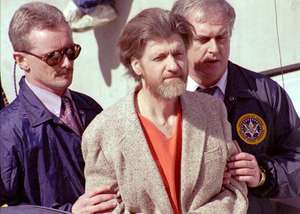
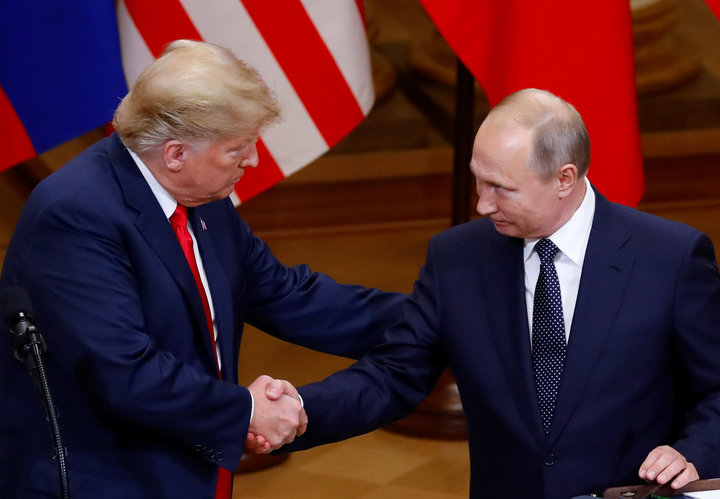
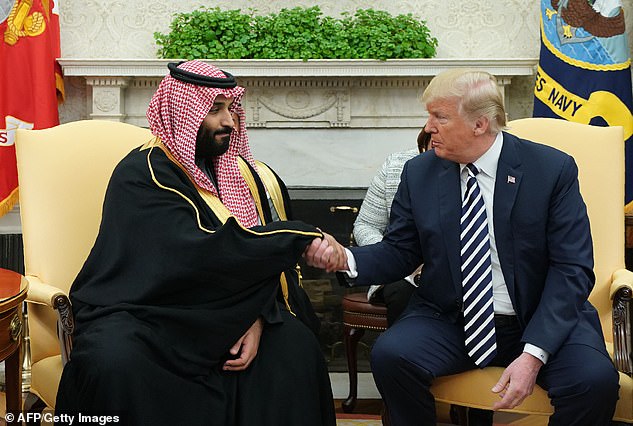


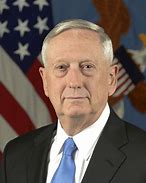
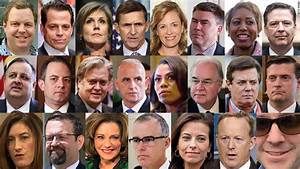


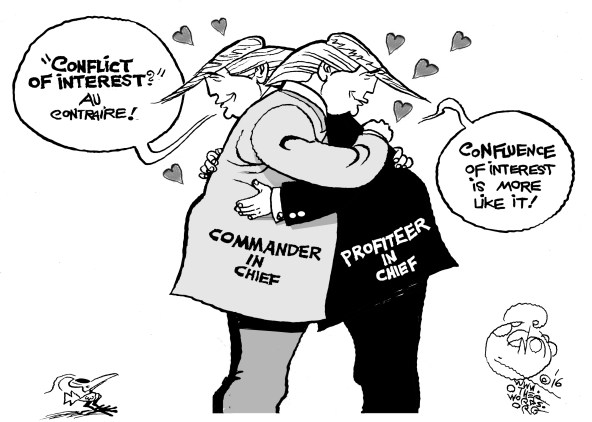
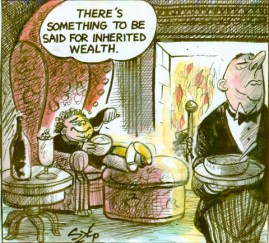
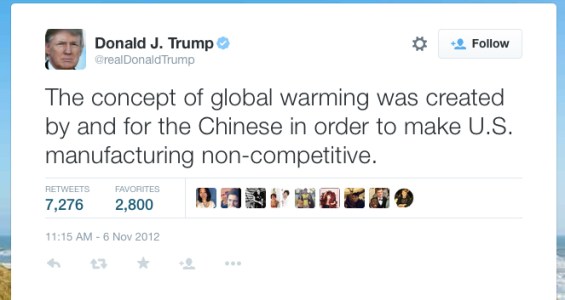




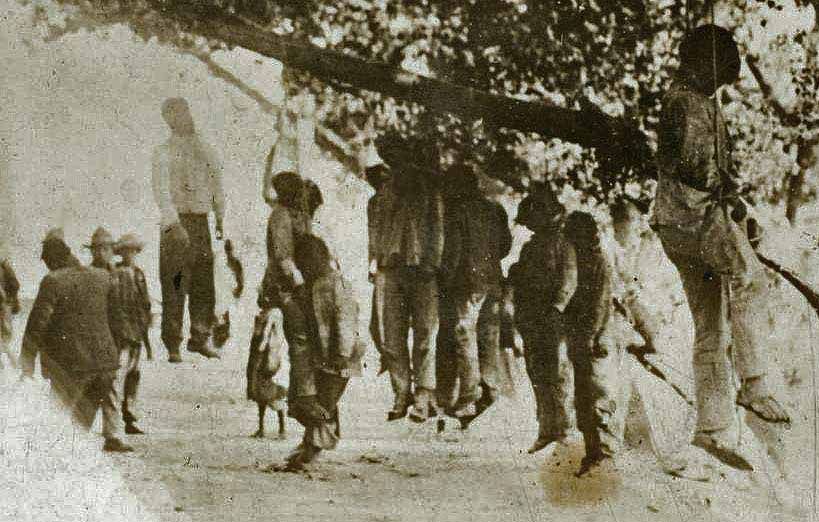


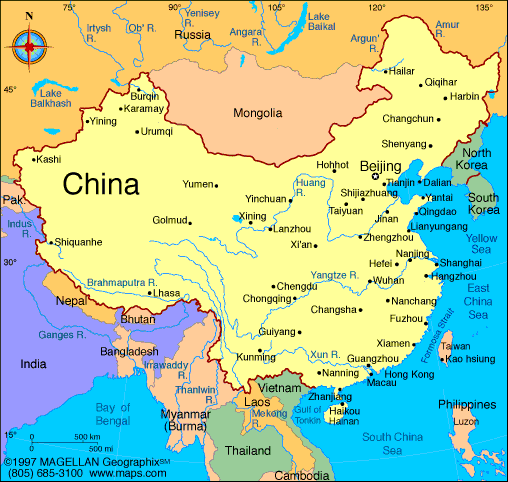
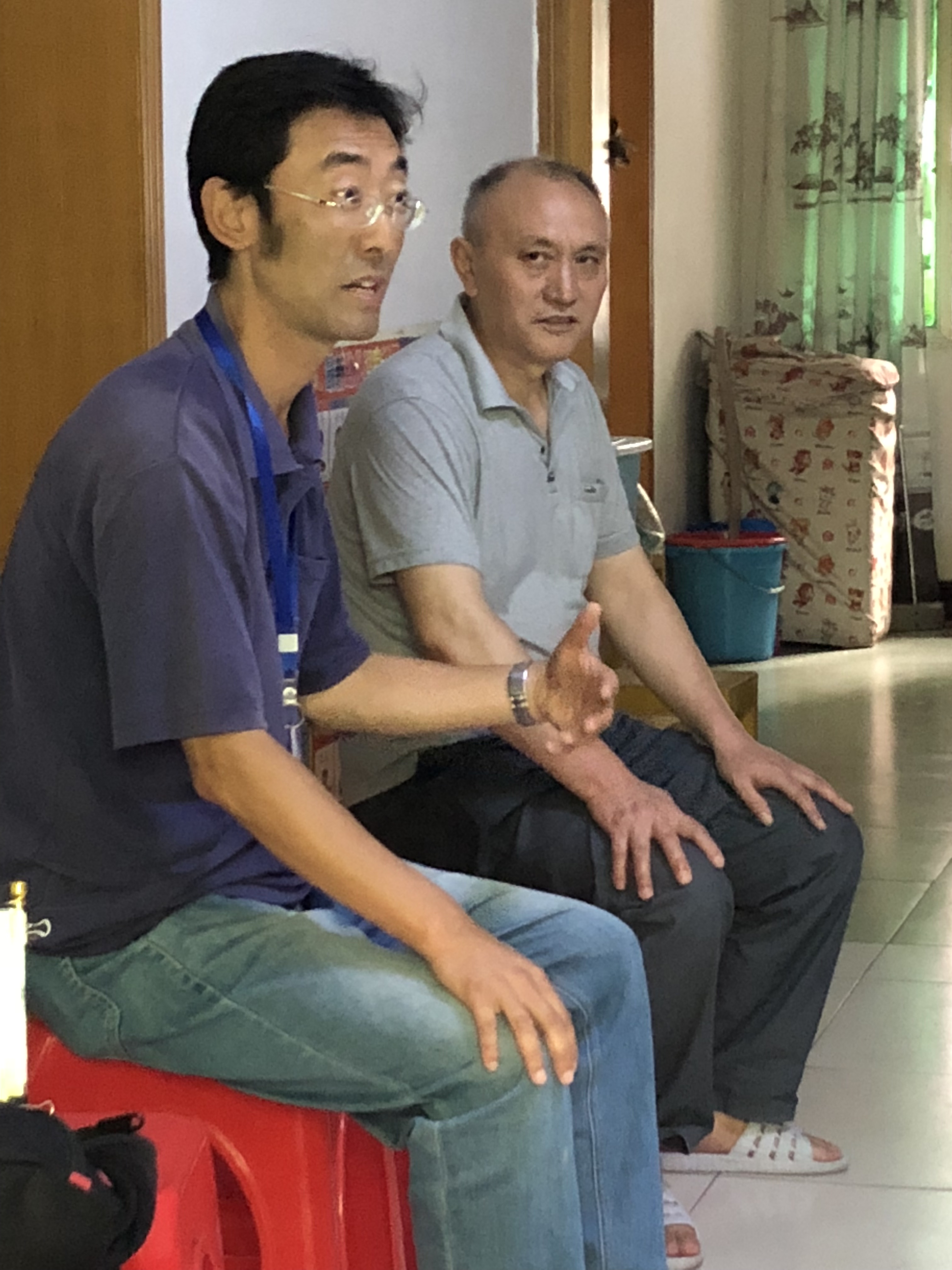

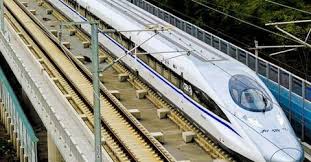


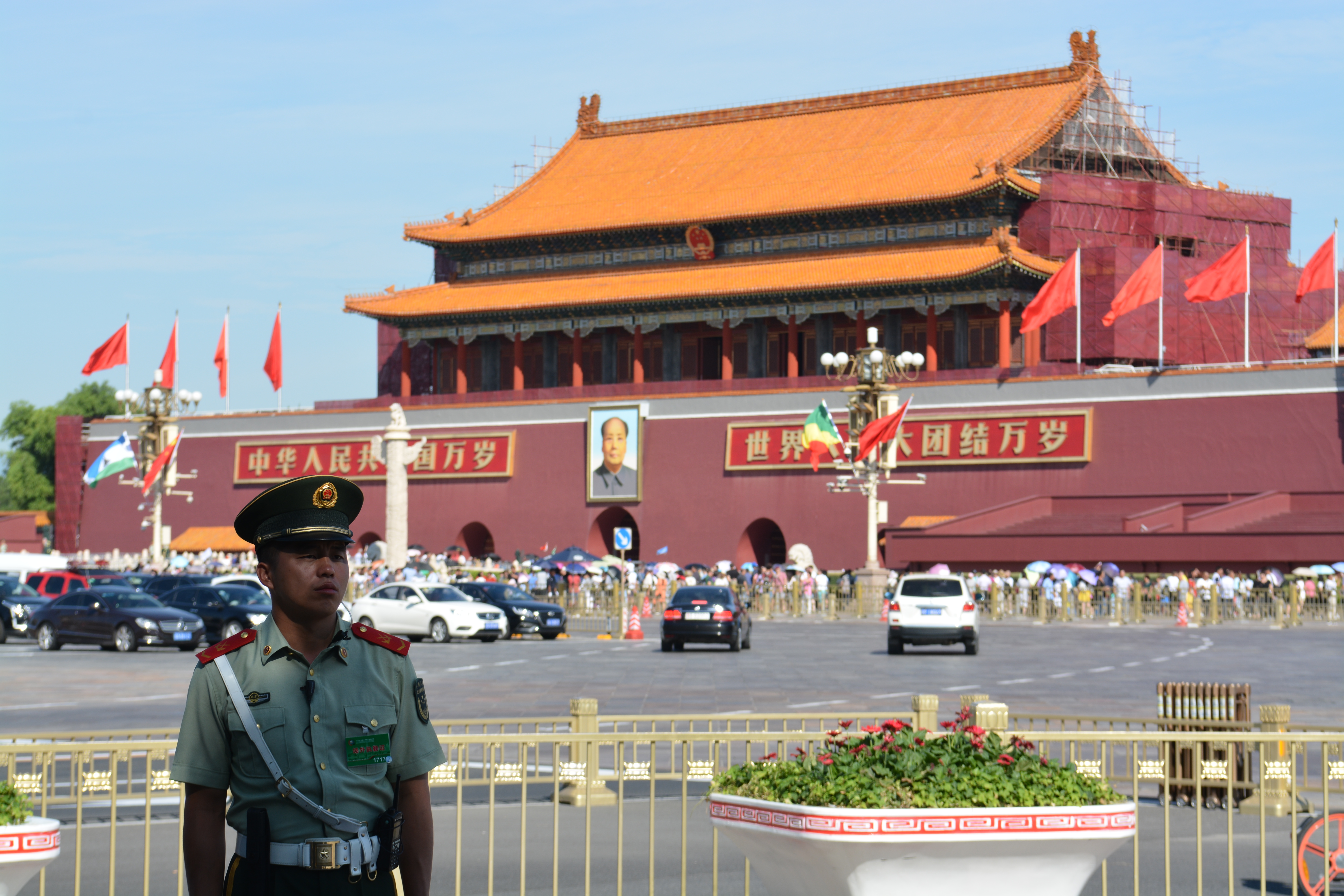


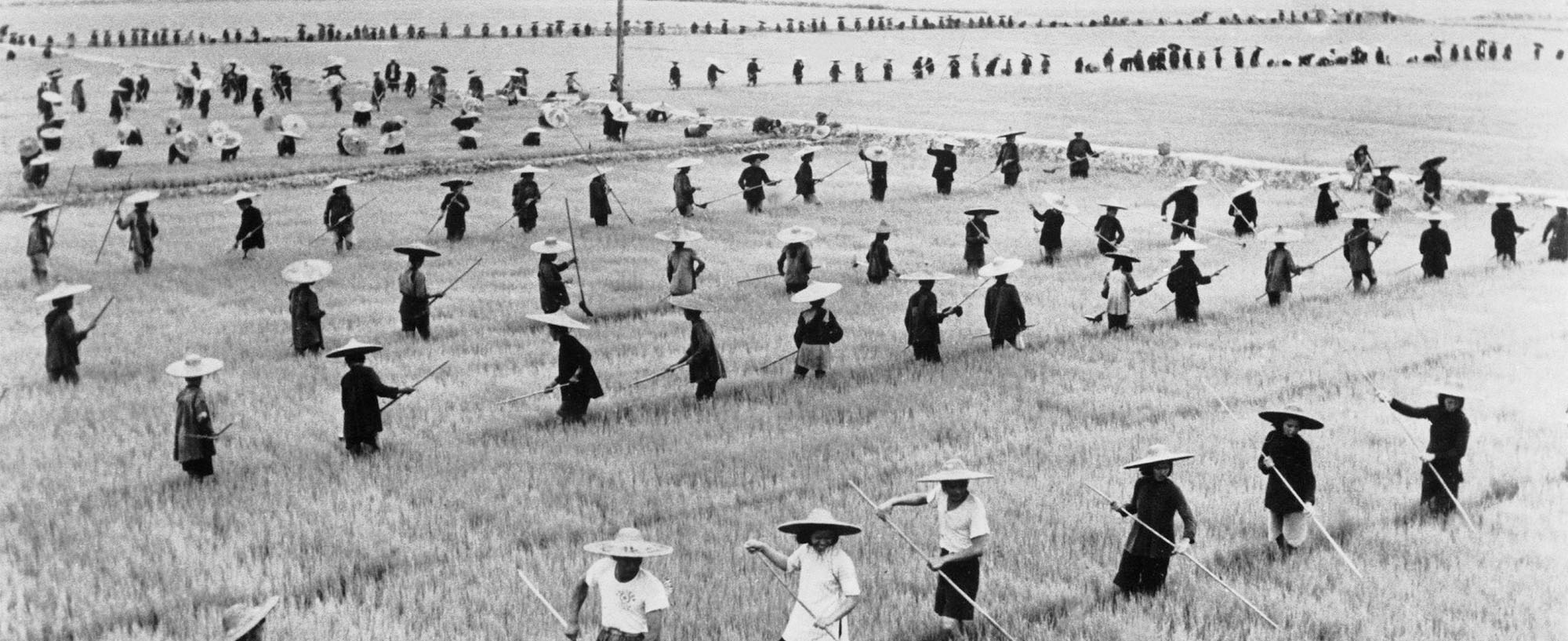
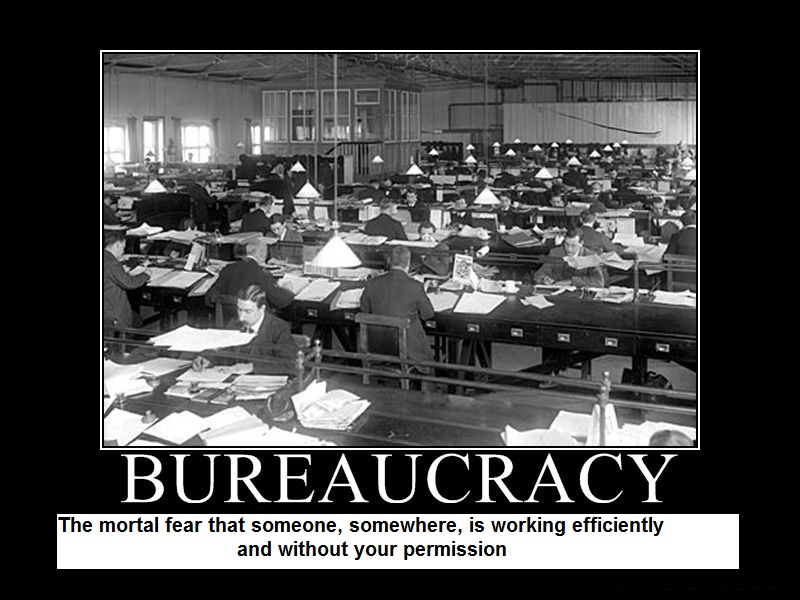


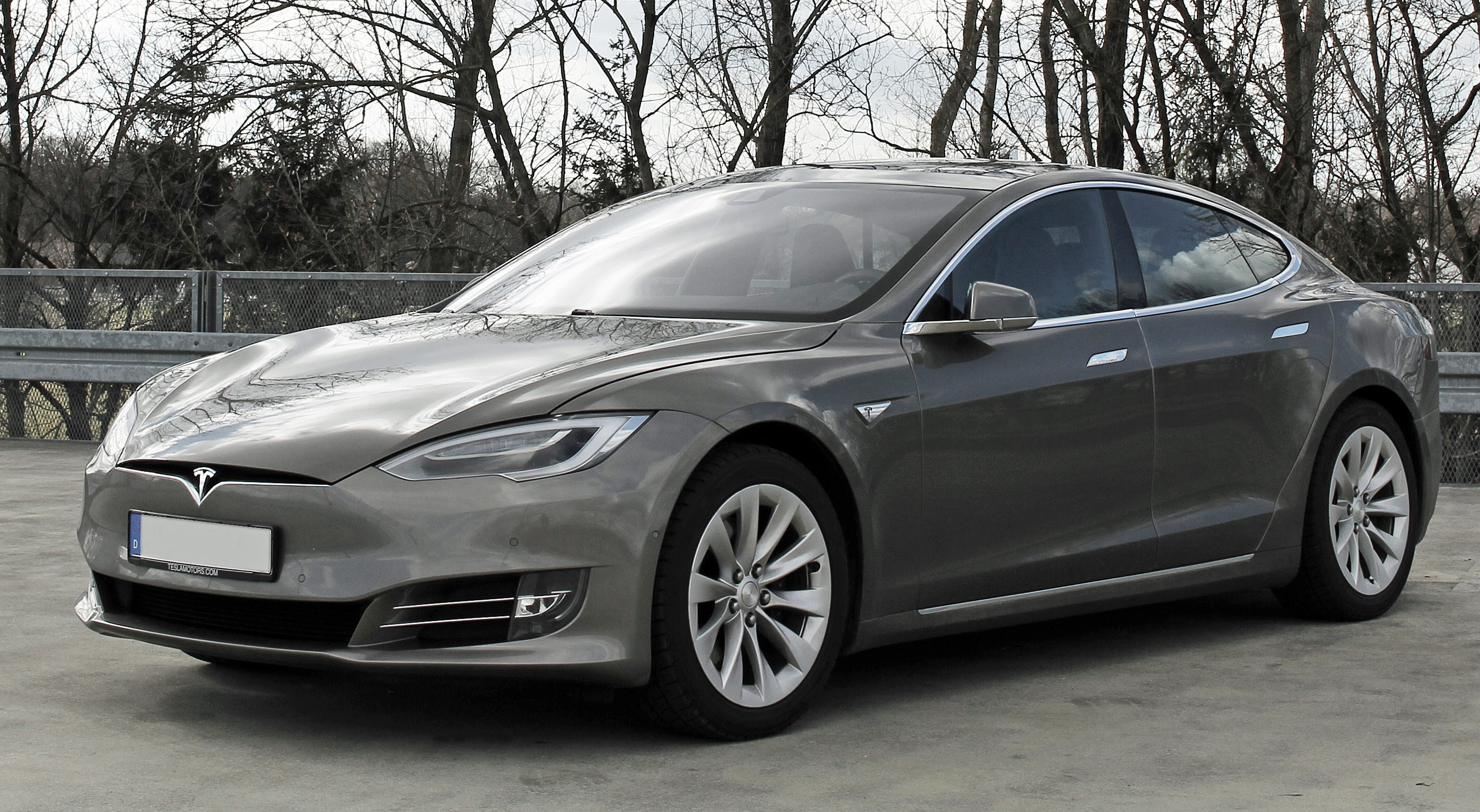



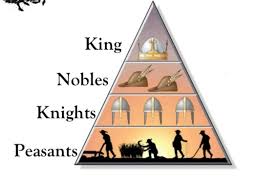

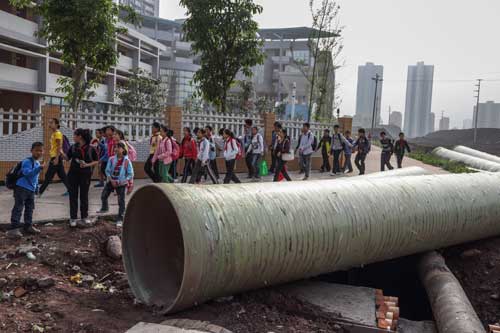

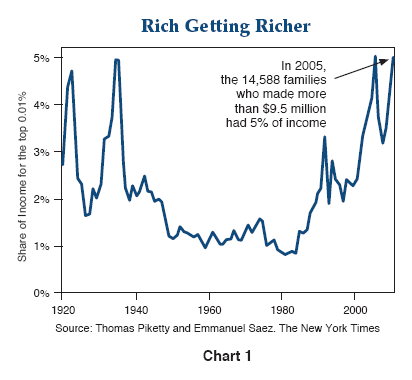

 REVIEWS AND VIEWS OF LIFE