FREEDOM’S HERO

Audio-book Review
 By Chet Yarbrough

(Blog:awalkingdelight)
Website: chetyarbrough.blog

Gorbachev (His Life and Times)

By: William Taubman

Narrated by Henry Strozier
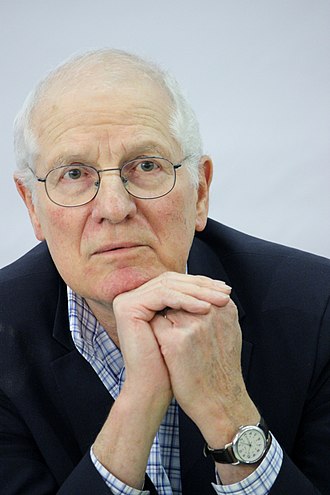
William Taubman (Author, Political Science professor at Amherst College, received 2004 Pulitzer Prize for Biography of Krushchev.)

The length of William Taubman’s audiobook requires a Gorbachev II review.  The first review addresses Gorbachev’s personal life.  The second reflects on Gorbachev’s political life.  Gorbachev’s life is suffused with great accomplishment and tragic failure. 

Georgy Malenkov replaces Joseph Stalin after his death in 1953.  Malenkov is believed to be a reformist who plans to reduce military spending and Stalinist suppression.
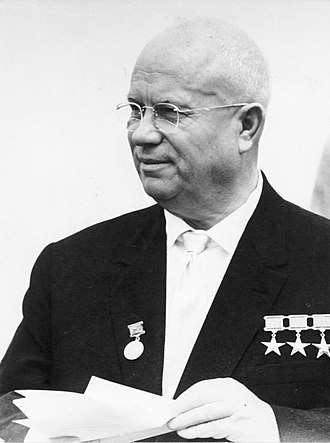
However, within weeks, Malenkov is pushed aside by Nikita Khrushchev who takes supreme power within two years of Stalin’s death.  Surprisingly, Khrushchev becomes something of a reformist himself.

Nikita Khrushchev (1894-1971, First Secy. of the Communist Party 1953-1964)


Stalin’s autocratic, paranoid leadership is semi-privately exposed by Khrushchev in a speech to the Central Committee of the Communist Party.  Khruschev’s vilification of Stalinist suppression, imprisonment, and murder eventually become known to the world.

The overriding concern of Russian leaders is to maintain suzerainty over Baltic nations and satellite territories in the face of ethnic and economic diversity.  Taubman notes older Russian leaders tend toward autocratic dictate to maintain political control.  The younger and more politically astute lean toward confederation of adjacent soviet republics and East Berlin with the U.S.S.R. as an umbrella organization.  Gorbachev is in the “politically astute” group.

Mikhail Gorbachev rises to chairman of the Communist Party and eventual President of the U.S.S.R., with the expressed intent of democratizing the Baltics, Russia, and East Berlin into a democratic socialist block.  However, ethnic, and cultural differences, accompanied by general economic failure, defeat Gorbachev’s unionist objective.

There is no question of Gorbachev’s success in democratizing U.S.S.R.’ citizens. 

However, in that democratization, the drive for independence becomes paramount to the satellite countries.  German reunification, and the breakaway of Baltic nations from the U.S.S.R. is inevitable.  Freedom, based on ethnic and cultural identity, surmount all efforts by Gorbachev to reinstate U.S.S.R. suzerainty.  Only by force could the U.S.S.R. prevail over state and territorial independence.  Taubman notes force is not within Gorbachev’s nature as a leader.
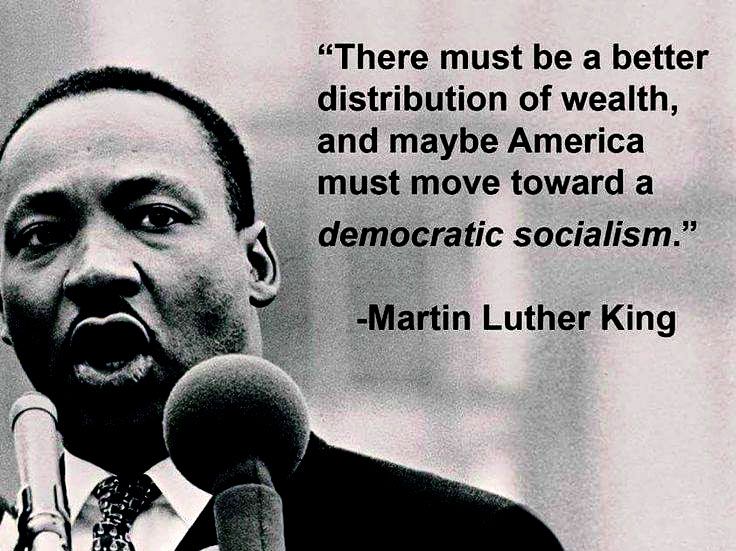
Once socialist democracy is dangled before the electorate, the die is cast.  Gorbachev’s governance could not provide enough economic stability to justify confederation.  That is his tragic failure.

Gorbachev’s immense success is liberating millions of former U.S.S.R. citizens.  With liberation, former citizens of the U.S.S.R. return to govern as citizens of their own countries.  This at a time of Reagan’s conservative government in the United States, and European distrust of U.S.S.R. militarization.  Taubman shows Gorbachev becomes an international hero based on his personality and persuasive power.  He is greeted as the great liberator of the twentieth century even though his primary objective is to retain those countries seeking freedom within the U.S.S.R.

Gorbachev raised the bar for nuclear disarmament by cultivating American and European participation in the reduction of nuclear weapons. 

Taubman explains Gorbachev is a tragic hero because momentum-of-change is halted by a cult of personality, compounded by economic insecurity.  Gorbachev is replaced by acting President, Alexander Rutskoy, after the 1993 constitutional crises. Rutskoy is replaced by a second acting President, Viktor Chernomyrdin. Boris Yeltsin succeeds Chernomyrdin as President in an overlapping term.

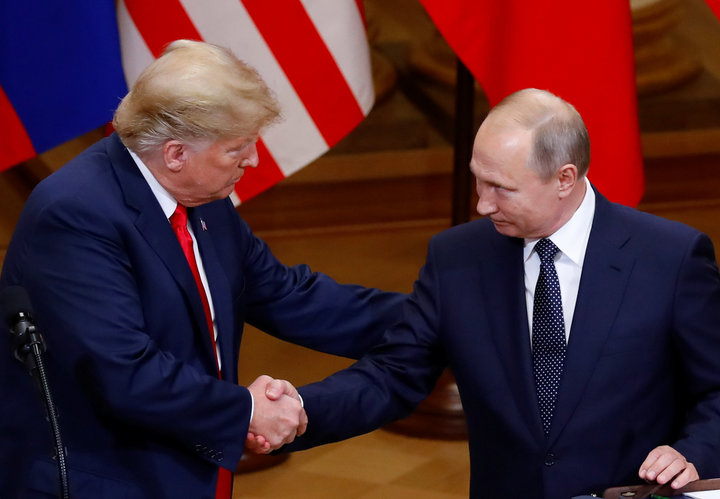
The Russian economy falters in its transition from communism to democratic socialism.  Russian history of “rule-of-one” reasserts itself with the rise of an incompetent President (Boris Yeltsin) and an autocratic but effective leader, Vladimir Putin.  However, Putin’s autocratic effectiveness is in question with the invasion of Ukraine.

Taubman suggests and infers Gorbachev’s success, and world history in general, are two steps forward with one step backward. Based on historical precedent of “one-man-rule” (dating back to czarist Russia) Taubman’s inference seems spot-on. 

Gorbachev flipped a switch that released the power of democracy but failed to provide adequate economic infrastructure to assure U.S.S.R. survival.  Taubman optimistically infers economic infrastructure of eastern bloc countries will improve overtime, even with autocratic leadership by people like Vladimir Putin. 

The growth of democracy has always been messy, but it moves forward in the face of temporary setbacks.  Spheres of influence will always be in play.   It seems a matter of time for another Gorbachev to make two more steps forward with a repeat of the next leader’s “one-step-backward”.  It appears in 2022, Putin makes that “one-step-backward” with the invasion of Ukraine. Taubman reminds readers of America’s trial in the civil war. Slavery is abolished but institutional racism remains a work in progress. The risk is that the world destroys itself before freedom and economic security become real for all.
MIDDLE EAST AGENDAS

Without understanding of foreign cultures and economic assistance for those victimized, world conflagration is an ever-present danger. One must ask oneself–how wise is it to use political policy, religion, or trade to victimize the poor and disenfranchised?

Audio-book Review
By Chet Yarbrough

(Blog:awalkingdelight)
Website: chetyarbrough.blog

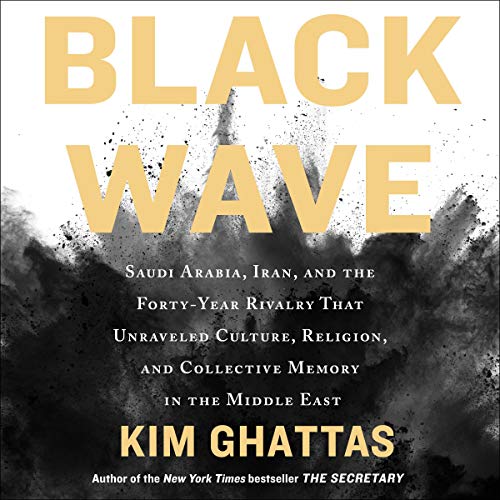
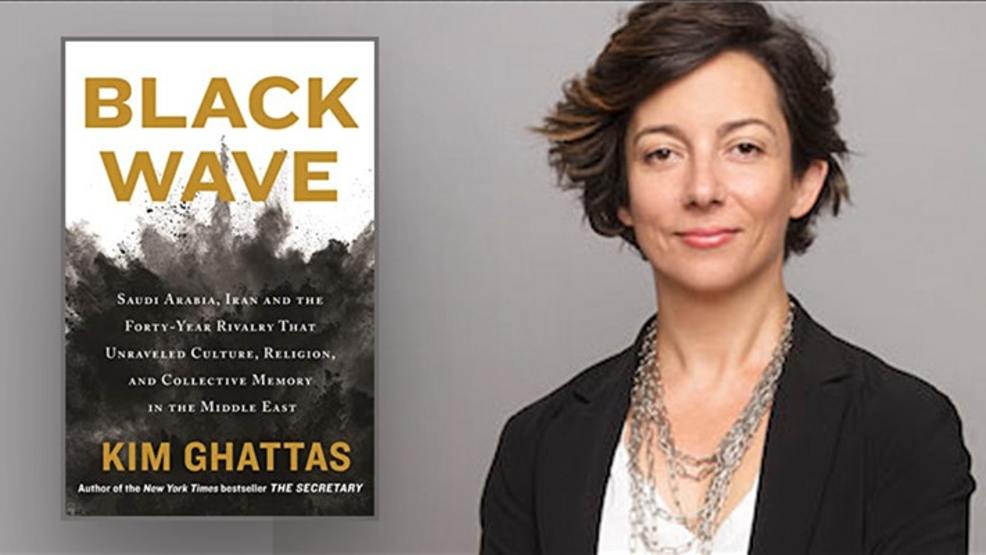
Black Wave (Saudi Arabia, Iran, and the Forty-Year Rivalry)

By: Kim Ghattas

Narrated by: Kim Ghattas, Nan McNamara

Kim Ghattas (Author, Dutch Lebanese Journalist for the BBC)

Kim Ghattas capsulizes the causes of cultural and religious conflict in the Middle East. Her complex explanation of politics in the Middle East shows the importance of religious freedom and the negative consequence of mixing religion in nation-state governance.  Ghattas’s intimate understanding and experience in the Middle East illustrates how ignorant America has been in confronting Middle Eastern leaders in their struggle for peace in their own countries.

“Black Wave” is a difficult book to summarize.  Some reader/listeners will conclude from Gattis’s book that the heart of Middle Eastern conflict is religious intolerance.  However, it is not religion itself but political leaders who distort religious belief for personal power that roils the world.  America has its own religious zealotry, but it is tempered by a political culture that demands freedom of religion, independent of political governance.  It does not keep American political leaders from distorting religion for their own agendas, but it tempers its potential for state acceptance of orchestrated violence.

Osama bin Laden used religion to justify his directed murder of innocents.  He sought political power at the expense of religion. 

Ghattas dances around America’s bungled effort to democratize the Middle East.  Some would argue Iran democratically elected an Imam to lead their country. Ghattas notes the Kingdom of Saudi Arabia clearly fears popularly elected leaders.

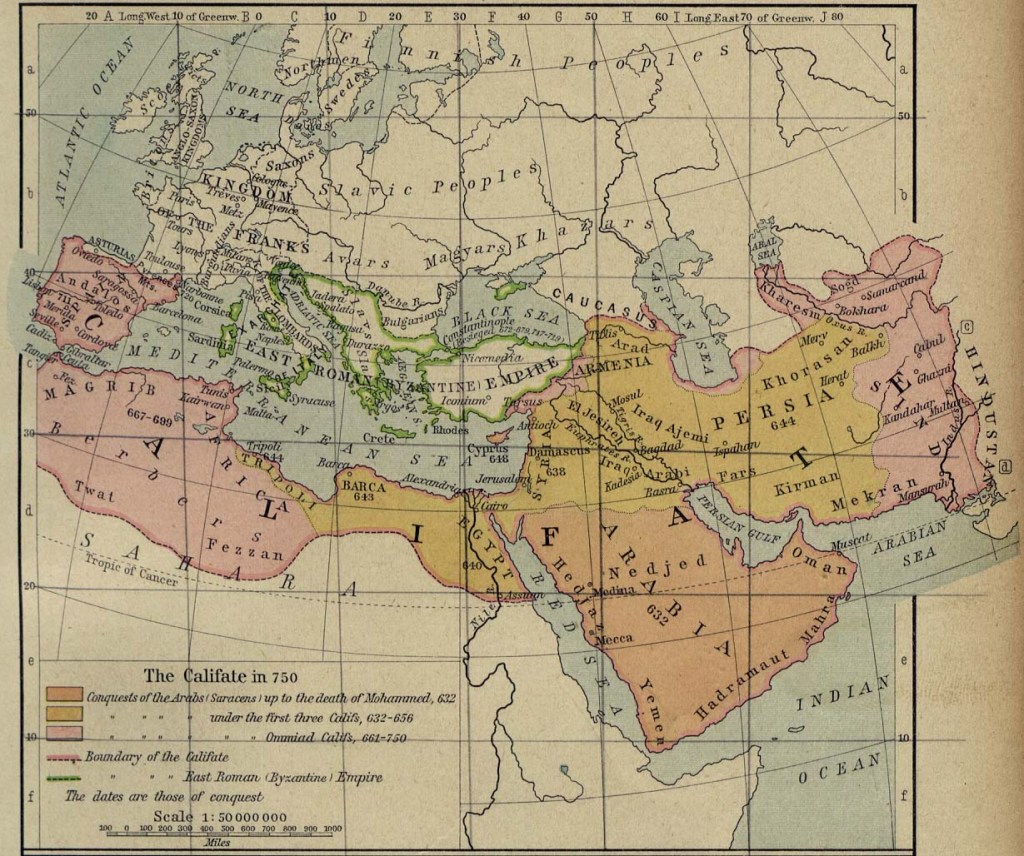
In ancient times, the middle east is known as Mesopotamia, the Arabian Peninsula, the Persian Empire, and Babylonia (Iran, Iraq, Syria, Turkey, Egypt, Afghanistan, Pakistan, and today’s Saudi Arabia). 

America’s self-interest has made many enemies in the Middle East.  America is a cultural and political baby in respect to the ancient cultures of the Middle East. The birth of the Islamic religion dates to 7th century in Saudi Arabia. 

As is true of all religions that have stood the test of time, the Islamic religion has broken into different factions that consider themselves Islamic but with different interpretations of their faith. 

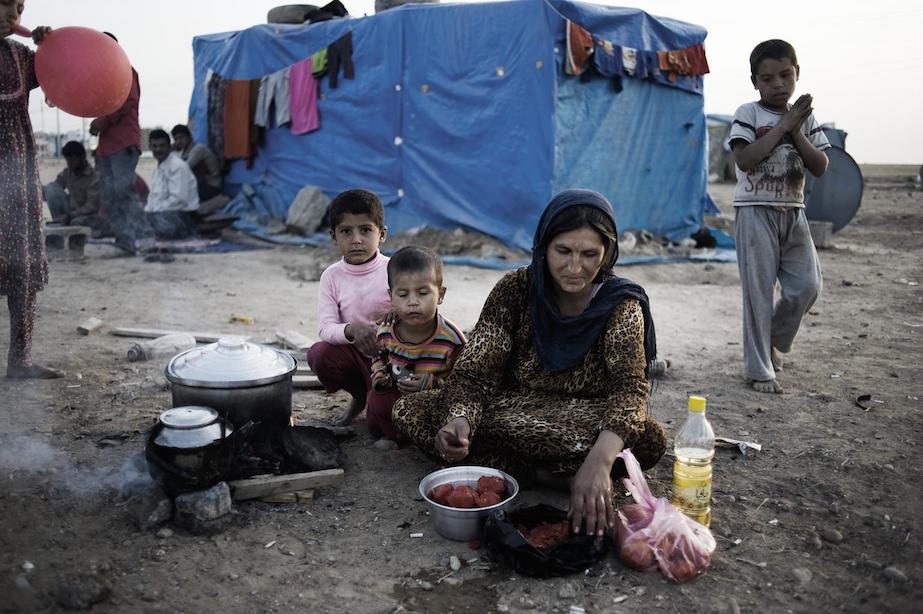
The added dimension of poverty, cultural identity, and economic inequality encourage belief in religion. A religious believer’s purpose in the world is to gain some peace in this world, with hope for eternal life in the next. Therein lies the source of much violence within and among all countries of the world. There can be little peace in a world where people are being indiscriminately murdered, starving and treated unequally.

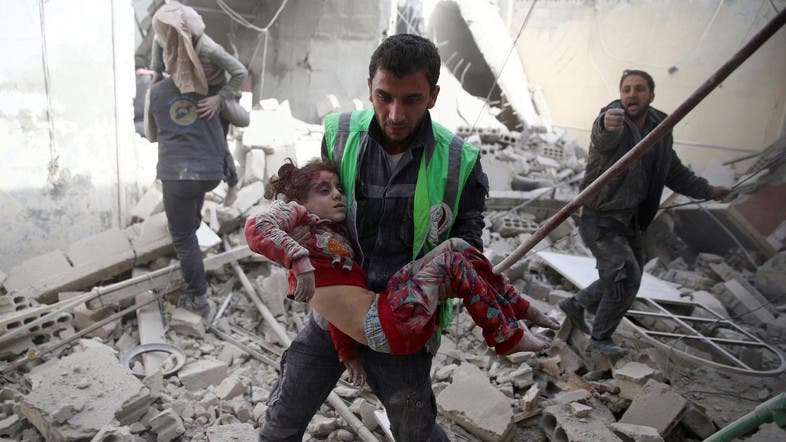
An example of how violent and unfair nations can be is Syrian leaders’ murder of its own people.

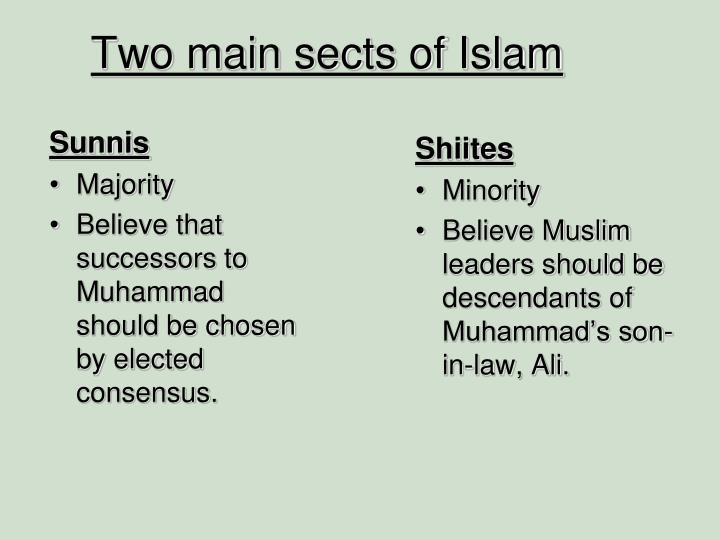
Ghattas explains there are two major versions of the Islamic religion in the Middle East.  One is Sunni, the other is Shite. 

The hegemon for the Sunni Islamic religion lies in several countries but its center of power is Saudi Arabia.  The center of power for Shite belief is Iran.  “Black Wave” recounts a history of both power centers and how they use religious belief to increase their influence and power in the Middle East.

 Ghattas argues religious interpretation is a tool used by Saudi Arabian’ and Iranian’ leadership to gain power and influence in the Middle East.  Ghattas infers the leaders of Iran and Saudi Arabia do not believe in peaceful coexistence but in hegemonic power.  They use the Islamic religion to maintain control of their power.  When state power is threatened, their leaders’ resort to interpretations of Islam that preserve their control. 

Citizens of any country may be murdered by zealots, domestic terrorists, or foreign invaders. Leaders seeking power care little for those who believe in an afterlife or the luxury of their current life as long as they are obedient servants of the state.

Ghattas recounts many examples of Middle Eastern leadership that show little concern for their citizens, e.g., Saudi Arabia’s murder and dismembering of Jamal Khashoggi, Syria‘s gassing of Syrian citizens, and Iran’s imprisonment and torture of citizens who choose not to follow political leaders’ interpretations of the Koran.

 Ghattas’s book implies the consequence of American ignorance of Islamic beliefs victimizes the poor, powerless, and disenfranchised.  A western country that does not understand the subtlety of religious beliefs in the Middle East has little influence on the course of events.  With a better understanding of Islamic faith and how it is being used by Saudi Arabia and Iran, there is some hope for peace. 

Understanding and acceptance of those who fervently believe in a religion, along with economic opportunity for those who are victimized by hardship and/or violence, offers some hope for peace.  Without understanding of foreign cultures and economic assistance for those victimized, world conflagration is an ever-present danger. One must ask oneself–how wise is it to use political policy, religion, or trade to victimize the poor and disenfranchised?

POLITICAL LEADERS

Audio-book Review
By Chet Yarbrough

(Blog:awalkingdelight)
Website: chetyarbrough.blog

A Christmas Carol

By: Charles Dickens

Narrated by Sir Derek Jacobi, Kenneth Cranham, Roger Allam, Brendan Coyle, Miriam Margolyes, Time Mcinnerny, Jamie Glover, Emily Bruni, Jenna Coleman, Joshua James, Hugh Skinner

Charles Dickens, Author.

Dickens appeal in the 21st century is magnified by economic change.

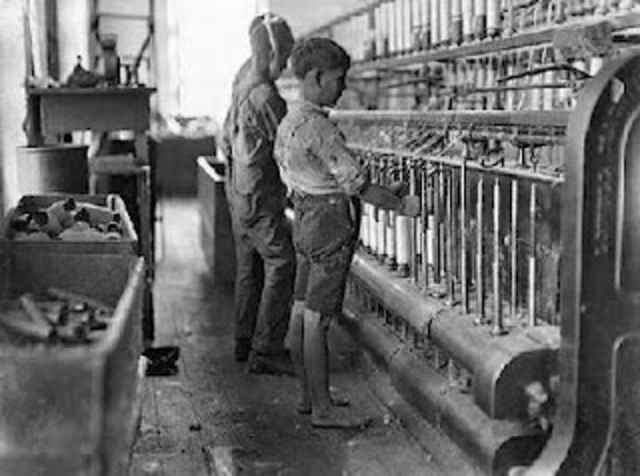
The industrial revolution, like the tech revolution, put people out of work. In Dickens’ time, Great Britain’s and the world’s industrial growth demanded change. 

Today’s tech revolution demands the same.  The change required is different in one sense and the same in another.

The industrial revolution occurred in a time of scarcity while the tech revolution takes place in a time of abundance.  Both revolutions require training for new kinds of jobs.

Smog plagued Great Britain as it grew in the18th century. 

(This is smog in today’s Beijing.)

Dickens is born in 1812 and dies in 1870.  He witnesses and writes of the squalor that existed in London during his adult years.  “A Christmas Carol” is one of many stories he wrote that reflects on the human cost of economic change.

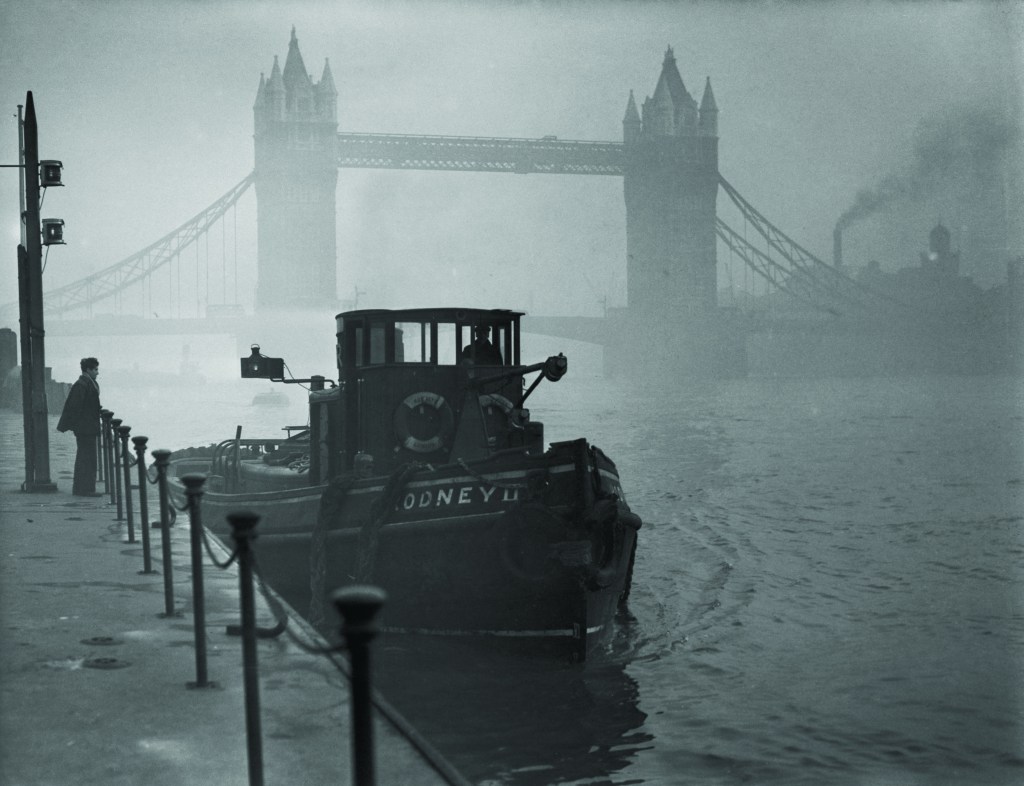
London fog 1952

In 1952, the streets of London were enveloped in a fog caused by coal used for domestic heat and industrial production. 

An incident of London fog in the 20th century is comparable, on a local scale, to the world’s pollution crises today.  An estimated 4,000 people were said to have died, with 100,000 made ill because of unusual windless conditions in that year. 

Today, air pollution is compounded by global warming. 

“A Christmas Carol” is a reminder of the damage world leaders can do by ignoring the plight of those who are most directly impacted by economic change.  Too many American leaders are acting like Ebenezer Scrooge and Jacob Marley by ignoring the Bob Cratchit s and Tiny Tim s of the world. 

For those who may not remember, Scrooge and Marley were capitalists who believe all that matters in life is personal wealth.  Marley comes back as a ghost to offer Scrooge a picture of past, present, and future Christmases, based on how he lives the remainder of his life.

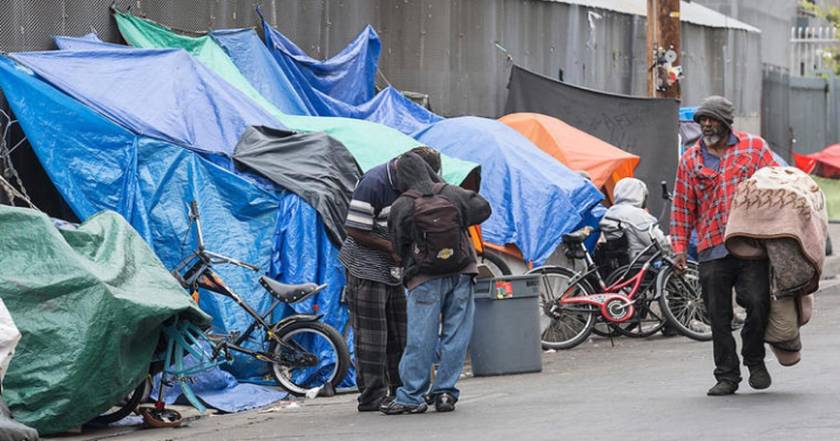
Todays’ political leaders are in Jacob Marley’s ghostly presence with a chance to change the future for the Crachits, Tiny Tims, and wage earners of the world.  The world needs leaders who are not blinded by the allure of money, power, and prestige at the expense of the jobless, homeless, and disenfranchised.

NO EXIT

Audio-book Review
By Chet Yarbrough

(Blog:awalkingdelight)
Website: chetyarbrough.blog

On the Run, Fugitive Life in an American City

By: Alice Goffman

                                                         Narrated by : Robin Miles

Alice Goffman (Author, sociologist.)

“On the Run” is a picture of life in a low to no income inner-city neighborhood in America.  Its focus comes from a white sociologist’s immersion in black families lives. 

Alice Goffman chooses to live with a black family to create an intimate portrait of life as a black youth in a poor inner-city neighborhood.

What Goffman finds is that young black Americans are taught by older siblings to distrust and evade the police.  Older siblings have experience with living in a neighborhood with few jobs, a lot of time, and limited legal economic opportunity.  The way of making a living is to deal drugs, steal from the few neighbors that have anything, and run from anyone who can accuse or arrest a fugitive for breaking the law. 

Once the law is broken and a perp is caught, arrested, indicted, and convicted, Goffman explains “a record” makes running the only way to survive.

Goffman explains running, to many born in this environment, entails lying about your name, where you are going, who your family and friends are, and where you stay at night.  The reason is that who you know, and where you sleep makes you vulnerable to the police or anyone searching for you.  A good policeman will ask questions and take notes on everyone he/she talks to about someone they are looking for in the neighborhood.

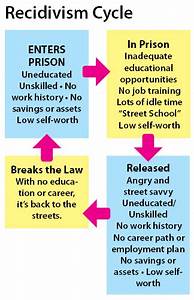
Those who get caught for a crime are trapped in a circle of arrest, incarceration, bail, parole, non-payment of fines, re-arrest, more incarceration, more unpaid fines, and re-arrest.

This systematic recycling of arrest and release is maddening and disturbing to reader/listeners of Goffman’s book.  On the one hand you have people committing crimes against other people and on the other you have law enforcement doing its duty to reduce crime.

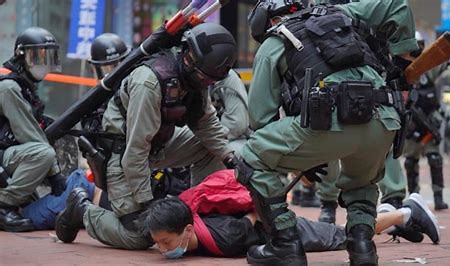
This disturbing picture with “no exit” is accompanied by physical restraint, twisted arms, and face plants on pavement, bare floors, and carpet  that reinforces fear and hate between police and the public.  

Most Americans do not see this cycle of madness.  Those within the madness see it only as a way of life.  To political conservative and liberals, the answer is law enforcement, education, and job creation.  To a low-income/no-income neighborhood boy or girl, law enforcement is a recycling dead end, and education, or legal employment are either not available or poorly provided.

All that is remaining in these neighborhoods seems to be personal relationships.  Mother’s love their children, fathers are in jail or on probation, boys have guarded relationships with everyone and no one, girls are left to look after the next companion that offers escape from loneliness.

Goffman offers a dismal picture of life in big city poor neighborhoods that recycle themselves with little hope for those seeking a better life.

CENSORSHIP

Audio-book Review
By Chet Yarbrough

(Blog:awalkingdelight)
Website: chetyarbrough.blog

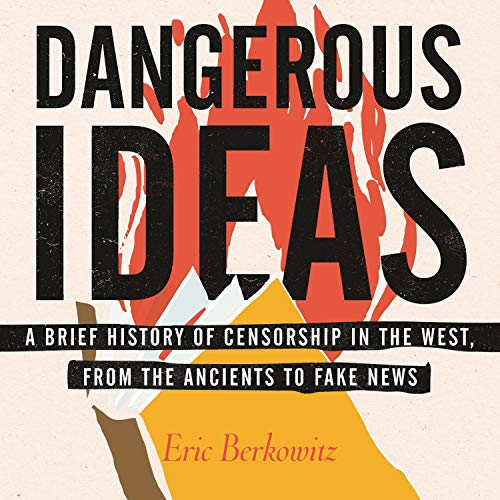
Dangerous Ideas (A Brief History of Censorship in the West, from the Ancients to Fake News

By: Eric Berkowitz

Narrated by: Tim Campbell

Eric Berkowitz (Author, human rights lawyer and journalist

Eric Berkowitz recounts the history of free speech and censorship.  His history infers censorship is a misdirected waste of time.  Berkowitz argues freedom of speech is unstoppable.  Even in the most repressive governments in history, citizens have exercised freedom of speech. 

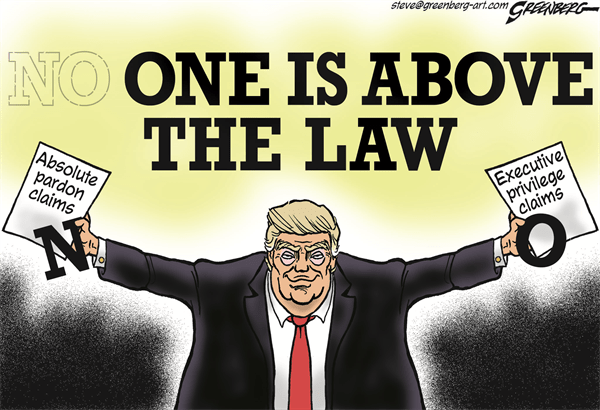
Berkowitz recounts many who chose to exercise free speech that were exiled, tortured, dismembered, maimed, or murdered.  However, these free speech martyrs insist on having their say. That seems Trump’s justification for suing Facebook and Twitter.

Pundits suggest Trump has no chance of winning his suit against Facebook and Twitter–Berkowitz’s presumed response would be “who cares?”

The fundamental point made many times in Berkowitz’s history is that censorship does not work because there is always someone who is willing pay any price to say what they think must be said.  Berkowitz offers many historical examples of why free speech is a confusing and difficult problem. 

Free speech can spread both truth and lie.

One of Berkowitz’s answers to the conundrum of free speech is that more freedom allows each listener to choose what they wish to believe.  Problems arise when freedom of speech offers lies as truth and misleads the public. 

White supremacism lies and Covid19 falsehoods have historically destroyed lives. 

In every country of the world, free speech is unstoppable because it is controlled by the few, not the many.

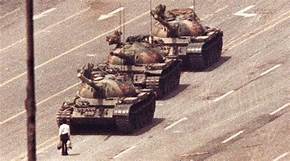
Listening to Berkowitz’s history vivifies a trip to China in 2019.  A guide, presumably at some risk to himself, took our small group into a private room to remind us of China’s response to the idea of free speech in Tiananmen Square . 

Our guide reminded us of one protester who moved in front of a Chinese tank whenever it tried to change directions.  The guide explained the “tank man” (who was never identified by name) was arrested, and never heard from again. 

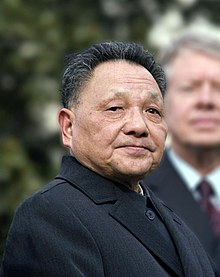
At the direction of President Deng Xiaoping, 300,000 troops were mobilized to stop a demonstration by Chinese students.  China’s soldiers fired on college students and friends who were demonstrating their belief in free speech.  An unknown number of Chinese citizens (some say hundreds, others say thousands) were murdered at the direction of government leaders.  Our 2o19 Chinese guide was exercising his right of free speech by reminding us of what happened on June 4th, 1989.

Government is the first seat of control for free speech.  However, that first seat is diminished by singular economic interests, political interests groups, and fringe propagandists. 

The rise of newspapers, radio, and television focused and expanded the principle of free speech.  Economic interests influence these early platforms but with a more limited threat and benefit to society.

Facebook, Twitter, YouTube, and the blogosphere have widened the principle of free speech and significantly increased potential public threat and benefit. 

In the age of newspapers, radio, and television, government controls were explicitly legislated but in the internet age control is hidden in platform algorithms.  Government may still have the first seat of control, but media moguls have usurped legislated government censorship.

Berkowitz offers no answers.  He only reveals the complexity of freedom of speech.  He suggests freedom of speech is an essential ingredient of a just society.  However, at the heart of free speech is economic interest. Free speech is secretly used to distort truth and sometimes incite violence. 

Whether it is a newspaper reporter told to revise an article that criticizes corporate advertisers or a discloser of government secrets there is societal threat.  Even more pernicious is the Amazon, Facebook, or Twitter executive who orders a coder to increase customer clicks for corporations that pay more for advertising.  And then there are the media trolls who distort the truth, lie, or incite violence to increase click count with no regard to consequence.

Freedom of speech is “…a riddle wrapped in an enigma” (a Winston Churchill quote about Stalinist Russia). Freedom of speech is a two-edged sword, a tool for truth building leaders and liars. Truth building offers peace; lies offer Russian Ukrainian wars.

AMERICA AND CHINA

Audio-book Review
By Chet Yarbrough

(Blog:awalkingdelight)
Website: chetyarbrough.blog

Red Flags

By: George Magnus

Narrated by : Derek Perkins

George Magnus (Author, UBS Economist, International Banker, Globalist.)

As a former UBS economist and Associate at the China Centre at Oxford University, Magnus studied economic progress in China. He has acted as an adviser to asset management companies that dealt directly with China.

George Magnus develops a cogent argument that illustrates differences between American and Chinese economic strengths and weaknesses.

Magnus develops his analysis by recalling the history of China. He recounts a country ruled by authoritarian Emperors, a nationalist dictator (Chiang Kai-shek) and communist revolutionaries (Mao and Deng Xiaoping). He then offers an analysis of the revisionist leader, President Xi Jinping.

After Mao’s death Deng Xiaoping chose to expand; some would say re-envision, Mao’s version of communism.

Deng continued centralized party control but recognized the value of private enterprise in meeting GNP goals. Deng’s theory of communism is exemplified by his comment that “It doesn’t matter if a cat is black or white; as long as it catches mice, its a good cat.”

Deng still believed in a controlled or “planned economy” but opened the door to private enterprise. The results speak for themselves.

However, Magnus notes that Xi is returning to a more ideological form of communism. The cat has to be more of one color. Xi re-emphasizes party’ planned control of the economy. Magnus suggests this is a red flag portending economic trouble.

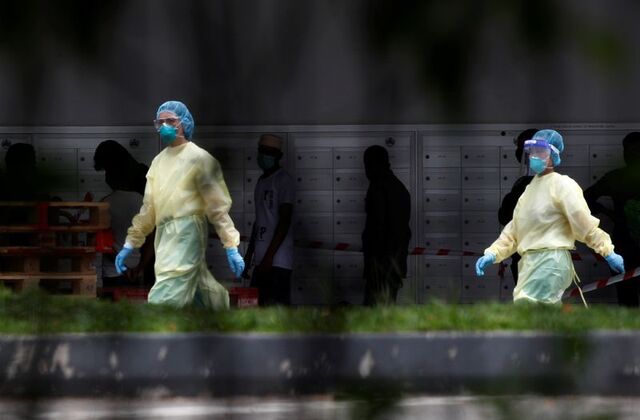
Ordered isolation of Singapore’s residents tests Xi’s autocratic economic style of government. The economic impact of China’s command economy remains to be seen. Though America has dealt haphazardly in its response to Covid19, China’s actions may fare little better.

Singapore Confirms 528 New Coronavirus Cases. (China isolates Singaporeans in their homes, severely compromising economic activity.)

Magnus explains the growing importance of State Owned Enterprises (aka SOE’s) is raising China’s debt. Magnus argues Xi’s focused attention on increasing GNP is a red flag because of its negative economic impact on a burgeoning middle class. The middle class is earning less even though GNP continues to rise.

Magnus explains China’s middle class is not proportionately benefited by an increasing GNP.

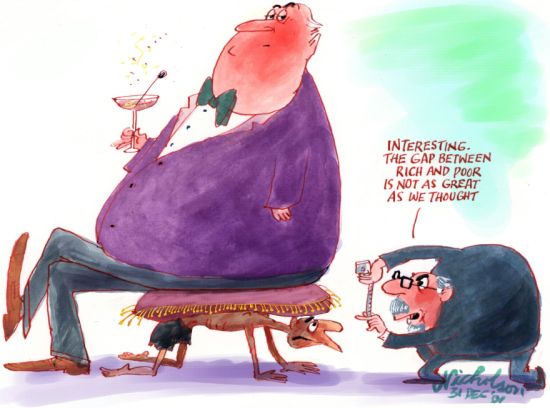
This disproportionality exists in the United States as well as most post-industrial nations. The gap between rich and poor in America is well documented in Piketty’s book about “Capital in the Twenty First Century”.

Piketty argues that the income gap widens once again, after World War II.  He estimates 60% of 2010’s wealth is held by less than 1% of the population; with a lean toward the historical 90% threshold. 

However, America is acknowledged by the world as a capitalist country that encourages and multiplies innovation. Even Putin, in a “60 Minutes” interview, applauded America’s innovation. Putin expressed a wish for the same level of innovation in his own country. Controlled economies limit innovation to a few controllers. Capitalist economies expand innovation based on a multitudinous and diverse citizenry.

Here is a major difference between America’s and China’s economies. Innovation is a fundamental value of capitalism, noted by Adam Smith in the “The Wealth of Nations (published in the 18th century).

Interestingly, China considers itself a Democracy though classified as a communist state. Note that the word Democracy is capitalized. There are no democracies in the world. The closest one comes to democracy is as a republic. America is a Democratic Republic meaning it has a representative government. By that definition, one would classify China as a Democracy. President Xi is popularly elected. He represents his country’s controlling majority. There is a fine line between democracy and autocracy. That fine line is drawn by a majority of a country’s people who popularly elect their leaders. No government guarantees equality of all its citizens. America’s history of slavery, and institutional discrimination are a case in point. China’s imprisonment of Uighurs is another case in point.

Magnus implies another distinction between America and China.

Magnus notes that a misstep by a President in China has a wider affect on the local economy than a misstep by an American President.

Magnus notes China can more quickly respond to an economic crises. America is more deliberative. The chance of being correct or wrong when taking action is quickly implemented in China. Quickness is both a danger and a benefit. It is a danger when the decision is wrong; a benefit when it is right. (One would be hard-put to suggest China did not respond more correctly and quickly to the Covid19 pandemic than the United States.)

Magnus relates an example of the value of China’s economic strength in its avoidance of much of the 2008 financial crises.

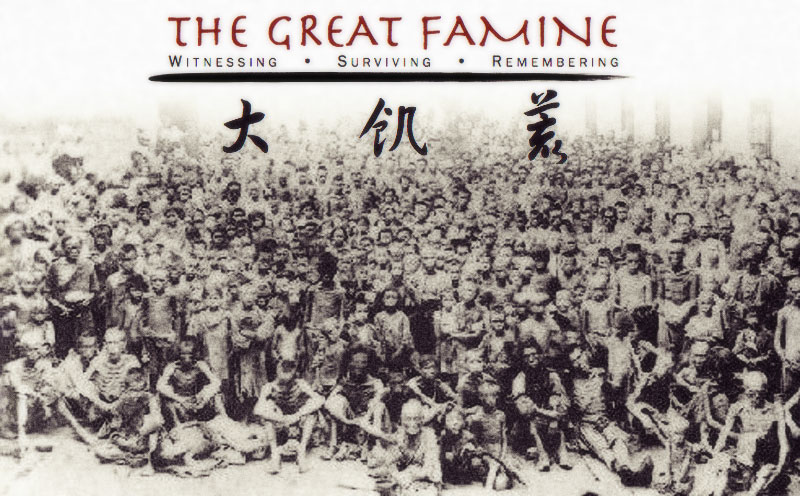
At the same time, Magnus notes the red flag of too much control by a top down manager can be catastrophic. The Chinese famine during and after the cultural revolution illustrates the danger of being wrong in a top-down management system.

Xi’s emphasis on party ideology and a controlled economy has the potential for another disastrous cultural revolution.

A singular focus on one leader is a red flag for China as is evidenced by Mao’s initial economic improvements in China that deteriorated with the advance of the “Gang of Four” during the cultural revolution.

America’s system of decision making, though slower, has made it the wealthiest country in the world. America managed to implement an economic policy that revived the economy in the face of a near financial collapse in 2008.

Judgement is premature today, but America’s response to Covid19 has been both right and wrong; in part because of poor leadership from the top, but also because of a failure of America’s checks and balances to mitigate the pandemic’s effects.

Magnus combines China’s history with its demographic and political changes. In building his argument, Magnus explains China carries an economic risk if it fails to adjust economic goal setting for more domestic goals.

President Xi’s Road and Belt Plan: Magnus suggests President Xi is focusing too much attention on GNP growth with R.B.P. It comes at the expense of living standards for a rising middle class. The inference is that political unrest in China will increase.

Magnus sees population ageing as another red flag.

Fewer Chinese children are being born to bare the burden of a disproportionally aging demographic. This is true in many nations; particularly nations that unduly restrict or over-regulate immigration.

Though Magnus’s book is published before Chinese demonstrations in Hong Kong, his prescient understanding of Chinese culture reveals a number of serious stresses.

Cultural suppression and “re-education” camps in Xinjiang damage China’s national and international reputation. There are an estimated eleven million Uighurs living in the middle of China.

Magnus illustrates this unrest comes from a conflict between communist ideology, and cultural difference. The unrest is amplified by Deng’s opening of a door to private enterprise.

American political unrest is part of our history but, unlike China, a supreme leader’s power is offset by a constitutional government of checks and balances.

Magnus notes the history of China as one of strong leaders unburdened by institutional checks and balances. President Xi’s move to increase his control of China is a contrast to an electoral process in the United States that restricts Presidents to two four year terms, or one four year term if the public is dissatisfied.

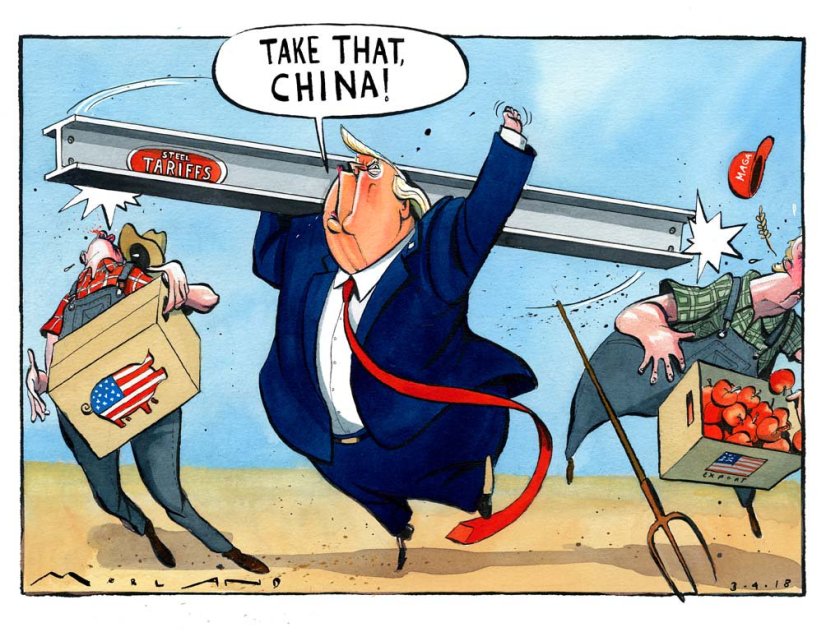
And finally, Magnus points to Trump’s foolish dismissal of a trade treaty with China.

On the one hand, it is necessary for America to fight unfair trade practices. On the other hand, a broad trade war with a giant consuming and manufacturing country is a meat cleaver approach to what should be a surgeon’s scalpel.

Magnus suggests abandoning the Chinese trade agreement because of a trade imbalance is a red herring. Trade imbalances are a natural consequence of competition.

If one company can build something faster and cheaper, the money saved by a consuming country can be used to innovate.

With free enterprise, one beats the competition by changing product or streamlining production to reduce costs. This is a harsh reality for workers in particular industries but as Schopenhauer suggests it is a matter of creative destruction.

America became the richest country in the world because of its ability to change, to innovate, to adjust to the demands of the market. The Trump administration looks to the past rather than the future.

Magnus strongly suggests China is at risk of economic failure if it chooses not to reduce its focus on GNP as a measure of success. Magnus argues more attention must be paid to domesticate needs and consumption. The Road and Belt initiative has potential for Chinese growth but it should not be emphasized at the expense of domestic need.

Magnus implies China’s ecological environment is on a knife’s edge. One side chooses growth at any cost. The other side moderates growth based on cleaning the environment for future generations.

Having traveled to China, one can see polluted rivers, and congested cityscapes in the midst of beautiful boulevards, spectacular monuments, and businesses filled with local and foreign visitors.

China and the world must recognize the importance of the health and welfare of its citizens. Magnus suggests China is at a crossroad. They can continue to grow GNP at the expense of its citizens or re-direct their economy to address the needs of a rising middle class. It does not mean they have to adopt a different form of government but they need to revise their goals.

One may conclude from Magnus’s book, there will always remain the potential for economic calamity with top down management. Magnus reflects on the history of China and infers it is unlikely to change.

Xi’s interference in free markets is troubling. China’s growth and prosperity depends on a continuation of philosopher kings which have not sustained any country in the modern age. The next king may not be as far sighted or wise as the current king.

President Xi cracks down on Hong Kong’s independence and stops the IPO scheduled for the ANTGROUP in China.

Top down management may have worked in ancient times, but world interconnectedness and interdependence require cooperation and competition for independent countries to grow and prosper.

EVOLUTION OF POWER

Audio-book Review
By Chet Yarbrough

(Blog:awalkingdelight)
Website: chetyarbrough.blog

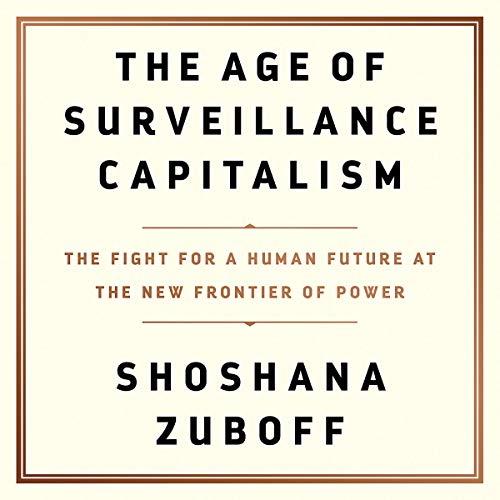
The Age of Surveillance Capitalism

By: Shoshana Zuboff

Narrated by Nicol Zanazrella

Shoshana Zuboff (American author, former Harvard Professor of Business Administration).

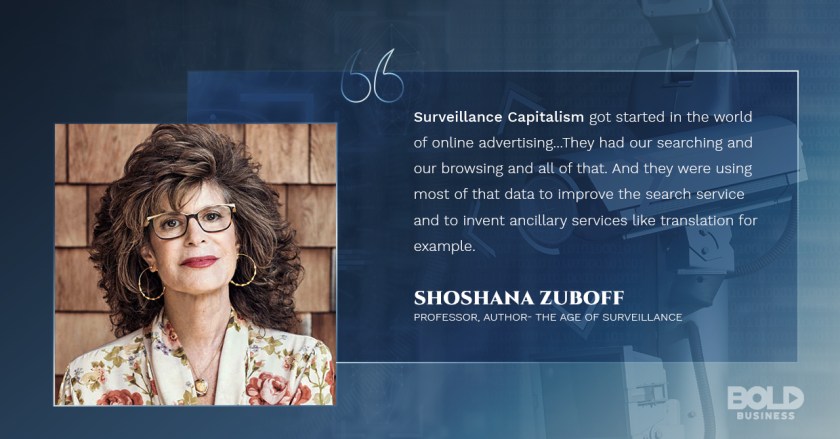
Shoshana Zuboff analyzes the evolution of power wielded and enabled by Google, Amazon, Microsoft and other media giant’s that invade personal privacy. 

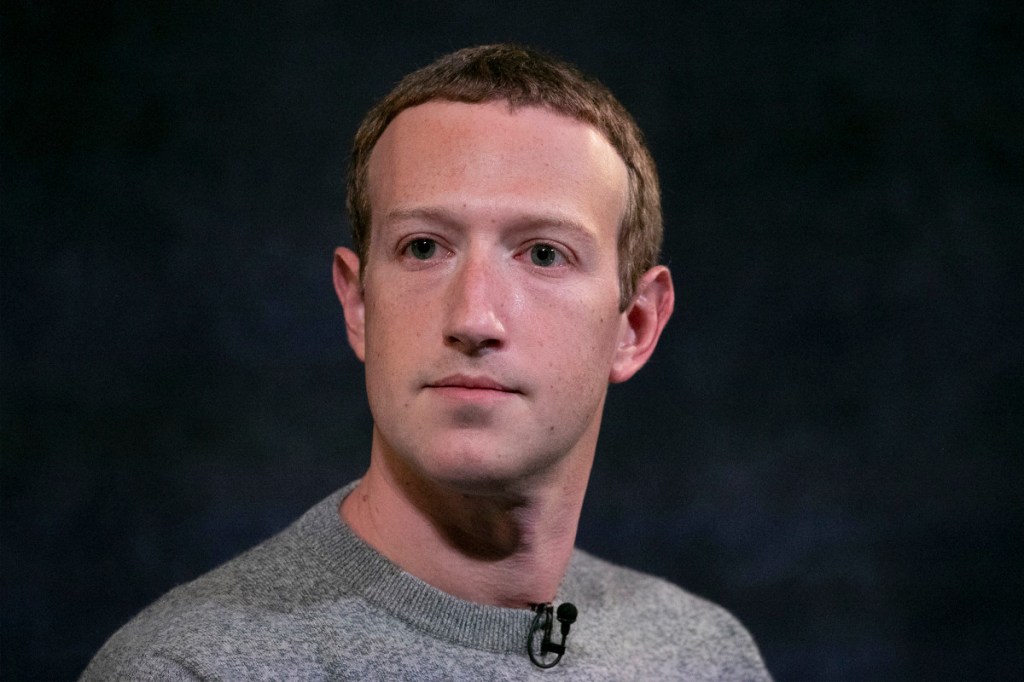
In the October 17-18, 2020 WSJ, the headline is Mark Zuckerberg is “Washington’s New Power Broker”. Reporters Deepa Seetharaman and Emily Glazer note that “…Mark Zuckerberg now takes an active role in the platform’s policy decisions–and checks in regularly with officials like Jared Kushner”.

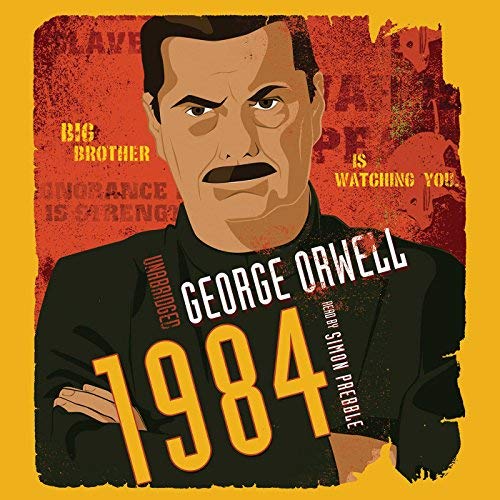
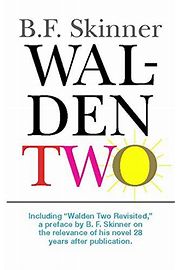
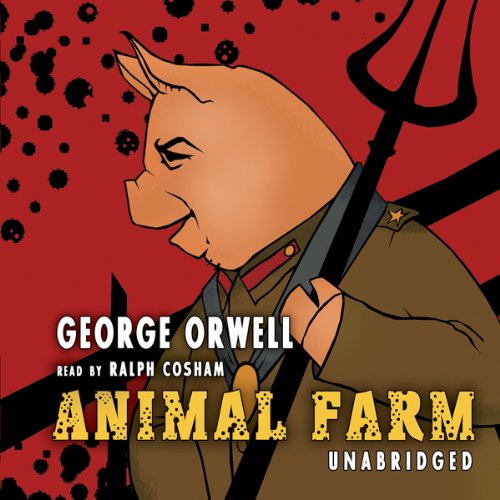
Zuboff’s scholarly examination of American internet mavens concludes “…Surveillance Capitalism” will lead to Orwell’s “1984” or B.F. Skinner’s “Beyond Freedom and Dignity”.

Orwell notes in “1984” that invasion of privacy is a way of conditioning human beings to believe in “truths” manufactured by whoever leads.  In contrast, B.F. Skinner’s “Beyond Freedom and Dignity” argues behavioral observation and reward is a tool for making people live morally “good” and peaceful lives. 

The words “truths” and “good” are in quotes because they are determined by what Zuboff calls “the big other”.  “The big other” is a knowledge leviathan that knows everything about everyone. 

In Orwell’s world, humans will be managed by a totalitarian government. The government monitors all private and public actions of its citizens. These governments have a set of propagandized “truths” that demand and compel obedience. Orwell’s world relies on knowledge of every detail of its citizen’s life. When a citizen’s actions do not conform to government rules, they are psychologically bombarded, and re-programmed to believe.

In Skinner’s world, individual citizens will act as they think they want, as though they have free will. However, operant conditioners (“the big other”) will reward citizens for fulfilling desires of respective employers, vendors, and governments which are holders of private information. These operant conditioners will use personal and private data to offer rewards for “good” behavior.  (Zuboff calls these holders of private information “the big other”.)  
Orwell and Skinner offer views of a future where privacy no longer exists.  Orwell’s view is obviously dystopian.  Skinner’s view is utopian, hiding in the skin of dystopia.  Zuboff explains how either future is conceivable in “The Age of Surveillance Capitalism”.  Her conclusion finds both futures reprehensible and possibly inevitable.

“The Age of Surveillance Capitalism” exposes America and the world to the greatest economic and social change since the industrial revolution.  In “The Age of Surveillance Capitalism” every human action is catalogued, distributed, and utilized by entities interested in influencing human’ thought and action. 

“The big other” is enabled by media giants to seduce the public into buying technical products that are connected to the world wide web.  Products, like Nest, Google Search, Amazon, Facebook, Microsoft Word, Microsoft Excel, Quick Books, etc. record everything humans do and see, with extraordinary insight into what they think.  That data base becomes a tool for modifying behavior without conscious knowledge of its users. 

Is the government’s suit against Google important? Shoshanna Zuboff implies it is monumentally important.

In Skinner’s view, freedom and dignity are a fiction.  To Skinner, only behavior is currency for future peace and prosperity. That behavior can be conditioned by “the big other” in Skinner’s world.

In one sense, Skinner’s recognition of positive reinforcement’s value to society is exemplified by moguls like Henry Ford.  Ford’s recognition of the value of raising wages for his workers (an operant conditioning reward) increases production and lowers product price.

Zuboff systematically builds her argument with the history of industrialization and the dramatic change it brought to society.    Ford grew his fortune by positive reinforcement of worker’s higher wages and the public’s consumption of a lower cost product that revolutionized travel. 
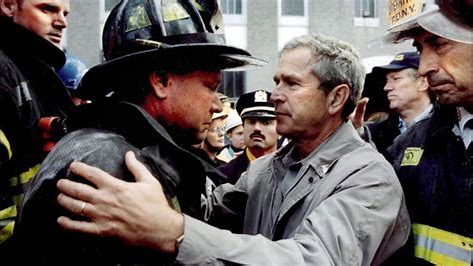
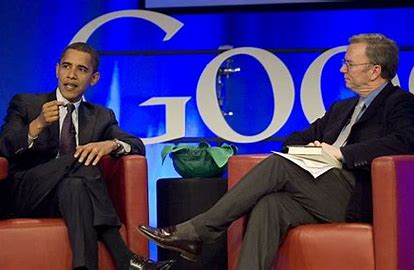
The credibility and threat of Zuboff’s argument is reinforced by George Bush’s accelerated invasion of privacy after 9/11, and Barack Obama’s use of technology from Google’s Eric Schmidt (Google’s CEO, at the time) in his run for election. 

One might also argue the rise of Donald Trump is a harbinger of the threat of “…Surveillance Capitalism”.  Evidence suggests Trump’s election campaign drew on Russian surveillance of Hillary Clinton and political research from Cambridge Analytica to win election. 

Cambridge Analytica provided detailed information on voters who agreed with the anti-science convictions of Donald Trump. They voted, and Trump won the election.

(As noted in Wikipedia.org–Analytica is a visual software package developed by Lumina Decision Systems for creating, analyzing and communicating quantitative decision models.)

Zuboff argues the principle of positive reinforcement takes a giant leap forward with the technology of “Capitalist Surveillance.  Henry Ford’s personal insight is replaced by “the big other”.  Potentially, every capitalist or government entity now has access to the details of everyone’s lives. 

In a capitalist country, there is no singular controller but a multitude of public and private entities that manipulate human life like Skinner’s pigeons in a cage. 

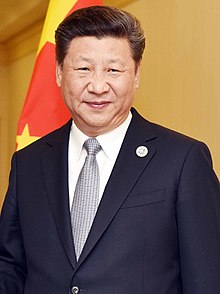
In a communist or fascist country personal surveillance easily slips into Orwell’s “1984”.  Zuboff offers the example of the social categorization of Chinese residents by President Xi’s government. Assigning a number to a Chinese citizen capsulizes their support or opposition to communism. That number influences every aspect of that citizen’s success or failure in China.

Zuboff warns that tools for predicting future behavior are in the hands of “the big other”.    Zuboff speaks from her personal experience with Skinner. Skinner was one of Zuboff’s professors during her college days.  She infers today’s surveillance economies bend toward totalitarianism borne by behavioral reinforcement.

A fundamental question is: Do we have free will?  Or as Skinner and Alex Pentland suggest are we just vessels for behavioral modification?

The other side of “Surveillance Capitalism” is the benefit offered to the general public by data compilation.  There is a leveling of cost for consumer items because of pricing and consumer criticism gathered and distributed to the general public when buying a product or service.  There is a value in being able to arrive at a destination on time without worrying about getting lost in the country or city.  There is the ability to control utility use, and guard one’s house by using tech products like Google’s Nest.  There is the potential of producing more product at cheaper price because of “Surveillance Capitalism”. The idea is similar to the way Ford grew his automobile company by rewarding employee behavior and producing lower priced product.

The question remains—what price are humans willing to pay for convenience? 

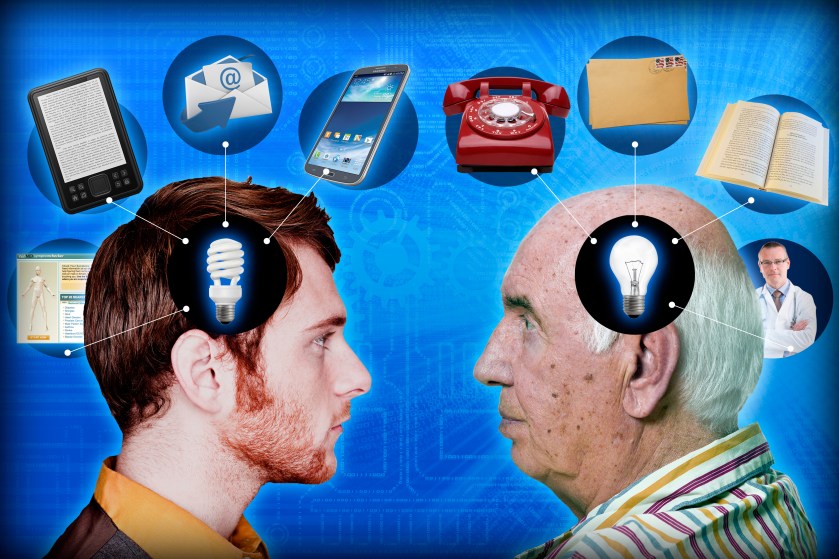
The industrial revolution just as the technological revolution changed society.  It seems fair to say the American standard of living has increased as a result of industrialization.  Is there reason to believe the same may be true with a technological revolution that makes life easier but less private? 

Zuboff questions the trade off but so did the Luddites when they destroyed machines that replaced craftsman.  One cannot take Zuboff’s scholarly study lightly, but the genies of the tech revolution are out of the bottle. 

If there is a such thing as free will, there seems no harm or foul.  However, manipulating human behavior belies Google’s founder’s unofficial slogan of “Don’t be evil”.  (Interestingly, in April or May of 2018, Google abandoned the slogan.)

FINANCIAL CRISES

Audio-book Review
By Chet Yarbrough

(Blog:awalkingdelight)
Website: chetyarbrough.blog

Crashes and Crises: Lessons froma History of Financial Disasters

By: Professor Connel Fullenkamp

Great Courses Lecture Series

Connel Fullenkamp (Professor of Economics at Duke University)

Professor Fullenkamp makes one thing clear in “Crashes and Crises”. Financial disasters are an inevitable consequence of all nation-state’ economies, regardless of their form of government. Fullenkamp reaches back to the 1600s to explain how, and why financial disasters are inevitable.

The strength and weakness of Fullenkamp’s view of “Crashes and Crises” is in dwelling on narrow causes of economic disruption. In September 2022’s economy there is no singular cause of the world’s economic crises. Inflation is a symptom of many causes which is why it is so difficult to cure.

It is the nature of humankind that causes world economic crises.  Coming from unrestrained power of autocrats like Vladimier Putin to the greed of capitalist freedom, economic crises are born. What the public must do is educate itself. 

History is a teacher that tells the public there have always been hucksters that say they can make you rich with little or no risk.  From Charles Ponzi to Ivar Kreuger, to Bernie Madoff, there have been “get rich schemes” that victimized the public.

From swindlers, to gamblers, to financial model builders, to inept leaders, Fullenkamp recounts American, French, Zimbabwean, Indian, Japanese, Taiwanese, Mexican, Dutch, and German financial disasters.  Fullenkamp’s argument is that crashes and crises are a normal part of financial activity. What he explains is that financial crashes and crises are unavoidable, but he suggests they can be mitigated.

Fullenkamp explains how and why technology increases the potential consequence of human error and criminality in financial crises.

Fullenkamp notes the danger of derivative models. They are packaged investments that can be so complicated that only the creators know how they work.

Major investors, like Warren Buffet called derivatives “financial weapons of mass destruction”. 

Fullenkamp notes that investment models are often complex. The personal motives of financial model creators, and the lucrative incomes for investment analysts and sellers can make derivatives dangerous. However, Fullenkamp is not against derivative investments. Fullenkamp’s advice is that if you do not understand a derivative investment, and its potential risk cannot be explained, the investor should walk away.

The 2008 world financial crisis is an example of a derivative model that nearly collapsed the American economy. 

The derivative model was based on real estate mortgages that were bundled and analyzed to be worth more than their value; particularly, if individual mortgagees went into default. 

Because of imprudent lender qualification of mortgagees by companies like Countrywide, more and more bundled mortgage-backed securities became over valued. Many of these mortgages were sold to FannieMae.

When several mortgages in an investment bundle went into default in 2007, investment bundles crashed. FannieMae held many of the mortgages because they were fobbed off by mortgage lenders as soon as home mortgages were closed.

Because of FannieMae’s relationship with the federal government, the U.S. treasury was at risk when mortgagees defaulted.

The federal government was compelled to buy FannieMae’s defaulted mortgages which exacerbated the 2007-08 financial crises.

The derivative’s crash caused financial institutions, investment houses, and individual investors to either fail, or sell their derivatives at a discount. That caused an international economic crisis.  It became an international crises because bundled mortgages had been purchased by world-wide investors and institutions, many of which were also invested in the American economy.

The sellers of these mortgage derivatives failed to clearly understand what they were selling or, more greedily, took advantage of their marketability. Fullenkamp implies it is as much the buyer’s as the seller’s fault by making bad investment decisions.

Fullenkamp reaches into history to show many other financial crises and crashes.  He covers economic bubbles in tulips, international trade shares, mining stock investment schemes, the economic panic of 1907, the effect of hyperinflation in Germany and Zimbabwe, the 1929 crash, and more recent events like the dotcom bubble, and rogue trader debacles.  Many of the bubbles Fullenkamp identifies are a result of investor’s “irrational exuberance”, a phrase used by the former Chair of the Federal Reserve (Alan Greenspan) in the 1990s.

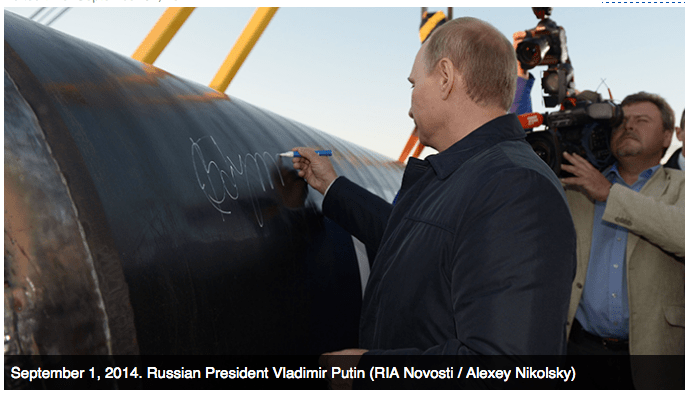
Today’s economic crises is magnified by the invasion of Ukraine by Russia. Putin chooses to sabotage his own and the world’s economy by shutting down a major energy pipeline to Europe.

There are no singular causes for economic crises. Every economic crisis is increased or diminished by human action, either in cause or response.

Next, Fullenkamp goes into some detail about the danger of shadow banking.  Lending without government oversight becomes more tempting during an economic crises.  Shadow banking is unregulated lending that theoretically is not subject to government oversight or regulation. Without checks and balances in a market driven world, unregulated lending hides or distorts GNP growth. 

Fullenkamp ends his lectures with a warning about China’s shadow banking.  He moderates his warning by suggesting China is not near a crisis, at least at the time of these lectures. 

To some listeners, his warning gains some urgency based on China’s declining economy during the Covid19 crises. Of course, Fullenkamp implies shadow banking is a risk to all nation-states in 2020.

Fullenkamp acknowledges the importance of government regulation of financial activity.  He notes changes in American law after crises have occurred.  He notes a primary example in the secrecy of stock listings that was eliminated by disclosure requirements of the federal government. 

Some argue government actions, after the 2008 economic crisis, saved the American economy.  

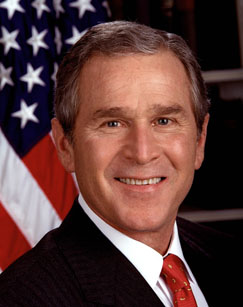
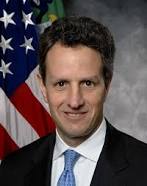
What might have happened without the leadership of George Bush, Barrack Obama, Ben Bernanke, and their Treasury Secretaries, Henry Paulson, and Timothy Geithner?

With the economic impact of Covid19, one doubts President Trump, Secretary of the Treasury Mnuchin, and his administration are up to the task of dealing with 2020’s burgeoning financial crises. With the added dimension of Russia’s invasion of Ukraine, social unrest from George Floyd’s murder, and Trump’s obnoxious law and order comments, reliance on world-wide rising interest rates, it is difficult to be optimistic.

IT’S THE ECONOMY, STUPID

Audio-book Review
By Chet Yarbrough

(Blog:awalkingdelight)
Website: chetyarbrough.blog

Good Economics for Hard Times (Better Answers to Our Biggest Problems)

By: Abhijit V. Banerjee, Esther Duflo

Narrated by James Lurie

Abhijit Banerjee’s and Esther Duflo’s book, “Good Economics…”, seems like a play book for Bernie Sander’s, and Andrew Yang’s campaigns for President.  It is not, but much of what they write resonates with their campaigns.

These two authors are professors of economics at MIT.  They received a Nobel Prize in 2019 for their work on an “…experimental approach to alleviating global poverty”. Both are obviously well respected for their research and economics acumen.  Professor Barnerjee  is a research affiliate of Innovations for Poverty Action. Professor Duflo specializes in Poverty Alleviation and Development Economics.  Their credentials speak for themselves.

Now, with the election of President Biden, one wonders if Banerjee and Duflo’s ideas will be tested. The leader of the Senate, Mitch McConnell, is quoted as having said “One hundred percent of my focus is on stopping this new administration”.

McConnell’s comment suggests the poor and lower middle class should be left on their own, a kind of Marie Antoinette view of life.

Sadly, this is a somewhat ponderous work for a layman interested in the future of American prosperity.  In the face of supporters of Reaganomics and today’s Trumpist’ “trickle down” economics, a listener hopes for a definitive answer to inequality, rising poverty, and homelessness in the United States.

With the defeat of Trump, a new economic plan is proposed by President Biden. As expected, Republican leadership argues “hands off” on the American economy that appears to be improving without government help.

The concern one may have with a “hands off” approach to a weakened economy is that it offers little hope for those at the bottom of the economic ladder. Those who have a job (namely congress men and women) seem to have little empathy for the poor. It is a view based on belief that the poor are poor because of their failure to take advantage of American opportunity to work and prosper.

Banerjee and Duflo note that a rising tide does not lift all boats.  “Trickle down” economics do not work. 

Banerjee and Duflo cite several studies that suggest there might be a solution, but the scope and conclusions of the studies seem ill-suited for the largest economy in the world.  The authors’ conclusions are based on small social experiments that show mixed results.

On the one hand, self-interest and freedom have made America’s standard of living among the highest in the world.  On the other hand, it seems self-interest and freedom mitigate against fairness in the American economy. 

The problem is self-interest and freedom have brought out the worst in human nature—greed.  Greed has left middle class and poor Americans poorer than they were in the 1960 s and 70 s. 

Banerjee and Duflo cite studies of the Reagan years that show wealth became more concentrated with tax cuts for the rich. 

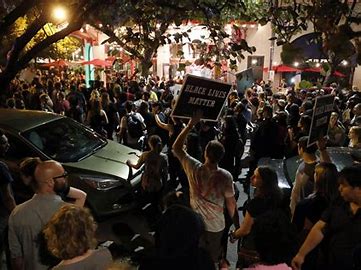
Human nature gets in the way of understanding what lower income Americans need to survive Covid19. For the President of the United States to say “It is what it is..” reflects on our lack of empathy for a loved-ones’ death caused by the pandemic.

The Senate drinks from the same trough when they argue the economy is getting better. Over 1,000,000 Americans remain unemployed. It is getting better for whom? Certainly not for restaurant workers, small business owners who closed their doors, or the nurses and teachers who are compelled to go to work despite the risks of a deadly virus. (That is not to mention the children who are going back to congested class rooms with potentially catastrophic consequence for their families and others.)

Trump and the Republican party continue to believe the wealthy will reinvest their wealth to benefit the poor and middle class with jobs. 

Job creation benefited the rich after Reagan’s tax cuts.  Wages of workers did not increase but the stock market rose, corporate executive salaries skyrocketed, and dividends to stockholders increased. Workers in the middle class and the poor were left behind.  Banerjee and Duflo argue that tax cuts for the rich are unfair and they exacerbate the gap between the rich and poor. 

The rich get richer; the middle class lives paycheck to paycheck, and the poor remain poor.

Both Banerjee and Duflo infer there is a path to economic equality, or at least fairness.  They argue for incentivizing corporate interests for the common good, disincentivizing executive compensation, modifying the federal tax structure, and subsidizing employment for the unemployed (or those who are soon to become unemployed because of technology).  They argue that taxes should be increased to create public works programs that benefit the general welfare of the nation. 

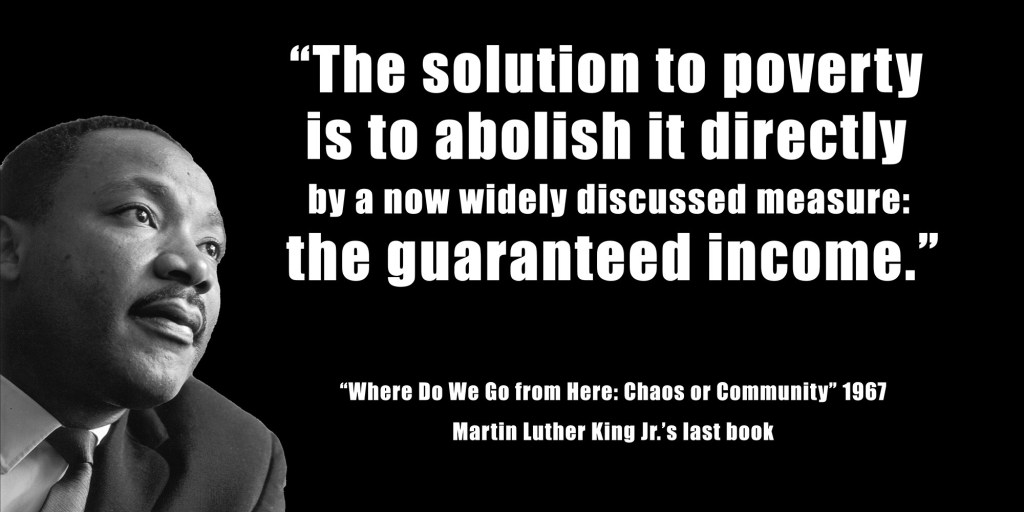
Banerjee and Duflo go on to suggest a guaranteed basic income (like that proposed by Andrew Yang) should be considered.

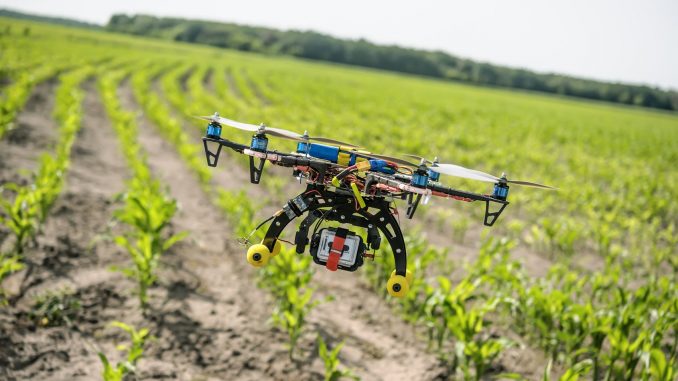
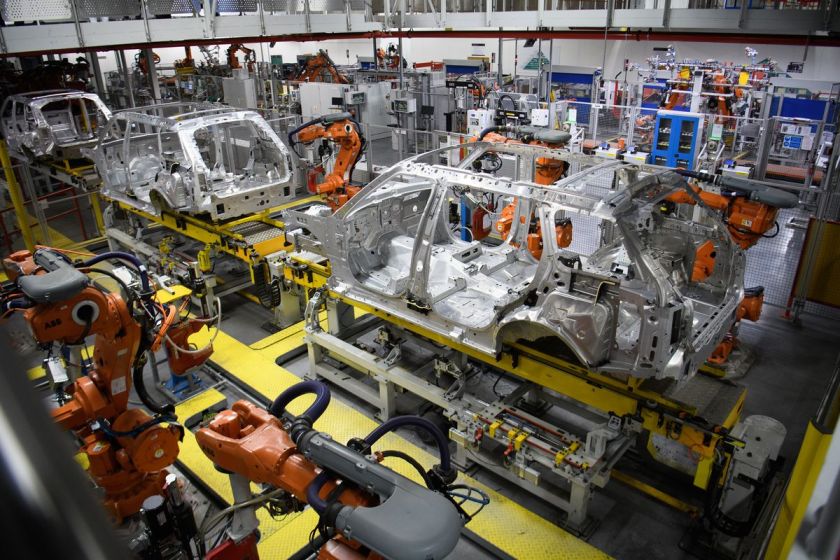
Banerjee and Duflo go on to explain how technology reduces jobs.

They argue that America needs to realign their employment objectives.  Service jobs are outgrowing manufacturing jobs. 

Environmental concerns reduce jobs. 

Through a combination of public works projects and improved public services (childcare, elder care, environmental clean-up; etc.) the unemployed, and soon to be unemployed, should be bolstered by a basic minimum wage and retrained to take 21st century jobs. 

A guaranteed basic income is to mitigate the hardship of retraining and leaving areas of the nation that cannot sustain economic growth.

Banerjee and Duflo argue that most Americans associate jobs with identity and self-respect.  Without a job, Americans lose a part of their identity and self-respect.  With a guaranteed basic income, the unemployed will continue to seek employment because of their need for self-respect.  As they become employed, their guaranteed basic income could be reduced in proportion to their rising income.

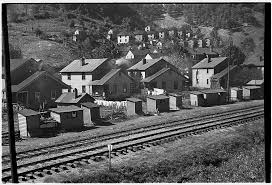
Without income, people are fearful of leaving the areas they have lived in for most of their lives; e.g. a coal camp in Virginia. 

The authors cite studies that show economic improvement correlates with worker mobility.

There is a great deal to commend Banerjee and Duflo’s ideas. 

Whether the American government is willing to act as a change agent is unlikely without perception of a clear and present danger.  Political change comes with perceived threat.  The current Senate’s discounting of environmental threat to the world does not bode well for change. 

Believing in a “rising tide theory” of economics continues to distort the truth of qualified freedom and unregulated self-interest. Freedom has always been qualified in America. The intent of the founding fathers is to provide freedom for those who do no harm to their neighbors. Unregulated self-interest harms our neighbors.

Banerjee and Duflo offer an economic plan to America, but it is founded on sociological studies that are often small in scope. When the economic theories are tested on broader scales, the conclusions are mixed. Though belief in a guaranteed basic income makes sense in light of the studies shown by Banerjee and Duflo, the impact on American innovation remains unknown. On the other hand, the many jobs the government could create–from public works, to environmental clean-up, to elder care, to medical care, and housing for the homeless–are widely needed in America.

EGYPTS REVOLUTION

Audio-book Review
By Chet Yarbrough

(Blog:awalkingdelight)
Website: chetyarbrough.blog

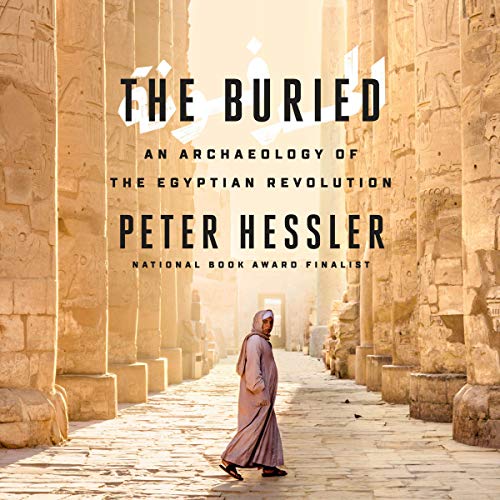
The Buried-An Archaeology of the Egyptian Revolution

By: Peter Hessler

Narrated by Peter Hessler

Peter Hessler (American Author, and journalist.)

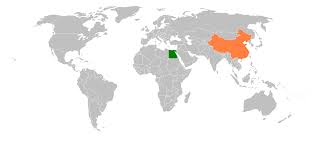
Peter Hessler chooses to move from China to Egypt just before the 2011 Egyptian revolution.  He, his wife, and twin newborns live in Egypt for five years.

Hessler worked for The New Yorker as a staff writer from 2000 to 2007 and became the magazine’s correspondent for China from 2011 to 2016. 

Hessler looks at Egypt through the eyes of an American who lived in both China and Egypt as a reporter.  His perspective melds Chinese and American acculturation with interesting incite to Egypt’s history, language, and politics.

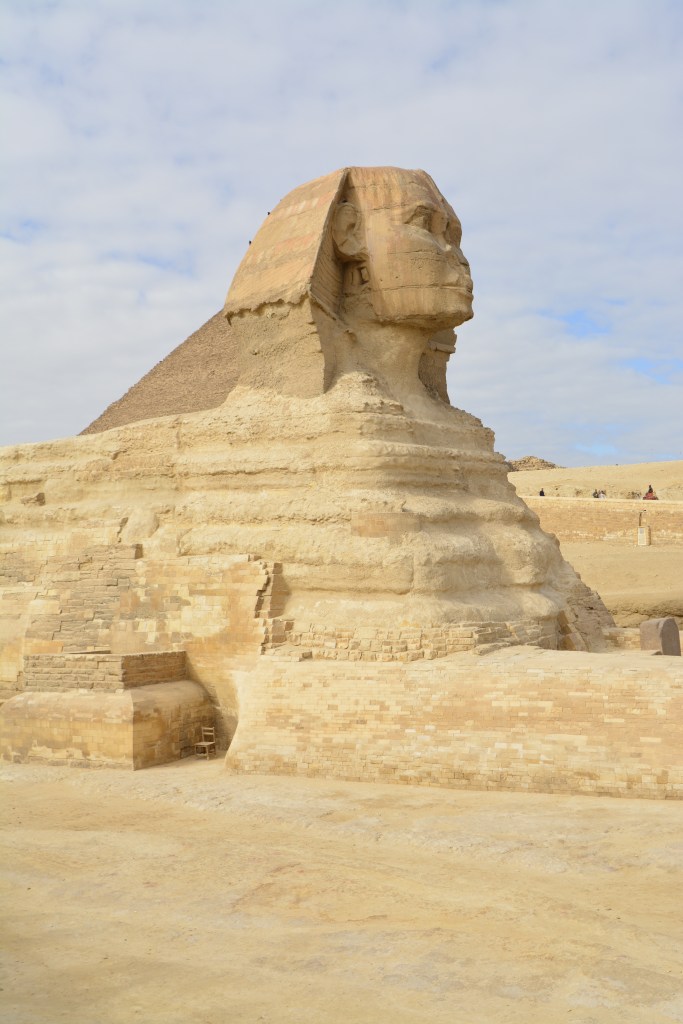
Egypt is a fascinating country for anyone who has visited or read about its ancient civilizations.  With brief comments about Egypt’s historic monuments and museums, Hessler touches the culture of modern Egypt. 

Hessler notes the extraordinary ability of Egyptians to hold two opposing thoughts and adjust behavior to accommodate both beliefs.  On the one hand, there is a sense of “let it be” when minor or major events occur in the lives of modern Egyptians.  On the other, there is a history of autocratic Egyptian rulers who insist on strict control of society.   In view of the many non-Egyptian’ governments after the Pharohs, it comes as no surprise that Egyptians are adaptive.

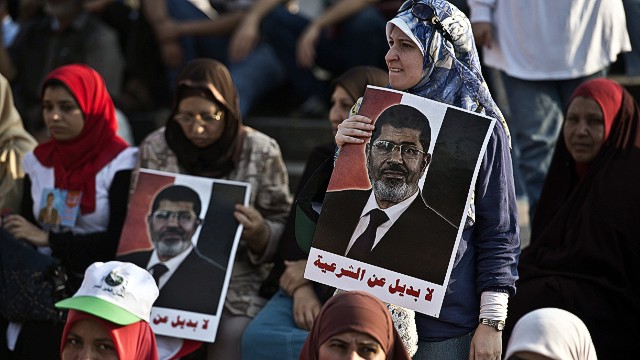
Sadat, Mubarak, & Nasser were military dictators before the election of Morsi who is deposed in the revolution by today’s military leader, Abdel Fattah el-Sisi.

Hessler comments on the ability of Egyptians to learn languages at varying ages of maturity.  Language skill is the lingua franca of the ability to adapt. 

From ancient times of the Assyrians, Persians, and Greeks; to more modern times of the Ottomans and British–Egypt remains Egyptian despite their adaptability.

Hessler offers an understanding of Egypt through the eyes of its citizens.  He recounts the tumultuous relationship of an entrepreneurial garbage collector and his wife.  The garbage collector is illiterate.  His wife can read and write.

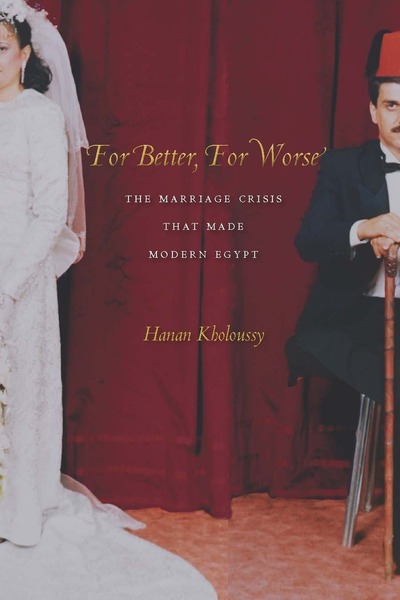
The garbage collector is in his 30s when he marries his 18-year-old wife.  Their marriage leads to three and then four children.  The garbage collector is exiled from his children with the threat of divorce initiated by his conservative wife.  His wife follows Egyptian culture in covering her face but rejects some of the discriminatory aspects of a patriarchal society.

Hessler’s garbage collector is a great source of information about Egyptian culture because of the details he knows of other lives based on what Egypt’s citizens throw away.  The collector is scrupulously honest about the garbage he collects.  When he finds something in the trash that has value he returns to his customer.  It is a matter of pride; stoked by belief in a cosmic or religious wheel in his mind that tells him what is right.  However, the wheel seems to stop when it comes to relationship with his wife and children.  This leads to what Hessler suggests is a fundamental flaw in modern Egypt; i.e. women’s inequality. 

Because the collector’s wife knows how to read and write, she files an appeal to the court to strip her husband of his house and property.  She files for divorce but recants after finding the consequence of such action would make her and her children destitute.

Surprisingly, their tumultuous relationship becomes less combative as their life together matures. Their personal trials seem a paradigm of Egypt’s “let it be” and autocratic culture.

Hessler reports on the ponderous, corrupt justice system that both aids and thwarts the intentions of married couples seeking help.

Women are discriminated against based on their sex in Egypt. 

Women are raised to believe their role in life is to have and raise children, and take care of their husbands and families.  Girls are not afforded the same educational opportunities as men.  Women are expected to sacrifice their entrepreneurial right to a job when they are married.  Hessler notes female children are routinely genitally mutilated. This is a tradition based on a belief that sexual pleasure and desire are a threat to society. Hessler compares the torture of genital mutilation to the Chinese tradition of binding women’s feet.

Hessler compares Chinese with Egyptian culture to expose the consequence of sex discrimination.  The potential of women’s contribution to the economy in Egypt is eviscerated by its culture of discrimination.

In an adults most productive years, Egyptian housewives cannot work for pay outside of the home.  If a woman has a good job, she is expected to relinquish it when she is married.  In contrast, Chinese women are full participants in the economy.


Parenthetically, Hessler notes Egyptian homosexuals are persecuted for their sexual preference.  The irony of that homosexual persecution is in Egypt’s patriarchal culture that discourages social contact between the sexes.  Putting aside genetic predisposition, without social contact with women, male relationships become the only acceptable form of intimate relations.

Egypt’s demonstration against a crackdown on LGBT’ rights.

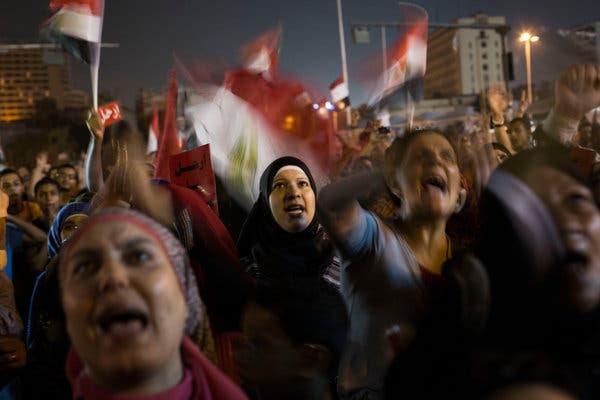
Hessler’s book is interesting because of his firsthand knowledge of the revolution that removes Morsi from the Egyptian Presidency.  In many conversations with Egyptian residents, Hessler notes the weakness of the Brotherhood in Egypt; both in number and in qualification for political leadership. 

Hessler contrasts the military with the Muslim religion of the Brotherhood.  The military has a long history in modern Egypt.  The tradition of strong leaders has an even longer history.  The Brotherhood is characterized by strong leaders who only press religion; without understanding the nature of society that desires order, safety, and economic opportunity. Order, safety, and economic opportunity are a “good despot’s” alleged intent.

Mohammed Morsi (Fifth President of Egypt for 1 year until removed from office by General Abdel Fattah el-Sisi. Morsi dies of a heart attack in 2019.)

Hessler shows the Brotherhood as an association of religious believers that have little organizational skill.  They are not educated to lead.  They are educated to worship.  That educational limitation exhibits itself in Morsi’s weak government.  Egypt flounders economically with the election of Morsi.  One can argue it is still floundering under el-Sisi but Hessler shows the military is more prepared to lead based on the tenants of worldly desire rather than religious worship.

Egyptian Brotherhood Rally

(In a population of 80,000,000, there are an estimated 600,000 dues paying members of the Brotherhood; of which 100,000 are considered militant.)

Hessler explains there are many conspiracy theories surrounding the Brotherhood’s influence in Egypt. Their small numbers and inept management skill seem unlikely to create a successful uprising in Egypt. The Brotherhood’s revolutionary impact seems symbolic more than real. However, one realizes Russian Bolsheviks were a small minority in 1917.
Abdel Fattah el-Sisi (Current President of Egypt)

Hessler notes that el-Sisi’s popularity is diminished by missteps in funding infrastructure improvements at the expense of more direct economic need.  He cites the expansion of the Suez Canal as an example of a prudent long-term aid to the economy but a neglect of medical services, justice reform, and housing needs for today’s general population.

There is also the issue of repression by el-Sisi.  Hessler recalls the incident of a tortured, and then killed, foreign student that criticizes the current government.  The author notes that el-Sisi’s defenders suggest the murder was an accident caused by young and inexperienced supporters of el-Sisi. 

In recalling my personal trip to Egypt in 2019, the Brotherhood is a big concern of the government. Tourism is a big industry for Egypt. That industry nearly dies with the election of Morsi. Some Egyptians feel something is getting done with el-Sisi; while no economic progress happened with Morsi.

Hessler offers a glimpse of the hardship Egypt faces in the 21st century.  His observations are at a local level of Egyptian society; not at the obscure level of a thirty-day tourist.  Time will tell if el-Sisi is the answer to Egypt’s failing economy. 

Sisi is acknowledged by Hessler as a good communicator.  Sisi is truly an Egyptian focusing on his perception of what Egypt needs now; not the religious salvation of the eternal.  The biggest criticism of Egypt’s leadership in Hessler’s book is the unequal treatment of women.  There seems no action taken by el-Sisi to address that reality. One wonders if the economy is likely to grow quickly enough to avoid another revolution without gender discrimination reform.