Graduate Oregon State University and Northern Illinois University,
Former City Manager, Corporate Vice President, General Contractor, Non-Profit Project Manager, occasional free lance writer and photographer for the Las Vegas Review Journal.
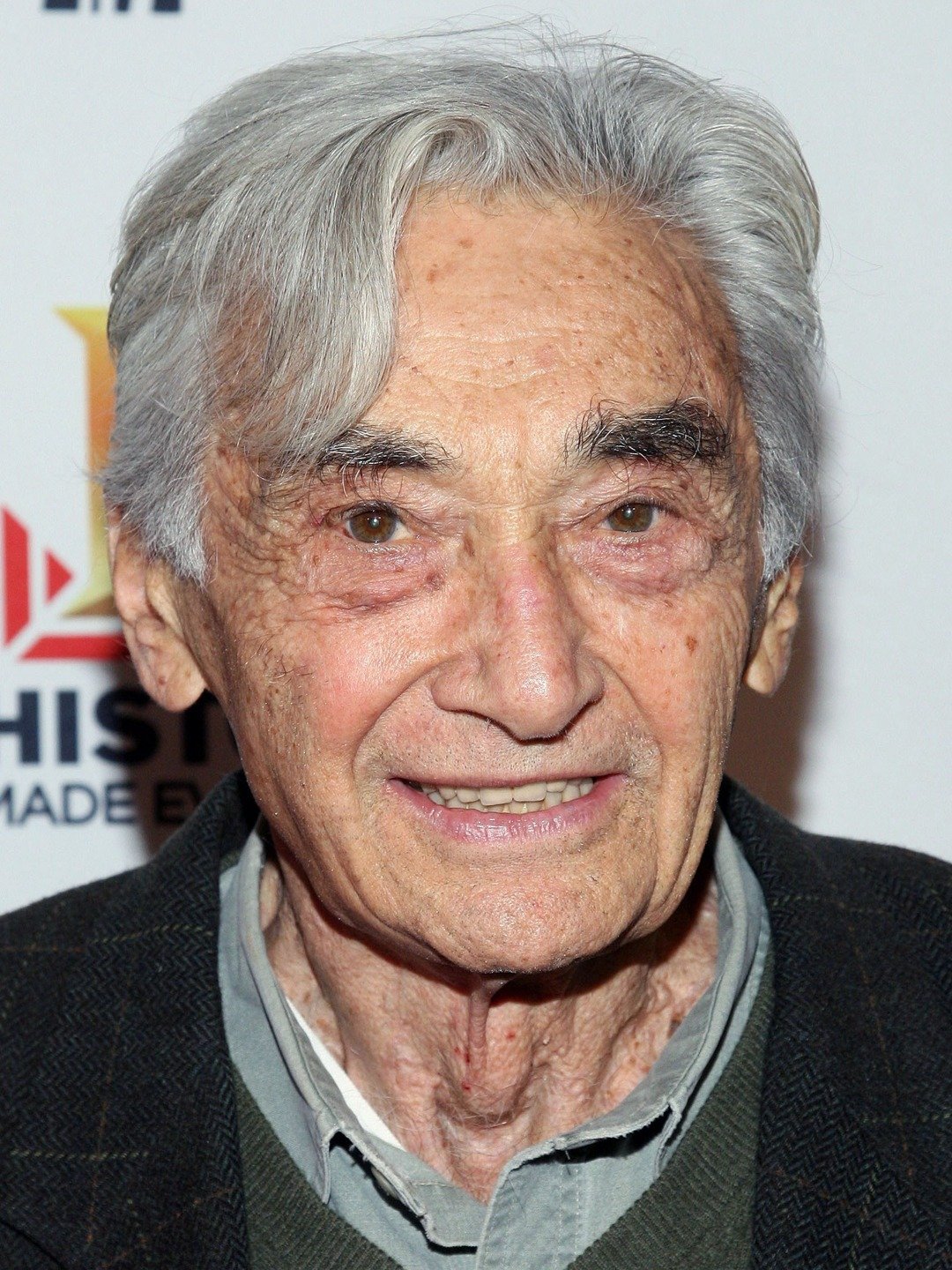
Howard Zinn (American Historian, Author) November 19, 2009. Photo By: Rob Kim/Everett Collection
The pitfall of history is subjectivity. Howard Zinn offers a coda for history’s myopia. Harry Truman is alleged to have said “There is nothing new in the world except the history you do not know”. Zinn shows how little Americans know about America’s failure to create a “…more perfect union” (a name given to a speech delivered by Senator Barack Obama on March 18, 2008).
No American institution is untarnished by Zinn’s rumination. Zinn challenges every aspect of American culture. The malpractice of American businesses, politicians, and society are exposed by Zinn. Neither Republicans, Democrats, or other party affiliates, escape responsibility for America’s abhorrent actions.
Unadorned historical facts show Indians indiscriminately isolated and murdered, Blacks treated as property and hung, immigrants vilified for being different, wars being waged on the innocent, women being treated unequally, and greed being praised as virtue–all in the face of professed American freedom and equality.
Zinn implies all Presidents; including Lincoln, Roosevelt, Truman, Carter, Reagan, Clinton, the Bushes, and Obama buy into an economic principle that the business of America is business. (He certainly could have included President Trump.)
With few exceptions, Zinn argues every President tacitly or overtly supports corporate America. The only Presidential exception Zinn notes is Eisenhower’s expressed concern about the military/industrial complex and its penchant for distorting American values.
Zinn recounts Andrew Jackson’s isolation and murder of Indians, Lincoln’s willingness to preserve the union at the cost of slavery, Andrew Johnson’s southern sympathies, Roosevelt’s incarceration of American Japanese, Harry Truman’s decision to nuke Nagasaki and Hiroshima, Carter’s support for Iran’s military dictatorship, Reagan’s expansion of the military/industrial complex, Clinton’s cuts in taxes and welfare, the Bushes’ wars, and Obama’s rescue of the banking industry.
Andrew Jackson
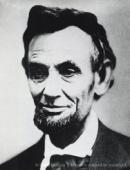
Abraham Lincoln
Andrew Johnson
Franklin Roosevelt
Harry Truman
Jimmie Carter
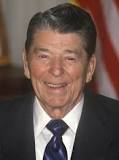
Ronald Reagan
H.W. Bush
Bill Clinton
George Bush
Barrack Obama
Zinn argues—both Republican and Democratic presidents endorse corporate control of America at the expense of citizen values written into the Constitution.
From discrimination against minorities to unequal pay for women, America has failed to follow the ideals of the Constitution of the United States.
Zinn implies there is never a justification for war; presumably even in the case of WWII.
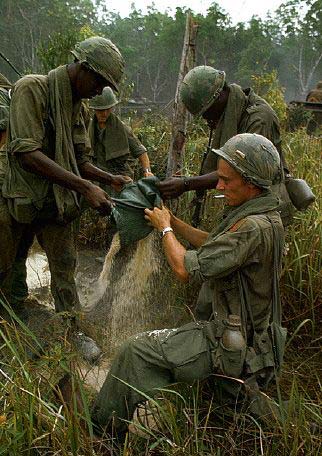
Some Americans would agree that Vietnam, Korea, Iraq, Syria, and Afghanistan wars were and are a waste of human lives.
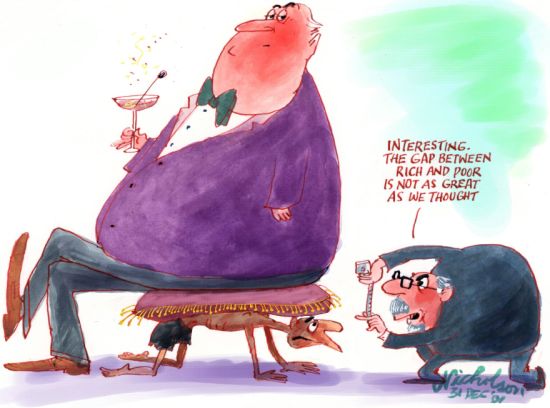
This is a hard argument to dispute when seen in the context of a burgeoning gap between rich and poor, and man’s inhumanity to man. One might argue as some historians do, sovereignty of a country is an inalienable right, even when it is ignored or used as an excuse for war.
Zinn argues there is no moral or ethical justification for political repression, murder, slavery, sexual or racial discrimination. (That begs the question of a war’s justification in light of Nazi Germany’s intent to exterminate all Jews.)
But, Zinn argues the right of sovereign nations to choose their own government. Genocide is a potential consequence of such a hard rule when a minority only has a right to resist and/or revolt. That is in the news today in regard to Myanmar and the Rohingya.
Suu Kyi Defends Myanmar from the accusation of genocide.
What nation (based on its own cultural belief) has the right to invade another country that chooses to victimize its own citizens.
Zinn is not suggesting countries should become isolationists. He argues that to the extent that humanitarian relief may be offered by an outside country, it should be offered. Relief would not include transfer of weapons of war, but aid in goods and services meant to sustain life. Outside military intervention in a sovereign country seems destined only to lead to more loss of innocent life.
Taking Zinn’s observations to heart suggests there is no justification for war or violence against our fellow man. However, human nature is what it is. Humans choose what they choose; often out of the instinctual desire for money, power, and prestige, rather than any common good. Individual cultures are based on memes of the country in which they were born.
Invasion of a sovereign country is a slippery slope that only leads to more death and destruction. However, Zinn’s review of history seems to deny all reasons for war. There seem two modern exceptions to Zinn’s argument.
Nazi Concentration Camp WWII
WWII and the way H. W. Bush handled the invasion of Kuwait. These two exceptions are clearly related to one country’s violation of another’s sovereignty. In both cases, America’s Presidents enlisted cooperation from other countries, before taking any military action.
It is a
dangerous world, but the danger is in human beings and their quest for personal
gain; i.e. their greed for money, power, and prestige. America needs to look at itself and its
reliance on corporate excess. The gap
between rich and poor must be addressed in all nations; not the least of which,
the United States. Zinn reminds America
of how flawed we are in “A People’s History of the United States”.
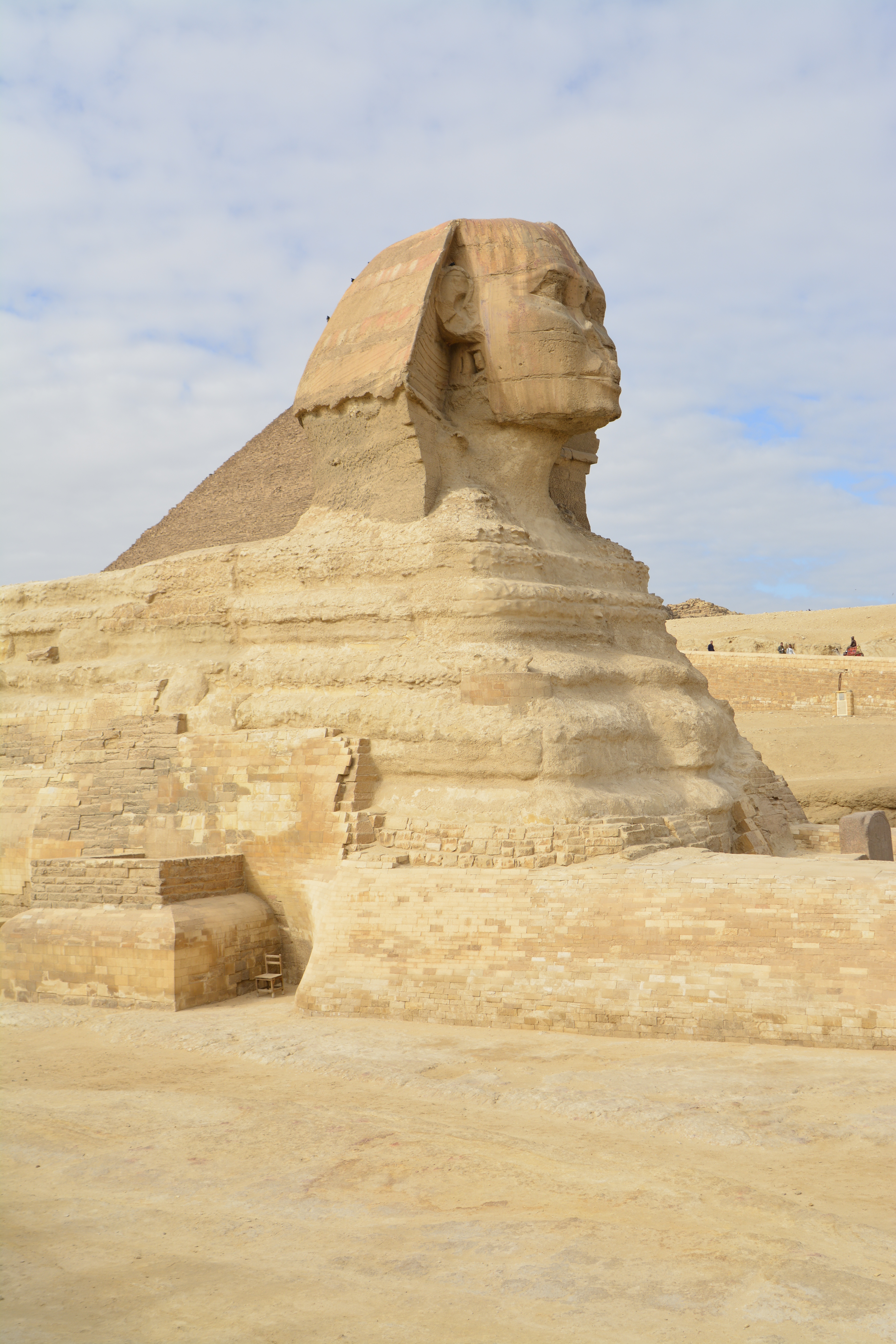
Travel Review By Chet Yarbrough (Blog:awalkingdelight) Website: chetyarbrough.blog Egypt in 2019 Written by: Chet Yarbrough CLOSEUP OF THE SPHINX AT GIZA, NEAR CAIRO The pyramids, ancient artifacts, lush farming communities, and Nile river reveal Egypt’s past and present. Egypt’s current capitol, Cairo, is the seventh most densely populated city in the world. No coal is … Continue reading “EGYPT IN 2019”
Egypt is a crossroad between Africa and Asia which makes it a prime target for colonization and control by invaders.
CLOSEUP OF THE SPHINX AT GIZA, NEAR CAIRO
The pyramids, ancient artifacts, lush farming communities, and Nile river reveal Egypt’s past and present. Egypt’s current capitol, Cairo, is the seventh most densely populated city in the world. No coal is burned to pollute the air. The Nile puts China’s Yangtze river to shame in showing less river trash and pollution.
FISHING ON THE NILE
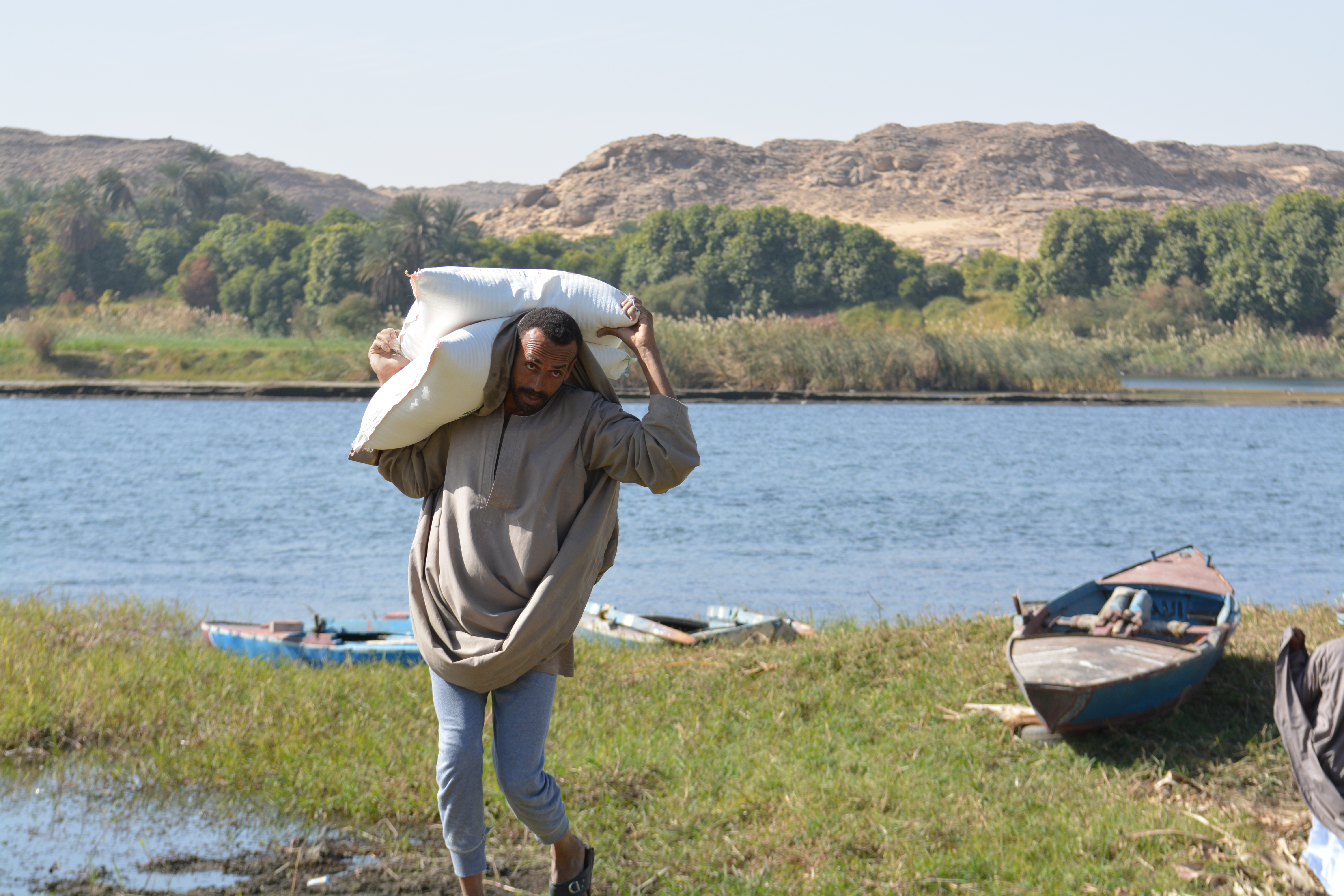
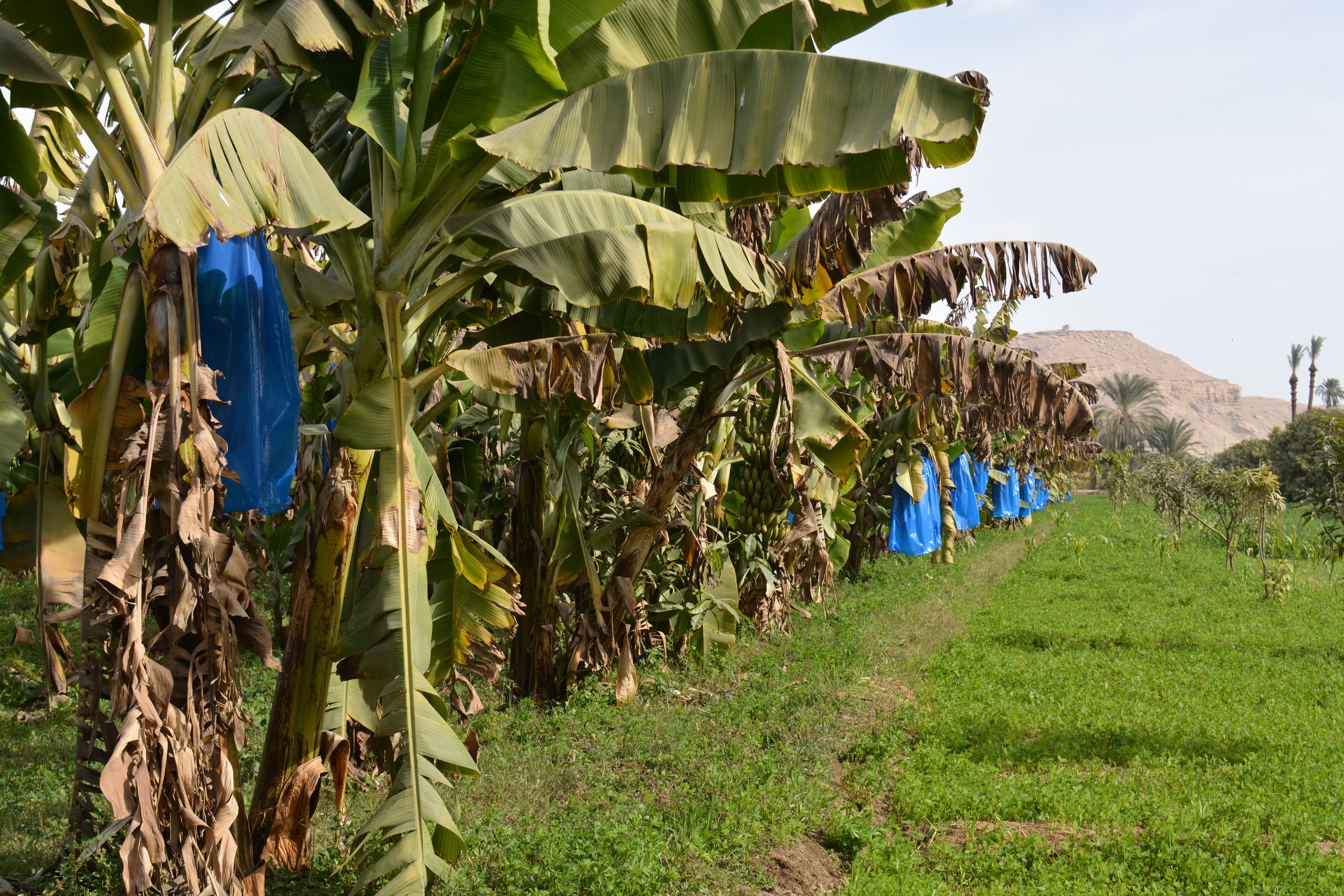
Egyptian farms are irrigated with river water distributed by concrete and mud channels from the Nile.
Lusciously feted Nile river farmers are encouraged to use organic fertilizer, but one wonders how many chemicals are returned to the Nile unseen.
Egyptian infrastructure is burdened by lack of investment. The infrastructure for Egyptian farming is primitive by modern standards with ditch irrigation systems, antiquated farm equipment, and intense use of manual labor.
Infrastructure investment in China suggests prosperity while Egypt is foundering. Many Egyptian city and village roads are unpaved. Housing is dilapidated and poorly maintained for most of Egypt’s population.
In Egypt, food is plentiful, security paramount, and camel rides a tourist delight. The trick in riding a camel is getting on and getting off.
As a tourist in Egypt, ancient sites surpass China’s remarkable historical monuments (viewed in a previous blog). The Egyptian army seems everywhere in part because of a state-enforced draft but also because of the military’s role in governing a nation fractured by Islamic extremism. Religion’s influence in Egypt is obscured from tourist’s eyes because of the warm reception from residents but the military’s ubiquitous presence implies a different story.
The sheer size of the many Pyramids, tombs, and temples surpass the Great Wall and equal China’s remarkable Terracotta soldiers.
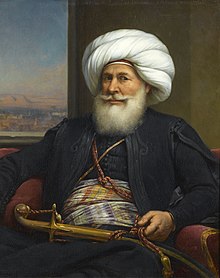
Muhammad Ali Pasha (1769-1849)
What comes as a surprise from our guide (who is an Egyptologist) is how many times Egypt has been ruled by outsiders. Modern Egypt is founded by Muhammad Ali in 1805. Muhammad Ali Pasha is Albanian; not Egyptian. His dynasty is supported by the Ottoman Empire. It lasts until 1952 when a coup led by Muhammad Naguib and Gamal Abdel Nasser takes control of Egypt.
Prior Muhammad Ali, exclusive Egyptian leadership is in the distant past. (The ten most famous Pharaohs ruled from 2686 BC to 1213 BC.) Of course, there were many more Egyptian dynasties (31 to be precise) but only ten marked history with Egypt’s indelible imprint. Cleopatra (principally famous for her role in the Greco/Roman incursion) is the last Pharaoh to have power. Her reign lasts 21 years; to end in 51 BC.
Egypt is a crossroad between Africa and Asia which makes it a
prime target for colonization and control by invaders. The Romans, Turks, French, and English take
turns at controlling Egypt. Fortresses abound along the Mediterranean and Nile
built by conquerors and the conquered.
Rashid, Egypt
Today, Rashid shows a level of prosperity that is belied by its dirt streets.
The Rosetta Stone is found in one such fort held by the French and overcome by the English. It is found in the ancient town of Rashid which was a primary port in Egypt’s earlier history. Today, Rashid shows a level of prosperity that is belied by its dirt streets. There are mud brick manufacturing plants, burgeoning boat building businesses, and fish farming pens in Rashid–the town where the Nile enters the Mediterranean. Only a replica of the Rosetta Stone remains at the fort. The actual stone is in the British Museum in London.
BOAT BUILDING INDUSTRY IN RASHID
Penned fish farms on the Nile in Rashid
The once imagined great city of Alexandria seems a shadow of tourist’
dreams. It is burdened by lack of
investment and a tax structure that works against finishing buildings. Billions of potential worth are hidden by poorly
maintained buildings along the Mediterranean water front.
Still, there are great sites to see in Alexandria. There is the modern library meant to resurrect the great library of Alexandria that was destroyed twice in Egypt’s history. It is a spectacular monument to Egypt’s potential. Its modern design rivals the best libraries of the world.
Bids for modernization can be seen in some areas. There is a burgeoning Silicon Valley, with nearby gas power plants to energize new industries.
This modernization contrasts with early Christian and Muslim places of worship, the Valley of the Kings (a giant cemetery for royalty), and the restored Winter Palace in Luxor that is now a Sofitel hotel. There is the Temple de Karnak, Grande Cour with its ram’s head entry leading to an inner sanctum temple.
Many royal residences have been returned to their original beauty and become state owned and maintained public museums.
One is reminded of the monumental gap between the rich and poor in visiting island farms that are owned by singular families. They employ hundreds, and feed thousands, while prospering from the rich Nile soil. Farming is primitive by modern standards, but the production from these farms is a sight to behold.
Island farms along the Nile show why the Greco-Roman era coveted the agricultural fecundity of Egypt.
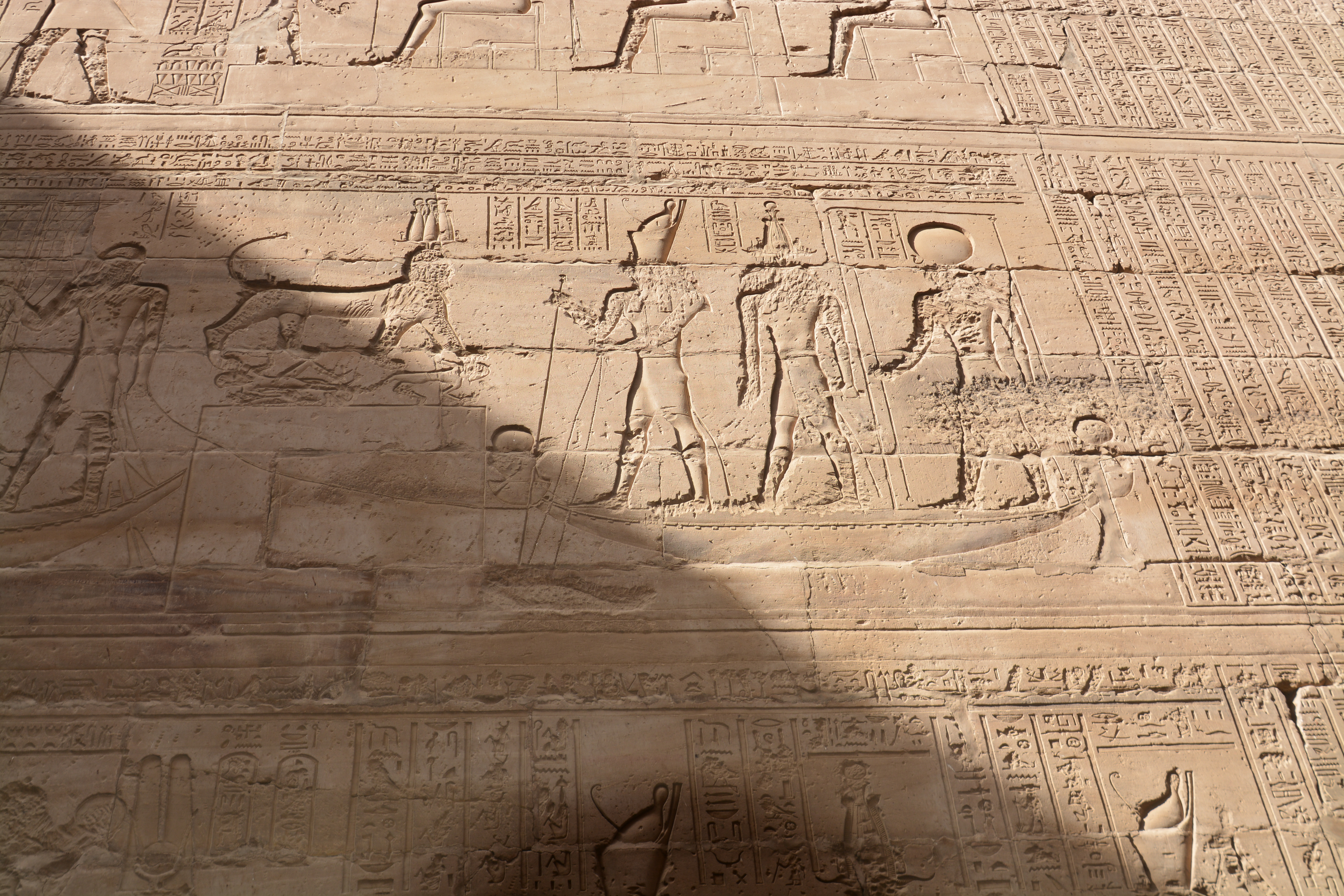
The intricacies of Egyptian hieroglyphics are explained by our guide. The volume of information is overwhelming.
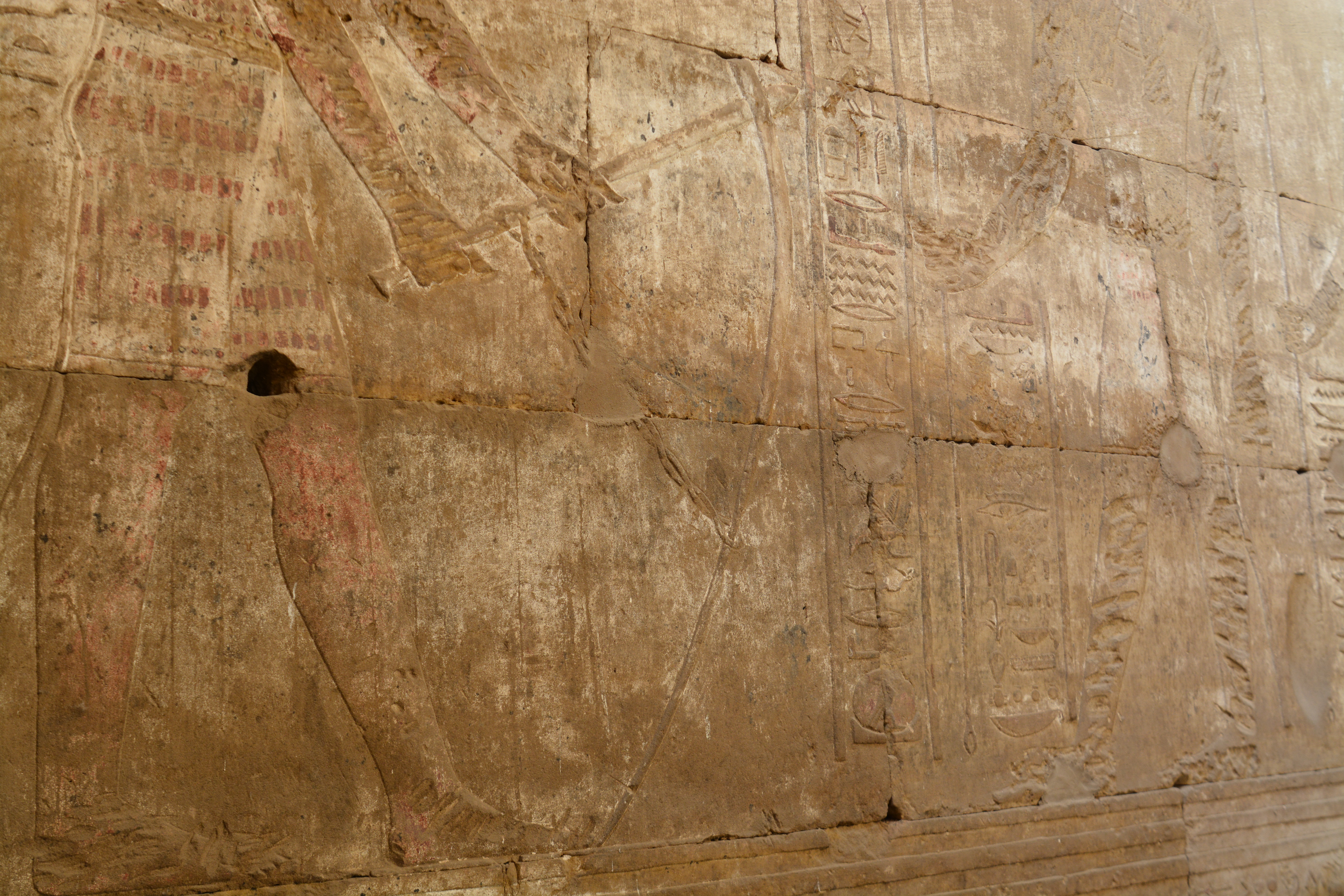
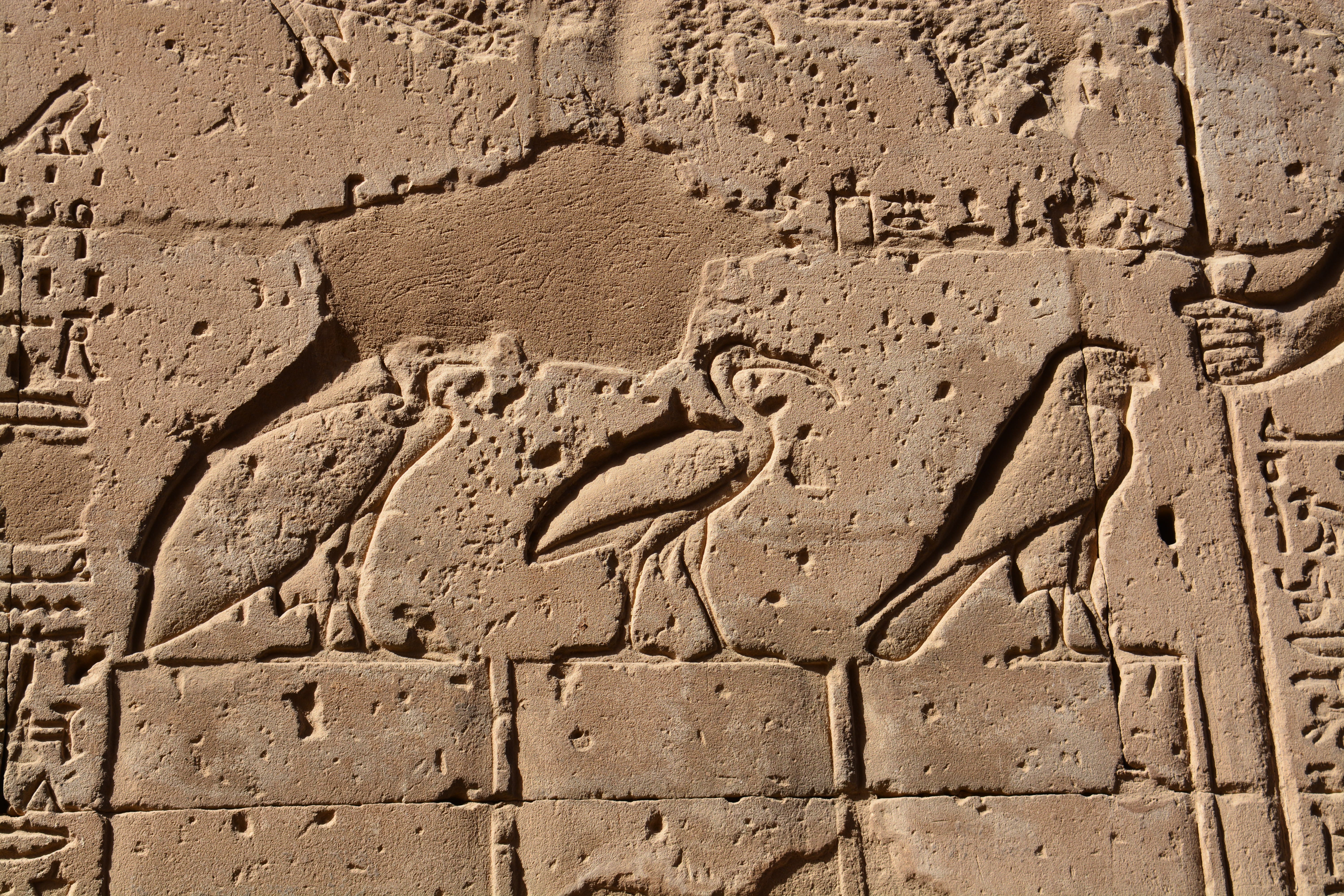
The rituals of mummification and fealty are displayed in faded colors of high and low relief pictographs on ancient walls and columns. The source and provenance of limestone quarries where great blocks of rock are harvested and hauled to temple sites are a side trip on a luxurious Nile barge cruise. There are many forms of domestic travel, but none surpasses four days of a cruise on the Aida.
Pictograph writing reveals ancient Egyptian belief in gods and goddesses; their stories of ascension, decline, death.
One of many values in a well-designed trip to a foreign country is the opportunity to meet with residents. Our trip is organized by Overseas Adventure Travel which specializes in having their tour groups offered lectures by residents of the countries that are visited.
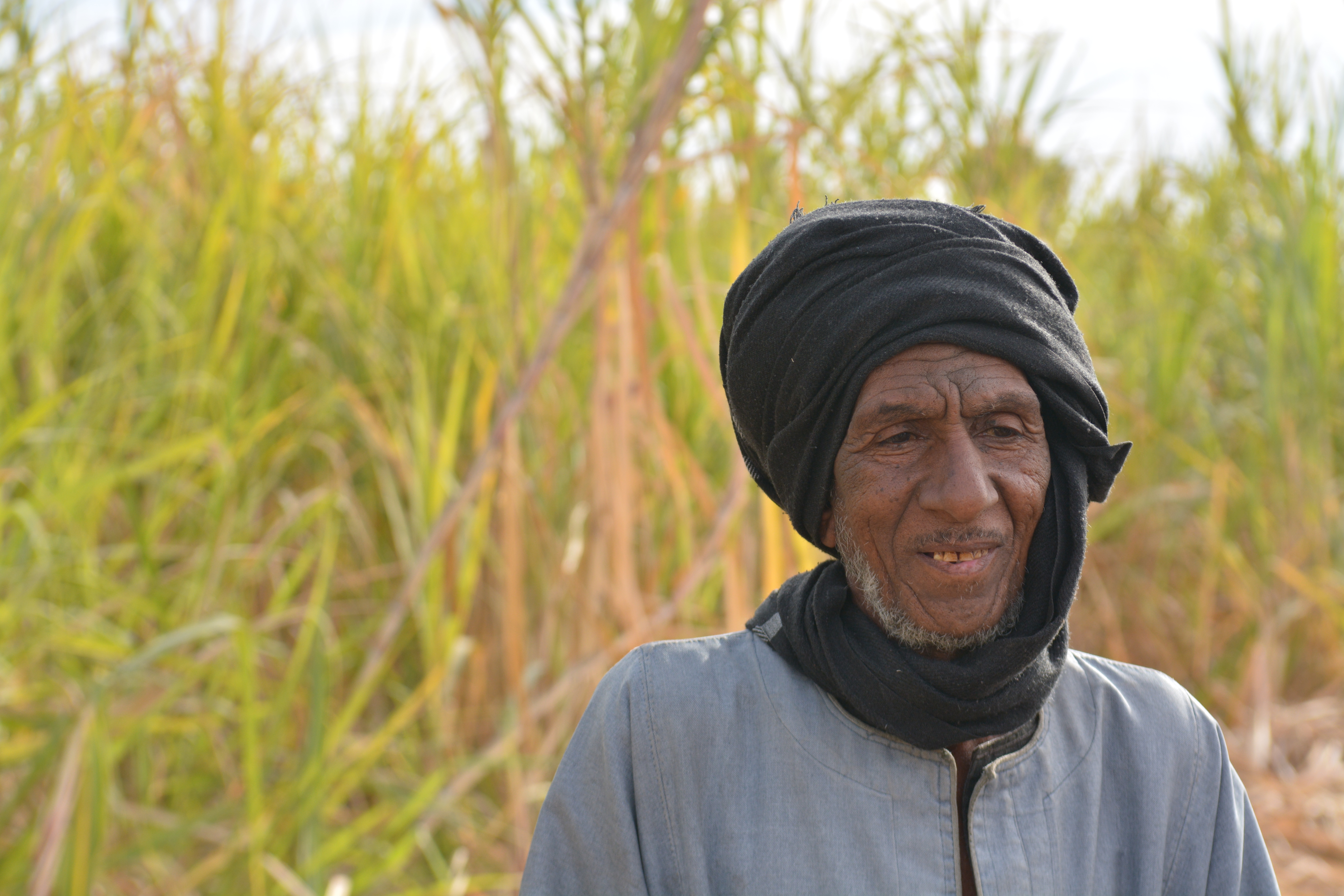
The opportunity to hear from Christians, Muslims, Nubians, and local farmers broaden a tourist’s understanding of Egypt.
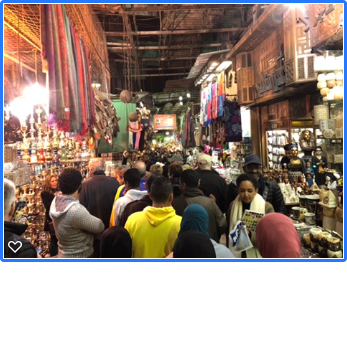
Every country of the world is complex and no brief trip will explain that complexity but these personal notes and pictures are meant to offer a peek into a mystery to all who do not, or cannot travel.
Audio-book Review
By Chet Yarbrough
(Blog:awalkingdelight)
Website: chetyarbrough.blog
Capitalism Without Capital
Written by: Jonathan Haskel, Stian Westlake
Narrated by: Derek Perkins
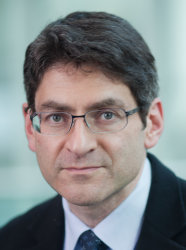
JONATHAN HASKEL (AUTHOR, BUSINESS SCHOOL PROFESSOR IMPERIAL COLLEGE LONDON)
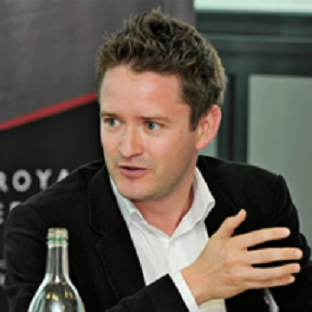
STIAN WESTLAKE (AUTHOR, ENGLISH BUSINESS CONSULTANT)
In addressing 21st century technology, Haskel and Westlake argue that the tradition of hard asset value is diminished. In today’s technological economy, the authors suggest investment in intangibles is as important as investment in buildings and machinery.
Haskel and Westlake acknowledge intangibles have always been an important part of economic growth. They note worker training programs, specialized employee’ experience, and patented designs have always had value; but auditors rarely (if at all) quantified those intangibles as anything other than expense. Little of a company’s investment in training, employee experience, and patents is assigned as an asset by analysts who use pre-twenty-first century accounting rules.
Most intangibles have historically been classified as uncapitalized expenses. In part, because quantification of intangibles is difficult to measure. Before the tech-revolution, investments in training, patents, and experience were looked at as costs of doing business. They were most often expensed (with some exception for patents).
When companies are sold, value of goods (machinery, buildings, inventory), and historical price/earnings ratios are the principal determinants of value. Haskel and Westlake note that patents are unreliable values because competitors reverse engineer product that, with newly created changes, are arguably new “unpatented” products; e.g. cell phones, computer chips, software programs, etc.
Haskel and Westlake note that patents are unreliable values because competitors reverse engineer product that, with newly created changes, are arguably new “unpatented” products; e.g. cell phones, computer chips, software programs, etc.
With growth of companies like Amazon, Microsoft, Apple, Google, Uber, Facebook, et al–standard accounting practice needs more than hard assets to determine value. Though it is difficult to patent intangibles, Haskel and Westlake suggest new accounting methods are, and should be, created for today’s and tomorrow’s industries. The idea of new accounting methods leads to “Capitalism Without Capital”.
With growth of companies like Amazon, Microsoft, Apple, Google, Uber, Facebook, et al–standard accounting practice needs more than hard assets to determine value.
Haskel and Westlake suggest information replaces capital as the fuel for economic growth.
Haskel and Westlake suggest information replaces capital as the fuel for economic growth. They extend their argument by advising investors, lenders, and governments to increase their capital commitment to intangibles. This seems ironic in view of a remaining need for traditional capital investment to energize 21st century economic growth. However, the authors are arguing capital is a smaller part of overall economic growth; albeit a critically important part. What they are suggesting is that investment should be recognized as an asset; not just an expense. Investors and lenders should look beyond bricks and mortar as a measure of security for capital investment. Some would argue that companies like Tesla should be able to carry a higher debt load because its value is greater than the sum of its hard assets.
Further, Haskel and Westlake emphasize Governments continued subsidization and investment in research and development in those areas where near term return is problematic. The example the authors give is DARPA in its early invention as a precursor of the internet, but there are many more examples; e.g. nuclear power, computer hardware, weather prediction, space exploration, etc.
Historically, intangible value has always been with us but recognized as an expense. Haskel and Westlake suggest intangibles need to be partially and judiciously accounted for as assets. When recognized as assets, intangible values open the door to wider private and public finance.
Like Malcolm Little (aka Malcolm X), Martin Luther King, and Barrack Obama, Douglass faces down poverty and demonstrates the equality of all human beings.
Audio-book Review
By Chet Yarbrough
(Blog:awalkingdelight)
Website: chetyarbrough.blog
Fredrick Douglass
Narrated by: Prentice Onayemi
Written by: David W. Blight
DAVID BLIGHT (AUTHOR, PROFESSOR OF AMERICAN HISTORY)
David Blight offers a nuanced biography of Frederick Douglass, a great 19th century American leader. Blight shows Douglass to rival the intelligence and charisma of the best known 20th and 21st century black Americans. Like Malcolm Little (aka Malcolm X), Martin Luther King, and Barrack Obama, Douglass faces down poverty and demonstrates the equality of all human beings. Malcolm Little, King, and Obama never face the lash of slavery, but Blight shows how Douglass pushes aside physical and cultural cruelty to demand freedom and equality of all.
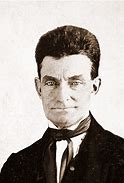
JOHN BROWN (AMERICAN ABOLITIONIST 1800-1859) Brown is neither lionized or vindicated by Blight but is shown as a turning point in Douglass’s life; a turning from moral suasion to action by people of color against slavery.
Ethan Hawke as John Brown.
Though shown to begin in peace, Blight shows how Douglass grows to understand peace will not come from words alone but must come from action. Douglass came to revere the anti-slavery violence of John Brown. Courageously, Douglass attacks the institution of slavery before, during, and after the American Civil War. Douglass becomes the conscience of white and black America.
Blight explains how Douglass came to revere Abraham Lincoln; not in Lincoln’s beginnings, but in Lincoln’s life of struggle for the true meaning of the American Constitution.
After Lincoln’s assassination, Douglass is shown to decry President Johnson’s abandonment of reconstruction in the south. Douglass offers unstinting support for Ulysses Grant’s election because of his commitment to the abolitionist cause.
Blight shows Douglass, like all human beings, is imperfect. He has blind spots when speaking of freedom and equality. Douglass discounts America’s decimation of native Americans and denial of women’s rights by arguing neither compares to slavery, subjugation, and murder of blacks.
The irony of Douglass’s imperfect argument is in native Americans who are murdered and restricted to reservations that are indiscriminately encroached upon by free and enfranchised Americans.
Indian families are regularly isolated, displaced, and murdered at the whim of white men in power.
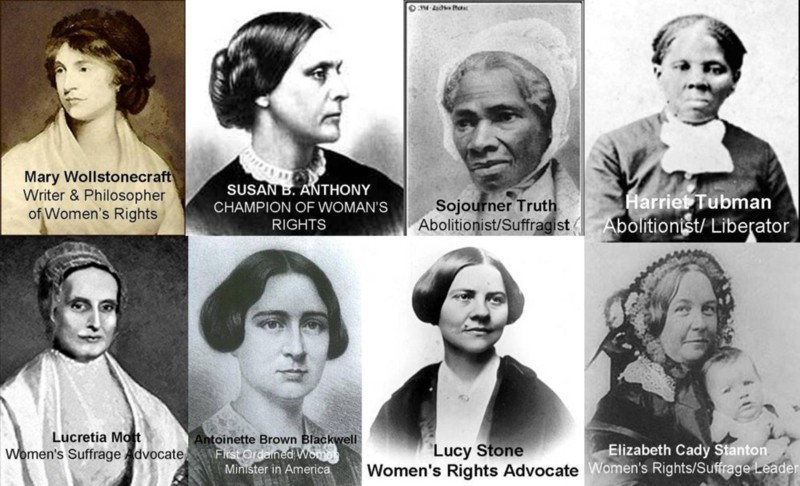
In women’s rights, Douglass discounts the same inequality trap that captures black Americans; i.e. the disenfranchisement trap. Women have no power. Women without power, just as any separated classification of humanity, are looked at as less equal by some measure. How many women are treated by men as property in the history of civilization? How many women are abused, and/or raped by men without consequence? How many women are unable to find work or are not paid the same wage for the same job? The bible is one of many records of discrimination faced by women.
FAMOUS WOMEN IN HISTORY (History, as well as this pictorial, shows many women are as intellectually strong and mentally tough as men; e.g. Cleopatra, Sojourner Truth, Indira Gandhi, Golda Meir, Benazir Bhutto, Malala Yousafzai, and others.)
Blight fairly describes Douglass’s blind spots while clearly identifying his remarkable insight and intelligence. Douglass’s many speaking engagements, published books, and newspaper articles graphically and forthrightly explain the plight of black Americans in the 19th century. Blight explains how Douglass manages to survive slavery, educate himself, forgive (but not forget) his oppressors, and become one of the greatest Americans of his time.
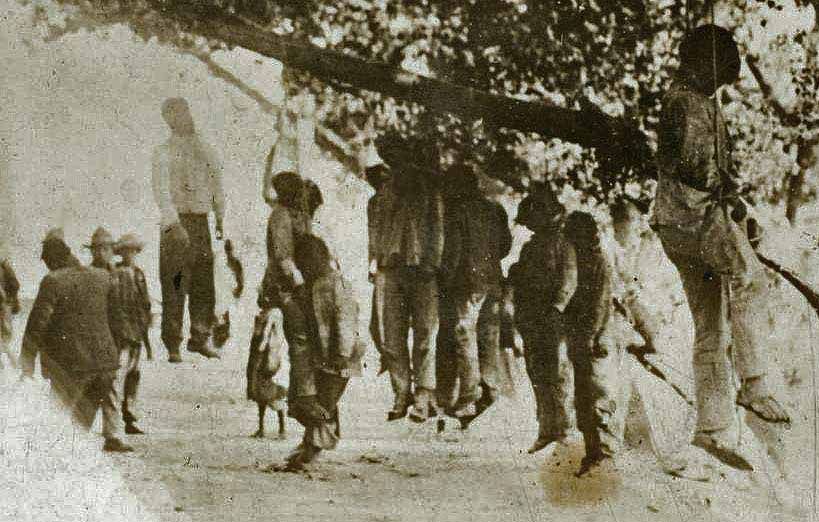
SLAVES LYNCHED IN 19TH CENTURY AMERICA
It is sad to know so many of Douglass’s observations remain true in the 21st century. Much of white America still fears the rise of black freedom and equality. “All men are created equal…” is preached but remains un-practiced in today’s America.
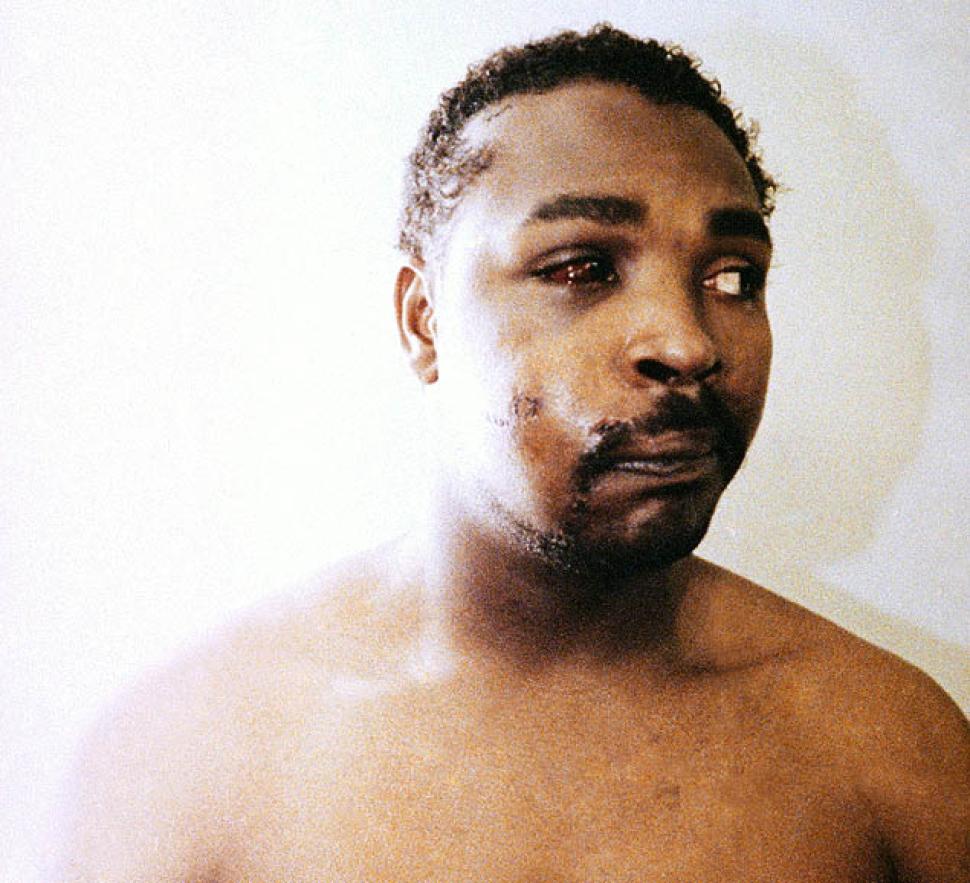
RODNEY KING (APPEARANCE 3 DAYS AFTER CAR-CHASE BEATING 3.6.92–KING DIES IN JUNE 2012 @ 47 YEARS OF AGE
The lessons of history show that people are not to be feared; they are to be offered equal opportunity to become all they can be. By nature, human beings are equally free and capable of being incredibly good and disastrously evil. It is the purpose of government to protect the rights of each from the other when evil takes hold of the governed. A moral life requires equal treatment of all. That is the essence of what Blight is writing about in the story of Frederick Douglass’s life.
Dostoevsky said, “There are things which a man is afraid to tell even to himself, and every decent man has a number of such things stored away in his mind.”
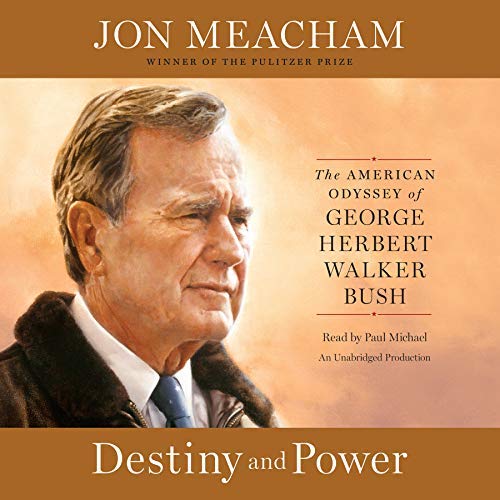
However, H. W. Bush seems unafraid in his interviews with Jon Meacham. Meacham’s biography refers often to H. W. Bush’s diary. H. W.’s diary appears written by a decent man who knows himself and chooses to divulge all he knows.
“Destiny and Power” is about H. W. Bush’s journey to the American Presidency and power in the executive branch of government. It begins with a brief history of the Bush/Walker families that reaches back to the beginnings of America. Both sides of H. W. Bush’s ancestors achieve the American dream through hard work, determination, and initiative. The success of the Bush/Walker families sets the stage for H. W. Bush’s public service; his Yale education, his relationship to the wealthy, his service to his country, and his tenure as President of the United States.
“Destiny and Power” reveals a candid picture of the 41st President of the United States. It is a story of family love, respect, and duty. It explores a family lineage blessed with wealth, good education, and expectation. H. W. Bush is a decent man who acknowledges his limitations in pursuit of good works.
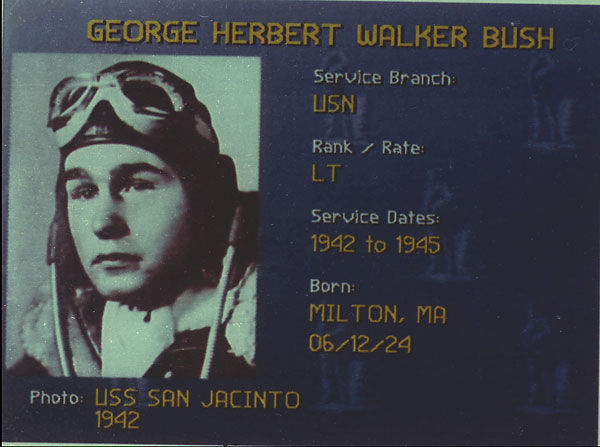
GEORGE H. W. BUSH MILITARY SERVICE WWII Meacham notes that H. W. Bush seems a go-along to get-along kind of guy; i.e. a non-confrontational person who is well liked by his associates and subordinates. After Pearl Harbor, H. W. enters the service at the age of 18 to become a pilot. When completing a bombing run, H. W. and his crew are downed at sea. As a downed bomber pilot, H. W mourns his fellow crewmen and wonders if there was anything he could have done differently to save their lives.
This life experience marks H. W. It illustrates H. W.’s sense of responsibility and how he cares for others. It reminds him of the horrors of war and the hurt felt by those left behind. It is a mark that guides his decision to begin the first Gulf war and insert American troops in Kuwait.
Meacham reveals how H. W. solicits friendship with everyone he meets. This facility for friendship is a key to his success in becoming a Texas oil man. His early success in the oil business appears based on who he knows and how well he cultivates wealthy associates’ interest in risking investment in land-lease oil exploration in Texas. H. W.’s friendliness leads him to politics. Meacham notes that friendliness did not immediately vault H. W. to political success but it paves his way to public service.T
H. W. is driven to succeed. In a widening circle of contacts, H. W. is welcomed into the Republican Party and becomes Chairman of the Party for Harris County, Texas. He runs for the Senate and is defeated by Texas Democrat Ralph Yarborough.
Later, in 1966, H. W. is elected to the House of Representatives and becomes acquainted with Richard Nixon.
President Nixon appoints H. W. to the United Nations as Ambassador for the United States. His social skill suited the United Nations Ambassador position perfectly.
As the Watergate scandal overtakes the Nixon Administration, H. W. supports Nixon up to the point of undeniable truth of Nixon’s cover-up. As the Republican National Committee Chairman, H. W. asks Nixon to resign.
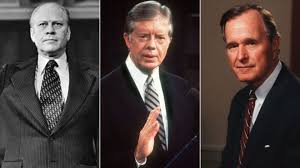
When Gerald Ford became President, H. W. is asked to be America’s envoy to China.
After serving for one year, Ford asks Bush to take the position of CIA Director.
One year later, Ford is defeated by President Carter and H. W. returns to the private sector with plans to run for President.
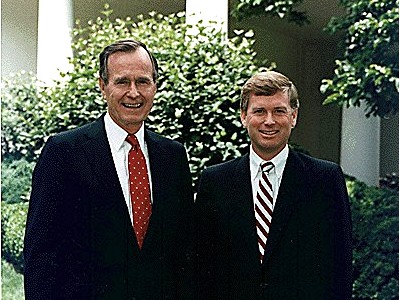
Bush’s cultivated Republican Party friendships compel Reagan to ask Bush to be his Vice President.
RONALD REAGAN (40TH PRESIDENT OF THE UNITED STATES) Meacham notes that running for President is something H. W. has prepared for through the course of his life but 1980 is the era of Ronald Reagan. Reagan’s public speaking skill clearly surpasses the oratorical skill of H. W. Bush. However, Bush’s appeal to a more liberal part of the Republican Party makes him an ideal running mate for the highly conservative Reagan. Reagan is reluctant to make the offer because of H. W.’s “Voodoo Economics” comment during their primary contest but Bush’s affable personality eventually endears Reagan to his running mate.
By the end of Meacham’s biography one sees Bush as a decent man who wishes to do the right thing. One might conclude that H. W. Bush is unduly influenced by the desire to be liked. This desire makes H. W. avoid confrontation, a characteristic of which Meacham offers many examples; e. g. Bush’s reluctance to confront the public with his decision to raise taxes; his ambivalence about using the bully pulpit to attack political opponents. H. W. Bush’s inner compass seems to wobble in the face of his desire for comity. However, when one puts H. W. in the context of history, Bush’s inner compass seems as true north as any of America’s Presidents.
On the one hand, comity may be what is missing in the extremes of the political climate of the 21st century; on the other hand, “read my lips” has little political efficacy.
On the one hand, comity may be what is missing in the extremes of the political climate of the 21st century; on the other hand, a wobbling inner compass leads to intellectually untested certainty. One may argue H. W. Bush’s avoidance of confrontation leads to decisions not tested by debate. All that is left is experience burnished by one person’s judgment. Avoidance of personal confrontation may lessen perspective but comity is an underrated commodity in today’s political climate.
A surprising note by Meacham is H. W.’s second guessing on Saddam Hussein. H. W. did not confront Saddam Hussein to demand unconditional surrender after his forced ejection from Kuwait. In retrospect, a demand for unconditional surrender seems superfluous. Arguably, H. W.’s courageous decision to inject the American military into Kuwait changed the course of history. One inclines to believe H. W. will go down in history as the antithesis of Nazi appeasers in WWII.
GEORGE W. BUSH (43RD PRESIDENT OF THE U.S. The most titillating part of Meacham’s biography of H. W. is a father’s judgment of his son’s Presidency. One tends to believe H. W. views George W. more as a beloved son than as President of the United States. George W., like all human beings, makes his own mistakes.
H. W. argues that his son is poorly served by his Vice President and Secretary of Defense. H. W. suggests Dick Cheney and Don Rumsfeld are the principal reason for the mistake of Iraq. (One must ask oneself, who hired Cheney and Rumsfeld? In a translation of Plato’s “Republic”, there is a phrase about leadership that suggests “Birds of a feather flock together”.)
George W. is his own man. He differs from his father in numerous ways. One may remember George W. standing on an aircraft carrier and saying “Mission Accomplished!” after the defeat of the Republican Guard in Iraq. Meacham’s biography suggests that kind of hubris-tic comment would never be made by H. W. Bush. History will show defeat of the Republican Guard accomplished very little. Defeat of the Republican Guard is only the beginning of many American mistakes in Iraq.
H. W. Bush may not go down in history as one of the greatest Presidents of the United States but he is among the most decent.
Kotkin’s first volume about Stalin’s rise to power offers lessons to modern American and Chinese governments. China seems on one path; America another.
STEPHEN KOTKIN (AMERICAN AUTHOR, HISTORIAN, ACADEMIC)
Stephen Kotkin offers a remarkable and comprehensive view of Russia’s 1917 Revolution in “Stalin, Volume I”. Kotkin succinctly describes how power in the hands of one may advance a nation’s wealth, but at a cost that exceeds its benefit.
Kotkin’s first volume about Stalin’s rise to power offers lessons to modern American and Chinese governments. China seems on one path; America another.
The formation of “checks and balances” sustains America’s economic growth, even in the face of leadership change. In contrast, a “rule of one” has moved China’s economic wealth to new heights, but “rule of one” threatens its future success; particularly if it follows Stalin’s, and now Putin’s mistaken path.
In historical context, Kotkin profiles the three most important characters of the Russian revolution; e.g. Vladimir Lenin, Joseph Stalin, and Leon Trotsky. Kotkin documents the personalities and circumstances of the pre-U.S.S.R.’ economy; i.e. an economy based on the disparity between wealth and poverty, federalization and centralization, political idealism and pragmatism.
MAO ZEDONG (1893-1976, FOUNDING FATHER OF PEOPLE’S REPUBLIC OF CHINA.)
Three leaders in the Chinese revolution were Mao Zedong , Zhou Enlai, and Deng Xiaoping. Zhou Enlai is the moderate of the three in trying to preserve traditional Chinese customs. Mao is by some measures an idealist who attempts to expand the theory of communism. His idealism creates a bureaucracy that nearly derails China’s economy. “The Gang of Four” radicalized Mao’s idealism into a more Stalinist view of communism. “The Gang of Four”s radicalization of Chinese communism is eventually reversed with the leadership of Deng Xiaoping, but not until after the Tiananmen Square massacre.
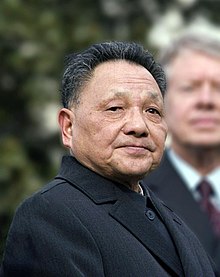
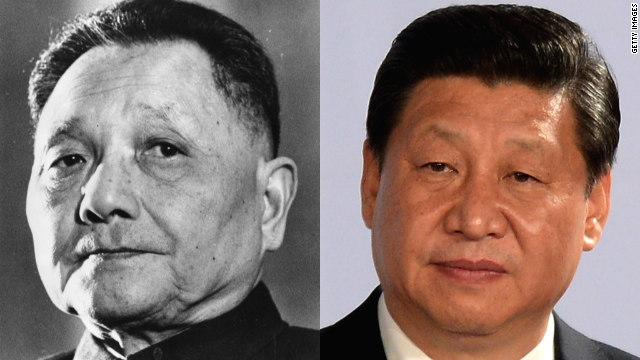
DENG XIAOPING (CHINA’S CHAIRMAN OF THE CENTRAL ADVISORY COMMISSION 1982-1987)
After Tiananmen Square, Deng recognizes the power of public dissent. Rather than increasing suppression, Deng opens the Chinese economy to a degree of self-determination. Deng does not abandon communist ideology. However, he recognizes the importance of economic growth and how less doctrinal communist policy would unleash the power of people as demonstrated at Tienanmen Square.
Deng dies in 1987 and the government of China is reshuffled. Deng’s eventual successor, President Xi, emphasizes the idealism of communism that threatens return to a Stalinist-like terror in China; i.e. a terror enhanced by technological invasion of privacy, and “big brother” control.
XI JINPING (GENERAL SECRETARY OF THE COMMUNIST PARTY OF CHINA AND PRESIDENT OF THE PEOPLE’S REPUBLIC OF CHINA)
President Xi returns to Mao’s authoritarian belief in enforced collectivism with the idea of expanding China’s new-found wealth through government subsidization of industry. Xi renews emphasis on rule by the Communist party, headed by himself.
The growing disparity between rich and poor in both China and America is widely seen in the internet, and with increased international travel. China’s rapid rise in economic wealth is unevenly spread, just as it is in the United States. The difference is in how that economic disparity is addressed.
In America, private dissent is an inherent part of its history which lauds individualism, self-determination, and freedom (within the boundary of “rule of law”). But, these characteristics denigrate American citizens who are unable or unwilling to reap the rewards of individualism, self-determination, and freedom. These are the Americans sleeping on America’s streets and living in their cars.
America’s system of governance allows a rift between the rich and poor because it is based on a system of “checks and balances”. America’s system demands debate, and more broadly considered human consequence, before government action is taken.
LIVING ON THE STREET IN AMERICA
In China, the homeless are compelled to work at jobs created by the government. China’s system of governance is driven from the top, with limited debate, and more singularly determined public consequence. Government action is autocratically determined.
BEIJING-In China, dissent is discouraged and freedom is highly restricted, but homelessness is addressed with housing for the poor at subsidized prices.
In ancient China, singular autocratic rule offered a mixed blessing. Some of the world’s wealthiest and most cultured governments were created in China. These ancient dynasties successfully expanded their economies to make China a world leader in science and industry. At the same time, with few checks and balances, the history of China’s “rule of one” resulted in periodic social and economic collapse.
In some ways, China’s ancient civilization’s rise and fall is reminiscent of the rise and fall of the U.S.S.R. after 1917. Kotkin describes the turmoil surrounding Russia in 1917. The beginning of WWI and Germany’s invasion exaggerate the paradox of power in Russia. Modern European, Asian, North American, Middle Eastern, and African countries are experiencing some of the same economic, and political disruption.
On the one hand, the peasant is a proud Russian; on the other hand, he is a slave of the landed gentry; indentured to preserve the wealth of others at the cost of his/her life.
In 1917, the Czar and wealthy aristocracy depend on a population of the poor to defend the government. Russian peasants are faced with defending a government system that recognizes them as serfs, agricultural laborers indentured to wealthy landowners. (A similar system existed in China prior to 1949.)
In 1949, Mao recognizes the same inequity and judiciously separates landlords from their vast estates and re-distributes it to tenant farmers who worked for them. Ownership restructuring improved agricultural production until Mao tried to make small collectives into large collectives with Communist party oversight. Formation of a Chinese Communist Party bureaucracy distorted actual production and de-motivated farmers that did the real work of farming. The result of production over-estimation caused a nation-wide famine.
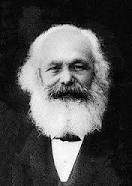
KARL MARX (BORN TRIER, GERMANY 1818-DIED LONDON, ENGLAND 1883)
Kotkin notes Russian social and economic inequity is a breeding ground for a Leninist/Marxist revolution. Marx’s dialectic view of the wealth of nations suggests that governments will change based on the growing recognition of the value of labor; i.e. beginning with agrarian feudalism, growing through industrialized capitalism, and socialism; reaching to a state of equilibrium in communism (a needs-based and communal sharing of wealth). Marx suggests all nations will go through this dialectic process.
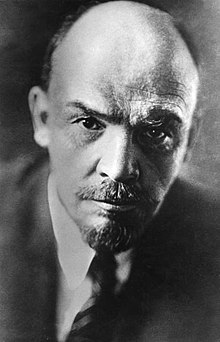
Lenin bastardizes Marx’s dialectic idealization. Lenin believes the process can be accelerated through revolution and centralized control of the means of production. This idea is adopted by Mao Zedong in China in 1949 with early success. However, Mao expands the collectivist policy with “The Great Leap Forward” in 1958. Mao’s broader collectivist policy collapses the Chinese economy in 1962. Thousands of Chinese die from starvation as communist overseers exaggerate food production quotas.
Collectivist expansion is an oversimplification of Kotkin’s explanation of Vladimir Lenin’s form of communism but it shows the risk of “rule of one” governance. Even Lenin is conflicted about how Russia will grow into a communist society.
Lenin recognizes the social and economic distance that Russian peasants must travel to gain an appreciation of a new form of government.
Much of the Russian population, like the Chinese in 1949, were illiterate and living at a subsistence level; bounded by a non-mechanized agrarian economy. Lenin vacillates between growth through education and growth through autocratic command. Kotkin suggests that Lenin gravitates toward centralized command because of the need to consolidate power within the revolution.
What Lenin needed in 1917 were followers that could get things done. Before being felled by brain disease and stroke, Lenin relies on the abilities of men like Joseph Stalin. Mao relies on his revolutionary Red Guard. Kotkin argues that Stalin became close to Lenin as a result of his organizational skill and his penchant for getting things done without regard to societal norms. For Mao, close associates like Deng Xiaoping, were his enforcers. Stalin becomes the most powerful enforcer in Lenin’s revolution. Deng eventually becomes the leader of Communist China.
Though Stalin wields great enforcement powers, Kotkin infers Trotsky is the intellectual successor to Lenin. Stalin and Trotsky are shown to be at odds on the fundamental direction of the Bolshevik party, the successor party of Russian communism. However, the exigency of getting things done, as opposed to understanding the goals of creating a Leninist/Marxist government, were paramount goals for consolidating power after the revolution. Kotkin explains how Stalin became a defender of Leninist doctrine while Trotsky became an antagonist and eventual apostate because of Stalin’s manipulation of events.
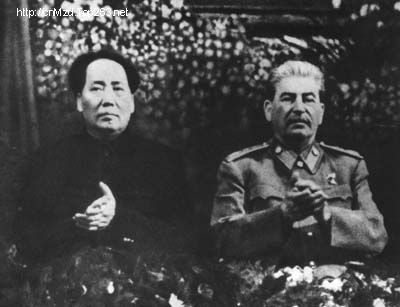
MAO AND STALIN IN 1949
China waits and observes Stalin’s method for rapid industrialization of Russia. Kotkin explains that Stalin gains an intimate understanding of Lenin’s doctrines while Trotsky chooses to compete with Lenin’s philosophical positions. The threat of factionalism accompanies Trotsky’s doctrinal departures.
The irony of the differences between Stalin and Trotsky are crystallized by Kotkin. Stalin’s intelligence is underestimated by both Lenin and Trotsky. Stalin carefully catalogs and memorizes Lenin’s communist beliefs. In contrast, Trotsky chooses his own communist doctrinal path based, in part, on Lenin’s writing. Here, another similarity is drawn with the near religious following of Mao’s Red Book with aphorisms about governing oneself and China.
Kotkin suggests Lenin views Trotsky as a more likely successor than Stalin as leader of the country. Lenin appreciates Stalin’s organizational ability but views Stalin’s temperament as too volatile for long-term government control. In 1922, Lenin is said to have dictated a “testament” saying that Stalin should be removed from his position as General Secretary. Lenin’s “testament” critiqued the ruling triumvirate of the party (Stalin, Zinoviev, and Kamenev) and others like Bukharin, Trotsky and Pyatakov but the pointed suggestion of removal for Stalin is subverted.
After Lenin dies, the triumvirate chooses to ignore Lenin’s “testament” for Stalin’s removal. After all, Stalin is a doer; i.e. he gets things done. Just as Stalin suppresses opposition to his interpretation of Lenin, China suppresses opposition to the Communist Party’s doctrines. Doctrinal differences are successfully suppressed in China until the the failure of “The Great Leap Forward” in the 1950’s. The consequence of “The Great Leap Forward”s failure is the cultural revolution in the 1960’s.
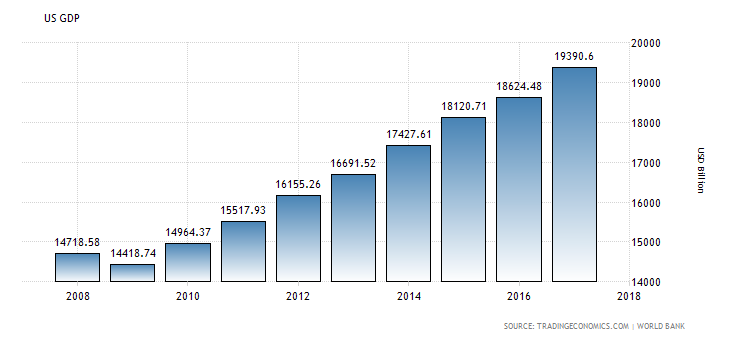
In America’s history the economy slugs along with setbacks and successes. Though 1929 sees the collapse of the American economy, it recovers with government intervention, the advent of WWII, and the push and pull of a decision-making process designed by the framers of the Constitution. That push and pull is from leadership that is influenced by the checks and balances of three branches of government. That same process saves the American economy in 2008. The power and economy of America has grown to become the strongest in the world.
Kotkin’s research suggests young Stalin is something different from what is portrayed in earlier histories. Stalin grows close to Lenin because he is the acting arm of Lenin’s centralized command. Lenin relies on Stalin to get things done. He is Lenin’s executor. At the same time, Lenin turns to Trotsky as an economic adviser to ensure a more comprehensive understanding of what needs to be done to stabilize the revolution. Trotsky believes in the importance of centralized control of the economy.
Both Lenin and Stalin believed in communism but the first acts on a vision of the future; the second acts on the “now”.
China’s Deng and Xi seem to reverse Lenin’s and Stalin’s reasoning. Rather than Deng being like Lenin, he acts on China in the “now”.
Xi seems more like Lenin and looks at China’s future based on the ideals of communism. However, from an American perspective, all autocrats common failing is belief in “rule of one”. The rising dictatorship of Putin is doomed to fail but there is no guarantee that his replacement will either be soon or less repressive.
Glasnost and perestroika fail to overcome that belief.
Kotkin puts an end to any speculation about Lenin being poisoned by Stalin. Kotkin argues that Lenin died of natural causes, strokes from a brain disease. What Kotkin reveals is the internecine war that is waged between Stalin and Trotsky while Lenin is dying. The strokes steadily debilitate Lenin and suspicious written pronouncements are made that may or may not have originated with Lenin. Lenin’s secretary is his wife. Some evidence suggests a missive from Lenin saying Stalin should not be his successor, noting Trotsky as a better choice. Kotkin suggests such a missive is unlikely. Lenin seems to have had his doubts about both men.
Succession in modern China seems less filled with intrigue than communist Russia but the opaqueness of China’s politics makes the rise of Xi a mystery to most political pundits. What seems clear is that China’s rise and fall has always been in the hands of the “…one”.
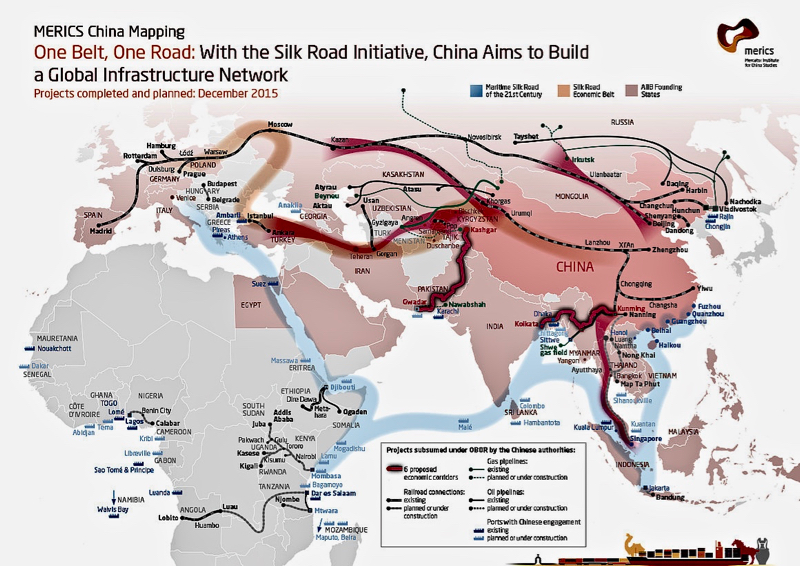
PRESIDENT XI’S ONE BELT, ONE ROAD PLAN FOR CHINA’S FUTURE
History will be the arbiter for President Xi’s success or failure with a road and belt plan for China’s economic future. The same may be said for President Trump’s focus on the virtue of selfishness for America’s economic future. The fundamental difference between America and China is Xi has no “checks and balances”; American Presidents have the Supreme Court, Congress, and a 4-year-election-cycle to assuage arbitrary government action.
AYN RAND (1905-1982, AUTHOR WHO FIRMLY BELIEVED IN THE VIRTUE OF SELF-INTEREST AND UNREGULATED CAPITALISM.)
In Russia, Trotsky is characterized as an intellectual while Stalin is a pragmatist. In China, Deng is characterized as a pragmatist while Xi seems a doctrinal theorist.
In history, Trotsky is highly opinionated and arrogant. Stalin is street smart and highly Machiavellian. Trotsky thinks right and wrong while Stalin thinks in terms of what works. In China, Deng is Stalin and Xi is Trotsky. In America, Trump is Stalin and his opposition is Trotsky-like do-nothings.
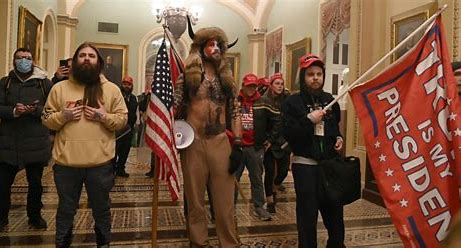
Trump lost the election in 2020 because–from an American perspective, all autocrats common failing is belief in “rule of one”.
Stalin is reputed to be temperamental while Trotsky is aloof. Though Trotsky insists on centralized control, Stalin argues for federalization. Stalin paradoxically argues for federalization because he knows Russian satellite countries want independence, but he will act in the short-term for centralization to get things done. And of course, Stalin clearly adopts centralized economic planning for the U.S.S.R.; i.e., another of Kotkin’s paradoxes of power.
Ironically, though Putin is now showing himself to be as ruthless as Stalin, he is unable to exercise the same level of dictatorial control. Unrest is not quelled in the face of the Russian people’s assessment of Putin’s justification for the Ukrainian war.
There is much more in Kotkin’s powerful first volume about Stalin and the Russian revolution. Germany’s role in the revolution is a case in point. The writing is crisp and informative. The narration is excellent. After listening to “…Volume I”, one looks forward to Kokin’s next which is published this year.
The past is present in Kotkin’s excellent biography of Joseph Stalin.
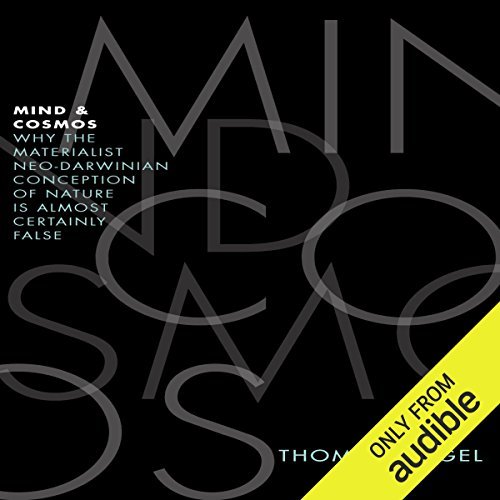
Mind and Cosmos: Why the Materialist Neo-Darwinian Conception of Nature is Almost Certainly False
By: Thomas Nagel
Narrated by: Brian Troxell
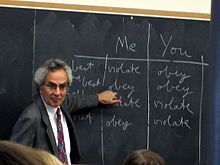
THOMAS NAGEL (AMERICAN AUTHOR, PROFESSOR NEW YORK UNIVERSITY)
Thomas Nagel believes Darwin’s theory of natural selection is wrong. Nagel suggests natural selection fails to encompass the concept of mind. Even though Nagel acknowledges biology and physics have made great strides in understanding the nature of life, he suggests the mind should be a starting point for a theory of everything. Nagel infers that science research is bogged down by a mechanistic view of nature. Nagel suggests science must discover the origin of consciousness to find the Holy Grail; i.e. an all-encompassing theory of nature.
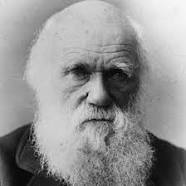
CHARLES DARWIN (1809-1882) FOUNDER OF THE THEORY OF THE ORIGIN OF SPECIES.
Nagel does not believe Darwinian evolution can explain consciousness. Nagel offers a sliver of hope to believers in God as the Creator but, as an atheist, he suggests there is a teleological (an account of a given thing’s end or purpose) explanation for consciousness that is yet to be discovered. In that discovery, he believes there will be a theory of everything that encompasses the true nature of life.
Nagel acknowledges God may be the answer but places that idea near the level of space aliens leaving seeds of life on earth. He argues that discovery of the origin of consciousness through science will be the key to open the door to a theory of everything. Like Einstein and Newton, Nagel believes humans live in a world of cause and effect. But, like Newtonian’ physics failure to encompass the universe’s laws of motion, and Einstein’s belief that God does not play with dice, Nagel believes Darwin’s concept of natural selection is, at best, incomplete. (Both Newton and Einstein failed to incorporate laws of quantum mechanics in their respective theories of nature.)
SIR ISAAC NEWTON (1642-1727)
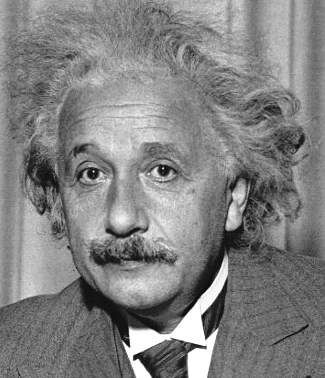
ALBERT EINSTEIN (1879-1955)
Without agreeing or disagreeing with Nagel’s idea, it seems propitious for the United States to fund and begin their decade-long effort to examine the human brain. A giant step forward was taken by President Obama but Trump’s anti-science mentality suggests Nagel’s idea will not be explored during Trump’s administration.
OBAMA BRAIN INITIATIVE IN 2014 ($300 MILLION DOLLAR FOR NEUROLOGICAL R&D–Trump’s anti-science mentality suggests Nagel’s idea will not be explored during Trump’s administration.)
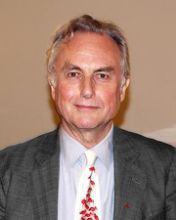
RICHARD DAWKINS (ENGLISH ETHOLOGIST AND BIOLOGIST INFERS A GENE MAY BE THE SOURCE OF CONSCIOUSNESS)
Though nearer term objectives are to understand Alzheimer’s and Parkinson’s diseases, the longer term result may be to discover the origin of consciousness. Contrary to Nagel’s contention that natural selection cannot explain consciousness, brain research may reveal consciousness rises from the same source of mysterious elemental and repetitive combinations of an immortal gene that Darwin dimly understood. Brain research offers an avenue for extension or refutation of Darwin’s theory of natural selection.
Mind and Cosmos is a tribute to Nagel’s “outside the box” philosophical’ thought. Like some who say string theory is a blind alley for a theory of everything, natural selection may be a mistaken road to the origin of life.
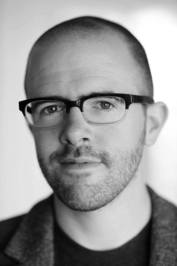
BRIAN CHRISTIAN (CO-AUTHOR, WRITER OF NONFICTION, SCIENCE, PHILOSOPHY)
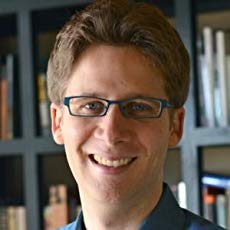
TOM GRIFFITHS (CO-AUTHOR, PROFESSOR OF PSYCHOLOGY AND COGNITIVE SCIENCE UC BERKLEY)
“A Hitchhiker’s Guide to the Galaxy” explains that the ultimate answer to the meaning of life is 42; however, Brian Christian and Tom Griffiths tell us it is 37 in “Algorithms to Live By”.
Griffiths and Christian argue that if you want to have an optimum answer to a complex question, it will take 37% of an allotted amount of time to study the known and unknown details of a question to come up with an optimum answer. Keep in mind, this is not a perfect answer but a probabilistic optimum answer; i.e. an answer based on what is known and unknown.
CHRISTIAN AND GRIFFITHS INFER THE COMPLEXITY OF LIFE MAKES ANSWERS TO LIFE’S MEANING LIMITED.
Christian and Griffiths outline what they argue is an explanation of human decision-making. The implication of their conclusion suggests AI is unlikely to improve human cognition because it only adds information to complex human questions.
If you sit at a poker table for three hours, the first hour should be used to gather information about your competition. You will never know everything you need to know to win a hand of poker. But, you will improve your chances of winning by taking slightly more than 1/3rd of your time gathering information about the way your competitors play. This is a simplistic way of looking at Christian’ and Griffiths’ explanation of human decision-making.
The authors identify the discoverer of this algorithm as Merrill Flood, an American mathematician who, with Melvin Dresher, came up with the Prisoner’s dilemma, a model of cooperation and conflict.
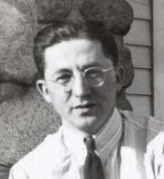
MERRILL FLOOD (SOCIAL PSYCHOLOGIST FOR RAND IN 1950, ALONG WITH MERRILL FLOOD FRAMED THE PRISONER’S DILEMMA GAME THEORY)
MELVIN DRESHER (POLISH BORN AMERICAN MATHEMATICIAN, INVENTED
THEORETICAL MODEL OF COOPERATION AND CONFLICT.)
Everyone loses in “The Prisoner’s Dilemma”. Christian and Griffiiths note the game can be changed by one variable. The example given is the introduction of a Mafia leader that says anyone who rats on another will be murdered. The introduction of this new variable changes the probability of either robber ratting on the other.
The Prisoner’s Dilemma” is the story of two robbers that are placed in separate cells, interrogated independently, and offered a shorter sentence if one rats on the other. The prosecutor does not have enough evidence for conviction without one ratting on the other. If both robbers rat on each other, they will serve the same sentence. If only one rats on the other, he/she gets a shorter sentence. If neither robber rats on the other, the robbers are convicted on a lesser charge.
The 37% factor offers truth but fails to give much comfort to one seeking knowledge about life. It reminds one of the funny idea suggested by “The Hitchhiker’s Guide to the Galaxy” with the number 42. The authors suggest 37% is considerably better than knowing nothing but they imply the complexity of life makes outcomes entirely probabilistic. One presumes–the more you know, the better your decisions will be. Christian and Griffith disagree with that presumption. They suggest too much information skews the probability of truth.
CHRISTIAN AND GRIFFITH INFER ARTIFICIAL INTELLIGENCE WILL OFFER NO BETTER DECISION MAKING CAPABILITY THAN HUMANS.
With computers and the internet, one would think truth would be easier to find. Christian and Griffith suggest computers only offer added complexity; not truth. They argue computers are only tools for revealing complexity.
Christian and Griffith suggest 37% is the best one can do in getting to the truth. The authors suggest there is a point of diminishing return with more information; i.e. too many accumulated facts distort the truth and take one farther away from a 37% probability. A recent example is statistical sampling concluding Hillary Clinton would be the next President of the United States.
A 37% BOUNDARY FOR ANSWERS TO THE MEANING OF LIFE
There is much more in Christian and Griffiths exploration of algorithms, but it is disheartening to think human search for truth is constrained by a 37% information boundary. A logical extension of their argument is that artificial intelligence is as likely to mislead humanity as human intelligence. The authors argue–the nature of AI only increases information for answers to complex questions. By adding too much information, more facts are known with less chance of knowing the truth.
This is an enlightening exploration of the world of algorithms and computer science. On the one hand, it suggests human intuition is highly valuable; on the other, the authors explain it is unwise to rely on instinct alone. Christian and Griffiths explain life decisions, even with complex computer driven algorithms are less; not more likely to be correct.
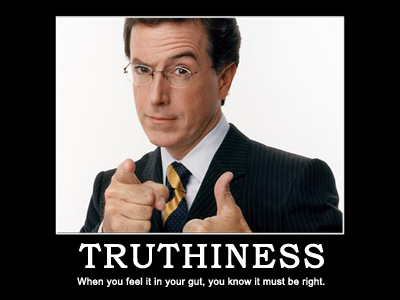
Some useful tools for life’s management are explained but there is a ring of truthiness in Griffiths’ and Christian’s conclusions. Of course, at best, this review shows only a 37% chance of being true.
This is a disturbing book because it brings a wolf to the door. The wolf may blow your house down whether it is made of brick or straw.
Herman Cain (Previous Presidential candidate, Tea Party Activist who believes in returning to a gold standard for the American dollar. Most recently, President Trump tried, unsuccessfully, to have Cain appointed to the Federal Reserve Board.)
President Trump’s harangue about the independence of the Federal Reserve is old news. Packing the Federal Reserve has been done before. The selection of Herman Cain reflects on an Executive branch that lives in the past.
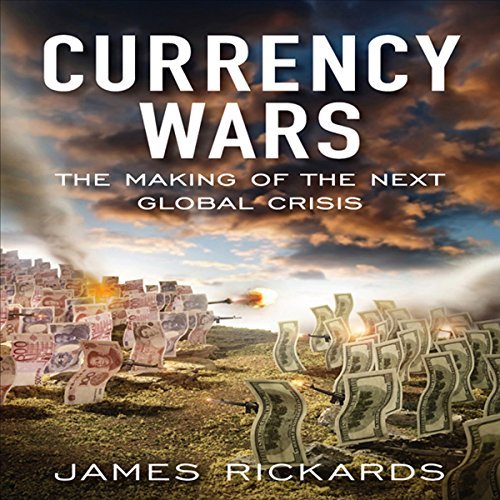
James Rickards infers the sky is falling because we are in a war that cannot be won without returning the American dollar to a gold standard. The argument is that returning to a gold standard will create a level playing field for currency that will stabilize the economy and break down barriers to free trade; i.e. not free trade exactly but regulated trade. Somehow, currency backed up by gold will be more stable than the full faith and credit of a government—really?
What is roiling the market today is a trade war; not currency manipulation.
Gold was over $1600 per ounce when Rickards was published. It ranged between $1529 and $1800 per ounce since this was published. Without a fixed standard, Rickards argues national economic security is at risk. Rickards argues that America has fought two currency wars in its history and is now in the middle of its third war, using weapons that cannot defend America in a currency war.
America is part of a world market; not a singular self-sufficient economic island.
Trade wars between nations is twentieth century thinking. World interconnection through travel, media, and education demand constructive cooperation between nation-state economies. It is economic improvement of all nations that makes each nation stronger. As national economies improve, free trade flourishes. It is a waste of human life to engage in restrictive trade policies or artificial standards of value like gold.
BEN BERNANKE (CHAIRMAN OF THE FEDERAL RESERVE 2006-2014)
Rickards believes Bernanke, in 2012-13, misreads a primary cause of the depression. Rickards believes Bernanke is steering the U.S.’ economy into a ditch. He argues that “quantitative easing” is a road to hyper-inflation and economic calamity because it artificially stimulates the economy with newly printed money that has no intrinsic value.
Rickards goes on to suggest the Euro crises are examples of currency instability and the unpredictability of many battles being fought in the currency wars. His assessment is that political interests of China and Germany are the only glue that keeps countries like Greece from economic collapse.
Rickards is an attorney and an economist. That makes him capable of structuring an argument about the economy with more credibility than a bumbling blogger. However, to this bumbler, Rickards’ arguments are specious.
First, other economists disagree with Rickard’s considered argument about the gold standard, Ben Bernanke for one. Second, what evidence is there that one country’s decision to return to a gold standard will reduce economic conflict among nations? Finally, history shows Rickards to be wrong in terms of America being steered into a ditch. One can reasonably argue that Bernanke’s, Geithner’s, and Paulson’s actions kept America out of a ditch.
In contrast, it appears President Trump may be steering the American economy into an economic ditch.
Countries are run by different government philosophies, different national interests, and rely on different economic resources—how will creating a gold standard for currency in one country or all countries reduce conflicting self-interests? The currency war will not be changed with a return to the gold standard, i.e., currency wars will continue and evolve based on whatever standard is used for currency to determine value.
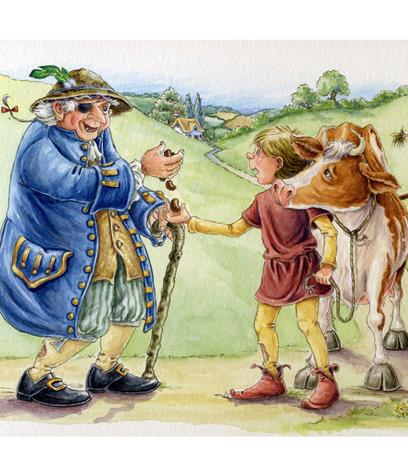
The gold standard is not a magic bean that can be exchanged for a milk cow. There is no bean stock to golden egg land.
Geo-political thinking and self-interest do not change because of a gold pegged American dollar. Currency conflicts will not disappear, i.e., they will re-set to commodity wars, or maybe bitcoin wars. America is as capable as any post-industrial nation to compete on that basis.
Rickards observes the trillion-dollar American Treasury bill hoard held by China and sees the sword of Damocles raised to slice America’s neck. Why would Jack want to kill the goose that lays the golden eggs? America is “Mr. and Mrs. Consumer” on steroids.
AMERICA’S BULLY
Currency wars are real, but America has fought them before with results that have made it the bully of the world. Maybe America needs to learn how to be a little humbler rather than gamble on a currency play or trade war that has as much chance of causing as curing world economic collapse.
Consumption is threatening humanity. Human resource should be deployed to improve living standards of all people, but economies that strictly focus on consumption are killing the golden goose.
Work on the environment is truly an improvement that “lifts all boats”. Better waste management, clean water, clean air, and education are investments with infinite returns. Wars of any kind between nations is twentieth century thinking.
RICHARD POWERS (AUTHOR, AMERICAN PROFESSOR OF ENGLISH)
Humanity’s years of life are but a blink of an eye. Richard Powers, like Cervantes’ Don Quixote, tilts at a windmill that neither generates power, grinds corn, or pumps water.
You love Powers way with words but come away from “The Overstory” feeling like Quixote’s relatives–mourning his loss of sanity but rejoicing in his belief of love and life.
Humans think themselves the center of the universe. To we puny creatures, no life is more important than human life. Powers argues otherwise.
Humans are not the center of the universe. Humans are part of an ecosystem; a system millions of years older. A conclusion drawn by “The Overstory” is that the earth’s ecosystem will live millions of years after humans are gone.
Powers tells a story that offers slim hope for humanity. A congregation of misfits grow to understand the frailty of humanity and its essential need to support nature. “The Overstory” begins in seemingly random stories of disparate characters who become part of a group of revolutionaries. In some parts of the country, they are called “tree huggers”.
Powers forcefully develops the argument that trees are the foundation and future of life. Every tree tells natures’ story of birth, life, death, and rebirth. Every character in Powers’ story either supports forest preservation through protest or example.
Powers’ story is about the preservation of all life.
In Power’s story, a protest results in an accidental death. It is a story of a husband and wife who symbolize the importance of a singular tree that cannot speak in a language that people can understand.
ECO-TERRORIST INCIDENT IN CALIFORNIA 2006
The protest is by a disparate group of eco-terrorists who sabotage a lumber harvesting company’s property. One of the rebels dies from a firebomb meant to stop the harvest. The consequence is the death of one, and the guilt carried by surviving rebels. Those who survive, get on with their lives. Many years after the incident, two of the participants are caught. One chooses to implicate another to receive a lighter (7 year) sentence. The other is sentenced to two seventy-year life sentences.
Powers’ symbolic example of human ecological ignorance is a highly successful corporate lawyer who has a stroke and cannot communicate with his wife. He deeply loves his wife, but she insists on being free of any ownership by another, whether from love or physical possession.
The lawyer reminds one of trees that live but cannot communicate with humans. His wife chooses to stay with him in his tree-like existence and begins to realize how he sees and understands without being able to clearly communicate. She is free and begins to comprehend what freedom means when she looks out the window and interprets what her husband sees.
If there is revelation in Power’s story, it is not human centered. The only slender hope Powers offers is for the language of trees to be understood by humanity. The disparaging term “tree huggers” implies there is no hope.
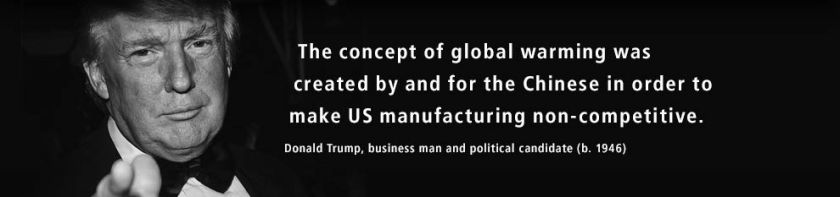
In travels around the world, one sees our world in crises. Indigenous Chinese drink bottled water. An India’ guide notes his country is on the brink of ecological catastrophe. Why worry–our American President says global warming is a hoax. It seems unlikely the world will wake up before it is too late.
THE LANGUAGE OF TREES
Trees may have a language, but technology is unlikely to provide any translation that humanity will accept. One hopes Powers’ imaginative story is a Cervantes’ tale; not a prophecy.





































 Further, Haskel and Westlake emphasize Governments continued subsidization and investment in research and development in those areas where near term return is problematic. The example the authors give is DARPA in its early invention as a precursor of the internet, but there are many more examples; e.g. nuclear power, computer hardware, weather prediction, space exploration, etc.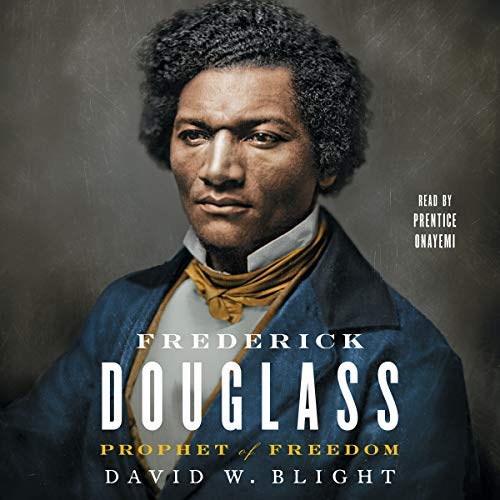






























 REVIEWS AND VIEWS OF LIFE