
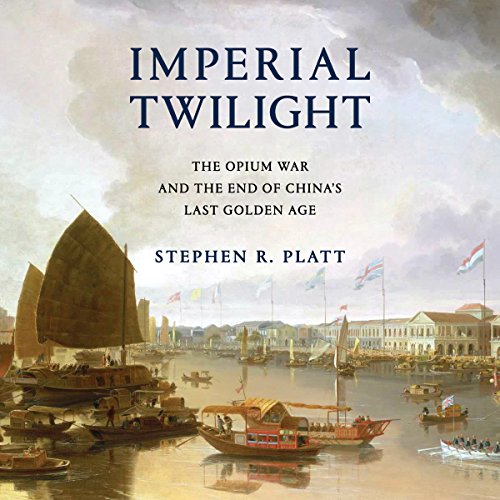
Books of Interest
Website: chetyarbrough.blog
Imperial Twilight (The Opium War and the End of China’s Last Golden Age)
Author: Stephen R. Platt
Narration by: Mark Deakins

Stephen R. Platt (Author, American historian, professor of Chinese history at the University of Massachusetts.)
As an audiobook listener and fortunate traveler of the world, books about China are an unquenchable thirst for knowledge. Stephen Platt’s “Imperial Twilight” reinforces one’s understanding of how different and alike China’s strengths and weaknesses are to younger nations of the world. America is a newly born baby in comparison to China. One comes away from “Imperial Twilight” with the feeling that China is at the dawn of a new “…Golden Age” in the 21st century. Platt’s history clearly explains the fall of one of China’s earlier golden ages that is accelerated by the rise of Great Britain and “The Opium War…” of the 19th century.
Platt explains the opium trade accelerated the decline of China in the early 19th century.

The Qing dynasty arguably created a golden age in China between 1661 and 1796. Emperor Kangxi (1661-1722) consolidated Qing family rule by defeating three feuding factions in China. He manages to reach a diplomatic settlement with Russia that had been encroaching on Chinese territory. Kangxi patronized scholarship, science, and cartography during his reign. He is compared to Louis XIV and Peter the Great for the length and effectiveness of his reign. His two heirs carried on China’s golden age up to the end of the 18th century when Great Britain arguably grew into its second golden age (the Victorian Age of 1837 to 1901).
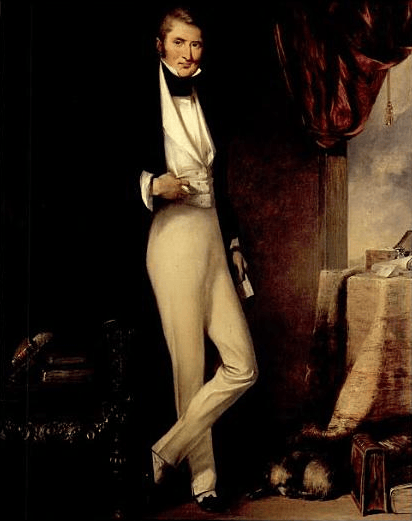
William Jardine (1784-1843, Scottish physician, merchant and opium dealer who co-founded the Hong Kong based conglomerate Jardine/Matheson & Co.)
Platt argues William Jardine and James Matheson were key Englishmen that grew wealthy from the opium trade in China in the early 19th century. Britain had a massive trade imbalance because the rest of the world coveted the tea, silk, and porcelain produced by China. Jardine and Matheson capitalized on the opium trade because it was not regulated by either Britain or China with China becoming a massive importer of the deadly drug. Belief in free trade exacerbated opium sales in the most populated countries of the world with China having the greatest number of users. The Qing dynasty attempts to quell the opium trade but were met with derision by British insistence on free trade despite the addictive and deadly effects of opium.
Lin Zexu (1785-1850, Chinese political philosopher and politician who led China during the decline of the Qing Dynasty.)
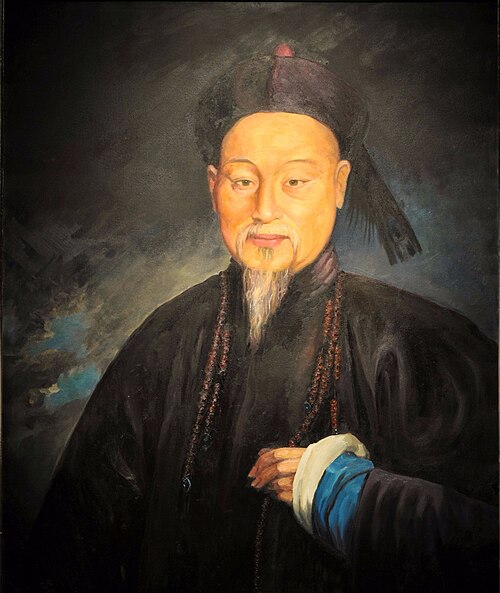
Jardine and Matheson are challenged by Lin Zexu, the Qing dynasty official who is ordered by China’s emperor to suppress the opium trade. Zexu confiscates and destroys large stocks of British opium in Canton in 1839. His campaign triggers the Opium war. Platt characterizes Zexu as an intelligent Chinese patriot with imprecise information about Britain and its concern about the opium trade. The emperor of China has contradictory reports about Britain’s concerns about the opium trade and their intent to regulate or eliminate its role in trade with China.
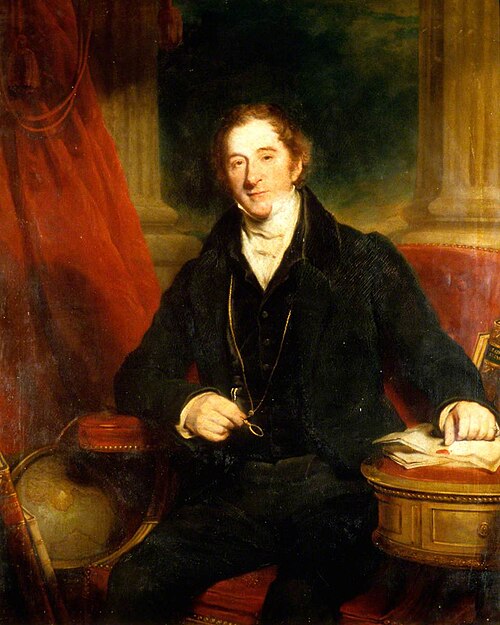
Sir George Thomas Staunton (At the age of 12, Staunton was left by his father in China to learn the Chinese language. He became employed by the East India Company and rose to be a member of parliament.)
Platt ponderously explains the history of important British citizens who live in Canton and learn the Chinese language. George Staunton, as a young child, is left to live in China by his father to learn Chinese to become a conduit for Britain’s trade in Canton, China. Staunton eventually becomes a member of British parliament that supports the Opium war waged on China. Despite the length of Platt’s book, it is an amazing story to find a father who essentially farms out his son to learn Chinese without much financial support. The advent of the Opium war is characterized by Platt as a tragic and avoidable conflict that marked the end of China’s last golden age.
Sir John Francis Davis (British diplomat and sinologist who became the second Governor of Hong Kong from 1844 to 1848.)
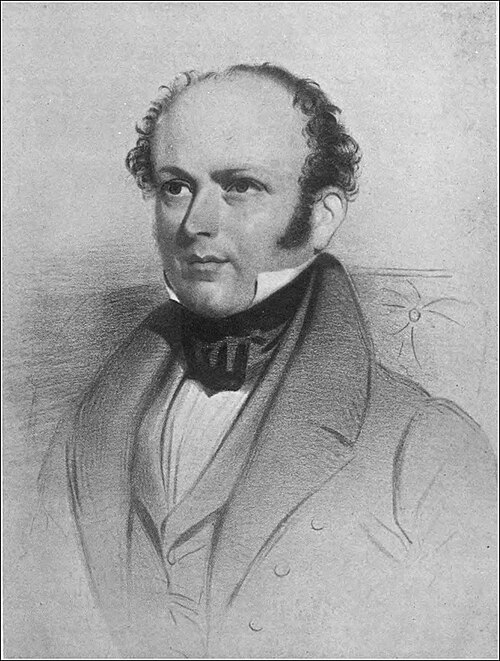
John Francis Davis also seriously studies Chinese and works for East India Companies that produce most of the opium that is traded in Canton. Davis becomes Governor of Hong Kong. Davis is shown to believe Britain should stand firm in pursuit of fair trade but questions the need for military confrontation. The war is strongly supported by men like William Jardine, undoubtedly because of his lucrative opium business, but surprisingly George Staunton, an Englishman who had a lifetime understanding of Chinese suzerainty and understood the Chinese language and culture, also endorses the war.
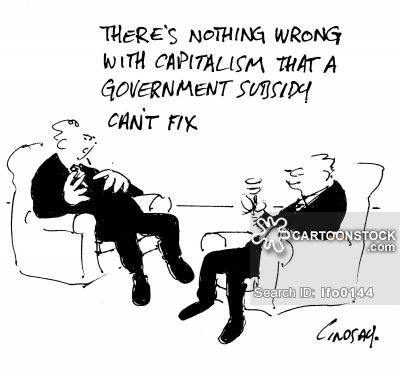
Government corruption.
Despite the length of Platt’s book, it is enlightening to hear of the rise and fall of China and the corruption that existed before the Qing dynasty. It reminds one of reports of Xi’s efforts to eliminated Chinese corruption in the 21st century. Whether Xi will succeed in restoring another golden age for China remains to be seen. Corruption in America today seems as appalling as the history of China in the early 19th century. President Trump seems more interested in increasing his family’s wealth and creating monuments to himself than serving the interests of the American public. America, like China in Platt’s history of the Opium war, has a drug problem.
China’s 19th century corruption and the opium war are penultimate examples of China’s golden age decline. One fears Ameica’s golden age may be in a similar decline in the 21st century.


One thought on “America’s Drug Problem”