
Books of Interest
Website: chetyarbrough.blog
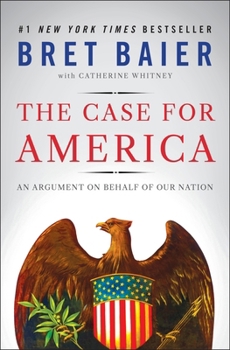
The Case for America (An Argument on Behalf of our Nation)
Author: Bret Baier
Narration by: Bret Baier
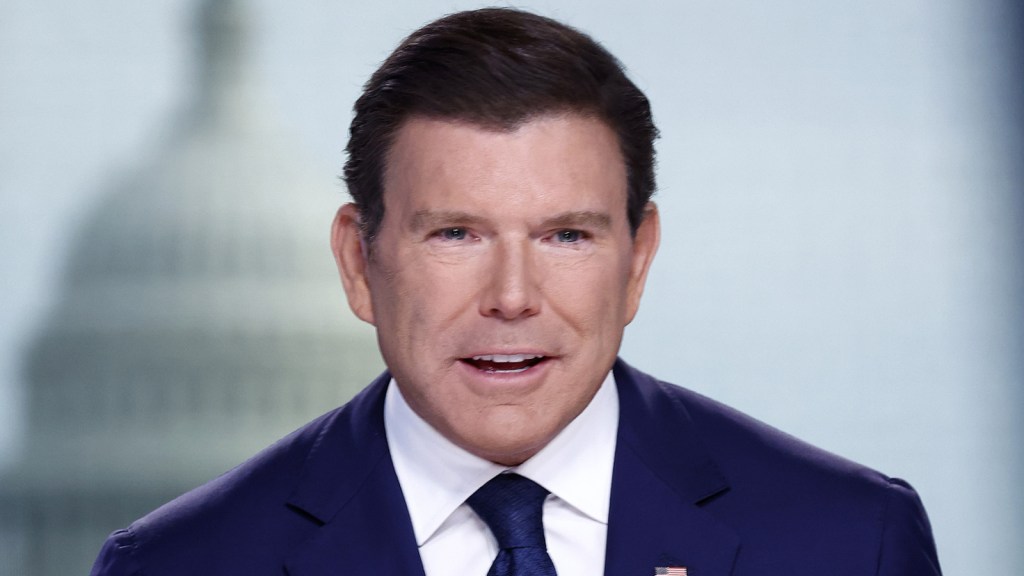
Bret Baier (Author, American journalist, political anchor for Fox News.)
Patriotism is devotion to one’s country with a willingness to uphold its principles. Bret Baier’s “The Case for America” is a teacher and conservative newscaster’s expression of his personal American patriotism. As a white American male, he recalls the national ideals created by the founding fathers of the Declaration of Independence and Constitution. He clearly identifies the national ideals of America’s founders and their historical sacrifice. To some who listen to his book, one feels he glosses over many of the historical truths of discrimination, slavery, and unequal treatment in America.
Martin Luther King and the civil rights movement in America.

American unity is not a moral imperative. American unity is a political project in the process of perfecting human equality and economic opportunity. It is far from achieving that goal, but America’s leadership and philosophy is as Martin Luther King advised, an “…arc bending toward justice.” Americans, like all human beings, are flawed but the founding fathers created a basis upon which equality of all citizens may be achieved.

Most Americans, regardless of their circumstance in life, support the ideals of freedom, respect for all human beings, and are willing to defend an American way of life. Americans vote for what they believe in, many are willing to take responsibility for civic involvement, and a free press informs the public of the state of American affairs. Baier’s history is measured to reinforce the positives of American history. However, his historical framing is selective in ways that underrepresent American inequality and the failure of institutions to protect all citizens equally.
American protest.

Baier argues unity is a moral duty rather than a political challenge. Divisions in America are unclearly defined. There are real conflicts of interest, immense power differences, and historical traumas that make unity less appealing. Those truths are minimalized or unspoken by Baier. They create today’s unresolvable divisions. Baier’s expression of patriotism is not enough to assuage many Americans’ discontent. The role of dissent in America has changed the course of its history. Baier fails to identify many of those dissents by emphasizing unity, stability, and institutional continuity. He seems to ignore the value of protest movements, whistleblowers, and radical reformers when they have been essential to American progress.

American Presidents.
Baier focuses on Presidential leadership, their decision-making process, and character rather than the complexity of American political life. To identify President Reagan in the league of Washington, Jefferson, Lincoln, Franklin Roosevelt, or Truman is a betrayal of Baier’s political objectivity. Reagan like Biden are patriots of America but they aged to a level of incompetence in their terms of office. There are differences of opinion about American history. Not all believe, understand, or agree on what America stands for. Ideological, racial, economic, and informational differences are glossed over by Baier.
Nevertheless, Baier highlights civic ideals, recalls history that reveals American continuity, and encourages listener/readers to be grateful for what they have, or achieved in American life. Despite the errors of being human and growing old, all Presidents of America have contributed to the progress of Democracy’s ideals. There remain many structural injustices that have not been overcome by past or current American Presidents.


