
Books of Interest
Website: chetyarbrough.blog
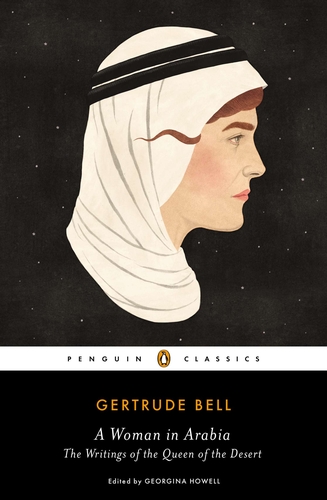
A Woman in Arabia (Gertrude Bell–The Writings of the Queen of the Desert)
Author: Bret Baier
Edited by: George Howell
Narrated by: Sian Thomas & 2 More
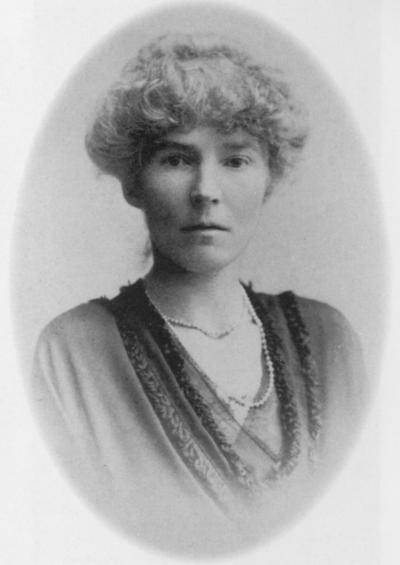
Gertrude Margaret Lowthian Bell (British archaeologist, explorer, political officer, and writer.)
Gertrude Bell was educated at Queen’s College and received a first-class degree in modern history from Oxford in 1888 at the age if 19. She was the first woman to earn a first-class degree at Oxford. Women were not awarded graduation degrees at Oxford at that time, but her intellectual capability compelled the institution to recognize her accomplished study in modern history. (Oxford did not award general college degrees to women until 1920.)
Bell is born into a wealthy family that gave her advantage, but it is her work ethic, adventurousness, and intelligence that demonstrated more than her privileges.

What “A Woman in Arabia” reveals is Bell’s intelligence, erudition, desire for adventure, and research experience. She became a competent field archaeologist who learned Persian and Arabic while traveling through and living in the Middle East. She was a remarkable linguist who could speak a number of languages. Bell is born into a wealthy family that gave her advantage, but it is her work ethic and intelligence that demonstrated more than her privileges. She became recognized in the world as a person who helped shape the modern state of Iraq by supporting installation of King Faisal I as its ruler in 1921. She helped define Iraq’s borders after the collapse of the Ottoman Empire.
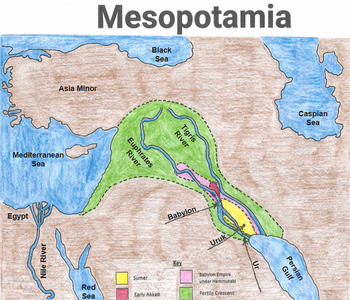
Mesopotamia became territories recognized as Syria, Palestine, Arabia, Israel, and Asia Minor.
Bell spent years mapping and exploring Mesopotamia after leaving England and living in the Middle East. She became intimately familiar with Mesopotamia, which became territories recognized as Syria, Palestine, Arabia, Israel, and Asia Minor. She participated in major archaeological digs and founded the Iraq Museum in Baghdad. Her numerous writings are compiled in “A Woman in Arabia”. A compilation of her writings explores her critical role in the creation of an independent Middle Eastern’ nation known as Iraq.
For anyone who doubts equality of the sexes, Bell represents the truth of a false belief perpetuated by the illusion of male superiority.

Bell shows herself as an accomplished human being, respected by governments, Kings, and the general public in the same way as the greatest men of her or our time. Bell is a woman of substance who reveals her love of two men (one an adulterous married veteran of WWI and another whom her father refuses to countenance because of his alleged unsavory character). Bell never marries. She grows to maturity to council governments and rulers about the value of Middle Eastern countries and their desire and capability to rule as independent nations. This is during a tumultuous time when the Ottoman empire is trying to take, by force of arms, as much Middle Eastern territory as they can.
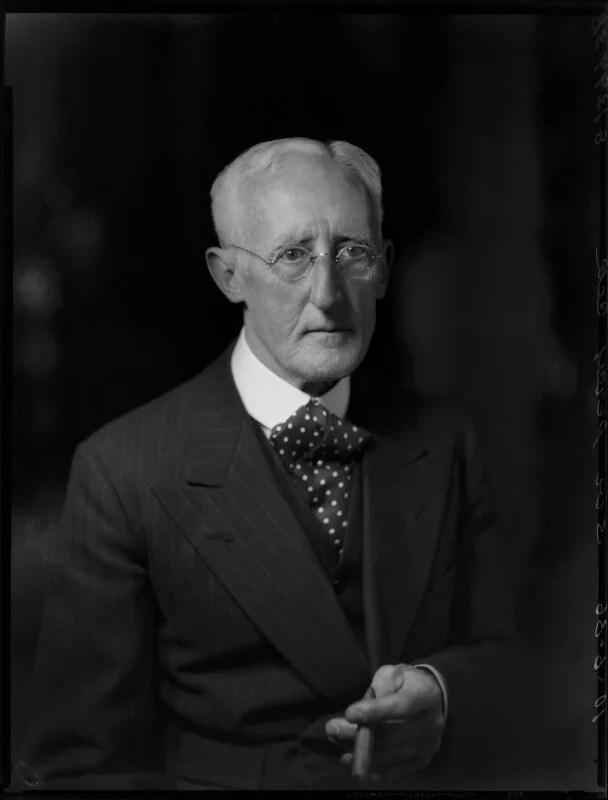
Sir Percy Cox (The British High Commissioner for Mesopotamia.)
Bell counsels and significantly influences several powerful and well-known “great men” of her time. Great Britain is a major player in the Middle Eastern resistance to Ottoman control of the territories that became Syria, Iraq, Turkey, Iran, Kuwait, and Jordan. The High Commissioner for Mesopotamia (the name assigned before Middle Eastern nations’ formation) is Sir Percy Cox. Bell’s correspondence shows she is highly esteemed and trusted by Cox who had appointed her as his Oriental Secretary and adviser on tribal politics of what became the nation of Iraq.
Sir Arnold Wilson (Acting Civil Commissioner in Mesopotamia.)
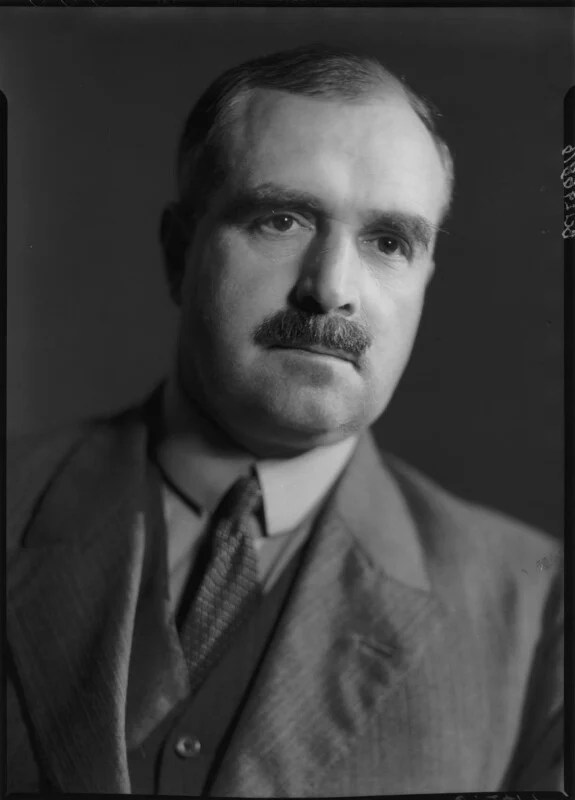
Sir Arnold Wilson was the Acting Civil Commissioner in Mesopotamia before Sir Percy Cox is appointed The High Commission. Bell served under Wilson as his eyes and ears in Mesopotamia during World War 1. Her familiarity with leaders in the Middle East led to the choice of King Faisal I as the Hashemite monarch in 1921. Bell became a close friend and adviser to Faisal in the governance of Iraq which aided in peace between factions of Iraq’s Sunni, Shi’a and Kurdish peoples. Bell worked closely with T. E. Lawrence (the famed “Lawrence of Arabia”) in what became the Arab Bureau that dealt with Middle Eastern nationalism and statecraft.
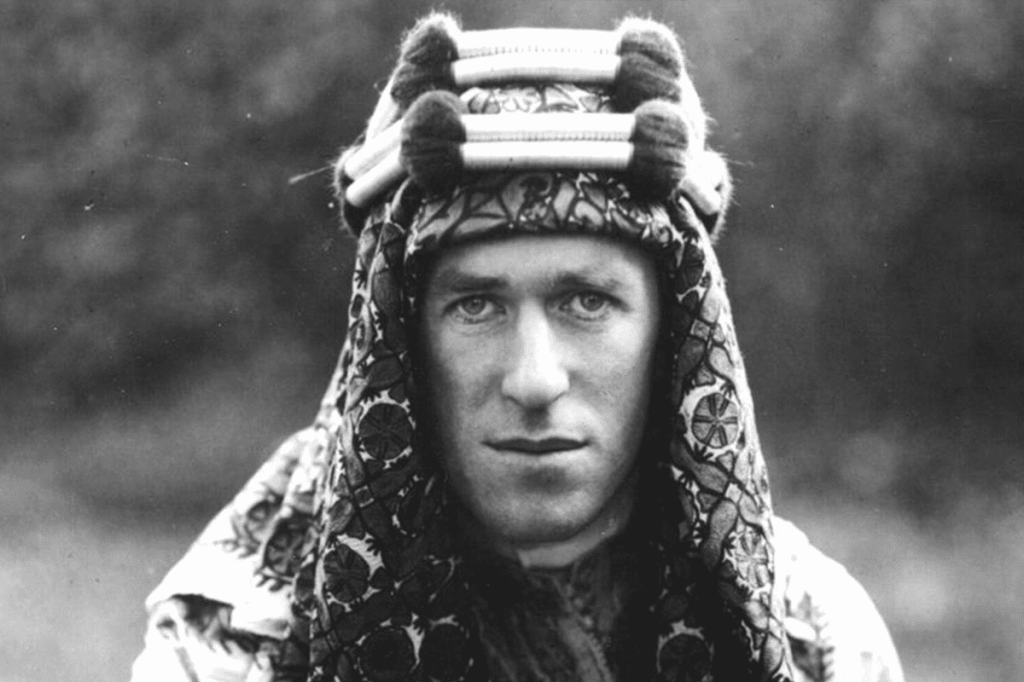
Lawrence of Arabia.
“A Woman in Arabia” is a compilation of Gertrude Bell’s writing and involvement in the Middle East in the early 20th century. Her experience and ability to influence the course of events in the Middle East is concrete evidence of the mistaken view of sexual inequality.


