UNDERSTANDING SCIENCE

The immense downside of an unpredictive future is the many setbacks that will occur because of inept political leadership. Science is not an answer. It is only a tool for understanding.

Books of Interest
 Website: chetyarbrough.blog

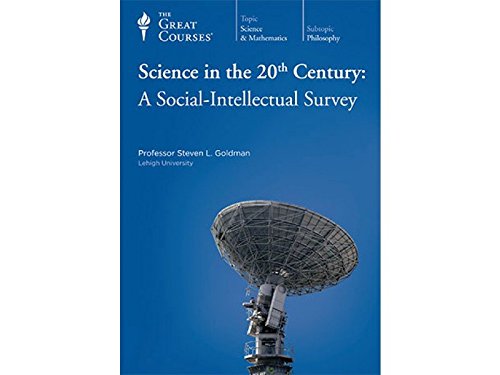
Science in the 20th Century (A Social-Intellectual Survey)

By: The Great Courses

Narrated By: Steven L. Goldman

Professor Steven L. Goldman.

Goldman’s review of 2oth century science identifies the fundamental change that has occurred in today’s perception of reality. One wonders if Albert Einstein was wrong about the predictability of science. Even at the end of Einstein’s life, he believed quantum mechanics was just a step in scientific research and not a basis for the truth of reality. Einstein insisted there was an undiscovered law about the nature of reality that would return life to predictability. The details of Goldman’s “Science in the 20th Century” infers otherwise.

Unpredictability of life’s existence is reinforced by Professor Goldman’s summary of scientific discoveries.

What is true of physics in the world, seems true for all the sciences. Whether reviewing the physical, biological, algorithmic, social, or applied sciences, unpredictability exists. Every science seems as unpredictable for the same reason as noted in the science of the quantum world. One cannot identity both position and momentum of an atomic particle at the same time. By the same measure, popularly elected representatives or authoritarian dictatorships cannot be measured by their position and direction of action. One can see a leader’s position but not measure their direction until the direction is past. Who would have thought Hitler would be the instigator of WWII? World leaders today are just as unpredictable. Citizens cannot measure leader’s positions and direction in advance. Citizens can only see one or the other at a specific point in time–never both position and direction at the same time.

What Goldman’s history of science implies is that if we live in a world of quantum mechanics, all life is, always has been, and always will be, unpredictable.

The solace in this possible truth is that, though there is still immense societal conflict and inequality in the world, science has improved society.

  • Technology has improved communication, transportation and daily life.
  • Vaccines, antibiotics, and surgical operations have drastically improved helath and life expectancy.
  • The world population has become more literate and has greater access to education than ever before.
  • Equality and justice show some progress in human rights, gender equality and social inclusion.
  • Enviornmental awareness has improved to combat climate change which has led to renewal energy innovations and conservation initiatives.
  • The world has increased connectivity to improve cultural exchange, economic collaboration and shared global interests.

Science is not an answer. It is only a tool for understanding.

The immense downside of an unpredictive future is the many setbacks that will occur because of inept political leadership. From the perspective of quantum mechanics, one hopes leadership means do not justify humanity’s end.


CHINA

Harmony and pragmatism undoubtedly remain important characteristics of Chinese society. Time will tell whether societal harmony can be maintained by an increasingly authoritarian leader.

Books of Interest
 Website: chetyarbrough.blog

The Chinese Looking Glass (The most illuminating book yet written on China and her enigmatic people.)

By: Dennis Bloodworth

Dennis Bloodworth (1919-2005) Author, journalist, British writer at The Observer, first British journalist allowed to visit China in 1955.

“The Chinese Looking Glass” is a whirlwind journey across the vast history of China by the first British writer allowed to visit China in 1955. It is a primer for a general understanding of China that was originally published in 1966 and updated in 1980. The author’s marriage to Liang Ching Ping adds credibility to his view of Chinese culture.

One reads Bloodworth’s book and is somewhat overwhelmed by its breadth. So many generations of Chinese culture are too much to cover in a 400+page book.

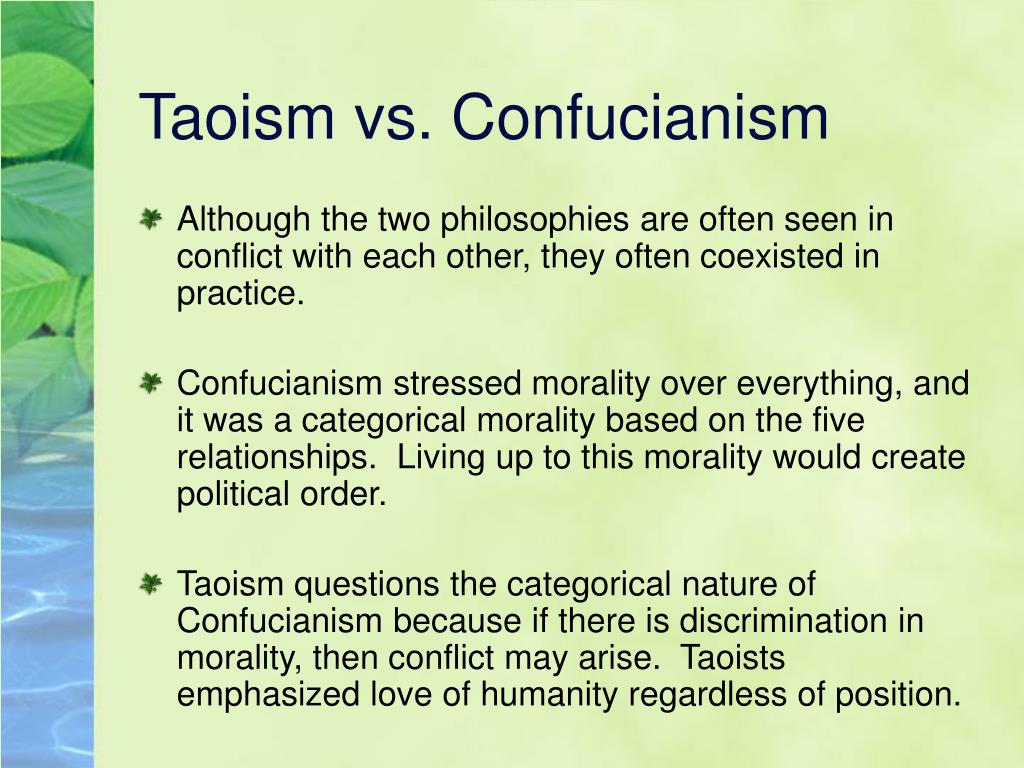
The author manages to give a broad understanding of a Chinese worldview that is shaped by Confucian and Taoist history, a collective identity that often conflicts with the Western culture of individualism. He notes Chinese traditions are based on filial piety (meaning duties, respect and devotion of children to their parents). Bloodworth notes, through many generations of Chinese culture, behavior and decision-making there is a focus on social harmony. Both Confucianism and Taoism play significant roles in shaping Chinese society.

Bloodworth notes Confucianism and Taoism shape Chinese society.

Piety, respect for hierarchy, education, and a focus on societal harmony were philosophical foundations of Chinese governance. Piety led governance toward strict rules and centralized authority. Historical figures like Confucius, Laozi, and Sun Tzu influenced Chinese culture and thought. The spiritual tradition of Buddhism reinforced the teaching of these cultural influencers. Buddhism emphasizes the suffering of life is caused by desire, and attachment. Buddhist teaching is that desire and attachment must be replaced by understanding and rejection of both through meditation and mindfulness.

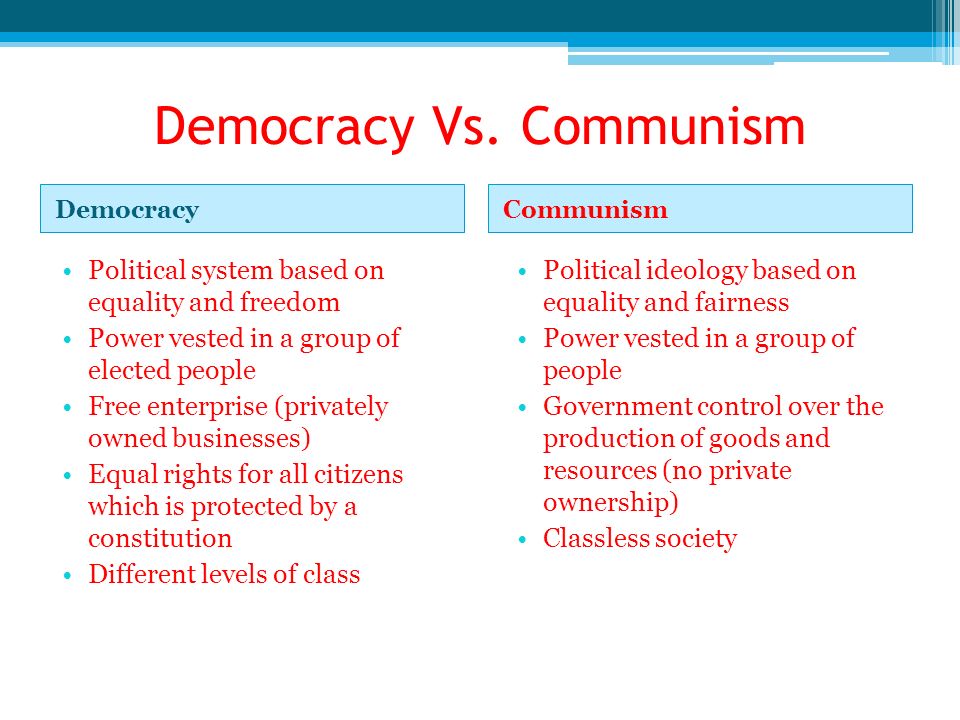
Because democracy focuses on individual rights and freedoms, the ideals of collective harmony, hierarchical structure, and centralize authority make communism a better fit for Chinese culture.

Mao Zedong (1893-1976)

Mao unified China after decades of war and instability. Bloodworth suggests Mao Zedong had a nuanced impact on China.

However, Mao’s centralized power resulted in big economic mistakes like the famine of the Great Leap Forward that caused misleading food production reports meant to please the government when production was much less than what was needed to sustain life for Chinese citizens. With famine, the Cultural Revolution is unleashed, and China’s growth and stability were set back. Bloodworth had observed China’s governing always included pragmatism and adaptability to their drive for cultural harmony.

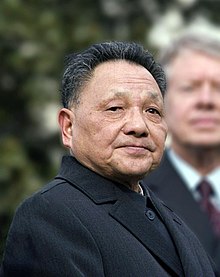
Though Bloodworth mentions Deng Xiaoping in the last chapters of his expanded edition of “The Chinese Looking Glass”, he does not foresee the opening of the Chinese economy and its rapid economic expansion.

The pragmatic realization that collectivization of farming led to misleading information about production compelled Deng to open agricultural production to a more market-driven incentive to preserve social stability. Deng was an authoritarian as is evidenced by his decision on the Tienanmen Square crises.

Though Bloodworth did not live to see the next iteration of China’s leadership, an element of recidivism enters with Xi’s control of the government.

Harmony and pragmatism undoubtedly remain important characteristics of Chinese society. Time will tell whether societal harmony can be maintained by an increasingly authoritarian leader.