
DIVORCE

Burden clearly explains the emotional impact of divorce in America, but her wealth diminishes the scope and reality of divorce to the majority of women who have children and are left by their partners.

Books of Interest
 Website: chetyarbrough.blog

Strangers (A Memoir of Marriage)

Author: Belle Burden

Narration by: Belle Burden

Belle Burden (Author, former attorney, urban planner, socilite, and descendant of the Vanderbilts.)

In some respects, “Strangers” is an unrelatable example of the trauma of divorce. In other ways, it is a testament to divorces’ hardship for women and societies’ inequality. The unrelatable parts are in the difference between divorce for those who are wealthy and those who are not. What is brilliantly revealed is the trauma of divorce and its disproportionate effect on wives and mothers.

Having been married for 20 years and facing divorce is a traumatic experience whether one is rich or poor.
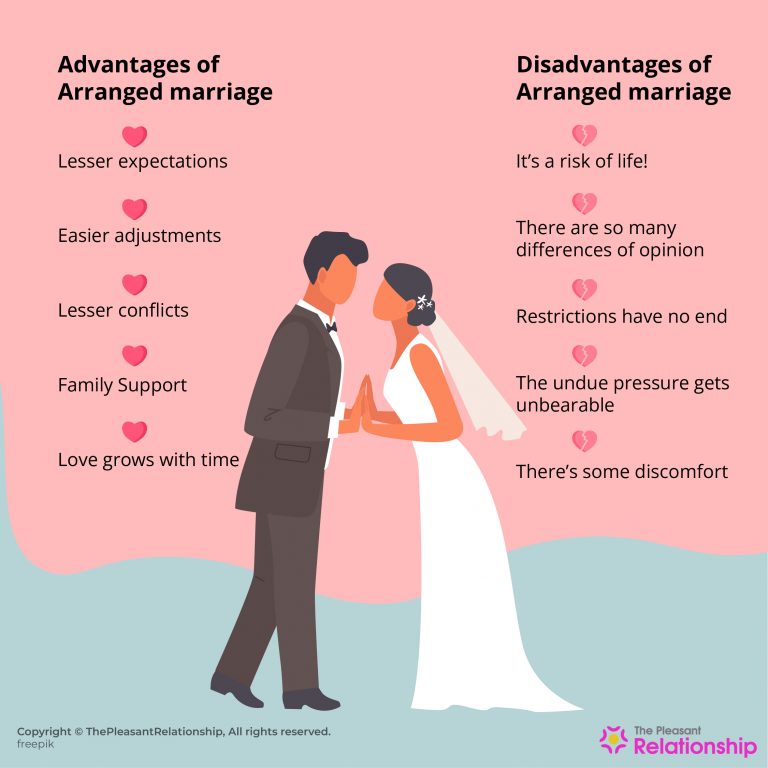
However, women who are not rich face a different experience when their husbands leave a marriage. In most cases, the burden of coping with divorce is more impactful for children and a wife than a husband. Often, as in the case of Belle Burden, a mother faces having to return to a work environment that discriminates against women in ways that diminish their value in society. Women often retire from the workforce when they become pregnant because of the consuming responsibility of raising a child.

As a woman, regardless of wealth, job prospects are challenged by sexual discrimination.

It is worse for women who are poor and less educated than Ms. Burden. The point that Burden makes clear (regardless of her wealth and education) is women sacrifice much of their lives raising their children while husbands are freer to explore economic success. The wealth of Ms. Burden and her education exempt her from the trials of most women in the world. Burden clearly explains the emotional impact of divorce whether one is wealthy or not. Her wealth does little to reduce feelings of betrayal and failure.

Belle Burden exemplifies the emotional toll of divorce.

Twenty years of marriage creates a bond never completely broken. For husbands the reliance they have on a wife’s care of children makes it difficult to offer the care and understanding that children need from both parents. Husbands are often inadequately prepared for relationship building that a mother has with their children. The consequence is a father’s failure to understand how to help their children deal with their parent’s separation. Those who share raising their children are less likely to have that problem, but social convention leaves most American men in the dark about how to take parental responsibility.
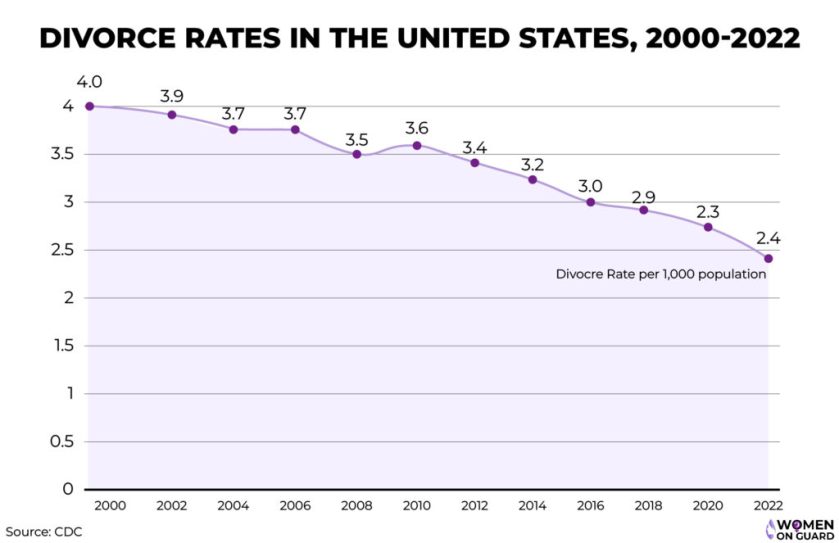
Divorce rates in America may be in decline but the emotional impact on parents and their children is the same.

Burden clearly explains the emotional impact of divorce in America, but her wealth diminishes the scope and reality of divorce to the majority of women who have children and are left by their partners. That is not a criticism of Burden’s book but of sexual inequality that exists in most countries of the world.

RELATIONSHIP EVOLUTION

Modern marriage expectation has become a way to provide security and freedom with stability and novelty. In Perel’s opinion, these paradoxical expectations were of less concern in the past but of central concern today.

Books of Interest
 Website: chetyarbrough.blog

The State of Affairs

Author: Esther Perel

Narrated By: Esther Perel

Esther Perel (Author, Belgian-American psychotherapist.)

Esther Perel has written a difficult book to listen to. It is about human relationship, focusing on love, desire, and sexual behavior. Perel begins with a history of the evolution of marriage in prosperous western nations. Though equality of women is far from accomplished, their entry into the postindustrial world is dramatically changing sexual relationships. The days of men treating women as objects is not over but gradually moving toward sexual equality.

Sexual inequality.

Normal human beings (whatever that means) experience some form of love or desire that elicits sexual behavior. Perel’s book is difficult because she holds a mirror up to every human being that exposes their inner failings as adults and maturing children. The difficulty comes from reviewing one’s own life when listening to her clinical analysis of infidelity, affairs, a victim-villain analysis, and sexual desire that permeates most human lives.

Traditional moral beliefs are zero-sum judgements of sexual desire and experience.

Perel tries to remove judgement by not saying infidelity is not a sin but a psychological and relational failing of human beings. She suggests infidelity is caused by unmet emotional needs, personal identity struggles, and/or a search for eternal vitality. This, in many ways, is no less devastating to one’s relationship even if it is characterized as a sin. Infidelity is a personal failure whether one is judged by a religious person or a psychotherapist who may not believe in divine judgement.

Perel believes humans are constantly seeking meaning in their lives.

We don’t just want to survive. Our cultures and histories have shaped us. We are erotic human beings, searching for security, vitality, imagination, and joy. Perel recognizes people can love their partners and still have a sexual desire for others. Recognizing the lure of sexual desire, Perel notes fidelity becomes a choice that offers an anchor and depth of understanding in a committed relationship. She notes betrayal has consequences while fidelity is a powerful container for sexual pleasure, if not love, and another kind of relationship growth.

Fundamentally, Perel is saying fidelity is important despite a marriage partner’s sexual desire for others.

She gives examples of therapeutic sessions of couples who have extramarital affairs that violate their presumptive marriage covenants. A betrayal can be by either partner, but the loss of trust is often irreparable. Because marriage has become less about economics and social stability, though both are still present, Perel infers married partners are emotionally more devastated by betrayal.

In modern times, Perel argues people marry for love, intimacy and personal growth more than economic security.

She suggests communal structures have weakened and community support is lost when a marriage falls apart. That rings true based on the mobility of people in the modern age. It has become much more common for people to leave the areas in which they were raised. Modern marriage expectation has become a way to provide security and freedom with stability and novelty. In Perel’s opinion, these paradoxical expectations were of less concern in the past but of central concern today.

This listener is inclined to have reservations about Perel’s assessment of present-day marriage and infidelity because of women’s inequality of opportunity, i.e., the same reality that exists for many in America.