Fans anxiously wait for the finale of “Game of Thrones”. Why has this fascinating mythological story captured the world’s interest? Why listen to a book of fiction; particularly when freighted with supernatural events? Michael Sullivan offers an answer in “Age of Myth”.
It is the thrill of discovering a good story with characters one likes, or reviles. Tribal bravery, cowardice, betrayal, honor, and morality are crystallized in each chapter of Sullivan’s story.
Sullivan begins and ends “Age of Myth” with battles. The beginning battle introduces Raithe, a killer of false gods (aka, the god killer). The god killer becomes protector of Persephone, the leader of a Rhune tribe. Persephone is introduced as the former 2nd chair of Dahl Rhen (a Rhune village). She is the widow of the deceased ruler of Dahl Rhen.
The ending battle produces Gryndal, a wielder of the black art. Gryndal is First Minister to the Fane (the Fane is leader of the Fhrey tribe). Gryndal can harness the forces of nature to destroy all that block his path to power. Gryndal’s obstacles are removed through guile, deception, and force.
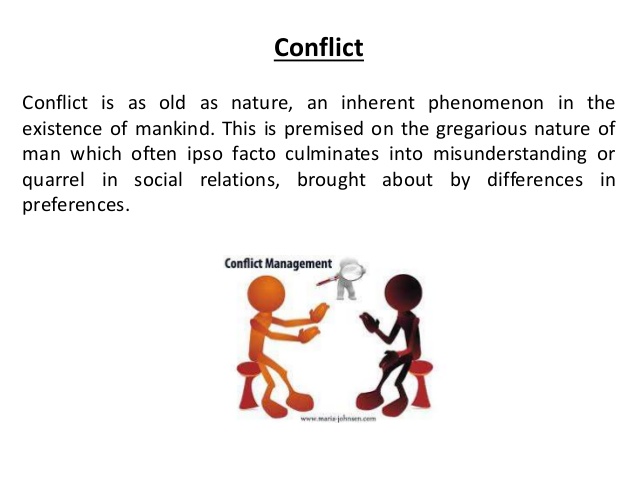
Sullivan’s characters represent a fundamental conflict in life. He describes an age of tribal war with all against all. Mysteries are explained while Sullivan tantalizingly ends the first book of the series.
Sullivan’s mythical world offers a slender hope for freedom and equality of all living things. This may be a myth, but it gladdens the heart and pleases the soul.
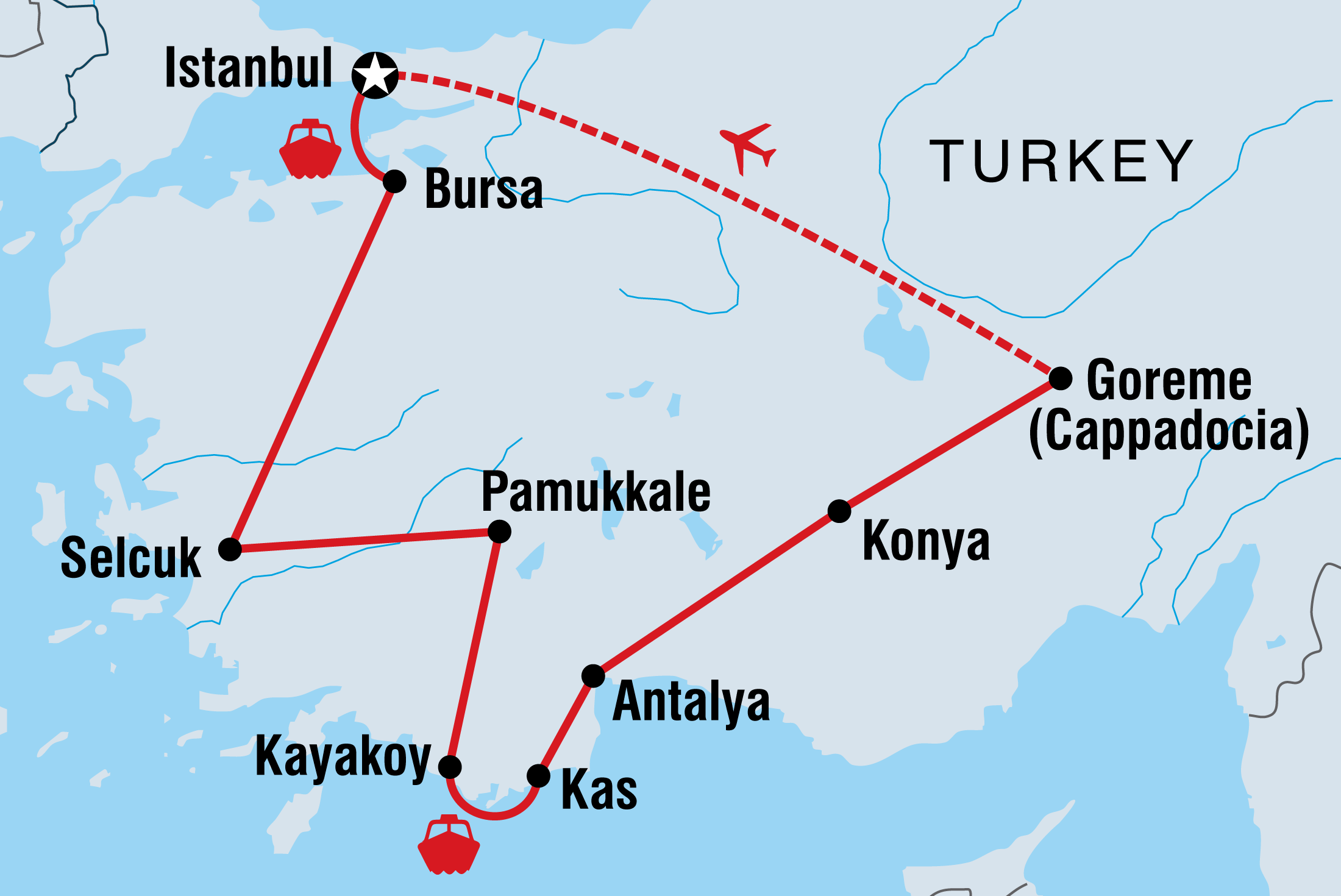
“Birds Without Wings” is a fictional account of the rise of the Turkish Republic after WWI. The author, Louis de Bernieres chooses a setting for his story in a village in southwestern Turkey, on the Mediterranean coast. The village is populated by different ethnicities and religions at the time of Turkey’s transition from Ottoman Empire to independent state. What makes the novel interesting is it comes from a recommendation of a Turkish Tour guide.
There are many, many characters in de Bernieres’ novel. The story’s attraction is marred by its leisurely pace and manifold characters. However, threads of de Bernieres’ created lives come together in its last chapters. Each character offers a novelist eye view of cultural disruption, conflict, and resolution in Turkey’s journey to statehood.
The village of Eskibahce (presumed to be Kayakoy, Turkey) is peopled by Christians, Muslims, Jews, Arabs, Armenians, Greeks, and Turks who live under Ottoman rule.
It is not a cosmopolitan village with wealthy merchants and productive industry. It is a small community of sheepherders, subsistence farmers, one Pasha, one successful entrepreneur, and two religious leaders.
One wonders about the purpose of a Tour guide’s selection of this book. Is it to offer a better understanding of Turkish culture or to give an opinion on the current state of affairs in Turkey? The story illustrates how cultural, and religious differences influence and often repeat history. The author shows how the past is always present.
It is troubling that this cultural novel is written by an Englishman because of England’s pre-WWI, and postwar history with Turkey.
Is the writer being objective? One is reminded of an astute analysis of American Democracy by a Frenchman in 1835.
In WWI, the Turks (as part of the Ottoman Empire) are by treaty compelled to join the Central Powers (Germany, Austria-Hungary, Ottoman Empire, and Bulgaria) against the Allied powers (Britain, France, Russia, Italy, Portugal,and the U.S.)
The Village is relatively quiescent until war is declared and Turkey is compelled to take sides. As the Allies defeat the Central Powers, the former Ottoman Empire is divided by the victors. In spite of the Central Powers defeat, Turkey demands independence and heads toward authoritarian dictatorship.
In de Bernieres’ novel, Mustafa Kemal is shown as an accomplished military leader who evolves into a secular President who nominally endorses democracy.
Though Kemal professes support for a democratic government, he remains an autocrat during his reign. Mustafa Kemal Ataturk became the 1st President of an independent Turkey (1923-1938). He dies at age 57 in 1938.
What makes the novel interesting is its depiction of rural life in a small multi-cultural village on the Mediterranean coast. The influence of culture and religion is revealed in de Bernieres’ vignettes of Village life.
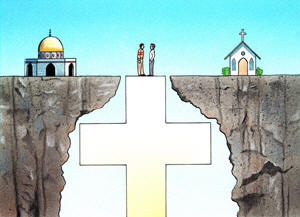
The author shows how Greeks and Turks live in the same community before WWI. They live in discord but measured acceptance. Women can be stoned to death but saved by the religion that dictates such a punishment. Written rules of conflicting religions and cultural differences co-exist in a diverse community.
Christians and Muslims intermarry. Both a Christian Father and a Muslim Imam show compassion for residents of the Village. Christian and Muslim youths are as close as brothers.
A Greek Christian Father is considered irascible and judgmental by many in the village but he is a source of education for illiterate villagers.
A Muslim’s son joins the Ottoman army in WWI and writes a letter to his mother.
The letter cannot be read by the Muslim family because it is written with Greek lettering. Though the father of the Muslim son dislikes the Christian teacher in the village, he goes to him for help in reading the letter.
The son’s letter is translated by the Christian Father. This Christian taught the Greek alphabet to Muslim children, and showed them how to read and write Greek lettering. The letter is beautiful and poignant. It explains how much his mother meant to the writer as a boy in the Village. The Turkish father is deeply grateful for the gift of hearing what was written in the letter. He praises the Christian Father for teaching his son how to read and write. The letter is a precious gift for the family.
In another story, a political leader and the richest man in the village is profiled by the writer. His name is Rustum Bey. His wife has a lover. The lover is discovered by Rustum Bey. Partly from defense and partly from rage, Rustum Bey murders his wife’s lover and places her in front of a mob of locals (of all faiths) who begin stoning her for adultery.
The Village Imam stops the stoning and rescues the adulterous wife from the enraged mob.
In continuation of this vignette, the author tells of Rustum Bey’s guilt for placing his wife in harms way. The adulterous wife recovers from the stoning but is compelled by Village ostracism and Muslim belief to live the life of a prostitute. Rustum Bey never divorces his wife. He shows remorse for having put her in front of a mob, and regrets her having to live the life she lives. To Rustum Bey, it is not a matter of forgiveness but of understanding.
In Rustum Bey’s loneliness, he purchases a concubine to become his companion. He presumes the concubine is Muslim. However, she is Greek. The two grow to love each other but circumstances of history compel his concubine to leave.
Rustum Bey’s concubine chooses to leave when Ataturk orders all Greeks to leave Turkey. Though she has not revealed her true nationality to Rustum Bey, she chooses to return to the country of her birth.
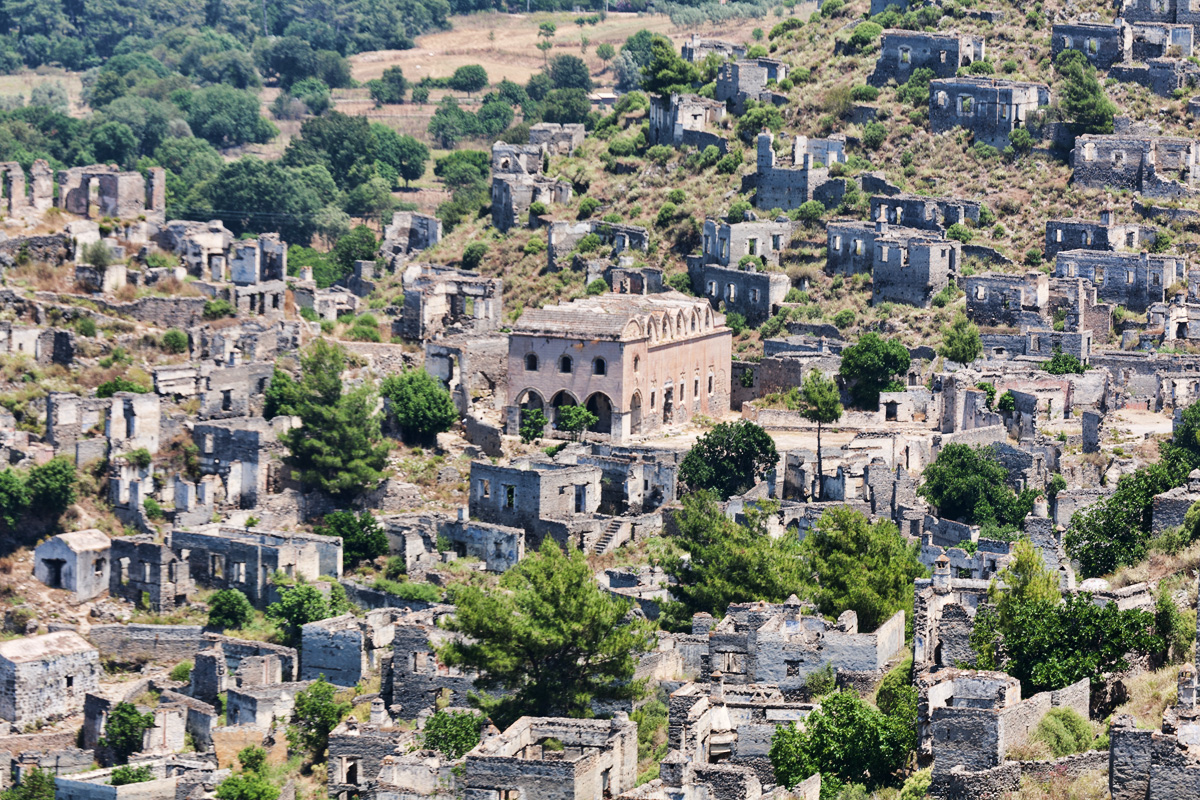
As a result of Ataturk’s command, in a mass exodus, Greek men, women, and children are turned out of their homes and forced to leave the Village. They leave by foot, mule, or boat with just what they can carry. Some are old, crippled, and without food for the trip. Many homes are left locked and unoccupied because they cannot be sold. The village begins to look like a ghost town.
Kayakoy, Turkey today–
Obvious hatred exists in Eskibahce (aka Kayakoy) for events that occurred in the past and are reminded of in the present. Greece once ruled the area of Smyrna in Turkey. Greeks committed many atrocities in their rule. Those atrocities are compounded in various WWI’ battles.
Greece’s occupation of Symrna 1919-1922.
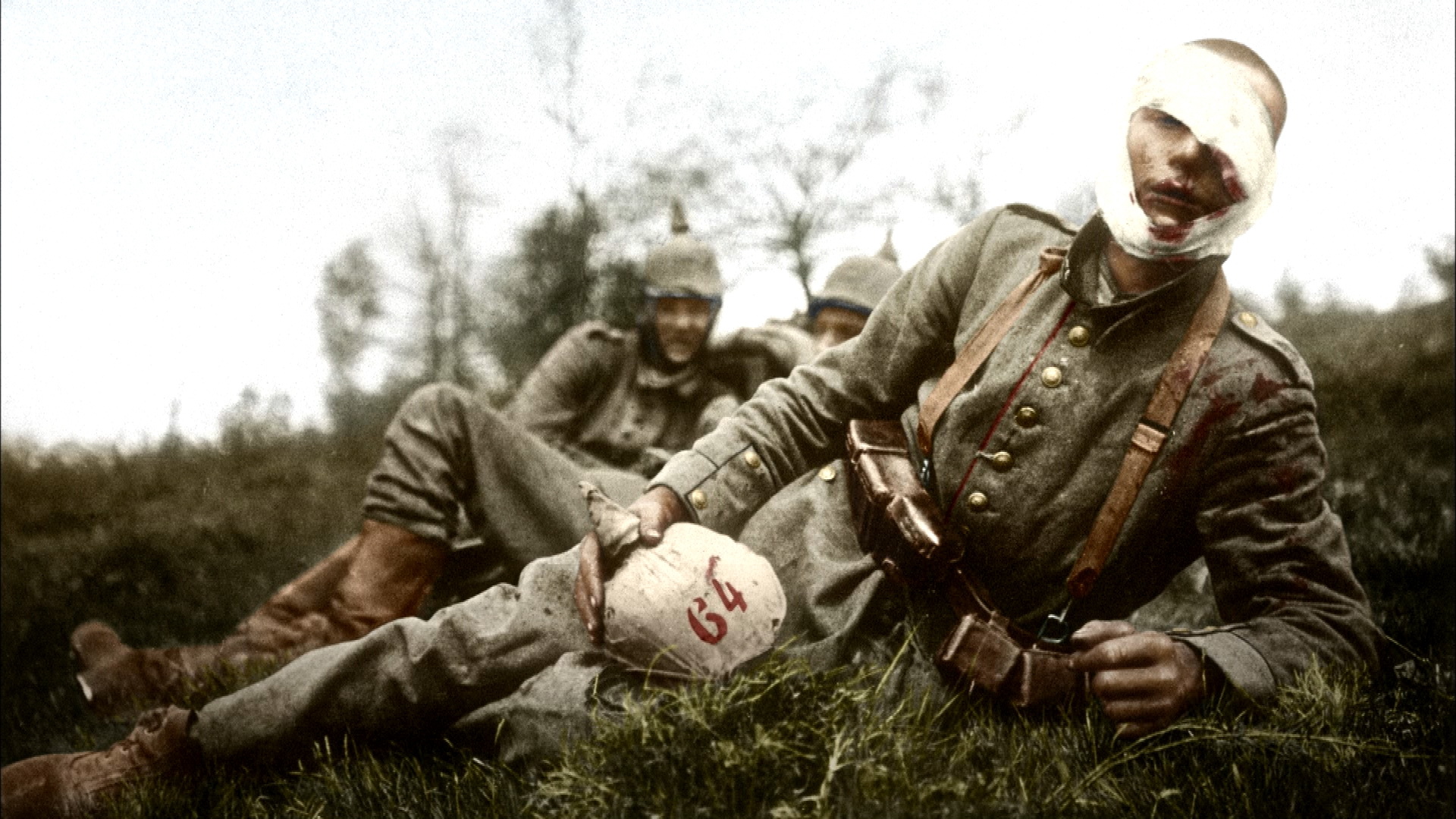
The horror of war is dramatically described by de Bernieres.The author writes of the stink of dead corpses, the vermin that infest the living and dead, and the rape of innocents. These historical events live in the minds of those who survive.
In another story, the author describes the betrothal of Ibrahim (a Turkish Muslim) and Philothei (a Greek Christian) at age 13 and 12 and how their love ends in tragedy.
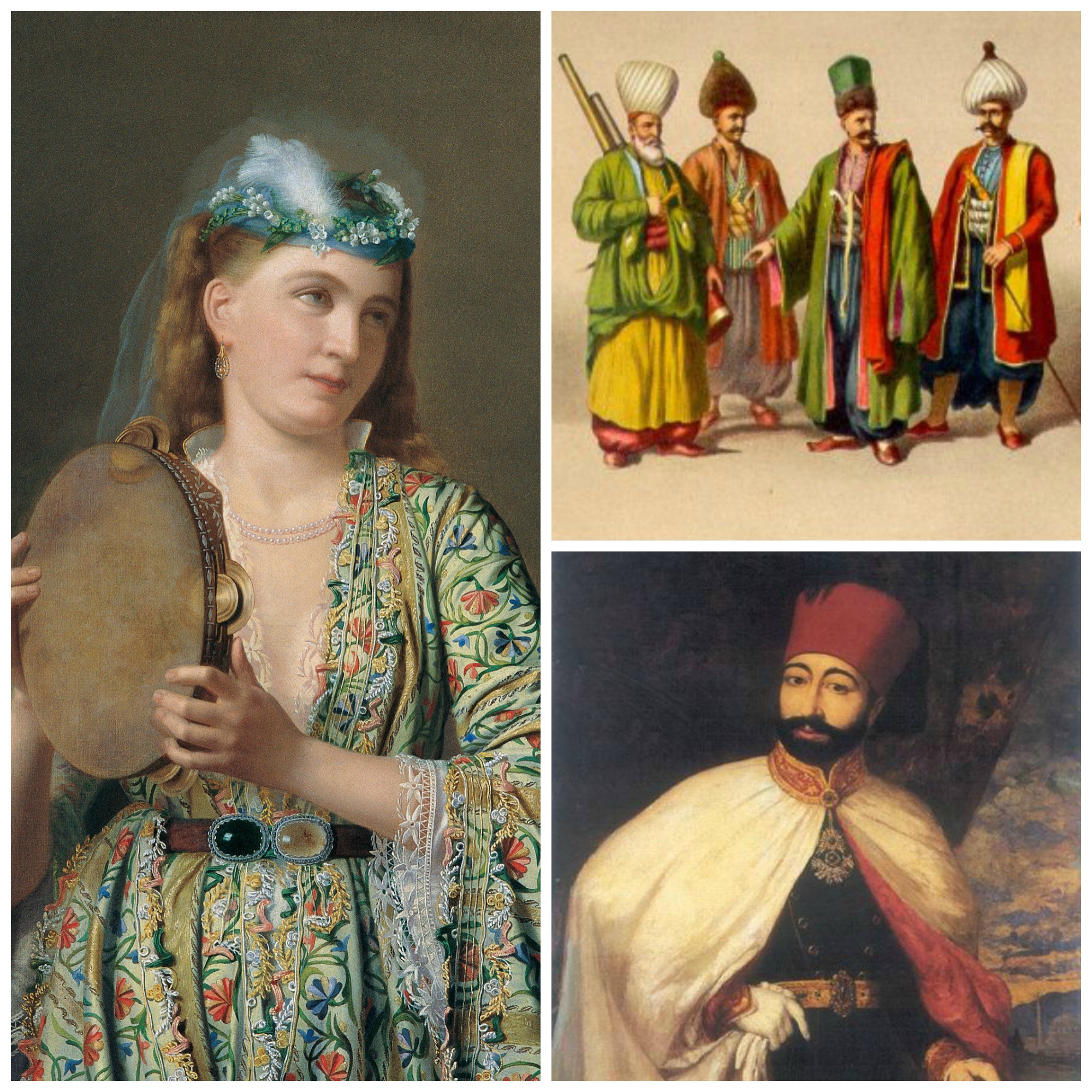
An Ottoman Betrothal
WWI lives in Ibrahim’s memory with such horror that he cannot return to Eskibahce’s peace to marry Philothei. Ataturk demands deportation of all Greeks from Eskibahce. Philothei must leave unless she marries a Turk.
Ibrahim is still dealing with the memories of war and is unable to understand Philothei’s pleas. They argue near a cliff where Ibrahim is tending sheep. Philothei trips and falls to her death.
These and many stories are told of life in early twentieth century Turkey that seem reminiscent of the same conflicts that exist today. Is the current President of Turkey like Ataturk? Have old conflicts between religion and culture changed or are they the same? Hopefully, a traveler to Turkey will gain some answers, or at least, insight to what it means to be a Turkish citizen.
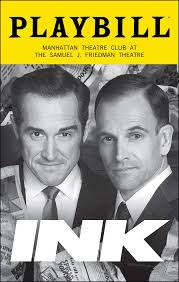
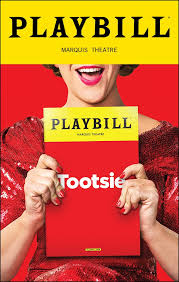
In our last visit to New York, we attended four plays–“Network”, “Ink, “Tootsie”, and “All My Sons”. All were excellent Tony Award candidates. All four had something in common. Each exposed moral turpitude; three on a corporate level, and one on a personal level.*
“Network” addresses corporate media and its overarching effect on the public’s understanding of the truth. “Ink” is about corporate media and how sensationalism and circulation are a volatile mixture that distorts reality. “Tootsie” is about the personal consequence of lying. And “All My Sons” is about a CEO’s responsibility to the public.
Ayn Rand’s mistaken thought that “Virtue of Selfishness” is a social and economic good is eviscerated by these four plays. These four plays splendidly demonstrate “…Selfishness” is personally, socially, and economically harmful.
The truth of these plays reflects on the risk of selfishness that exhibits itself in corporate greed.
A book titled “Skunk Works” is a paean to “boys with toys” and something less endearing about corporate America. Ben Rich, one of the collaborative authors, is an engineer that worked for Kelly Johnson at Lockheed.
Kelly Johnson headed Lockheed’s famous design team that created the U-2 spy plane, and the famous Black Bird in the 1960’s. Being an engineer, Rich had a detailed understanding of the facts in plane design, but facts are dead things without a good story.
Ben Rich (American Engineer and Director of Lockheed’s Skunk Works, born in 1925, died in 1995.)
Leo Janos is a writer who turns Rich’s facts into tales of Buck Roger’s daring-do. On the other hand, it is a tale of corporate immorality.
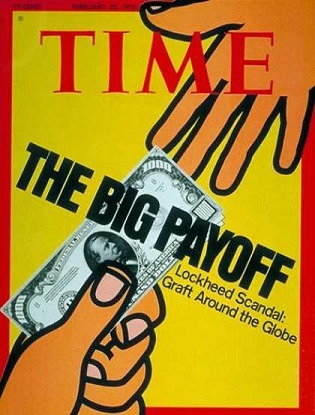
Ironically, Lockheed became the talk of the century in the 1970’s; not for their incredible design work, but for bribery.
Italy, West Germany, Japan, Netherlands, and Saudi Arabia are paid $22 million dollars to buy airplanes designed by Lockheed. That American law violation leads to the resignation of the Lockheed board.
“Skunk Works” is an entertaining and enlightening history of military weaponry. It illustrates the difference between a scientific research company and an industrial production company. Different skills are needed for managers of research than managers of production.**
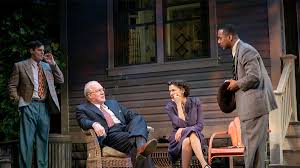
The play “All My Sons” is about a CEO that produces engines for WWII military combat planes in the 1940s. The assembly manager calls his CEO to explain there is a crack in the blocks of twenty (or more) of the engines they manufacture.
The decision is made by the CEO to weld the cracks to make them look complete and unblemished. The planes with those cracked blocks fail, and 21 pilots are killed.
The company is sued. The managing partner who made the call to the CEO is sent to prison because the CEO denies ever having told the process manager to conceal the defect. The truth is revealed many years later. The CEO rationalizes his action based on a selfish belief that he and his family’s life were more important than his process partner’s sentence to prison, or the pilot’s lost lives.
In “Skunk Works”, the inefficiency of government is exposed. On the one hand, inefficiency offers more time for deliberative decision; on the other, it impedes productivity and increases cost. This is the argument made by Boeing during the design of the 737 Max. Government oversight is largely replaced by Boeing engineers.
Finally, the story opens military competition among nations that leaves only hope that the destructive power of nations borne by self-interest will not destroy life on earth.
The last chapters of Rich’s story argue that government bureaucracy gets in the way of military innovation. Rich and his collaborating author argue there is too much oversight and too many regulations that increase costs and discourage innovative change.
Where does self-interest end and public safety begin? What should government do in today’s Covid19 pandemic? When should businesses re-open?
What happens when profit becomes more important than honesty or morality. Two Boeing planes, their pilots and passengers are dead as a result of inadequate oversight and what, at best, might be called self-interest.
Dennis Muilenburg (American engineer, CEO of The Boeing Co. during the design of the 737 Max.)
Boeing 737 Max Malaysia Crash on March 11, 2019 kills 157 people.
The defense industry, like all human enterprises, has its Bernie Madoff’s (the stockbroker maven who stole investment funds) and Angelo Mozillo’s (the ex-Coutrywide CEO who paid a fine for his questionable mortgage lending practices).
Oversight and regulation are essential to
all forms of society because of the nature of humankind. “Network” has the famous line “I’m as mad as hell, and I’m not going
to take this anymore!”
Yes, you will be mad. and yes, we do take it again and again.
*It always comes down to a personal level, but the consequence is magnified by corporate immorality.
**Science and engineer managers rely on worker autonomy. Process managers rely on set rules for assembly line workers that manufacture complex products. It is science and engineering knowledge, more than rules of production, that determine product. But, assembly experience, more than science and engineering knowledge, completes product.
Enrico Moretti (American author, econonomist, and Professor of Economics at the University of CA.)
Enrico Moretti suggests jobs in America have a new geography. As a professor of economics, Moretti notes how technology reshuffles the nature and location of jobs around the world. Great manufacturing cities like Detroit, Pittsburgh, and Chicago are losing jobs in the 21st century. More jobs are moving to places like Seattle, Portland, Silicon Valley, and Austin. Tech employment is creating more jobs away from historic manufacturing hubs.
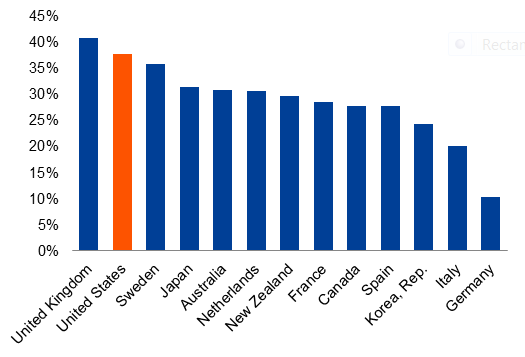
Manufacturing job losses 1997 to 2012 as a percentage of working age populations.
Manufacturing jobs are declining in American cities. That decline is memorialized in a New York Times magazine; distributed in the May 5, 2019 Sunday paper. The human cost to Lordstown, Ohio, when G.M. closes its Cruze automobile manufacturing plant, is heartbreaking.
In the early years of tech, companies like Apple, Microsoft, and Google chose business locations based on where they wanted to live; not where labor existed.
Moretti suggests new job creators choose city locations based on factors other than manufacturing labor. Moretti suggests University locations have some effect, but decisions made by early entrepreneurs seem serendipitous; more than reasoned. Their initial start-ups may be in any community because their ideas are new. Their technologies are unproven. Their new employees are generally young, inquisitive, college educated, and innovative. If these new job creators attract investor interest, they grow their companies through culturally shared purpose.
Not only is there the multiplier effect of unrelated domesticate services, there are new technology companies that choose the same communities. The culture grows to what Moretti suggests is enough density to attract the best and brightest in the world. Incomes rise for all businesses in that community. Even though these communities become more expensive to live in, they continue to attract tech companies because of the savvy technological depth of the area.
What Moretti notes is that if new tech ideas have legs, innovators locate in the same area. Like germs on a petri dish, they multiply to create a new culture.
Moretti acknowledges foreign manufacturers pay their laborers less but, more ominously, he notes foreign countries are doing a better job of educating workers to more fully embrace technology. That embrace begins in grade school and advances through higher education. China’s, Vietnam’s, India’s, Taiwan’s, and South Korea’s emphasis is on science and mathematics. In the U.S., Moretti cites numerous studies showing the quality of American education, particularly in science and mathematics, is declining.
Moretti notes manufacturing decline is partly based on automation, but more fundamentally on a deteriorating American education system.
Science Curriculum Ranking in the world.
The irony of Moretti’s observation is that many graduates
of American universities are foreign students that are compelled to leave
America when they finish their degrees.
They are unable to remain in America because of America’s restrictive
immigration policies. Adding to government
immigration policy limit is America’s failing education system; not only at a
graduate level, but at the preparatory level of America’s grade and high school
curriculums.
As an economist, Moretti explains the multiplier
effect of companies that choose to operate in the U.S. and world where labor is
best educated; particularly in the field of technology. Additionally, Moretti suggests foreign governments
are proportionately outspending the U.S. in science research and development. America is falling behind and risks its
future as a multi-cultural center and economic power in the world.
Historically, most Americans are immigrants. Moretti is certainly right in arguing America’s education system must improve, but that improvement needs children of parents who are intent on making their lives better.
What is missed by Moretti is that immigration is important to America; not only for the technological elite, but for first-generation immigrants. From that pool of humanity, America became the most successful industrial nation in the world. That prominent position is threatened by America’s current leadership.
The Island of Dr. Moreau is an apocryphal story; i.e. it raises many human’ issues—like morality, ethics, meaning of life, and the boundaries of civilization.
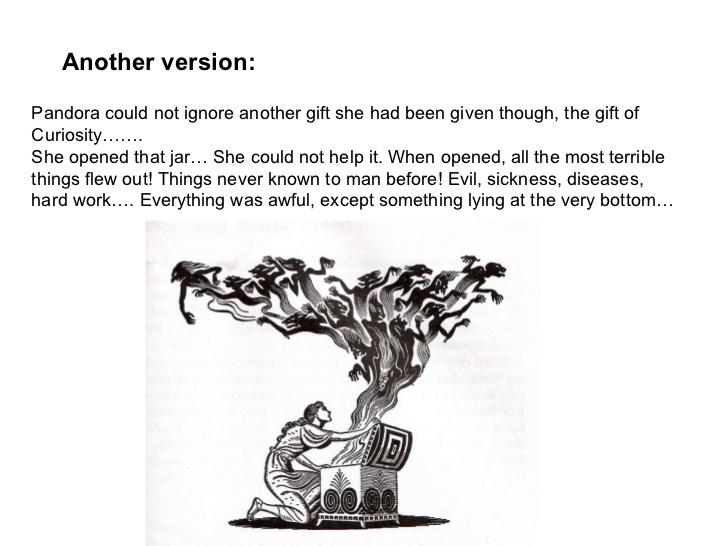
The original story is mired in 1896’ science but the story remains relevant for 21st century cloning and genetic manipulation. Wells envisions a brilliant physiologist who finds a way to meld the physiological characteristics of man with beast. This extraordinary feat is not technically revealed which diminishes the sense of suspended belief but the idea opens a Pandora’s Box of evil that is only mitigated by hope.
Dr. Moreau’s demented intent is to civilize the animal kingdom by
creating “humanimals” that offer opportunity for animals to talk and resist thoughtless
instinctive actions. The idea is crazy
on many levels–not the least of which is the evil that lurks in human’ minds
that compel equally animalistic instinctive actions; but, Wells tells an
apocryphal and believable story about science run amok.
In the 21st century, science advances to the point of cloning and creating an identical living animal. “Dolly”, the sheep is cloned in 1996. Science is on the edge of creating new life forms, if not human copies. The only obstacle appears to be politics; political resistance to the idea of creating life in a test tube.
Dolly (Born in 1996, dies in 2003 from lung disease and severe arthritis. Her 6 year life span compares unfavorably with the 10 to 12 years of most sheep.)
Political resistance to cloning is weakening as evidenced by the first clone of a man’s leg cell and a cow egg in 1998. The embryo is destroyed after 12 days but a level of viability is proven. (Coincidentally, Wells includes a bovine human in The Island of Dr. Moreau.)
In 2008, a biotechnology company created five mature human embryos
from the nucleus of skin cells planted into a human egg. The embryos are allowed to mature to a viable
inner cell mass called a blastocyst which is an early structure of mammals. They were destroyed at that stage but the
experiment shows viability at a later stage of human cloning than in 1998. In 2013, scientists successfully cloned adult
human cells.
It is possible to create duplicates of living animals, and human’ cells; add to that the potential of modifying genetic material–a feat achieved, but politically reviled by most scientists and the general public. For science, “humanimals” seem a viable and potential human creation.
“Humanimals” is a mad-scientist idea. The seductive interest in this science is that cloning and genetic modification offer opportunities for regeneration of damaged nerve cells, medical cures, organ and limb replacements; etc. Fear accompanies this avenue of research because the “thrill of discovery” seduces scientists’ into pursuit of knowledge without philosophical, moral, or ethical consideration of consequence.
Chinese scientist, He Jiankui, uses CRSPR to modify the human genome in 2018. On December 30, 2019 He is sentenced to 3 years in prison for “illegal medical practice”.
A host of moral and philosophical conflicts are raised as science advances toward the creation of life. When does life become life and what right does a living human being have to end or create life? One might answer–society already has laws which allow life to end life; so why not create laws that allow creation of life. There lays the restraining influence of politics; i.e. not all agree with life taking life, right to choose life, right to choose death; so on and so on.
Politics mitigate the consequence of mad science. However, money, power, and prestige motivate the good and bad of humankind.
Growth of skin cells save a 7 year-old’s life by replacing 60 percent of skin loss from disease in 2015.
Doctor De Luca cultures skin cells from a portion of the boy’s body that is not diseased.
Ray Kurzweil suggests the future of human beings will involve a merger of human’ DNA and micro-technology. The Island of Dr. Moreau may be re-titled “The Island of Dr. Anonymous” with island earth populated by “humanimals” and “humotics”.
Like Well’s hero, Edward Prendick, surviving humans may have to leave island earth if they want to remain “only” human. The fable of Pandora explains that “hope” is the politics of the possible. It may be all that is left at the bottom of the box.
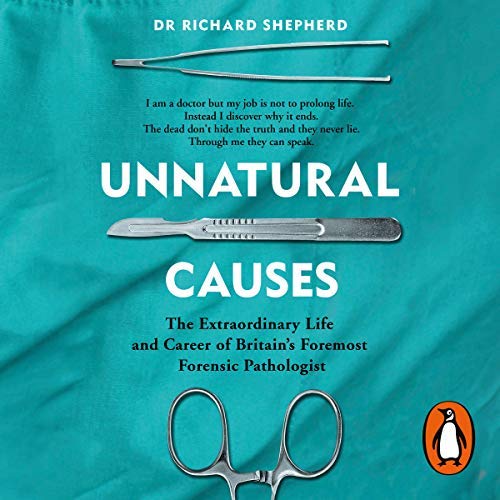
Dr. Richard Shepard (Author, UK Pathologist who investigated many celebrity deaths including Princess Diana.)
Dr. Richard Shepard is an English forensic pathologist. In a cathartic examination of his profession, Shepard reveals how obsessiveness is a boon and bane in life. From youth to late middle age, Shepard reflects on his life.
In “Unnatural Causes”, Shepard examines the causes of others’ death. With ever-present foreshadowing, a listener recognizes a man who is going to experience a mid-life crisis.
In Shepard’s dissection of life, many male listeners will see their own narcissistic lives. The expense of self-absorption is delusion, and often divorce. For a male obsessed with a career, the cost of delusion is a crisis of personal identity.
The cost of divorce is different for men than for women. The biggest cost of divorce is paid by a wife. She not only loses a part of her identity; she loses the security of family, friends, and most often family income.
Shepard does not overtly acknowledge the inequity of divorce, but one senses his feeling of guilt.
The personal part of Shepard’s story is a sad commentary on relationship between men and women in the modern world. It is a picture of many men who grow old with their first wife and abandon them when youth has been spent.
The primary purpose of Shepard’s book is not to explain men’s narcissism but to explore the profession of forensic science
There is no question that Shepard’s experience qualifies him as an expert in the field. From terrorist events in England and 9/11 in the U.S. to the death of Princess Diana, Shepard practices his profession as a revered and respected pathologist. He explains his obsession for “cause for death” from childhood.
Having lost his mother at an early age, her absence motivates
Shepard to understand what causes death. Though unsure of himself when he first
encounters dissection of a human being, Shepard notes how curiosity shuts out
any discomforting feelings in cutting and examining internal organs of a human
corpse. His focus is on finding the true
cause of death.
In the course of Shepard’s career, his search for “cause of death” is found to be difficult, but not because of death’s pathology.
Shepard explains how political pressure from the public, the police, and the judicial system influences diagnosis of death. The public may want to know the “cause of death” because of preconceived notions. The police may want to know the “cause of death: because of their perception of someone’s guilt or innocence. The judicial system may want “cause of death” based on witnesses for the defense or prosecution. To Shepard, what someone wants is not relevant. Only the truth is relevant.
Shepard’s conviction that truth is all that matters leads to a professional crisis.
A less than reputable couple lose their child to what Shepard concludes is SIDS (sudden infant death syndrome). Based on Shepard’s diagnosis, the couple is set free. Years later, the couple has another child. Both parents are alcoholics according to reports given in Shepard’s account of the case. Years after Shepard’s SIDS determination, a second pathologists reviews the record and finds what he believes to have been child abuse. The court agrees with the new pathologist and the child is taken from the parents. Shepard is brought before a board of inquiry to determine whether he should keep his license.
Shepard’s book is worthy of a listener’s time to find out what the board of inquiry decides. Both the personal and public crises Shepard faces will resonate with anyone who has obsessively pursued a career and had his/her personal integrity challenged.
There is a poignant relationship between Shepard’s story and the grilling of Amy Coney Barrett’s pursuit of a seat on the Supreme Court.
Her truth is not everyone’s truth. To challenge her belief in the role of a justice of the Supreme Court places her squarely in Shepard’s story of judgement by a board of inquiry.
There is the added benefit of hearing how “inequality of the sexes” is a deeply rooted social phenomena.
Alec Ross (Author, American technology policy expert)
Alec Ross’s book about future industries is founded on
world travel and observation. Ross is an
historian by education. His wide-ranging view of sociological change is from personal
experience with technology and the information-age.
Ross observes social change around the world as a senior adviser to then Secretary of State, Hillary Clinton. His dizzying travels explain how mobile phones connect the world and change economic, political, and social opportunity for both third world, and highly industrialized countries.
Ross’s fundamental argument is that “…Industries of the Future” will be based on information technology. The forefront of that technology rests on software (coding) and human evolution (genetics).
Despite nationalism and the horrendous consequence of Covid19 on the world, Trump-like government leaders who focus on nationalist independence and existing manufacturing jobs are job destroyers; not creators.
New jobs will not come from expanded labor-intensive manufacturing but from the accumulation and use of data. Ross suggests coding and genetics will determine jobs of the future.
Ross infers creators of code are tomorrow’s laborers. Today, learning how to code is a valuable skill that insures employment through and beyond the 21st century.
Though there is hyperbole in Ross’s suggestion that today’s coders make a high wage of $100,000+ a year, they do make an entry level living wage with vertical mobility. As the market matures, coder’s income will undoubtedly keep pace with expanding economies.
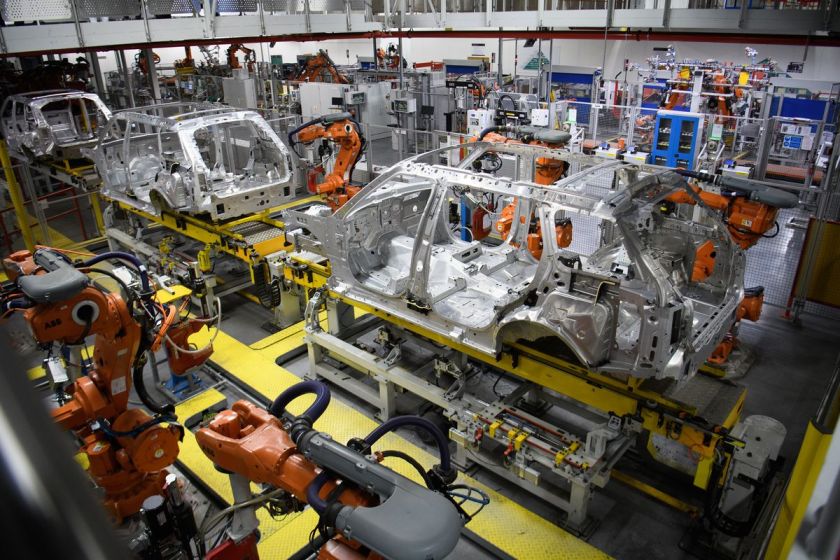
Ross shows how coding opens the door to automating the manufacturing world. Human labor to make things will change to coding labor that ultimately leads to machines building machines.
Artificial Intelligence is common today and will be ubiquitous tomorrow.
The automobile industry is increasingly relying on machine assembly of automobiles. The manufacturing process still requires human supervision, but physical labor will be increasingly code driven.
Numerous examples are noted by Ross. Driving a car is simpler because of A. I. Using GPS maps shorten travel time, gauge traffic congestion, and locate lost devices. The obvious effect of information technology is reduction in physical labor with employee job change, reeducation camps, and new employment. This is a tough reality for today’s laborers; particularly those who work hard every day. The rise of A. I. contradicts the industrial age’s moral belief that character is enhanced by hard labor.
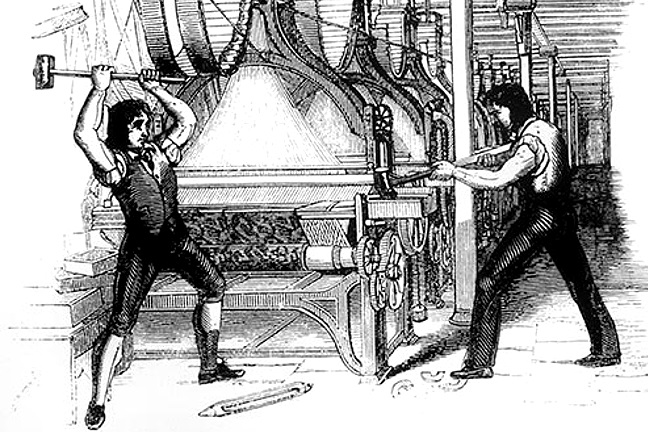
The laborer says, “I am not going to lose my job to a machine”. From a production line laborer or steel worker of a certain age, it is a message once said by Luddites in the nineteenth century. In the industrial age Luddites began dismantling machinery that cost their jobs.
Job upheaval is frightening. However, Ross suggests the information-age offers the greatest opportunity for the world since the industrial revolution. President Trump’s populist effort to turn back time creates false hope for many hard working Americans.
Employees in dying professions should be helped by private industry and the government to retrain and embrace inevitable market changes. America needs a Rooseveltian and internationalist response to Covid 19 and the advance of technology.
What Ross shows is that industrialized nations that choose not react positively; to be proactive to the information age are destined to decline. Ross shows how third world countries in Africa see opportunities that were never seen before because of technology.
With a mobile phone, African men and women have become entrepreneurs because they can communicate with wider circles of influence and support. Their phones become banks for loans and payments; and more importantly, for investment in themselves.
Ross explains another opportunity presented by the information age in farming. As has been known for centuries, farm productivity is improved by appropriate management and use of natural resources and man-made fertilizers. That customization increases the world’s food supply in ways that could only be approximated in the industrial age. Coded farm machines replace day laborer planting, cultivation, and harvesting,
With the advent of automated farm management systems, soil preparation, planting, and harvesting operations can be more precisely customized.
The second fundamental argument in Ross’s book regards genetics. Understanding of genetic science and our ability to manipulate genetic markers is a wild-west opportunity.
In theory, genetic modification can be a threat to the ecology of the earth, a monumental environmental catastrophe.
To Ross, genetic modification is a boon for agricultural and human productivity that will lead the world out of environmental and human crises.
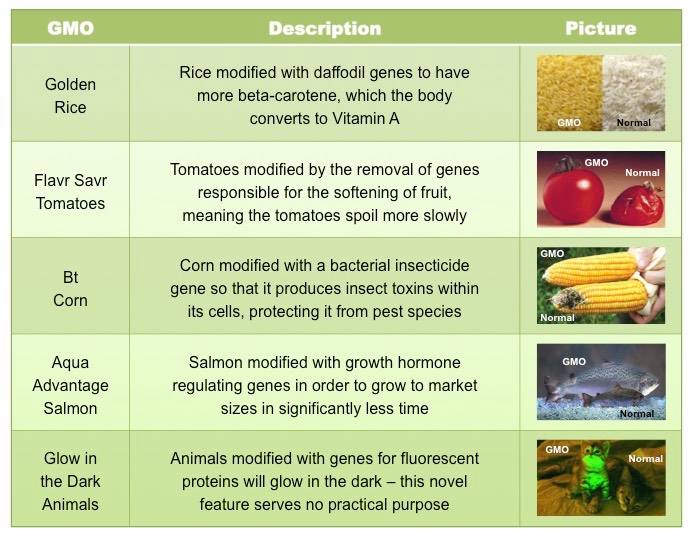
Giant steps have been and are being made in genetic modification of agricultural products. Ross notes reports of crop productivity increases due to disease resistance coming from genetically modified seeds. Ross argues that GMO opponents are wrong in suggesting “natural” agricultural products are any safer than genetically modified food products.
Ross sites reports of GMO foods that show they are equally or more nutritionally beneficial to humankind than non-GMO foods.
Many would agree with Ross’s assessment of the success of GMO production. However, modification of the human genome opens a much higher level of concern.
There are moral and ethical questions raised by science and religion with experimentation on the human genome. On the one hand, it raises the possibility of erasing the diseases of humankind. On the other, there is the fictional account of the “Island of Dr. Moreau”. Both concerns are expressed in the controversy surrounding the 2018 human gene editing in Hong Kong by Dr. He Jiankui, a Chinese researcher.
Dr. He Jiankui (Claims to have conducted the first human genome-editing of a human embryo)
Ross approaches “The Industries of the Future” from a
more historical than scientific perspective.
His book sees great opportunity in information technology, but proof is
largely unborn history. The
technological revolution is not like the industrial revolution because it goes
beyond Newton’s laws and only touches Einstein’s. Ross seems more likely right than wrong but only
the future will tell, and only history will prove it.
Jeffrey Sachs (Author, American economist, Columbia University Professor)
Jeffrey Sachs skewers modern Presidents and lionizes John Kennedy. Written before 2016, one wonders what Sachs might have written about President Trump.
One may agree with some of Jeffrey Sachs’ observations of what is wrong with America but his solutions are academic; not pragmatic. Sachs is an idealist. Corporatism is an out sized economic benefactor for the United States.
Government checks and balances are America’s only defense against corporatism.
“The Price of Civilization” is an unsatisfying audio book. Not because it is irrelevant but because it’s saccharine idealism and disconnection from the real world.
Though much of Sach’s criticism of Obama, George Bush, Bill Clinton, and Ronald Reagan is deserved, his professorial economics is cloying because it ignores political reality and the truth of human nature.
The father of American economics, Adam Smith, is the first to have recognized the critical role of politics in economics.
Politics is a social science of give-and-take in both democratic and autocratic societies. The difference is–politics in democracy is practiced among the many; while in autocracy, politics is practiced among the few.
Just as Adam Smith’s “Wealth of Nations” includes politics in economics, Thomas Hobbes’ “Leviathan”, introduces human nature to government. Thomas Hobbes notes Human nature is both good and bad. As logic dictates, politics in economics is both good and bad.
Sachs is spot-on as an academic economist. Trump and many elected officials ignore political reality. Public policy has always been a matter of “who’s ox is getting gored” whether Democrats, Republicans, or despots are in control of government.
Sachs cleaves to Platonic and Aristotelian platitudes like “all things in moderation”. To suggest that a philosophical awakening of the millennial generation (those born between 1977 and 1992) will cure American lassitude and political apathy is naive.
Sachs optimistically believes the millennial generation will eschew the luxuries of American dreamers (owning hot cars, nice homes, and beautiful clothes) to become voters for change. Obama represents those voter’ beliefs but fails politically for the same reason Sachs’ book is a mess.
Changing public policy is not going to occur with an American generation that magically begins believing less is more. Re-election of a new President, whether Democrat or Republican, will not fundamentally change America’s system of choosing corporate winners and losers.
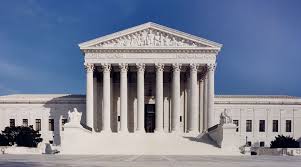
One can agree with Sachs’ observation on 2010’s “Citizens United v. Federal Election Commission” decision. The Supreme Court erred in identifying corporations as individuals with the rights of unlimited corporate donation to electors.
Defeat of gun control legislation shows how entrenched lobbyist organizations can steer the course of public policy, regardless of a democratic majority’s support of policy change.
Sachs is right in his assessment of the wrong-headedness of what he calls “corporatocracy”; i.e. the institutionalization of an election process that is founded on money rather than public representation.
Human nature gets in the way of doing the right thing. Humankind naturally seeks freedom. (Las Vegas demonstration to reopen the economy during the pandemic.)
When freedom of choice is impinged upon, human beings are reluctant to change. Of course, this is an over simplification but Sachs minimizes mankind’s innate desire for freedom.
Las Vegas mayor Goodman wants to re-open the economy in the face of Covid19. She believes freedom and survival of the fittest is a matter of human nature; not government fiat.
She infers–if its your time to die, so be it.
Regulation of human activity impinges on free choice whenever one person thinks they know what is best for another.
Human nature is not going to change; i.e. it will always contain good and evil intention. Bernard Madoff comes from the same culture as Warren Buffet.
Trump and the Republican party’s approved tax law and Covid19′ fiscal response illustrates contempt for the middle-class, and ignores the needs of the poor.
Many Americans are disgusted with the political process in 21st century America. Even the super rich and rich are not satisfied with the status quo. The rising gap between rich and poor embarrasses those who believe in equal opportunity for all.
How can America justify a social security tax for a movie actor’s (or sports star’s) income of millions per year when a middle income family makes $40,000 to $132,900 per year and has to contribute the same amount as a multi-millionaire.
A person with a middle class income will pay 6.2 percent of their income for social security. There is a maximum cap of $8,239.80/year/person. One who makes millions of dollars per year will not have to pay more than that $8,239.80/year; i.e. the same maximum amount a middle income person pays. No wonder social security is going broke.
When one is elected to congress every two years, fund raising becomes the elector’s primary focus of attention. When corporations speak, electors listen. Lobbyists and corporate money are more important than the aggregate input of voters. No wonder American voters are apathetic.
Sachs notes Oliver Wendell Holmes dictum about taxes. Holmes wrote that he loved to pay taxes because taxes are the cost of civilization. The weakness of that generalization is in the definition of civilization. If civilization is that stage of human social and cultural development and organization that is considered most advanced, why does the richest country in the world:
1)have citizens living on the street,
2)have citizens imprisoned-to only isolate and punish, and
3)have children dying because of poor medical care.
When an investor turns a portfolio over to a brokerage company, that investor has to “trust but verify” the actions of the brokerage company in regard to overall portfolio performance. If the broker under performs the market, the investor knows it is time to change brokers.
When a government under performs when public tax dollars are invested, voters cannot, without revolution, change governments.
Sachs accurately notes there is no difference between Democrats and Republicans in the United States. Both parties talk the talk but fail to walk the walk. Elected officials are too beholding to lobbyists and corporate America.
Americans are reluctant to pay higher taxes because they see
no discernible improvement in their lives.
Why invest in a government (pay more taxes) that fails to produce
improved results?
Sachs ideas for correcting America’s ills—
Reduce the deficit by cutting military spending and
increasing taxes.
Reduce wealth disparity by investing in and retraining
an obsolescent work force.
Invest in and improve education with emphasis on
primary and secondary graduation.
Create jobs through infrastructure investment. He argues that dependence on carbon-based
energy is to be reduced by conservation with increased investment in alternative
energy sources and more scientific research and development.
He argues that medical insurance should be provided to
all Americans with a plan crafted by the medical community.
All of these goals are exemplary but to get there requires a massive (and unlikely) re-invention of human nature. One could argue that many of these policies were promoted by the Obama administration, but little changed.
It is counterintuitive for a free society to choose moderate
consumption. Add mistrust of the
American government and the likelihood of turning more money over to a government
that does not work seems stupid to any rationale human being.
Hitler wrote in Mein Kampf, “Industry, technology, and commerce can thrive only as long as an idealistic national community offers the necessary preconditions. And these do not lie in material egoism, but in a spirit of sacrifice and joyful renunciation.” Sach’s idealism is a threat to an American economy that ignores the poor. It hides behind idealized Hitlerian propaganda.
Hitlerian characters are a threat to America when corporatism is the basis of public policy.
Of course, this analysis of Sach’s book is also a form of idealism.
Wharton’s “The Age of Innocence” exposes false notions of equality of the sexes in America and reflects on the human frailty and strength of men and women.
Edith Wharton lived through the turn of the 19th and 20th century in America. She lived an adult life of luxury in New York, and later in France.
Wharton writes about American society; i.e. she exposes New York’s “upstairs, downstairs” snobbery in the early 20th century.
Newland Archer is engaged to be married to May Welland when a childhood friend comes to visit relatives in New York.
In telling the tale, Wharton sharply defines the battle of the sexes, duplicity of romance, and folly of youth. Though writing of a sliver of wealthy American’ society in the early 20th century, Wharton’s story rings as true about men and women today as it did when she won the Pulitzer Prize.
The battle of the sexes is repeated today in the Gates’ divorce. Their wealth and notoriety make them news. News that is invisibly repeated in many American households.
This is Wharton’s story, maybe a fiction, but as true to life yesterday as it is today. A childhood friend is Ellen Olenska, a 30-year-old married countess that left New York in her youth. Newland begins to question his love for May Welland. His reasons for questioning are not clear to himself. Wharton infers the reasons are idealized romance and lust.
Archer idealizes Olenska. His idealization comes from unrequited lust. Olenska is a married woman. She is not available.
Archer knows his soon-to-be wife, May, is committed to him and takes her for granted. Archer’s lust for Olenska conflicts with Archer’s morals. The nature of unrequited lust is that the thought or idea of sex is perfect. In Archer’s mind, Olenska becomes an objectified sex object (a perfect fantasy), and May will never be good enough. Archer is psychologically prepared to abandon May and pursue a “perfect” relationship with Olenska.
Olenska, in one respect, is Archer’s alter-ego. She views Archer as a perfect companion because Archer is not available. Archer is committed to another woman. Olenska lusts for Archer but with better insight to the truth. Her life experience tells her to resist infatuation. She knows that once lust is satisfied, social reality returns.
Archer views May as a complacent woman that will make a boring
wife. In contrast, Wharton shows May to
be a perceptive woman that understands Archer’s and Olenska’s relationship. May correctly diagnoses Archer’s false
idealization and subtlety maneuvers Archer to quash the burgeoning affair with
Olenska.
In the end, Wharton shows Archer to be morally shallow. Archer chooses to keep his innocent memory; i.e. his deluded vision of romance, commitment, and love.
Governor of New York–Andrew Cuomo
Cuomo reflects much of what Edith Wharton illustrates in “The Age of Innocents”. Power and inequality distorts the relationship between men and women today, just as it did in the early 20th century.
May and Olenska are shown to understand the difference between lust and romance; commitment, and love. Archer never does. Archer never gets over “The Age of Innocence”.
Leo Damrosch (American author and professor of Literature at Harvard)
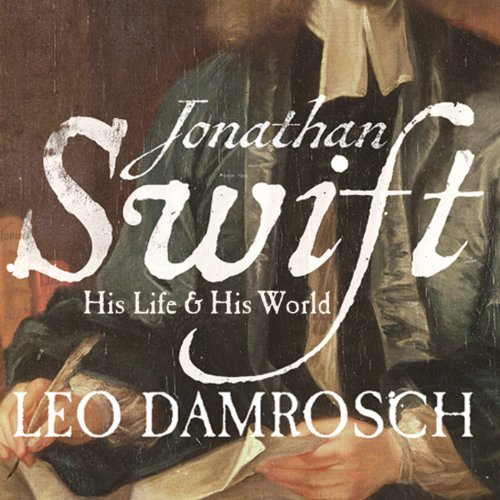
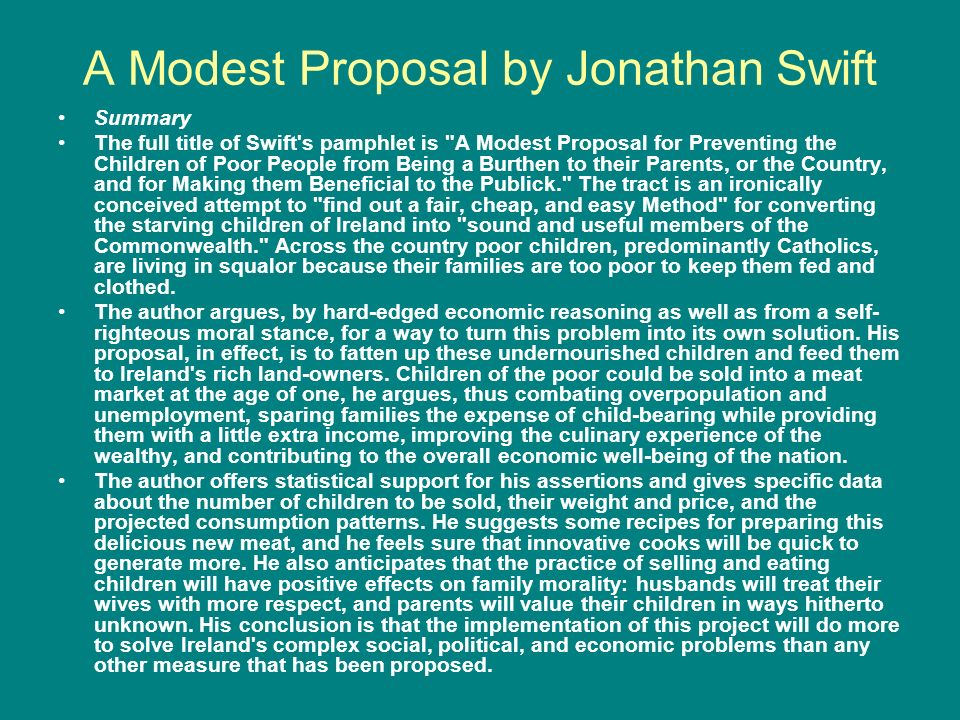
Leo Damrosch’s biography of “Jonathan Swift” illustrates the power of the pen.
Jonathan Swift (1667-1745, Anglo-Irish satirist, essayist, political pamphleteer, poet and cleric.)
Jonathan Swift is principally remembered for “Travels into Several Remote Nations of the World”, better known as “Gulliver’s Travels”. What is less known of Swift is that he was and is a revered Irish hero.
Damrosch has written a comprehensive biography of Jonathan
Swift’s life. Damrosch searches for what
is known, while expressing reservation about what others speculate about
Swift’s life. Jonathan Swift is recognized
as an ordained Anglican priest that reluctantly accepts a position as Deanery
of St Patrick’s church in Ireland.
Swift lives an ironic life. He was born in Ireland but preferred living in England. His life reflects humanity’s ambivalence about money, power, and prestige.
Irony lies in Swift’s desire to become rich, powerful, and respected while skewering the rich, powerful, and respected.
Swift reveres the Anglican Church while he hates the memory of King Henry VIII’s duplicitous murder of Saint Thomas of Canterbury in the 12th century. Irish Catholics are tolerated rather than accepted as religious equals by Swift. Swift’s appellation for Irish Catholics is “those Irish”.
England’s leaders grew to fear Swift’s power of the pen. He became a respected, if not rich, Irish cleric. Religious satire was Swift’s sword but it had two edges.
Just as Swift is endearing himself to English leadership, he writes a satiric book about western Christianity. The book is called “A Tale of a Tub”. It is widely read by literate England. Queen Anne considers the book blasphemous because of its parodies about religion and religion’s use and abuse in politics.
Damrosch believes “A Tale of a Tub” burns Swift’s chance for ever becoming an English Bishop, a well-paying and respected position in the Anglican Church. Without Royal endorsement, Swift has little chance of promotion in England.
An irony of Swift’s life is that he gained a reputation as a
maker and breaker of English’ politicians and noblemen by writing “A Tale of a
Tub”; i.e. Damrosch notes several examples of English’ leaders that either
solicit mention in Swift’s writing or fear pillory by Swift’s pen. The good consequence is respect for Swift’s
writing skill; the bad consequence is English Royalty’s disdain for Swift’s
writing substance and his ultimate lesser-posting in an Anglican Church in
Ireland.
In today’s news, Pope Benedict implies deterioration of the church is caused by 1960’s sexual liberation.
Swift embraces religion but denigrates its leadership.
Irony follows irony in Swift’s life. Swift is a Tories’ sympathizer that evolves into an Irish hero that decries Tory treatment of Ireland in the early 18th century. He hated Ireland but became Ireland’s hero. Swift promotes Ireland’s boycott of British goods when England forbids export of Irish wool to anywhere but England. Swift decries Irish poverty but suggests poverty is an Irish moral failing.
The climax of Damrosch’s biography is Swift’s publication of “Gulliver’s Travels”. Swift’s dissection of societies’ follies is as relevant today as it was in the 18th century. One might argue that “A Tale of a Tub” is equally important but “Gulliver’s Travels” resonates with all who read for pleasure, politics, or enlightenment; whether young or old. “A Tale of a Tub” is more relevant to the time of its writing.
There are other biographical details about women in Swift’s
life, his stories, and Swift’s idiosyncratic habits but power of the pen is the
thematic giant in Damrosch’s book.
Damrosch shows how Swift became a feared satirist by England’s leaders.






































































 REVIEWS AND VIEWS OF LIFE