NEWSPAPERS

Audio-book Review
By Chet Yarbrough

(Blog:awalkingdelight)
Website: chetyarbrough.blog

Written by Sarah Ellison
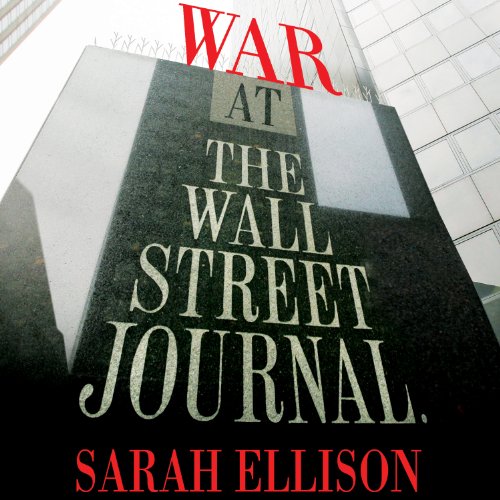
Narrated by Judith Brackley
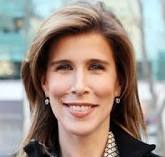
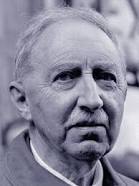
(SARAH ELLISON-AUTHOR, REPORTER FOR “THE WASHINGTON POST”)

The word “War” in Sarah Ellison’s book title exaggerates the reality of change at the “Wall Street Journal”. Exaggeration aside, Sarah Ellison succinctly reports big changes in the newspaper.   Ellison writes a very straight forward and interesting account of the takeover of the “Wall Street Journal” by Rupert Murdoch and News Corporation.

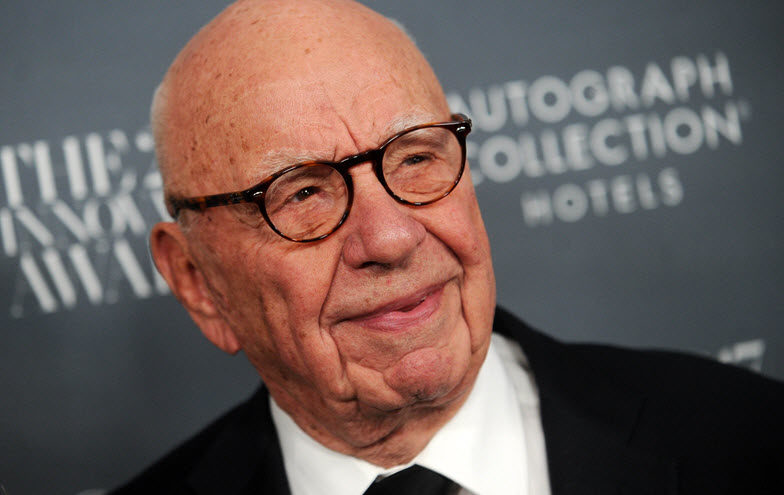
(RUPERT MURDOCH, MEDIA MOGUL)
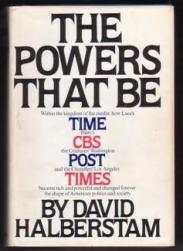
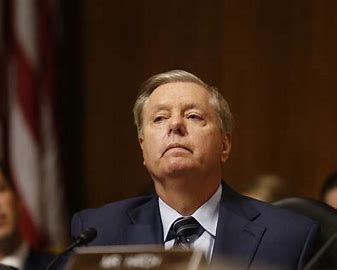
Ellison’s presentation does not have the depth and breadth of Halberstam’s “The Powers That Be” but it does provide insight to changes that are happening in the newspaper industry.

Murdoch is characterized by some as a devil but Ellison’s picture is not horned or tailed.  The “Wall Street Journal”, like every mass circulation newspaper in the nation, is in the same life boat. 

The internet and their communication speed have ripped holes in the “Chicago Tribune”, “Philadelphia Enquirer”, and “Los Angeles Times” sailing buoyancy.   Even the “Washington Post” and “New York Times” have taken on water.

Murdoch is not painted as a white knight, but Ellison’s reporting suggests rescuer is a more apt description than devil. The same might be said of Jeff Bezos’ acquisition of the “Washington Post”. Also, though the “New York Times” has not changed hands, it has suffered through years of weakened financial viability.
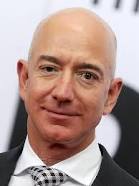
JEFF BEZOS (CEO AND PRINCIPAL OWNER OF AMAZON)

Nationally read newspapers are threatened by the instantaneous reporting of the internet but every national paper is adapting to changing modes of delivery.

The “Wall Street Journal” and other daily papers are leaner today because they are following market demand for shorter stories, but the “…Journal” and other national market papers have not abandoned investigative journalism.  Newspaper reporters plumb the inner workings of world crises. They reveal government malfeasance, and investigate corporate corruption. They remind the public that “freedom of the press” is fundamental to democracy. The depth of newspaper coverage is deeper and more comprehensive than rumor driven internet accounts.

The internet has democratized the news; i.e., individuals seek their own depth.  Some suggest newspapers like “USA Today”, have taken a step too far by reducing print to twitter feeds about the news. Their reporter and news feed cutbacks have caused a loss in value (stock price decline) that has encouraged a hostile takeover by MNG (an offer recently rejected by “…Today” ownership). The complication for print media is monetizing web based reporting without decimating print coverage. Those newspapers that cannot meld one to the other seem destined to fail.

ARTHUR OCHS SULZBERGER JR. (PUBLISHER OF THE NEW YORK TIMES)
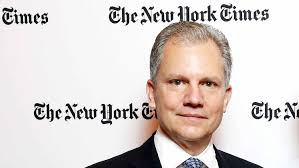
Murdoch and Sulzberger media conglomerates have specialization and editorial biases that serve their consumer cohorts.  Subscribers have the option of reading their papers on the internet when traveling away from home. Income from internet add sales supplement print advertising. Those publications that refine the utility of their websites are a boon to both newspaper publishers and consumers.

Those newspapers that focus on substantive truth, website improvement, and delimited editorial bias will serve themselves as well as the public.  Internet integration of print with internet reporting will sustain national newspapers’ future.  

Media longevity is a matter of change, i.e., newspapers did not disappear with the advent of radio and radio did not disappear with the advent of television; they adapted, they changed. Murdoch has taken a creditability dive with the Fox network news settlement, but the WSJ remains among the best source of business news in the world.

Newspaper readers who stand and wait will also be served.  Murdoch over paid for the “Wall Street Journal”; maybe for the wrong reasons, but with the right results.  Ellison implies the “…Journal” is serving its customers better now than before Murdoch’s takeover. The “New York Times” return to profitability suggests the same. The jury remains out on “USA Today”, Chicago Tribune, Los Angeles Times”, “Washington Post”, “Philadelphia Enquirer” and other nationally recognized papers. Change is universal, survival is ephemeral.
FORGOTTEN TOO SOON

2008 was just yesterday but today’s attack on government regulation is destined to create America’s next crises.

Audio-book Review

By Chet Yarbrough

(Blog:awalkingdelight)

Website: chetyarbrough.blog

The Big Short                                                         &           No One Would Listen

By Michael Lewis                                                               By Harry Markopolos

Narrated by Jesse Boggs                            Narrated by Scott Brick & Others

There are lessons to be learned from Lewis’s and Markopolos’s books that are forgotten in the pending impeachment trial of President Trump.

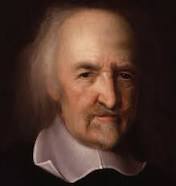
Both Adam Smith (the father of economics) and Thomas Hobbes (author of “The Leviathan”) argued self-interest is a universal human characteristic.

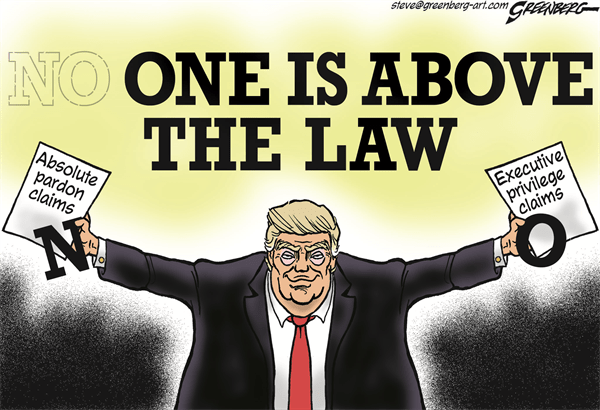
Self-interest led Trump to enlist the Justice Department to overthrow the election of President Biden. If that is not insurrection, one wonders what justifies any impeachment action.

Smith argued that capitalism takes the essence of human nature’s self-interest to advance civilization.  He noted-the advance of capitalism is not a smooth upward curve but an improving trend.  Smith was not saying that bad things do not happen in a capitalist society but they bend toward the good of society.

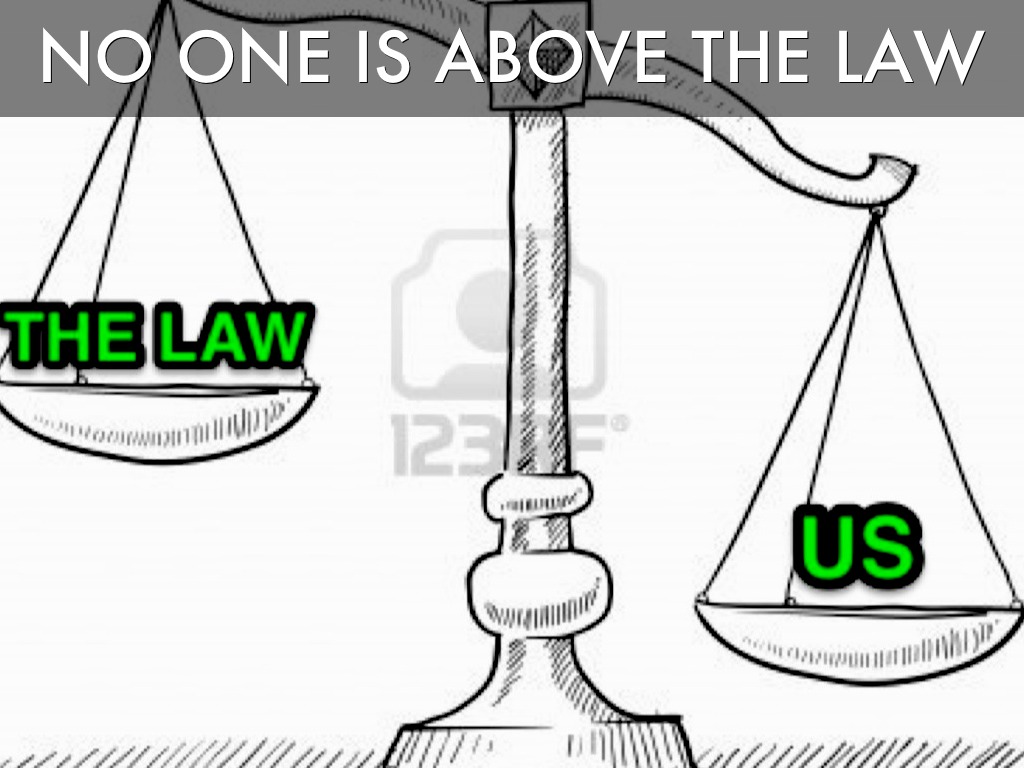
Hobbes would take issue with both of Smith’s assertions. Self-interest would not advance civilization unless it was regulated. Hobbes insisted on government control through “rule of law” to mitigate non-virtuous self-interest.

Hobbes feared unbridled self-interest in any form of government. Hobbes viewed human nature as brutish and unfair unless ruled by a Socratic philosopher king or, in a democracy, by tightly regulated and enforced “rule of law”.

The forensic reports of Michael Lewis and Harry Markopolos show what happens when efforts to regulate human nature are abandoned.  One concludes from their books that Thomas Hobbes’ “Leviathan” wrecks havoc on society when “rule of law” is either not present, or unenforced.

Inept management by Fannie Mae, and Freddie Mac offered mortgage insurance for grossly over-leveraged mortgages.  Companies like AIG removed investor risk by insuring banks against bad investments. 

All of these foolish actions coalesced to bankrupt companies and families around the world.  Individual lies, bungles, and missteps in the real estate industry created the worst recession since the 1929 stock market crash. 

While this real estate debacle was developing, Bernie Madoff built a 50 to 70 billion dollar empire by making fools of the U.S. Government, European royalty, world wide charities, and working families.  Madoff lied, cheated and stole billions of dollars from wealthy investors, charities, and mom and pop businesses with offers of bogus investment returns based on buying from Peter to pay Paul.  He paid dividends to earlier investors by taking money from newer investors.

As long as people believed in Madoff, or deluded themselves, his wheel of fortune continued to roll. As the real estate market collapsed, old investor money was recalled and new money became unavailable.  Madoff’s failure was inevitable.

Michael Lewis identifies seers that recognized “Quants” were packaging doomed mortgages into re-salable financial instruments called derivatives. These astute observers of the market, knew mortgage backed securities were at risk.

How could these things happen in a 21st century, democratically elected and governed society?   Hobbes would say “how could these things not happen”?


Madoff’s investment lies were exposed by Harry Markopolos in a “red flag” report to the Security Exchange Commission in the year 2000; way before the 2008 economic catastrophe.

The title of the book “No One Would Listen” tells the story.  This book is an indictment of democratic government in free society.  Markopolos’s story exposes an inept and failed SEC, an agency created by government to protect investors–when, in fact, it protected corporate interests. 

The irony is that Madoff did not get caught by the SEC. He confessed in 2009 because his Ponzi scheme fell apart. along with the collapse of the real estate industry.   

Lying is part of being a human being. That is a fundamental reason for government to have “rule of law”. It protects people from the abhorrent self-interest of the few from the many.

President Trump is impeached by the House of Representatives. It is the moral responsibility of the Senate to have a trial.

Hiding behind a loose interpretation of the rules of the Constitution is a disservice to the people. Guilt or innocence should be proven by the facts; not the parties of interest.

Regulation is not a perfect solution for control of bad actors in a free society.  However, no regulation is worse. 

NORTH KOREA

Audio-book Review
By Chet Yarbrough

(Blog:awalkingdelight)
Website: chetyarbrough.blog

Nothing to Envy

By Barbara Demick Narrated by Karen White

Everything to hide, everything to lose, and “Nothing to Envy” summarizes Barbara Demick’s book about North Korea.  That is the frightening prospect of North Korea’s policy regarding nuclear armament. 

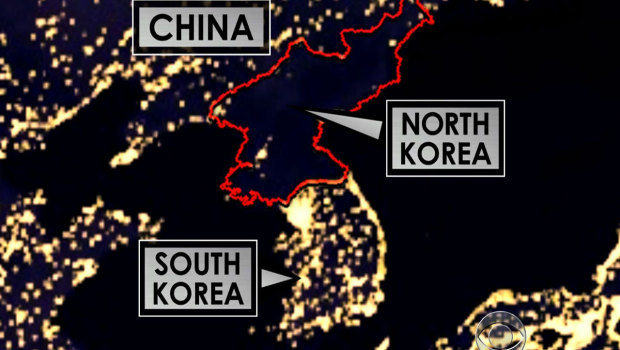
North Korea is dark because of a lack of infrastructure for power

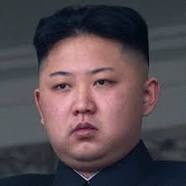
Kim Jong-un’s rule of North Korea is founded on fear.  Based on Demick’s characterization of the North Korean economy, Kim uses fear to control North Korean citizens.  Kim presumes the same will work for control of North Korea’s position in the world.  Trump deceives himself in believing he gets along better with meaner leaders.

President Trump understands the tool of fear but mistakenly believes Kim will change his behavior because of America’s superior wealth and power. 

Because fear is the only tool Kim possesses to stabilize North Korea’s government, North Korea will not abandon its quest for more nuclear weapons.

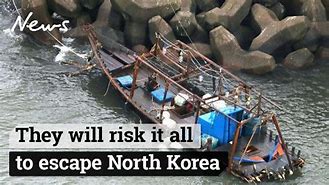
Demick pictures life in North Korea based on interviews and stories told by refugees and defectors.  There is an inherent bias in recollections of those who flee as opposed to those who stay.  These stories, though different in details, are too alike to be lies.  

Demick peels back the edge of a curtain that hides North Korea from the rest of the world. North Korean defector’s recollections are a re-telling of George Orwell’s fictional world of “1984”. North Korea is a reinvention of Joseph Stalin’s U.S.S.R.

Demick recounts the stories of Mrs. Song, Oak-hee, Mi-ran, and Jun-sang.  Demick paints a picture of a gray country, wracked by hunger and controlled by a dictator and his army.  Demick reveals a country that faces a grim future. 

Nuclear warheads in the hands of North Korea are a threat to Asia and the far east.

Demick gives fear and anxiety a face with Mrs. Song’s story of her life as a rabid believer, self-deceiver, and follower of the “Dear Leader”, Kim Jong-il (Kim Jong-un’s father). 

Mrs. Song and her children survive North Korea’s worst famine in history, but her husband dies.  Mrs. Song’s daughter Oak-hee tricks her mother into visiting China and then lures her to South Korea.  Oak-hee shows Mrs. Song that life in North Korea is a shadow of what life can be.

Demick’s second story is told by Jun-sang and Mi-ran, two other North Korean defectors.  Jun-sang and Mi-ran introduce romance into this gray world.  Their courtship in North Korea is sweetly pictured in clandestine walks on dark nights with sparkling bright stars in a lightless city.  Jun-sang is an engineering student at a prestigious North Korean school.  Mi-ran is the daughter of a naturalized North Korean farmer who lived in what became South Korea after the Korean War.
Jun-sang and Mi-ran talked of everything but what became the most important thing in their lives, the dishonesty of their government, the unfair treatment of its people, and their growing alienation.

 Both defected at different times because they were afraid to reveal to each other their true feelings about life in their home country.  Later, they meet in South Korea but as strangers that have grown into separate lives.

“Nothing to Envy” makes a listener believe North Korea’s government is destined to fail.  Time and incident will cause its collapse. 

President Trump only temporarily stopped displays of nuclear weaponization by North Korea. Obviously, Kim Jong-un is only acting in a play designed by Trump.  It appears Trump’s play, as much of his administration, is out of his control. 

Our President cannot say “you’re fired”.  Kim Jong-un needs fear to govern his country.  He believes fear is the only tool that will gain cooperation of the outside world.

HUMAN FRAGILITY

Though cultures around the world are different, honesty and respect level cultural differences, and reveal how human justice is universal.
Audio-book Review
By Chet Yarbrough

(Blog:awalkingdelight)
Website: chetyarbrough.blog

A Passage to India
By E. M. Forster

Narrated by Sam Dastor

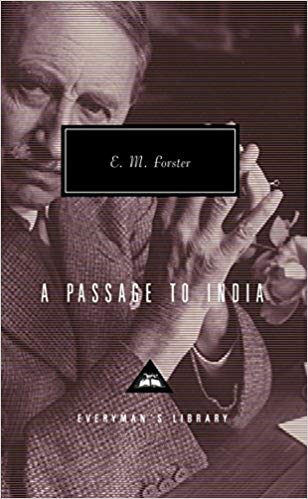
E. M. FORSTER (ENGLISH NOVELIST 1879-1970)

Considered by some to be one of the best novels ever written, “A Passage to India” exposes human fragility.  The story is beautifully narrated by Sam Dastor but the poetry of E. M. Forster’s writing shines best in its reading.

Published in 1924, “A Passage to India” is a primer on colonialism, ethnocentrism, and discrimination. 

Forster shows human nature is immutable and omnipresent, a force of good and evil.
Forster introduces Dr. Aziz, a Muslim Indian physician, Cyril Fielding, a British school master who teaches at a college for Indians, Mrs. Moore, the mother of a British magistrate governing India, and Adela Quested, a school teacher considering engagement to the British magistrate.  There are many more characters, but these four characters exemplify the best and worst of being human.  They carry the principle thread of life and what it means to be human.

History is replete with stories of nations, governments, leaders, and corporations that believe they know best for those they dominate.  Because self-interest (a lauded and reviled quality of human beings) pervades society, it distorts nations’, governments’, and corporations’ actions and decisions.

In the early the 20th century, the British govern India’s people by imposing their own vision of what is best for India.  The British leadership is convinced that their culture is superior to India’s; not unlike America’s belief that Anglo/American culture is superior to American Indian culture in centuries past and present.

When Adela Quested and Mrs. Moore ask to meet local Indians, a British city collector arranges a party for newcomers to India to meet locals.

The party is depicted as a crashing bore by British wives who gather on one side of the dance floor, demean Indian dress, habit, and intelligence.  On the other side of the floor, Indian wives wish they were somewhere else.  The British city collector mingles with Indian leaders as a duty of office. The city collector feels he offers high recognition; first, by inviting Indian guests and then by crossing the floor to say hello.

Ethnocentrism is clearly pictured in Forster’s book. The newcomers to India, Mrs. Moore and Ms. Quested, feel they are not seeing the real India at the party. They suggest a visit to an Indian household. 

Cyril Fielding, an admirer of Indian culture, suggests an outing be arranged for Mrs. Moore, Ms. Quested, and Dr. Aziz.  Fielding offers the idea of a visit to ancient caves outside of town. 

Arrangements are made for the next day.  In exploring the caves, Ms. Quested and Dr. Aziz are separated from Mrs. Moore.  Ms. Quested enters a cave by herself; she feints and thinks she has been assaulted.  Dr. Aziz is arrested. 

In the course of a trial for the alleged assault, discrimination is on display.  Ms. Quested is faced with great pressure from her British compatriots to verify details of the assault. She realizes she has made a false accusation and recants. Dr. Aziz is vindicated.

The ugliness of colonialism (cultural domination), ethnocentrism, and discrimination is exemplified in Forster’s beautifully crafted story.

Thankfully, the characters of Mr. Fielding, Mrs. Moore, and Ms. Quested give a sliver of hope for mankind’s redemption, a hope for cultural respect and truth.  Though cultures around the world are different, honesty and respect level cultural differences, and reveal how human justice is universal.

TALKING HEADS

Audio-book Review
By Chet Yarbrough

(Blog:awalkingdelight)
Website: chetyarbrough.blog

America Alone: The End of the World as We Know It

By Mark Steyn

 Narrated by Brian Emerson

Mark Steyn (Canadian conservative author and commentator. Occasional guest host on the Rush Limbaugh Show and Tucker Carlson Tonight.)

Listening to Brian Emerson’s narration of Steyn’s book makes one smile and cringe.  In one section Steyn intelligently reflects on the demographics of world population, and in the next, he whips out a Limbaugh/Carlson-like’ riff on the name “Muhammad”.

Steyn uses “guilt by association” as proof of something when it is nothing. Someone named Muhammad can be an American patriot or a domestic terrorist; not because of a name but because of belief and volition.

To suggest ex-Senator Wiener’s wife, Huma Abedin, is a member or agent of the Muslim Brotherhood is ridiculous.

Abedin grew up in Saudi Arabia and worked for an academic journal called “The Journal of Muslim Minority Affairs”. (Ms. Abedin was born in Kalamazoo, Mich.) To state the obvious–meeting with someone or writing about minority affairs does not mean you changed religions or beliefs .

Steyn, like President Trump, incriminates the entire Muslim world by inferring there is a fascist conspiracy to take over the world.

On the one hand, Steyn reasonably notes the average age of many Muslim countries is 15 and youth is often a source of discontent and aberrant cultural behavior; on the other, he infers Muslims hold a monolithic belief system that is bent on converting or destroying the world “…as We Know It”. 

Steyn flits from reason to nonsense at the turn of a page. 

Those who have the privilege of living in America, or visiting other countries, recognize many of the ridiculous comments made by pundits. Conspiracies, and monolithic beliefs in other countries are more myth than truth.

As inferred by Ben Zimmer in his 11/7/20 article in the WSJ, “punditocracy” is a joke played on the public by the media. “Punditocracy” predicts little and enlightens few, if any. “Punditocracy” is a game to predict unknowable results that fit personal prejudices.

In a recent visit my wife and I made to India, a young Muslim woman explains her disgust with Osama bin Laden and the 9/11 terrorist event.  This young Muslim is appalled and embarrassed by the belief that bin Laden is considered a representative of her or her family’s religion. 

In traveling to Egypt, a Muslim farmer is appalled by terrorists who use the cloak of religion to justify their murderous actions. 

The many mosques visited in other countries reinforce history’s record of acceptance and tolerance of other faiths by Muslim leaders.

One appreciates an argument that is made by Steyn that socialist government policy has the potential for demotivating entrepreneurs and subsidizing economic freeloaders.

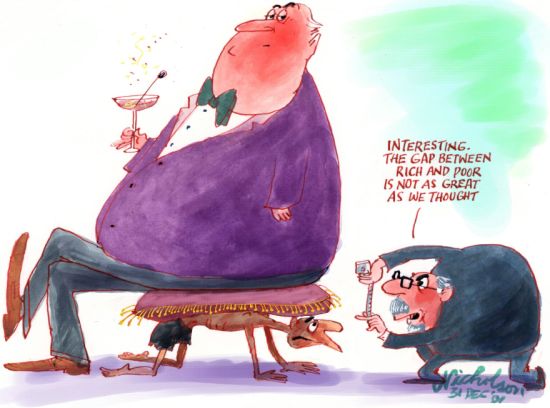
But, Steyn fails to criticize or comment on unregulated capitalism that increases the gap between rich and poor and presumes that “free enterprise” equates equal opportunity. 

The world economy is in a state of transition like that which was experienced in the industrial revolution.  Jobs are being lost because they are being replaced by technological advances. 

Truly free enterprise does not exist in the world.

Today’s technocratic revolution is as tragic to an automobile assembler or coal miner in 21st century as it was to a loom operator in the 19th

The United States, like other nations in the world, adopt unfair tax codes that subsidize big oil, big banks, and dying industries.

Who does the major bread winner in a family turn to when they lose their job because of changes beyond their control?

It is the job of private and public organizations to educate and train workers displaced by technological change.  This re-education creates jobs while ameliorating unemployment.

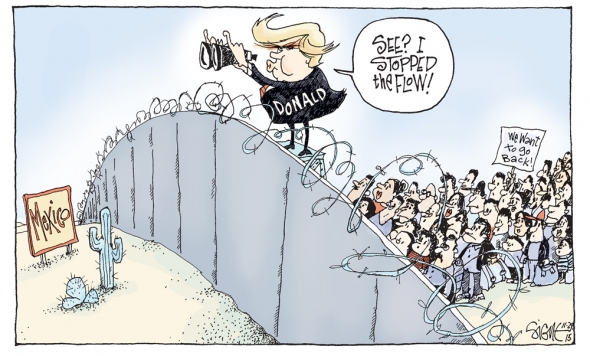
Limbaugh rails against Trump by suggesting he is waffling on a political commitment to build a wall between Mexico and the United States.  Trump responds with an equal level of irrationality by closing vital functions of the government to force Congress to fund the wall.

Trump’s wall between Mexico and the U.S. is a joke. It does nothing to serve the truth of what immigrants have contributed to America.

Steyn is obviously well read and informed but one feels like he plays the publicity game of talking heads. Some (not all) Fox newscasters, CNN contributors, and other pundits are darlings of an ideological group that get paid for what their constituency wants to hear.  It has little to do with truth.

Steyn, like many talking heads (liberal and conservative), wastes his intelligence; pandering to an ideological constituency, rather than serving the general public by searching for the truth.

Demography and economic conditions change. They are a part of the human condition that can be managed by recognizing human nature’s fundamentals, and conscientiously creating nations that are governed by rule-of-law. There is a truth but it lies in freedom and social responsibility. 

A MORE PERFECT UNION

Audio-book Review
By Chet Yarbrough

(Blog:awalkingdelight)
Website: chetyarbrough.blog

A People’s History of the United States

Written by: Howard Zinn

Narrated by:  Jeff Zinn

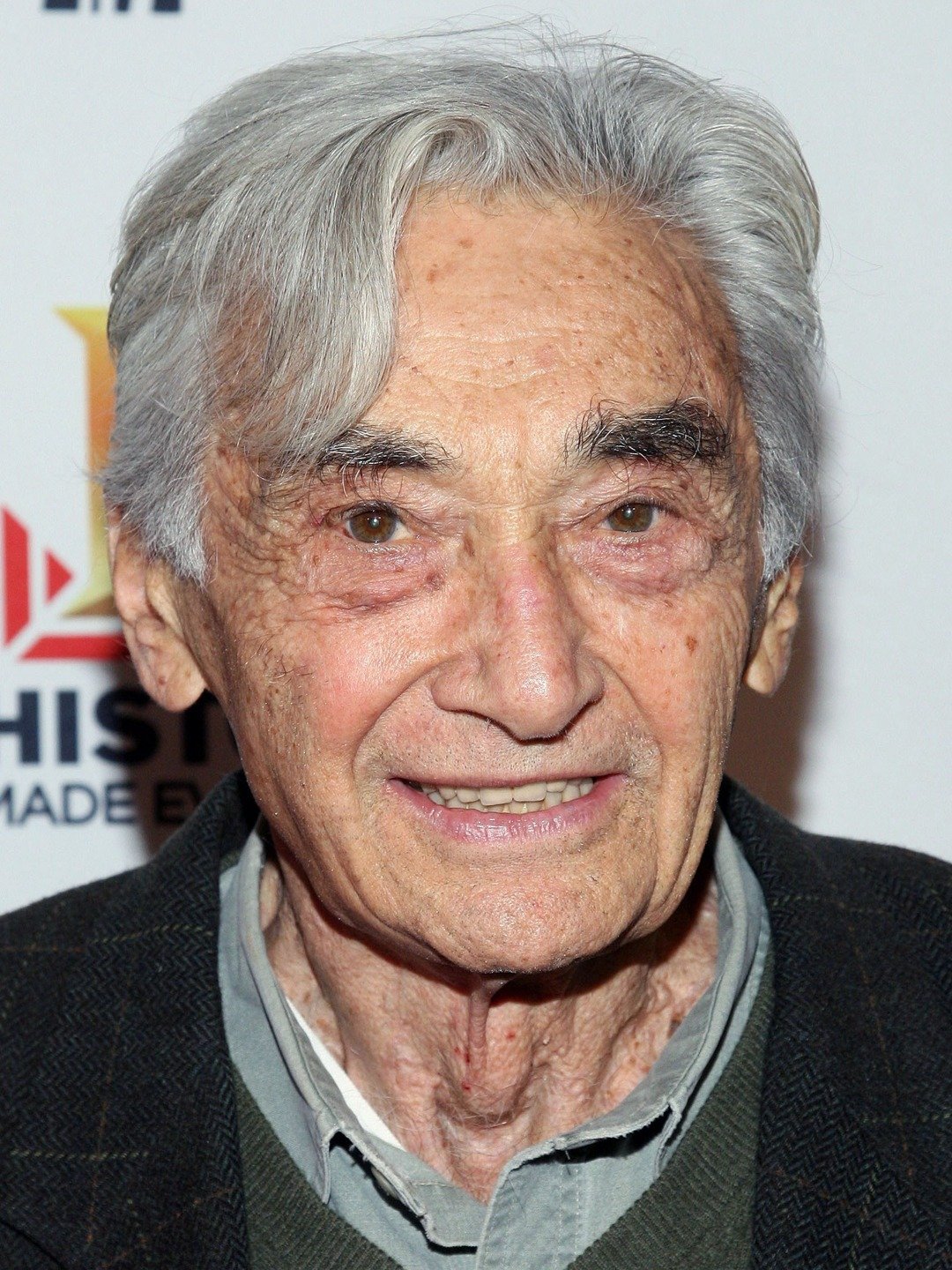
Howard Zinn (American Historian, Author) November 19, 2009. Photo By: Rob Kim/Everett Collection

The pitfall of history is subjectivity.  Howard Zinn offers a coda for history’s myopia.  Harry Truman is alleged to have said “There is nothing new in the world except the history you do not know”.  Zinn shows how little Americans know about America’s failure to create a “…more perfect union” (a name given to a speech delivered by Senator Barack Obama on March 18, 2008).

No American institution is untarnished by Zinn’s rumination.  Zinn challenges every aspect of American culture.  The malpractice of American businesses, politicians, and society are exposed by Zinn.  Neither Republicans, Democrats, or other party affiliates, escape responsibility for America’s abhorrent actions. 

Unadorned historical facts show Indians indiscriminately isolated and murdered, Blacks treated as property and hung, immigrants vilified for being different, wars being waged on the innocent, women being treated unequally, and greed being praised as virtue–all in the face of professed American freedom and equality.

Zinn implies all Presidents; including Lincoln, Roosevelt, Truman, Carter, Reagan, Clinton, the Bushes, and Obama buy into an economic principle that the business of America is business.  (He certainly could have included President Trump.) 

With few exceptions, Zinn argues every President tacitly or overtly supports corporate America.  The only Presidential exception Zinn notes is Eisenhower’s expressed concern about the military/industrial complex and its penchant for distorting American values.

Zinn recounts Andrew Jackson’s isolation and murder of Indians, Lincoln’s willingness to preserve the union at the cost of slavery, Andrew Johnson’s southern sympathies, Roosevelt’s incarceration of American Japanese, Harry Truman’s decision to nuke Nagasaki and Hiroshima, Carter’s support for Iran’s military dictatorship, Reagan’s expansion of the military/industrial complex, Clinton’s cuts in taxes and welfare, the Bushes’ wars, and Obama’s rescue of the banking industry. 

Zinn argues—both Republican and Democratic presidents endorse corporate control of America at the expense of citizen values written into the Constitution. 

From discrimination against minorities to unequal pay for women, America has failed to follow the ideals of the Constitution of the United States.

Zinn implies there is never a justification for war; presumably even in the case of WWII. 

Some Americans would agree that Vietnam, Korea, Iraq, Syria, and Afghanistan wars were and are a waste of human lives. 

This is a hard argument to dispute when seen in the context of a burgeoning gap between rich and poor, and man’s inhumanity to man.  One might argue as some historians do, sovereignty of a country is an inalienable right, even when it is ignored or used as an excuse for war.

Zinn argues there is no moral or ethical justification for political repression, murder, slavery, sexual or racial discrimination.  (That begs the question of a war’s justification in light of Nazi Germany’s intent to exterminate all Jews.)

But, Zinn argues the right of sovereign nations to choose their own government.  Genocide is a potential consequence of such a hard rule when a minority only has a right to resist and/or revolt. That is in the news today in regard to Myanmar and the Rohingya.

Suu Kyi Defends Myanmar from the accusation of genocide.

What nation (based on its own cultural belief) has the right to invade another country that chooses to victimize its own citizens.

Zinn is not suggesting countries should become isolationists. He argues that to the extent that humanitarian relief may be offered by an outside country, it should be offered.  Relief would not include transfer of weapons of war, but aid in goods and services meant to sustain life.  Outside military intervention in a sovereign country seems destined only to lead to more loss of innocent life.

Taking Zinn’s observations to heart suggests there is no justification for war or violence against our fellow man.  However, human nature is what it is.  Humans choose what they choose; often out of the instinctual desire for money, power, and prestige, rather than any common good.  Individual cultures are based on memes of the country in which they were born. 

Invasion of a sovereign country is a slippery slope that only leads to more death and destruction.  However, Zinn’s review of history seems to deny all reasons for war. There seem two modern exceptions to Zinn’s argument.

Nazi Concentration Camp WWII

WWII and the way H. W. Bush handled the invasion of Kuwait.  These two exceptions are clearly related to one country’s violation of another’s sovereignty. In both cases, America’s Presidents enlisted cooperation from other countries, before taking any military action.

It is a dangerous world, but the danger is in human beings and their quest for personal gain; i.e. their greed for money, power, and prestige.  America needs to look at itself and its reliance on corporate excess.  The gap between rich and poor must be addressed in all nations; not the least of which, the United States.  Zinn reminds America of how flawed we are in “A People’s History of the United States”.

EGYPT IN 2019

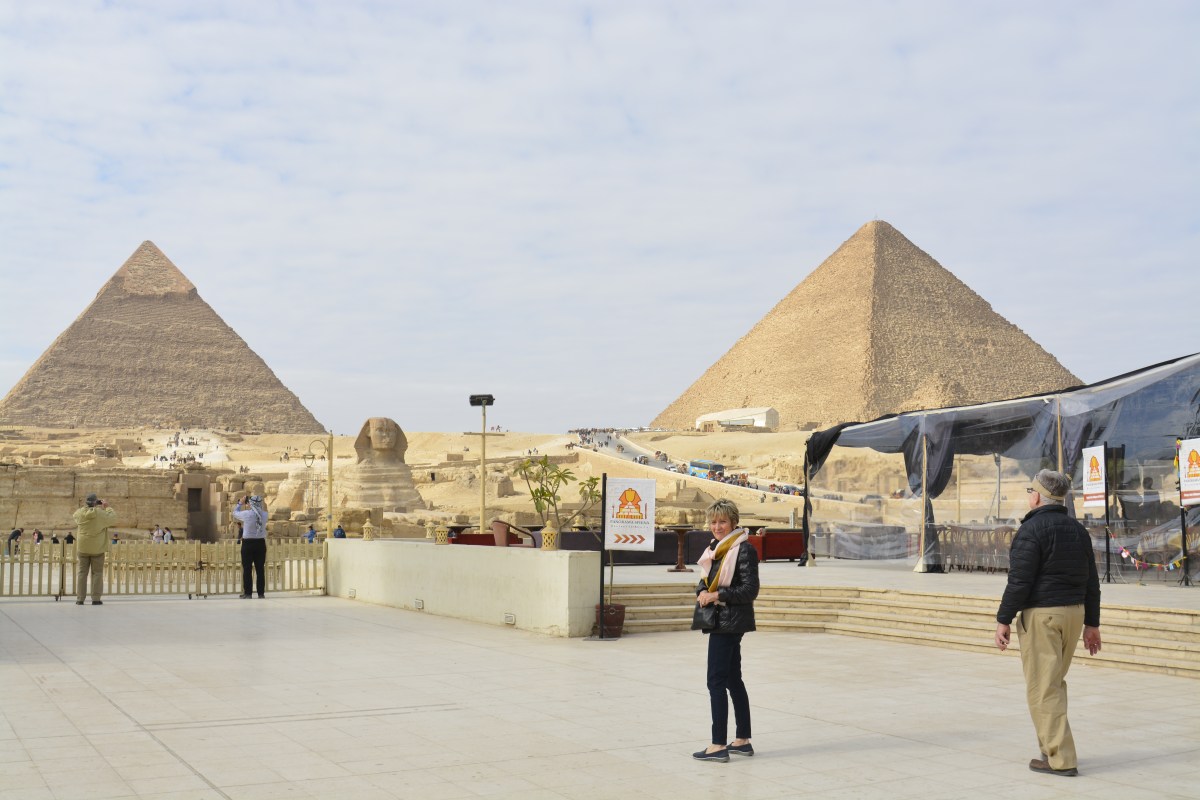
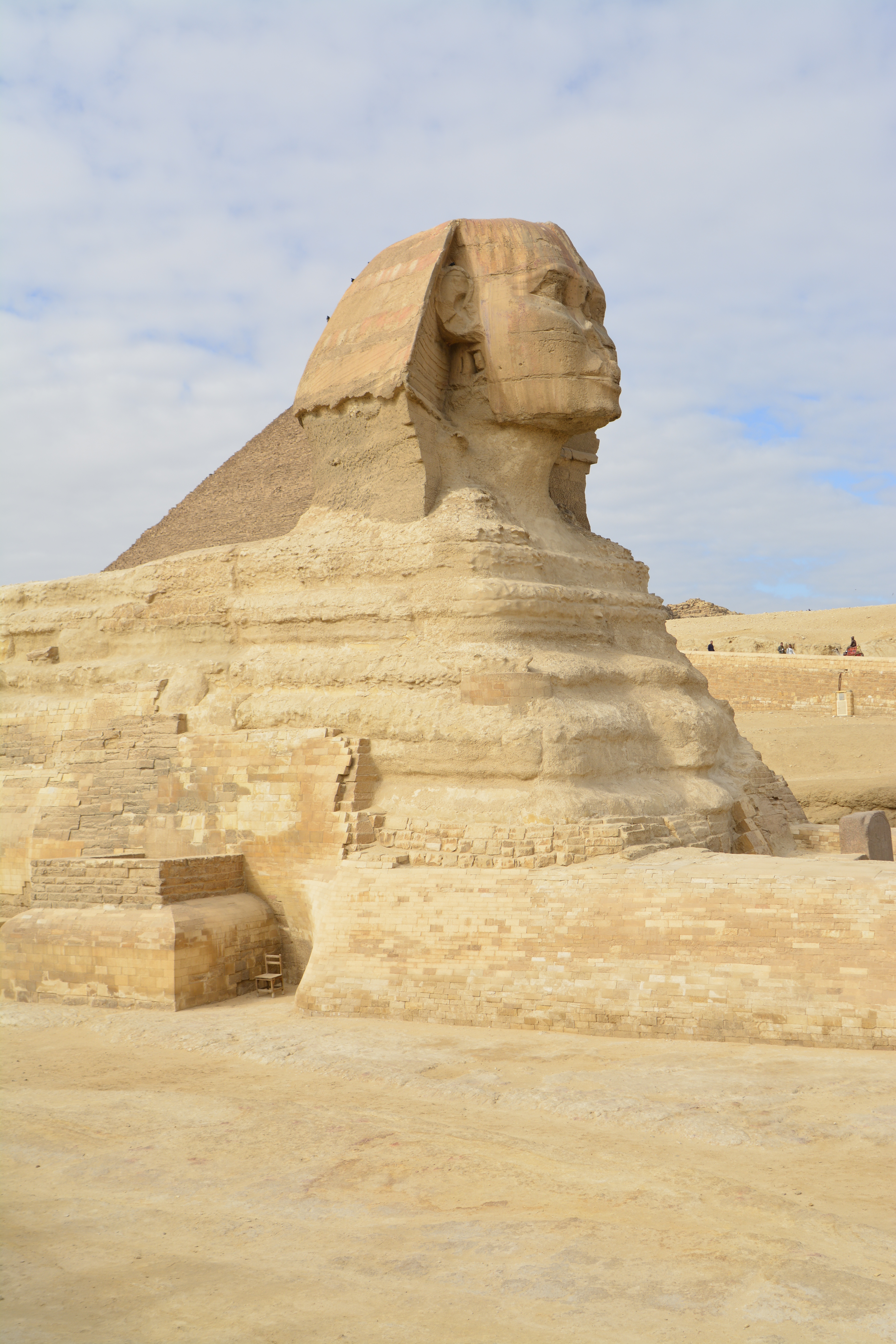
Travel Review By Chet Yarbrough (Blog:awalkingdelight) Website: chetyarbrough.blog Egypt in 2019 Written by: Chet Yarbrough CLOSEUP OF THE SPHINX AT GIZA, NEAR CAIRO The pyramids, ancient artifacts, lush farming communities, and Nile river reveal Egypt’s past and present.  Egypt’s current capitol, Cairo, is the seventh most densely populated city in the world.  No coal is … Continue reading “EGYPT IN 2019”

Travel Review
By Chet Yarbrough

(Blog:awalkingdelight)
Website: chetyarbrough.blog

Egypt in 2019

Written by: Chet Yarbrough

Egypt is a crossroad between Africa and Asia which makes it a prime target for colonization and control by invaders.

CLOSEUP OF THE SPHINX AT GIZA, NEAR CAIRO

The pyramids, ancient artifacts, lush farming communities, and Nile river reveal Egypt’s past and present.  Egypt’s current capitol, Cairo, is the seventh most densely populated city in the world.  No coal is burned to pollute the air. The Nile puts China’s Yangtze river to shame in showing less river trash and pollution.

FISHING ON THE NILE

Egyptian farms are irrigated with river water distributed by concrete and mud channels from the Nile.

Lusciously feted Nile river farmers are encouraged to use organic fertilizer, but one wonders how many chemicals are returned to the Nile unseen.

Egyptian infrastructure is burdened by lack of investment.  The infrastructure for Egyptian farming is primitive by modern standards with ditch irrigation systems, antiquated farm equipment, and intense use of manual labor.

Infrastructure investment in China suggests prosperity while Egypt is foundering.  Many Egyptian city and village roads are unpaved.  Housing is dilapidated and poorly maintained for most of Egypt’s population.


In Egypt, food is plentiful, security paramount, and camel rides a tourist delight.  The trick in riding a camel is getting on and getting off.

As a tourist in Egypt, ancient sites surpass China’s remarkable historical monuments (viewed in a previous blog).  The Egyptian army seems everywhere in part because of a state-enforced draft but also because of the military’s role in governing a nation fractured by Islamic extremism.  Religion’s influence in Egypt is obscured from tourist’s eyes because of the warm reception from residents but the military’s ubiquitous presence implies a different story.

The sheer size of the many Pyramids, tombs, and temples surpass the Great Wall and equal China’s remarkable Terracotta soldiers.

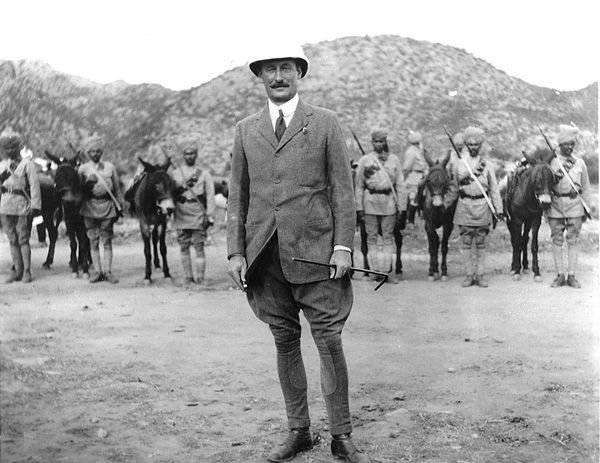
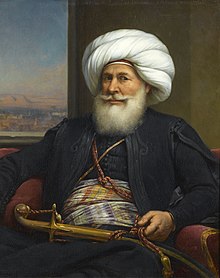
Muhammad Ali Pasha (1769-1849)

What comes as a surprise from our guide (who is an Egyptologist) is how many times Egypt has been ruled by outsiders.  Modern Egypt is founded by Muhammad Ali in 1805.  Muhammad Ali Pasha is Albanian; not Egyptian.  His dynasty is supported by the Ottoman Empire.  It lasts until 1952 when a coup led by Muhammad Naguib and Gamal Abdel Nasser takes control of Egypt.

Prior Muhammad Ali, exclusive Egyptian leadership is in the distant past.  (The ten most famous Pharaohs ruled from 2686 BC to 1213 BC.)  Of course, there were many more Egyptian dynasties (31 to be precise) but only ten marked history with Egypt’s indelible imprint.  Cleopatra (principally famous for her role in the Greco/Roman incursion) is the last Pharaoh to have power.  Her reign lasts 21 years; to end in 51 BC.

Egypt is a crossroad between Africa and Asia which makes it a prime target for colonization and control by invaders.  The Romans, Turks, French, and English take turns at controlling Egypt. Fortresses abound along the Mediterranean and Nile built by conquerors and the conquered.  

  • Rashid, Egypt
  • Today, Rashid shows a level of prosperity that is belied by its dirt streets.

The Rosetta Stone is found in one such fort held by the French and overcome by the English. It is found in the ancient town of Rashid which was a primary port in Egypt’s earlier history.  Today, Rashid shows a level of prosperity that is belied by its dirt streets.  There are mud brick manufacturing plants, burgeoning boat building businesses, and fish farming pens in Rashid–the town where the Nile enters the Mediterranean.  Only a replica of the Rosetta Stone remains at the fort.  The actual stone is in the British Museum in London.

BOAT BUILDING INDUSTRY IN RASHID

Penned fish farms on the Nile in Rashid

The once imagined great city of Alexandria seems a shadow of tourist’ dreams.  It is burdened by lack of investment and a tax structure that works against finishing buildings.  Billions of potential worth are hidden by poorly maintained buildings along the Mediterranean water front.

Still, there are great sites to see in Alexandria.  There is the modern library meant to resurrect the great library of Alexandria that was destroyed twice in Egypt’s history.  It is a spectacular monument to Egypt’s potential.  Its modern design rivals the best libraries of the world. 


Bids for modernization can be seen in some areas.  There is a burgeoning Silicon Valley, with nearby gas power plants to energize new industries.

This modernization contrasts with early Christian and Muslim places of worship, the Valley of the Kings (a giant cemetery for royalty), and the restored Winter Palace in Luxor that is now a Sofitel hotel.  There is the Temple de Karnak, Grande Cour with its ram’s head entry leading to an inner sanctum temple.

Many royal residences have been returned to their original beauty and become state owned and maintained public museums.

One is reminded of the monumental gap between the rich and poor in visiting island farms that are owned by singular families.  They employ hundreds, and feed thousands, while prospering from the rich Nile soil.  Farming is primitive by modern standards, but the production from these farms is a sight to behold.

Island farms along the Nile show why the Greco-Roman era coveted the agricultural fecundity of Egypt.

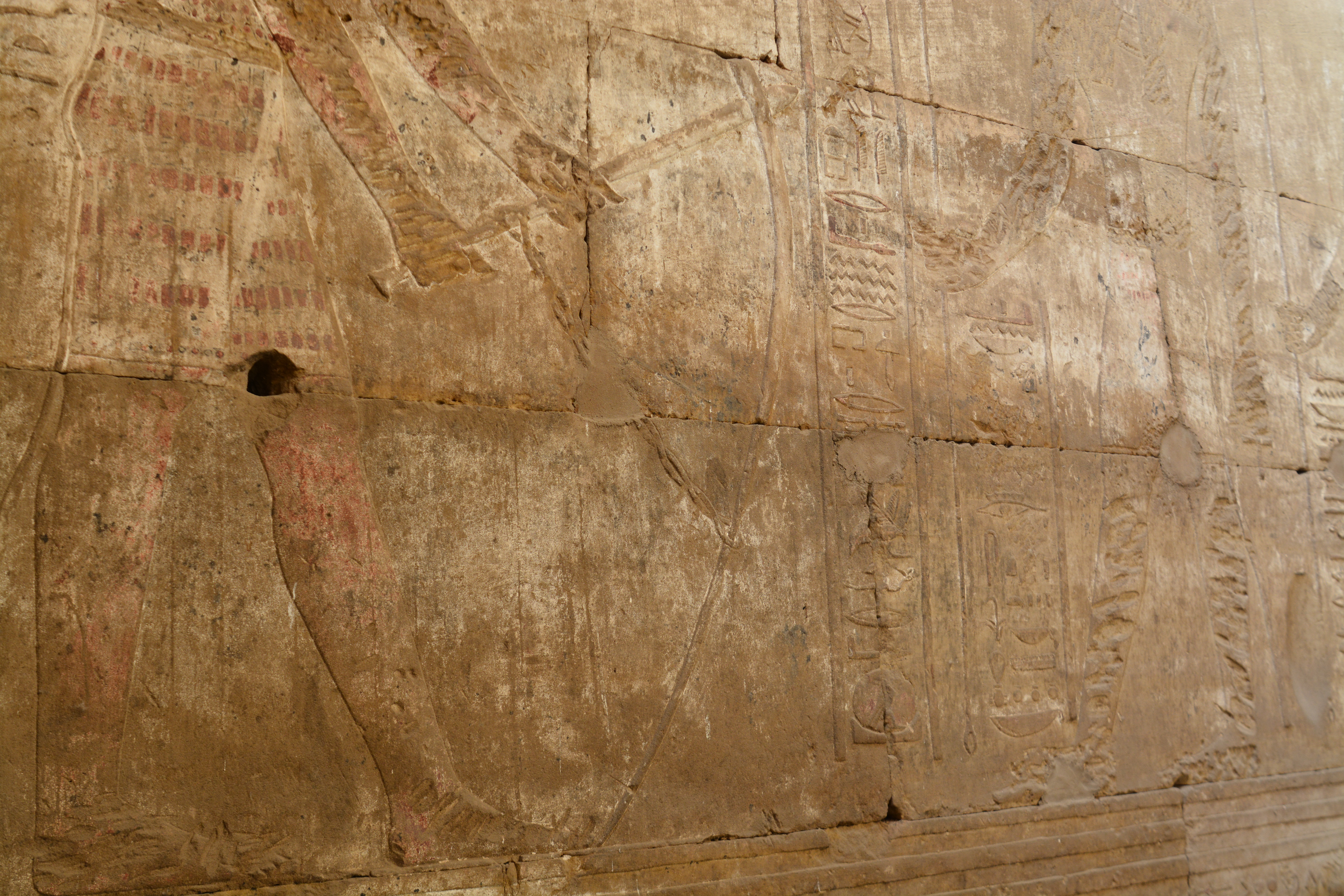
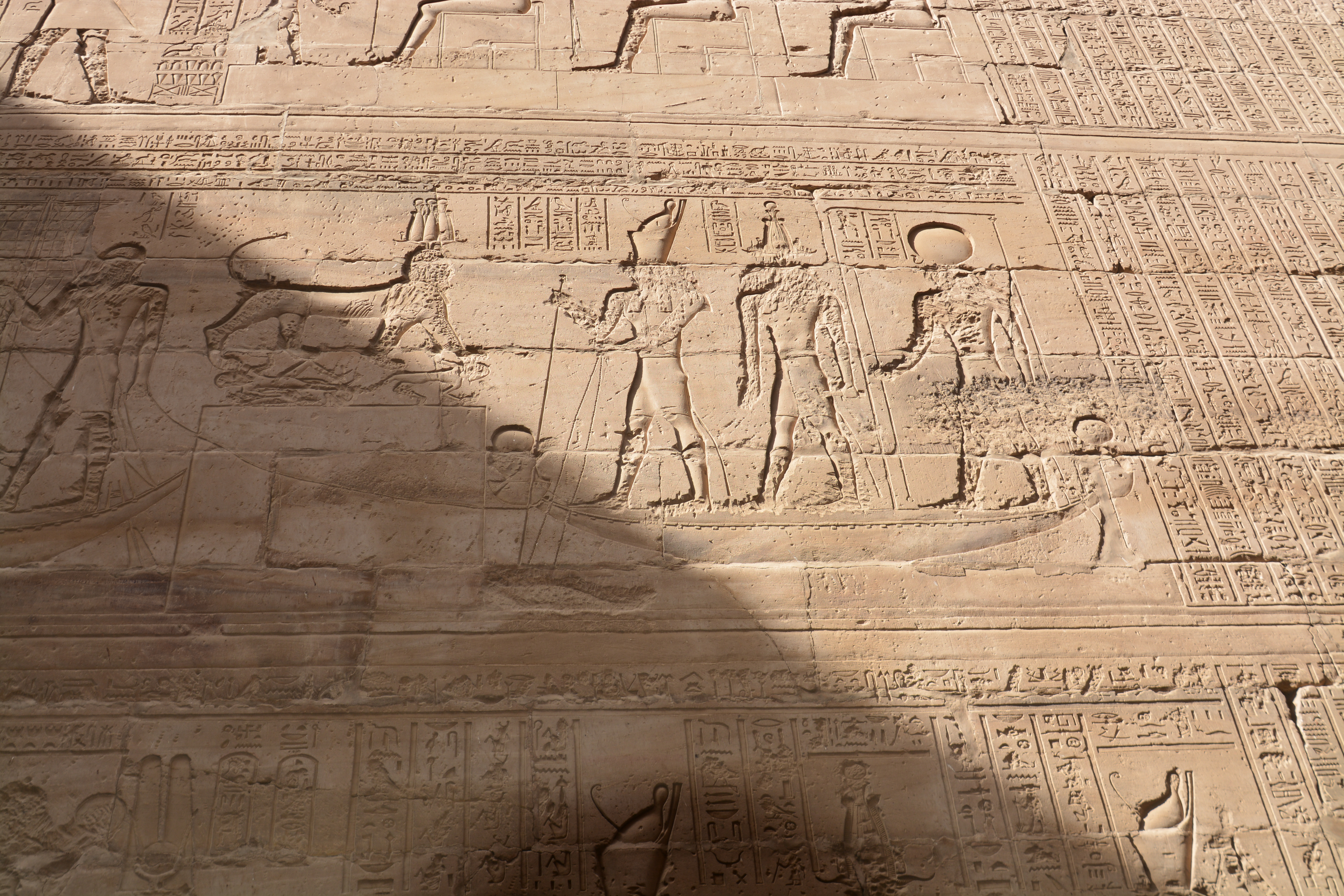
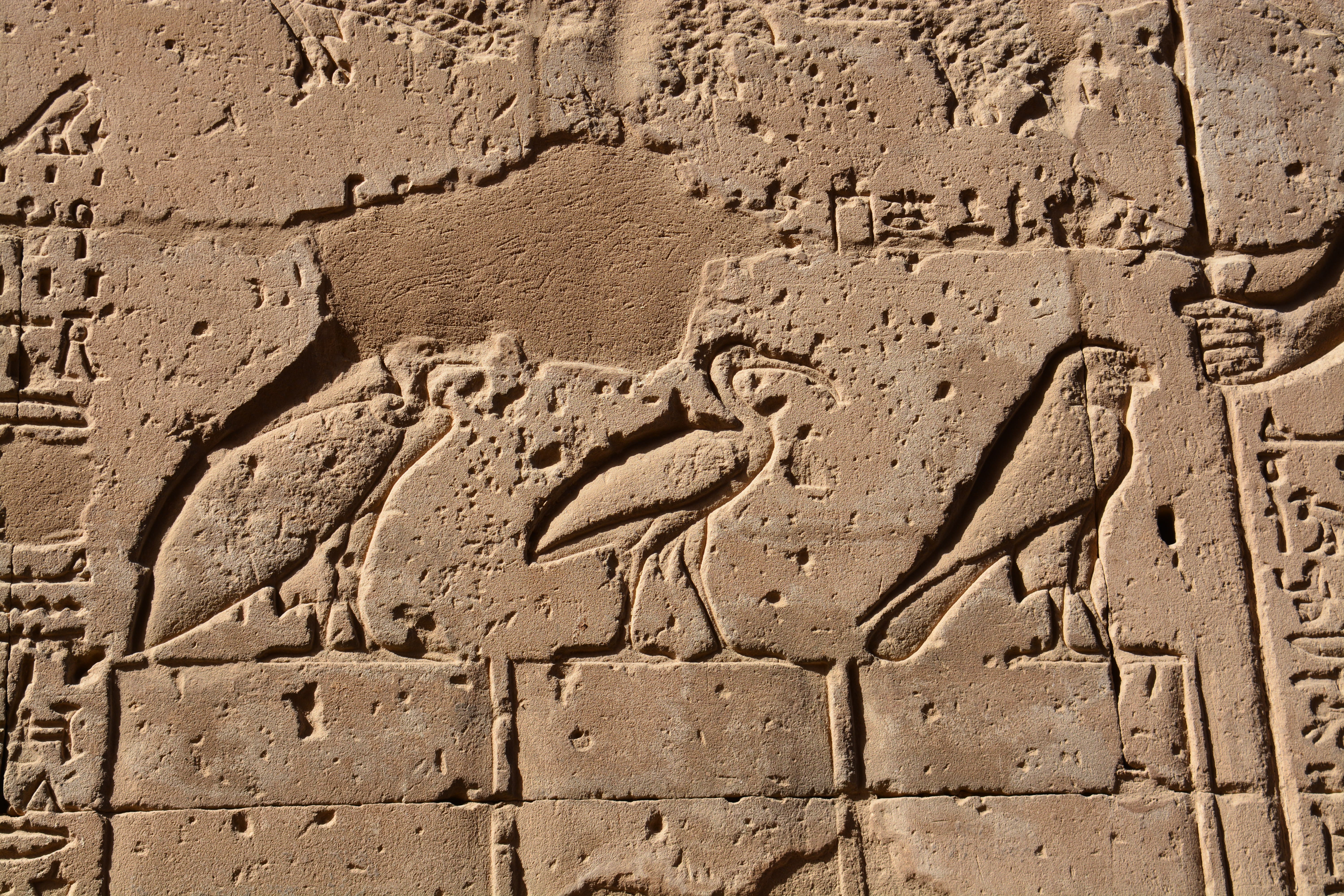
The intricacies of Egyptian hieroglyphics are explained by our guide.  The volume of information is overwhelming.

The rituals of mummification and fealty are displayed in faded colors of high and low relief pictographs on ancient walls and columns.  The source and provenance of limestone quarries where great blocks of rock are harvested and hauled to temple sites are a side trip on a luxurious Nile barge cruise.  There are many forms of domestic travel, but none surpasses four days of a cruise on the Aida.

  • Pictograph writing reveals ancient Egyptian belief in gods and goddesses; their stories of ascension, decline, death.

One of many values in a well-designed trip to a foreign country is the opportunity to meet with residents.  Our trip is organized by Overseas Adventure Travel which specializes in having their tour groups offered lectures by residents of the countries that are visited. 

The opportunity to hear from Christians, Muslims, Nubians, and local farmers broaden a tourist’s understanding of Egypt.

Every country of the world is complex and no brief trip will explain that complexity but these personal notes and pictures are meant to offer a peek into a mystery to all who do not, or cannot travel.

INVESTMENT VALUE

Audio-book Review
By Chet Yarbrough
(Blog:awalkingdelight)
Website: chetyarbrough.blog

Capitalism Without Capital

CAPITLALISM WITHOUT CAPITAL

Written by: Jonathan Haskel, Stian Westlake

Narrated by: Derek Perkins

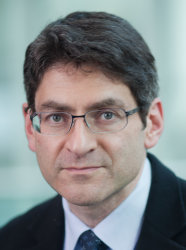
JONATHAN HASKEL (AUTHOR, BUSINESS SCHOOL PROFESSOR IMPERIAL COLLEGE LONDON)

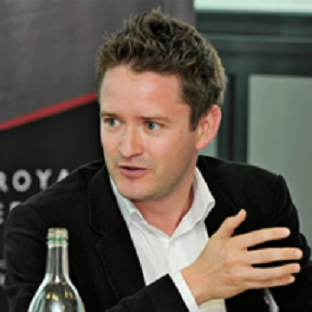
STIAN WESTLAKE (AUTHOR, ENGLISH BUSINESS CONSULTANT)

In addressing 21st century technology, Haskel and Westlake argue that the tradition of hard asset value is diminished. In today’s technological economy, the authors suggest investment in intangibles is as important as investment in buildings and machinery.

Haskel and Westlake acknowledge intangibles have always been an important part of economic growth. They note worker training programs, specialized employee’ experience, and patented designs have always had value; but auditors rarely (if at all) quantified those intangibles as anything other than expense. Little of a company’s investment in training, employee experience, and patents is assigned as an asset by analysts who use pre-twenty-first century accounting rules.

Most intangibles have historically been classified as uncapitalized expenses. In part, because quantification of intangibles is difficult to measure. Before the tech-revolution, investments in training, patents, and experience were looked at as costs of doing business. They were most often expensed (with some exception for patents).

When companies are sold, value of goods (machinery, buildings, inventory), and historical price/earnings ratios are the principal determinants of value. Haskel and Westlake note that patents are unreliable values because competitors reverse engineer product that, with newly created changes, are arguably new “unpatented” products; e.g. cell phones, computer chips, software programs, etc.

COMPUTERS AND MOBILE PHONES
Haskel and Westlake note that patents are unreliable values because competitors reverse engineer product that, with newly created changes, are arguably new “unpatented” products; e.g. cell phones, computer chips, software programs, etc.

With growth of companies like Amazon, Microsoft, Apple, Google, Uber, Facebook, et al–standard accounting practice needs more than hard assets to determine value. Though it is difficult to patent intangibles, Haskel and Westlake suggest new accounting methods are, and should be, created for today’s and tomorrow’s industries. The idea of new accounting methods leads to “Capitalism Without Capital”.

INTERNET LOGO
With growth of companies like Amazon, Microsoft, Apple, Google, Uber, Facebook, et al–standard accounting practice needs more than hard assets to determine value.

information thief
Haskel and Westlake suggest information replaces capital as the fuel for economic growth.

Haskel and Westlake suggest information replaces capital as the fuel for economic growth. They extend their argument by advising investors, lenders, and governments to increase their capital commitment to intangibles. This seems ironic in view of a remaining need for traditional capital investment to energize 21st century economic growth. However, the authors are arguing capital is a smaller part of overall economic growth; albeit a critically important part. What they are suggesting is that investment should be recognized as an asset; not just an expense. Investors and lenders should look beyond bricks and mortar as a measure of security for capital investment. Some would argue that companies like Tesla should be able to carry a higher debt load because its value is greater than the sum of its hard assets.

GOVERNMENT VS. PRIVATE RESEARCHFurther, Haskel and Westlake emphasize Governments continued subsidization and investment in research and development in those areas where near term return is problematic. The example the authors give is DARPA in its early invention as a precursor of the internet, but there are many more examples; e.g. nuclear power, computer hardware, weather prediction, space exploration, etc.
Historically, intangible value has always been with us but recognized as an expense. Haskel and Westlake suggest intangibles need to be partially and judiciously accounted for as assets. When recognized as assets, intangible values open the door to wider private and public finance.

FREEDOM AND EQUALITY

Like Malcolm Little (aka Malcolm X), Martin Luther King, and Barrack Obama, Douglass faces down poverty and demonstrates the equality of all human beings.

Audio-book Review
By Chet Yarbrough
(Blog:awalkingdelight)
Website: chetyarbrough.blog

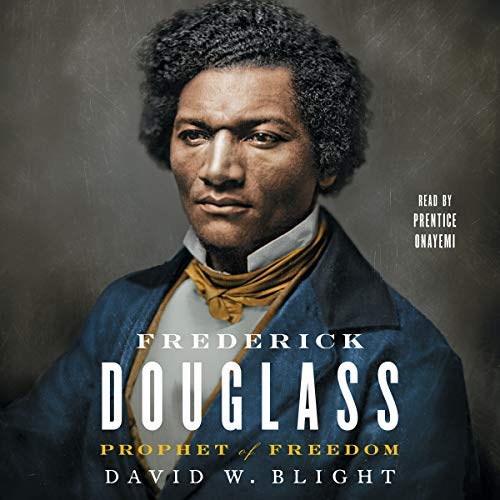
Fredrick Douglass

Narrated by: Prentice Onayemi

Written by: David W. Blight

DAVID BLIGHT (AUTHOR, PROFESSOR OF AMERICAN HISTORY)

DAVID BLIGHT (AUTHOR, PROFESSOR OF AMERICAN HISTORY)

David Blight offers a nuanced biography of Frederick Douglass, a great 19th century American leader. Blight shows Douglass to rival the intelligence and charisma of the best known 20th and 21st century black Americans. Like Malcolm Little (aka Malcolm X), Martin Luther King, and Barrack Obama, Douglass faces down poverty and demonstrates the equality of all human beings. Malcolm Little, King, and Obama never face the lash of slavery, but Blight shows how Douglass pushes aside physical and cultural cruelty to demand freedom and equality of all.

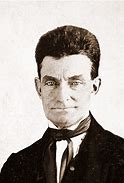
JOHN BROWN (AMERICAN ABOLITIONIST 1800-1859)

JOHN BROWN (AMERICAN ABOLITIONIST 1800-1859) Brown is neither lionized or vindicated by Blight but is shown as a turning point in Douglass’s life; a turning from moral suasion to action by people of color against slavery.

Ethan Hawke as John Brown.

Though shown to begin in peace, Blight shows how Douglass grows to understand peace will not come from words alone but must come from action. Douglass came to revere the anti-slavery violence of John Brown. Courageously, Douglass attacks the institution of slavery before, during, and after the American Civil War. Douglass becomes the conscience of white and black America.

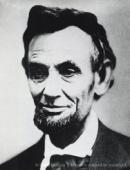
ABRAHAM LINCOLN (1809-1865, 16TH PRESIDENT OF THE UNITED STATES. )

Blight explains how Douglass came to revere Abraham Lincoln; not in Lincoln’s beginnings, but in Lincoln’s life of struggle for the true meaning of the American Constitution.

After Lincoln’s assassination, Douglass is shown to decry President Johnson’s abandonment of reconstruction in the south. Douglass offers unstinting support for Ulysses Grant’s election because of his commitment to the abolitionist cause.

Blight shows Douglass, like all human beings, is imperfect. He has blind spots when speaking of freedom and equality. Douglass discounts America’s decimation of native Americans and denial of women’s rights by arguing neither compares to slavery, subjugation, and murder of blacks.

The irony of Douglass’s imperfect argument is in native Americans who are murdered and restricted to reservations that are indiscriminately encroached upon by free and enfranchised Americans.

TRAIL OF TEARS

Indian families are regularly isolated, displaced, and murdered at the whim of white men in power.

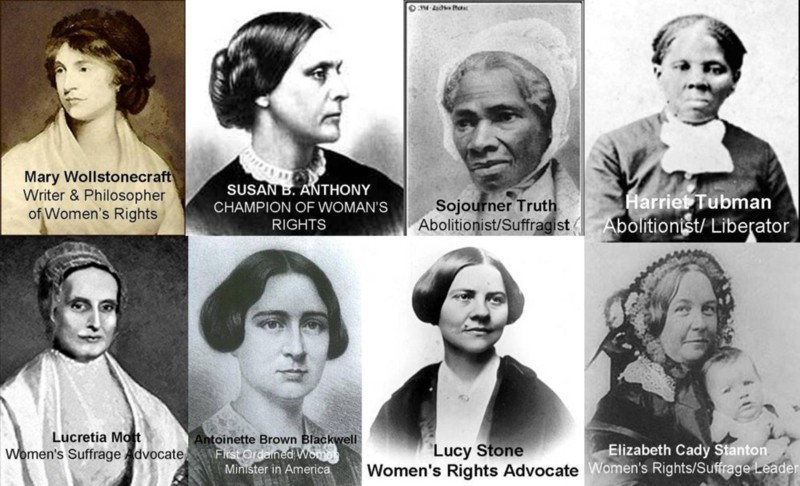
In women’s rights, Douglass discounts the same inequality trap that captures black Americans; i.e. the disenfranchisement trap. Women have no power. Women without power, just as any separated classification of humanity, are looked at as less equal by some measure. How many women are treated by men as property in the history of civilization? How many women are abused, and/or raped by men without consequence? How many women are unable to find work or are not paid the same wage for the same job? The bible is one of many records of discrimination faced by women.

FAMOUS WOMEN IN HISTORY

FAMOUS WOMEN IN HISTORY (History, as well as this pictorial, shows many women are as intellectually strong and mentally tough as men; e.g.  Cleopatra, Sojourner Truth, Indira Gandhi, Golda Meir, Benazir Bhutto, Malala Yousafzai, and others.)

Blight fairly describes Douglass’s blind spots while clearly identifying his remarkable insight and intelligence. Douglass’s many speaking engagements, published books, and newspaper articles graphically and forthrightly explain the plight of black Americans in the 19th century. Blight explains how Douglass manages to survive slavery, educate himself, forgive (but not forget) his oppressors, and become one of the greatest Americans of his time.

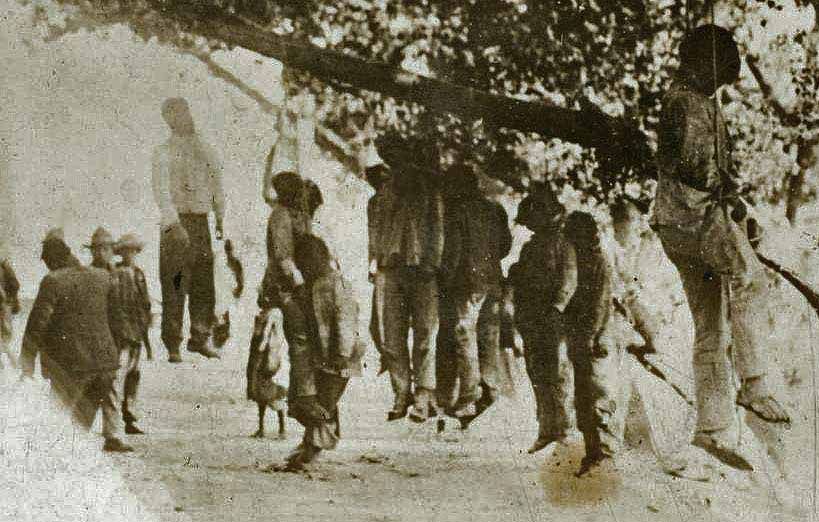
BLACK SLAVES LYNCHED IN AMERICA

SLAVES LYNCHED IN 19TH CENTURY AMERICA

It is sad to know so many of Douglass’s observations remain true in the 21st century. Much of white America still fears the rise of black freedom and equality. “All men are created equal…” is preached but remains un-practiced in today’s America.

RODNEY KING (APPEARANCE 3 DAYS AFTER BEATING 3.6.92--KING DIES IN JUNE 2012 @ 47 YEARS OF AGE)

RODNEY KING (APPEARANCE 3 DAYS AFTER CAR-CHASE BEATING 3.6.92–KING DIES IN JUNE 2012 @ 47 YEARS OF AGE

The lessons of history show that people are not to be feared; they are to be offered equal opportunity to become all they can be. By nature, human beings are equally free and capable of being incredibly good and disastrously evil. It is the purpose of government to protect the rights of each from the other when evil takes hold of the governed. A moral life requires equal treatment of all. That is the essence of what Blight is writing about in the story of Frederick Douglass’s life.

DECENCY

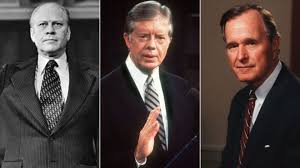
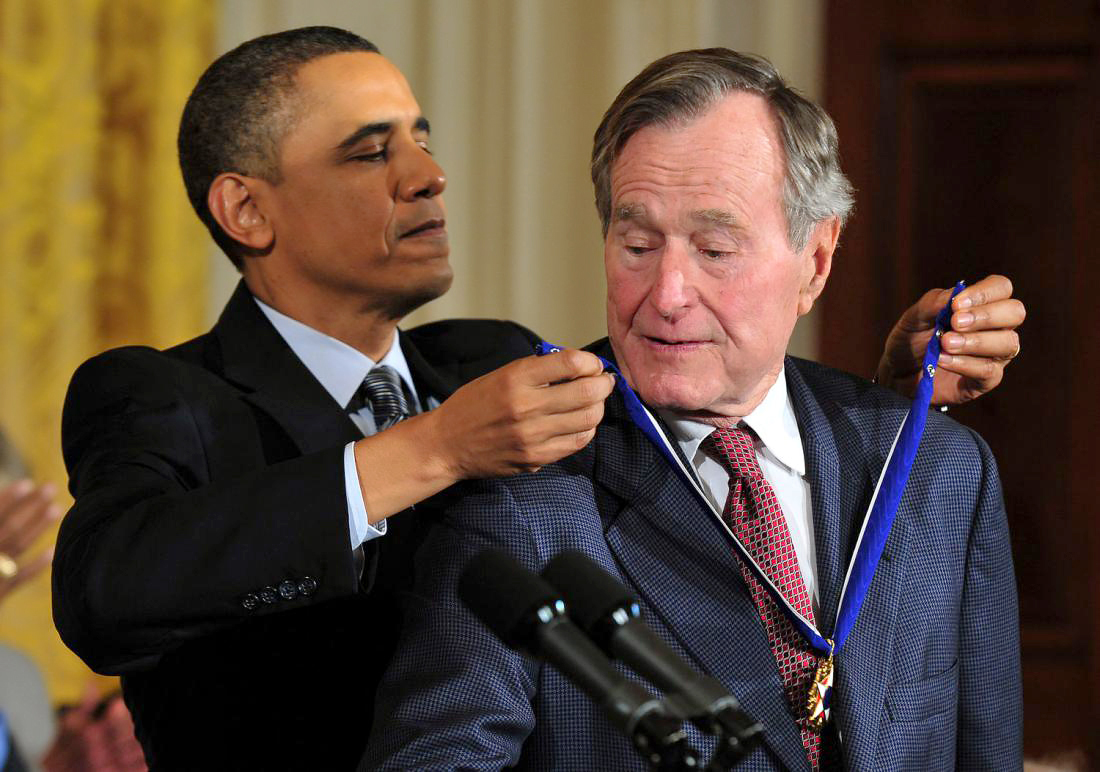
H. W. Bush may not go down in history as one of the greatest Presidents of the United States but he is among the most decent.

Audio-book Review
By Chet Yarbrough

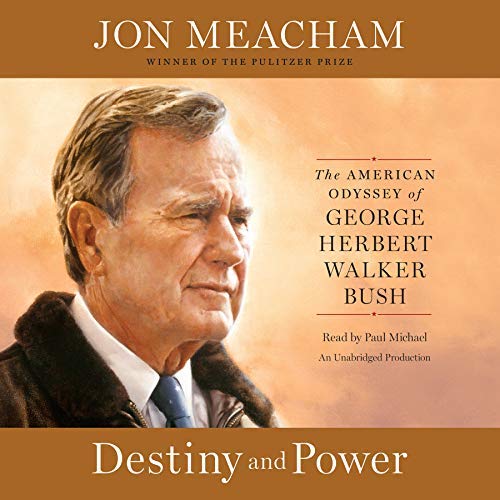
Destiny and Power: The American Odyssey of George Herbert Bush

(Blog:awalkingdelight)
Website: chetyarbrough.blog

Written by: Jon Meacham

Narration by:  Paul Michael

JON MEACHAM (AMERICAN JOURNALIST & BIOGRAPHER)

JON MEACHAM (AMERICAN JOURNALIST & BIOGRAPHER)

Dostoevsky said, “There are things which a man is afraid to tell even to himself, and every decent man has a number of such things stored away in his mind.”

However, H. W. Bush seems unafraid in his interviews with Jon Meacham.  Meacham’s biography refers often to H. W. Bush’s diary.  H. W.’s diary appears written by a decent man who knows himself and chooses to divulge all he knows.

“Destiny and Power” is about H. W. Bush’s journey to the American Presidency and power in the executive branch of government.  It begins with a brief history of the Bush/Walker families that reaches back to the beginnings of America.   Both sides of H. W. Bush’s ancestors achieve the American dream through hard work, determination, and initiative.  The success of the Bush/Walker families sets the stage for H. W. Bush’s public service; his Yale education, his relationship to the wealthy, his service to his country, and his tenure as President of the United States.

GEORGE H. W. BUSH TAKES RESPONSIBILITY

“Destiny and Power” reveals a candid picture of the 41st President of the United States.  It is a story of family love, respect, and duty.  It explores a family lineage blessed with wealth, good education, and expectation.   H. W. Bush is a decent man who acknowledges his limitations in pursuit of good works.

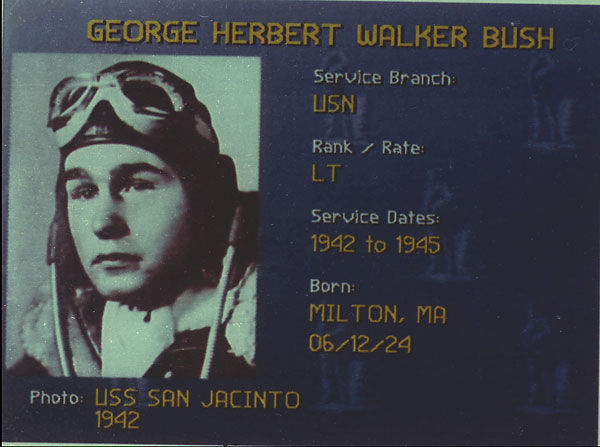
GEORGE H. W. BUSH MILITARY SERVICE WWII

GEORGE H. W. BUSH MILITARY SERVICE WWII
Meacham notes that H. W. Bush seems a go-along to get-along kind of guy; i.e. a non-confrontational person who is well liked by his associates and subordinates.  After Pearl Harbor, H. W. enters the service at the age of 18 to become a pilot.  When completing a bombing run, H. W. and his crew are downed at sea.  As a downed bomber pilot, H. W mourns his fellow crewmen and wonders if there was anything he could have done differently to save their lives.

This life experience marks H. W.   It illustrates H. W.’s sense of responsibility and how he cares for others.  It reminds him of the horrors of war and the hurt felt by those left behind.  It is a mark that guides his decision to begin the first Gulf war and insert American troops in Kuwait.

Meacham reveals how H. W. solicits friendship with everyone he meets.  This facility for friendship is a key to his success in becoming a Texas oil man.  His early success in the oil business appears based on who he knows and how well he cultivates wealthy associates’ interest in risking investment in land-lease oil exploration in Texas.  H. W.’s friendliness leads him to politics.  Meacham notes that friendliness did not immediately vault H. W. to political success but it paves his way to public service.T

  1. H. W. is driven to succeed. In a widening circle of contacts, H. W. is welcomed into the Republican Party and becomes Chairman of the Party for Harris County, Texas. He runs for the Senate and is defeated by Texas Democrat Ralph Yarborough.
  2. Later, in 1966, H. W. is elected to the House of Representatives and becomes acquainted with Richard Nixon.
  3. President Nixon appoints H. W. to the United Nations as Ambassador for the United States.  His social skill suited the United Nations Ambassador position perfectly.
  4. As the Watergate scandal overtakes the Nixon Administration, H. W. supports Nixon up to the point of undeniable truth of Nixon’s cover-up.  As the Republican National Committee Chairman, H. W. asks Nixon to resign.
  5. When Gerald Ford became President, H. W. is asked to be America’s envoy to China.
  6. After serving for one year, Ford asks Bush to take the position of CIA Director.
  7. One year later, Ford is defeated by President Carter and H. W. returns to the private sector with plans to run for President.
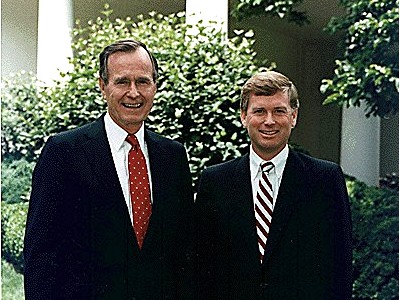
  8. Bush’s cultivated Republican Party friendships compel Reagan to ask Bush to be his Vice President.

RONALD REAGAN (40TH PRESIDENT OF THE UNITED STATES)
Meacham notes that running for President is something H. W. has prepared for through the course of his life but 1980 is the era of Ronald Reagan.  Reagan’s public speaking skill clearly surpasses the oratorical skill of H. W. Bush.  However, Bush’s appeal to a more liberal part of the Republican Party makes him an ideal running mate for the highly conservative Reagan.  Reagan is reluctant to make the offer because of H. W.’s “Voodoo Economics” comment during their primary contest but Bush’s affable personality eventually endears Reagan to his running mate.

RONALD REAGAN (40TH PRESIDENT OF THE UNITED STATES)

By the end of Meacham’s biography one sees Bush as a decent man who wishes to do the right thing.  One might conclude that H. W. Bush is unduly influenced by the desire to be liked.  This desire makes H. W. avoid confrontation, a characteristic of which Meacham offers many examples; e. g. Bush’s reluctance to confront the public with his decision to raise taxes; his ambivalence about using the bully pulpit to attack political opponents.  H. W. Bush’s inner compass seems to wobble in the face of his desire for comity.  However, when one puts H. W. in the context of history, Bush’s inner compass seems as true north as any of America’s Presidents.

On the one hand, comity may be what is missing in the extremes of the political climate of the 21st century; on the other hand, “read my lips” has little political efficacy.

On the one hand, comity may be what is missing in the extremes of the political climate of the 21st century; on the other hand, a wobbling inner compass leads to intellectually untested certainty.  One may argue H. W. Bush’s avoidance of confrontation leads to decisions not tested by debate.  All that is left is experience burnished by one person’s judgment.  Avoidance of personal confrontation may lessen perspective but comity is an underrated commodity in today’s political climate.

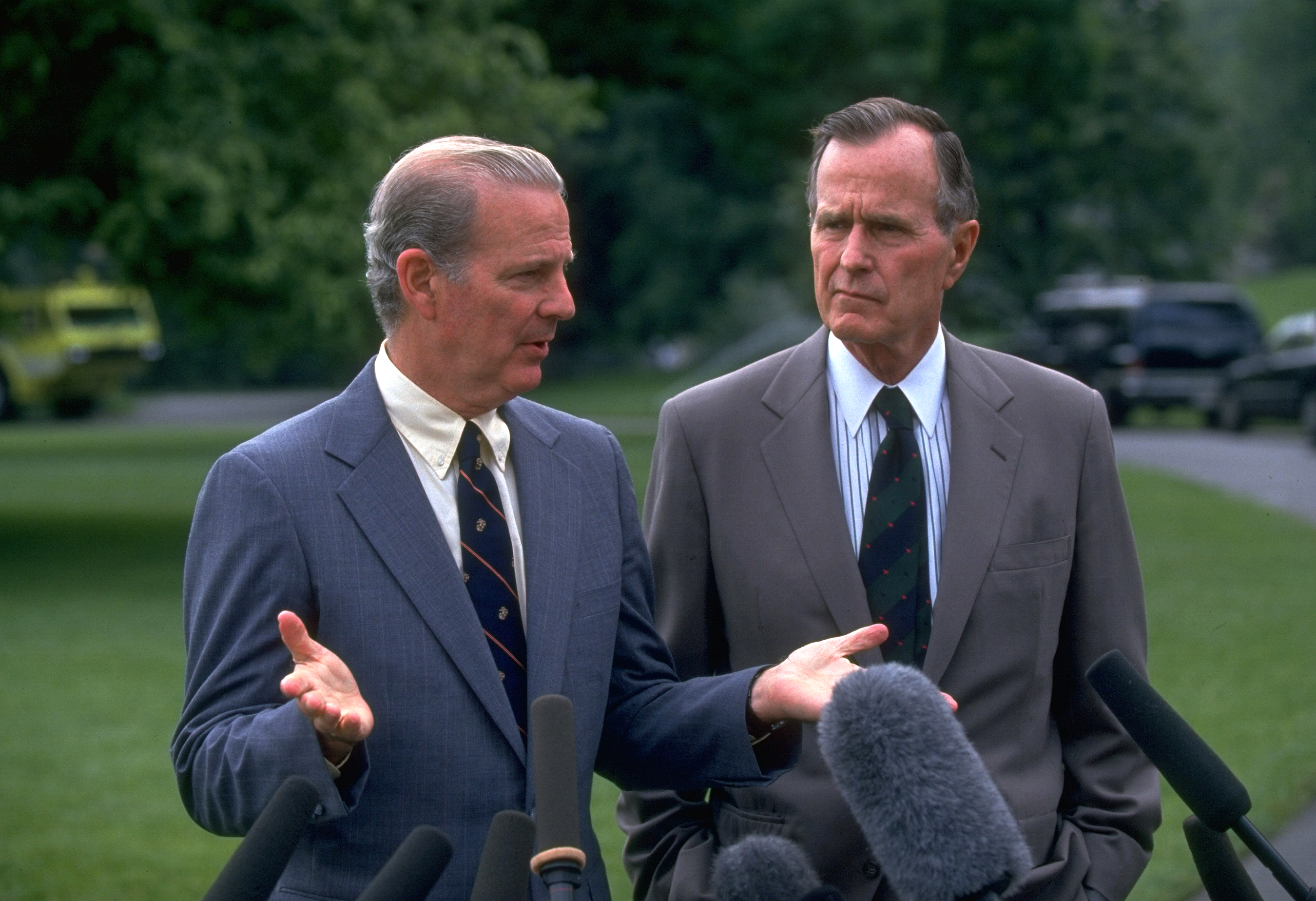
A surprising note by Meacham is H. W.’s second guessing on Saddam Hussein.  H. W. did not confront Saddam Hussein to demand unconditional surrender after his forced ejection from Kuwait.  In retrospect, a demand for unconditional surrender seems superfluous. Arguably, H. W.’s courageous decision to inject the American military into Kuwait changed the course of history. One inclines to believe H. W. will go down in history as the antithesis of Nazi appeasers in WWII.

GEORGE W. BUSH (43RD PRESIDENT OF THE U.S.
The most titillating part of Meacham’s biography of H. W. is a father’s judgment of his son’s Presidency.  One tends to believe H. W. views George W. more as a beloved son than as President of the United States.  George W., like all human beings, makes his own mistakes.

GEORGE W. BUSH (43RD PRESIDENT OF THE U.S.)

H. W. argues that his son is poorly served by his Vice President and Secretary of Defense.  H. W. suggests Dick Cheney and Don Rumsfeld are the principal reason for the mistake of Iraq.  (One must ask oneself, who hired Cheney and Rumsfeld?  In a translation of Plato’s “Republic”, there is a phrase about leadership that suggests “Birds of a feather flock together”.)

George W. is his own man.  He differs from his father in numerous ways.  One may remember George W. standing on an aircraft carrier and saying “Mission Accomplished!” after the defeat of the Republican Guard in Iraq.  Meacham’s biography suggests that kind of hubris-tic comment would never be made by H. W. Bush.  History will show defeat of the Republican Guard accomplished very little.  Defeat of the Republican Guard is only the beginning of many American mistakes in Iraq.

H. W. Bush may not go down in history as one of the greatest Presidents of the United States but he is among the most decent.