UNDERSTANDING CHINA

Audio-book Review
            By Chet Yarbrough

(Blog: awalkingdelight)
 Website: chetyarbrough.blog

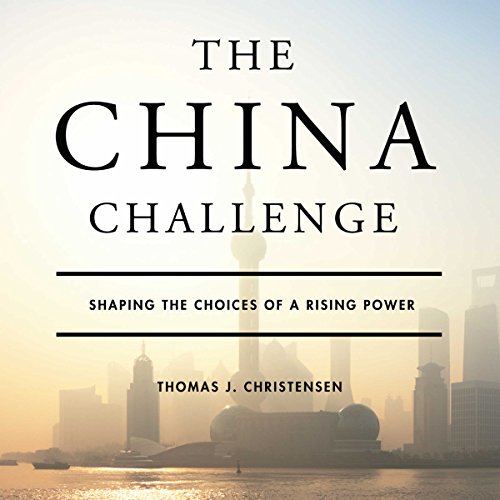
The China Challenge: Shaping the Choices of a Rising Power

By: Thomas Christensen

Narrated by: Alan Sklar
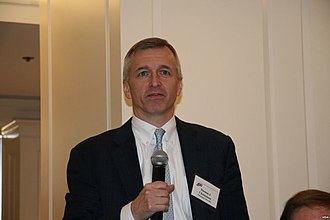
Thomas J. Christensen (Author, American political scientist, professor of international relations at Columbia University, advisor to U.S. Presidents.)

Thomas Christensen addresses “The China Challenge” with a capsulized history of communist party’ leadership from Mao to Xi. Christensen offers perspective to China’s support of North Korea, Syria, Iran, and Russia in the 21st century.

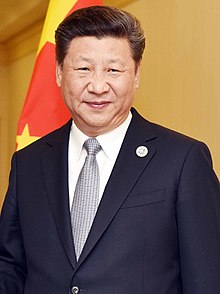
North Korea is losing the war when Mao commits the Chinese Army that pushes American troops back to the 38th parallel. That demarcation became part of a peace agreement that created two nation-states, North and South Korea. Despite the obvious domestic mistakes of the Great Famine and Cultural Revolution, Mao’s entry to the Korean war made him a revered hero to China and the communist party. Mao’s nearly divine adoration is evident to anyone who visits Beijing’s Memorial Hall Mausoleum in Tiananmen Square.

Nationalism and history are at the heart of China’s support of non-western countries. Though “The China Challenge” is published in 2015, before Ukraine’s invasion, it offers insight to China’s response to international events that seem irrational to many western citizens. Christensen’s history disabuses reader/listeners of Xi’s irrationality. Mao’s resolve in the Korean war reinforces President Xi’s belief in the utility and strength of the Chinese Communist Party.

North Korea—The brutality of the Korean war killed an estimated 1,500,000 North Koreans, and 716,000 Chinese

Development difference between South and North Korea exemplified by light projection at night.
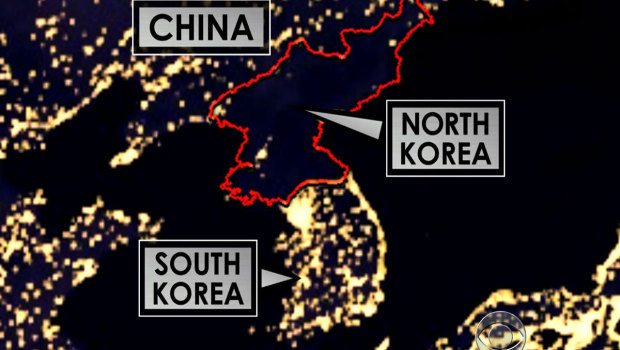
Christensen notes the importance of China’s tempering influence on North Korean provocation while refusing to treat North Korean leadership as either rogue or irrational.

Contrary to George Bush’s monumental mistakes in Iraq, Christensen shows the American administration’s concerted effort to stop North Korea’s nuclear bomb ambitions. Along with Bush’s successful diplomatic effort to reduce tension with China over Taiwan by speaking of a “one China policy”, the Bush administration puts an economic initiative together for American economic support of North Korea in return for denuclearization. China supports the effort, but North Korea turns it down.

Christensen is unable to disclose the details of an economic package for North Korea in return for denuclearization but George Bush’s success in getting China’s support is remarkable and largely unrealized by the public.

Syria—Despite the brutality of Bashar al-Assad in Syria, China maintains close ties with Syria because of Xi’s belief in defending Syria’s independence, sovereignty, and territorial integrity. This is a consistent posture of China regarding other nations hostile to democracy.

Bashar al-Assad, President of Syria

Xi consistently supports authoritarian rulers’ right to rule without interference from outside interests.

Iran—Xi criticizes President Trump’s withdrawal from the nuclear non-proliferation agreement. Christensen notes China, like other nuclear powers in the world, believes in non-proliferation of nuclear bomb capability. Xi consistently supports Iran’s independence for the same reason noted for Syria.

Ali Khamenei (Iran Supreme Leader)

Xi believes every nation has a right to rule without interference from outside interests. An added economic reason is Iran’s supply of oil and petrochemicals to China.

Russia— Russia’s invasion of Ukraine Xi is not considered. The invasion is not addressed by Christensen because it had not happened at the time of this book. Russia’s invasion seems a violation of the sovereignty principal Xi endorses. Ukraine’s history as once being a part of the U.S.S.R. gives  political spin to Xi. Of course, this relates to China’s interest in repatriating Taiwan. An interesting point noted by Christensen about Taiwan is America’s choice to provide F-16s for their defense during George Bush ‘s administration, contrasting with President Biden’s statement that any supply of arms by China to Russia will have consequences. Biden reminds Xi of the many corporations that left Russia when they invaded Ukraine. One wonders about America’s threat to Xi if China chooses to provide arms to Russia. In light of America’s supply of F-16s to Taiwan, Xi might not care about the economic consequence of American companies leaving China.

Ukraine War

Christensen implies there is a love/hate relationship between Russia and China. The love is Xi’s policy of non-intervention in a countries sovereignty. The hate is the history of Chinese leaders who chose the path of communism and found Russia abandoned Stalinist beliefs that Mao supported. Xi is an authoritarian. He believes in the importance of the communist party and uses it to achieve nationalist objectives.

MAO AND STALIN

Christensen goes on to write about global warming and the world’s inadequate response.

Over 60% of the world’s pollution is caused by four government jurisdictions, i.e., America, China, the E.U., and India. China and America alone cause 40% of the pollution. On a per-capita basis, America is the worst, but China shows the most visible impact, measured by air quality and water. In a trip to China, one can see the main rivers in China are loaded with refuse.

At times, air pollution is so thick in Beijing that one cannot safely drive a car because drivers are unable to see the road or other vehicles.
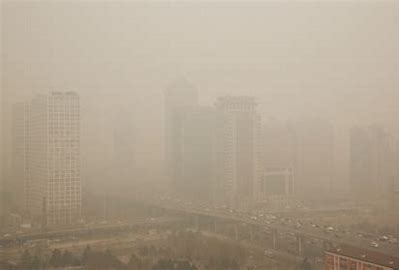
Christensen does not believe either China or America or any nation-state will be singular hegemons of the world. Christensen implies “balance of power” will always be the guiding principle of international relations. China is faced with problems greater than America because of demographics (high population and aging statistics) and its early stage of economic development. China’s present economy and environmental conditions create a longer road for China’s rise to broad citizen prosperity.

The fundamental theme of Christensen’s book is American leadership needs to understand China better. Only with understanding will respect be engendered and comity restored. Both China’s and America’s leaders realize humanity lives on spaceship earth. Without nation-state respect and comity, all nations (not to mention humans) are destined for the grave.

REWILDING THE WORLD

 Audio-book Review
 By Chet Yarbrough

(Blog: awalkingdelight)
 Website: chetyarbrough.blog

A Life on Our Planet (My Witness Statement and Vision for the Future)

By: Sir David Attenborough, Jonnie Hughes

Narrated by: Sir David Attenborough

In a memoir of one man’s life, David Attenborough (with the help of Jonnie Hughes) reviews earth’s degraded environment and humanity’s future. Sir Attenborough tells a personal story of his life as an English broadcaster, biologist, natural historian, and author.

Attenborough recalls his education as a naturalist, BBC commentator, and program producer of travels, the environment, and species decline around the world. His career spans over 50 years of experience–from meeting famous conservationists like Jane Goodall to exploring remote islands in search of native culture.

In nearly a century of life, Attenborough reflects on what he has personally experienced on earth with a life-long interest in environment. The first half of the book is about the beginning of civilization and environmental despoliation. The last half of Attenborough and Hughes’ story is about their “…Vision for the Future”.

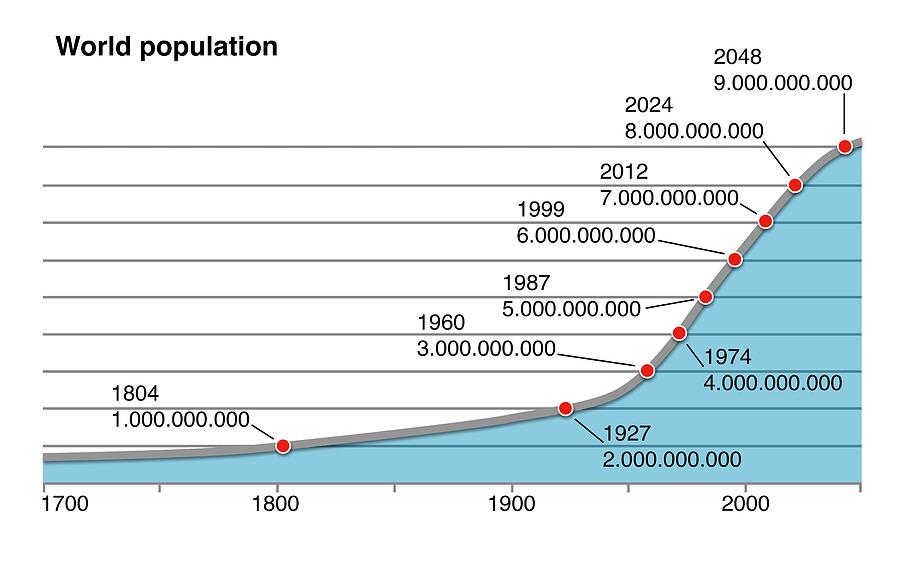
From recollections of the 1950s to the present, “A Life on Our Planet” is earmarked by population growth and wilderness decline.

Attenborough and Hughes describe earth as a closed system. His analogy is that earth is a petri dish that grows bacteria that will consume the world if humans fail to change their ways. Interspecies dependance is challenged and changed by environmental degradation caused by human activity. From the destruction of whales in the era of whale hunting to deforestation of land by farming and industry, the authors argue the earth is being murdered by humanity.

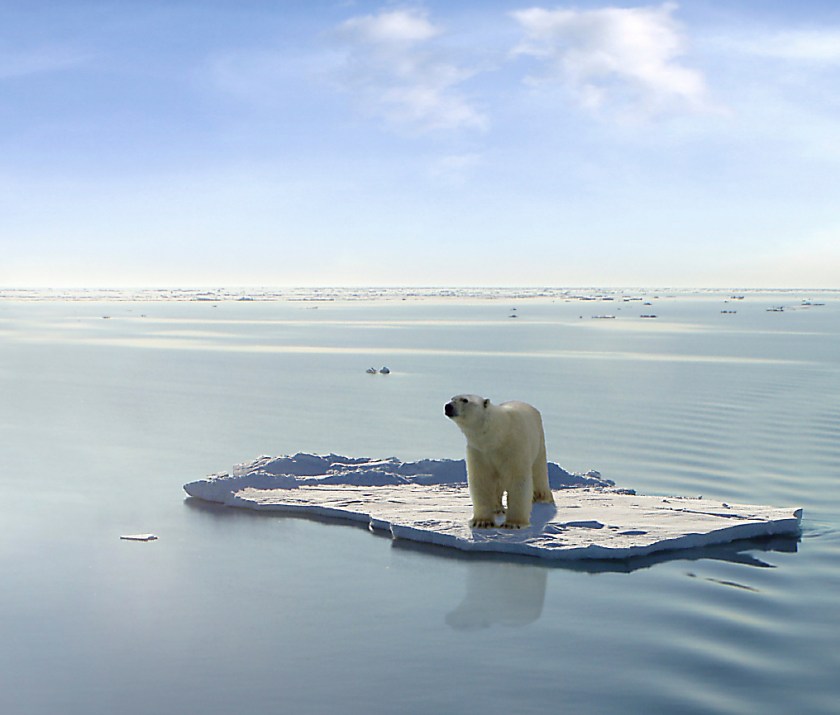
Global warming from industrialization and deforestation accelerates earth’s death by warming oceans. Just as the cycle of life in the sea is disrupted by global warming–removing forests, overhunting, and species extinction disrupt life on land.

Coral turns from a living, colorful paradise to a dead and crumbling, bleached underwater forest. Great Barrier Reef in Australia

Much of what Attenborough notes is evident when one personally travels the world. In a recent trip to Southeast Asia, a Hmong guide explains how diet of people in Cambodia changed because of the loss of wild game in the country. Snakes and spiders were rarely eaten by native Cambodians. Now they are considered a delicacy and a source of income for people who raise them for consumption. In visiting Norway, fish farming is a growing industry to replenish depleted salmon stock, and despite Norway’s oil wealth, wind farms are seen throughout the country.

Listening to “A Life on Our Planet”, one holds their breath to hear the last half of Attenborough and Hughes’ book for their “…Vision for the Future.” So many authors decry the fate of humanity, one becomes jaded by dire predictions of ecologists and environmental experts.

Is there a solution that does not end with the extinction of human life? Life on earth is unlikely to end from human environmental mistakes, but human beings are one of many species on earth that will disappear if humanity fails to respond to the environmental crises of its own making.

The author’s “…Vision for the Future” gives one hope.

Except for their mistaken belief that measuring GDP (gross domestic product) as success, there is an underlying singular cause of the world’s environmental disaster. They offer the idea of re-wilding the world. GDP will always be a part of societies’ measurement of success. However, the idea of re-wilding earth is a realistic solution to human life’s environmental Armageddon.

The principle of re-wilding the world is a practical solution that does not deny the natural instincts of humankind. The authors are suggesting countries of the world need to focus on bio-diversity policies that re-introduce lost species and promote current species of life.

A big step would be international agreement on fishing restrictions in different areas of the world (for enforced periods of time) that will allow ocean and waterway fish and mammal species to naturally propagate.

Similar to that is happening with Western Australia Fishing Restrictions.

According to science and experimental proof of established fishing area restrictions, food availability for a rising human population will improve.
A second point made by the authors is that women around the world must be liberated.

Repression of women has kept half the world from realizing its full potential. With free choice, women will be able to make their own decisions about work, family, and productivity. It is no coincidence that population growth in America slowed with the liberation of women who chose to have or not have children.

A third visionary idea is a nation’s choice on sources of energy.

Geothermal energy in New Zealand as an example.

Choosing to abandon fossil fuels will improve the air we breathe and reduce overheating of land and sea. In choosing renewable energy sources, the authors note two small countries have abandoned fossil fuels. Surprisingly, one is Albania. Having traveled there a few years ago, one could see how enterprising and vibrant the economy of Albania appears to be. The other fossil fuel independent country is Iceland which uses earth’s thermal energy to warm their homes from a sustainable, pollution free energy source.

A concern is raised about an aging population like that in Japan where women have chosen not to have children. What is unwritten by the authors is that many countries fail to open their borders to young people from other countries that have no work and limited opportunity in their home countries. There needs to be a growing understanding that all people of the world are on the same spaceship. In a perfect world, all people would be treated equally. It is not a perfect world, but GDP can drive countries to be more open to immigration.

“Dallas, Texas, United States – May 1, 2010 a large group of demonstrators carry banners and wave flags during a pro-immigration march on May Day.”

Attenborough has lived a long and interesting life. He offers listeners wisdom from being a witness to the truth about the world in which we live. This is not a story of the end of “…Life on Our Planet” but a formula for humanity’s continuation.

Humans can continue to despoil the environment. The consequence only makes human habitation impossible. Trees and wildlife are rewilding Chernobyl. Only humankind is unable to return.

DIVERSITY

Audio-book Review
           By Chet Yarbrough

(Blog: awalkingdelight)
 Website: chetyarbrough.blog

The Hidden History of Burma (Race, Capitalism, and the Crisis of Democracy in the 21st Century)

By: Thant Myint-U

Narrated by: Assaf Cohen

Author, Thant Myint-U, is the son of the former secretary-general of the UN, U Thant (1961-1971). His circle of acquaintances ranges from Presidents to diplomats to people on the street.

U Thant (Secretary-General of the United Nations 1961-1971, died in 1974 at the age of 65.)

Thant Myint-U’s report on Burma (aka today’s Myanmar) reveals a capitalist’s “canary in a coal mine”. “The Hidden History of Burma” reveals what can happen in capitalist countries that ignore the rising gap between rich and poor.

Like canaries, all people are not the same.

Thant Myint-U resurrects the reputation of Aung Suu Kyi, a leader of conscience. He exposes Myanmar’s 2021 military revolution and its unfair trial of Burma’s storied and unfairly maligned national patriot. Thant Myint-U’s history implies no leader of conscience could withstand the inept Burmese government’s management of human diversity that led to the accusation of Rohingya genocide in 2020.

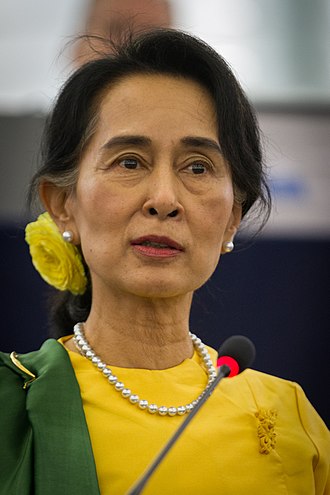
Aung San Suu Kyi (Burmese politician, diplomat, author and 1991 Nobel Peace Prize Laureat. She is the daughter of Aung San, the Father of Independent Burma.)

Aung San (Burmese politician, Father of Burma independence from British rule, assassinated six months before independence granted.)

All capitalist economies are threatened by human greed when capitalism is unregulated. Capitalism falters when it fails to provide an adequate safety net to its citizens. When countries fail to offer an opportunity to acquire the basic needs of life, the poor disproportionately die. When the poor are not treated equitably by society, they have two choices. One is to bare unfair treatment and die. The other is to fight unfair treatment and die. (Note that is not to suggest hand-outs but to suggest hand-ups to jobs, income, and opportunity.)

Human nature compels a turn to God when one feels out of control.

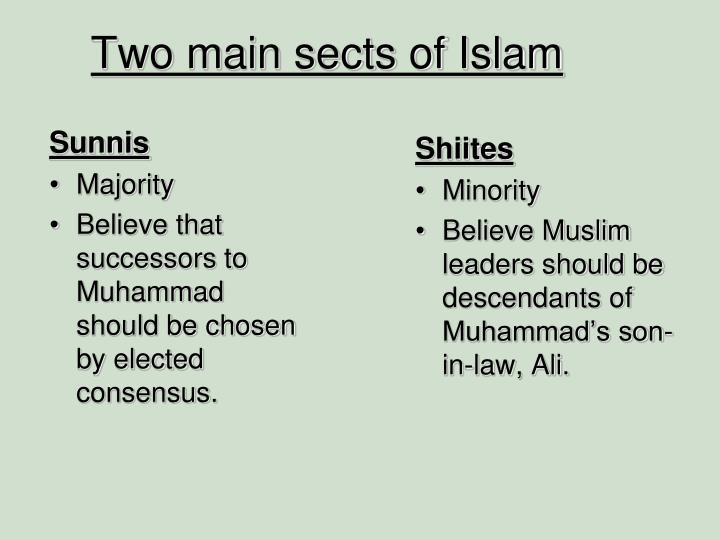
One reason the Islamic religion is the fastest growing religion in the world is because many Muslims are poor. They live in countries where governments fail to treat diversity as a strength, not a burden.

Burma’s return to military autocracy is shown by Thant Myint-U to be a consequence of the gap between rich and poor, largely caused by an unregulated capitalist economy. Lack of capitalist regulation in autocracies or democracies make the rich richer and the poor poorer, the twain do meet but mostly in conflict.

Diversity in countries of the world is not new. Some level of diversity exists in every country.

Democracy is a form of government that can offer a voice to diversity. When democracy fails to respond to that voice, it risks revolution, and its consequence-autocracy. In “The Hidden History of Burma, Thant Myint-U shows Myanmar’s government is not listening to the voices of diversity.

Myanmar

There is a lesson for America in the story of Burma. The gap between rich and poor is rising. American Democratic capitalism is listening but struggling with its response. America does not have the history of Burma, but government leaders can learn something from Burma’s inept reaction to diversity.

DEMOCRACY’S STORM

Audio-book Review
           By Chet Yarbrough

(Blog: awalkingdelight)
 Website: chetyarbrough.blog

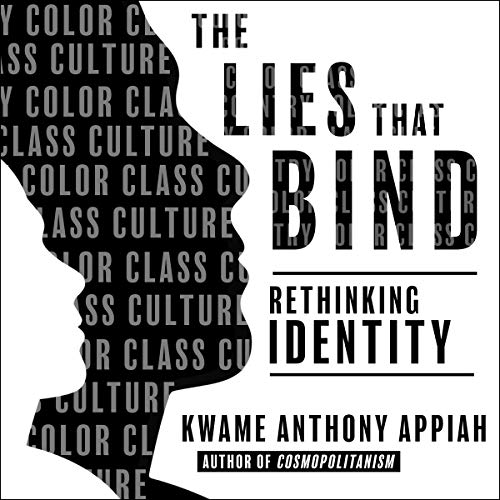
The Lies That Bind (Rethinking Identity)

By: Kwame Anthony Appiah

Narrated by: Kwame Anthony Appiah

Kwame Anthony Appiah (Author, philosopher of history, politics and social sciences.)

Kwame Appiah implies western democracy is the best form of government.

The democracy of which Appiah writes is one in which rule-of-law, freedom within the limits of rule-of-law, and equal opportunity are evident.

However, contrary to Langston Hughes’ poem, the sea is not calm. Democracies’ sea is stormy because its principles are inconsistently practiced.

Kwame Anthony Appiah casts a lifebuoy to those swimming in the stormy sea of democracy.

Appiah’s chapters on religion may be a slog for some but they offer understanding of the inconsistency of religious belief. Religious contradictions are legion. Sermonizers pick and choose paths they like rather than any truth biblical writings may impart.

“The Lies That Bind” examines the role of religion, culture, and government in society.

Agnosticism, and atheism grows with revelations of science, stultified freedom of thought, and (though not mentioned by Appiah) ecumenical abuse.

Appiah’s life story reinforces the importance of culture. Both his parents were highly accomplished people. His mother was a British artist, historian, and writer. His father, from Ghana, was a lawyer, diplomat, and politician. Both parents come from accomplished families. Their son chooses to marry a man when same sex marriage only slowly becomes culturally accepted.

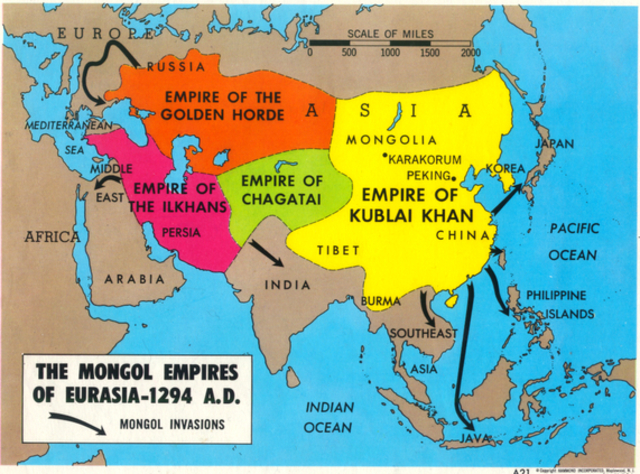
Appiah’s history addresses the ascendence of the Mongol empire to illustrate the breadth of Mongol conquest while noting its style of government control. His point is that control is exercised with a level of tolerance for independence, cultural understanding, and religious belief among Khan’s descendants.

Genghis Khan (1162-1227 Leader of the Mongol Empire)

In summary, Appiah argues democratic societies need to rethink identity in terms of human equality. Whether a man or woman is a successful entrepreneur, CEO, server in a restaurant, or laborer in construction, all are equally human. Appiah notes Trump’s political success in America relates to his intuitive understanding of what many political aspirants ignored—the importance of American labor, whether highly educated, unschooled, rich, or poor.

A leader of an enterprise can be right, even damn right, but fail without the help of labor. Disrespecting labor ensures failure. This is a lesson Henry Ford understood when he raised the wages of his work force. This is a lesson Elon Musk will undoubtedly find in his acquisition of Twitter.

Appiah’s lifebuoy is meritocracy, a government holding of power by people selected on the basis of their ability. The idea of meritocracy came about in the 1960s. However, there are academicians, like Daniel Markovits who believe the concept of meritocracy increases inequality and causes decline in the middle class. Markovits argues middle-class families lose equal educational opportunity because of high cost. Without equal opportunity for education, too many Americans are left without Appiah’s lifebuoy.

Appiah does not directly address issues of equality of opportunity in a democratic-meritocratic society. Though Appiah may be a minority in white western culture, one doubts his educational opportunity was ever a question of cost.

On balance, Appiah offers insight to how democracy can be improved. The key is equality of opportunity which implies democracy needs to focus on safety-net’ issues which entail more help for lower- and middle-class income earners. The safety-net is one which provides equal access to education, health care, and employment, i.e., without regard to sex, race, religion, or ethnic qualification. In democracy, that means election of leaders who are willing to ensure equality of opportunity for all.

SLAVERY

Audio-book Review
           By Chet Yarbrough

(Blog:awalkingdelight)
 Website: chetyarbrough.blog

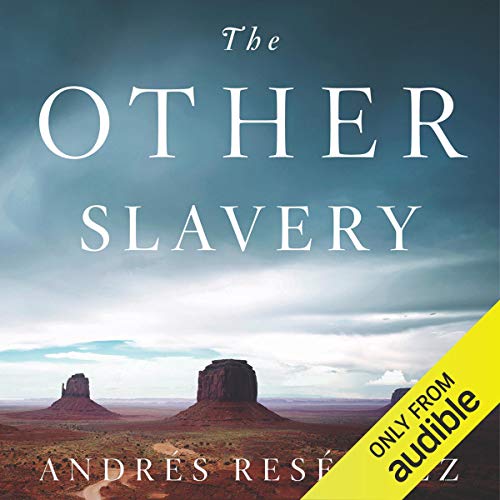
The Other Slavery (The Uncovered Story of Indian Enslavement in America)

By: Andrés Reséndez

                                                           Narrated by: Eric Jason Martin

Andrés Reséndez (Author, Historian, Ph.D. in history from the University of Chicago.)

One suspects “The Other Slavery” is unknown or misremembered by most Americans. “The Other Slavery” is not about America’s civil war, the Emancipation Proclamation, or Abraham Lincoln. It is about indigenous peoples and their adaptation to a world turned upside down by newcomers from foreign lands.

Andrés Reséndez mostly focuses on the North American continent, particularly west and southwestern American territories and Mexico, but he also touches on slavery in Chile.

As is well known, slavery has been a societal constant since the beginning of recorded history. Today, it appears in pornography, low wage peonage, so-called re-education camps, and political/social incarcerations. What Reséndez explains is that Indian tribes of the west are increasingly incentivized by slavery with the arrival of foreigners. Though slavery may have been used by Indians earlier in history, it became a significant source of revenue for warring tribes.

Hernán Cortés de Monroy y Pizarro Altamirano (aka Cortez), 1st Marquess of the Valley of Oaxaca.

Reséndez reminds listeners of internecine wars of early America when conquistadores and Indians ruled the American southwest.

One Indian tribe captures a different tribes’ sons, and daughters to trade for money, horses, guns, and butter from the Spanish or later settlers who need cheap labor or who seek domestic help and/or carnal pleasure. Reséndez notes young women’s slavery prices are higher than young men’s because of their dual service as domestic laborers and sex objects. Over time, as Spanish land holders are replaced by American land holders, Indians remain a source and victim of the slave industry.

Men, women, and children are used by land holders and competing Indian tribes as barter for trade.

Though slavery is the primary story, Reséndez notes wars between Spanish land barons and Pueblo Indians occur over rights to the land.

Santa Fe, New Mexico becomes a focal point of conflict between Pueblo Indians and the Spanish. The victimization of Pueblo Indian slaves leads to a rebellion that removes Spain from the New Mexico territory, at least for several years. However, the lure of silver brings Spain back with a slave trade resurgence in southwestern territories of America. Reséndez  explains the slave trade becomes endemic as silver is discovered in Mexico and the southwest territories.

The need for cheap labor in silver mines multiplies the value of Indian slaves in the southwest.

The slave trade never dies. Greed drives Indian tribes to steal people from different Indian’ tribes to profit from human sales to landowners looking for cheap labor. Reséndez notes it is not just Indians victimizing Indians but American and Spanish landowners buying young men and women Indians and other human victims to serve as low-cost labor for silver mining, farming, and domestic service.

Reséndez notes male slaves were more difficult to manage than women slaves but for strength males were coveted for their labor in silver mining. Some of the mines were deep in the earth, all were dangerous. Underground mines were flooded with carcinogenic mercury tailings that shortened the lives of those who worked there.

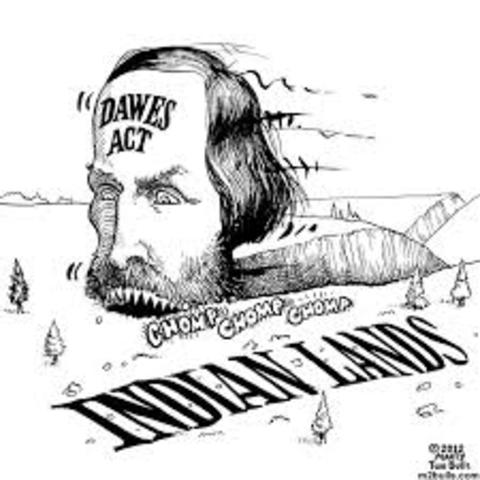
Slavery goes by many names. As is known by historians, the Dawes act further victimizes native Americans.

Reséndez reveals how slavery has always been a part of society. Self-interest is a motive force of human nature. Slavery is found in penal colonies of authoritarian governments to provide cheap labor. Slavery is also found in democratic governments that legislatively reduce the cost of labor based on corporate influence on public policy. A free market, not lobbyist influence, should determine public policy.

The hope for elimination of slavery lies in government policy that reinforces belief in human equality and a balance between corporate profit and cost of labor as determined by a free market.

RISE OF TYRANTS

Audio-book Review
By Chet Yarbrough

(Blog:awalkingdelight)
 Website: chetyarbrough.blog

Tyrant

By: Stephen Greenblatt

Narrated by: Edoardo Ballerini

Stephen Jay Greenblatt (Writer, Harvard University Professor.).

Shakespeare’s plays expose the perfidy of tyrants that reminds one of Vladmir Putin’s actions in 2022.  Greenblatt notes Shakespeare explains tyrants rise when governments show weakness at their center. One can conclude the economic collapse of the U.S.S.R. is the proximate cause of Putin’s ascension.

Stephen Greenblatt offers a clever summary of tyrants in Shakespeare’s plays. Greenblatt’s book is published in 2018.  

Shakespeare’s tyrants are destined to fail in a variety of ways. One must remember that Shakespeare’s plays are not history but have elements of history in their story. Dramatic affect and a livable wage are what motivate Shakespeare to write for the theatre.

Prescient insight to the nature of human beings is what makes Shakespeare a seer whose prose and plays survive centuries of analysis and earned adulation.

King Richard III is a martinet who barks orders for little reason other than to exercise power. He acts with the arrogance of a narcissist. He murders brothers, nephews, and subordinates who get in his way or refuse to obey his orders. He expects loyalty first, with any opposition viewed as disloyalty.

King Richard cares nothing for rules or human life. His followers are sycophants at best and enablers at least. King Richard III murders brothers and confidents to secure the throne.

He marries for lust and control, murders King Henry VI, marries the assassinated King’s widow, and dies in an ignominious battle. Having killed everyone near him, he grows paranoid of those around him. That paranoia cripples his effectiveness as a sovereign. He may have lost his crown in battle, but his murder of followers and managerial incompetence destine him for failure.

Russian Kleptocrats

Greenblatt recounts the many tyrants exposed in Shakespeare’s plays but none, other than Richard III, seem comparable to Putin. Putin gathered support of kleptocratic sycophants that are beginning to recognize their wealth and success is threatened by Putin’s foolish attempt to re-annex Ukraine.

Like Shakespeare’s Richard III, Putin is alienating followers and murdering or imprisoning competitors who challenge his leadership.

Greenblatt summarizes events of Shakespeare’s plays to show how tyrants are editors of their own defeat. One hopes there is enough Russian resistance to forestall a nuclear war caused by a tyrant who cares nothing for human life, other than his own.

LEARNING AND MEMORY

Audio-book Review
By Chet Yarbrough

(Blog:awalkingdelight)
 Website: chetyarbrough.blog

The Extended Mind

By: Annie Murphy Paul

   Narrated by: Annie Murphy Paul

Annie Murphy Paul (Author, graduate of Yale and Columbia University with a Journalism major).

Annie Murphy Paul is a science writer who has lectured at TED TALK about learning, memory, and cognition. She has written articles for “Scientific American”, and several national newspapers. The interesting insight of “The Extended Mind” is that learning, teaching, and memory are significantly enhanced by physical activity.

From birth to maturity, Paul notes physical activity is a critical component of human thought, and action but memory is a critical dimension for both.

This seems tautological at first glance. After all, learning by doing is a self-evident truth. However, Paul explains learning by doing is only the tip of a much larger truth. She argues physical activity informs and extends the mind to ignore, remember, repeat, or forget everything we know or do. Without physical activity, minds atrophy, memories fade, and bodies die.

Paul explains learning is enhanced by physical activity.

Scientific experiments show that learning and memory are improved by association with physical movement. Reading about an experiment may enlighten the uninformed; however, being the experimenter enhances memory of the experiment’s proof. Sitting and thinking about doing is more forgettable than doing what one is thinking about.

Paul notes that association with physical movement is like a mnemonic that aids memory.

She suggests a defined hand gesture has more value than mnemonic association for memory. One might think of a “P” to remember Paul as the author of this book. On the other hand, one might physically form the letter “P” with three fingers and the memory of the author becomes more memorable.

Paul cites several examples of how teachers have improved their teaching skills by encouraging physical activity with interactive class assignments and subjects.

Paul suggests strict order in a classroom (e.g., sitting at one’s desk and reading an assignment or teacher dictation of lessons) limits memory of subjects covered in the school room. She suggests learning is enhanced by social interaction.

After brief experience as a high school teacher, some of what Paul explains makes sense. The difficulty is implementing her ideas when trying to balance the variety of student strengths and weaknesses with their social and economic difference.

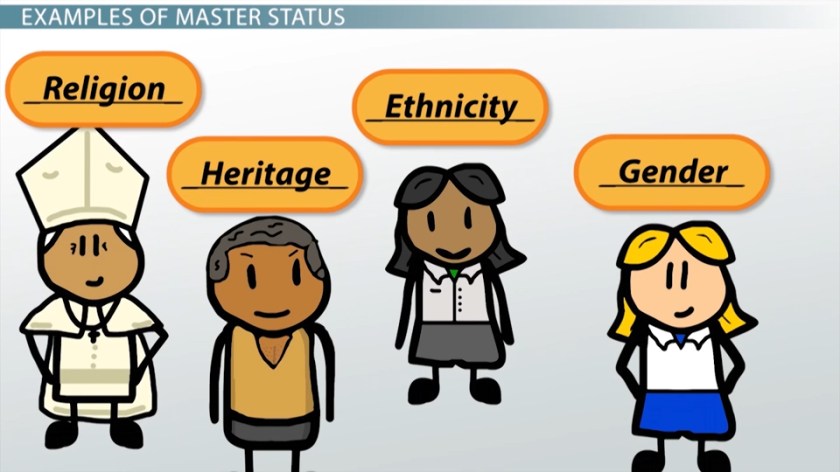
Learning may be improved by social interaction, but human nature often gets in the way. For example, social interaction may be viewed as a threat to an introverted student. The introvert is unlikely to participate in a social grouping. The same can be said of those with a different religion, heritage, ethnicity, or gender.

On the other hand, there is wisdom in requiring social interaction even when involving students who are introverted or challenged by their familial upbringing. People grow and educate others from uncomfortable emotional and physical circumstances.

Paul extends her argument to business office environments and how collaborative office orientations improve company creativity and performance.

She tempers that argument based on group preferences where some may be more comfortable in an environment that is more structured than unstructured. This is not contradicting the argument of physical activity as essential for enhanced productivity in the office. She goes so far as to suggest treadmills at workstations for some offices.

Several years ago, this critics preference for audiobooks came from boredom associated with activity that required little directed attention.

Personal experience confirms Paul’s argument. Though detailed memory is far from ideal, exercise while listening to an audiobook has been rewarding.

RAVENSBRüCK RABBITS

Audio-book Review
By Chet Yarbrough

(Blog:awalkingdelight)
 Website: chetyarbrough.blog

Lilac Girls

By: Martha Hall Kelly

Narrated by: Cassandra Campbell, Kathleen Gati, Kathrin Kana, Martha Hall Kelly

Author

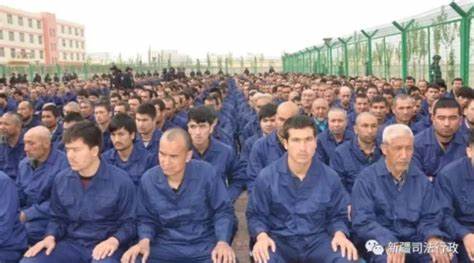
“Lilac Girls” is a long historical novel. Some may be tempted to quit but may be drawn back by its message to the future. It is a reminder of WWII. It is a warning to our present and future. Martha Hall Kelly’s extensive research on the Ravensbrück concentration camp offers relevance to Uighur re-education camps, Taliban repression, Russian/Ukraine atrocities, and the consequence of human isolation and incarceration.

Kelly’s book is about Ravensbrück rabbits, young women experimented on by Germany’s Nazi leaders.

The Ravensbrück concentration camp evolves into a chamber of horrors. It is managed by Nazi physicians and followers who purposely create damaged human bodies to test drugs and medical treatment for war wounds. A number of healthy young women have their bodies mutilated to test the efficacy of drugs and surgery to repair damaged limbs. They become known as the Ravensbrück rabbits

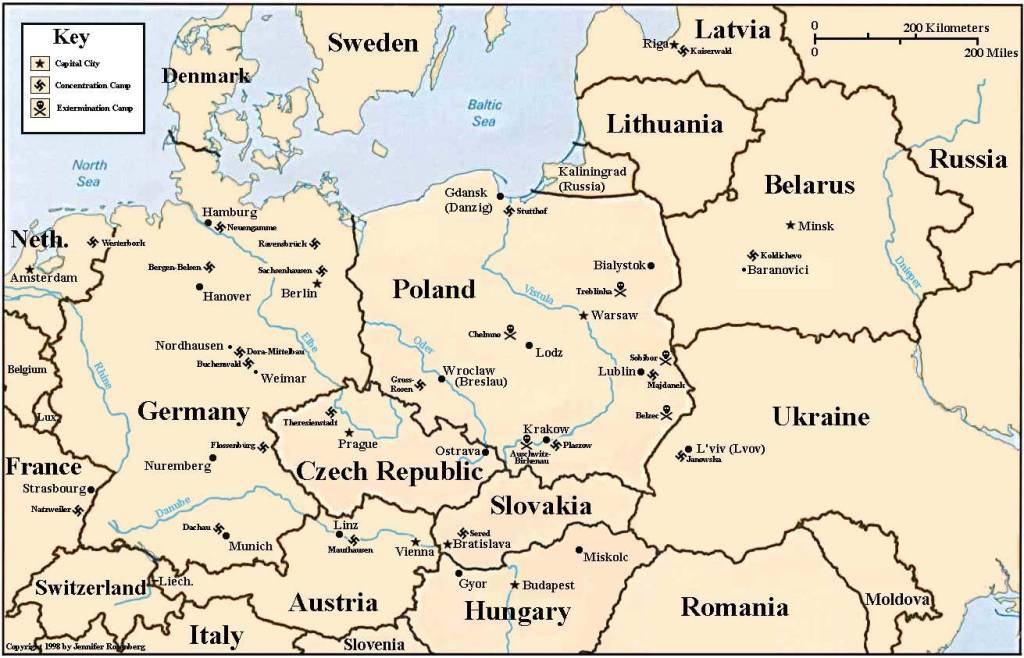
Ravensbrück is in northern Germany. The concentration camp was created exclusively for women. At its peak it housed 132,000 women, of which an estimated 48,500 were Poles, 28,000 Russians, 24,000 Germans, 8,000 French and a few other nationalities. Their incarceration is for reasons ranging from resistance to Nazi governance to disbelief in the false notion of race purity.

Kelly contrasts New York’ socialite living in the 1930s through the 1950s with European and war veteran survival. The author begins her story with the rise of Hitler, and Germany’s invasion of Poland, France, and Russia. As the German invasion of Russia portends defeat of Germany, Kelly unravels the atrocity of the Ravensbrück concentration camp, the ignominious defeat of France, the unjust western and Russian split of Poland after the war, the subjugation of Poland to Russia, and the rise of the U.S.S.R.

The unjust western and Russian split of Poland after the war.

It is the intimacies of living that give Kelly’s book weight. For the romantic, there is some romance. For the historian, there are the revelations of Ravensbrück, for the futurist, there is the warning of the risks of human isolation and confinement based on race, religion, or ethnicity.

Uighur re-education camp in China.

Many countries, including the United States, have made the mistake of isolating and confining human beings based on race, religion, or ethnicity. This is the first step that may lead to Ravensbrück’ atrocity.

Kelly shows there is no redemption, either for victims or perpetrators. At the end of her novel, what happened to the primary victims of Ravensbrück stays with those who survived. The primary victim loses her mother in the camp. Her life after the war leaves her crippled emotionally and physically because she was one of the Ravensbrück rabbits.

TO GO WITH AFP STORY – Photographs of prisoners murdered at the Ravensbrueck concentration camp for women line a wall in the “Place of Names” memorial at the camp in Fuerstenberg February 24, 2009. The “Sex Slavery in Nazi Concentration Camps” exhibition which opened at the Ravensbrueck concentration camp memorial, sheds light on the fate of women prisoners, many of which came from the Ravensbrueck camp, forced to provide sex to inmates in other concentration camps. AFP PHOTO JOHN MACDOUGALL (Photo credit should read JOHN MACDOUGALL/AFP via Getty Images)

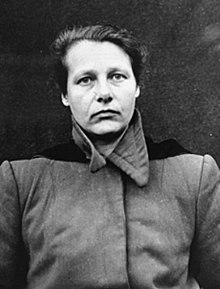
Herta Oberheuser (1911-1978, died at age 66, physician at Ravensbruck concentration camp.)

As Germany nears defeat, the doctor who manages surgery tries to murder the women who were mutilated because they are witnesses to Ravensbrück atrocities.

She is convicted at Nuremberg. She serves 5 years of a 20-year sentence. Her ambition seduced her into atrocity at Ravensbrück. Her wish to be a surgeon, when there are few women surgeons in Germany, outweighed the guilt of her actions. After serving her sentence in prison, she starts a medical practice. She is tracked down by a primary victim of her surgical mutilation. Kelly writes about the rise and fall of Herta Oberheuser. With her exposure by a victim of Oberheuser’s surgical work at Ravensbrück, her medical license is revoked. Ms. Oberheuser dies in obscurity.

There is no redemption for atrocity. All human beings in the Russia/Ukrainian war, as well as the rest of the world, need to remember the lessons of WWII.

PUTIN’S IRRESPONSIBILITY

Audio-book Review
By Chet Yarbrough

(Blog:awalkingdelight)
 Website: chetyarbrough.blog

Hiroshima

By: John Hersey

Narrated by: George Guidall

John Hersey (1914-1993, Author and journalist, won a Pulitzer for–“A Bell for Adano”.)

John Hersey is the son of American Protestant missionaries who was born in China.

Hersey is considered one of the first journalists to use a “storytelling” style for news reports. His most well-known news story is published in a 1946 “New Yorker” article, later published and expanded as “Hiroshima“, a book about the consequence of the first nuclear bomb blast of WWII.

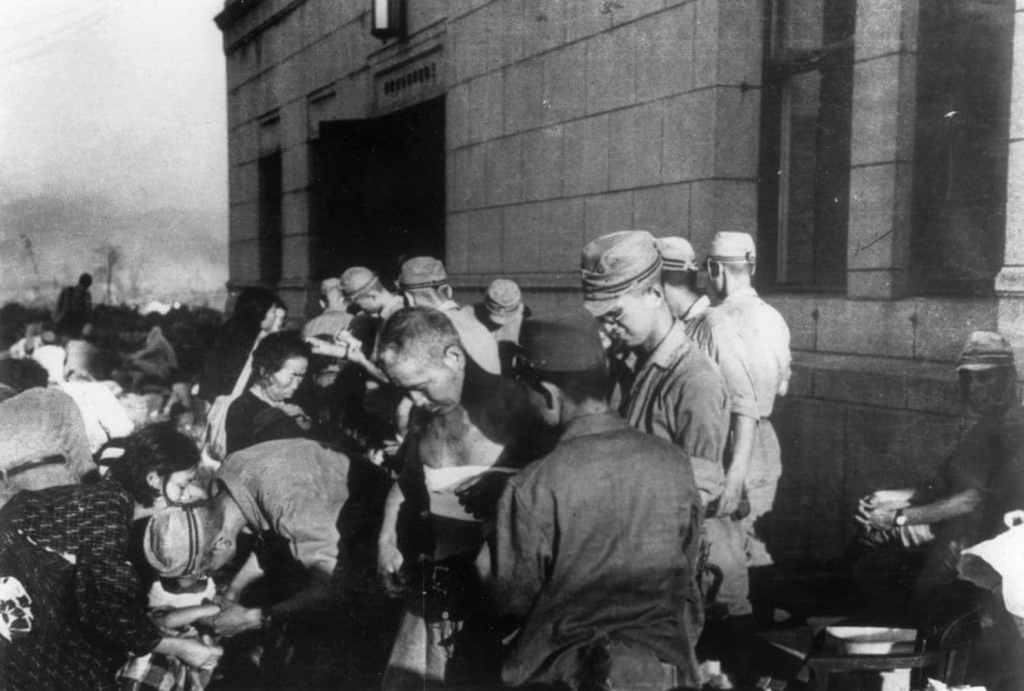
“Hiroshima” is printed by Alfred A. Knopf and has never been out of print. Hersey reports an estimated 100,000 were killed by the bomb. His book tells the story of the long-term impact of nuclear fall-out on six Japanese survivors of the June 6, 1945’ blast. (Today, the estimate of those who died from the bomb’s long-term impact is 140,000 to 350,000.)

One hopes 9/11/22 #rumors of former Russian supporters of Putin’s Ukraine/Russian War are asking him to resign. Putin’s decision to reinstitute the draft may be a turning point in the Ukrainian war based on his Czarist behavior.

In looking back at Russia’s 1917 revolution, it is discontent of the military and resistance to participation in WWI that aided Lenin’s overthrow of Czar Nicholas. Putin may be repeating that history. Many kleptocratic leaders of his administration are in the same spot as wealthy landowners of the Czarist era.

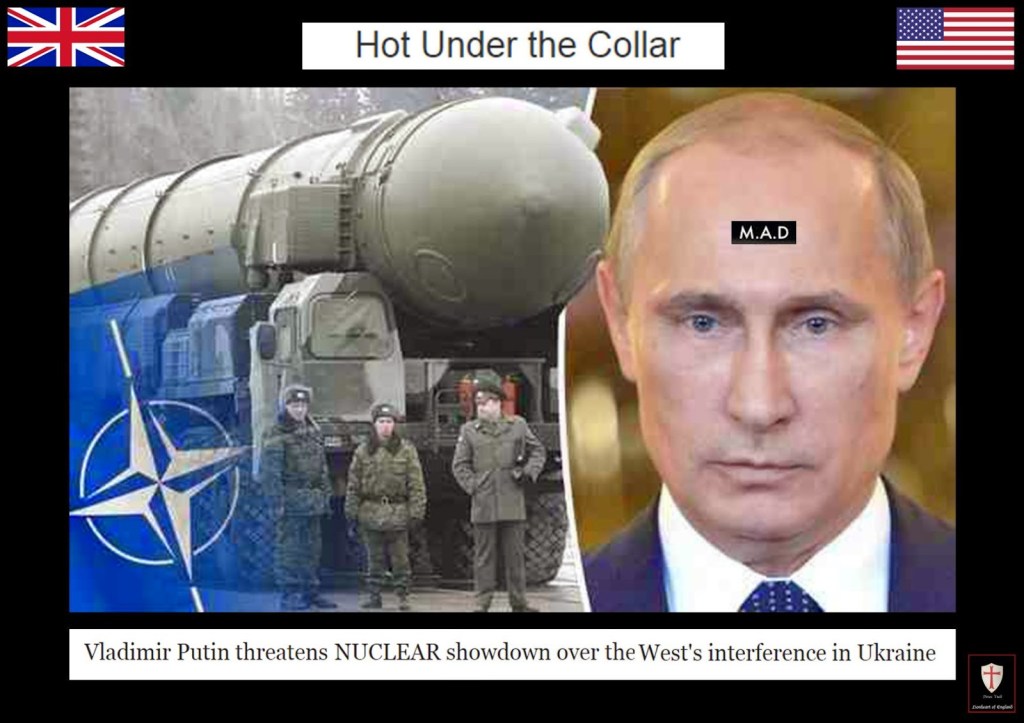
It seems appropriate to review “Hiroshima” today because of the Russian/Ukrainian war, and Vladmir Putin’s un-wise threat to use a nuclear bomb as a strategic weapon of war.

At least three of the six survivors in Hersey’s story are searching for solace by turning to belief in a Christian God. One presumes, these survivors were chosen by Hersey because of his life as a son of missionaries. As you listen to the six personal stories of Hersey’s choice, one wonders how non-believers cope with the aftermath of the bomb.

Hersey’s report of six survivors tells of broken bones, burned flesh, scarring, chronic fatigue, social isolation, and concomitant unemployment because of symptoms of these six survivors.

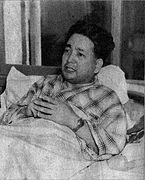
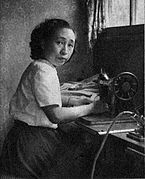
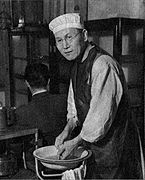
THESE ARE THE SIX SUBJECTS CHOSEN BY JOHN HERSEY FOR HIS STORY.

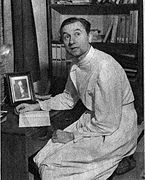
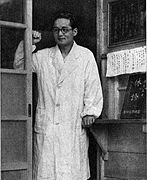
Left to Right–Reverend Kiyoshi Tanimoto (3,500 yards from explosion, Methodist), Mrs. Hatsuyo Nakamura (1,350 yards from explosion, Widow of a tailor with 3 children), Dr. Masakazu Fujioio (1,550 yards from explosion center, a live in the moment hedonist), Father Wilhelm Kleinsorge aka Makoto Takakura (1,400 yards from explosion, a German priest of the Society of Jesus), Dr. Terufumi Sasaki (1,650 yards from explosion, young surgeon at Red Cross Hosp.) and Miss Toshiko Sasaki (1,600 yards from explosion.)

Hersey notes some women who are pregnant when the bomb bursts have children who suffer from the consequence, even though not yet born. He tells of a formally successful physician who must start over again to establish his practice. He has little money and no credit but needs to have a place to treat patients for income. He must work from his home which is only rented because he cannot afford to buy.

Regardless of one’s religious belief, Hersey shows how six victims cope with the debilitating effects of a nuclear blast.

Hersey writes of a woman who is too fatigued to work at a regular job and decides to use her sewing machine to work at a pace her health will allow. She finds she cannot make enough money to house and feed herself. She sells the sewing machine and finds part time work collecting subscription payments for a newspaper that pays her fifty cents per day.

Hersey writes of recurring scars that occur from the flash and burn of the nuclear bomb explosion. The disfigurement requires plastic surgery.

Without money needed for cosmetic surgery, the young are reliant on financial gifts from others. Some Americans rise to the occasion.

In one instance, the TV program, “This is Your Life” generates contributions for a few victims’ who need plastic surgery. 

Incongruously, on “This is Your Life”, the co-pilot of the Enola Gay meets with a survivor of the Hiroshima nuclear blast. Some consider this among the most awkward TV appearances of all time.

The fundamental point of Hersey’s stories is a nuclear weapon in war goes beyond immediate physical destruction and mental injury. Radiation from a nuclear bomb stays with victims for their entire, often shortened, and always compromised lives. It is more than the death of thousands, it is the remaining lives of every human being, whether born or yet to be born, who is exposed to the flash and burn of nuclear detonation.

HUMAN BEHAVIOR

Audio-book Review
By Chet Yarbrough

(Blog:awalkingdelight)
 Website: chetyarbrough.blog

Biology and Human Behavior: The Neurological Origins of Individuality, 2nd Edition

By: The Great Courses

     Lecturer: Robert Sapolsky

Robert Sapolsky is an author, American neuroendocrinology researcher, and doctor of neuropsychology, educated at Harvard and acting professor at Stanford.

Sapolsky’s lectures begin with optimism. He infers one can understand the biological origin of human behavior. However, as the lectures progress one becomes skeptical. By the end of Sapolsky’s lectures, the source of human behavior seems too complex for human understanding. In a future age, it may be possible to reduce uncertainty, but determination of the sources of human behavior are likely to remain a probabilistic endeavor.

Sapolsky begins with neurological, physiological, endocrinological, genealogical, and environmental influences on behavior but ends with no definitive origin for human behavior.

This is not to say these lectures are not interesting, but science is far from understanding how any discipline can effectively or accurately identify the sources of dysfunctional human behavior. Cures for psychological maladies remain elusive because of the complexity of their origin.

There is no nerve that can be cut, no drug that can be administered, no gene that can be removed, no environment created that singularly cures abnormal human behavior. Sapolsky is saying the origin of human thought and action begins with genetic history, is influenced in the womb, is subjected to hormonal disruption, lives to be changed by environmental circumstances, and dies either early or late depending on the circumstances of life.

Sapolsky begins his lectures with a lesson in physiology and discussion about cells and the nervous system and how it works.

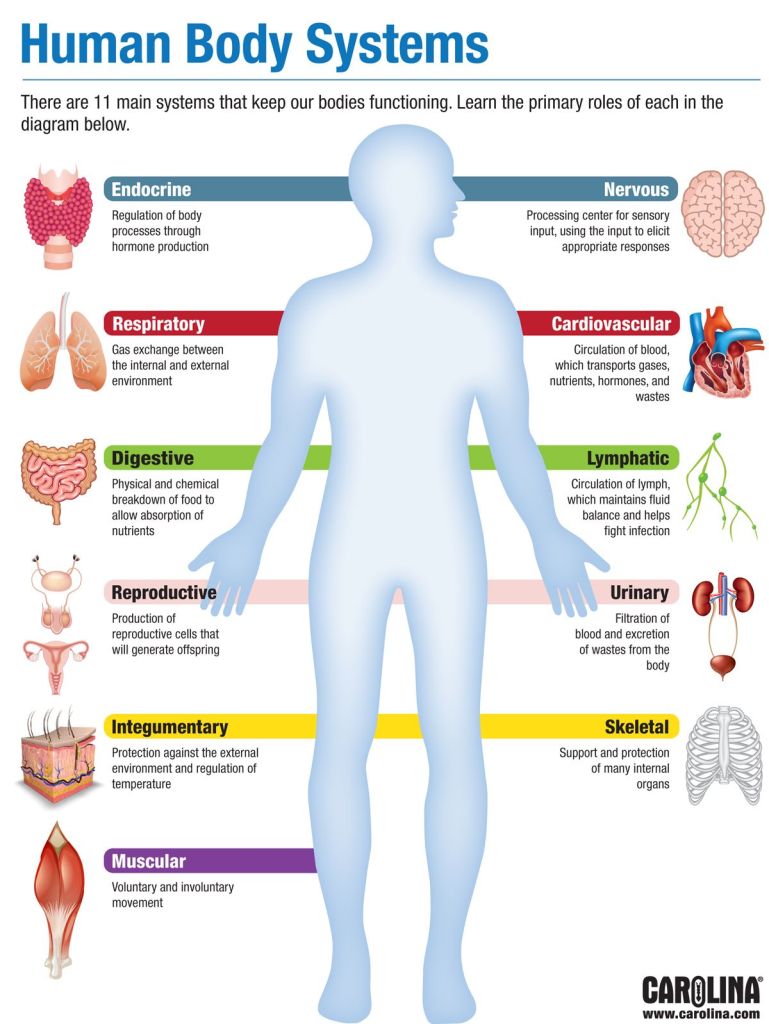
He explains limbic and autonomic nervous systems. A limbic system is where subcortical structures meet the cerebral cortex. It influences the endocrine system and the autonomic (breathing, heartbeat, and digestive system) functions of the body.

Sapolsky explains how regulation of body function is affected by hormones that come from many organs of the body. These hormones affect brain function (which is also a hormone producing organ) that have a great deal to do with how one acts. The physiology of the nervous system and blood circulatory system carry hormones throughout the body.

Sapolsky goes on to explain evolution of behavior that comes from genetically inheritable social history. What is revelatory is the myth of evolution based solely on a genetic singularity which preserves itself at all costs.

Sapolsky argues preservation of species, not specific gene preservation, is the key to understanding evolution. (This is a partial disagreement with the “selfish gene” postulated by Richard Dawkins.)

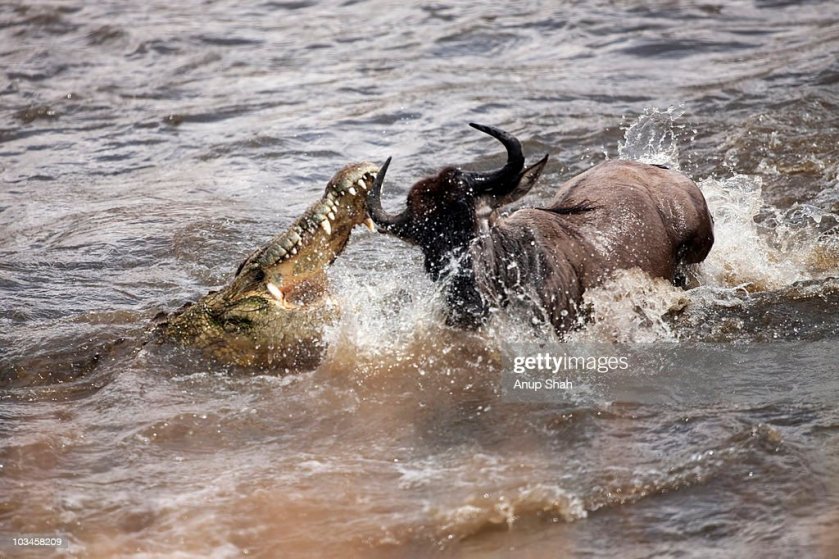
The example Sapolsky offers is the Wildebeest herd that plans to cross an alligator infested river.

An early interpretation of that crossing is that a leader of the herd voluntarily steps into the river to sacrifice itself to allow the herd to cross the river while it is being feasted upon by alligators. Sapolsky explains the Wildebeest is not sacrificing itself. Careful observation shows an older Wildebeest is forced into the river by the herd. It is not a voluntary action but a heritable social behavior of the herd to preserve itself.

Sapolsky identifies myths about what causes abnormal human behavior. The idea that testosterone levels are a cause for aggression is untrue. The National Institute of Health found that increased or decreased levels of testosterone have a weak correlation with aggression. Sapolsky notes that testosterone levels vary based on environmental circumstances and interaction with other hormone producing organs. It is not found to be a hormonal cause of aggression.

Sapolsky ends his lectures with “Evolution, Aggression, and Cooperation”. Here is where some may become disappointed with “Biology and Human Behavior”. The disappointment is in feeling there is no way out of the human condition of “everyone for himself”.

Every country of the world is populated with people like the wildebeest. Until the world is one herd, it seems humans are destined to lose their way as a species. The river to cross is the world’s environmental crises. With disparate herds in the world, the alligator in the river (our environment) will eat us all.