King Richard: Nixon and Watergate-An American Tragedy
By: Michael Dobbs
Narrated by: Mark Bramhall
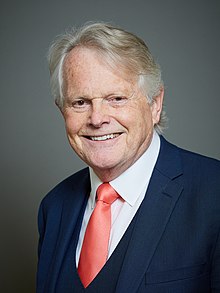
Michael Dobbs (Author, British member of the House of Lords, graduate of Oxford and Tufts University.)
Appropriately, it is a British citizen who writes a biography that focuses on Nixon’s years as President of the United States. An American is much less likely to be objective about Nixon’s Presidency.
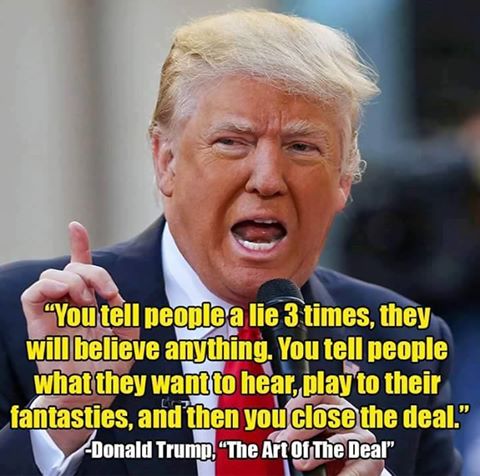
Like yesterday’s Richard Nixon and today’s Donald Trump, Americans love or revile former Presidents.
The title of Dobbs’ book exemplifies a legitimate view of Richard Milhouse Nixon as an American tragedy. One doubts history will ever consider Trump’s fall from power as a tragedy. Both Nixon and Trump act like Kings but Nixon served America in ways that justify Dobb’s book title for Nixon as “…American Tragedy”.
Dobbs reminds Americans of Nixon’s prescient understanding of China by opening China to the west.
Nixon extricated America from Vietnam, a war that could not be justified or defeated by the delusional beliefs of past Presidents who believed in the domino theory of communist expansion.
Though Dobbs did not write about Nixon’s domestic policies, it was his presidency that formed the Environmental Protection Agency and instituted the war on cancer with a $100-million-dollar subsidy creating national cancer research centers. Nixon signed the Title IX civil rights law preventing gender bias at colleges and universities receiving federal funds. Nixon provided Native Americans the right of tribal self-determination. Nixon expanded social security benefits for working families.
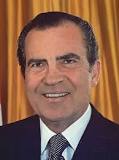
Dobbs notes Nixon exhibits a kind of insecurity that clouds his judgement. That insecurity leads to the foolish decision to invade the Watergate Democratic headquarters; compounded by a cover-up that ends with Nixon’s resignation.
The prestige of office magnifies strengths and weaknesses of one who becomes a national leader. The potential for abuse of power by authoritarians has been demonstrated many times in world history. America is no exception. Dobbs details Nixon’s fall from the Presidency.
Dobb’s story of Nixon is an interesting contrast to Trump’s rise and fall. In no way is that to suggest there is any equivalence in intellect or contribution of these two Presidents because one is a tragedy while the other is a farce.
It is not a surprise that Trump is still being supported by many Republicans. Republicans supported Nixon until the truth is revealed by John Dean and the Nixon recordings. One suspects that will be true of Trump when the FBI investigation is completed.
Dobb’s paints a picture of Nixon that is at times imperious and, at other times, endearing and vulnerable. Nixon seems a lonely man who loves his children but seems distant from his wife. Nixon has few friends.
Those who remain close to Nixon seem remote from his rise to the Presidency. He gains respect from those who report to him but more because of position than intellect or emotional attachment. It will take an outsiders view of Trump to objectively assess his contribution to America.
A fundamental difference between Nixon and Trump is that Nixon rose to fame from nothing while Trump is born to wealth. Nixon earned his education. Trump bought his education.
To Nixon, Dobb’s shows money is a means to an end. To Trump, money seems all there is, and value is only measured by how much you have.
Nixon appears to have useful friends, not pleasant friends. The few pleasant friends are like Bebe Rebozo who never challenges his opinion and listens rather than asks questions. Useful friends are protected or abandoned based on personal loyalty. Any disagreement by useful friends with Nixon’s or Trump’s public pronouncements is perceived as disloyalty.
Both Nixon and Trump revile criticism, particularly from the press. Nixon is willing to sacrifice his closest subordinates if required to protect his position. Both ex-Presidents of the United States were willing to use the power of their office to pardon the guilty who have followed their orders.
All who become close to Nixon or Trump have been positively and negatively infected by their association. “King Richard” is a reminder of America today.
Odd Arne Westad (Norwegian author, historian, professor of History and Global Affairs Yale University.)
Westad argues “The Cold War” rises from the industrial revolution.
Od Arne Westad’s book is summarized here but not fairly assessed based on his erudition and the book’s voluminous facts and opinions. He argues the industrial revolution improves economic conditions of the world’s population via two fundamental forms of government, i.e., one Democratic and the other Socialist.
Westad notes America and the U.S.S.R. are principal representatives and antagonists of “The Cold War” because of their way of capitalizing on the industrial revolution.
Westad implies communism is a form of extreme Socialism. Some might argue America is a form of extreme Democracy. The facts Westad reveals show both countries have autocratic tendencies and have made historical mistakes that have cost millions of lives. The irony of those mistakes is that America became a more socialist-capitalist country and the U.S.S.R., now Russia, became a more capitalist-socialist country.
In broad outline, Westad’s historical facts define “The Cold War” as it developed in the 20th century. Westad covers most of the world in recounting the consequence of “The Cold War”. He notes key players like Indira Gandhi, Mikhail Gorbachev, Nikita Khrushchev, Mao Zedong, Richard Nixon, John Kennedy, Lyndon Johnson, Ayatollah Ruhollah Khomeini, Joseph Stalin, Josip Broz Tito, Jomo Kenyatta, Patrice Lumumba, Kwame Nkrumah, Yasser Arafat, David Ben-Gurion, Gamal Abdel Nasser, and others.
There are so many stories of so many leaders, one may lose sight of Westad’s argument–“The Cold War” is defined by the industrial revolution. In some ways, Westad gives short shrift to the significance of one person’s impact on “The Cold War”. However, historians choose their facts to make their point.
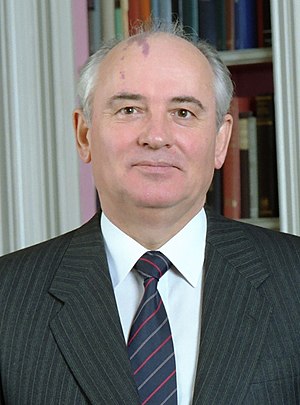
The importance of Gorbachev is perfectly identified by Westad’s characterization of the Gorbachev era. The impact of glasnost on world history is a book by itself.
When Khrushchev gave his speech that revealed Stalin’s atrocities, Mao lost all respect for U.S.S.R. leadership. President Xi is a strong proponent of the ideals of Maoist communism which implies Russian/Chinese’ relationship is utilitarian more than ideological. The same might be said of Russia’s and China’s support of North Korea.
Westad implies Mao considered Stalin a near God.
The rift between China and Russia that developed when Khrushchev demeans Stalin’s role in the growth of U.S.S.R.’ communism will never be mended even in the era of reproachment between Xi and Putin.
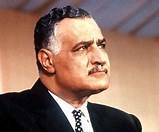
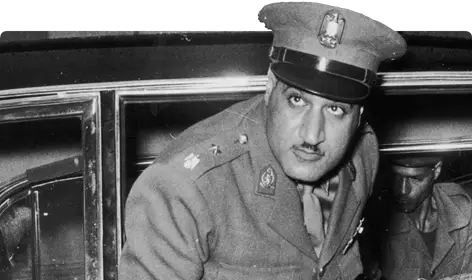
The importance of Gamal Abdul Nasser to the Arab world is exemplified by Westad’s explanation of Nasser in Egypt. A similar misreading of history is dispelled about Indira Gandhi and the lack of respect given by Nixon and Kissinger of her role in India.
Westad’s explanation of Stalin’s disrespect of Tito is enlightening. Tito idolizes Stalin but that feeling is not reciprocated by Stalin because, to Stalin, there could only be one leader of the communist movement.
In a trip to the countries formed out of Yugoslavia, it is interesting to note the respect the older generation had for Tito. That respect for authoritarian leaders is noted by Wested when he writes of Stalin. In spite of the millions of Russians murdered or incarcerated by Stalin, improvement in living standards of many Russians endeared him to many citizens.
Wested’s history reminds one that autocracy is not limited to any particular form of government. Just as Tito was an autocrat of Yugoslavia, one might view Trump as a Wanna-Be autocrat of America. Both had their committed followers.
In the modern age, Russia’s hegemonic role in the world has been replaced by China. Like Russia, China adopted a more socialist/capitalist economic system. “The Cold War” continues but the major representatives have changed.
The only political ideal that saves humanity from tyranny is freedom within rule-of-law.
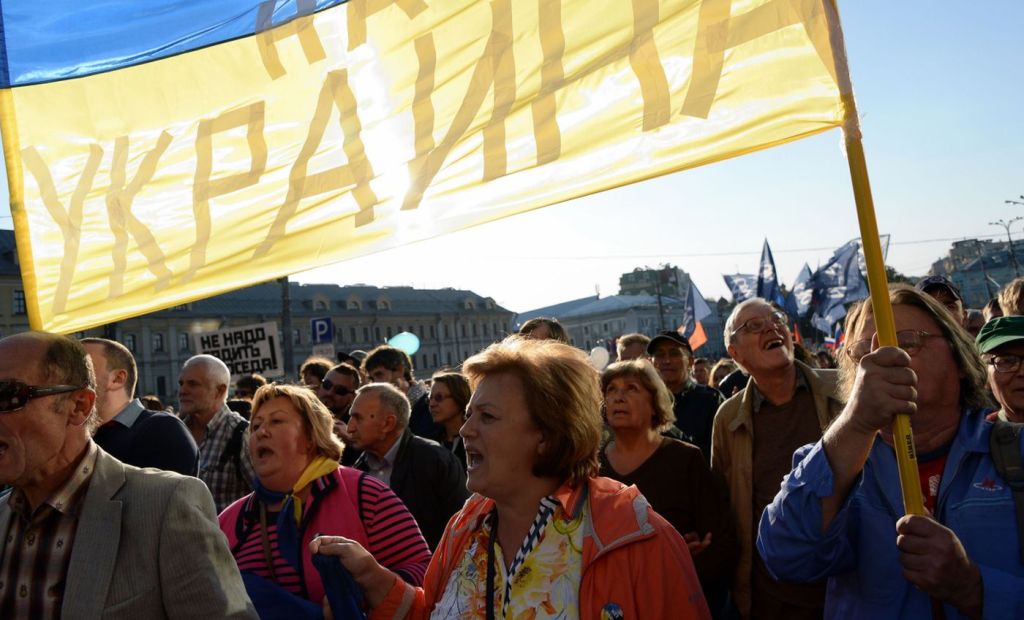
Russian People protest the Ukrainian war.
A peaceful settlement of the #RussianUkrainianWar will be difficult. It is not America’s or other countries’ job to pick winners and losers. Ultimately, it will be Ukraine’s decision whether the #PutinWarCriminal prevails or fails.
What one is left with after finishing Westad’s history is the belief that neither Democracy, Socialism, nor Communism offer final answers for the future. Autocracy infects all three systems of government.
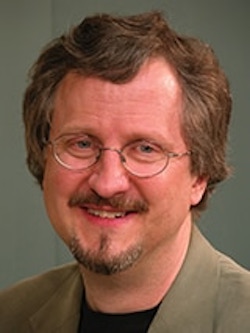
Stephen Nowicki (Professor of Biology at Duke University.)
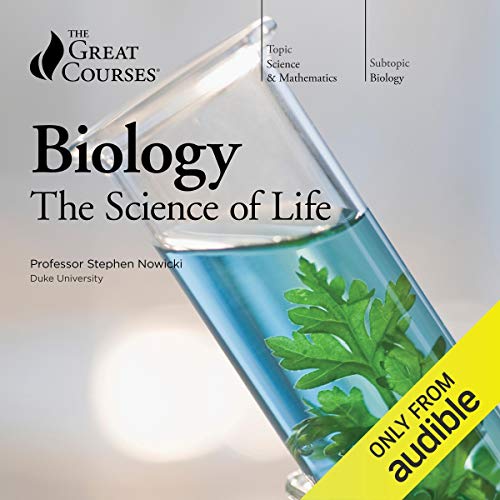
Professor Stephen Nowicki offers a 36.5-hour lecture on Biology. From the origin and growth of life to the chemical and neuronal function of living things, Nowicki systematically reveals experimentally tested knowledge of the “…Science of Life”. This brief review only addresses a few of the many fascinating details Nowicki explains.
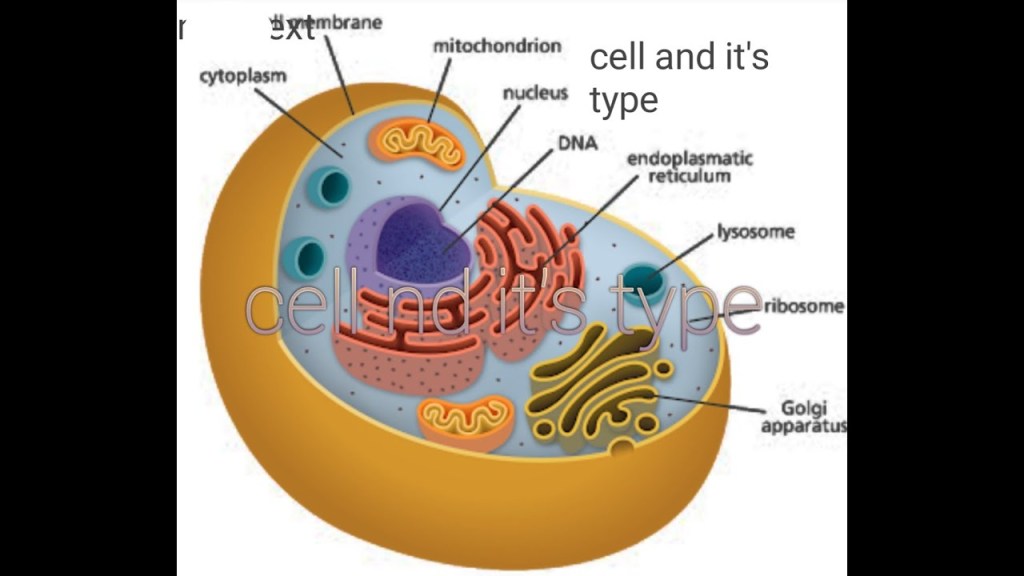
Science argues the beginning of life began with cells.
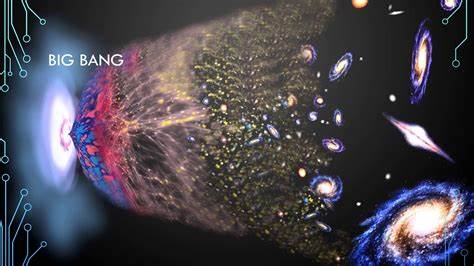
Nowicki suggests, cells evolve from the agglomeration of detritus from the “Big Bang”.
The early formation of these cells is missing two ingredients for life. Nowicki explains these early cells evolve from violent volcanic and electrical activity of the “Big Bang”, an environment in which those two missing ingredients are created.
Nowicki explains early non-living cells are bombarded by electrical storms that generate amino acids (organic compounds) and sugar from violent atmospheric conditions that include water.
In the early 1950s, these conditions were tested in laboratory conditions and found to create two essential building blocks of life. Nowicki explains, these building blocks (amino acids and sugars) became part of non-living cells.
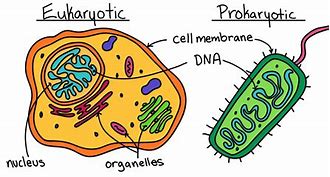
Experiments show these non-living cells transformed into prokaryotic and eukaryotic cells.
The eukaryotic cells had a nucleus containing genetic material while prokaryotic cells carried free-floating genetic material without a nucleus. Nowicki then explains the role nucleotides (protein) play in activating genetic material within these cells.
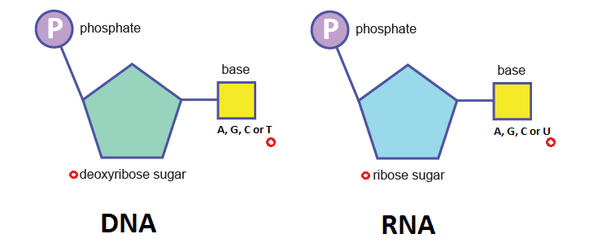
Nowicki notes DNA is present in both prokaryotic and eukaryotic cells, but they need to have a way of being activated. With replication, molecules (chemical compounds) could form. Nowicki explains living matter originated from the clumping and replication of these molecules.
Nowicki explains ribonucleotides (proteins) were created in the primordial soup of early earth. These ribonucleotides transformed into RNA which activated DNA genetic material and replicated both prokaryotic and eukaryotic cells.
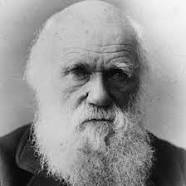
Evolution of species, established by Darwin in the 19th century, appears quite consistent and reminiscent of the primordial process Nowicki outlines.
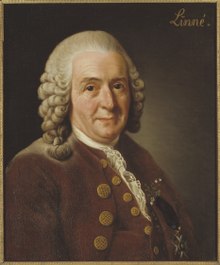
With that reflection, Nowicki reminds listeners that evolutionary process should not be thought of as a necessarily progressive improvement. Evolution is chancy. It can either preserve or destroy species. Nowicki wanders back in history to explain classification of species as theorized by Linnaeus in the early 18th century.
Carl Linnaeus (1707-1778, Swedish botanist, zoologist, taxonomist, physician.)
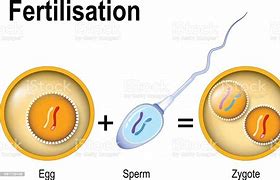
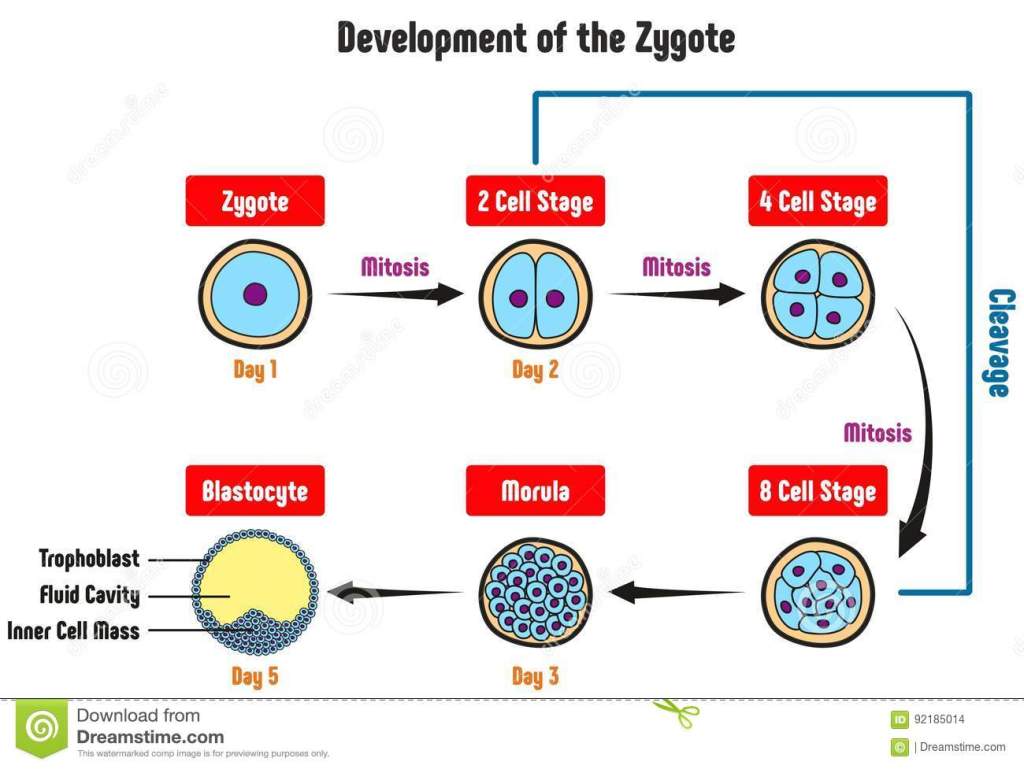
A particularly fascinating lecture is given about embryo development. A zygote is a fertilized egg. The zygote begins as a singular cell and splits into two cells.
The second doubling of a zygote creates four cells separated in a vertical axis with all genetic material present in each cell. Subsequent doubling is separated on a horizontal axis. These new cells do not have all genetic material enclosed. The new cells have a more limited genetic role. There is significance in that axis change because of the location of genetic material in respective cells. With a change in axis, the viability of one cell carrying all the characteristics of its host goes from certainty to doubtful. The specialization of cells removes some of the genetic material that would contain all the characteristics of the life form.
Zygote Evolution
The zygote at four cells is mature. The next doubling becomes an embryo. All four cells have the genetic material of a male’s and female’s contribution. Each multiplication reduces the size of sister cells until they form a mass that surrounds a vacant space within its middle. This vacant space is the blastocyst stage. The blastocyst is made up of an exterior shell, a middle shell, and an inner shell. Each shell becomes the seat of design for what is to be born.
After a Zygote split into 4 cells, it becomes an embryo.
All amassed cells around the blastocyst carry site specific genetic material of life that forms a living thing.
The process of design in a human begins with an intrusion into the blastocyst without breaking its shells. That intrusion (a human gastrula), around the 7th or 8th day, uses the membranes as laboratories within which genetic codes create skin, bone, internal organs, and the digestive system.
Each of the three membranes are the laboratories of creation. The exterior or outer shell for example would become skin, the middle shell would become organs, the inner shell would become the digestive system.
The key to activation of this process is protein. Protein is the messenger of genetic material (DNA and RNA) from cells that create the tissue and organs of the body. Proteins are the elemental particles that activate genetic morphology. Without protein activation, there is no life.
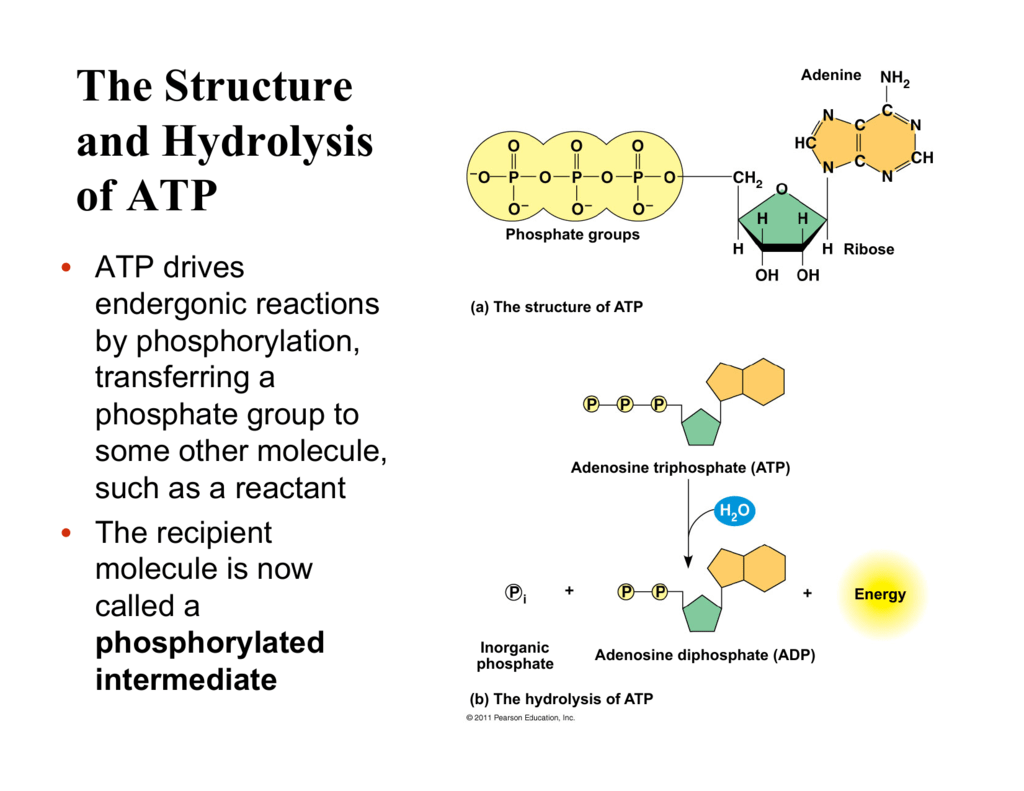
The next exploration of biology by Nowicki is more suited to students of biology. Nowicki makes a valiant effort to explain the chemistry of ADP and ATP phosphates that provide energy needed for growth and maintenance of life. This part of the lecture series becomes too technical.
In general, Nowicki explains growth and maintenance of life requires energy. That energy comes from the hydrolysis of ATP and ADP. Hydrolysis is the chemical breakdown of molecules as they interact with water.
As molecules of ATP and ADP break down, they fuel cells of life to act in specific ways to promote growth and maintenance. Like the importance of protein messengers for activation of genetic material, life cannot exist without the energy provided by ATP and ADP. Nowicki diligently tries to explain the mechanics of this phosphate process but loses this reviewer’s interest.
Next, Nowicki lectures on photosynthesis and how plants use sunlight to synthesize foods from carbon dioxide and water.
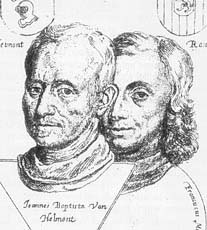
The first inkling of cause for plant growth is noted by Jan Baptist van Helmont in the 17th century. Nowicki explains Helmont planted a tree in a tub of soil. He carefully weighed the soil and tree at the time of planting. Over several years, he observed the growth of the tree. At the end of those years, Helmont weighed the soil and tree. He found a small decrease in the soil’s weight and a gigantic increase in the tree’s weight. Helmont speculates the difference is from water added over the years. Though his conclusion is only partly correct, he paved the way for discovery of photosynthesis.
Jan Baptist van Helmont , a Dutch chemist and physician (1580-1644, On the left with his son on the right.)
That synthesis is a more complete explanation of the weight gain noted in Helmont’s experiment. The fundamental point being made by Nowicki is that species growth and demise is based on resource availability. Jan Ingenhousz completes Helmont’s theory with the discovery of photosynthesis.
Jan Ingenhousz (1730-1799, Dutch physiologist.)
Around 1779, A Dutch physician named Jan Ingenhousz found that green plants use sunlight to synthesize food for plants from carbon dioxide and water.
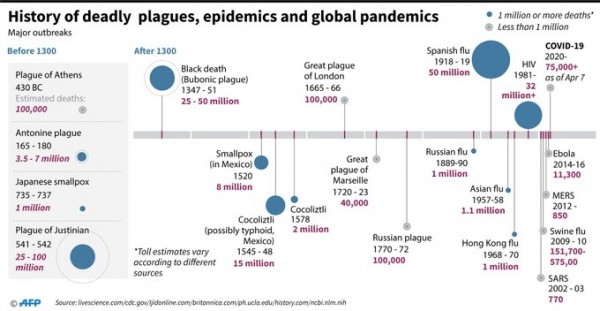
The remaining lectures are about Malthusian limits to life. There are natural and societal actions (meaning acts of war) that affect species survival. For natural calamities, one is reminded of the Black plague in the 14th and 17th centuries, the Spanish flu after WWI., the Irish famine in 19th century, the great Chinese famine during the “Great Leap Forward”, and now Covid19.
And today, the Covid19’ pandemic. (As of August 2022, world-wide deaths are estimated by WHO at over 6,000,000 with the U.S. at 1,032,820, Brazil at 679,536, and India at 526,689. This does not account for undiagnosed deaths from the virus.)
From man’s inhumanity to man, there is the Mongol invasion of Europe in the 13th century, two 20th century World Wars, the holocaust atrocity of WWII that murdered 11,000,000 (6,000,000 of which were Jews), and most recently, an estimated 600,000 dead in the Syrian Civil War.
How many more deaths will there be from Russia’s invasion of Ukraine?
Of course, Nowicki’s attention is on the biology of life. Nowicki explains, the key to balance of nature is biodiversity. Nowicki notes the unprecedented loss of species in the post 20th century world risks life’s future. Nowicki briefly explains how drug discoveries and loss of genetic material from species extinction affects the balance of nature by diminishing the sources and utility of future medical discoveries.
The fundamental point of Nowicki’s view is that no species escape the natural biological limits of life. Nature balances life based on resources available. A listener may imply Nowicki believes humanity is threatened as much by ignorance of biology as of “man’s inhumanity to man”.
Will Buckingham (English Author, novelist, philosopher, masters in anthropology, PhD in philosophy from Staffordshire University.)
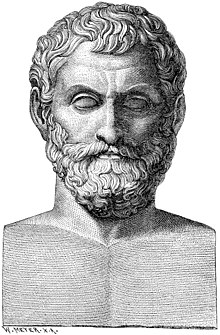
Will Buckingham succeeds in telling the story of philosopher’s big ideas. Buckingham takes listeners on a journey through the ages of philosophy. Beginning in the pre-Julian Roman calendar of 585 BC, Buckingham explains how Thales of Miletus began humanities’ journey from belief in mythology to observation and prediction. Miletus predicted a solar eclipse, presumably based on astronomical observation.
Thales of Miletus (626 to 623 BC to 548 to 545 BC, Pre-Socratic Philosopher known by some as the Father of Science.)
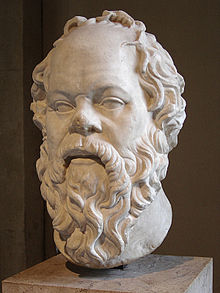
Socrates is believed to have lived from 470 to 399 BC when he chose to take his own life when found guilty of charges of blasphemy and corrupting youth.
Plato (428-423 BC to 348-347 BC, died at the age of 80.)
Socrates could have escaped execution according to Plato’s writing in the “Phaedo” but chose to drink Hemlock tea, the poison of capital punishment.
Socrates denies both accusations against him. Plato writes Socrates mentions the god Asclepius (one of the gods noted for healing) in his last moments of lucidity. The implication of Plato is that Socrates believed in the gods. Socrates flatly denies the corruption of youth for which he is accused.
Buckingham notes what is known of Socrates is only through Plato and Aristotle’s writing which support his innocence by relating stories of Socrates search for truth. An ancient Oracle is said to have told Socrates he was the wisest of all men. By questioning beliefs of those who professed wisdom, Socrates finds others ignorance and understands why the Oracle considers him the wisest “…because I alone, of all the Greeks, know that I know nothing.” It is through dialog with others about belief that Socrates finds other’s ignorance and his wisdom.
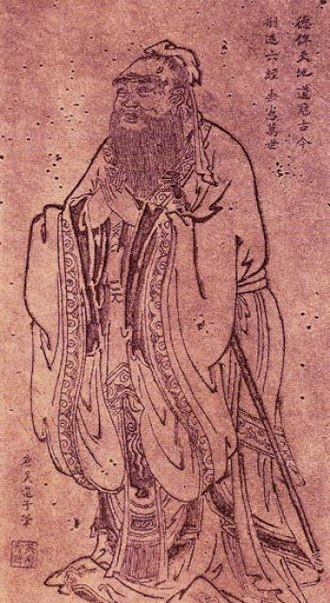
Confucius (551 BCE-479 BCE, died at 71 or 72, Chinese philosopher.)
Before Socrates, Buckingham notes the prominence of Confucius who lived in China, between 551 to 470 B.C.E. Both Socrates and Confucius search for truth.
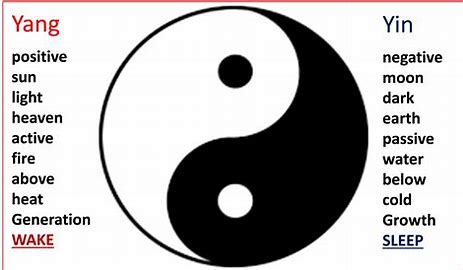
Both are searching for causes of societal chaos. However, where Socrates looks to dialog with others and communication with the gods for help in understanding life, Confucius looks to what is called the DAO, i.e., the “way”, the road, or the path that gives harmony to human nature. In the DAO, there is a yin and yang to life that leads one to a harmonious code of behavior. It is neither based on God or gods but on the search for harmony in life.
Though Socrates and Confucius seek wisdom, their paths are quite different but with similar objectives.
This seems a beginning of a split between gods, God, and human belief. The Greeks pursue the help of gods for earthly harmony. The Chinese search for a path to human harmony within society, exclusive of gods or belief in one God.
Buckingham proceeds to overwhelm listeners with mostly well-known philosophers of history. He does not make a distinction between belief in gods, God, or what is broadly characterized as science.
In coming to grips with the number of philosophers noted, one tends to rely on a perceived societal direction. To this listener, the direction is away from God, toward science.
This is not to say that science or philosophy excludes God. There are many famous scientists who claim belief in God. Rene Descartes, Isaac Newton, Galileo Galilei, Albert Einstein, Gregor Mendel, and Charles Darwin, to name a few. The irony of that truth is that each of these scientists made discoveries that weaken one’s belief in God because their discoveries offer insight to the origin of life and living without God.
The list of non-believers is as long or longer. Some say Einstein was an Atheist. There is Daniel Dennett, Michael Shermer, Rosalind Franklin, Sigmund Freud, Stephen Hawking, Richard Dawkins, Richard Feynman, Niels Bohr, Francis Crick, Erwin Schrodinger, John Bell, and so on.
“The Philosophy Book” offers more information about philosophers than one may want to know. Nevertheless, it offers a well written overview of belief, if not wisdom, in the world. One may ask themselves, what’s next? Artificial Intelligence seems to offer our best chance of survival if humanity is on its own.
Though history shows Americans have wavered, freedom (within the limits of rule-of-law) has progressed.
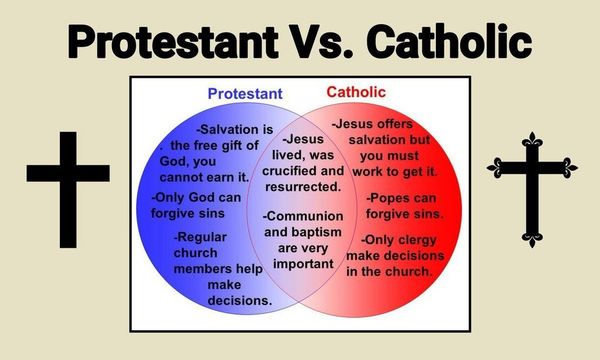
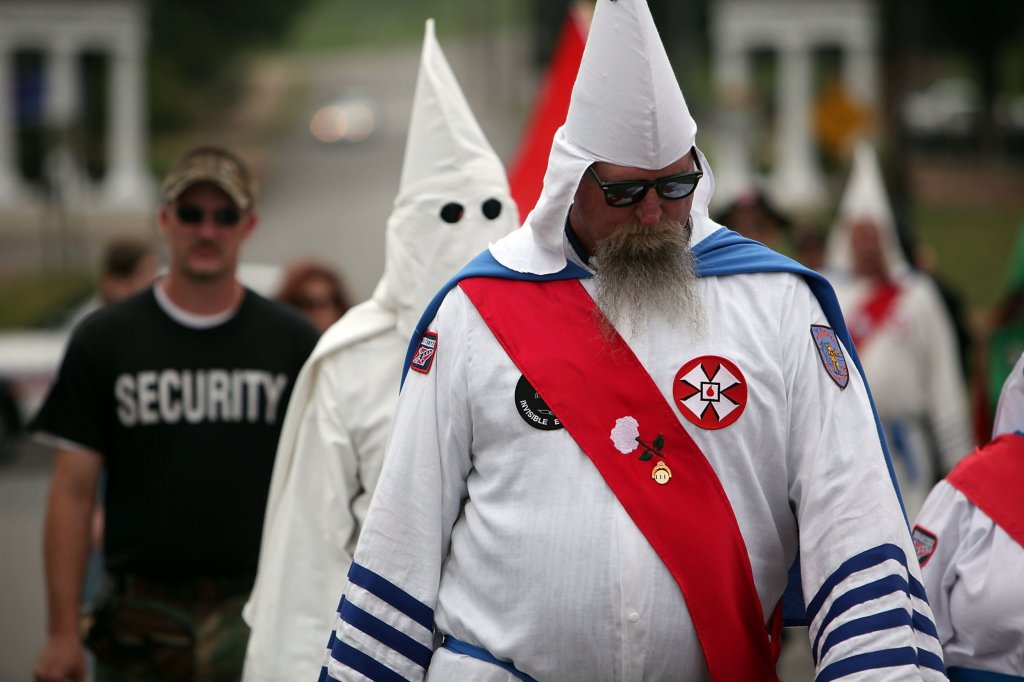
Fundamentally, “White too Long” is about equal rights for all Americans in the face of white privilege and white supremacy. Jones argument is a powerful explanation of how inequality is institutionalized by American Catholic and Protestant religions.
Jones focus is on discrimination against people of color in the south, but his evidence applies to many states-of-affair and every State in America. Raised in the south, born in 1968 and educated as a seminarian, Jones has intimate knowledge of religion and its practice.
Robert Jones reflects on institutionalization of racism by Christian religions in the United States.
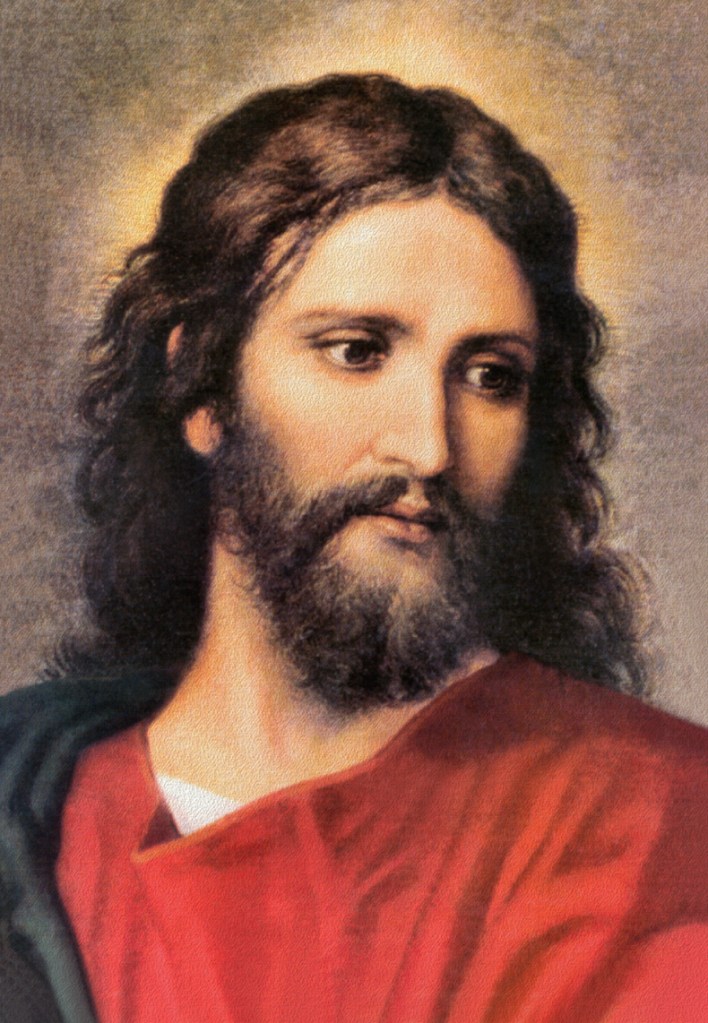
Images of Christ as “God’s offspring” are of a white man in most (if not all) Christian religions. Christ is rarely identified as a person of color, or obviously as a woman. God as the Father is presumed by white America to be male and to be white.
It seems fair to say Americans have made progress in reducing racism and improving equal rights, but it has been two steps forward and one back. A basic tenant in the formation of the United States is separation of church and State.
The concern that America had in its beginning is government sanctioning of a particular religion for any state or jurisdiction. To keep that from happening, the Constitution stipulated separation of state and religion.
What Jones focuses on is the south’s history of slavery in “White Too Long”. Jones offers a detailed history of how religion reinforces white supremacy in the South. He argues that southern leaders of various religious denominations assumed beliefs in white supremacy and spread that belief through their religious preaching. They preached to white audiences constituting the bulk of Americans in the first 200 years of American history.
Dylann RoofPayton Gendron
He notes the 2015 murder of 9 Black church members in Charleston S.C. as a turning point for the south. Dylann Roof walks into a Black church and murders the minister and 9 members of the church. Of course, the south is not the only source of white supremacists’ violence against people of color. There is the horrendous “Tops Market” murder of ten non-white citizens in Buffalo N.Y. in 2022 by Payton Gendron.
Jones notes how southern white America justified slavery as their right as a superior race. He recounts numerous stories of his experience in the south and his awakening to the subtle ways white superiority became an assumed right of his white friends. Preachers preached the gospel of white superiority. Jones notes how belief in white superiority became real to white Americans. Any opposition to that belief would be met with violence, before and after the civil war.
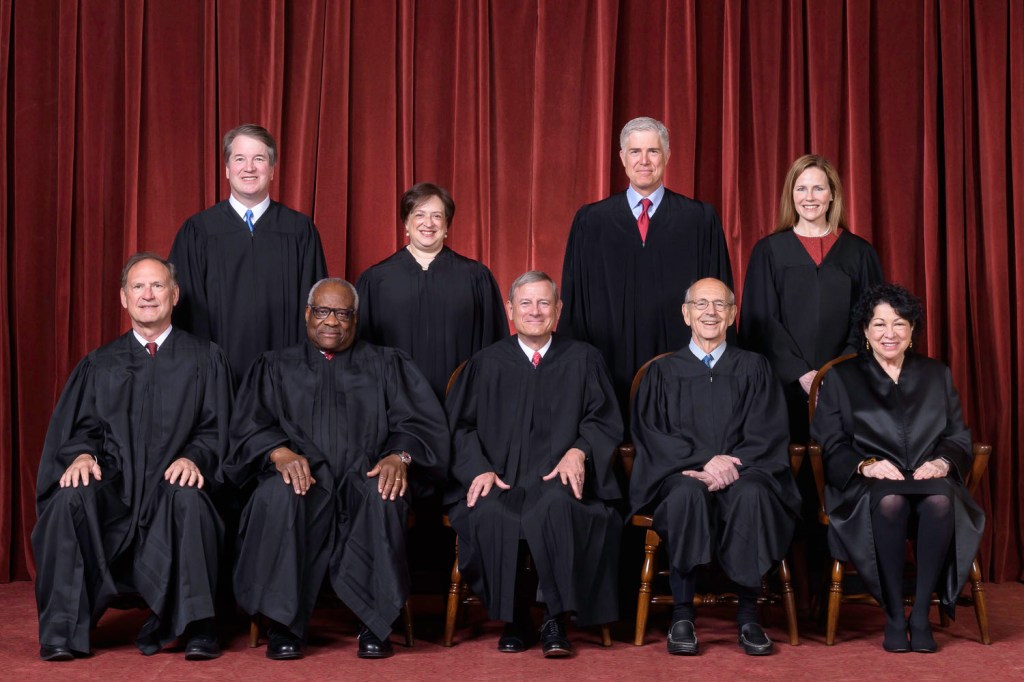
Though it is not part of Jones’ book, America’s religions also institutionalize discrimination against women. Like people of color, women of all races are treated unequally. Recent action by the Supreme Court in a woman’s right to choose whether to give birth is a case in point.
The Supreme Court’s decision in “Dobbs v. Jackson Women’s Health Organization” is a step backward from equal opportunity for women in the United States.
Some would say abortion is different because it involves taking a life and not being punished. Is that different than the lives of people of color who have been hung, mutilated, and discarded by white supremacy and not punished? Some would say yes because a baby is innocent. Being innocent and born to a mother who does not care destroys both a mother’s and baby’s innocence. America does not have a good record for taking care of the homeless, let alone poorly cared for children.
In view of Jones education, one presumes Jones would not condone abortion but his argument of religions’ role in institutional racism seems equally applicable to women’s rights. The conservative tone of today’s Supreme Court bodes ill for American equal rights. Separation of church and State is a fundamental tenant of the U.S. Constitution.
Jones has written a damning and enlightening report on white supremacy, and its tacit perpetuation by Christian religions.
The most difficult chapters of Jones book are at its end. When one accepts that America has been “White Too Long”, what can we do about it? The author’s answer is to come to grips with truth, i.e., repent, and offer restitution to descendants of slavery. Jones recalls the story of Cain and Abel and identifies white Americans as the embodiment of Cain.
In Jones belief forgiveness only comes from truth, repentance, and restitution. Most rational white Americans accept the idea of truth and repentance, but restitution is derided by powerful Americans like Mitch McConnell who resist the idea of restitution because it is too difficult to trace descendants of slavery.
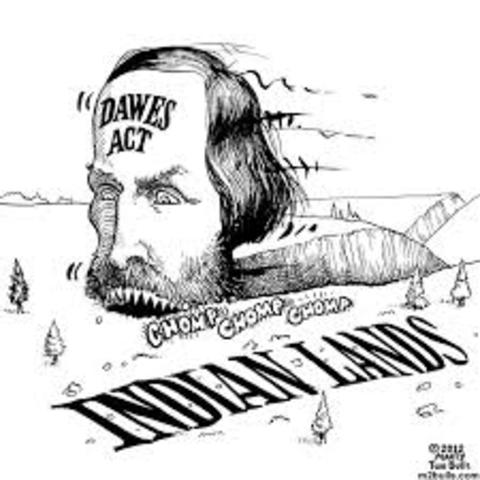
One might ask oneself-how difficult is it to offer native Americans restitution for the theft of their land? Reservations, and the right to create income producing properties have been a haphazard solution but they have been steps toward restitution.
Jones suggests some first steps have been taken by organizations that have set up endowments for restitution for slavery’s descendants. He argues, only with restitution can the stain of slavery be removed from the conscience of White America.
While one may ignore the issue of restitution, today’s American Supreme Court encroaches on separation of church and State by choosing to change support for Christian schools and “Roe v. Wade”. Erosion of church and State separation sets a table for more American violence. Unequal treatment cannot be sustained in a world of demographic change.
No Good Men Among the Living (America, the Taliban, and the War Through Afghan Eyes)
By: Anand Gopal
Narrated by: Assaf Cohen
Anand Gopal (Author, Journalist, formally embedded with the Taliban in Afghanistan.)
“No Good Men Among the Living” should be read or listened to by Presidents, Senators, Representatives, and Ambassadors of the United States. Anand Gopal gives a journalist eye view of errors and consequences of America’s intervention in Afghanistan where neither language nor culture are understood.
In the beginning of Gopal’s book, one is skeptical of its objectivity. However, as Gopal’s interviews of Afghan Taliban and non-aligned Afghanis accumulate, a listener begins to believe what is being said and reported.
The trials of Afghan women are appalling to Americans. What is missed is the struggle younger Afghan women have with the older generation.
Grandparents are appalled by what they perceive is abandonment of a life of duty to Allah and men in their families, whether fathers, husbands, or sons. This duty is based on generations of a culture that protect the tradition of male and female relationship. That protection is anathema to freedom, which is an inviolable tradition in America, but not Afghanistan.
The experience of Russian intervention and American training of the mujahideen led to a culture of non-Islamic terrorism.
The violence of interventionist states and training of mujahideen became fertile ground for Taliban revitalization. Violence, repression, and religious zealotry became tools of Taliban growth, resistance, ascendance, and resurgence.
Gopal notes Afghani women were raped and killed by American trained Mujahadeen after Russia was expelled. The Taliban restored order. Later, when America chose to dismantle the Taliban because of the Afghanistan leader’s refusal to release bin Laden, Afghanis began to see America as a new occupier rather than liberator.
Afghanis began to see America as a new occupier rather than liberator. The Taliban secretly regained power and influence as the perception of America’s intervention changed.
The cause of the change in perception of America as an occupier grew because of its dependence on self-interested tribal Afghanis who used American forces to eliminate rivals. All a respected Afghani translator had to do was identify a rival as a Taliban ally. America would arrest, jail, or kill the translator’s rival.
America presumes it is helping rid Afghanistan of Taliban control when in fact it is only serving a translator who has a tribal self-interest.
Internecine tribal conflict in Afghanistan creates an all-against-all culture with survival of the fittest as an objective assuring Taliban resurgence. The Taliban could maintain a level of peace and relative stability between tribes; America could not. America’s lack of understanding Afghan culture and American dependence on self-interested translators assures its failure.
America’s ignominious Afghan abandonment is a tragedy for both countries.
The fault lies with America’s failure to define a limited objective, execute a plan, and leave when a defined objective is achieved. It is unrealistic to believe an interventionist country can understand another country’s culture well enough to offer benefit to both invader and invaded.
The sad consequence from America’s view is that women will continue to be suppressed in Afghanistan.
There is a slender hope drawn from Gopal’s interviews of a young Afghan woman. She becomes a regional representative in Afghanistan despite the murder of her husband by the Taliban. She is supported by a tribal leader who respects her independence. The road traveled by women in Afghanistan is certainly more difficult now that America has left, but Gopal shows there is a road. However, Gopal infers help can only come from those who understand the culture in which they live.
Without a precise and achievable interventionist objective and an immediate withdrawal plan, military intervention historically leads to national tragedy, both for perpetrator and victim.
With the qualified exception of Korea, America’s interventions in Vietnam, Iraq, and Afghanistan are national tragedies for both interventionist and subject nations. Today’s contest is in Ukraine with Russia, once again, testing intervention.
Let Them Eat Tweets: How the Right Rules in an Age of Extreme Inequality
By: Jacob S. Hacker, Paul Pierson
Narrated by: Peter Berkrot
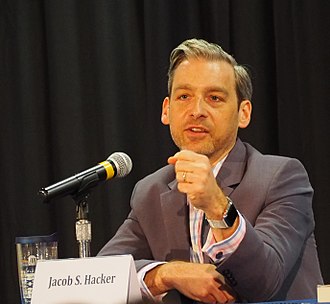
Jacob Hacker (Author, Harvard and Yale educated political science and health care policy wonk.)Paul Pierson (Author, Political Science PhD from Yale, Professor at U of C, Berkeley, specializing in comparative public policy.)
One doubts this book will be read or listened to by most Americans based on its clear allusion to the 18th century phrase “Qu’ils mangent de la brioche” (“let them eat bread”–allegedly said by Marie Antoinette during the French revolution).
Marie Antoinette (1755-1793, Louis XVI’s Queen Consort of France.)
Just as Marie Antoinette is unlikely to have said “Qu’ils mangent de la brioche”, it is an allusion unworthy of Hacker’s and Pierson’s ivory-tower educations.
The co-authors detail a current crisis in America that is well detailed by others in this century.
There is an appalling and growing gap between rich and poor in America. However, though the gap is real, most rational Americans have no interest in beggaring their neighbor.
In the 17th century, Hobbes clearly recognized the pitfall of democracy when not constrained by rule of law. Freedom is a harsh master and has been recognized as such from American Democracy’s beginnings.
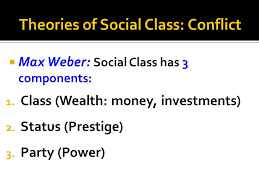
Human beings are driven by the desire for money, power, and prestige. Hacker and Pierson note many actions taken by American politicians, appointees, government bureaucrats, and corporate moguls have had the unintended consequence of beggaring their neighbors.
Rule of law has simply not kept up with the fundamental tenant of American freedom.
Four relevant issues raised by Hacker and Pierson are
Taxation,
Congressional leaders focus on re-election as a part of their right to freely choose a profession. To be re-elected requires a campaign funding. That funding largely comes from wealthy Americans and corporations interested in reducing their taxes. Corporate taxes have been legislatively reduced with the rationalization that reinvestment by private industry and the wealthy will create more income for wage-dependent Americans. This is “trickle down” economics that is a fiction. History shows the effect has been to reduce American wages and increase income for the wealthy.
2. Rule-of-Law,
Corporations in the Supreme Court’s decision in “Citizens United v. Federal Election Commission” expanded rights of Corporations as individuals to finance candidates of their choice that compounds elected official bias for reduced corporate taxes.
3. Extremism,
Frustration by the rising gap between rich and poor in America increases extremism because wage-earners see cost-of-living exceeding their ability to accumulate wealth.
4. Institutionalization of Tyranny
Elective office is not serving the public because congressional self-interest is based on a cycle of re-election dependent on wealthy donors who are equally self-interested.
Unless or until a more equitable relationship between the rich and poor is achieved, extremism will continue to roil American Democracy. Freedom is an essential ingredient in America’s economic history, but freedom has always been limited. Only with rebalance between the rich and poor will extremism and institutional tyranny be ameliorated.
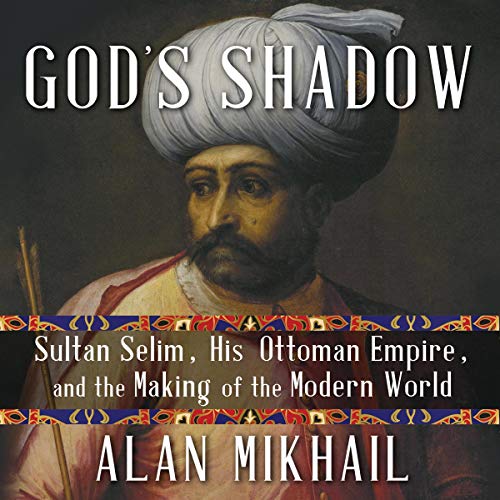
God’s Shadow (Sultan Selim, His Ottoman Empire, and the Making of the Modern World)
By: Alan Mikhail
Narrated by: James Cameron Stewart
Alan Mikhail (Author, Chace Family Professor of History, Chair Dept. of History at Yale.)
Alan Mikhails’s “God’s Shadow” speculates on the historic impact of the Ottoman Empire on the rise of the Islamic religion and its conflict with Christianity. His book is well received by the public but panned by some who believe Mikhail’s scholarship is more speculative than factual. That criticism seems well earned when the last chapter of Mikahail’s book summarizes his opinion about Islam’s past and future.
What is surprising to this reviewer is not Mikhails’s speculation about Islam’s future but his failure to explore Ottoman history’s success in diminishing Shite Muslim growth while hugely increasing Sunni Muslim Islamic influence.
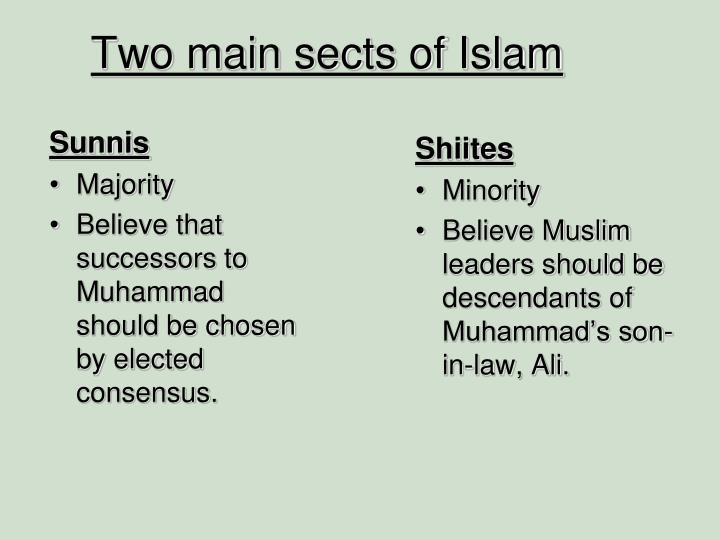
When Muhammed, the founder of Islam, dies, he leaves no heir to Allah’s teaching. In not leaving an heir, a split occurs between those who argue only a direct descendant of Muhammed, not a mere follower, can be a leader of the faith.
Shite Muslims believe an heir to Muhammed’s leadership can only be to a male descendant of the Muhammed’ family. Sunni’s argue Islamic leadership is based on any man who demonstrates success and ability to spread the faith.
It is estimated that 85% to 90% of religious believers in the Islamic faith are Sunni. Only Iran and Iraq have a Shite majority while other nation-states are principally Sunni.
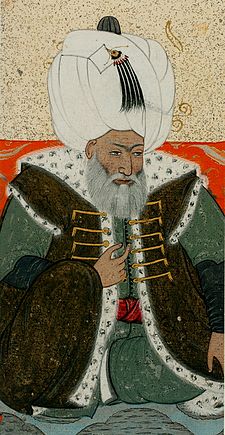
Sultan Bayezid II (1447-1512, reign 1481-1512.)
The spread of the Muslim religion is laid at the feet of Sultan Selim I. He is one of the sons of Sultan Bayezid II who gains control of what is known as the Ottoman Empire.
“God’s Shadow” recounts the rise of the Ottoman Empire which is the primary cause of Sunni growth in the Middle East. A major part of Mikhail’s book is about Selim I because he is the leader that conquers and combines most of the Muslim world into the Ottoman Empire.
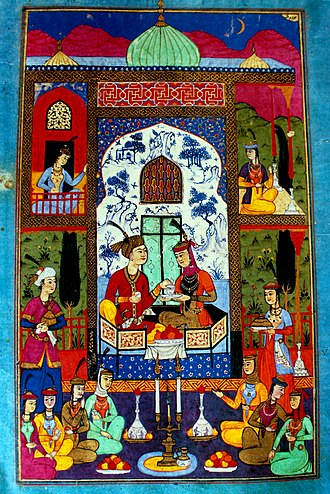
An interesting opinion of Mikhail is the role of harems in the Islamic world. He argues male heirs are a primary function of the harem. Once a male is born to a concubine of a Sultan, Mikhail suggests further conjugal relations cease. Every born male is a potential Sultan.
This naturally leads to a competition and often death of male heirs who are chosen by the acting Sultan to be his replacement. “God’s Shadow” tells the history of a younger son who disagrees with Sultan Bayezid II’s choice and successfully replaces that choice by force. Selim I ascends the throne of Sultan despite his father’s choice of heir. Selim’s road to hegemonic Sultan is through the conquering of nations beyond Istanbul and the Balkans, to Hungary on the north, Egypt on the south, Algeria on the west, and Iraq on the East.
Selim I (1470-1520, 9th Sultan of the Ottoman Empire-reigned from April 1512-September 1520.)
An apocryphal story told by Mikhail is that, in the earlier years of Selim I’s conquests, he is presented a colored map of the then-known world that shows nations beyond the Ottoman Empire. Selim I tears the map in half because he is satisfied with what he has done. Mikhail notes that incident occurs in Selim’s earlier years because when a later map shows the Americas, Selim suggests more is to be done. A fundamental argument made by Mikhail is that the growth of the Ottoman Empire is the precursor of modern governance.
In the final chapter of Mikhail’s book, a step beyond reason or history is taken. Mikhail posits Selim’s reign and the rise of the Islamic religion presages future dominance of Islam in the world. He argues by 2070 Islam will be the dominant religion of the world. That seems hyperbolic when the role of religion in the world is arguably in decline. Mikhail compounds hyperbola by suggesting the world’s reaction to Islam has been a foil to create Christian and democratic nations. The growth of Christianity and democracy are patently more than a reaction to the religion of Islam.
This is an unfortunate digression for Mikhail because he makes a good historical case for the Islamic religion’s tolerance of other faiths in the face of historically murderous Catholic Crusades. On the other hand, many atrocities accompany Selim I’s expansion of the Ottoman Empire. Mikhail notes Selim’s soldiers are compensated by plunder and rape when ordered to invade new territories. And of course, there is the faction of the Muslim faith that carried out the death of over 2,000 people on 9/11/21 in America.
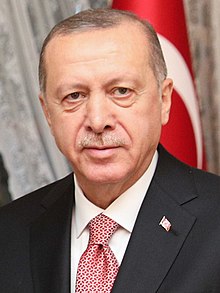
Interestingly, Mikhail offers an encomium to President Erdogan in Turkey by praising him for resurrecting the legend of Selim I in a bridge dedication.
Erdogan is revivifying the Islamic religion in Turkey even though its history was dramatically changed by Ataturk who turned Turkey into a secular rather than Islamic state.
2023 is an important year for Erdogan. He has been President of Turkey since 2014. Some suggest the recent earthquake in Turkey jeopardizes his re-election. To an outsider, it seems Erdogan has reversed some of the secular drive of Ataturk by increasing Islamic influence in governance.
President Erdogan has made his voice heard in the West by initially voting against Sweden’s bid to join NATO. Sweden has been a haven for the PKK, which Turkey characterizes as a terrorist organization that aided an attempt to overthrow the Turkish government in 2016. Sweden’s legislature is voting on March 9, 2023, on a measure that would prohibit recruitment and financing of the PKK in Sweden. One wonders, if that will change Turkey’s “no” vote for Sweden to join NATO.
Erdogan seems an odd choice for comparison to Selim I’s Islamic reign based on a personal perception of this critic’s visit to Turkey. Erdogan seems much less a revered leader by the public than Ataturk, let alone Selim I depicted in “God’s Shadow”.
Arabs (A 3,000-Year History of Peoples, Tribes, and Empires)
By: Tim Mackintosh-Smith
Narrated by: Ralph Lister
Tim Mackintosh-Smith (Author, British historian living in Yemen.)
Tim Mackintosh-Smith attempts to unravel a complicated political, and ethnic history of a society broadly identified as Arab. One begins Mackintosh-Smith’s book with a hope to understand the complex socio-economic ambition of the Middle East. In the end, the author shows there is an unresolvable contradiction that historically guarantees Arab disunity.
To be Arab, Mackintosh-Smith explains it is necessary to understand the intricacies of Arab language because language is what maintains and sustains Arab’ culture. He notes language holds Arabic culture together, but its use reveals an unresolvable contradiction, a desire for unity without human leadership.
The faults of human nature, the drive for money, power, and prestige generate Arab distrust of leaders. Of course, that distrust is evident in every ethnic culture, but Mackintosh-Smith suggests that distrust demands supernatural intervention for any chance of Arab unity.
Supernatural intervention came in the form of Muhammad as the messenger of Allah in the seventh century.
Muhammad ibn Abdullah (570 AD-632 AD, Arab religious, social, and political leader, founder of the Islamic religion.)
Jesus, in contrast to Muhammed, separates religion from politics. The devil allegedly offered earth’s rulership to Jesus, but Jesus refused. In Mark 10:42-45, Jesus speaks to his followers, “You know that those who are regarded as rulers of the Gentiles lord it over them, and their high officials exercise authority over them. Not so with you. Instead, whoever wants to become great among you must be your servant, and whoever wants to be first must be slave of all. For even the Son of Man did not come to be served, but to serve, and to give his life as a ransom for many.”
One might believe that is true for believers of other faiths, but the difference is that Muhammad ibn Abdullah chose to take Allah’s words as a political as well as religious mandate.
Muhammad did not refuse a political life and chose leadership to create a better world by using the word of Allah, as later revealed in the Koran. Arab experience and distrust of human leadership demands belief in a divinity. As an Arab, Muhammad recognizes the importance of the supernatural in being a leader and chose to take political leadership as an obligation to spread the word and practice of Allah on earth.
The course of Arab history is shown by Mackintosh-Smith to reinforce the importance of divinity in Arab unity. Most great leaders in Arab history led by the sword and the word of Allah, as revealed by interpretation of the Koran. The principle of “great” is not meant to be good or bad but only powerful enough to unite a community of Arabs. These leaders came from disparate backgrounds and nations. The first seven “great” leaders (with exception of Timur and Babur) of the Arabs came from different areas of the Middle East.
1 – Tariq Bin Ziyad (670? – 720) Persia2 – Harun al-Rashid (763?-809)Iran3 – Mahmud of Ghazni (971 – 1030) Afghanistan4 – Saladin (1137/38 – 1193) Egypt5 – Timur (1336 – 1405) Uzbekistan6 – Mehmed II (1432 – 1481) Corner of Bulgaria, Turkey & Greece 7– Babur (1483 – 1530) Uzbekistan
Mackintosh-Smith’s history reveals how many Arab countries boundaries were determined after WWII with France and England intent on creating spheres of influence. These boundaries became solidified with the discovery of oil reserves.
The 19 Arab Countries are: Algeria, Bahrain, Egypt, Iraq, Jordan, Kuwait, Lebanon, Libya, Mauritania, Morocco, Oman, Palestine, Qatar, Saudi Arabia, Sudan, Syria, Tunisia, United Arab Emirates, and Yemen.
These 19 Arab countries, some of which are thousands of years old, and others like Bahrain, Qatar, Yemen, Tunisia, and the United Arab Emirates did not become independent nations until the middle to late 1900s.
Mackintosh-Smith notes the Arabic language, despite its many 21st century dialects, remains the glue that holds the concept of Arab together. However, dialects and geographic boundaries reinforced by oil reserves recreate the tribalist instincts of the past.
The internecine conflicts between great powers like Shite Iran and predominantly Sunni Arab countries, like Iraq, Saudi Arabia, is missing from Mackintosh-Smith’s book.
Muqtada al Sadr withdrawal from politics even though he is a Shite is an ill omen.
Muqtada al Sadr makes it clear that religion is a motive force in Arab culture, but the history of the Muslim split becomes opaquer. On the other hand, the author’s detailed explanation of Arab tribalism and its resurgence is a valuable contribution to one’s understanding of Middle Eastern history.
There is a minor note of optimism in the future of Arab culture in Tunisia. But, overall, after wading through this long narration, it seems the Middle East is destined to remain a fragmented tribalist culture for centuries to come.
We the Corporations (How American Businesses Won Their Civil Rights)
By Adam Winkler
Narrated by: William Hughes
Adam Winkler (Author, Connell Professor of Law at UCLA.)
If only minorities could have kept pace with corporations’ pursuit of and success for civil rights, American society may have become more equal.
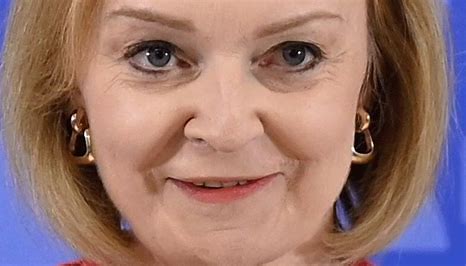
Liz Truss (Newly elected Prime Minister of the UK.)
It is announced this morning (9/5/22) that the new Prime Minister of the UK is to be Liz Truss. A primary issue in Ms. Truss’s campaign is to reduce taxes. America’s experience of reducing taxes seems a replay of the Reagan/Thatcher years. Many consider these two leaders as just what was needed at the time to advance their respective countries’ economies. As a result of their tax reduction policies, the gap between the rich and poor widened with corporations and their leaders being the primary beneficiaries. Hopefully Ms. Truss’s tax reductions do not benefit only corporations.
Experience of reducing taxes in the UK may be a replay of the Reagan/Thatcher years in America.
Corporations need to consider their responsibility for passing on those tax benefits to workers. If Ms. Truss’s tax reductions only increase the gap between rich and poor, democratic government is doomed.
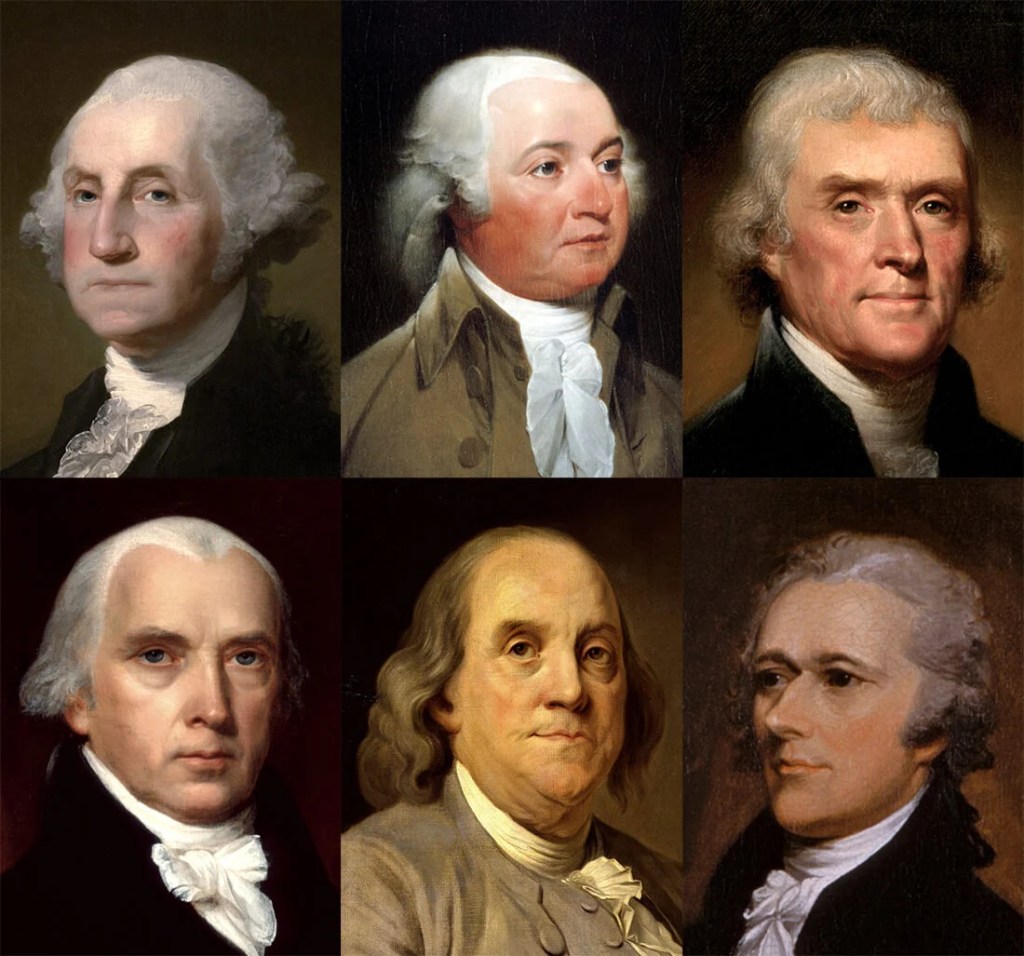
It may be a surprise to many that corporate pursuit of civil rights dates to the early beginnings of American history. The first battle for corporate civil rights began with Alexander Hamilton’s drive to create the first American bank. His major political opponent is Thomas Jefferson.
Jefferson opposes a national bank because he believes it diminishes State’s rights by ceding too much control to the national government. Winkler notes the irony of Jefferson’s objection in that Jefferson relies on national bank loans to subsidize his profligate lifestyle.
Winkler notes some level of civil rights for corporations is needed to protect the public from exploitation. If a corporation is not recognized as a singular public body, individual Americans could not sue for redress. Harm from unfair or harmful practices of corporations could not be tried in a court of law. However, Winkler explains an underlying concern is the gain of personhood for corporations. By being recognized as a person, corporations gain political influence beyond any individual person’s rights.
To many Americans, a 21st century Supreme Court decision on corporate civil rights is a step too far.
With the decision in Citizens United v. Federal Election Commission, the Supreme Court allows unlimited corporate donations to Americans running for political office.
Money is power, particularly in a capitalist economy. Elected officials become beholding to corporations rather than private citizens when running for office.
A prime example is the pharmaceutical and gun lobbies that have dominated both Democratic and Republican parties.
The rights of these corporate enterprises distort the benefits and dangers of both drugs and guns in American society. Over prescribed drugs and opiates advertised to the public by the pharmaceutical industry are more widely spread than ever before. If elected officials were not so beholding to gun lobbies, national background checks and red flag laws would not be so difficult for Congress to pass.
The opiate epidemic and the 5.25.22 Uvalde murder of 19 children and 2 adults is evidence of the harm done by granting too many civil rights to corporations.
Winkler’s book about corporate pursuit of personhood is burdened by legal explanations for non-lawyer listeners. However, his history gives one a deep appreciation of how civil rights can bring both good and harm to American society.


























































 REVIEWS AND VIEWS OF LIFE