
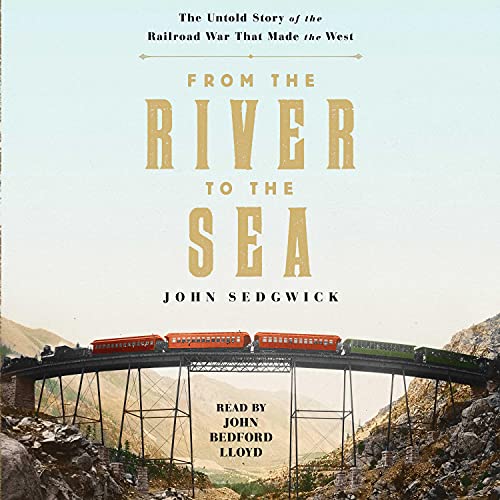
Audio-book Review
By Chet Yarbrough
(Blog:awalkingdelight)
Website: chetyarbrough.blog
From the River to the Sea (The Untold Story of the Railroad War That Made the West )
Author: John Sedgwick
Narrated by: John Bedford Lloyd

John Sedgwick (Author, American writer and historian who died at the age of 72 in 2o26.)
John Sedgwick’s history of the growth of railroads in America is well written and entertaining. The impact of his history reminds one of the advances of A.I. in America and around the world. His history recounts the movers and shakers of the 19th century that created a rail system that transported physical goods and connected American citizens of the Southwest to the United States.
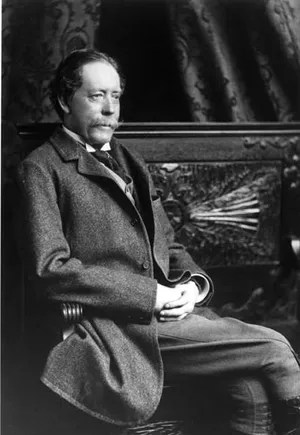
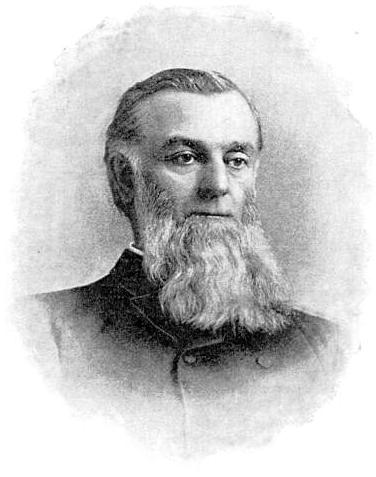
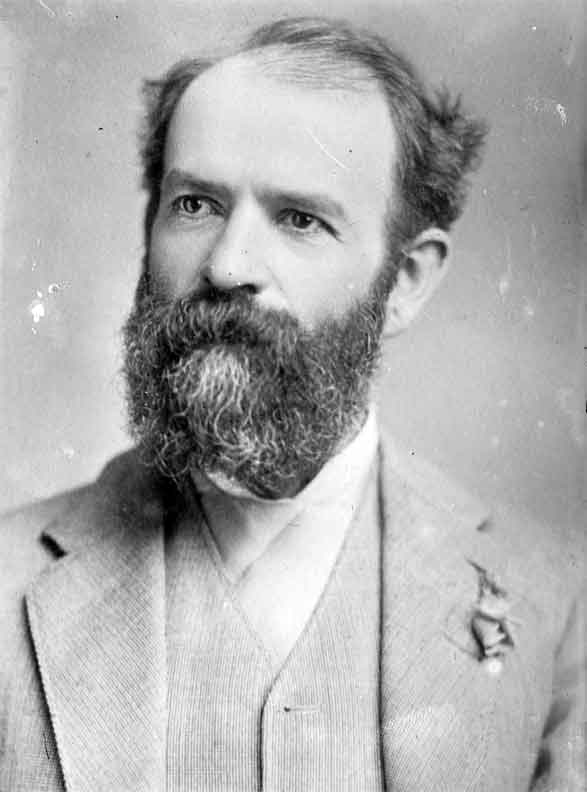
General William Jackson Palmer, William Barstow Strong, and Jay Gould built railroad empires. Palmer built the railroad through the Rockies into the Southwest. Strong built the Santa Fe Railway that moved the rails westward from Kansas. Later, the wealth of Jay Gould raises the stakes and competition between Palmer and Strong. In effect, these men became nation builders who integrated the Southwest into the United States. They shaped rail routes that connected and integrated the Southwest to the economy of America.
Today, it is not railroads but A.I. and the internet that is connecting not only Americans but the entire world’s citizens, both economically and socially. A.I. and the internet spread ideas and information rather than physical goods, but the end result is economic and societal change. A.I.’s effect is to connect citizens of the world, like railroad rails connected citizens of the Southwest to the United States with product availability, cultural understanding, and sadly, many differences and misunderstandings that are evident throughout the world today.
A.I. and the internet.
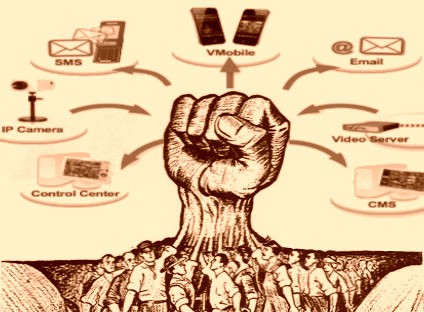
Business models grew from singular entrepreneurs’ prerogative to build railroads to improve trade opportunities among America’s States. Just as entrepreneurs of the railroad industry created connections and trade in America’s early history, companies like Amazon in America, and the Alibaba Group in China have created connections and trade in the world. As A.I. and the internet grows–world markets, human knowledge, and decision-making became a possibility for the world in the same way railroad growth connects the Southwest to the United States.

The railroad expansion noted by Sedgwick shows how railroad construction hubs might be compared to today’s scramble for A.I. data centers.
The fiber networks of today are like railroad construction hubs sought by entrepreneurs of the 19th century. For China there is China Mobile, China Telecom, and China Unicom. For America, there is AT&T, Verizon, Comcast, and others. These internet models resemble the hubs of early railroad conglomerates. The similarities of rail construction that changed America is like today’s internet that is connecting the world.

Railroads unified American States in a similar way that a worldwide web connects cultures of the world.
Specialization, science research, and coordination of new discoveries have greater potential with the interconnectedness of A.I. systems in ways that remind one of railroad connections of 19th century Southwestern American States. Interconnectedness is shown by Sedgwick’s history of railroads to have hugely benefited American society. The growth of railroads in America is not a perfect story of progress because of the grasping nature of human beings which reminds one of the leaders of all nations that seek power and influence. All of the movers and shakers of the railroad business pass into history but their legacy remains.
One hopes world interconnectedness from A.I. and the worldwide web will, like America’s rail expansion, become the seeds for worldwide improvement.
Sedgwick’s excellent history of railroads in Southwestern America offers insight to technology’s potential for world comity and greater economic prosperity for citizens of the world. The story of railroad construction as the glue that makes the Southwest part of America suggests A.I. and the world wide web may have a long way to go but world unity is at least conceivable if not guaranteed.
John Sedgwick shows how human nature gets in the way of national unity, let alone, international unity. Sedgwick gives a glimmer of hope for world comity in his history of American Southwest railroad construction. It may be just a matter of time as long as humans do not destroy the world.


