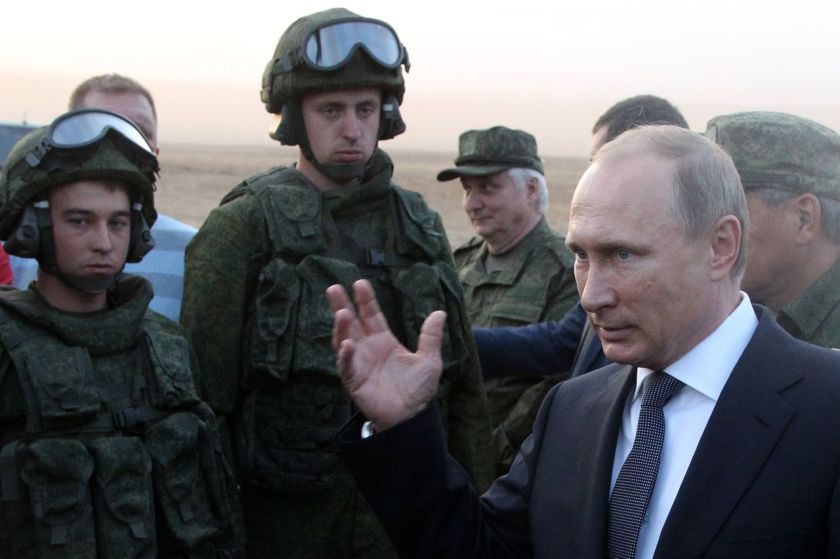
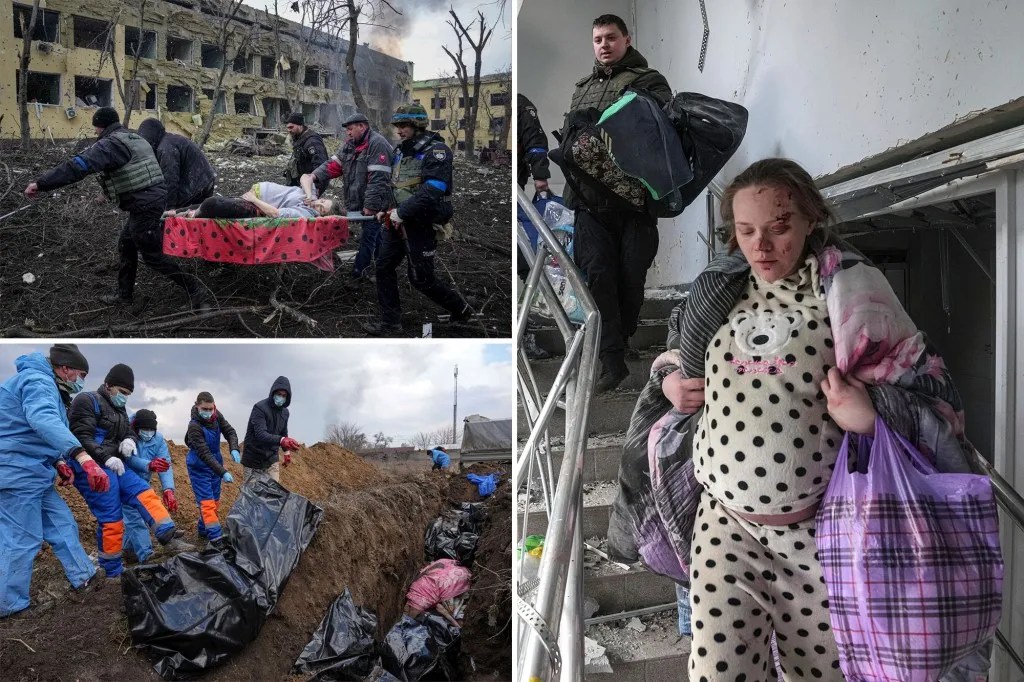
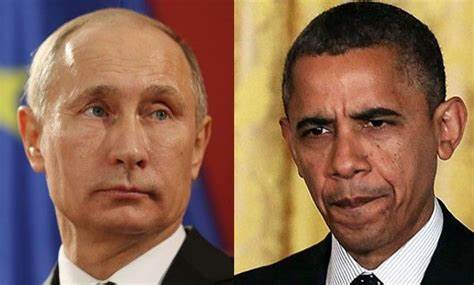
The only hope for Ukraine is a change in Russia’s leadership as a result of Putin’s foolish effort to return Russia to its past. It is the same effort and mistake Trump is making in trying to return America to the 20th century.
Books of Interest Website: chetyarbrough.blog
The Evil Hours: A Biography of Post-Traumatic Stress Disorder
By: David J. Morris
Narrated By: Mike Chamberlain
David J. Morris (Author, former Marine, reporter in Iraq, received Navy-Marine Corps Commendation Medal, M.A. from San Diego State University and the University of California, Irvine.)
In listening to “The Evil Hours”, the refrain “War, what is it good for, ABSOLUTLY NOTHING” from Edwin Starr’s song comes to mind. Ukraine’s and America’s current political position in ending the war are irreconcilable. Anyone who has read this blog knows I am not a fan of President Trump but his position on the war is sadly correct. It is sad because it is only Ukranian people who will suffer, not we who are isolated from the European continent.
Having recently visited the Baltics, and hearing of their experience under Stalin from a family we had dinner with makes one understand how horrible Trump’s decision will be for Ukraine’s citizens.
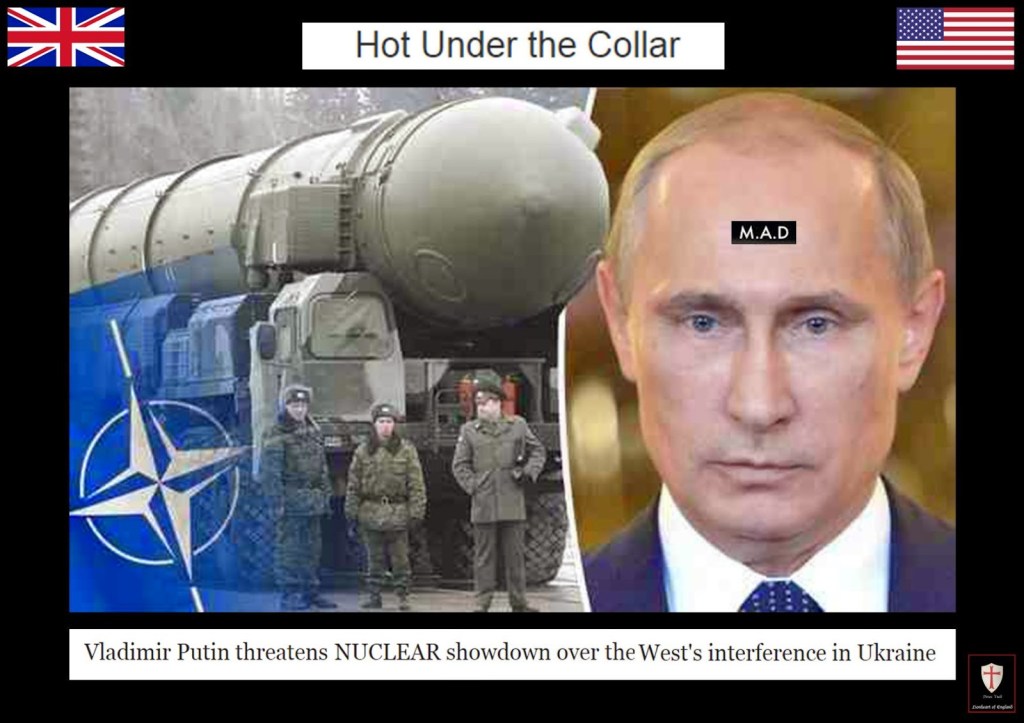
Trump’s decision is a Hobson’s choice because there seems no alternative. The potential for nuclear war is a threat from Putin who has an ego like Trump’s that cannot be assuaged. Putin appears not to be deterred by his followers or the Russian citizens.
What is left is the domination of a portion of Ukraine that will be forced to live under a dictatorship.
Hearing from Baltic citizens of how horrible their lives were under Stalin; one’s heart goes out to Ukrainian citizens who will have to live under Putin. Putin and Russia will pay a high price for their occupation because of citizen opposition that will take many forms. Though there is no comfort to the Ukranian people, Russia’s occupation will eventually end. The cost of Russia’s invasion of Ukraine has been high. It will be a reminder of the folly of unjust invasion and dictatorial control of an independent people.
America’s foolish Vietnam’ belief in a domino theory of Vietnam was wrong, just as the belief that Russia’s success in Ukraine will lead to further Russian expansion.
The relevance of “The Evil Hours” is the stress Ukrainians will face with Russian occupation. One hopes Russian occupation will not take as long as it did for the Baltic countries to regain independence.
PTSD is shown as the horrible consequence of internecine conflict that will continue after Russia’s occupation.
The only hope for Ukraine is a change in Russia’s leadership as a result of Putin’s foolish effort to return Russia to its past. It is the same effort and mistake Trump is making in trying to return America to the 20th century.
Trump’s effort to make peace is important. Putin will gain a pyrrhic victory, and many Ukrainians will suffer the same consequence as the Baltic citizens who were victimized by Stalin. It is likely that the price of peace is going to be the lives of Ukrainians who come under Putin’s rule. The only solace is that Putin, like Stalin, is near the end of his rule.
Books of Interest Website: chetyarbrough.blog
The Rise and Fall of the Third Reich (A History of Nazi Germany)
By: William L. Shirer
Narrated By: Grover Gardener
In thinking about Putin’s invasion of Ukraine, it seems prudent to revisit William Shirer’s studied history of Nazi Germany and the beginnings of WWII.
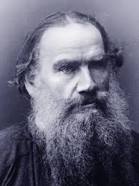
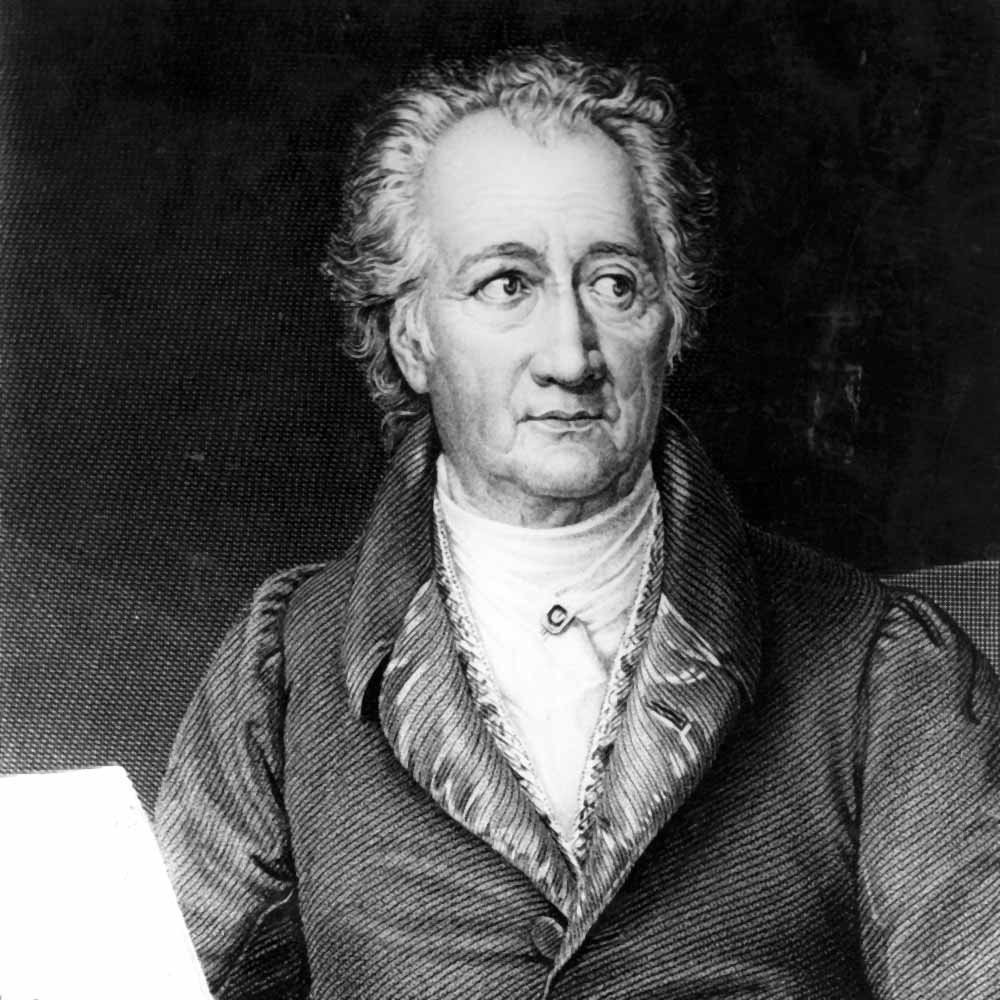
DostoevskyTolstoyGoetheFRIEDRICH WILHELM NIETZSCHE (1844-1900 DIED AT AGE 55)
Reviewing the literature and history of Russia and Germany, one wonders if there are parallels between Hitler’s invasion of Poland and Putin’s invasion of Ukraine. Literature suggests few cultural parallels. Having read Dostoevsky and Tolstoy, one can hardly compare their themes of societal suffering and redemption to Kant and Nietzsche’s themes of individualism or Mein Kamph’s iteration of survival of the fittest. In the history of the Czars of Russia, society and class were of the greatest importance while in Germany, Goethe’s Faust and Hesse’s Siddhartha–the focus was on individualism–not the general condition of society.
It seems Putin is not like Hitler in his aim to acquire other countries. Putin is interested in expanding Russia’s territory to return to a Stalinist style of communism. Both Hitler and Putin are deluded but in different ways. William Shirer characterizes Hitler as ambitious, and fanatic but focused on gaining personal power through German conquest of other countries. Putin’s invasion of Ukraine is to return Russia to a Stalinist U.S.S.R., a nationalist power. Both are set on invading other countries, but Shirer shows Hitler’s desire is for personal power while Putin is more interested in nation-state power.
One must ask oneself, if there is a motivational difference, so what? The consequences to countries being invaded is the same.
Yes, the consequence to an invaded country is the same regardless of the motivation of the invader. Hearing the atrocity of Russian oppression is as though it happened yesterday when one visits the Baltic countries and talks to people who survived Stalin’s control of their countries. There is a palpable fear one hears from Baltic citizens when the invasion of Ukraine by Russia is discussed. The fear is in the possibility of the Baltics being next.
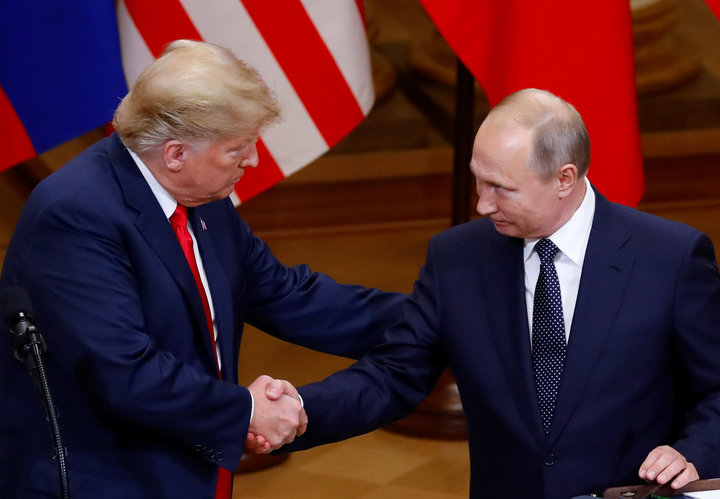
President Trump is attempting to quell the war between Russia and Ukraine, but the cost of peace looks like it will require appeasement at the expense of Ukrainian citizens.
The question is–will appeasement stop further encroachment by Russia on other former U.S.S.R. countries? Putin is 72 years old. Hitler was 45 years old when he became the Führer of Germany. It seems unlikely that the next leader of Russia will follow Putin’s lead in view of Russia’s atrocities in Ukraine and the history of former citizens, like those of the Baltics in Stalin’s U.S.S.R.
The invasion of Ukraine is not like Hitler’s invasion of Poland except in the tragedy of death of innocents.
There is little reason to believe Ukraine is a domino, as was the mistaken American belief in Vietnam by the Kennedy Administration. As all who have read this blog, I am not a fan of Donald Trump. However, in this realpolitik world, Trump’s effort to make peace is important. Putin will gain a pyrrhic victory, and many Ukrainians will suffer the same consequence as the Baltic citizens who were victimized by Stalin. It is likely that the price of peace is going to be the lives of Ukrainians who come under Putin’s rule. The only solace is that Putin, like Stalin, is near the end of his rule.
Though Yovanovitch had nothing to do with Poroshenko’s defeat by Zelensky, it seems clear that her tenure as Ambassador to Ukraine set the table for a change in direction for Ukraine.
Books of Interest Website: chetyarbrough.blog
Lessons from the Edge (A Memoir)
By: Marie Yovanovitch
Narrated By: Marie Yovanovitch
Marie Yovanovitch (Canadian-American Author, retired senior member of the US Foreign Service.)
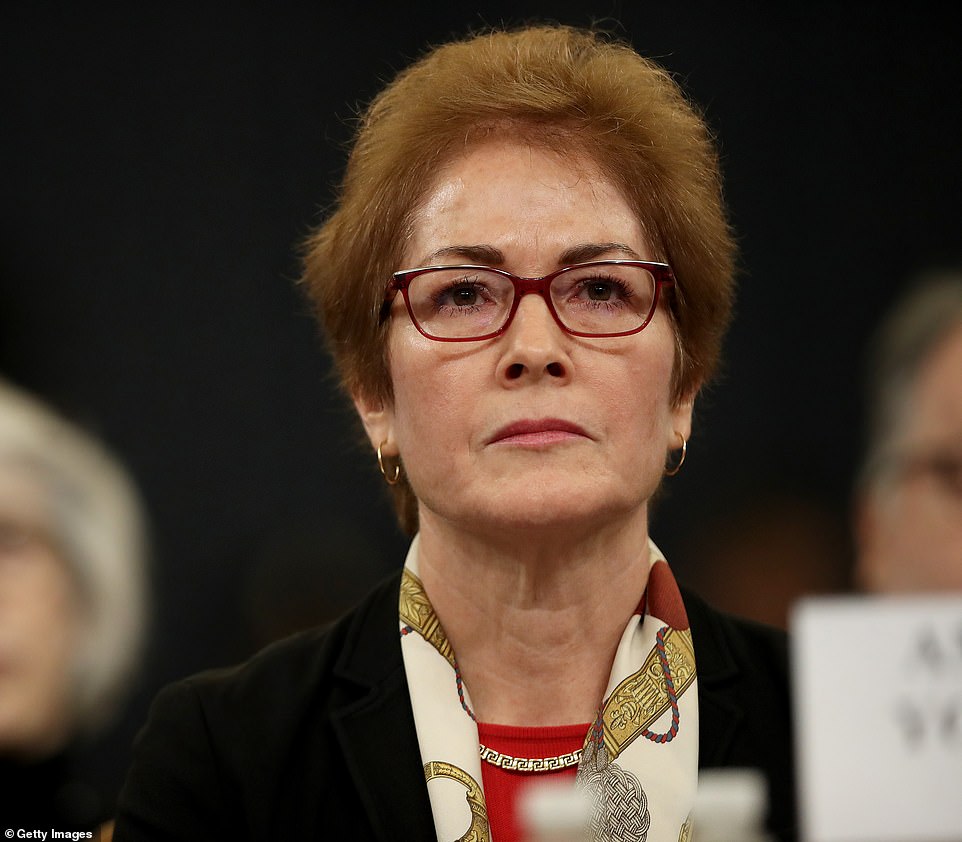
Marie Yovanovitch is retired from the US Foreign Service but as is widely known she was fired in the first Trump administration as US Ambassador to Ukraine in 2019. A reported reason for her firing is she is said to have resisted Trump’s effort to pressure Ukraine to investigate former Vice President Joe Biden. One suspects that is partially true, but Yovanovitch shows she was a believer in equal rights for women and a supporter of Hilliary Clinton which may be additional reasons for Trump’s action to fire her. “Lessons from the Edge” is a memoir of Yovanovitch’s career as an American diplomat.
“Lessons from the Edge” is interesting because it reveals the history of how one becomes an American diplomat and what his/her role is as a representative of America. One may wonder what qualifies one to be a diplomat when some are appointed because of political connection rather than educational accomplishment or training.
Yovanovitch became a diplomat because of her education and personal ambition. Because of her background as the daughter of a Russian born father, she chooses to take classes in Russian which leads to her eventual assignment in Ukraine. Her memoir explains how her journey began and how it ended. It is a highly personal memoir that is enlightening. However, this mild journey explodes at its end. Yovanovitch comes across as a decent person caught up in the events of history, not as a giant of diplomacy but an honest and hard-working diplomat.
Marie Yovanovitch earned a BA in History and Russian Studies at Princeton. During her career she studied at the Pushkin Institute of Moscow and acquired a Master of Science in National Security Strategy from the National War College. Her background certainly qualified her for diplomatic posts. Her early assignments were in Africa which eventually led to Russian speaking countries like Russia, Kyrgyzstan, Armenia, and Ukraine.
Russian speaking countries.
An example of the difficulty of her job is when America wishes to maintain the American Kyrgyzstan’ Air Force base because of America’s role in Afghanistan in 2009. Kyrgyzstan offers closer logistic support for the American military.
The Kyger’ President demands an increase from a $17.4 million-dollar annual rent payment (Yovanovich indicated the rent payment was $2,000,000/yr) to $200,000,000 per year for the continuation of Kyrgyzstan’s American military base. Yovanovich implies Kyrgyzstan’s President, Mr. Bakiyev, demand for higher rent would be to line his pockets with stolen revenue, not help the citizens of Kyrgyzstan.
A final settlement increased annual rent to $60 million per year with additional payments of $37 million and $30 million for new aircraft slots and additional land for location of a new American navigation system.
Kyrgyzstan’s American Air Force Base.
Many questions come to mind in listening/reading Yovanovitch’s book. How important are the presence of American military bases around the world? What is the difference between isolationism and internationalism? Should America remain isolated from other nations or engage and collaborate with other countries of the world? Where is the line to be drawn between American influence and the cost of that influence? This last question is answered in the last chapters of “Lessons from the Edge”.
Yovanovich takes on the complicated role of American Ambassador to Armenia from 2008 to 2011.
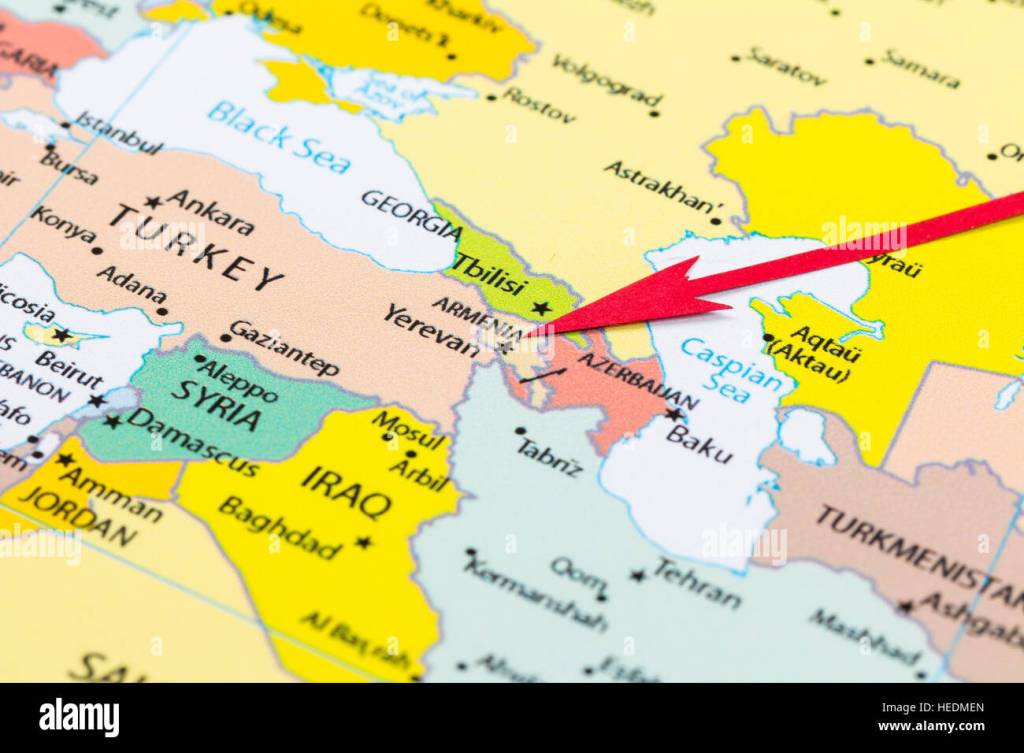
Armenia and Azerbaijan are a source of political and territorial tension. There is a dispute over a region called Nagorno-Karabakh that is under the control of Armenia with a majority Armenian population. Turkey supports Azerbaijan while Armenia has a close relationship with Russia. Armenia and Turkey’s relationship is strained because of a WWI Armenian Genocide perpetrated by Turkey. An estimated 600,000 to 1.5 million Armenians were killed between 1915 and 1917. Turkey refuses to identify it as genocide which aggravates Turkey’s relationship with Armenia. Russia has a military base in Armenia and has tried to mediate the Nagorno-Karabakh conflict without much success. Because of energy projects and trade relations, Russia has managed a balanced relationship with Azerbaijan.
Yovanovitch decides to return to the U.S. because of her aging mother and an offer to take the role of Principal Deputy Assistant Secretary for the Bureau of European and Eurasian Affairs. However, as Ukraine becomes embroiled in a conflict with Russia and her previous assignment and knowledge of Ukraine, she returns as America’s Ambassador. Her mother’s decision to accompany her made the opportunity worth taking.
When Ukraine became independent of the U.S.S.R. in 1991, its transition to a market economy was marked by widespread corruption in the same way as alleged in Russia.
The assets of the country fell into the hands of Ukraine’s leaders who became wealthy oligarchs at the expense of the general population. Election to the leadership of Ukraine gave Presidents like Viktor Yanukovych, who served from 2010 to 2014, license to embezzle state funds. Compounding that corruption were Ukrainian bank owners who were equally corrupt. The fifth president of Ukraine, Petro Poroshenko faces allegations of corruption with his ownership of the International Investment Bank (IIB).
Rudy Giuliani (American politician, former NY mayor, former U.S. Associate Attorney General–now a disbarred lawyer.)
As if Rudy Giuliani needs no further damage to his reputation than his lies about election fraud, Yovanovitch reveals his role in discrediting her reputation with false accusations about badmouthing Trump as the new President of the United States. Judging from Yovanovitch’s book, Trump is unlikely to have been someone she admired. However, as an experienced diplomat, it is inconceivable that she would have undermined Trump or any U.S. President’s reputation. Trump ordered Yovanovitch’s removal. She is recalled in May 2019.
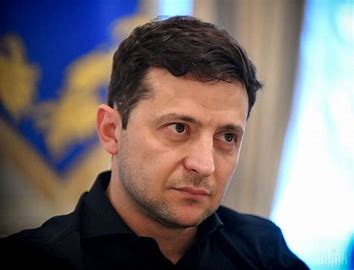
Volodymyr Zelensky became the President of Ukraine in May of 2019.
Zelensky soundly defeated the corrupt Vasily Poroshenko with 73% of the vote.
Though Yovanovitch had nothing to do with Poroshenko’s defeat by Zelensky, it seems clear that her tenure as Ambassador to Ukraine set the table for a change in direction for Ukraine. This is a very personal memoir of Yovanovitch’s career that is somewhat marred by a plaintive melancholy about life and an aging mother but “Lessons from the Edge” is highly informative about what it takes to be an American diplomat.
America makes a mistake if it chooses to isolate itself from allied countries that have similar economic and political aspirations. It may be time to reset America’s international relations, but isolation is not a rational alternative for an interdependent ecological and economic world.
Freedom, once it is experienced, is an unconquerable force. Conquest of Ukraine, the Baltics, or Taiwan would be a pyric victory at a cost far in excess of a conquerors’ perceived value.
Books of Interest Website: chetyarbrough.blog
The Return of Great Powers (Russia, China, and the Next World War)
By: Jim Sciutto
Narrated By: Jim Sciutto
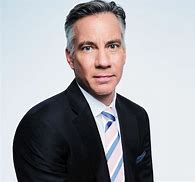
Jim Sciutto (Former American news anchor for ABC, national security correspondent for CNN, Yale graduate majoring in Chinese history.)
Jim Sciutto has been seen by many on television. One suspects few know he served as the Chief of Staff and Senior Advisor to the U.S. Ambassador to China between 2011 and 2013. His book, “The Return of Great Powers” is interesting but not particularly revelatory. It was written before today’s news of the blows to Iran’s role in the Middle East with the removal of Syria’s brutal leader and Israel’s increased attacks on Hezbollah and Hamas. Tragically, there is always death of innocents in war. The question is whether war is ever worth its cost.
Sciutto certainly has a better grasp of China than most Americans based on his education and experience but his general analysis of the “…Great Powers” and their return is more topical than insightful.
The rise of Putin and Xi have certainly changed the world. Newspapers and television are full of stories about these leaders’ dance around the war in Ukraine. Xi offers moral and financial support to Putin, along with some important weapon components needed by the military, but China limits military equipment and direct munitions provisions for the war. China may benefit from Russia’s Ukraine invasion because of Xi’s expressed interest in acquiring Taiwan but China’s advances have not moved much from where they were before the invasion.
What seems clear today, particularly in Sciutto’s book, is that Putin has made too many mistakes in his invasion of Ukraine.
Putin’s apparent disregard for Russian soldiers’ deaths undoubtedly threatens his influence with many Russian citizens. Some of America’s media suggest Putin is becoming more conscious of his political and personal vulnerability. It is reported by Gleb Karakulov. a Russian engineer and defector who fled to Kazakhstan, that Putin has become paranoid and increasingly isolated.
Sciutto suggests Estonia is on a Putin invasion list once Ukraine has been conquered.
Having recently returned from the Baltics, occupation of Estonia would be a pyric victory for the same reasons as the Ukraine invasion. The hate for Russians one hears from Baltics’ residents (Lithuanian, Estonian, and Latavian) who were under the rule of Russia from 1940s to 1991 is palpable. The jail cells, torture, and murder of Baltic citizens by Russia is detailed by tour guides from each country. The prosperity of the Baltic countries since 1991 is a tribute to freedom that will not be given up easily by its people. At best, Russia may be able to occupy the Baltics, but citizen resistance would far outweigh any value occupation might offer.
Sciutto goes on to imply Taiwan will lose its independence to China.
The picture of death and destruction he outlines with China’s overwhelming military might mitigates against China’s success. Once freedom is experienced, it is like genies in a bottle–difficult to be re-imprisoned. Whether NATO or America will come to Taiwan’s aid is unknown, but like Russia’s invasion of Ukraine and Putin’s interest in the Baltics, the price to be paid is higher than the reward they can expect.
Freedom, once it is experienced, is an unconquerable force. Conquest of Ukraine, the Baltics, or Taiwan would be a pyric victory at a cost far in excess of a conquerors’ perceived value.
How close is the world to its next world war? The character of today’s leaders seems as threatening as Stalin and as unpredictable as Churchill.
Books of Interest Website: chetyarbrough.blog
The Stalin Affair (The Impossible Alliance That Won the War)
By: Giles Milton
Narrated By: Giles Milton
Giles Milton (Author, British writer and historian.)
Giles Milton offers a fascinating and well written account of the dynamics of the relationship between Churchill and Stalin with a brief analysis of Franklin Roosevelt that shows a difference of opinion about Stalin. There are some surprises in Milton’s history of the beginning and ending of WWII and the role of Joseph Stalin.
As is well known, Stalin and Hitler made a pact at the beginning of the war that made them allies with a plan to divide Europe between their two countries.
The pact falls apart when Hitler chooses to invade Russia on June 22, 1941. Germany made rapid progress and was nearing Moscow when winter struck, and Germany’s wheels of war were stuck in the mud. Stalin was psychologically paralyzed by Germany’s decision to turn against Russia. He hid in his dacha, his second home in the Russian countryside. A delegation of Russians went to the Stalin’s dacha and pleaded with him to direct the defense of Russia against Germany’s onslaught. Stalin is surprised that the delegation wanted him to return to the leadership of Russia in Milton’s telling of the story. One presumes that reluctance is because of Stalin’s mistake in believing Hitler could be a reliable ally in their mutual desire to expand their territories.
Milton’s history has a particular interest to me because of a planned personal visit to the Baltics next month.
In reading a book about the Baltics during WWII, there seems some confusion among the Baltic countries because their sovereignty is being usurped by Russia while the instigator of WWII is Germany. The guide on the trip suggests we read “between shades of gray”, a book written by Rusa Sepetys, a Lithuanian born American writer. Sepetys story is of Lithuania intellectuals being arrested by Stalin’s troops and carted off to Siberia. Brief mention of the Germans is mentioned but implies the Germans were not the enemy but an opposing force of the Russian attack on the Baltics. Having visited Finland last year, it is interesting to find the Finns allied themselves to Germany during WWII because of their fear of Russia’s aggression. Now, having read Sepetys novel of Russian aggression in early 1941, one begins to understand the complexity of which side of the war the Baltics chose to be on.
Ruta Sepetys (Lithuanian born American writer.)
It tells the story of Russia’s invasion of the Baltics soon after Hitler’s decision to attack Russia.
WWII in the Baltics is not Milton’s history, but Sepetys offers a footnote on its consequence in the Baltics.
Milton makes one feel they are in the room when decisions are made about the progress and ending of WWII. It is a fascinating story. Stalin is a villain in sheep’s clothing. His lust for power is unquenchable. Winston Chruchill is shown to be more aware of Stalin’s intent than Franklin Roosevelt. At Yalta, where the peace plan is agreed to and signed, Milton explains Roosevelt is feeble. The Yalta conference took place in February 1945. Roosevelt dies in April, two months later. Stalin’s ambition is the expansion of the U.S.S.R. and anything that gets in the way of that ambition is an obstacle to be overcome or removed.
Milton’s access to historical documents, reveals the many important roles of government leaders during WWII and after.
Of course, the most obviously impactful leaders are Churchill and Stalin, but the author notes the roles of lesser-known participants like Averell Harriman, Kathy Harriman, and Vyacheslav Molotov. There is also the role of Lavrentiy Beria, Stalin’s head of the NKVD (the Soviet secret police).
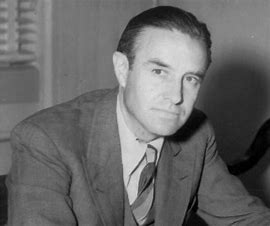
W. Averell Harriman (1891-1986, American politician, businessman, and diplomat.)
Averell Harriman, as the son of a wealthy railroad baron, becomes the founder of Brown Brothers Harriman & Co., an investment company. He became one of the richest men in America.
Harriman is asked by Roosevelt to become the America’s diplomatic contact with Great Britain to manage the Lend-Lease Program before America enters the war. As a personal envoy, he strengthens the alliance between Britain and America. Later he becomes Ambassador to the Soviet Union after Hitler’s betrayal of Stalin. Milton touches on the married Harriman’s attraction to women and his extramarital affairs. However, Harriman was revered by Churchill, and later Stalin, for the aid he coordinated for both countries during the war.
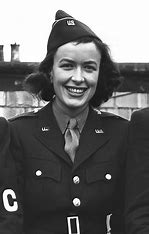
Kathleen Harriman (1917-2011, died at age 93.)
A lesser-known role is of Harriman’s daughter, Kathy Harriman. In the first years of contact between her father and Stalin, Ms. Harriman smooths America’s relationship with the Russian administration.
Ms. Harriman leaned to speak Russian and aided her father in his diplomatic contact with Soviet officials. She became a correspondent for the International News Service and Newsweek during her time in Russia. In 1944, Ms. Harriman exposes the mass murder of 22,000 Polish officers by the NKVD, at the order of Stalin. She plays a role in the Yalta Conference in assisting the American delegation with logistics and management.
Milton makes a listener feel like they are in the room at a dinner table with Stalin and Churchill when they exchange harsh words about the creation of a western front to aid the Russian army in the fight with German soldiers.
Stalin demeans the British army for their early failures in the war when they were outnumbered and outgunned by the Germans. Churchill is deeply offended by the disparagement and is on the verge of canceling a dinner with Stalin before leaving Russia. His anger is quelled by Harriman. Churchill changes his tone with the Russian leader and mends their relationship over cigars and alcohol. However, there is little doubt about their continued acrimony and Churchill’s unshaken belief in Stalin’s intent to expand his empire.
Milton offers the same “in the room” understanding of what happens at the Yalta Conference.
Germany is divided into four occupation zones which ended up being East and West Germany. The groundwork for the United Nations is formed with the aid of promoting international cooperation and prevention of future conflicts. A zone of influence is created between Eastern European Countries which were added to the U.S.S.R., to expand a buffer zone between Russia and the Western Powers. This iron curtain results in the cold war. The table is set at Yalta for the Nuremberg Trials of Nazi and Japanese leaders and for future reparations to rebuild Europe.
“The Stalin Affair” is an excellent reminder of WWII that makes one think about what is happening today with Russia in Ukraine and Israel in Gaza. How close is the world to its next world war? The character of today’s leaders seems as threatening as Stalin and as unpredictable as Churchill.
Without checks and balances, autocratic beliefs inevitably lead to conflict and mutually assured destruction, Donald Trump notwithstanding.
Books of Interest Website: chetyarbrough.blog
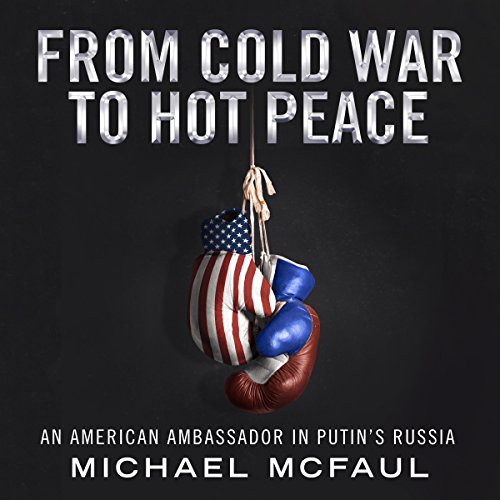
From Cold War to Hot Peace (An American Ambassador in Putin’s Russia)
By: Michael McFaul
Narrated By: L. J. Ganser
Michael McFaul (Author, American academic and diplomat, ambassador to Russia 2012-2014, former Professor of International Studies at Stanford.)
Not since George Kennan’s brief time as Ambassador to Russia in 1952 has an American ambassador been denied access to Russia. Michael McFaul became the second in 2016. McFaul joins the pre- and post-Obama election to become Obama’s ambassador to Russia from 2012 to 2o14. McFaul writes this book to explain his experience in the Obama administration, his understanding of Russia, and his tenure as Ambassador to Russia.
Interestingly, Condoleezza Rice recommends McFaul should join Obama because she was sure he, rather than McCain, would become the next President of the United States.
McFaul follows Rice’s recommendation and joins Obama’s campaign. Mcfaul’s grasp of Russian foreign affairs is insightful and relevant based on his personal experience. McFaul lived in Russia for a period of time when Gorbachev and Yeltsin attempted to liberalize Russia’s autocratic government. McFaul’s time living in Russia, his understanding of Russian language, and his study of Russian history at Stanford make his opinion in “From Cold War to Hot Peace” important.
Gorbachev’ biography shows he experienced the autocratic rule of Stalin’s U.S.S.R. as a young boy and found the courage to open the door to citizen’ freedom.
Mikhail Gorbachev was 22 when Stalin died. His ideal was to maintain the U.S.S.R. but with a system of government that rejected totalitarianism while freeing its citizens to improve their way of life. However, the shock of newfound freedom appeared an economic change too difficult and unfairly remunerative for the U.S.S.R. to survive as one hegemon.
A fundamental ingredient of independence is freedom.
When countries controlled by the U.S.S.R. were offered freedom, they looked to forms of democracy rather than autocracy. Gorbachev’s inability to accelerate economic growth to improve the lives of his country’s citizens doomed his goal to create a freer society within the U.S.S.R. Compounding his failure, Boris Yeltsin usurps Gorbachev’s power by arguing he has a better way of accelerating Russia’s economy to keep the U.S.S.R. together.
Boris Yeltsin talked the talk of democratic government but because of his inability to coopt the underlying authoritarian habits of former KGB operatives, he lost control of the government.
Yeltsin’s rise undermined the influence of Gorbachev, encouraged the departure of U.S.S.R.’ member countries, and gave an opening to Vladimir Putin, a former KGB officer. The KGB changed to the FSB in 1991 (along with Russia’s Foreign Intelligence Service) to become the right and left hand of Putin’s power and influence in the new Russia.
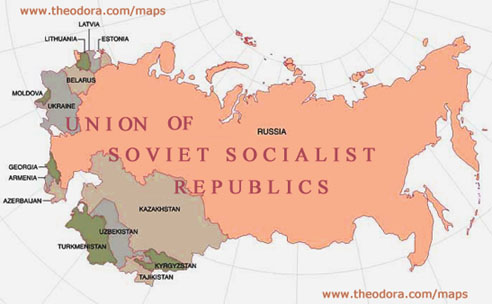
Fifteen countries leave the U.S.S.R. in 1991.
Estonia: August 20, 1991
Latvia: August 21, 1991
Lithuania: March 11, 1990
Armenia: September 21, 1991
Azerbaijan: October 18, 1991
Belarus: August 25, 1991
Georgia: April 9, 1991
Kazakhstan: December 16, 1991
Kyrgyzstan: August 31, 1991
Moldova: August 27, 1991
Russia: December 12, 1991
Tajikistan: September 9, 1991
Turkmenistan: October 27, 1991
Ukraine: August 24, 1991
Uzbekistan: September 1, 1991
Gorbachev effectively ended the cold war, but McFaul argues the cold war turned into a “…Hot Peace”. Gorbachev was the last leader of the Union of Soviet Socialist Republics. His effort to democratize Russia fails even though he fully champions Valdimir Putin to become president of Russia in 2000.
Putin took control of Russia as Prime Minister under Yeltsin in 1999. He later effectively became President of Russia for life.
McFall explains Obama became President of the United States in 2o09. Obama revised America’s relationship with Russia with what became known as the U.S./Russia “Reset” policy.
Obama’s “Reset” policy had some early positive effects. The relationship between America and Russia arguably improved despite their significant political differences. When they disagreed, they agreed to disagree. There were halting steps toward nuclear bomb limitation and greater cooperation on America’s actions in Afghanistan when the Taliban had shown support for Osama bin Laden after 9/11.
Putin rose to the presidency in 2011 and has remained effectively in control of Russia since 1999. Though not argued by McFaul, Putin’s intimate understanding of Russia’s secret service has given him the power to exercise dictatorial control over Russia. The history of U.S.S.R. since the 1917 revolution has been maintained by a secret service used to jail, torture, and murder any opposition to leadership of Russia. Today, that autocratic leader is Putin. There seems little reason to believe kleptocratic control of a massive secret service apparatus will be overcome without revolution. Every Russian knows of the threat the secret service has to any opposition to Putin who controls and has an intimate relationship and understanding of the organizational capabilities of the former KGB.
Gorbachev’s legacy is hope for a better form of government in Russia. Change is possible just as Gorbachev’s history as the secretary of the Communist Party from 1985 to 1991 proved.
One is inclined to believe change will come to Russia from a disaffected communist party leader who rises in the party and taps discontented Russians looking for change. If all one’s life is lived and raised in Russia, a Russian born change-agent like Gorbachev may, once again, be born
As one completes McFaul’s book, the threat of masculine blindness in world leaders is made clear. Leadership entails a power that corrupts leaders who think they know what is best for their citizens. Autocracies concentrate that power in singular human beings. Without checks and balances, autocratic beliefs inevitably lead to conflict and mutually assured destruction, Donald Trump notwithstanding.