
Books of Interest
Website: chetyarbrough.blog
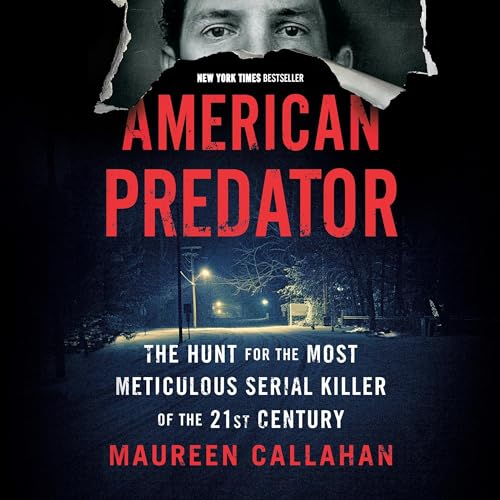
American Predator (The Hunt for the Most Meticulous Serial Killer of the 21st Century)
Author: Maureen Callahan
Narration by: Amy Landon
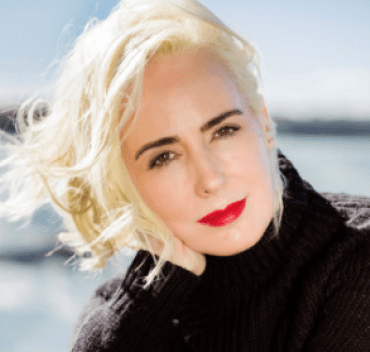
Maureen Callahan (Author, journalist, columnist with a BA from the School of Visual Arts in New York City.)
This is a chilling history of a serial killer named Israel Keyes who lived in Alaska with his girlfriend and daughter. Callahan gathered facts from FBI files, interviews with investigators, court records and conversations with people who knew Keyes. Callahan begins with the story of an 18-year-old girl working at a coffee drive up as its sole occupant and worker. Ms. Samantha Koenig is stabbed to death the morning after she is abducted but her body is preserved by Keyes for days after her death. The cold of Alaska keeps the body from decomposing for an estimated two weeks in which it is kept in one of Keyes’ two sheds. Keyes then sinks her remains under the ice of an Alaskan lake.
Samatha Konig’s gruesome death leads to the capture of Israel Keyes.

When Keyes is captured, Callahan notes there were three primary interrogators. Jolene Goeden (an FBI investigator in the Anchorage, Alaska Division), Assistant U.S. Attorney Frank Russo, and FBI Agent Jeff Bell. Their interrogations reveal Keyes travels, his “kill kits”, victims of his demented mind, his final confessions, and the details of his reported murders. The actual number of his murders will never be known because of the many missing and unsolved disappearances in the United States. Surveillance of his mode of transportation led to his arrest in Texas and an eventual confession to three murders. It is estimated that there were at least eleven murders but in the opinion of the author, it could be many more.
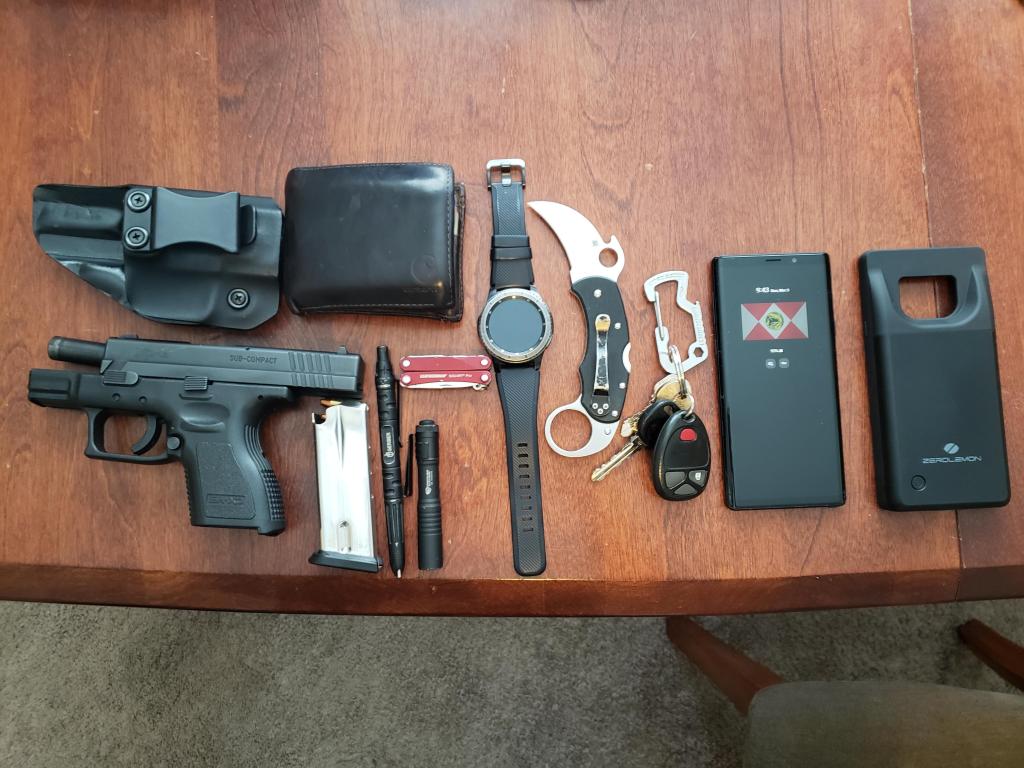
Keyes created “kill kits”, hidden packages with tools, money, and weapons that could be unburied in his many travels across the United States. His travels around America from Alaska, south, east, and west seems to have given him license to kill.
The three murders that were directly tied to Keyes were Samantha Koenig (age 18) and a married couple named Currie (Bill age 49 and Lorraine age 55). Keynes admits raping all three. The concrete evidence of these three murders, independent of what Keyes admitted to the FBI, were his possession of Samatha’s cell phone, debit card, pictures he had taken of her, details about the murder of the Curries, and DNA evidence found on Koenig’s body when recovered from a nearby lake. In the case of the Curries which he also admitted killing, the facts of the murder were explained with a detail of one who could only have been the murderer, and finally corroboration of his rental car mileage which showed he could have been there at the time of the murders. Keyes refused to offer details of other murders of at least 11 people that could not be documented well enough for American law to prove guilt beyond a doubt.
Israel Keyes (1978-2012, Keyes is the son of a family of 10 children raised in the states of California and Washington. He is found to be a serial killer, bank robber, burglar, arsonist, and kidnapper who is believed to have killed 11 people between 2001 and 2012.)

Keyes is a fanatically controlling person, militarily trained, athletic, and intelligent. Keyes lost his control of life when he is put in prison. That loss of control appears to lead him to commit suicide with a razor blade and garrote to ensure death by his own hand, a last act of his need for control. Callahan notes Keyes lived with two women during his life with a daughter born from his first relationship. Naturally, their lives are hidden from the public based on Keyes’ horrible and despicable crimes.

Many Americans discount the value of living in a country where surveillance technology is used to protect citizens and fairly adjudicate the guilty for crimes against society.
The story of Israel Keyes’ crimes, his eventual capture, and the trial of a United Health CEO killer make one realize how today’s surveillance technology is important, even in a relatively free society. Admittedly, surveillance can be taken to an extreme when used to control human behavior as shown in China, Russia, and North Korea. Israel Keyes would still be murdering and raping men and women without American surveillance that eventually leads to his arrest and conviction.
America’s system of justice is not perfect. It can be abused in ways that today’s President is showing. All human beings are flawed. Like Presidents of the United States, surveillance can be a curse or a blessing. Too much power, like too much surveillance, is a danger to society.









 REVIEWS AND VIEWS OF LIFE