Narrated by: Cassandra Campbell, Kathleen Gati, Kathrin Kana, Martha Hall Kelly
Author
“Lilac Girls” is a long historical novel. Some may be tempted to quit but may be drawn back by its message to the future. It is a reminder of WWII. It is a warning to our present and future. Martha Hall Kelly’s extensive research on the Ravensbrück concentration camp offers relevance to Uighur re-education camps, Taliban repression, Russian/Ukraine atrocities, and the consequence of human isolation and incarceration.
Kelly’s book is about Ravensbrück rabbits, young women experimented on by Germany’s Nazi leaders.
The Ravensbrück concentration camp evolves into a chamber of horrors. It is managed by Nazi physicians and followers who purposely create damaged human bodies to test drugs and medical treatment for war wounds. A number of healthy young women have their bodies mutilated to test the efficacy of drugs and surgery to repair damaged limbs. They become known as the Ravensbrück rabbits
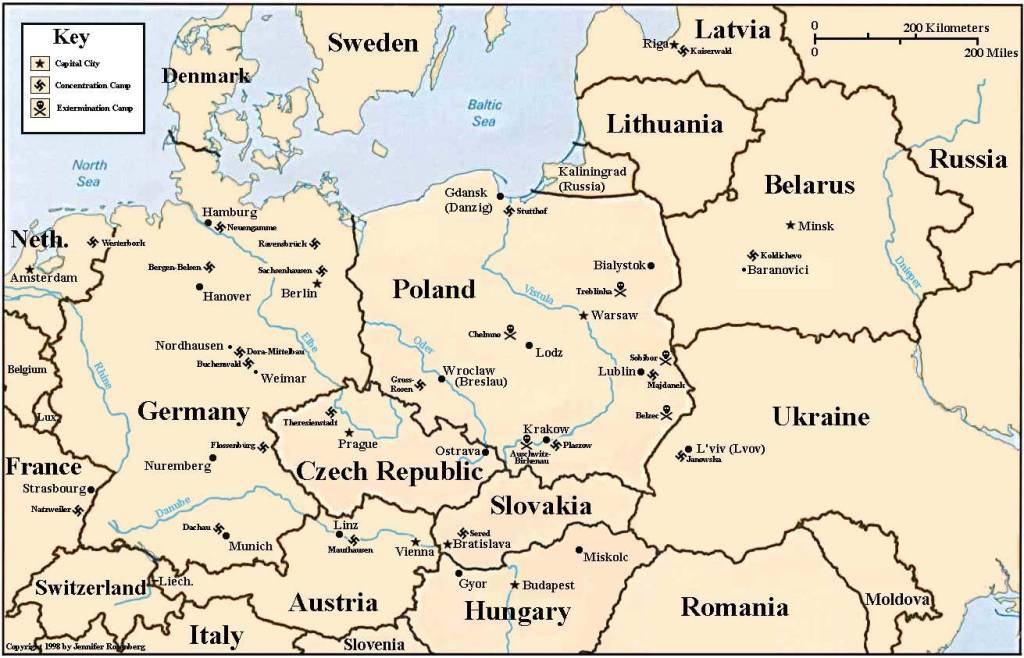
Ravensbrück is in northern Germany. The concentration camp was created exclusively for women. At its peak it housed 132,000 women, of which an estimated 48,500 were Poles, 28,000 Russians, 24,000 Germans, 8,000 French and a few other nationalities. Their incarceration is for reasons ranging from resistance to Nazi governance to disbelief in the false notion of race purity.
Kelly contrasts New York’ socialite living in the 1930s through the 1950s with European and war veteran survival. The author begins her story with the rise of Hitler, and Germany’s invasion of Poland, France, and Russia. As the German invasion of Russia portends defeat of Germany, Kelly unravels the atrocity of the Ravensbrück concentration camp, the ignominious defeat of France, the unjust western and Russian split of Poland after the war, the subjugation of Poland to Russia, and the rise of the U.S.S.R.
The unjust western and Russian split of Poland after the war.
It is the intimacies of living that give Kelly’s book weight. For the romantic, there is some romance. For the historian, there are the revelations of Ravensbrück, for the futurist, there is the warning of the risks of human isolation and confinement based on race, religion, or ethnicity.
Uighur re-education camp in China.
Many countries, including the United States, have made the mistake of isolating and confining human beings based on race, religion, or ethnicity. This is the first step that may lead to Ravensbrück’ atrocity.
Kelly shows there is no redemption, either for victims or perpetrators. At the end of her novel, what happened to the primary victims of Ravensbrück stays with those who survived. The primary victim loses her mother in the camp. Her life after the war leaves her crippled emotionally and physically because she was one of the Ravensbrück rabbits.
TO GO WITH AFP STORY – Photographs of prisoners murdered at the Ravensbrueck concentration camp for women line a wall in the “Place of Names” memorial at the camp in Fuerstenberg February 24, 2009. The “Sex Slavery in Nazi Concentration Camps” exhibition which opened at the Ravensbrueck concentration camp memorial, sheds light on the fate of women prisoners, many of which came from the Ravensbrueck camp, forced to provide sex to inmates in other concentration camps. AFP PHOTO JOHN MACDOUGALL (Photo credit should read JOHN MACDOUGALL/AFP via Getty Images)
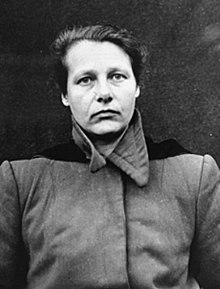
Herta Oberheuser (1911-1978, died at age 66, physician at Ravensbruck concentration camp.)
As Germany nears defeat, the doctor who manages surgery tries to murder the women who were mutilated because they are witnesses to Ravensbrück atrocities.
She is convicted at Nuremberg. She serves 5 years of a 20-year sentence. Her ambition seduced her into atrocity at Ravensbrück. Her wish to be a surgeon, when there are few women surgeons in Germany, outweighed the guilt of her actions. After serving her sentence in prison, she starts a medical practice. She is tracked down by a primary victim of her surgical mutilation. Kelly writes about the rise and fall of Herta Oberheuser. With her exposure by a victim of Oberheuser’s surgical work at Ravensbrück, her medical license is revoked. Ms. Oberheuser dies in obscurity.
There is no redemption for atrocity. All human beings in the Russia/Ukrainian war, as well as the rest of the world, need to remember the lessons of WWII.
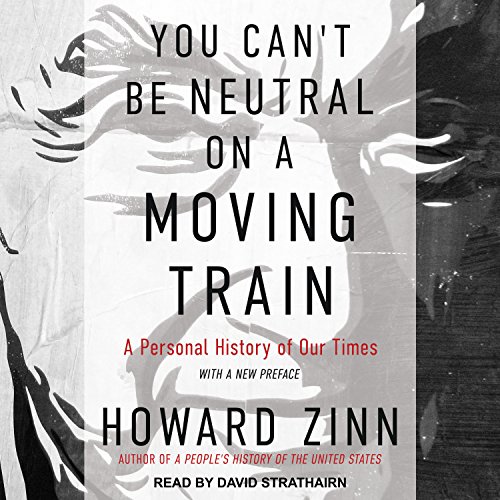
You Can’t Be Neutral on a Moving Train: A personal History of Our Times
By: Howard Zinn
Narrated by: David Strathairn
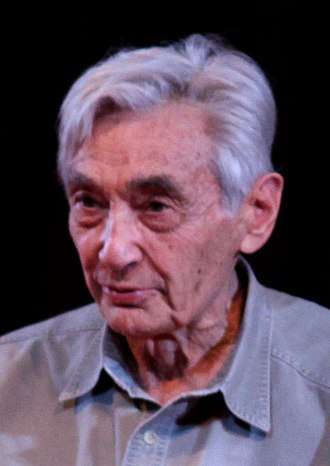
Howard Zinn (1922-2010, died at age 87, Author, Historian, Pacifist.)
Howard Zinn’s personal biography suggests being brilliant does not mean being good. Zinn is a controversial historian who grew up during the depression. He became a famous anti-war activist during Vietnam and wrote a controversial book about American history.
Zinn characterizes his family as poor with a father and mother who were factory workers with little formal education. He tells of his early life and how it influenced his political and social beliefs. He joins the Army Air Force during WWII and becomes a bombardier. That experience reifies Zinn’s early anti-war beliefs that become a consuming passion during Vietnam.
In some ways, Zinn’s enlistment in the Air Force seems a contradiction but the fascist nature of Nazi Germany, subsequent realization of the holocaust, and his Jewish heritage undoubtedly influence his decision to join the military.
Zinn’s role in bombing civilians creates an ambivalence about WWII; particularly when the atom bomb is dropped on Japan.
“You Can’t Be Neutral on a Moving Train” is a codification of Zinn’s ambivalence. Zinn suggests there is no “Good War” (as WWII is sometimes characterized) because bombing of civilians, even in a war against fascism, is a step too far.
One wonders what Zinn would write about the Russia-Ukrainian war?
Howard Zinn’s fundamental objection to WWII is American bombing of innocent citizens of Germany and Japan. Now, it is the indiscriminate bombing of innocent citizens by Russia in Ukraine.
America did not militarily enter WWII when Poland was invaded. Similarly. America has not militarily entered the Russia-Ukraine war. However, in both circumstances America financially invested in a western alliance against war. Eventually that financial investment turned into American military participation. One wonders how Zinn would view America’s financial investment in the Russian-Ukrainian war. Is our investment a prelude to military intervention?
Returning to the biography, the nuclear attack on Japan is considered barbaric and unjustified by Zinn.
Some, like President Truman reason the Hiroshima and Nagasaki bombings avoided loss of thousands of Americans and Japanese that would have been killed in an invasion of Japan.
A question is whether those thousands are different than the thousands killed immediately and later from radioactive fallout? To some Americans, the answer is yes because none of the added deaths would have been American. Presumably, Zinn would say using an atomic bomb is a step too far.
Zinn survives WWII and uses the GI Bill to get a college education. He becomes a professor at Spelman College, a Black women’s college in Atlanta, Georgia.
Roslyn Zinn (1922-2008, Artist, Activist, Social Worker, Teacher)
Howard Zinn and his wife live in a low-income, largely Black neighborhood.
The Zinn’s become political activists for equal rights. In the 50s and early 60s, the Zinn’s become acquainted with SNCC (Student Nonviolent Coordinating Committee) and civil rights activism in the South.
Later, Zinn tells the story of his life as a professor at Boston University. He becomes a tenured professor, having written some novels and a controversial academic book about American history.
In his life at the University, Zinn continues political activism against the war in Vietnam. This is in the 70s. Nixon is bombing North Vietnam and Cambodia in an effort to get Ho Chi Minh to the table for a negotiated peace. Daniel Ellsberg becomes one of Zinn’s acquaintances. Zinn also becomes friends with Reverend Daniel Berrigan and his brother who become jailed activists because of the Vietnam war.
Daniel Ellsberg (analyst who became famous for Pentagon Papers disclosure about American government lies about Vietnam. Shown here at age 91.)
Daniel Joseph Berrigan SJ (May 9, 1921 – April 30, 2016) on the left–an American Jesuit priest, opposed the Vietnam war, (1923-1979 his brother Phillip equally opposed the war.)
A theme of Zinn’s anti-war story is reflected in his experience at Boston University in conflicts with the President of the University. Zinn’s reputation with students is characterized as a highly popular. That popularity and his political activity put him in direct conflict with the President of the University.
John Silber is the seventh President of Boston University. He is from Texas but earned a PhD in philosophy from Yale University. Though Zinn does not mention this, Boston University is having financial problems at the time of Silber’s hiring. Zinn’s story is that Silber is overpaid for his work and disliked by several professors and their staffs.
Zinn characterizes Silber as a misogynist who denies tenure to women professors. A female professor takes Silber to court over denial of tenure. She wins her case, and the Judge requires Silber to give her tenure. The judge fines the University and orders a $200,000 settlement for Silber’s unfair treatment. (Despite Zinn’s proof of Silber’s misogyny, a brief review of Silber’s Boston University’ history suggests the faculty and financial picture of the school substantially improved under Silber’s management.)
The fundamental point made by Zinn is that history is filled with brilliant political, military, and academic leaders but they, like all of us, are flawed human beings.
Misogyny, inequality, and war are unforgivable human tragedies to Zinn and most rational human beings. It seems the smart ones are the greatest perpetrators of these tragedies.
Brilliance takes many forms. No leader of any country is dim witted. Each has their own kind of brilliance, or they would not be leaders.
Identity: The Demand for Dignity and the Politics of Resentment
By: Francis Fukuyama
Narrated by: P. J. Ochlan
Francis Fukuyama (American author, political scientist, political economist, graduate of Cornell and Harvard.)
Having reviewed Francis Fukuyama’s “The Origins of Political Order” and “Political Order and Political Decay”, his view of “…Dignity and the Politics of Resentment” during the Trump years is important. Fukuyama’s earlier books offer impressive insight to the strengths of democratic government.
Fukuyama’s political support and participation in the Reagan administration and his association with neo-conservatism give weight to his opinion.
Though Fukuyama’s broad view of political “Identity” is mind-numbingly complex, his criticism of Trump shows how consequential democracy’s loss of “…Dignity…” is to America and nascent democracies.
Fukuyama shows how America has lost its way with the election of Donald Trump. Trump is not the cause of American democracy’s disruption, but he represents its symptoms.
Trump is shown as an unrepentant narcissist who panders to those who have been underserved, under-represented, and ignored by most Americans. The rising tide of violence and discontent of ignored Americans is ignited by a President concerned with personal power and prestige, not betterment of democracy or service to the unrepresented.
He endorses importance of work and fair pay for fair performance. He acknowledges the rising gap between haves and have nots in America but infers the answer is political reform that endorses dignity and discourages inequity.
“Identity” is lost among Americans who do not have jobs or are grossly underpaid for the work they do.
Fukuyama implies American culture has lost its way. With inequity, people revert to tribes that fight for tribal rather than national interests. Whether the tribe is a union of teachers or Starbucks’ employees who are underpaid or disrespected, they look to their tribe rather than the interest of their students, company executives, or owners.
However, Fukuyama notes there is another aspect of “Identity” that cannot be ignored. He strongly argues for acceptance of nationalist “Identity” by those who request citizenship. One who emigrates to a new country must learn to read and write the adopted country’s language, be willing to defend the country for which one accepts an oath of citizenship and must adhere to laws of the land.
Fukuyama notes concern for equal treatment within a country is as important as fair treatment between nations.
The rise of nationalism reaches a point of destruction when authoritarians like Saddam Hussein and Vladimir Putin invade other countries. What becomes clear from Fukuyama’s book is democracies can lose their way with an authoritarian, narcissistic leader. Leaders like Trump have no concern for equity.
The demand for equity and the rise of resentment splits people into tribes when not being addressed by government leaders. Fukuyama reaches into ancient and modern history to identify how “…Demand for Dignity…” is often accompanied by “…Resentment…” which leads to political unrest, or revolution.
Fukuyama reviews policies of government that mitigate the causes of “tribal” identity and resentment that roils America. Fukuyama’s ideas may be up for debate, but he clearly believes in democracy.
Fukuyama expresses some concern over “tribal” identity within America when it violates the interests of the country. He endorses diversity while indicting Trump for inciting “tribal” difference.
In the last chapter, Fukuyama addresses the effect of the internet on the “…Demand for Dignity…” and “…The Politics of Resentment…”. He argues the internet’s impact is both negative and positive. The negative is the internet’s use to spread falsehood and its potential for invading privacy. The positive is its potential for telling truth to power.
Fukuyama optimistically implies the internet’s spread of truth will outweigh its spread of lies.
Fukuyama implies the internet’s potential for gathering tribes for the betterment of government policy is greater than its present-day disruptions. This seems more likely in a democratic than authoritarian society.
The fundamental value of Fukuyama’s peregrination is that America has managed to survive and prosper for over 200 years, even in the face of “tribal” identity and resentment. Surely, America will survive Trump.
The Mind of God: Neuroscience, Faith, and a Search for the Soul
By: Jay Lombard
Narrated by: David Acord
Dr. Jay Lombard (Author, Neurologist, specializing in child neurology, Ted conference presenter.)
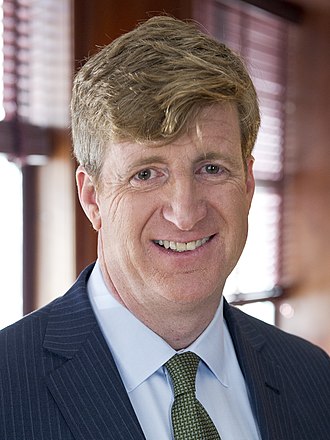
The introduction to Dr. Lombard’s book is by Patrick Kennedy. Kennedy’s self-effacing acknowledgement of his personal struggles draws one into Lombard’s story. As an introduction, a listener is interested in a scientist’s belief in God. However, by chapter 3, some listeners will be tempted to quit listening.
Patrick Kennedy (Former Democratic Representative from Rhode Island, Nephew of President Kennedy, son of Ted Kennedy.)
Lombard agues God is real because His existence is proven by evolution and human consciousness.
The basis for his argument is the “miracle” of evolution and human consciousness. The idea of “miracle” is a return to a neolithic age. Lombard’s “miracle” argument is off-putting for three reasons. One, miracles are frequently used by those who have not yet proven something by science. Two, evolution is proven by science. Three, consciousness remains undefined.
GalileoSIR ISAAC NEWTON (1642-1727)Niels BohrALBERT EINSTEIN (1879-1955)
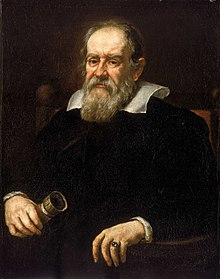
Earth is flat and the center of the universe, i.e., until Galileo proves otherwise. We live in a world of Newtonian physics (cause and effect), i.e., until Max Planck, Niels Bohr, and others discover quantum theory and mechanics. Time is a precise measure of the past, present, and future, i.e., until Einstein proves time is relative. History shows miracles are often explanations for something humans do not understand. The human mind consciously interprets and intentionally believes the absurd–like lightning strikes because Zeus is angry. One is justifiably skeptical of those who argue God is the origin of creation and human benefaction.
What may draw a skeptic back to the book is Lombard’s experience as a neurologist in treating patients with proven brain dysfunction. Lombard shows an empathy for his patients because of his professed beliefs. Whatever one’s belief, empathy is essential ingredient of a good life.
Lombard’s empathy is an evolutionary pattern that offers hope to the world.
FRIEDRICH WILHELM NIETZSCHE (1844-1900 DIED AT AGE 55)ALBERT CAMUS (1913-1960, DIED AT AGE OF 46)
Philosophers of the past like Nietzsche and Camus, reject God because they believe He/She is a construct of human consciousness, not an omniscient being who created heaven and earth. Nietzsche argues humanity killed God by becoming Superman or Woman, without the need for something greater than themselves. In contrast, Camus suggests belief in God makes no difference.
The world to Camus is an unpredictable place and every human must consciously seek a mission in life to be free.
Lombard agrees with Camus’s argument. However, Lombard believes evolution of human consciousness is proof of God. Lombard suggests proof of God’s presence is shown with transformation from human self-interest to empathy. That is Lombard’s gigantic leap of faith, unwarranted by facts. It is the equivalent of an oft quoted comment by Einstein about God not playing dice.
The last patient in Lombard’s book is a Buddhist monk who is at early stages of Alzheimer’s.
Ironically, as Lombard notes, Buddhist belief is to “let go” of human emotion. Dementia results in “letting go”, but dementia is not a conscious act.
Dementia gives no comfort to one who is older and has a fear of Alzheimer’s and its consequence for others. Others, who are left to care for the stricken. What makes this chapter interesting is Lombard’s careful diagnosis, attentiveness, and empathetic care for his patient.
By the end of Lombard’s book, one is convinced of the need for science, with a hope for clearer understanding of brain, mind, and consciousness.
God may or may not have anything to do with brain, mind, and consciousness. Lombard’s argument for God’s existence is no more convincing than a bolt of lightning from Zeus.
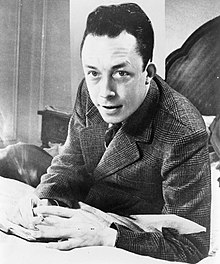
Albert Camus (1913-1960, Author, philosopher, founder of Absurdist philosophy.)
Albert Camus’s short story is similar to Irvin Yalom’s book, “When Nietzsche Wept”. In “A Happy Death” Camus’ reveals the essence of an Absurdist’s view of life while Yalom reveals a Nihilist’s view of life. Yalom’s story is longer, more informative, and artistic but both stories clarify similarity and difference between an Absurdist’ and Nihilist’ view of life.
Camus tells a story of a man who chooses to commit suicide. Yalom tells a story of Nietzsche who bares life and has no intention of committing suicide. Camus’s character commits suicide because he achieved a purpose in life but could not find a comparable purpose in life to replace the one achieved.
In one sense, Yalom’s characterization of Nietzsche suggests Camus’s suicidal character is a “Superman” because he rejects all religious and moral principles. However, by choosing suicide, he is no longer a “Superman” to Nietzsche.
To Camus, he was never a “Superman”. He is an Absurdist who has simply lost his chosen purpose in life because of the randomness of worldly existence. Camus’s character chooses suicide because his chosen purpose in life is taken away from him. His legs are amputated because of a random event of life.
To Nietzsche, life is pointless because there is no meaning to life. To Camus, meaning in life is a human choice, even though, like Nietzsche, he believes there is no God, or moral absolutes.
The answer to life for Camus is not that humans are Superman or Superwoman because there is no God, but that any human man or woman can choose, or not choose, to have purpose in life.
Camus views the world as an absurd place where anything can happen but that does not mean one cannot choose a purpose in life.
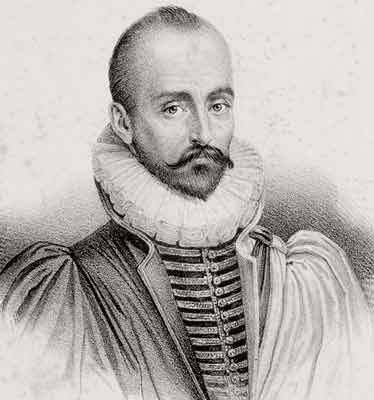
Camus notes this character who chooses suicide is different in one other significant way. His chosen purpose in life is to acquire wealth to buy time. He gained wealth. The noted difference reminds one of Montaigne’s essays. Montaigne had the luxury of wealth which gave him time for contemplation.
Camus’s story about Absurdism only begins with the suicide. The person who plans his suicide has a gun to end his life but by someone he chooses. The choice made by the amputee is Camus’s main character, a person wandering through life with no purpose.
The amputee explains he lived a life that earned him two million dollars. It was earned with purpose, by any means necessary. His purpose in life is to become wealthy. He achieves that purpose, but now with no legs, he feels he can no longer pursue that purpose. The main character is given two million dollars to shoot the amputee and make it look like a suicide with a note written by the amputee.
With two million dollars, the main character travels through Europe while contemplating what the amputee has explained about life in an Absurdist world.
The main character realizes he must choose a purpose in life and ignore the truth of life’s randomness. His purpose in life is not entirely clear, but Camus’s point is that to live life in an Absurdist world, one must choose a purpose.
To Camus, in choosing a purpose, one may find peace, a sense of achievement, and possibly happiness. To Nietzsche, life is something to bare and when it’s over, it’s over. To Nietzsche, there is no purpose in life.
It seems Camus believes it is better to be an Absurdist than a Nihilist. That puts a fine point on the question of suicide. A Nihilist like Nietzsche, presumably, would call one who commits suicide a coward. An Absurdist like Camus would suggest suicide is an option.
Optimistically, Camus shows his main character chooses a way of life that might be considered Epicurean, if not hedonist. Money gave him time to choose a purpose in life. His main character nears death and appears at peace with himself.
John Hersey (1914-1993, Author and journalist, won a Pulitzer for–“A Bell for Adano”.)
John Hersey is the son of American Protestant missionaries who was born in China.
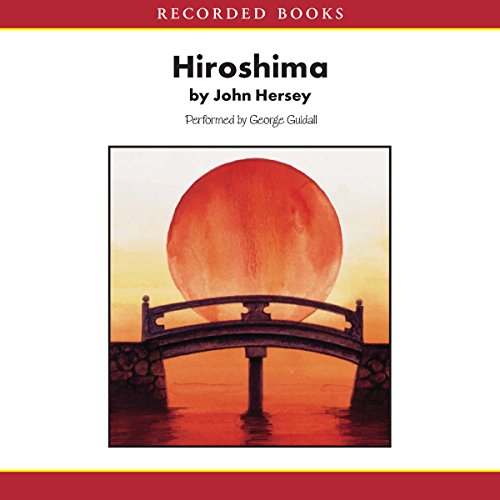
Hersey is considered one of the first journalists to use a “storytelling” style for news reports. His most well-known news story is published in a 1946 “New Yorker” article, later published and expanded as “Hiroshima“, a book about the consequence of the first nuclear bomb blast of WWII.
“Hiroshima” is printed by Alfred A. Knopf and has never been out of print. Hersey reports an estimated 100,000 were killed by the bomb. His book tells the story of the long-term impact of nuclear fall-out on six Japanese survivors of the June 6, 1945’ blast. (Today, the estimate of those who died from the bomb’s long-term impact is 140,000 to 350,000.)
One hopes 9/11/22 #rumors of former Russian supporters of Putin’s Ukraine/Russian War are asking him to resign. Putin’s decision to reinstitute the draft may be a turning point in the Ukrainian war based on his Czarist behavior.
In looking back at Russia’s 1917 revolution, it is discontent of the military and resistance to participation in WWI that aided Lenin’s overthrow of Czar Nicholas. Putin may be repeating that history. Many kleptocratic leaders of his administration are in the same spot as wealthy landowners of the Czarist era.
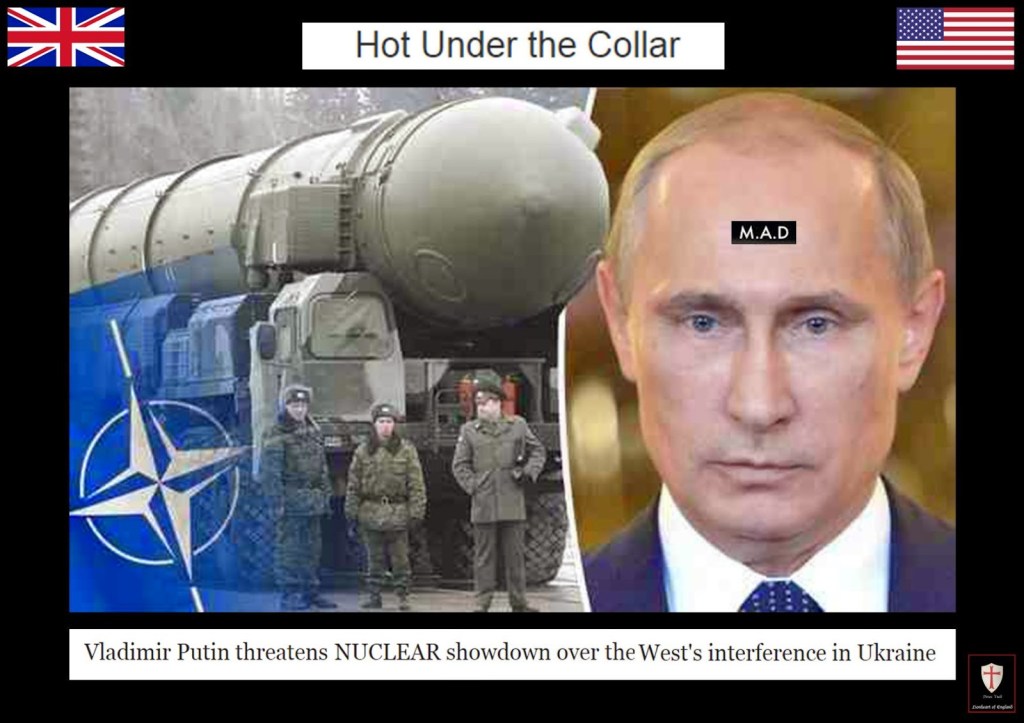
It seems appropriate to review “Hiroshima” today because of the Russian/Ukrainian war, and Vladmir Putin’s un-wise threat to use a nuclear bomb as a strategic weapon of war.
At least three of the six survivors in Hersey’s story are searching for solace by turning to belief in a Christian God. One presumes, these survivors were chosen by Hersey because of his life as a son of missionaries. As you listen to the six personal stories of Hersey’s choice, one wonders how non-believers cope with the aftermath of the bomb.
Hersey’s report of six survivors tells of broken bones, burned flesh, scarring, chronic fatigue, social isolation, and concomitant unemployment because of symptoms of these six survivors.
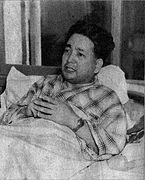
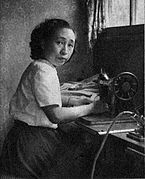
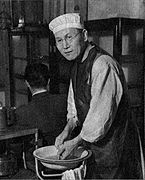
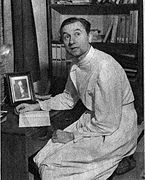
THESE ARE THE SIX SUBJECTS CHOSEN BY JOHN HERSEY FOR HIS STORY.
Left to Right–Reverend Kiyoshi Tanimoto (3,500 yards from explosion, Methodist), Mrs. Hatsuyo Nakamura (1,350 yards from explosion, Widow of a tailor with 3 children), Dr. Masakazu Fujioio (1,550 yards from explosion center, a live in the moment hedonist), Father Wilhelm Kleinsorge aka Makoto Takakura (1,400 yards from explosion, a German priest of the Society of Jesus), Dr. Terufumi Sasaki (1,650 yards from explosion, young surgeon at Red Cross Hosp.) and Miss Toshiko Sasaki (1,600 yards from explosion.)
Hersey notes some women who are pregnant when the bomb bursts have children who suffer from the consequence, even though not yet born. He tells of a formally successful physician who must start over again to establish his practice. He has little money and no credit but needs to have a place to treat patients for income. He must work from his home which is only rented because he cannot afford to buy.
Regardless of one’s religious belief, Hersey shows how six victims cope with the debilitating effects of a nuclear blast.
Hersey writes of a woman who is too fatigued to work at a regular job and decides to use her sewing machine to work at a pace her health will allow. She finds she cannot make enough money to house and feed herself. She sells the sewing machine and finds part time work collecting subscription payments for a newspaper that pays her fifty cents per day.
Hersey writes of recurring scars that occur from the flash and burn of the nuclear bomb explosion. The disfigurement requires plastic surgery.
Without money needed for cosmetic surgery, the young are reliant on financial gifts from others. Some Americans rise to the occasion.
In one instance, the TV program, “This is Your Life” generates contributions for a few victims’ who need plastic surgery.
Incongruously, on “This is Your Life”, the co-pilot of the Enola Gay meets with a survivor of the Hiroshima nuclear blast. Some consider this among the most awkward TV appearances of all time.
The fundamental point of Hersey’s stories is a nuclear weapon in war goes beyond immediate physical destruction and mental injury. Radiation from a nuclear bomb stays with victims for their entire, often shortened, and always compromised lives. It is more than the death of thousands, it is the remaining lives of every human being, whether born or yet to be born, who is exposed to the flash and burn of nuclear detonation.
Biology and Human Behavior: The Neurological Origins of Individuality, 2nd Edition
By: The Great Courses
Lecturer: Robert Sapolsky
Robert Sapolsky is an author, American neuroendocrinology researcher, and doctor of neuropsychology, educated at Harvard and acting professor at Stanford.
Sapolsky’s lectures begin with optimism. He infers one can understand the biological origin of human behavior. However, as the lectures progress one becomes skeptical. By the end of Sapolsky’s lectures, the source of human behavior seems too complex for human understanding. In a future age, it may be possible to reduce uncertainty, but determination of the sources of human behavior are likely to remain a probabilistic endeavor.
Sapolsky begins with neurological, physiological, endocrinological, genealogical, and environmental influences on behavior but ends with no definitive origin for human behavior.
This is not to say these lectures are not interesting, but science is far from understanding how any discipline can effectively or accurately identify the sources of dysfunctional human behavior. Cures for psychological maladies remain elusive because of the complexity of their origin.
There is no nerve that can be cut, no drug that can be administered, no gene that can be removed, no environment created that singularly cures abnormal human behavior. Sapolsky is saying the origin of human thought and action begins with genetic history, is influenced in the womb, is subjected to hormonal disruption, lives to be changed by environmental circumstances, and dies either early or late depending on the circumstances of life.
Sapolsky begins his lectures with a lesson in physiology and discussion about cells and the nervous system and how it works.
He explains limbic and autonomic nervous systems. A limbic system is where subcortical structures meet the cerebral cortex. It influences the endocrine system and the autonomic (breathing, heartbeat, and digestive system) functions of the body.
Sapolsky explains how regulation of body function is affected by hormones that come from many organs of the body. These hormones affect brain function (which is also a hormone producing organ) that have a great deal to do with how one acts. The physiology of the nervous system and blood circulatory system carry hormones throughout the body.
Sapolsky goes on to explain evolution of behavior that comes from genetically inheritable social history. What is revelatory is the myth of evolution based solely on a genetic singularity which preserves itself at all costs.
Sapolsky argues preservation of species, not specific gene preservation, is the key to understanding evolution. (This is a partial disagreement with the “selfish gene” postulated by Richard Dawkins.)
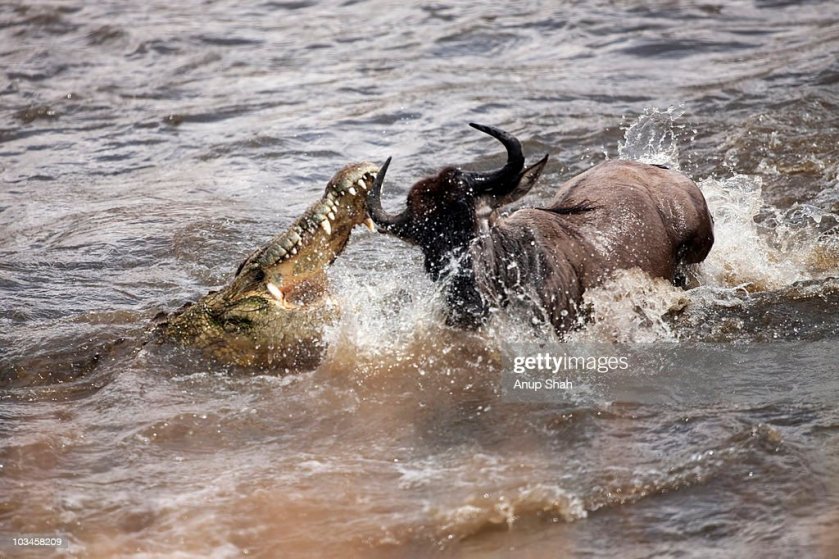
The example Sapolsky offers is the Wildebeest herd that plans to cross an alligator infested river.
An early interpretation of that crossing is that a leader of the herd voluntarily steps into the river to sacrifice itself to allow the herd to cross the river while it is being feasted upon by alligators. Sapolsky explains the Wildebeest is not sacrificing itself. Careful observation shows an older Wildebeest is forced into the river by the herd. It is not a voluntary action but a heritable social behavior of the herd to preserve itself.
Sapolsky identifies myths about what causes abnormal human behavior. The idea that testosterone levels are a cause for aggression is untrue. The National Institute of Health found that increased or decreased levels of testosterone have a weak correlation with aggression. Sapolsky notes that testosterone levels vary based on environmental circumstances and interaction with other hormone producing organs. It is not found to be a hormonal cause of aggression.
Sapolsky ends his lectures with “Evolution, Aggression, and Cooperation”. Here is where some may become disappointed with “Biology and Human Behavior”. The disappointment is in feeling there is no way out of the human condition of “everyone for himself”.
Every country of the world is populated with people like the wildebeest. Until the world is one herd, it seems humans are destined to lose their way as a species. The river to cross is the world’s environmental crises. With disparate herds in the world, the alligator in the river (our environment) will eat us all.
King Richard: Nixon and Watergate-An American Tragedy
By: Michael Dobbs
Narrated by: Mark Bramhall
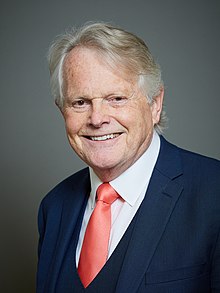
Michael Dobbs (Author, British member of the House of Lords, graduate of Oxford and Tufts University.)
Appropriately, it is a British citizen who writes a biography that focuses on Nixon’s years as President of the United States. An American is much less likely to be objective about Nixon’s Presidency.
Like yesterday’s Richard Nixon and today’s Donald Trump, Americans love or revile former Presidents.
The title of Dobbs’ book exemplifies a legitimate view of Richard Milhouse Nixon as an American tragedy. One doubts history will ever consider Trump’s fall from power as a tragedy. Both Nixon and Trump act like Kings but Nixon served America in ways that justify Dobb’s book title for Nixon as “…American Tragedy”.
Dobbs reminds Americans of Nixon’s prescient understanding of China by opening China to the west.
Nixon extricated America from Vietnam, a war that could not be justified or defeated by the delusional beliefs of past Presidents who believed in the domino theory of communist expansion.
Though Dobbs did not write about Nixon’s domestic policies, it was his presidency that formed the Environmental Protection Agency and instituted the war on cancer with a $100-million-dollar subsidy creating national cancer research centers. Nixon signed the Title IX civil rights law preventing gender bias at colleges and universities receiving federal funds. Nixon provided Native Americans the right of tribal self-determination. Nixon expanded social security benefits for working families.
Dobbs notes Nixon exhibits a kind of insecurity that clouds his judgement. That insecurity leads to the foolish decision to invade the Watergate Democratic headquarters; compounded by a cover-up that ends with Nixon’s resignation.
The prestige of office magnifies strengths and weaknesses of one who becomes a national leader. The potential for abuse of power by authoritarians has been demonstrated many times in world history. America is no exception. Dobbs details Nixon’s fall from the Presidency.
Dobb’s story of Nixon is an interesting contrast to Trump’s rise and fall. In no way is that to suggest there is any equivalence in intellect or contribution of these two Presidents because one is a tragedy while the other is a farce.
It is not a surprise that Trump is still being supported by many Republicans. Republicans supported Nixon until the truth is revealed by John Dean and the Nixon recordings. One suspects that will be true of Trump when the FBI investigation is completed.
Dobb’s paints a picture of Nixon that is at times imperious and, at other times, endearing and vulnerable. Nixon seems a lonely man who loves his children but seems distant from his wife. Nixon has few friends.
Those who remain close to Nixon seem remote from his rise to the Presidency. He gains respect from those who report to him but more because of position than intellect or emotional attachment. It will take an outsiders view of Trump to objectively assess his contribution to America.
A fundamental difference between Nixon and Trump is that Nixon rose to fame from nothing while Trump is born to wealth. Nixon earned his education. Trump bought his education.
To Nixon, Dobb’s shows money is a means to an end. To Trump, money seems all there is, and value is only measured by how much you have.
Nixon appears to have useful friends, not pleasant friends. The few pleasant friends are like Bebe Rebozo who never challenges his opinion and listens rather than asks questions. Useful friends are protected or abandoned based on personal loyalty. Any disagreement by useful friends with Nixon’s or Trump’s public pronouncements is perceived as disloyalty.
Both Nixon and Trump revile criticism, particularly from the press. Nixon is willing to sacrifice his closest subordinates if required to protect his position. Both ex-Presidents of the United States were willing to use the power of their office to pardon the guilty who have followed their orders.
All who become close to Nixon or Trump have been positively and negatively infected by their association. “King Richard” is a reminder of America today.
Odd Arne Westad (Norwegian author, historian, professor of History and Global Affairs Yale University.)
Westad argues “The Cold War” rises from the industrial revolution.
Od Arne Westad’s book is summarized here but not fairly assessed based on his erudition and the book’s voluminous facts and opinions. He argues the industrial revolution improves economic conditions of the world’s population via two fundamental forms of government, i.e., one Democratic and the other Socialist.
Westad notes America and the U.S.S.R. are principal representatives and antagonists of “The Cold War” because of their way of capitalizing on the industrial revolution.
Westad implies communism is a form of extreme Socialism. Some might argue America is a form of extreme Democracy. The facts Westad reveals show both countries have autocratic tendencies and have made historical mistakes that have cost millions of lives. The irony of those mistakes is that America became a more socialist-capitalist country and the U.S.S.R., now Russia, became a more capitalist-socialist country.
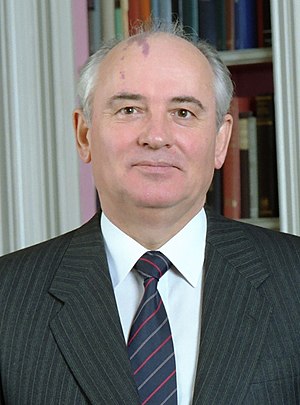
In broad outline, Westad’s historical facts define “The Cold War” as it developed in the 20th century. Westad covers most of the world in recounting the consequence of “The Cold War”. He notes key players like Indira Gandhi, Mikhail Gorbachev, Nikita Khrushchev, Mao Zedong, Richard Nixon, John Kennedy, Lyndon Johnson, Ayatollah Ruhollah Khomeini, Joseph Stalin, Josip Broz Tito, Jomo Kenyatta, Patrice Lumumba, Kwame Nkrumah, Yasser Arafat, David Ben-Gurion, Gamal Abdel Nasser, and others.
There are so many stories of so many leaders, one may lose sight of Westad’s argument–“The Cold War” is defined by the industrial revolution. In some ways, Westad gives short shrift to the significance of one person’s impact on “The Cold War”. However, historians choose their facts to make their point.
The importance of Gorbachev is perfectly identified by Westad’s characterization of the Gorbachev era. The impact of glasnost on world history is a book by itself.
When Khrushchev gave his speech that revealed Stalin’s atrocities, Mao lost all respect for U.S.S.R. leadership. President Xi is a strong proponent of the ideals of Maoist communism which implies Russian/Chinese’ relationship is utilitarian more than ideological. The same might be said of Russia’s and China’s support of North Korea.
Westad implies Mao considered Stalin a near God.
The rift between China and Russia that developed when Khrushchev demeans Stalin’s role in the growth of U.S.S.R.’ communism will never be mended even in the era of reproachment between Xi and Putin.
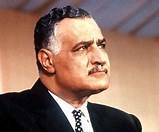
The importance of Gamal Abdul Nasser to the Arab world is exemplified by Westad’s explanation of Nasser in Egypt. A similar misreading of history is dispelled about Indira Gandhi and the lack of respect given by Nixon and Kissinger of her role in India.
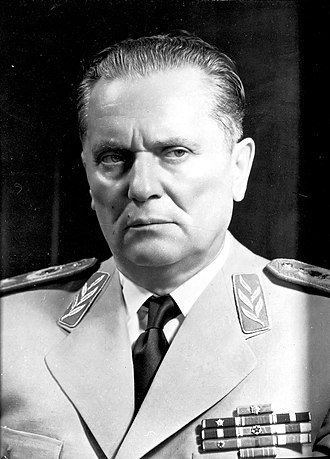
Westad’s explanation of Stalin’s disrespect of Tito is enlightening. Tito idolizes Stalin but that feeling is not reciprocated by Stalin because, to Stalin, there could only be one leader of the communist movement.
In a trip to the countries formed out of Yugoslavia, it is interesting to note the respect the older generation had for Tito. That respect for authoritarian leaders is noted by Wested when he writes of Stalin. In spite of the millions of Russians murdered or incarcerated by Stalin, improvement in living standards of many Russians endeared him to many citizens.
Wested’s history reminds one that autocracy is not limited to any particular form of government. Just as Tito was an autocrat of Yugoslavia, one might view Trump as a Wanna-Be autocrat of America. Both had their committed followers.
In the modern age, Russia’s hegemonic role in the world has been replaced by China. Like Russia, China adopted a more socialist/capitalist economic system. “The Cold War” continues but the major representatives have changed.
The only political ideal that saves humanity from tyranny is freedom within rule-of-law.
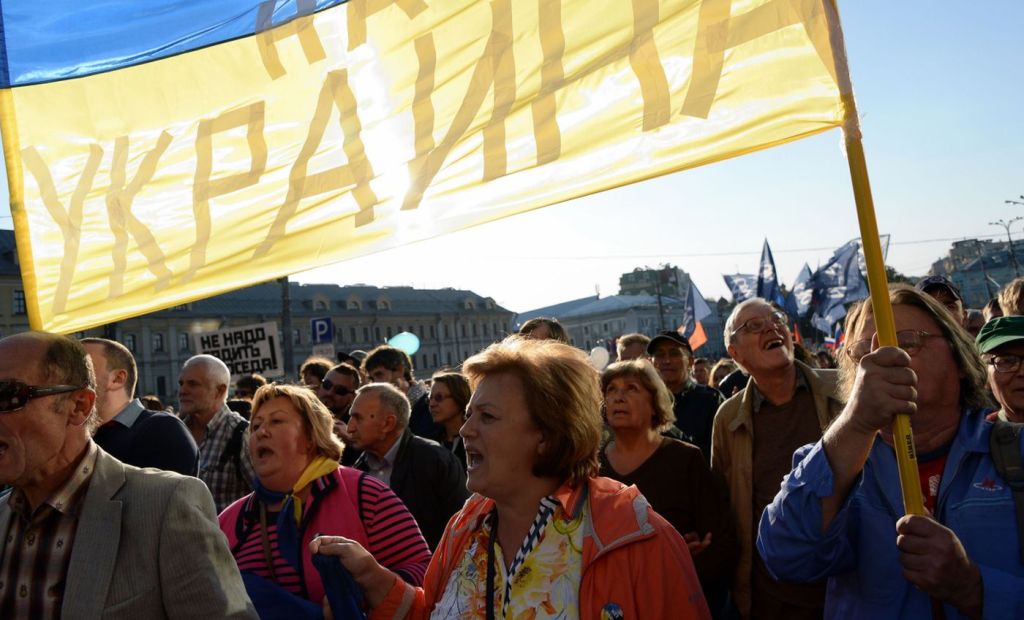
Russian People protest the Ukrainian war.
A peaceful settlement of the #RussianUkrainianWar will be difficult. It is not America’s or other countries’ job to pick winners and losers. Ultimately, it will be Ukraine’s decision whether the #PutinWarCriminal prevails or fails.
What one is left with after finishing Westad’s history is the belief that neither Democracy, Socialism, nor Communism offer final answers for the future. Autocracy infects all three systems of government.
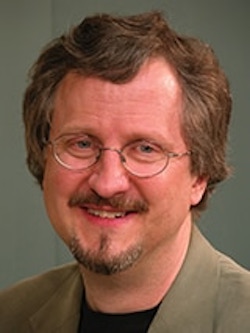
Stephen Nowicki (Professor of Biology at Duke University.)
Professor Stephen Nowicki offers a 36.5-hour lecture on Biology. From the origin and growth of life to the chemical and neuronal function of living things, Nowicki systematically reveals experimentally tested knowledge of the “…Science of Life”. This brief review only addresses a few of the many fascinating details Nowicki explains.
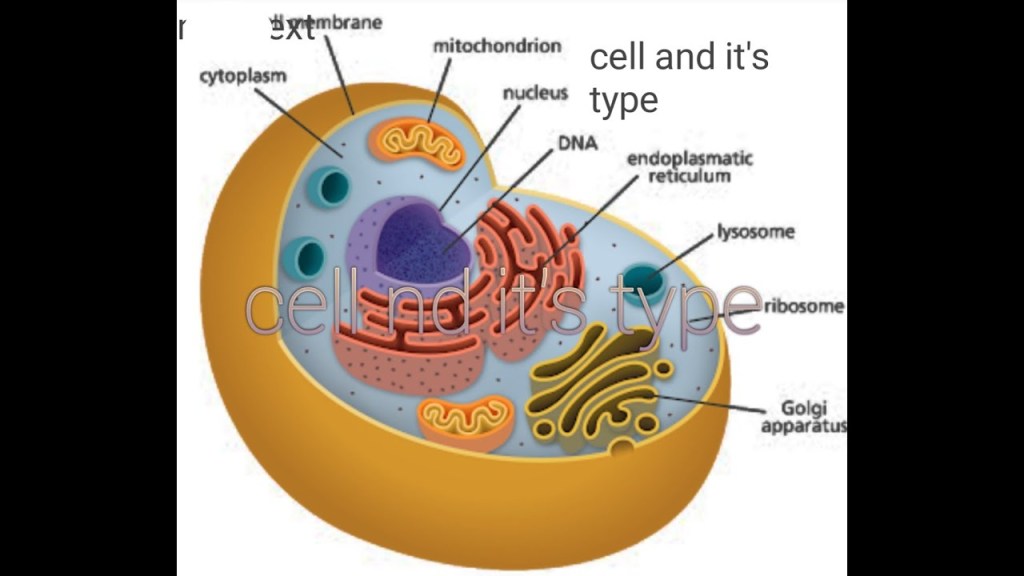
Science argues the beginning of life began with cells.
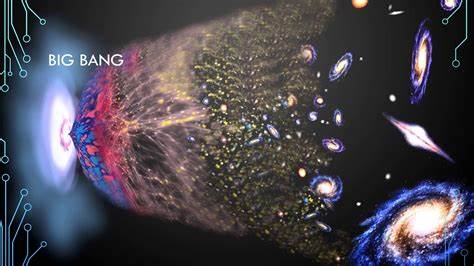
Nowicki suggests, cells evolve from the agglomeration of detritus from the “Big Bang”.
The early formation of these cells is missing two ingredients for life. Nowicki explains these early cells evolve from violent volcanic and electrical activity of the “Big Bang”, an environment in which those two missing ingredients are created.
Nowicki explains early non-living cells are bombarded by electrical storms that generate amino acids (organic compounds) and sugar from violent atmospheric conditions that include water.
In the early 1950s, these conditions were tested in laboratory conditions and found to create two essential building blocks of life. Nowicki explains, these building blocks (amino acids and sugars) became part of non-living cells.
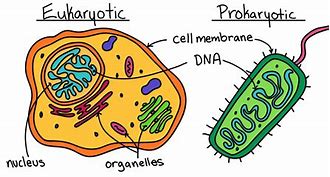
Experiments show these non-living cells transformed into prokaryotic and eukaryotic cells.
The eukaryotic cells had a nucleus containing genetic material while prokaryotic cells carried free-floating genetic material without a nucleus. Nowicki then explains the role nucleotides (protein) play in activating genetic material within these cells.
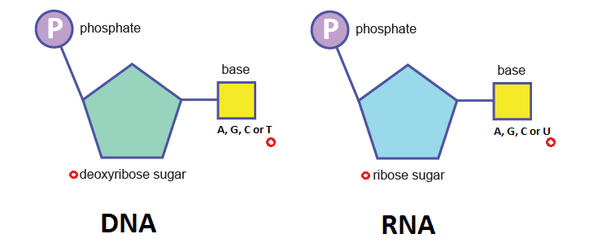
Nowicki notes DNA is present in both prokaryotic and eukaryotic cells, but they need to have a way of being activated. With replication, molecules (chemical compounds) could form. Nowicki explains living matter originated from the clumping and replication of these molecules.
Nowicki explains ribonucleotides (proteins) were created in the primordial soup of early earth. These ribonucleotides transformed into RNA which activated DNA genetic material and replicated both prokaryotic and eukaryotic cells.
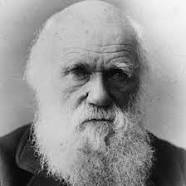
Evolution of species, established by Darwin in the 19th century, appears quite consistent and reminiscent of the primordial process Nowicki outlines.
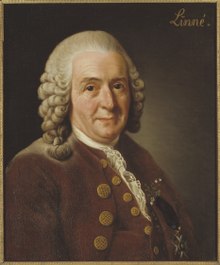
With that reflection, Nowicki reminds listeners that evolutionary process should not be thought of as a necessarily progressive improvement. Evolution is chancy. It can either preserve or destroy species. Nowicki wanders back in history to explain classification of species as theorized by Linnaeus in the early 18th century.
Carl Linnaeus (1707-1778, Swedish botanist, zoologist, taxonomist, physician.)
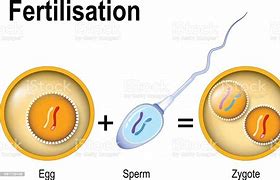
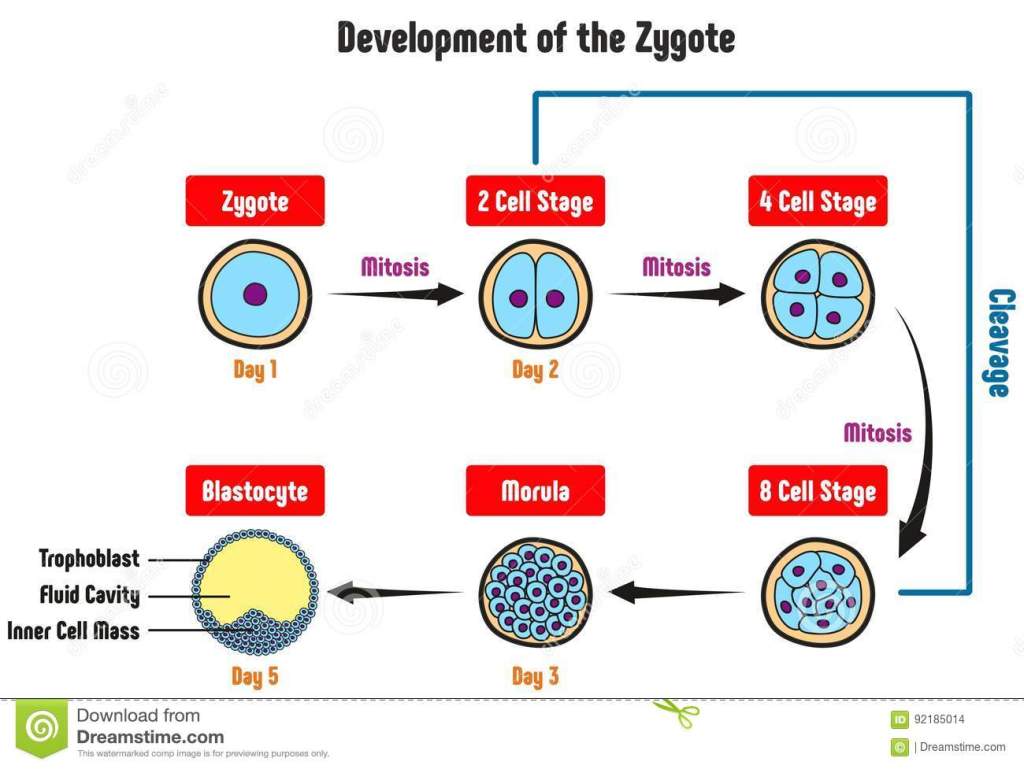
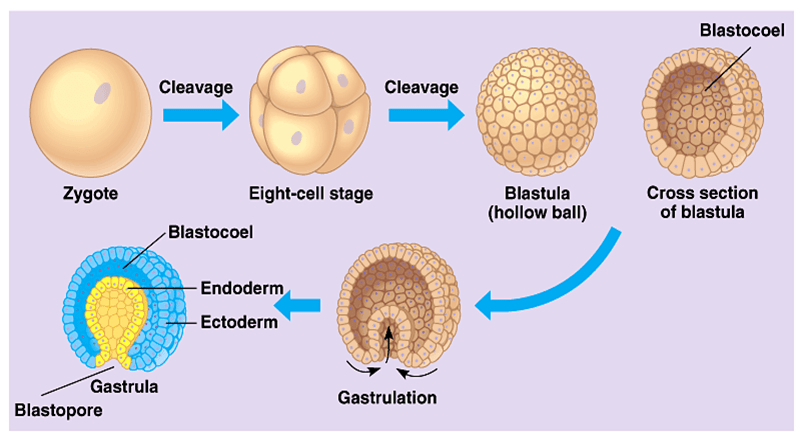
A particularly fascinating lecture is given about embryo development. A zygote is a fertilized egg. The zygote begins as a singular cell and splits into two cells.
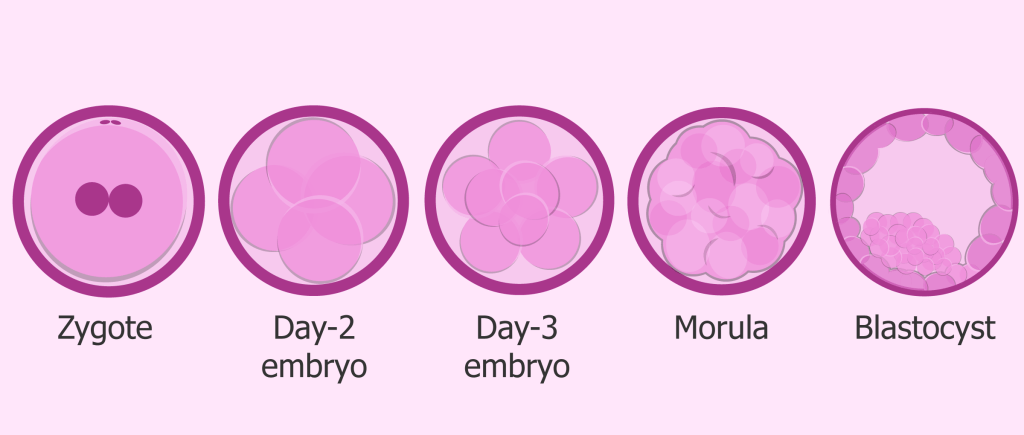
The second doubling of a zygote creates four cells separated in a vertical axis with all genetic material present in each cell. Subsequent doubling is separated on a horizontal axis. These new cells do not have all genetic material enclosed. The new cells have a more limited genetic role. There is significance in that axis change because of the location of genetic material in respective cells. With a change in axis, the viability of one cell carrying all the characteristics of its host goes from certainty to doubtful. The specialization of cells removes some of the genetic material that would contain all the characteristics of the life form.
Zygote Evolution
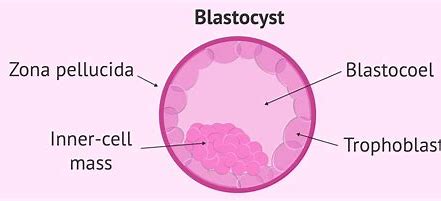
The zygote at four cells is mature. The next doubling becomes an embryo. All four cells have the genetic material of a male’s and female’s contribution. Each multiplication reduces the size of sister cells until they form a mass that surrounds a vacant space within its middle. This vacant space is the blastocyst stage. The blastocyst is made up of an exterior shell, a middle shell, and an inner shell. Each shell becomes the seat of design for what is to be born.
After a Zygote split into 4 cells, it becomes an embryo.
All amassed cells around the blastocyst carry site specific genetic material of life that forms a living thing.
The process of design in a human begins with an intrusion into the blastocyst without breaking its shells. That intrusion (a human gastrula), around the 7th or 8th day, uses the membranes as laboratories within which genetic codes create skin, bone, internal organs, and the digestive system.
Each of the three membranes are the laboratories of creation. The exterior or outer shell for example would become skin, the middle shell would become organs, the inner shell would become the digestive system.
The key to activation of this process is protein. Protein is the messenger of genetic material (DNA and RNA) from cells that create the tissue and organs of the body. Proteins are the elemental particles that activate genetic morphology. Without protein activation, there is no life.
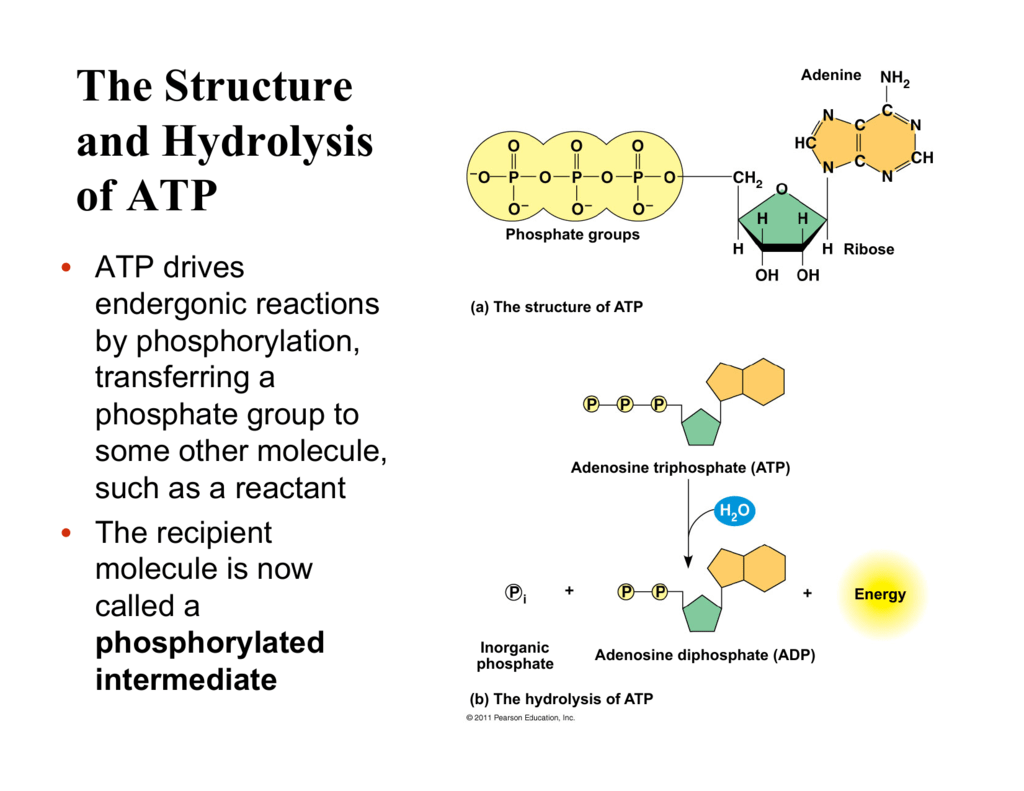
The next exploration of biology by Nowicki is more suited to students of biology. Nowicki makes a valiant effort to explain the chemistry of ADP and ATP phosphates that provide energy needed for growth and maintenance of life. This part of the lecture series becomes too technical.
In general, Nowicki explains growth and maintenance of life requires energy. That energy comes from the hydrolysis of ATP and ADP. Hydrolysis is the chemical breakdown of molecules as they interact with water.
As molecules of ATP and ADP break down, they fuel cells of life to act in specific ways to promote growth and maintenance. Like the importance of protein messengers for activation of genetic material, life cannot exist without the energy provided by ATP and ADP. Nowicki diligently tries to explain the mechanics of this phosphate process but loses this reviewer’s interest.
Next, Nowicki lectures on photosynthesis and how plants use sunlight to synthesize foods from carbon dioxide and water.
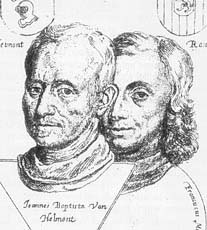
The first inkling of cause for plant growth is noted by Jan Baptist van Helmont in the 17th century. Nowicki explains Helmont planted a tree in a tub of soil. He carefully weighed the soil and tree at the time of planting. Over several years, he observed the growth of the tree. At the end of those years, Helmont weighed the soil and tree. He found a small decrease in the soil’s weight and a gigantic increase in the tree’s weight. Helmont speculates the difference is from water added over the years. Though his conclusion is only partly correct, he paved the way for discovery of photosynthesis.
Jan Baptist van Helmont , a Dutch chemist and physician (1580-1644, On the left with his son on the right.)
That synthesis is a more complete explanation of the weight gain noted in Helmont’s experiment. The fundamental point being made by Nowicki is that species growth and demise is based on resource availability. Jan Ingenhousz completes Helmont’s theory with the discovery of photosynthesis.
Jan Ingenhousz (1730-1799, Dutch physiologist.)
Around 1779, A Dutch physician named Jan Ingenhousz found that green plants use sunlight to synthesize food for plants from carbon dioxide and water.
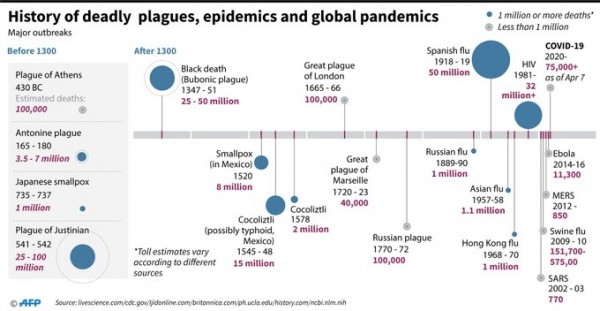
The remaining lectures are about Malthusian limits to life. There are natural and societal actions (meaning acts of war) that affect species survival. For natural calamities, one is reminded of the Black plague in the 14th and 17th centuries, the Spanish flu after WWI., the Irish famine in 19th century, the great Chinese famine during the “Great Leap Forward”, and now Covid19.
And today, the Covid19’ pandemic. (As of August 2022, world-wide deaths are estimated by WHO at over 6,000,000 with the U.S. at 1,032,820, Brazil at 679,536, and India at 526,689. This does not account for undiagnosed deaths from the virus.)
From man’s inhumanity to man, there is the Mongol invasion of Europe in the 13th century, two 20th century World Wars, the holocaust atrocity of WWII that murdered 11,000,000 (6,000,000 of which were Jews), and most recently, an estimated 600,000 dead in the Syrian Civil War.
How many more deaths will there be from Russia’s invasion of Ukraine?
Of course, Nowicki’s attention is on the biology of life. Nowicki explains, the key to balance of nature is biodiversity. Nowicki notes the unprecedented loss of species in the post 20th century world risks life’s future. Nowicki briefly explains how drug discoveries and loss of genetic material from species extinction affects the balance of nature by diminishing the sources and utility of future medical discoveries.
The fundamental point of Nowicki’s view is that no species escape the natural biological limits of life. Nature balances life based on resources available. A listener may imply Nowicki believes humanity is threatened as much by ignorance of biology as of “man’s inhumanity to man”.





























































 REVIEWS AND VIEWS OF LIFE