HUMAN RELATIONS

Celibacy, marriage, infidelity, and the experiences of education, financial security, and life make human relationships unpredictable. Watson’s story shows how unpredictable life can be.

Audio-book Review
By Chet Yarbrough

(Blog:awalkingdelight)
 Website: chetyarbrough.blog

Before I Go to Sleep (A Novel)

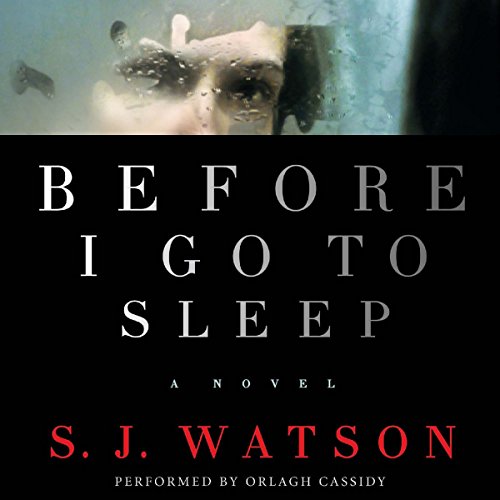
By: S. J. Watson

Narrated by: Orlagh Cassidy

S. J. Watson (English author, writer, audiologist.)

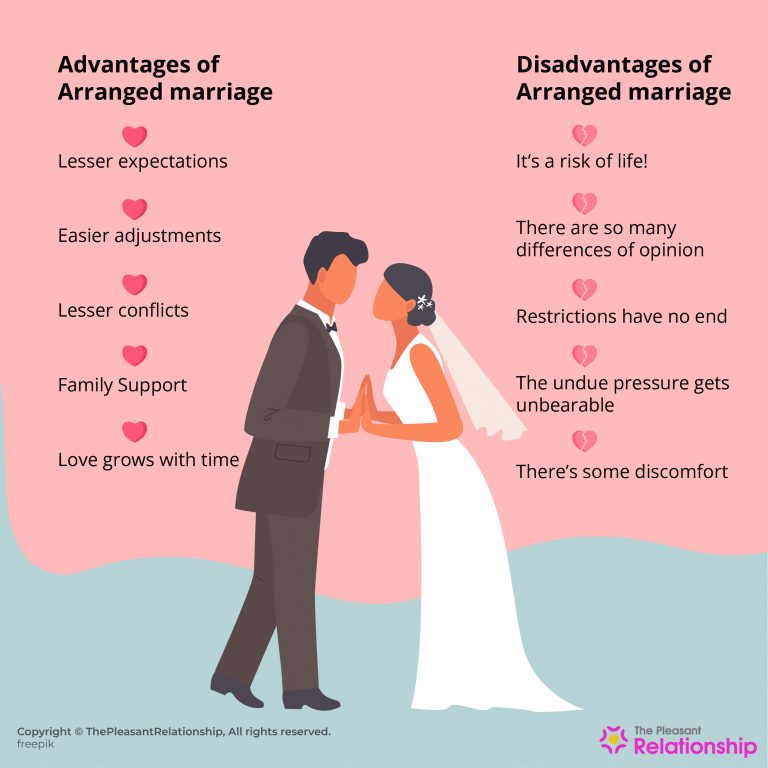
“Before I Go to Sleep” is a terrifying novel about human relationship. On the one hand, it is a story about memory and identity, trust and deception, power and control. On the other, it is about the immense harm that may come from a psychotic episode of one who has lost control of their temper and behavior. Watson writes a story about a wife, Christine, who is married to Ben. They go through a rough patch in their marriage and Christine has an affair with a man named Mike whom she meets at a coffee pub. Through several meetings and conversations, Christine is seduced and chooses to have an affair with Mike.

Relationship building.

Christine chooses to end the affair, but Mike reacts to her rejection by beating her into unconsciousness. She loses her memory from the brutalization, and in a mysterious way, Christine reconnects with Mike who takes care of her during a long and extended recovery. Her husband, Ben, seems both absent and present during Catherine’s recovery. Mike assumes the role of Ben as Christine’s husband when Ben is not present. Because of Christine’s lack of memory, she remembers neither the faces nor behaviors of what are essentially caregivers in her life. Mike takes Ben’s place by living with and caring for Christine when the real Ben is not present. Mike chooses to become Ben and changes the story of Christine’s brutalization from his attack to an automobile accident as the cause of her injuries. Mike purposefully misleads Catherine about events in her life. He re-establishes an intimate relationship with Catherine as her husband named Ben.

Threats to relationships in life.

Mike’s deception becomes threatened when an interested psychiatrist named Nash wishes to help her recover her memory. Dr. Nash is interested because of the unusual nature of Christine’s memory loss. In one sense, this heightens the mysteriousness of the author’s story because a reader/listener wonders why Nash involves himself in Christine’s life. Presumably, Nash knows something about what really happened to Christine and advises her not to say anything to Mike about his aid because he believes she is not being told the truth about what happened to her. He advises Christine to keep a secret journal of everything that happens in her life to aid recovery of her memory.

Violence against women.

Violence against women by men is a tragic truth that is magnified in patriarchal societies. Of course, women can also be violent, but their history is less often physical, and more often verbal and/or psychological abuse. The author creates a story that draws one into an engrossing thriller about male physical assault that makes a listener/reader want to find out how Christine recovers her memory of what really happened. Christine is lovingly cared for by the man who had brutalized her. This imaginative social relationship gives a tension to the writing that keeps one engrossed in Watson’s story.
Human nature.

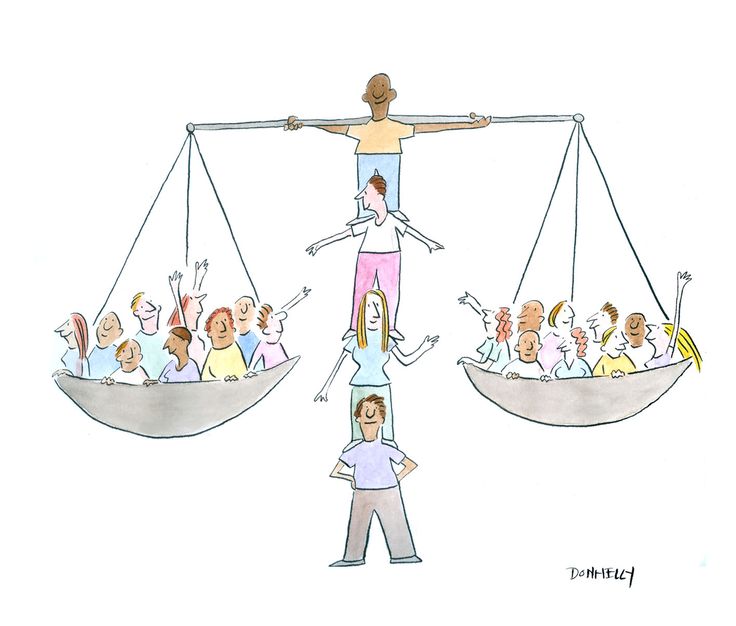
What Watson reminds reader/listeners of is the nature and development of human beings. Relationships between people who care for each other are complicated by genetic inheritance, learned experiences, physical characteristics, and emotional stability. Celibacy, marriage, infidelity, and the experiences of education, financial security, and life make human relationships unpredictable. Watson’s story shows how unpredictable life can be.


GENERATIONAL DYSFUNCTION

“Yesteryear” is a hard book to complete because it reveals the many mistakes’ human beings make in their lives that repeat themselves in future generations

Books of Interest
 Website: chetyarbrough.blog

Yesteryear (A Novel) 

Author: Caro Claire Burke

Narration by: Rebecca Lowman

Caro Claire Burke (Author, social media influencer, co-host of politics and culture podcast.)

“Yesteryear” is a book about human society. One may see Caro Burke’s story as a picture of society from a woman’s perspective. She shows how life can fall off the rails in America or any culture. In identifying the prejudices of gender, Burke shows how an educated, intelligent woman can become psychologically unhinged by memories of her life experiences.

Gender inequality is a worldwide phenomenon.

Gender inequality is highly destructive in all societies. Burke is not suggesting all people are equal. Every human being is equal in the sense of being human. A person may be born rich, poor, and become formally educated, or remain uneducated. Some are highly intelligent; others not, but as a living person we are all human. Human beings have potential to bare hardship and grow to challenge, succumb, or overcome bad experiences and memories. Of course, hardship is greater for some because of their gender and/or color of their skin. Burke addresses the first form of a harder life rather than the second.

A story of a family.

“Yesteryear” is the story of an Idaho family and a young woman named Natalie Mills. Natalie is described as an attractive young woman of modest means who is doing well in college. She meets a handsome fellow student who comes from a rich family. They “fall in love” and marry. Her husband to be is Caleb Mills whose father is running for President while a member of the United States Senate. Burke’s story is of the relationship of Caleb and Natalie and how it changes from being two college students who become a married couple to what seems an irreconcilable marriage.

Wealth.

The Mill’s families’ wealth, political status, and family structure influence their son to believe marriage is a way of perpetuating his family’s future. Caleb’s father instills that belief in his son and makes a bargain with Natalie to ensure her role as a bearer of babies to perpetuate the family name. The bargain she and Caleb’s father strike is in funding the purchase of a farm in return for having more children. The name of the farm becomes “Yesteryear” and is meant to give Caleb an opportunity to thrive as an independent farmer.

Caleb and Natalie are two young college students who learn more about each other after they become married.

Natalie’s family background is different. Her mother has a quiet coldness that is non-protective toward her two daughters with no fear of loss of the family name. Natalie is blessed with intelligence and a desire to become better educated. Natalie’s sister is married and has children from an abusive husband whom she plans to divorce without a means of financial support once she divorces. Their mother seems oblivious to the consequences of her daughter’s divorce. Natalie sees her sister’s life as an imminent financial disaster. As the story progresses, one sees Natalie exhibit the same coldness and non-protectiveness toward her own children from memories of the way her mother raised her family.

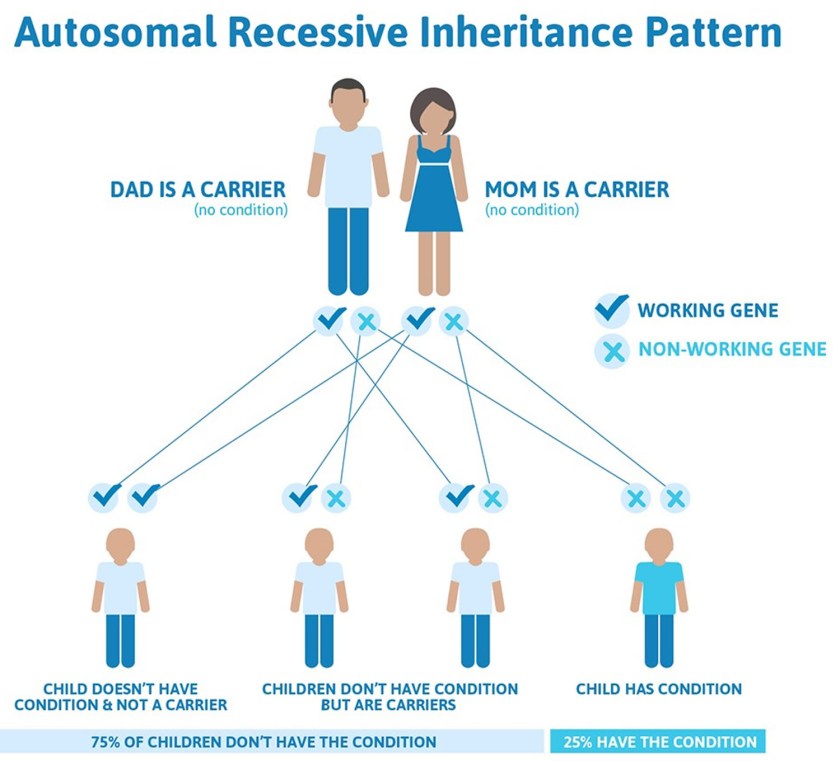
The inheritance patterns of life; some of which are genetic while others are learned experiences that become our memories.

What Caleb and Natalie learn about their relationship comes from memories of experiences they have had in their respective families. Caleb is a young man trying to find his way in life. Natalie is a young woman who chooses to marry someone who offers a way of life much grander than her own. Caleb is characterized as a poor lover with no particular goal in life. As Natalie realizes Caleb’s directionlessness, she searches for a way to instill ambition in her husband and stability to their marriage. Natalie convinces Caleb’s father to invest $5,000,000 into a farm that could be made prosperous by the hard work of the newly married couple. For Natalie to convince her father-in-law to make the investment, she agrees to Caleb’s father’s demand for more children in her marriage to his son. Intimacy becomes a means to an end of having children to meet the demands of Caleb’s father’s bargain with Natalie.

Twenty first century farming is not for the faint of heart or uneducated.

The trouble with this arrangement is that Caleb seems unsuitable for a life of farming and Natalie is a failure as a nurturing mother of her children. The farming experience magnifies Caleb’s and Natalie’s weaknesses. Caleb cheats on his wife with a farm employee and becomes abusive toward his wife. Natalie injures herself, fails to nurture her children, receives little support from her family or Caleb’s father, and falls into a life of despair. Caleb compounds negative aspects of their marriage by becoming physically and mentally abusive toward Natalie. Their match made in college becomes a horror story of memories that diminish the joys of marriage, having children, or living life with either purpose or joy.

“Yesteryear” is a hard book to complete because it reveals the many mistakes’ human beings make in their lives that repeat themselves in future generations.