HEART RENDERING

Live as healthy a life as you can because death is a part of every life, and fulfillment is in one’s health.

Audio-book Review
 By Chet Yarbrough

Blog: awalkingdelight)
 Website: chetyarbrough.blog

Heart: A History

By: Sandeep Jauhar

Narrated by: Patrick Lawlor

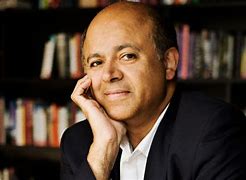
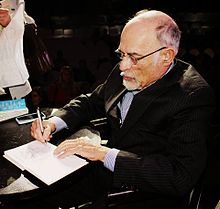
Sandeep Jauhar (Author, Cardiovascular Physician, opinion writer for The New York Times.)

“Heart” is a history of cardiovascular medicine, personalized by Sandeep Jauhar, a cardiovascular physician. Jauhar’s history of cardiovascular medicine is not for squeamish listeners. It is a personalized account of advances in cardiovascular medicine by a physician whose personal life is interwoven with the ravishes of heart disease. Jauhar addresses the history of heart ailments, his family, his patients, and physician/inventors who advanced the treatment of heart disease.

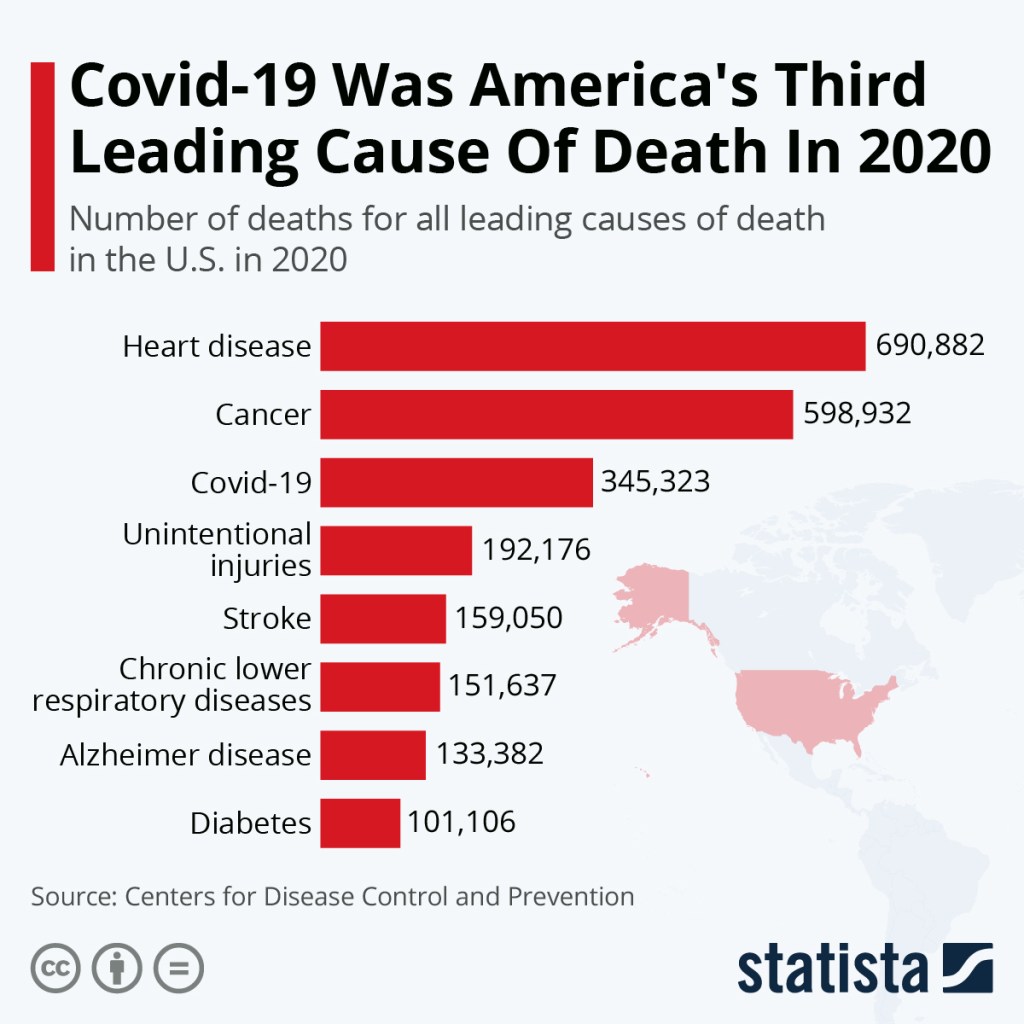
Heart disease remains the top medical cause of death according to the Centers for Disease Control and Prevention (CDC) and other statistical agencies.

Jauhar notes the heart is a critical organ of the human body, but its essential function is as a pump for blood. It is a muscle. With its contraction, blood carries the nutrients and oxygen of life to organs of the body. When that pump malfunctions or stops, life is in jeopardy. Jauhar’s history of the “Heart” recounts advances in medical treatment for the heart’s repair and maintenance.

There are several reasons why Jauhar’s history is difficult for listeners to hear.

  1. Many of the most important advances in cardiology are dependent on animal experimentation before human application. To animal lovers, the thought that animals, whether they have awareness or not, are used to test pacemakers, heart transplants, and human drug treatments for heart ailment. Their earts are stopped and restarted. Animals die from tests being run by doctors and clinicians searching for answers and treatments for heart disease and other medical maladies. The human reason for this method of research poses the question–who would want sons, daughters, or parents treated without tests for the unknown consequences of experimental drug treatments and physical interventions?
  2. Descriptions of pain and anxiety of heart disease symptoms are explained with details that may scare listeners who have been diagnosed with heart disease.
  3. The balance between living and dying, pain and nothingness, is a constant presence in conversations between physician and patient. Stories of individual patient and mass casualty events are a part of Jauhar’s history of “Heart” disease and treatment.
  4. Jauhar views major advances for heart disease treatment are near their end in the 21st century.

Jauhar offers many stories showing how research and great inventions have mitigated the consequences of heart disease. The key to that observation is that inventions and interventions mitigate but do not cure the disease.

Jauhar explains an abnormal heartbeat called an arrhythmia led to the invention of an implanted mechanical electrical conduction system to automatically shock the heart when an arrhythmia occurs in a patient. The shock can be painful. However, without that shock, an arrhythmia stops the flow of blood to vital organs which may lead to death or disability. The idea of the shock creates anxiety in some patients that can induce further arrhythmia which repeats the shock. Jauhar reports one patient asks to have the implant removed because of its repeating shocks. Jauhar notes the patient dies soon after the removal of the implant.

Three-dimensional echocardiography has significantly improved diagnosis of cholesterol build-up in blood vessels that can be mitigated with drugs. Statins have been shown to reduce high cholesterol. As with any drug therapy, there are unintended consequences when something new is introduced to one’s blood stream. Muscle pain, digestive problems, and mental fuzziness can be side effects from statin treatment. As one grows older, the first two may be manageable but with age who wants to be fuzzy headed. Clarity of thought seems more and more a sadly missed luxury as we age.

Jauhar notes better diet and exercise, and no smoking are important benefits to those who have hereditary heart disease. Jauhar suggests anger management and quieting one’s thoughts through meditation offers benefits to those who suffer from heart disease. Don’t get mad and don’t try to get even because both aggravate the heart muscle.

Jauhar explains a number of inventions have led to short- and long-term treatments for cardiovascular diseases. From the example of stab wounds to congenital heart malfunction, the medical profession has invented machines that can take over the hearts’ function during surgery. More time for operation on the heart is provided to the surgeon with the use of the artificial heart pumping machines.

Christian Barnard (Resident surgeon at Grotte Schuur Hospital in Cape Town, S. Africa, Born 1922. Died 2001.)

Heart transplantation’s history is reviewed by Jauhar. The first heart transplantation was by Christiaan Barnard in 1967. The patient lived for 18 days after the surgery. The average life span for a heart transplant has risen to 10 years but the supply of healthy human hearts limits its potential. Jauhar notes the Jarvik-7, named after its inventor, is the first mechanical heart pump but its refinement has failed to repeat the success of human heart transplants. Its practical use has been limited to short term use for time to find donated hearts and extend patients’ lives during surgery.

Jauhar tells of his experience in New York on 9/11. It is a horrific story told by many writers but not with any more stomach-turning clarity than that which a participating doctor imparts.

Jauhar ends his book with the loss of his mother who may have died from a heart attack. He suggests there are other conditions that may have led to her death, but his point seems to be–live as healthy a life as you can because death is a part of every life, and fulfillment is in one’s health.

CHOICE

Audio-book Review
 By Chet Yarbrough

Blog: awalkingdelight)
 Website: chetyarbrough.blog

What Are You Going Through

By: Sigrid Nunez

Narrated by: Hillary Huber

Sigrid Nunez (American Author, novelist, editorial assistant at The New York Review of Books.)

Sigrid Nunez’s “What Are You Going Through” resonates with many who are dealing with terminal illness or the infirmity of old age. Nunez creates a story of a friend dealing with the debilitating effects of cancer treatment. The treatment is prolonging her life but at a cost her friend is increasingly unwilling to bare. Her friend has a plan to quit the treatments and either let nature take its course or swallow a pill to end her suffering.

The friend approaches close friends to ask them to live with her for the time she has left with the understanding that she will take the pill at some point during their time together. Her close friends decline but Nunez’s main character, who is a more distant acquaintance, agrees to stay with her until the end.

The author’s subject is about life and choices humans may or may not have a right to make.

Nunez writes a story that leaves the sole choice of living or dying in the hands of women, more particularly a woman who has terminal cancer. It doesn’t seem a coincidence that a woman is the writer, and her subject is a woman’s choice of living or dying. An inference one might draw is that the choice of life is more a woman’s than a man’s decision. Of course, that raises questions beyond “right to die“.

In the main character’s agreement to live with the cancer patient, the author implies those suffering from a fatal illness do have a right to take their own life.

Euthanasia is currently illegal in all 50 states of the United States, but 10 jurisdictions, including Washington D.C., California, Colorado, Oregon, Vermont, New Mexico, Maine, New Jersey, Hawaii, and Washington allow assisted suicide. Presumably, Nunez’s character is in one of the 10 jurisdictions that allow assisted suicide.

Of course, the question left unanswered is assisted suicide a choice that should be left in the hands of an individual.

Obviously, not everyone agrees because most American states do not authorize assisted suicide. Nunez offers no definitive opinion. Her main character is helping a friend make a choice about a cancer patient’s own life, but the author leaves the choice unmade at the end of her story.

At best, Nunez’s story leaves reader/listener’s on their own about a person’s right to take their own life. Maybe that is her point, but it leaves this critic unsatisfied.

THE CUT

This is a brave story of a great woman who demonstrates the truth that all humans beings are equal, while a very few are the greatest among us.

Audio-book Review
 By Chet Yarbrough

Blog: awalkingdelight)
 Website: chetyarbrough.blog

The Girls in the Wild Fig Tree (How I Fought to Save Myself, My Sister, and Thousands of Girls Worldwide.)

By: Nice Leng’ete

Narrated by: Nneka Okoye

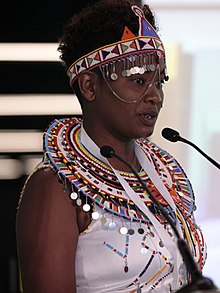
Nice Nailantei Leng’ete (Author at Age of 31 or 32, Graduate of Kenya Methodist University.)

Nice Leng’ete offers the story of her life in “The Girls in the Wild Fig Tree”. A large part of her story is about her life from age 4 to 10 years of age. She is born into a Christian family in Kenya. The final chapters address the lessons of her life and her journey to adulthood. Her father and mother die early in Leng’ete’s life. She explains both her parents died from AIDs. (Auto Immune Disease is first diagnosed in Kenya in 1984. By 1996, it is estimated that 10.5% of Kenyans were living with HIV, the virus that causes AIDs. The virus weakens a person’s immune system by destroying cells that fight disease and infection.)

Leng’ete is born into a blended family of two mothers. She explains the patriarchal Maasai culture is polygamous and her father had children from another wife.

Though her father dies when she is but 6 or 7, she recalls him as a leader of his village. Her father enriches their Maasai community by working with the Kenyan government to establish a natural preserve managed by local young men of their village. Leng’ete’s memory of both her father and mother seem to have formed her character. Her memory of her parents is that they loved each other and raised her to become the woman of this story.

Leng’ete is from southern Kenya, born into an East African tribe of the Maasai people.

Leng’ete shows herself to be an unconventional woman as well as an extraordinary Maasai. She breaks many international misogynist beliefs as well as Maasai traditional roles for women in her native country.

Coming from a rural area of Kenya, she moves to the capitol city of Nairobi, Leng’ete confronts the anonymity of big cities with a mentality to “do what ever it takes” to succeed.

Leng’ete’s poverty, youth and ambition lead her to live with three young men to afford a place to live in Kenya’s capital city. She is at once encouraged by the help she receives. On the other hand, she is surprised by the duplicity of a Nairobi’ con man that dupes her into believing he is an agent for international models. What Leng’ete does not forget is her village and Maasai traditions that suppress women and her village’s potential for cultural change.

Leng’ete returns to her village to work with local leaders to change the tradition of female genital mutilation (FGM). Leng’ete understands her culture and recruits a local male friend to open a door to some of the village elders. That door could not be opened by a woman without the help of her male friend. At the beginning of Leng’ete’s return she notes none of the elders would stay when she began to speak. With the help of her male friend’s participation in the meetings, a few elders began to listen. Without the elders’ understanding, she knows there is little chance for cultural change. The elders power and influence were needed.

Cultural change begins to show promise when a few elders stay and begin to listen to Leng’ete. Her objective is to explain how the the tradition of FGM diminishes Maasai’ culture.

Based on the advice of Leng’ete’s deceased father, she begins by asking questions of the elders to get them to think about the consequence of genital mutilation of women. She asks elders of the village if they think their partners enjoy sex. When they say no, she asks would they like their partners to enjoy sex? They say, yes. These questions open a door to understanding the consequence of women’s genital mutilation.

Leng’ete notes in her book that men are circumcised as a traditional path to manhood but the consequence is rarely death.

There are various reasons for genital cutting in different cultures. In the Maasai, FGM is a rite of passage into adulthood and a pre-requisite for marriage. In men, it is penile foreskin cutting but in females it is removal of the clitoris, a female sex organ that is a source of female sexual pleasure. Leng’ete explains to the elders how genital cutting of women’s genitals often cause excessive blood loss, infection, and high fevers that cause the death of women in their tribe. In the past, such deaths were believed to be unrelated to the cutting but to supernatural causes. In truth, Leng’ete notes many of the deaths are from unsterile instruments and imprecise cutting of the clitoris.

The broader cultural reality of FGM is that it reinforces sexual inequality.

Leng’ete tells the story of her older sister, Soila, who survives FGM and has children but is brutally abused by her husband. Her husband beats her and blames it on his drinking when it is implied to be related to Maasai patriarchal culture. Soila is trapped in the tradition of Maasai culture that says when a woman is married she is married for life. Leng’ete confronts Soila’s husband with the truth of his abuse. Surprising to Leng’ete, the husband gives up the tradition of life-long servitude of a wife by saying Soila is now Leng’ete’s responsibility. He releases Soila from their marriage, contrary to Maasai cultural tradition.

Leng’ete manages to get a college education but on her way she is hired as a social case worker in Kenya. That experience leads to organizational success that leads her to become a public speaker at a Netherlands event about women’s sexual and reproductive rights. She returns to Kenya to give another speech about the same subject to the Maasai, including village elders.

Leng’ete becomes the first woman to ever receive Kenya’s Black Walking Stick award which signifies leadership, respect and power within her community.

This is a brave story of a great woman who illustrates the truth that all human beings are equal, while a very few are the greatest among us.

BEHAVIORAL HOPE

Audio-book Review
 By Chet Yarbrough

Blog: awalkingdelight)
 Website: chetyarbrough.blog

Of Fear and Strangers (A History of Xenophobia)

By: George Makari

Narrated by: Paul Heitsch

George Jack Makari (American author, psychiatrist and historian, professor at Weill Cornell Medical College.)

George Makari notes his family emigrated from Lebanon to the United States when he was a young boy. This is an interesting note because of the diverse cosmopolitan history of Lebanon that reaches back more than 5,000 years. Lebanon is a country of many cultural, religious, and ethnic groups including Arabs & Syriac, Armenians, Kurds, Turks, and others.

Makari’s education and family background are well-suited for his explanation and history of the psychology of race and ethnicity. For Beirut to have become a cultural center for a period of time must have required high tolerance for difference among its residents.

Beirut got the name “Paris of the Middle East” following WWII when it became a vibrant cultural and intellectual center, largely influenced by the French.

Makari notes WWII’s end and implies society’s relief ameliorated conflict between Lebanon’s disparate cultures. However, that relief falls away in the 1970’s Lebanese civil war.

Beirut, Lebanon’s capitol, is a city some 40 miles from Makari’s hometown. It became a graveyard and failed state after the Lebanese civil war.

As Franklin Delano Roosevelt said in his 1933 inauguration, “The only thing we have to fear is fear itself.” Roosevelt is, of course, referring to fear felt by Americans during the Great Depression.

In “Of Fear and Strangers”, Makari suggests fear is at the heart of race and ethnic discrimination. Undoubtedly, the end of WWII reduced fear in the people of Lebanon. Reduction in fear might be the motivation for Beirut’s acceptance of cultural diversity, peace, and prosperity between 1945 and the 70s.

As a psychiatrist and historian, Makari offers a theory of how and why people become xenophobic.

He suggests it begins early in life. Makari argues the rise of Hitler and the horrid reality of the Holocaust lay at the feet of an authoritarian culture that suppressed freedom, demanded conformity, and used vilification of the “other” to reinforce a false belief in superiority.

Makari explains discrimination is largely based on fear of those who are different from us, i.e., us being anyone of a different race or ethnicity.

Makari’s history is about xenophobia, i.e., the fear or hatred of people who are different. The definition of xenophobia is first noted in 1880 with the combination of two ancient Greek words, i.e., “Xenos” meaning stranger and “Phobos” meaning fight or fear.

Makari argues the key to ameliorate fear of strangers or the “other” lies in the way parents raise their children.

Realigning fear of the stranger will not change the past and seems unlikely to change the future. However, Makari argues the key to ameliorate fear of strangers or the “other” lies in the way parents raise their children. He argues parenting that is less authoritarian and more open and nurturing will fundamentally change society to be more empathetic. Makari persuasively argues the rise of Hitler is partially related to German culture and the relationship between parents and their offspring. He suggests only with childhood experience of freedom will equal rights and equal opportunities be realized by society.

Makari suggests that family dynamic before WWII created German psychological projections for distrust of “others” and displacement that exhibits itself as anger and sometimes rage.

Makari suggests German family’ dynamics are culturally stricter and more demanding than those of many countries. He implies relationship change between parents and children would create a more empathetic generation in Germany.

Makari’s theory goes beyond individual psychological projection (an ego defense mechanism against unconscious impulses) by explaining how group psychology works to heighten rage against the “other”. Displacement (a redirection of a negative emotion) takes the form of rage against the “other”. Makari argues distrust of the “other” and rage is magnified by group hysteria. That hysteria is exhibited by Hitler’s followers. German rage led to the genocidal murder of Jews. Makari suggests one who is empathetic no longer fears the stranger and welcomes others as fellow humans–living lives, both different and the same as themselves. There is no motivation for displacement rage among those who are empathetic.

(Before this book was published, America experienced group rage in the January 6, 2021 attack on the capitol.)

The last chapters of Makari’s history of xenophobia explain how psychiatric and philosophical theories of mostly men (like Kraepelin, Freud, Adorno, Marx, Locke, Sartre, Camus, Foucault, and Simone de Beauvoir) provide a basis for his beliefs about histories’ recurrence of xenophobia.

Humanity will never become egalitarian without a common purpose.

What is ironic about Makari’s theory of the history of xenophobia is that it offers hope for the future. The experience of Lebanon after WWII suggests global warming, like WWII, may give common purpose to many, if not all, peoples of the world. (An exception would be those nations that insist on adherence to myths of hegemonic power and religious zealotry.)

According to Kamari’s theory, it begins with parenting. If he is right, change will begin with how future generations are raised. Might does not make right. Less authoritarianism will allow the world to more constructively address global warming’s world-wide risk.

Of course, this book was written before Russia invaded Ukraine. Kamari notes the rise of Trump, and his supporters implies group rage and xenophobia remain a clear and present danger in America.

In listening/reading Kamari’s book, one chooses to either be a pessimist or optimist about our world’s future.

The hope is that an interregnum (a gap in government and social order) is created to allow Makari’s theory of improving parental care of children is implemented. If Makari is right about how parents should raise their children, a more empathetic society may emerge to proffer a more egalitarian society. On the other hand, humanity may continue down the road of self-destruction, fueled by unregulated self-interest and diminishing human empathy.

MINDS MATTER

Audio-book Review
By Chet Yarbrough

(Blog: awalkingdelight)
 Website: chetyarbrough.blog

Unthinkable: An Extraordinary Journey Through the World’s Strangest Brains

By: Helen Thompson

Narrated by: Helen Thompson

Helen Thompson (British Author, journalist with a bachelor’s degree in Neuroscience.)

“Unthinkable” is a series of interviews of people who have a reputation for seeing the world and their place in it, differently. The author is a journalist.

As an investigative reporter, Helen Thompson elicits human perceptions of the world that are different from what most people perceive.

Thompson argues perception of the world comes from the mind. As synaptic activity of the mind is better understood, she infers what is real or false may become more universally understood.

Though Thomson’s interviews are anecdotal, they suggest the mystery of consciousness holds a key to mental health.

An interesting highlight of Thompson’s investigation is the existence of synesthesia in some people. Synesthesia is a neurological condition where information meant to stimulate one of your senses, actually stimulates more than one of your senses. Thompson notes people who have synesthesia may be able to hear colors, feel sound, or taste shapes. Two people with the same diagnosis may not perceive the world in the exact same way but their brains are stimulated to see more than what most people see, hear, or feel.

Synesthesia may be a mixed blessing in that it can overwhelm one’s senses, but it implies a more multifaceted view of reality.

One of Thompson’s last interviews is of a doctor who has a form of synesthesia that magnifies his empathy for patients. He actually feels some of what a patient is experiencing. Presuming the doctor’s senses are not overloaded by empathy, the patient seems more likely to be better served. If the mind’s neurological pathways for synesthesia can be identified, could empathy become instilled in every thinking being? Possibly, but the question remains whether that would enhance or burden humanity by making people who serve society emotionally drained, tired, and demotivated.

An earlier chapter addresses people who can develop “mind palaces” like the fictional character Sherlock Holmes.

They can recall the minutest details of an incident and compare it with information and experience they have acquired over the breadth of their life. If neurological pathways of a mind palace can be replicated in every human mind, could humans use those pathways to recall what they have learned from past experience and education to solve human problems?

One wonders if that is not the direction of A.I. in the future. This leads to concern of life becoming more machine-like than human with the added dimension of life as machine.

A third story is of the man who believes he is dead. His conception of himself is reinforced by brain scans that show very little neuronal activity though he continues to wake up every morning and function like a human during the day. He has little emotion or hunger and feels comfortable spending the day in a cemetery among those whom he feels are fellow travelers. Through medication, his neuronal activity is re-established, and he becomes more aware of his existence among the living.

A third story is of the man who believes he is dead. This anecdotal story reinforces belief that life is all in the mind.

There are more bizarre stories, but the underlying theme is life is defined by consciousness. Examples are given to show how parts of the brain are interconnected by neurons that pass information to the body about human existence in the world. The inference is that as humanity gains knowledge of how this interconnection works and which parts of the brain control neuronal activity, it will be possible to change human life. The impossible question to answer is whether that change will have good or ill effects on society. Of course, that may be moot if humanity cannot come to grips with the harm that is being done to the world’s environment.

This is a book one may set aside as an anecdotal journey into bizarre human anomalies.  On the other hand, it affirms the importance of understanding everyone is part of humanity. It seems search for understanding of consciousness is essential for the continuation of human beings, whether mentally disabled, psychotic, neurotic, or diagnostically normal.

END OF LIFE

Audio-book Review
By Chet Yarbrough

(Blog: awalkingdelight)
 Website: chetyarbrough.blog

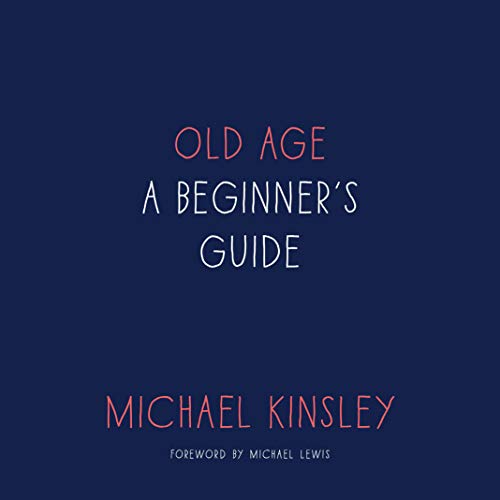
Old Age (A Beginner’s Guide)

By: Michael Kinsley

Narrated by: Danny Campbell

Michael Kinsley is an American political journalist and commentator. One may remember Kinsley on television a few years ago as a clever political commentator who figuratively fenced with conservatives like Pat Buchanan and William Buckley. He seemed a contrast to conservatives even while co-hosting with Buchanan on CNN and acting as moderator on “William Buckley’s Firing Line”. Kinsley exhibited a sly sense of humor. “Old Age” is a short book that exhibits that same slyness.

Kinsley notes he is 65 years old as he writes “Old Age”. He reveals his trials with Parkinson’s disease as an introduction to what it means to be nearing the end of one’s life. Though he has a less aggressive form of Parkinson’s, he notes his trembling hands and slow movement are more pronounced than when first diagnosed when he was 43 years old.

Parkinson’s Disease Symptoms

Kinsley explains the medical treatment he has received to mitigate symptoms. He writes about brain surgery and the medicine he takes and how both have helped him cope with the disease. Kinsley recounts the effect the pills have in improving how he feels for a few hours while having to take more pills when their effect wears off. Though this is Kinsley’s explanation of his personal experience, it is not the primary message of his book. His goal is to explain to baby boomers like himself about the end game of life.

As most know, Michael J. Fox has dealt with Parkinson’s disease since he was diagnosed at the age of 29.

Boomers who are nearer the end than the middle or beginning of life understand Kinsley’s reason for writing “Old Age”. Kinsley notes the greatest change in a healthy boomer’s ageing is the loss of driving privileges. City dwellers might take exception to that observation, but his point is that losing one’s license is a loss of individual freedom.

Kinsley is preparing “baby boomers” for their future.

Kinsley suggests most boomers will realize there is no next step for their career. That may be true for boomers working for someone but less true for those in business for themselves. Nevertheless, loss of employment is a blow to many boomers who feel they have lost purpose in life when there is no next step for their career.

Kinsley argues most boomers who have mid-life success, as measured by material gain, were “losers” in high school. Interesting thought but listener/readers might want some statistical proof.

What is high school success? Is it popularity, (being class-president)? Is it being a sports star? Is it top grades? Is it just getting a basic education? It seems the last two are reliable indicators of future success. Being a sports’ star or being popular is like threading a needle while walking on a waterbed because it is difficult to transfer high school sport’s skill and popularity to the wide world.

The greatest concern a boomer may have as one ages is the potential for dementia.

An area where one may agree with Kinsley’s observation is fear of the loss of cognitive skill. Mental decline manifests in communication difficulties, getting lost in familiar places, having difficulty balancing a checkbook, knowing what day it is, or losing the desire to learn new things.

What every ageing person wishes is–to live for as long as they have their “marbles”. Once cognitive abilities cross over a threshold of self-knowledge, humans are burdens to society.  

Kinsley implies wealth is wasted on the aged who have lost self-awareness. Kinsley argues reputation is important. That seems false to the person who is dead but has relevance to those left behind. Humans are living longer but, as Kinsley notes, longevity is not the issue. It is quality of life and reputation that matter.

There may be a brief period of assisted living when one cannot take care of themselves, but hospice and in some cases euthanasia, seem more humane for one who reaches their final stage of life.

The final chapter of Kinsley’s book seems to fall off the rail of reason. Kinsley argues the wealth of modern America is largely inherited (not made) by the boomer generation and it should be confiscated to eliminate the national debt.

Kinsley suggests the wealth of America should be committed to eliminating the national debt.

This may have been a “tongue in cheek” suggestion but the idea of beggaring the boomer generation to eliminate national debt ignores the reality of homelessness, support of nations like Ukraine under siege, and the plague of inequality and discrimination in America. It also ignores baby boomers who have truly earned rather than inherited their wealth. In the end, Kinsley gives listeners a laugh while addressing a very difficult time of life, “Old Age”.

PSYCHIATRY

Audio-book Review
            By Chet Yarbrough

(Blog: awalkingdelight)
 Website: chetyarbrough.blog

Mind Fixers (Psychiatry’s Troubled Search for the Biology of Mental Illness)

By: Anne Harrington

Narrated by: Joyce Bean

Anne Harrington (Author, historian, Ph.D. in the History of Science from Oxford.)

Anne Harrington’s history is a reminder of the particular importance of psychiatry. Harrington explains how psychiatry evolved from quackery to a respectable treatment, if not cure, for mental dysfunction. Like treatment for cancer, the history of psychiatry ranges from brutality to rehabilitative treatment for damaged lives.

The initial interpretation of aberrant human behavior is noted as a neurological disorder, a diagnosis of disordered nerves.

Harrington notes a neurological explanation of psychiatry changes in the early 19th century. In the 1800s, it seems treatment for people who were tetched were generally isolated in asylums or cared for by immediate family members who dealt with patient aberrant behavior by isolation and/or restraint.  The idea of treatment and cure is limited, if not non-existent in that century.

In the 20th century, neurological interpretation of psychiatric disorder is expanded. Sigmund Freud becomes famous by treating patients who exhibit abnormal social behavior by delving into their family histories.

Freud develops theories of psycho-sexual development from detailed interpretation of patient interviews about their lives. Psychoanalysis becomes an integral part of psychiatry as defined by neurologists, though each suspects the other as less effective in treating psychological imbalance.     

The third stage of development in psychiatry is drug treatment. New drugs are expensive to develop, but once an effective drug is found, its value is immense.

The big drug treatment breakthrough is in the 1950s with Chlorpromazine (aka Thorazine) that treats psychotic disorders like schizophrenia. Its limitations were found in its application when the patient becomes anesthetized, uncaring about life and living.

As time and experience accumulates psychoanalysis and neurological disciplines are married to drug treatments prescribed by practices of the newly combined disciplines. It is not a smooth transition. Each discipline makes mistakes, patients become victims of improperly supervised treatments, misdiagnoses, implanted false memories, shock therapy, lobotomy surgery, and drug therapy damage. As is true of science and medical advances, the victims and beneficiaries of medical breakthroughs are patients who trust their physicians.

A part of Harrington’s story is about other disciplines that deny scientific discovery and believe Christian Scientists, Scientologists, or faith in God as the best therapy for psychiatric maladies.

WWI, WWII, and surprisingly post Covid19 are wake-up calls for psychiatry. Though recovery from war is not the same as recovery from a pandemic, social reintegration is similar for both returning war veterans and pandemic survivors. Americans who survived war and those surviving Covid19 show similar social reintegration problems.

An estimated 1 million Americans (and still counting) died from Covid19. An estimated 53,000 Americans died in WWI and 290,000 in WWII.

United States cases

Updated Mar 4 at 2:32 PM local

Confirmed

Deaths

1,129,424

Isolation during Covid 19 created “foxhole” relationships in families that changed the social dynamic of relationships and individual roles in society.

There seems a need today for as much psychiatric help for Americans after the pandemic as Harrington writes about after two world wars. One might argue the rise in 21st century crime, unemployed young, and homelessness is partly a consequence of recovery from the pandemic.

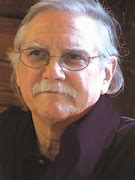
Irvin D. Yalom (Author, Doctor of Medicine, professor of psychiatry at Stanford University.)

Author of “When Nietzsche Wept”

Harrington’s history of the evolution of psychiatry offers a possible cure, or at least improvement for what ails 21st Century America. That improvement is expensive. The question every American might ask themselves–are more jobs all that is needed? Listening or reading “Mind Fixers” implies jobs are only a part of the answer.  

SKEPTICAL OR STUPID

Audio-book Review
 By Chet Yarbrough

(Blog: awalkingdelight)
 Website: chetyarbrough.blog

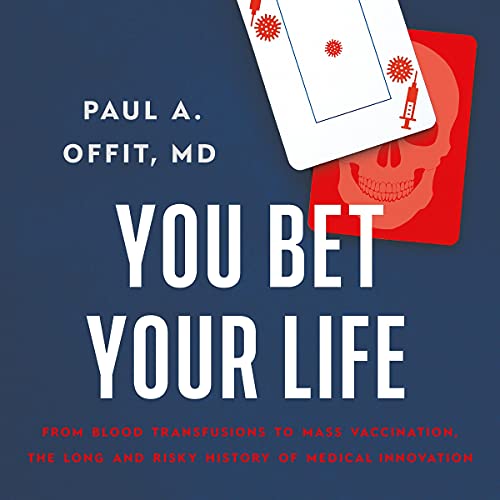
You Bet Your Life (From Blood Transfusions to Mass Vaccination, the Long and Risky History of Medical Innovation)

By: Paul A. Offit, MD

Narrated by: James Hoban

Paul Offit (Author, American pediatrician specializing in infectious diseases, vaccines, immunology, and virology.)

Like Siddhartha Mukherjee’s “The Emperor of All Maladies”, Paul Offit reflects on patients who risk their lives based on medical treatment and prescribed drugs by educated scientists, physicians, and drug manufacturers. Both Mukherjee and Offit write of the medical causes of death and attempts made by the medical profession to save lives. What both books have in common is that the medical industry, just as in all life’s work, is influenced by money, power, and prestige. Those influences carry risks and rewards.

Both Mukherjee and Offit are doctors with wide expertise in their respective fields. Offit’s book is shorter but equally important and impactful. Medical practice is just what the words mean.

Both physician/authors imply the word “practice” entails experiment on human beings. A physician can only be sure of successful medical procedures and treatment based on repeated healthful results for human beings.

Doctors, scientists, drug manufacturers, and medical employees make good and bad decisions based on educational achievement, hands-on medical experience, and personal motivation. That is true in all forms of work employment. The difference is we who are not part of the medical industry are intimately and mortally affected by its practice and advertisement.

Bad medical decisions can end a life; good medical decisions can save a life.

As a surgeon, Mukherjee reviews the history of cancer treatments and medical decisions that both killed and saved lives. Offit, a pediatrician, and member of the Centers for Disease Control (CDC), reviews the history of medical innovations and treatment of infectious diseases that killed and saved lives. In the age of Covid19, Offit’s history is enlightening and somewhat frightening.

The hard push (called “warp speed) for a vaccine that treated Covid required risks to be taken. Putting aside the politics enshrined in American freedom of choice, in 2020 nearly 700,000 Americans may not have died if the vaccine had been accepted more quickly by the public. On the other hand, Offit’s history shows errors have been made by both physicians and drug manufacturers that have killed Americans in search for cure. Even with the great success of polio elimination in America, some died from improperly manufactured vaccines.

Offit reminds listeners of the history of heart transplants, blood transfusions, and anesthesia that reminds one of the gruesome details reported by Mukherjee about cancer in the early days of a search for cure.

Louis Washkansky lived for 18 days after having his heart replaced by a human donor’s heart. Only after years of research on rejection, did heart transplants give years of life to recipients.

Ryan White, a teenage Indiana boy, is saved from hemophilia after being given a blood transfusion that infects him with HIV. He was diagnosed in 1984 and given six months to live. He lived until 1990 but was ostracized by schools and society because of American fear of the disease. Too little was known about how the Auto Immune Deficiency was transmitted.

The search for a way to conduct surgery without pain led to the use of chloroform in the 1800s. Hannah Greener, a 15-year-old, dies from application of chloroform for surgical removal of an infected toenail in 1848. Offit does go on to explain chloroform became notorious for criminal use in robberies. In any case, the principle of anesthesia made a great contribution to surgical practice.

Hannah Greener (1833-1848, dies from an overdose of chloroform when anesthetized.)

Contrary to Offit’s claim of an overdose, the cause of death may have been aspiration of fluids in trying to bring her back to consciousness.

There are many more interesting stories from Offit’s historical account of medical innovation. The fundamental point of both Offit and Mukherjee is that errors will be made by the medical industry. Risks are taken by patients who rely on the industry to cure or ameliorate the ravishes of ill health. Government oversight, like the FDA, CDC, USDA, and the World Health Organization, work on minimizing risk to society but risk reduction is a work in progress. Offit notes there are many ways for medical cures to go wrong. From misleading advertising to poor medical practice, to human greed for money-power-prestige, human risk abounds. Of course, the ultimate risk is the patients.

The lesson one draws from these two physicians is that the public has a right to be skeptical but there is no right to be stupid. Dying will always be a part of our lives, whether mistakes are made or not.

GENETIC PROMISE AND RISK

Audio-book Review
           By Chet Yarbrough

(Blog: awalkingdelight)
 Website: chetyarbrough.blog

As Gods: A Moral History of the Genetic Age

By: Matthew Cobb

Narrated by: Joe Jameson

Matthew Cobb gives listeners a zoologist’s view of genetic sciences’ promise and risk.

His book “As Gods” is a skeptic’s view of cellular science and Recombinant DNA. Cobb infers science is as far away from understanding genetic function as it is about how the brain works.

RECOMBINATE DNA EXAMPLE

However, from Cobb’s perspective, a lack of understanding genetics poses greater danger to the world than understanding the brain. Science seeks understanding of brain function to improve technological productivity. On a much wider stage, the science of genes deals with the ecosystem of life. The danger of genetic science is pinpointed by historian and author Yuval Noah Harari who suggests human history “…will end when men become gods.”

To change the hereditary characteristics of life is a giant step toward becoming godlike because it takes evolutional heredity out of life’s equation.

Cobb begins his book on genetics by reminding listeners of the discovery of the double helix by Watson, Crick, and Rosalind Franklin (though he doesn’t mention Franklin). The discovery of the double helix opens a new field of research. DNA is first discovered by Fredrich Miescher in 1869 but it is not until the 1950s, with discovery of the double helix, that science reveals the form in which DNA exists. The double helix model makes it possible for scientists to study the elemental structure of life.

Watson at the top, Crick lower left, Franklin lower right

The first test of a Recombinant DNA human experiment is in 1990. Two unrelated girls are diagnosed with adenosine deaminase (ADA), a symptom of which is low white blood cell count which usually becomes fatal in childhood. One of the two girls is alive today (according to a May 1, 2021, report). Cobb notes this result is positive but not definitive because the patients’ treatment is an early human experiment in Recombinant DNA therapy. It relies on an early form of gene therapy where a virus is used to allow molecular invasion of aberrant cells. And of course, one of the young girls in the experiment dies.

Cobb’s point is that the tools of this first Recombinant DNA’ uses a foreign virus to invade a human cell and experimenting with an untested treatment should be weighed against the effectiveness of known treatments.

With the helix model discovery of human DNA, science could study heredity and variation of inherited characteristics at a molecular level.

Yoshizumi Ishino (Japanese molecular biologist and discoverer of CRISPER.)

When CRISPR is discovered by Japanese scientist, Yoshizumi Ishino, in 1987, observation and sequencing of DNA could be changed by the medical and industrial communities. Without being too hyperbolic, the scientific community enters the realm of mythological gods with the availability of CRISPR. Scientists now can change the course of life on earth with direct modification of DNA, rather than use an accompanying virus to modify the patient’s DNA.

Cobb implies conventional treatments are sometimes ignored or discounted because of experimenters’ self-interest. That became eminently apparent with China’s He Jiankui’s and his widely vilified attempt to be the first to edit the genes of two babies. He is presently serving 3 years in a Chinese prison.

With the power to manipulate life, one hopes human history does not end but becomes more peaceful and less disease ridden. Cobb details successes and failures of Recombinant DNA. He confirms his skepticism by raising concern about intentional blindness of self-interested scientists. Some patients have been improved by Recombinant DNA, some have died for the wrong reason.

In 2020, OSHU in Oregon uses CRISPR to successfully provide a treatment for blindness in a patient with a genetic mutation. Sickle cell anemia, a genetic abnormality that deprives oxygen to red blood cells, is shown to have cured a young woman in a recent “60 Minutes” program.

Agricultural crop production has been improved by genetic modification, but Cobb notes ecological consequence of genetic modification is often not fully researched or explained to the public for wide approval. Cobb argues resistance to GMO products is largely due to a failure to communicate with the public. He also argues that a consequence of genetic modification of species has potential for eco-system collapse.

The example Cobb offers is modification of genes in mosquitoes that eliminate malaria. What is not fully explored is the consequence to predators that feed on mosquito progeny. If that source of food is lost, what is the consequence to mosquito predators. Do they change their diet, or do they die?

The point Cobb makes is that genetic manipulation that eliminates one species may start a spiral of species distinction. It is not to suggest malaria carriers are not worthy of genetic modification but that any change in a gene that eliminates one species may have wider ecological consequence. That consequence needs to be researched and understood.

One other aspect of Cobb’s story is the morality of patenting Recombinant DNA that enriches discoverers.

Unlike the discovery of a polio vaccine by Salk, many academic and industry scientists are focused on patenting their discoveries for personal gain, not public service. He raises the question of industries and some scientists who scramble to patent genetic therapy based on Recombinant DNA despite its questionable benefit. A tangential issue is industry, educational institutions, and scientists who benefit from getting patents for genetic research funded by public dollars. If public dollars are used, who should own the patents?

Cobb touches on biological warfare from weaponized viruses that accidently escape or are purposely deployed from labs designed to produce vectors of disease. There can be no mistake. Recombinant DNA has been and is still considered by many as a governments’ tool of war.

Recombinant DNA can become a weapon of mass destruction.

The ramification of Cobb’s history is a warning and benediction for the science of genetics. Genetic research is a sword of Damocles hanging over human society. It can kill if not properly secured and understood as a threat to life as we know it. Removing the sword is not possible because the genie of Recombinant DNA is out. It cannot be put back into Pandora’s box. Hope for honest, fully understood, and explained science is all that is left to humanity.

Cobb’s perspective on the path for science, in this case genetic science, is skeptical but seems hopeful.

LIVE OR DIE

Audio-book Review

By Chet Yarbrough

(Blog:awalkingdelight)
 Website: chetyarbrough.blog

Reaching Down the Rabbit Hole

By: Brian David Burrell, Dr. Allan H. Ropper

Narrated by: Paul Boehmer

“Reaching Down the Rabbit Hole” offers insight to those at a crossroad in life.

“Reaching Down the Rabbit Hole” is an apt book-title for diagnosis of brain dysfunction. Like “Alice’s Adventures in Wonderland”, truth of a neurological disorder is like following a rabbit down a “…Rabbit Hole”. Diagnosis of neurological disorder resonates with the obscure analogies of Lewis Carrol’s imagination.

One presumes “Reaching Down the Rabbit Hole” is written and edited by Brian Burrell. It may be that division of a doctor’s and writer’s expertise may not be a fair description of this book’s creation. But, unquestionably, Dr. Ropper’s stories drive the narrative. In any case, from a potential patient’s perspective, this is an insightful examination of what it means to live or die when a serious neurological disease strikes.

“Reaching Down the Rabbit Hole” is an insightful examination of the desire to live or die if your life is changed by a neurological disease.

Dr. Ropper’s experience at a leading hospital in Boston is a terrifying journey into the art of neurological medicine. The terror lies in what doctor’s do not know about brain function. When one’s neurological system fails, diagnosis and prognosis are keys to a patient’s decision to live or die. What Ropper’s experience suggests is doctors must carefully interview every patient who seeks help for what is abnormal behavior.

What Ropper explains is–careful physical examination and detailed interview notes improve diagnosis and treatment for neurological disorder.

It is somewhat understood that doctors, and the medical profession in general, are extremely busy, particularly in this age of Covid19 and a perennial flu season. What Ropper’s experience shows is accurate diagnosis in a case of brain dysfunction is inhibited by a three headed monster–time, education, and practice. For the medical profession, there will always be some medical crises that overburdens services.

The natural consequence of medical overburden comes from population increase, a 24-7 work week, and burn-out which affects a doctor’s time for diagnosis.

Of particular interest in Ropper’s stories are neurological diseases like Alzheimer’s, Parkinson’s, ALS, and medical emergencies like stroke. Ropper implies many doctors do not spend enough time interviewing patients to clearly understand what is going on with their neurological disorder. Doctors don’t ask enough questions about when symptoms began, how they exhibited, and the effect they have on the patient’s life.

A three headed monster (time, education, and practice) interferes with proper diagnosis by attending physicians.

Doctors only gain experience through education and, more importantly, practice. Mistakes are made in every profession, but none more directly impact the individual than in doctor/patient relations. Ropper notes the best way of reducing mistakes is to learn from them and not make them again.

When a mistake in diagnosis leads to death, Ropper explains it is important for doctors to fully investigate the details of the mistake. Ropper argues autopsy should be used as a tool for understanding mistakes and improving future treatment.

Michael J. Fox, as is generally known, is struck by Parkinson’s disease, a neurological disorder that creates a palsy or tremor in one’s body. Fox went to Ropper in his late thirties when the symptoms first appear. Fox wishes to continue his career but needs help with the tremors. Initially, Fox and his career handlers wish to keep the diagnosis secret. However, Fox grows to understand he can continue to act and do more for research and cure by going public. Fox, according to “Reaching Down the Rabbit Hole” raises millions of dollars for treatment of Parkinson’s disease. As is well known, Fox continues his career successfully as an actor with Parkinson’s disease.

Living with a neurological disorder is closely examined in “Reaching Down the Rabbit Hole”. Living with the disorder is a personal choice.

Some embrace the disorder like Michael J. Fox, the only “real name” patient in the book. Others suffer, many in silence, with what treatments are available to mitigate their symptoms.

Another impactful story takes two different directions. Two patients are diagnosed with ALS (Lou Gehrig’s disease) which is presently incurable and fatal. After careful diagnosis, Ropper explains the progression of ALS to two of his patients. One chooses to be kept comfortable to end her life rather than deal with its progressive debilitation. The second person chooses to deal with the debilitation and live longer with his family despite its consequence.

Stephen Hawking is not mentioned in “…Rabbit Hole” but is known as the Lucasian Professor of Mathematics at the University of Cambridge. He became a noted author of Astrophysics with contributions to the science of black holes, space, and the concept of time.

There is much more to be learned by listening to “Reaching Down the Rabbit Hole”. The fundamental message is that when a neurological disorder interrupts one’s life, the decision about what one should do is based on two things. One accurate medical diagnosis and two, a personal informed decision about what to do with one’s life.

The book’s conclusion is that a decision about living or dying from an incurable neurological disease can only be made by the stricken patient, no one else. This is not to say a doctor and one’s family is not a part of the decision but that the final answer lies with the patient.