

Audio-book Review
By Chet Yarbrough
(Blog:awalkingdelight)
Website: chetyarbrough.blog
Ponzi Supernova—Madoff Speaks
Recorded by: Audible Original
Produced by: Steve Fishman

STEVE FISHMAN (NEW YORK MAGAZINE REPORTER)
In “Ponzi Supernova”, Audible offers recorded interviews with Bernie Madoff and other perpetrators of the largest Ponzi scheme in history. Steve Fishman conducts several telephone interviews with Madoff while he serves a life sentence for fraud. Steve Fishman gets the telephone interviews after wheedling his way into Madoff’s confidence through a fellow prisoner. To round out Fishman’s story, he captures telephone conversations with several other crooks, investigators, and victims of Madoff’s crime.
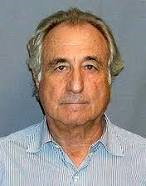
BERNARD MADOFF (AGE 74) SERVING 150 YEAR PRISON SENTENCE (Madoff died in prison on 4/14/21 at the age of 82).
Fishman shows how a sixty billion-dollar Ponzi scheme is created and how it escapes detection for over twenty years. Supplemented by audio books like “The Big Short”, and “No One Would Listen”, Fisher amplifies Madoff’s unconscionable crime with recordings of victims who lost their life savings. Fisher explores the perfidy of banks and investment companies that mindfully ignored Madoff’s impossible investment returns; all the while, being financially benefited from Madoff’s lies.

“Ponzi Supernova” reveals how Madoff created an empire of greed. Madoff comes off as an average intellect with a big ego, meager technological skill, and zero empathy. He hid behind the shadow of prestige.
Madoff refuses to take responsibility for his crimes and exhibits no remorse for the grief and death of others effected by his crimes. As a person, Madoff reminds one of a sociopath
Madoff manages to appeal to the greed of human beings and blames others for their greed. He manufactures investment data that hides the truth of his investment skill and his organizations’ portfolio. He takes investor’s money and uses new investor’s money to pay earlier investor’s returns. Few real trades support Madoff’s extraordinary portfolio performance.
“Ponzi Supernova” implies most of the investment firms; investment firms that knew of Madoff’s firm should have and could have exposed his lies. However, they were paid a fee for their service. Rather than investigate Madoff’s investment methodology, most investment firms gathered fees and left investors to fend for themselves.

Fisher notes how one analyst is sidelined by his investment company because he asked too many questions. The questions would have exposed Madoff’s scheme. Fisher also interviews an independent analyst that tells a client not to invest in Madoff’s company because she saw too many red flags. For instance, Madoff would not provide examples of his past investments to show how he made such remarkably steady returns; even in a falling market. Madoff’s standard refrain was “trust me”.

Like stories in “The Big Short” and “No One Would Listen”, Fisher’s recordings show institutional incompetence by government regulators, and greed from the private sector.

The SEC interviews Madoff on numerous occasions. Often the SEC representative is young and inexperienced. When reports are requested, Madoff’s back-office team manufactures whatever information is requested. The reports have no basis in truth. The reports are manufactured to satisfy whatever question is asked. If the SEC had called to confirm whether the trades had really been made, they would have exposed Madoff for fraud. Rather than check specific trade transactions, the SEC settled for a simple report that said Madoff had a trade account.
Nearly eleven billion dollars of the sixty billion-dollar Ponzi scheme is recovered. However, the recovery is largely limited to American investors by what are called “claw backs”. The “claw back” is from investors who had taken their money out before Madoff’s collapse in 2008. Other countries had no “claw back” provisions which meant many non-Americans lost everything.
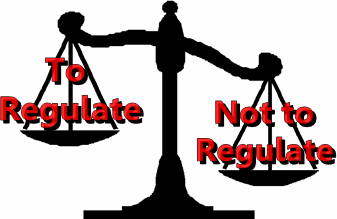
Madoff and a few of his employees went to jail, but many escaped with fines and admonishment. “Ponzi Supernova” clearly implies both the government and private sector were guilty for losses by many small investors. These investors relied on government regulation and private sector financial advice.
If there is a lesson in this story, it is that every person should closely monitor their own investments. Most, if not all, human beings are seduced by money, power, and/or prestige. It is every investor’s responsibility to know how their investment adviser is benefited by your investments in their recommendations. Better to make your own investment mistakes, rather than rely on others who have a financial interest in your trading decisions.


























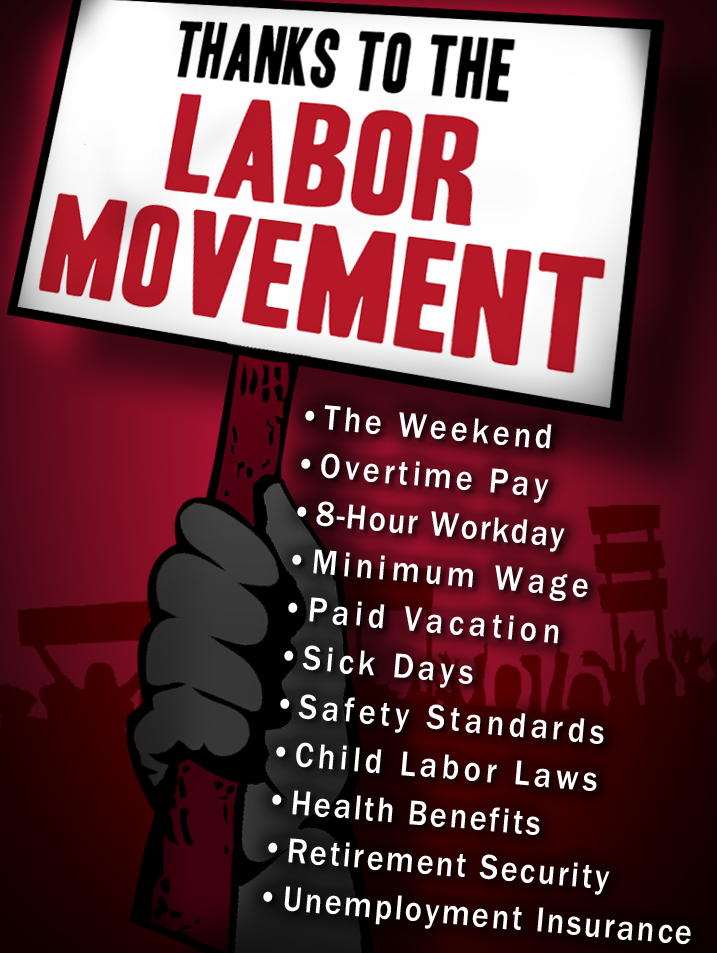 Unions offer a vehicle for leveling the power between businesses and labor. To not allow unionization is tantamount to favoring businesses that are no longer competitive but are today recognized as an economic equivalent of individuals. Not to give unions a place “at the table” is morally, ethically, and economically unfair; particularly in industries that are no longer entrepreneurial.
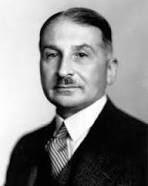
 The fallacy of von Mises’ theory lies in the framework of theorists. It ignores human existence by hiding behind the unquantifiable nature of society. One may argue that America’s Civil War had nothing to do with the elimination of slavery. (Von Mises suggests that slavery was abolished because it became too expensive; not because it was morally and ethically reprehensible.) One may argue that Roosevelt’s New Deal was a failure. One may argue that the Marshall Plan after WWII rewarded failed nations. One may argue that George Bush’s and Barrack Obama’s decisions to bail out the American economy interfered with pure capitalism. History suggests von Mises is wrong. Government intervention can be good as well as bad. (Bush
 REVIEWS AND VIEWS OF LIFE