Graduate Oregon State University and Northern Illinois University,
Former City Manager, Corporate Vice President, General Contractor, Non-Profit Project Manager, occasional free lance writer and photographer for the Las Vegas Review Journal.
FAREED ZAKARIA (AMERICAN AUTHOR, EDITOR, POLITICAL COMMENTATOR)
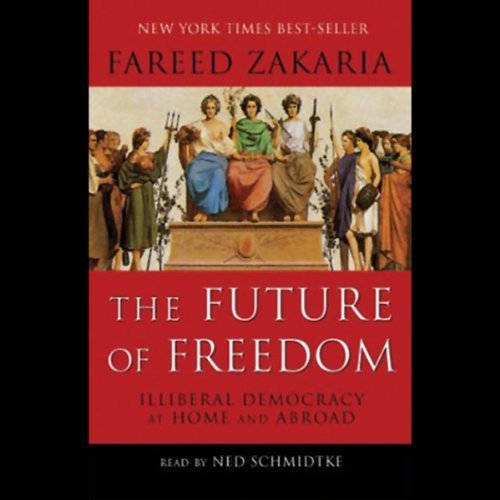
Fareed Zakaria published “The Future of Freedom” in 2003; a lot has happened since then. This Indian born American, a Yale and Harvard educated government policy wonk, has written a fascinating treatise on a glaring weakness of democracy that continues to resonate in 2021.
The recent storm in Texas caused massive failure in the energy and water services of the state. The disaster fills the headlines in today’s papers.
TEXAS POWER GRID FAILURE.
TEXAS WATER SHORTAGE.
The line between Nanny State and Freedom has been clearly drawn in two WSJ’ articles addressing the “…Texas Power Grid…” failure. On the one hand, the Republican governor says private industry failed by being free to make their own decision about hardening the power grid against extreme weather events. The governor argues government should intervene in the private sector energy business to insure against future catastrophic failure.
The inference of the Governor’s argument is that profit motive is not enough to incentivize Texas energy producers to invest in backup systems for catastrophic weather events. After all, those energy producers that hardened their production and distribution systems would make more profit because they would be able to continue service to the public. The governor’s implication is that government should either incentivize or demand private sector backup investment. He implies self-interest and profit are not enough to make an unfettered private sector invest in hardening. To some, this is a “nanny state” argument.
In contrast, in the WSJ’ editorial page (on the same day), Holman Jenkins writes “A cold snap that touches all of Texas with subfreezing temperatures is a once-a-century event.” The implicit meaning of his argument is that disasters will always occur; get over it, and stay out of private sector business. To like-minded Americans that argument is a part of being free.
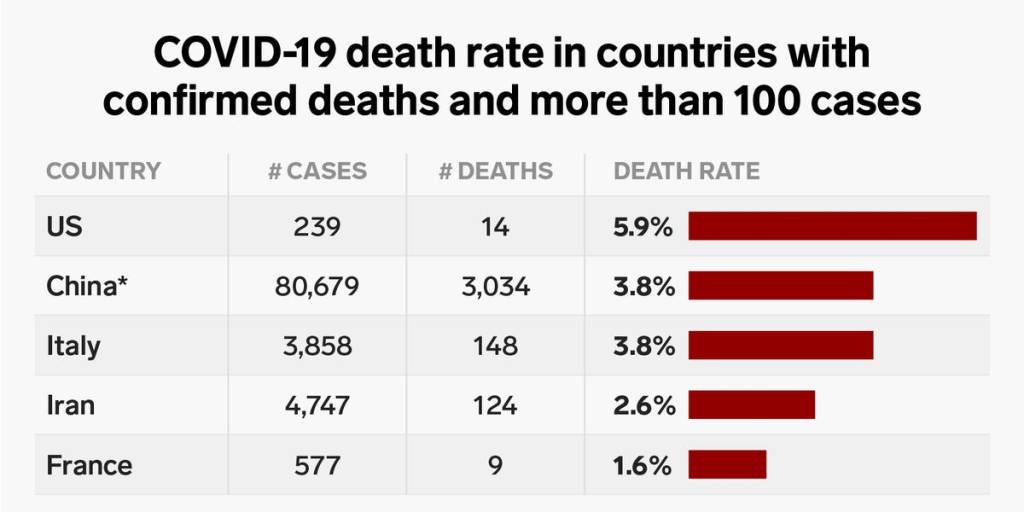
The world is in the midst of the Covid19 pandemic; struggling with death, government dysfunction, climate disruption, and economic hardship. In American democracy the difficulty is in knowing where to draw the line between Nanny State, and Freedom.
Zakaria notes that an unexpected consequence of sunshine, sunset, and open meetings laws change the way elected officials represent their constituency. Zakaria implies the “swamp” in Washington D.C. is created by an incorrect interpretation of the Republic outlined in the American Constitution.
Zakaria argues lobbying and population poling have replaced individual conscience in the American electorate. His argument is that the consequence of lost individual judgment is confused, and conflicted legislation. Zakaria suggests frequent political grid lock is exacerbated by lobbyists who do not represent the public at large. He argues population poling (surveys of constituent interests), and industrial lobbyists distort public interest.
Americans have become indoctrinated to be more interested in “keeping up with the Jones-es” than being individuals.
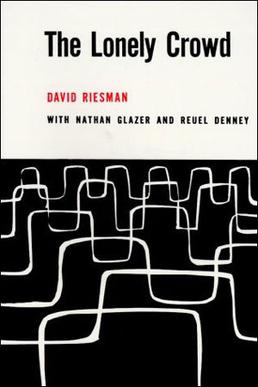
Zakaria’s argument reinforces a belief outlined by David Riesman in “The Lonely Crowd” in 1950. Riesman, a Harvard educated sociologist, conducted a study that suggests Americans are becoming more “other directed” rather than “inner directed”. His point is that Americans are more concerned about what other people think than what individuals think for themselves.
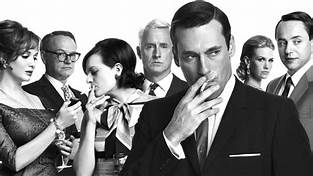
Elected officials are “Mad Men & women” manufacturing public interests created by lobbyists. Elected officials sell lobbyist’ ideas as though they are their own opinions.
Zakaria implies surveys of the public are designed and conducted by lobbyists and special interests who hire pollsters with motives to advance private interests rather than public good. The lobbyist appeal is “other directed”. Zakaria infers it is not what the “I” (elected representative) thinks, it is what the “other” (lobbyist or special interest) sells. Public interest is unrepresented. It is distorted by private interest being sold by falsely characterized political representatives–the men and women who hold political office.
Zakaria suggests a “Mad Men” advertising process invades 20th and 21st century American politics.
Elected officials are not “inner directed” and representing what they think is right but what others think is right. Poling becomes a primary source for decisions. Elected officials are influenced by interest groups, not by any clear reflection of their constituency or the American public.
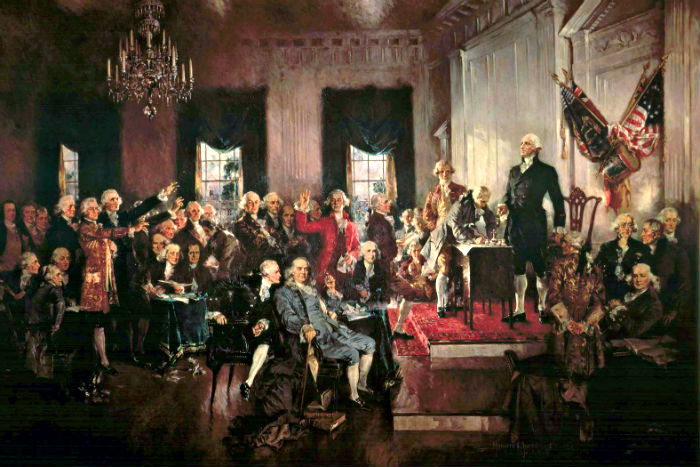
In Zakaria’s reality, it is not possible to capsulize opinion of the American public. Zakaria is saying original framers of the Constitution focused on a Republic that separated church and state and focused on freedom of choice based on the conscience of elected officials. Elected officials were meant to vote for what they, as representatives of a State and nation, believed. Fareed Zakaria argues too many elected officials do not vote what they believe but vote what special interests and media trolls promote.
THE FRAMERS OF THE CONSTITUTION FOCUSED ON A REPRESENTATIVE FORM OF GOVERNMENT
The truth, consequence, and viciousness of this cycle of public-interest-deceit is: 1) there is no way of accurately knowing what the public believes and 2) being re-elected becomes more important than voting for what one believes is right. Zakaria suggests the framers of the constitution expected elected representatives to vote their individual conscience based on being popularly elected. He argues that lobbyists and a minority of Americans falsely define public interest and unduly influence representative’ decisions.
EXCEPT FOR LOBBYIST’S AND SPECIAL INTERESTS
This slippery slope is made slipperier by lobbyists who are interested in perpetuating their high paying jobs. Lobbyists push for 1 year laws with sunset provisions so they can be “helpful lobbyists” next year to get similar legislation passed. Zakaria infers sunset laws have little to do with public interest.
The goal of lobbyists and their employers is to push elected officials to vote for legislation that benefits their private interests. Zakaria’s point is that elected officials do not base legislative decisions on their conscience as representatives of their public constituency. Representatives create legislation and vote based on what lobbyists convince them is in the public interest. Zakaria suggests in today’s American government “public” interest is narrowly defined by lobbyist, and a minority that pays for government access and something to gain.
The election of Trump is a reflection of a government that looks at freedom as a transactional paradigm for American Democracy. What is good for Texas private industry is good for its people.
A part of Zakaria’s argument is that American Democracy is increasingly dis-respected by many outside countries, but more importantly, it seems dis-respected by a growing number of voters in its own population. (One could argue that is why America elected a non-politician to head its government.)
Zakaria is not saying democracy is not the best form of government in the world, but today’s democracy fails to operate as a Republic. He believes it is in danger of dissolving into a chaos of unpredictability and dysfunction. And so it did, on January 6, 2021.
Zakaria implies freedom is diminished by political representatives that fail to vote their conscience. Public interest is a fiction manufactured by lobbyists working for special interests.
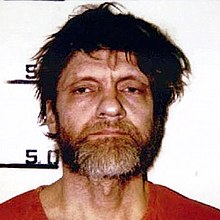
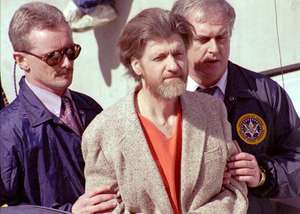
TED KAZYNSKI (UNA-BOMBER, MATHEMATICIAN EDUCATED AT HARVARD AND UNIVERSITY OF MICHIGAN, SERVING LIFE SENTENCE WITHOUT PAROLE)
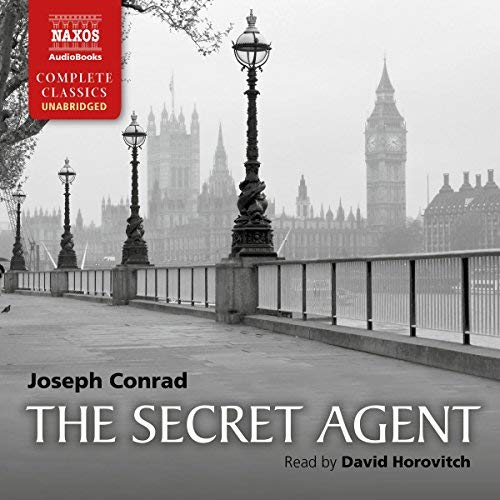
The uni-bomber, Ted Kaczynski is said to have read The Secret Agent as a coda for his decision to murder and maim innocents. Kaczynski’s craziness and the atrocity of 9/11 are most often referred to in modern reviews of The Secret Agent.
The Secret Agent is about a middle-aged, over weight secret service agent named Adolph Verloc. Verloc lives in England and is a spy for an un-named country. Verloc is called into his employer country’s Embassy to tell him that he is going to be fired unless he provides some actionable service for his pay. Verloc is upset with the news because he is dependent on the income received from the foreign country.
Verloc lives with his wife, mother-in-law, and brother-in-law; none of which know that he is a spy. The brother-in-law is mentally challenged but idolizes Verloc. Despite Verloc’s ownership of a small business, his family depends on his income as a spy. Verloc is a cypher, a character that must mean more than he seems. He seems less than smart. He is selfish. He cares for others but only in proportion to what they can do for him. He has infiltrated an anarchist organization as a principal officer but seems frozen in place. As the story progresses, Conrad never dispels the feeling that this character is too dumb to be a spy.
TED KAZYNSKI (A QUINTESSENTIAL NIHILIST)
The anarchist organization members are made up of nihilistic agents; in particular, a con man named Ossipon and a bomb maker called The Professor. Verloc asks The Professor to make a bomb for him based on a plan suggested by the Embassy that Verloc visited earlier. The plan is to blow up the Greenwich Observatory near London. Verloc chooses to use his mentally challenged brother-in-law to carry the bomb. Once again a reader/listener is confronted with the feeling that Verloc is too dumb to be a spy.
What is to be made of re-publication of and public interest in The Secret Agent? After all, it was published over 100 years ago. Is it a satire that reveals the absurdity of secret service organizations? Is it a primer for terrorist wannabes? Is it a rejection of capitalism? Is it about the vacuity of me-ism (life is all about me)? Does it reveal the secrets of a terrorist’s philosophy? Is it about the aftermath of a terrorist event? It seems the book is partly about all of the above.
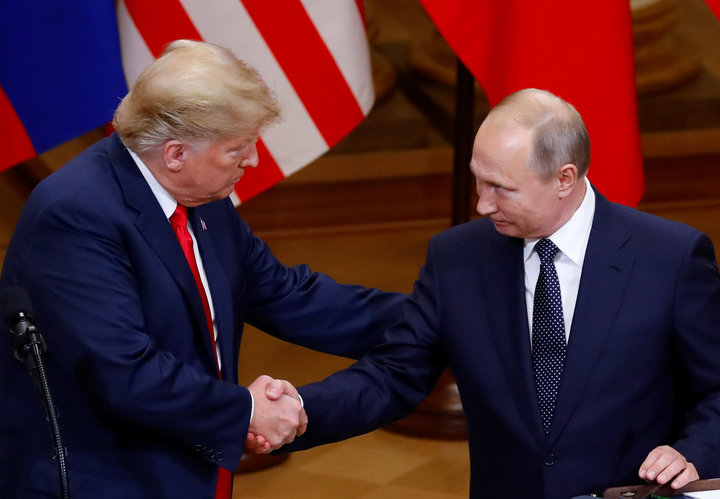
U.S. President Donald Trump and Russian President Vladimir Putin shake hands as they hold a joint news conference after their meeting in Helsinki, Finland, July 16, 2018. REUTERS/Leonhard Foeger
It’s relevance today reminds one of the poisoning in 2018 of a defecting Russian spy and his daughter in London. Sergei Skirpal and his daughter are poisoned by a Novichok nerve agent in their home. The bottle in which the Novichok is stored was discarded and picked up by two innocent bystanders who think it is a perfume bottle. Dawn Sturgis, a 45 year old woman, dies in the hospital.
Putin denies ordering the poisoning and suggests the evidence for his denial is that the bunglers who handled the poisoning could not have worked for the Russian spy agency because they are professionals.
The Secret Agent is only marginally interesting because of Horovitch’s narration. However, in light of Putin’s 2018 denial and the murder of Adnan Khashoggi, foreign agent’ bungling is more than an ironic joke.
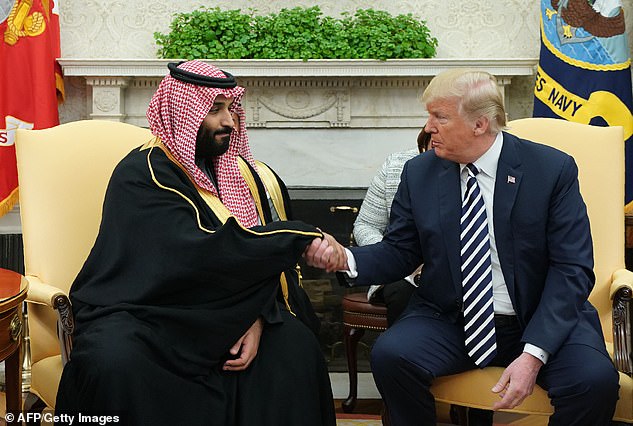
PRESIDENT TRUMP AND THE CROWN PRINCE OF SAUDI ARABIA (MEETING TO DISCUSS THE MURDER OF ADNAN KHASHOGGI IN 2018)
Peter Baker’s “Days of Fire” offers a picture of George W. Bush’s administration that compares favorably and unfavorably with today’s American government.
Audio-book Review
By Chet Yarbrough
(Blog:awalkingdelight)
Website: chetyarbrough.blog
Days of Fire: Bush and Cheney in the White House
By: Peter Baker
Narrated by Mark Deakins
PETER BAKER (AUTHOR, EMPLOYED BY NYTIMES, FORMER REPORTER FOR THE WASHINGTON POST)
Peter Baker’s “Days of Fire” offers a picture of George W. Bush’s administration that compares favorably and unfavorably with today’s American government.
The pain of 9/11 and the wars in Afghanistan and Iraq remain raw for many Americans. Baker’s exploration of George Walker Bush’s administration offers historical information but perspective requires more time.
Baker’s book will not change minds about the success or failure of George W. Bush’s administration. It offers details to supporters and detractors of Bush’s tenure as 43rd President.
GEORGE W. BUSH (43RD PRESIDENT OF THE U.S., SON OF 41ST PRESIDENT OF THE U.S.)
DICK CHENEY (46TH V.P. OF U.S., FORMER U.S. SECY. OF DEFENSE)
Supporters will admire Bush’s tenacious spirit. Detractors will decry Bush’s obstinate belief in “experts”. Supporters will admire Cheney’s toughness in the face of unexpected problems. Detractors will vilify Cheney for not foreseeing consequences.
Baker shows Bush’s tenacity in following the lead of people hired to do a job. However, Baker infers Bush does not provide enough vetting or oversight of “experts” he hires. When vetting is done, Bush is shown to minimize serious concern about candidate’s faults. When “experts” are hired, Bush prizes loyalty over results in sticking with the chosen.
TRUMP & ROBERT REDFIELD, AN AMERICAN VIROLOGIST AND DIRECTOR OF CDC
There is also a loyalty demand with today’s American President, but it seems one-sided. Mr. Trump expects loyalty from subordinates but undermines associates who report to him. In contrast, George W. stood by Cheney through the worst years of the Iraq war.
Administration turnover is high in Trump’s administration. Too often, Trump chooses image over substance.
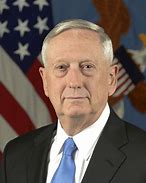
JAMES MATTIS (FORMER U.S. SECRETARY OF DEFENSE)
For Trump, believing in one’s own judgement and being in charge take precedence over collaborative decision-making. The most recent evidence of this willful characteristic of President Trump is the resignation of General Mattis.
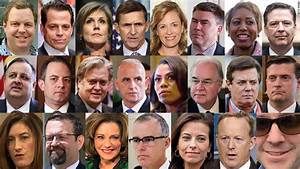
TRUMP ADMINISTRATION DEPARTURES
Baker shows Cheney as a tough-minded, defense oriented protector of American freedom. At the same time Baker reflects on Cheney’s five heart attacks, lack of respect for differing opinions, and single-minded pursuit of simple solutions for complicated problems. Baker suggests multiple heart attacks may have affected Cheney’s view of life. He suggests Cheney’s actions may have been compromised by medical conditions affecting his health. There are some (mostly Democrats) who question the state of Trump’s personal health and his actions.
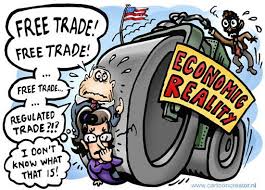
Parenthetically, one might argue Trump views himself as protector of capitalist freedom. An apropos example is Trump’s single-minded pursuit of simple solutions for America’s trade deficit.
Baker leaves little doubt about President “W’s” role as decider. The same may be said of Trump, but their leadership success or failure will be based on history; not on today’s view of their actions and results.
LEADERSHIP SUCCESS OR FAILURE IS BASED ON HISTORY; NOT CURRENT CONCEPTION.
Amy Coney Barrett is confirmed as our next Supreme Court Justice on October 26, 2020.
Barrett describes herself as a strict constructionist, not a legislator. History will determine the quality of Barrett’s appointment. As a Supreme Court justice, one must recognize it is up to Congress to clarify what they mean when they pass legislation.
Barrett’s appointment is today’s reality. Her decisions, just as Trump’s, Obama’s, and W’s actions, have tomorrows’ consequences. The appointment of Barrett needs the perspective of history; not the praise or condemnation of the present.
Barrett, like all high government leaders, brings her own life history of successes and failures. Cheney left a long public life to become CEO of Halliburton, a multi nation oil field services company. Returning to government opens Cheney to conflict of interest questions.
Baker notes that former associates of pre-VP Cheney feel he changed. Pre-VP Cheney was conservative but more open to others opinions and easier to get along with. (Some argue that Trump is not open to other’s opinions.) Pre-VP Cheney served in the Nixon, Ford, and George H. W. Bush administrations. He also served as a 5 time elected representative of the State of Wyoming.
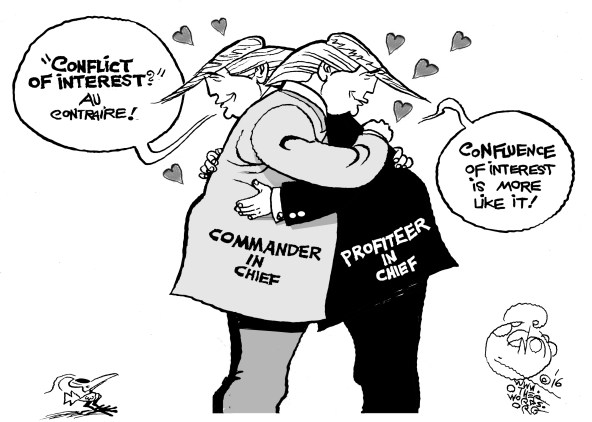
Halliburton receives multi-million dollar contracts from the American government for support in Iraq. Cheney argues that no other American company had equal resource capability. Trump chooses to surround himself with people like Jared Kushner, Wilbur Ross, and Carl Icahn who have Cheney-like commercial conflicts of interest; not to mention hotel and real estate interests of President Trump himself.
JARED KUSHNER, WILBUR ROSS, CARL ICAHN, AND TRUMP’S SONS AND DAUGHTER–EXAMPLES OF CONFLICT OF INTEREST AND CONFLUENCE OF INTEREST
Baker raises the specter of heart attacks and Halliburton experience affecting Cheney’s personality, demeanor, and actions as Vice President of the United States. The author, like every human being, cannot know what he does not know. The same is true for Mr. Trump. Trump is healthy and highly intelligent because he says he is. As Socrates is believed to have said–“I know something that I know nothing.
Trump was a showman before he became President. Some suggest he remains a showman today. In today’s view, mage is substance to Mr. Trump.
Cheney was who he was before and after he became V.P. of the United States. Of course, age and experience changes everyone; only time and history will confirm or deny today’s opinions of the George W.’s and Trump’s administrations. Many details of Bush and Cheney’s lives are reported in Baker’s book. The data compilation offers color, if not insight, to Bush and Cheney’s characters. Today’s comments and actions of President Trump are equally colorful (in the worst sense of the term) but insight to his administration remains for history to determine.
Baker’s choice of details endears readers to Bush more than Cheney. Bush interactions with the public after 9/11; his bravado in flying to Iraq to meet with troops, and Baker’s description of Bush’s love for his dying 15-year-old Springer Spaniel, tug at a reader’s heart. Details of Cheney’s emotional life are limited to descriptive interactions with family. Baker describes Cheney’s experience with the twin tower terror, heart attacks, and affection for anyone other than family as fatalistically analyzed incidents.
Baker links Bush and Cheney’s early life experiences. He exposes different consequences of their linked experience. Both men are shown to be smart but Bush’s rebelliousness seems parentally sheltered while Cheney’s rebelliousness seems experience driven. Bush graduates from Yale and Harvard while Cheney flunks Yale, returns to work as a power lineman; returns to Yale, flunks again, and eventually graduates with BA and MA political science degrees from University of Wyoming.
BUSH AND TRUMP SHARE THE GOOD FORTUNE OF A LIFE OF PRIVILEGE
Bush’s silver spooned life is contrasted with Cheney’s stainless steel life. Bush’s parental-rebellion is contrasted with Cheney’s “who gives a damn”’ wilding. Because Bush and Cheney both attended Yale, they had some common experience but Bush graduated; Cheney did not. This detail reinforces the argument that Bush may have respected Cheney but felt more qualified to be the decider; not only by virtue of position but by virtue of accomplishment. Baker infers that possibility, particularly in the second term of Bush’s administration.
Cheney offers his resignation before the second election campaign. The decision to invade Iraq is perceived to be hugely influenced by Cheney and Rumsfeld, the Secretary of Defense. The mistaken intelligence about Iraq’s weapons of mass destruction is a potential re-election killer. Bush considers Cheney’s resignation but chooses not to accept.
Baker suggests that Bush moves away from Cheney toward the end of his first four years in office. Baker reports that some Cheney’ colleagues felt resignation was a Machiavellian-Cheney’ gesture to keep his position; others suggest it was a fall-on-his-sword move to protect the leader; a needed act to get Bush re-elected.
Internal conflicts in “W’s” administration show politics at its best and worst. When Bush pushes for a revision in the Medicare prescription plan for senior citizens, he is stonewalled by his own party on a vote for approval. Baker suggests passage was dead in the water until Bush tacitly agrees, with an Arizona Republican congressman (Trent Franks), to fight any attempt to appoint a Supreme Court Justice that supports women’s rights to abortion. The Medicare prescription plan barely passes, after the meeting.
Bush’s judgment is called into question when he tries to get Harriet Miers appointed to the Supreme Court. Bush believes Miers is qualified without fully vetting her background and education. Ms. Miers, though a lawyer, is shown to be ignorant of basic legal interpretations of practiced law. President Trump has had his share of judgement questions in his foolish twitter comments.
A QUESTION OF LEADERSHIP JUDGEMENT
Baker explores hard feelings between Defense Secretary Rumsfeld and Condoleeszza Rice. Rumsfeld mentored Cheney but was dismissed by President Bush in his second term; in part, because of Abu Ghraib but largely because of pentagon and secret service chafing under Rumsfeld management style. Rice succeeds Colin Powell as Secretary of State in the second administration.
Bush felt Powell was not a team player and that he used the media to get around disagreements with Rumsfeld’s military defense decisions. Rice steers the State Department back to diplomacy from being an adjunct of defense. President Trump’s Attorney General is called out as “not a team player” but not for the same reason as Powell.
BOTH BUSH AND TRUMP ENDORSED TORTURE IN INTERROGATION OF POLITICAL PRISONERS.
Baker reflects on the “torture” memorandum approval by John Yoo, Deputy Assistant U.S. Attorney General, during “W’s” first administration. “Enhanced interrogation techniques” were approved for the CIA by Bush with Yoo’s tortured legal reasoning. Dick Cheney insists torture saved lives after 9/11. Trump endorses water boarding as a justified torture of political prisoners.
Bush’s second term also replaces John Ashcroft with Alberto Gonzales as U. S. Attorney General. Baker infers the change is due to Ashcroft’s refusal to reverse a Justice Department ruling on a part of the Patriot Act regarding privacy. On the other hand, it could have been Ashcroft’s health. With Ashcroft’s refusal to sign Bush’s reaffirmation of the law, Bush chose to overrule Ashcroft and the Justice Department by Executive Order.
Baker shows how and why Americans have become so closely divided over Bush’s war on terror; his belief in democracy as a guarantee of freedom, and the inference that privacy is a privilege, not a right.
Though it is too soon to write an unbiased history of “W’s” time in office, Baker reports some interesting details about the George W. Bush’ years. Both Bush and Cheney survive the days of fire but Cheney appears more scarred than Bush at the end of Baker’s tale. America seems more divided today; not only in regard to the war on terror, but in more ways than realized during George W. Bush’s administration.
In Trump’s administration, the country seems as divided as it was in the Bush/Cheney years. But, of course, views of the Bush and Trump administration are without the perspective of history. History has hugely changed perceptions of Presidents Grant, Wilson, Eisenhower Truman, Kennedy, and Nixon since their deaths.
Some Presidents were considered better; some worse, when they were leaders. One wonders how the 22nd century will look at the George W. and Trump years.
The story of Colson’s Cora shows how social injustice spreads and how it can only be cured by truth and belief in human equality. Whitehead describes Cora as an abandoned ten-year-old black slave. She is abandoned by her mother who chooses to escape a Georgia slave plantation. Cora’s mother is never recaptured and her legacy haunts her slave master, as well as the daughter she left behind. It is presumed Cora’s mother escapes with the aid of “The Underground Railroad”. Whitehead’s story suggests otherwise.
It seems unreal to believe America treated human beings as property in the ninetieth century.
Colson Whitehead’s story of “The Underground Railroad” shows how ingrained and ugly discrimination is, and how modern belief in ethnic or moral superiority continues to infect America. Another “I can’t breath” murder in Minnesota shows how deep the infection remains.
The existence of “The Underground Railroad” is a euphemistic symbol of a network of abolitionists that secretly aided slaves in escaping their bondage. What Whitehead shows is that “The Underground Railroad” is a “real thing” (a coalition of Americans) created by Americans that abhorred the institution of slavery.
“The Underground Railroad” is a real thing built by Americans that abhorred the institution of slavery.
At the plantation, Cora is left a small patch of ground that was cultivated by her mother. Cora’s protection of that vegetable patch, and what she endures reflect how tough Whitehead makes this extraordinary character. A black overseer builds a dog house on Cora’s plot. She takes a hand axe and destroys it in the face of a man who could crush her with his fist. Whitehead tells a story of Cora being raped by two men as soon as she reaches puberty. The story is told as though it is a “rite of passage” in an environment too evil to comprehend.
Map of the Underground Railroad Routes
If you are a slave, there is no penalty for rape or abuse in the mid-nineteenth century
Whitehead describes some of the laws created on slave plantations. There is no penalty for rape or abuse of a slave whether it comes from owners or fellow slaves. Life’s meaning to a slave owner is what a slave can offer in labor, blind obedience, or monetary value. Slaves are property to be used, abused, or disposed of at the will of their owners.
Whitehead’s depiction of slave life in ninetieth century America is appalling. Cora escapes the Georgia plantation but at the cost of two other slave’s brutal murder. Cora experiences the terror and hope of liberation by being recaptured three times, being victimized by South Carolinian medical practitioners, North Carolinian racists, and Indiana supremacists.
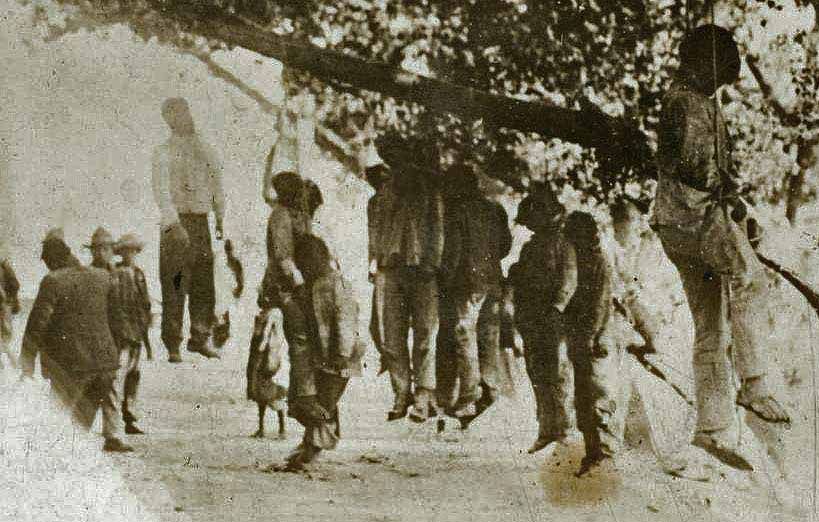
BLACK SLAVES LYNCHED IN AMERICA IN 1882
Whitehead writes of an apocryphally designated “Freedom Trail” in North Carolina where blacks are hung on a byway as a reaction to slave insurrection. (There is a designated “Freedom Trail” in Boston but it represents the American Revolution.) There are credible reports of numerous black slaves hung from trees alongside roads in the south. Great fear among whites is created in the mid-1800’s because of the Turner Rebellion, and John Brown’s raid in Virginia.
BLACK SLAVE OVERSEER
Whitehead also exposes the perfidy of white masters, slave catchers, and black overseers who treat slaves as property and supervise the capture and murder of escaped slaves. Ridgeway is a slave catcher that captures Cora with the help of his obedient and worshiping black companion.
Where is America now? Have 242 years of history changed America’s penchant for overt and covert violence against those who appear different? South Carolina’s Charlottesville’ KKK rally and George Floyd’s murder suggests not.
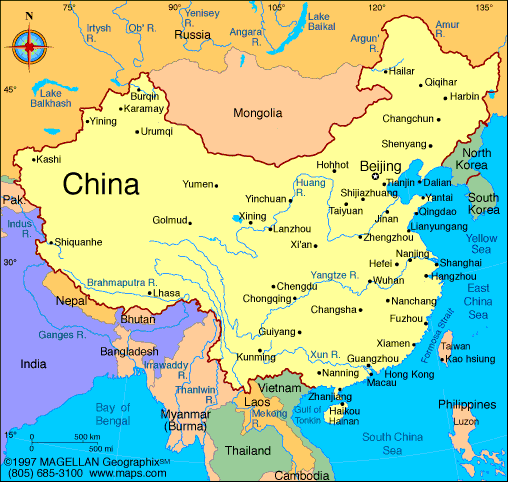
Three thousand years of history are compressed into a twenty-one day tour of China. Aside from dramatic images of China’s economic growth, one of the most interesting political observations made by our tour guide is the 70% rule of leadership.
In a self-limited group of 15 American tourists, Overseas Adventure Travel produces a personalized tour of Zhonggou; a.k.a. the “Middle Kingdom”–so named because China grew from a number of small provinces into a singular nation; i.e. a nation the size of the continental United States. Like all maps drawn by a nationalist country, China became the center of the world (a self-identified “Middle Kingdom”).
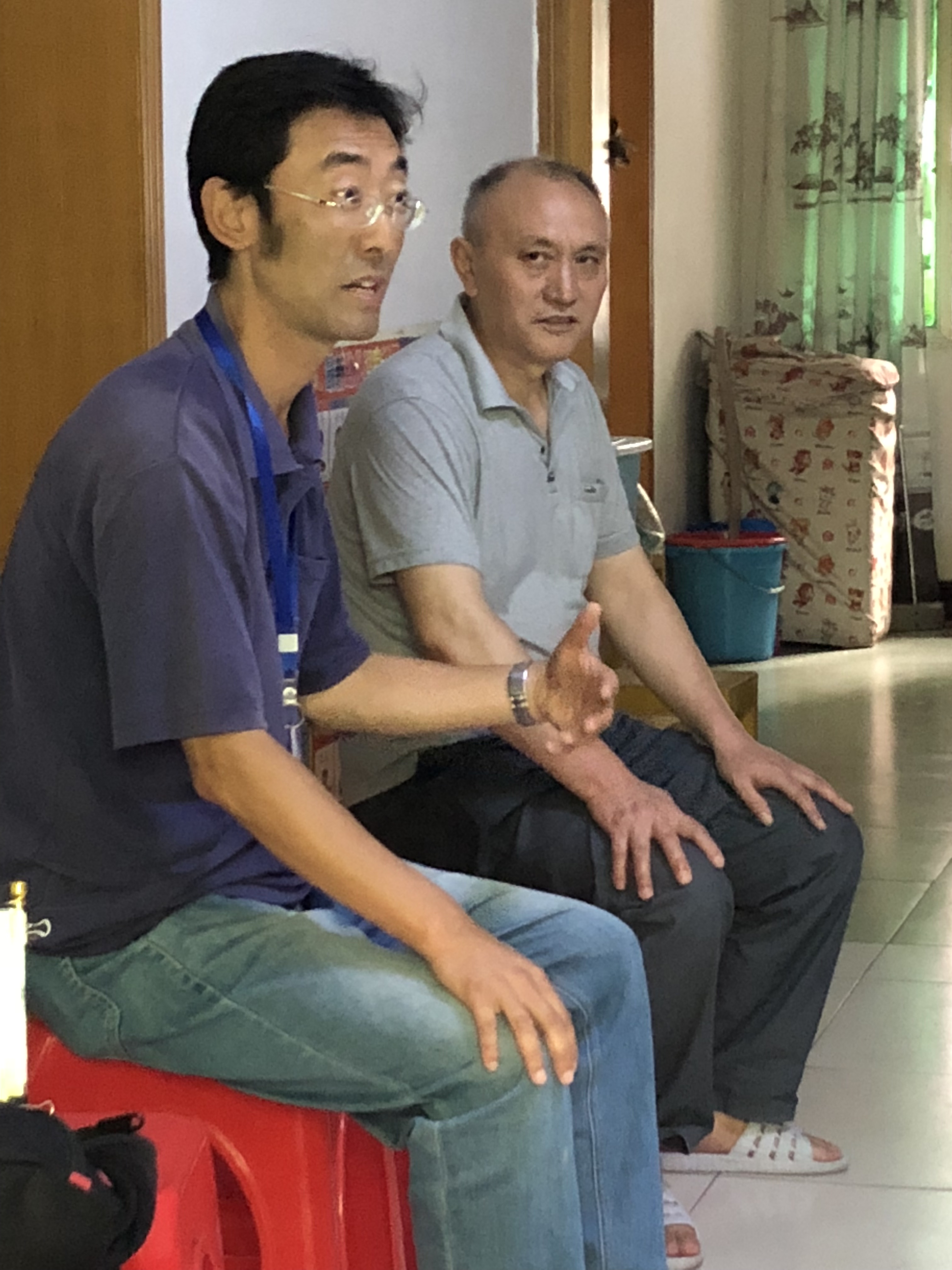
Our professional guide introduced himself as “Jason” (on the left). “Jason” is born and raised in China. He is educated and trained as a natural-medicine pharmacist like his mother. However, he chooses to abandon that career to see the world. He applies for a position with O.A.T., and after extensive interviews, training, and testing he becomes an independent, licensed tour guide.
Being a guide is no easy task. When guiding 15 people, and seeing sites only read about in literature and the news, things get complicated.
In many ways, tourists are like ostriches. Ostriches are known to bury their heads in the sand when scared. As tourists, we often do the same, not out of fear, but in astonishment.
China’s great wall, giant cities, panda parks, public monuments, landscaped byways, and city parks overwhelm the senses. O.A.T. guides are charged with gathering, and managing 15 tourists while directing and telling a cultural history of the country in which they live.
This is a panda reserve in Chengdu, China. As with many indigenous species around the world, the panda is endangered and restricted to sanctuaries where they can reproduce without fear of poachers who covet their fur.
The immense surroundings of an awakening political, and economic giant arrives in a rush of cityscapes, bullet trains, and water ways.
China is a country of 1.3 billion in a land the size of America with 327 million. Population density difference is immense. (In China there are 134 people per square kilometer vs. 30 in the U.S.) Instead of big cities of 8,000,000 citizens in the U.S., China’s big cities have 20,000,000.
While explaining China’s complicated history, “Jason” juggles arrangements for traveling cross-country. He assigns rooms at hotels, arranges meals, schedules meetings, and offers lectures prepared by local historians and residents. At the same time, “Jason” prepares 15 people to board trains, boats, and planes for the next city.
PARTY BOAT
ROOM ACCOMMODATION FOR OVERNIGHT TRIP
BEIJING AIRPORT
BULLET TRAIN
A constant refrain from our guide is “don’t forget your passport”. Sometimes, a passport is forgotten at the hotel; other times personal luggage exceeds air-travel weight limits. “Jason” smiles, calms fears, and explains how problems can be overcome. He says he has a “cousin”. He doesn’t, but somehow problems are solved and the group moves on.
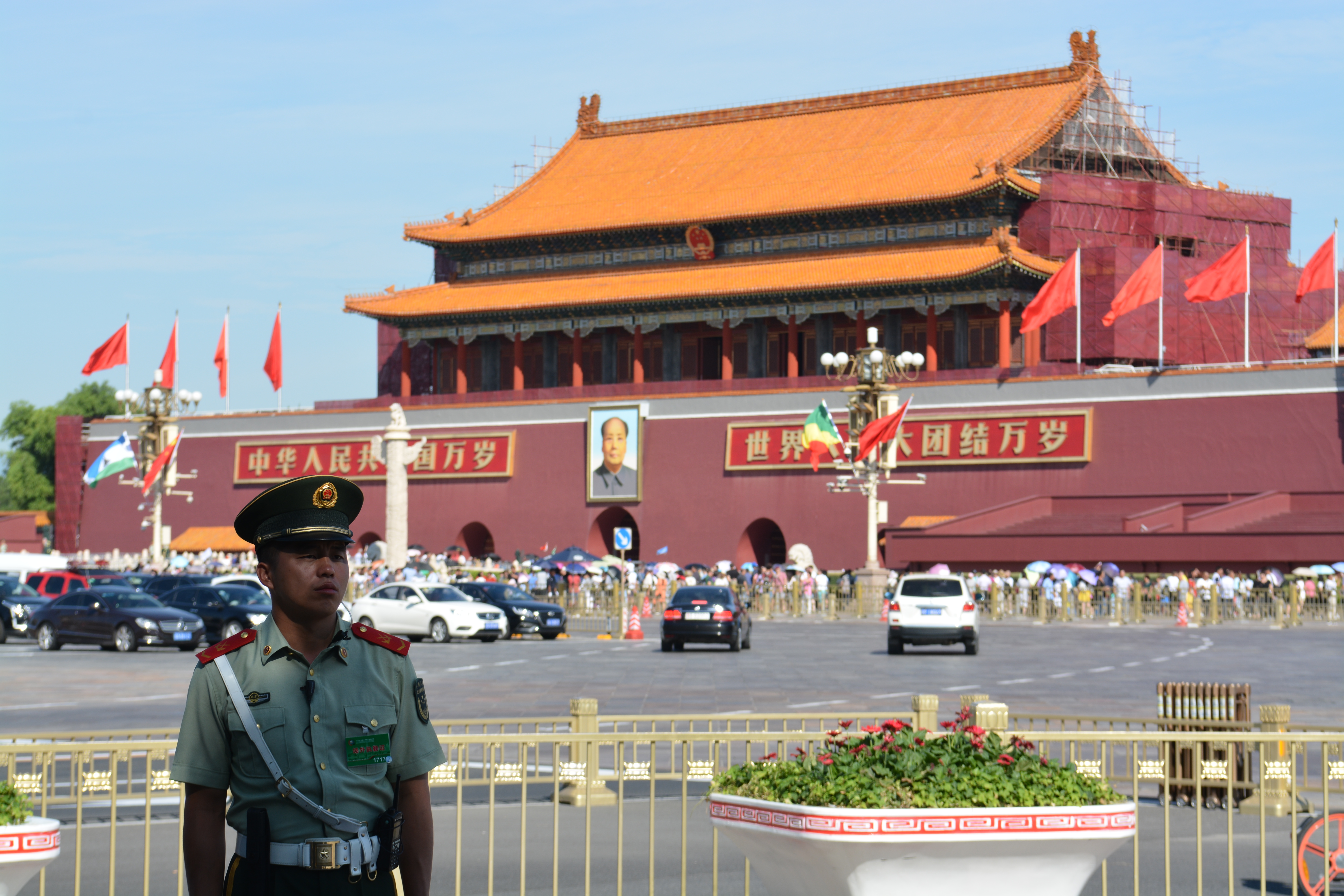
China is a closely watched country. The government requires surrender of your passport at hotels, and often insists on presentation of passports at particular sites like Tienanmen Square.
Two areas we visited (Tibet and Hong Kong) are called autonomous (actually they are, at best, semi-independent) provinces in China. These “autonomous” regions have a different set of rules but the influence of main-land China is obvious in conversations with local residents.
Since our trip to China, Tibet and Hong Kong’s semi-independent status is being challenged by Xi’s desire for conformity. To Xi, the future of China is dependent on control by the communist party. Any ethnic, economic, or political independence from the party is suppressed.
A famous Tibetan monastery (Depung Monastery), originally designed to house Dali Llamas in life and death–is converted to a government building during the cultural revolution. It falls into disrepair but is renovated by President Xi as a museum. The current Dali Llama (forbidden to return to China) is unlikely to be entombed, like former Dali Llamas, in this monastery.
Tibet requires a passport, a special visa, and security checks. All interior China flights have security stations to x-ray baggage and inspect passports when you board. Wi-fi is generally available at hotels but an unsettling feeling comes with use of wi-fi because of a feeling everything you do is monitored.
Some hotels have only Chinese stations and those that have CNN or BBC seem to limit coverage of any news that is critical of China
Additionally, it seems certain information is not available on the internet. These anomalies do not change one’s interest in China but “Big Brother” seems ever present.
Of course, the same is true in America but “Big Brother” is more likely a private company like Facebook, Apple, or Google.
Government surveillance is restricted by “rule of law” in America. America retains “checks and balances” that mitigate autocratic decisions by singular leaders.
“Jason” notes–in his experience, people all over the world are the same. People love; people hate; people believe and disbelieve, but cares and feelings of individuals are the same.
However, there seems a distinct philosophical difference in views of freedom. Freedom seems more feared in China than America. National coverage of Tibetan, Uighur, and Hong Kong independence suggests great concern over ideological differences between ethnic groups, provinces, and the government; particularly differences that encourage public demonstration against government policy.
As “Jason” unfolds Chinese history, one thinks about how important powerful, and singular leaders have been in governing China. Three cultural constants in Chinese history seem to be:
great care for familial relationship,
pursuit of higher education, and
autocratic rule.
MAO ZEDONG (1893-1976, FOUNDING FATHER OF PEOPLE’S REPUBLIC OF CHINA)
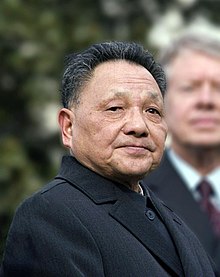
DENG XIAOPING (CHINA’S CHAIRMAN OF THE CENTRAL ADVISORY COMMISSION 1982-1987)
Through generations, China relies on strong leaders who are able to unite disparate interests of provinces, religions, and ethnic groups.
From the great dynasties of ancient history to the eras of Mao, Deng, and now Xi, our guide suggests many Chinese believe “…great leaders must achieve 70% of what is right for the Chinese people” to advance the country. Those leaders that do not achieve that level of public good, are failures.
In other words, Mao and Deng may have made mistakes, but they were at least 70% right. President Xi seems in the process of proving himself. Ancient China’s lead in the world of science and economic growth suggest some truth in a 70% rule–after all, no one is always right.
CHIANG KAI-SHEK (CHAIRMAN OF THE NATIONAL GOVERNMENT OF CHINA 1943-1948) Leader of China during WWII was labeled as corrupt by communist forces in China.
China, like all surviving nations in history, have fallen and risen. In the 1940’s and into the 50’s, Mao overcame, what is considered by some, a corrupt government with a revolution that advanced the economic and political strength of China. Mao eliminated feudal farming that enriched the few at the expense of the many.
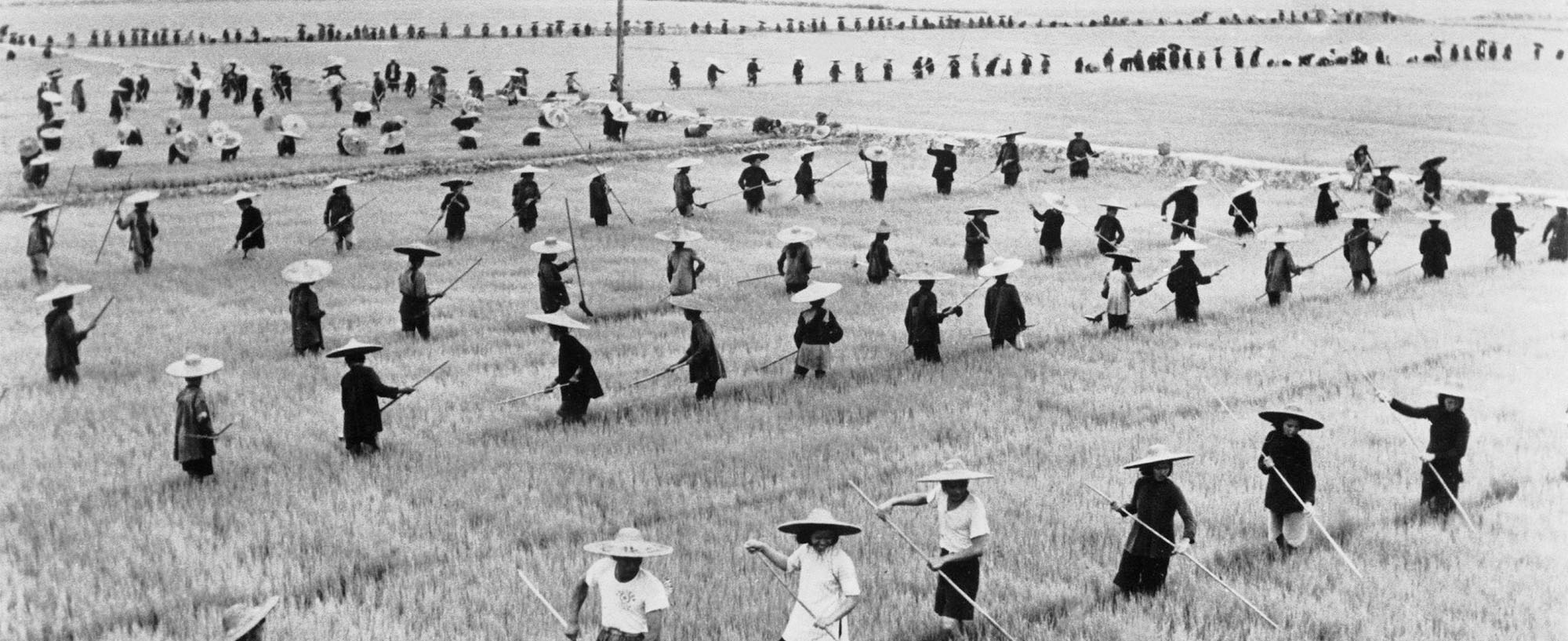
In the 1950’s China rapidly improved farming production of the country. On assuming power, Mao’s goal is to eliminate landed gentry who fail to make their farms produce what they were capable of producing. Redistribution of land became a primary goal of the communist revolution.
Mao’s means were to split the land among the peasants and allow them to own their own land. Individual small land owners formed collectives to improve farming productivity. In the 50’s that plan worked magnificently. China advanced rapidly in the early years of Mao’s reign.
However, with the initial success of small farm-collectives, Mao made the mistake of increasing the size of the collective with communist overseers. Mao’s intent is to advance productivity more quickly. The overseers undermine productivity with an economic program titled the “Great Leap Forward”.
Communist bureaucrats begin saying production is steadily increasing when it is not. Individual farmers no longer control productivity.
Farmers lose their passion to improve productivity as they become smaller cogs in a bigger machine. The bigger machine is layered with bureaucrats that want to look good on paper, but as overseers they overstate the productivity of the collective.
The communist party overestimates its ability. The “Great Leap Forward” replaces farmer’s with Communist bureaucrats. In the late stages of Mao’s “Great Leap Forward”, millions of Chinese die because of bureaucratic lies about farm production. Presumably, this falls into the 30% failure of Mao’s leadership.
Nearing the end of Mao’s life, he may have recognized his error but a cabal, called the Gang of Four (which included his wife), seized control of the government and continued the failed policy of communist control of agriculture. Mao, or this Gang of Four, started the cultural revolution (1966-1976); causing the death of millions. With the question of Mao’s intent, and the usurpation of power by the Gang of Four, the mistakes of the cultural revolution seem less attributed to Mao than the “Gang of Four”.
After removal of the “Gang of Four”, Deng Xiaoping, a pragmatic leader during Mao’s reign, opened the door to a form of capitalism. The door is nearly shut with the Tienanmen Square slaughter. At Deng’s order, a massive protest in Tienanmen Square, is to be ended by “any means necessary”. An unknown number of Chinese men, women, and children are murdered by the military.
Some suggest that Tienanmen Square is a turning point in the history of China. Deng did not apologize for the Tienanmen decision, but he overcame his mistake by arguing that “It doesn’t matter whether a cat is black or white, as long as it catches mice. …. “ Deng seems to have listened to some of what the Tienanmen protesters were saying. Undoubtedly, many protesters were attempting to make communism better; not to destroy what works for the masses. but to focus on what enriches their lives.
The principle of the collective in China remains. Land is largely owned by the State. However, a version of a free market is created which allows private sale of vertical construction (particularly space within buildings) in China’s cities. (This is somewhat misleading because the sales price in a private transaction requires approval by the government, but the government does allow profit to the individual on the sale.)
Small farms are still owned by some Chinese, but the trend is for continued collectivization. Additionally, the growth of cities changes the desirability of farming. Older Chinese may stay on the farm but their children migrate to the city. When aged farmers die, the land is retained by the family but often as tenant farms; unless the government makes an offer they cannot refuse. The tenant farms still operate as a part of a collective. Produce is determined by individual farmers but brokers sell farm product to retail stores for purchase by the public.
A construction boom began with Deng’s pragmatic solution that seemingly combines communist oversight with capitalist ambition. Chinese entrepreneurs work hard, become wealthy, and live a better life. Small farms are steadily re-acquired in China through a process of payment to farmers in the following way:
families are offered (collectively owned) small-parcel farms equal in size to their parent’s land. They become absentee landlords that receive rent in the form of farming profits,
various incentives are offered by the government to families for their move; sometimes, a pension or medical insurance policy, and
the government offers a condominium or house in a different location.
In using this method of acquisition, the government is able to build new condominiums, shopping centers, and infrastructure projects–like the “Three Gorges Dam” that controls flooding. Infrastructure work is ubiquitous in China.
Roads, bridges, and rails are being built to influence and connect Chinese provinces. The most recent monumental evidence of this practice is a high-speed train connection over a bridge between the mainland and the “autonomous” province of Hong Kong.
The process of government acquisition of privately owned farmland is complicated. A team of Chinese bureaucrats measures the house in which a farmer lives, the size of the land the family owns, the product they produce, and the livestock they have. The government determines the price that will be paid. The land owner must accept the decision. In return the farmer may be offered an equally sized piece of land in a collective that is farmed by others; personal incentives like a pension or medical insurance, and a condominium or home in which to live.
BARGE NEAR THREE GORGES DAM
SHIP’S WAITING TO ENTER LOCK AT THREE GORGES DAM
LOCK AT THREE GORGES DAM
State acquisition of land allows massive infrastructure projects to be built. These projects offer jobs to Chinese farmers and their children who are migrating to the city. In some cases, the small farm is retained while the farmer’s children go to the city for a job. With payment from a city job, some call on their farmer parents to help them with a down payment on a condominium in the city. The price of condominiums rises. They rent the condo they have, and make a down payment on a second condo. With each transaction, they become wealthier; i.e. at least, wealthier on paper.
Construction activity is endemic in every city visited. A striking observation is that many of the condominiums seem unoccupied. The question becomes whether construction is too far ahead of real economic growth.
However, retail businesses appear to be booming in China’s cities. Shopping centers are full of residents, and travelers. Restaurants of every kind compete with each other in high-rise shopping malls. Our local guide in Hong Kong notes that the original street markets are disappearing because of conventional retail construction.
Another striking difference between big American and Chinese cities is that you see few homeless citizens in China. In China, government subsidizes housing for the poor. It is not luxurious. It is small and crowded. The dilemma of government is in drawing the line between central planning and public service. It appears to keep the poor from being homeless.
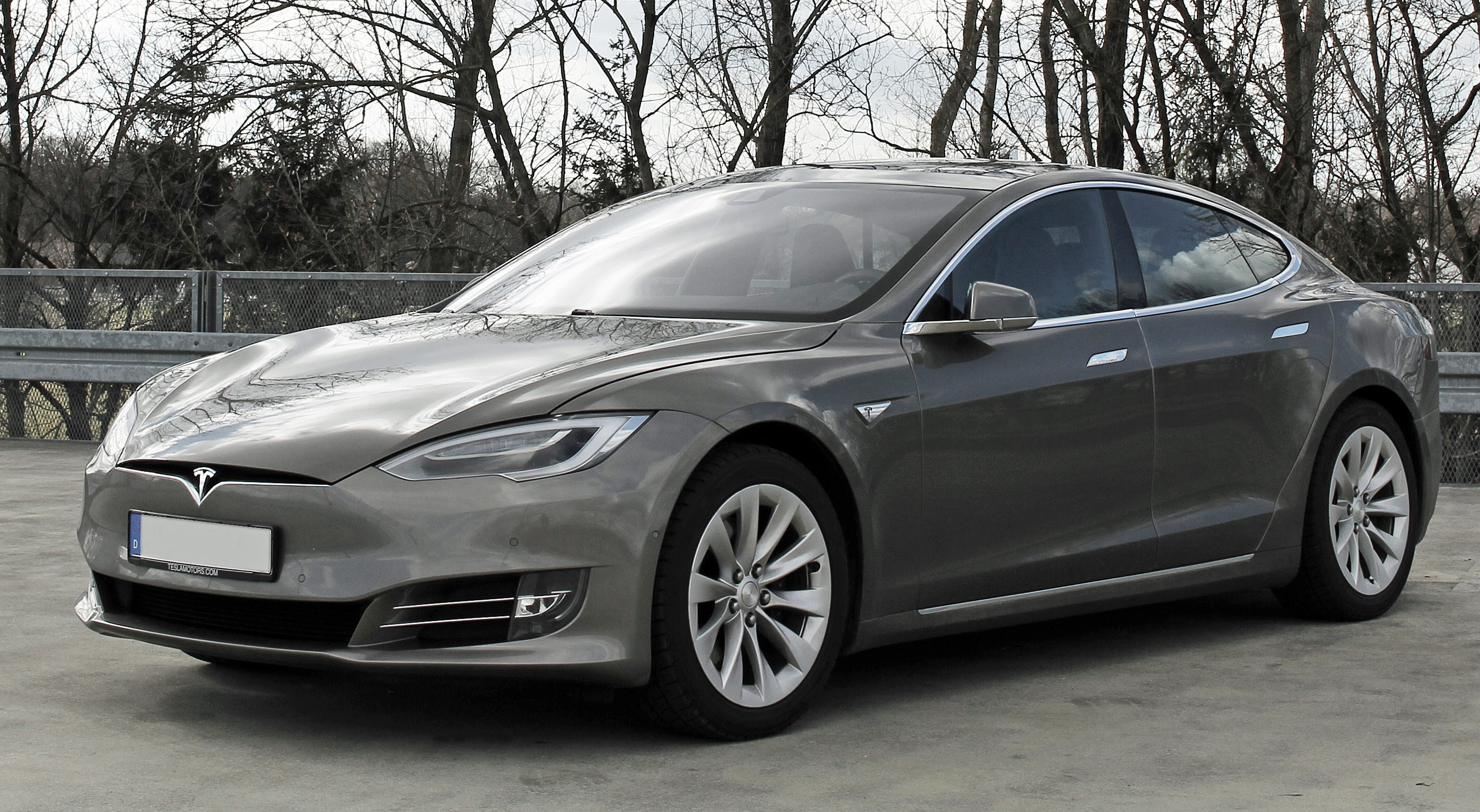
There seems an underlying fear of the effect of the tariff war (started by President Trump) on the local economy. An example of the consequence of the tariff war is a new 90% tax on purchase of a new Tesla in Hong Kong. There was no tax when Tesla first entered the market. Before the tax, Musk’s cars were widely purchased in Hong Kong. One doubts that continues with a 90% tariff.
Another great surprise is that air pollution in Beijing, when we were there, seems no worse than it is in America. However, we were there during the African conference which may explain why the air seemed relatively clear. China successfully cleared the air by limiting polluters during the Beijing Olympics.
Environmental degradation is a concern in China. Over 60% of their energy comes from coal. The largest Hydroelectric dam in the world, the Three Gorges Dam, only produces 2% of China’s energy needs. Three Gorges is considered a dam for flood control more than energy. Interestingly, the Yangtze river shows a lot more debris and garbage below the dam than above it. Generally, water ways seem polluted with debris like plastic and other human debris. In an effort to abate pollution around Hong Kong, sampan life is discouraged. Much fewer sampan are licensed in modern Hong Kong.
Tap water is considered undrinkable throughout China; which means nearly all water for daily consumption is bottled. Hong Kong is vitally dependent on the mainland for water. There are 21 treatment works in Hong Kong but treatment changes the taste of the water so much that Hong Kong residents drink bottled water.
As noted in a previous blog, President Xi, the current leader of China, is determined to reassert the dominance of the Communist Party in China. Strong centralized rule has been a hallmark of rapid economic and political advance in China’s history.
PRESIDENT XI’S CENTRALIZED RULE CONTINUES TO BE CHALLENGED BY HONG KONG DEMONSTRATORS–NEW YORK TIME’S ARTICLE 6.14.19.
Time will tell if President Xi is a 70% or 30% leader. Xi’s decision to initiate a China’s “Road and Belt” program for the world may be a harbinger of great success or abject failure. The worry may be whether Xi is like an early Mao, and pragmatic Deng, or a singular version of “The Gang of Four”.
Having just returned from China (more about the trip in a future blog), it seems apropos to revisit Jonathan Sperber’s biography of Karl Marx. In many respects, China’s resurgence as a major economic power suggests Marx may have outlined an economic system with some strengths, but communism and China’s form of communism have catastrophic weaknesses.
Johnathan Sperber has gathered an impressive amount of data in his history of Karl Marx’s life. Sadly, his presentation is not equal to his collection. Unlike biographies done by Robert Caro (who wrote “The Power Broker” about Robert Moses, the land planner of New York, and former President, Lyndon Johnson) or William Manchester (a Winston Churchill Biographer), Sperber fails to bring his subject to life.
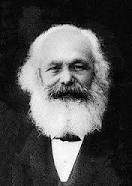
KARL MARX (BORN TRIER, GERMANY 1818-DIED LONDON, ENGLAND 1883)
Marx is considered by some to be one of the three most influential economists that ever lived (Adam Smith and John Maynard Keynes being the other two.) That high praise is not forcefully presented in Sperber’s biography. Sperber offers facts but leaves coherence to the reader.
Marx means something to the 21st century. Some might argue America is reaching a point in the history of capitalism that is foretold by Marx’s theory of socialist economics. As Sperber notes, Marx believed capitalism was a step in the economic evolution of the world, leading to a governmental revolution. Marx believed capitalism would reach a nadir of conflict between haves and have-nots because of social inequity inherent in capitalist economies.
As Sperber notes, Marx lived through and wrote about social conflict created by feudalism and capitalism in the mid-nineteenth century. Marx is raised in Prussia, ruled by a Czar in a feudal economic system. He witnesses growing discontent of feudalistic working-class Russia.
Marx created a theory of economic evolution showing feudalism, capitalism, socialism, and communism as progressive improvements in the lives of all people.
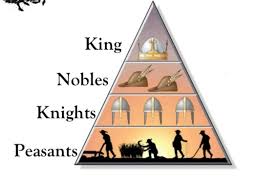
Feudalism grew out of the rule of Kings and Czars with a small aristocracy receiving privileges of wealth and property with the bulk of human civilization indentured to the privileged class.
As the indentured, under-privileged population grew, discontent led to revolution.
In 1776, America broke with English aristocracy to form a “checks and balances” democracy; in 1789, the French population broke with absolute monarchy to form a populist democracy; in 1848, German states rebelled against the aristocratic Prussian confederation of thirty-nine states ruled by an aristocracy and chose various forms of government to establish their own nationalist identities.
DENG XIAOPING (CHINA’S CHAIRMAN OF THE CENTRAL ADVISORY COMMISSION 1982-1987,) In 1980 Deng Xioping, though maybe not in a revolutionary sense, changed the direction of communism in China.
Each Chinese change in governance led to more liberal, slightly more democratic, and capitalist economies.
Hong Kong is presently in the throes of resistance to China’s encroachment on their semi-autonomous existence. Hong Kongers’ discontent could be seen in traveling to Hong Kong months before today’s demonstrations.
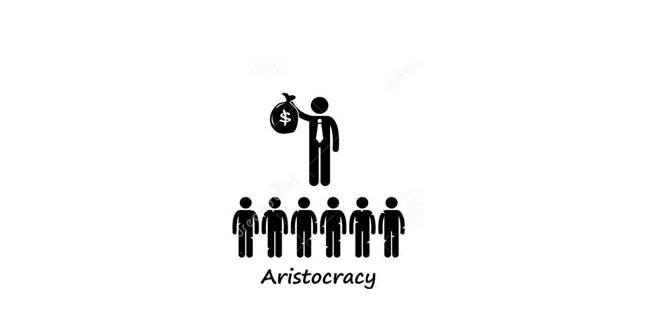
As nations prospered during the industrial revolution, more mercantile economies formed. Aristocracy became broadly defined by wealth rather than inheritance. Parliaments and congresses were created to represent wider population interests.
However, Sperber explains Marx believed that the greatest part of nation-state citizens remained in poor economic condition; even when based on mercantilism. Marx, looked at the economic condition of the world, and noted that transition from feudalism to mercantilism only marginally improved living conditions for the majority of state citizens and, in fact, actually worsened the condition of the young and impoverished who worked long hours for little pay. To Marx, capitalism just exacerbates the mercantile economic condition of the poor.
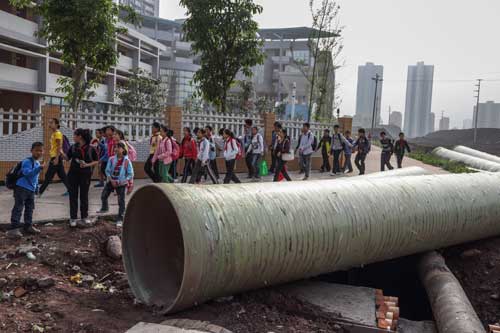
CHINA IS MOVING 250 MILLION PEOPLE INTO CITIES ACCORDING TO THE NEW YORK TIMES (Housing is un-affordable for a large percentage of new city dwellers. The government of China subsidizes housing for many Chinese that come from rural areas.)
In 2018, it seems China may be reaching a capitalist tipping point where low wages do not cover the cost of living. Though many Chinese have moved from rural areas, wages remain low in comparison to the cost of living. Housing and health coverage is un-affordable for a large percentage of new city dwellers. The government of China subsidizes housing for many Chinese that come from rural areas to mitigate the plight of the poor.
ADAM SMITH (1723-1790, AUTHOR OF -THE WEALTH OF NATIONS) Marx developed the labor theory of value to suggest that classical economic theory suggested by Adam Smith leaves too many people in the gutter.
Marx felt Smith did not properly quantify the value of labor. Marx argued that capital was created to benefit owners at an unfair expense to labor.
Marx believed capitalist aristocracy continued to victimize the working class, trading one form of indenture for another. Marx suggested democracy was an evolution for economies that widened the benefited population but still left most workers underpaid, undernourished, and disadvantaged.
Sperber clearly points out that Marx did not believe that communal ownership of property redressed the inequities of state’ economies; i.e. Marx argued that inequity is caused by capital creation that only benefited ownership and undervalued labor that created capital.
China’s current experience seems to show Marx may have been right to believe communal ownership has little to do with state’ economics because communal ownership remains a dominant factor in China’s extraordinary economic resurgence. Property is not owned by individuals in China. Land is either owned by a collective or by the State.
Though land cannot be owned by Chinese citizens, distribution of capital has been widely increased through rising prices of high-rise condominiums. Many high-rise condominiums are owned by individual Chinese. Some citizens inherited or bought condominiums at such low prices–appreciation made them rich.
The fly in the ointment of their newfound wealth is the price of sale must be agreed upon by the government which creates an artificial bubble that may burst into hyper-inflation, with the potential for a nation-wide economic collapse.
China moves to address a potential economic collapse in an inventive and creative way. What China is doing--is trying to widen their market for goods with an economic growth plan called "Belt and Road". China invests billions of dollars in other countries infrastructure. China is betting that these improvements will create consumers for Chinese manufactured products. A side benefit is that these infrastructure improvements offer employment to Chinese citizens and businesses. (As can be read in news magazines like the Economist and papers like the Wall Street Journal and New York Times, some nations resent China's investments in their countries for various nationalist and economic reasons.)
China is also investing in the world's natural resources to expand their manufacturing capability. The question is whether these long-term investments will pay off in time to stabilize China's construction market. The construction market is where individual Chinese citizens carry their wealth. Condominium prices will reach a limit. In 2018, a 300 square foot condominium sells for over $500,000 in China's larger mainland cities. That is nearing $2,000 per square foot (and Chinese buyers do not own the land). In the United States, most housing is less than $200 per square foot; including the land. Continued wealth distribution in China depends on the success of the "Belt and Road" program.
Marx supported worker unionization’s effort to equalize benefit through a more equitable distribution of capital. He was deeply involved in the “International Workingmen’s Association” (aka First International). Herein lays the evolution of capitalism to socialism and Marx’s belief (and maybe Xi’s belief) in the fairness of economic communism. Modern China seems to be addressing the idea of a more equitable distribution of capital on paper, but the paper is based on what appears to be an unsustainable real estate market.
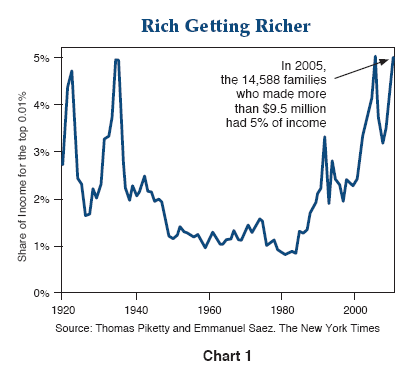
Piketty argues that the income gap widens once again, after World War II. He estimates 60% of 2010’s wealth is held by less than 1% of the population; with a lean toward the historical 90% threshold. Moneyed interests have become the new aristocracy, as repressive and privileged as the Kings and Czars of the mid-19th century.
One can disagree with Marxian theory but the widening gap between haves and have-nots (the 1% and 99%,) is a real-world concern in the 21st century.
Marx’s solution for economic inequity is flawed but the condition he describes in the evolution of economies seems prescient. To most Americans, Marx’s communism is not the answer.
When CEOs of companies are making over 200 times average laborers’ income, there is a glaring problem in the current condition of capitalist economies. Instead of income differences, it is housing value in China. China is on a razor’s edge that may as easily cut their throat as shave their face.
This is a disappointing book because it garners too little interest in the power and influence of Marx’s economic theories. However, it offers insight to what Marx may have had right (the importance of distribution of wealth) and what he had wrong (communal productivity). China is using a different vehicle than America for distribution of wealth but the principle of wealth-distribution addresses what ails all forms of government.
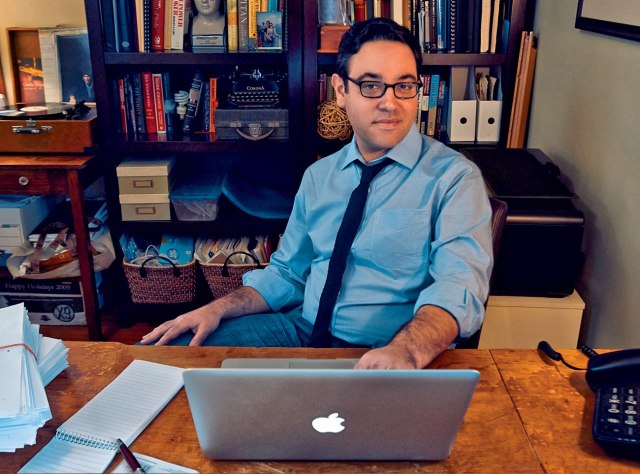
DANIEL SCHULMAN (AUTHOR, AND SENIOR EDITOR OF MOTHER JONES-MAGAZINE NOMINATED FOR 27 NATIONAL AWARDS WITH 6 WINS)
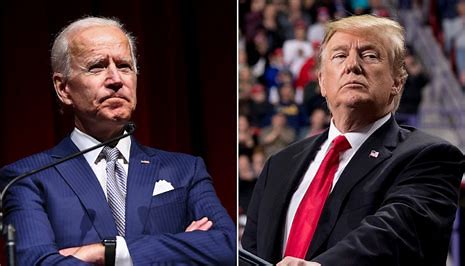
When organizations became people, American elections became less democratic. The wide gap in fund raising between Trump and Biden is disturbing. The story is the same–corporations are currying favor with the next President. This is not “one person, one vote”. It’s corporate influence peddling. The shoe is simply on a Republican’s rather than Democrat’s foot in 2024.
Corporate contributions to the election process distort the meaning of “one person – one vote”. Daniel Schulman’s story of the Koch brothers is an example of what is wrong with the Supreme Court’s 2010 decision that gave corporations person-hood.
The Koch brothers are tough-minded, intelligent, well-educated engineers; driven by the arithmetic of life. Business leaders often see the profit of a transaction without considering the cost to the general public. Life is not a transaction. Life is multi-dimensional puzzle of genetic pre-disposition, learned behavior, and interpreted experience.
CHARLES (LEFT) AND DAVID KOCH
Like Donald Trump, the Koch brothers make decisions based on profits without care for either the environment or the politics of the common good.
Daniel Schulman recounts details of the Koch brothers’ lives that make one admire the Koch brother’s strengths and fear their weaknesses. This became particularly clear in the last few days when Charles Koch admits that injecting partisanship in their political drive for a libertarians’ economy was a mistake.
One doubts that Charles Koch is abandoning libertarianism but he implies partisanship is destructive to the cause of less government as good government. As was inferred in the November 13, 2020 WSJ Koch interview, “…Republican partisanship over the years blew up a lot of bridges.”
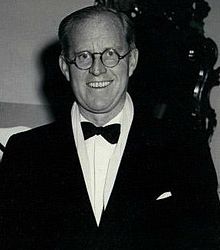
JOSEPH KENNEDY (1888-1969) As a listener is titillated by Schulman’s characterization of each of the brothers, one is reminded of Joseph Kennedy Senior’s biography (“The Patriarch”) and Kennedy’s determination that no circumstance justifies America’s entry into WWII. Kennedy’s underlying belief was that German atrocity is a matter of arithmetic not politics. Joseph Kennedy, like the Kochs, believed “living life” is transactional.
Kennedy believed Hitler could be contained like any unfair business conglomerate that fails to follow the rules of society. To a business mogul, everything is negotiable whether dealing with a mad-man or saint. Charles Koch, like Joseph Kennedy, is the patriarch of the Koch family. He. like Kennedy, believes life is merely a matter of arithmetic.
AYN RAND (1905-1982, AUTHOR WHO FIRMLY BELIEVED IN THE VIRTUE OF SELF-INTEREST AND UNREGULATED CAPITALISM.)
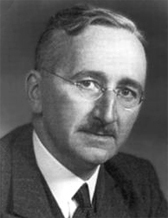
Charles is a devotee of Ayn Rand and Friedrich Hayek. Rand was an author and founder of a philosophical system called “Objectivism” while Hayek was an academic economist-author, and follower of a philosophical system that reduces economics to the arithmetic of free markets.
FRIEDRICH AUGUST von HAYEK (1899-1992)
Charles Koch, and his brothers David and William, grew a multi-million dollar company into a multi-billion dollar conglomerate based on Rand’s, and Hayek’s philosophy. (In fairness, this is an oversimplification and distortion of Hayek in the sense that he did believe government has a responsibility for a safety net for the poor, unemployed, and disabled.)
Growing millions into billions of dollars is unquestionably a great accomplishment, born of hard work, dedication, and tenacity. (Of course, it helps to start out, like Donald Trump, with a million dollars or more.)
The Koch brothers were born rich and raised in a safe and competitive family environment. Schulman explains actions of Charles, David, and William that show how intelligent, driven Americans can adopt Rand and Hayek’s philosophy to become enormous job creators, philanthropists, and benefactors for American society.
On the other hand, the Koch brother’s story shows how their philosophical beliefs ignore the reality of human nature that relegates many to a cycle of poverty; i.e. a cycle engendered by poor education, unsafe neighborhoods, a lack of health care, and un-employ-ability.
Charles, David, and William Koch offer great opportunities for workers of the world through the arithmetic of profit, growth, and self-interest. However, if a worker is not smart or healthy enough to join the Kochs’ group of workers, they have no value; they are the bums one sees sleeping on the sidewalk, gang members selling drugs and sex, or beggars asking for lose change.
The Koch brother’s success lies in their alloyed belief in self-interest, their inherited wealth, genetics, environment, and luck. The Koch’s success is a matter of the arithmetic of wealth, power, and privilege; therein lies the flaw in the use of dark money in American elections. To presume equal opportunity exists in America because of self-interest is ridiculously simplistic.
The Supreme Court gifted an advantage to wealthy corporate owners. Dark money from corporations distorts “one person, one vote” democracy.
Schulman infers the Koch brother’s arithmetic view of the world is skewed. The Koch’s imply only market driven, free choice of employees is what makes companies and America grow stronger. Charles argument is compelling except it is based on theories of two academics (Rand’s self-interest and a distortion Hayek’s economic beliefs). When 21st century Americans cannot get a decent education, they are on a treadmill of malnutrition and genetic disadvantage. They often live in unsafe and unhealthy environments, and are destined to become part of an underclass society.
Charles’ arithmetic works within a corporate culture that gives no value to government’s responsibility for health, education, and welfare. Even Hayek, as an academic, suggests that the disadvantaged of society should be protected from the extremes of disablement, poverty, and starvation. In contrast, Ayn Rand’s belief is that people are poor because they are lazy, unproductive, and dependent on the charity of others; i.e. being poor, to Rand, is a personal fault; not a societal concern.
Life is not arithmetic. A human life is not just a matter of dollars and cents. Covid 19 continues to be grossly misrepresented by America’s President.
Many inner city poor cannot get a job so they sell drugs or their bodies to put bread on the table. Who is going to hire a person arrested for peddling drugs or serving time for prostitution. The cycle of poverty is perpetuated by the belief that America is a free enterprise market. Everything from agricultural products, to drug manufacturers, to the energy industry, to cars we drive, and planes we fly are subsidized by the American tax dollar.
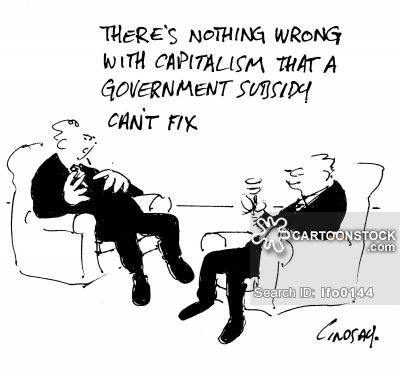
To the Koch brothers, free markets and the arithmetic of life will correct unemployment and the disadvantage of the poor. The idea of a free market is a joke. Markets are not free. Many industries in the United States are subsidized in one way or another by federal tax dollars.
Schulman’s biography infers that Charles, David, and William believe less government interference will correct the maladies of society. Public health, education, and welfare are private sector responsibilities, particularly in Charles’ idealistic world. This view ignores the reality of human nature. There is good and evil in all human beings. Power, money, and self-interest are swords with two edges that build and destroy societies. Without government, there is no protection from the evil side of human nature.
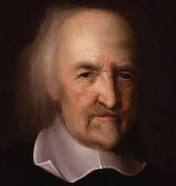
THOMAS HOBBES (1588-1679) Without government, there is no protection from the evil side of human nature.
Schulman explains a rift that occurs between William and Charles and the future management of the Koch conglomerate. William Koch’s legal battles with Charles and David (William is the twin brother of David) reflect the frailty of unfettered human nature.
WILLIAM KOCH (AMERICAN BUSINESSMAN, SAILOR, AND COLLECTOR)(William is the twin brother of David. His legal battles with Charles and David Koch reflect the frailty of unfettered human nature.)
Human nature is good and evil for all; including the Koch brothers. Government, as noted by Thomas Hobbes, is to protect people from the evil that is inherent in humankind.
President Trump is a deluded antiquarian leader with no moral center. “America first” is code for making the rich richer.
This is not to argue that every time government legislates or acts, it is in the best interest of the public. However, murder, rape, and theft are unfettered human choices without government. Murder comes in many forms, including gas leaks, environmental contamination, and scientifically proven causes for global warming.
Great industrialists, like the Koch brothers, are a boon to the American economy and to millions of American citizens but to believe their success is based on limited government is self-delusion. American government created a safe environment for “free” enterprise with relative freedom of choice; not absolute freedom of choice.
INDUSTRIAL POLLUTION ON A BAD DAY IN BEJING,, CHINA
Schulman suggests Charles Koch believes a plutocracy of industrialists, managed by the principles of market driven self-interest, will cure the maladies of American society.
The arithmetic of business fails to address the nature of human beings. Creating jobs and wealth does not raise all boats; i.e. jobs and wealth are quantifiable variables in a sea of un-quantifiable needs.
Human nature may change over time but only when, or if, humans reach a level of belief, and action “to do others as you would have them do to you”. Until human nature is rid of evil, something more than market driven self-interest is required to advance society.
In the end, one concludes from Schulman’s fascinating book, the Koch brothers are neither devils nor angels; just humans with wealth, extraordinary abilities, tenacity, and luck.
Red Rock Canyon is one of many natural wonders in the Las Vegas Valley. Hiking, biking, and climbing are popular resident and tourist pastimes.
ROCK CLIMBERS IN RED ROCK CANYON–20 MINUTES FROM THE LAS VEGAS STRIP
Charleston Boulevard is a major east/west arterial road in Las Vegas. Travel for 20 minutes east on the Boulevard and Red Rock Canyon looms large; the vista explains the name. Like rusty pieces of sheet metal, hills are colored and striped by iron oxide bleeding red below a blue skyline. In January, it can be cold (say 30 to 40 degrees) and windy (say 30 to 40 mph) but on a good January day temperatures can be in the 60s with no wind.
Charleston Boulevard is a major east/west arterial road in Las Vegas. Travel for 20 minutes east on the Boulevard and Red Rock Canyon looms large; the vista explains the name.
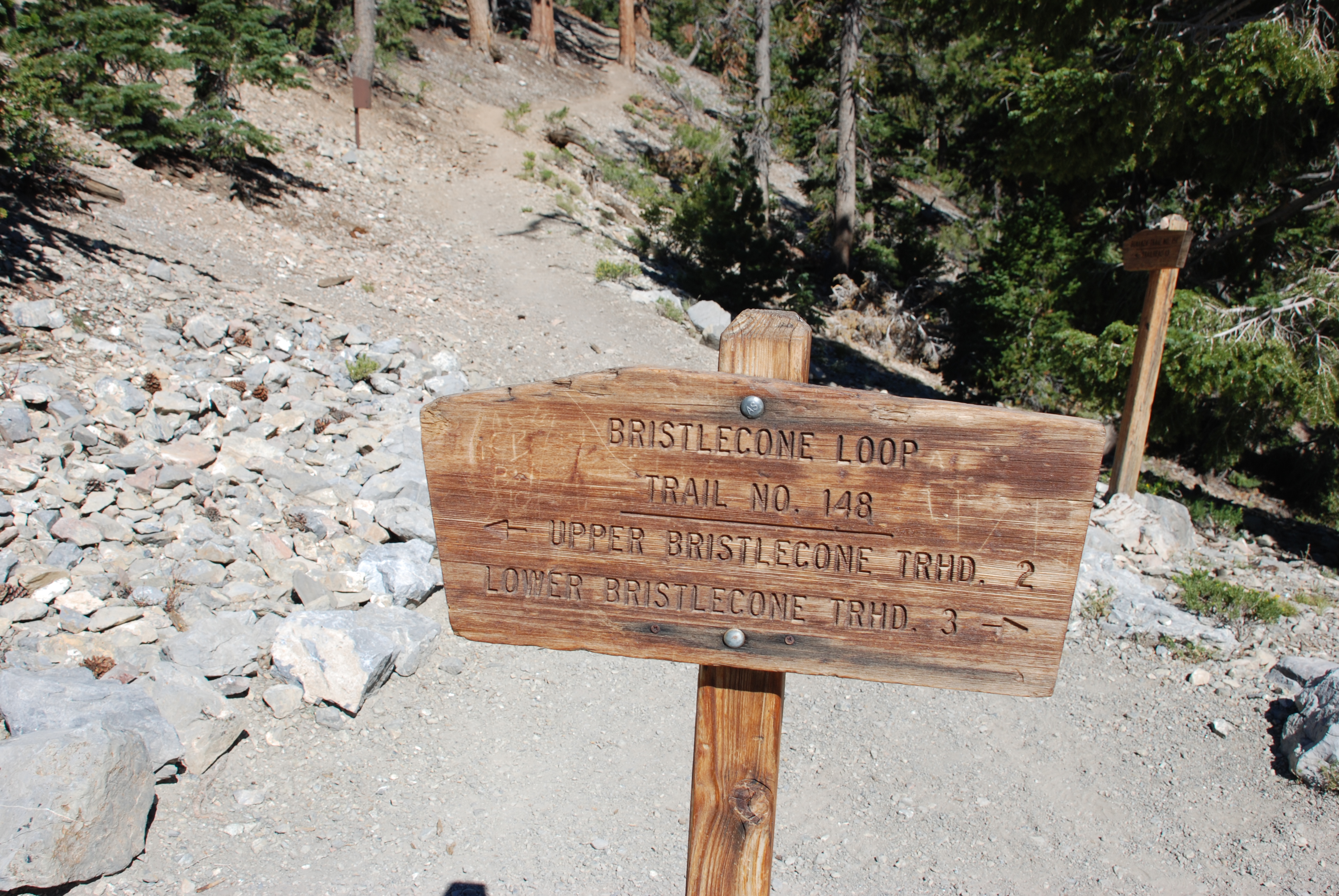
Hiking the Bristlecone Loop on winter days is an oddly quiet experience, even though birds are flying in and out of parched bushes and bleached bark trees, there is little chirping. Burros track the fields and valleys with an occasional mountain goat peeking down from a ridge.
HIKING THE BRISTLECONE LOOP ON WINTER DAYS IS AN ODDLY QUIET EXPERIENCE, EVEN THOUGH BIRDS ARE FLYING IN AND OUT OF PARCHED BUSHES AND BLEACHED BARKTREES, THERE IS LITTLE CHIPING.
Well-traveled hiking Trails split the terrain leading to tiny snow melt waterfalls, clear water streams and occasional wild life. Ancient tribes left their mark on sandstone Red Rock Canyon monoliths jutting from dried grass ground. Climbers cling to mountain face crevices on their way to nowhere to satisfy some untouched need.
A VIEW OF LAS VEGAS IN THE DISTANCE FROM A HIKE UP “MUFFIN”
The Las Vegas Valley packs a lot of life styles within an hour’s drive; i.e. entertainment and dining that rivals New York; Boulder Dam, Mount Charleston, and Red Rock Canyon that offer every outdoor experience a resident or tourist can think of.
VIEW FROM MT. CHARLESTON–WHEN ITS 100 DEGREES IN LAS VEGAS, THIS 30 MINUTE DRIVE DROPS THE TEMPERATURE TO 80 DEGREES.
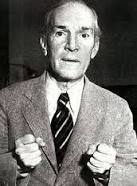
UPTON SINCLAIR, JR. (1878-1968, WINNER OF THE PULITZER PRIZE FOR FICTION)
It seems appropriate to revisit Sinclair’s book in light of the current administration in Washington D.C.
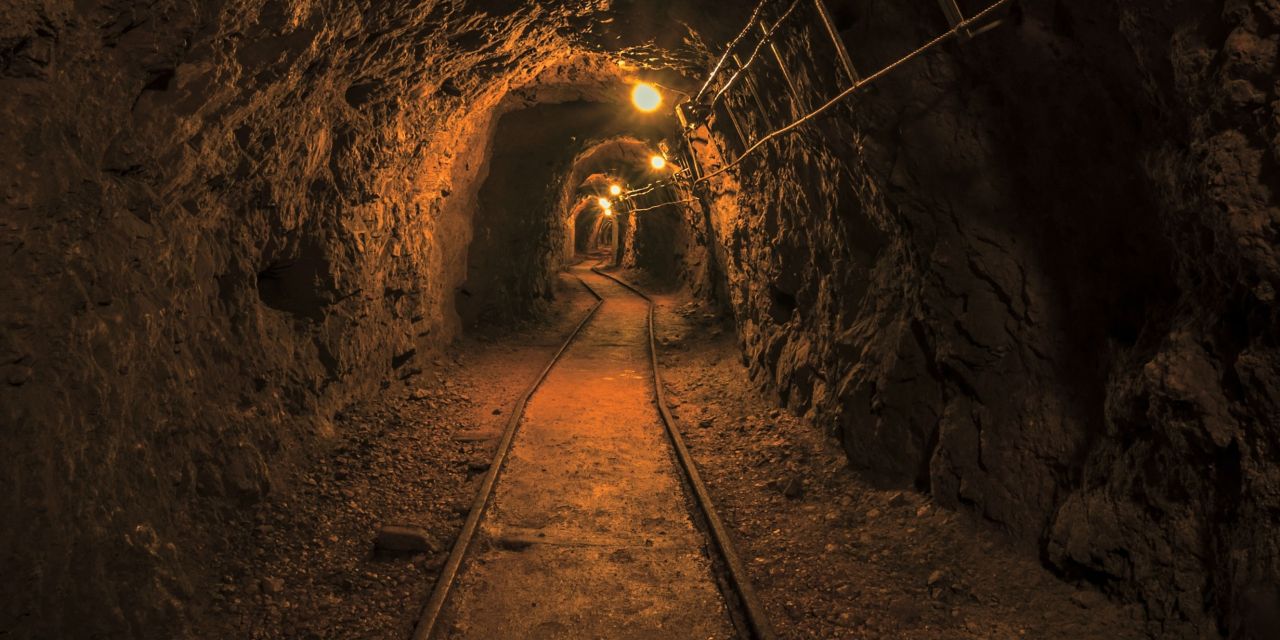
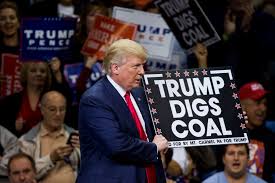
In the era of Trump, it is not meat packing but the coal industry that needs help. Trump’s pandering to the American coal miner offers air without oxygen to an industry that is dying.
Private industry and the American government need to step in and offer a way out for coal industry’ laborers. The Trump administration undervalues American labor by presuming laborers can only be cogs in a machine rather than complete human beings.
Instead of insisting on continuing an industry destined to fail, private industry and government should be offering living-wage transition, and education for new jobs; i.e. jobs that look to a future rather than a past.
Sinclair exposes the dark side of poverty and immigration in the United States. It reminds one of Charles Dickens’ stories of child labor in London but does not offer much warmth or balance. Sinclair’s story offers no respite from utter degradation. There is no respite for the reader to believe there is any redemption for being poor in Chicago in the early 1900s.
“The Jungle” is a grim tale written by Upton Sinclair about the meat-packing industry in early 20th century America.
Lessons of “The Jungle” are reminders of the limits of unregulated capitalism, industry’ greed, and government neglect. Sinclair attacks the meat-packing industry of the 1900’s.
Descriptions are given of spoiled meat ground into sausages; loaded with chemicals for appearance and smell, with too much production to be adequately inspected by too few inspectors. Employees lose limbs and lives in accidents; with corporate lawyers preparing to swindle the uneducated with unfair financial settlements. Wages are too low to offer enough money for shelter and food; let alone any savings, to break the cycle of poverty. Promotion is limited to those who are willing to compromise their morality by feeding a corrupt system that thrives on human exploitation.
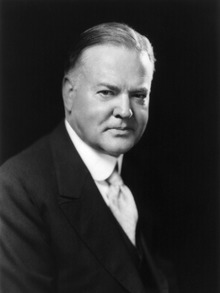
Herbert Hoover is the 31st President of the U. S. when the meat packing industry is at its worst. Like Herbert Hoover, Trump seems to think the strong survive and the poor deserve their fate.
To some, this is the same as today’s stories of the coal industry.
Don Blankenship (Former CEO of the 6th largest coal company in the U.S., Massey Energy)
Convicted on a misdemeanor charge of conspiring to willfully violate mine safety and health standards in 2015. Sentenced to 1 year in prison and fined $250,000.
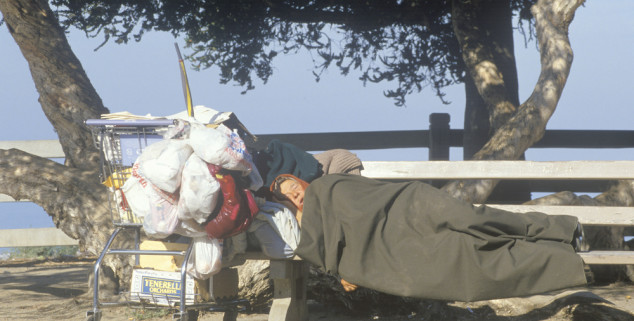
Images of poverty and what it leads to are still seen in American cities; i.e. people living on the street, begging for a dollar to eat; some drinking the dollar away at a local tavern because it blunts the pain of being poor and offers a haven from a cold winter day. Young people, some children, turning tricks to survive; selling their body because low paying jobs of high volume/low price conglomerates do not pay enough for rent and food.
Hearing of the meat industry–its lax government oversight, greedy corporate owners, and corrupt politicians deeply offends American ideals. Grinding poverty changes a family of ambitious immigrants into cogs in a meat butchering machine that breaks spirits and turns good people into bums and latent criminals.
In Dickens novels, there are some remnants of human joy; even in impoverished London. In Sinclair, the only glimmer of light is small-scale concern for fellow human beings. The early days of the union movement offer some hope. However, even Sinclair’s positive sentiments are corrupted by politics. Sinclair idealizes socialism and touches on early communism.
America still offers the best known vehicle for freedom in a regulated democracy.
Since 1789, America’s relationship to immigrants has been a work in progress.
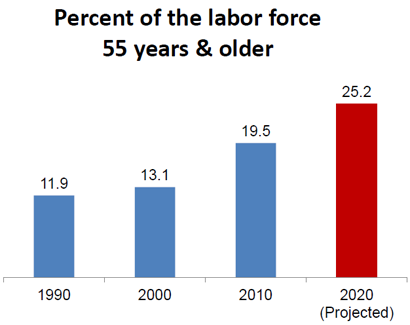
The United States has a growing need for younger workers; not to the extent of countries like Japan, but after 2020 it is increasingly important.
America needs more youth to re-balance its economic growth.
The influx of immigrants generated much of America’s success in the industrial age. Immigrants offer the same opportunity for America in the tech age.
To some immigrants, the avenue out of poverty is crime and immorality, but that has always been true in America’s history. That is why American democracy is founded on rule-of-law. Human nature does not change.
The life cycle for an honest immigrant is grim; arriving poor; staying poor, and dying. American Presidents who only focus on the business of business fail to understand or care about the trials of the poor, the newly arrived immigrant, or the social condition of impoverished communities.
Every country in the world benefits and suffers from the nature of man and the effects of urbanization; none offer Eden. America remains a land of opportunity, but to close our doors to those who want to improve their lives with freedom and honest work is an unconscionable mistake. Demographics are destiny. America’s and many post-industrial economy’s populations need help.
Modern America is not quite so dark but inequality of opportunity still plagues capitalism with wealth, greed, and political corruption hiding the dire condition of the poor.
As long as the poor remain hidden; the rich and middle class will avert their eyes, mutter “get a job”, and think the poor get what they deserve.
America is Constitutionally responsible for the welfare of its citizens.
Those who think the business of government is only business are incorrect. Business is a tool to use in forming a more perfect union; governing with justice, supporting domestic tranquility, providing for a common defense, and promoting the general welfare.
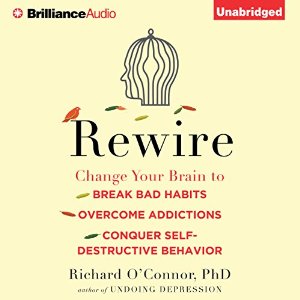
Rewire: Change Your Brain to Break Bad Habits, Overcome Addictions, Conquer Self-destructive Behavior
Written by: Richard O’Connor, PhD
Narrated by: Fred Stella
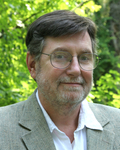
DR. RICHARD O’CONNOR (AUTHOR, CLINICAL THERAPIST)
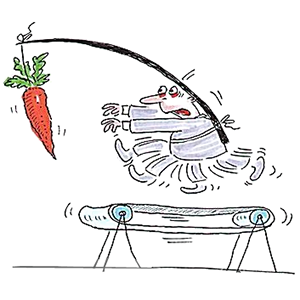
In 1971, Brickman and Campbell coined the term Hedonic Treadmill to explain that people have a baseline level of happiness, regardless of what occurs in their lives. That definition infers winning the lottery, or being diagnosed with cancer have opposite happiness quotients–one joyfully positive; the other horrendously negative. The Hedonic Treadmill theory suggests happiness will return to a baseline level of individual happiness when the initial joy or sorrow subsides.
Toward the end of Richard O’Connor’s book, “Rewire”, the term Hedonic Treadmill is used to infer that America’s materialist predilection is like a psychological cul-de-sac; i.e. a mental trap with only one exit. O’Connor explains, in a different way, that the cul-de-sac is created by life experience that imprints memories that become automatic responses to current events.
O’Connor argues that rational behavior is unconsciously modified by subconscious imprinting from early life experience. The only exit from the cul-de-sac is to leave the way you came, recall how and why you entered, and teach your brain not to take that turn again. This reminds one of David Hawkins expressed belief in “Letting Go”.
More fundamentally, O’Connor infers American society is more materialistic today; and, as a consequence, Americans are more mentally unbalanced than in the past because happiness from material acquisition is a road to nowhere, a Hedonic Treadmill.
O’Connor argues that Americans are more mentally unbalanced than in the past because happiness from material acquisition is a road to nowhere, a Hedonic Treadmill.
Rewire offers a great deal of information about causes and cures for individual mental dysfunction in America. A reader or listener may disagree with O’Connor’s causal analysis but his examples of psychological dysfunction can be seen in one’s self and in others. What makes “Rewire” interesting is O’Connor’s suggested cures, based on thirty years of experience as a therapist.
What makes “Rewire” interesting is O’Connor’s suggested cures, based on thirty years of experience as a therapist. O’Connor endorses the belief that the brain’s functions can be rewired at any age with repetitive practice.
O’Connor endorses the belief that the brain’s functions can be rewired at any age with repetitive practice. As an example, he explains the utility of the 12 step program designed by Alcoholics Anonymous for addicts to avoid being trapped in a mental cul-de-sac. The AA steps are 1) Admit powerlessness, 2) find hope, 3) surrender, 4) take inventory, 5) share your inventory, 6) become ready, 7) ask God, 8) make a list of amends, 9) make amends, 10) continue your inventory, 11) pray and meditate, and finally, 12) help others.
Though AA presumably requires a Supreme Being in their 12 step process, the point of the treatment is to train one’s mind to act differently when confronted with influences that make a person turn into a cul-de-sac rather than back to an individuated baseline happiness.
Though AA presumably requires a Supreme Being in their 12 step process, the point of the treatment is to train one’s mind to act differently when confronted with influences that make a person turn into a cul-de-sac rather than back to an individuated baseline happiness.
O’Connor suggests drugs are sometimes used incorrectly and become part of the patient’s problem.
O’Connor suggests drugs may be used to treat mental illnesses like depression for immediate results but that underlying causes need to be revealed to change longer-term aberrant psychological behavior.
O’Connor notes that drugs are sometimes used incorrectly and become part of the patient’s problem. With knowledge of triggering events for depression or addiction, behavior can be retrained to make the mind react differently.
O’Connor cautions the reader/listener to understand that negative triggers may be ingrained over years and will not disappear without repetitive behavioral training that avoids or consciously assesses negative emotional triggers. The key to success is enough behavioral repetition to make curative responses to triggers for depression, or aberrant behavior, automatic.
O’Connor argues the key to success in rewiring the brain is enough behavioral repetition to make curative responses to triggers for depression, or aberrant behavior, automatic.
O’Connor offers several mental exercises to change how the mind works. Rewire is an insightful book but one wonders if O’Connor is not on the Hedonic Treadmill he criticizes. After all, one presumes the book is only selling to people who can afford it, and read it. Rewire seems unlikely to help all who are on the real American treadmill–those who cannot afford the book, pay a therapist, or practice its contemplative methodology.







































![Red-Rock-Canyon-Vicinity-Map-273x300[1]](https://chetyarbrough.blog/wp-content/uploads/2018/08/red-rock-canyon-vicinity-map-273x3001.jpg)











 REVIEWS AND VIEWS OF LIFE