Earth’s Rock and Roll

Audio-book Review
By Chet Yarbrough

(Blog:awalkingdelight)
Website: chetyarbrough.blog

How the Earth Works

By: Professor Michael E. Wysession

Narrated by Professor Wysession

Michael Wysession (Lecturer, Professor of Earth and Plaentary Science at Washington University in St. Louis).

Professor Michael Wysession believes the origin of earth began with the “The Big Bang”.  He explains how earth is in constant motion. Wysession implies “The Big Bang” reverberates today as evidence of its truth.

Most know some of the story of earth’s creation, destruction, and re-creation, but few if any know everything.  Yes, the world was once one large land mass amid a body of water that covered the earth.  This land mass broke apart to become seven continents.  What is surprising to some is that this singular land mass called Pangaea is only one of several land masses in earth’s history.

A precursor to Pangaea is Rodinia which is believed to have formed 1.3 to 1.23 billion years ago. Another singular land mass is Pannotia assembled 600 million years ago.

Rodinia (A super-continent long before Pangaea).

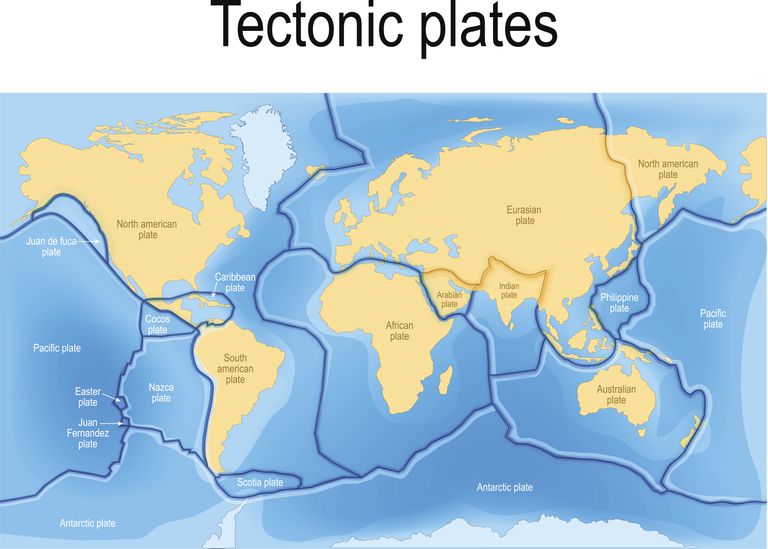
There were several super-continents before Pangaea.  Each iteration of a singular land mass evolved over millions of years based on moving plate combinations and re-combinations. Wysession goes on to explain the theory of Plate Tectonics.   
Contrary to the myth of “Journey to the Center of the Earth” there is no space at earth’s center.  The center of earth is solid iron; surrounded by a molten nickel-iron alloy.  Though the center of the earth is solid, it has movement but not like that experienced in the lithosphere. 

Despite the great heat at earth’s center, its center is iron that is not liquefied.  The geometric pressure of Earth’s interior overcomes lead’s liquefaction at its core 

Wysession explains that geologists have found several (more than seven and less than twenty-four) plates that float within a layer of earth called the lithosphere.  The lithosphere consists of the crust and upper mantle of earth.  This crust and upper mantle cover a solid core made of iron that is super-heated by radioactivity. 
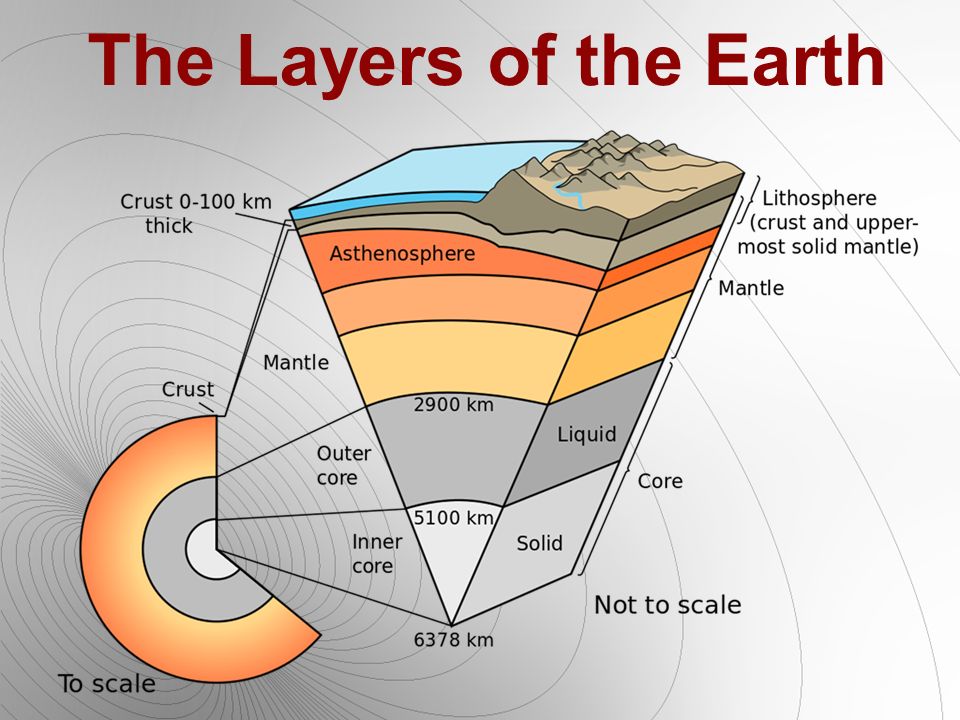
Wysession notes the core of earth moves with pressures exerted by changes in the lithosphere.  Plate Tectonics affect earth’s molten nickel-iron alloy and its solid core.  Earth is always in a state of motion; often imperceptible to the eye but always moving.
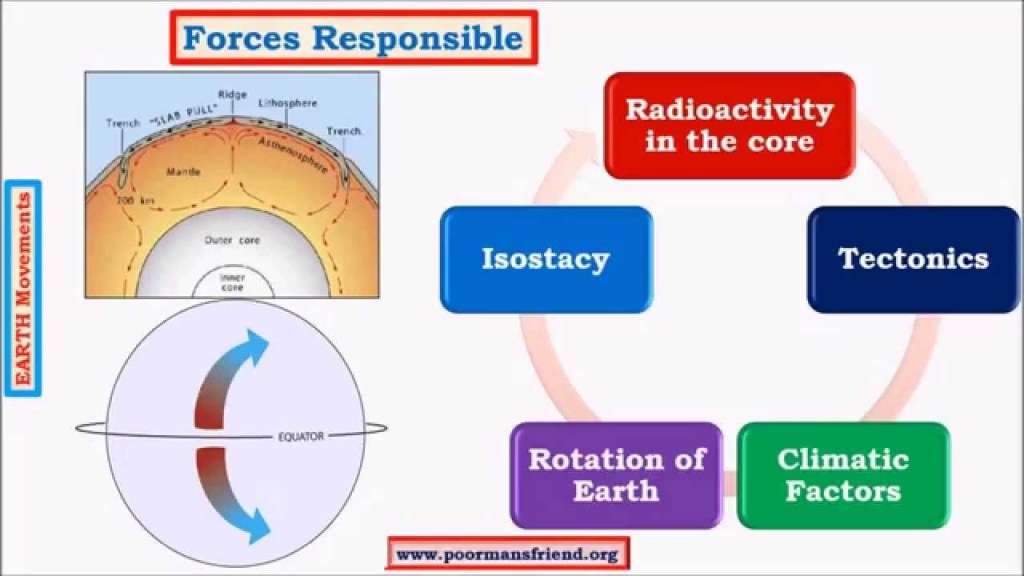
Wysession explains how everything on earth moves but at different speeds.  Even the hardest and largest rocks move over time.

Wind can be a tornado or a breeze.  Water can be a gentle rain or a tsunami.  Rocks erode over centuries of wind and rain, but instantly break in avalanches. Humans may think they are standing still, but the earth constantly moves in a circle and hurdles deeper into the universe as a small part of a galaxy.  Nothing on earth is at rest.
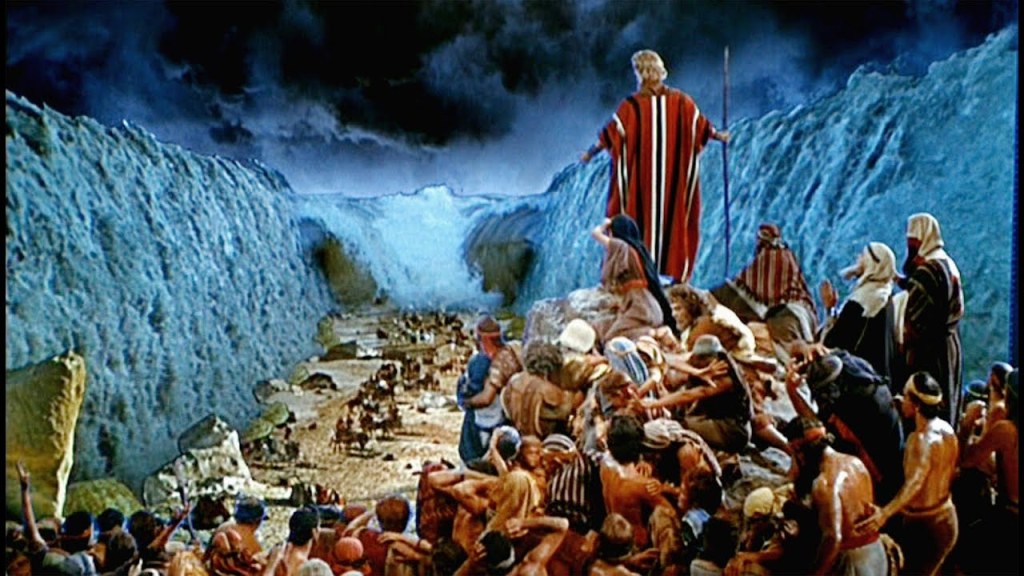
Wysession notes how apocryphal stories in the bible may be based on the truth of earth’s history.  The threat of subduction in a tectonic plate could explain the legend of Atlantis or the parting of the “Red Sea” in the time of Moses.

Wysession notes there are three types of faults that cause earthquakes.  There is a divergent fault, a convergent fault, and a transform fault.  The first is one that has two plates the move away from each other with molten rock plugging the gap.  The second is when two plates collide but one rushes beneath another, or if equal in size, create a mountain at the collision point.  The third is like the San Adreas Fault in California where tectonic plates rub against each other.

Wysession notes any plate movement can be disastrous and kill many people, but a transform fault shakes the earth while a convergent fault makes land disappear (subduct) or rise like a mountain.

A frightening observation by Wysession is the difference between the tectonic faults in the La-San Francisco corridor and Seattle, Washington. 

Both are at risk of earthquakes, but Seattle’s plate tectonics are convergent faults while San Franciso/LA’s are transform faults. 

Wysession’s observation on the difference in these faults suggests the geological change in Seattle from an earthquake will be much greater than in the LA-San Francisco area. Deaths will be catastrophic but the change in topography will be geometrically greater in Seattle.

Wysession continues with a detailed lecture on volcanic eruptions.

Anyone who lived in Washington when Mt. St. Helens erupted will confirm Wysession’s explanation of volcanic events.  Living in eastern Washington when that eruption occurred makes one fully appreciate Wysession’s lecture. Over 200 miles from the eruption, a beautiful summer day turns into night. (It was like a biblical event.)

You cannot see a hand in front of your face in a few hours after St. Helen’s eruption.  Cars are covered in fine flakes of ash.  Everyone with any sense stays indoors because unfiltered air is unbreathable.

There seems a surprise in every Wysession’ lecture. Things we did not know or fully appreciate are pointed out. There is the incredible power in earth’s weakest force, better known as gravity, that creates and destroys the universe.

We see the deterioration of monuments of granite from centuries of weathering and the force of gravity. Rocks fall down, the face of the earth changes, deserts are formed, and jungles evolve. But, we fail to comprehend the eternal change of our world because of geological time frames, and our short lived lives.

Today we worry about destruction of forests in Brazil because of the loss of carbon dioxide eating trees. We fail to realize the largest desert in the world is Antarctica, and jungles of the rain forest do not have enough organic material in their soil to grow food to sustain life. We underestimate the critical impact of a dwindling potable water supply.

The last chapters of Wysession’s lectures deal with climate change and the impact of geological change on the history of humankind.
Like many science specialists, Wysession’s claim that a principle cause of revolutions and other world events is closely related to geological events. It is a somewhat plausible argument but it fails to recognize the political will of those who are discontented with the status quo

Wysession assesses the worlds use of energy and concludes alternative energy sources will replace carbon based pollutants. He suggests harnessing the geological sources of natural energy like the sun, wind, and ocean currents. They offer plausible replacements for the earth’s dwindling supplies of coal, oil, and gas. However, Wysession thinks in geological time and believes humans have the capacity to innovate their way out of a sixth extinction. One hopes Wysession is right, but what if he is not?

One tends to be skeptical when leaders can arbitrarily change the momentum of environmental change.

There is a great deal more in this 24 hour and 31-minute lecture series.  On the one hand it is revelatory; on the other, it reinforces a belief that human life’s continuation is a chance as much as a choice.

Shakespeare’s Origin

Audio-book Review
By Chet Yarbrough

(Blog:awalkingdelight)
Website: chetyarbrough.blog

Will in the World
By Stephen Greenblatt

Narrated by Peter Jay Fernandez

Stephen Greenblatt (Author, Shakespeare historian)

“Will in the World” is a clever investigation of William Shakespeare’s life and a speculation about the origin of Shakespeare’s fictional characters. 

It is clever because Shakespeare’s life is revealed in the context of 16th and 17th century English history; not just the sparsely documented facts of his life.  Though highly speculative, theatrical character development is dredged from “facts” about Shakespeare’s “friends” and family.      

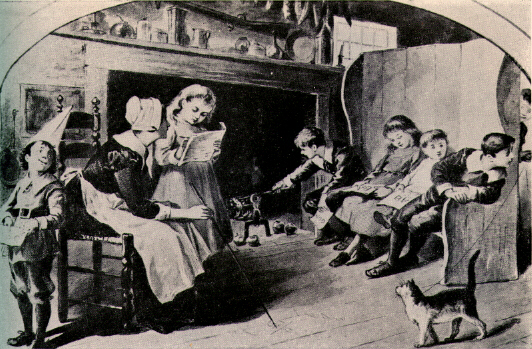
Greenblatt recounts Shakespeare’s childhood by picturing school in the 16th century for a boy from a respected family in England.

Shakespeare’s father is a magistrate in Stratford-upon-Avon, Warwickshire, England when Will begins school.  Will develops a precocious and consuming interest in words, acting, and writing. 

However, Shakespeare’s father falls from grace.  He loses his status and income through either malfeasance in office, alcoholism, or financial mismanagement.  Will is unable to attend college because of its cost. His father’s need for help in the family business, and/or his father’s personal troubles are likely influences in Shakespeare’s writing.

Will Shakespeare lives in a time of religious upheaval in England when the Anglican Church is competing with the Roman Catholic Church.  Shakespeare’s father may have been caught in the conflict as a secretly sympathizing Roman Catholic.  Additionally, Will’s father may have been illegally participating in the wool trade. 

Many speculations but few facts drive William Shakespeare to London where he joins a theater group after marrying a woman several years older than himself in Stratford.  Shakespeare returns periodically to Stratford-upon-Avon, has 3 children by his Stratford wife, and retires there at age 50.

Greenblatt thinks Shakespeare’s relatively early retirement (although he dies 3 years later) is thematically reflected in “The Tempest”. “The Tempest” is one of Shakespeare’s last plays to have been written by him alone. Greenblatt is referring to Prospero (The Tempest’s main character) and his renunciation of magic as Shakespeare’s goodbye to the theater.

The London theater group that Shakespeare joins is made up of college educated players that come from mostly poor, but from some well-to-do families. 

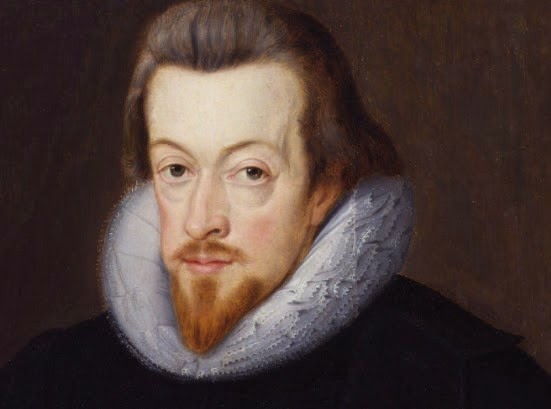
All but one of the group die in their third decade of life.  The proximate causes of their early death are hard drinking, boisterous living, London’s recurring plagues, and general profligacy. Their antics are a possible source of some characters in Shakespeare’s plays; e.g. Falstaff is thought to be drawn from a player named Robert Greene (a jealous rival of Shakespeare’s). 

Greenblatt jumps in and out of Shakespeare’s plays and sonnets with several suggestions about where they may reflect something or someone in William Shakespeare’s life.  Greenblatt suggests that the death of Shakespeare’s son and later his father became a part of theme and character in “Hamlet”.  The plausibility of that conjecture is in the consuming love of Hamlet for his murdered father.

“Will in the World” is beautifully narrated by Peter Jay Fernandez; his Shakespearean’ quotes remind one of great theatre’ experiences.

Greenblatt’s interweaving of Shakespeare’s plays and sonnets with 16th and 17th century England, his interpretation of Shakespeare’s greatest plays and sonnets, and his interesting speculation about Shakespeare’s life are all good reasons to give this book a listen.

INSANITY’S RESURRECTION

Book Review
Personal Library
cheyarbrough.blog

The Professor and the Madman
By Simon Winchester
 

Simon Winchester (English author, National Book Award Winner for Non Fiction)

Simon Winchester’s book begins with a “bang”. It comes from a hand gun brandished by Dr. William Chester Minor (1834 to 1920)

Minor arbitrarily murders George Merrett on a London suburban street in 1871.

Minor is an American civil war surgeon who lived through the “battle of the Wilderness”.  An innocent and unsuspecting Englishman is shot dead by Minor in a small town near London. 

Surprisingly, this random murder is the beginning of a brief history of the Oxford Dictionary. Dr. Minor is “…the Madman”. “The Professor…” is James Murray, a lexicographer, principally responsible for the completion and final editing of the first Oxford English Dictionary.

Winchester reveals how an intelligent young physician’s life evolves from an American civil war surgeon to murderer to skilled etymologist (an expert in word origins).   He describes how Minor’s criminal madness isolates him.

After trial for murder, and conviction, Minor is sent to an English insane asylum to serve his sentence.  Minor, a Yale graduate, uses his incarceration (when not debilitated by paranoid delusions) to read books.

Broadmoor Hospital (High-security psychiatric hospital)

After the book’s murderous opening, Winchester recounts the early history of dictionaries; dating back to the 17th century.

Winchester touches on the first Oxford dictionary (before it became the OED) created by Samuel Johnson in 1755.  In 1857, over 100 years after Johnson’s original English dictionary, a speech is given at the London Library suggesting it needs to be amended.

Richard Trench (1807-1886, Irish Poet, Anglican archbishop) suggests a new, more comprehensive, Oxford English Dictionary (to become known as the OED). This monumental undertaking is estimated to take two years in Trench’s opinion. In fact, it takes over sixty.

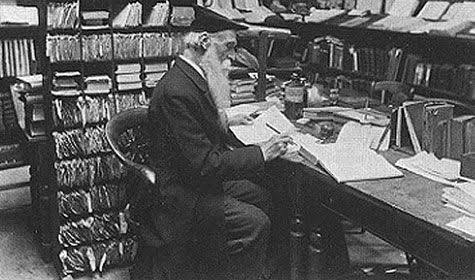
The editor who completes the dictionary is James Murray. Murray becomes a lynch pin for the revised reputation of William Chester Minor. Minor’s resurrection is tied to his voracious reading habit and his contribution to the OED.

James Murray (1837-1915, Scottish lexicographer and philogist.)

Methodology for the OED’s reification relies on past dictionaries and volunteers.  Volunteers are recruited via flyers and letters asking for readers to glean words and quotes from books written in particular periods of time; for example, books written from 1200 to 1300.   

W.C. Minor receives one of these flyers at the asylum.  He responds and becomes an important source of information for the Dictionary. 

Minor establishes correspondence with editors of the compendium and begins delivering some of the detail needed to complete the book for publication.  It gives his life a focus that partially mitigates his madness.

Murray takes the helm 22 years after former editors earlier work to update Samuel Johnson’s master work.  Five years after Murray’s appointment, the first publication is made.  It covers A through Ant in 352 pages.

Perhaps the most productive editor of the dictionary is Professor James Murray. 

OED first edition by James Murray.

Winchester goes on to describe the odd first meeting between Minor and Murray.  Murray has no idea that Minor is in an insane asylum.  Minor is housed 60 miles from Murray’s editing facility, the Scriptorium.  Several versions of the meeting are reported.

Minor is eventually repatriated to the United States from his asylum incarceration in England (interestingly because of Winston Churchill’s intervention) but he dies ignominiously.   

Ironically, according to Winchester, the source of W.C. Minor’s story are George Merrett’s descendants (the murder victim’s family).

Dr. William Chester Minor

Insanity is not a crime. It is also not necessarily the end of one’s contribution to society.

The Oxford English Dictionary was finally completed in 1927, nearly 70 years after its conception.

SATIRE

Audio-book Review
By Chet Yarbrough

(Blog:awalkingdelight)
Website: chetyarbrough.blog

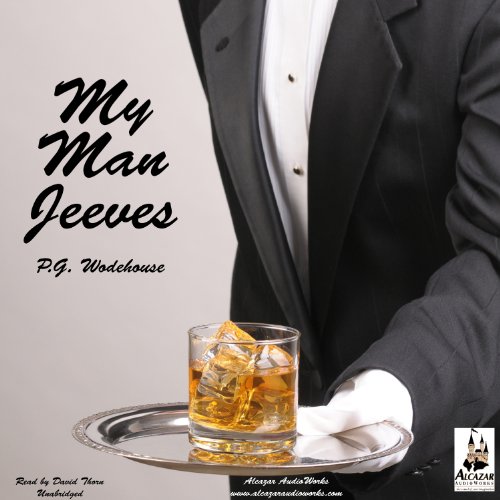
My Man Jeeves

By P. G. Wodehouse

Narrated by David Thorn

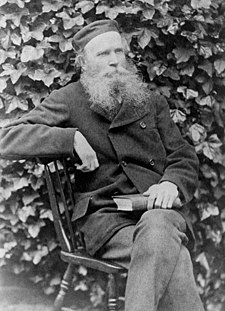
P. G. Wodehouse (1881-1975, British Author, humorist)

Amazon shows there are 46 books written with Jeeves as a main character in the Wodehouse series.

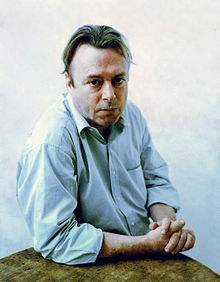
Christopher Hitchens (1949-2011, Author, Essayist, Social Critic) was a great fan of the “Jeeves” series written by P. G. Wodehouse, published between 1911 and 1974. 

With Hitchens’ Oxford English education, he had a keen understanding of Wodehouse’s skewering of the English upper class; particularly the ridiculously wealthy.

One wonders what delicious comments Hitchens would have for today’s American President.

Hitchens arrives in the U. S. in 1981. He becomes an American citizen in 2007.  He dies at the age of 62 in 1975 from the same cancer as his father.

After listening to Wodehouse’s first book, one is inclined to believe Hitchens high praise is partly due to his personal life experience.  The books are about an upper class English character who chooses to move to New York to live life as a wealthy New Yorker. 

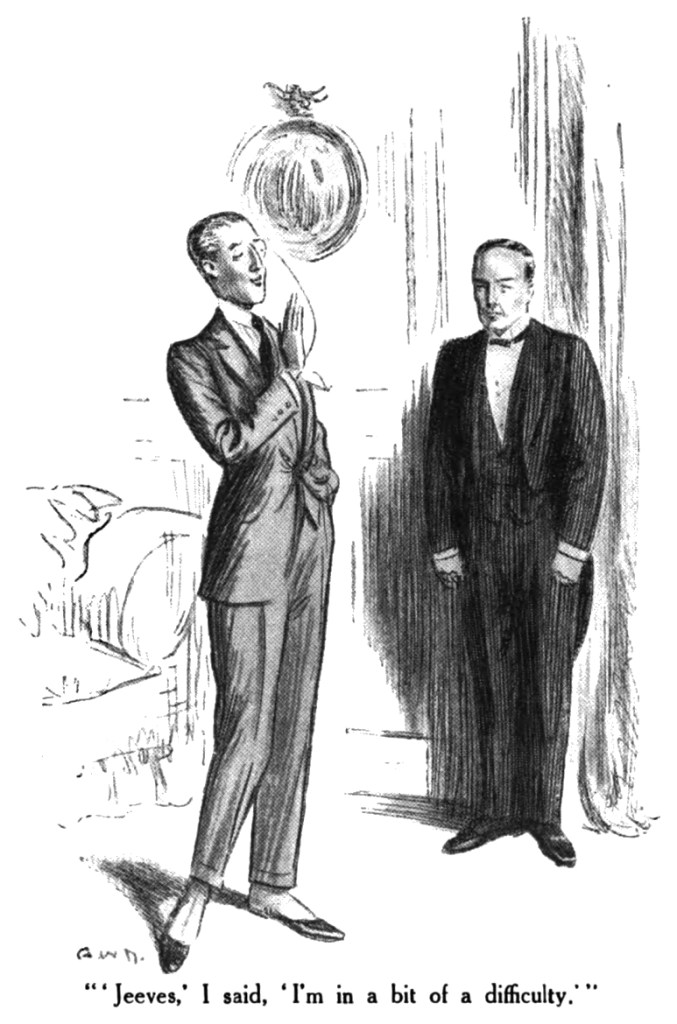
Bertie Wooster and Jeeves.

Hitchens is more like the brilliant butler than the dull-witted upper class Englishman in Wodehouse’s books, but his upper class English education (at Oxford) gives him a prescient understanding of the very wealthy.

Jeeves is a wunderkind working for a slightly dull witted bumpkin that has great family wealth.  Wodehouse’s wealthy English aristocrat, Wooster, exhibits “bumpkiness” by wearing garish ties, hats or facial hair that Jeeves steers him (sometimes humorlessly) away from. 

Wodehouse’s humor is subtle and somewhat endearing but it is difficult to suspend disbelief. With a man servant like Jeeves who diplomatically surpasses his wealthy patron in every category of being, it stretches credulity to a breaking point.

How could a servant of great intelligence, social grace, and aesthetic taste remain in the service of a moron.  In 2019, it appears more possible than one might have believed. ( James Mattis, former Secretary of the Dept. of Defense serving President Trump.)

This first book is a series of short stories with a few that exclude Jeeves.  It is funny but not “lol” to those who are not English; a member of the enlightened, or those particularly fond of satire.  This is not to suggest Wodehouse is not at times hilarious but Wodehouse, like Mark Twain, is an acquired taste.

Wodehouse’s rich bumpkin is a kind of “helpful Hannah” wishing to do the right thing for his friends. In Wodehouse’s stories, a wealthy “helpful Hannah” inevitably creates more trouble than help.  Jeeves comes to the rescue.

Volodymyr Zelensky (President of Ukraine)

As is often the case, doing for others what one thinks another needs leads to unintended consequence.

One is flummoxed by the idea of Jeeves not using his prescient ability to escape servitude.  On the other hand, John Steinbeck creates a brilliant minor character in “East of Eden” who makes a case for servitude in order to live a life of contemplation.

Hitchens fascinating mind and skill as an essayist of life, books, and politics suggests he knows more about the value of Wodehouse than this reviewer.  Listening to another Wodehouse book remains in one’s mind; maybe not soon, but in the future.  If Mark Twain is an acquired taste, so may be Wodehouse. 

AMERICAN FATHERS

Audio-book Review
By Chet Yarbrough

(Blog:awalkingdelight)
Website: chetyarbrough.blog

Long Live the Tribe of Fatherless Girls

By: T Kira Madden

Narrated by T Kira Madden

T. Kira Madden, Author

T Kira Madden’s memoir is a non-fiction account of her life.   This memoir may reach beyond America. It rings true for many children wherever they are raised.  Madden is the child of a philandering father; mostly raised by her mother, but deeply connected to her father. 

Madden’s father is never far from her thoughts but frequently gone from her presence.

Her journey to adulthood is difficult.  Children can love their parents with “Leave it to Beaver” ideals, but in the midst of a chaotic family life, Madden shows children’s lives are scarred.  Many American children are affected by parental absence, and conflict.  In childhood’s journey, physical and mental abuse between parents affects a child’s view of the world.  Their place in it is confused, indeterminate, and seriously affected by the way parents behave.  Madden tells the story of those conflicts in her memoir. 

Sometimes parental absence is because of working parents.  Other times, it is because of the personal lives parents live. In Madden’s case it is more of the former than the latter.  Madden’s father works in an undisclosed profession and makes a good deal of money but is absent for long periods of time.  As Madden finds later, part of her father’s absence is because of another family. He is the husband and father of a different wife and children.

Both of Madden’s parents are recovering addicts.  Madden’s parents fall into what she calls “sleepy time” when they over-indulge. At times, her father physically abuses her mother.  Her father’s other family may suffer some of the same effects but that is not the focus of Madden’s memoir.  This is Madden’s life story; not her father’s, and not the family she had yet to meet.  Madden recounts meeting with her father’s other family as an epilogue at the end of her story.

Madden’s story begins with the purchase of a male mannequin as a substitute father.  The mannequin is a symbol of male presence.  It offers a kind of security when mother and child are at home alone.  It is something more to Madden.  That “more” is a reflection on the title of her book.

To a father, Madden’s memoir is heart breaking.  Men are frequently indiscriminate in their relationships. Often, they have little concern for the consequences of their action. 

Men spread their seed and too often walk away.  Women are stuck with the most difficult decision of their lives-raising or giving up their child.

One might argue that women have a choice but that ignores history’s male domination and world paternalism. 

Women are always left with the major decisions of life when they become pregnant.  Fathers can leave or stay.  Women can never leave. Women stay with a decision to abort, adopt, or single-parent a yet to be born child.  The reality of staying is a physical and mental trial for women; pending a life sentence.  For men, if there is a sentence, it is limited to guilt and an uncertain, and frequently ignored, financial penalty.

“Long Live the Tribe of Fatherless Girls” sadly implies an abusive or profligate father is a bump in the road, rather than a tragedy. 

However, Madden shows a child can survive the worst a broken family can do and become something better.  Madden’s story begs the question of how many children of single parents are unable to meet the challenges of a neglectful father, and how many of those children are life’s casualties?

HUMANITY’S SURVIVAL

Audio-book Review
By Chet Yarbrough

(Blog:awalkingdelight)
Website: chetyarbrough.blog

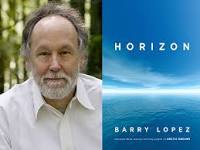
Horizon

By: Barry Lopez

Narrated by James Naughton

Barry Holstun Lopez (American author, essayist, fiction writer. News this Friday, 12/25/20 Barry Lopez died at age 75.)

As a first exposure to Barry Lopez’s writing, “Horizon” is a disturbing review of the state of nature.     

There is a “Let It Be” determinism about the environment in Lopez’s memoir of travels around the world. 

Barry Lopez fractures both Biden’s and Trump’s approach to global warming. Biden cares; Trump doesn’t. To Lopez, Biden and Trump end in the same place.

Of course, Lopez is in his 70 s.  To many, Biden’s age offers hope. Trump’s advanced age offers nothing

Thunberg is 16. Her generation is more likely to feel the consequence of world’ ecological change. One doubts pessimism is the intent of Lopez’s recollections. But pessimism is a sense some may get from a 23-hour narration of “Horizon”.

There seems little rage in “Horizon” about the decline of earth’s environment. Particularly in comparison to Greta Thunberg’s accusations against spoilers of the world.

From Lopez’s varied experience as a writer, historian, amateur archaeologist, and world traveler, he concludes humankind may be destined for a sixth extinction

Lopez lives a peripatetic life that exposes him to the remains of animal species lost; the evolutionary fragments of human remains, and the disparate changes of weather around the world. 

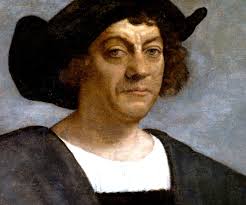
Lopez visits parts of the world discovered by explorers.  Particularly men like John Cabot, Christopher Columbus, James Cook, and others.  Lopez writes many vignettes about James Cook and his obsession–to map the world.

Man’s inhumanity to man has been recorded many times by many writers. Lopez regrets the passing of native populations, and suggests their passing is because early explorers paved the way for new civilizations.  In recalling various expeditions, Lopez makes one aware of the nature of human beings. 

The American Indian’s “Trail of Tears” are repeated in many civilizations. 

Lopez notes the lows of human beings with a story of two older men who want him to ghost write an essay about their experience with underage girls in Thailand. In a bigger historical picture, Lopez explains the nature of explorers who destroy as well as initiate new civilizations. 

Lopez infers human civilization is trapped in a cycle of self-destruction.  Every society desires stability and longevity. Lopez infers human nature gets in the way of those desires.

Lopez writes about Darwin’s theory of evolution, and the arbitrariness of genetic selection that sustains human life. Lopez holds the view that Darwin’s theory may be key to human’s future survival.

Lopez infers a chance genetic modification will seed human survival as the world ecological system changes. Lopez notes many civilizations are gone; others are headed for extinction. Today, human advancement is a product of greed and self-interest. Tomorrow, human advancement may be dependent on love and care for others.

Just as greed and self-interest are genetic markers for today’s world cultures, a new genetic marker might offer love and care for others for tomorrow’s world cultures.

Lopez illustrates slavery still plagues the conscience of 21st century civilization.  Discrimination because of race, color, or creed are evident in every nation of the world. 

Jews, Palestinians, Houthi, Saudi Arabians, Taliban, Afghani, Iranians, Pakistanis, Indians, Blacks, Whites, Latinos, Inuit, Canadians, Americans, Chinese, Asians, Russians and others feed into humanities self-destruction. There is blame to go around with a mentality of “my way is the only way”.

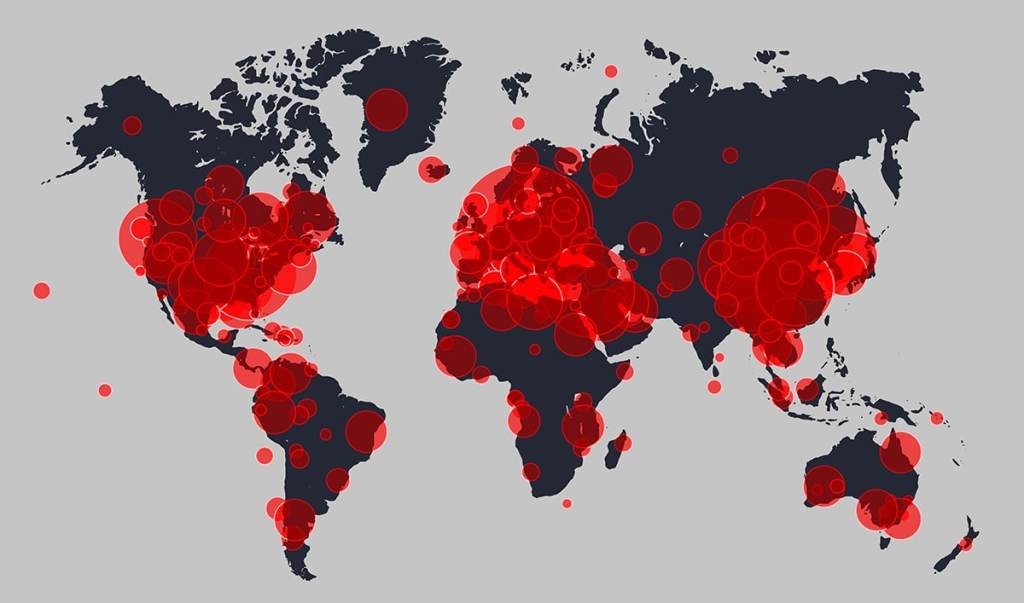
Though Lopez’s book is published prior to the Covid19 pandemic, there seems application for his pessimism about what is happening today.

Is the world economy opening too soon? Greed and self-interest unduly influence American public policy.

From Oregon to Antarctica; from Africa to California, to New York to Australia, to the Galapagos Islands, and back to Oregon, Lopez reflects on the state of the world. 

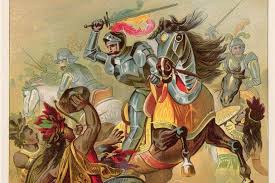
Cortes Conquest of the Aztec Empire.


What can break humanity’s cycle of self-destruction?

Lopez suggests the world will go on, but humans may be the sixth extinction.  The question is—is it up to us, fate, nature, or a Supreme Being?

Lopez leaves a slender hope that the evolution of human beings will rescue humanity.  He is neither optimistic nor pessimistic. 

GREAT LEADER THEORY

Book Review
Personal Library
chetyarbrough.blog

War and Peace
By Leo Tolstoy

Translation by Anthony Briggs
 

Leo Tolstoy (1828-1910, Author)

Among many themes in Tolstoy’s classic, “War and Peace”, is the denial of the “great man” theory of history.  

Volodymry Zelensky (President of Ukraine.

Zelensky may just be a person in the right place at the right time, but one cannot diminish his leadership in this moment of history.

President Volodymyr Zelensky’s greatness is not because of his resistance to Putin’s war but because of the leadership reflected in his interview by the “Economist” in April 2022. When asked “What does Mr. Zelensky believe victory will look like?” His response is “Our land is important, yes, but ultimately, it’s just territory.” “Victory is being able to save as many lives as possible…because without this nothing would make sense.”

In terms of America, Washington, Lincoln, and Franklin Roosevelt are historically recognized as great men. For women, it might be Abigail Adams, Sojourner Truth, and Frances Perkins. Each were men or women of their time who stood firm in their belief about what is right. Many of their decisions were unpopular at the time of their implementation, but history proves many of their actions improved the lives of Americans.

In Tolstoy’s view leaders are great because they rise to the circumstances of their times; not because they are wiser, more intelligent, all powerful, or omniscient, but because their decisions appear right in light of history.

As Presidents go, the question for some is whether America has a leader in President Trump who meets a similar or lower standard than most American Presidents? Is he just a reflection of our times or a “great man”?

The crises of today, and President Trump’s results:

  • Resolution of a trade war with China (unresolved)
  • Immigration Policy (unresolved)
  • North Korean nuclear armament (unresolved)
  • Afghanistan military withdrawal (unresolved)
  • An acceptable Taliban treaty (unresolved)
  • Peaceful government transition in Iraq (unresolved)
  • Climate change policy (withdrew from Paris Accords on climate)
  • Gun control legislation (unresolved)
  • International alliance building (Signaled lack of cooperation with traditional allies of the United States with America First Program)
  • Health care for the uninsured (Reduced number of people eligible for insurance coverage)
  • American homelessness (Unresolved)
  • The opioid crises (1.8 billion dollar funding to attack crises-a work in process.)
  • Control of an “out of control” budget deficit. (Reduced taxes that benefit the rich more than the poor and middle class and set the table for the largest deficit in American history.)
  • A coronavirus pandemic response (Unprepared in the beginning and unresolved as of October 2020.)

Tolstoy writes of conditions in 1812 Russia. He focuses on human spirit that can make individuals great enough to meet the circumstances of their time. How does Trump measure up? Is he great enough to meet the circumstances of today’s crises?

Trump’s leadership turning point internationally is withdrawal from the Paris Climate Accord, the assassination of Qassem Soleimani, and diplomatic relations with traditional European Allies.

Trump’s leadership turning point domestically is in little recognition of universal health care as an American right, and resolution of the coronavirus pandemic.

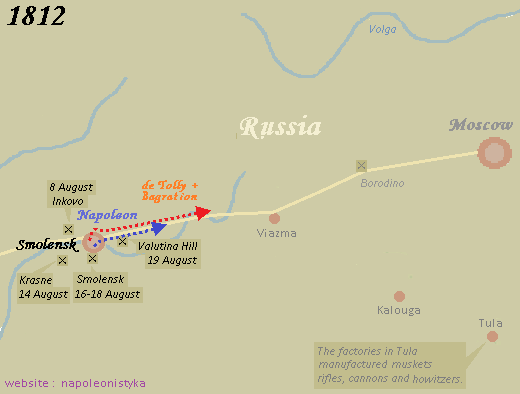
Borodino is a small town outside of Moscow.  In Tolstoy’s book, it is a site of a spiritual triumph of the Russian army over Napoleon, interpreted by some as a Russian military victory.

Leaders of the Russian army did not militarily defeat Napoleon at Borodino, but neither did Napoleon decisively defeat Russia. Napoleon moves on to Moscow but the government and its defenders leave the city to hide in the countryside.

Napoleon Bonaparte (1769-1821, Emperor of the French 1804-1814)

In history and in Tolstoy’s story, Napoleon Bonaparte’s army moves to occupy Moscow but his army abandons Russia without victory, and returns to France.  Tolstoy makes Borodino a turning point in Russia’s battle with Napoleon’s army.

It raises the question of whether a leader’s decision is a reflection of what a country stands for or what an erratic poser decides.

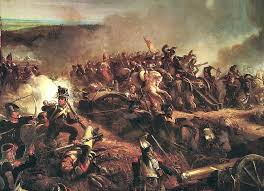
Napoleon lost 70,000 of his 250,000 soldiers in the Borodino battle. This is over 25% of the attacking French force in Borodino. He loses many more soldiers in the winter of his withdrawal from Moscow and his return to France.

Russian casualties from their invasion of Ukraine have the smell of Napoleon’s losses in the battle of Borodino as depicted by Tolstoy in “War and Peace”.

There are many characters and themes in “War and Peace”.  The three most memorable characters are Andrew Bolkonski, Natasha Rostova, and Pierre Bezukhov. 

Bolkonski is an elegant aristocrat with consummate personal honor, intelligence, and sophistication. However, Bolkonski elegance is found to be flawed. He fails to understand what is important in life until he is at death’s door. 

Rostova is a young ingenue, thinking of a life with an aristocrat like Bolkonski. She is beautiful but ignorant of the meaning of life until its too late. She grows to understand her ignorance as Bolkonski dies.

Bezukhov is a bumbling naïf that inherits wealth, fumbles through a foolish marriage and divorce, and grows into a life of contentment and ease when he marries Rostova.

Tolstoy is not denying superiority of some over others but his story emphasizes man’s mortality, common fragility, and ephemeral existence.  To Tolstoy, greatness dwells in all humankind with individual extra-ordinariness born of circumstance; not innate greatness.

Once again, this raises the question of Trump being an erratic anomaly or a reflection of who Americans have become. Trump lies in a hospital bed; in part because of inept management of the Covid-19 pandemic. Is this Trump’s and America’s fate or the result of human volition? Is there a great man making decisions or are circumstances compelling crises?

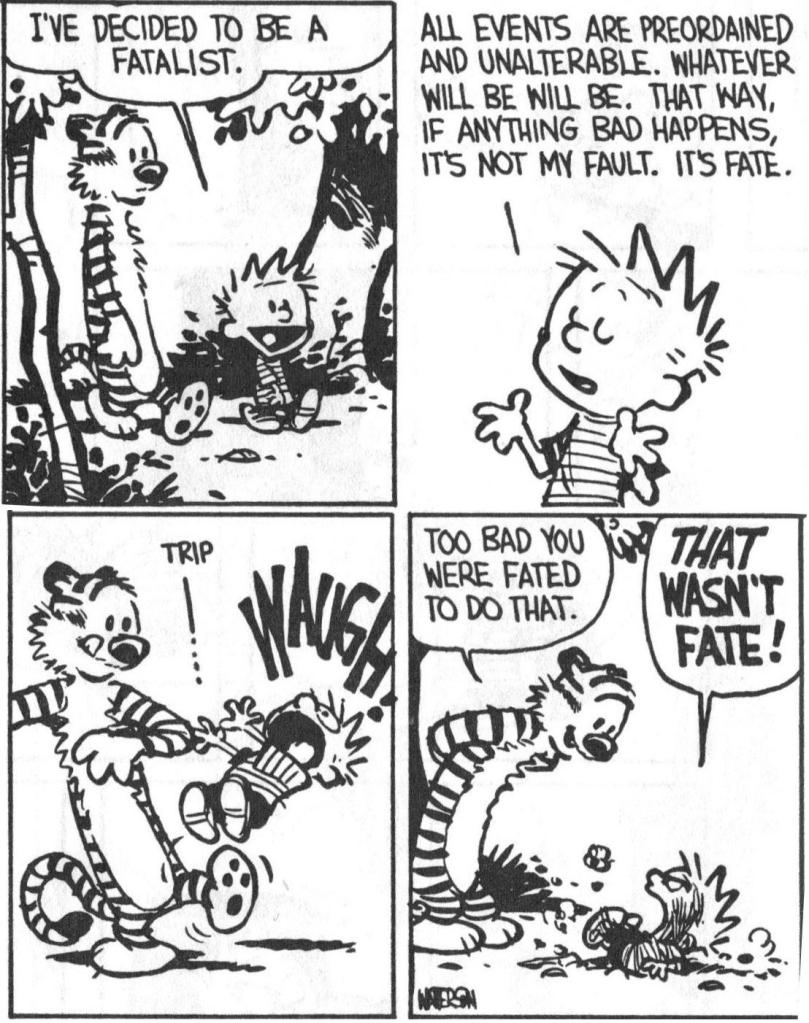
There is a large element of predetermination in Tolstoy’s characters.

Every character seems destined to live their lives according to a master’s plan.  To Tolstoy, innate human frailties are determinants of man’s path in life. 

Tolstoy implies happiness comes from an acceptance of fate, exemplified by the marriage of Bezuhov and Rostova after many tragedies and triumphs in their lives.

At the end of “War and Peace”, one gets some sense of what it means to be Russian or American.  The exuberance of living life, working through hardship, believing in something greater than yourself are all evident in Tolstoy’s “War and Peace. These human qualities reflect Russian and American tolerance for inept leadership.

America does not have a great American President today, but at least 3 (maybe 4) have been 70% right in the last 243 years.

If not today, what about 2025 and beyond? Can Americans vote for a person who can be 70% right?

21st Century Managers

Audio-book Review
By Chet Yarbrough

(Blog:awalkingdelight)
Website: chetyarbrough.blog

Management Challenges for the 21st Century


By Peter Drucker

Narrated by Mark Blum

Peter Drucker (1919-2005, Austrian-born American management consultant)

Peter F. Drucker is a storied business management consultant (famously known as a consultant for General Motors in the 1940 s) who taught business administration and sociology at Claremont Graduate University in California.  He died at the age of 95 in 2005.

Drucker’s management insight reverses the power structure of profit and non-profit enterprises; i.e. management down changes to management up with organization leaders determining direction but employees (knowledge workers) controlling productivity and effectiveness. 

“Management Challenges for the 21st Century”, written in 1999, capsulizes Drucker’s view of the world and his management beliefs.  He notes that for the first time in recorded history post-industrial nations are demographically becoming older rather than younger. 

American, Chinese, Russian, Japanese, Indian, and most European countries’ birth rates are lower than their death rates. There are more people nearing retirement than entering the work force (excepting countries with higher immigration rates that offset low birth rates). 

This demographic change profoundly affects the future of modern economies.  Drucker argues that retirement age will grow from age 65 to 75.  Drucker observes that revenue from consumers’ discretionary spending rather than revenue from gross sales is the hall mark of growth industries.

Drucker explains private corporations need to treat employees like non-profits. They need to treat employees like volunteers by respecting employee abilities and placing them where they can be most productive.   

The rise of the knowledge worker and the fall of manual labor changes the way managers manage. 

Successful organizations will increasingly value employees as investments (as assets) as they recognize the real cost of employee turnover. 

Good managers will continue to be leaders but employee jobs will be based on defined objectives (rather than job descriptions) that can be met by employee placement in jobs that require their specific skills and/or strengths. 

Successful organizations will invest in employees by putting them in positions that capitalize on what they are good at or can be trained to be good at.  With job placement that utilizes employee’ strengths, successful managers will stay out of the way by enabling rather than directing employee performance. 

The manager’s role becomes one of defining organizational objectives, measuring productivity, and changing organization structure based on empowered employee roles.

Education is a critical component of Drucker’s philosophy of management but his approach contradicts the present direction of educational reform that focuses on teacher accountability for educating students in the fundamentals of reading, writing, and arithmetic. 

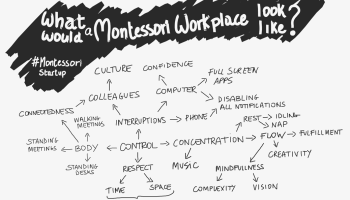
Drucker promotes a Montessori like approach to education.  Drucker believes in structuring education based on student interest rather than a set curriculum. 

Peter Drucker is an insightful sociologist and guru of American free enterprise.  Managers who choose to follow his recommendations increase their odds for success in life, let alone organization management.    

Unintended Consequence

Audio-book Review
By Chet Yarbrough

(Blog:awalkingdelight)
Website: chetyarbrough.blog

Dombey and Son
By Charles Dickens

Narrated by John Richmond

Charles Dickens’ wrote many works picturing life during the industrial revolution. His books motivated more than writers to write. They are chronicles of social change.

Count Lev Nikolayevich Tolstory (1828-1910)

Tolstoy, a master of social insight, said that Dickens’ literature was a source of motivation for him.   

Dickens describes many of the negative consequences of the industrial revolution; particularly, child labor abuse and family-value deterioration.  Dickens becomes a source of information for societal reform. His reflection on business profitability at any human cost tests the world.

The Covid19 pandemic is today’s test. World leaders struggle with opening their economies at the right time, in the right way, to avoid a return to rising death rates.

It seems America has failed.

All further information on this statistic can be found at Statista

“Dombey and Son” is a lesser known work of Dickens that pleases the senses and gladdens the heart.  For anyone who has children, “Dombey and Son” teaches parenthood and touches on errors of parental commission and omission.

The consequence of hubris and greed in “Dombey and Son” are well told in this story of father/husband arrogance, and business manager misdeeds.

Like a Shakespearean play, Dickens writes about the difficulty of life with a dénouement of “Alls Well That Ends Well”. Dickens infers human cost must be weighed in determining value of any end. Human cost is the sine qua non of government leader’s decision on returning to economic prosperity after the Covid-19 pandemic.

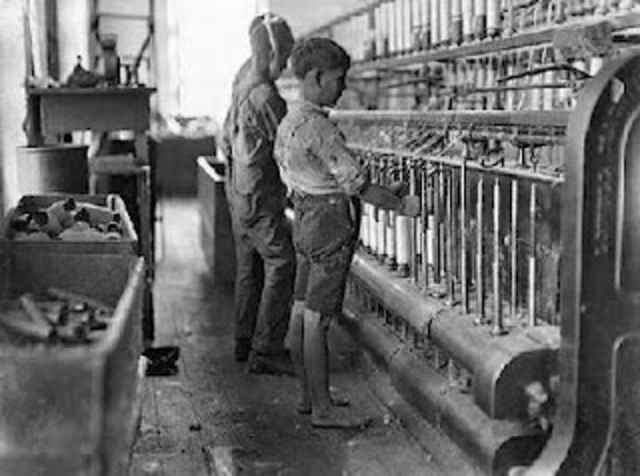
The industrial revolution is in full swing in the 1800s with children working long hours for low wages.

In the mid 1800s, a patriarch and successful businessman, Paul Dombey, marries.  A daughter is born to a father who pines for a son.  Paul Dombey plans to call his growing company “Dombey and Son”. Fate chooses to provide a son but the boy loses his mother in child birth. The boy is sickly and destined to live a short life that never fulfills the desire of his father for a son to inherit the family business.  

Paul Dombey only grieves for his son.  He alienates and ignores his daughter, and marries again for appearance and convenience.  Paul Dombey lacks empathy or understanding of others or himself.

Dombey’s loss of a son and his hubris get in the way of any human compassion or love for others.  He is abandoned by his new wife.  He accuses his daughter of aiding the abandonment.  Dombey strikes his daughter and she runs away.  Through the connivance of his business manager, Dombey’s business is bankrupted.  Dombey spirals into a pit of despair and self loathing.

The beauty of Dickens’ writing is in his character development.  His skill is exhibited in multiple story lines that weave together to change the course of a story. Dickens juxtaposes pitiable despair with great joy. 

When his daughter flees she begins a new life, presaged by an earlier encounter with an apprentice.  The apprentice, after exile and ship wreck, becomes her husband.
The daughter, though neglected by her father, loves him deeply.  She attempts to reconcile Paul Dombey with his second wife.  Because of his second wife’s childhood miseries reconciliation is not possible, but Dickens suggests forgiveness is in Dombey’s future.

The relationship between father and daughter begins to heal.    Paul Dombey begins to understand himself; i.e. he recognizes his failure as a father and husband and begins to rebuild his life through his grandchildren.

The fracture of family values caused by yesterday’s industrialization is depicted in Dickens writing and well documented by sociologists and historians.

Looking back, after economic recovery from today’s pandemic, how will family values be recorded by tomorrow’s sociologists and historians?

America may have to live with the affects of Covid19, but lack of empathy from President Trump will be his legacy. It is a legacy memorialized by rising American deaths and millions of the less-privileged who will not receive any further help this year.

Fracturing of family values is exacerbated by today’s technological revolution. Adding a pandemic to technological change further reduces personal contact.

Dickens’ stories dramatize parental psychological abuse; an abuse that resonates with modern society. Much of the abuse is unintentionally caused by the demands of modernization, and human isolation.

The widening gap between rich and poor is harmful. The wealth gap reinforces human alienation. Less time is used to raise children because both parents work or are distracted by self-interest. Ironically, Covid-19 demands family re-connection, and empathy for others.

On one hand, Covid-19 compels families to reassess family values. On the other, 21st century technology continues to reduce physical contact. Some say the economy is in free fall today, but most have plans for tomorrow. It seems every good and bad historical event has unintended consequence. Hope is all that remains in Pandora’s box.

ADHD

Audio-book Review
By Chet Yarbrough

(Blog:awalkingdelight)
Website: chetyarbrough.blog

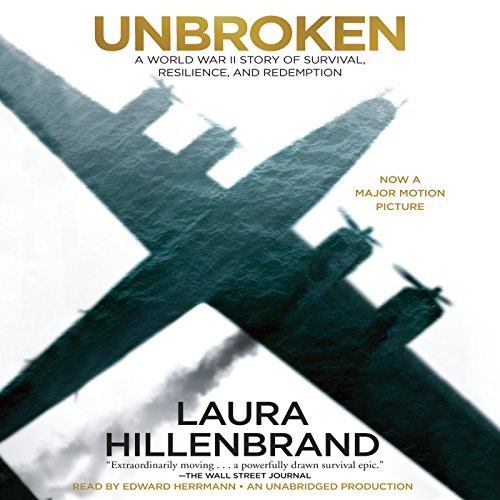
Unbroken


By Laura Hillenbrand

Narrated by Edward Herrmann

Laura Hillenbrand (Author)

Hyperactivity in children is a blessing and curse. 

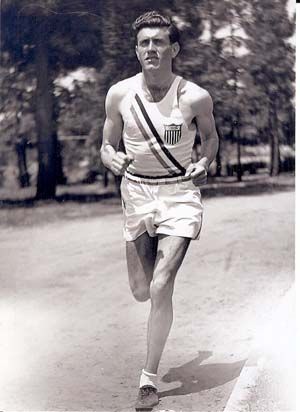
Louis Zamperini (1917-2014, American WWII Veteran, participant in the 1936 Berlin Olympics.)

Every parent that faces life with a hyperactive child listens to Hillenbrand’s story of Louis Zamperini and thinks of what might be if their child’s high energy can be focused rather than blurred by the hurly-burly of life.

Hillenbrand vivifies Louis’s life with stories of his early years of running away, hopping trains, practical joking, stealing, and raising hell.  Louis idolizes an older brother that lives a more conventional life but Louis refuses to follow the placid image of the good son; the obedient child.

Fortunately, Louis is blessed with a tolerant mother and a stern, but understanding, father who accepts Louis for himself rather than what he, or his mother, want him to be.  Louis does not outgrow his hyperactivity but channels his energy into the discipline of a sport.

With that beginning description of Louis Zamperini, Hillenbrand tells the story of Zamperini’s advance as a world class runner; i.e. the youngest member of the near 4 minute mile club of the 1936 Olympics.

Louis meets Adolph Hitler, not as a winner of the race, but as an Olympic competitor that gives all he has-to be the best he can be.

Zamperini is alleged to have said “I was pretty naïve about world politics, and I thought he looked funny, like something out of a Laurel and Hardy film.”

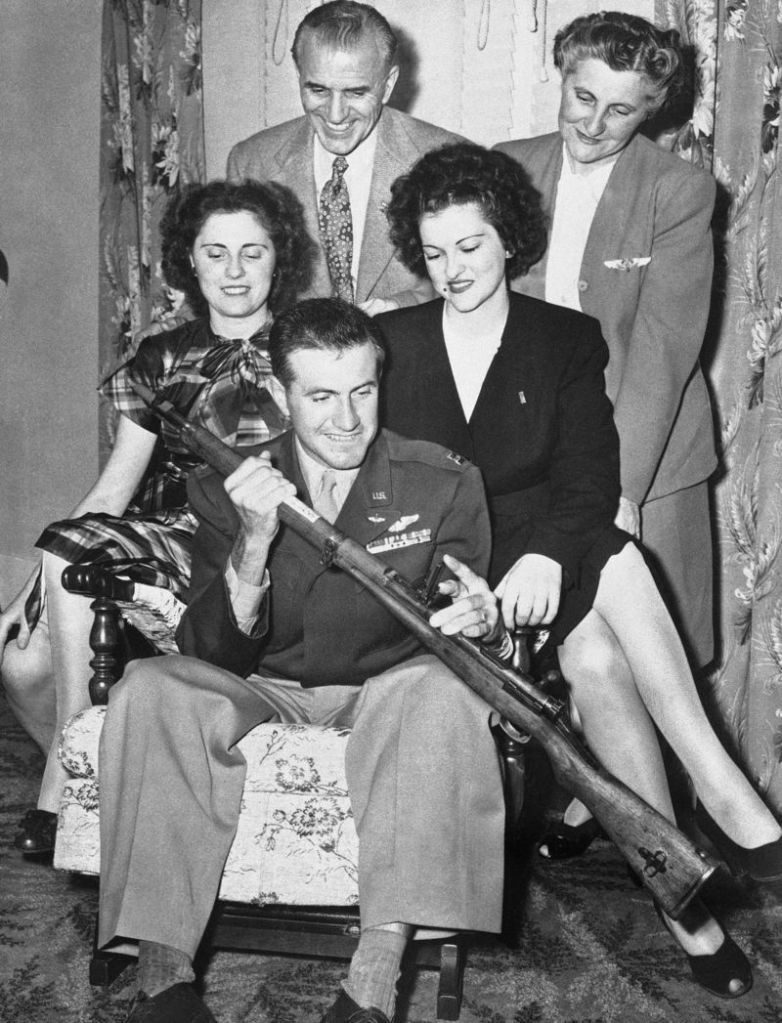
Louis Zamperini returning from imprisonment as a POW with his mother (Louise) and father in the backrground.)

World War II strikes the United States at Pearl Harbor.   Zamperini’s stellar running career is grounded.  He returns home to be drafted by the Army/Air Force.  He becomes a bombardier.

Zamperini is assigned to a B-24 Liberator as a bombardier.

The story of “Unbroken” begins with a rescue mission for a B-27 crew downed in the Pacific Ocean.  The rescue crew includes Louis Zamperini.   

The rescue crew is unsuccessful; i.e. the lost crew is not found. 

On the return flight, engine trouble forces the rescue plane into the Ocean. Three men (possibly four out of 20 plus men) survive the crash.  With a poorly provisioned life raft, two live to be placed in a Japanese prison camp, Louis and the rescue plane’s pilot.

This story of survival is inspirational.  It can be listened to as a true adventure.  One may also hear a cautionary tale about parenting. 

It is difficult to raise children in an affluent society where both parents must work to pay the bills. One wonders about the diagnosis and treatment of ADHD (Attention-Deficit/Hyperactivity Disorder). 

Where does a parent draw the line on drug treatment for children with this diagnosis?  Is the diagnosis real or is it a symptom of a society that does not have enough time to parent?