
Books of Interest
Website: chetyarbrough.blog
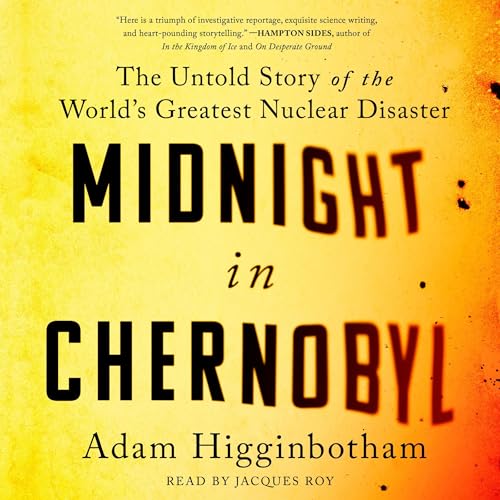
Midnight in Chernobyl (The Story of the World’s Greatest Nuclear Disaster)
Author: Adam Higginbotham
Narration by: Jacques Roy
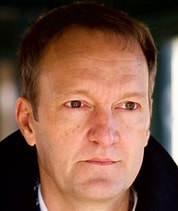
Adam Higginbotham (Author, British journalist, contributing writer for The New Yorker, Wired, and The New York Times.)
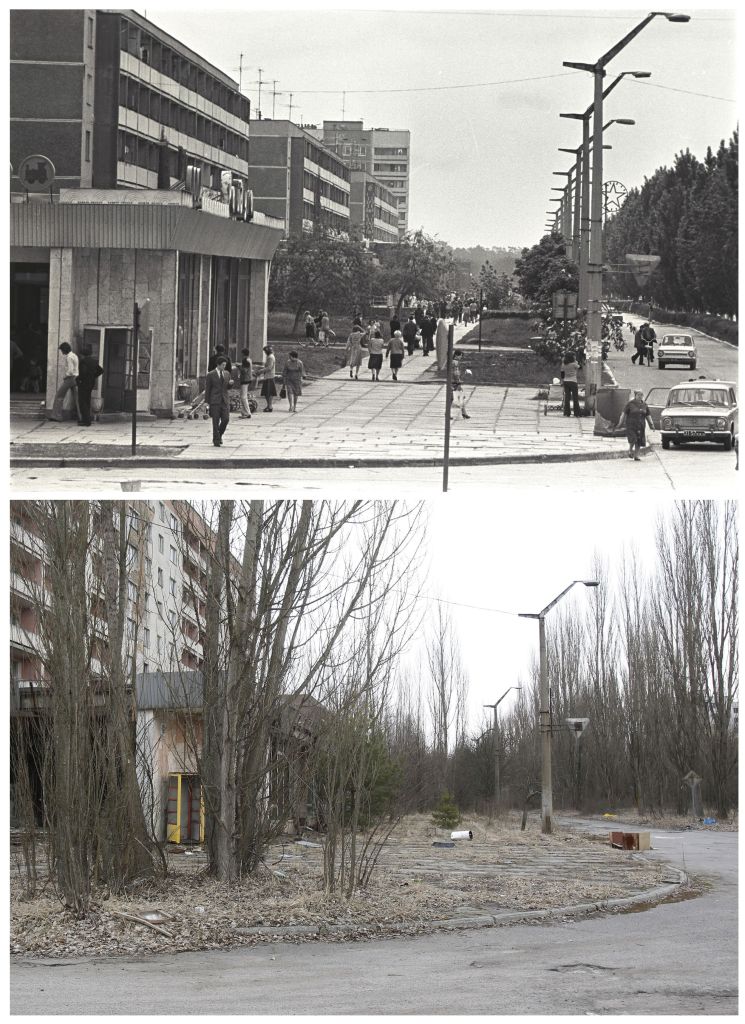
Adam Higginbotham reminds reader/listeners of the terrifying consequences of nuclear power mistakes in “Midnight in Chernobyl”. Over 400,000 people are evacuated from the area of Pripyat, a carefully planned Soviet city of 50,000 people, near four nuclear reactors. One of four reactors explodes on April 26, 1986, at 1.23 A.M. There were actually two explosions. The first was a massive steam explosion while a second explosion blew a 1,000-ton concrete lid into the air. The core of the reactor is destroyed. The building surrounding the reactor blew apart and radioactive fuel and graphite filled the early morning night sky. Fires were ignited on the roof and surrounding structures.
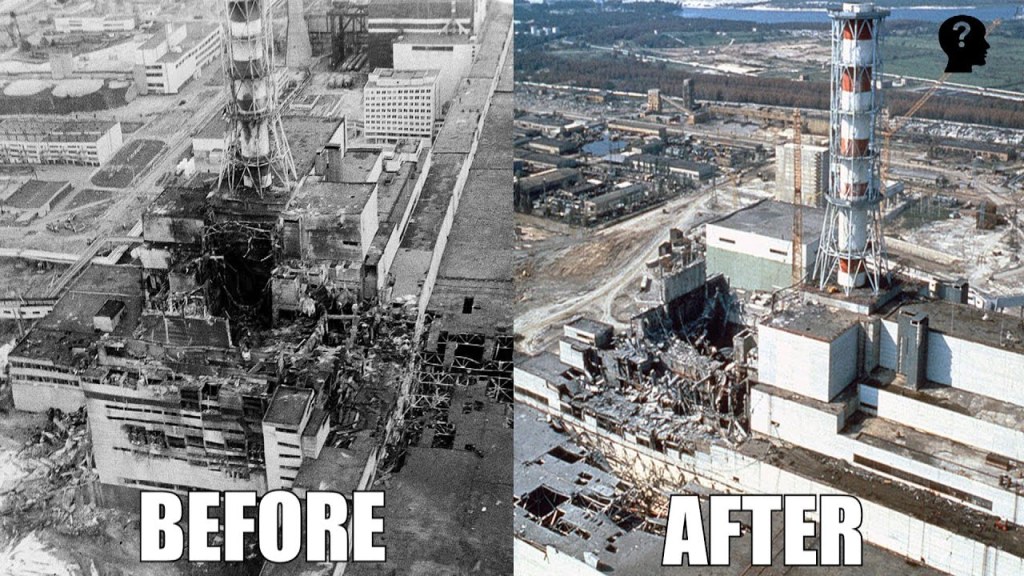
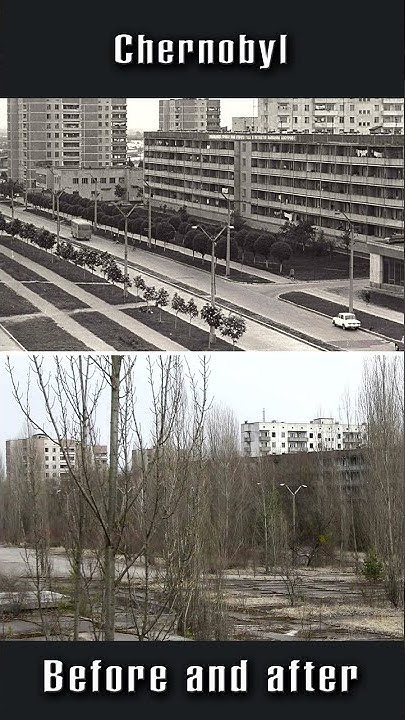
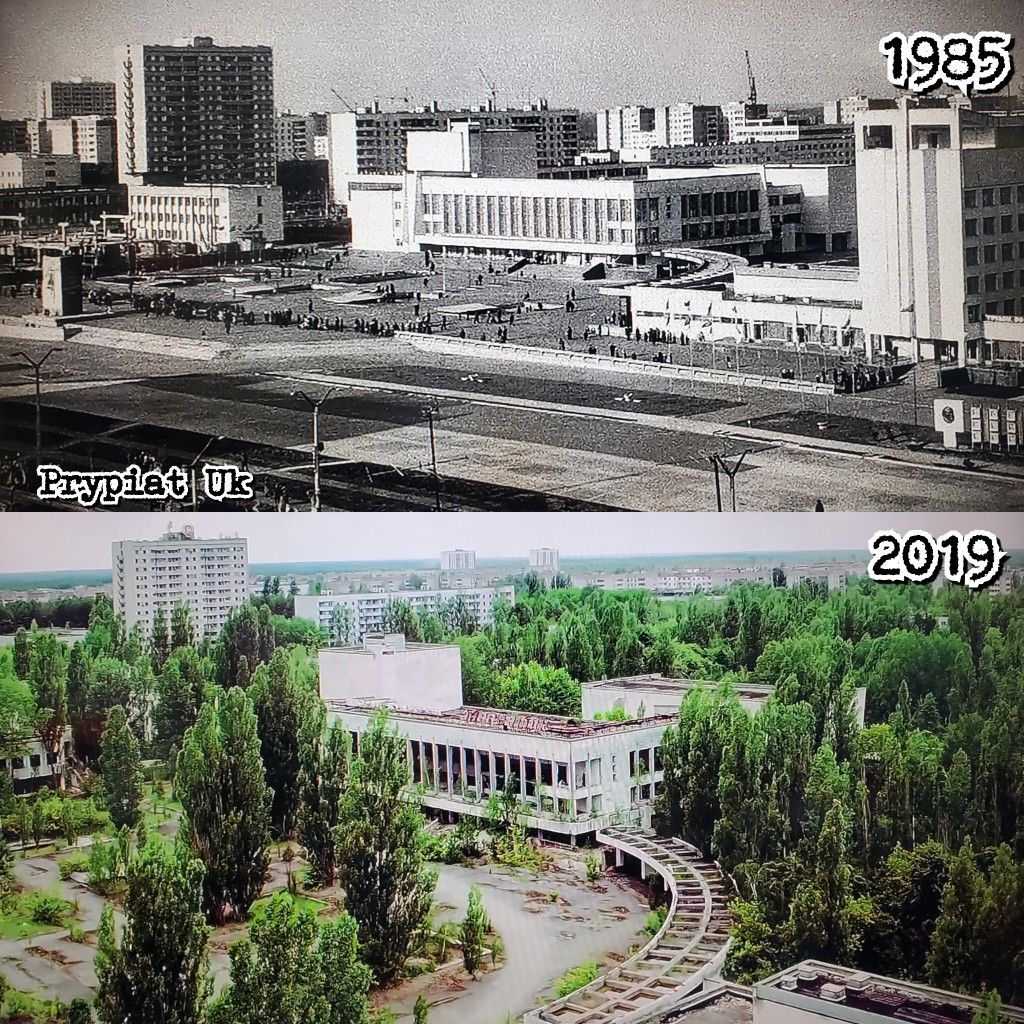
Higginbotham explains the explosion occurs because of a safety test that is botched by the operators of the plant. The nuclear reactor is set into a low-power state that disables an automatic shutdown system. By setting the reactor into a low-power state, control rods lowered into the reactor cause cooling water displacement and a spike in radioactive activity. This is noted as a design flaw that Higgenbotham argues is known by Soviet leaders before the disaster. In less than a second, the reactor surges to more than 100 times its normal power level. This massive energy surge generates runaway fission that destroys the reactor in two explosions. Chernobyl becomes a highly radioactive death trap for workers and residents of the surrounding area.
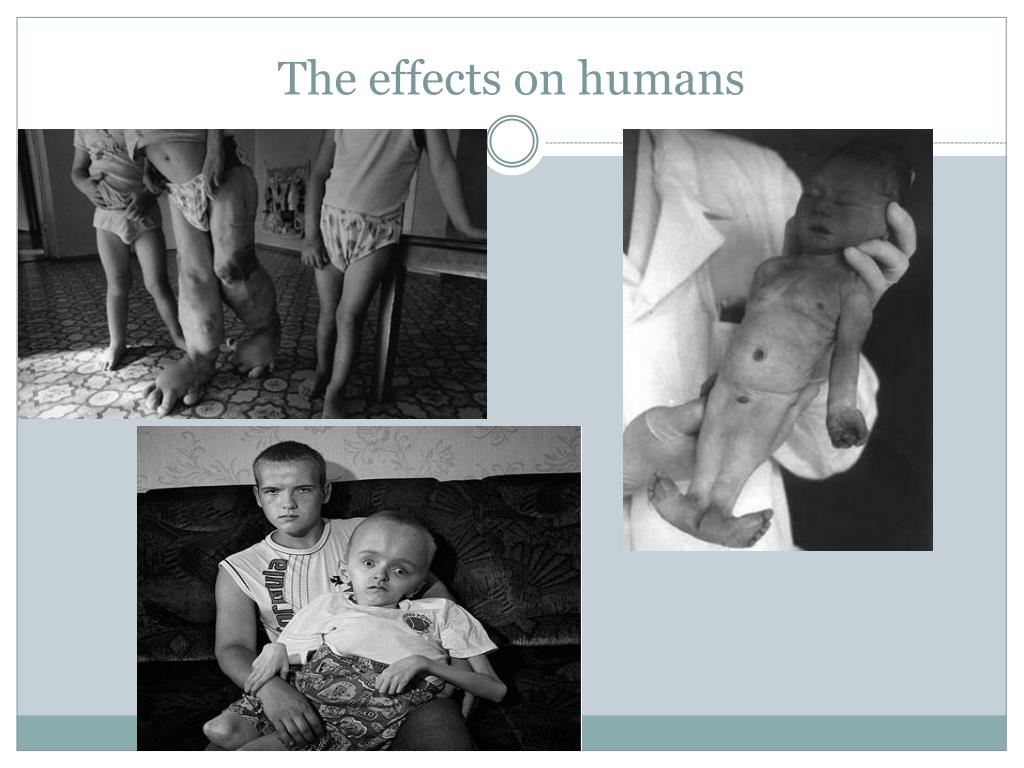
The total number of people affected by the Chernobyl accident may never be known because of Soviet obfuscation and historical indeterminacies, but Higgenbotham suggests it reaches 5 to 8.4 million people living in Belarus, Ukraine, and Russia. According to archival records, all residents of Pripyat are evacuated and an additional 300,000 are resettled. Twenty-eight people die within three months of the accident, 134 develop acute radiation syndrome. The estimate of cleanup workers is 600,000 made up of firefighters, soldiers, engineers, and volunteers.
As Higgenbotham ends his history, he notes a Russian worker’s death in the 21st century from leukemia. Was his death a consequence of the Chernobyl disaster in 1986? Who knows? The point is representative of the consequence of uncountable deaths that may be related to erasure of truth in any country.
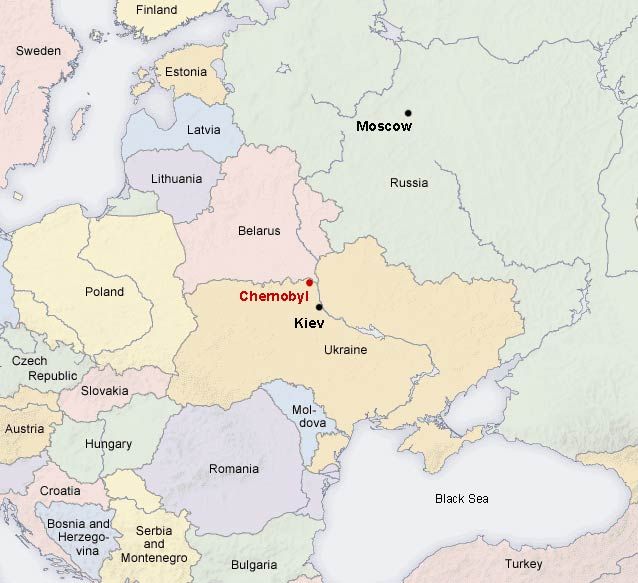
The Chernobyl accident reaches 5 to 8.4 million people living in Belarus, Ukraine, and Russia.
Higginbotham argues Chernobyl is a proximate cause of the unraveling of the Soviet Union. He suggests it accelerates the collapse of Soviet authority. This is an interesting supposition. He argues that Soviet leadership believes their system of government had a level of technological and administrative capability that illustrates a level of competence and achievement that is superior to all other forms of governance. The Chernobyl disaster challenges that self-perception. Hierarchal state control fails to train and manage the complicated nuclear industry. A rigid managerial hierarchy hides incompetence. It also breeds corruption and bureaucratic paralysis with top-down management because of information obfuscation and concealment at lower management levels. Fear of criticism by leadership leads to distortion of the truth at lower levels of government. Higgenbotham’s interviews of Russian investigators of the disaster reveals the incompetent training of lower-level employees who operated the facility. Their inclination is to cover-up mistakes rather than reveal them to their direct reports.
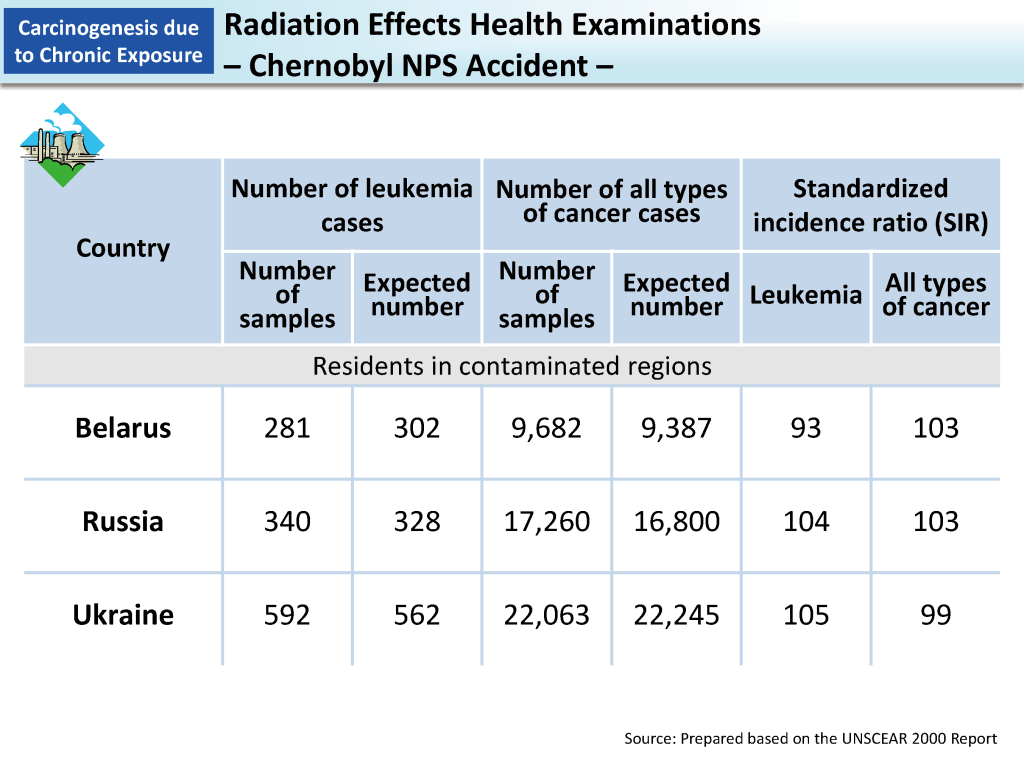
The economic cost of the Chernobyl disaster exposes the USSR’s Communist Party’s failure as a system of government.
Presidents Gorbachev and Reagan signing the nuclear non-proliferation agreement.
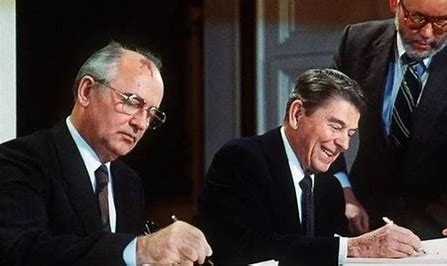
Higgenbotham notes environmental movements, and Russian anti-nuclear activists grew to express anger with Moscow and its leaders. The disaster undermined Soviet scientific and technological belief in Russia’s superiority. In 1986 and 1987 speeches Gorbachev notes in a Politburo address that the Chernobyl meltdown is a harbinger of the Soviet Union’s need to change. In a 2006 speech Gorbachev speaks of the need for apparatchiks to tell truth to power, to reduce soviet secrecy, and accept glasnost and perestroika as solutions for improvement of Russian leadership.

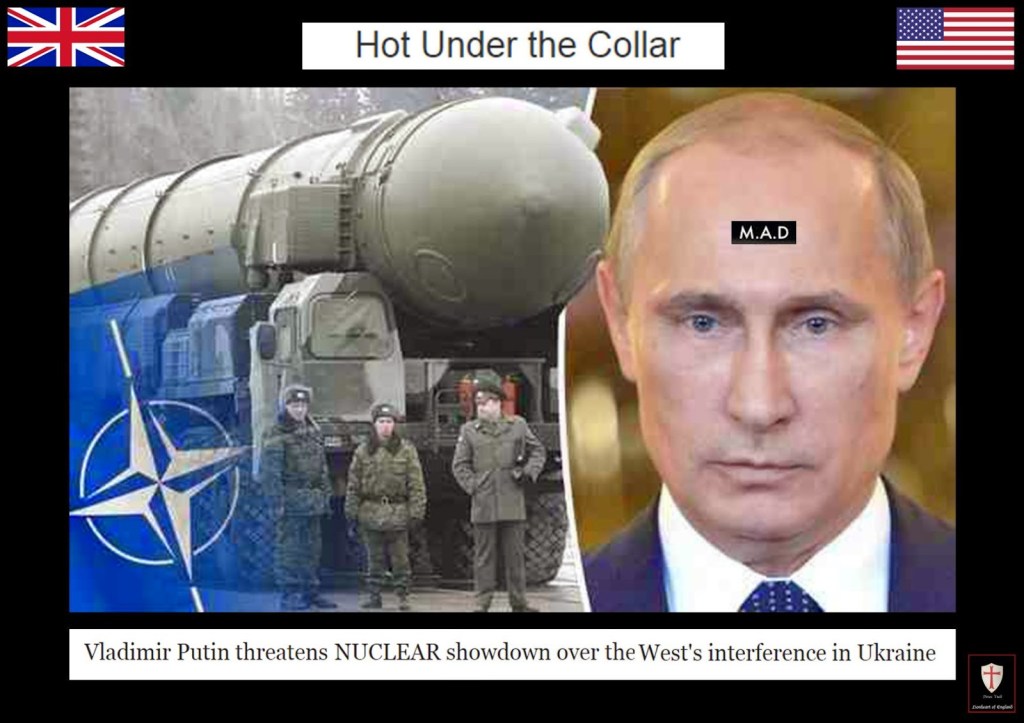
There is an irony in Higginbotham’s “Midnight in Chernobyl”. It is ironic to see what is happening in the 21st century with the revisionism of Presidents Trump and Putin. Their ideas of openness (glasnost) and system reform (perestroika) are a return to the past rather than the future.


