

Books of Interest
Website: chetyarbrough.blog
Open Socrates (The Case for a Philosophical Life)
By: Agnes Callard
Narrated By: Agnes Callard

Agnes Callard (Author, American philosopher, associate professor of philosophy at the University of Chicago.)
“Open Socrates” is not an easy listen but offers insight to the philosophy of Socrates as perceived by a tenured Philosophy professor at the University of Chicago.One of Socrates famous sayings is “Οἶδα τι οὐδὲν οἶδα”, “I know something that I know nothing”. The daunting meaning of the phrase is explained by Callard as something that is found through conversational engagement with others. Socrates believed what truth there is in the world is revealed through public engagement which is difficult for introverts because we fear having our ignorance exposed.
Callard notes that Socrates is an interrogator who elicits others to understand the meaning of human life.
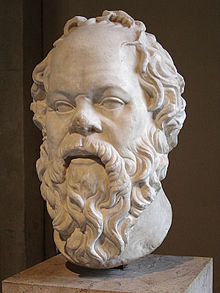
There is a human desire to have meaning in our lives, but we don’t know where to begin or what questions to ask. Callard notes how Tolstoy is contemplating suicide despite his great fame and success as a writer because he does not believe there is any meaning to his life. Callard argues Socrates would say Tolstoy fails to ask questions in conversation with others that would offer the answer he seeks. As a listener/reader one might understand Tolstoy’s reluctance to ask others for their opinion because it exposes his vulnerability. Collard argues one must be willing to admit their errors to get to meaningful conversations with others about what they are discussing. However, few have the strength of character to expose themselves in a way that will continue further conversation.

Collard is preparing listeners for an understanding of the Socratic method, a cooperative dialogue, i.e. asking and answering questions to make one think about underlying assumptions and ideas to uncover inconsistencies to try to discover truth.
One wonders in this exercise, if Socrates is pursuing understanding or building a case to undermine human understanding. The result of a dialog with Socrates seems at best a pursuit of knowledge without finding a definitive answer. At times it seems the Socratic method only reveals the truth of human ignorance.

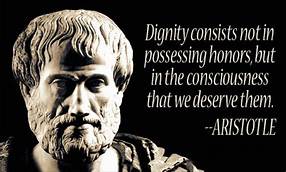
Collard notes that sophists as reflected in the Platonic and Aristotelian writings about Socrates were often incensed by the Socratic method because Socrates’ interrogations often made them look ignorant and uninformed. However, Socrates offers some definitions of important human characteristics like virtue and knowledge that are as relevant today as they were in ancient times.
Socrates defines virtue as a form of knowledge of right and wrong and those that use that knowledge will act virtuously.

Collard notes Alcibiades who lived in the time of Socrates. He was relentlessly interrogated by Socrates in an effort to elicit a better understanding of himself as Alcibiades, a politician and leader. Alcibiades made many political enemies because of shifting allegiances and political actions. He betrayed Athens in their fight with Sparta. After the fall of Athens, he is considered a threat to its new rulers.

Alcibiades (450BC-404BC, died at age 45 or 46, Athenian statesman and general.)
Alcibiades is known for his ambition, desire for power, and hedonistic lifestyle. He came into conflict with Socrates over belief in the values of wisdom and virtue. Though Alcibiades is noted in Plato’s “Symposium” to have admired and respected, Socrates, Collard notes he fundamentally disagreed with much of what Socrates reveals to him as his lack of wisdom and virtue. Alcibiades lacked self-discipline and moral integrity.
Socrates defines good as that which brings about human flourishing and happiness for one to live a fulfilling life.

Socrates argues evil is based on ignorance that compels human beings to act out of malice to do evil things.
Today is a time for Americans to look at their motivations to act in ways that diminish human flourishing and happiness. They need to decide whether they are choosing to be evil and act out of malice to do evil things.

 REVIEWS AND VIEWS OF LIFE