

Books of Interest
Website: chetyarbrough.blog
Tomorrow is Yesterday (Life, Death, and the Pursuit of Peace in Israel/Palestine)
Author: Hussein Agha, Robert Malley
Narration by: Imani Jade Powers

Hussein Agha (on the left) is a senior associate of Oxford University and was part of the Palestinian team that negotiated the Oslo II agreement in 1994-95. Robert Malley (on the right) is an American lawyer, political scientist and specialist in conflict resolution.

Imani Jade Powers (Actor, writer, and singer based in New York City and London.)
It is interesting that a female actor is asked to narrate “Tomorrow is Yesterday”. There is a harshness in Agha’s and Malley’s assessment of negotiations for peace between Jews and Palestinians in what seems an unresolvable conflict. It is the conflict between two peoples’ desire to live in a land that has historically been occupied by two different ethnicities. Presumably, a female narrator takes some (but not much) of the edge off the strong opinions expressed by the authors about the intransigence of Israeli/Palestinian leaders in coming to an agreement on their territorial rights in the Middle east. There is an irony in the choice of a woman narrator for the two men who wrote the book. One might presume a woman is chosen because of a woman’s longer association with nurturing rather than roiling humanity.
King Solomon ruled for 40 years in the Kingdom of Israel and built the First Temple in Jerusalem.

One may ask themselves of these two men’s history of the Israeli/Palestinian conflict–where is the wisdom of Solomon that challenged two women who claimed the same baby? Solomon orders the baby be cut in half, giving each woman one half. One woman agrees and the other begs the king to spare the child and give him to her rival. This seems the essence of the conflict between the State of Israel and the stateless Palestinians. What Agha and Malley imply is the leadership of the Israelites and Palestinians refuse to agree on sharing their land and choose to kill each other instead. There are no leaders that seem to have the compassion to save their progeny by either sharing or dividing the disputed territory upon which they live.
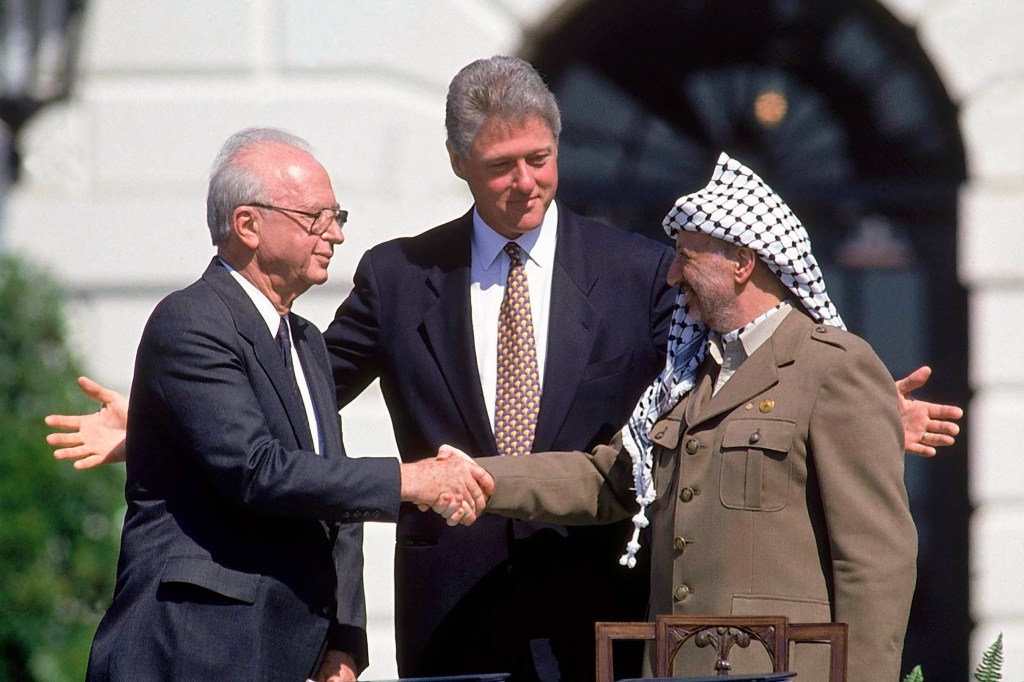
The Oslo Accord with Clinton, Rabin and Arafat in its first iteration.
The authors suggest the only negotiation that had any success was in the Oslo accords in which one of the negotiators is Hussein Agha (the co-author of this book). His experience with both sides of the negotiation offers some surprising and interesting profiles of the participants. Yasser Arafat is the symbolic father of the Palestinians, but he is shown as an ambiguous negotiator who is charismatic but contradictory which makes him both indispensable and obstructive. It is his identity as a leader of the Palestinians, rather than any negotiating skill, that makes him a player in the negotiations. In the second iteration of the Oslo Accords, the pragmatic Palestinian is Mahmoud Abbas (Abu Mazen) but he did not have the legitimacy of Arafat in the authors’ opinions. On the Israeli side there is Barak, Olmert, and Netanyahu. The first two seem to be rationalist pragmatists but Netanyahu, not surprisingly, is characterized as a skeptic who believed the Oslo Accords were a threat to Israel. On the American side is Clinton who focused on closing a deal which fails to confront the historical and emotional roots of the conflict.
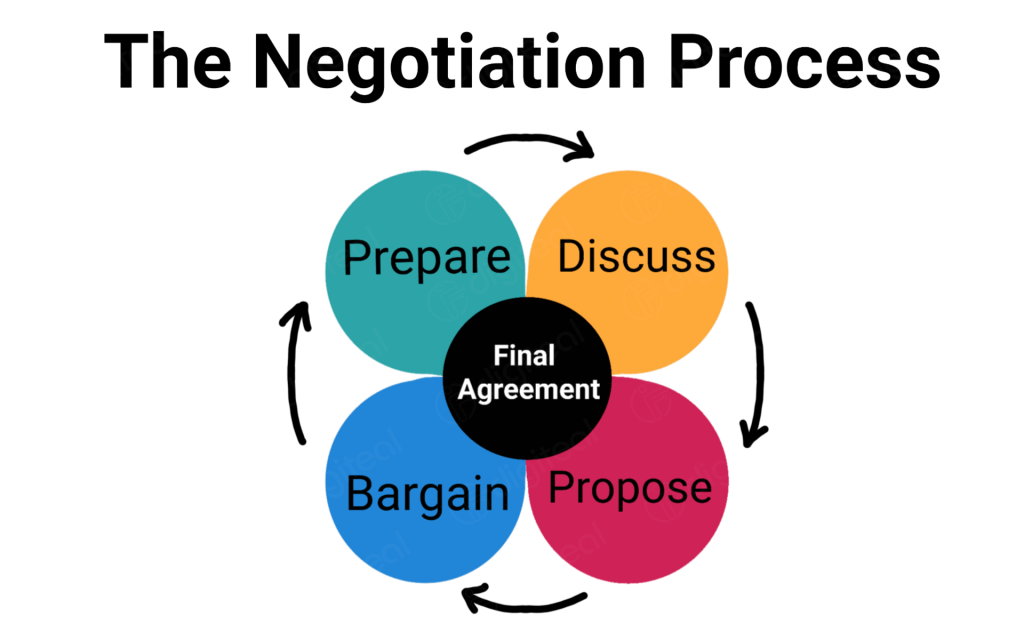
In the end, at best, the authors argue Oslo creates a process for negotiating but not peace.
The process allows both sides to avoid confronting the deeper issues of their conflict. The Oslo Accords gave the illusion of progress without any real movement on either side. October 7th is clear evidence of the truth of that observation.

World superpowers of the future.
None of the world’s most powerful leaders, including America, China, Russia, the UK, Germany, South Korea, France, Japan, Saudi Arabia, or Israel show the wisdom of a Soloman. All the leaders on both sides of the negotiation appear to have their heads in the sand with agendas that fail to understand or address the fundamental concerns of the opposing sides. The results have been to allow events to unfold where Israeli’ and Palestinian’ families are torn apart, kidnapped, imprisoned, raped or murdered.

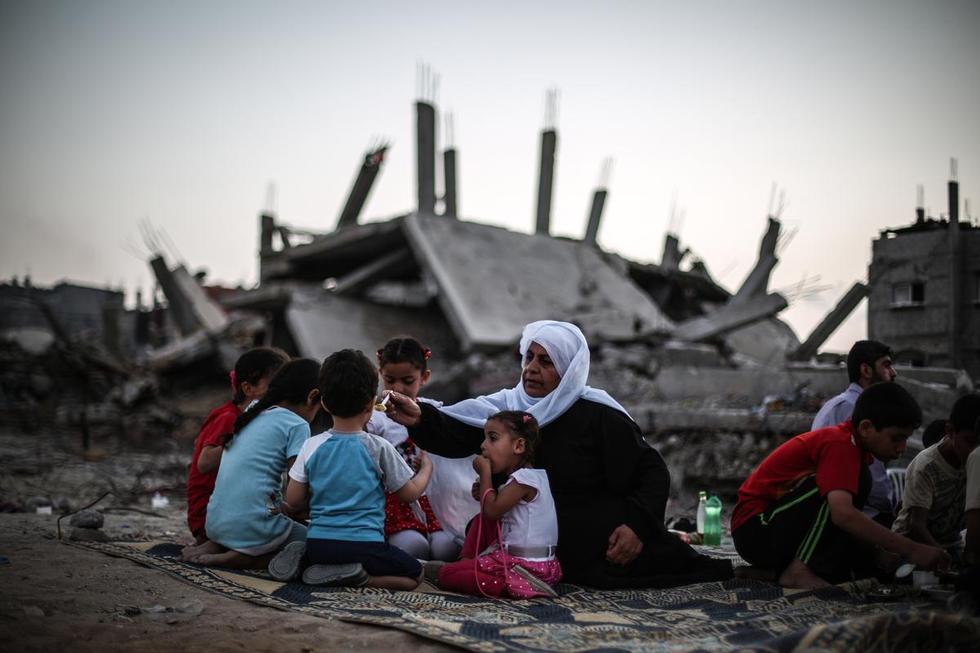
“Tomorrow is Yesterday” is a painful recitation of the failure of the world to understand and resolve the conflict between the Israelites and the Palestinian people. These two authors have an opinion about how “Tomorrow…” can be different than “…Yesterday”. They argue steps toward peace can only occur with a better understanding of what drives their conflict. The writers note there needs to be a mutual understanding of the trauma and injustice of their conflicts. Their respective suffering, and a sense of injustice needs to be accountably recognized by both Israeli and Palestinian leaders for a chance of a negotiated peace.

The authors do not show a plan, roadmap, or political structure that will settle disagreement between Israelis and Palestinians.
What they explain is why previous plans have failed. They diagnose the disease which is revealed in the history of failed plans for reconciliation. There seem to be only two options. One is a two-state solution, and the other is one state with equal representation, along the lines of the relative peace between Irish Catholics and Protestants in Ireland. Like in Solomon’s parable, the baby must be saved. That is the mind-set required for a negotiated peace between Israelites and Palestinians in Agha’s and Malley’s “Tomorrow is Yesterday”.




 REVIEWS AND VIEWS OF LIFE