ECOLOGY

Brannen emphasizes the importance of understanding the science of geology, climate modeling, and shaping energy systems to mitigate environmental damage. None of his ideas seem likely to change the direction of world leadership. Thinking on a planetary scale is beyond the interest of world leaders, let alone the fictional “Tom, Dick, and Harry” or “Mohammed, Jose, Wie, and Ahmed”. (All stupid men, of course.)

Books of Interest
 Website: chetyarbrough.blog

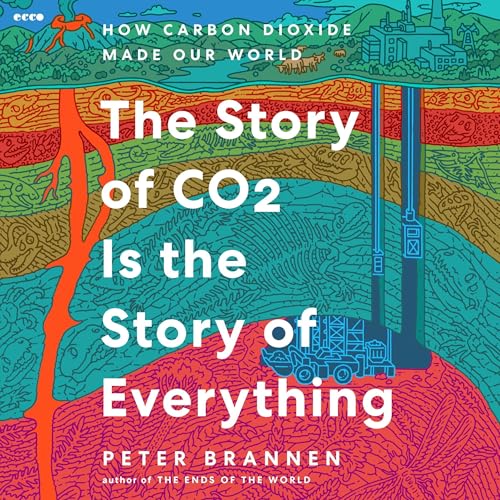
The Story of CO2 Is the Story of Everything (How Carbon Dioxide Made Our World)

AuthorPeter Brannen

Narrated By: Adam Verner

Peter Brannen (Author, Fellow at CU Boulder, science teacher, journalist who has written for The New York Times, The Washington Post, The Atlantic, The Guardian and other outlets.)

“The Story of CO2…” is a slog. Though Brannen’s points are important, the details are overwhelming. Brannen offers a view of global warming based on the history of carbon dioxide emissions and its role in earth’s mass extinctions caused by nature, human industrialization and capitalist growth. The scope of his 500+ page book addresses natural history and the advance of human civilization with so much detail that only a polymath would understand his vision of how “living things” end. On the other hand, even an inept reader will feel threatened by his detailed analysis of global warming’s risks to humanity.

On the one hand, it seems Brannen’s emphasis on CO2 discounts the roles of oxygen and water in the growth and survival of humanity but stick with his theme and you get it.
Brannen’s story is a frightening diagnosis of humanity’s risks. His book doesn’t offer much hope for civilization’s future. Brennen explains industrialization is driven by exploitation of energy and human nature. He notes these are the driving forces behind global warming that will end life on earth. It seems human greed is globalized whether political leaders consider themselves socialists or capitalist. Brannen explains societies of the world have exploited energy through release of CO2 in the atmosphere. That release of CO2 has raised living standards of civilization but, at the same time, polluted the world. Brannen argues civilization has little understanding of the truth that carbon dioxide release over eons of time have damaged the environment. Brannen details how that lack of understanding threatens life on earth. More seriously, many leaders of the world refuse to believe the science of global warming and continue to release CO2 into the atmosphere.
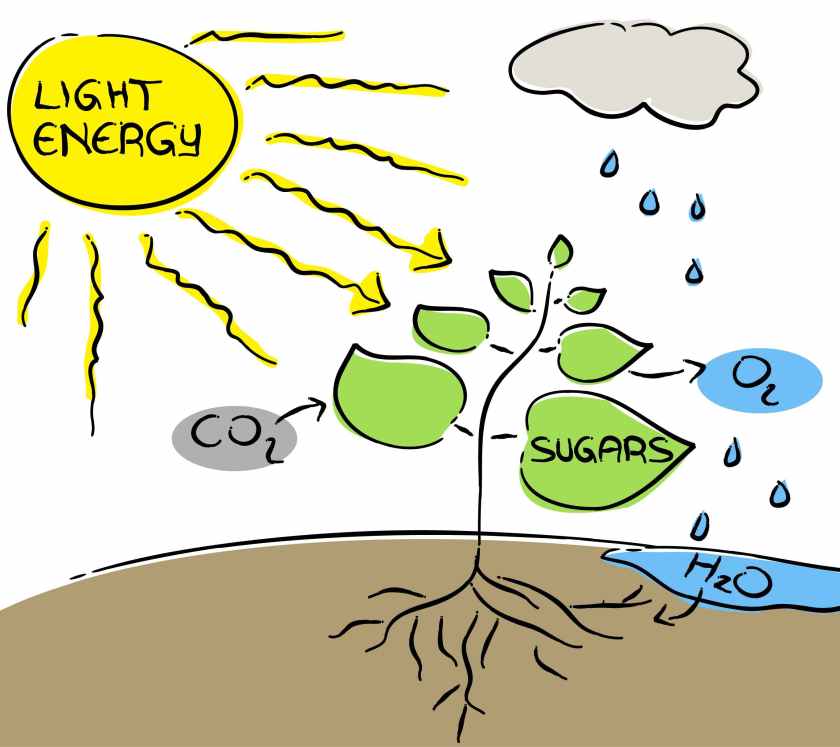
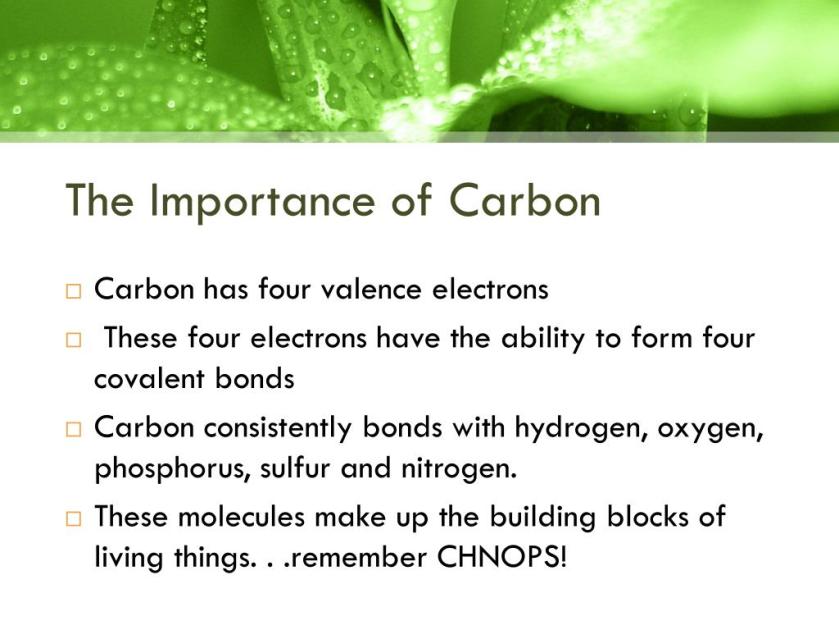
What is made clear in “The story of CO2…” is that photosynthesis by plants converts sunlight into energy which makes CO2 the basis upon which all life exists on earth.

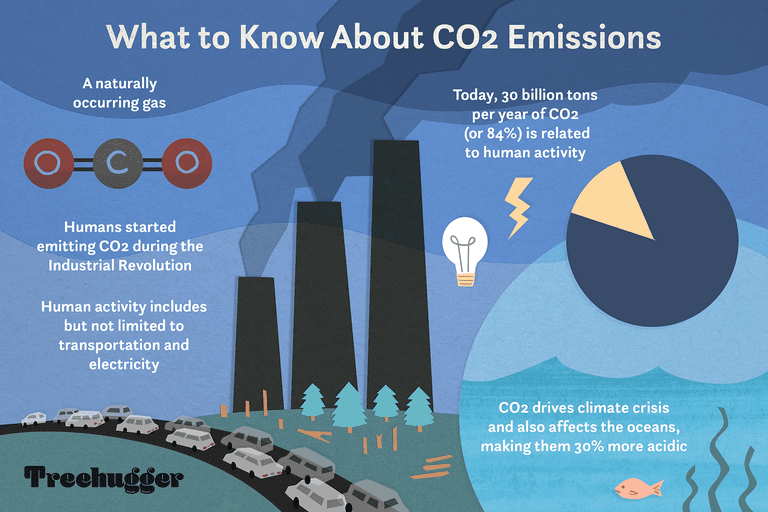
All living things are built from carbon. Humanity’s ability to release energy from carbon gave rise to industrialization, modern infrastructure, and global mobility. Living standards of society were raised, food production increased, lifespans were extended, and the public prospered. However, modern times show that excess production of CO2 threatens mass extinction. The irony is that CO2 seemed a free lunch in our early beginnings but now threatens life’s existence.

Global warming.
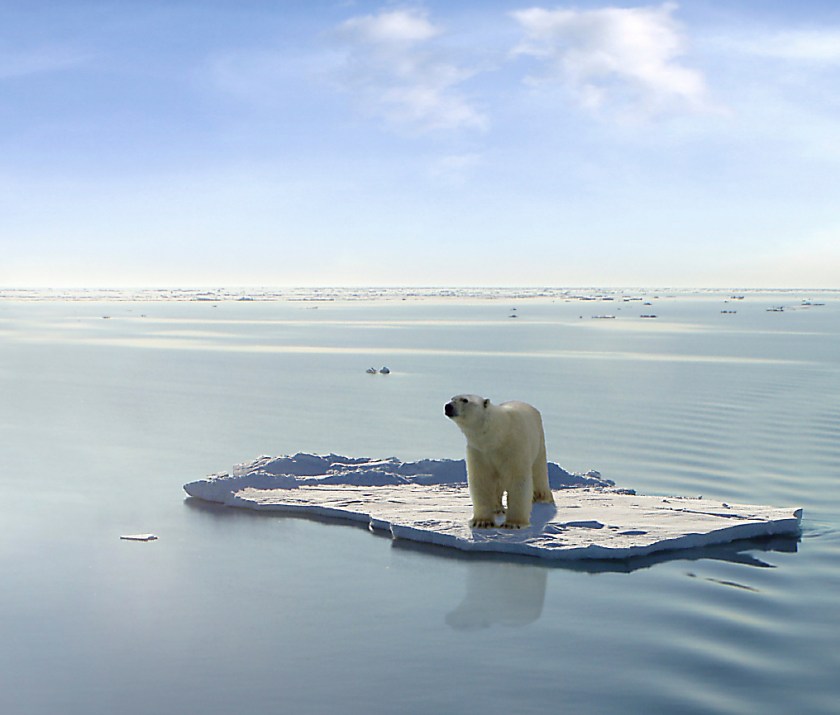
There are no easy answers to Brannen’s CO2 threat to life on earth. It is unrealistic to believe the world will abandon fossil fuel use. Some, like President Trump in the U.S., believe global warming is just a cycle of nature while supporting and encouraging continued development and use of fossil fuels like coal and oil. Though China has done more than any country to create renewable energy and clean transportation, neither China nor the world will achieve the Paris Agreement limit of a maximin 1.5-degree centigrade increase. In reality, China remains the largest emitter of CO2 with coal, petroleum and natural gas; despite being the largest clean energy investor in the world.

Brannen argues for understanding the true development direction of the world.

To reduce global warming, Brannen recommends a shift in economic and geopolitical systems with an alignment of economies based on ecological impact. He emphasizes the importance of understanding the science of geology, climate modeling, and shaping energy systems to mitigate environmental damage. None of his ideas seem likely to change the direction of world leadership. Thinking on a planetary scale is beyond the interest of world leaders, let alone the fictional “Tom, Dick, and Harry” or “Mohammed, Jose, Wie, and Ahmed”. (All stupid men, of course.)


Energy

Wysession explains coal and gasoline production costs will continue to rise making them too costly for most consumers. He believes energy production of wind, solar, hydro, and nuclear power will become more viable and less costly as science advances. From his lectures to our ears, listeners hope he is right.

Books of Interest
 Website: chetyarbrough.blog

The Science of Energy (Resources and Power Explained

By: The Great Courses

Narrated By: Michael E. Wysession

Michael E. Wysession (Brown University and Northwestern University PhD graduate in 1991, chair of the National Science Foundation (NSF).

Professor Wysession offers an overview of the world’s energy crises with a detailed history of “The Science of Energy”. It is a daunting series of lectures about the chemical nature and origin of energy with its evolving role in world economies. From a chemical perspective, energy is the capacity to do work or produce change. Wysession identifies the many forms of energy ranging from coal to oil to thermal to biological sources of fossil fuels. He reinforces the belief that global warming is largely the result of growth in carbon dioxide in the atmosphere exacerbated by the continued use of fossil fuels.

Wysession explains energy can be stored, transferred, and transformed by chemical reactions and processes. It is the bonding and breaking of atoms in molecules that create energy. He explains there are exothermic and endothermic reactions with combustion that create energy to move machinery and photosynthesis for plant growth.

To some, it is a surprise to hear of Wysession’s optimism about the future. He argues the world’s effort to sequester carbon dioxide and reduce dependency on fossil fuels will abate global warming, maintain, and sustain human life.

His optimism is based on a clear-eyed and educated understanding of how carbon dioxide increasingly damages the environment while fossil fuel use continues to pollute the air we breathe.

Wysession explains carbon dioxide is a greenhouse gas that traps heat in the Earth’s atmosphere.

That trapped heat is melting the ice caps, raising sea levels, and causing severe weather events like hurricanes, floods, and ironically, droughts. Higher carbon dioxide levels exacerbate respiratory and cardiovascular disease because of increased particulate matter in the air that causes heart attacks and strokes. Rising carbon dioxide levels increase ocean acidification that reduce biodiversity and threaten coral reefs and shellfish. Extreme weather events destroy farm crops and affect the food and water security of millions of people. Wysession notes the world economy suffers because of damaged infrastructure, increased health care costs, and loss of productivity from fossil fuel accidents and health consequences.

Greenhouse gases released by fossil fuels trap heat that causes the earth’s temperatures to rise.

The direct impacts of fossil fuel use and extraction are well known. Fossil fuels create air and water pollution that causes habitat destruction, and ocean acidification. Wysession notes both extraction and use of fossil fuels causes environmental damage from pollution’ accidents and methods of extraction from the earth.

Wysession notes some progress by world leaders in reducing the use of fossil fuels.

Wysession notes advances in renewable energy technology with solar, wind, and battery storage. He comments on the international cooperation in reducing greenhouse gas emissions and public awareness of the consequence of failure to address fossil fuel pollution. There are also economic benefits from the jobs created with solar, wind, and carbon capture manufacture. (One hopes but doubts our new President understands and acts on those job creation opportunities.)

Wysession believes it is important to keep in mind the potential of nuclear energy in the world’s future.

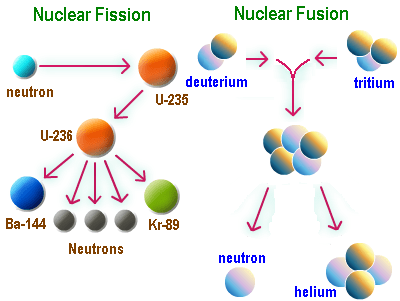
He revies the history of nuclear fission and fusion. As is widely known, our sun provides energy to the world with fusion that feeds photosynthesis which fuels plant growth by converting carbon dioxide and water into glucose and oxygen, both of which are critical needs for life on earth.

Fusion is a process where two nuclei combine to form a heavier nucleus which releases energy. The energy comes from the kinetic interaction of the nuclei. Though science has not successfully achieved the high temperatures of a sun-like process to make fusion a viable source of energy on earth, it has been done on a small scale. It has not achieved a sustained and economically viable form of energy but its potential as a clean energy source is limitless. In the meantime, fission has worked to destroy people and things while showing it can be harnessed to provide energy to the world. As of May 2024, there are 440 nuclear reactors in operation, with the U.S. having the most at 94.

Wysession acknowledges rising population demands more and more energy but he argues the average energy use of people in the United States has fallen to 10 KW per person and believes it will continue to drop in the future.

Wysession’s drop in energy use per person (whatever that means) may be correct, but the reality is that American population increases show energy use has risen in the 21st century to 94 quadrillion Btu. (Whatever a quadrillion Btu means.)

In the late 20th century, our consumption was 75-80 quadrillion Btus annually. American consumption has risen by 14 quadrillion Btu, i.e., a 17.5 percent increase in 23 years. Though the numbers are incomprehensible, energy consumption in America is rising, not falling.

He notes there are over 70 percent more people on earth than when he was born. The rising cost of gasoline will compel more transition to electric automobiles. He believes coal and gasoline use will continue to decrease for both environmental reasons and consumer costs. Wysession explains coal and gasoline production costs will continue to rise making them too costly for most consumers. He believes energy production of wind, solar, hydro, and nuclear power will become more viable and less costly as science advances. From his lectures to our ears, listeners hope he is right.