
Books of Interest
Website: chetyarbrough.blog
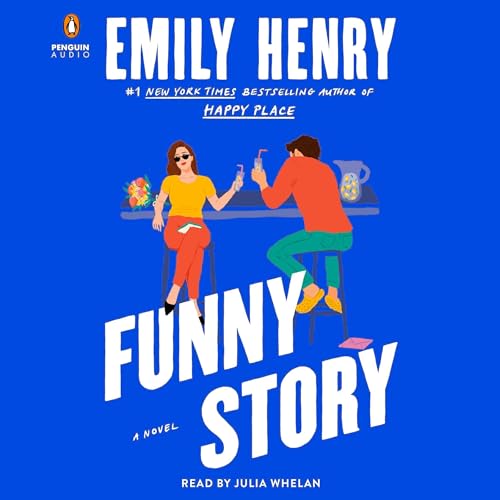
Funny Story
Author: Emily Henry
Narration by: Julia Whelan

Emily Henry (Author, American writer of NYT’s bestselling romance novels.)
This is a “Funny Story”, written with the same skill that is noted in a previous review of this author’s writing in, “Great Big Beautiful Life“. “Funny Story” reminds one of human relationships when one is young and unattached. Of course, it is written from a woman’s point of view, but it reveals some truths about love, partnering, and marriage.
Every life is a world. Paulo Coelho’s The Winner Stands Alone magnifies the ephemeral nature of money, power, and fame.
For some people, living life alone is liberating but emotionally unfulfilling. Living with or marrying someone is like placing a bet on a roulette table. It can reward or deprive you of some level of joy. Henry’s story begins with a single woman, with modest ambition and little money, who falls in love with a wealthy, handsome man whom she marries. The woman’s name is Daphne. Her new husband, Peter, buys a house but soon chooses to leave and divorce Daphne to marry another woman. The other woman, named Petra, is a childhood friend raised in a family of similar wealth. Petra had been living with a male lover named Miles, a working man of modest means who is employed at a winery. Miles is a friend of Peter and sexual partner of Petra but is yet to meet Daphne.

Love and marriage.
Once one knows of the relationships between the main characters, the story moves along with the jilted wife, Daphne, and Miles’s becoming housemates after the abrupt departure and divorce by Peter who believes he is in love with Petra. The author creates a “Funny Story” with an odd arrangement with Daphne becoming a house mate with Miles because she is broken hearted and too broke to be able to live on her own. One can quit listening to the book because the table seems set to show the jilted wife will fall in love with Miles and live happily ever after.
One who believes “birds of a feather flock together” presumes two wealthy families are more likely to have offspring who marry each other because of their similarities of experience and wealth in their families’ backgrounds. One may either quit the book or keep listening to the story in expectation of a “happy ever after” ending.
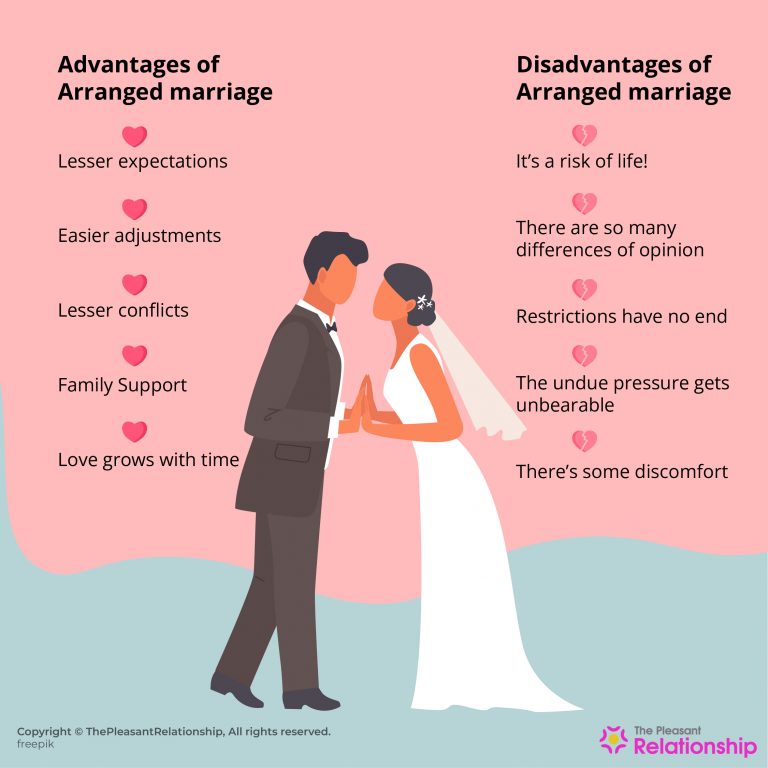
What “Funny Story” says about life is that marriage between people of similar backgrounds is more likely to be happy than marriage of people with different backgrounds. Of course, this is not a hard and fast rule. Good relationships or marriages can be based on complimentary ways of dealing with life where two people make each other more complete human beings. The accoutrements of similar wealth and education aid compatibility but are not sole determinants of intimate relationship success. A listener/reader stays with “Funny Story” to find out which social relationship the main characters achieve, i.e., complimentary partners, partners in misery, or single unattached loners.

What one finds in “Funny Story” is that human relationships are always works in progress.
Nothing in a long-term relationship is without conflict. Those who recognize their complimentary compatibility are more likely to remain attached through marriage, partnership, or long friendship. Those who have too much in common and too little that complements their differences seem more likely to part company.









 REVIEWS AND VIEWS OF LIFE