BOXING

Audio-book Review
  By Chet Yarbrough

(Blog:awalkingdelight)
Website: chetyarbrough.blog

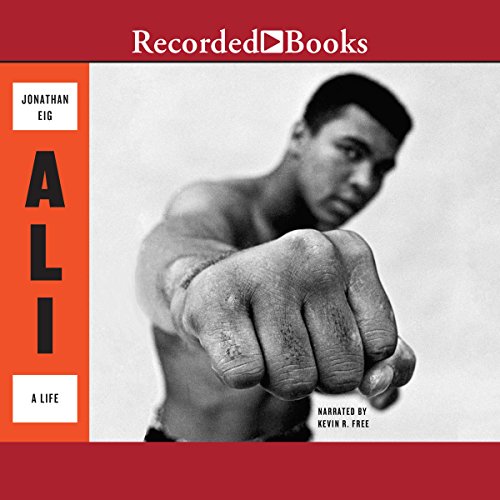
Ali (A Life)

By: Jonathan Eig

Narrated by Kevin R. Free
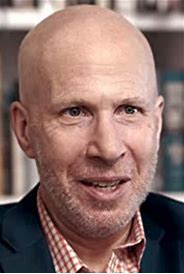
Jonathan Eig (Author, Former reporter for WSJ, Eig also wrote Luckiest Man, and Opening Day.).

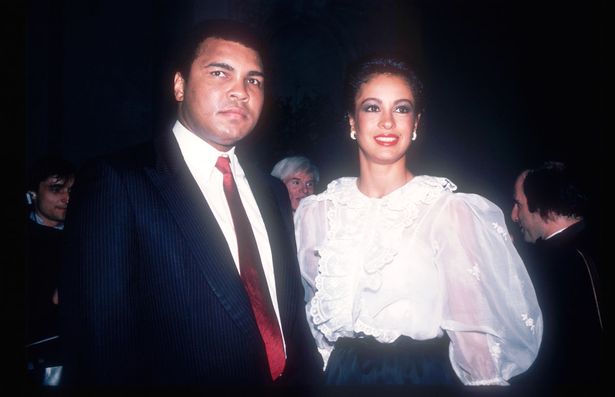
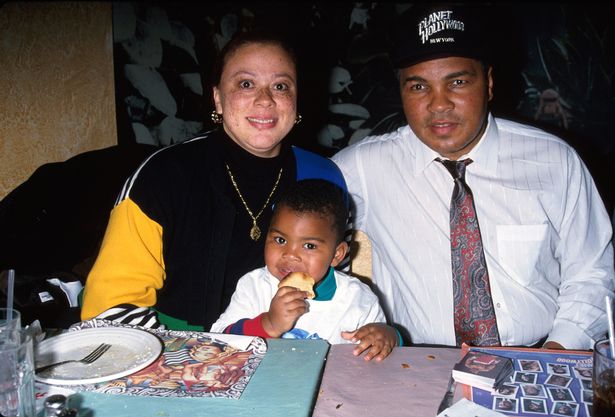
Jonathan Eig’s research of Muhammed Ali’s life offers some surprises to listener/readers. One who grew up in the sixties will be reminded, entertained, and appalled by Eig’s biography of the greatest heavyweight fighter of all time.  Muhammed Ali, aka Cassius Clay, The Greatest, The Champ, The Louisville Lip, and less flattering nicknames, shows Ali lives up to every name noted in Eig’s biography of Muhammed Ali.

A criticism one may have of Eig’s detailed biography is its length. The last chapters dwell on Ali’s deterioration as a boxer with more detail than necessary. It becomes too repetitive in its reification of a man’s life who is ultimately only human.
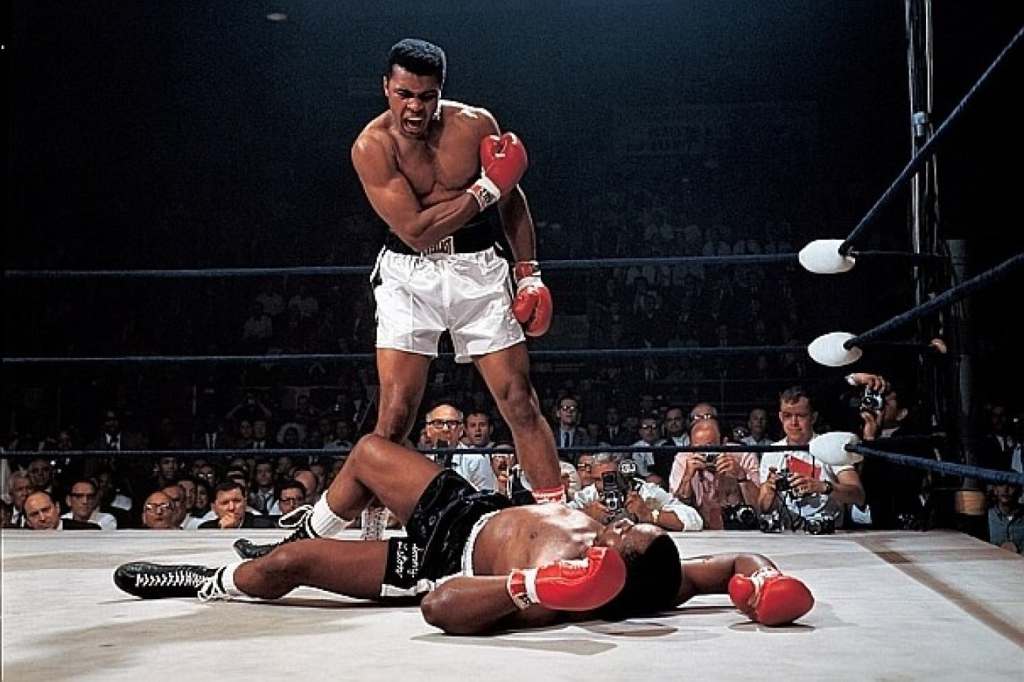
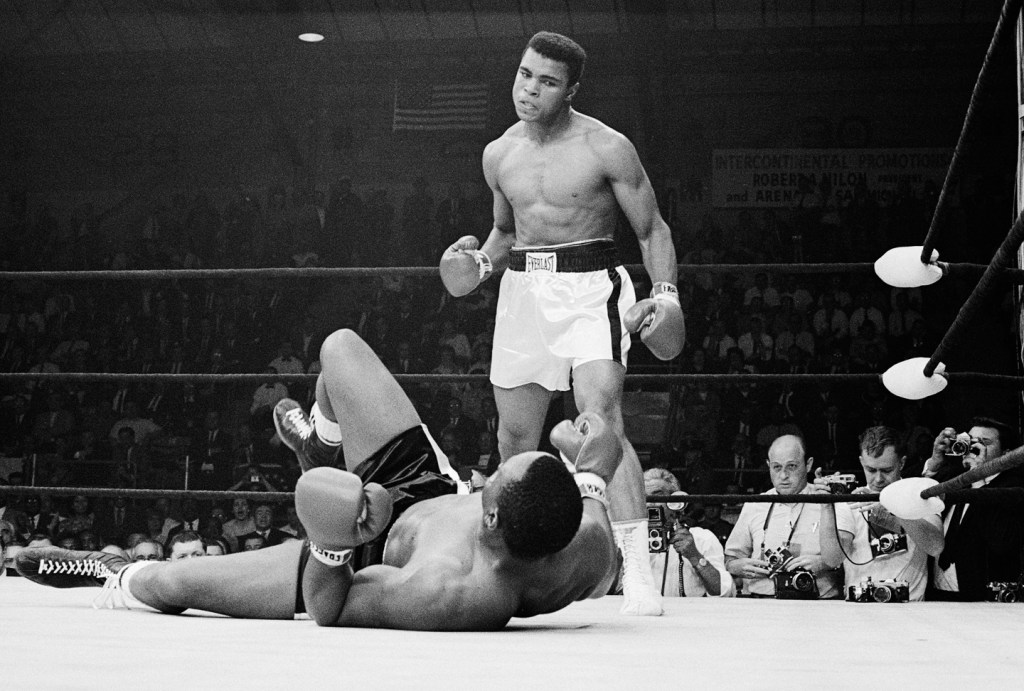
The defeat of Sonny Liston

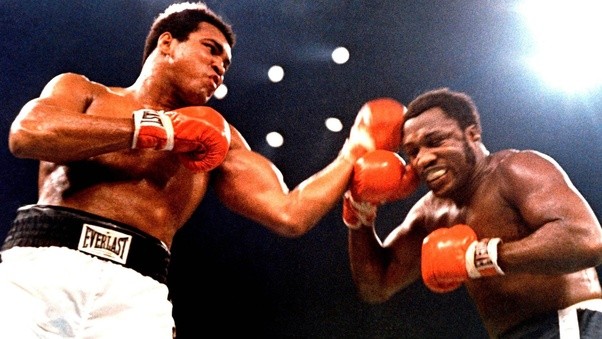
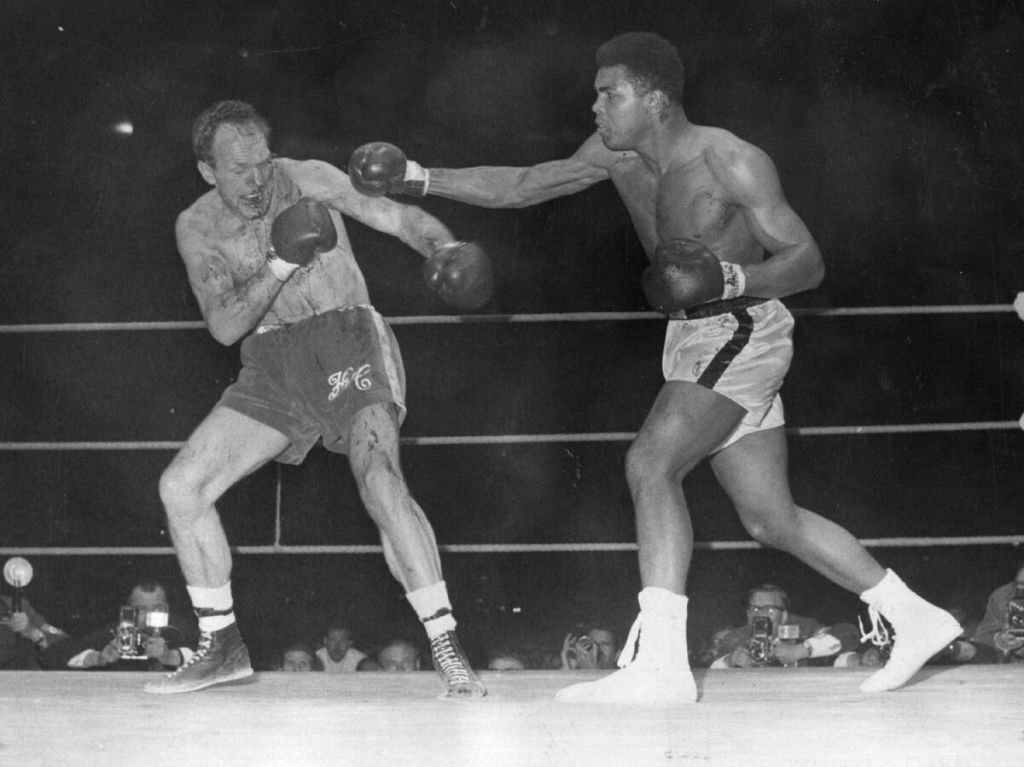
One might think sports, particularly boxing, is no measure of intelligence. However, Eig notes Ali had an instinct for knowing when a punch is going to be thrown. Ali’s reflexes responded with such great speed punches often missed their target.  That skill and Ali’s showmanship made him the greatest heavyweight boxer of all time.  Ali’s voice and opinion during the early years of his fighting career show him to be a brilliant actor, comedic insulter, and revered representative of Black America. What hid the truth of Ali’s intelligence is standardized testing, and the social circumstance of the 1960s. 
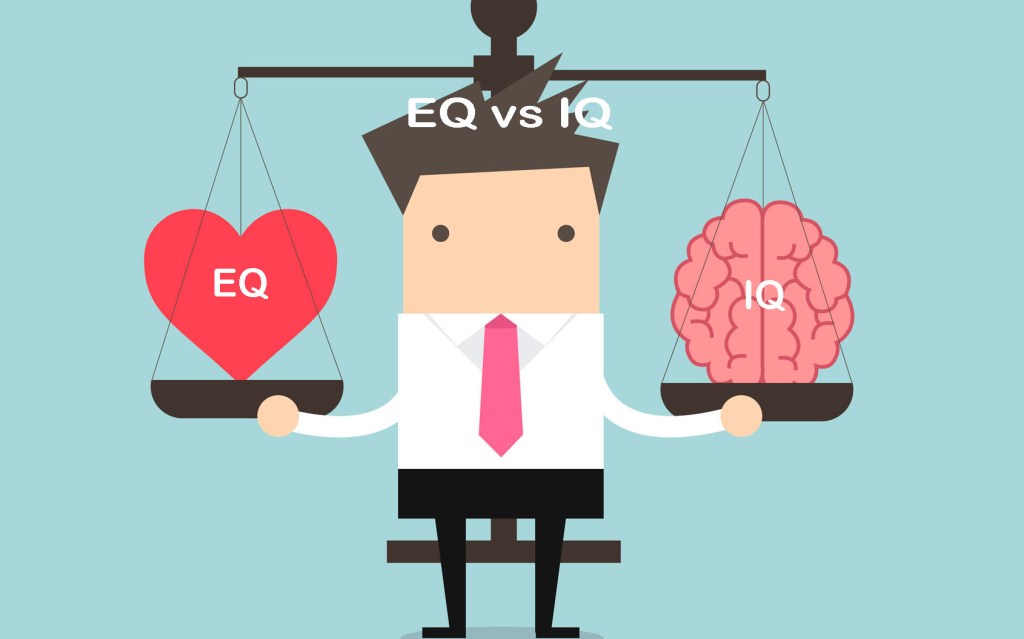
There are many forms of intelligence. 

Ali is classified as 4f by the military when he flunks its reading and comprehension test for the draft.  Eig suggests Ali is dyslexic which makes reading a laborious and unrewarding task.  To reinforce the idea that Ali is dyslexic, Ali only receives a high school diploma because of his school principal’s intervention. The principal recognizes something in Ali that is missed by standardized tests. As most Americans know, Ali goes on to become the heavyweight champion of the world by beating Sonny Liston, a monster of a man who was a 7 to 1 favorite to beat Cassius Clay before the fight began.  What is revealed by Eig’s research is the complexity, the joy, and sorrow of Muhammed Ali’s life and world renown.

Ali beats Sonny Liston and becomes the heavyweight champion of the world.  After his ascension to champion, Ali does not want to be drafted. He does not see how he could be ineligible for the draft when he was evaluated by the service and found to be 4f but now is considered draftable.  He enjoys his life as it is and notes that he has no desire to go to war against Vietcong for whom he has no understanding or hate.  Ali refuses the draft without arguing his newly found Muslim faith could make him a conscientious objector.  The government sentences him to 5 years in prison.  Ali is stripped of his title and banned from boxing for 3 years. He is 25 years old and in the prime of his boxing career.
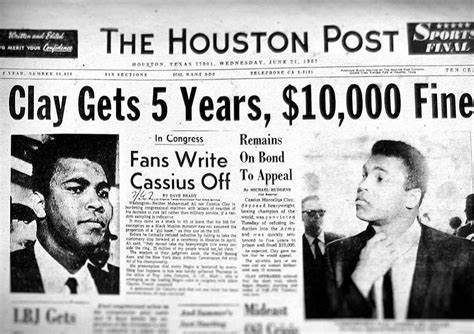
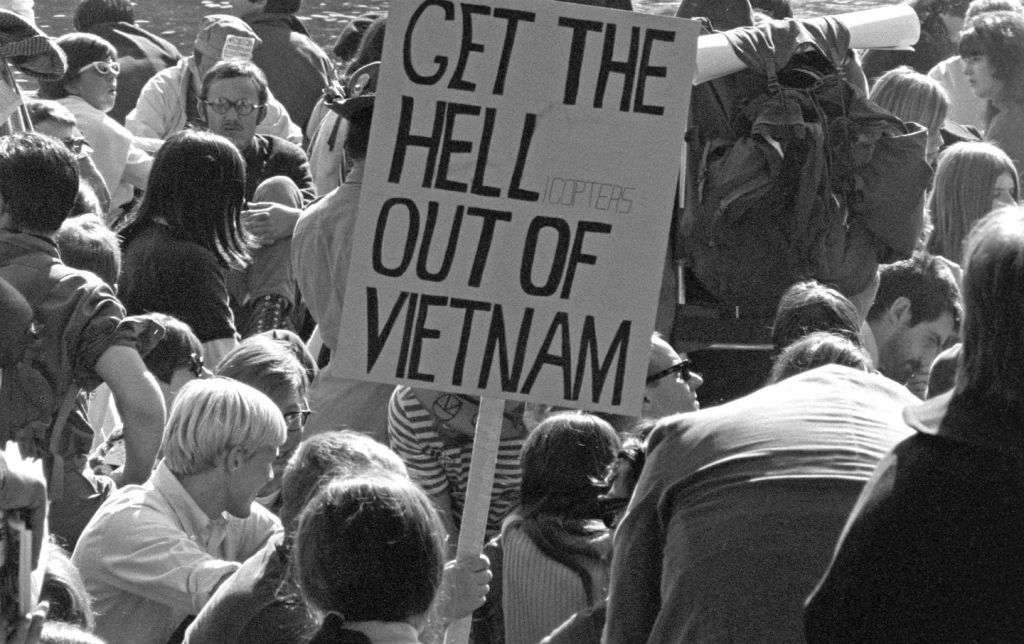
Those who grew up in the sixties knew of Ali whether they were sports fans or not.  Vietnam is raging in the sixties.  Many young, and some older Americans rebel against government overreach with anti-war protests, and human rights demonstrations.

While many enlist or are drafted into the service, a few burn their draft cards and escape to Canada. Some draft dodgers stay in America and publicly fight the draft because they view Vietnam as an unjust war.  Ali chooses to stay in America and fight the draft based on his early 4f classification.  Though that argument does not stand up, Ali refuses to be drafted.
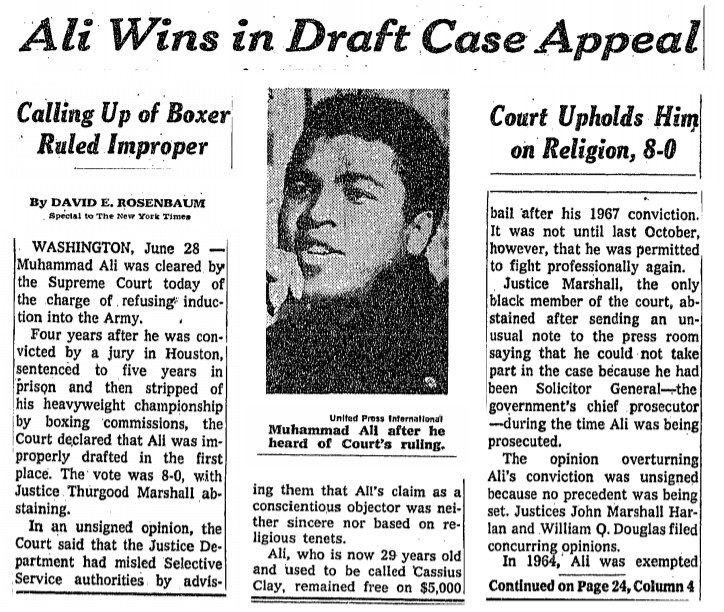
With the help of growing public unrest, Ali is eventually released from a lower court’s charge of draft dodging by the Supreme Court of the United States. His ban from boxing is removed but only after the suspension removed Ali from the healthiest years of his boxing life.

What makes Eig’s biography so interesting is there is no singular motive for Ali’s choices in life.  Ali is a human puzzle.  He chooses to become a Muslim and devotes his life to the Nation of Islam (NOI). Ali appreciates NOI’s teaching because it directly challenges white America for unfair treatment of Black Americans.  However, Ali is not a religious zealot. He is shown to be a human with many of the same failings of all human beings.  He prays to Allah but violates many preachments of NOI. He pursues conjugal pleasures of other women while married.

Ali is suspended from NOI for a year by the order of NOI’s leader, the Honorable Elijah Muhammad. The suspension is not because of philandering but because of Ali’s public pronouncements about boxing as the source of his fame and fortune.

Elijah Muhammed, the leader of NOI, considers sports and entertainment as frivolous and unworthy of anyone who believes in the Muslim faith.  Ali accepts the punishment and is never officially released from his banishment, though he remains a Muslim.
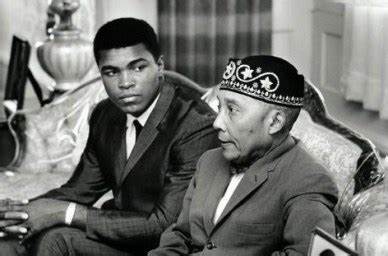
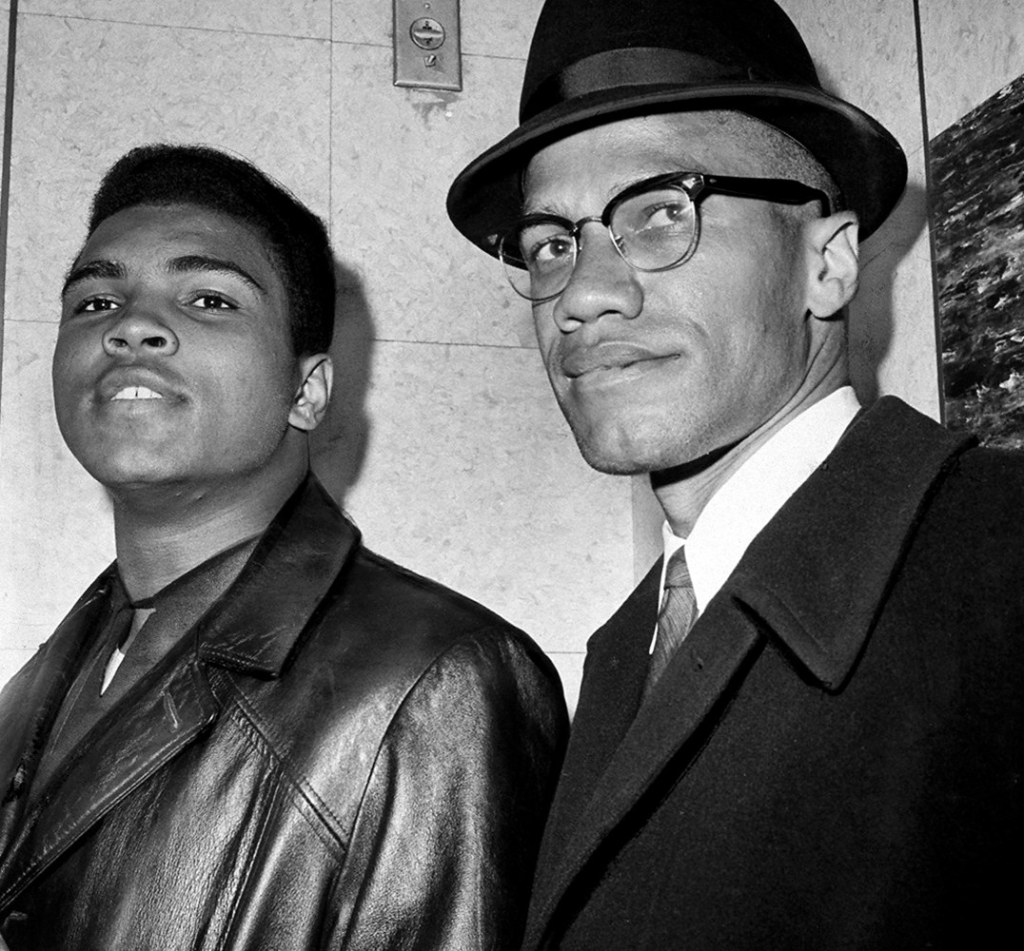
Ali does not abandon his religion, but he says his greatest regret in life is having abandoned his friend, Malcolm X (aka Malcolm Little) who criticized Elijah Muhammad’s flaunting of marriage vows because of sexual relationships with women other than the leader’s wife.

Malcolm X is murdered.  Some say he was murdered at the direction of NOI.  One wonders if Ali is fearful of the power of Elijah Muhammed or just aware of NOI’s potential for harming followers if they differ with the leader’s pronouncement.  Eig’s biography implies Ali’s intelligence and hedonism are likely motives for Ali’s actions, not fear of NOI’s punishment.  After all, Ali is a prolific violator of his own marriage vows and cash income from fighting remain his most important goal.  However, it is a puzzle that Ali said his biggest regret is abandoning his friendship with Malcom X who vilified Elijah Muhammad’s morality and rejected belief in a separate, exclusively Black, NOI nation.

Eig’s biography implies Ali is inadvertently, rather than deliberatively, on the right side of history.  One wonders if it is inadvertent.  Vietnam is a tragedy, badly managed by America.  Resistance to the war, Malcolm X’s recognition of the equality of all human beings, and Ali’s regrets about their friendship being broken suggests something more about what Ali really believed. Hedonism is one of many faults of humanity. Eig clearly shows Ali is no Saint, but Eig implies Ali has a moral center beyond his ill treatment of women. 
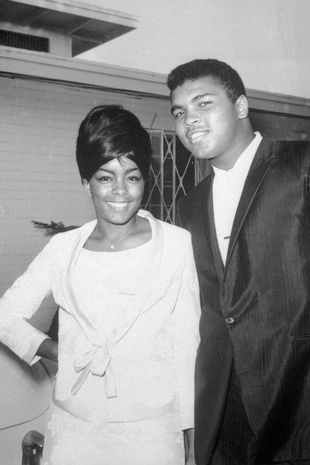
The last half of Eig’s book recalls Ali’s boxing matches, his relationships, and the terrible impact of boxing on the human brain and body.  Ali is shown to be an inveterate user of prostitutes when training for fights regardless of its consequence to four marriages.  (It’s interesting to note that the Muslim faith accepts the right of men to have four wives at the same time.  This is forbidden in America but violated by more than one religion.  Is it a coincidence that Ali marries four women?) 
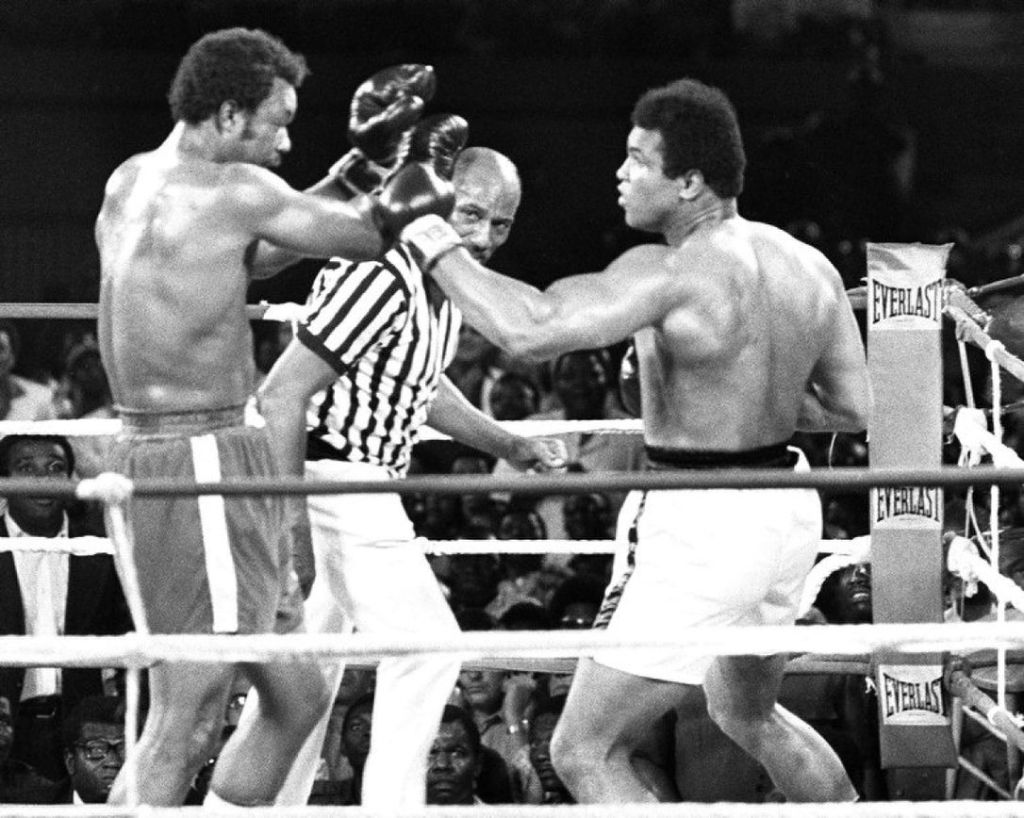
It is difficult to believe a fighter could fight for 15 rounds when 3 rounds for an amateur are exhausting.  Ali’s stamina throughout his boxing life is seemingly supernatural.  He loses and wins the Heavyweight Championship’ title 3 times in his boxing career.

Eig’s detailing of Ali’s fights is particularly interesting to anyone who has boxed as an amateur or professional.  Eig points out Ali’s change in the way he fought left-handed boxers without understanding that leading with one’s right is what a trainer tells a right-handed fighter to do when fighting a lefty. 
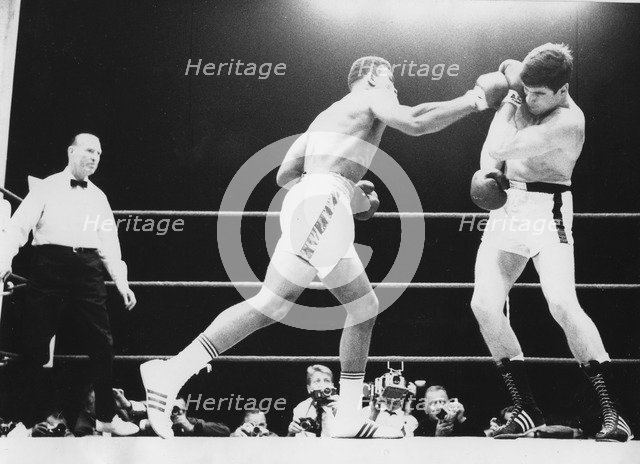
Ali, and opponents like Frazier, show energy and determination that seem other-worldly.  One wonders how much of that energy and determination is based on subliminal punishment for a profligate or hedonistic life.  That may be personal psychobabble more than objective interpretation of Eig’s biography of Ali. One may ask oneself; what avenues were open to Black Americans in the 1960s to become rich and famous in order to be hedonistic?

Ali obviously fought for money and fame, but Eig shows Ali and other boxing champions pay a very high price.  Ali died at 74 years of age but suffered from diagnosed Parkinson’s for 32 of those years.  Though there is no proven direct correlation for Parkinsons’ diagnosis, it has been shown that boxers are more suspectable than the general public to speech impediment, Alzheimer’s, and erratic body movement from blows to the head. Frazier died at the age of 67.  (Ali was 33 and Frazier was 31 in the “Thrilla in Manilla”, the fight of the century–it is won by Ali in this third fight between the two, but that fight sent both to the hospital after its conclusion.)
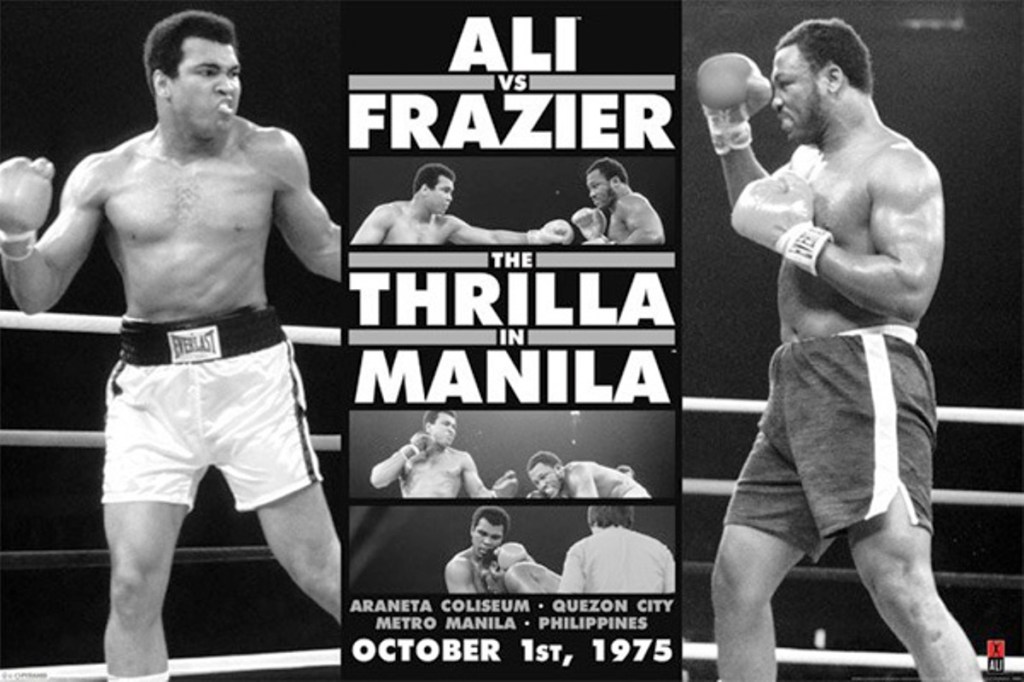
Eig pulls no punches in his biography of Ali.  Ali was a flawed human being that treated women as property.  Ali entertained the world in his rise to fame.  Ali made the most of what he could in the time he lived.  Ali was the greatest in some ways and the least in others.  He exemplified much of what many want to achieve but at a price few are willing to pay.

U.S. PRESIDENTS

Audio-book Review
By Chet Yarbrough

(Blog:awalkingdelight)
Website: chetyarbrough.blog

Means of Ascent

By: Robert A. Caro

Narrated by: Grover Gardener

Robert Caro (Author)

Robert Caro is a great biographer but his history of the early years of Lyndon Johnson is diminished by his political idealism. 

Politics is the pursuit of power.  Some pursue that power by any means necessary.  Others may be less constrained, but the goal is the same–To Be Elected to Rule. 
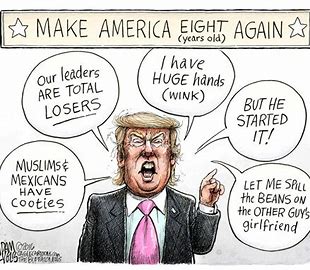
Caro shows the young Johnson as a Machiavellian politician in the vein of Donald Trump but without a silver spoon.  History shows Johnson and Trump are willing to lie their way to power.  Both are willing to do whatever it takes.  Caro shows Johnson, like Trump, are bullies who intimidate subordinates to get what they want.  There is no moral or ethical line that these two ex-Presidents would not cross to stay in power.  Trump lost his second term because of rejection by the voters, and Johnson resigned because of embarrassment by Americans who opposed the Vietnam war.

Caro reveals Johnson’s bullying treatment of his wife and people who report to him. 

Caro shows Johnson is far superior at getting his way when compared to Trump. Caro notes Johnson stole his first election to the Senate from former governor of Texas, Coke R. Stevenson. 

Coke R. Stevenson (1888-1975, Former governor of Texas, died at age 87.)

Without big money contributors like Brown (of Brown and Root) to pay monitors to stuff ballot boxes in San Antonio, Texas, Lyndon Johnson would have lost.  With a legal maneuver by Johnson’s friend, Abe Fortas, and illegal help from election monitors, Johnson beats Stevenson for election to the Senate by 97 votes. (Fortas became an Associate Supreme Court Justice appointed by Johnson in 1965. He resigned in disgrace for unethical practice in 1969.)

In every election, the elected is beholding to someone.  Caro notes Brown and Root received a great deal of federal and State financed work in Texas because of Johnson’s support.

Johnson is shown to be a consummate politician, a good storyteller with the ability to persuade superiors like the leader of the House of Representatives, Sam Rayburn, to support his ideas.  This is no small thing because Rayburn is history’s longest serving Speaker of the House, with possibly more power and influence than any past or modern Speakers of the House.

Sam Rayburn (1882-1961, 43rd Speaker of the U.S. House of Representatives.)

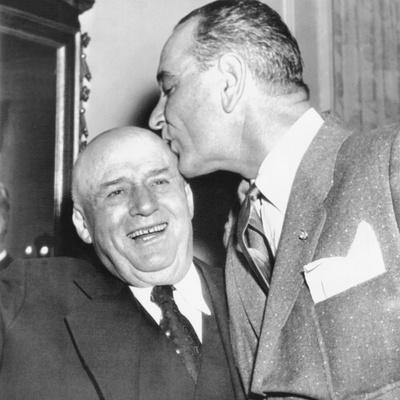
President Johnson, as the Senate Leader kissing the head of Sam Rayburn.

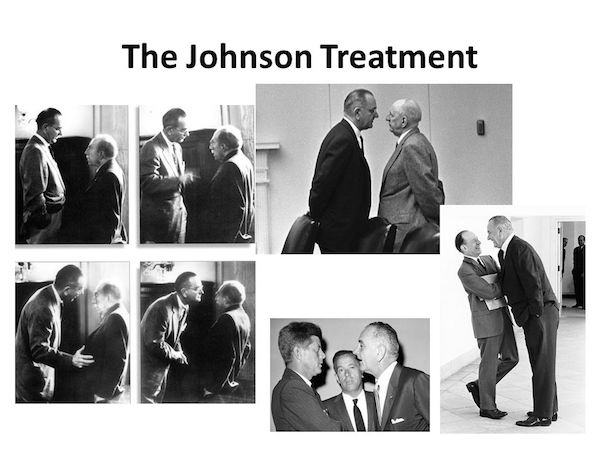
Caro notes Johnson uses his 6-foot, 2.5-inch height, to dominate associates who are either reporting, beholding, or superior to him. 

Johnson is shown to be extraordinarily energetic when pursuing power.  Caro explains how Johnson uses helicopter visits to Texas communities when he runs for the Senate against Stevenson.  Johnson works himself into a frenzy that makes him ill (recurring kidney stones) because of an indefatigable need to do everything he can to be elected. 

In Johnson’s presence, many were awed by his stories, even when they knew the stories were lies or gross exaggerations.  During the war years, Caro notes how Johnson appeals to Texas voters by claiming he will go to the front to fight Germany and Japan.  To fulfill that pledge, he accompanies a “band of brothers” flying a bombing mission on a Japanese island off the coast of Australia. 

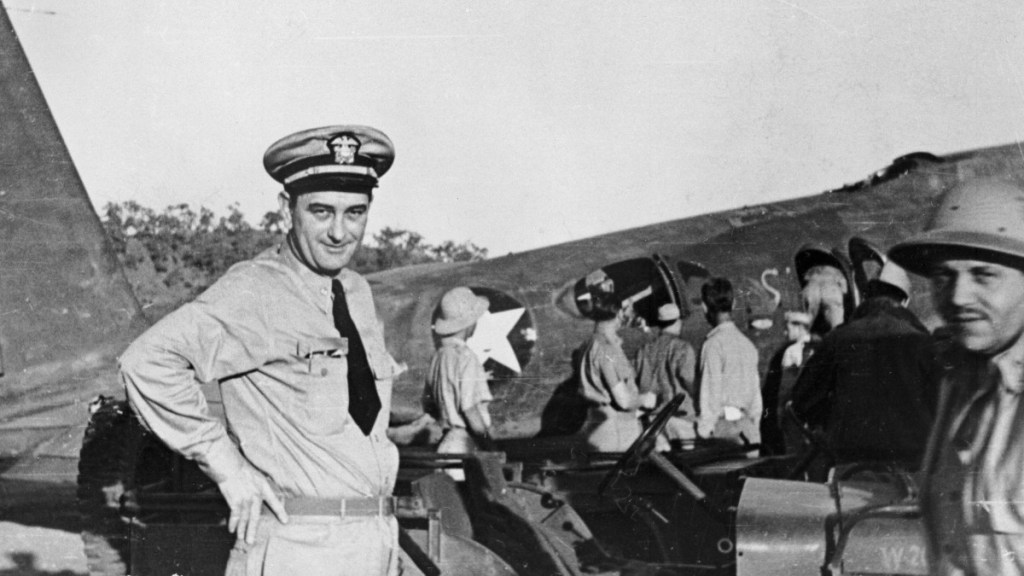
Johnson’s (Observer Mission in Austrailia during WWII.)

Caro explains Johnson’s only direct combat experience is as an observer in Australia.  

In Caro’s telling, the mission did occur.  There is great danger.  The plane is damaged by enemy gun fire.  Caro’s research shows Johnson maintains a cool demeanor during the flight. Johnson plays no combatant role in the mission. But, he was an observer on the plane when it is strafed by the Japanese.

Caro notes the story of the flight is changed many times. In Johnson’s retelling he explains he is a hero who fought in many bombing raids, a lie.  Caro dispels Johnson’s brave hero characterization by telling of Johnson’s childhood that shows him to be a physical coward.  Caro interviews former childhood friends who recall Johnson’s cowardice.  When confronted with violence, Johnson is reported to lay down and kick his feet out to ward off anyone who might attack him.

Caro notes Johnson’s will power is extraordinary when it comes to doing whatever it takes to be elected to public office.

Caro’s research suggests Johnson is a focused and relentless seeker and user of power.  Johnson could use his position for either good or bad depending on whether it increased or diminished his power.  One example Caro gives is Johnson’s rejection of an oil interest offered to him by a constituent.  It could make him rich.  Johnson’s concern is it would diminish his chances for election to higher office if he were recognized as an oil interest’ owner. 

In contrast to the oil interest rejection, Caro shows how Johnson acquires a radio station to become a source of income for his family and a tool for his political ambition.  Johnson had been appointed to the FCC as a junior congressman.  He used his influence with the FCC to acquire and grow the radio station, with his wife as the holder of record.  A competitor is shut out of buying that station through Johnson’s influence with the FCC.  The FCC also expedites the gift of a popular frequency that widely expands the radio station’s area of coverage in Texas.

Lady Bird and her ownership of KTBC in Texas.

“Means of Ascent” is not Caro’s finest work.  Johnson is painted too harshly in the context of American Democracy. 
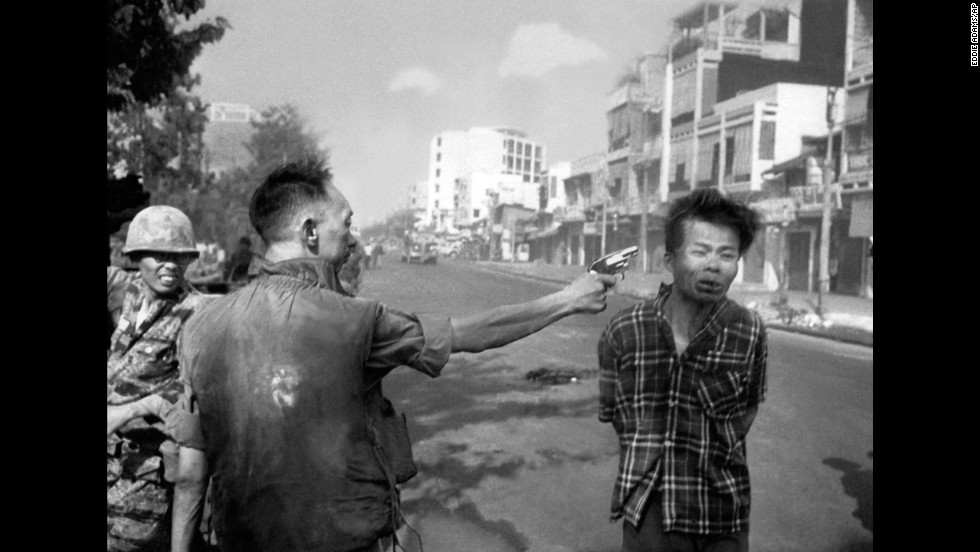
Like America’s experience with Trump, there is much to hate about Johnson’s rise to the Presidency. 
No President of the United States has been totally bad or totally good.  Democracy remains, and will always be, a work in progress.

The reality is–Democracy is a messy process that brings both good and bad leaders to the world. 

LUMINARIES

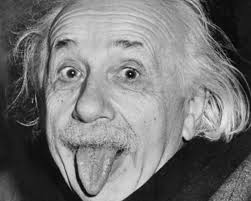
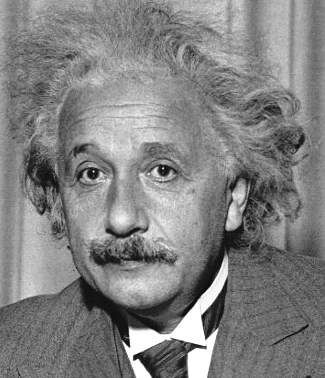
It is clear in this biography that Einstein’s contribution to science is as immeasurable as aforementioned luminaries of politics, arts, and science. Einstein, and Newton stand as the elite of the elite in science. One hopes there are others in this century.

Audio-book Review
By Chet Yarbrough

(Blog:awalkingdelight)
Website: chetyarbrough.blog

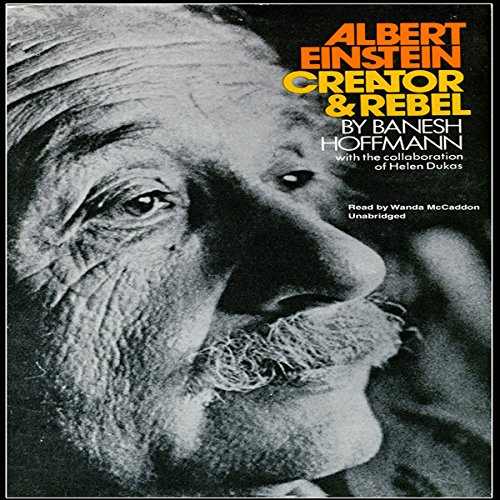
Albert Einstein, Creator and Rebel

By Banesh Hoffmann, Helen Dukas

Narrated by : Wanda McCaddon

CO-AUTHORS OF “ALBERT EINSTEIN, CREATOR AND REBEL”

The impact of extraordinary human beings is partly the result of chosen facts–there repetition, and future generations’ revisions of history.  The best known are men, undoubtedly due to misogyny that reaches back to the earliest writings of history.  Whether because of misogyny or other reason, mostly men have had the greatest influence on the course of politics, arts, and science. None more than Aristotle, Jesus Christ, Leonardo da Vinci, Isaac Newton and Albert Einstein.

Banesh Hoffman and Helen Dukas reveal why Einstein is among a select group of extraordinary human beings.  Presumably, Hoffman (because he is a physicist) offers explanation of Einstein’s contribution to the world of science.  However, in an equally revealing light (because Dukas is secretary to Einstein), one presumes she offers understanding of Einstein’s personal correspondence and innate humanity.  To we who are not scientists, Dukas is the star of the book.  Whether searching for understanding of E=mc2 or Einstein’s humanity, this book is worth reading and re-reading.

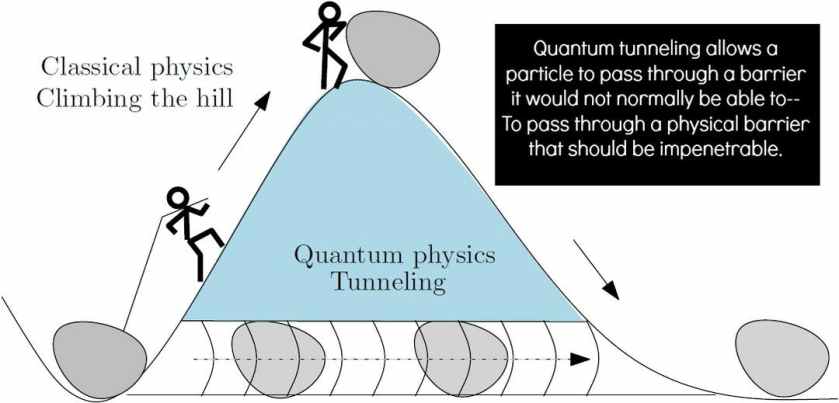
Newton versus quantum mechanics.

Einstein did not overturn the physics of Isaac Newton, just as he did not deny the validity of quantum mechanics. 

Einstein added to Newton’s understanding of physics by confirming belief in quantum mechanics with the caveat that quantum mechanics does not reveal everything about physics of the universe.  Einstein argues to his last days–their remains an unrevealed fundamental truth about physics. He believes physics will explain why things exist and why manifestation of things is predictable.  Like the inviolate speed of light, Einstein insists there is a physics law that gives predictability rather than probabilistic answers for ways of the world.

Baruch Spinoza (1632-1677, Dutch philosopher of the Enlightenment, biblical critic.)

Einstein believes in God but it is the God of Spinoza. Einstein believes God is not a corporeal being but a principle.

To Spinoza, God is everything in nature.  Religions look at Einstein and Spinoza as heretics, and as some argue, atheists.  However, Einstein suggests “God does not play with dice”. He is saying there is a fundamental cause for everything in the world.  That fundamental cause is God. However, that God is nature which, like energy and mass, has equivalence. Einstein believes there is an unknown fundamental law that explains life’s predictable existence which will prove God is real because, in his view, nature is real and predictable.

Einstein clearly identifies himself as a Jew but in the sense of ethnic association, not religion.  Part of Einstein’s self-identity comes from his disgust with Germany and its systemic murder of Jews in the holocaust. 

Dukas reveals Einstein’s sponsorship of Jews who wish to escape Nazi Germany.  She notes that Israel asks Einstein to serve as President of Israel.  He is deeply honored but chooses not to accept because his life experience is as a scientist, not a politician.

Dukas explains Einstein has an implacable belief in scientific predictability and an unstoppable drive for proof.  Both authors make it clear that Einstein’s greatest discoveries come in his early twenties. He doggedly pursues intuitive truth, even when faced with experiments that fail to support his beliefs.  Einstein does not become discouraged. He casts failed experiment and mathematical calculation aside and re-doubles his effort to confirm his intuitive beliefs.

Einstein did not initially realize the potential of E=mc2 as a weapon because he thought too much energy would be required to create nuclear fission that would change mass into energy. 

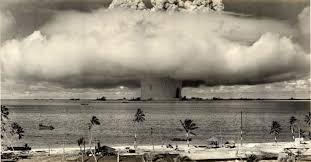
With the discovery of neutrons by Otto Hahn and Fritz Strassmann in 1938, Einstein realizes there is destructive potential in his discovery of mass and energy equivalence.  Neutrons used to bombard particular fundamental atoms demonstrate transmutation of mass into energy.   That transmutation unleashes a cataclysmic force.

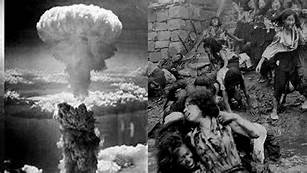
Einstein is shown to be an avid pacifist, but atrocities perpetrated by Germany in WWII leads him to recommend early efforts of America to create a nuclear bomb.  However, he is appalled by the bombs use in Japan.

The thought among Allied forces is that Germany would develop a nuclear bomb before Allied forces could end the war.  There is the suggestion by some that Germany’s last-ditch effort at the Battle of the Bulge was a desperate attempt to delay defeat to have time to develop a nuclear bomb.

It is clear in this biography that Einstein’s contribution to science is as immeasurable as aforementioned luminaries of politics, arts, and science.  Einstein, and Newton stand as the elite of the elite in science.  One hopes there are others in this century.

SELF EDUCATED SAVANT

Audio-book Review
By Chet Yarbrough

(Blog:awalkingdelight)
Website: chetyarbrough.blog

Leonardo da Vinci

By: Walter Isaacson

Narrated by Alfred Molina

Walter Isaacson (Author, Biographer, Former Chair of Broadcasting Board of Governors)

This is the storied life of a self-educated savant.  Walter Isaacson scrupulously details a genius’s life and notes how curiosity and focus inform his intellect. Leonardo da Vinci is an illegitimate child raised by an extended family that includes his educated wayward father and unlettered mother.  Born in Florence, da Vinci grows to manhood and follows a path festooned with powerful Italian and French rulers.

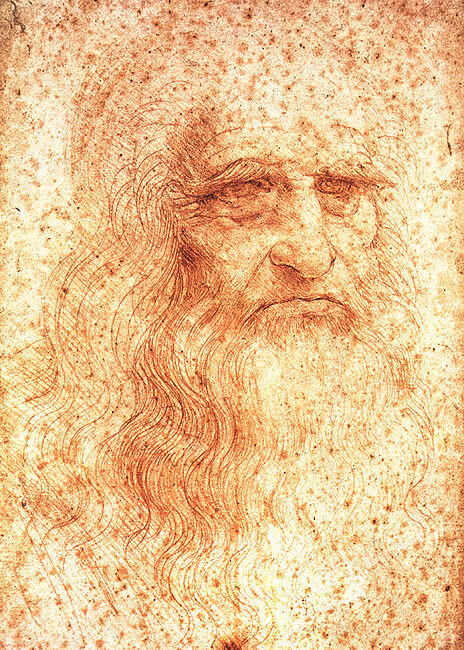
Self portraits of Leonardo belie Isaacson’s characterization of him as handsome. However, Isaacson’s supposition is drawn from other people’s perception of him rather than Leonardo’s perception of himself.

Leonardo da Vinci self portrait as an old man

Parenthetically, Isaacson notes that Leonardo is gay and finds the idea of heterosexual acts as volitionally repugnant.

Isaacson suggests every person can reach higher levels of understanding by being acutely observant and curious.  He suggests these two characteristics have a yin and yang, a good and bad consequence. 

The good comes from a restless desire to understand what one sees.  The bad comes from distraction that causes a brilliant mind to wander and fail to complete an idea or finish a project.

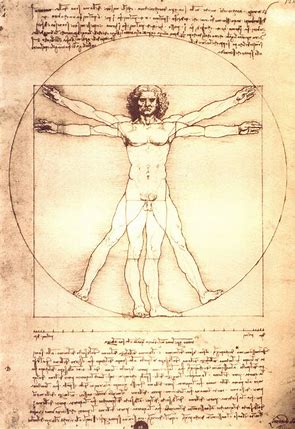
Isaacson infers Leonardo’s innate intelligence magnifies his ability to pattern what he observes into insights that are hundreds of years ahead of future discoveries.  From observations of nature, the human body, and expressed human emotion da Vinci refines the art of painting. 

However, Isaacson notes Leonardo is so much more than an artist.  Leonardo is a polymath.  Leonardo acquires understanding of cosmic phenomena, the dynamics of water and air movement, the physical expression of human emotion, and the general science of earth’s structure, and substance. 

At the same time, Isaacson notes that Leonardo often fails to publish, or diseminate his findings.  Leonardo becomes distracted by new observations that lead to incomplete works of art, science, and engineering.  Isaacson explains that some of the incompleteness is a consequence of finding a new discovery that causes Leonardo to rethink how a painting or project is to be completed.

Isaacson notes many paintings were carried with him to his death.  Some were never finished.  Leonardo continually refines his paintings with new understanding of light and shadow, muscle and bone. 

In some cases, painting’ modifications were made years after their initiation because of a muscle, tendon, or ligament discovery from Leonardo’s many human dissections.

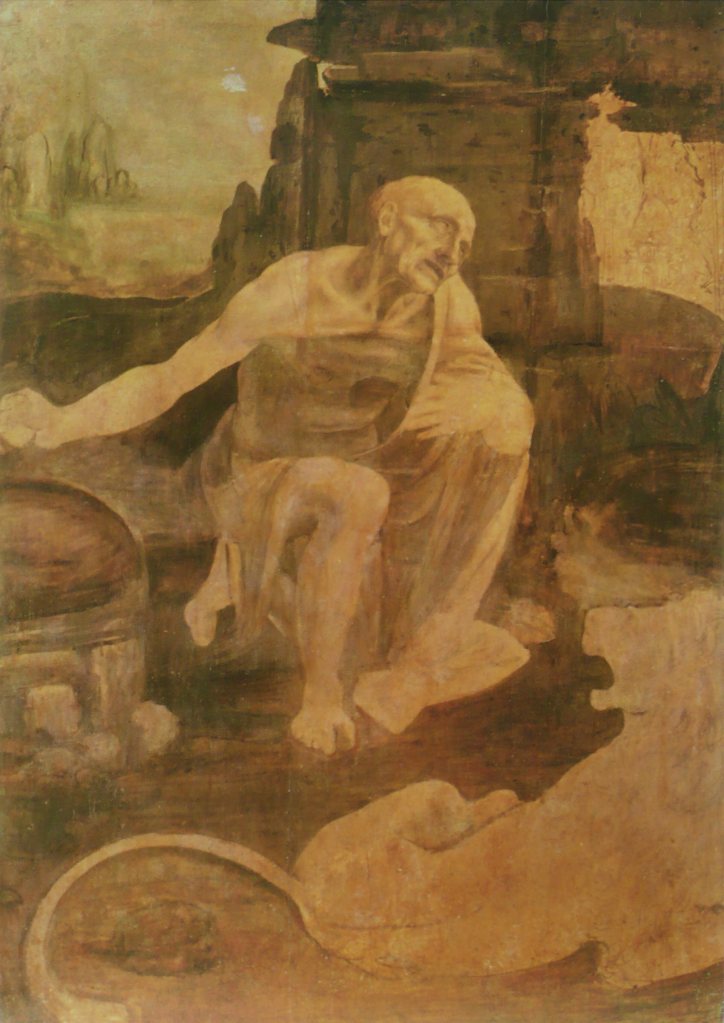
Leonardo revised “Saint Jerome in the Wilderness” years after he started it because of research on neck muscles from his numerous dissections of the human body.

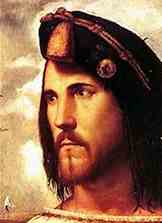
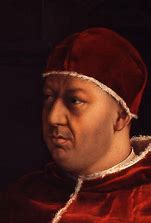
Leonardo lived in a time of powerful Italian and French leaders.  He serves men of power like Cesare Borgia, Francis I, and Pope Leo X (the son of Lorenzo de’ Medici). 

Leonardo serves Cesare Borgia for 8 years as an engineer and artist. He creates the model for a massive horse (a larger mold than had ever been created would be required). It is to be a tribute to Cesare Borgia but it is never cast because of the circumstance of war.

By historical account, Cesare Borgia is ambitious and arrogant.  Cesare is alleged to have murdered his brother to assume control of a Papal State.  He is alleged to have been responsible for several political assassinations.  Leonardo seems to have had no compunction for serving Borgia and appears to have been a confident of the brutal dictator.

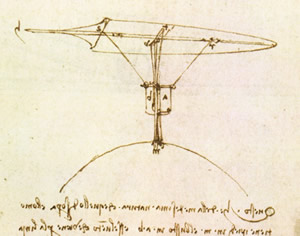
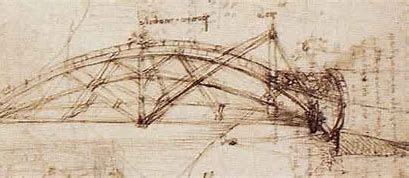
Two interesting reveals by Isaacson is Leonardo’s willingness to serve whoever would sponsor his work regardless of their good or bad actions, and his role as a scene creator for theatrical productions.  Isaacson’s explanation of Leonardo’s scene creations for plays is revelatory because of the many mechanical inventions drawn by this master of innovation. 

One can imagine how thrilled an audience would be at a theatre production that showed Leonardo’s skill as an animator of mechanical wonders.  It seems a perfect venue for Leonardo’s inventive mind.

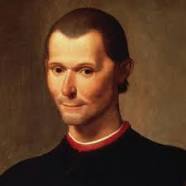
Leonardo becomes friends with luminaries like Niccolo Machiavelli and Luca Pacioli (an Italian mathematician).

Niccolo Machiavelli, 1469-1527, died at age 58. Cesare Borgia is said to have been the model for “The Prince”.

Most, but not all, of Leonardo’s patrons and customers were men or women of great power and wealth. Some, like Borgia had little or no moral conscience.  Some with great wealth who requested commissions were ignored by Leonardo.

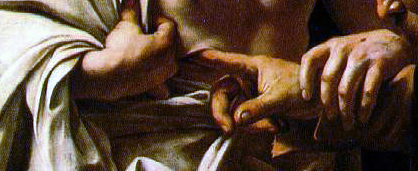
A younger contemporary of Leonardo is Michelangelo Buonarroti. 

Michelangelo is a competitor for Art commissions who disdains Leonardo.

 Detail of Michelanglo’s “Doubting Thomas”.

Isaacson notes that Leonardo is no less disdainful of Michelangelo but much less confrontational when asked for opinions about his competitor’s work.

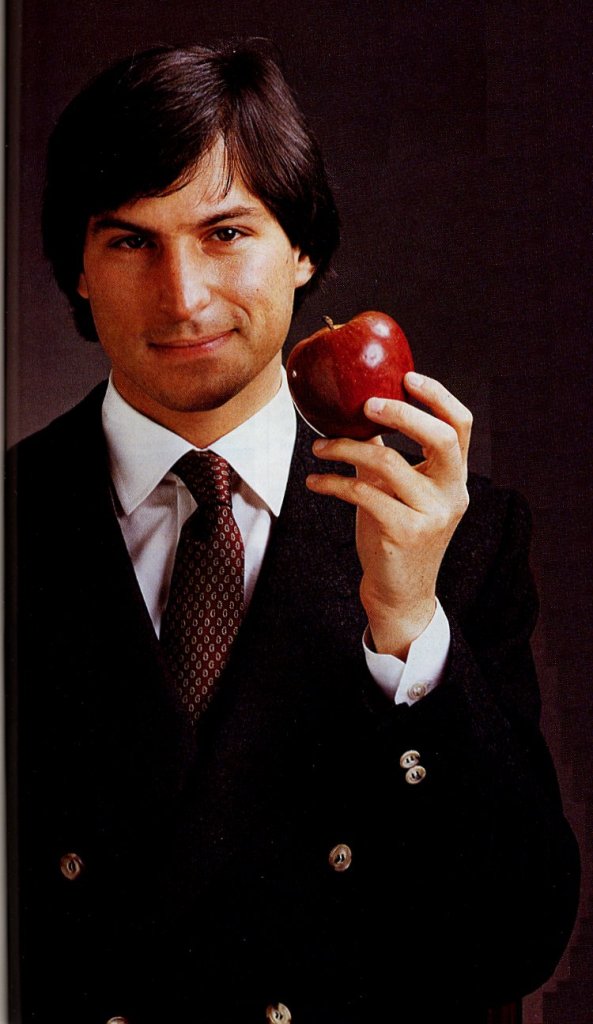
Isaacson wrote a biography of Stephen Jobs and often refers to Jobs’ driven personality. 

His biography of Leonardo shows a commonality between these two geniuses.  They both looked for perfection in their work.

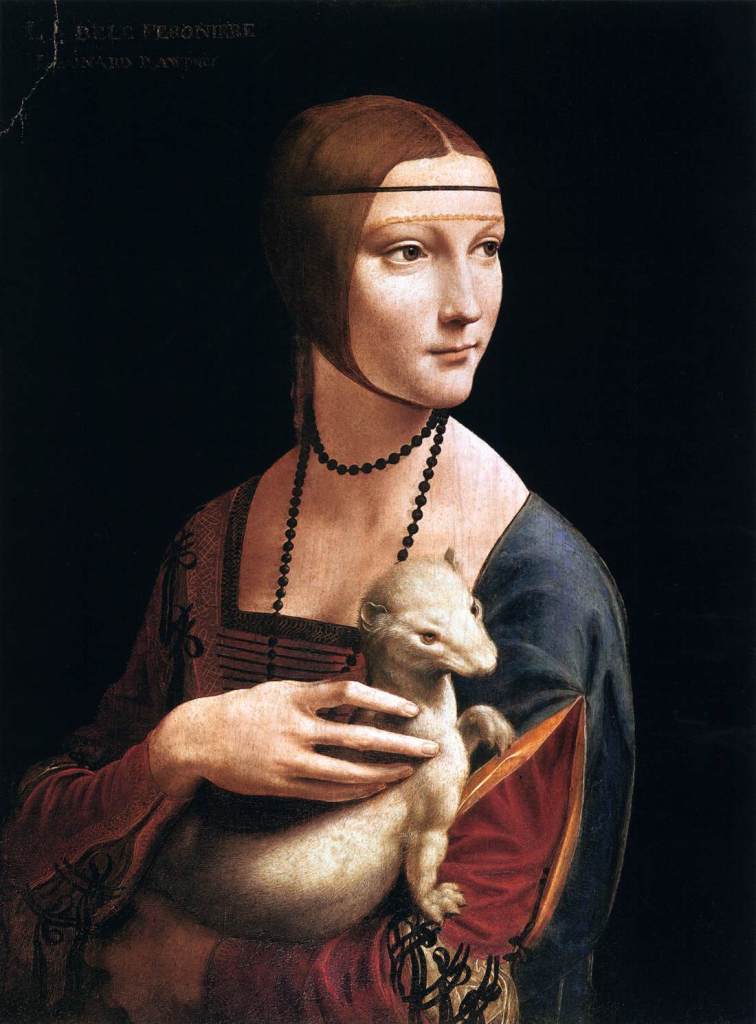
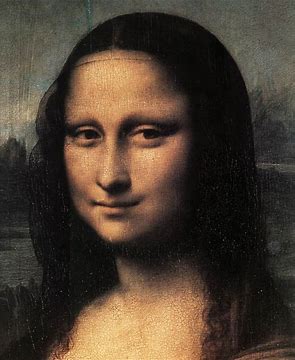
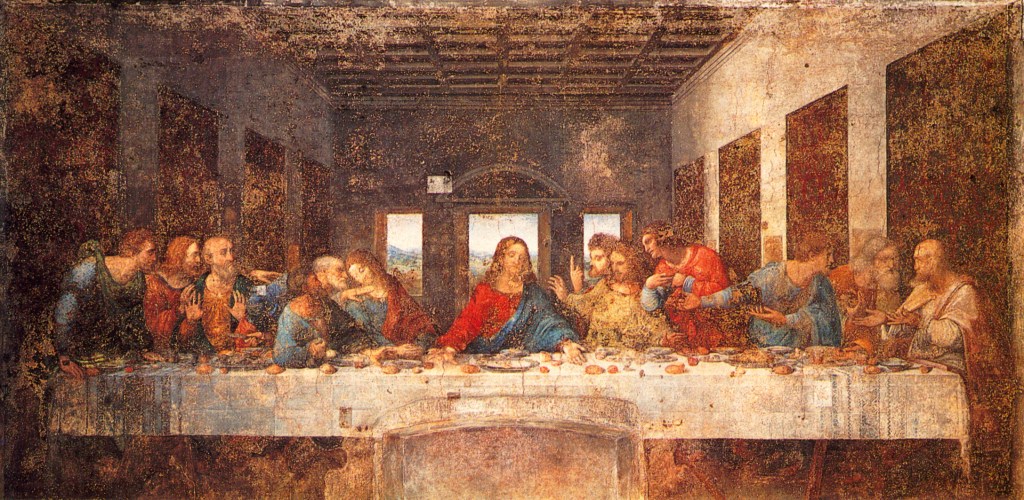
From a painting of the Last Supper, to the image of Saint Jerome in the Wilderness, to the Mona Lisa, Isaacson shows Leonardo to be among the most creative artist of all time.  Leonardo’s understanding of light and shadow, human vision, physiology, and facial expression contribute to art what E=MC squared contributed to physics. 

(Sadly, Isaacson notes much of “The Last Supper” shows little of Leonardo’s original work because of cleanings and restorations over the centuries.)

Isaacson shows Leonardo is much more than an artist.  From the idea of creating power from water movement to the planning of cities for Kings, Leonardo da Vinci is shown to be an insightful civil engineer. In sum, Isaacson implies Leonardo’s insights rival all the savants of history.  Leonardo da Vinci is an artist and scientist ahead of his time.

UNWORTHY BIOGRAPHY

Audio-book Review
By Chet Yarbrough

(Blog:awalkingdelight)
Website: chetyarbrough.blog

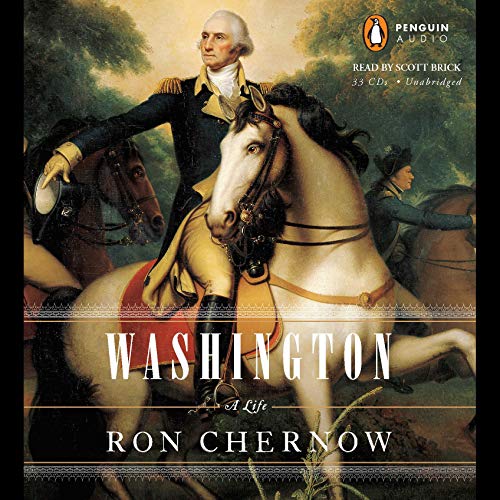
Washington: A Life
By Ron Chernow

Narrated by Scott Brick

Ronald Chernow (American writer, journalist, historian, and biographer, Pulitzer Prize winer.)

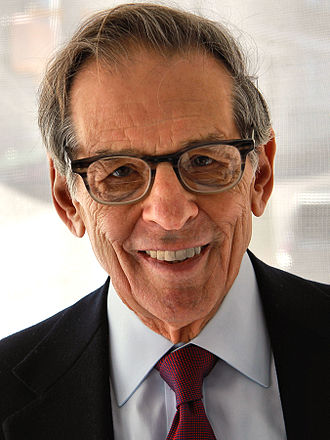
Fans of Ron Chernow, other reviewers, most readers, and the Pulitzer Prize panel of judges, obviously disagree with this review; not that Chernow would care.

Chernow is a respected biographer.  He has written biographies of J.P. Morgan, The Warburgs, John D. Rockefeller, Alexander Hamilton, and now “Washington: A Life”, a 2011 Pulitzer Prize winner for biography.

In fairness, Chernow writes better descriptive phrases in “Washington…” but any phrasing unworthy of a Pulitzer Prize winning book should be edited out.

In spite of its Pulitzer standing, some phrasing in “Washington A Life” is amateurish. 

Describing a person as one with “intelligent eyes” lacks clarity and concreteness.  What do “intelligent eyes” look like? 

Much of what Chernow writes is a recitation of facts with little of the color of its era.

Unquestionably, “Washington: A Life” is a well-researched biography of a pivotal hero in America’s history. but it suffers from a common failing of more memorable biographies.    Every fact may be documented but motive is obscure because motive is wrapped in a social and human context that is missing. 

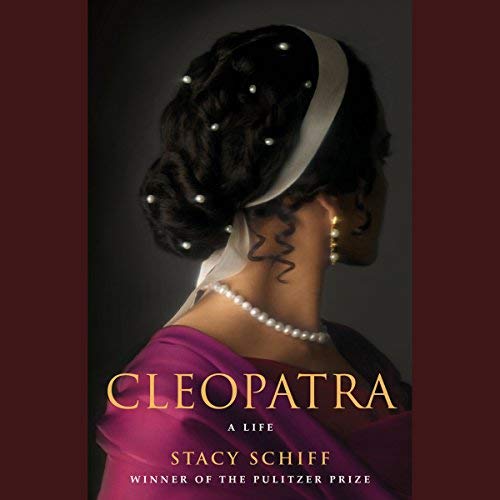
Like the Pulitzer Prize winning history of Cleopatra, Chernow slips into cliché, or a “just the facts” phrasing characteristic of a Dragnet TV detective.

When Chernow strays from the facts, he sounds like an apologist for Washington. Chernow misses the essence of Washington’s rationalization of slavery’s contradiction of humanity.

Washington is plainly a slave holder, albeit less punitive than Harriet Beecher Stowe’s fictional Simon Legree.  But, like Legree, Washington treats his slaves as property to be bought, and sold, and when they escape, tracked down, and punished. 

Chernow writes “Washington rarely whipped his slaves and tried to keep slave families together”.  That makes Washington better than Simon Legree but Washington does not stand above that era’s generally accepted and wrong-headed social mores.  Washington’s “warts” are blurred in Chernow’s biography.

Chernow’s characterization of Washington’s dalliance with Sally Fairfax (a married woman) as a non-sexual infatuation stretches credulity.  Part of Chernow’s evidence is Martha Washington’s acceptance of Sally Fairfax as a personal friend rather than former paramour of George Washington.

Chernow spends a great deal of time explaining how Washington led a life of image that is difficult to penetrate.  As Chernow clearly explains, Washington assiduously represses emotions that boil beneath his facial expression; i.e. Washington could easily don a mask to hide romantic indiscretion.

Putting these negative comments aside, Chernow provides a lot of facts about Washington’s life that are not generally known.  Information about America’s great revolution makes Chernow’s near-1000 page book worth listening to, but far from understanding America’s first President. 

Like Schiff’s biography of “Cleopatra”, a reader/listener does learn a great deal about documented facts of a great historical figure.  But Washington, like Cleopatra to this reviewer, remains a mystery. 

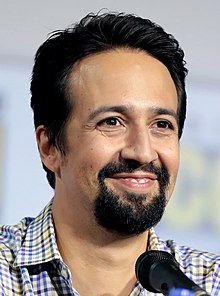
Lin-Manuel Miranda (American composer, lyricist, rapper, singer, actor, playwright, and producer of Broadway Musicals In the Heights and Hamilton)

Chernow needs another Lin-Manuel Miranda to contextualize his uninspiring biography of Washington.

RUSSIAN ENIGMA

Audio-book Review
By Chet Yarbrough

(Blog:awalkingdelight)
Website: chetyarbrough.blog

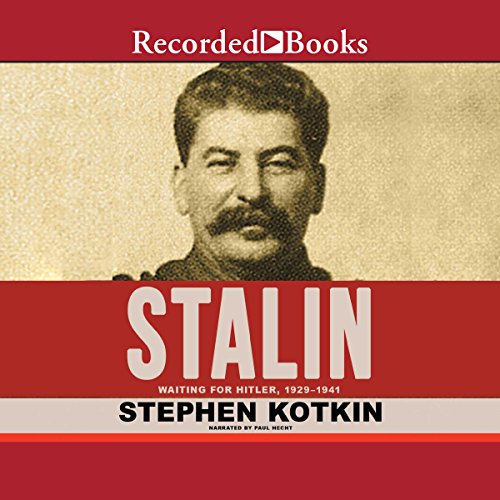
Stalin. Volume II: Waiting for Hitler

By Stephen Kotkin

Narrated by Paul Hecht

Stephen Kotkin, Author, Historian, Professor

In 1939, Churchill calls Russia a riddle, wrapped in a mystery, inside an enigma.  Stephen Kotkin unravels some of that enigma in “Stalin. Volume II” but the unraveling is marred by details that will only appeal to historians; not dilettantes. Nevertheless, a dilettante listening to nearly 50 hours of narration will find much to recommend Kotkin’s second volume of what is to be a trilogy.

Was Stalin a mad man, committed idealist, or something else?  Was Stalin paranoid and highly calculating, or something else?  Was Stalin a detailed planner or reactionary?  What drove Stalin to eliminate 90% of Russia’s military leadership before WWII? 

Since Russia’s invasion of Ukraine on February 2nd, 2022, the same questions may be asked of Putin. The answers are similar except Putin is at the beginning of his career as “The Red Tsar”.

In “Stalin, Volume II” Kotkin describes a despot.  Stalin controls a population of over 109 million people before and during WWII.  Before the war, it is estimated–between 5.7 and 7.0 million die from famine in Stalin’s Russian agricultural collectivization.  During the war, Russia is estimated to have had 10,700,000 military deaths, and 12,500,000 civilian deaths, of which 1,000,000 were Holocaust victims. 

It seems Stalin’s administration before and during WWII led to 23,000,000 Russian deaths. In contrast, Hitler’s administration’s toll is estimated at 7,000,000 deaths; of which 6 million were Jews. 

This is not to trivialize loss felt by any culture or nation, but–none exceed Stalin’s atrocity. 

(An exception may be China and the famine during Mao’s administration. An estimated 45,000,000 died in the 1958-62 “Great Leap Forward”, led by the “Gang of Four”, a cabal that Mao later opposed.) Communism is clearly shown to be a treacherous and ultimately failed form of governance.

The ultimate question is –how could Stalin remain in power before, during, and after WWII? What people or nation would countenance 23,000,000 deaths?  “Stalin, Volume II” offers a credible explanation. 

Kotkin infers Stalin is neither a mad man nor committed idealist.  Stalin is driven by an insatiable need for power and international influence. This seems an apt description of Vladmir Putin.

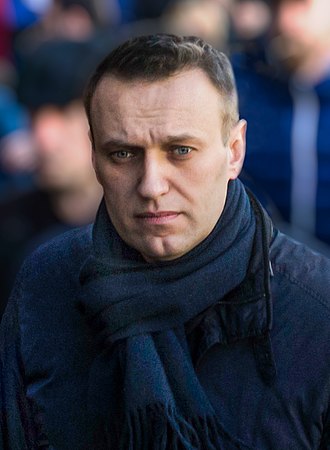
Kotkin shows Stalin is highly calculating more than paranoid.  The clue is in the fact that Stalin never countenanced bodyguards because he did not fear assassination.  His longevity is the result of pragmatic use of power to eliminate rivals.  (Navalny comes to mind in the case of Putin.)

Alexei Navalny (Putin’s political prisoner. Noted receiver of the Sakharov Prize in 2021, Founding member of the defunct Anti-Corruption Foundation.)

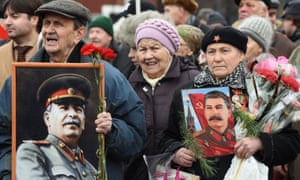
Stalin assiduously pursues the preeminence of Russia as a communist state, not a Stalinist state.  Contrary to some historian’s analysis, Stalin did not intend to create a “cult of personality”. Kotkin infers Stalin’s goal was to create a wider, more hegemonic, state of communism. (This may be where Stalin and Putin are different. Putin seems to pursue a “cult of personality” more than a hegemonic communist state.)

Stalin’s purge-

Stalin’s sleight of hand maneuvering is accomplished by publicly denying honorifics as leader of the state. 

With that pirouette, Stalin systematically undermines any rivals by using state apparatchiks like the NKVD to arrest, torture, and obtain confessions. By branding rivals as “enemies of the state”, Stalin eliminated leadership competition.

Because Putin pursues a “cult of personality”, a Stalinist purge would be a hyperbolic characterization of his political actions. However, Putin is at the beginning of his role as dictator.

Stalin operates as a bully without outwardly appearing to be a bully.  Each competitor who defies or competes with Stalin’s policies or position is confronted after gathered false or true accusations.

A confrontation can be direct or indirect depending on Stalin’s whim. If it is a close associate, confrontation is personal and accusatory in a way that causes some to commit suicide; some to be disgraced and sent to a gulag, and a few to defect.

Through personal intimidation, and the help of a secret police, Stalin systematically destroys public perception of potential competitors.  They are summarily tried, convicted, and sentenced to Gulags, or executed.

Pavel Mikhalev, a wandering monk, was arrested in August of 1937 at the height of Stalin’s Great Purge for “counterrevolutionary activities”. He was tried on October 10 and shot on October 13. Mugshot taken in Moscow on October 13, 1937.

Stalin’s “hang man”, Lavrenty Beria.

Stalin replaces executed competitors with young followers.  They are drawn from backgrounds of a less grounded education; similar to Stalin’s.  These young followers become fierce defenders of Stalin; undoubtedly, in part, out of fear, but also out of appreciation for their gift of limited power and prestige in roles traditionally held by older citizens.

Stalin seduces new young leaders with dachas and improved economic benefits.  Stalin appeals to the middle and lower classes; bypassing the upper-class or well educated.

A negative consequence of this system of promotion is lack of experience in leadership or management.   

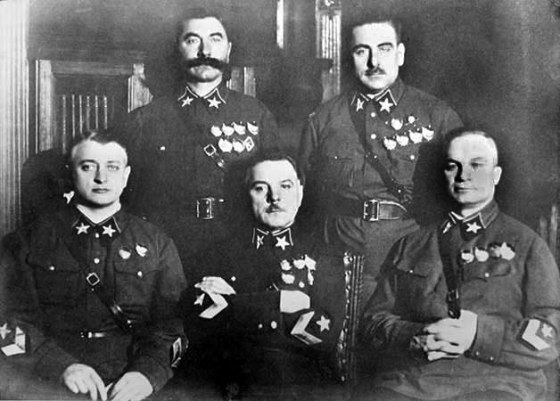
PURGED MILITARY LEADERS BY STALIN

Kotkin notes an estimated 90% of experienced military leadership is removed by Stalin before the war. The consequence is to make cannon fodder of many Russian soldiers as they are thrown into battle against better equipped and experienced German soldiers.  Nevertheless, Stalin maintains control of Russia by recruiting from the young who are motivated by their own ambition.

Stalin, above all else, is shown to be a pragmatist in his increasing control of Russia after the revolution.  

Prior to WWII, Trotsky attempts to form a competing communist party in Spain but is trumped by Stalin’s maneuvering. Stalin opposes Franco’s fascist fight. He balances his enmity toward Trotsky with armament provisions to Spain’s communist party. That support diminishes Trotsky’s effort to form a competing communist party.

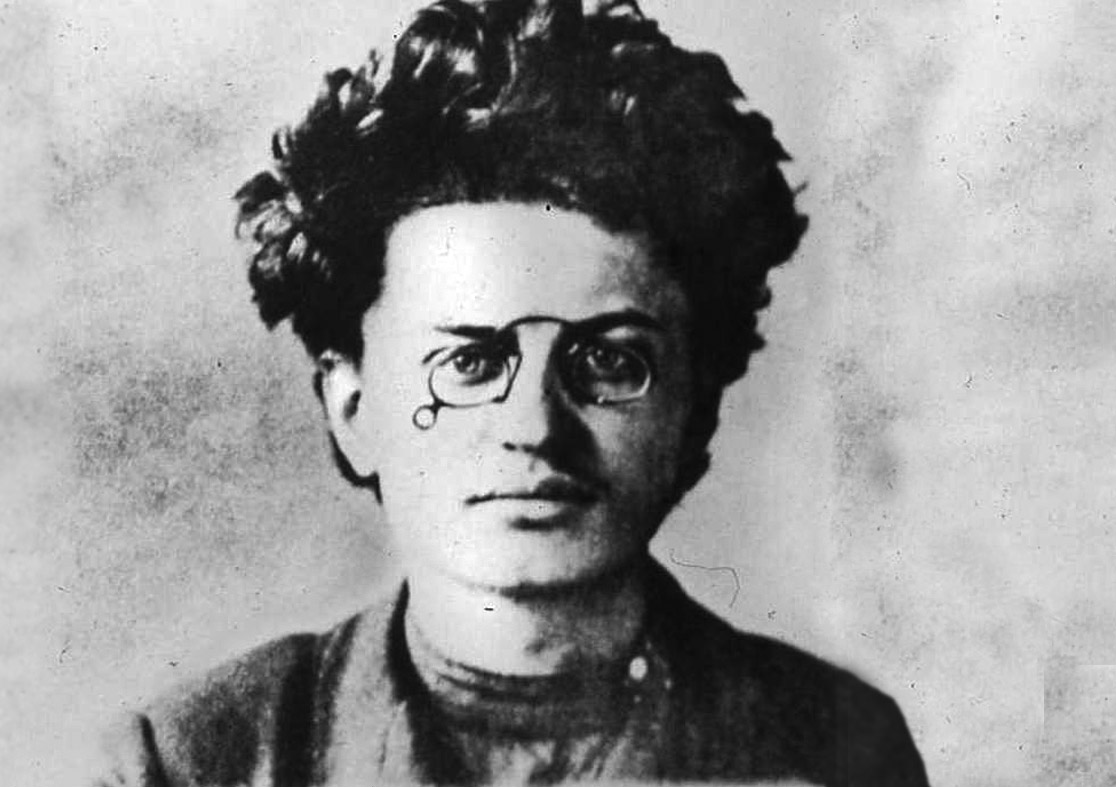
TROTSKI

By discrediting Trotsky’s ideological support, Stalin undermines Trotsky’s success in forming any independent communist party.  Kotkin notes that Stalin forestalls separate recognition of outlying communist parties by using Russia’s industrial capability to co-opt nascent movements.  Stalin wishes to capture outlying communist movements by making it a part, rather than competitor, of Russian communism.

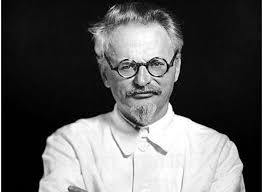
Stalin’s competition is either exiled or jailed.  His ideological rival is Trotsky whom Stalin tries to have assassinated after exile from Russia.  (Stalin finally succeeds in having Trotsky assassinated in Mexico.) 

CHINA’S CHIANG KAI SHEK & MAO ZEDONG–eg. STALIN’S REALPOLITIC

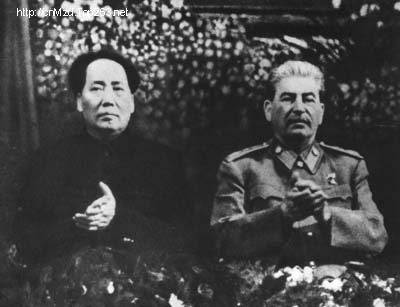
Another example of Stalin’s pragmatic effort to extend territorial influence is in his playing Chiang Kai Shek forces against Mao’s communist movement.  On the one hand, Stalin wants to spread communism in China but not Mao’s version.  When Chiang Kai Shek is captured by Chinese communists, Stalin forbids Mao from executing him. Stalin insists on Chiang being released to join with the communists to combat Japan’s interest.  Chiang refuses to join Mao but Stalin’s influence on China is undiminished. Stalin is playing a long game by offering arms support to Mao while resisting either Japan’s encroachment or Chiang’s defeat of Maoist communism.

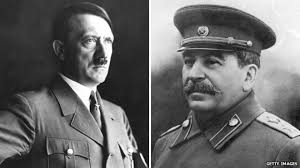
Stalin is not characterized as a genius as is evidenced by his being duped by Germany.  Stalin’s pragmatic effort to keep Russia out of war discounted Hitler’s oft spoken opposition to communism.  Stalin fails to intellectually grasp the monomaniacal intent of Hitler.

Stalin is shown by Kotkin to be a consummate consumer of information. He uses information to make decisions about who to eliminate that might challenge his control.  But, Stalin misses the realpolitik intent of Hitler.

In contrast to Stalin’s obsession for information, Hitler is shown to shoot from the hip.  Hitler is neither a pragmatist nor an information addict.  In shooting from the hip, Hitler chooses to fight WWII on two fronts which is the beginning of the Third Reich’s end.

Kotkin’s second volume about Stalin is more for an historian than the general audience. The first volume is more audience friendly.

Nevertheless, the second volume is a worthy history of what makes Russia what it was and may still be.

GENIUS

Audio-book Review
By Chet Yarbrough

(Blog:awalkingdelight)
Website: chetyarbrough.blog

Narrated by B.J. Harrison

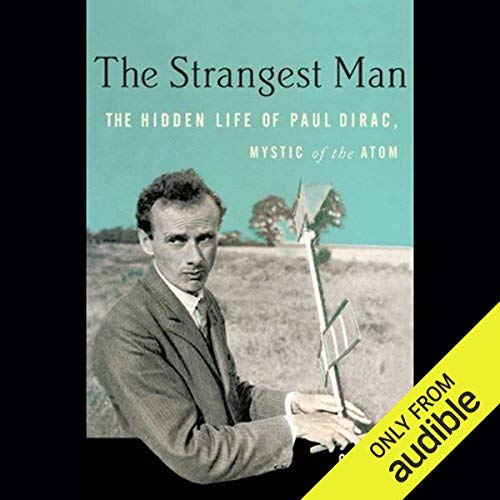
The Strangest Man: The Hidden Life of Paul Dirac

By Graham Farmelo

Graham Farmelo (Author, biographer, science writer, and an Adjunct Professor of Physics)

Paul Dirac (1902-1984, English theoretical physicist born in Bristol, UK)
After listening to Farmelo’s biography of Paul Dirac, one begins to understand why so few outside of Science know of this “brainiac”.  Paul Dirac’s history of communication is Spartan; i.e. rife with “yes” and “no” answers, long pauses, or abrupt departures, Dirac fails to become a household name like Einstein or Bohr.

Considered by some to be the second Einstein of Physics’, Paul Dirac is practically unknown to most of the non scientific community.  At the age of 31, Dirac shares the Nobel Prize with Erwin Schrodinger for discovery of new forms of atomic theory. 

In the span of Dirac’s life, he manages to astound the Physics community with his independent research, and taciturn analysis of quantum mechanics.

From Dirac’s top down theoretical formulation of quantum mechanics, he manages to reveal the spin of electrons and an early stage belief about string theory.  His formulations were solitary revelations born of a superior perception of reality that kept Dirac at the cutting edge of Physics well beyond his 30th year of life.

One of the revealing parts of Farmelo’s biography is Dirac’s remembrance of childhood and his parent’s treatment of him and his two siblings.  Dirac believes his father destroyed his children’s lives while Farmelo’s biography seems to show Charles Dirac deeply loved his two sons and daughter. 

Farmelo is not suggesting that Charles Dirac was a good father or husband but he is saying an offspring’s memory of what happens in their childhood is a distortion of reality. 

Charles Dirac may have been a martinet, though he did not strike his children.  He may have been a philanderer, but he remained with his wife until she died.  He may have been a cheap skate, but he left what he had to his wife when he died.  Ironically, Paul Dirac is genetically predisposed to be a genius but he seems to see a distorted truth of his childhood. 

The Chinese curse of “may you live in interesting times” is a hallmark of Paul Dirac’s life.  Born in 1902 Dirac lives through WWI, WWII, The Korean War, The 1950’s Red Scare, the reign of Joseph Stalin, Sputnik, the Cuban missile crisis, and Vietnam.  He dies in Tallahassee, Florida in 1984.  In the course of his life he met. competed with, and mostly surpassed the
crème de la crème of the Physics community.

Dirac’s life is a journey through 20th century history.  He falls for Russian communism as many intellectuals of the 1920s did.  He lives through and understands the potential of the atomic bomb and chooses not to participate in its creation.  He lives through Germany’s bombing of England, deplores German dehumanization of Jewish scientists, but accepts post war rationalizations of German scientists (e.g. Werner Heisenberg) who supported Hitler.  Dirac is denied a visa to immigrate to the United States in the 1950s because of McCarthyism.  He leaves Cambridge in the 1970s to become Florida State University’s most famous professor.

Though Dirac made monumental theoretical contributions in the field of Physics, he fails to acquire the same cosmological gravitas as Albert Einstein or Niels Bohr. It seems largely because of his lack of charisma. 

Farmelo’s biography shows Dirac as a human being working through life, burdened by perceptions of childhood, blessed with a superior perception of reality, and subject to the exigencies of living any life in this world; the difference being that Dirac was a genius among geniuses.

FREEDOM AND EQUALITY

Like Malcolm Little (aka Malcolm X), Martin Luther King, and Barrack Obama, Douglass faces down poverty and demonstrates the equality of all human beings.

Audio-book Review
By Chet Yarbrough
(Blog:awalkingdelight)
Website: chetyarbrough.blog

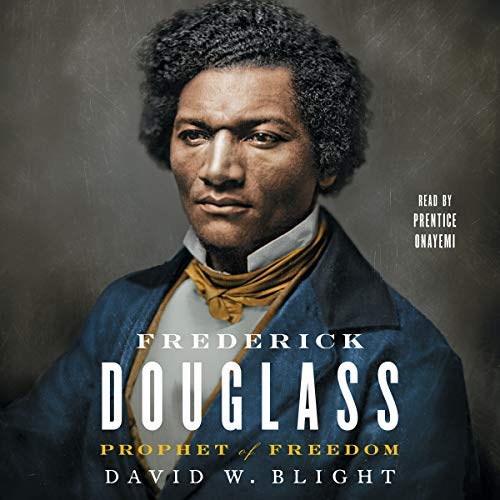
Fredrick Douglass

Narrated by: Prentice Onayemi

Written by: David W. Blight

DAVID BLIGHT (AUTHOR, PROFESSOR OF AMERICAN HISTORY)

DAVID BLIGHT (AUTHOR, PROFESSOR OF AMERICAN HISTORY)

David Blight offers a nuanced biography of Frederick Douglass, a great 19th century American leader. Blight shows Douglass to rival the intelligence and charisma of the best known 20th and 21st century black Americans. Like Malcolm Little (aka Malcolm X), Martin Luther King, and Barrack Obama, Douglass faces down poverty and demonstrates the equality of all human beings. Malcolm Little, King, and Obama never face the lash of slavery, but Blight shows how Douglass pushes aside physical and cultural cruelty to demand freedom and equality of all.

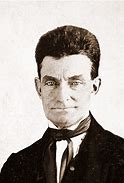
JOHN BROWN (AMERICAN ABOLITIONIST 1800-1859)

JOHN BROWN (AMERICAN ABOLITIONIST 1800-1859) Brown is neither lionized or vindicated by Blight but is shown as a turning point in Douglass’s life; a turning from moral suasion to action by people of color against slavery.

Ethan Hawke as John Brown.

Though shown to begin in peace, Blight shows how Douglass grows to understand peace will not come from words alone but must come from action. Douglass came to revere the anti-slavery violence of John Brown. Courageously, Douglass attacks the institution of slavery before, during, and after the American Civil War. Douglass becomes the conscience of white and black America.

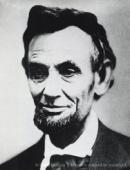
ABRAHAM LINCOLN (1809-1865, 16TH PRESIDENT OF THE UNITED STATES. )

Blight explains how Douglass came to revere Abraham Lincoln; not in Lincoln’s beginnings, but in Lincoln’s life of struggle for the true meaning of the American Constitution.

After Lincoln’s assassination, Douglass is shown to decry President Johnson’s abandonment of reconstruction in the south. Douglass offers unstinting support for Ulysses Grant’s election because of his commitment to the abolitionist cause.

Blight shows Douglass, like all human beings, is imperfect. He has blind spots when speaking of freedom and equality. Douglass discounts America’s decimation of native Americans and denial of women’s rights by arguing neither compares to slavery, subjugation, and murder of blacks.

The irony of Douglass’s imperfect argument is in native Americans who are murdered and restricted to reservations that are indiscriminately encroached upon by free and enfranchised Americans.

TRAIL OF TEARS

Indian families are regularly isolated, displaced, and murdered at the whim of white men in power.

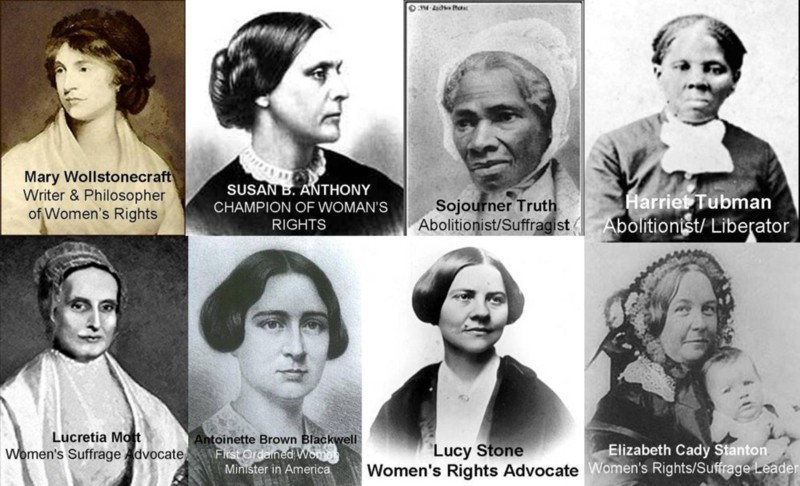
In women’s rights, Douglass discounts the same inequality trap that captures black Americans; i.e. the disenfranchisement trap. Women have no power. Women without power, just as any separated classification of humanity, are looked at as less equal by some measure. How many women are treated by men as property in the history of civilization? How many women are abused, and/or raped by men without consequence? How many women are unable to find work or are not paid the same wage for the same job? The bible is one of many records of discrimination faced by women.

FAMOUS WOMEN IN HISTORY

FAMOUS WOMEN IN HISTORY (History, as well as this pictorial, shows many women are as intellectually strong and mentally tough as men; e.g.  Cleopatra, Sojourner Truth, Indira Gandhi, Golda Meir, Benazir Bhutto, Malala Yousafzai, and others.)

Blight fairly describes Douglass’s blind spots while clearly identifying his remarkable insight and intelligence. Douglass’s many speaking engagements, published books, and newspaper articles graphically and forthrightly explain the plight of black Americans in the 19th century. Blight explains how Douglass manages to survive slavery, educate himself, forgive (but not forget) his oppressors, and become one of the greatest Americans of his time.

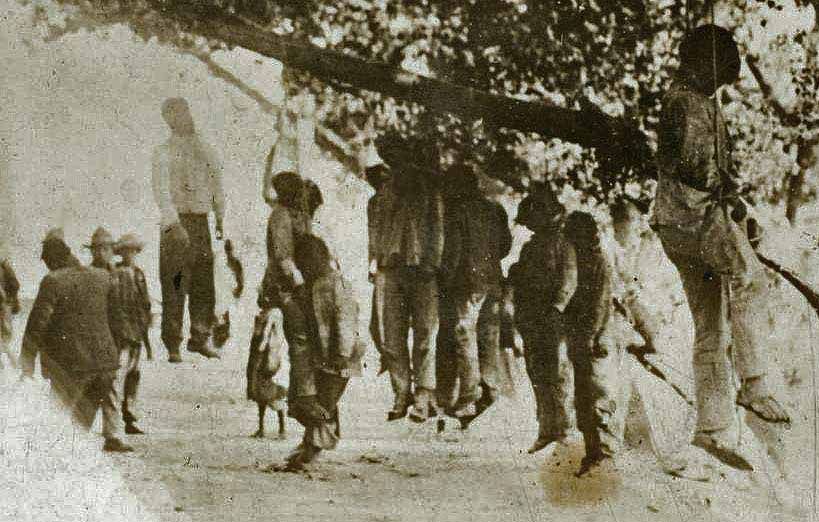
BLACK SLAVES LYNCHED IN AMERICA

SLAVES LYNCHED IN 19TH CENTURY AMERICA

It is sad to know so many of Douglass’s observations remain true in the 21st century. Much of white America still fears the rise of black freedom and equality. “All men are created equal…” is preached but remains un-practiced in today’s America.

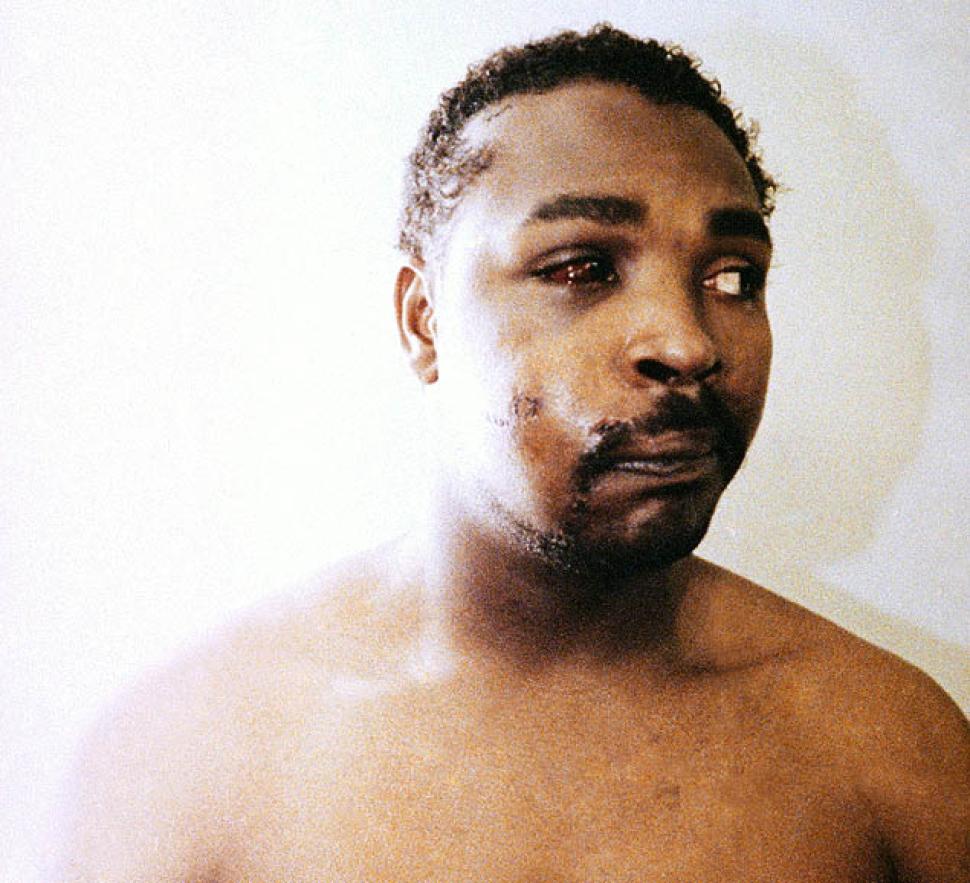
RODNEY KING (APPEARANCE 3 DAYS AFTER BEATING 3.6.92--KING DIES IN JUNE 2012 @ 47 YEARS OF AGE)

RODNEY KING (APPEARANCE 3 DAYS AFTER CAR-CHASE BEATING 3.6.92–KING DIES IN JUNE 2012 @ 47 YEARS OF AGE

The lessons of history show that people are not to be feared; they are to be offered equal opportunity to become all they can be. By nature, human beings are equally free and capable of being incredibly good and disastrously evil. It is the purpose of government to protect the rights of each from the other when evil takes hold of the governed. A moral life requires equal treatment of all. That is the essence of what Blight is writing about in the story of Frederick Douglass’s life.

DECENCY

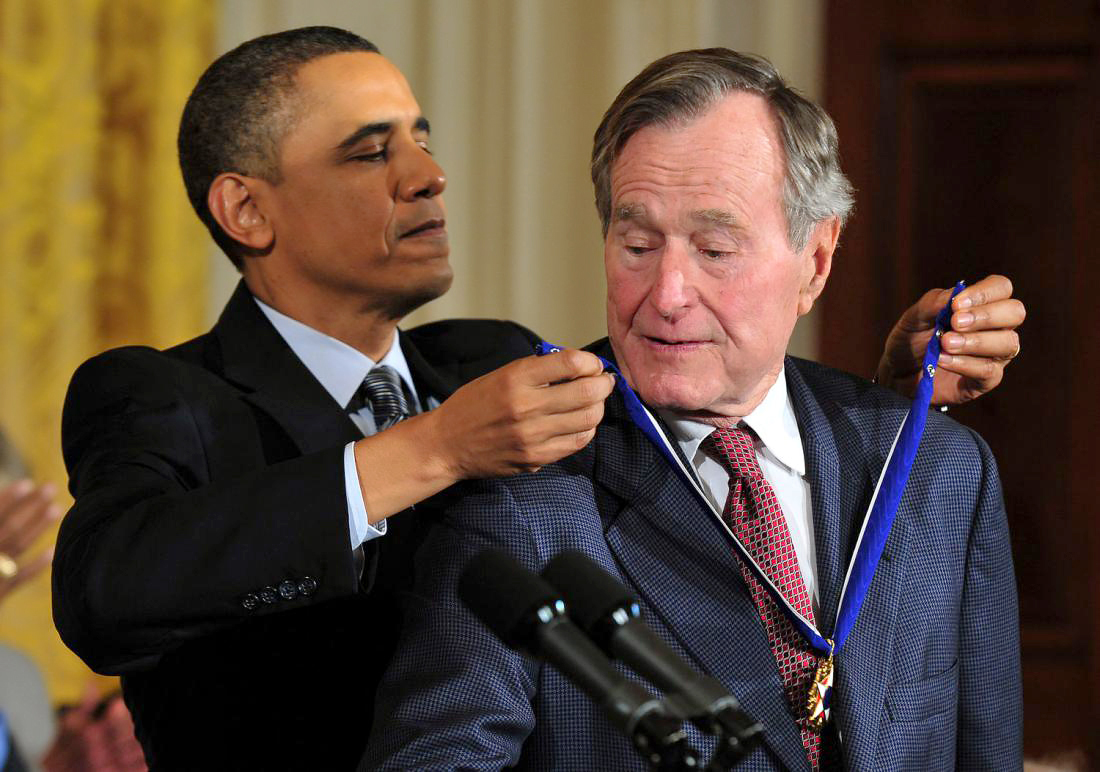
H. W. Bush may not go down in history as one of the greatest Presidents of the United States but he is among the most decent.

Audio-book Review
By Chet Yarbrough

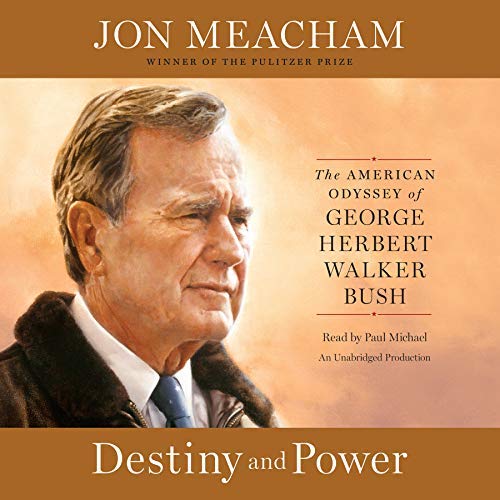
Destiny and Power: The American Odyssey of George Herbert Bush

(Blog:awalkingdelight)
Website: chetyarbrough.blog

Written by: Jon Meacham

Narration by:  Paul Michael

JON MEACHAM (AMERICAN JOURNALIST & BIOGRAPHER)

JON MEACHAM (AMERICAN JOURNALIST & BIOGRAPHER)

Dostoevsky said, “There are things which a man is afraid to tell even to himself, and every decent man has a number of such things stored away in his mind.”

However, H. W. Bush seems unafraid in his interviews with Jon Meacham.  Meacham’s biography refers often to H. W. Bush’s diary.  H. W.’s diary appears written by a decent man who knows himself and chooses to divulge all he knows.

“Destiny and Power” is about H. W. Bush’s journey to the American Presidency and power in the executive branch of government.  It begins with a brief history of the Bush/Walker families that reaches back to the beginnings of America.   Both sides of H. W. Bush’s ancestors achieve the American dream through hard work, determination, and initiative.  The success of the Bush/Walker families sets the stage for H. W. Bush’s public service; his Yale education, his relationship to the wealthy, his service to his country, and his tenure as President of the United States.

GEORGE H. W. BUSH TAKES RESPONSIBILITY

“Destiny and Power” reveals a candid picture of the 41st President of the United States.  It is a story of family love, respect, and duty.  It explores a family lineage blessed with wealth, good education, and expectation.   H. W. Bush is a decent man who acknowledges his limitations in pursuit of good works.

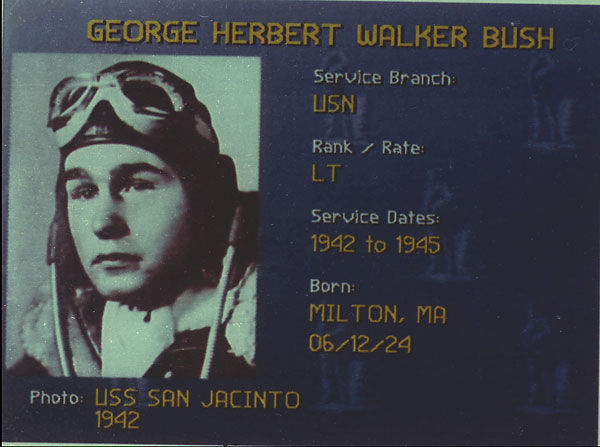
GEORGE H. W. BUSH MILITARY SERVICE WWII

GEORGE H. W. BUSH MILITARY SERVICE WWII
Meacham notes that H. W. Bush seems a go-along to get-along kind of guy; i.e. a non-confrontational person who is well liked by his associates and subordinates.  After Pearl Harbor, H. W. enters the service at the age of 18 to become a pilot.  When completing a bombing run, H. W. and his crew are downed at sea.  As a downed bomber pilot, H. W mourns his fellow crewmen and wonders if there was anything he could have done differently to save their lives.

This life experience marks H. W.   It illustrates H. W.’s sense of responsibility and how he cares for others.  It reminds him of the horrors of war and the hurt felt by those left behind.  It is a mark that guides his decision to begin the first Gulf war and insert American troops in Kuwait.

Meacham reveals how H. W. solicits friendship with everyone he meets.  This facility for friendship is a key to his success in becoming a Texas oil man.  His early success in the oil business appears based on who he knows and how well he cultivates wealthy associates’ interest in risking investment in land-lease oil exploration in Texas.  H. W.’s friendliness leads him to politics.  Meacham notes that friendliness did not immediately vault H. W. to political success but it paves his way to public service.T

  1. H. W. is driven to succeed. In a widening circle of contacts, H. W. is welcomed into the Republican Party and becomes Chairman of the Party for Harris County, Texas. He runs for the Senate and is defeated by Texas Democrat Ralph Yarborough.
  2. Later, in 1966, H. W. is elected to the House of Representatives and becomes acquainted with Richard Nixon.
  3. President Nixon appoints H. W. to the United Nations as Ambassador for the United States.  His social skill suited the United Nations Ambassador position perfectly.
  4. As the Watergate scandal overtakes the Nixon Administration, H. W. supports Nixon up to the point of undeniable truth of Nixon’s cover-up.  As the Republican National Committee Chairman, H. W. asks Nixon to resign.
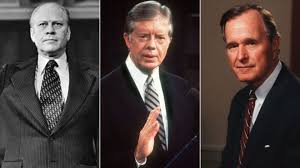
  5. When Gerald Ford became President, H. W. is asked to be America’s envoy to China.
  6. After serving for one year, Ford asks Bush to take the position of CIA Director.
  7. One year later, Ford is defeated by President Carter and H. W. returns to the private sector with plans to run for President.
  8. Bush’s cultivated Republican Party friendships compel Reagan to ask Bush to be his Vice President.

RONALD REAGAN (40TH PRESIDENT OF THE UNITED STATES)
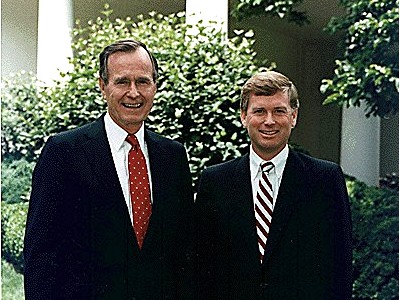
Meacham notes that running for President is something H. W. has prepared for through the course of his life but 1980 is the era of Ronald Reagan.  Reagan’s public speaking skill clearly surpasses the oratorical skill of H. W. Bush.  However, Bush’s appeal to a more liberal part of the Republican Party makes him an ideal running mate for the highly conservative Reagan.  Reagan is reluctant to make the offer because of H. W.’s “Voodoo Economics” comment during their primary contest but Bush’s affable personality eventually endears Reagan to his running mate.

RONALD REAGAN (40TH PRESIDENT OF THE UNITED STATES)

By the end of Meacham’s biography one sees Bush as a decent man who wishes to do the right thing.  One might conclude that H. W. Bush is unduly influenced by the desire to be liked.  This desire makes H. W. avoid confrontation, a characteristic of which Meacham offers many examples; e. g. Bush’s reluctance to confront the public with his decision to raise taxes; his ambivalence about using the bully pulpit to attack political opponents.  H. W. Bush’s inner compass seems to wobble in the face of his desire for comity.  However, when one puts H. W. in the context of history, Bush’s inner compass seems as true north as any of America’s Presidents.

On the one hand, comity may be what is missing in the extremes of the political climate of the 21st century; on the other hand, “read my lips” has little political efficacy.

On the one hand, comity may be what is missing in the extremes of the political climate of the 21st century; on the other hand, a wobbling inner compass leads to intellectually untested certainty.  One may argue H. W. Bush’s avoidance of confrontation leads to decisions not tested by debate.  All that is left is experience burnished by one person’s judgment.  Avoidance of personal confrontation may lessen perspective but comity is an underrated commodity in today’s political climate.

A surprising note by Meacham is H. W.’s second guessing on Saddam Hussein.  H. W. did not confront Saddam Hussein to demand unconditional surrender after his forced ejection from Kuwait.  In retrospect, a demand for unconditional surrender seems superfluous. Arguably, H. W.’s courageous decision to inject the American military into Kuwait changed the course of history. One inclines to believe H. W. will go down in history as the antithesis of Nazi appeasers in WWII.

GEORGE W. BUSH (43RD PRESIDENT OF THE U.S.
The most titillating part of Meacham’s biography of H. W. is a father’s judgment of his son’s Presidency.  One tends to believe H. W. views George W. more as a beloved son than as President of the United States.  George W., like all human beings, makes his own mistakes.

GEORGE W. BUSH (43RD PRESIDENT OF THE U.S.)

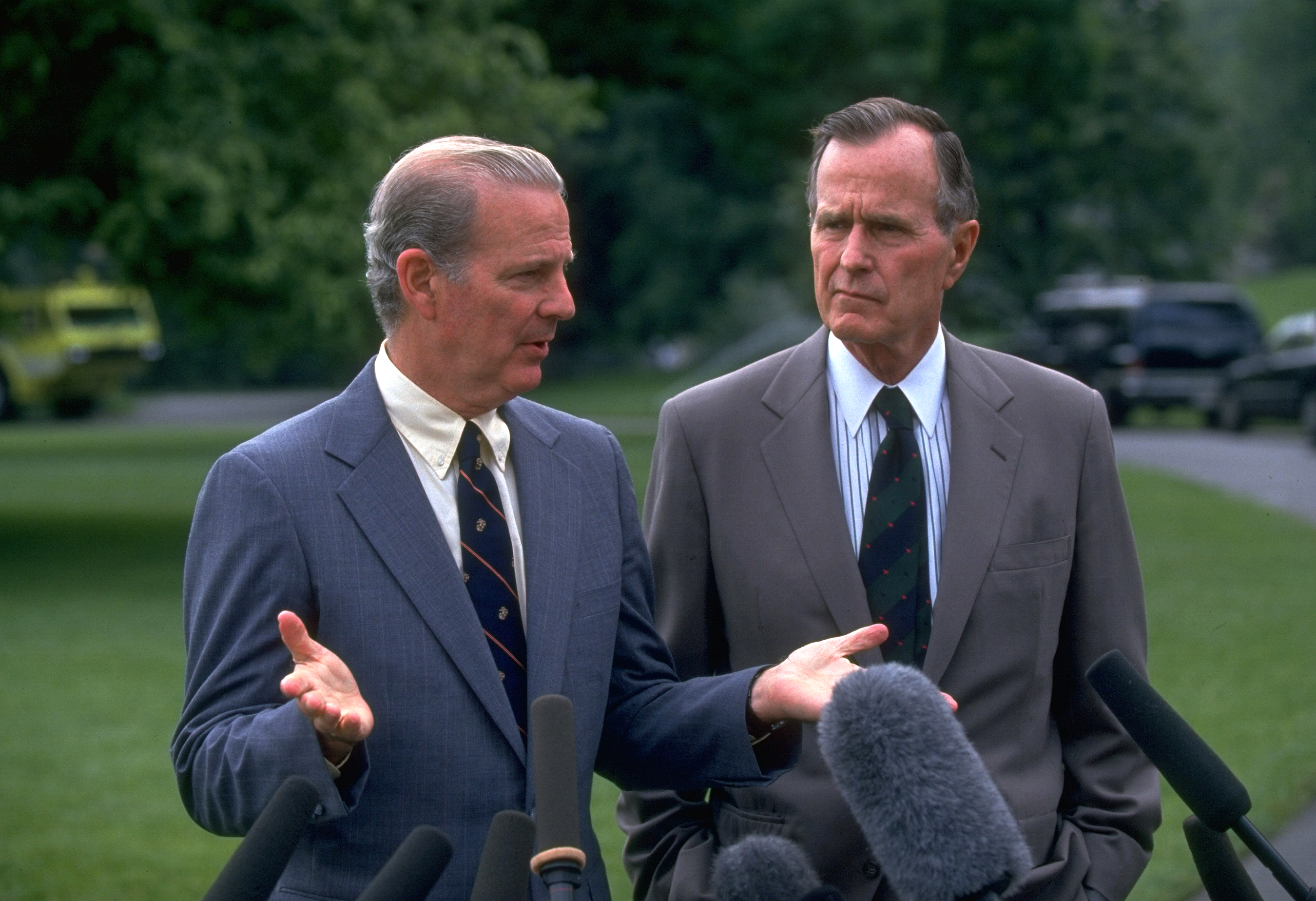
H. W. argues that his son is poorly served by his Vice President and Secretary of Defense.  H. W. suggests Dick Cheney and Don Rumsfeld are the principal reason for the mistake of Iraq.  (One must ask oneself, who hired Cheney and Rumsfeld?  In a translation of Plato’s “Republic”, there is a phrase about leadership that suggests “Birds of a feather flock together”.)

George W. is his own man.  He differs from his father in numerous ways.  One may remember George W. standing on an aircraft carrier and saying “Mission Accomplished!” after the defeat of the Republican Guard in Iraq.  Meacham’s biography suggests that kind of hubris-tic comment would never be made by H. W. Bush.  History will show defeat of the Republican Guard accomplished very little.  Defeat of the Republican Guard is only the beginning of many American mistakes in Iraq.

H. W. Bush may not go down in history as one of the greatest Presidents of the United States but he is among the most decent.

PARADOX OF POWER

Kotkin’s first volume about Stalin’s rise to power offers lessons to modern American and Chinese governments.  China seems on one path; America another. 

Audio-book Review
By Chet Yarbrough

(Blog:awalkingdelight)
Website: chetyarbrough.blog

Stalin, Volume I: Paradoxes of Power, 1878-1928STALIN VOLUME 1

Written by: Stephen Kotkin

Narration by:  Paul Hecht

STEPHEN KOTKIN (AMERICAN AUTHOR, HISTORIAN, ACADEMIC)

STEPHEN KOTKIN (AMERICAN AUTHOR, HISTORIAN, ACADEMIC)

Stephen Kotkin offers a remarkable and comprehensive view of Russia’s 1917 Revolution in “Stalin, Volume I”.  Kotkin succinctly describes how power in the hands of one may advance a nation’s wealth, but at a cost that exceeds its benefit.

Kotkin’s first volume about Stalin’s rise to power offers lessons to modern American and Chinese governments.  China seems on one path; America another. 

The formation of “checks and balances” sustains America’s economic growth, even in the face of leadership change.  In contrast, a “rule of one” has moved China’s economic wealth to new heights, but “rule of one” threatens its future success; particularly if it follows Stalin’s, and now Putin’s mistaken path.

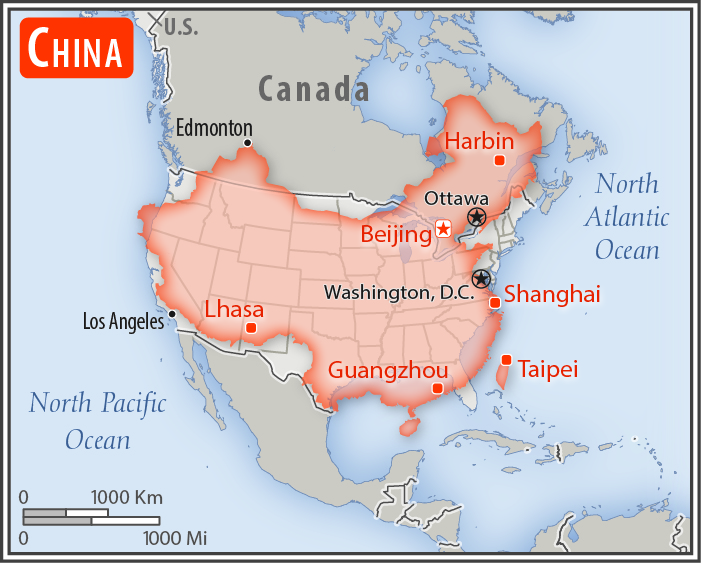
SIZE OF CHINA IN COMPARISON TO AMERICA
FORMER U.S.S.R.

In historical context, Kotkin profiles the three most important characters of the Russian revolution; e.g. Vladimir Lenin, Joseph Stalin, and Leon Trotsky.  Kotkin documents the personalities and circumstances of the pre-U.S.S.R.’ economy; i.e. an economy based on the disparity between wealth and poverty, federalization and centralization, political idealism and pragmatism.

MAO ZEDONG (1893-1976, FOUNDING FATHER OF PEOPLE’S REPUBLIC OF CHINA.)

MAO ZEDONG (1893-1976, FOUNDING FATHER OF PEOPLE'S REPUBLIC OF CHINA)

Three leaders in the Chinese revolution were Mao Zedong , Zhou Enlai, and Deng Xiaoping.  Zhou Enlai is the moderate of the three in trying to preserve traditional Chinese customs.  Mao is by some measures an idealist who attempts to expand the theory of communism.  His idealism creates a bureaucracy that nearly derails China’s economy.  “The Gang of Four” radicalized Mao’s idealism into a more Stalinist view of communism.  “The Gang of Four”s radicalization of Chinese communism is eventually reversed with the leadership of Deng Xiaoping, but not until after the Tiananmen Square massacre.

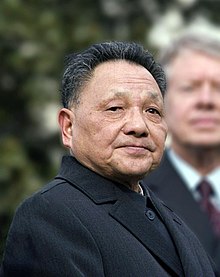
DENG XIAOPING (CHINA'S CHAIRMAN OF THE CENTRAL ADVISORY COMMISSION 1982-1987)

DENG XIAOPING (CHINA’S CHAIRMAN OF THE CENTRAL ADVISORY COMMISSION 1982-1987)

After Tiananmen Square, Deng recognizes the power of public dissent.  Rather than increasing suppression, Deng opens the Chinese economy to a degree of self-determination.  Deng does not abandon communist ideology.  However, he recognizes the importance of economic growth and how less doctrinal communist policy would unleash the power of people as demonstrated at Tienanmen Square.

Deng dies in 1987 and the government of China is reshuffled.  Deng’s eventual successor, President Xi, emphasizes the idealism of communism that threatens return to a Stalinist-like terror in China; i.e. a terror enhanced by technological invasion of privacy, and “big brother” control.

XI JINPING (GENERAL SECRETARY OF THE COMMUNIST PARTY OF CHINA AND PRESIDENT OF THE PEOPLE’S REPUBLIC OF CHINA)

XI JINPING (GENERAL SECRETARY OF THE COMMUNIST PARTY OF CHINA AND PRESIDENT OF THE PEOPLE'S REPUBLIC OF CHINA)

President Xi returns to Mao’s authoritarian belief in enforced collectivism with the idea of expanding China’s new-found wealth through government subsidization of industry.  Xi renews emphasis on rule by the Communist party, headed by himself.

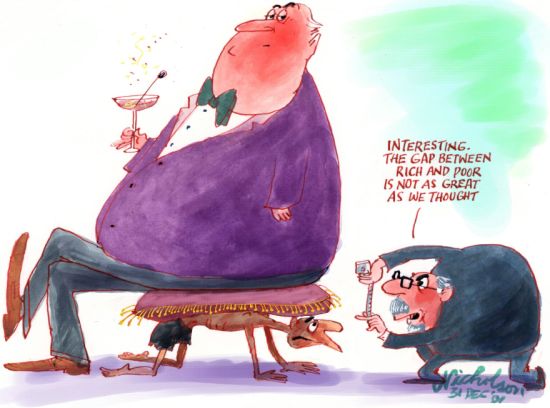
GAP BETWEEN RICH & POOR

The growing disparity between rich and poor in both China and America is widely seen in the internet, and with increased international travel.  China’s rapid rise in economic wealth is unevenly spread, just as it is in the United States.  The difference is in how that economic disparity is addressed.

In America, private dissent is an inherent part of its history which lauds individualism, self-determination, and freedom (within the boundary of “rule of law”).  But, these characteristics denigrate American citizens who are unable or unwilling to reap the rewards of  individualism, self-determination, and freedom.  These are the Americans sleeping on America’s streets and living in their cars. 

America’s system of governance allows a rift between the rich and poor because it is based on a system of “checks and balances”.  America’s system demands debate, and more broadly considered human consequence, before government action is taken.

LIVING ON THE STREET IN AMERICA

HOMELESS

In China, the homeless are compelled to work at jobs created by the government.  China’s system of governance is driven from the top, with limited debate, and more singularly determined public consequence.  Government action is autocratically determined.

BEIJING CHINA HIGH RISES (TYPICAL IN MAJOR CHINESE CITIES 2018)

BEIJING-In China, dissent is discouraged and freedom is highly restricted, but homelessness is addressed with housing for the poor at subsidized prices. 

In ancient China, singular autocratic rule offered a mixed blessing.  Some of the world’s wealthiest and most cultured governments were created in China.  These ancient dynasties successfully expanded their economies to make China a world leader in science and industry.  At the same time, with few checks and balances, the history of China’s “rule of one” resulted in periodic social and economic collapse.

In some ways, China’s ancient civilization’s rise and fall is reminiscent of the rise and fall of the U.S.S.R. after 1917.  Kotkin describes the turmoil surrounding Russia in 1917.  The beginning of WWI and Germany’s invasion exaggerate the paradox of power in Russia.  Modern European, Asian, North American, Middle Eastern, and African countries are experiencing some of the same economic, and political disruption.

On the one hand, the peasant is a proud Russian; on the other hand, he is a slave of the landed gentry; indentured to preserve the wealth of others at the cost of his/her life.

RUSSIAN SERFS AND PEASANTS

In 1917, the Czar and wealthy aristocracy depend on a population of the poor to defend the government.  Russian peasants are faced with defending a government system that recognizes them as serfs, agricultural laborers indentured to wealthy landowners.  (A similar system existed in China prior to 1949.) 

In 1949, Mao recognizes the same inequity and judiciously separates landlords from their vast estates and re-distributes it to tenant farmers who worked for them.  Ownership restructuring improved agricultural production until Mao tried to make small collectives into large collectives with Communist party oversight.  Formation of a Chinese Communist Party bureaucracy distorted actual production and de-motivated farmers that did the real work of farming.  The result of production over-estimation caused a nation-wide famine.

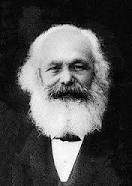
KARL MARX (BORN TRIER, GERMANY 1818-DIED LONDON, ENGLAND 1883)

KARL MARX (BORN TRIER, GERMANY 1818-DIED LONDON, ENGLAND 1883)

Kotkin notes Russian social and economic inequity is a breeding ground for a Leninist/Marxist revolution.  Marx’s dialectic view of the wealth of nations suggests that governments will change based on the growing recognition of the value of labor; i.e. beginning with agrarian feudalism, growing through industrialized capitalism, and socialism; reaching to a state of equilibrium in communism (a needs-based and communal sharing of wealth).  Marx suggests all nations will go through this dialectic process.

Lenin bastardizes Marx’s dialectic idealization.  Lenin believes the process can be accelerated through revolution and centralized control of the means of production.  This idea is adopted by Mao Zedong in China in 1949 with early success.  However, Mao expands the collectivist policy with “The Great Leap Forward” in 1958.  Mao’s broader collectivist policy collapses the Chinese economy in 1962.  Thousands of Chinese die from starvation as communist overseers exaggerate food production quotas.

Collectivist expansion is an oversimplification of Kotkin’s explanation of Vladimir Lenin’s form of communism but it shows the risk of “rule of one” governance.  Even Lenin is conflicted about how Russia will grow into a communist society.

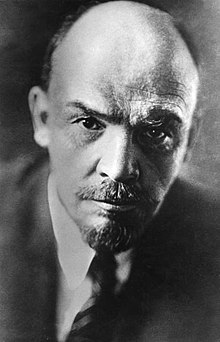
VLADIMIR LENIN (1870-1924, LEADER OF THE 1917 RUSSIAN REVOLUTION)

Lenin recognizes the social and economic distance that Russian peasants must travel to gain an appreciation of a new form of government.

Much of the Russian population, like the Chinese in 1949, were illiterate and living at a subsistence level; bounded by a non-mechanized agrarian economy.  Lenin vacillates between growth through education and growth through autocratic command.  Kotkin suggests that Lenin gravitates toward centralized command because of the need to consolidate power within the revolution.

What Lenin needed in 1917 were followers that could get things done.  Before being felled by brain disease and stroke, Lenin relies on the abilities of men like Joseph Stalin.  Mao relies on his revolutionary Red Guard.  Kotkin argues that Stalin became close to Lenin as a result of his organizational skill and his penchant for getting things done without regard to societal norms.  For Mao, close associates like Deng Xiaoping, were his enforcers.  Stalin becomes the most powerful enforcer in Lenin’s revolution.  Deng eventually becomes the leader of Communist China.

Though Stalin wields great enforcement powers, Kotkin infers Trotsky is the intellectual successor to Lenin.   Stalin and Trotsky are shown to be at odds on the fundamental direction of the Bolshevik party, the successor party of Russian communism.  However, the exigency of getting things done, as opposed to understanding the goals of creating a Leninist/Marxist government, were paramount goals for consolidating power after the revolution.  Kotkin explains how Stalin became a defender of Leninist doctrine while Trotsky became an antagonist and eventual apostate because of Stalin’s manipulation of events.

MAO AND STALIN IN 1949

MAO AND STALIN IN 1949

China waits and observes Stalin’s method for rapid industrialization of Russia.  Kotkin explains that Stalin gains an intimate understanding of Lenin’s doctrines while Trotsky chooses to compete with Lenin’s philosophical positions.  The threat of factionalism accompanies Trotsky’s doctrinal departures.

The irony of the differences between Stalin and Trotsky are crystallized by Kotkin.  Stalin’s intelligence is underestimated by both Lenin and Trotsky.  Stalin carefully catalogs and memorizes Lenin’s communist beliefs.  In contrast, Trotsky chooses his own communist doctrinal path based, in part, on Lenin’s writing.  Here, another similarity is drawn with the near religious following of Mao’s Red Book with aphorisms about governing oneself and China.

Kotkin suggests Lenin views Trotsky as a more likely successor than Stalin as leader of the country.  Lenin appreciates Stalin’s organizational ability but views Stalin’s temperament as too volatile for long-term government control.  In 1922, Lenin is said to have dictated a “testament” saying that Stalin should be removed from his position as General Secretary.  Lenin’s “testament” critiqued the ruling triumvirate of the party (Stalin, Zinoviev, and Kamenev) and others like Bukharin, Trotsky and Pyatakov but the pointed suggestion of removal for Stalin is subverted.

After Lenin dies, the triumvirate chooses to ignore Lenin’s “testament” for Stalin’s removal.  After all, Stalin is a doer; i.e. he gets things done.  Just as Stalin suppresses opposition to his interpretation of Lenin, China suppresses opposition to the Communist Party’s doctrines.  Doctrinal differences are successfully suppressed in China until the the failure of “The Great Leap Forward” in the 1950’s.  The consequence of “The Great Leap Forward”s failure is the cultural revolution in the 1960’s.

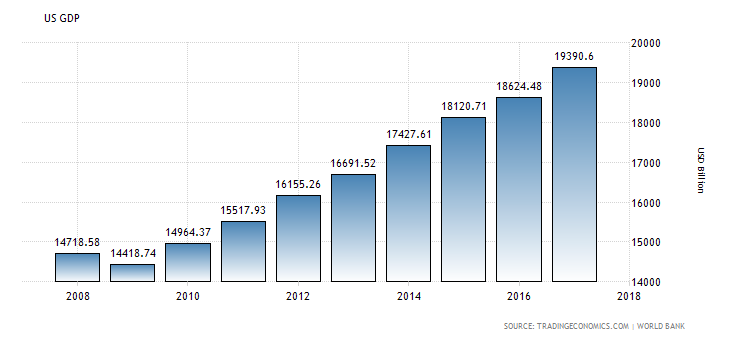
AMERICA'S GDP
CHINA'S GDP

In America’s history the economy slugs along with setbacks and successes.  Though 1929 sees the collapse of the American economy, it recovers with government intervention, the advent of WWII, and the push and pull of a decision-making process designed by the framers of the Constitution.  That push and pull is from leadership that is influenced by the checks and balances of three branches of government.  That same process saves the American economy in 2008.  The power and economy of America has grown to become the strongest in the world.

Kotkin’s research suggests young Stalin is something different from what is portrayed in earlier histories.  Stalin grows close to Lenin because he is the acting arm of Lenin’s centralized command.  Lenin relies on Stalin to get things done.  He is Lenin’s executor.  At the same time, Lenin turns to Trotsky as an economic adviser to ensure a more comprehensive understanding of what needs to be done to stabilize the revolution.  Trotsky believes in the importance of centralized control of the economy.

Both Lenin and Stalin believed in communism but the first acts on a vision of the future; the second acts on the “now”. 

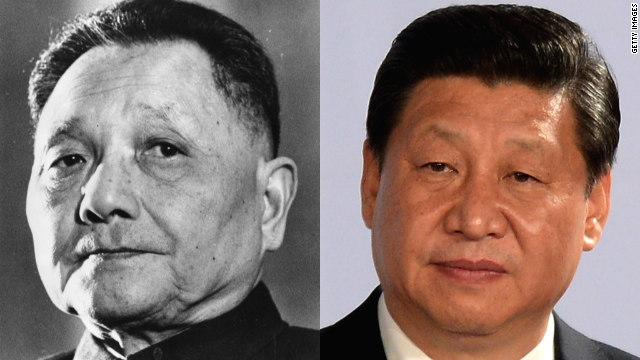
DENG XIAOPING AND PRESIDENT XI

China’s Deng and Xi seem to reverse Lenin’s and Stalin’s reasoning.  Rather than Deng being like Lenin, he acts on China in the “now”. 

Xi seems more like Lenin and looks at China’s future based on the ideals of communism. However, from an American perspective, all autocrats common failing is belief in “rule of one”. The rising dictatorship of Putin is doomed to fail but there is no guarantee that his replacement will either be soon or less repressive.

Glasnost and perestroika fail to overcome that belief.

Kotkin puts an end to any speculation about Lenin being poisoned by Stalin.  Kotkin argues that Lenin died of natural causes, strokes from a brain disease.  What Kotkin reveals is the internecine war that is waged between Stalin and Trotsky while Lenin is dying.  The strokes steadily debilitate Lenin and suspicious written pronouncements are made that may or may not have originated with Lenin.  Lenin’s secretary is his wife.  Some evidence suggests a missive from Lenin saying Stalin should not be his successor, noting Trotsky as a better choice.  Kotkin suggests such a missive is unlikely.  Lenin seems to have had his doubts about both men.

Succession in modern China seems less filled with intrigue than communist Russia but the opaqueness of China’s politics makes the rise of Xi a mystery to most political pundits.  What seems clear is that China’s rise and fall has always been in the hands of the “…one”.

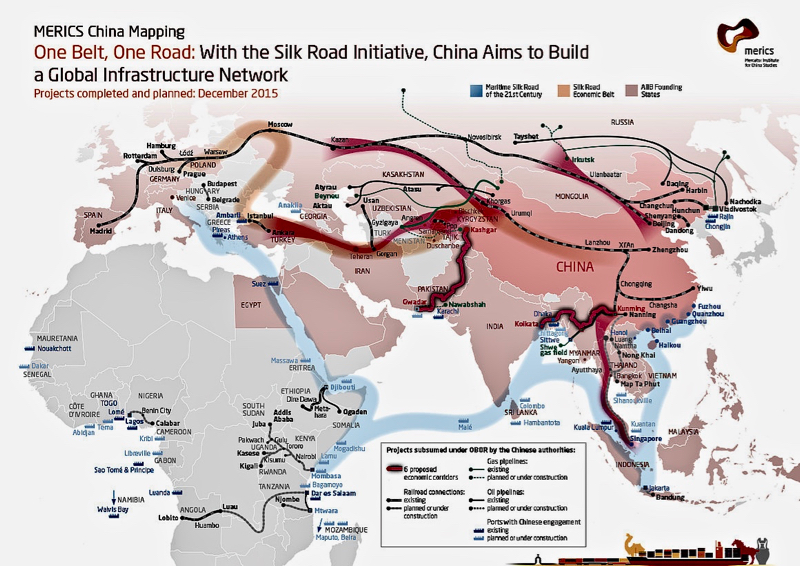
PRESIDENT XI’S ONE BELT, ONE ROAD PLAN FOR CHINA’S FUTURE

CHINA'S BELT AND ROAD PLAN

History will be the arbiter for President Xi’s success or failure with a road and belt plan for China’s economic future.  The same may be said for President Trump’s focus on the virtue of selfishness for America’s economic future. The fundamental difference between America and China is Xi has no “checks and balances”; American Presidents have the Supreme Court, Congress, and a 4-year-election-cycle to assuage arbitrary government action.

AYN RAND (1905-1982)

AYN RAND (1905-1982, AUTHOR WHO FIRMLY BELIEVED IN THE VIRTUE OF SELF-INTEREST AND UNREGULATED CAPITALISM.)

In Russia, Trotsky is characterized as an intellectual while Stalin is a pragmatist.  In China, Deng is characterized as a pragmatist while Xi seems a doctrinal theorist.

In history, Trotsky is highly opinionated and arrogant.  Stalin is street smart and highly Machiavellian.  Trotsky thinks right and wrong while Stalin thinks in terms of what works.  In China, Deng is Stalin and Xi is Trotsky.  In America, Trump is Stalin and his opposition is Trotsky-like do-nothings.

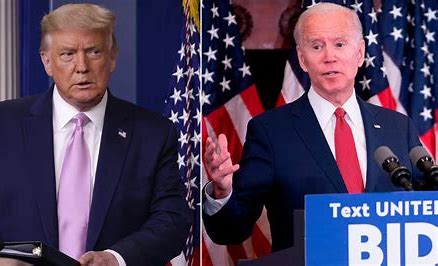
Trump lost the election in 2020 because–from an American perspective, all autocrats common failing is belief in “rule of one”.

Stalin is reputed to be temperamental while Trotsky is aloof.  Though Trotsky insists on centralized control, Stalin argues for federalization.  Stalin paradoxically argues for federalization because he knows Russian satellite countries want independence, but he will act in the short-term for centralization to get things done.  And of course, Stalin clearly adopts centralized economic planning for the U.S.S.R.; i.e., another of Kotkin’s paradoxes of power.

Ironically, though Putin is now showing himself to be as ruthless as Stalin, he is unable to exercise the same level of dictatorial control. Unrest is not quelled in the face of the Russian people’s assessment of Putin’s justification for the Ukrainian war.

There is much more in Kotkin’s powerful first volume about Stalin and the Russian revolution.  Germany’s role in the revolution is a case in point.  The writing is crisp and informative.  The narration is excellent.  After listening to “…Volume I”, one looks forward to Kokin’s next which is published this year.

The past is present in Kotkin’s excellent biography of Joseph Stalin.