
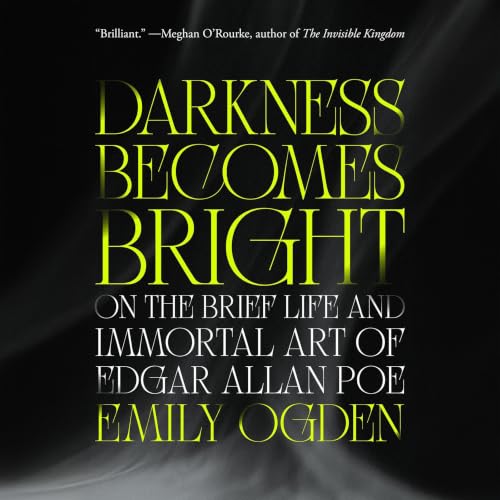
Audio-book Review
By Chet Yarbrough
(Blog:awalkingdelight)
Website: chetyarbrough.blog
Darkness Becomes Bright (On the Brief Life and Immortal Art of Edgar Allan Poe)
Author: Emily Ogden
Narrated by: Gabrielle de Cuir

Emily Ogden (Author, A.B. from Harvard, Ph.D. from the University of Pennsylvania.)
“Darkness…” shines a “…Bright” light on the life of Edgar Allan Poe. It is written by a Professor of English at the University of Virginia. It seems more a memoir than biography, but it offers some insight to the dark predilections and social value of Poe’s writing. The author offers some literary criticism while recounting the troubled life of an accomplished writer. Interesting details like Thomas Jefferson living during Poe’s life is a surprise. Though Jefferson is 17 years older, Poe is alive when a founder of the Constitution lives. He lives among the generation of America’s founding fathers.

Learning to dance in the rain when a writer experiences the storms of life seems like a coda for Poe’s 40-year life.
In the hardship of the times when America is just beginning its journey is shown in Poe’s troubled life. Poe’s father and mother were travelling actors. His father abandons his family. His mother dies while Poe is an infant and his father dies soon after her death. Ogden notes the grief Poe has after the death of his mother. It reminds one of life’s storms and Poe’s appreciation of living while threatened by death. Poe grew up without a paternal relationship, a condition of many young men of that time and today. After his father’s abandonment, the loss of Poe’s mother occurs when he is only two years old. Because his abandoning father dies soon after his mother, Poe is left an orphan. Though never adopted, he is taken in by John and Frances Allen of Richmond, Virginia.
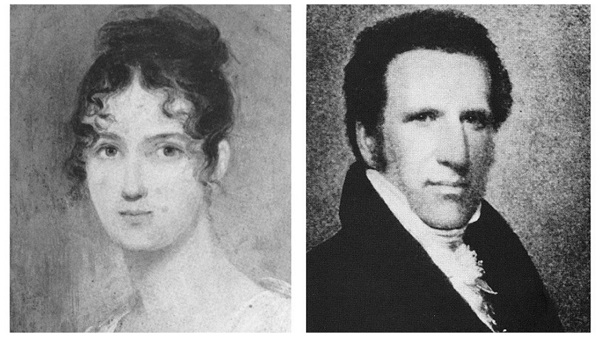
The John Allan family.
John Allan is a Richmond merchant who provides Poe with means for an education and some social standing that helped him become something more than an orphaned child. Though John Allan helped Poe survive his childhood years, they did not get along. Part of the conflict is because of Poe’s need for money and a penchant for gambling and alcoholism. Their relationship falls apart with Mrs. Allan being Poe’s primary source of affection and emotional support. This precarious life gives listener/reader’s insight to the gloom and doom from which Poe becomes a literary success. Poe’s early life gives substance to his lonely, needy, and untethered existence and understanding to why he viewed life in such dark ways.
Virginia Clemn who became Virginia Poe (1822-1847).
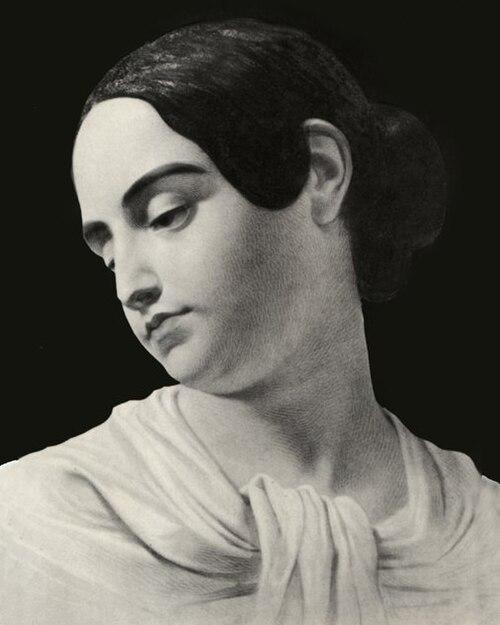
Ogden notes Poe marries his cousin, Virginia Clemm, when he is 26 and she is 13. The author suggests their relationship defines some of Poe’s views about life. The young girl is diagnosed with tuberculosis which gives Poe an intimate understanding of illness, dependency, and impending death. The two were married for 11 years when Clemn dies at the age of 24. She had been diagnosed in the early 1840s when she would have been in her late teens. Poe dies three years after Clemn’s death. He was 40 years old.

Sigmund Freud (1856-1939)
An interesting view of Poe’s work is revealed in its use by famous psychologists like Freud in his sessions with patients who have various fears about life. There is the fear of loss and mourning in Poe’s “The Raven” and the fear of psychological disintegration in “The Fall of the House of Usher” that could be examples of Freud’s use of Poe’s literature. The author explores how Poe may have been writing about sexual impotence and other relationship fears without conscious understanding of their relevance to psychiatry. (One wonders if the author is related to Thomas H. Ogden, a psychoanalyst who often used Poe’s stories to explore psychological conflicts.)
Norway’s representation of the “Circle of Life” seems an apt representation of this Poe memoir.
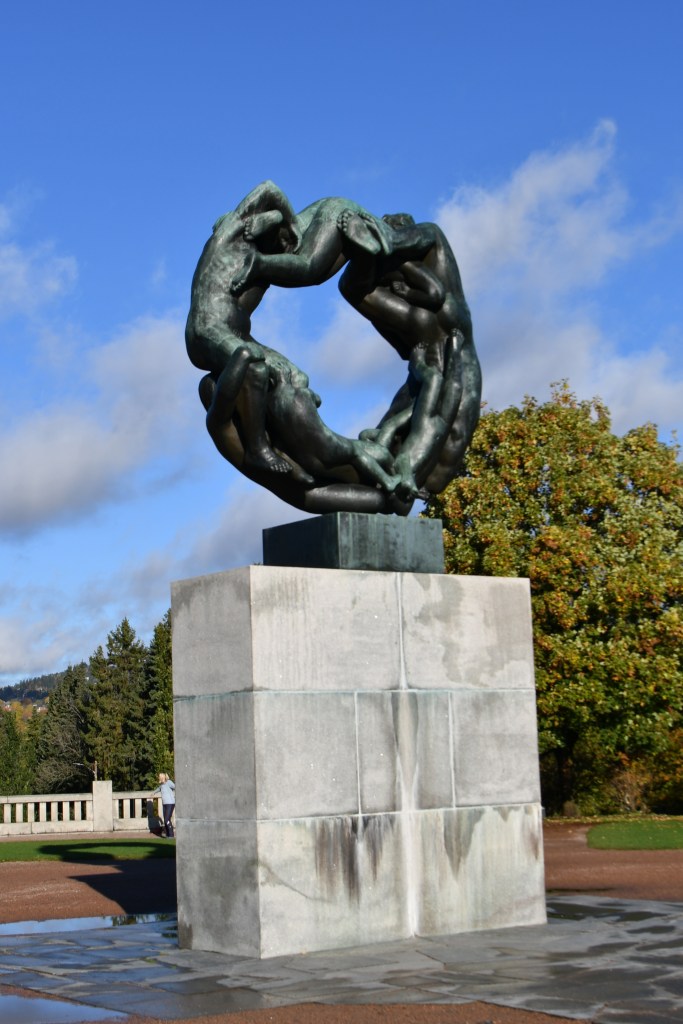
The life and death of Poe is filled with the weaknesses of alcoholism, the trials of poverty, and the labor of becoming a “good to great” writer by translating a harsh life into stories. Poe’s stories became tools for the cure of psychological maladies treated by famous psychiatrists like Sigmund Freud. Poe became widely known and famous after his death but never truly successful or prosperous in his troubled life. One suspects that is true of many who choose a writer’s life.


