

Books of Interest
Website: chetyarbrough.blog
“All the Broken Places” (A Novel)
Author:John Boyne
Narration by: Kristin Atherton & 1 more

John Boyne (Irish novelist and writer.)
“All the Broken Places” is a creative story about guilt, memory, responsibility, and redemption. It jumps back and forth in time with too many characters. However, it reflects on the terrible consequences of WWII and its survivors who are victims of Nazi Germany’s holocaust. It is about one woman’s long life who is a child when her father is a German Commandant and a mother, who is aware, if not complicit, of holocaust’ crimes at Auschwitz.
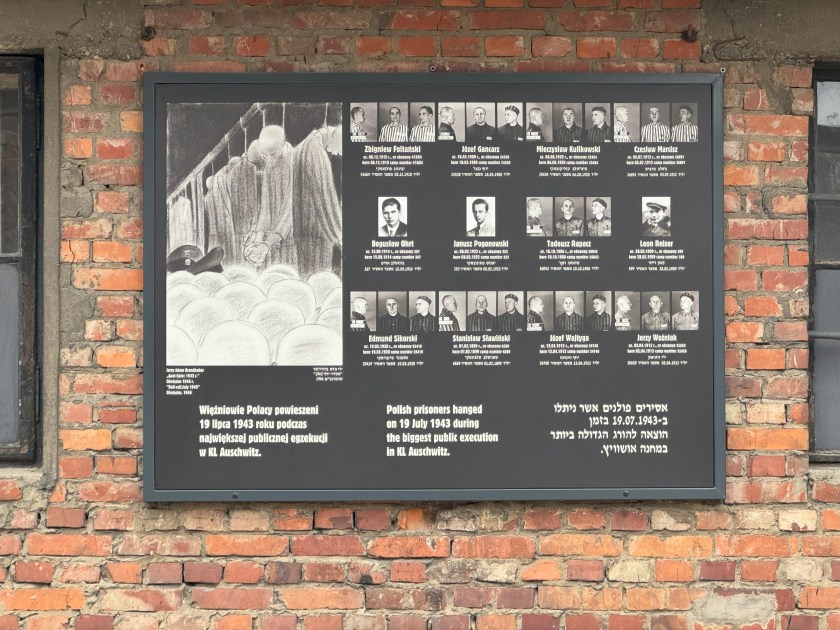
Photo of victims taken in a 2024 trip to Auschwitz.
There seems an injustice to punishing a 12-year old’s growth to adulthood for the crimes of her father, despite his horrific acts as a commandant at Auschwitz. The pain of those who lost their loved ones from WWII and the atrocities of Germany in death camps is unimaginable to most who are alive in the 21st century. The injustice of the main character’s punishment from those who lost loved ones is equally unimaginable, but John Boyne writes a fictional story of Gretel who is a young girl punished by WWII allied survivors when she and her mother move to Paris.

Teenager on the cusp of sexual awakening.
Gretel is at the age of development that has enough understanding of guilt to feel it for what her father did during the war. She is also at the age of sexual awakening. The story is about Gretel from the age of 12 to 91 when she is living in London near the end of her life. At the age of 12, she is aware of her father’s role as a commandant at Auschwitz. A reader/listener is put in the position of asking oneself if that makes Gretel complicit in the horror of the holocaust? Because her mother relies on her husband for their financial well-being, is she guilty of the crimes her husband is perpetrating at the order of the Nazi government? Can one think a 12-year-old is complicit?
Can one be guilty of events for which they have no control over, or responsibility.
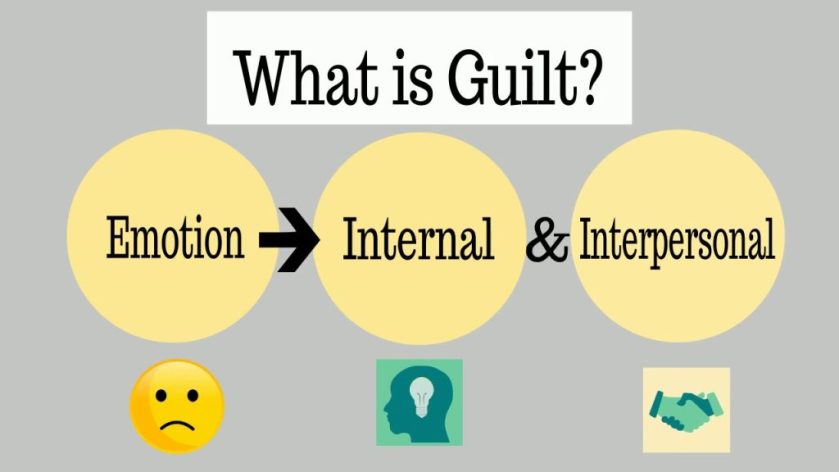
The life of Gretel is an exploration of one’s guilt, memory, and responsibility for the holocaust and deaths from WWII. Gretel keeps her childhood connection to Nazi Germany secret throughout her adult life. She is the older sister of Bruno, her brother, who dies as a child during the war. His death occurs at Auschwitz in circumstances that reinforce the horror of the camp. Elsa is Gretel’s mother who searches for a husband to take care of them in their move to Paris. As Gretel matures, her guilt about her father’s role in Nazi Germany rises.

As Gretel’s mother finds a match for a husband, Gretel is experiencing the teenage years of maturity where sexuality increasingly occupies her thoughts.
Gretel becomes obsessed with a handsome young boy whose father owns a small business in Paris. She puts herself forward to the boy as a possible companion for her sexual awakening. Ironically, this young boy becomes an accomplice to a punishment organized by the community to attack Gretel and her mother for being associated with the Auschwitz’ commandant. Gretel and her mother are attacked and brutally scalped by an organized mob of local residents.
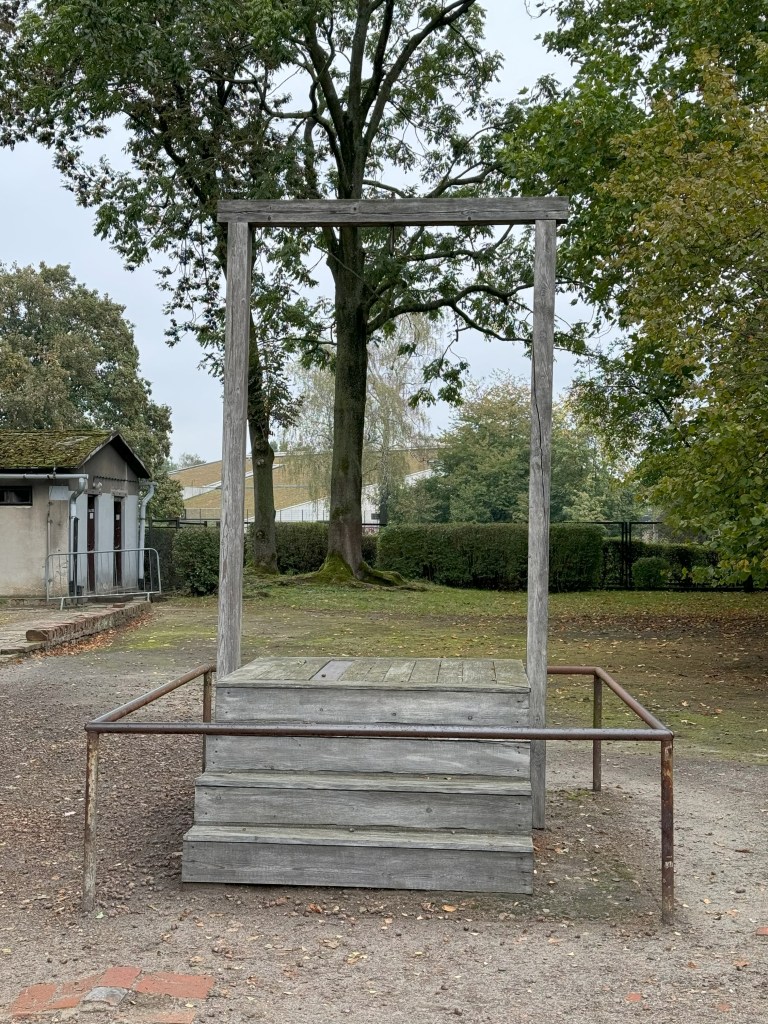
The author recounts Gretel’s years of life and travels that take her from France to Australia and a retirement home in London. She never escapes her feelings of guilt and memories of a life unhappily lived. To complicate her life, she sees one of the German officers who worked for her father when she lives in Australia. Kurt Kozel, whose name is actually Kurt Kotler, has survived the war, hidden his war identity, is married, and has a young son. What happens next draws one further into the theme of the author’s story about guilt and how it can affect one’s behavior.
Boyne writes an enlightening story about human judgement and feelings and how one may respond to memories of horrific events in one’s life.


