

Books of Interest
Website: chetyarbrough.blog
Everyone Who Is Gone Is Here (The United States, Central America, and the Making of a Crises)
By: Johnathan Blitzer
Narrated By: Jonathan Blitzer, Andre Santana

Johnathan Blitzer (Author, American journalist, staff writer for The New Yorker.)
“Everyone Who Is Gone Is Here” is an indictment of American foreign policy. There seems a loss of a moral center in America with its support of other governments based solely on government type, national security, or economic interest. That is not to suggest national security and economic interest are not critically important but Blitzer’s history of America’s support of Central American governments is appalling. El Salvado, Guatemala, Honduras, and Nicaragua are democracies in title but not in reality.
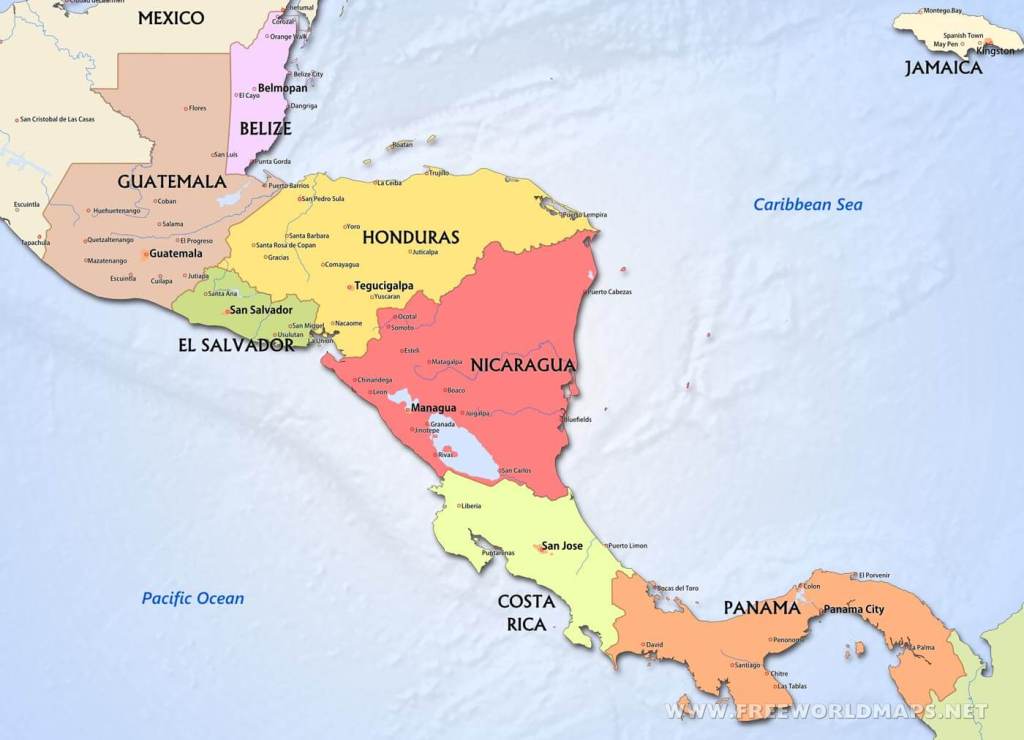
Blitzer tells the story of migrants from El Salvadore and Guatemala who are imprisoned, tortured, and sometimes raped or murdered by their government’s functionaries.
El Salvadoran and Guatemalan governments purport to be representative democratic republics. They are not. They have been dictatorial and punitive victimizers of their citizens. The picture drawn by Blitzer is that both are highly autocratic and riven with exploitation and arbitrary treatment of their Latino populations.

Some immigrants came to roil American communities with the only tools they were familiar with in their native countries.
Many immigrants came to America to escape arbitrary treatment by their governments. America has benefited from its immigrant labor, but some turned to street drugs and violence because of their poverty and the experience their families lived with in their native countries. Driven by self-interest, a survival instinct, and ignorance, America has deported many Latino immigrants who chose the gang life in the California suburbs. Gang life offered identity and income. Gangs like MS-13, the 18th Street Gang and other street name gangs terrorized L.A. and Southern California. The police reacted with violence by rounding up Latinos based on gathered photographs and lists of their families and friends. Some who had proven records of crime were imprisoned or deported to their families’ countries even though they may have been born in America.
America has financially and militarily supported Central America without regard to human rights.

There is a taint of McCarthyism in America’s communist categorization of Central American countries because false categorizations hides the truth. The truth is that democratic countries like El Salvadore and Guatemala have treated citizens as harshly as yesterday’s Stalin, today’s Ayatollah in Iran, and the two Assads in Syria. Reagan’s willingness to sell arms to Iran in the 1980s for money to send to Nicaragua because communism was allegedly opposed by those in power is an example of America’s political blindness. Nicaraguan, Salvadorian, and Guatemalan leadership was as corrupt as many communist countries that practiced violence, imprisonment, torture, and murder of their citizens. Whether one’s government is communist or democratic, the important issue is how its citizens are treated, not its form of government. Bad forms of government will eventually fall from the weight of their citizens’ unequal treatment, just as Syria fell in 2024. The sufferers are always the oppressed citizens and, as interestingly noted by the author, the government perpetrators who live with the guilt they feel when they retire from their military or government jobs.

What Blitzer infers in his history of Central America is that human rights of citizens should be the primary criteria for American financial and/or military support for foreign governments whether democratic, communist, socialist, or other.
National stability comes from citizens’ support of their government. Stability is compromised when human rights are denied. Blitzer implies–America should only financially or militarily support another country only if the nativist nation and culture is working toward equal human rights for its citizens. The immigrant crises in America and the world is caused by nations that do not work toward equal human rights for their citizens.
One is somewhat conflicted by Blitzers’ argument. The conflict is in an outsiders’ understanding of a foreign countries’ culture.

Human rights may be universal, but culture is made of beliefs, values, norms, customs, language, art, literature, food, fashion, social institutions, and unique symbols and artifacts of particular nation-states. This great host of characteristics is not easily quantifiable. No nation can justify rape, torture, or murder but they do exist in all cultures. Ignorance of culture is at the heart of why any country that invades, or militarily and financially supports another country, risks failure.
There are no easy solutions for immigration, deportation, or human rights in the world.

 REVIEWS AND VIEWS OF LIFE